Photo credit: SPN Firearms/Youtube
Bear country has a way of making normal decisions feel bigger than they are. A guy who would never leave the house without a spare tire will toss a “bear gun” in a chest rig and act like he’s basically wearing a force field. The problem isn’t carrying a firearm around big predators. The problem is carrying the wrong one, for the wrong reasons, and letting that choice replace good habits like awareness, distance, and bear spray.
This isn’t a list of “bad guns.” Most of these work fine at what they were built for. They just tend to give hunters the warm-and-fuzzy in places where the margin for error is already thin, and where stress makes you shoot worse, not better.
1. Ruger LCP (.380 ACP)
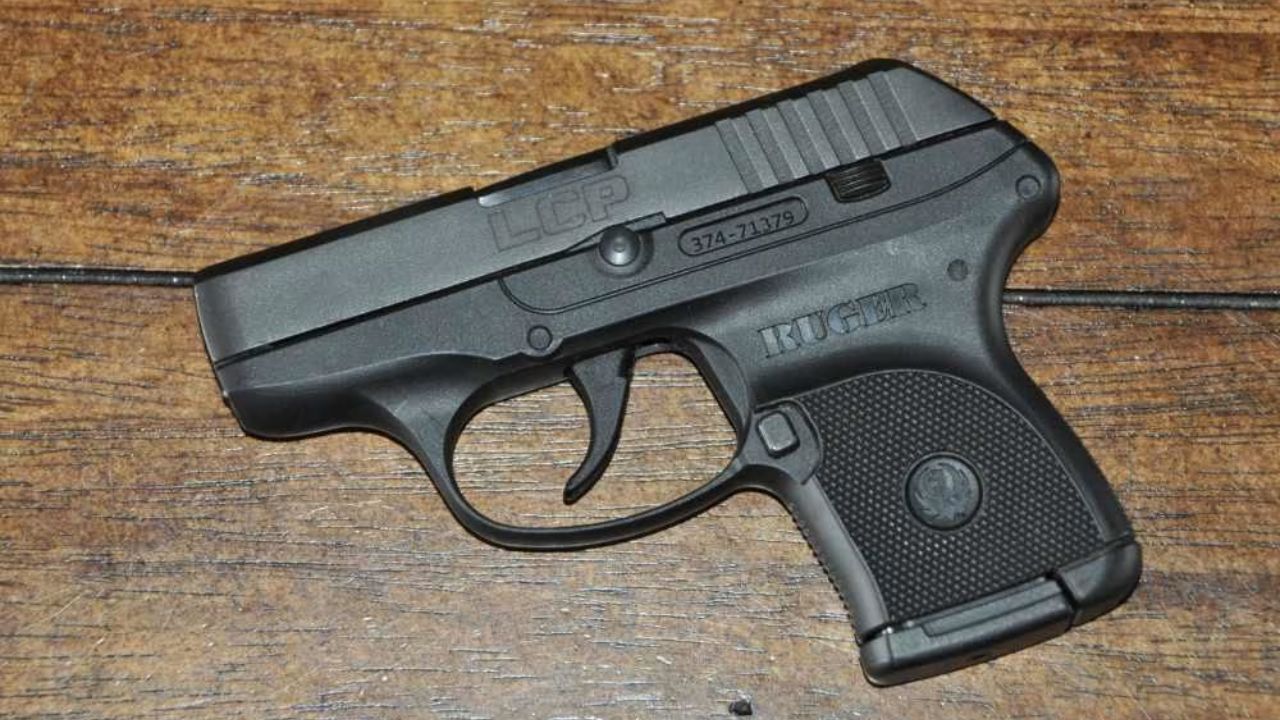
I get it. It’s tiny. It disappears in a pocket, and it’s better than harsh language. But a micro .380 is built for close-range human threats, not an animal that can soak up punishment and keep coming through brush.
In cold weather, with gloves, that little grip and short sight radius can turn into fumbled draws and wild shots. If your “bear gun” is something you picked because you’ll actually carry it, make sure it’s at least something you can run well when your hands are shaking.
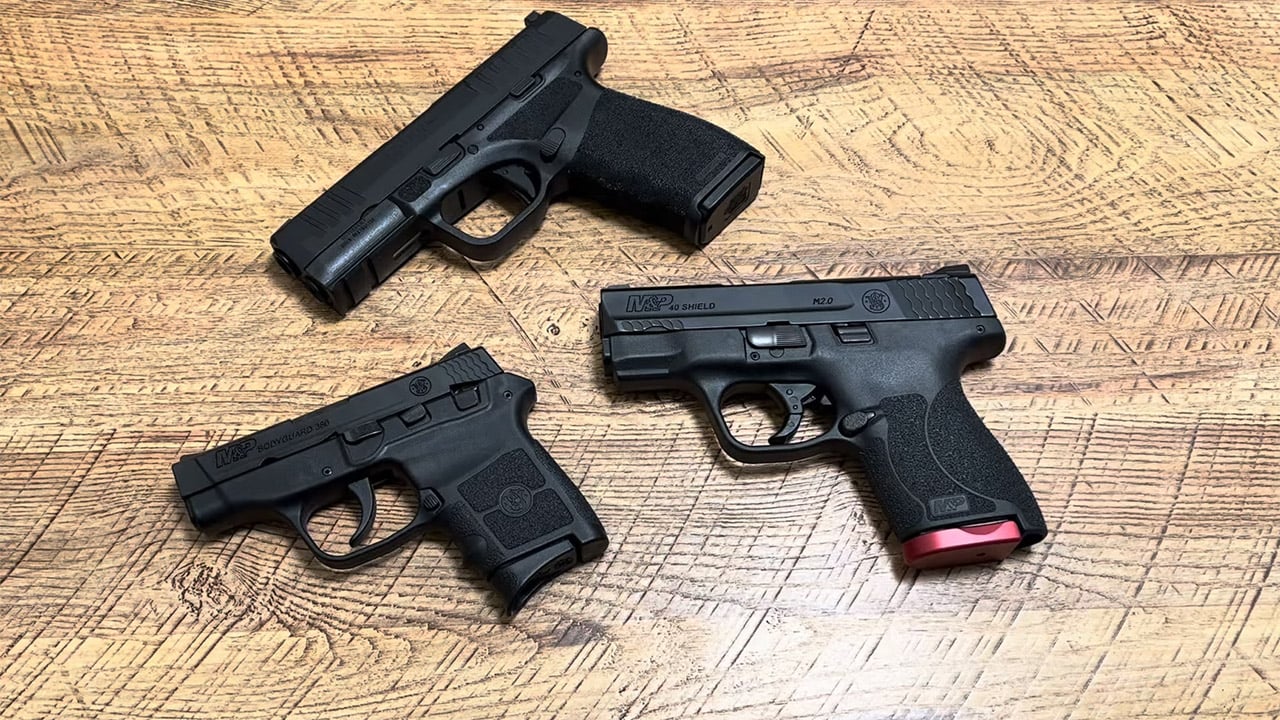
2. Smith & Wesson Bodyguard .38 (lightweight snub-nose)
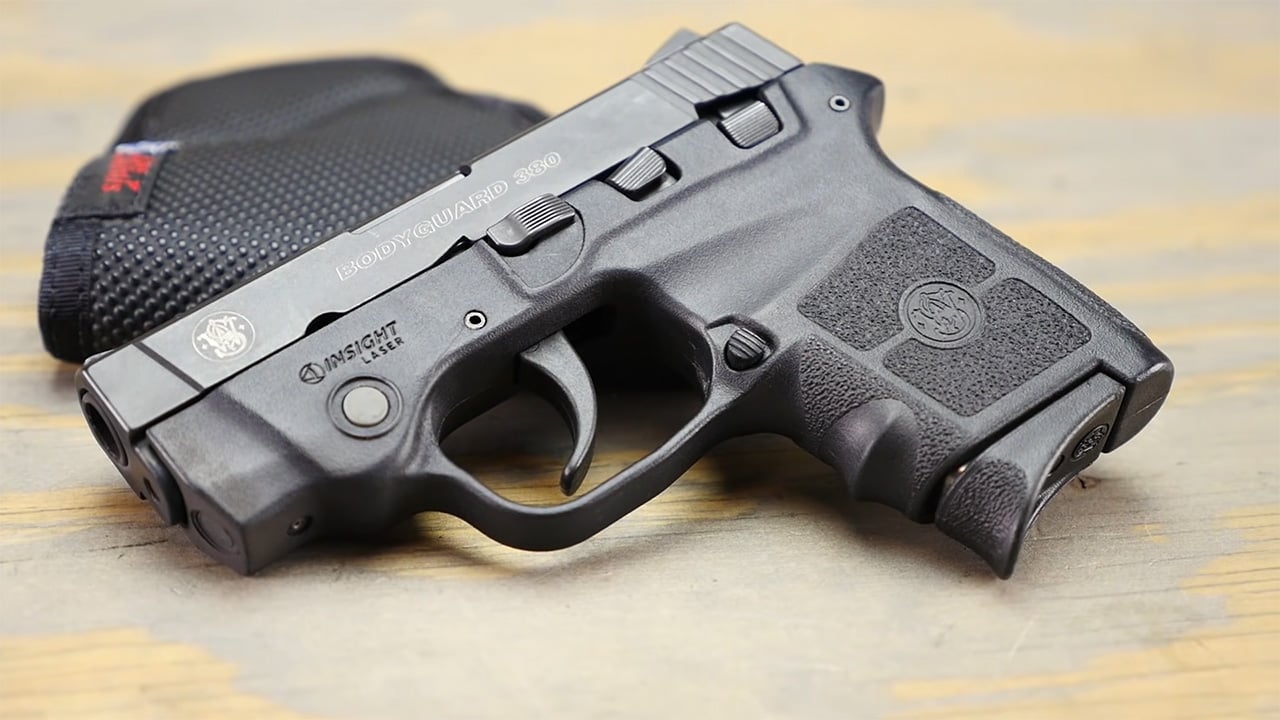
Snub-nose revolvers feel comforting because they’re simple. Pull trigger, it goes bang. The catch is that the light ones are miserable to shoot with real loads, so many owners practice with soft stuff and carry the hard stuff.
Then they touch off full-power ammo and realize the gun shifts in the hand, the sights disappear, and follow-up shots slow way down. A gun you “can” carry isn’t the same as a gun you can shoot fast and straight under stress.
3. Taurus Judge (with .410 shells)
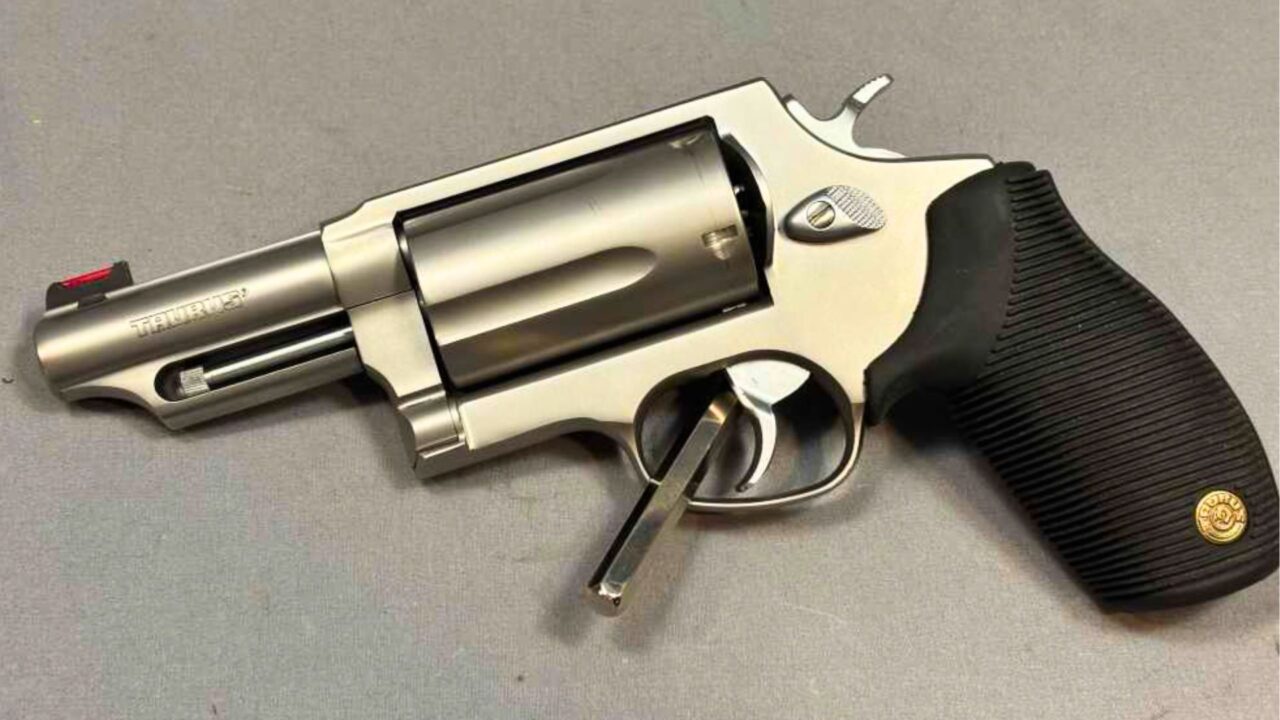
There’s always one of these at deer camp. The idea of a shotshell in a handgun sounds perfect for close-range problems, and it sells a lot of confidence across a gun counter.
In reality, the patterns can be unimpressive, penetration can be questionable depending on the load, and the gun itself is bulky for what you get. If you carry one, you’d better have tested your exact ammo on something more honest than a cardboard silhouette at five yards.
4. Bond Arms Derringer (.45 Colt/.410 or similar)
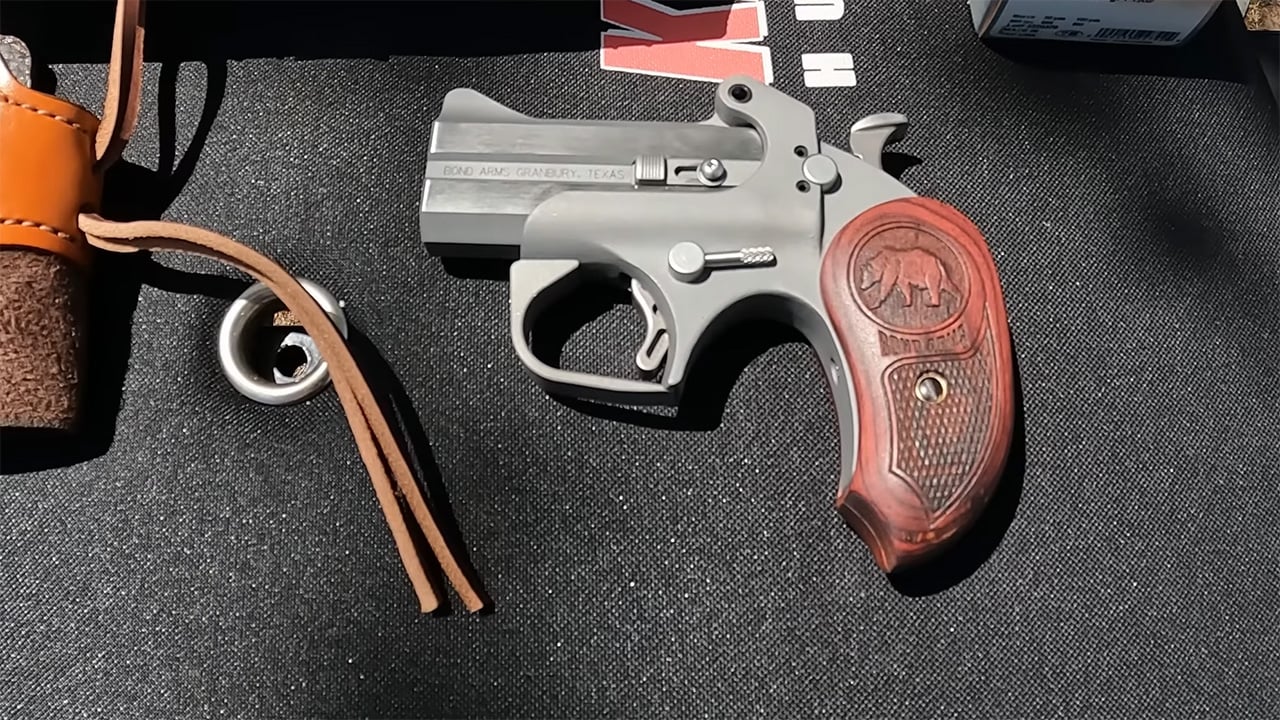
Two shots. Heavy trigger. Tiny grip. It’s a novelty that gets treated like a serious tool because it’s chambered in a serious-sounding cartridge.
In a worst-case moment, you want controllability and repeatability, not a palm-sized hand cannon that’s hard to reload and harder to shoot well. A derringer is a last-ditch gun by design, and “last-ditch” isn’t a plan.
5. Kel-Tec P-32 (.32 ACP)

The P-32 is the kind of gun you forget you’re carrying. For deep concealment in town, that’s the whole point. In bear country, it can trick you into thinking “a gun is a gun.”
Small caliber aside, tiny pistols get harder to run when you’re wet, cold, and moving. If you can’t make fast, solid hits on demand, the caliber debate doesn’t even matter.
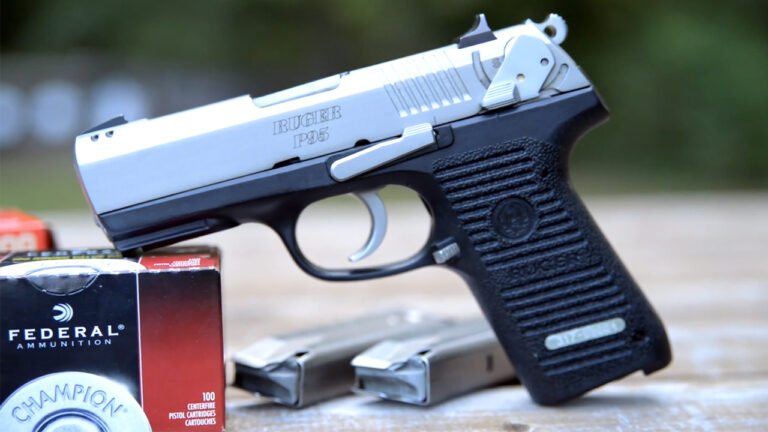
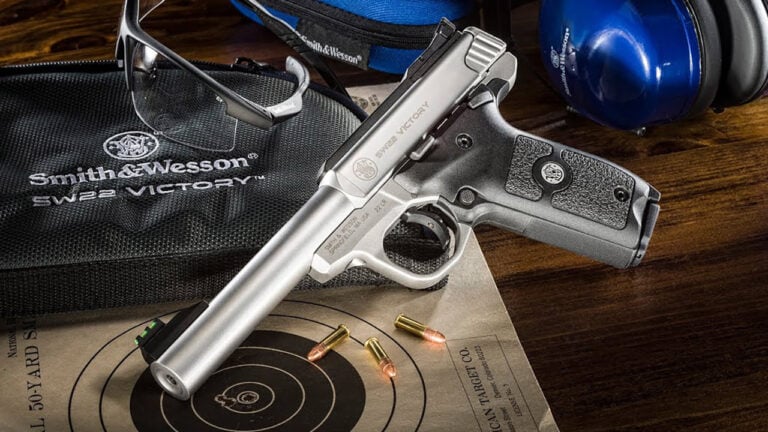
6. Ruger SR22 / Walther P22 (.22 LR pistols)

Every year, somebody admits they packed a .22 because it’s what they had. And yes, a .22 can kill. The issue is how it kills, and how long that can take.
Rimfire reliability also isn’t what centerfire is, especially with bargain ammo. A plinking pistol is a fine camp gun for grouse or cans. It’s not a comfort blanket for big predators.
7. .22 Magnum revolvers (like the Ruger LCRx .22 WMR)

.22 WMR is punchier than .22 LR and it looks great on paper. In a longer barrel, it can do real work on varmints. In a light revolver, it still asks you to thread a needle when you might only see hair and motion.
On top of that, rimfire ignition is still rimfire ignition. When the stakes are high, “pretty good most of the time” is not what you’re trying to buy.
8. Glock 19 (9mm)
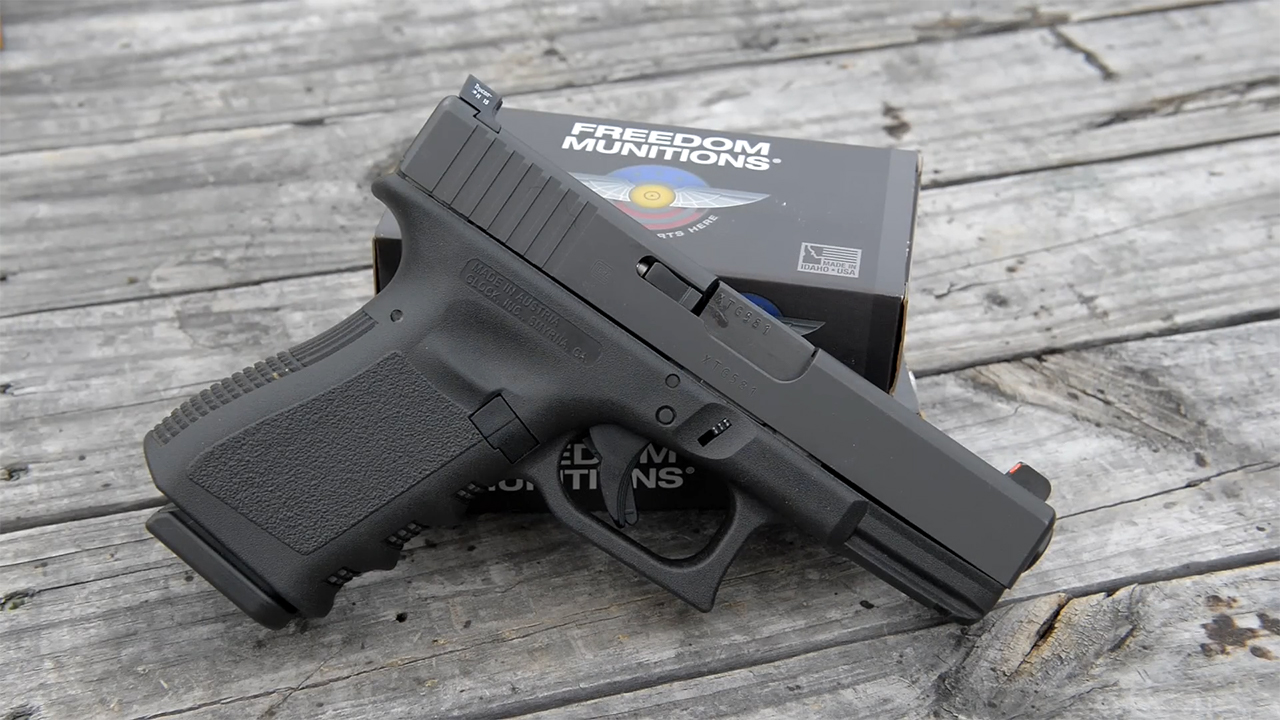
I’ve carried a compact 9mm a lot, and I’m not here to insult it. The Glock 19 is one of the most useful handguns ever made. The trouble starts when it becomes the default answer for everything, including bears.
With the right ammo and a shooter who can place shots, 9mm can work. But most hunters don’t train for fast, accurate strings on a moving target under adrenaline. The gun isn’t the weak link; the assumption is.
9. SIG P365 (9mm micro-compact)

The P365 carries like a dream and shoots better than most guns its size. It also shrinks your grip, sight picture, and control right when you need all three.
Micro-compacts are amazing at being small. That’s not the same thing as being forgiving. In bear country, forgiving matters more than fashionable.
10. Springfield Hellcat / similar micro 9s

Same story as any tiny 9. They’re easy to pack on a chest strap, in a hip belt, or in a coat pocket. That convenience can turn into complacency.
If your hands are cold, your gloves are thick, and you’re breathing hard from climbing, the little guns get “snappy” in a hurry. And snappy slows you down.
11. 1911 in .45 ACP (full-size)

I love a good 1911. It points naturally, the trigger can be excellent, and it carries flatter than people think. But a lot of 1911 confidence is nostalgia confidence.
Some run forever; some get finicky with certain magazines or loads. In wet grit, in a chest holster, after days of sweat and rain, a tight 1911 can stop being charming. If you’re going to bet on one, it needs to be boringly reliable with the mags you actually carry.
12. .45 ACP “compact” pistols (short 1911s and small .45s)
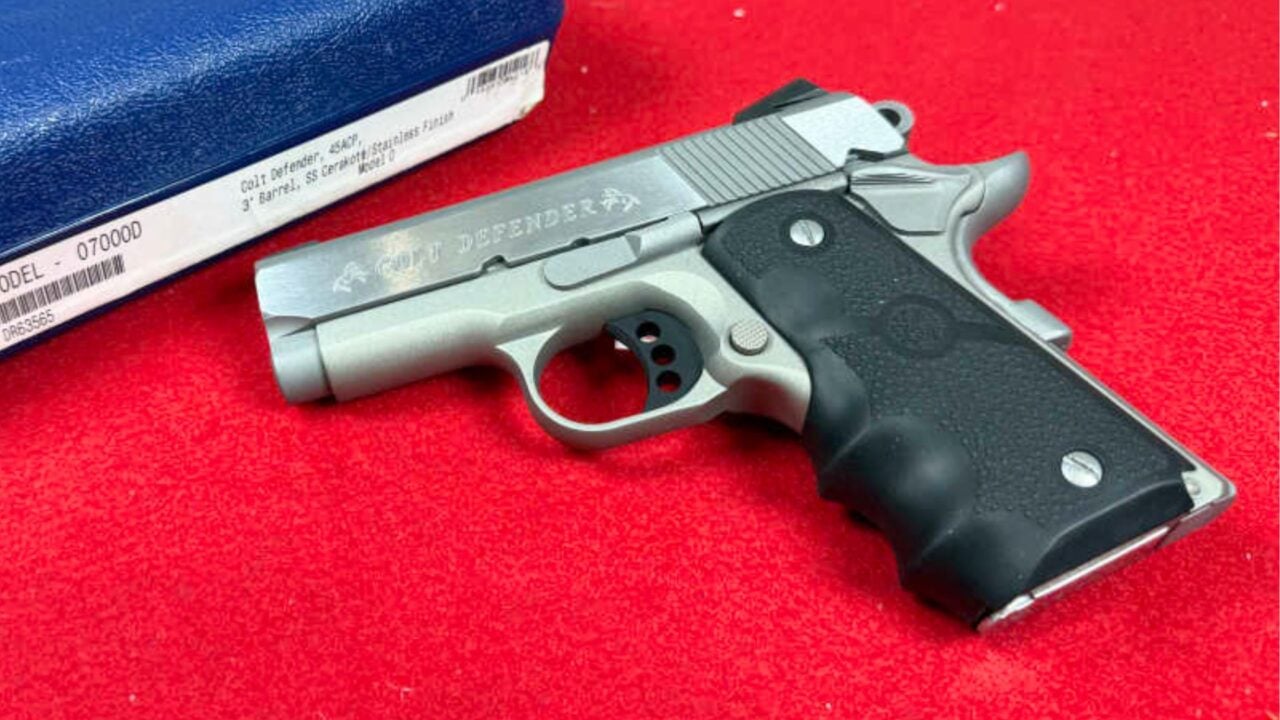
Short .45s sound like the best of both worlds until you shoot them quickly. The recoil impulse gets sharper, the timing can get fussier, and the gun becomes harder to control than a full-size.
Plenty of them work fine. The false confidence part is thinking a big bullet automatically makes up for slow hits and limited capacity.
13. Desert Eagle (.50 AE)

This one is pure confidence in metal form. It’s huge, loud, and it throws a serious chunk of lead. It also weighs a ton, hates being dirty, and can be picky about grip and ammo.
Most folks don’t actually carry it where it matters because it’s a brick. So it becomes a camp-table gun, which is about as useful as a fire extinguisher you left in the truck.
14. Lightweight .44 Magnum revolvers (scandium/titanium guns)
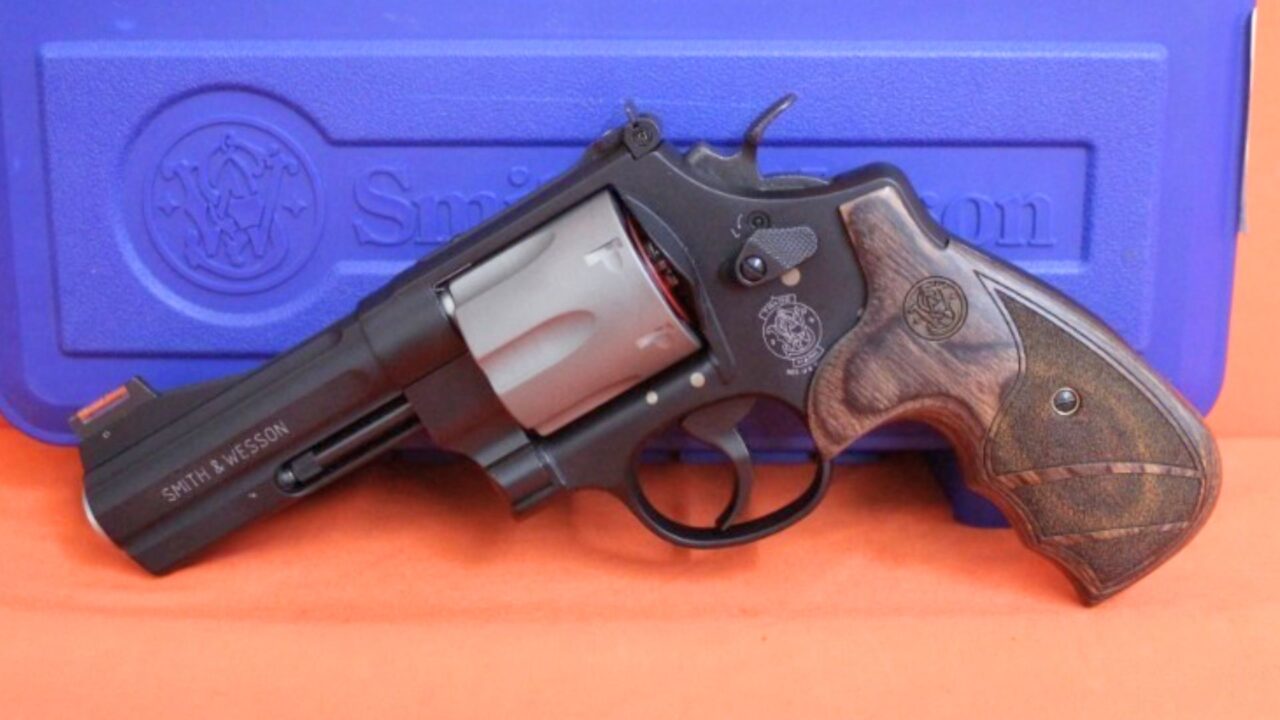
The first cylinder out of an ultra-light .44 will make a believer out of you. The second cylinder makes you start doing math. These guns kick hard enough that many shooters don’t practice like they should, and that’s where the confidence gets fake.
A heavier .44 you can control beats a featherweight .44 you flinch with. There is no prize for carrying the lightest pain machine.
15. .357 Magnum snub-nose revolvers
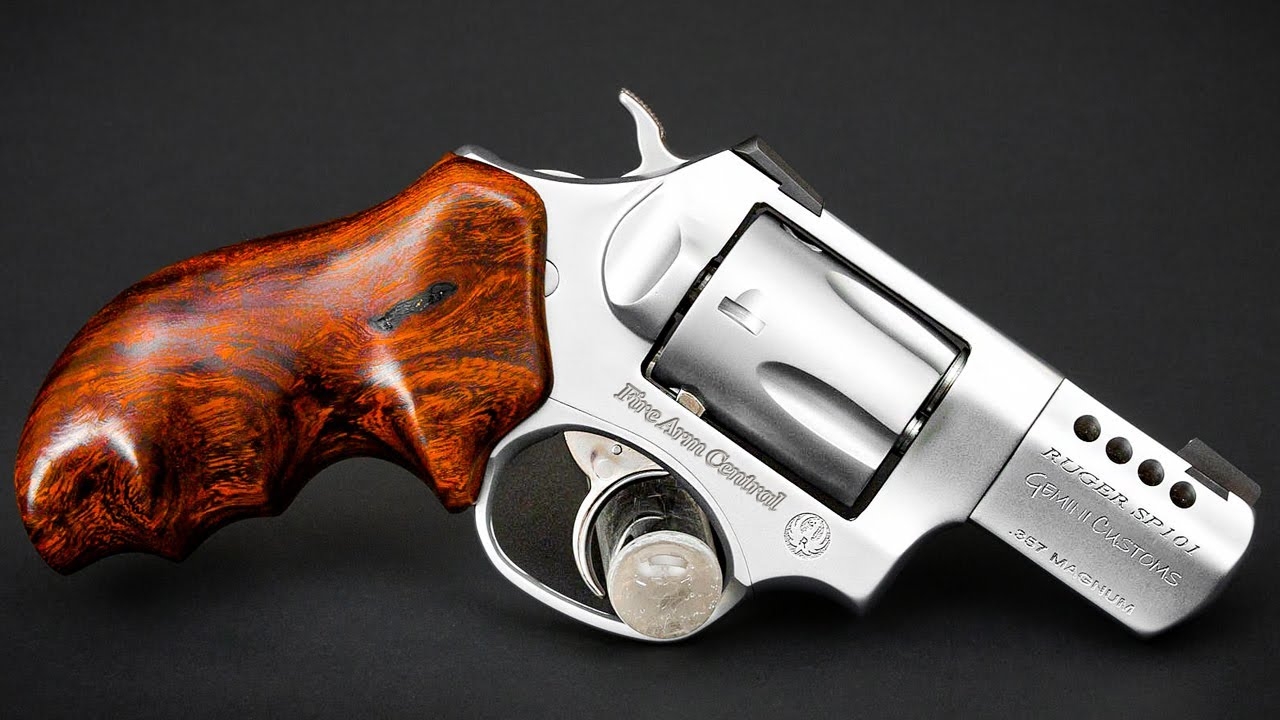
.357 out of a short barrel has a reputation, and it’s earned. It’s also loud, flashy, and unpleasant enough that follow-up shots can get ugly fast, especially with hot loads.
If you’re truly proficient with one, fine. Most hunters buy them for the idea of power, then shoot mostly .38s because they don’t enjoy the .357. That gap between practice and carry ammo is where things go sideways.
16. 10mm pistols set up like range toys (ports, comps, tiny optics)

A solid 10mm is one of the better semi-auto choices for the woods. The issue is when it gets turned into a finicky project. Ports, compensators, super-light recoil springs, and tiny red dots can be great on a square range.
In rain, mud, snow, and brush, extra parts and extra openings can mean extra problems. Keep your woods gun simple enough that you can neglect it a little and it still runs.
17. AR-15 pistols in 5.56 with short barrels

A compact AR looks like the answer: lots of rounds, fast shooting, easy to mount a light. But short 5.56 setups can be obnoxiously loud, hard on ears in a surprise moment, and not as consistent on penetration as people assume when barrel length shrinks.
They’re also awkward with a pack waist belt and slung gear. If you can’t get it into action quickly because it’s snagging on straps, it’s just extra weight and extra confidence.
18. AK-pattern rifles with cheap steel-case ammo

AKs have a reputation for running no matter what, and a good one usually will. The false confidence comes from treating every bargain AK and every random magazine like it’s the same as a vetted rifle.
In bear country, the “it’ll probably work” standard is too low. If you rely on an AK, it should be one you’ve run hard with the exact mags and ammo you’ll carry, not a trunk gun you’ve shot twice.
19. Lever-actions in pistol calibers (.357, .44, .45 Colt)
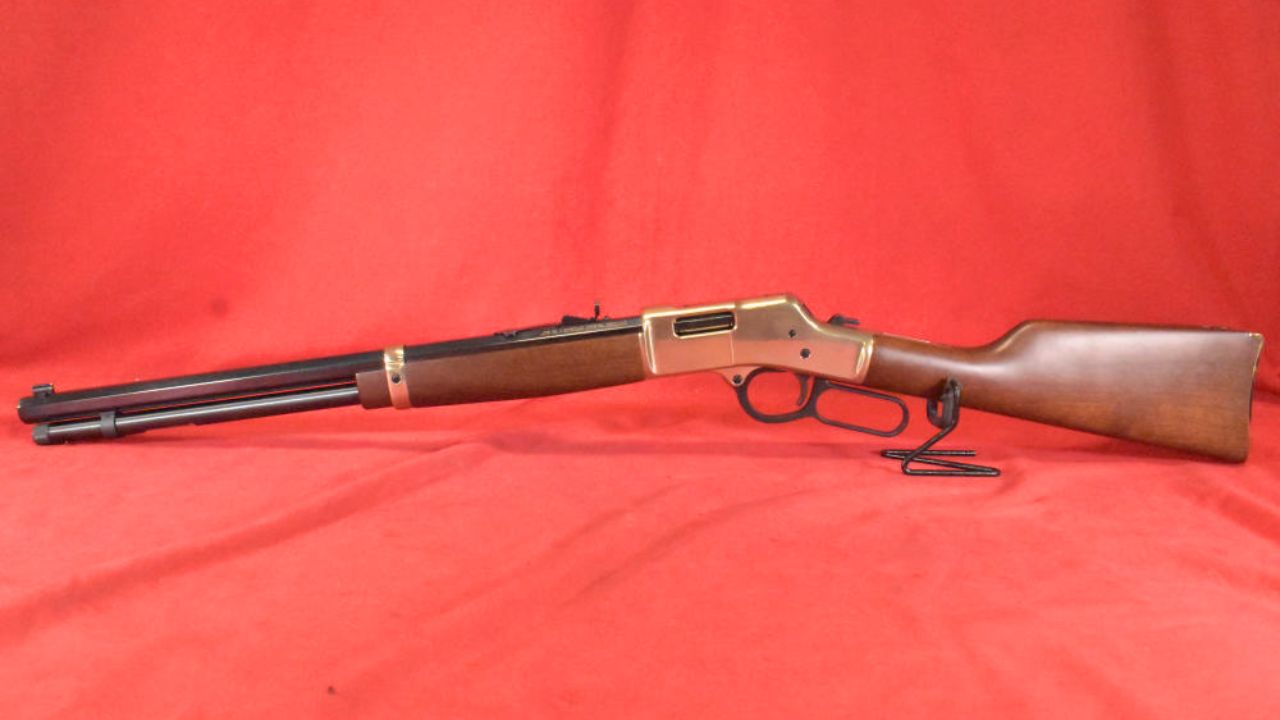
A handy lever gun is a joy in the timber. Fast follow-up shots, quick handling, and it carries well in the hand. The trap is thinking any pistol-caliber lever gun automatically equals a rifle-caliber solution.
They can be very effective, but range and penetration depend heavily on load choice and distance. Also, some lever guns get cranky when they’re full of pine needles and grit, and clearing a lever gun problem isn’t as quick as slapping a new magazine into a semi-auto.
20. Old pump shotguns loaded with mixed “buck-and-slug” mystery shells

A 12 gauge is serious business, and a pump gun is as honest as it gets. The issue is the way some hunters load them like a grab bag: birdshot, buckshot, a slug, another buck, whatever was in the pocket.
Under stress, you will not remember what’s next in the tube. Patterning and zeroing often never happened, either. A shotgun can be one of the best tools in bear country, but only if it’s loaded with purpose and you’ve actually shot it enough to know what it does.
Here’s the truth nobody wants to hear: the best “bear country gun” is the one you can access quickly, control under pressure, and trust after it’s been carried hard for days. Pair that with bear spray, keep a clean camp, make noise in tight cover, and don’t let a caliber choice replace field sense. Confidence is good. Borrowed confidence from a questionable setup is how mistakes start.
Like The Avid Outdoorsman’s content? Subscribe to our newsletter so you never miss an article.
Here’s more from us: