Photo credit: THE PEWPEW ZONE/Youtube
Every gun safe has a ghost in it. Not a scary one—just that empty slot where a rifle or handgun used to sit, and you still catch yourself reaching for it when season rolls around. Most trades start the same way: you spot something new, convince yourself you’ve “outgrown” the old piece, and the gun counter makes it feel painless.
Then you get home, run the new one, and realize what you actually traded away. Here are 20 firearms I hear folks talk about with real regret—the kind that comes up at the range, in deer camp, or while cleaning guns on a Sunday evening.
1. Pre-64 Winchester Model 70.
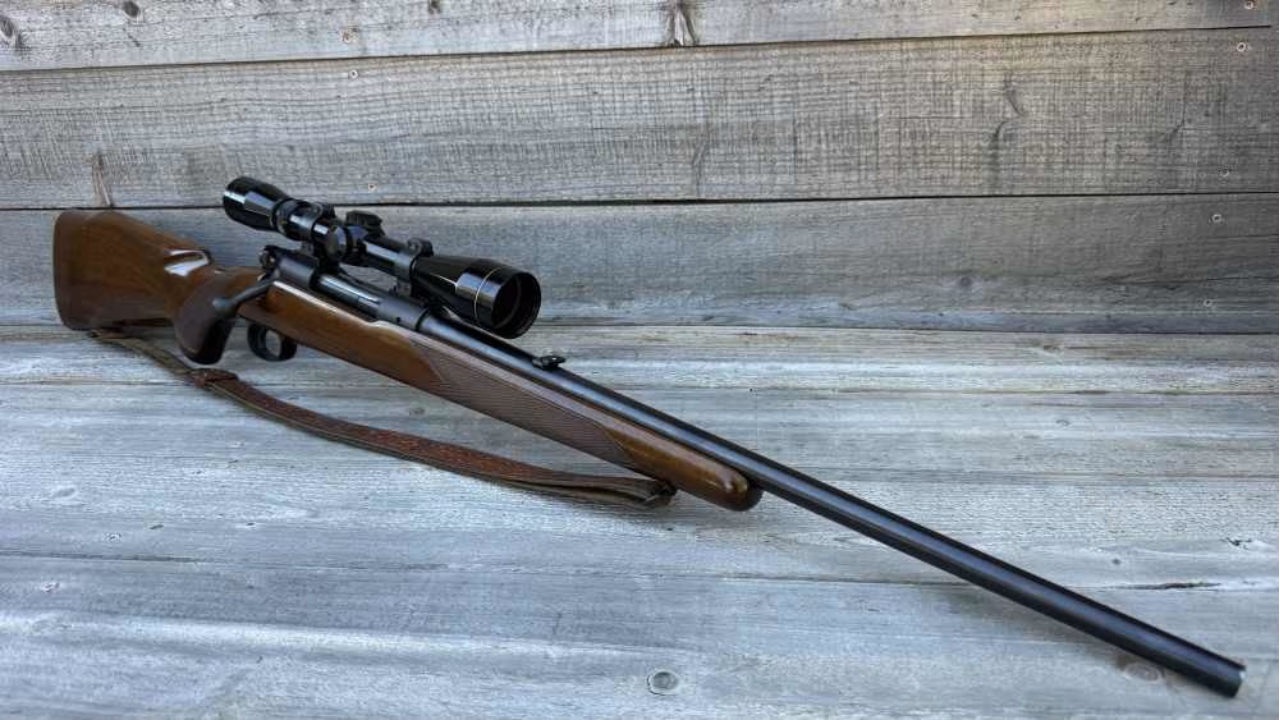
There’s a reason old-timers call it “the Rifleman’s Rifle.” The action is smooth without feeling loose, and the controlled-round feed gives you that little extra confidence when you’re working the bolt from a weird angle in the brush.
I get why someone trades one: they want a lighter rifle, a detachable magazine, a threaded muzzle, something more modern. Still, when you realize what a clean pre-64 costs now—and how hard it is to find one that hasn’t been messed with—your stomach drops.
2. Remington 870 Wingmaster
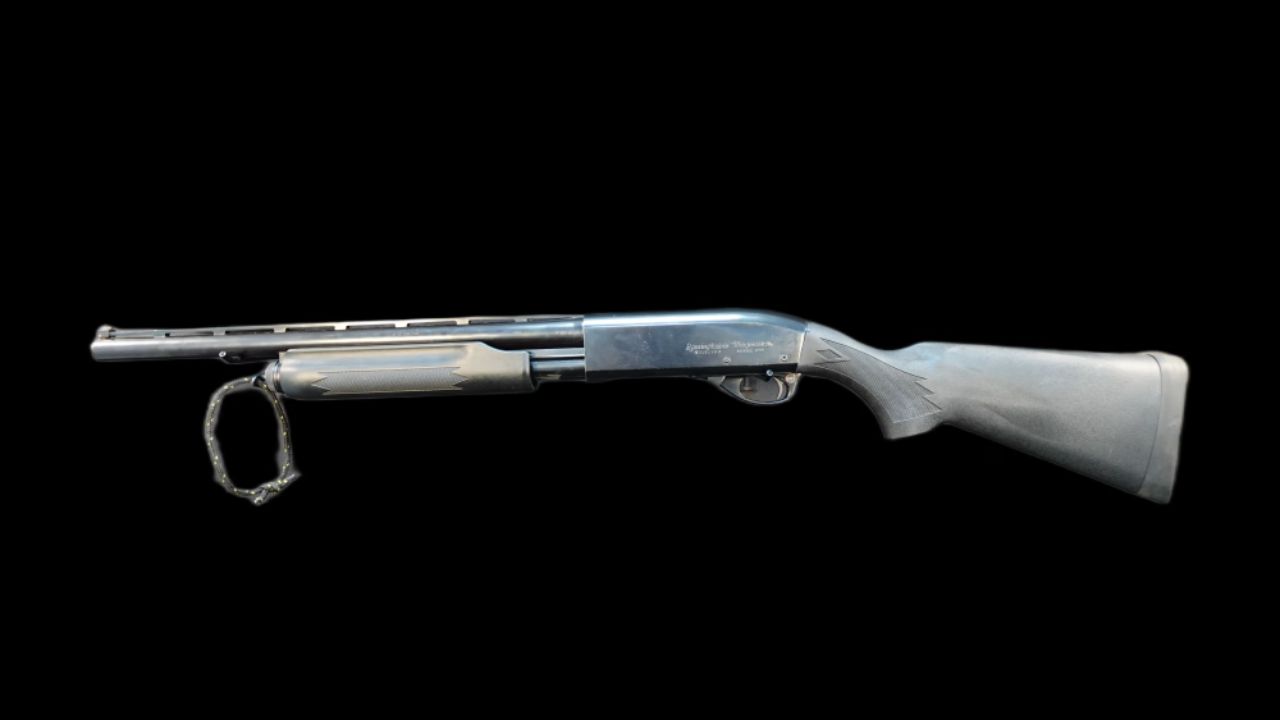
The glossy wood and deep bluing aren’t the point, even though they sure look good. The point is the way a good Wingmaster runs slick, points natural, and just keeps cycling when the weather is ugly and you’re wearing gloves.
Plenty of people trade them toward a semi-auto “because it’s faster.” Then late-season ducks show up, mud gets everywhere, and that old pump suddenly sounds like the smartest tool in the world.
3. Ruger 10/22 (older, plain-jane carbine)
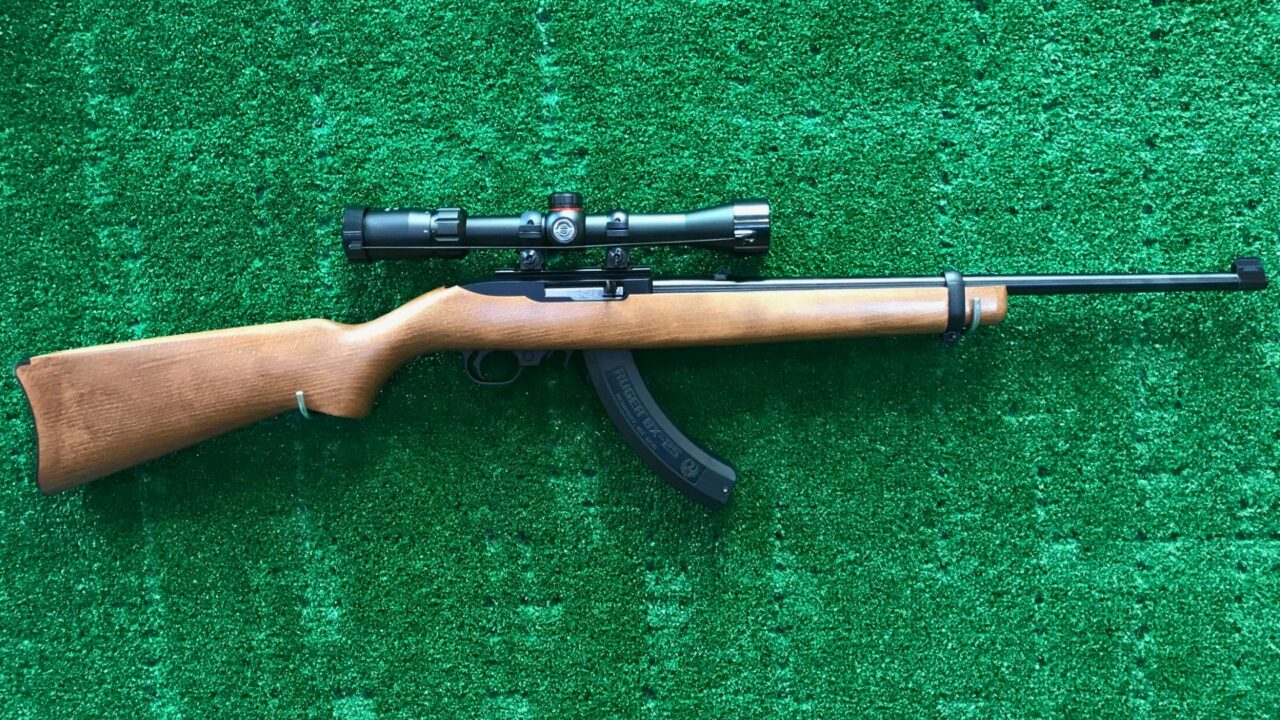
It’s boring until you don’t have it. The 10/22 is the gun you loan to a nephew, toss behind a truck seat on a ranch, or grab for a quick walk to check traps and critter problems.
The regret usually hits when somebody realizes magazines and parts are everywhere, accuracy is plenty good for real-world .22 work, and replacing a well-worn older one costs more than it should. There is nothing fancy about it, and that is kind of the point.
4. Marlin 336 in .30-30 (JM-stamped)

In thick timber, a lever gun that carries flat and comes up quick is hard to beat. A good 336 has a handy balance, and .30-30 loads are still on shelves in places where “cool” calibers disappear first.
Folks trade them when they move to scoped bolt guns or want more range. Then they’re busting through laurel thickets with a long, snaggy rifle and remember exactly why that lever gun felt so right.
5. Winchester Model 94
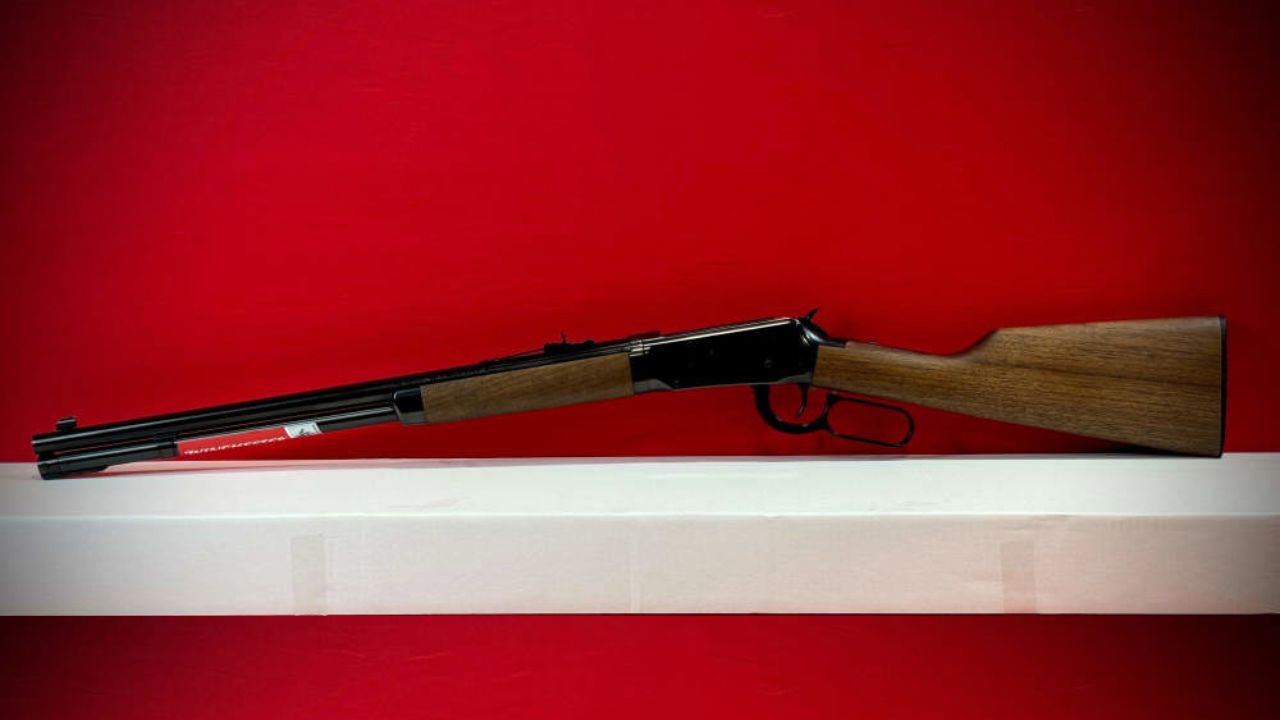
It’s not a benchrest rifle and it never was. It’s a walking rifle, a saddle rifle, and a “grab it and go” deer rifle that doesn’t make you baby it.
The real sting is how many Model 94s were traded off for something “more accurate,” when most whitetails are taken inside practical iron-sight distance anyway. If you grew up with one in the family, trading it away feels like selling a piece of your own history.
6. Browning A-5 (Belgian or older Japanese production)

That long-recoil humpback isn’t for everyone, but it has a feel you don’t forget. When an A-5 is set up right, it runs with a steady rhythm, and it carries like a field gun instead of a boat anchor.
People let them go because they want lighter and cleaner-running modern autos. Then they shoot a buddy’s old A-5 on pheasants and remember what a shotgun that “swings itself” feels like. That one hurts.
7. Ruger Mini-14 (older Ranch Rifle)
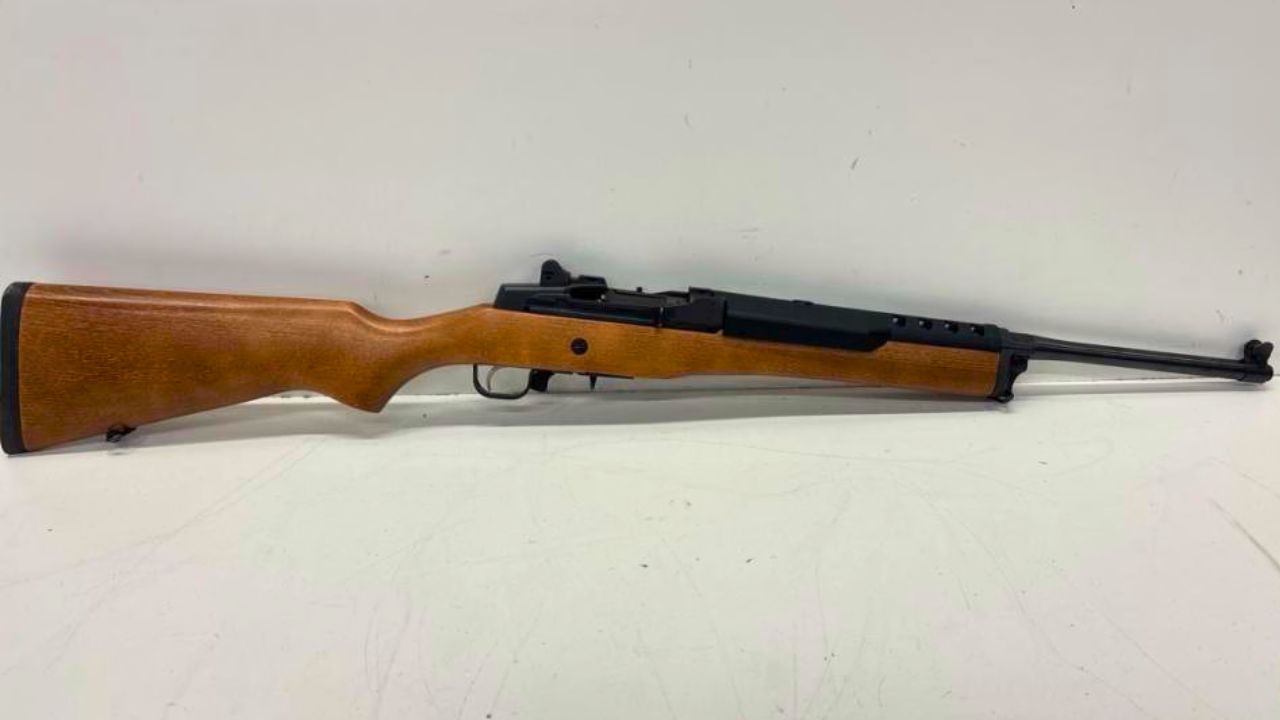
The Mini gets made fun of online, but in the real world it’s a handy rifle. It rides in a truck well, it’s not as picky about being babied, and it points more like a traditional rifle than a lot of black guns.
Regret usually comes from trading it during a panic or right before one, then realizing you miss the simple manual of arms and the way it fits in a rural lifestyle. Also, good factory magazines matter, and when you have them, you tend to keep them.
8. Colt Python (older production)
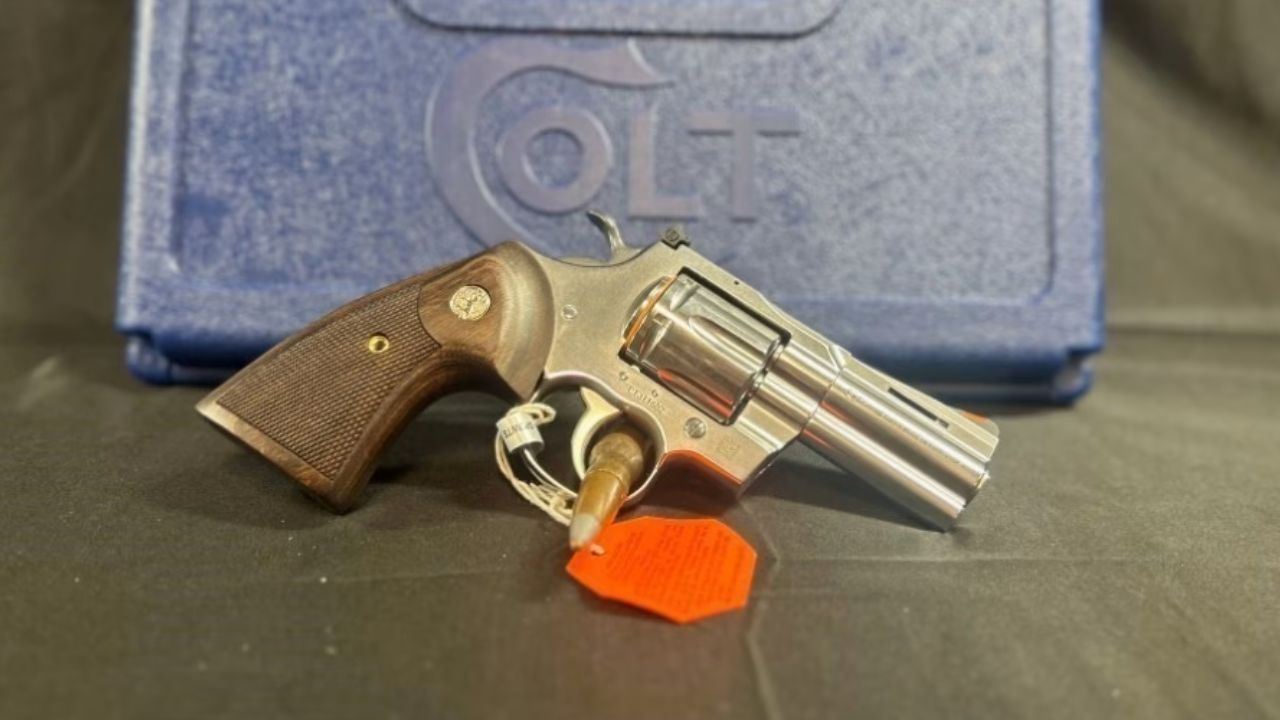
Even folks who don’t care about “collector stuff” notice a Python. The trigger stacks a certain way, the finish looks deep, and the gun has that tight-but-smooth feel that’s hard to explain until you’ve handled one.
They got traded away for rent money, a new deer rifle, or a polymer carry gun. Later on, the owner realizes they didn’t just trade a revolver—they traded an era, and buying back into that era is expensive.
9. Smith & Wesson Model 19
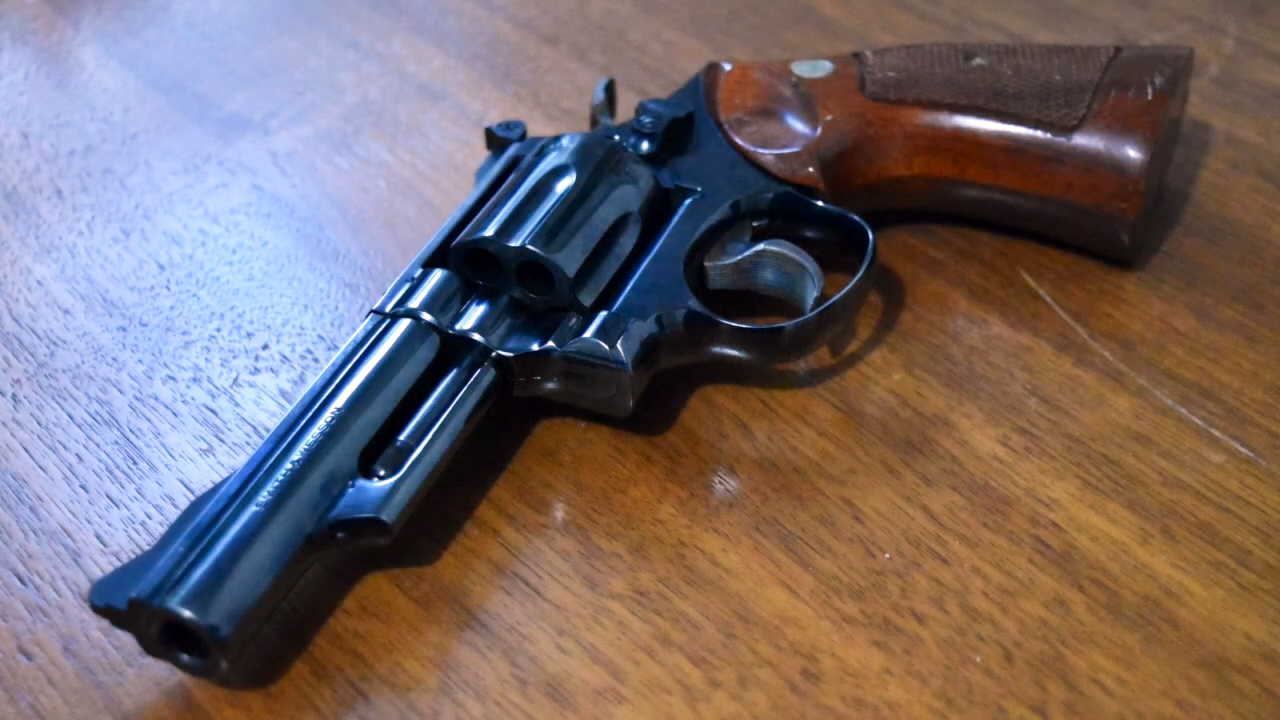
A K-frame .357 is one of the best “real life” revolver sizes ever made. It carries comfortably, points fast, and with .38s it’s as pleasant as an afternoon on the range gets.
People dump them when they decide they’re “done with revolvers.” Then they get tired of micro-compact recoil, want a woods sidearm that doesn’t feel like a brick, and realize the Model 19 was the sweet spot all along.
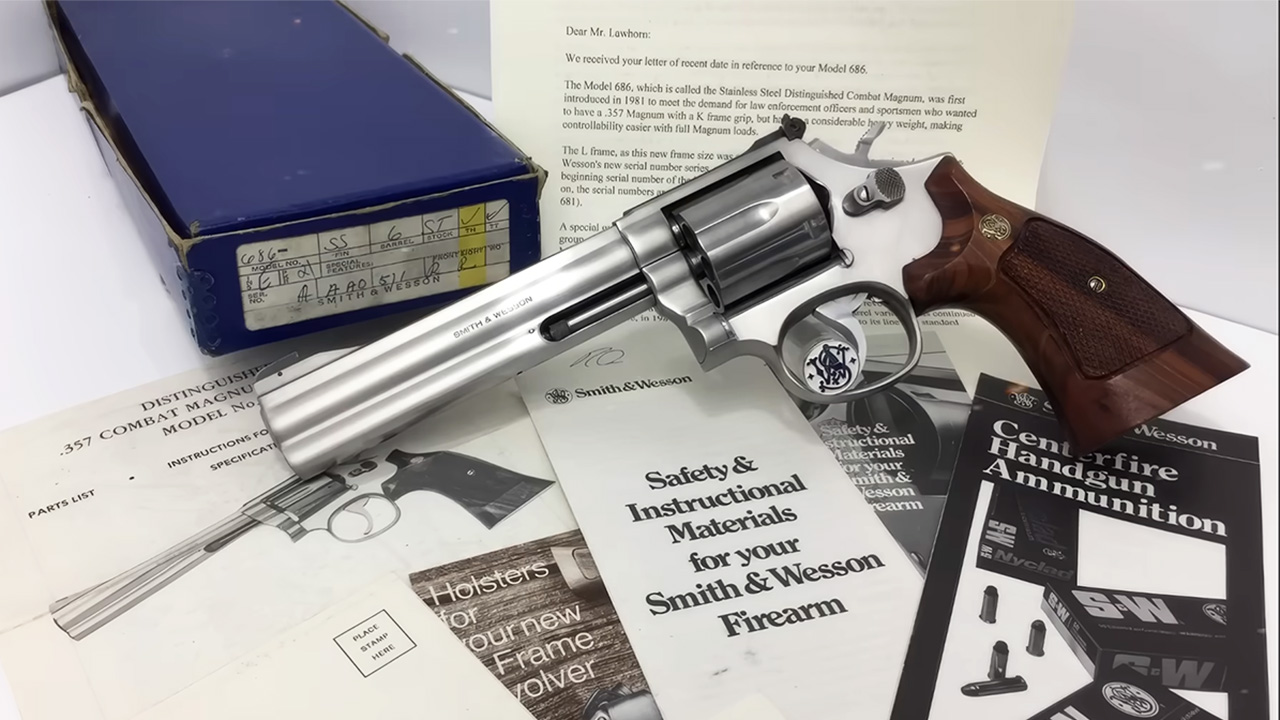
10. Smith & Wesson Model 686 (no-lock, older guns)
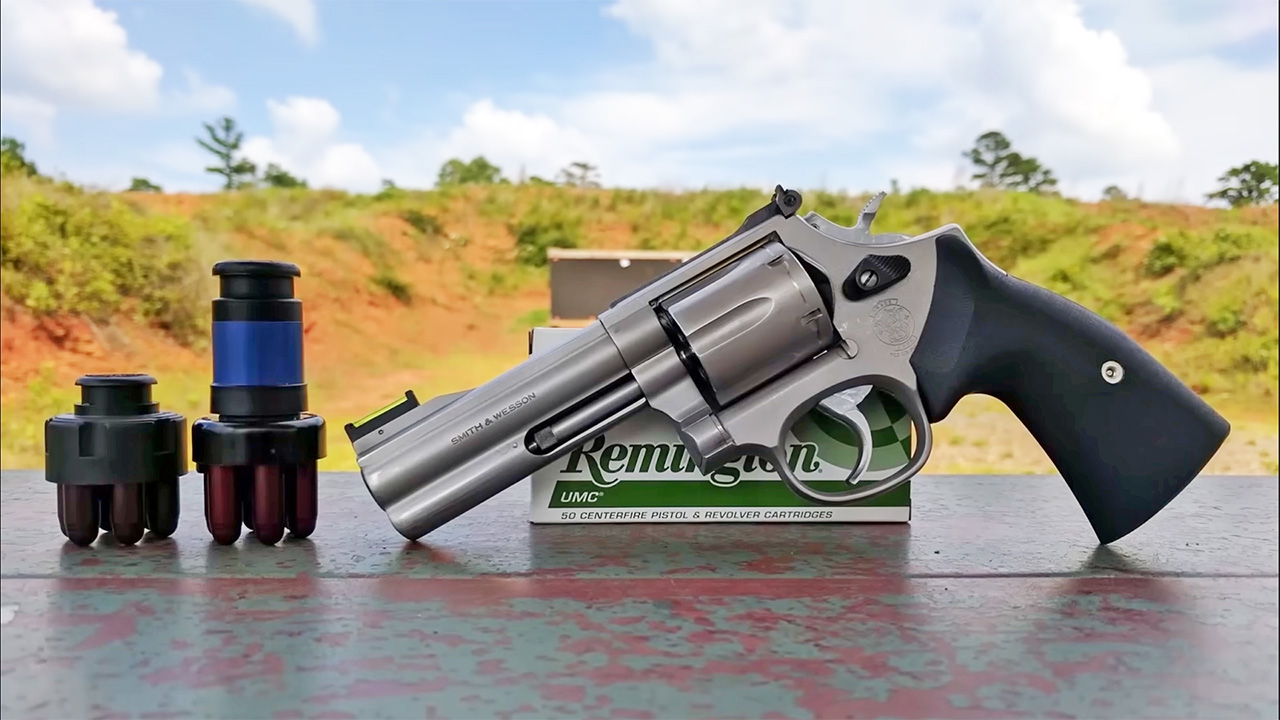
The 686 isn’t romantic. It’s a working revolver—strong, accurate, and forgiving with full-house .357 loads. If you hunt with a handgun even a little bit, you notice what that extra weight out front does for steadiness.
Regret shows up after someone trades it for a lighter carry gun and then tries to shoot magnums in a smaller frame. The 686 might not be cool, but it’s comfortable in the only way that counts.
11. Glock 19 (Gen 3/Gen 4 especially)
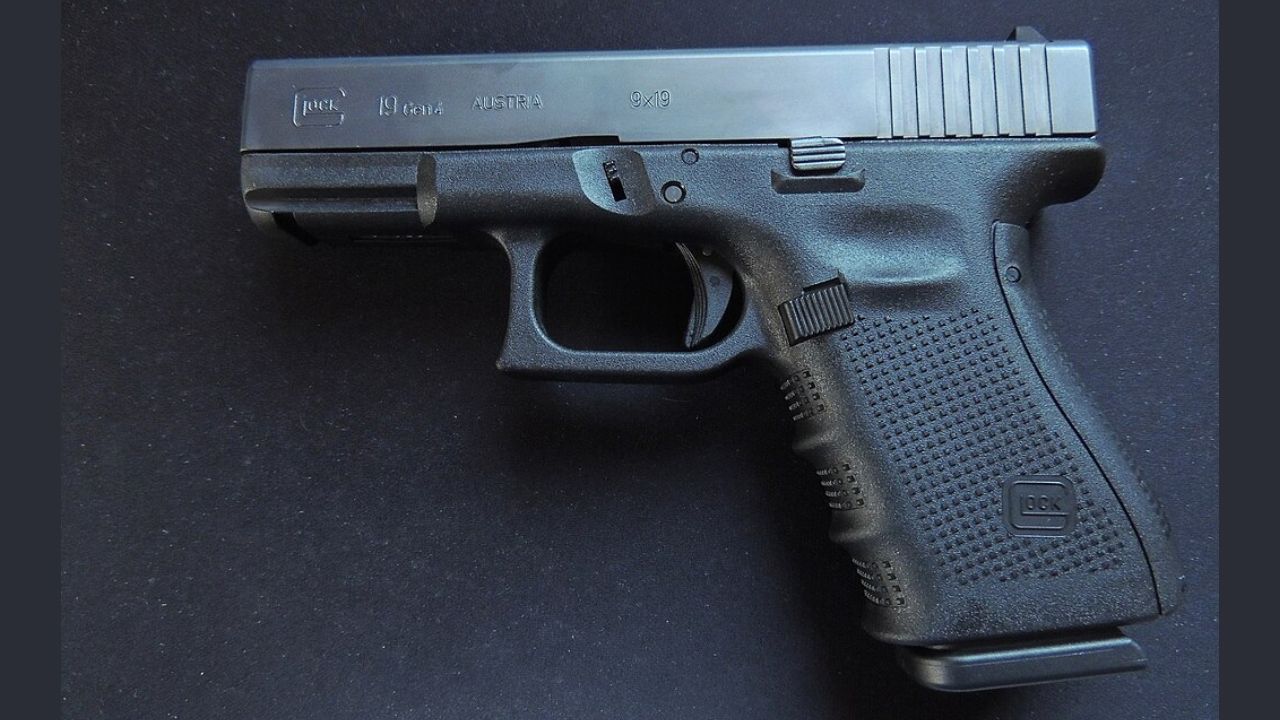
More than one guy has traded a Glock 19 because it felt “too plain.” The problem is plain works, and the G19 is about as close to a do-it-all handgun as most people actually need.
Later, after cycling through a couple trendy compacts and boutique pistols, they remember what easy parts availability, common magazines, and boring reliability feel like. Then they buy another one and wonder why they ever bothered leaving.
12. SIG Sauer P226 (West German or early U.S.)

A good P226 has a solid, confidence-inspiring feel. It’s not a featherweight, but it shoots flat, and the grip shape fits a lot of hands better than the internet likes to admit.
Trades happen because it’s “too big” or because striker guns are lighter. Then you run drills with a P226 and remember how easy it is to shoot well when the gun settles in and the trigger is consistent.
13. CZ 75 (pre-B or well-loved classic models)

The CZ 75 is one of those pistols that makes you shoot better than you expected. Low bore axis, natural point, and a steel frame that soaks up recoil without drama.
It gets traded because it’s heavy, because it isn’t the newest thing, or because someone wants to standardize on one platform. The regret is realizing how hard it is to find that same balance of comfort and shootability in a “modern” package.
14. Browning Hi-Power
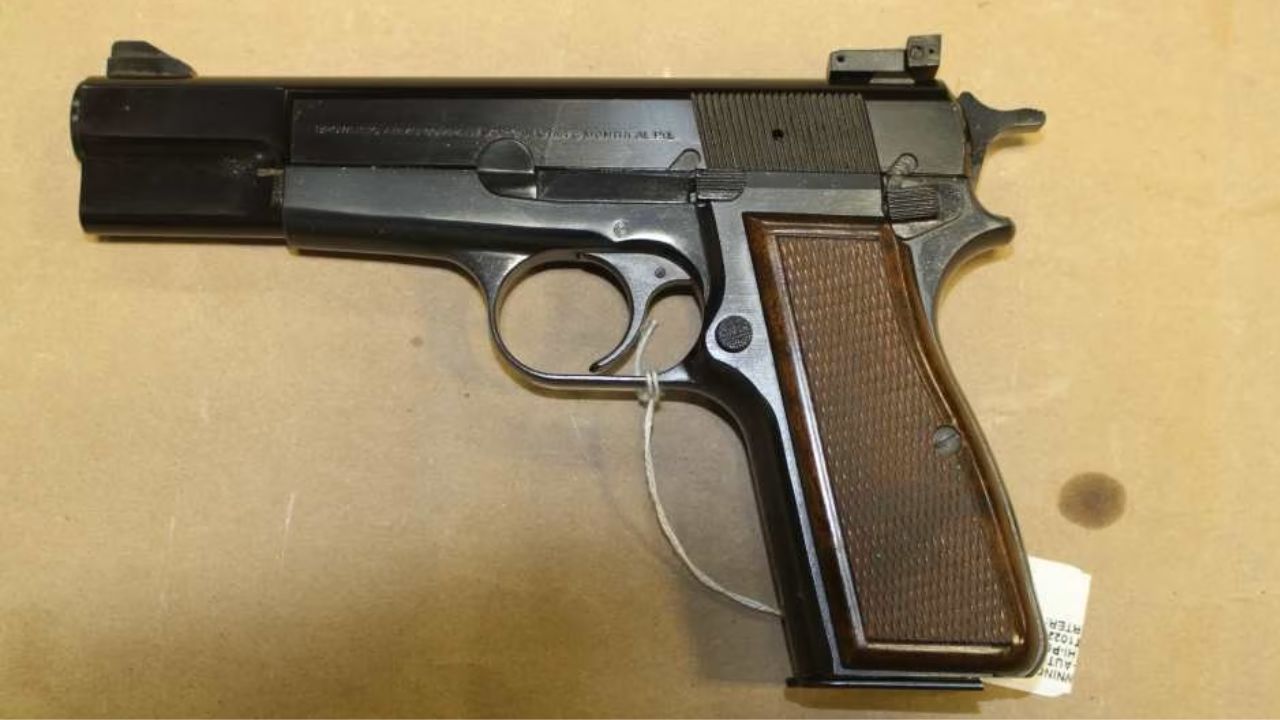
Every time someone says they traded a Hi-Power, they say it like they’re confessing something. The grip is slim, it carries flatter than you’d think, and it has that classic feel that makes you want to take it out even when you don’t “need” it.
Sure, it’s not a high-capacity wonder by today’s standards, and some of them need a little attention to run certain hollow points. But as a carry gun and a range gun that feels alive in the hand, it’s tough to replace.
15. Ruger Blackhawk (old three-screw)
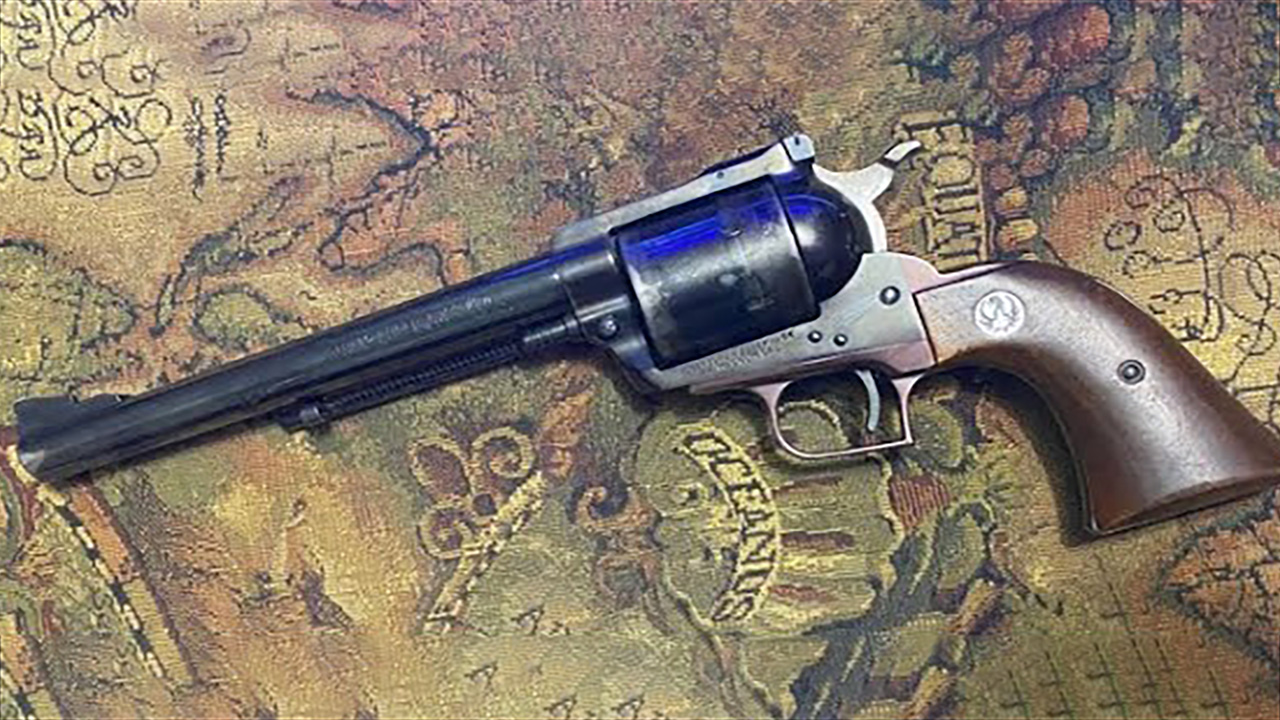
Single-actions are not fast, not tactical, and not necessary. They’re also ridiculously durable and fun, and a good Blackhawk will digest loads that make lighter revolvers feel like they’re shaking apart.
Guys trade them because they “never shoot it.” Then handgun season comes, or a buddy invites them to ring steel out to 100 yards, and they remember why that old Ruger was always in the conversation.
16. Winchester Model 12

A slick Model 12 pump feels like it’s running on oiled glass. It’s heavier than a lot of modern pumps, but that weight helps it swing smooth on birds and stay steady when you get excited.
They get traded because they’re old and “parts might be hard.” Then you handle a newer budget pump that feels rattly and rough, and you realize you gave up a lifetime shotgun for something that was only cheap in the moment.
17. Remington 700 (older ADL/BDL)
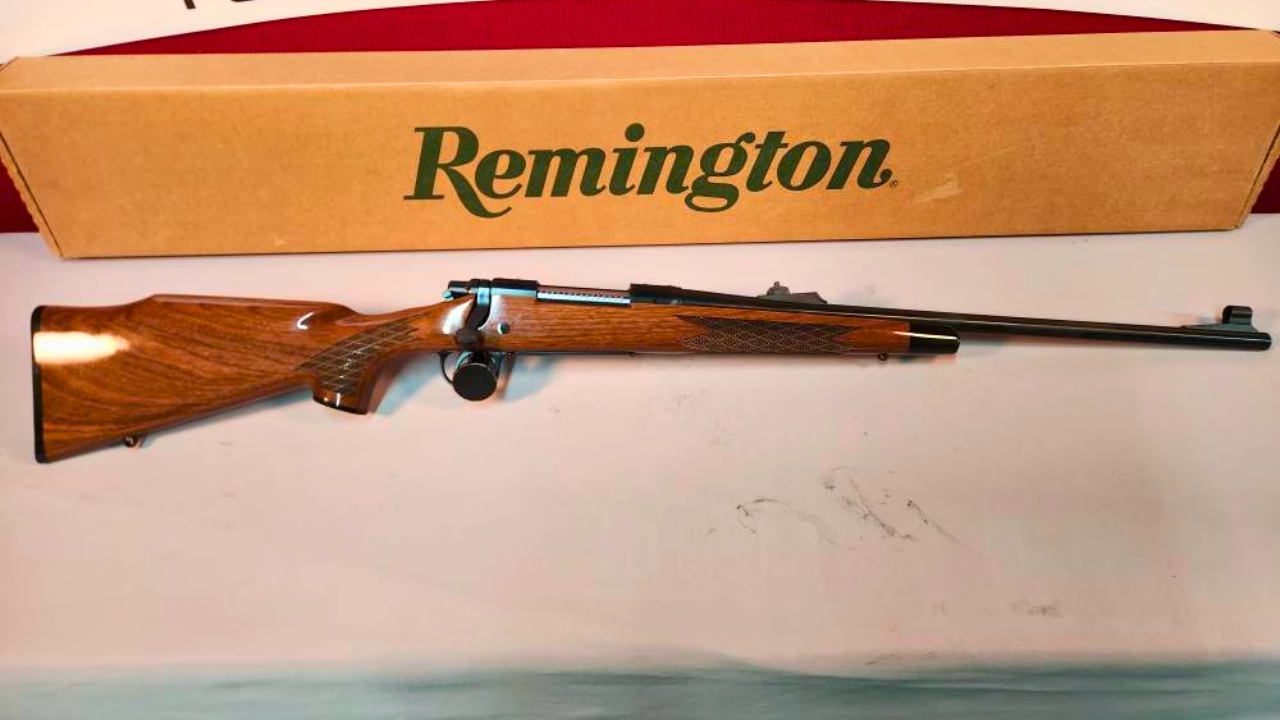
The Remington 700 is a whole ecosystem. Stocks, triggers, mounts, gunsmith support—everybody works on them, and everybody has an opinion. The older ones, especially, have a feel that a lot of current production rifles don’t match.
People trade them chasing the newest chassis rifle or a lighter mountain gun. Then they need a simple deer rifle that will shoot almost any decent load into a good group, and they remember the 700 was already doing that job quietly for years.
18. Savage 99
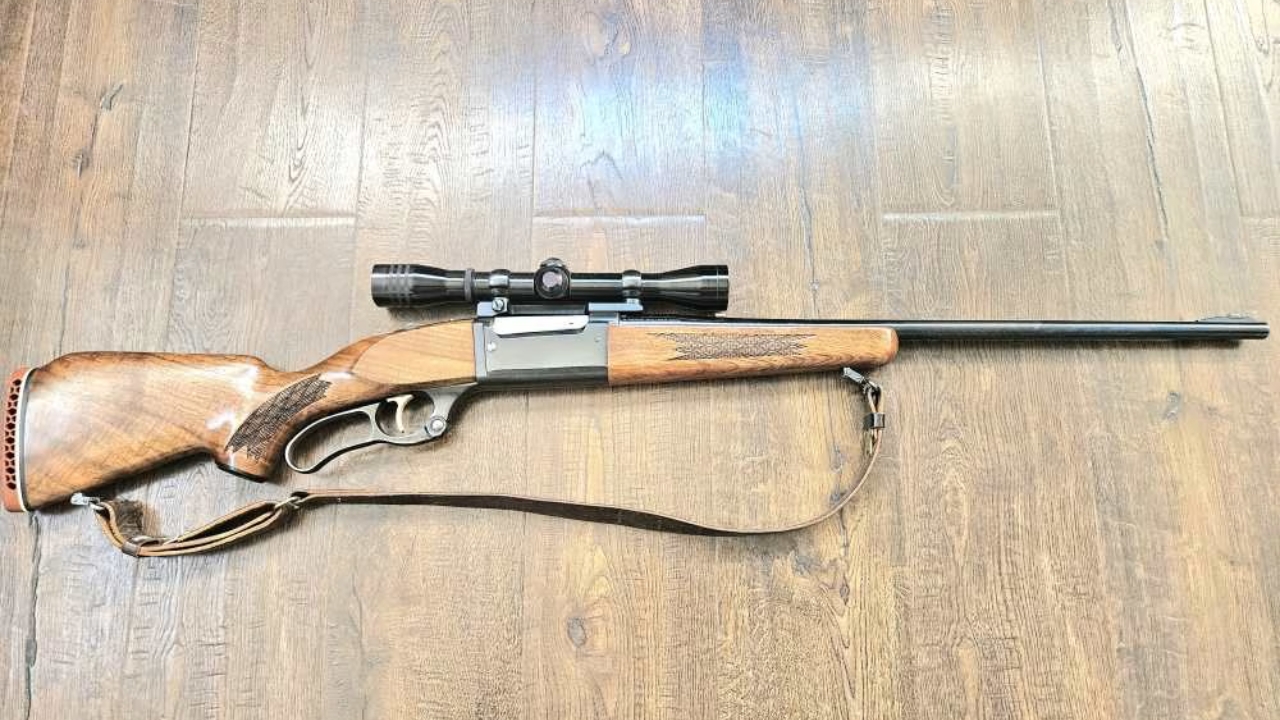
The Savage 99 is the lever gun for folks who like lever guns but still want a little modern thinking. Rotary magazine, sleek lines, and it carries like it belongs in the woods.
It’s easy to underestimate one at a gun show until you try to find another that hasn’t been drilled crooked, abused, or priced like a museum piece. If you had one that fed smooth and shot straight, that’s a rifle you hang onto.
19. Mosin-Nagant (the one with the story)
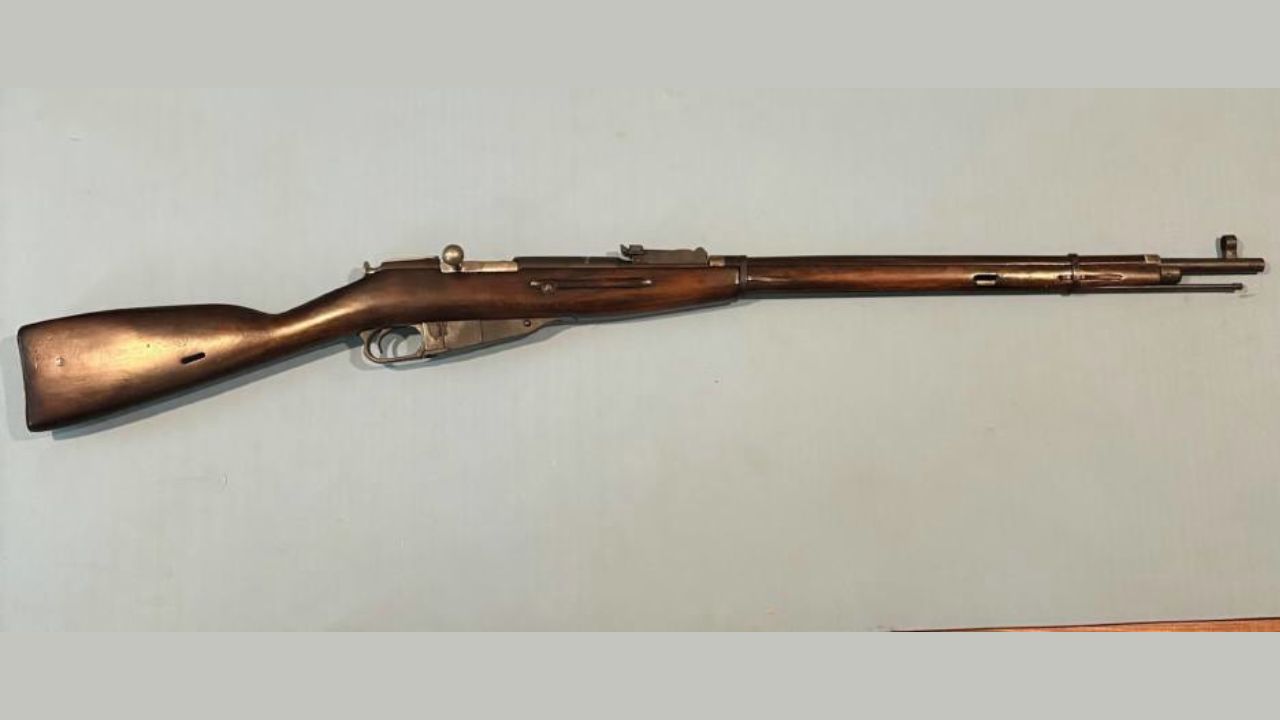
I’m not pretending every Mosin is a treasure. Most are rough, long, and the triggers can feel like a staple gun. But every now and then a guy had one that actually shot, or one tied to a first hunting trip, first range day with a grandparent, or a buddy who’s not around anymore.
They get traded because they’re “just a cheap surplus rifle.” Then years later, the price has climbed, the interesting ones are picked over, and you realize you weren’t keeping it for performance—you were keeping it for the memory.
20. The first .22 rifle you learned on (especially a Remington 572 or Winchester 190)

The .22 you learned on is the one that taught you sight picture, trigger press, and how to carry a rifle without sweeping everyone around you. Pump .22s like the Remington 572, and old semi-autos like the Winchester 190, aren’t flashy, but they tend to run forever with basic care.
These are the guns that get traded during a “safe clean-out,” usually for something that seemed more useful at the time. Then a kid in the family is ready to learn, and you realize you traded away the best teaching tool you ever owned.
If you’re staring at a gun you’re thinking about trading, here’s the quick gut-check: is it replaceable in a week if you change your mind, and does it do a job that your other guns don’t do quite as well? If the answer is “no” and “yes,” slow down. New guns are fun. Regret is expensive.
Like The Avid Outdoorsman’s content? Subscribe to our newsletter so you never miss an article.
Here’s more from us: