Photo credit: Pearce Brothers Gear Guide/Youtube
New models usually show up with a promise. Better trigger, better stock, better capacity, better finish, lighter weight, more modern controls, easier mounting options, and some kind of reason the older gun should move aside. Sometimes the replacement really is better. Sometimes it just looks newer.
A lot of older firearms keep winning because they already had the important parts right. They feel better, shoot better, last longer, or inspire more trust than the models that were supposed to move the category forward. These firearms quietly beat the guns meant to replace them.
Remington 870 Wingmaster

The Remington 870 Wingmaster quietly beats a lot of newer pump shotguns because it feels smoother, better balanced, and more carefully finished than many modern working guns. It was never the cheapest 870, but that extra polish is exactly why owners still chase clean examples.
Newer pumps may offer aggressive furniture, bigger controls, or lower prices, but the Wingmaster’s action feel is hard to fake. It carries well in the field, cycles cleanly, and has decades of barrel and parts support behind it. A shotgun that has hunted birds, broken clays, and served generations does not get pushed aside easily. Plenty of replacements looked tougher or cheaper. The Wingmaster kept feeling better.
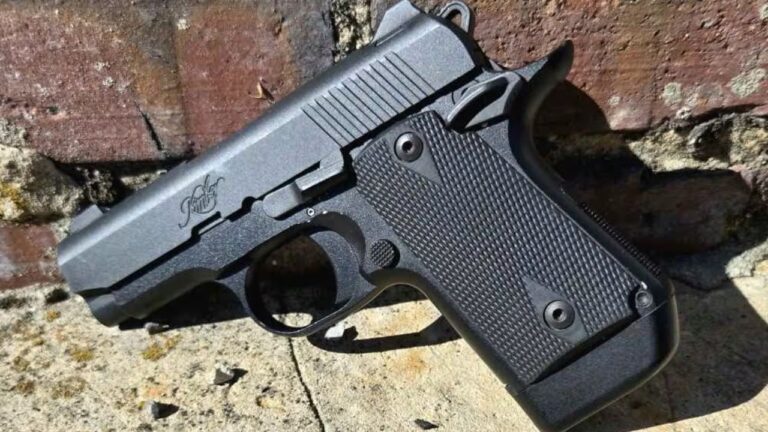
Browning Hi-Power
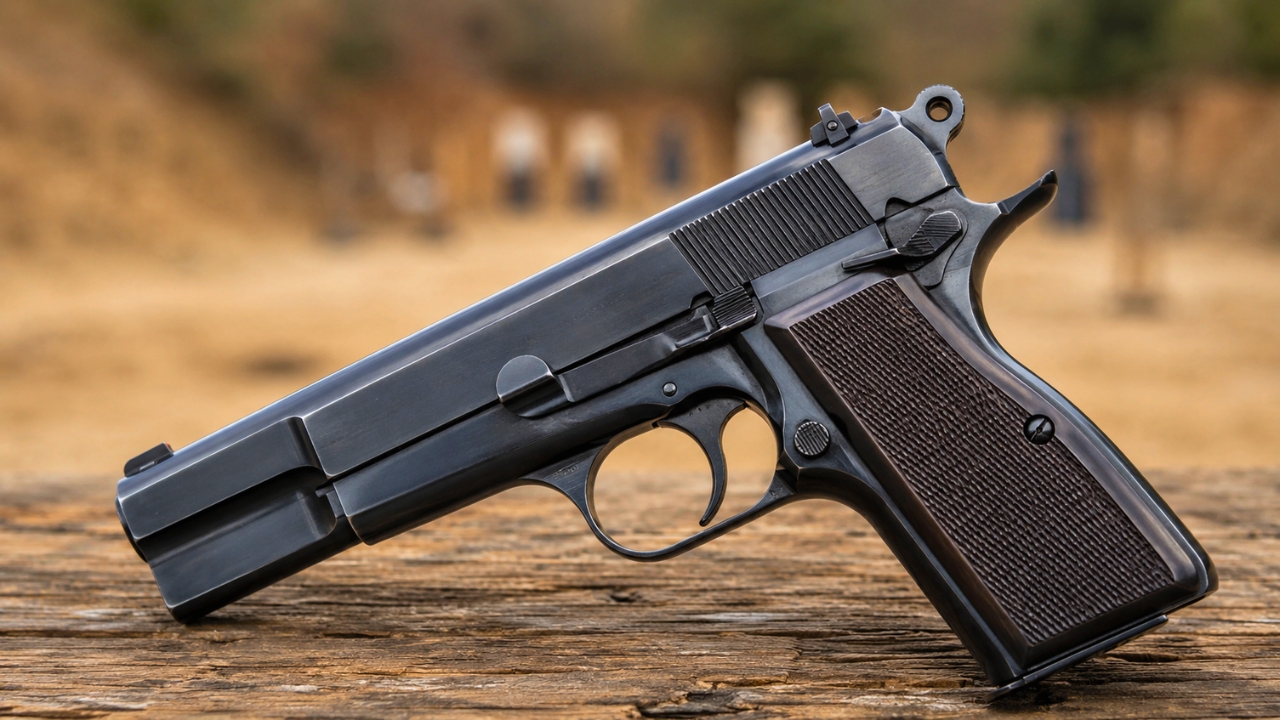
The Browning Hi-Power was supposed to be left behind by higher-capacity, lighter, polymer-framed 9mms. In some practical ways, those newer pistols did surpass it. They mount lights and optics more easily, hold more rounds, and require less hand-fitting or old-school attention.
Still, the Hi-Power quietly beats many of them in one area that matters every time you pick it up: feel. The grip is slim, natural, and beautifully shaped for a double-stack pistol. It points well and carries a kind of balance many modern guns never quite duplicate. Older sights and trigger issues can be real, especially with the magazine disconnect, but the core pistol still has magic. Newer guns may be more efficient. The Hi-Power still feels better.
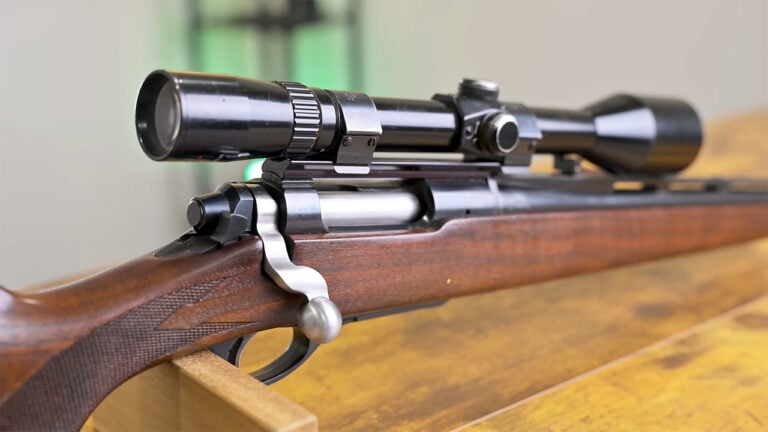
Winchester Model 70 Classic

The Winchester Model 70 Classic quietly beat a lot of later hunting rifles because it kept the old field confidence shooters wanted. Controlled-round feed, a three-position safety, and traditional hunting-rifle handling gave it a sense of trust that many cheaper push-feed rifles struggled to match.
Plenty of modern rifles are accurate and practical, but not all of them feel as complete in the field. The Model 70 Classic shoulders like a real hunting rifle and gives owners controls that make sense under pressure. It may not be the lightest or most affordable rifle around, but it feels built for long-term ownership. Newer rifles often win on specs. A good Model 70 wins on confidence.
Smith & Wesson Model 5906

The Smith & Wesson Model 5906 got replaced by lighter polymer pistols that were easier for departments to carry, maintain, and issue. That shift made sense. The 5906 is heavy, DA/SA, and very much from another service-pistol era.
But as a shooter, it quietly beats many newer pistols in pure steadiness. The stainless frame soaks up recoil, the pistol feels durable, and the traditional trigger system rewards practice. It’s not a modern concealed-carry dream, but it remains excellent for range work, home defense, and anyone who appreciates a serious metal-frame 9mm. Some replacement pistols are more convenient. The 5906 feels more substantial.
Marlin 336

The Marlin 336 has been “replaced” in many deer camps by scoped bolt-actions, flatter cartridges, and long-range hunting setups. Those rifles have real advantages when the country opens up. But in thick woods, the old 336 still quietly beats many of them.
It carries easier, shoulders faster, and handles normal timber shots without fuss. In .30-30 Winchester or .35 Remington, it has taken generations of deer because it fits the job. A modern bolt rifle may shoot farther and group tighter from the bench, but that doesn’t always matter when a buck slips through brush at 60 yards. The 336 wins by being exactly right for the woods.
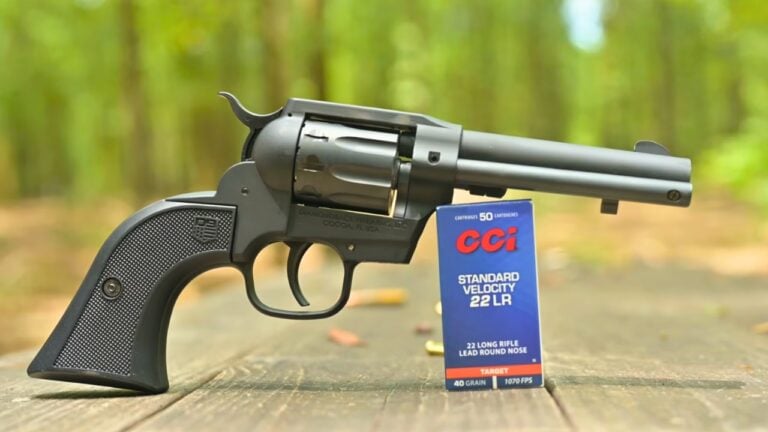
Ruger Mark II Target
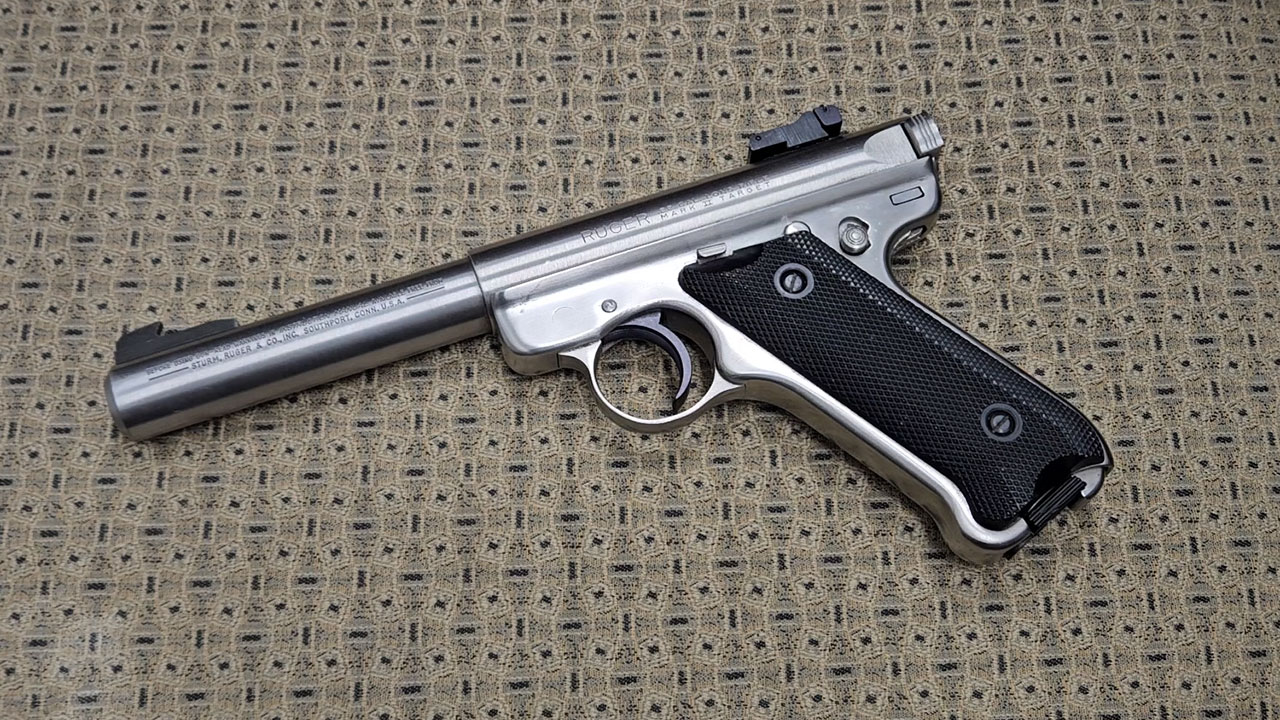
The Ruger Mark II Target was followed by later Ruger Mark pistols with easier takedown and updated features. The Mark IV especially fixed the reassembly frustration that made earlier versions famous for testing patience. That improvement is real.
Even so, plenty of shooters still respect the Mark II Target because it shoots so well and feels built to last. Once someone learns the takedown routine, the pistol gives excellent accuracy, good balance, and a reliable rimfire platform for decades of practice. It doesn’t need to be modern to be useful. Newer models are easier to maintain, but the Mark II Target still quietly beats plenty of rimfire pistols that look flashier and shoot worse.
Remington Model 700 BDL

The Remington 700 BDL quietly beats many newer budget hunting rifles because it has a sense of permanence that they lack. Walnut, blued steel, a hinged floorplate, and the familiar 700 action give it a classic feel that plastic-stocked replacements often don’t match.
A basic modern rifle may shoot well, and that matters. But the BDL feels like a rifle someone meant to keep. The action has enormous aftermarket support, the balance is familiar, and the rifle looks right in deer camp. Used condition and production era matter, but a good one still carries real appeal. Newer rifles may be cheaper and more weatherproof. The BDL feels more like a long-term rifle.
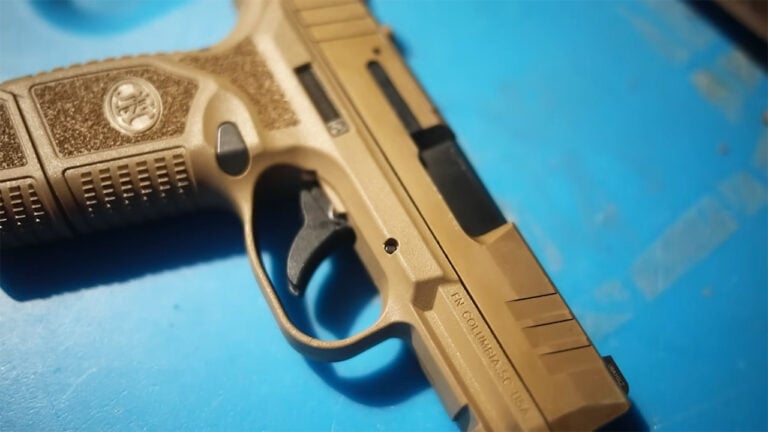
SIG Sauer P226
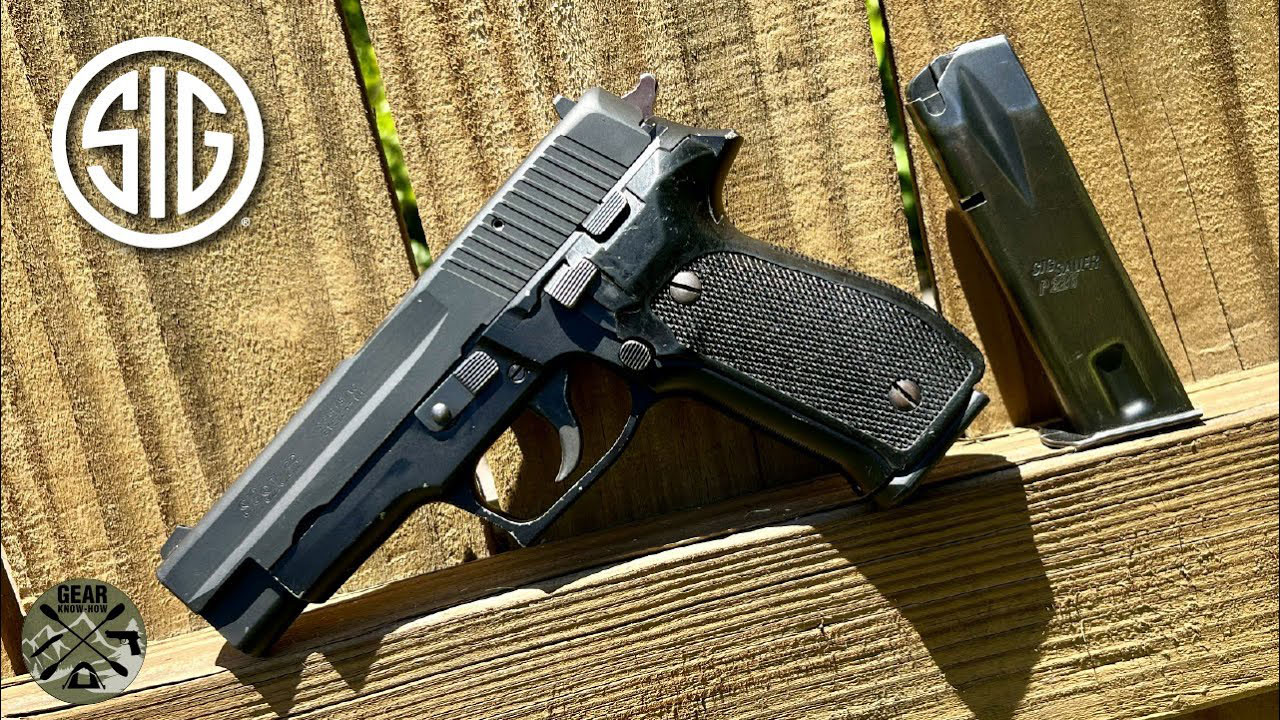
The SIG Sauer P226 was pushed aside by polymer striker-fired pistols that were lighter, simpler, and often less expensive. For duty use and broad issue, those advantages are hard to argue with. The P226 is heavier, more expensive, and takes more training to run well.
But for shooters who put in the work, the P226 quietly beats many replacements in control and confidence. The metal frame settles recoil, the DA/SA trigger becomes very usable with practice, and the pistol has a serious service-gun feel. It may not be the easiest gun to carry every day, but on the range or nightstand, it still makes a strong case. Sometimes newer is easier. That doesn’t always mean better.
Ithaca Model 37
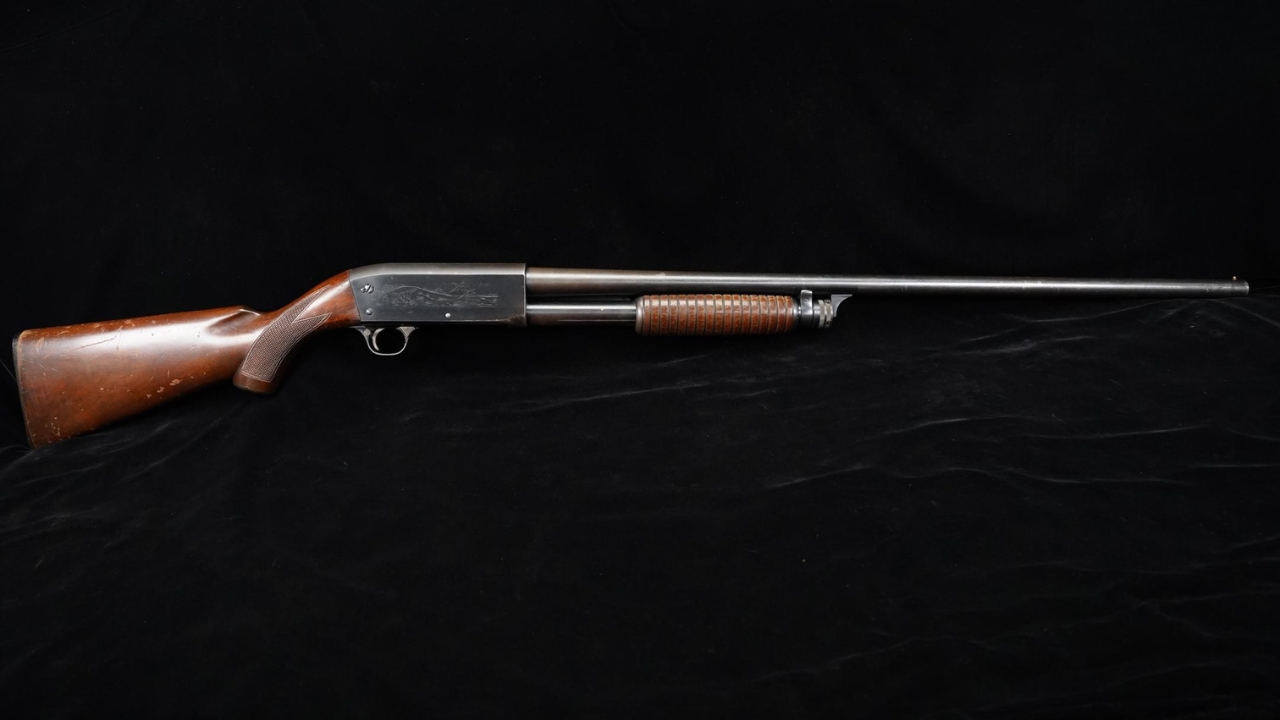
The Ithaca Model 37 was overshadowed by cheaper, more common pump shotguns over time, but it quietly beats many of them in handling. Its bottom-eject design, light carry feel, and slick action made it a favorite among hunters who actually spent long days with one.
The Model 37 is especially friendly to left-handed shooters because empties drop from the bottom instead of kicking across the face. It also has a trim receiver that carries nicely in the field. Newer pumps may be easier to find, cheaper to buy, or more modular, but few feel quite like a good Ithaca. It’s a shotgun that wins people over through use, not marketing.
CZ 75B

The CZ 75B was supposed to look outdated once lighter polymer pistols took over. Modern striker-fired handguns are easier to carry, easier to mount optics on, and simpler for many shooters to learn. Those are real advantages.
Still, the CZ 75B quietly beats a lot of them on pure shootability. The steel frame, low bore axis, and excellent grip shape make it steady and comfortable. It points naturally, handles recoil well, and rewards shooters who enjoy DA/SA pistols. It isn’t the most practical concealed-carry choice for most people today, but as a range or home-defense pistol, it still feels outstanding. A newer gun may be easier to carry. The CZ is often easier to shoot well.
Browning Auto-5
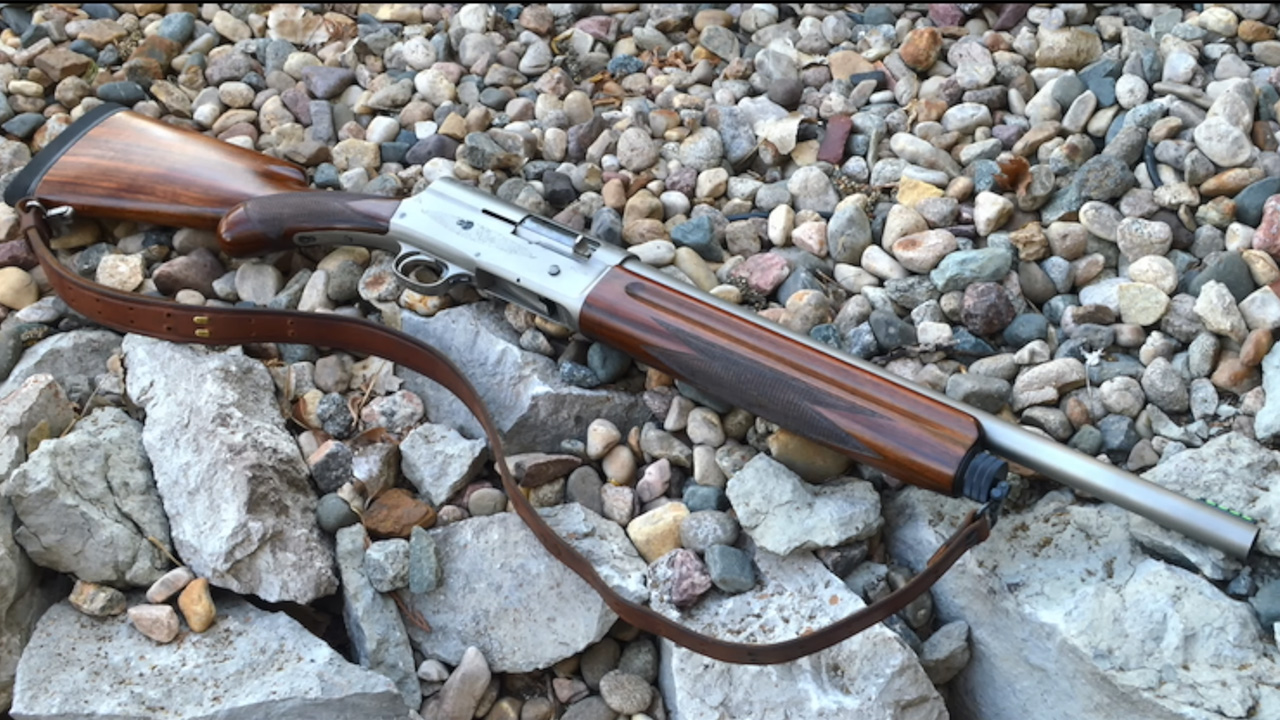
The Browning Auto-5 was replaced by lighter, softer-shooting, and easier-maintained semi-auto shotguns. Modern gas and inertia guns have plenty of practical advantages, especially for waterfowlers and high-volume clay shooters. The Auto-5’s long-recoil system feels old now.
Yet a good Auto-5 still quietly beats many newer shotguns in character, balance, and mechanical charm. It has a unique humpback receiver, a long history in bird fields, and a feel that modern shotguns rarely copy. Owners who understand friction ring adjustment and maintenance often trust them deeply. It may not be the easiest semi-auto to live with, but it offers a shooting experience replacements never fully captured.
Colt Detective Special

The Colt Detective Special was supposed to be replaced by lighter snubnose revolvers and later by small semi-autos with more capacity. In pure efficiency, those options make sense. The Detective Special is heavier than many small revolvers and limited compared with modern pistols.
But it quietly beats plenty of replacements by being shootable, solid, and beautifully balanced for a small revolver. The six-shot cylinder gives it an advantage over many five-shot snubs, and the steel frame helps control recoil better than ultralight options. It still takes skill, because all small revolvers do. But the Detective Special feels like a real handgun, not just a carry compromise. That is why it remains so loved.
Ruger M77 Mark II
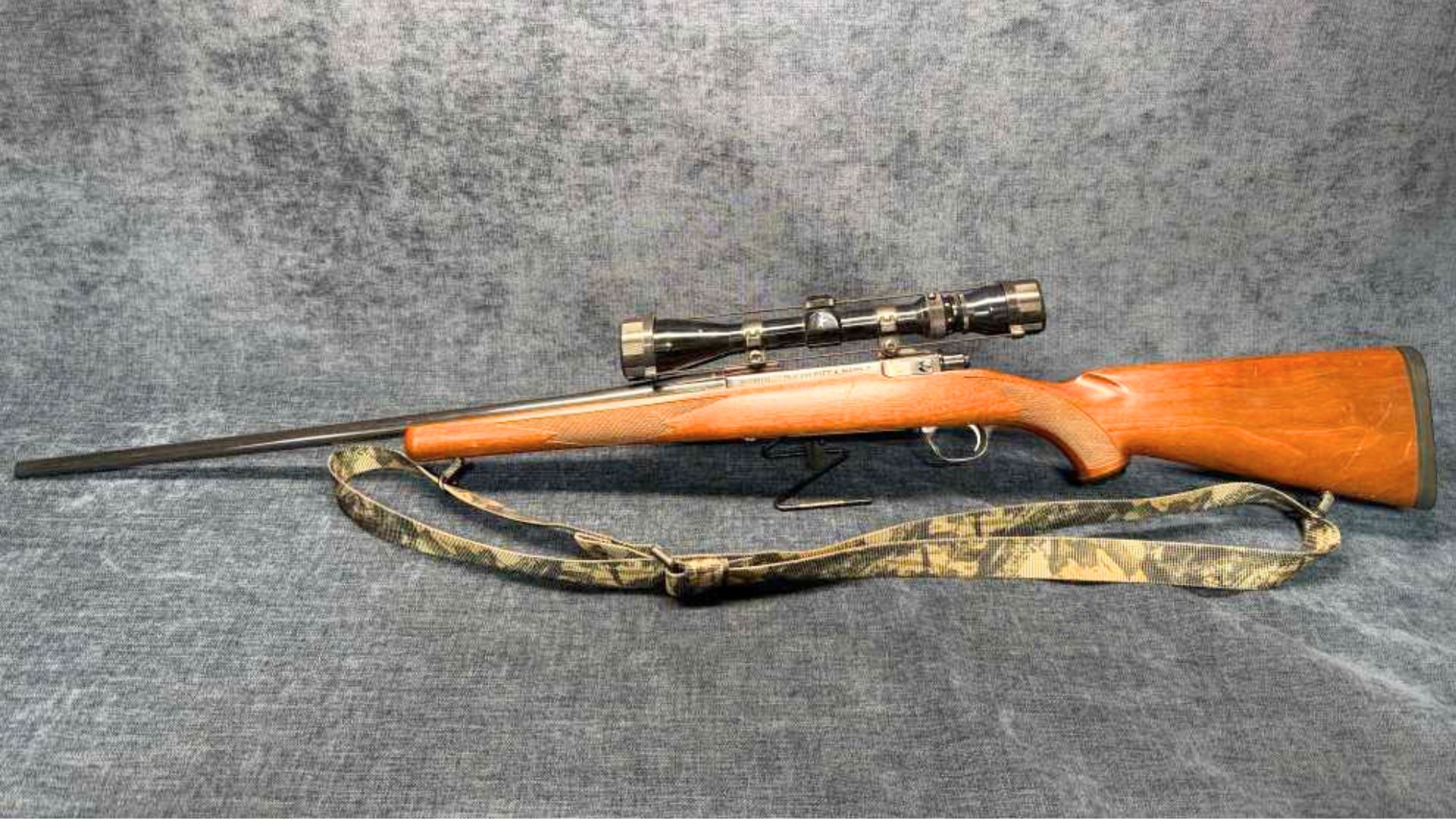
The Ruger M77 Mark II quietly beats many newer hunting rifles because it feels tougher than most of them. Controlled-round feed, a strong extractor, and Ruger’s solid build give it a hard-use personality that thin, cheap rifles often lack. It may not be the smoothest or lightest rifle, but it inspires confidence.
The trigger was not always loved, and some rifles needed a little work to reach their best. But the platform itself had backbone. Hunters who carried them through wet weather, truck rides, and rough country often came away trusting them. Newer rifles may shoot tiny groups for less money. The M77 Mark II feels like it can survive the season after the group photo.
Beretta 390
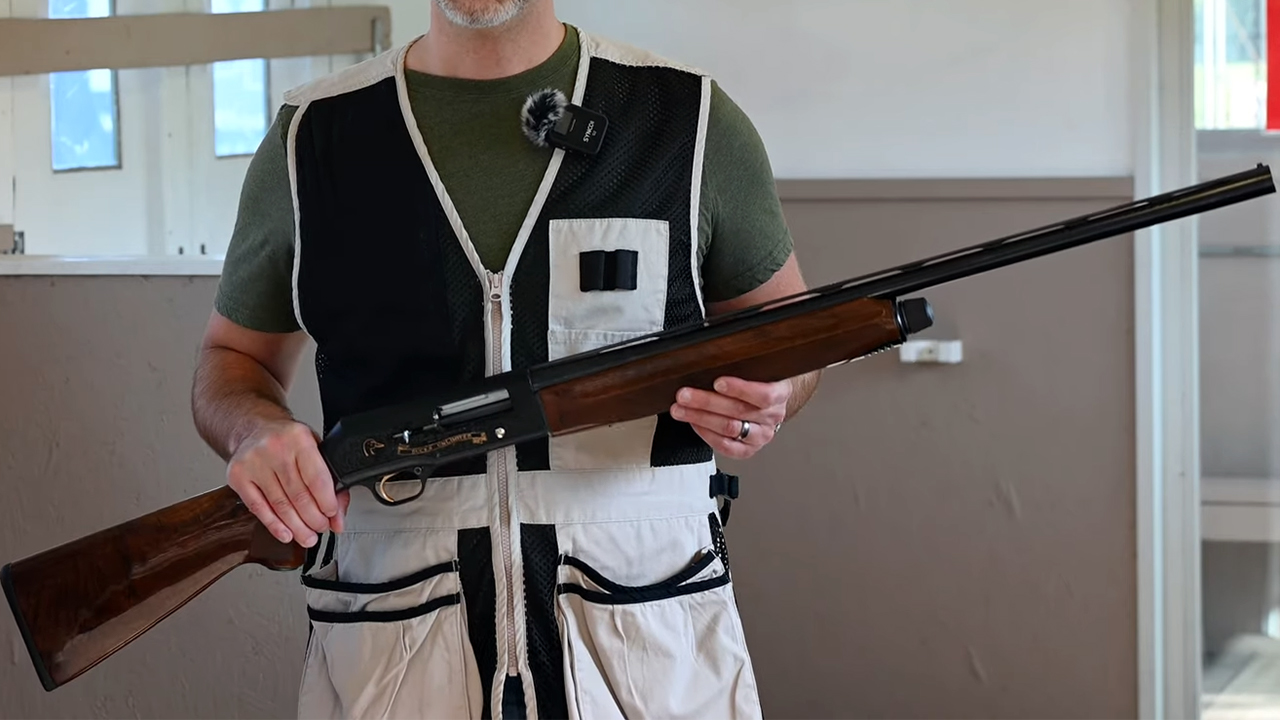
The Beretta 390 was followed by newer Beretta semi-autos with updated features, improved controls, and more modern styling. Those guns are excellent, but the 390 still quietly beats a lot of replacements by being soft-shooting, reliable, and beautifully balanced.
It works for birds, clays, and general field use without making the owner feel like they’re missing much. It needs maintenance like any gas gun, but it rewards that care with comfortable shooting and dependable cycling. Many newer shotguns have more features, but not all feel as natural. The 390 is one of those guns owners regret selling because it did the important things so well.
Winchester Model 12
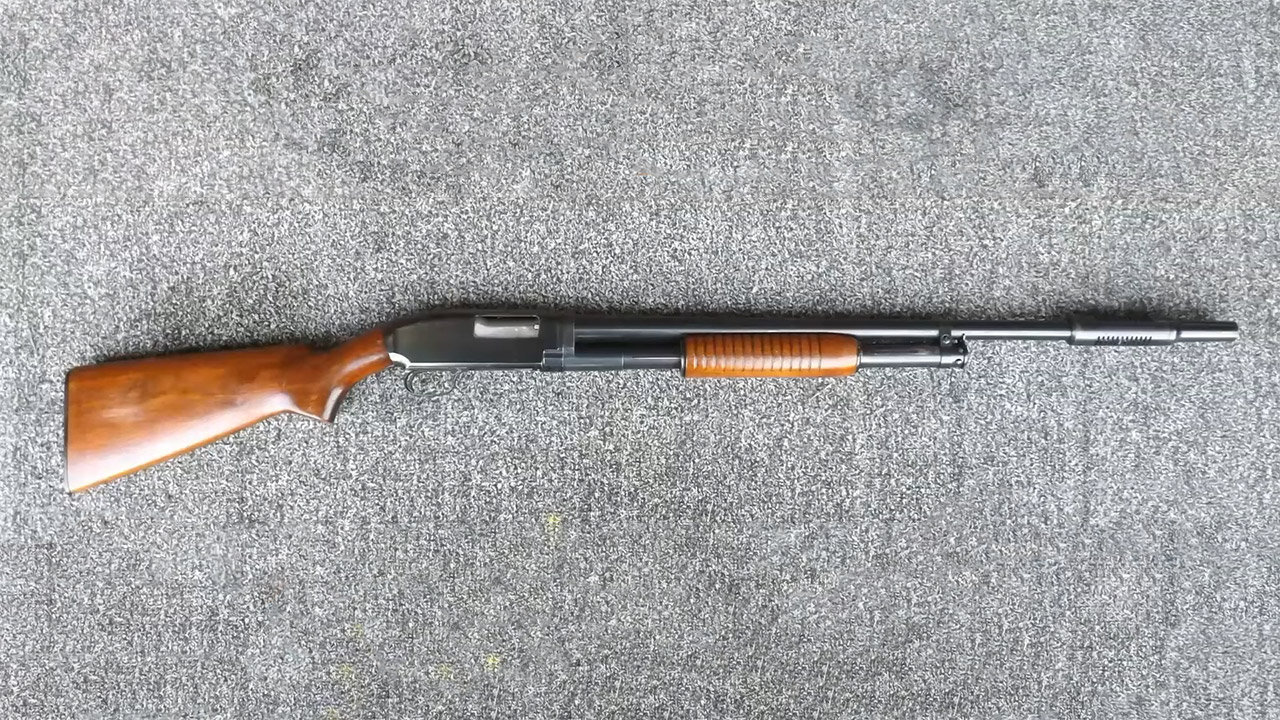
The Winchester Model 12 was replaced by cheaper-to-produce pump shotguns that made more business sense. Those newer guns were easier to manufacture and often more affordable for regular buyers. But the Model 12 still quietly beats many of them in feel.
A good Model 12 cycles with a slickness that modern pumps often don’t match. It has steel, balance, and old-world machining that gives it a different personality entirely. It isn’t as modular as modern pumps, and older examples should be inspected carefully before hard use. But as a classic field shotgun, it still feels special. Replacements may have won the marketplace. The Model 12 kept the soul.
Like The Avid Outdoorsman’s content? Subscribe to our newsletter so you never miss an article.
Here’s more from us: