Photo credit: sootch00/Youtube
You know the type of gun I’m talking about. It’s sitting on the bottom shelf with a handwritten tag, looks “good enough,” and it’s priced low enough to make you feel smart for even considering it. Then you get it to the range or into the deer woods and realize why it was cheap. Worse, sometimes the regret goes the other direction: you snagged a deal, didn’t bond with it right away, and you let it go… only to find out later it was the kind of useful, dependable tool you should’ve kept.
Here are 20 firearms I’ve watched make that trip from “bargain” to “why did I do that?”—for all kinds of reasons: reliability, parts, recoil, accuracy, weird ergonomics, or just being a bad fit for real-world hunting and carry.
1. Remington 710
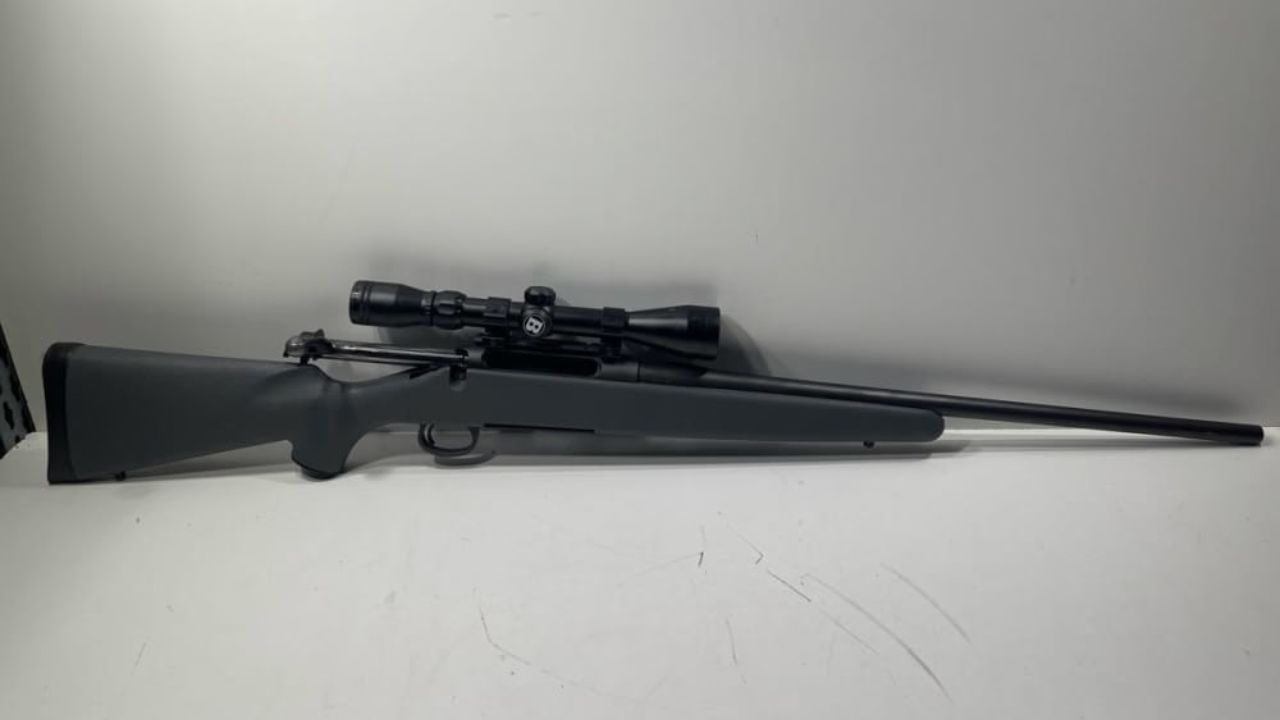
If you’ve handled one, you remember the feeling: light, plasticky, and not in a good “rugged utilitarian” way. The 710 got a lot of folks into a scoped deer rifle on a tight budget, and for some it worked fine for a season or two. But the action often feels gritty, and when they start acting up, it’s not the kind of rifle most local smiths are excited to troubleshoot.
Regret usually shows up when you try to make it your “forever” hunting rifle. Mounts, triggers, and long-term durability just don’t compare to the older 700s or even a basic Savage. It’s not that every single one is a lemon—it’s that the odds aren’t in your favor.
2. Remington 770
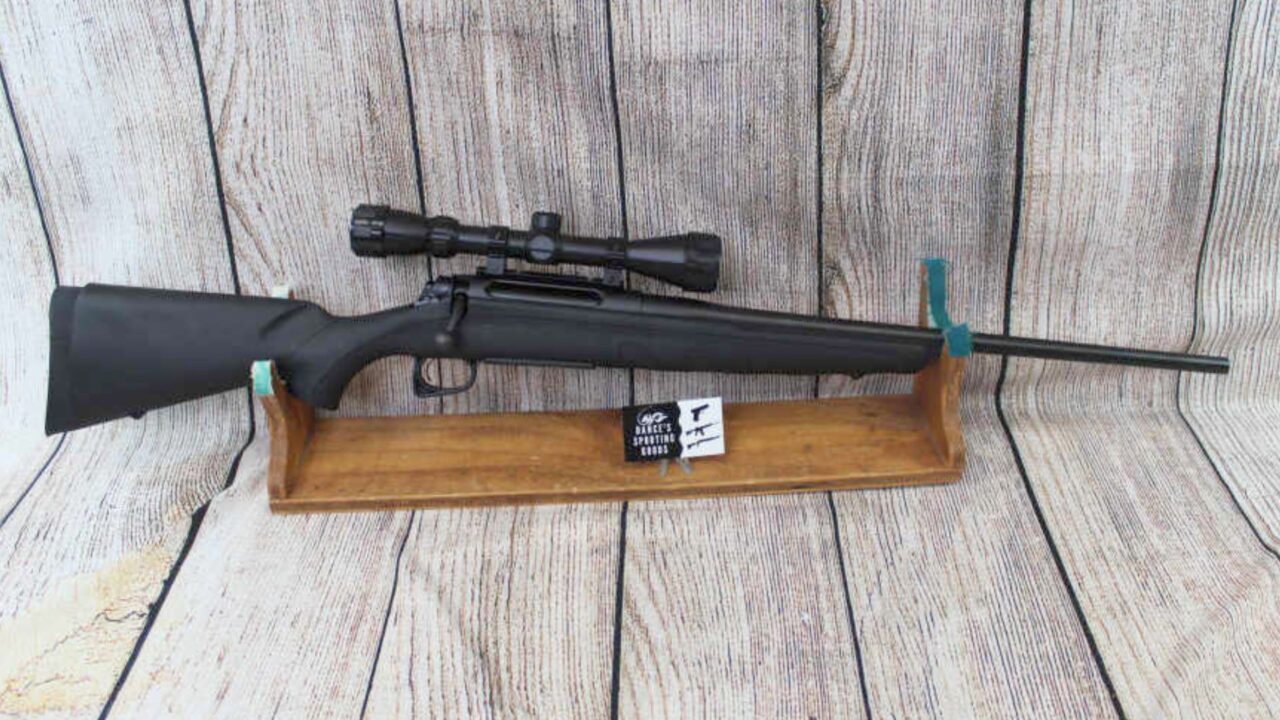
The 770 was supposed to be the “fixed” version, and on paper it checked the same boxes: affordable package rifle, scope included, ready for deer season. In reality, plenty of them shoot fine with the right load, but the whole setup still feels like it was built to a price point first and a performance standard second.
Where it bites you is consistency. One will stack three shots and the next won’t hold a pattern once the barrel warms. If you’re the guy who shoots a couple times in November, you might never notice. If you actually practice, you will.
3. Mossberg 100 ATR

These pop up used for cheap and they tempt new hunters hard. They’re not junk across the board, but the fit and finish is usually rough, and the triggers vary from “fine” to “why is this so heavy?” The magazines can also be a pain if you lose one, depending on the exact model and generation.
The buyer’s remorse usually comes after you shoulder a smoother rifle that points better and cycles cleaner. It’s tough to explain until you’ve carried one in the rain all day and worked the bolt with cold hands. That’s when “good enough” starts feeling like “should’ve spent another hundred bucks.”
4. Savage Axis (early generations)
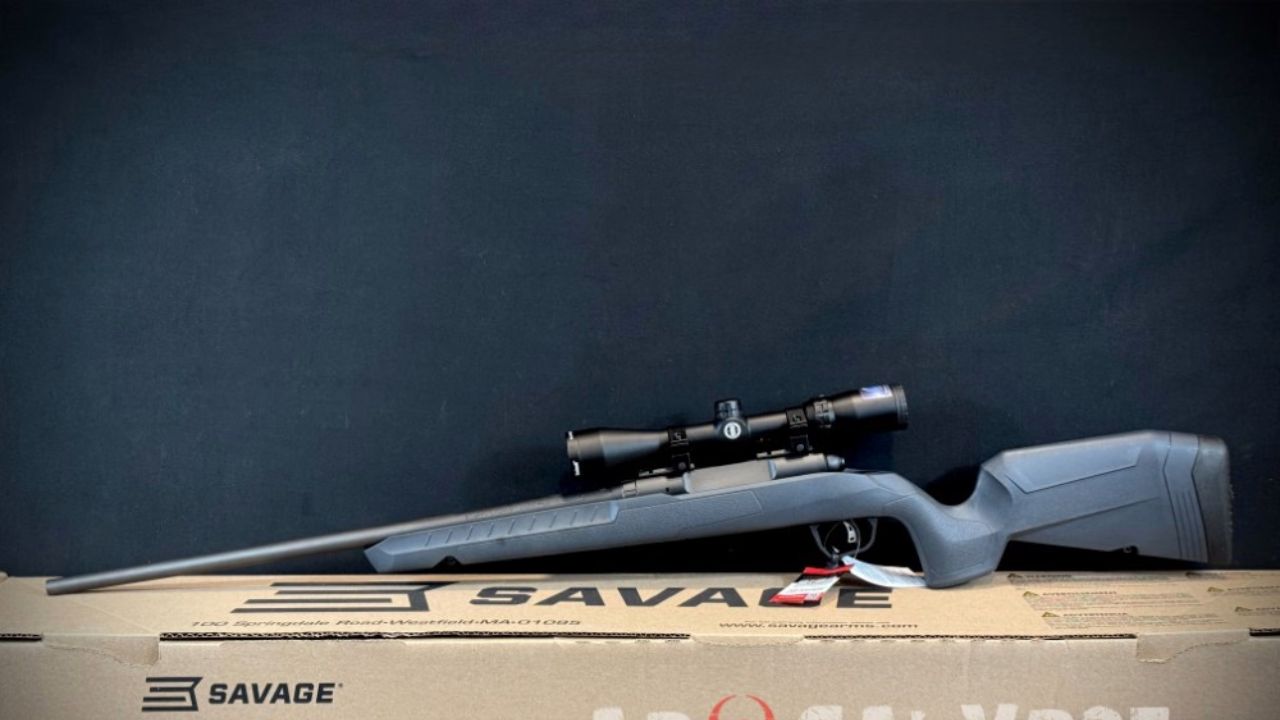
I’m not here to bash Savage. They’ve put a lot of meat in freezers. But the early Axis rifles—especially the budget combos—could feel cheap in the stock, and the triggers weren’t always what they are now. Plenty shoot better than you’d expect, which is why they sell.
Regret happens two ways. Some buy one, hate the feel, and dump it without realizing they could’ve swapped a stock and had a very serviceable rig. Others keep trying to turn it into a “custom” and eventually learn the platform isn’t the most satisfying place to throw upgrade money.
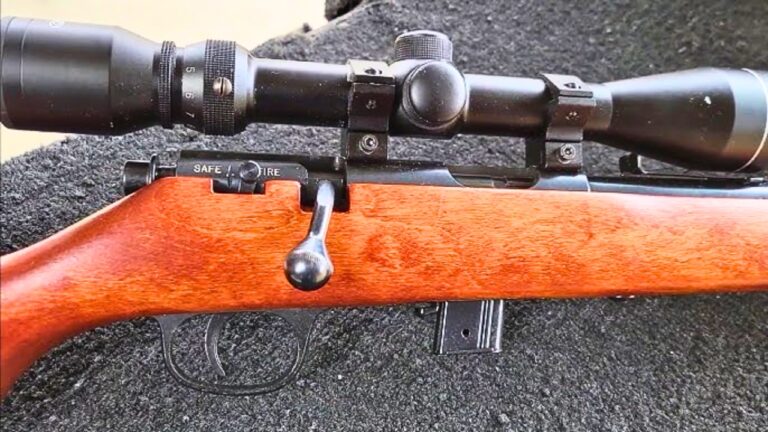
5. Ruger American Rimfire with the wrong setup

This one isn’t a bad gun. The regret is buying it as a “cheap squirrel rifle,” slapping on a big heavy scope, and turning a handy woods .22 into a top-heavy chore. Ask me how I know. A light rimfire is supposed to carry like a walking stick, not a benchrest rig.
Then you see someone else’s trim little .22 with a simple 2-7x and a sling and you realize you overcomplicated it. The rifle didn’t fail you—you built it into something you don’t want to grab.
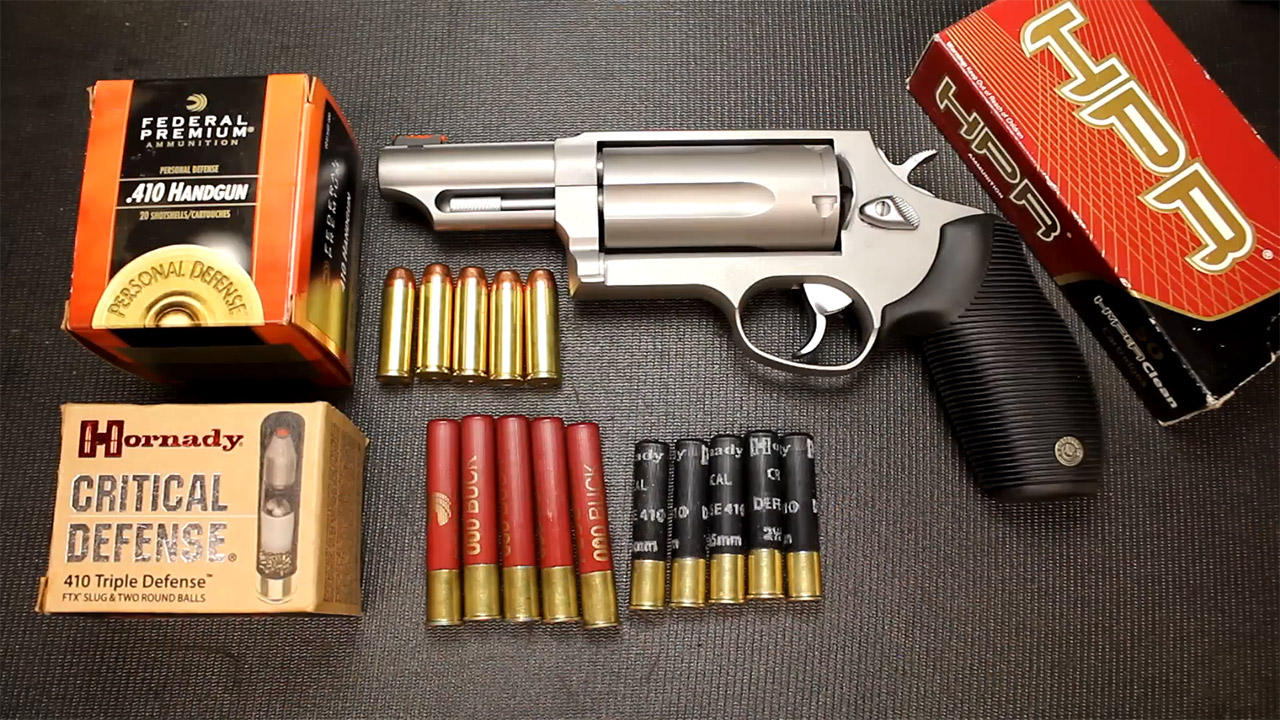
6. Taurus Judge
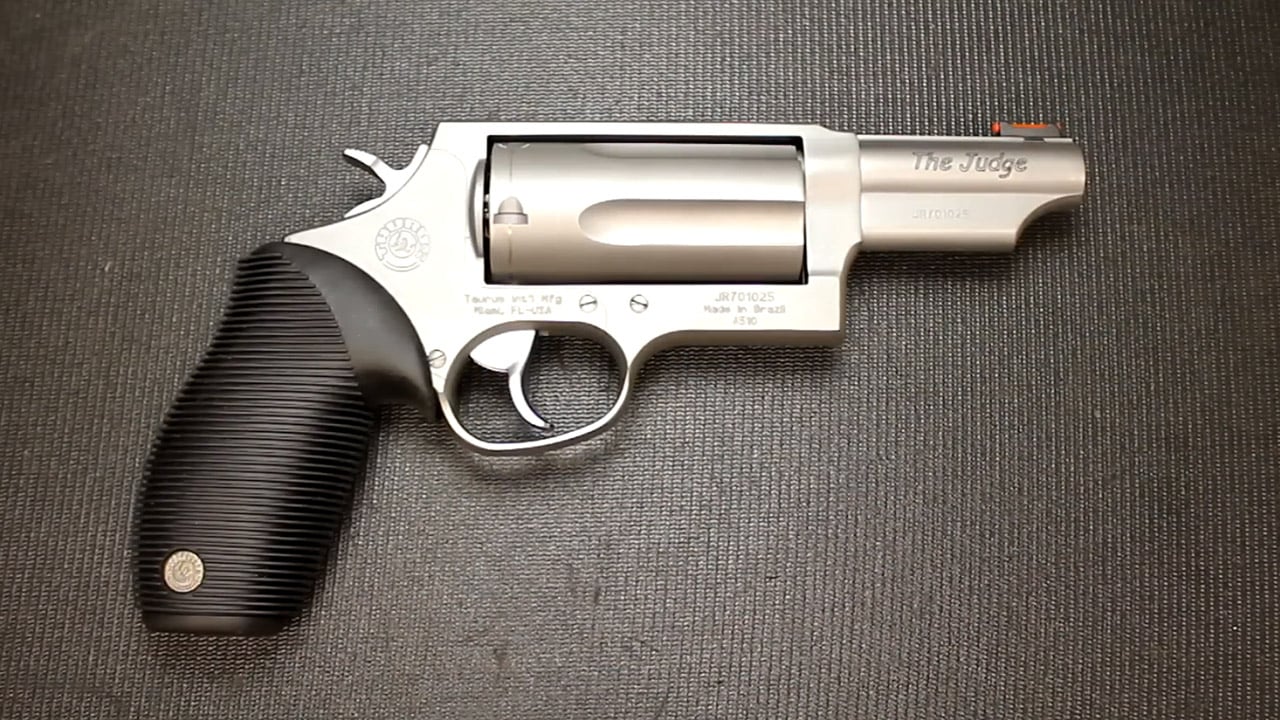
The first time you see one, it makes sense in a “truck gun” kind of way. Shot shells in a revolver, big holes, big marketing. The reality is that .410 out of a short barrel is more of a novelty than a solution, and accuracy with many loads isn’t what folks imagine when they picture a defensive revolver.
Regret tends to show up after the first box of ammo and a few targets. Recoil is snappy, the pattern can be unimpressive, and now you own a big revolver that’s awkward to carry and expensive to feed. It’s a fun range toy. It’s rarely a smart primary tool.
7. Taurus PT111 G2 / G2C (when it’s your only carry gun)
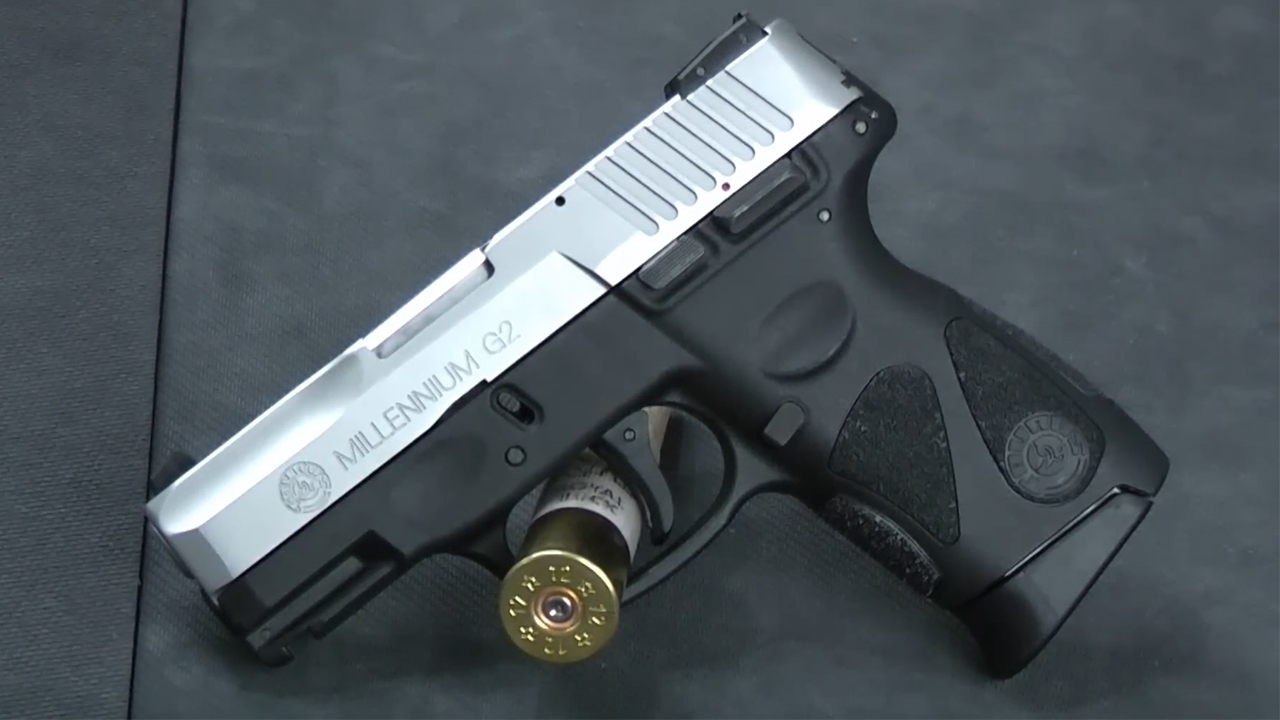
These sold like crazy because they were affordable and they felt good in the hand. Some run fine for years. Others develop little issues that you don’t want in a pistol you count on when you’re at the gas station at 10 p.m.
The regret isn’t always “it broke.” Sometimes it’s realizing you never fully trusted it, so you stopped carrying it. A carry gun that stays in the safe is a bad deal no matter what you paid.
8. SCCY CPX series
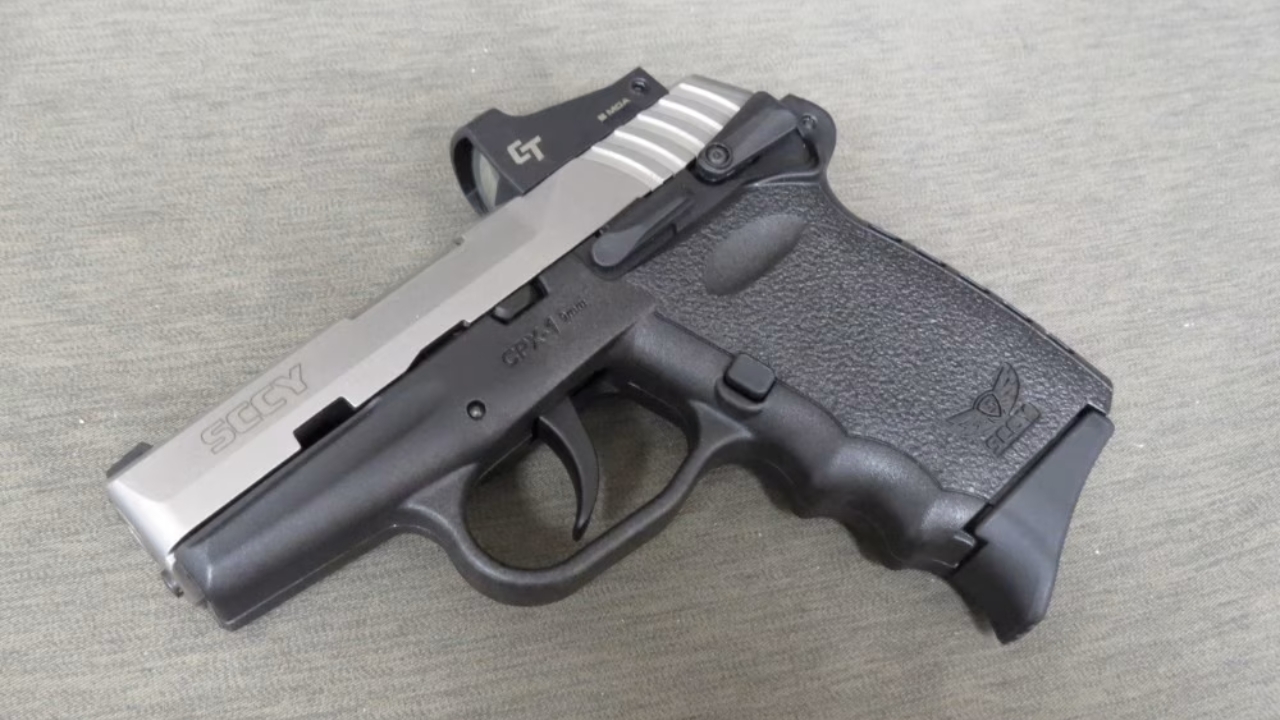
When somebody says, “I just need something small and cheap,” these show up in the conversation. They’re light, compact, and the price is hard to argue with. But the long, heavy trigger and the overall feel can make practice unpleasant, and that leads to less shooting.
Then there’s the reliability question that follows a lot of bargain micro-9s around. If you have one that runs, great—prove it with your carry ammo. If you have one that doesn’t, you’ll learn fast why “cheap” isn’t always “affordable.”
9. Kel-Tec PF-9

This pistol was a big deal when slim 9mms were still novel. It’s light and it disappears. It also recoils like a stapler fired out of a slingshot. The grip and trigger feel like a compromise because they are.
Buyer regret usually comes after you realize you don’t enjoy shooting it, so you don’t train with it. There’s nothing wrong with a “carry a lot, shoot a little” gun—until it’s the only handgun you own and it makes you hate range day.
10. Hi-Point C9 (and the “it’s just as good” trap)

I’ve seen Hi-Points run. I’ve also seen them choke at the exact moment a new shooter is trying to gain confidence. They’re heavy, bulky, and the ergonomics are what they are. Still, they can be a workable option when money is tight.
The regret usually comes from buying one while telling yourself it’s equivalent to a Glock or M&P. It’s not. If you treat it like a stopgap and you test it thoroughly, fine. If you expect it to feel refined or carry comfortably, you’re going to be disappointed.
11. Turkish “budget tactical” 12-gauge semi-autos
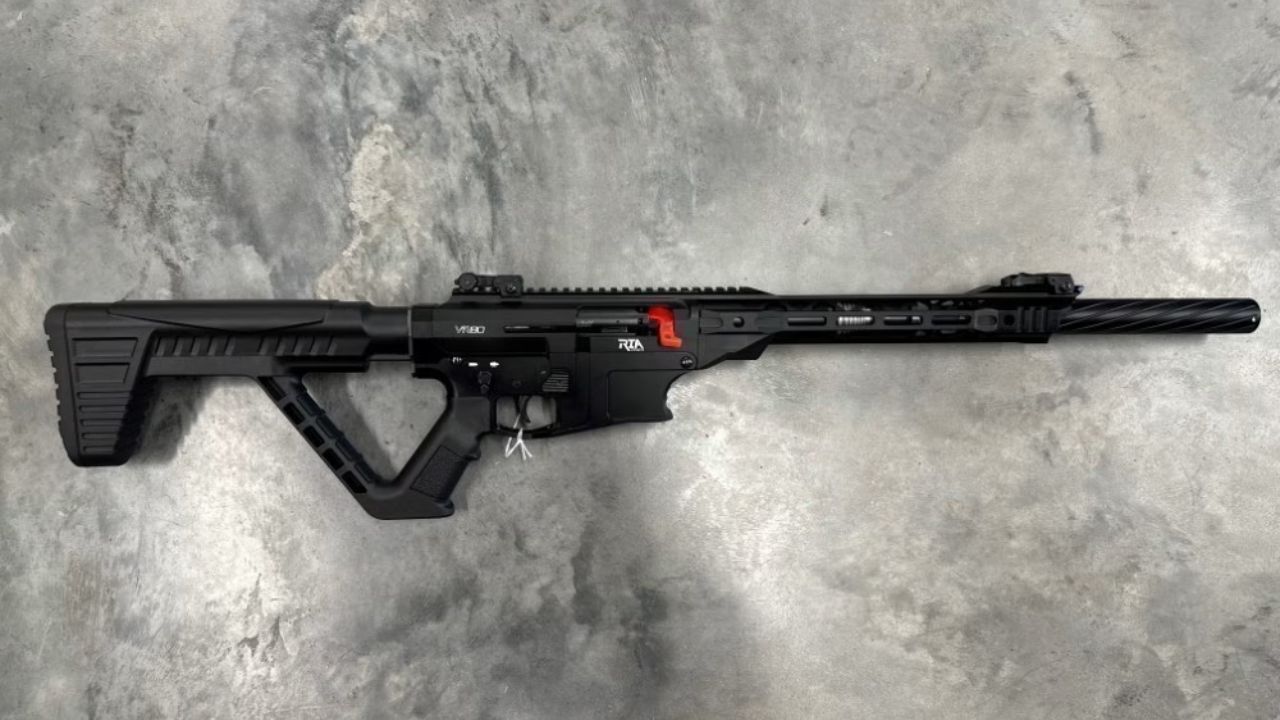
The gun counter is full of them now: aggressive furniture, optics rails, detachable mags on some models, and a price that looks like a steal. A few are decent. A lot are not. The problem is the inconsistency and the support when something breaks.
Regret hits when you can’t get parts, can’t find a smith who wants to deal with it, and the importer name on the box has already changed to something else. A shotgun is a working gun. If you can’t keep it running, it’s dead weight.
12. Winchester SXP (when you expected an 870 feel)
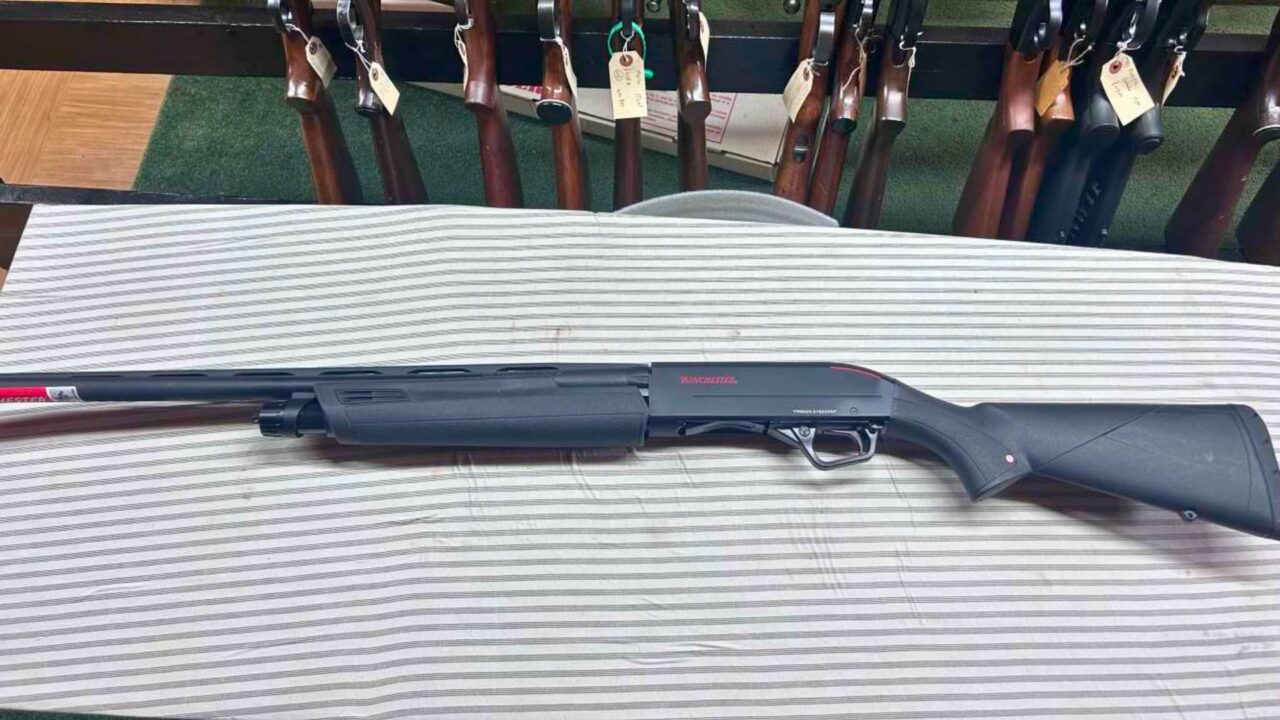
The SXP can be a fast pump gun, and plenty of guys run them without trouble. But if you grew up on an 870 or a 500, the SXP’s feel can be different enough to bother you. Some models also seem to be pickier about hard use and neglect than the classics.
The regret isn’t always performance—sometimes it’s just that it never feels like “your” gun. In the duck blind, muscle memory matters. If your pump doesn’t run like your brain expects, you’ll fight it all season.
13. Remington 887 Nitro Mag

It looked like the perfect bad-weather shotgun: overmolded, tough, modern. In practice, a lot of them just never earned trust. The action can feel odd, and when there are issues, they’re not usually the easy “polish this” fixes.
Buyer remorse shows up because you bought it to be the dependable swamp gun, and instead you’re thinking about it at the wrong time. A duck gun should be boringly reliable. If it’s a question mark, it doesn’t belong in the boat.
14. Marlin Model 60 (sold cheap, missed forever)
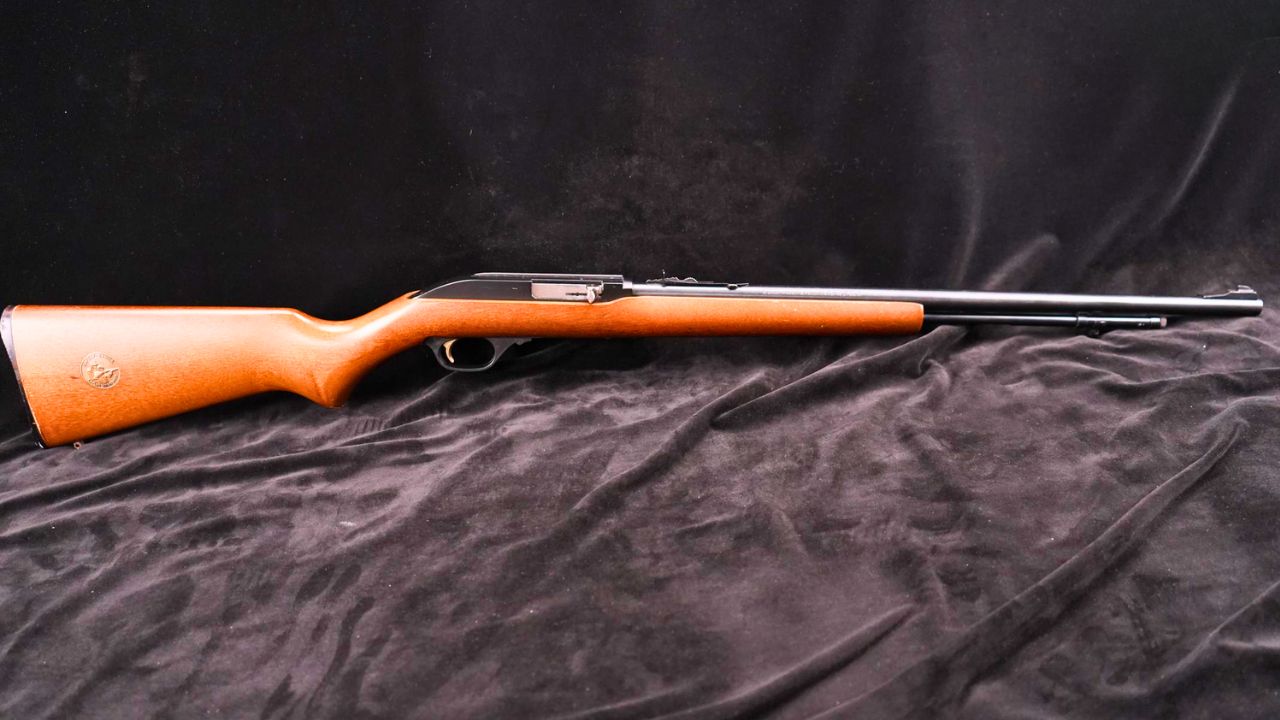
This is one of those “regret selling” guns. The Model 60 was the .22 a lot of families had behind the kitchen door, and it killed squirrels and punched paper for decades. They were everywhere, so they felt disposable.
Then you go to replace one and realize the older ones had a certain smoothness and simplicity that’s harder to find now. There’s nothing fancy about it, and that is kind of the point. If you have a good one, hang onto it.
15. Mosin-Nagant (when it was dirt cheap)
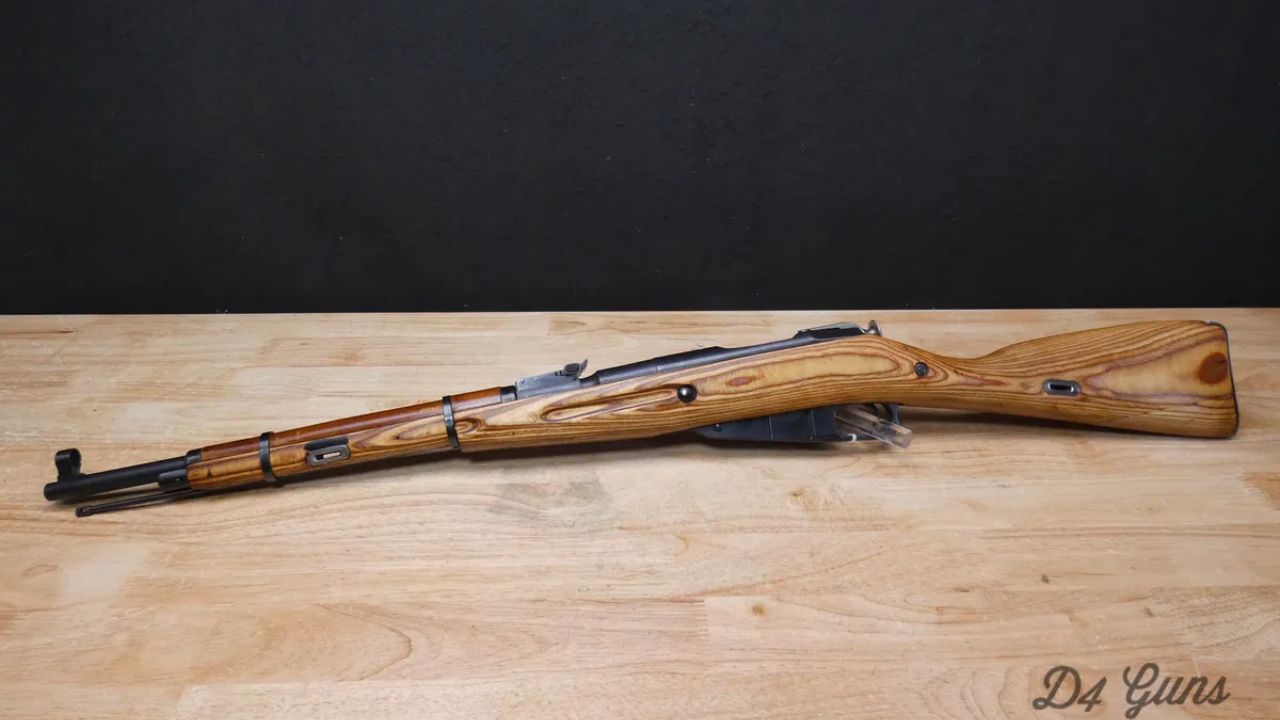
There was a time when these were stacked like cordwood and priced like a dinner out. A lot of us grabbed one because why not. Then you shoot it. The recoil is real, the bolt can be sticky, and surplus ammo can be corrosive and messy if you don’t clean like you mean it.
Regret comes two directions. Some bought one thinking it would be a cheap deer rifle and realized it’s a long, awkward chunk of history. Others sold them off and now wish they’d kept one clean, matching example just to have a piece of that era.
16. SKS (bought cheap, sold too fast)
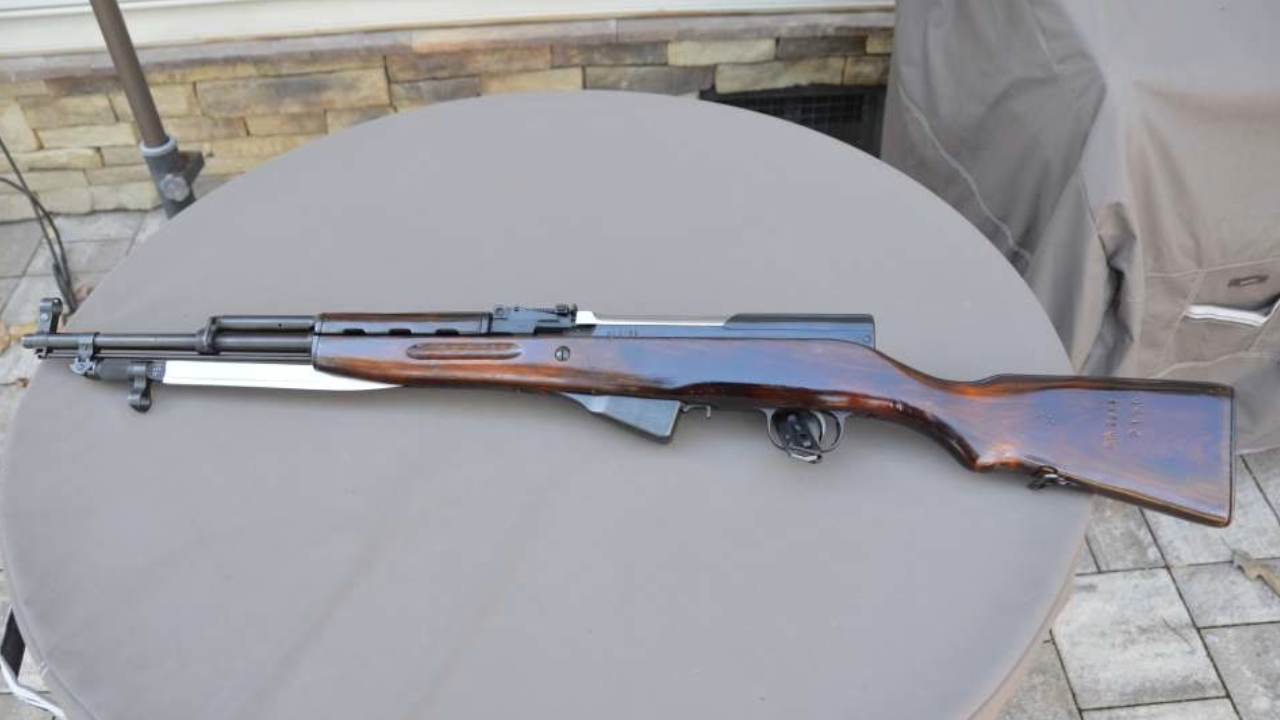
Back when they were budget blasters, the SKS felt like a compromise compared to an AK. Now, a solid SKS is a handy, reliable carbine with decent accuracy and simple manual of arms. And the good ones—original and unmolested—aren’t getting cheaper.
The regret usually isn’t that it failed. It’s that you traded it away for something trendier, and later you realize it was one of the most practical “woods and farm” rifles you ever owned.
17. Ruger Mini-14 (older models without knowing their quirks)

I like the Mini-14. It carries well, points fast, and it’s a great ranch rifle concept. But the older ones had a reputation for being “minute of coyote” rather than “minute of angle,” especially when the barrel heats up. If you bought one expecting AR accuracy, that one hurts.
Then there’s the magazine situation. Factory mags tend to be the most reliable, and they’re not always cheap. If you scored a Mini on a deal but didn’t budget for good mags, you may end up annoyed every range trip.
18. .40 S&W police trade-in pistols (when you didn’t plan for ammo and recoil)
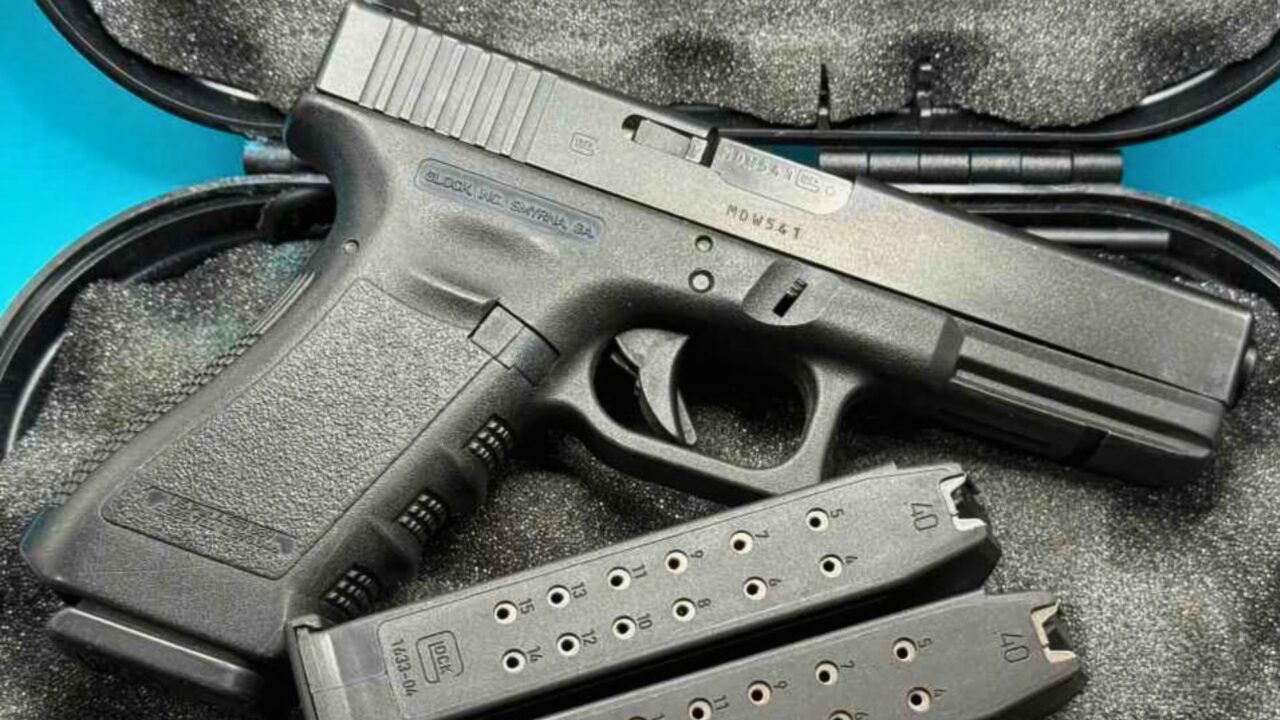
Police trade-in .40s used to be the definition of a bargain: quality pistols, lots of holster wear, low price. Plenty are still a good buy. The regret comes when a new shooter buys one because it’s cheap and then realizes they don’t enjoy shooting it.
Snappy recoil, slower follow-up shots, and ammo cost swings can turn “great deal” into “I never practice.” A used Glock 22 that sits in the nightstand unfired isn’t doing you much good.
19. Cheap 1911s (the ones that make you hate 1911s)
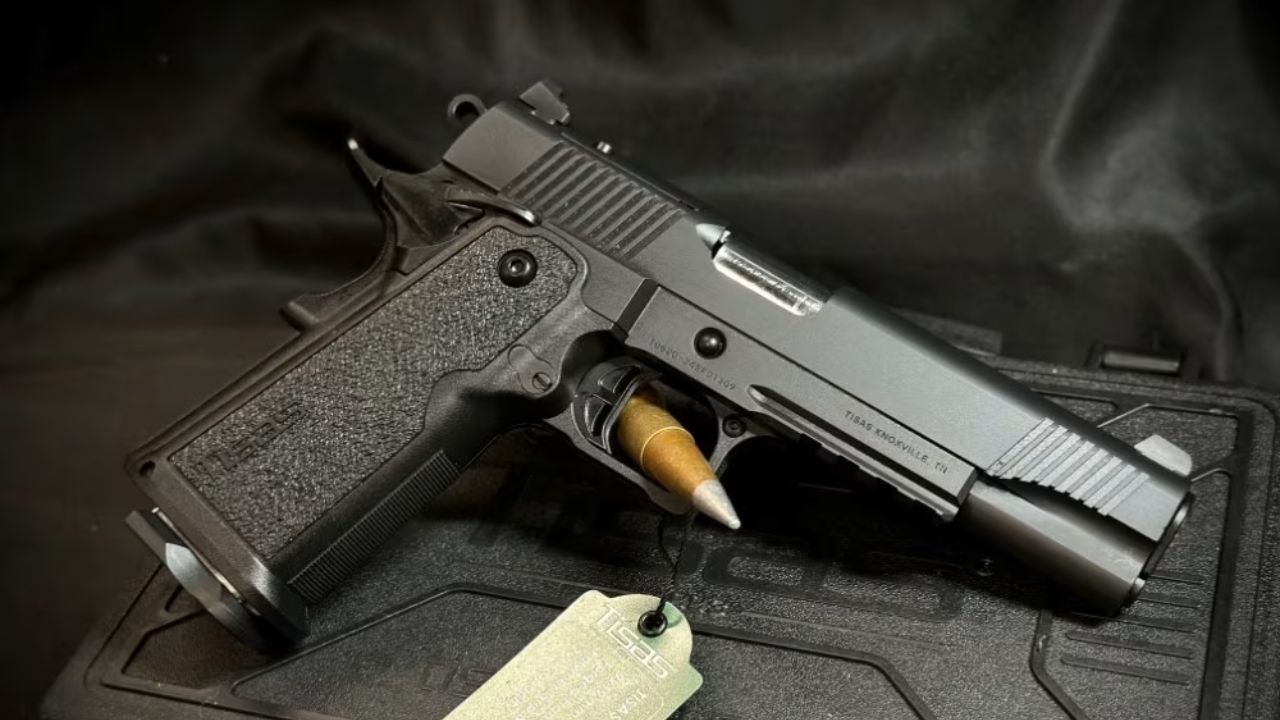
A 1911 can be a sweetheart. It can also be a finicky mess if it’s built sloppy and you start changing parts without a plan. The bargain 1911 market is full of guns that look right but don’t run right, especially with hollow points and certain magazines.
Buyer regret shows up when you realize you’ve spent the difference between “cheap 1911” and “good 1911” chasing reliability. If you want the platform, buy once and cry once—or accept it as a range toy and keep it in that lane.
20. Budget .300 Win Mag rifles (when you just wanted to hunt deer)

Somebody always talks a new hunter into a magnum because “you might go out West someday.” Then the kid (or grown man) touches off a lightweight .300 Win Mag with a hard buttpad and a cheap scope. Flinch city. Groups open up. Confidence drops.
The regret isn’t the cartridge—it’s the mismatch. For typical whitetail ranges, a mild .308, .270, or .30-06 in a decent rifle will do everything you need with less drama. Big recoil and bargain rifles don’t mix well, and the target tells the truth every time.
Bargain guns aren’t all bad, and expensive guns aren’t automatically good. The real trick is being honest about what you need the firearm to do, then handling it, shooting it, and thinking about parts, magazines, and support before you get mesmerized by the price tag. A “deal” that makes you stop practicing, stop carrying, or stop trusting your gear isn’t a deal at all.
Like The Avid Outdoorsman’s content? Subscribe to our newsletter so you never miss an article.
Here’s more from us: