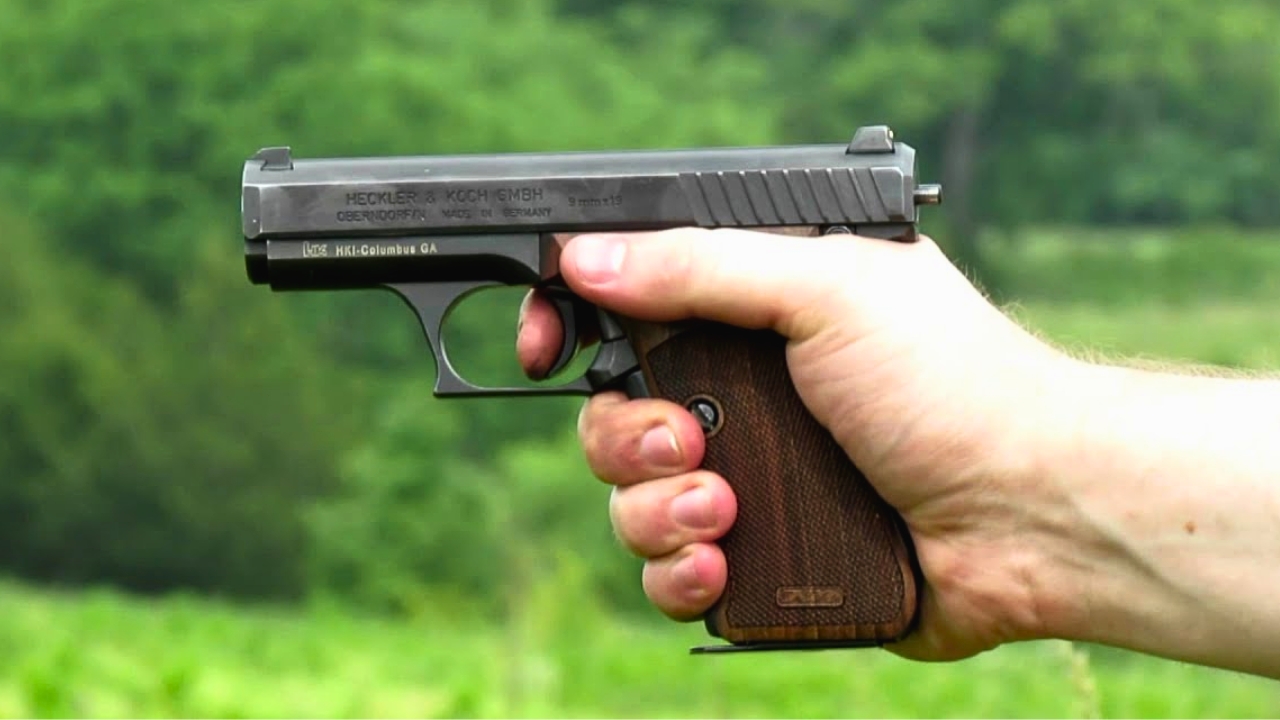
Photo credit: LifeSizePotato/YouTube
Gun people love laughing at the wrong pistol at the wrong time. A handgun looks dated, awkward, too bulky, too cheap, too weird, or too tied to an era people think is over, and suddenly it gets written off like it has no future. Then the market shifts. Supply dries up, nostalgia kicks in, collectors wake up, and the same gun that drew shrugs at the counter starts getting passed around like somebody uncovered a secret.
That is what makes this kind of handgun story so satisfying. A lot of these pistols were not loved early on because they were trendy. They survived because they worked, had character, or held onto a place in gun culture longer than critics expected. Then values started climbing, and the guys who used to joke about them had to watch owners quietly look a whole lot smarter.
CZ 82

The CZ 82 used to get brushed off as one more surplus oddball with a strange caliber and a heavy Cold War vibe. A lot of shooters saw it as cheap range clutter. It was accurate, reliable, and surprisingly comfortable in the hand, but that did not stop people from talking about it like it was a temporary curiosity instead of a pistol worth holding onto.
Then the usual surplus story kicked in. Imports slowed, cleaner examples got harder to find, and people started realizing the gun had more going for it than the price tag ever suggested. The same pistol that people once mocked as an awkward 9×18 leftover started looking like a smart buy from an era when military handguns still had steel, personality, and some honest utility.
Star BM
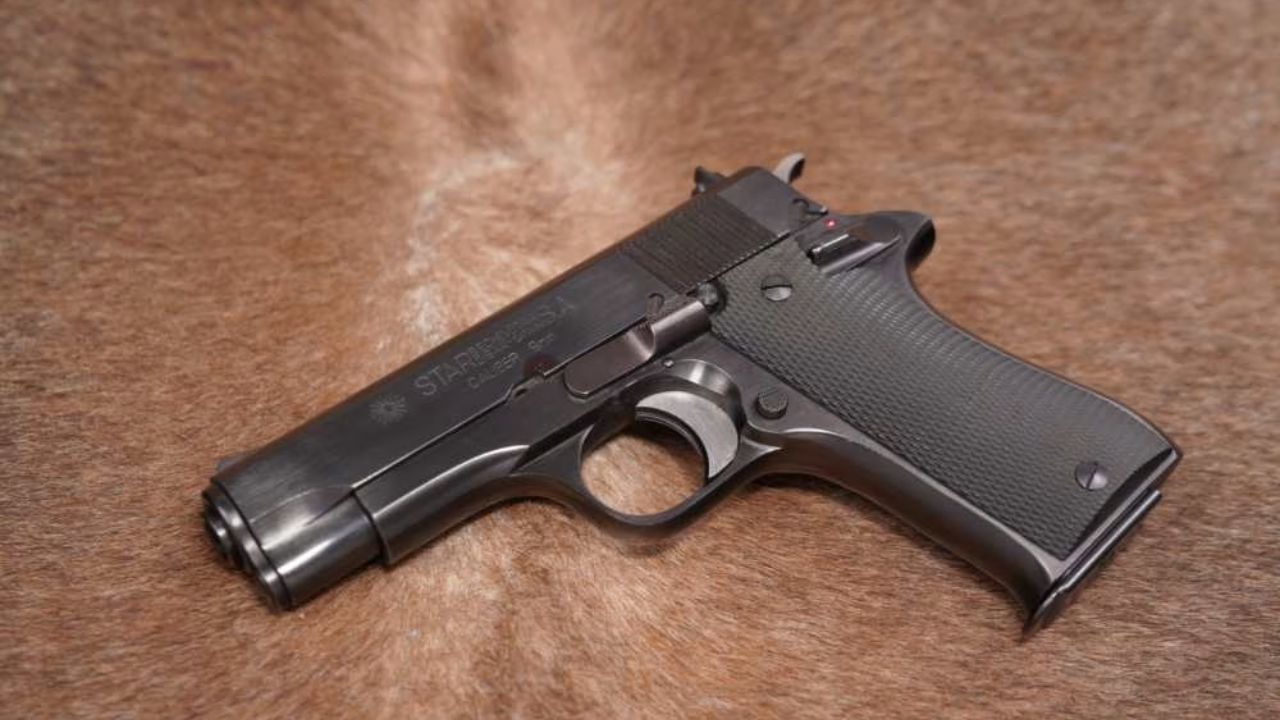
The Star BM got mocked for years as the off-brand single-stack that was not a real 1911 and not cool enough to stand beside the bigger names. Some people treated it like a bargain-bin compromise for shooters who wanted steel but could not afford something with more prestige attached to it. That attitude stuck around for a long time, even though the gun had solid handling and more charm than critics wanted to admit.
What changed was simple. The cheap supply dried up, and people who actually owned them remembered that they were good little shooters with real carry appeal. Once the easy deals disappeared, the BM stopped being the pistol people made jokes about and became the pistol they wished they had bought two of when they were still sitting unloved in surplus racks.
Smith & Wesson 5906
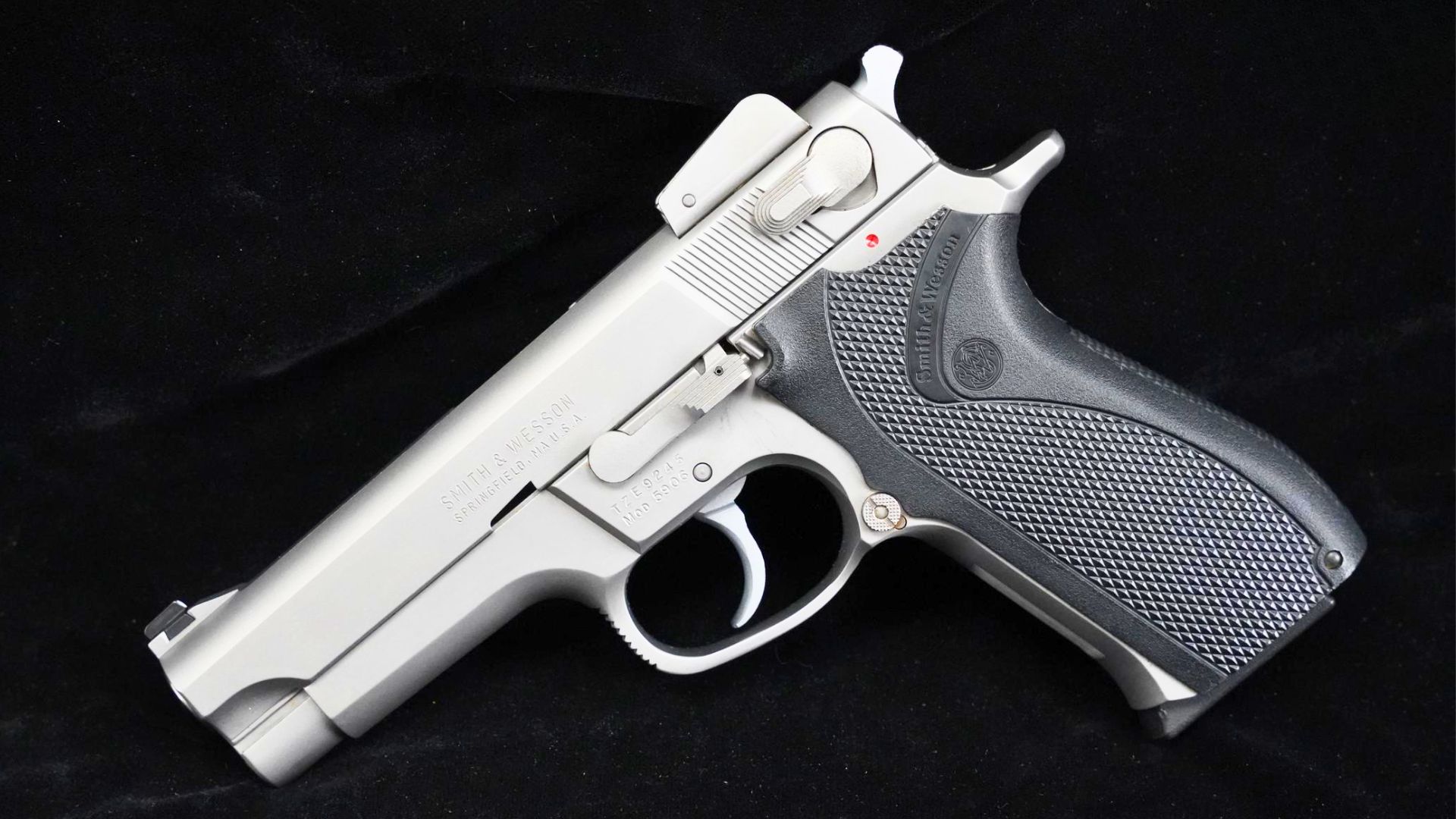
There was a period when the 5906 got treated like the definition of outdated police trade-in bulk. Too heavy, too square, too stainless, too tied to an era people thought modern pistols had completely buried. It did not help that polymer guns made everything metal and overbuilt look old overnight. For a while, the 5906 was the kind of handgun people respected only after making a joke about how much it weighed.
Now the market has a different view. Clean third-generation Smith autos have a following, and the 5906 benefits from that more every year. People started appreciating how durable those guns were, how soft they shot, and how much confidence came from a pistol built like it expected hard duty. The gun that once looked like dead weight now looks like a smart pickup from a time many shooters wish they had taken more seriously.
Hungarian FEG PJK-9HP
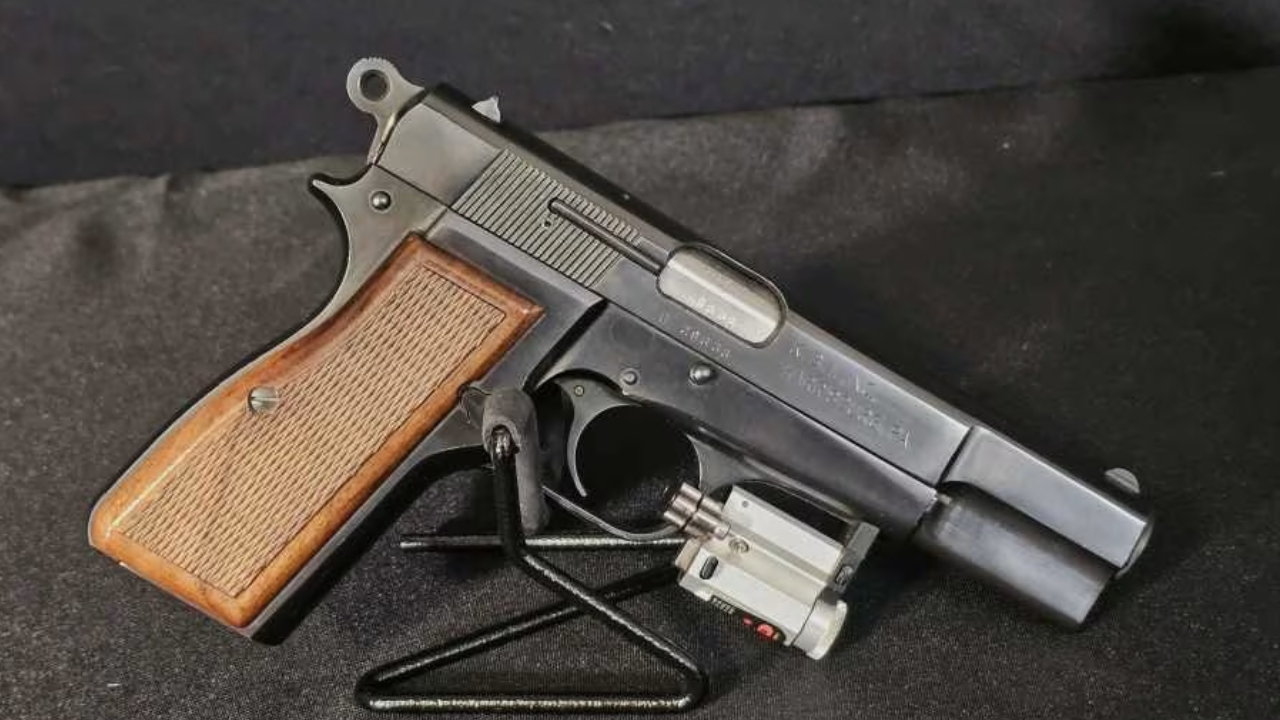
A lot of shooters used to look at the FEG PJK-9HP and see a budget Hi-Power stand-in with none of the bragging rights. It was the kind of pistol people bought when they wanted the feel of a classic design without paying Browning money, and that alone made some folks sneer at it. The assumption was that it would always be the cheaper, less desirable version.
That thinking got punished once values started climbing across the entire Hi-Power orbit. As original Brownings got pricier, a lot of shooters started looking harder at the FEGs, especially the better examples that actually handled and shot well. Then the math changed. What once got mocked as the poor man’s option started looking like a smart, early buy before the whole category drifted out of casual reach.
Ruger P89

Few pistols got laughed at more for being blocky than the Ruger P89. It was the handgun version of a brick in the minds of a lot of shooters, and it never had the sleek image or cool-factor that made people brag about carrying one. Owners usually defended it with the same line every time: ugly, yes, but it always works. Back then, that was not enough to make the critics shut up.
Years later, the same traits that made people roll their eyes started looking pretty appealing. The P89 had durability, reliability, and a kind of blue-collar honesty that aged well once the market got crowded with more fragile reputations. It is still not a glamour gun, but that is the point. The people who bought them cheap and kept them ended up looking smarter than the ones who dismissed them for not being pretty.
Walther P1
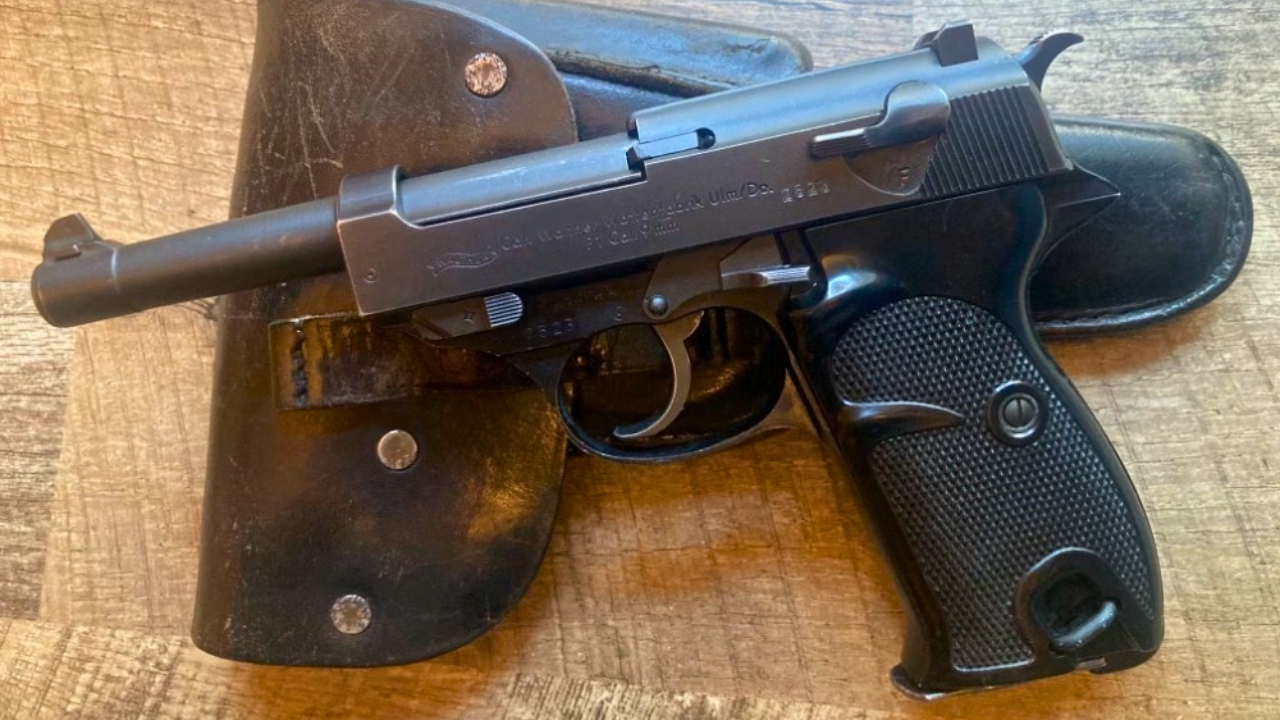
The Walther P1 got dumped into the surplus conversation for years as the lighter, later version of a more romantic wartime design. That meant a lot of shooters treated it like the less desirable relative, the one you bought because it was affordable and available, not because it inspired much excitement. Plenty of people mocked it as thin, rattly, and too tied to military leftovers to be taken seriously.
Then collectors and shooters both started seeing it a little differently. Once the cheap piles thinned out, the P1 began looking like a legitimate historical pistol with real shootability and a strong connection to postwar European service use. The people who picked them up when nobody cared were suddenly sitting on handguns that had become a lot more interesting than the old jokes made them sound.
Beretta 81 Cheetah
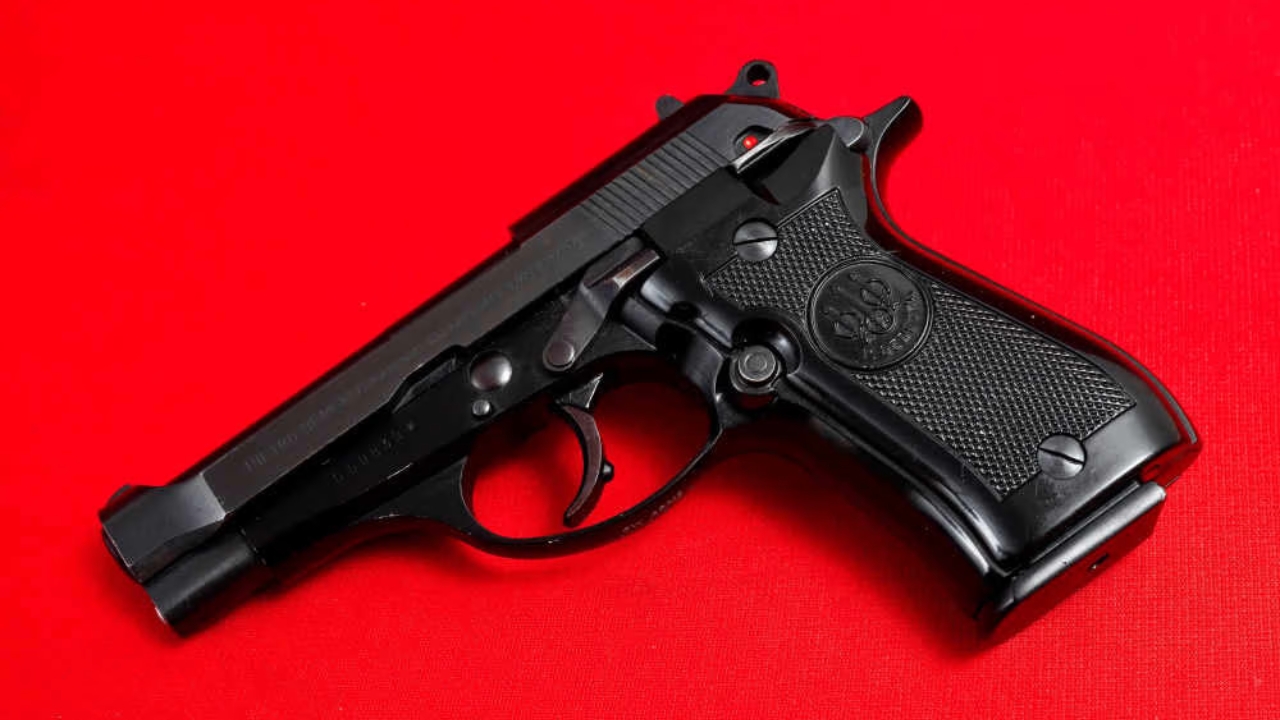
For a long time, the Beretta 81 lived in that dangerous middle ground where it was too old-school for trend-chasers and too mild in caliber to impress people who only talk in major-power terms. A .32 ACP service-style pistol was easy to mock if your whole identity was built around louder cartridges and newer carry guns. The Cheetah got written off as charming but irrelevant.
That tune changed once people actually handled one and the supply started tightening. The gun had beautiful lines, excellent ergonomics, and a kind of refined shootability that a lot of modern pistols never even try to offer. As more shooters started appreciating well-made older Berettas, the 81 stopped looking like a forgotten oddball. It started looking like the smart buy people ignored while chasing bigger names.
SIG Sauer P6
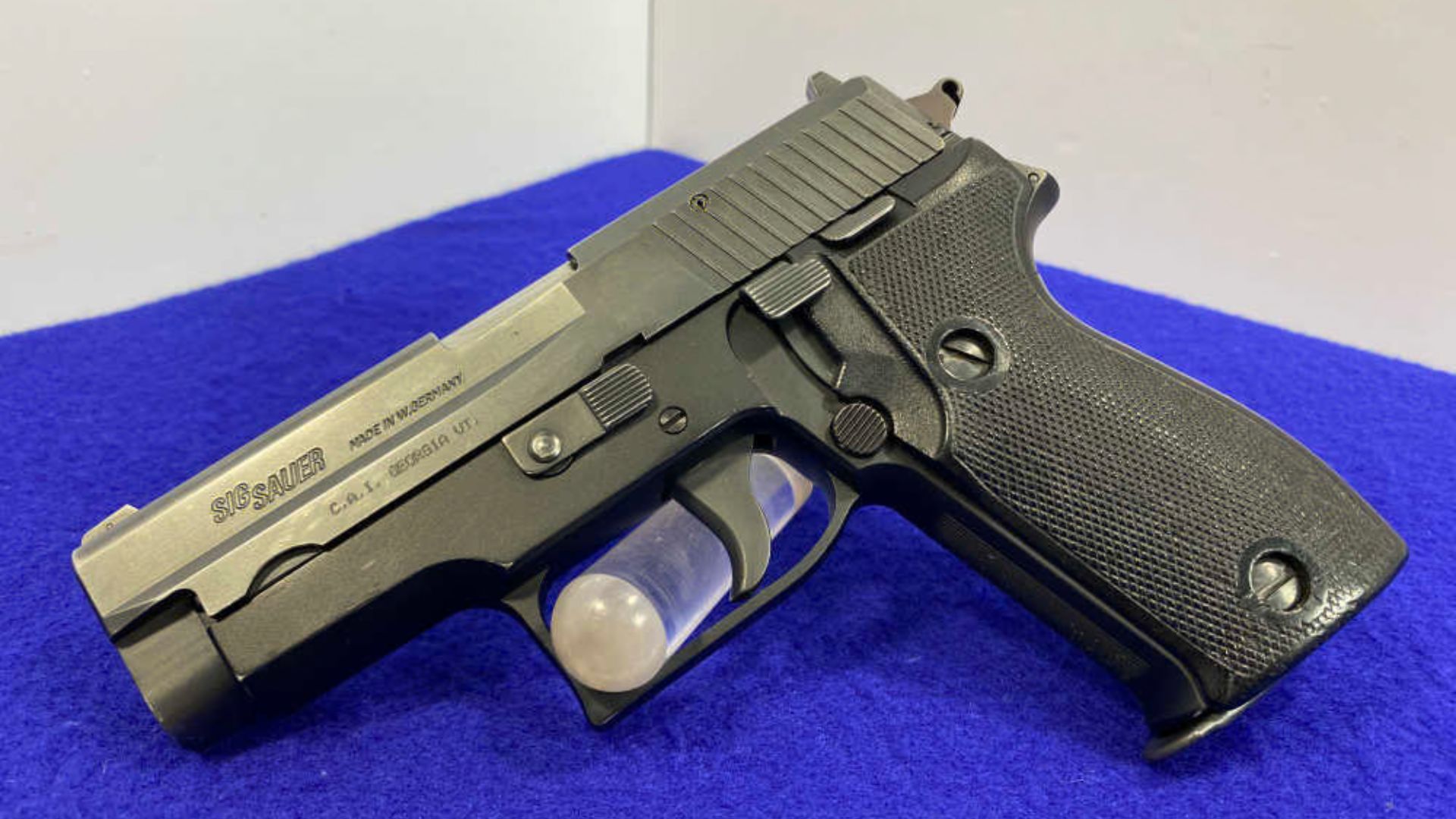
The P6 came into a lot of shops with the baggage of being a police trade-in that was not quite as exciting as the commercial SIGs people really wanted. It looked plain, it wore honest holster marks, and it lacked the polished status that made buyers feel flashy. Plenty of shooters treated it like the lesser version of the pistol family, good enough for a deal but not something to get attached to.
Then reality did what it usually does. Those trade-ins proved durable, accurate, and deeply likable once people spent time with them. As metal-frame SIG interest grew and cleaner West German-era guns kept getting more attention, the P6 stopped feeling like second-tier inventory. The guys who quietly bought them when they were cheap police leftovers ended up looking a lot smarter than the ones who laughed and kept scrolling.
Astra A-75

The Astra A-75 never had the name recognition to win a room full of loud gun-shop opinions. To a lot of people, it was another Spanish pistol from a maker they did not fully trust or understand, which made it easy to dismiss without much thought. It did not carry the mystique of a SIG, Beretta, or Smith duty pistol, so it got pushed into the category of guns people assumed would stay cheap forever.
That forever did not last. As more shooters learned what the A-75 actually was, a compact all-metal double-stack with very usable manners, it became harder to shrug off. Once availability tightened, the tone changed from mockery to curiosity. These pistols still do not dominate conversations, but the people who bought them before interest rose now look smart for recognizing quality before the wider market bothered to notice.
Heckler & Koch P7 PSP
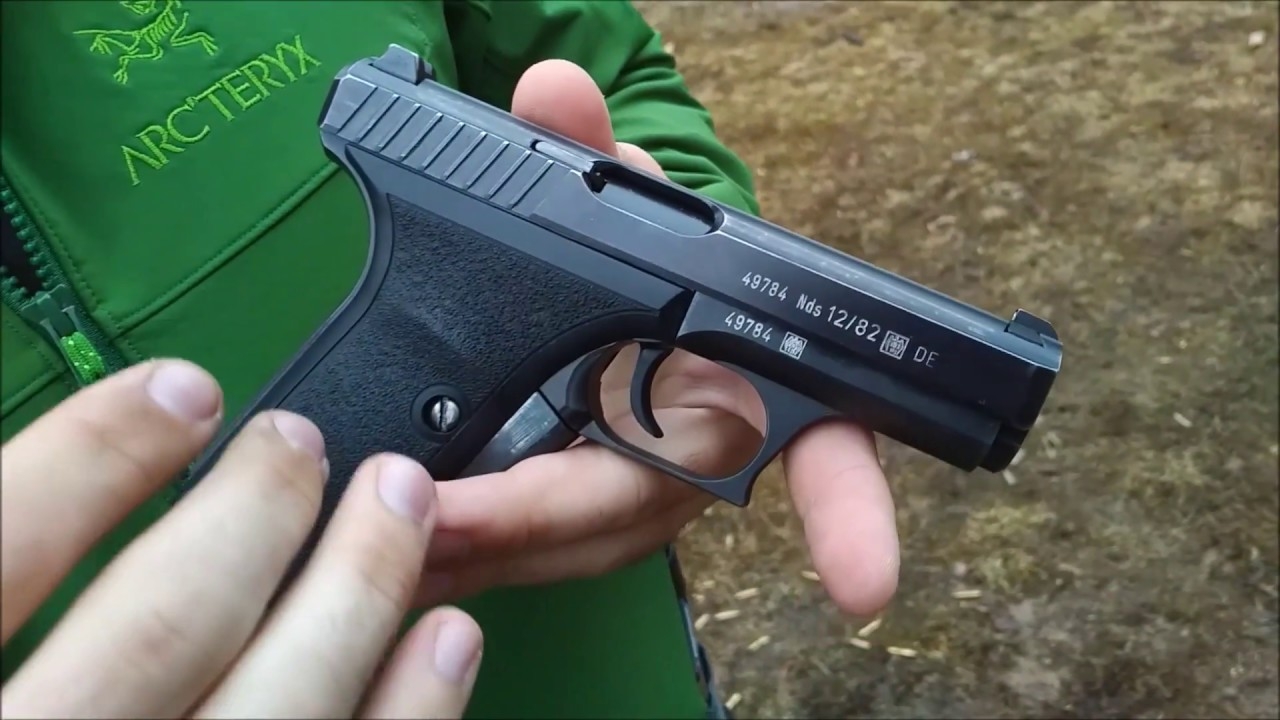
It is funny to think of the P7 being mocked now, but it absolutely was. People complained about the squeeze-cocker, the heat, the price, the heel release on some variants, and the whole idea of it being a brilliant answer to a question they did not think needed asking. To plenty of shooters, it was a strange, over-engineered pistol for people who wanted to act smarter than everyone else at the range.
Then time turned all that weirdness into desirability. The P7 stopped being a quirky outlier and became one of those pistols people speak about with a kind of reverence. Once prices jumped and clean examples became real-money guns, the laughing died down fast. The market made the point clearly: sometimes the gun people call weird is actually the one they failed to understand before it got out of reach.
Smith & Wesson 3913

The 3913 spent years in the shadow of bigger-capacity service pistols and later micro-compacts that made single-stack metal guns seem like leftovers from another chapter. A lot of shooters saw it as a gun for people who had not caught up. It did not help that it looked understated to the point of being easy to ignore, especially beside louder, flashier carry options.
What the critics missed was how much the 3913 got right. It carried well, shot with surprising manners, and had a kind of polish in its design that many newer carry guns never matched. As more shooters got tired of gimmicks and started appreciating older Smith autos, the 3913 gained a stronger following. The pistol people once overlooked started looking like the kind of smart, disciplined buy that ages better than hype.
Tanfoglio Witness Steel
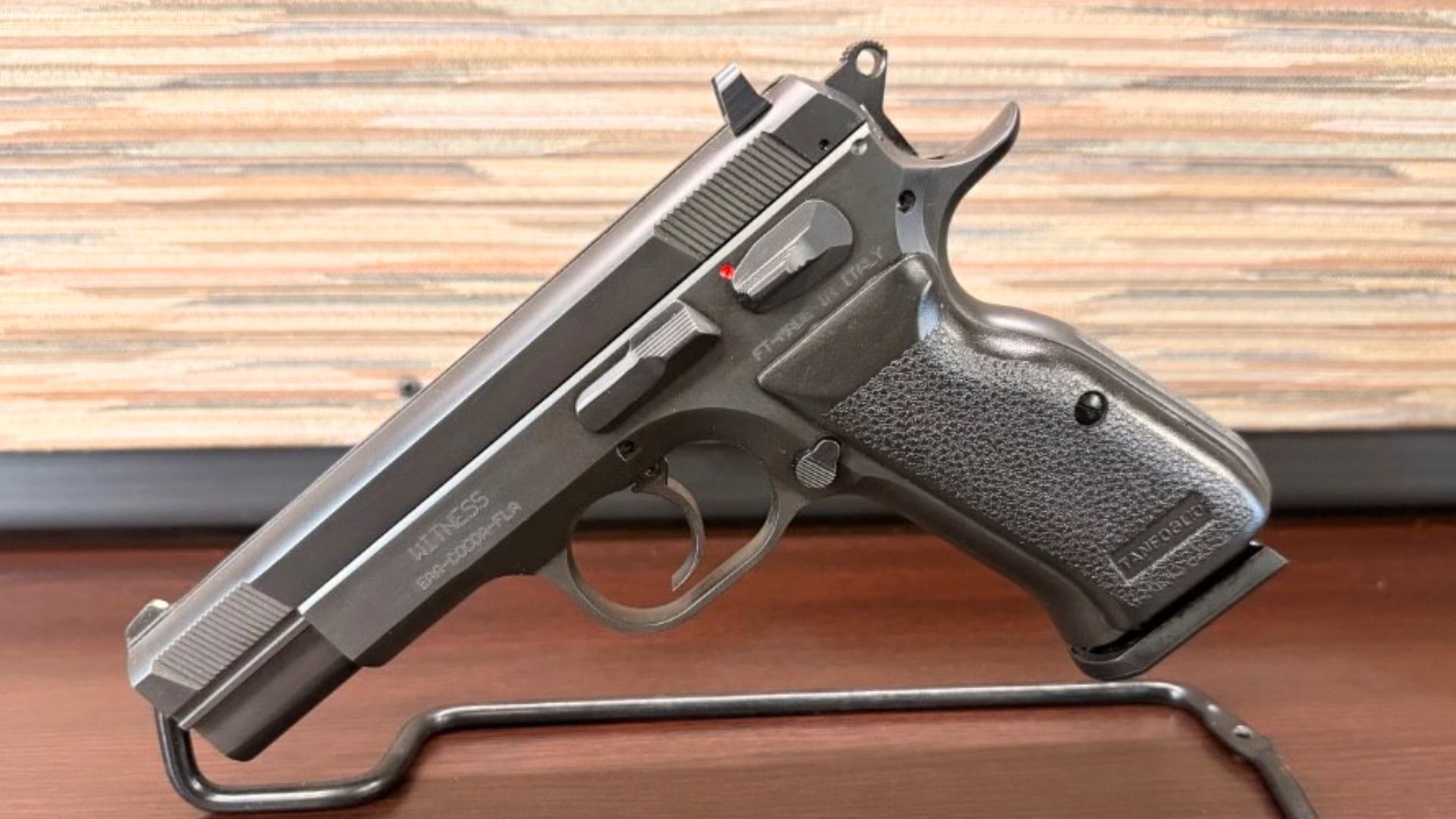
The steel-frame Witness used to catch a lot of side-eye from shooters who saw it as a not-quite-CZ from a name they did not fully trust. It was easy to reduce it to a clone, and in gun culture, clone talk usually comes with a built-in layer of condescension. The assumption was that if it was not the original standard-bearer, it would always live a step below it.
Then the market started teaching a familiar lesson. A good steel Witness offered real shootability, solid ergonomics, and enough quality to win over the people who actually spent time behind one. As prices across the metal-frame wonder-nine space rose, that old clone dismissal stopped holding much weight. Owners who bought when the market was still sneering ended up in a better position than the guys who talked themselves out of one.
Colt Mustang Pocketlite

There was a time when a lot of shooters saw the Mustang Pocketlite as a cute little carry gun from an earlier era, not something to take too seriously in a world that kept moving toward bigger capacity and later toward polymer everything. It got treated like a lightweight novelty with some nostalgia value, but not much more than that. Plenty of people assumed it would always sit in that lane.
Instead, the market made room for it in a big way. Once people started appreciating compact older Colts again, and once truly nice examples became less common, the Mustang’s reputation improved. What had looked like a dated pocket pistol started looking like a clever early buy. The people who grabbed them because they liked the design ended up owning something the broader market later decided was smarter than it had first assumed.
Arcus 94

The Arcus 94 was the kind of pistol gun people laughed at because it looked like a Hi-Power had been redrawn with a ruler and then built with zero concern for beauty. It had all the visual grace of a work boot, and that was enough for many shooters to dismiss it before they ever gave it a chance. Cheap imports with rough edges do not usually get the benefit of patience.
But ugly handguns can age well when they run. The Arcus developed a reputation among the people who actually used one, and that mattered once values across other Browning-pattern pistols climbed. No, it never turned into a glamorous collectible, but that is not the point. The people who bought these when others were making jokes ended up with a solid pistol from a shrinking pool of affordable, all-metal practical handguns.
Browning BDA .45

The Browning BDA .45 confused people for years because it did not fit cleanly into the stories gun buyers like to tell themselves. It was big, different, and tied to a design lineage that did not always get instant love from people who preferred more obvious classics. That made it easy to mock as a weird detour instead of seeing it as an interesting, well-made pistol with serious appeal.
As the market matured, weird started looking valuable. Older Brownings with distinct identities stopped being background noise and started drawing more deliberate attention. The BDA .45 benefited from that shift because it offered exactly what hindsight tends to reward: recognizable quality, relative scarcity, and a design people once underestimated. The owners who held onto them while others joked ended up looking sharper than the crowd that never bothered to take a second look.
Ruger Security-Six
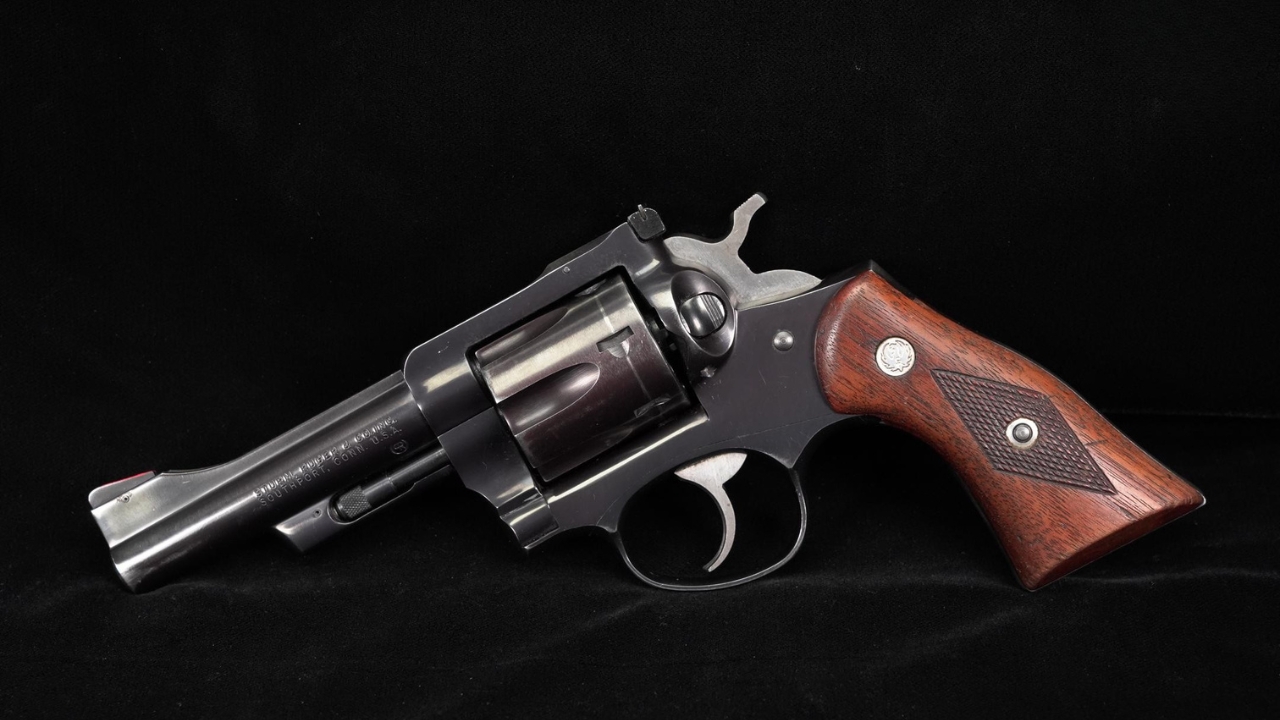
For years, the Security-Six got treated like the revolver people bought when they could not stretch to the Smith or Colt they actually wanted. That made it an easy target for snobs who acted like practical value was something to apologize for. Ruger revolvers had loyal fans, but there was definitely a stretch where owning a Security-Six did not earn much admiration from the guys who cared more about polish than durability.
That kind of mockery ages badly when the market starts rewarding strength, honesty, and disappearing supply. The Security-Six turned out to be exactly the sort of revolver people should have respected sooner. It is tough, useful, and increasingly appreciated for what it is rather than what it is not. The people who bought them when they were still treated as the other option ended up looking a lot smarter than the people doing the laughing.
Like The Avid Outdoorsman’s content? Subscribe to our newsletter so you never miss an article.
Here’s more from us: