Photo credit: Arctic Arms/Youtube
Every few years I’ll open the safe, shuffle things around, and realize the “boring” guns are the ones I actually reach for. The slick new stuff gets the attention online, but in the real world it’s the old semi-autos with honest triggers, proven mags, and predictable manners that keep punching their clock.
This isn’t a museum list. Some of these are heavy, some are homely, and a couple have quirks you need to respect. But if you hunt, keep a truck gun, or just like having a rifle or pistol that runs when you’re cold, tired, and wearing gloves, these forgotten semi-automatics still make a lot of sense.
1. Remington 742/7400 Woodsmaster

I’ve watched more than one guy swear these off because somebody’s cousin “shot one loose.” Here’s the truth: they can be finicky if neglected, and they don’t love being run dry and dirty for decades. Still, a healthy Woodsmaster with decent ammo is a quick-pointing deer rifle that carries nice and shoots better than people admit.
The real value is how fast you can get a follow-up shot without losing the sight picture. In thick woods, that matters. If you’ve got one that feeds well with the magazine you’ve got, don’t get cute and start tinkering—keep it clean, keep the rails happy, and it’ll keep stacking venison.
2. Browning BAR (hunting models)

The hunting BAR isn’t the tacticool BAR everyone argues about online. It’s a soft-shooting, smooth-cycling autoloader that feels like it’s on ball bearings. The downside is weight, and it’s not a rifle you want to detail strip on the tailgate with numb fingers.
But if you want a semi-auto that behaves like a “real rifle” in .30-06, .308, or one of the classics, it’s hard to beat. They point naturally, they’re polite on the shoulder, and they tend to make average shooters look a little better than they are.
3. Ruger Mini-14 (older Ranch rifles)
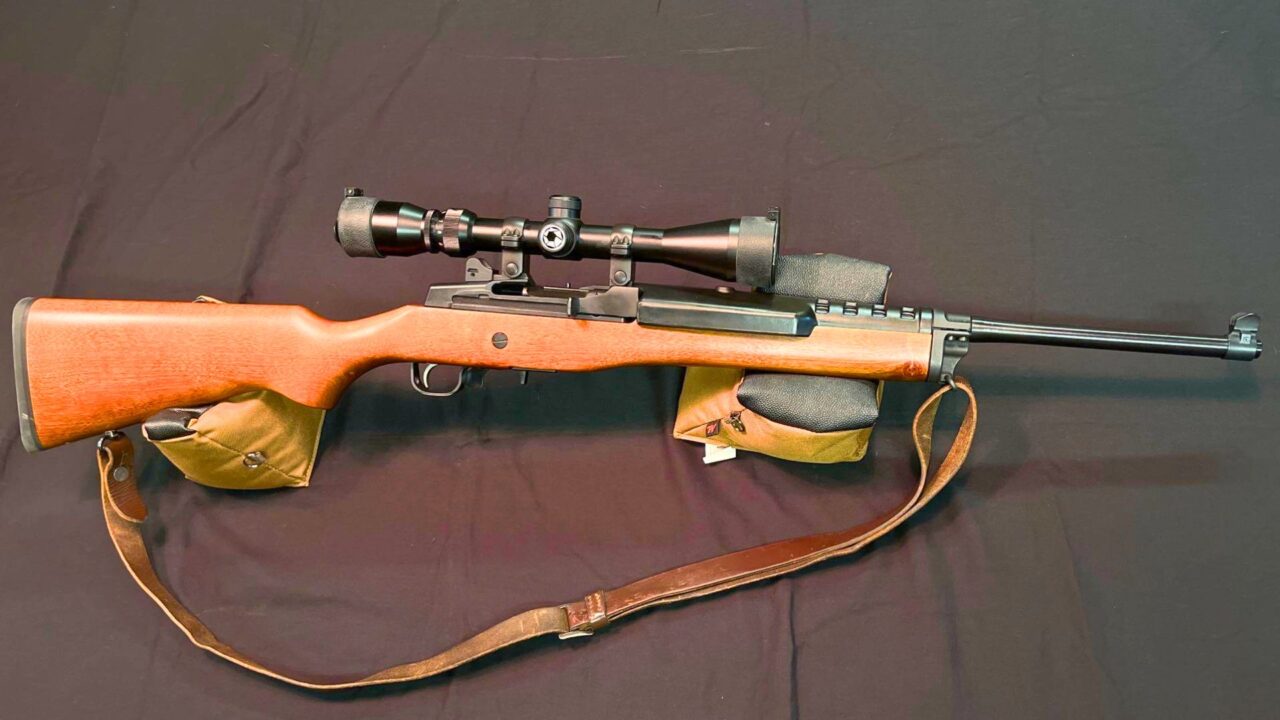
The Mini-14 got mocked for years, and some of it was earned. Early guns could be hit-or-miss with groups, especially when hot, and bad magazines will make you hate life. With that said, a good Mini with good mags is one of the handiest “walk around the farm” rifles ever built.
It carries like a .22, swings fast, and doesn’t scream for attention the way a black rifle does in certain places. For coyotes, pests, or just a simple rifle that rides behind a truck seat, the Mini still belongs.
4. Ruger Mini-30
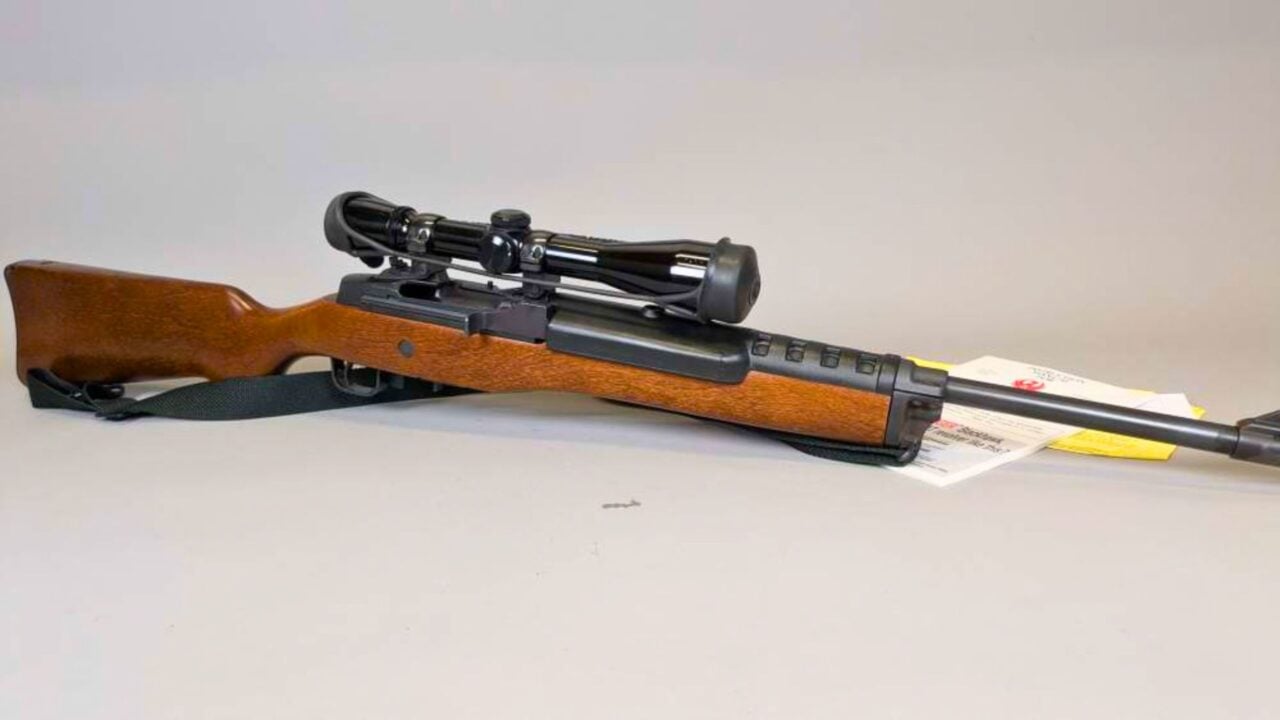
Everybody wants to talk about 7.62×39 like it’s either perfect or useless. The Mini-30 lives in the middle. It hits harder than a .223, can be loaded with soft points that actually make sense for hunting, and it handles like its little brother.
The catch is ammunition choice and magazine quality. Some loads with harder primers can cause the occasional light strike in some rifles, and bargain mags can turn a range day into a jam-clearing clinic. When it’s set up right, it’s a practical woods rifle that doesn’t get enough credit.
5. Springfield Armory M1A (standard models)

I get why people thin these out. They’re not light, optics mounting can be a whole project, and the .308 appetite isn’t cheap. Still, the M1A is one of those rifles that makes you slow down and shoot like you mean it.
For folks who like irons, sling work, and a rifle that feels like a rifle, it scratches an itch nothing else quite does. It’s not the simplest tool, but it’s a serious one, and it stays relevant because it’s honest.
6. M1 Garand (CMP-style shooters, not safe queens)

Yes, it’s old. Yes, it’s long. And yes, it can make you realize you’re out of shape if you carry it all day. But a shooter-grade Garand is still one of the best ways to own a piece of history that you can actually run on the range without babying.
The action is smooth, the sights are excellent, and it teaches fundamentals whether you wanted lessons or not. Keep it fed with appropriate ammo and treat it like the old warhorse it is, and it’ll keep doing the job.
7. SKS (good ones, not mystery builds)

The SKS has become a punchline because it used to be cheap, and now it’s “not worth it” in the eyes of guys chasing bargains. I don’t agree. A solid SKS with its fixed magazine is simple, reliable, and surprisingly handy in the woods.
It’s also one of the semi-autos that doesn’t tempt you into turning every range trip into a mag-dumping contest. There’s something to be said for a rifle that runs clean enough, hits hard enough, and encourages you to make shots instead of noise.
8. Saiga sporter rifles (pre-conversion, “boring” configuration)

These got bought up, converted, and argued over until the internet got tired. The unconverted sporter versions aren’t sexy, but they’re practical. They tend to be reliable, and the sporter stock can actually be comfortable for hunting-style shooting.
Parts and magazines can be a mixed bag depending on the exact model, but if you’ve got a Saiga that runs, hang onto it. It’s one of those rifles that quietly became harder to replace than most folks expected.
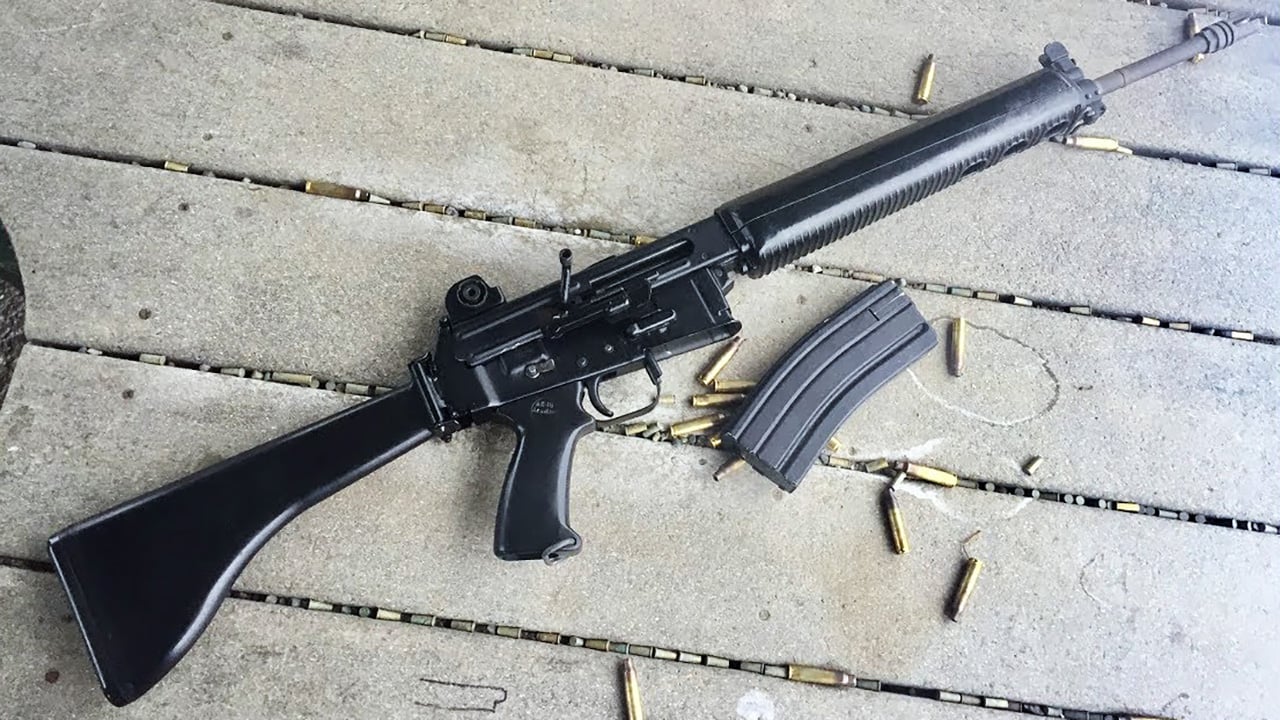
9. AR-180/AR-180B

The AR-180 doesn’t get brought up much until someone sees one at a gun show and suddenly everybody’s an expert. The appeal is simple: piston operation, folding stock on some variants, and a different feel than an AR-15 without getting weird about it.
Are parts as common as AR parts? No. But they’re shooters, not just collectibles, and they scratch that “light rifle that runs” itch in a way that’s still relevant if you appreciate old-school designs.
10. Beretta 92FS (and the police trade-in era guns)
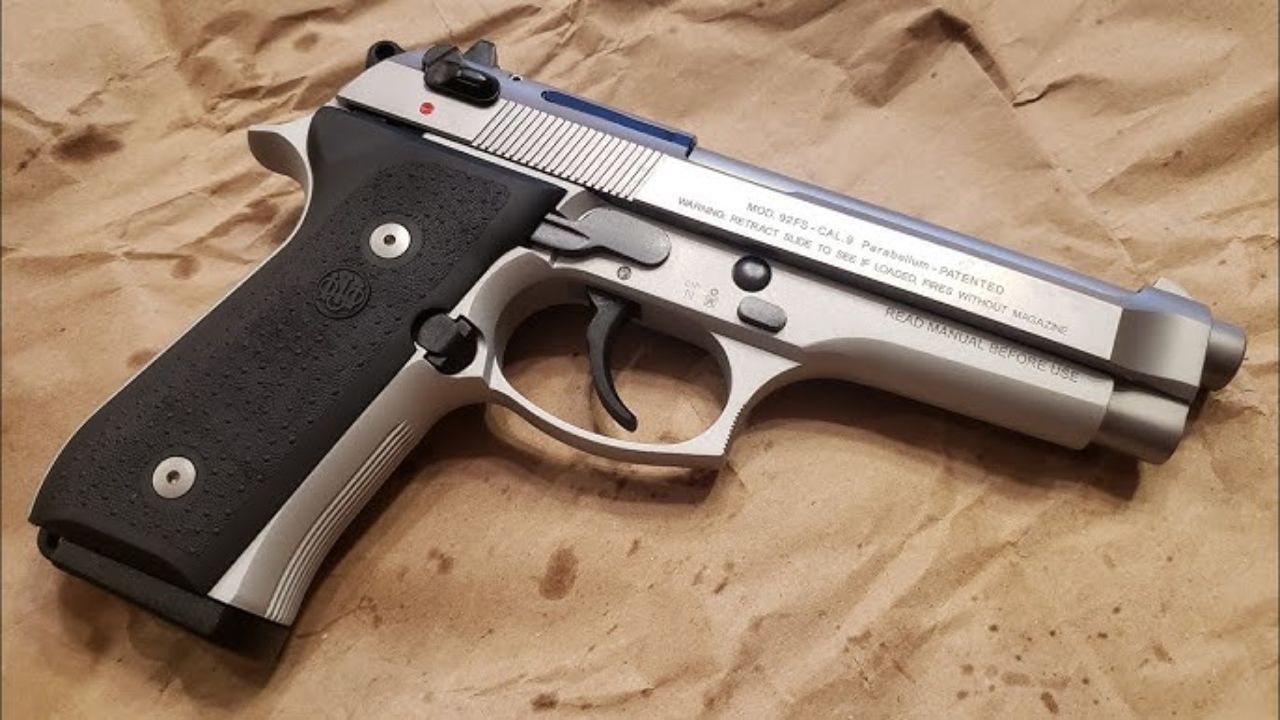
The 92FS isn’t trendy right now, and I’m fine with that. It’s big, it’s not a deep-concealment pistol, and it doesn’t fit every hand. But it is easy to shoot well, the recoil is mild, and the gun tends to run when it’s filthy and hot.
For a nightstand pistol or a range gun that won’t beat you up, it’s hard to argue against. Magazines are everywhere, and the manual of arms is simple enough once you commit to it.
11. SIG Sauer P229 (especially .40 models)

Here’s a gun that got dumped by the truckload when departments moved on, and a bunch of shooters decided .40 S&W was suddenly poison. Meanwhile the P229 kept being what it always was: a solid, duty-grade pistol that points naturally and shoots flatter than it has any right to.
Even if you convert to 9mm or just keep it as a .40, it’s a workhorse. The weight helps control recoil, and it carries better than you’d think in a good holster.
12. Smith & Wesson 3913
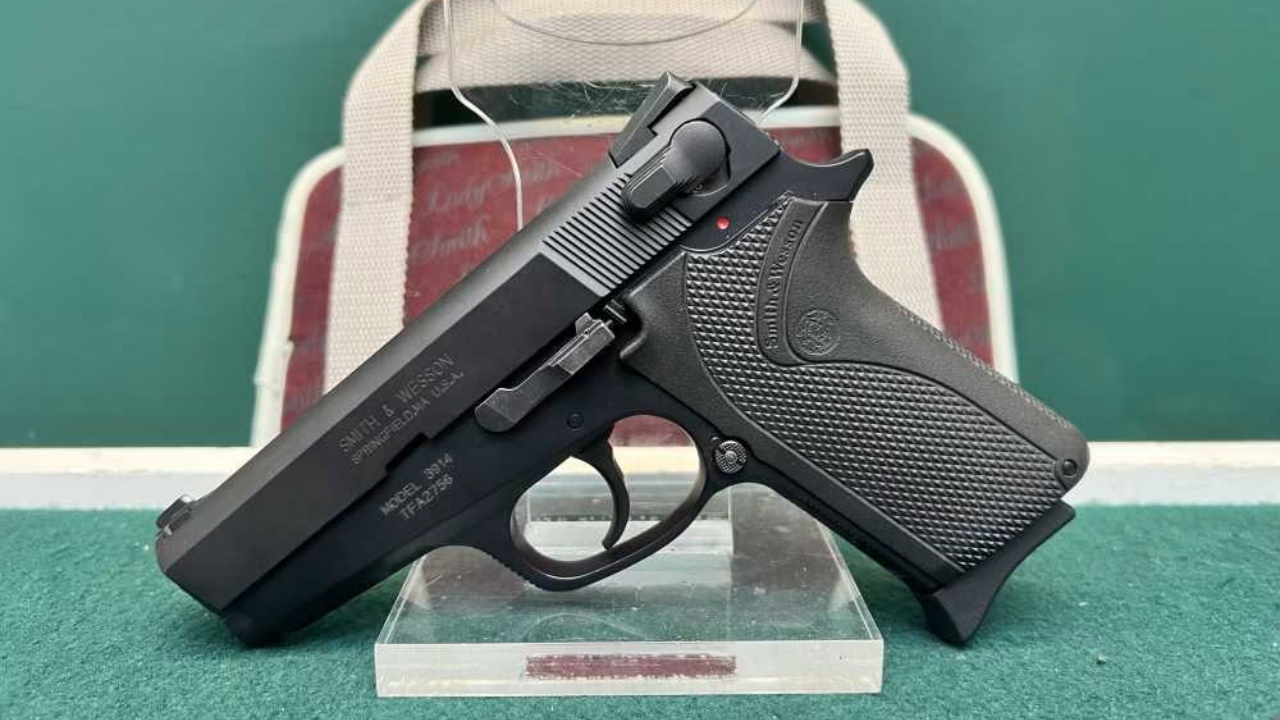
This is one of those pistols that disappears from conversation until someone pulls one out and everybody goes, “Oh yeah, those.” Slim, metal-framed, and straightforward, the 3913 was a serious carry gun before “micro-compact” was a marketing category.
The trigger isn’t match-grade, and it’s not the highest capacity thing going. Still, it carries comfortably, it’s pleasant to shoot, and it’s the kind of pistol you can actually keep on you without making a big deal about it.
13. Ruger P95

The P95 is not pretty. It feels like a brick until you’ve shot it a while, and then you realize it’s a brick that never cracks. I’ve seen these go thousands of rounds with nothing but basic cleaning and still keep chugging.
If you need a glovebox gun or a simple home-defense pistol you don’t have to worry about, a P95 is hard to hate. They’re usually affordable, and they don’t mind being treated like a tool.
14. CZ-75B

Every time I shoot a CZ-75, I’m reminded that ergonomics aren’t a new invention. It sits low in the hand, tracks well, and tends to make quick follow-up shots feel natural. The all-steel versions are heavier than the polymer crowd wants, but that weight is your friend on the range.
It’s also one of those pistols that has a loyal following for a reason: it just works, and it’s accurate enough that you stop blaming the gun. If you’ve got one, it’s a “keep” in my book.
15. H&K USP (full size)

USPs don’t get the spotlight like they used to, mostly because they aren’t cheap and they don’t have the newest-guy-at-the-range vibe. They’re also chunky. Still, they have a reputation for durability that didn’t come from marketing brochures.
For someone who wants a pistol that can take abuse, handle different loads without being temperamental, and keep its composure, the USP is a safe bet. The trigger won’t wow everyone, but the reliability often will.
16. FN Hi-Power (Browning Hi-Power)

The Hi-Power is one of those pistols that feels alive in the hand, like it was drawn by someone who actually carried a handgun. It’s slim for what it is, points well, and has that classic balance modern pistols sometimes lack.
There are quirks depending on the version, and some folks don’t love the controls compared to modern designs. But if you own a solid Hi-Power, you’ve got a piece of practical history that still shoots like it belongs on the line.
17. Ruger 10/22 (older walnut-and-blue steel carbines)

Everybody knows the 10/22, but the older, basic carbines get overlooked because the aftermarket turned the platform into a hobby. The plain ones are still the ones I like best. Light, handy, and easy to keep running.
A .22 that cycles reliably is never pointless. It’s small-game capable, it’s a training tool, and it’s the rifle you hand to a new shooter when you want them to have fun and learn at the same time.
18. Remington 1100
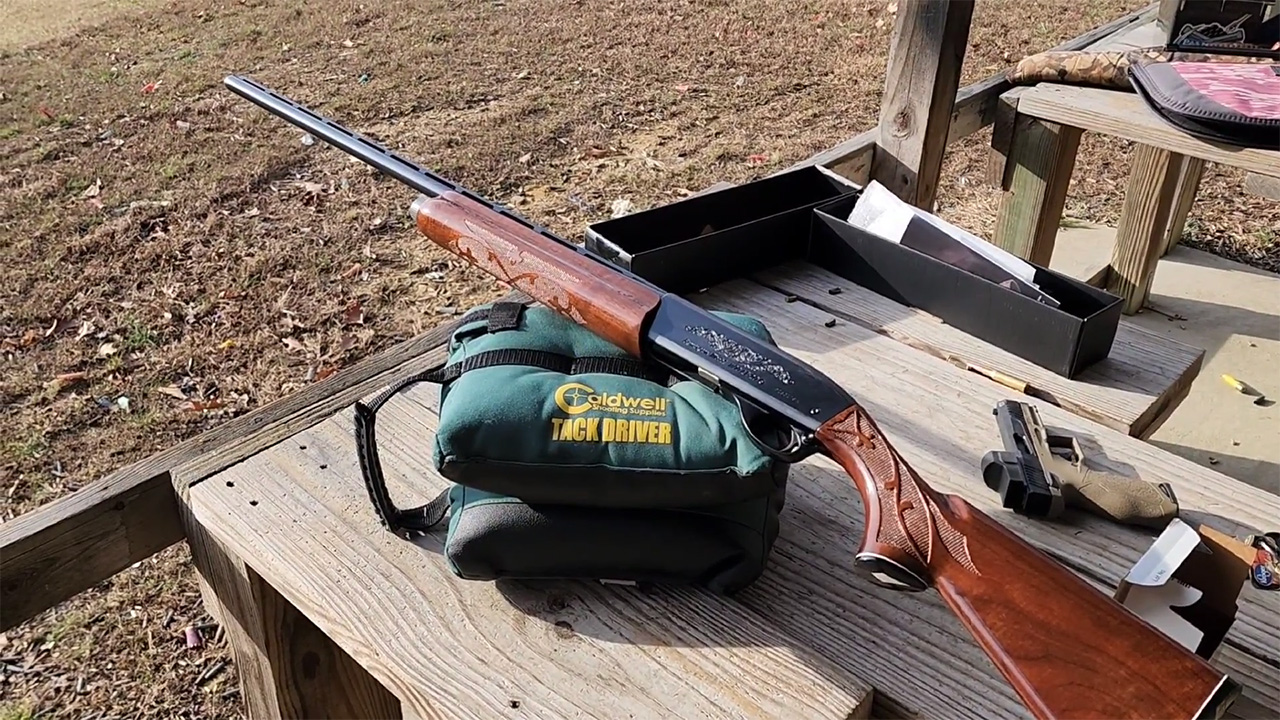
The 1100 is the softest-shooting shotgun a lot of us ever fired, and that alone keeps it relevant. It’s not immune to wear, and O-rings and maintenance are part of the deal. But an 1100 that’s been cared for will run like a sewing machine.
For dove, clays, and general purpose use, it’s still a sweet shotgun. It swings smooth, it doesn’t punish you, and it makes long afternoons in the field a whole lot more pleasant.
19. Browning Auto-5
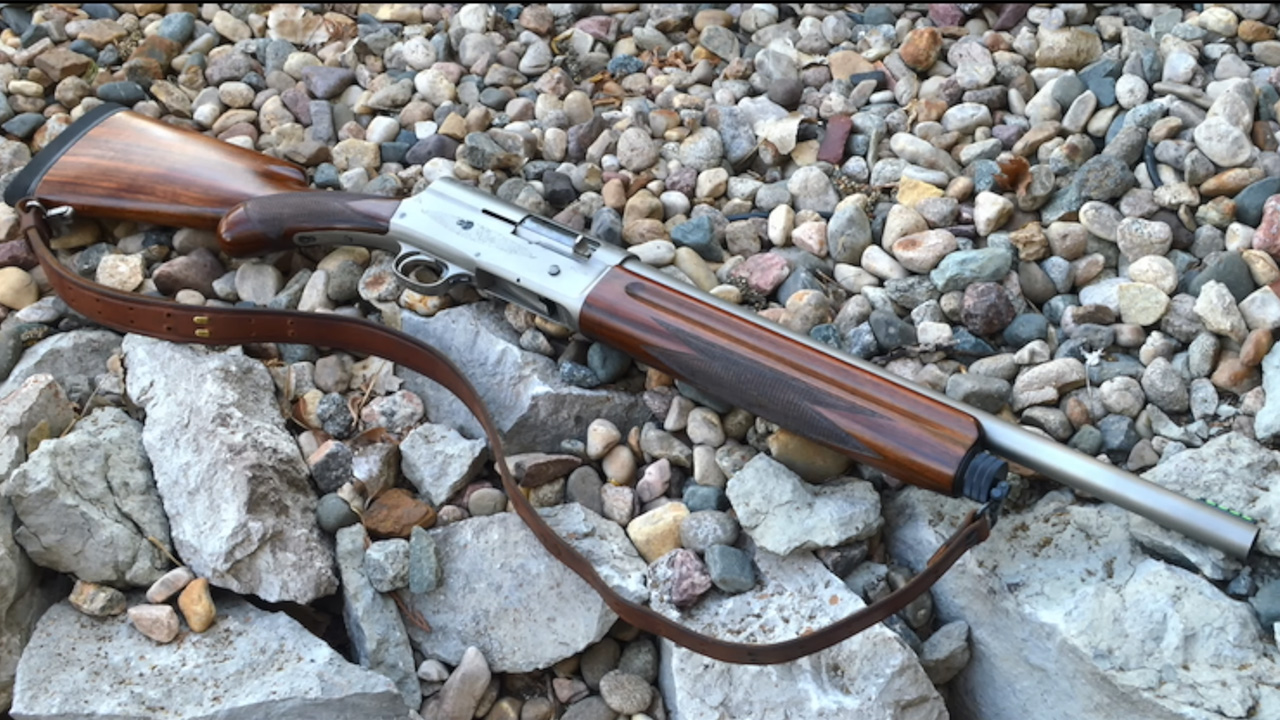
The humpback looks odd until you’ve carried one enough that it starts to feel normal. The long-recoil system isn’t what most folks are used to now, and setup matters depending on loads. But the Auto-5 has been dropping birds for over a century for a reason.
They can be slick shooters, and they have a kind of mechanical character modern guns don’t. If yours is set up right and you understand how it likes to be run, it’s still a legitimate hunting shotgun, not just a wall hanger.
20. Benelli M1 Super 90
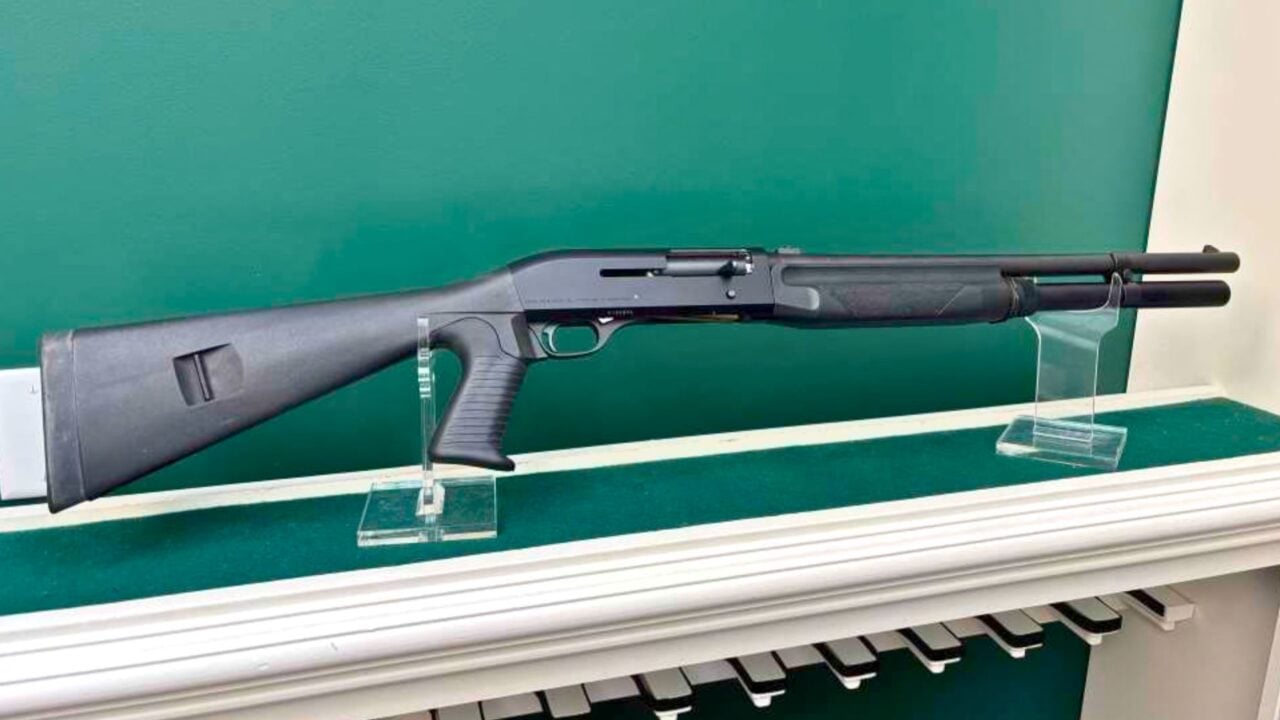
The M1 gets overshadowed by newer models, but it’s still one of the cleanest-running semi-auto shotguns out there. Inertia guns aren’t for everyone, and they can be picky if you baby-shoulder them or try to run very light loads in certain setups.
For hard use, wet weather, and “I need this to work” days, the M1 earns its keep. It’s not fancy, and that’s kind of the point. If you’ve got one that fits you, don’t be quick to trade it away for whatever’s trending this season.
New guns are fun, and I’m not above wanting the latest thing. But if you’re building a safe that actually supports hunting season, range days, and real-life problems, these older semi-autos have a way of sticking around for good reasons. Keep the ones that run, feed them decent mags and ammo, and spend your money on time behind the trigger instead of chasing hype.
Like The Avid Outdoorsman’s content? Subscribe to our newsletter so you never miss an article.
Here’s more from us: