Photo credit: Yamaha Whitetail Diaries/YouTube
A rifle failing at the moment you need it is something every hunter thinks about, even if you don’t admit it out loud. You can practice, check your zero, and keep your gear clean, but some rifles have patterns that show up again and again. Weak extractors, sloppy machining, cheap stocks, and finicky feeding systems all add up to blown chances in the field.
When you spend months preparing for a season, the last thing you want is a rifle that gives up when the pressure rises. These are the models that tend to let you down right when the buck steps out or when the wind is rushing and you need that second shot to matter.
Remington 770
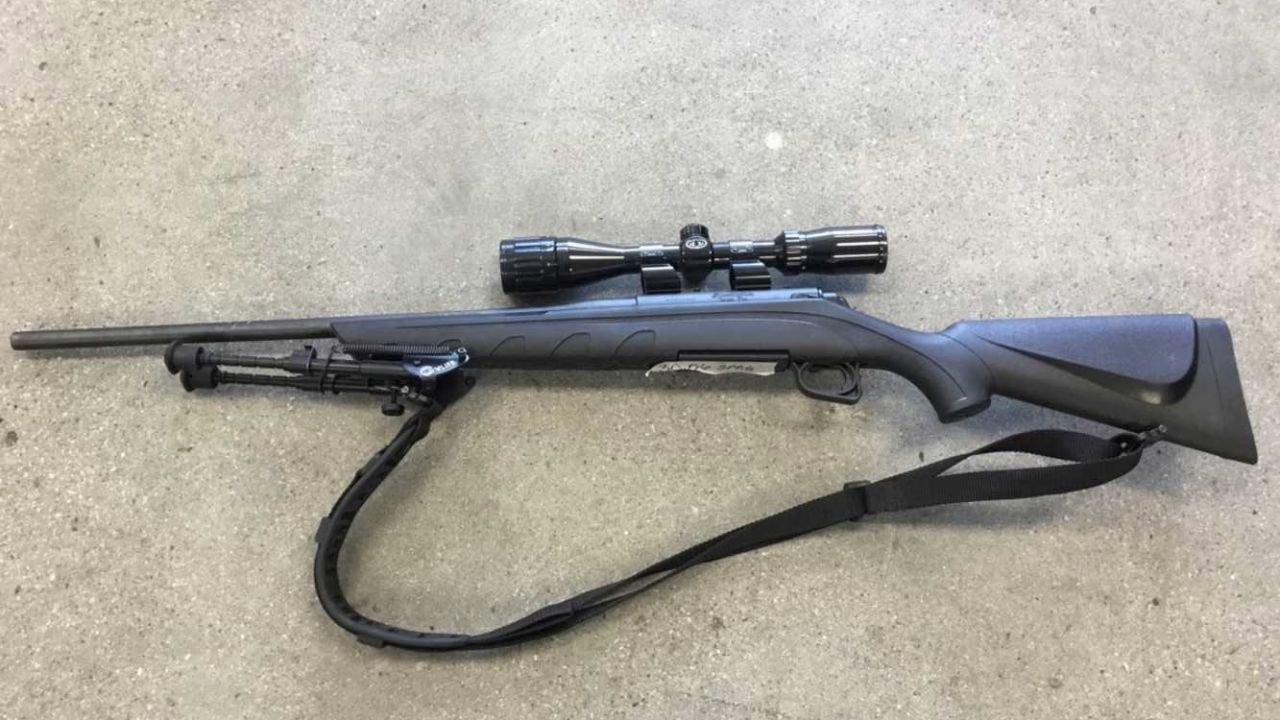
The Remington 770 became popular because of price, but you learn quickly that accuracy and reliability weren’t part of the design priorities. The bolt is rough, the feeding is inconsistent, and many hunters experience failures to extract after only a few seasons of use. When you’re calm at the bench, it might cycle, but in colder weather or when dust gets into the action, the tolerance issues show.
The weak magazine setup doesn’t help either. Rounds don’t always sit at the right height, so the bolt can catch or skip over them completely. That kind of hesitation in the field can cost you a clean opportunity, especially if you’re trying to steady yourself for a fast follow-up.
Mossberg ATR

The Mossberg ATR gained traction as a bargain rifle, but many hunters report cycling issues the moment conditions get rough. The action has a gritty feel, and as the rifle ages, it becomes easier for the bolt to hang up or bind halfway through a stroke. When you’re trying to chamber quickly on a cold morning, that slowdown matters.
The trigger on the ATR is also known to be inconsistent. Some rifles break clean enough, while others feel unpredictable under pressure. Add that to bolt drag and occasional light primer strikes, and you’ve got a rifle that can fail when you’re depending on timing and control.
Ruger American Rimfire (in .22 WMR)
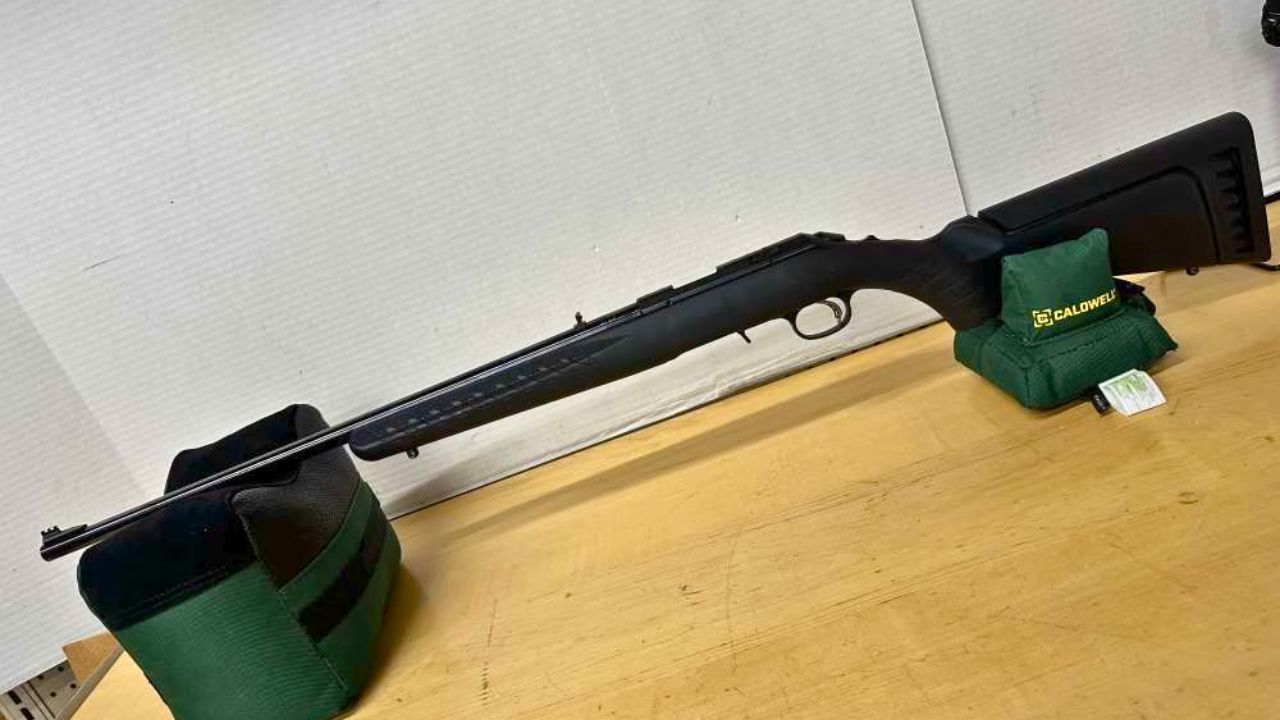
While the Ruger American centerfire rifles perform well, the .22 WMR version has feeding issues that show up repeatedly. Magazine lips vary, and the cartridge’s shape doesn’t always ride smoothly into the chamber. You may end up with the bolt hesitating halfway forward, forcing you to slam it home and throw off your sight picture.
Extraction can be another problem. The rimfire case doesn’t always grip firmly in the extractor claw, especially once the rifle has seen a few thousand rounds. When you’re hunting small game and need quick follow-ups, that hesitation can turn a sure hit into a long afternoon.
Winchester XPR

The Winchester XPR looks strong on paper, but in the field you’ll notice cycling that isn’t as reliable as it needs to be. Some rifles develop bolt binding when moisture or grit gets into the raceways, and that resistance shows up during fast strokes. When you’re trying to stay on a moving deer, that friction can ruin a second shot.
You also see issues with the detachable magazine not locking cleanly every time. A magazine that’s seated loosely can lead to feeding failures when you least expect them. It’s the sort of thing you catch at the range but forget about in the field until the rifle goes silent on you.
Savage Axis II Compact
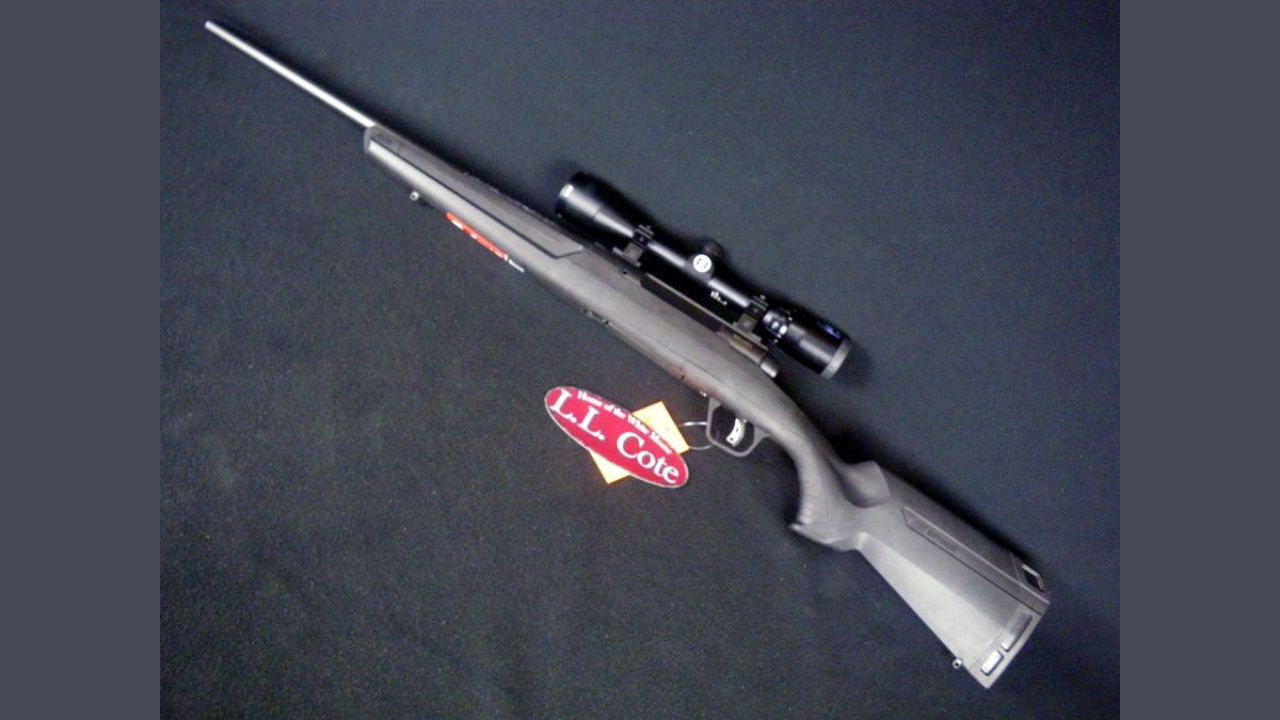
The Axis II Compact is a convenient size, but that shorter platform exposes weaknesses in stability, especially with heavier calibers. The synthetic stock flexes easily, and under recoil you may get shifts in point of impact that become noticeable past 150 yards. Those changes become more dramatic when the temperature swings.
Feeding isn’t always predictable, either. The magazine presents rounds at an angle that varies from gun to gun, and a fast bolt stroke can scoop the round incorrectly. When a buck steps out and you have seconds to settle in, any hesitation in the action becomes a real liability.
Thompson/Center Compass

The T/C Compass once looked like a strong budget competitor, but many hunters discovered that extraction problems become more common as the rifle wears. The extractor claw can lose tension, and that leads to cases sticking just enough to break your rhythm. If you’re running hotter loads, the issue shows up faster.
The stock design also causes accuracy shifts because of uneven pressure on the barrel. Under recoil, the contact points move slightly, and those small inconsistencies lead to missed shots when you’re stretching distance. A rifle that shifts on you unpredictably is tough to trust when the season is short.
Marlin XL7
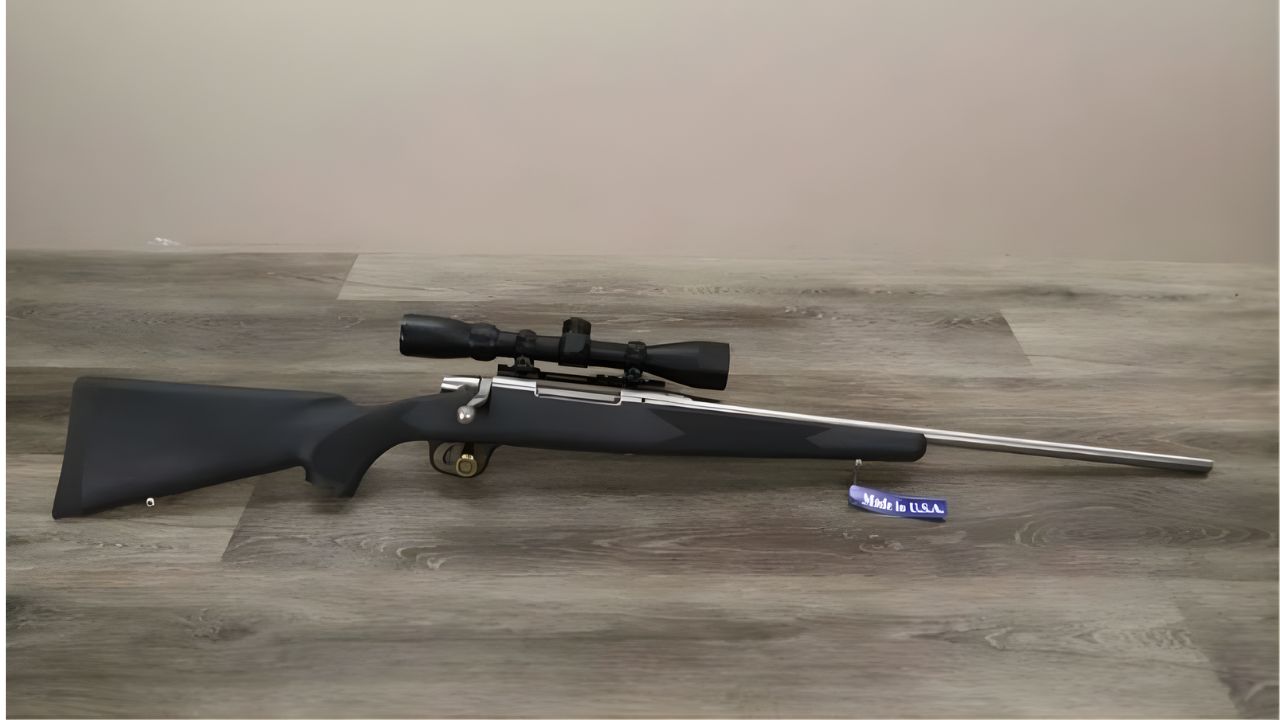
The Marlin XL7 earned praise early, but long-term users noticed reliability dipping as part wear accumulated. The bolt-insert design can loosen over time, creating wobble during cycling. That loose feeling might not seem important at the range, but when you’re sitting in a tree stand and need controlled movement, it can cost you.
Magazine feeding is another point where the XL7 falters. The follower doesn’t always rise evenly, and cartridges can nose-dive under bolt pressure. When a rifle hesitates during chambering, especially in cold weather, it creates a delay you can’t afford.
Remington 742 Woodsmaster
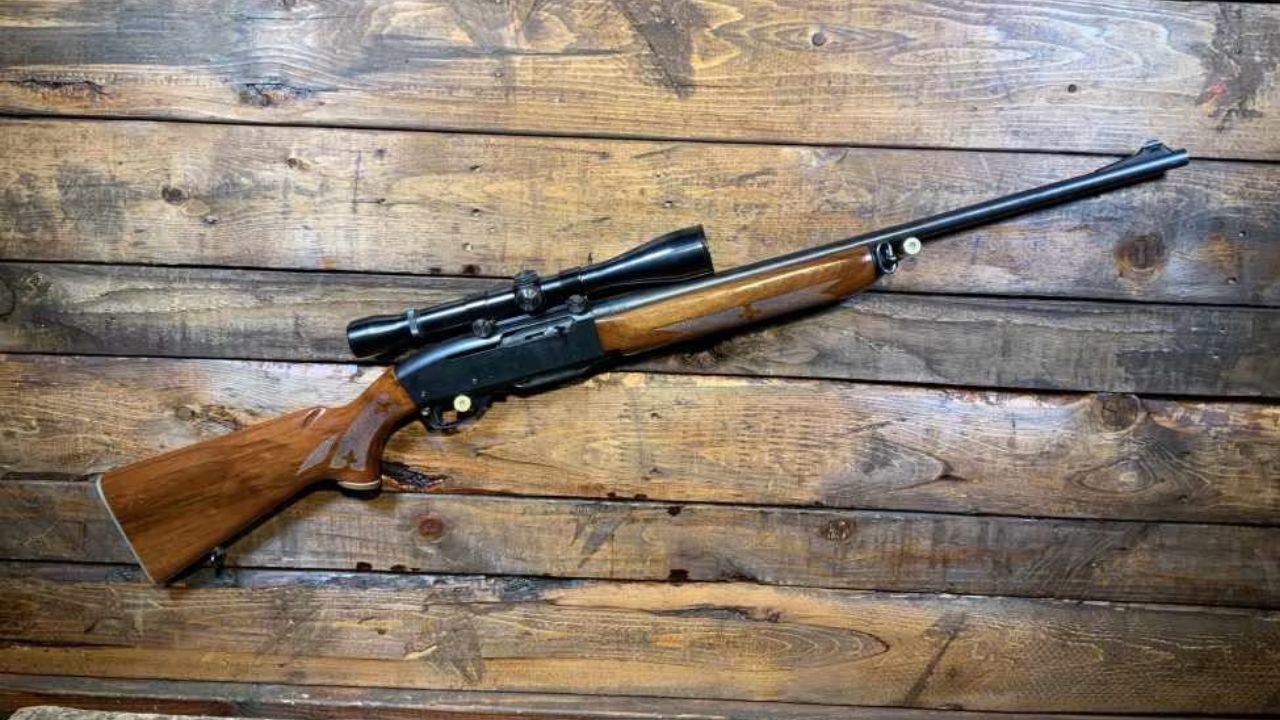
The Remington 742 is known for one thing: jamming after years of use. The rails inside the receiver wear unevenly, and eventually the bolt begins to drag. Hunters often describe it as “chewing itself apart,” and once it starts, reliability drops quickly. The rifle may still shoot a good first shot, but don’t count on follow-ups.
The gas system can also become inconsistent, especially if the rifle wasn’t cleaned perfectly after every season. Small amounts of carbon build up, slowing the action until it fails. In a real hunting situation, that delay is enough to turn a clear second chance into a missed opportunity.
Browning BAR ShortTrac (early models)

Early ShortTrac models show cycling variability that tends to appear when temperatures drop. The gas system doesn’t always regulate smoothly, causing partial ejection or slow feeding. When you’re lined up on an elk or deer and need another round, you may end up tapping the bolt instead of staying on target.
Magazine springs in some early runs also weakened prematurely, contributing to feeding failures. A semi-auto rifle needs everything to run perfectly under pressure, and when one part lags, the whole system struggles. It’s not a flaw you want showing up when the stakes are high.
CZ 527 (in 7.62×39)

The CZ 527 is accurate, but in 7.62×39 it can struggle with ignition and feeding. Hard primers on some surplus loads create light strikes, turning what should be a simple shot into a click. Hunters often carry better ammo to avoid the issue, but even then, the rifle can feel picky.
Feeding from the single-stack magazine can also hang up. The cartridge nose sometimes stalls on the feed ramp, especially with soft-point bullets. When the rifle hesitates and you have to adjust your hold mid-cycle, that pause can ruin the shot you lined up so carefully.
Rossi RS22
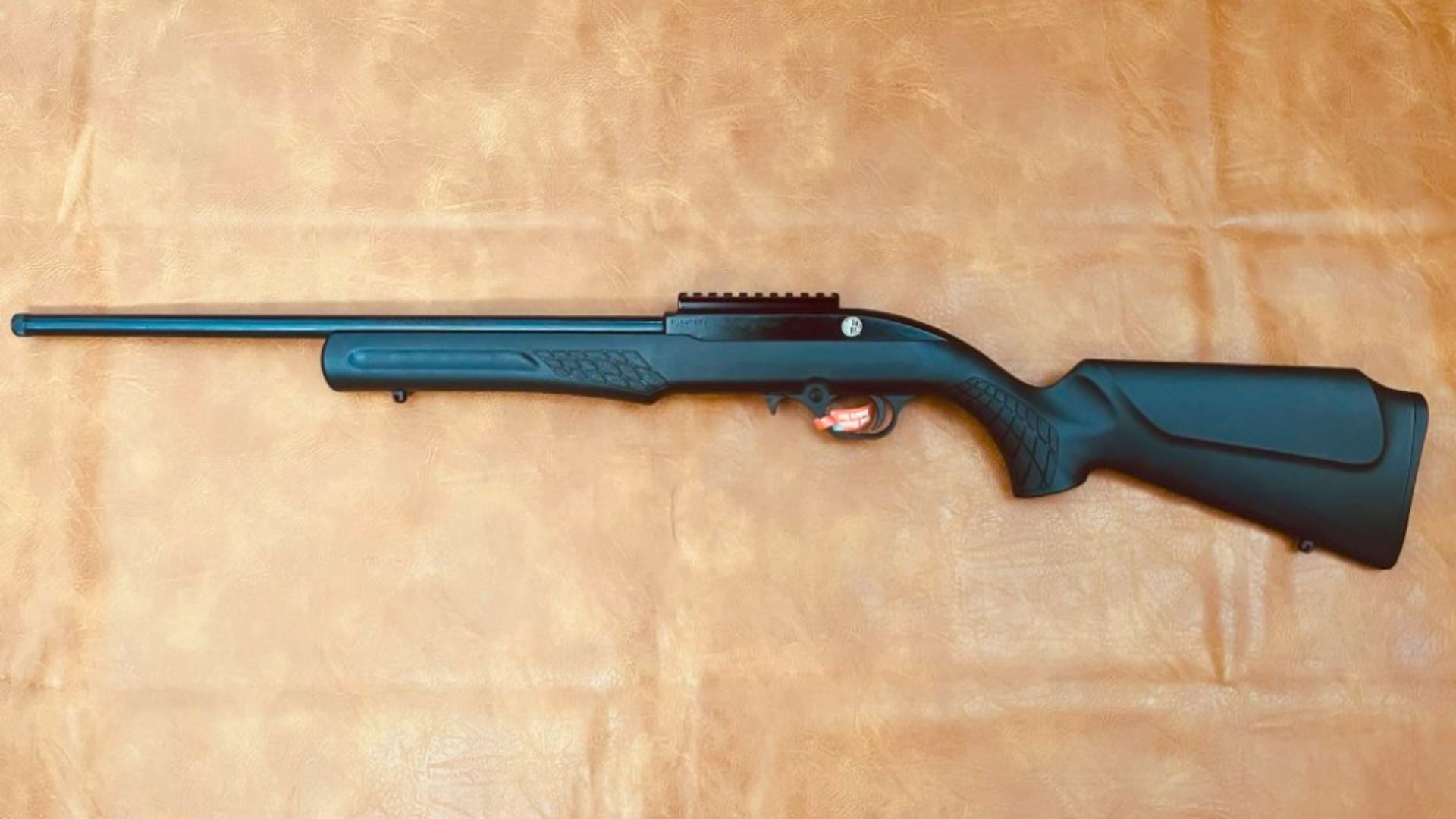
The Rossi RS22 is a lightweight rimfire that performs fine for plinking, but in the woods it shows reliability limitations. The blowback system becomes sensitive when the rifle gets dirty, and feeding failures become more frequent with hollow points. A squirrel rifle shouldn’t be this finicky.
The magazines also vary in quality, and some fail to maintain consistent tension. If you’re trying to make quick follow-up shots, that inconsistency turns into real frustration. Any rimfire that depends heavily on magazine variance is going to leave you hanging eventually.
Remington 783
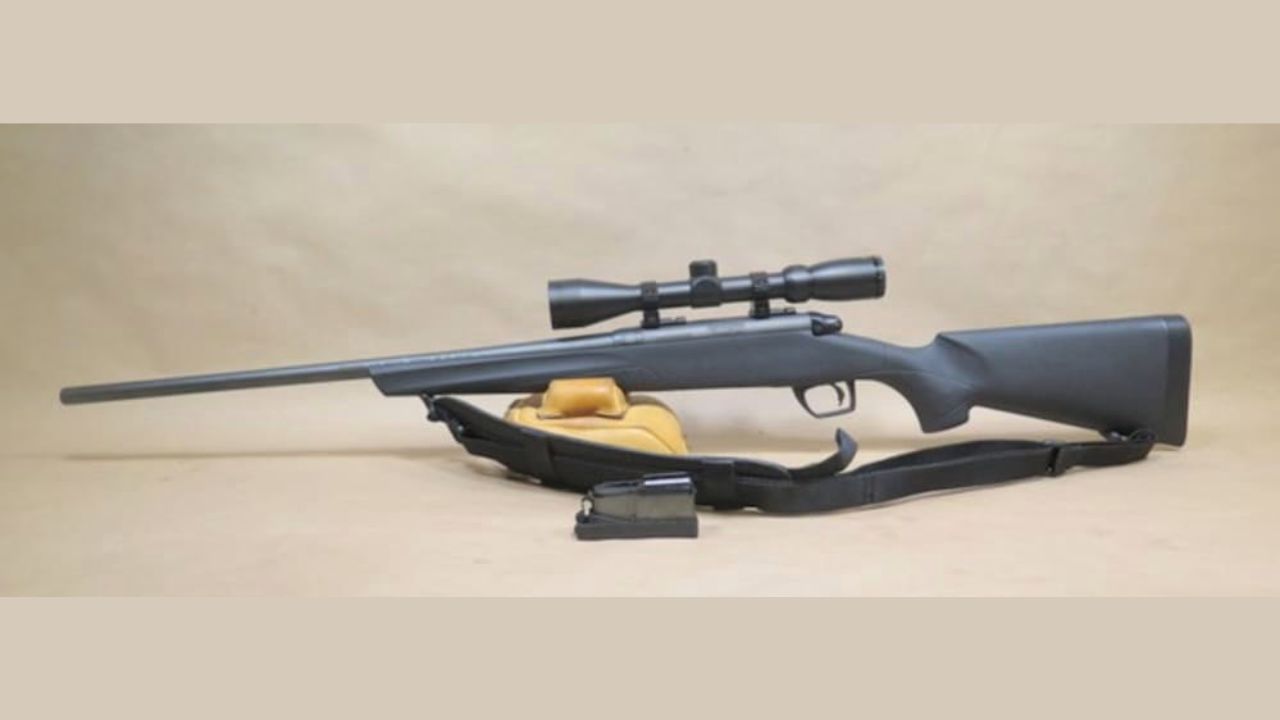
The 783 was introduced as a fresh start, but many rifles develop feeding quirks as the magazine lips wear. Cartridges either sit too low or angle upward sharply, making chambering unreliable during a fast bolt stroke. When the moment matters, the last thing you want is a bolt that stalls halfway.
The recoil lug setup also creates accuracy inconsistencies. Under repeated recoil, it can shift slightly, especially in lightweight stocks. Those small changes show up as unexplained flyers, and once you lose confidence in a rifle, every shot feels like a gamble.
Howa 1500 Lightning

The Howa 1500 line is mostly dependable, but the lightweight Lightning variant struggles with heat and barrel whip. After a few shots, groups begin to wander, and in a hunting scenario that means your second or third shot may not land anywhere near the first. Lightweight barrels have limits, and this rifle finds them quickly.
Feeding can also feel rougher compared to other Howa models, especially when running longer cartridges. That hesitation during cycling is enough to break your rhythm at the wrong time. In the field, timing is everything.
Weatherby Vanguard Weatherguard (early runs)
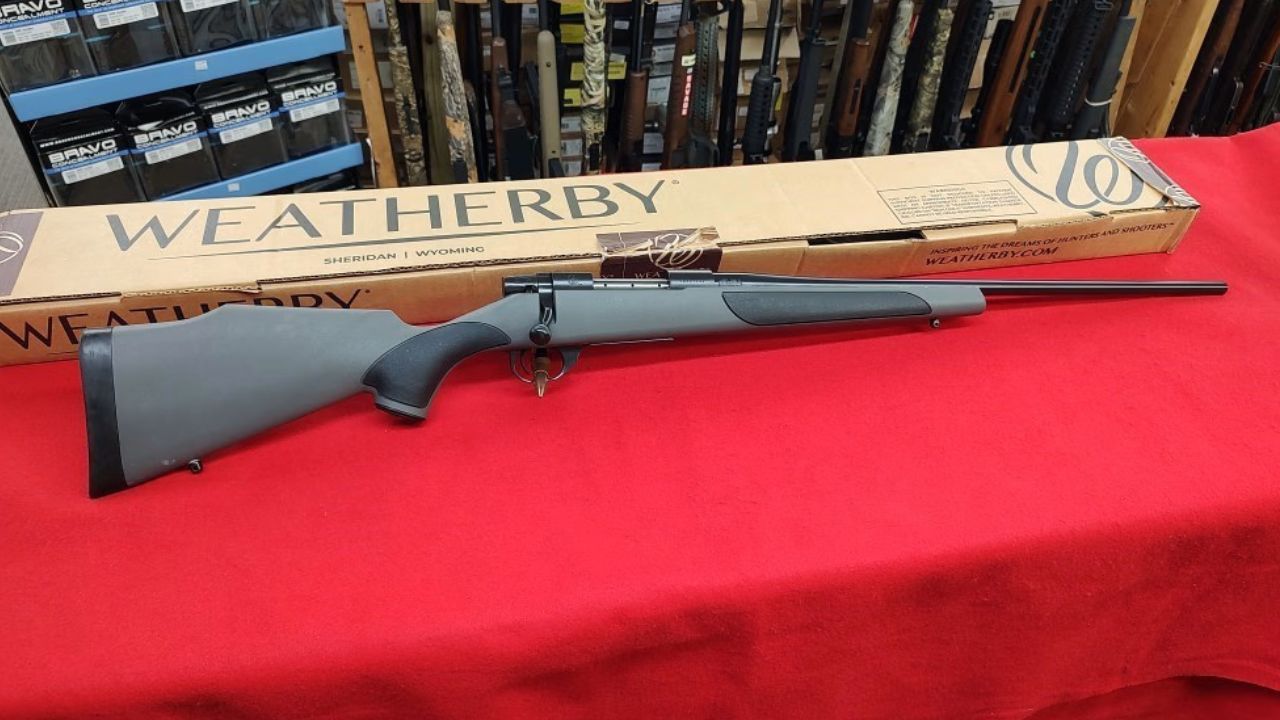
Early Weatherguard models had inconsistent bedding that caused accuracy shifts once recoil started stacking up. The stock would flex slightly, creating pressure points along the barrel. Those small shifts become noticeable when you’re stretching your shot on a deer or pronghorn.
Some rifles also developed extraction issues with hotter factory ammo. The bolt lift could become sticky, slowing your second shot or forcing you to break position entirely. When everything depends on smooth repetition, any snag is enough to lose the moment.
Savage 111 Package Rifles
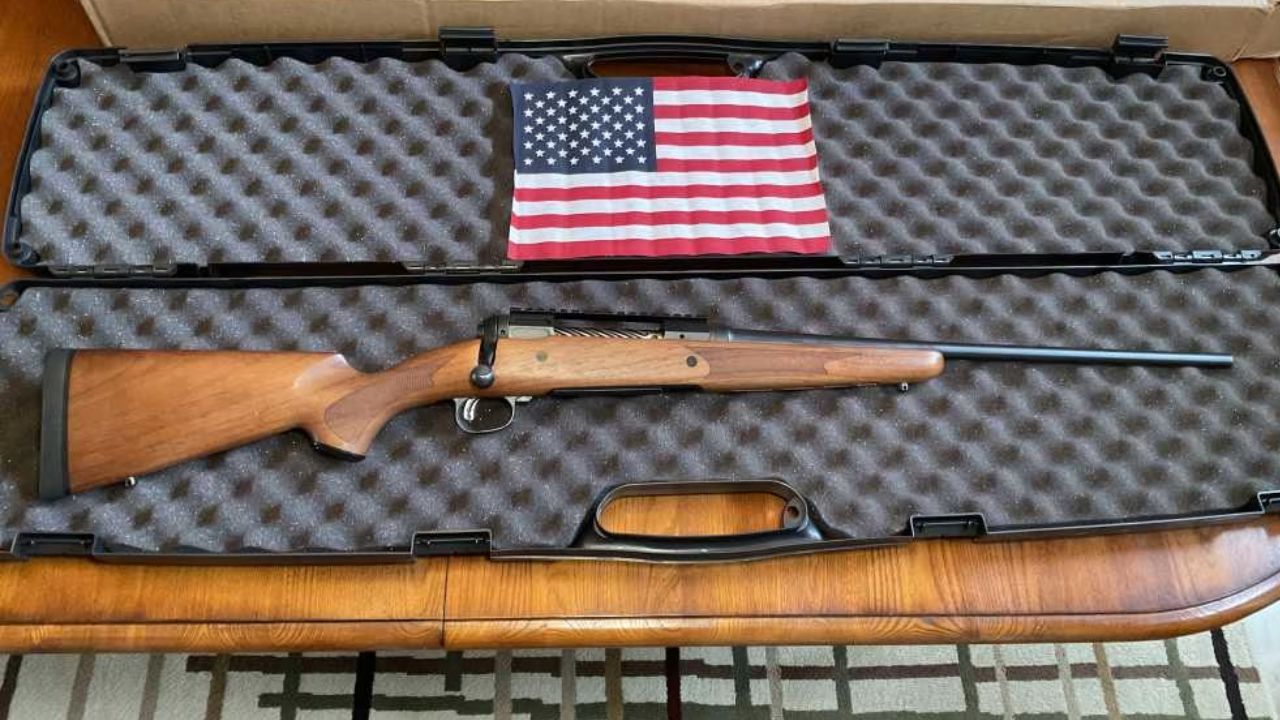
The Savage 111 package guns drew attention because they were affordable and came ready to hunt, but many hunters learned that convenience doesn’t equal reliability. The included scope and rings often work loose under recoil, and the base stocks flex enough to affect accuracy in wet weather.
Feeding problems also show up as magazines wear. Rounds don’t always rise consistently, and the bolt can scrape across the brass instead of catching cleanly. When that happens during a follow-up, it’s more than frustrating — it’s a missed chance you can’t get back.
Like The Avid Outdoorsman’s content? Subscribe to our newsletter so you never miss an article.
Here’s more from us: