Photo credit: BERETTA9mmUSA/Youtube
Every gun counter has a little row of compact pistols that look perfect until you actually shoot them. They disappear under a T-shirt, they ride light in a pocket, and they promise “easy carry” like it’s a free lunch. Then you run a couple boxes through one and realize the grip is too short, the sights are an afterthought, and the recoil impulse feels like it’s trying to unbolt your thumbnail.
None of these handguns are “bad” across the board. Most of them are reliable enough, and plenty of them have earned real-world trust. But they’re small, they’re lively, and they demand more practice than the average person gives them. Here are 20 that tend to be tough to love once the new-gun glow wears off.
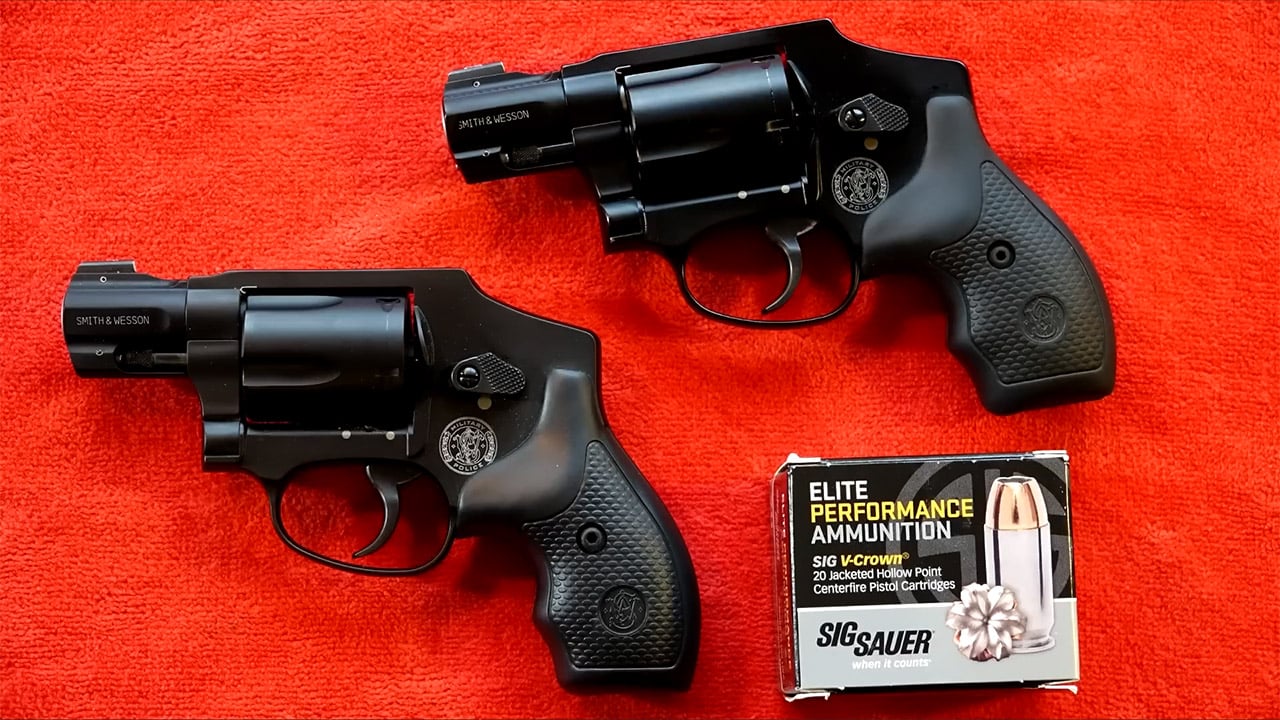
1. Smith & Wesson M&P 340 (Scandium J-frame)
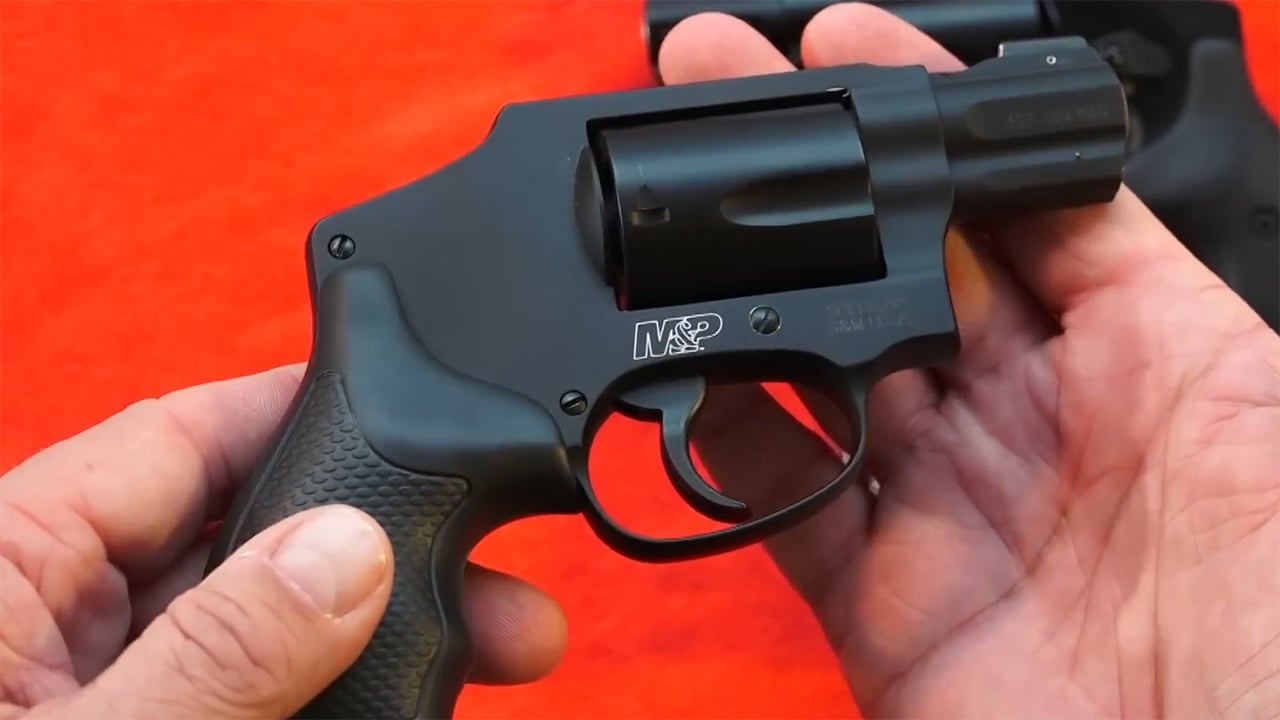
If you want a revolver that disappears in a pocket, this one delivers. The downside is the first time you touch off full-power .357 Magnum and feel the backstrap bite your hand like a fence staple. It’s not “recoil” so much as “impact.”
Carry it with .38 +P and it makes a lot more sense, but then you’re paying premium money for a gun you don’t really want to shoot much. It’s a serious tool, not a range buddy, and that’s why many owners respect it more than they enjoy it.
2. Ruger LCR .357 Magnum
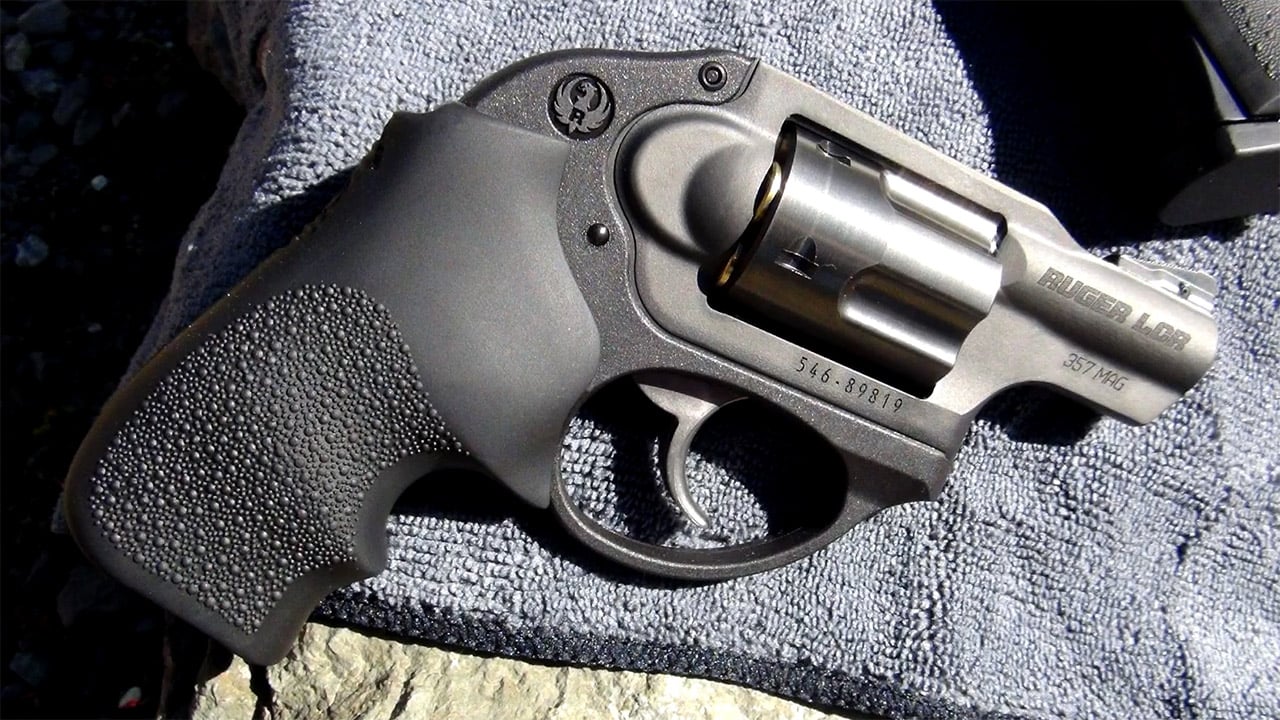
The LCR has a surprisingly good trigger for a small revolver, and the polymer/aluminum build keeps it light. Lightweight is great on your belt and rough on your palm. With magnums, it gets snappy in a hurry.
It also has that high, rolling recoil that makes follow-up shots slower than folks expect. If you commit to .38s, it’s a good little rig. If you bought it to run .357 all day, you’ll learn what “flinch” means.
3. Kimber K6s (2-inch)

The K6s is a slick six-shot snub that feels like it was made by someone who actually carries. But it’s still a small revolver with a short sight radius, and the factory grips on some variants don’t do you any favors when the loads get warm.
It can shoot better than most snubs in the right hands, but it asks for attention. The price tag also hurts if you end up treating it like a “carry a lot, shoot a little” gun. That one hurts.
4. SIG Sauer P365 (standard micro-compact)

The P365 changed the carry market. It also introduced a lot of folks to the reality that a thin, short grip in 9mm can feel sharp even if it’s controllable. The gun wants a firm grip and honest practice.
Some shooters find the tiny frame makes them ride the slide stop or drag a thumb on the slide, causing weird little malfunctions that look like “ammo problems” until you watch your hands. It’s a great pistol, but it’s not automatically easy.
5. Springfield Armory Hellcat

The Hellcat carries like a dream and shoots like a small, fast animal trying to get away from you. The recoil isn’t outrageous, but it’s quick, and that short grip can make the gun feel like it’s hopping around under recoil.
A lot of owners end up adding a slightly longer magazine just to get a full hand on it, which is fine, but it undercuts the “tiny” part of the purchase. It’s capable, but you’ll work for clean strings.
6. Glock 43

The Glock 43 is simple and dependable, and it’s also a reminder that slim guns don’t have much mass to soak up recoil. The factory grip texture and the thin frame can feel harsh in longer practice sessions.
It points well for many shooters, but the short grip can make it feel like it’s trying to squirt upward. A lot of people who “don’t like Glocks” actually just don’t like small Glocks. There’s a difference.
7. Glock 43X

This one solves a lot of the 43’s issues by giving you more grip, and for many folks it’s the sweet spot. Still, it’s a narrow, lightweight 9mm with a higher bore feel than some competitors, and the recoil impulse can feel snappy compared to a compact double-stack.
It’s easy to carry, but some shooters never fully settle into it during fast drills. You’ll know pretty quickly if it fits your hands or if you’re just trying to make it fit because you want it to.
8. Taurus GX4

The GX4 is a lot of gun for the money, and that’s why it sells. But small-budget pistols can have small-budget quirks: mushy triggers, sharp edges, and a “busy” feel when the slide cycles fast in a light frame.
Some examples run great. Others make you chase confidence with extra testing. For a deep carry pistol, confidence is the whole game.
9. Ruger EC9s

The EC9s is one of those pistols that looks like the answer for a no-frills carry setup. In the hand, it can feel blocky for how small it is, and the sights on some versions aren’t exactly built for precision work.
It’s also not the softest shooter, and the trigger can feel long compared to what many folks are used to now. It’ll do the job, but it rarely wins hearts.
10. Kahr CM9

Kahr pistols have a smooth, long trigger that some folks love and others absolutely can’t stand. In a tiny 9mm like the CM9, that trigger can feel like you’re rowing a boat while trying to hold a steady sight picture.
They carry flat and disappear easily. But if you don’t train with a longer pull, you may find your groups open up fast under speed. Ask me how I know.
11. SIG Sauer P938

The P938 is a handsome little 9mm with a 1911-style manual safety, and it’s accurate for its size. The problem is it’s small enough that a lot of shooters never get a consistent grip, and the controls can feel cramped.
It also encourages “carry it because it’s pretty” behavior. If you actually run it hard, you’ll find out quickly whether you’re committed to that manual-of-arms on a tiny gun.
12. SIG Sauer P238

The P238 in .380 is softer than the P938 and can be a genuinely pleasant micro pistol. Still, it’s a small single-action gun with a safety, and the tiny platform makes sloppy handling show up faster than it does on a bigger pistol.
It’s also easy to limp-wrist if you don’t lock your grip in. When it runs, it’s a sweetheart. When it doesn’t, you’ll spend time sorting out magazines, ammo preference, and technique.
13. Ruger LCP (original)

The original LCP is the gun a lot of folks bought because it was the first truly “always” pistol they could afford. It carries like nothing. It shoots like nothing, too—tiny sights, long pull, and a grip that’s barely there.
It’s a get-off-me gun, not a “let’s shoot a 200-round class” gun. Owners either accept that and keep it, or they sell it and move to something they’ll actually practice with.
14. Ruger LCP II

The LCP II improved the trigger and made the gun more shootable, but it didn’t magically add grip area or weight. It’s still a featherweight .380 that can feel sharp in the web of your hand after a couple magazines.
It’s also a pistol where your choice of ammo matters more than you’d think, not because it’s picky in every case, but because tiny guns amplify differences. If you want “one load for everything,” you may get frustrated.
15. Kel-Tec P-32
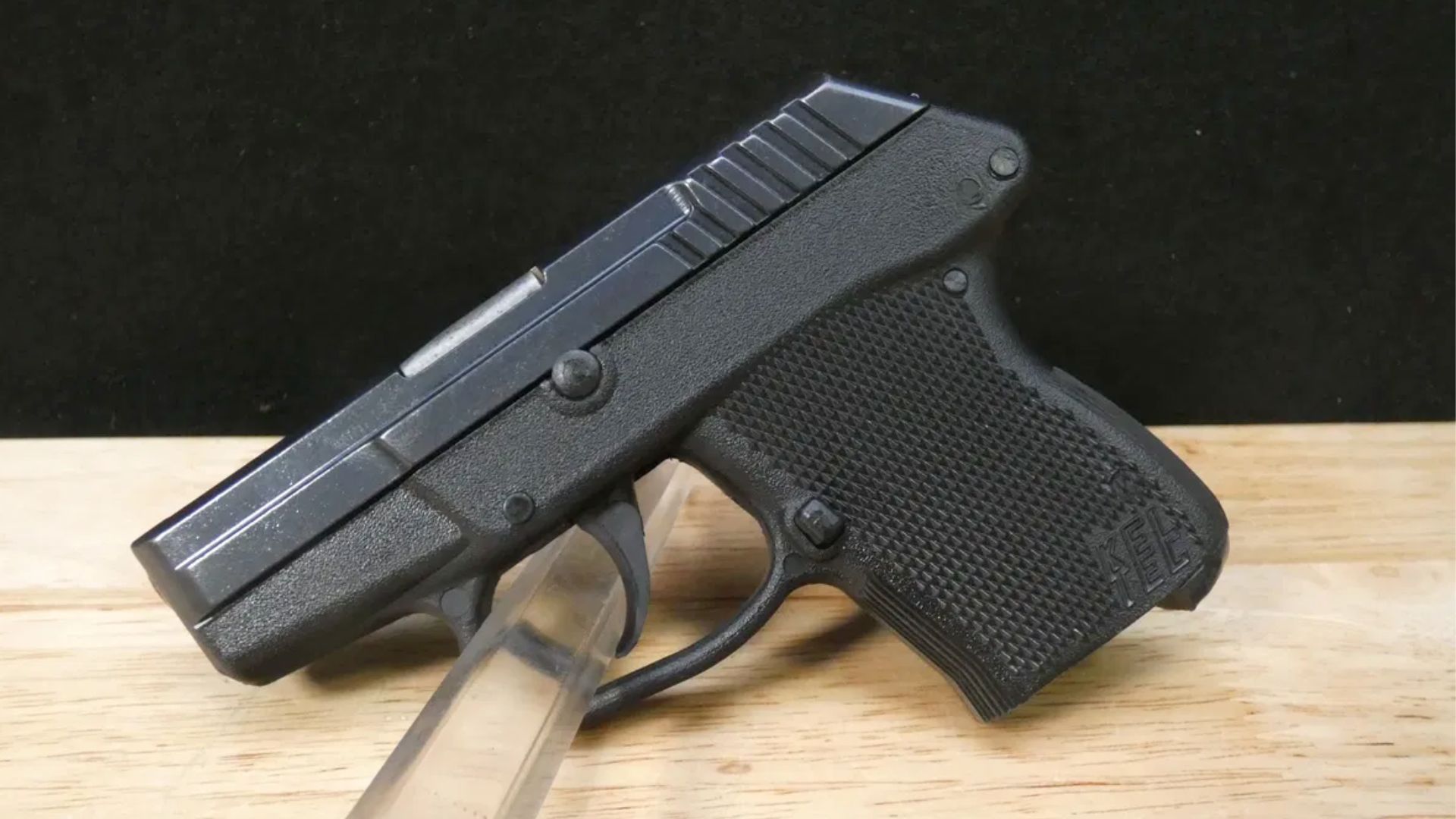
The P-32 is the kind of pistol that ends up in a pocket on hot days when anything bigger gets left behind. In that way, it’s smart. It’s also small enough that the grip and sights feel like an afterthought, because they kind of are.
It’s not a joy to shoot, and it’s not meant to be. Its charm is that it’s there. If you expect it to feel like a “real pistol” at the range, you’ll walk away disappointed.
16. Kel-Tec P-3AT

The P-3AT has probably been carried more than it’s been fired, and that tells you everything. It’s light, thin, and the recoil feels spikier than many .380s because there just isn’t much to hang onto.
Some of them run forever, some of them need a little more attention to magazines and ammo. Either way, it’s a gun you tolerate for the convenience. Love is a strong word.
17. Remington RM380
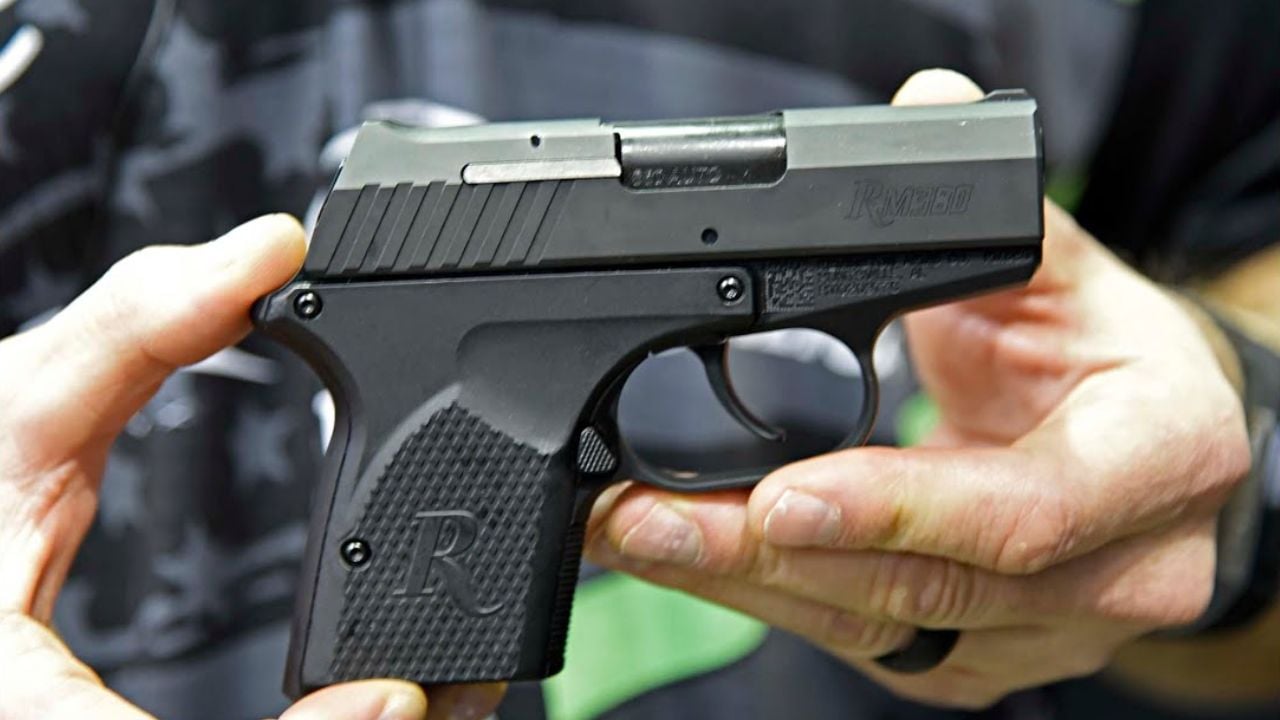
The RM380 is a neat little .380 that didn’t get the attention it deserved, and part of that is timing and branding. In the hand, it can feel a little heavy for its size, and the trigger isn’t everyone’s favorite.
It’s not a terrible shooter, but it’s one of those pistols where support, parts, and magazine availability can become a question depending on what you find locally. That makes people uneasy about relying on it long-term.
18. Springfield Armory XD-S (3.3-inch, 9mm)
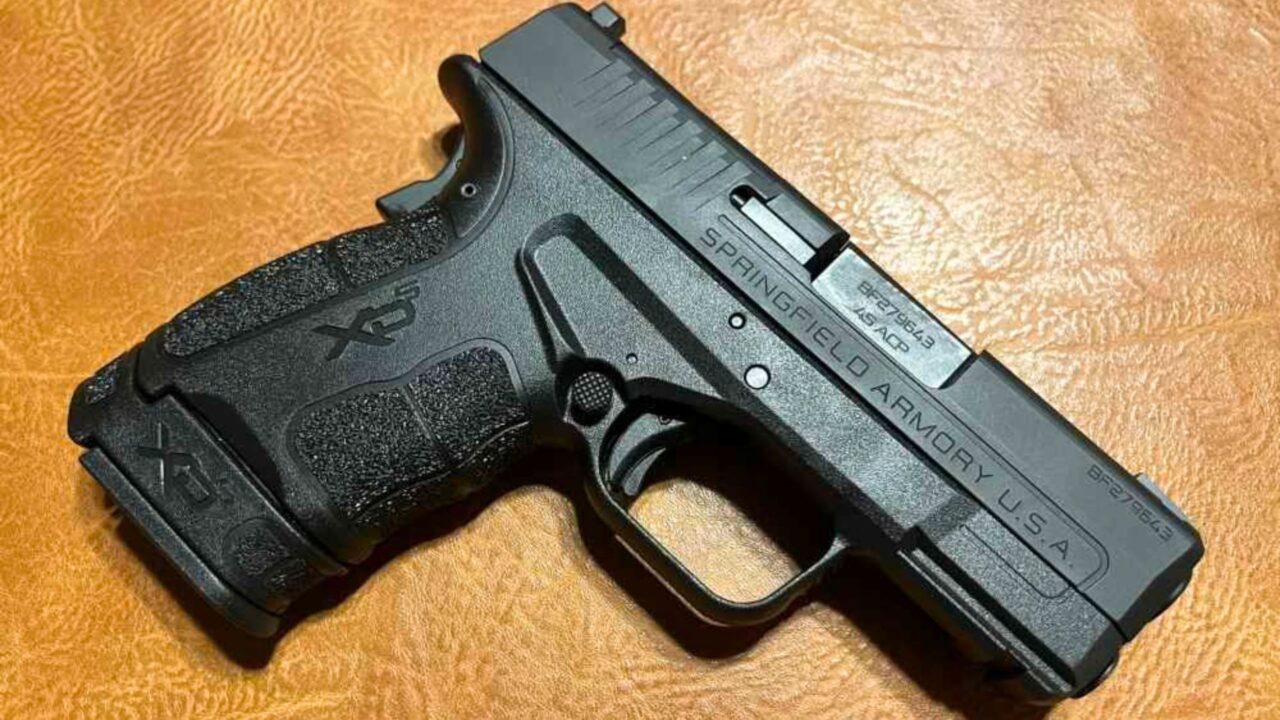
The XD-S is thin and easy to conceal, and it points well for a lot of shooters. But that thin frame and high-energy slide cycle can make it feel abrupt in the hand, especially in 9mm with the short barrel.
The grip safety also rubs some folks the wrong way on a carry gun, either because it’s one more thing to think about or because their grip under stress gets inconsistent. If it fits you, it’s fine. If it doesn’t, it’s aggravating.
19. Walther PPS M2

The PPS M2 is a solid single-stack that’s accurate and well made, but it’s a pistol that can feel “snappy” compared to its slightly larger cousins. The thin grip is great for concealment and not always great for comfort.
Magazine setup can also be a sticking point: different mag lengths change the feel a lot, and some owners end up chasing the perfect configuration instead of just running the gun. It’s a good pistol, but it asks you to commit.
20. Smith & Wesson 642 Airweight

The 642 is the plain white bread of pocket carry: not exciting, not pretty, and it works. But an Airweight with +P loads will remind you that physics is still physics. The recoil is a sharp slap, and the tiny sights won’t flatter your shooting.
It’s also a revolver that makes you honest about practice. If you don’t shoot it, you won’t shoot it well. Plenty of folks carry it for years and never truly like it, but they keep carrying it because it’s there when a bigger gun isn’t.
Small pistols fill a real niche, especially for folks who are in and out of trucks, climbing into stands, working around the property, or just dealing with summer heat. Just don’t confuse “easy to carry” with “easy to shoot.” If you’re going to bet on a tiny handgun, spend the money on ammo and time behind the sights, not just the gun itself.
Like The Avid Outdoorsman’s content? Subscribe to our newsletter so you never miss an article.
Here’s more from us: