Photo credit: Guns, Gear & On Target Training, LLC/Youtube
Walk any public range on a Saturday and you’ll see the same handful of pistols over and over. Nothing wrong with that. But if you’ve been shooting long enough, you start noticing the quiet workhorses and the oddballs that never get the spotlight—guns that teach you something about triggers, recoil, sights, and what actually matters when you’re cold, tired, or shooting off a tailgate.
These aren’t all “best ever” picks, and a few of them are downright awkward. That’s the point. If you’re a serious shooter, you should spend some time behind pistols that don’t match the current internet trend, because they’ll either humble you, surprise you, or make you appreciate your daily carry a whole lot more.
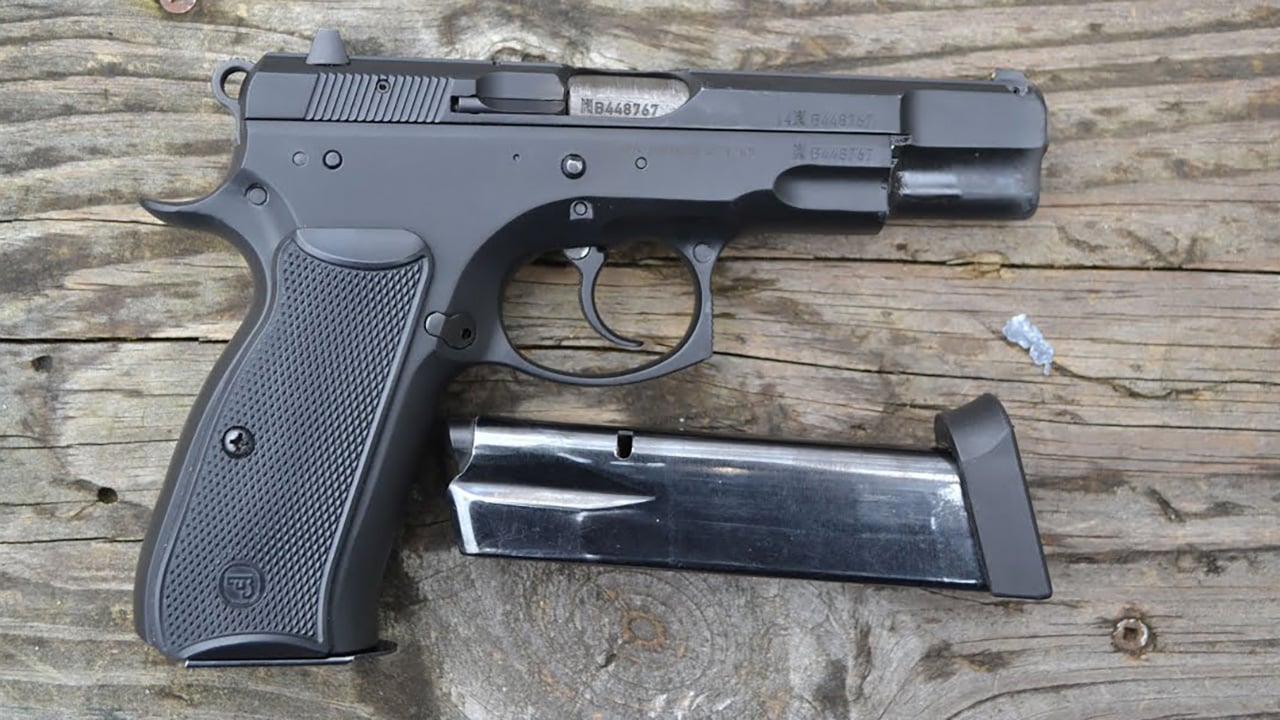
1. CZ-75B
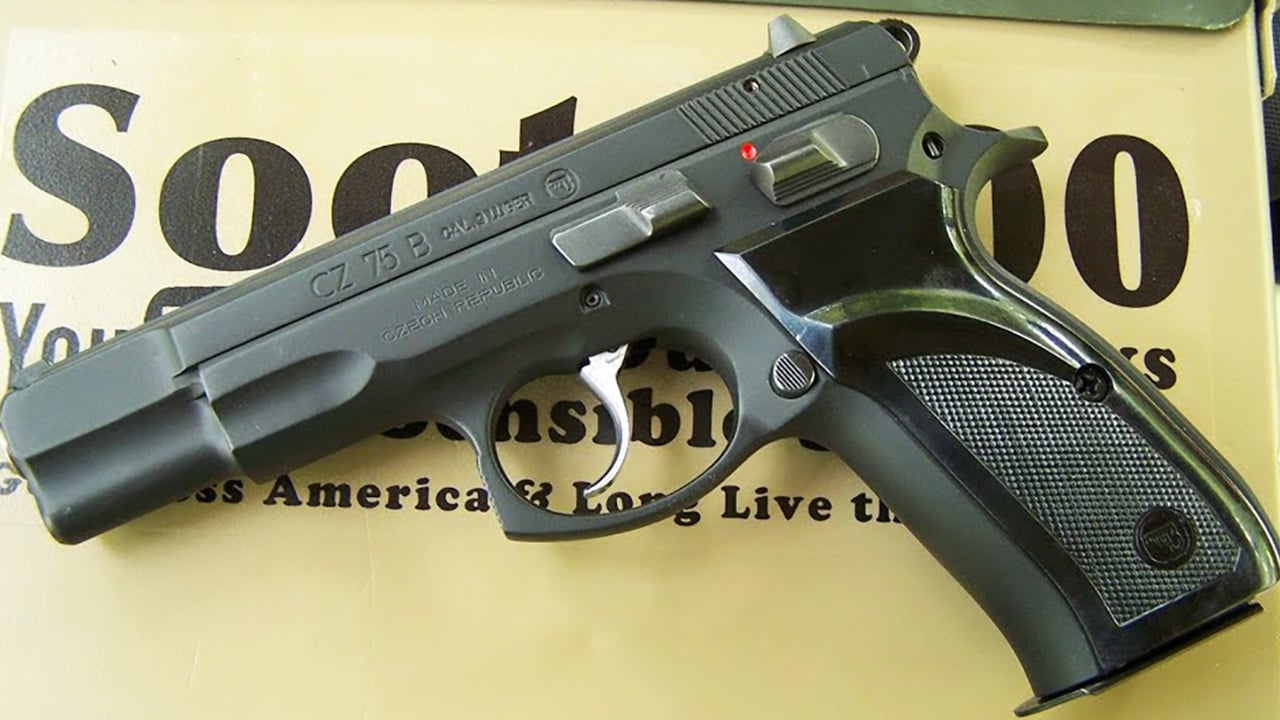
The CZ-75B is one of those pistols that points like it was shaped around a human wrist. The first time you run it, you notice the slide rides inside the frame and it feels slick without feeling delicate. It’s not flashy, it’s just steady.
In double-action, it can feel long if you’re used to striker guns. But it forces you to pay attention to trigger management, and that pays off on everything else you shoot. Magazines and parts are around, and it’s still one of the best “learn to shoot well” pistols for normal money.
2. Beretta PX4 Storm (Full Size or Compact)
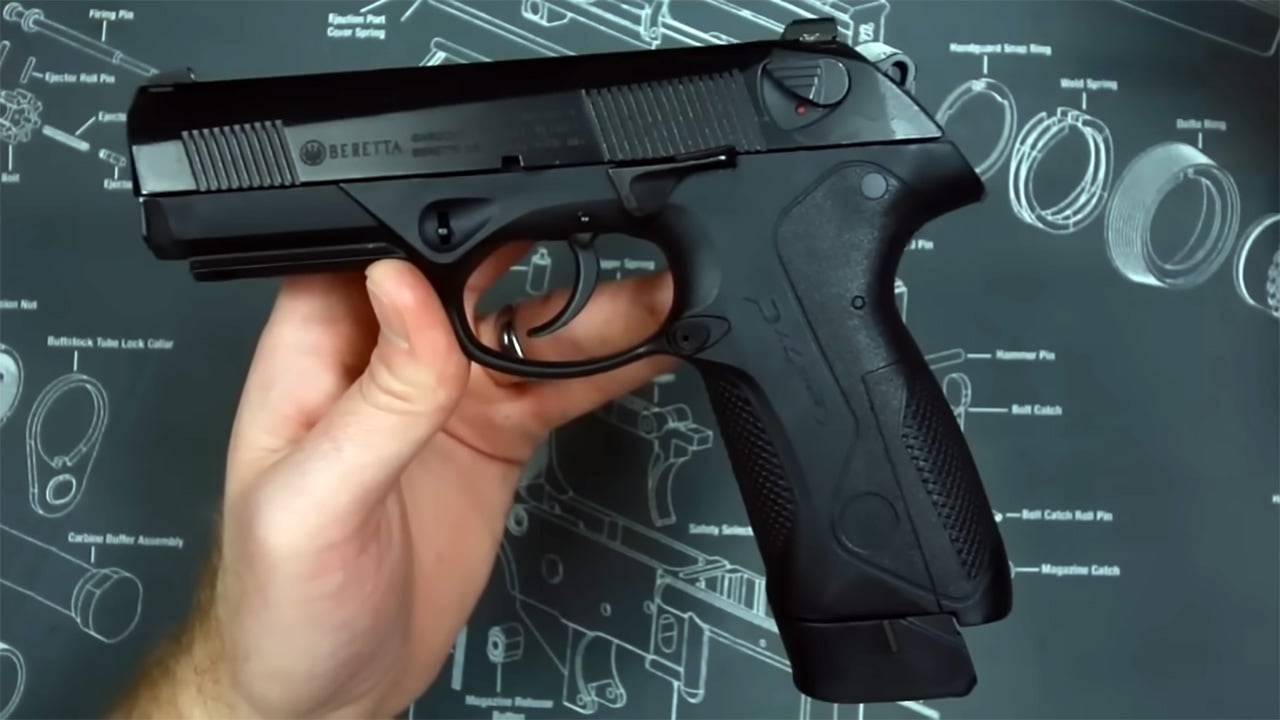
Folks love to crack jokes about how it looks. Then they shoot it. The rotating barrel system takes some snap out of .40 and even makes 9mm feel like it’s on rails if you grip it right.
The controls are a Beretta thing, meaning you either click with them or you don’t. Still, if you’ve only lived in striker-fired land, the PX4 is a good reminder that recoil impulse is a real thing and design choices matter. It’s also more durable than people give it credit for.
3. HK P2000
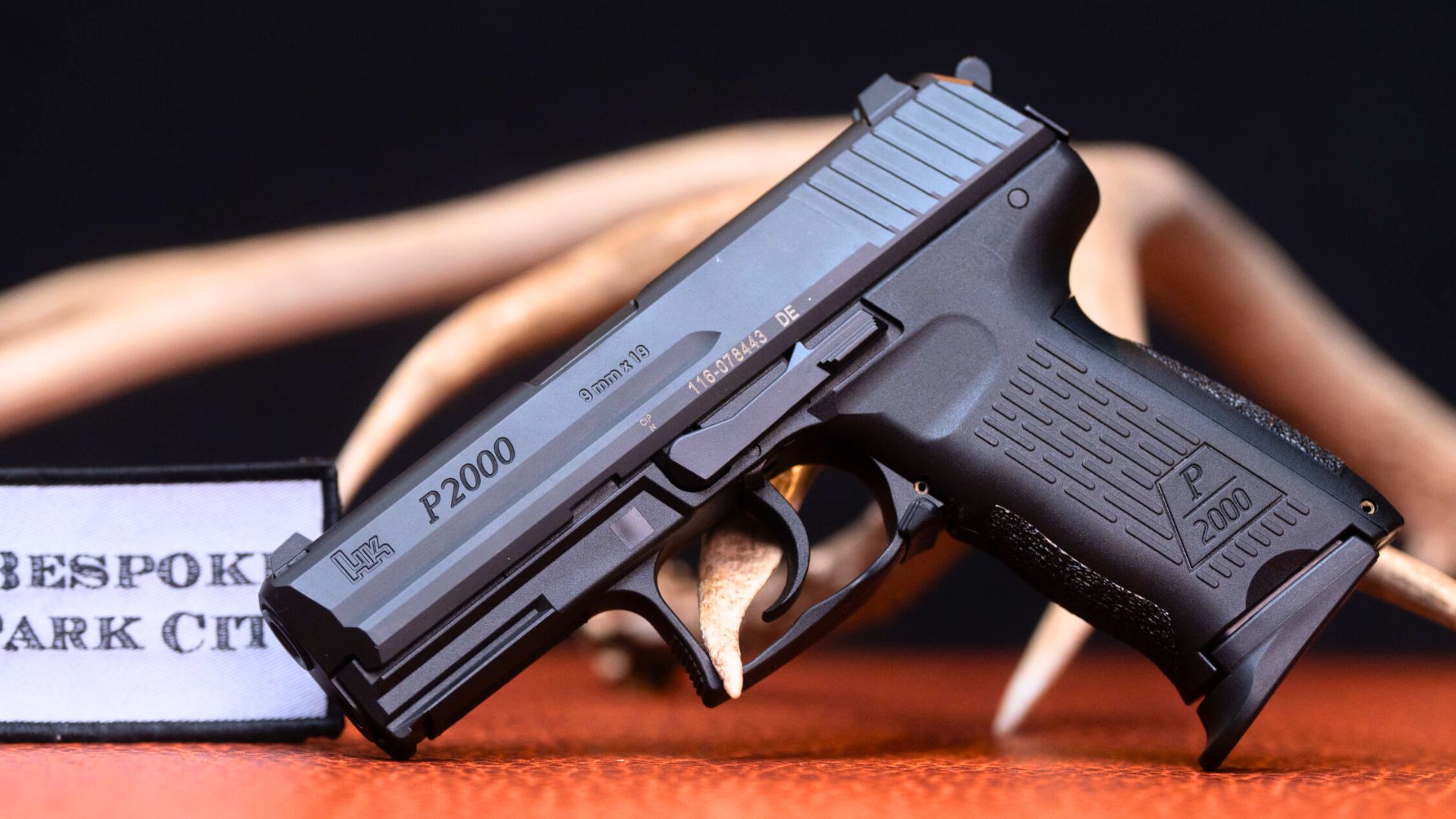
The P2000 never got the “cool guy” love like other HKs, and that’s why it ends up underrated. It’s a practical, mid-sized pistol that carries well, shoots flat, and runs even when it’s dirty and dry.
The trigger varies by variant, and none of them are going to feel like a tuned 1911. But as a working gun, it has that boring competence that makes you trust it. If you spend time in the woods and want a no-drama sidearm, it belongs on your try list.
4. SIG Sauer P239
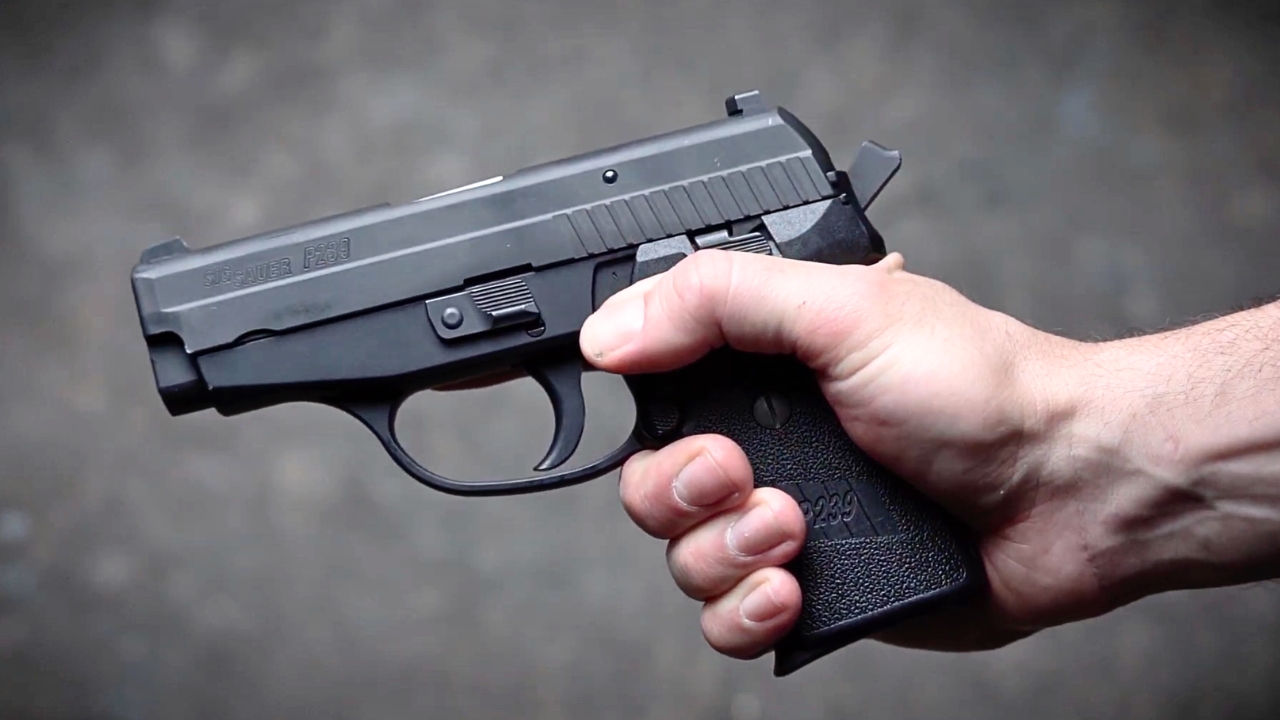
Single-stack 9mms are everywhere now, but the P239 came from a time when “slim” meant metal, weight, and real sights. It carries like a brick compared to modern micro-compacts, and I get why people moved on.
Still, it shoots like a grown-up pistol. If you’re the type who hates tiny grips and snappy recoil, the P239 makes a lot of sense. Also, once you sell one, you tend to miss it. Ask me how I know.
5. Ruger P95
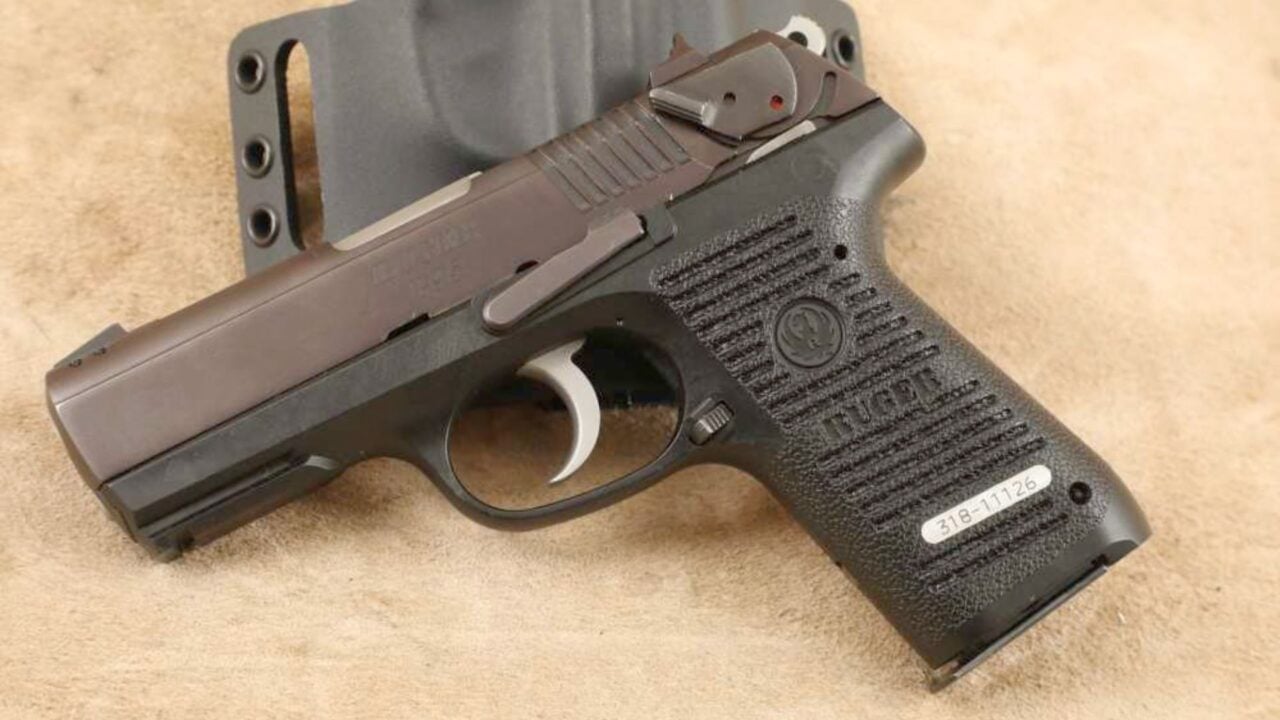
There is nothing fancy about it, and that is kind of the point. The P95 looks like a tool from a tractor toolbox, not a display case. But it keeps going.
It’s thick, the trigger is not winning awards, and it won’t make you look cool at the range. What it will do is run cheap ammo and eat neglect better than it should. If you want to understand what “serviceable” really means, shoot one.
6. Smith & Wesson 5906

This is peak third-gen Smith: stainless, heavy, and built like it expected to be dropped on concrete. The first magazine feels almost too easy because the weight soaks up recoil and the gun stays planted.
It’s not a light carry gun, and the double-action trigger takes some commitment. But if you want to get better at a real DA/SA system, the 5906 will teach you without punishing you. Plus, those old-school Smith sights are better than people remember.
7. Browning Hi-Power (P-35)
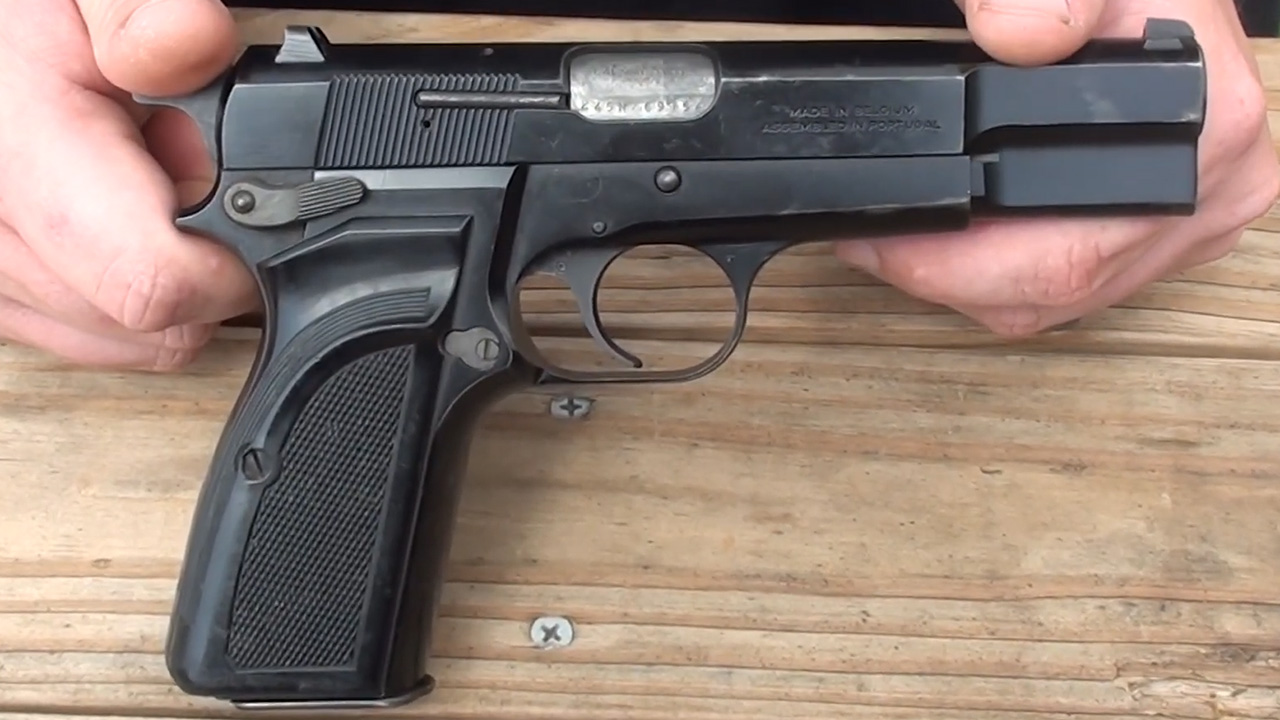
Every serious shooter should experience how a Hi-Power feels in the hand. The grip and balance are just right, like it’s alive when you present it. It also has history without being a museum piece.
Some examples have a heavy trigger because of the magazine disconnect, and older guns may need attention before you run them hard. Still, it’s a clean way to learn what “natural pointability” means. And it makes you wonder why more modern pistols don’t feel like this.
8. Walther P99 (AS)

The P99 is one of those pistols that got overshadowed by newer Walthers and the whole striker revolution. The Anti-Stress trigger setup is different, and different is good once in a while. It makes you slow down and think about what the trigger is actually doing.
It’s accurate, reliable, and the ergonomics are better than a lot of pistols that get more attention. The only downside is long-term parts and magazine availability compared to the big mainstream options. If you find one, it’s worth range time.
9. Heckler & Koch P7 (PSP or M8)
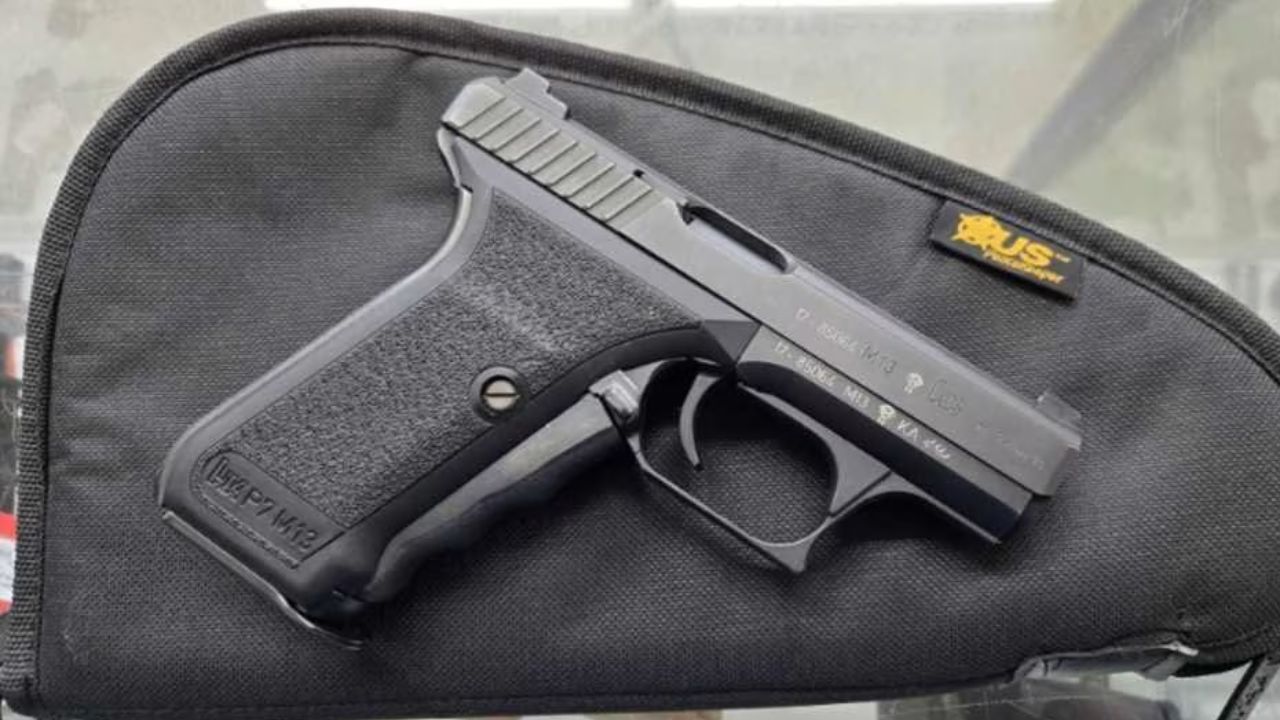
The squeeze-cocker is weird until it isn’t. Then it’s fast. The P7 sits low, points quick, and shoots like it’s cheating, especially for a compact 9mm.
It also gets hot. Not “a little warm,” but “set it down for a second” hot if you run it hard. That quirk is part of the lesson: engineering choices come with trade-offs. Still, one range session with a P7 will stick in your memory.
10. Ruger Mark II / Mark III

Everybody talks about training with a .22, but not everybody actually does it. A Ruger Mark pistol will make you honest about fundamentals because there’s no recoil to blame. When you miss, it’s you.
The older ones can be a little stubborn to detail strip the first few times. After that, it’s routine. These guns also live forever, and they’re about as close as you get to a “buy once, cry never” rimfire pistol for serious practice.
11. Beretta 81/84 (Cheetah Series)
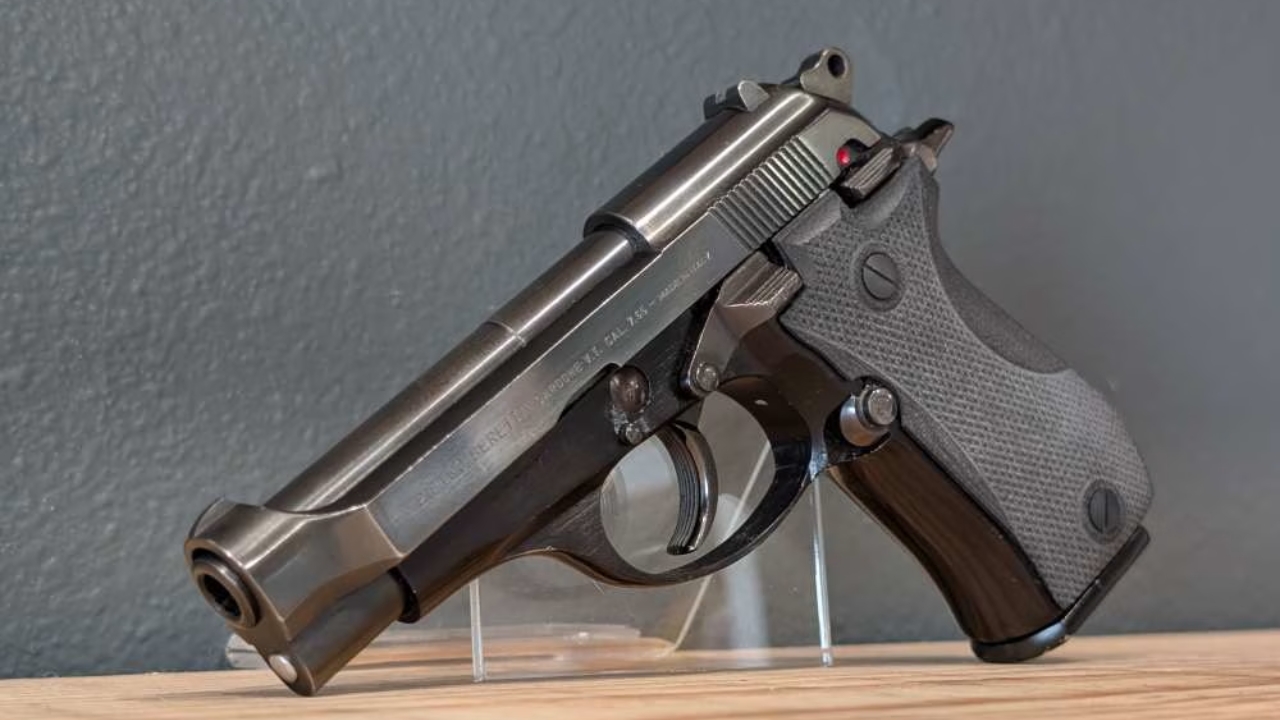
.380 ACP doesn’t get much respect from the crowd that thinks every problem is solved by more velocity. But the Cheetah series is pure shootability—soft recoil, good sights (on many models), and a grip that fits real hands.
It’s also a great reminder that not every defensive pistol has to be a tiny featherweight that beats your knuckles up. If you’ve only shot micro .380s, the Beretta will change your opinion of the cartridge.
12. CZ-82 / CZ-83

The CZ-82 in 9×18 Makarov is a little surplus legend, and it’s still one of the best “cheap but not junk” pistols ever imported. The grip is comfortable, the accuracy is better than it has any right to be, and the ambi controls are handy.
Ammo availability is the only thing that can be a headache depending on the year and what’s on shelves. Even so, it’s a fun, capable pistol that teaches you not to be a caliber snob. Also, it’s hard not to like a gun that shoots this well for the price.
13. Makarov PM
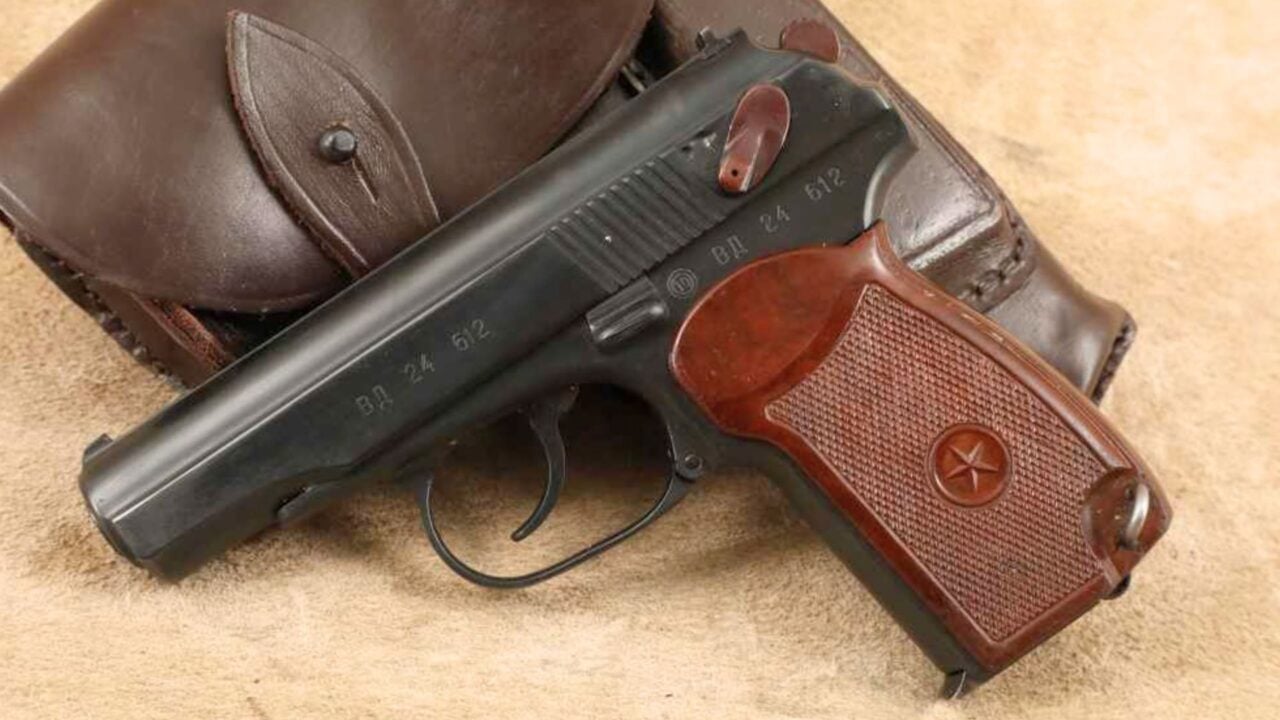
The Makarov is simple in the best way. The safety and decocker are straightforward, the gun is compact, and it has that “one less thing to go wrong” feel. It’s not refined, but it is honest.
The sights can be small and the recoil is sharper than you expect for the size. Still, it’s a good gun to shoot when you want to remember what real-world durability looks like. A Mak will run in conditions that make nicer pistols start acting temperamental.
14. Star BM
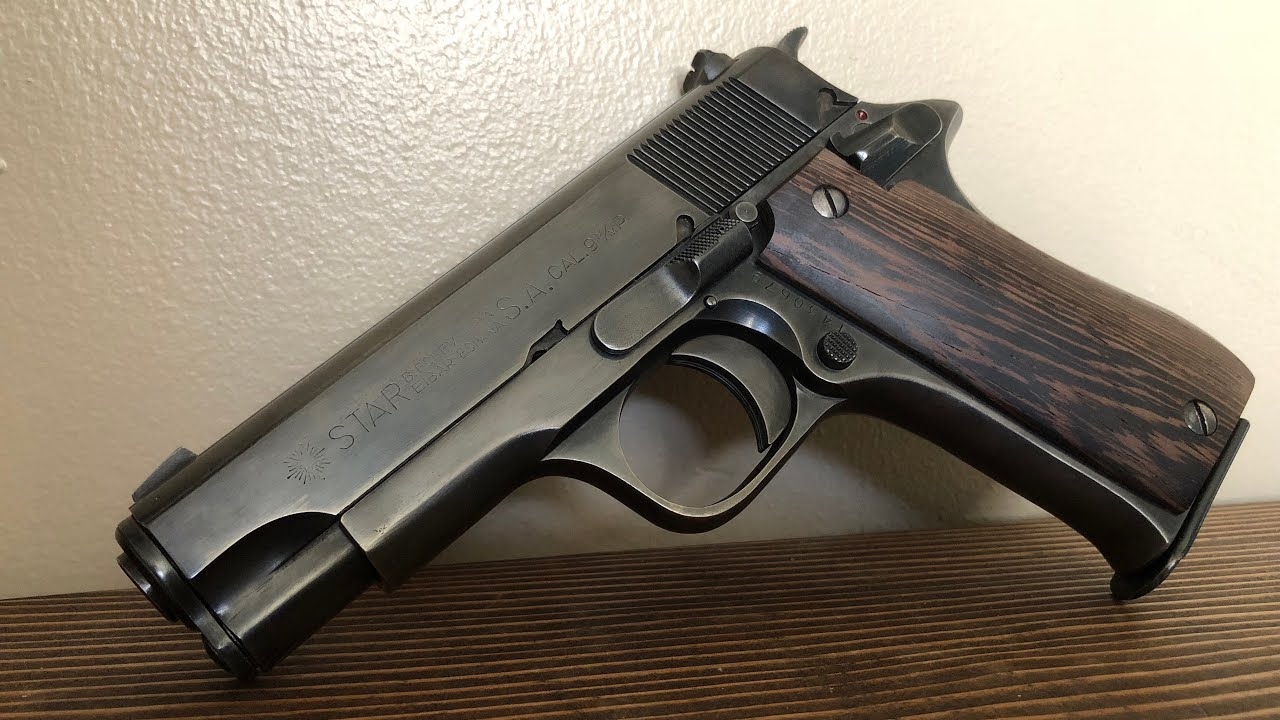
The Star BM is an underappreciated 9mm that feels like a 1911’s practical cousin. Thin profile, decent trigger on many examples, and it carries flat. You pick it up and it makes sense.
The downside is parts support. When something breaks, you’re not walking into any random shop and grabbing what you need. That’s why it’s a “try once” pistol, not necessarily a “bet your life on it without backups” pistol. But shooting one is a lesson in how well a simple design can work.
15. Jericho 941 (Steel Frame)
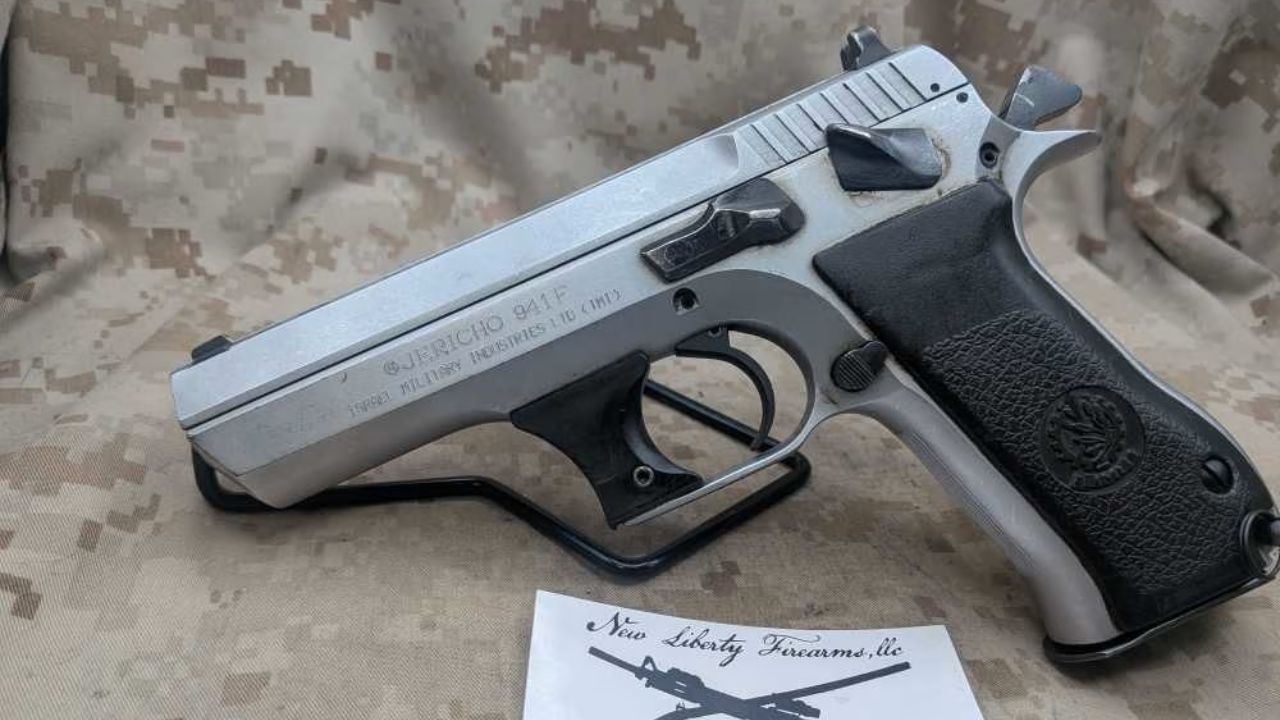
The Jericho is heavy, and if you carry all day you will notice. On the range, though, that weight is your friend. It’s a soft shooter with a grip shape that feels familiar if you like CZ-style pistols.
It’s also a good example of a gun that doesn’t need constant hype to be good. The trigger can be very usable, and accuracy tends to be solid. If you want a “range day eats 300 rounds and still feels good” pistol, this is one.
16. Ruger SP101 (3-inch .357 Magnum)

Small revolvers get dismissed because they’re not high capacity and they’re not fast to reload. Fine. The SP101 is still one of the toughest little wheelguns ever made, and the 3-inch model is the sweet spot for real shooting.
With .357 Magnum, it’ll remind you you’re alive. With .38s, it’s pleasant and easy to run accurately. It’s a good revolver for learning double-action work without feeling like you’re going to shake it apart.
17. Smith & Wesson Model 10
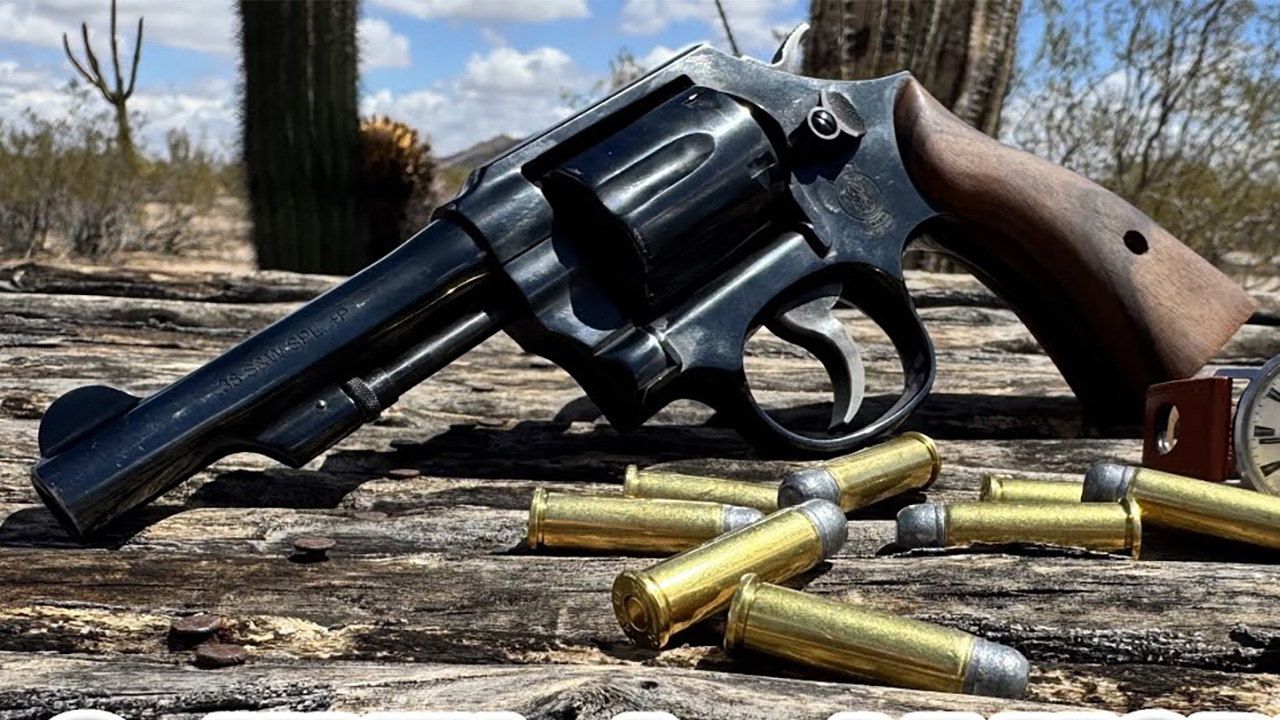
If you’ve never shot a Model 10, you’re missing a piece of American handgun reality. It’s not tactical. It’s not trendy. It’s just a K-frame .38 that points well and has one of the best double-action triggers you’ll ever feel on a stock revolver.
It also teaches you something about sight alignment and follow-through because it’s honest. No dot, no compensator, no gadget. Just you and a front sight. In a world of plastic everything, a Model 10 feels like a handshake from an older generation.
18. Colt Detective Special
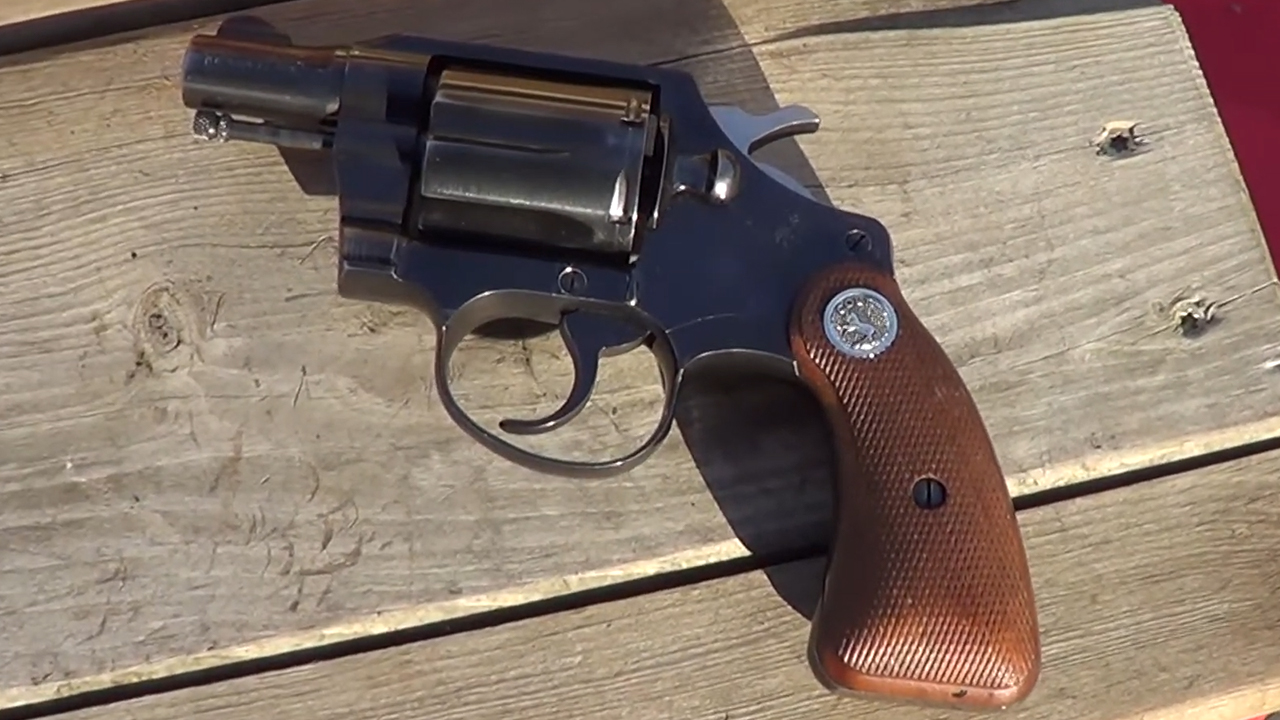
Six shots in a snub-nose revolver is still a big deal, and the Detective Special did it while keeping a carry-friendly shape. The trigger on a good one is smooth, and the gun has a “finished” feel that’s hard to describe until you handle it.
They’re not cheap anymore, and I wouldn’t buy a worn-out one and expect miracles. But as a shooter, it’s worth time behind the trigger. It’s also a reminder that older designs solved problems we’re still arguing about today.
19. FN Five-seveN
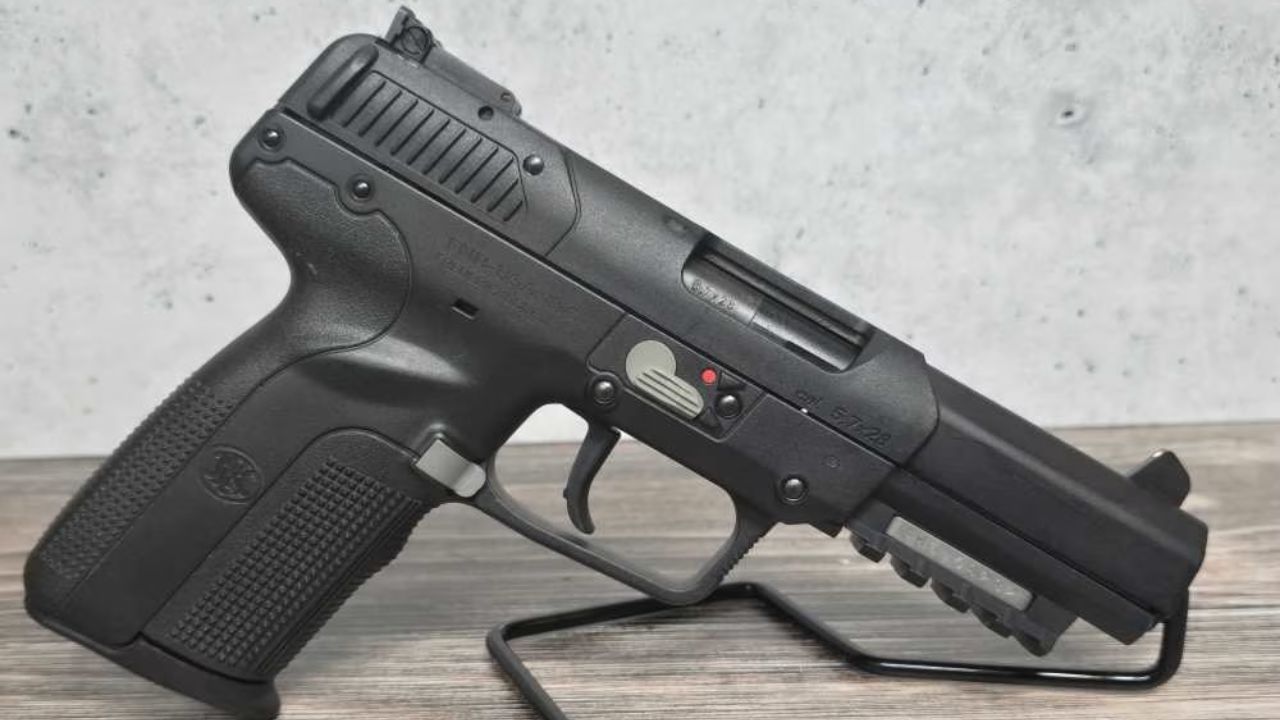
This one is polarizing. Some folks love it, some folks roll their eyes, and plenty of people repeat opinions without ever firing one. The truth is it’s light, accurate, low recoil, and it holds a lot of rounds.
The downside is ammo cost and availability, plus the whole platform feels different than normal duty pistols. But that’s exactly why it’s worth trying once. You learn what low recoil and high velocity feel like in a handgun, and it might change how you think about fast follow-up shots.
20. Magnum Research Desert Eagle (in .44 Magnum)

Most of us don’t need one. A lot of us still want to shoot one. The Desert Eagle is big, loud, and unapologetically ridiculous, and that’s part of the appeal. It’s also a lesson in what “too much gun” feels like for real.
It’s heavy, it can be picky with ammo, and it’s not a woods carry pistol unless you really like suffering. But one afternoon with a Desert Eagle will teach you about grip, stance, and respecting recoil in a way that polite pistols never will. Just make sure you’ve got a safe range setup and a solid grip before you touch it off.
Trying different pistols isn’t about collecting for the sake of collecting. It’s about learning what you actually shoot well, what you can maintain, and what you’ll still like after the new wears off. If you can get hands-on time with even a few of these, you’ll come away a better shooter—and you’ll probably look at your own “must-have” list a little differently.
Like The Avid Outdoorsman’s content? Subscribe to our newsletter so you never miss an article.
Here’s more from us: