Photo credit: LIPSEY'S/YouTube
Every gun counter has a “sure thing” that gets recommended so often it turns into a reflex. The problem is some of those darlings are popular because they’re familiar, not because they’re actually the best tool for the job. They sell on name recognition, movie cool, or that one buddy’s story from 2009, and then the new owner spends the next year figuring out the hard way what the hype conveniently left out.
This isn’t a hit piece on your favorite brand, and it’s not saying these guns can’t work. A few of them are fine when you know their quirks and keep your expectations honest. But if we’re talking about firearms that get more praise than performance in the real world, here are twenty that belong in the conversation.
1. Remington 770
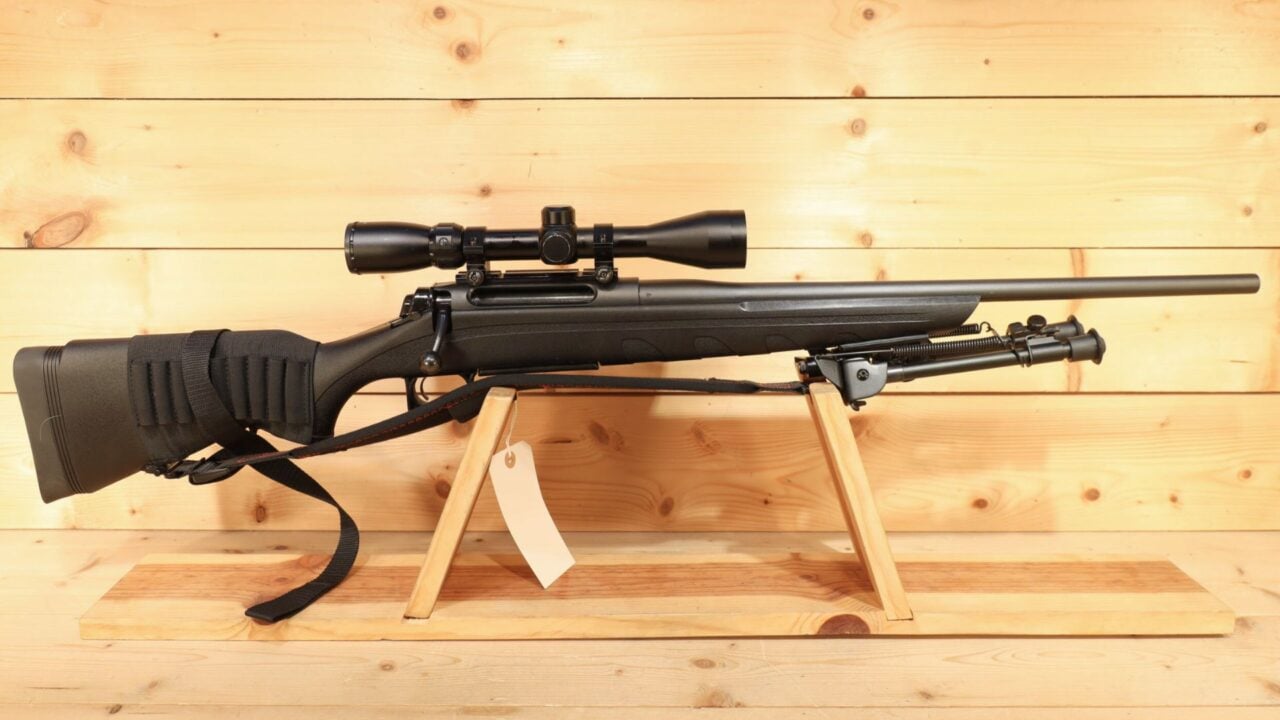
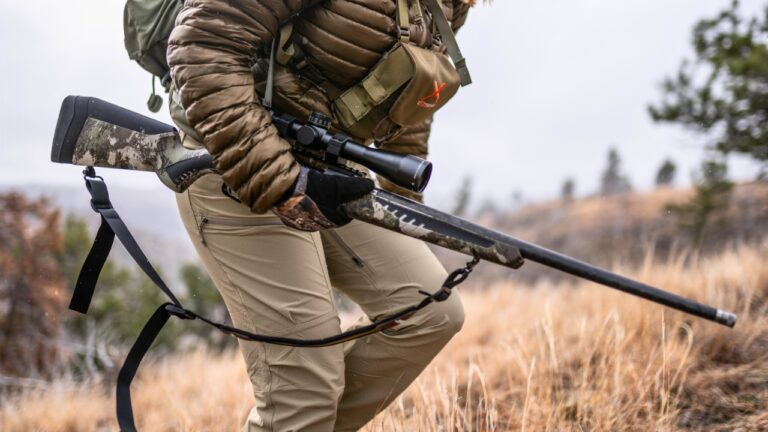
I’ve watched more than one new hunter show up with a 770 because it came as a “ready-to-hunt” package and the price felt like a win. The action is usually the first disappointment. It can feel gritty, and the detachable magazine setup isn’t what I’d call confidence-inspiring when you’re trying to quietly load in a cold stand.
Can one kill deer? Absolutely. But the accuracy consistency and long-term durability just aren’t where a lot of folks assume they’ll be because it says “Remington” on the side. If you’re trying to build a rifle you’ll keep for decades, this is often a stepping-stone gun that gets replaced fast.
2. Ruger LCP (.380 ACP)

The LCP became the default “always gun” for a reason: it’s tiny, light, and easy to carry when you don’t feel like carrying. Then you shoot it. The sights are minimal, the grip is small, and the little pistol can be snappy enough that practice sessions get short.
It does what it was built to do, but it gets talked about like it’s a fun, effortless carry solution. It’s not. It’s a compromise you tolerate, and if you don’t practice, it’s a compromise that bites you.
3. Smith & Wesson SD9VE
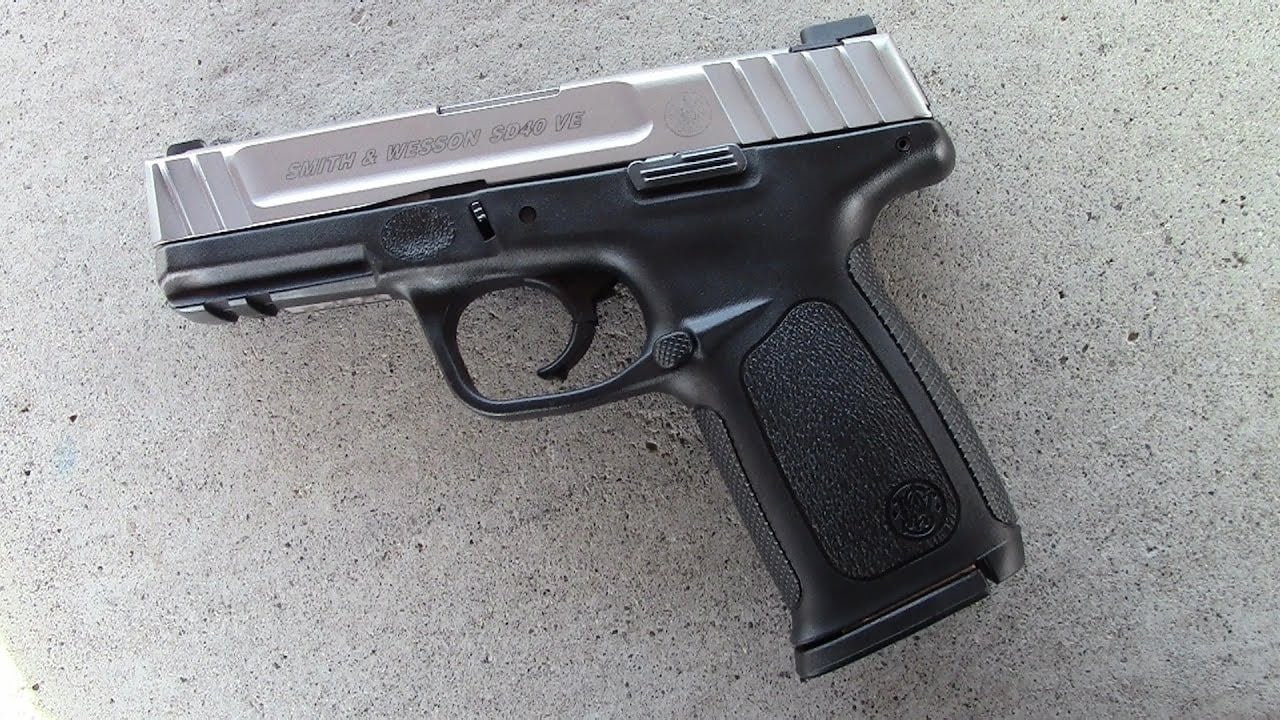
This one sells because it’s inexpensive and wears a respected badge. The common complaint is the trigger, and it’s not nitpicking. A heavy, mushy pull makes it harder to shoot well, especially for new shooters who are already fighting flinch and sight wobble.
If you get a good one and learn it, it can run. But it’s famous in a way better guns aren’t: “It’s fine for the money.” That’s not the same as being good.
4. Taurus Judge
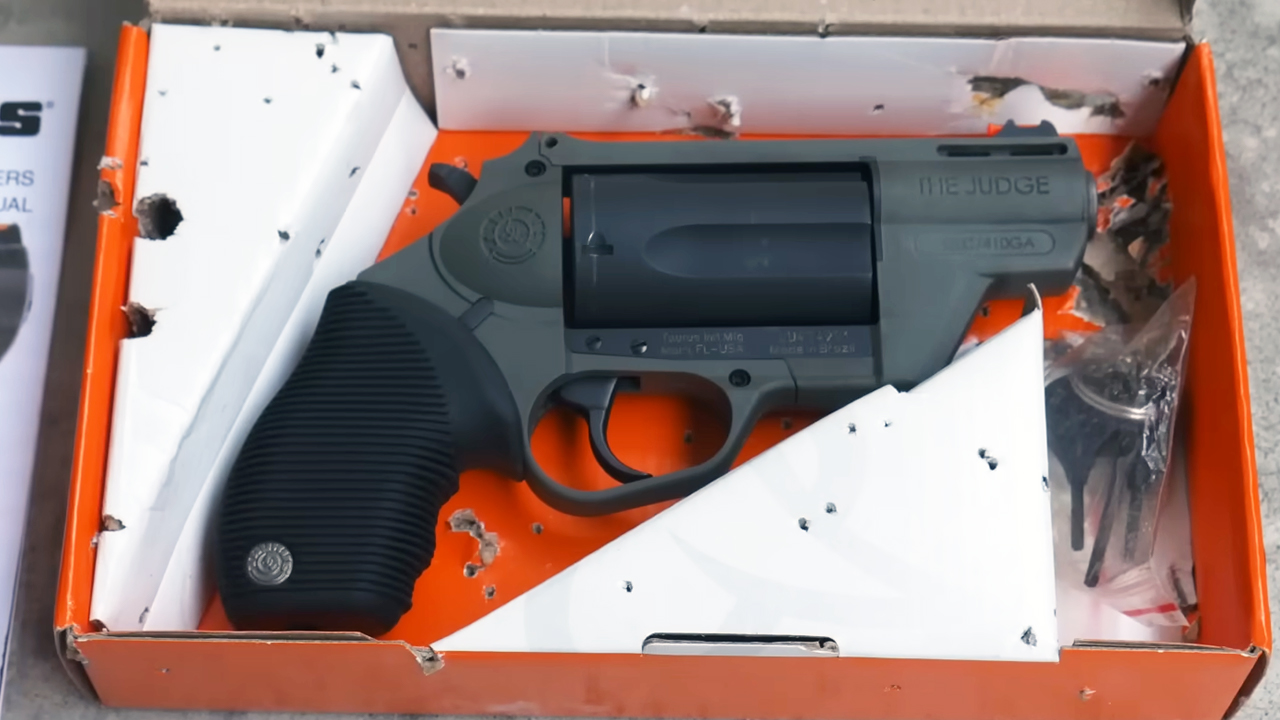
It’s the revolver everyone wants to handle at the shop, and half the time the reason is the novelty. The idea of launching .410 shells out of a handgun sounds like the ultimate truck-gun answer. In reality, it’s bulky, the pattern can be unimpressive, and the whole platform is a compromise whether you load .410 or .45 Colt.
For snakes at bad breath distance, sure. But the internet turned it into a do-everything defensive option. Most owners eventually realize it’s mostly a conversation piece that’s heavy to carry and expensive to feed.
5. Kimber Ultra Carry II
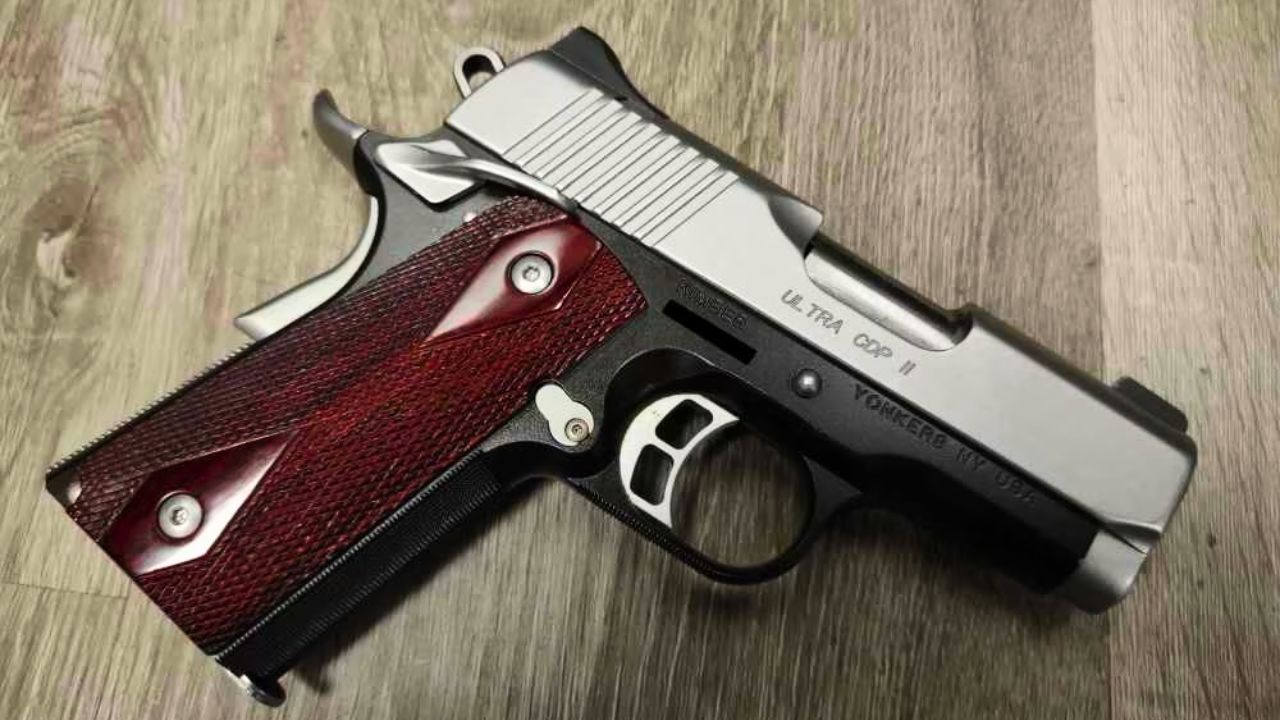
Small 1911s are seductive: thin, classy, and they point nice. They can also be finicky, and the shorter you make that 1911 slide and barrel, the less tolerance you tend to have for different ammo and magazines. When they’re running, they’re a joy. When they’re not, they’re a headache you paid premium money for.
Kimber’s name gets people expecting perfection out of the box. The truth is you’re buying into a platform that sometimes needs a little sorting, and the “ultra” size makes that sorting more common.
6. Springfield Armory XD-S (early generations)

The XD-S got carried a lot because it felt like a slim, easy answer before the micro-9 wave took off. The problem is it never quite felt as shootable as people wanted it to be, especially in the lighter, smaller configurations. Recoil and grip comfort can turn practice into work.
It’s not junk. It’s just not the miracle it was marketed as, and now it lives in that space where better options exist in the same size class.
7. Beretta Nano

The Nano had the right idea—smooth sides, snag-free carry, simple lines. Then you try to run it fast. The tiny controls and the overall feel can be less friendly than the “slick pocket rocket” reputation suggests.
Some of them also earned a reputation for being picky in ways you don’t want from a defensive pistol. It’s a Beretta, so folks assume it’ll be boringly reliable. The Nano didn’t always deliver that kind of boring.
8. Colt Anaconda (new production hype)
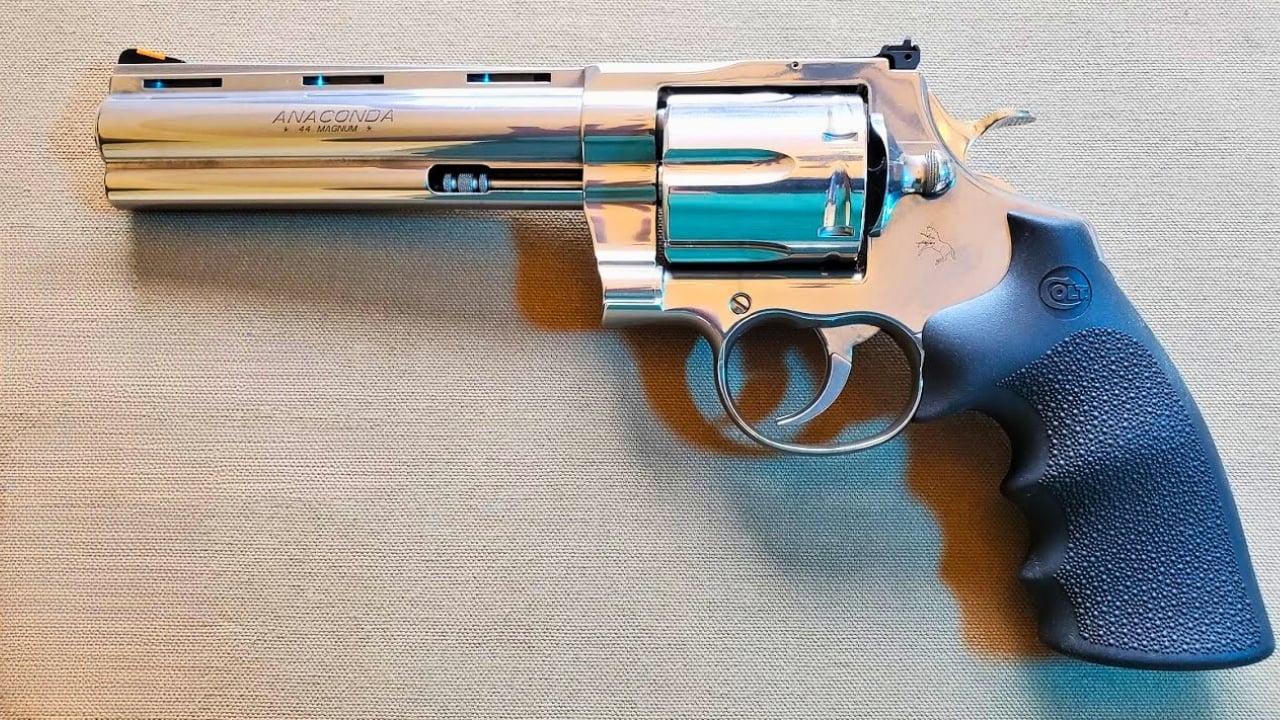
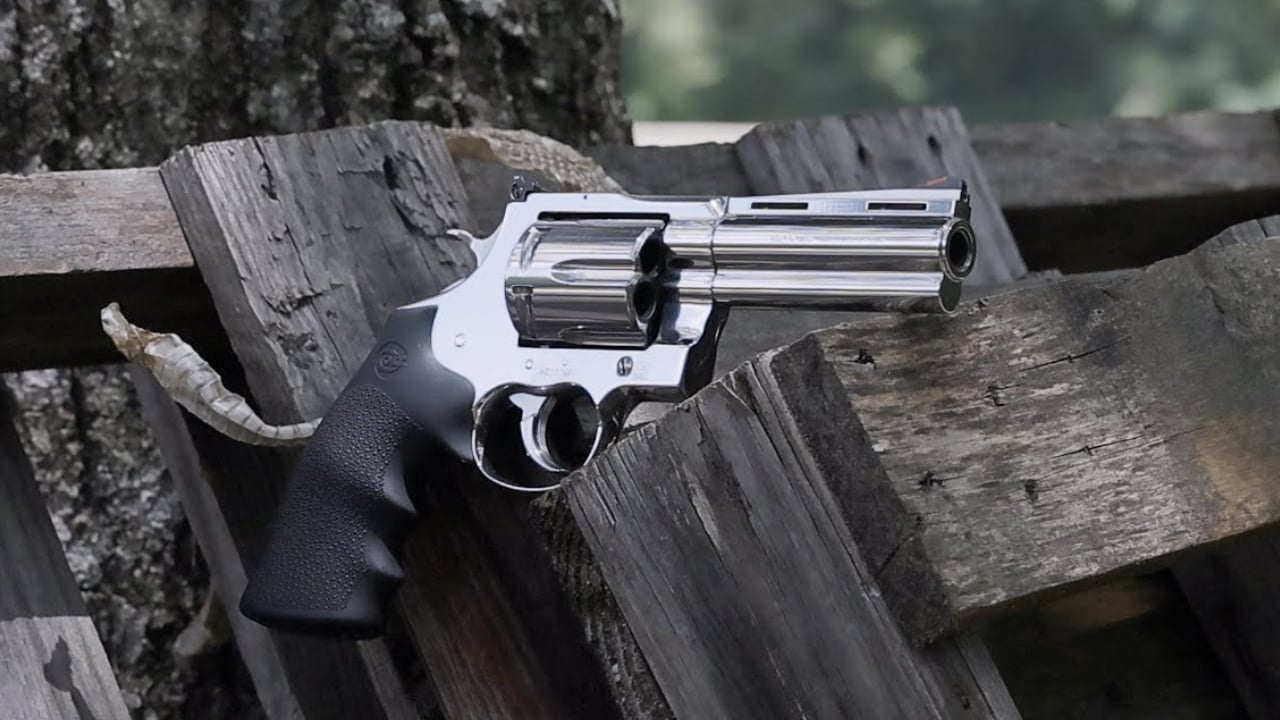
Big Colt wheelguns are cool. I get it. But the Anaconda’s popularity has outpaced what most owners actually do with a big-frame .44. A lot of them end up living in the safe because full-house .44 Magnum isn’t an every-week range plan for most shooters.
They’re well-made and collectible, but the “must-have” talk ignores the reality that a large, pricey revolver often becomes a very expensive occasional-use firearm.
9. Winchester SXP (budget pump shotgun packages)

The SXP gets pushed hard in combo kits and big-box displays, and the price makes it tempting for a first pump. Some run fine. Some feel rough, and the overall fit and finish can be a little “get it out the door” depending on the specific gun.
If you’re hunting a few weekends a year, it might never matter. But it’s not in the same league as the legendary pumps people mentally compare it to.
10. Mossberg 590 Shockwave
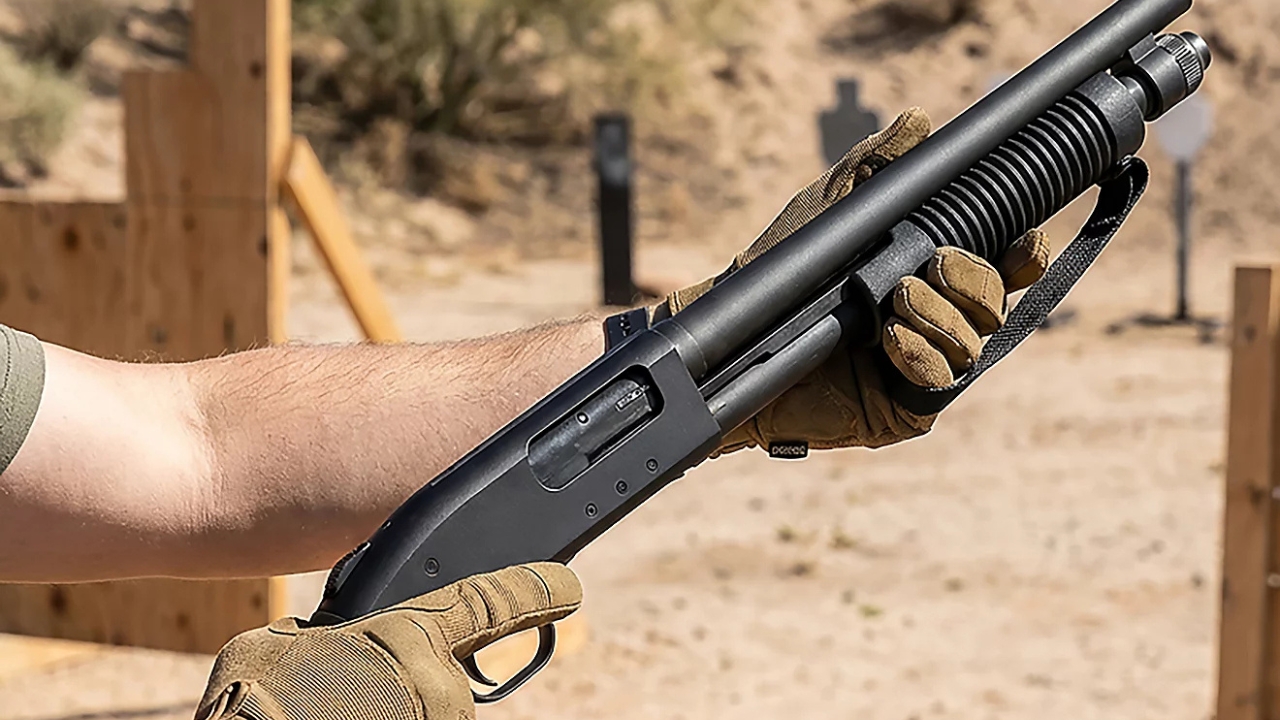
It looks like something out of an action movie, and that’s the point. Then you take it to the range and realize that a short, grip-only 12 gauge is not magic. It’s awkward to aim, uncomfortable with stout loads, and it’s easy to convince yourself you’re more capable with it than you are.
For very specific use cases, fine. For most homeowners, it’s a loud, flashy tool that’s harder to run well than a standard stocked shotgun or a sensible carbine.
11. Heritage Rough Rider
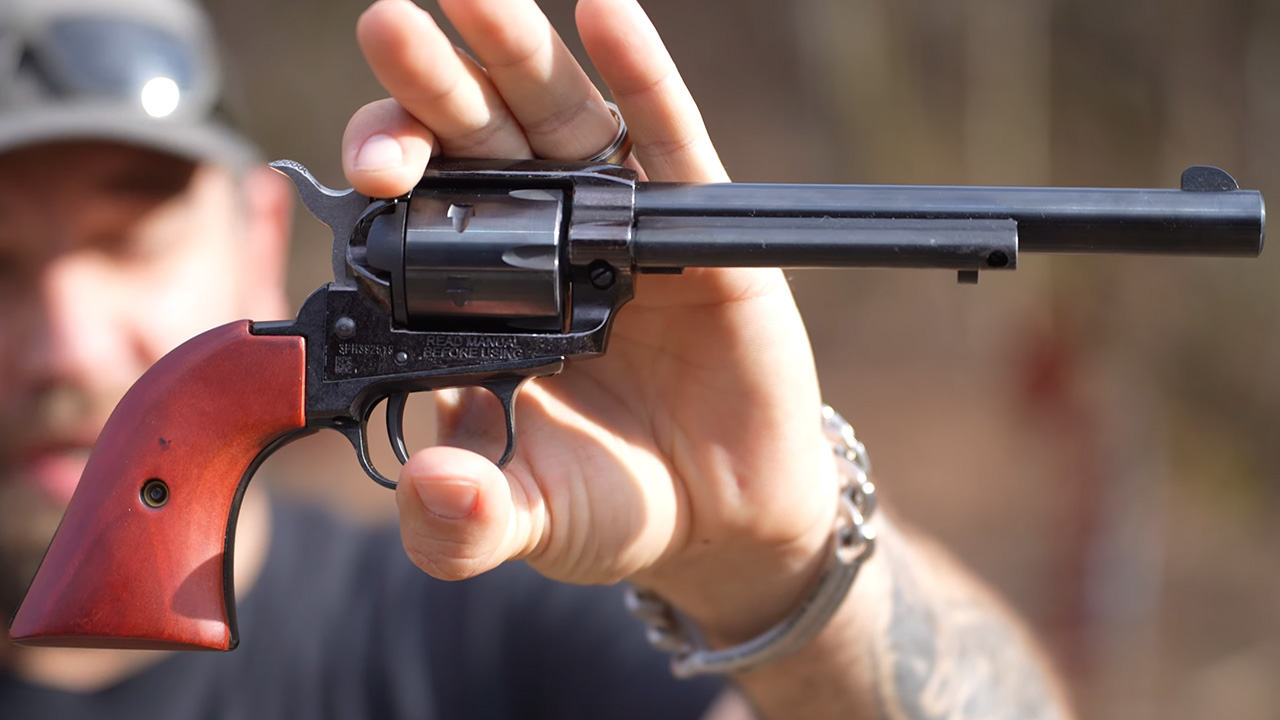
This is the classic “cheap .22 revolver” that turns into a first range gun for a lot of families. The fun factor is real. The issue is quality control and longevity. Timing, screws walking out, rough actions—none of that is rare.
It’s popular because it’s affordable and looks cowboy-cool. But if you want a .22 that can take years of steady use without little problems popping up, there are better answers.
12. Rossi Circuit Judge
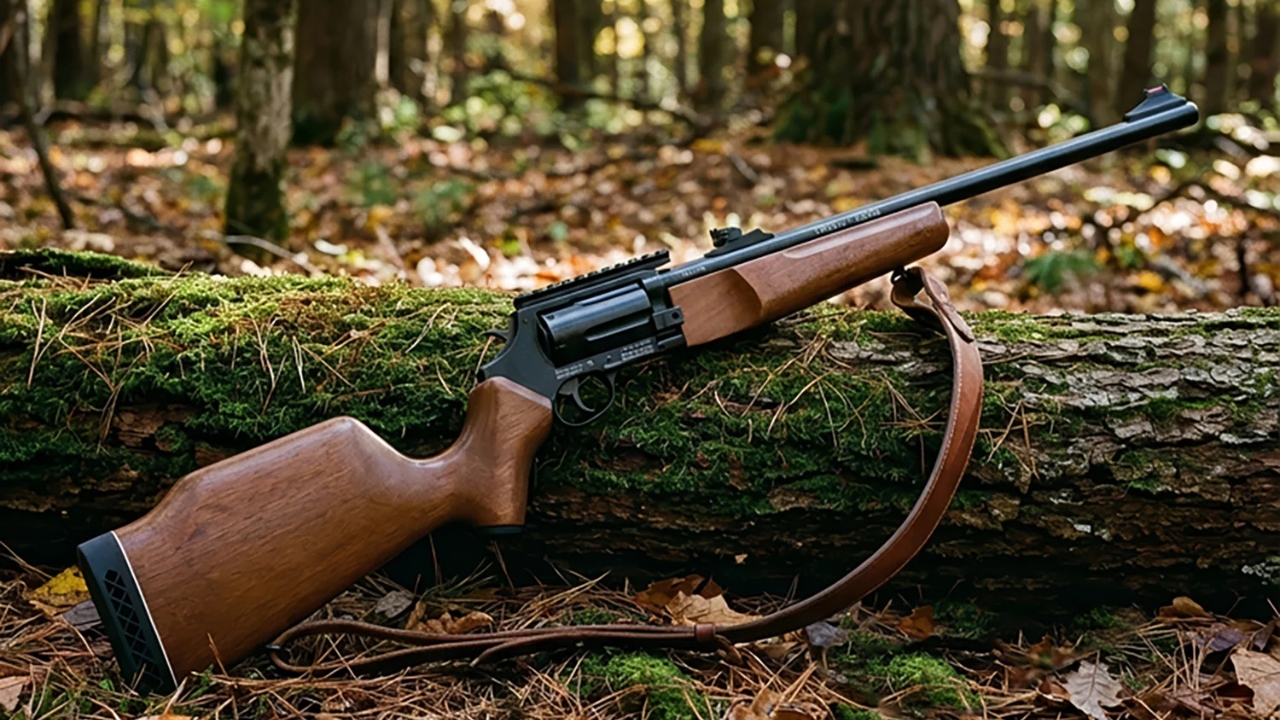
A lever-action that shoots .410 sounds like a neat woods-walker until you actually live with it. It’s often heavy for what it is, the .410 performance out of a longer barrel still isn’t turning it into a magical small-game machine, and the handling is a bit odd compared to traditional levers.
The popularity comes from novelty again. Once the novelty wears off, you’re left with a niche gun that doesn’t clearly beat a .22 or a proper shotgun for most normal jobs.
13. Kel-Tec SUB-2000
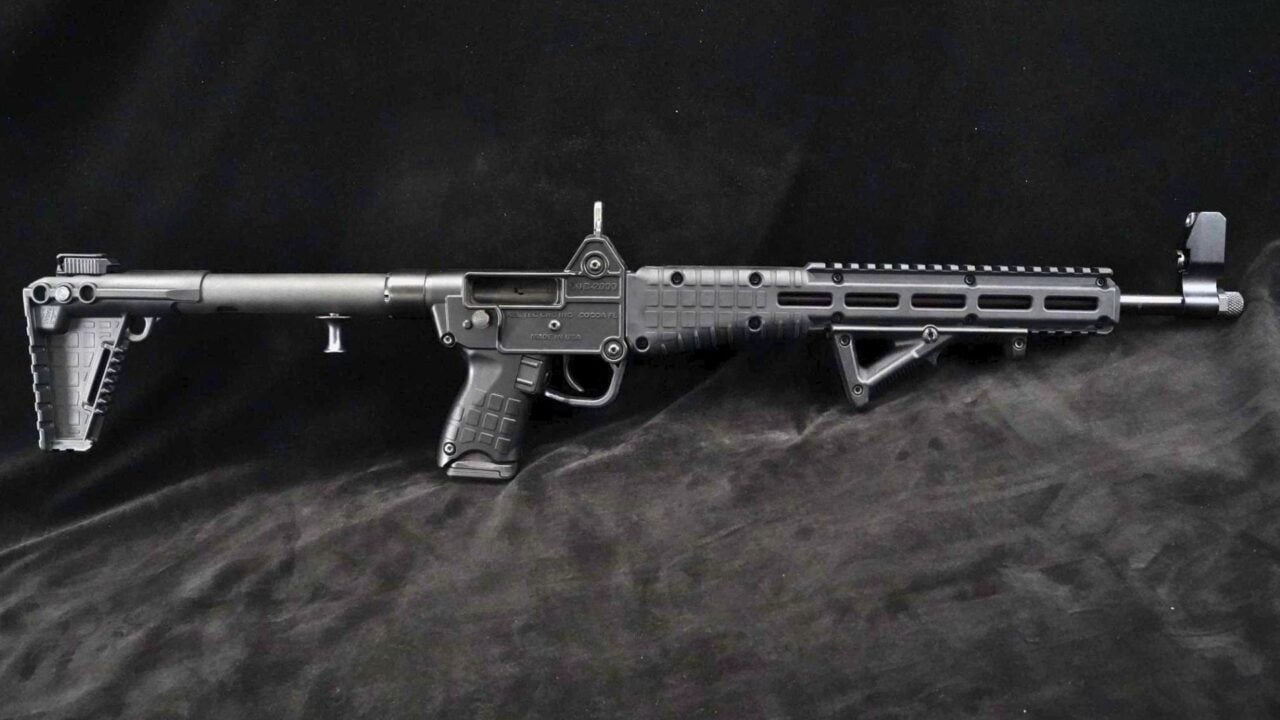
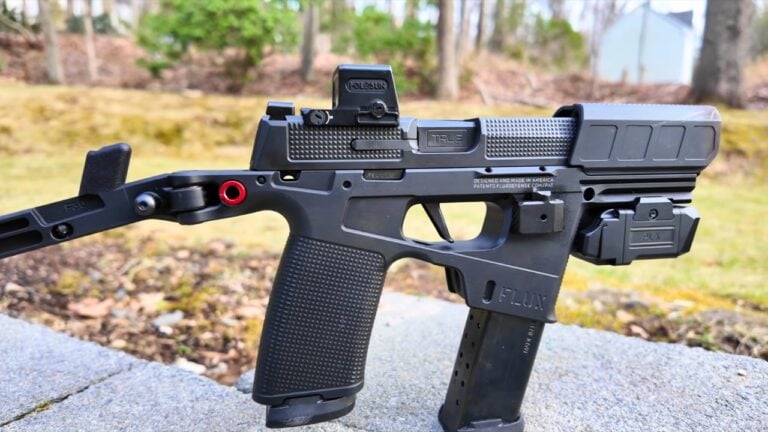
Folding pistol-caliber carbines are handy. The SUB-2000 is also an ergonomic compromise. The cheek weld can be weird, the sights aren’t great, and the whole package can feel like it was designed around “folds in half” first and “shoots like a normal carbine” second.
It sells because it’s clever, and because it can share magazines with common pistols depending on the version. If you don’t mind its quirks, it can be a useful tool. If you expected it to feel like a real carbine, you might be disappointed.
14. Hi-Point C9
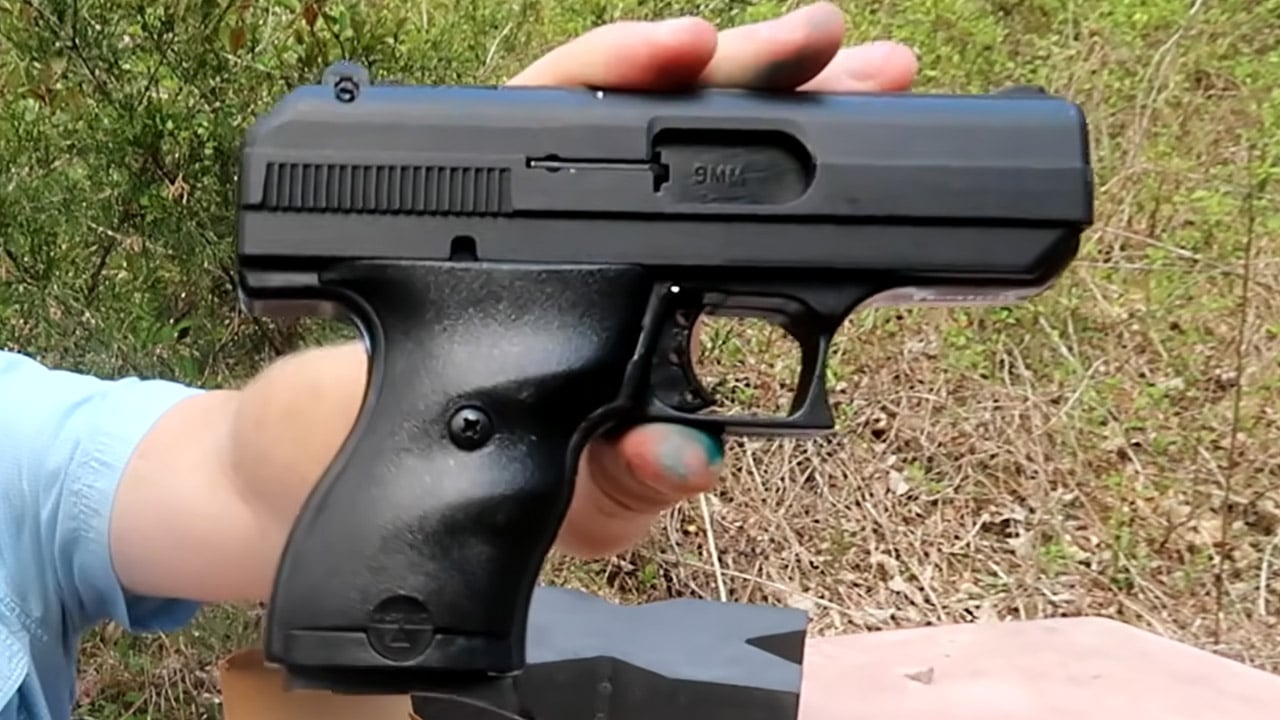
Everybody knows someone who says, “Mine never jammed,” and that story travels. Hi-Points can run, and they’re affordable. The flip side is they’re big, heavy, and clunky for the caliber, with a trigger and controls that remind you exactly what price point you bought.
They’re popular because they’re accessible. But the praise often outruns the reality that most owners would rather have almost anything else once they can afford it.
15. SIG Sauer P365 SAS
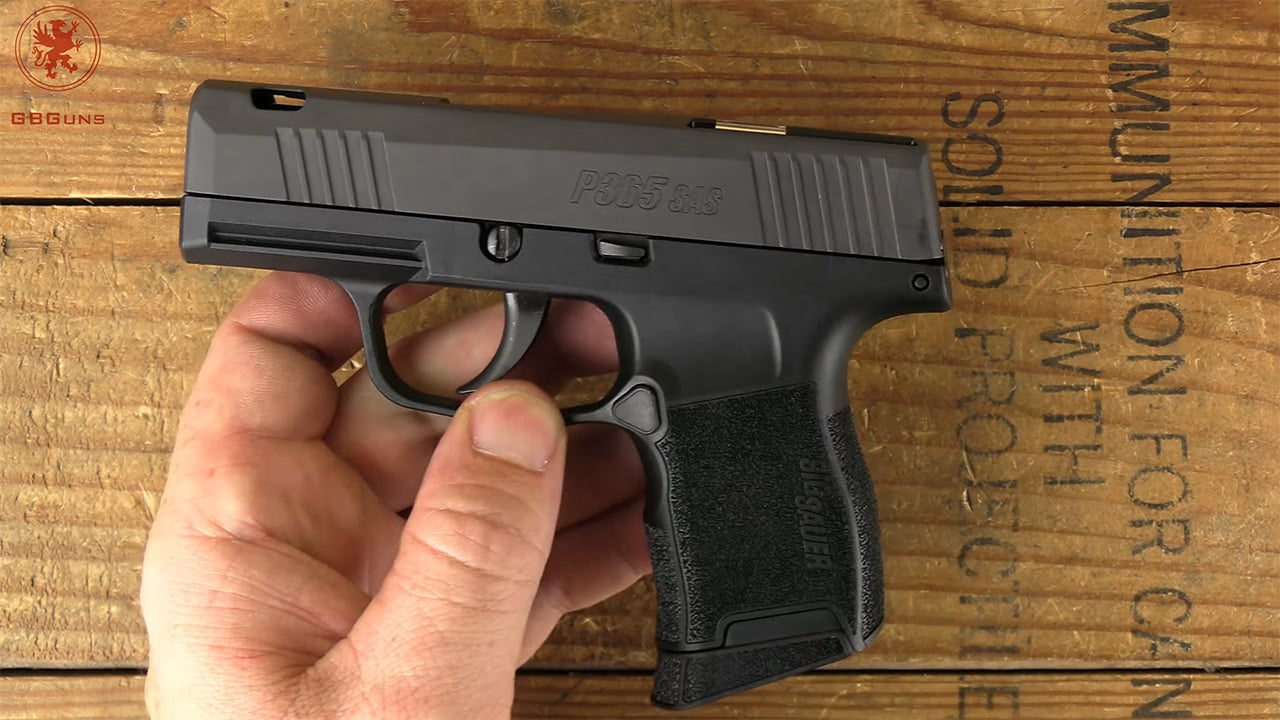
The P365 line is a home run. The SAS variant, with its snag-free treatment and flush sight system, is where the hype got ahead of usefulness. That sight setup is not everybody’s friend, especially in low light or for folks whose eyes don’t love unconventional sight pictures.
It’s neat, and it carries smooth. But “carries smooth” isn’t the same thing as “shoots easy and fast,” and the regular P365 variants make more sense for most people.
16. Desert Eagle Mark XIX
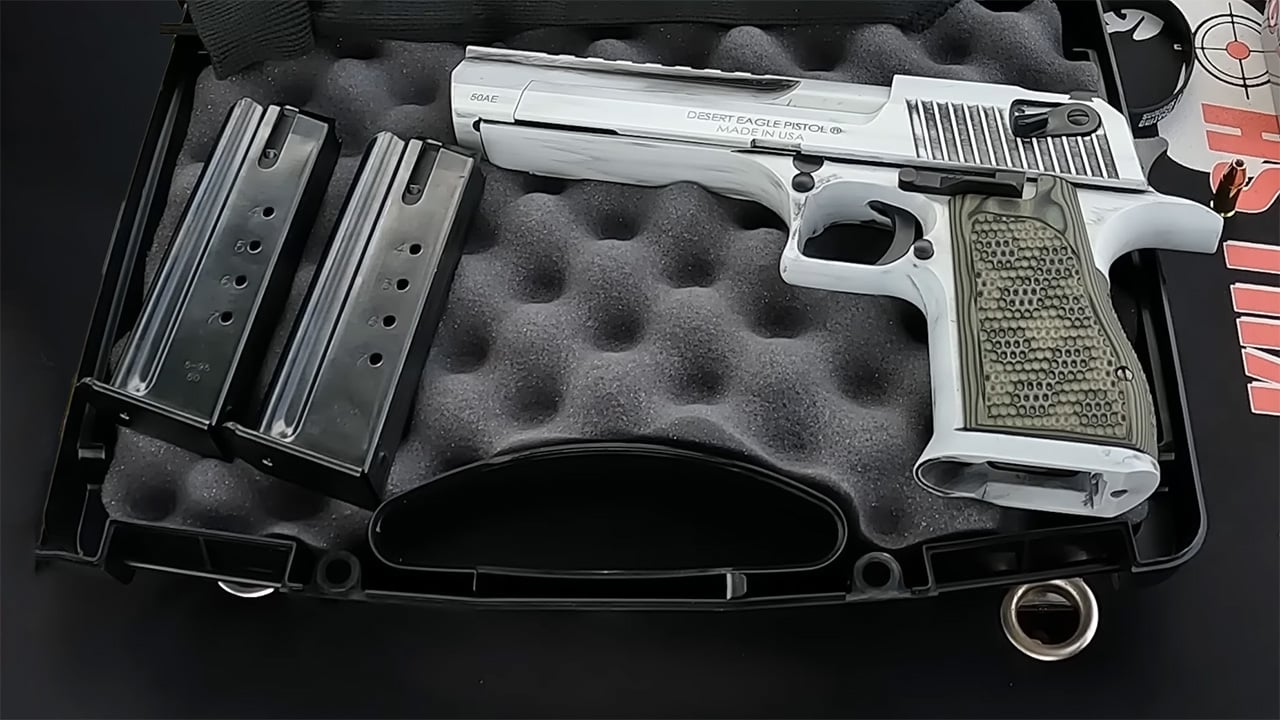
This is the king of “cool,” and I won’t pretend it isn’t fun to shoot once or twice. Then you look at ammo cost, weight, and how often it actually comes out of the case. It’s not a hunting handgun for most hunters, and it’s not a practical defensive handgun for anyone who’s being honest.
It’s popular because it’s iconic. Being iconic doesn’t make it useful, and “useful” is what matters when the new-gun smell is gone.
17. Rossi RS22 (cheap semi-auto .22 packages)
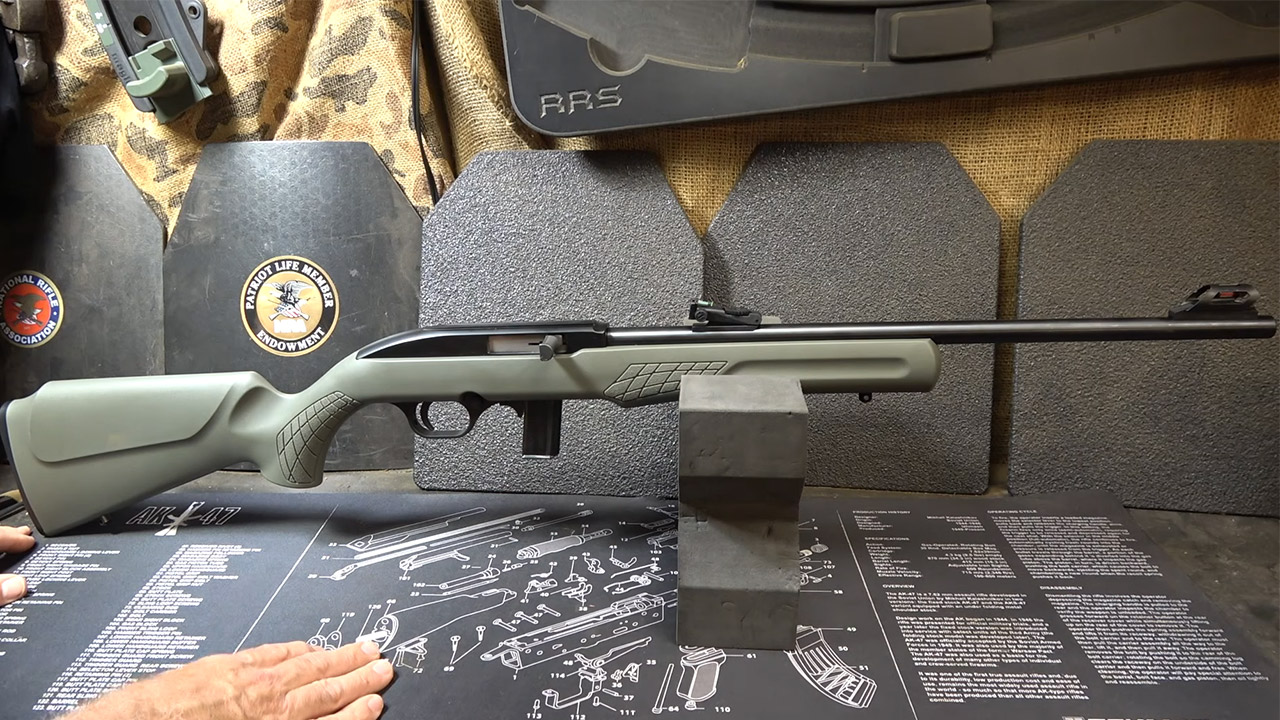
Budget .22 rifles sell like hotcakes because everybody wants a plinker for the farm, the range, or teaching kids. The RS22 can be a decent knock-around gun, but it’s not uncommon to see picky feeding, cheap-feeling magazines, and accuracy that varies more than you’d like.
The popularity is about price, not performance. If you get a good one, you’ll shrug and keep shooting. If you get a bad one, you’ll spend more time tinkering than practicing.
18. Century Arms C39V2 (AK-style rifle)
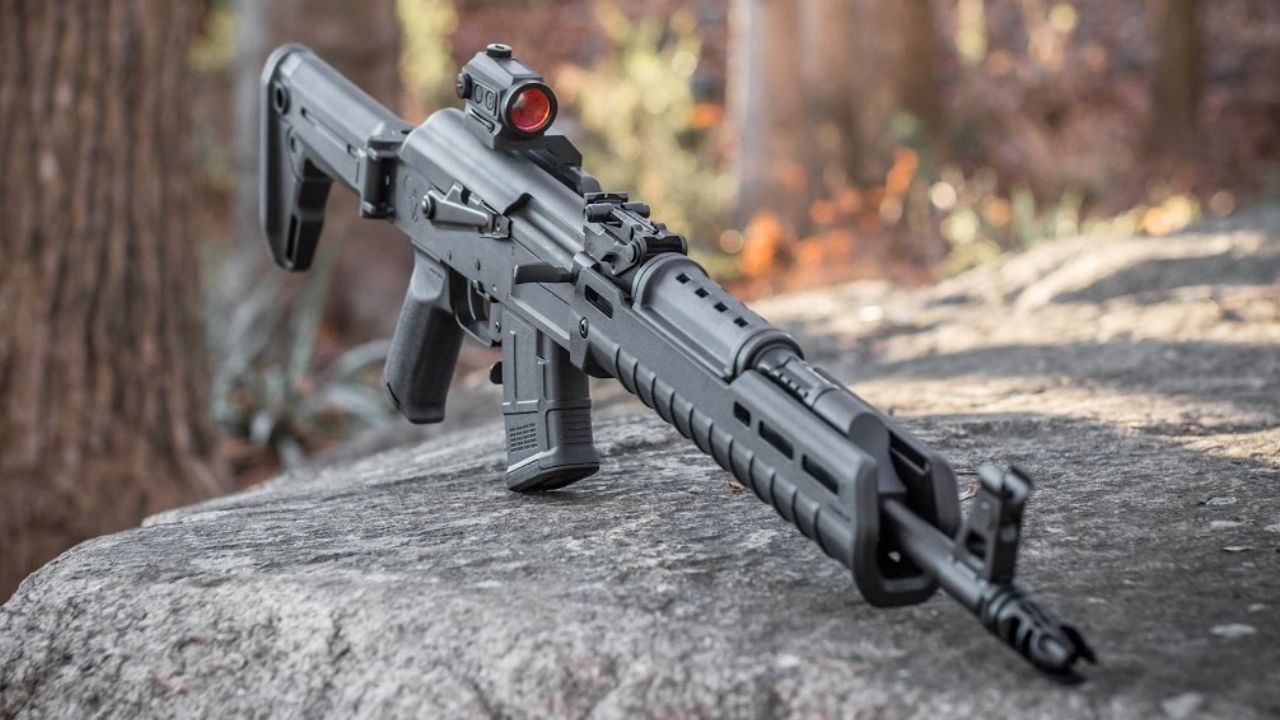
AKs have a reputation for being unkillable, and that reputation sells a lot of rifles that don’t deserve it. The C39V2 was talked up as a solid American-made AK option, and then real use and high round counts started telling a different story in some cases.
An AK is supposed to be the “it just runs” rifle. When you’re watching for wear issues and questioning longevity, you’re not getting what you came for.
19. Glock 44
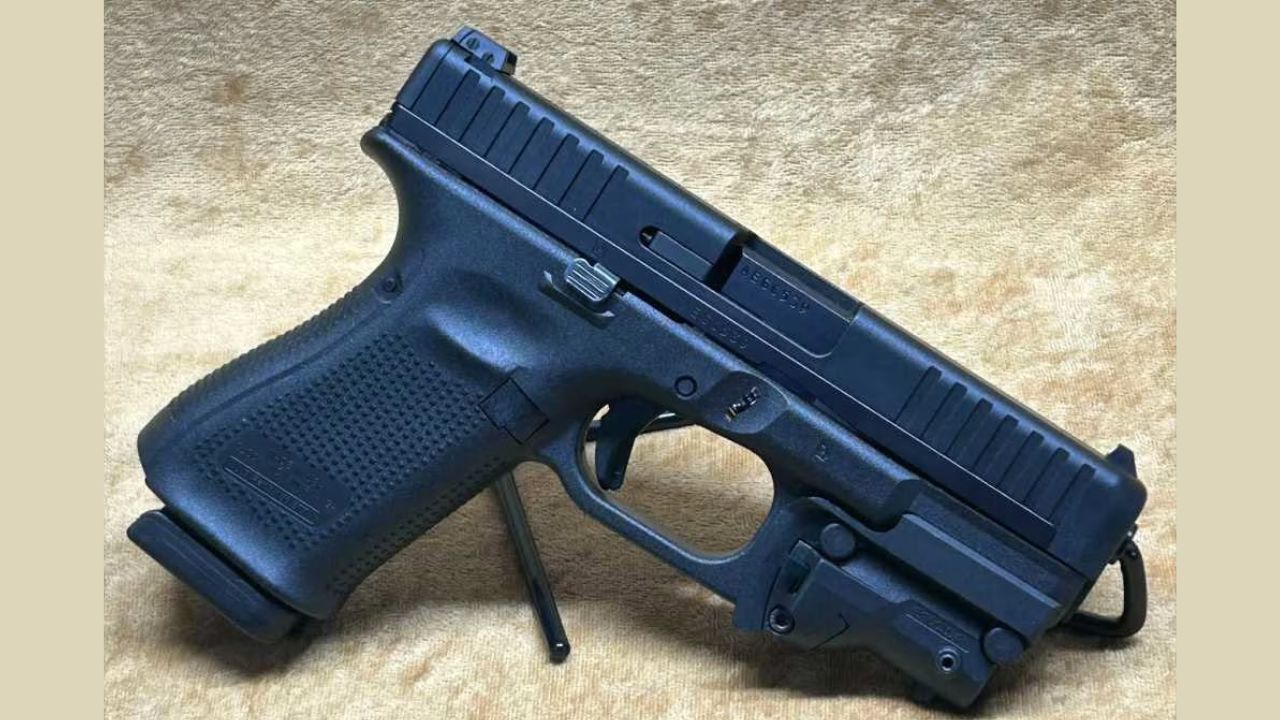
A .22 Glock sounds like the perfect trainer. Same general feel, cheap ammo, lots of practice. In reality, the Glock 44 has a mixed reputation depending on ammo choice and individual pistol, and it didn’t deliver the “runs on everything” expectation many folks had.
When a .22 is picky, it stops being a trainer and starts being a troubleshooting project. For the money, a lot of shooters end up happier with other .22 pistols that simply eat more ammo types without drama.
20. Remington R51 (re-release)
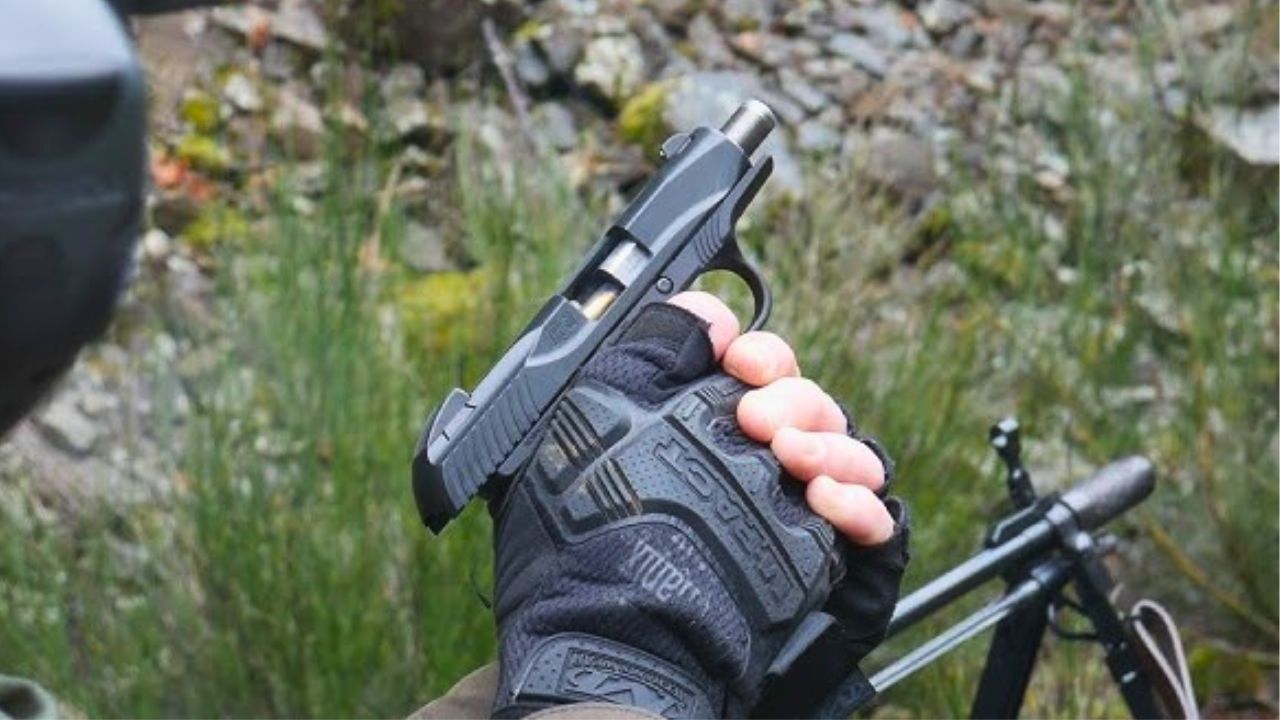
This one hurts because the concept was interesting, the styling was sharp, and the hype train was loud. The execution didn’t match the promise, and the gun developed a reputation that’s hard to scrub off once shooters start losing confidence.
It’s a reminder that a clever design and a big-name rollmark don’t guarantee a solid carry pistol. Trust is earned at the range, one boring, reliable magazine at a time.
If you own one of these and it’s been good to you, I’m not here to talk you into selling it. Just don’t confuse popularity with quality, and don’t confuse a cool idea with a good tool. The best guns are usually the ones that do the job quietly, feed what you give them, and don’t demand constant excuses.
Like The Avid Outdoorsman’s content? Be sure to follow us.
Here’s more from us: