Photo credit: TheRealKnifeDepot/YouTube
Knife collectors have a habit of falling in love with yesterday’s cheap knives after the factories close and the bargain bins disappear. A knife that once hung in a hardware store for a few dollars might have been tossed into a tackle box, sharpened on a bench grinder, or lost behind a truck seat without anyone thinking twice about it. Nobody was carefully preserving something they assumed would always be available.
Then production moved overseas, entire American factories closed, and certain models simply vanished. Schrade’s old U.S. operation ended in 2004, while the historic Camillus factory closed in 2007, cutting off entire families of familiar working knives. Today, the frustrating part is often not finding the model at all. It is finding an original example that has not been destroyed by decades of actual use. These are the knives I wish people had appreciated while they were still cheap.
Schrade 8OT Old Timer Senior
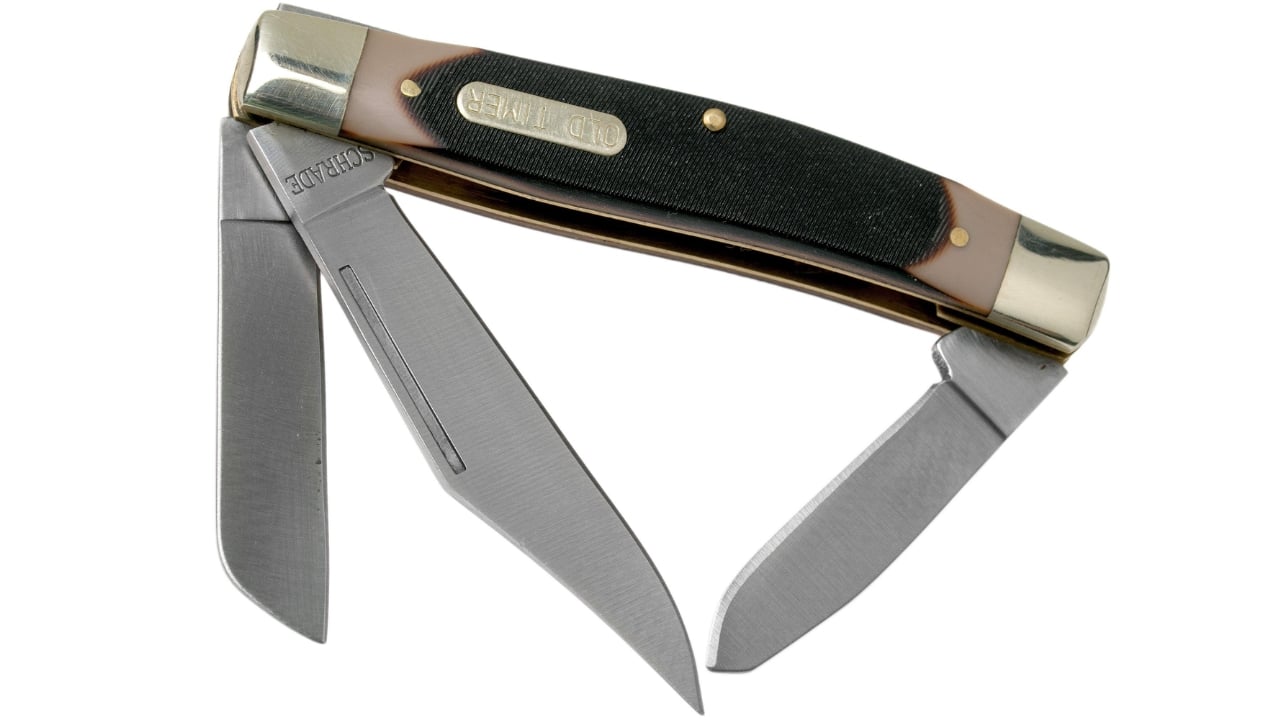
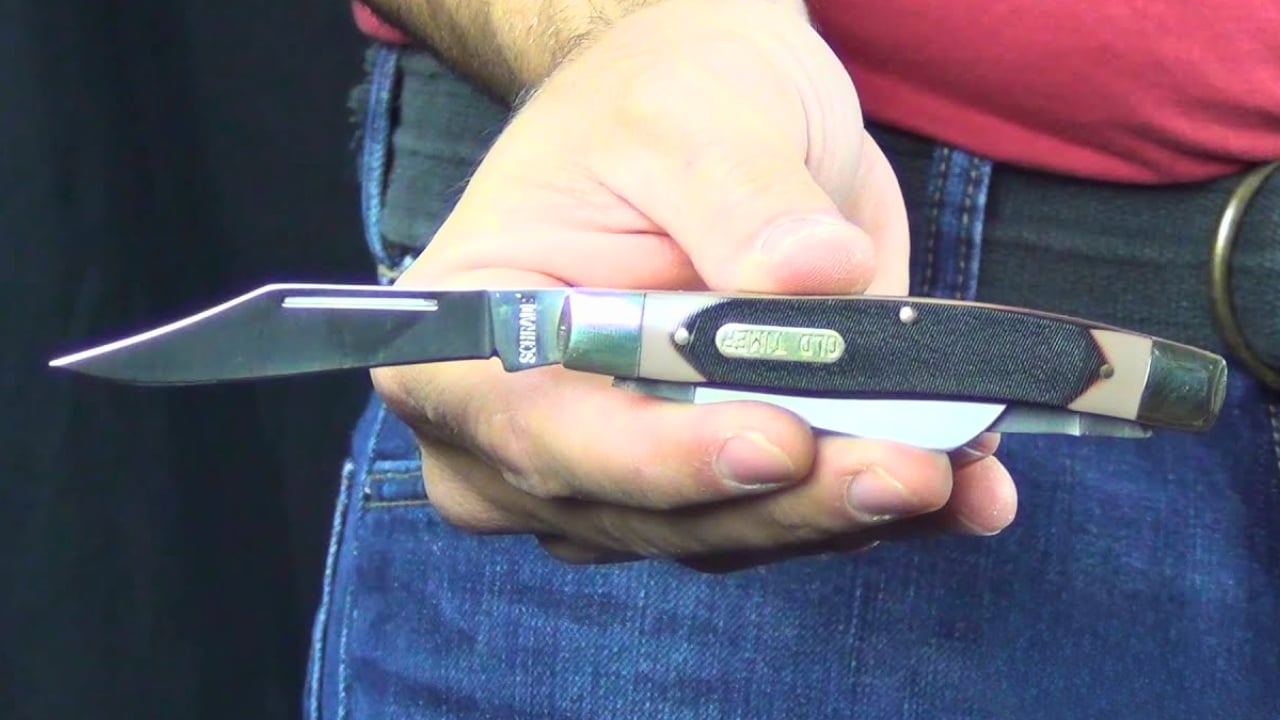
The 8OT Senior Stockman was once about as ordinary as an American pocket knife could get. Schrade sold huge numbers of Old Timers to hunters, farmers, mechanics, and anyone else who wanted a practical carbon-steel knife without paying premium money. Nobody looked at the brown saw-cut handles and thought they were staring at a future collectible. They thought they were looking at another knife that could be replaced at the hardware store whenever it wore out.
That assumption ended when Imperial Schrade’s American operation collapsed in 2004. The 8OT had been part of the Old Timer story for decades, but the original U.S.-made versions suddenly became a finite supply. Used knives are still around, but finding one with full blades, clean handles, and little evidence of amateur sharpening is another matter entirely.
Schrade 34OT Middleman
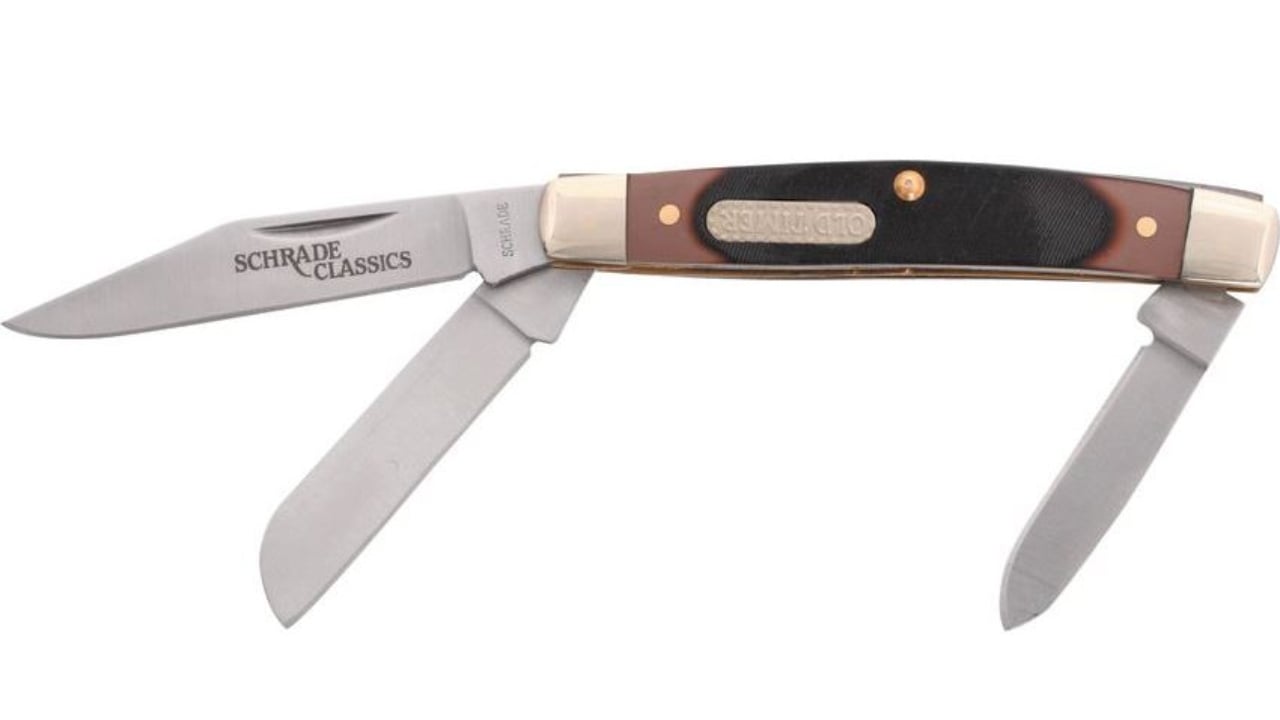
The 34OT Middleman was even easier to overlook because it was smaller and extraordinarily common. For many owners, this was simply the pocket knife. The three-blade stockman pattern covered everyday cutting jobs, the Delrin handles tolerated abuse, and the knife was inexpensive enough that losing one was irritating rather than devastating. One longtime Schrade discussion even describes the 34OT as the company’s most popular product, made right up until the factory closed.
That enormous popularity means plenty survive, but most surviving knives were actually carried. Blades were sharpened down, tips were broken, shields went missing, and joints collected decades of pocket dirt. I would never claim every 34OT is rare. What is getting harder to find is the almost-new American-made example that reminds you what these inexpensive knives looked like before somebody spent 30 years using one.
Uncle Henry LB7 Bear Paw
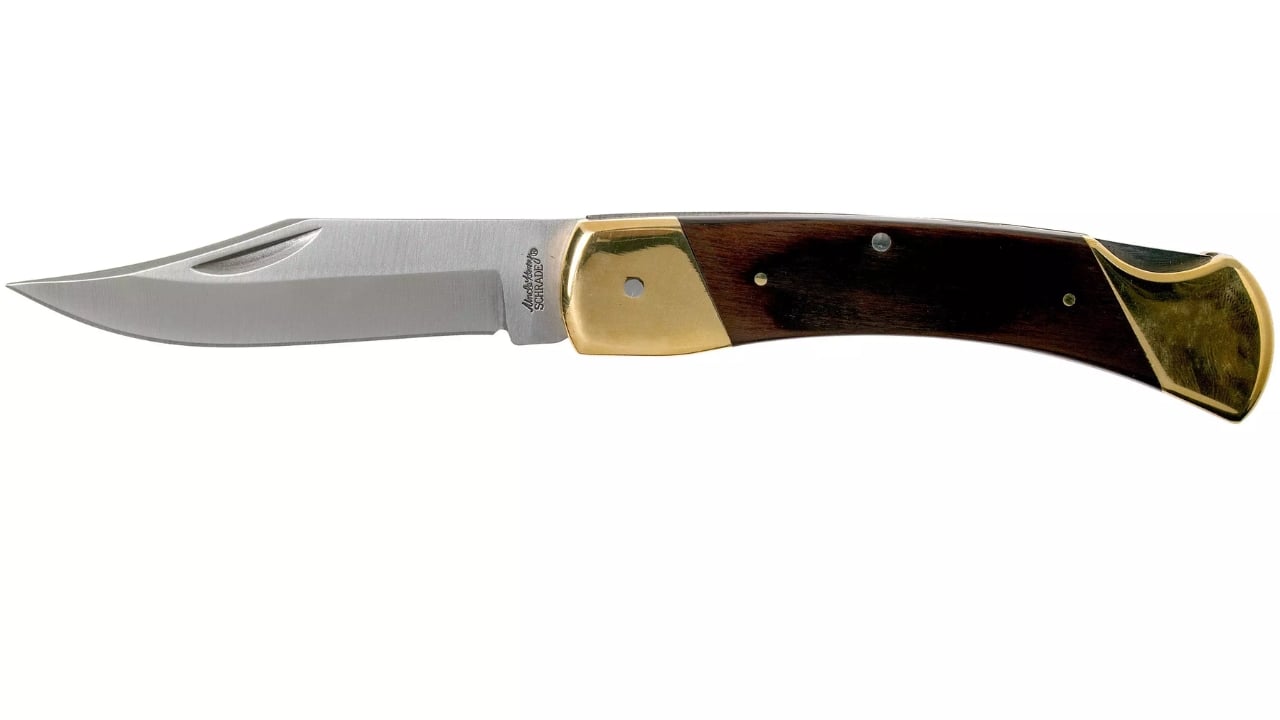
The LB7 Bear Paw was Schrade’s answer to the big folding hunter, and for years it lived in the shadow of the Buck 110. That was actually good news for buyers. You could get a substantial American-made lockback with brass bolsters, a wood-toned handle, and a leather belt sheath without chasing whatever knife enthusiasts considered fashionable at the time.
People used them accordingly. LB7s rode on belts during deer season, bounced around pickup interiors, and got sharpened until the original factory edge was a distant memory. Once U.S. Schrade production disappeared, the old tang stamp began meaning much more to collectors than it had when the knives were still hanging in stores.
I would pay far more attention to a clean U.S.-made LB7 today than I would have years ago. The knife was never exotic. That ordinary working history is exactly why untouched examples increasingly stand out.
Camillus TL-29 Electrician’s Knife
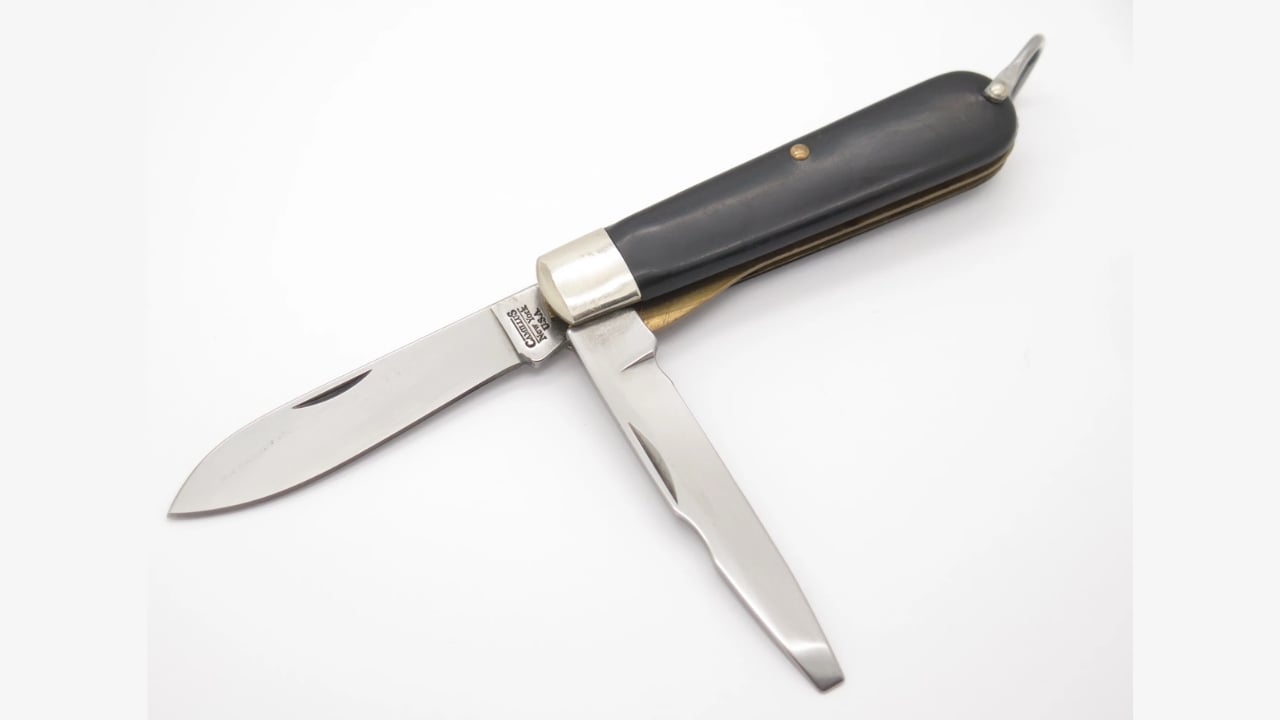
The TL-29-style electrician’s knife might have been one of the easiest knives in America to underestimate. It was built around work rather than looks, usually combining a main blade with a screwdriver or wire-scraping blade. Military surplus, utility companies, tradesmen, and countless toolboxes helped keep the pattern familiar for generations.
Camillus made enormous numbers of working knives during its long history, including millions of knives for the U.S. military during World War II. The original Camillus company finally closed its New York factory in February 2007.
That makes clean Camillus-marked electrician knives more interesting than their old bargain-bin reputation suggests. Most were treated like screwdrivers with an extra blade rather than collectibles. When I see one today that has not been pried with, sharpened badly, or covered in rust, I understand why collectors grab the good ones.
Camillus 72 Whittler
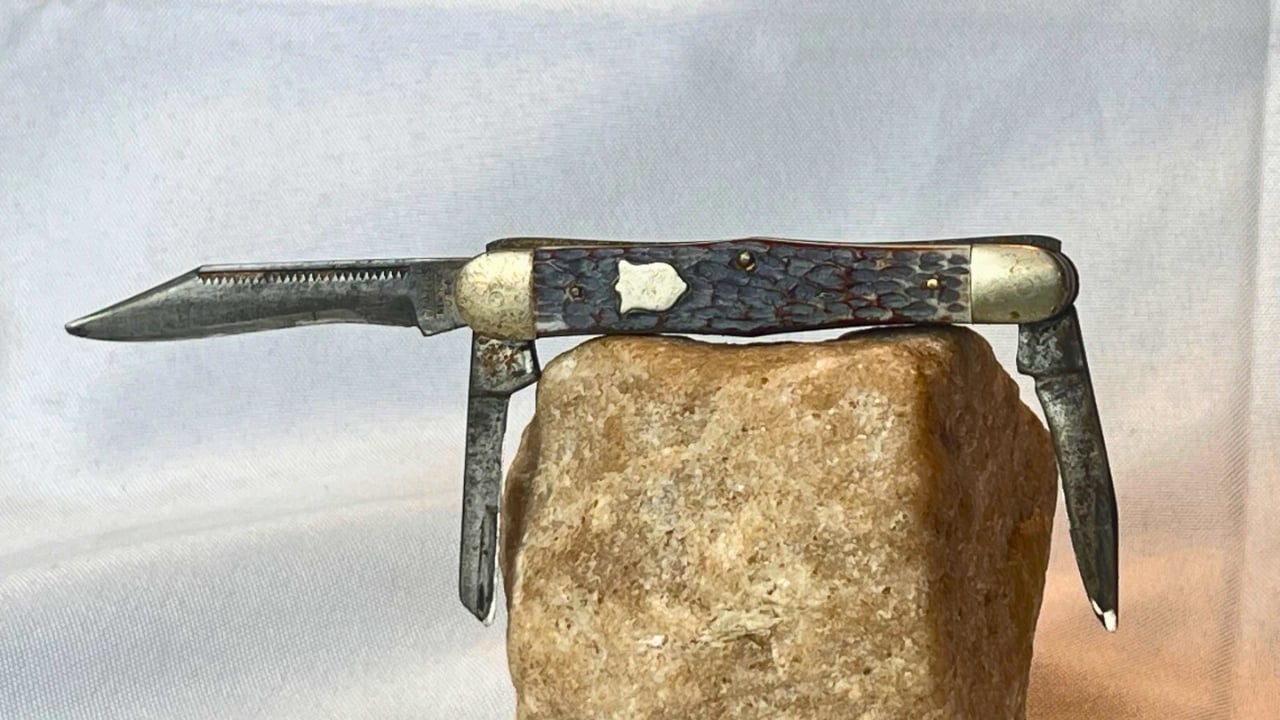
The Camillus 72 is one of those traditional folders that people walked past because the Camillus name did not always command the collector attention given to Case or older premium brands. It was a multi-blade working pocket knife built in the kind of classic American pattern that once seemed permanent. There was no reason to rush when Camillus knives were simply part of the landscape.
The closure of the original factory changed how I look at them. Suddenly, the old New York-made versions could not be replaced by another identical production run. Years of pocket carry have also eliminated many of the better specimens. Blades develop wobble, tips get rounded, handles crack, and original factory profiles disappear under repeated sharpening.
I would not call every Model 72 a treasure, but a crisp example with full blades is increasingly the type of old pocket knife I stop and examine instead of casually passing over.
Camillus Becker BK7
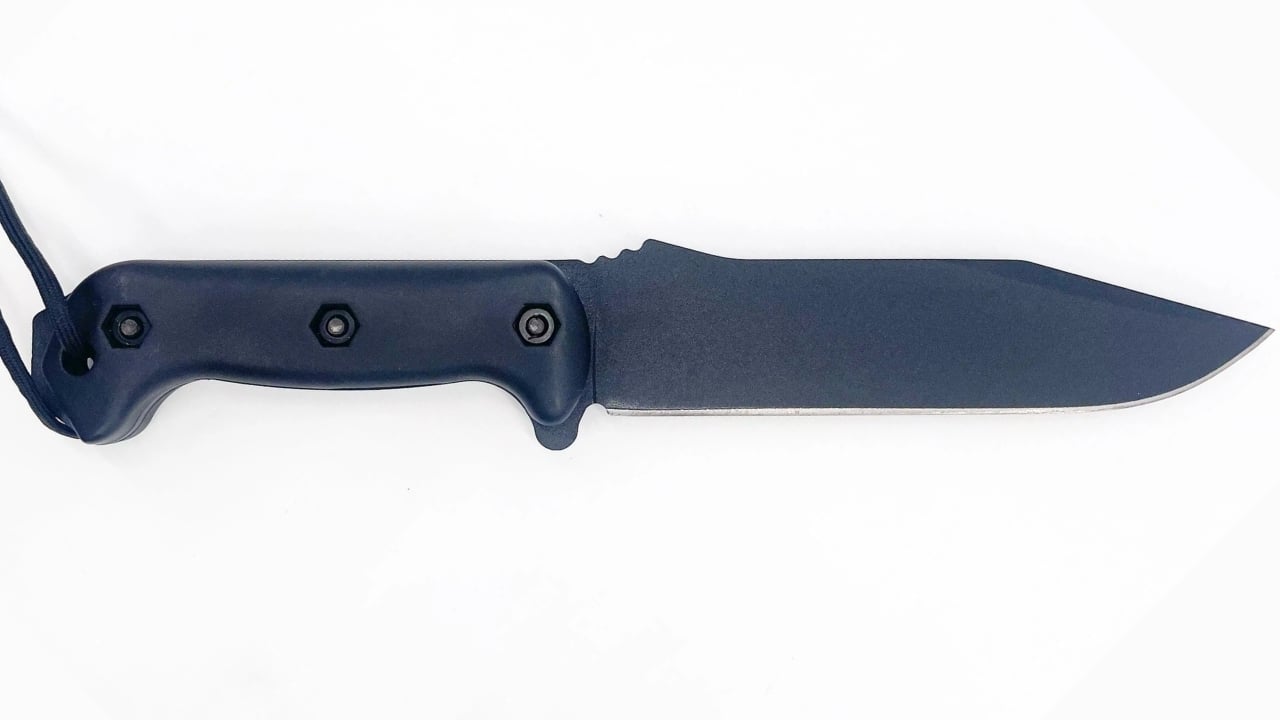
The original Camillus-made Becker knives were working tools long before the Becker line developed the enormous following it has today. The BK7 was a large, practical fixed blade meant for camping and hard outdoor use, and buyers generally treated it that way. They chopped with them, scratched the coatings, modified handles, and rarely worried about keeping the cardboard box.
That matters now because Camillus production is gone. Becker designs continued with another manufacturer, but a Camillus-marked BK7 belongs to a specific period that cannot be recreated simply by buying the current equivalent. The old factory closed in 2007 after more than a century in the knife business.
I would especially value one with the original sheath and minimal modifications. Nobody needed to preserve a relatively affordable working knife when it was new. That is precisely why nice early examples are becoming collectible today.
Cold Steel SRK in Carbon V

There was a time when an SRK in Carbon V was simply a rugged fixed blade that people bought to beat on. Cold Steel marketed knives like this toward users who cared about toughness much more than polished finishes, and the SRK earned a reputation as a straightforward outdoor and field knife.
Then the Carbon V era ended. Camillus had been producing many of Cold Steel’s Carbon V knives, and production stopped as Camillus struggled and ultimately closed. Period discussions from 2006 and 2007 document Cold Steel Carbon V models disappearing as that supply ended.
Current SRKs keep the basic concept alive, but they are not the old Camillus-made Carbon V knives. That distinction matters to collectors now. A clean older SRK that still has its original coating and sheath is much harder to treat like the disposable working knife it once appeared to be.
Cold Steel Master Hunter in Carbon V

The Master Hunter was never designed to sit in a display cabinet. It had a plain synthetic handle, practical blade shape, and the kind of understated appearance that made expensive custom hunting knives look far more glamorous. That was the whole appeal. Hunters could buy one, use it hard, and worry about the animal rather than scratching the knife.
The Carbon V versions became considerably more interesting after the production arrangement behind the steel disappeared. Camillus produced Cold Steel’s Carbon V fixed blades, and those models ceased production around the collapse of the old Camillus operation.
Because Master Hunters were actually carried and sharpened, excellent examples are not something I assume I can replace instantly. There are newer Master Hunters and plenty of excellent modern steels, but collectors looking for the original Carbon V knife are chasing a specific chapter of Cold Steel history.
Western L48
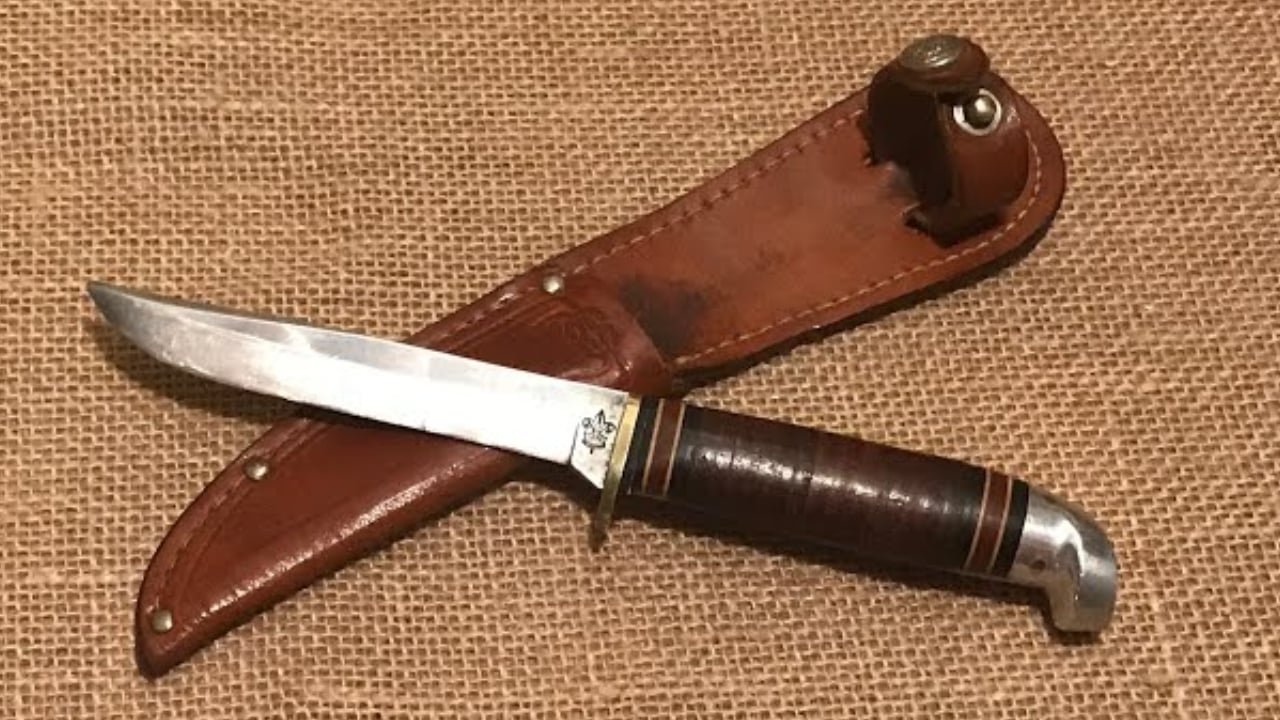
Western hunting knives were once so common in American camps that very few people thought about saving them for future collectors. The L48 was exactly the sort of fixed blade someone bought to dress deer, throw in a hunting pack, and use until the handle and sheath showed every season it had survived.
That is why condition matters now. Western went through ownership changes, and later versions were eventually produced by Camillus. Historical catalog research shows the old L48 pattern stretching through several variations before Camillus-era production eventually ended with the factory’s demise.
A Western L48 with strong original finish, an unsharpened-looking blade, and the correct sheath is a very different find from the heavily worn knives that normally appear. These were not bought to collect. They were bought to work, and decades of successful work have taken their toll on the surviving supply.
Western W49 Bowie
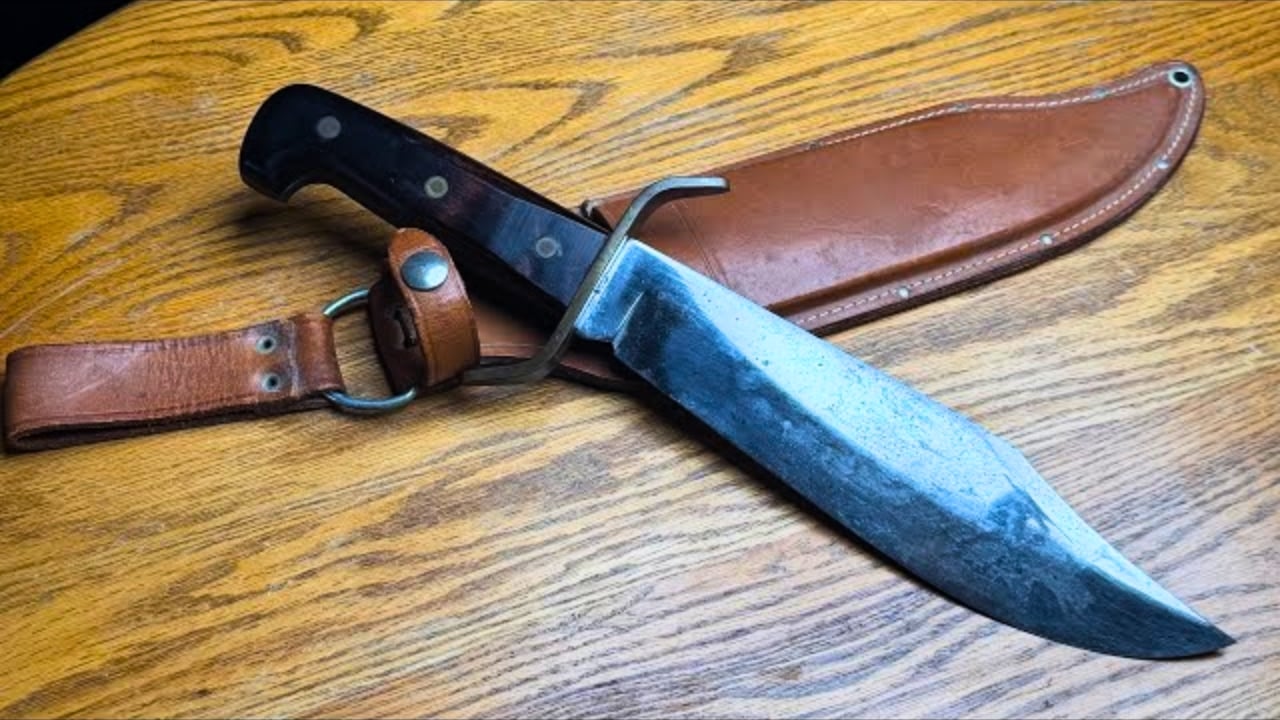
The W49 Bowie looked almost outrageous even when large fixed blades were popular. It had the oversized Bowie profile people associated with hunting camps, survival gear, and an era when a knife did not need to be compact enough for EDC enthusiasts. For years, used Western Bowies could be dismissed as big old hunting knives rather than serious collectibles.
That changed as Western’s original production became part of the past. Large knives also tend to suffer disproportionately from enthusiastic owners. Blades get polished, handles get altered, guards loosen, and sheaths disappear. Some were sharpened as if the owner was trying to reshape the entire knife.
A clean W49 from the right production period now has nostalgia, American cutlery history, and pure visual presence working in its favor. I would never assume that because one beat-up W49 appeared online, a nice original will be equally easy to locate.
Gerber LST
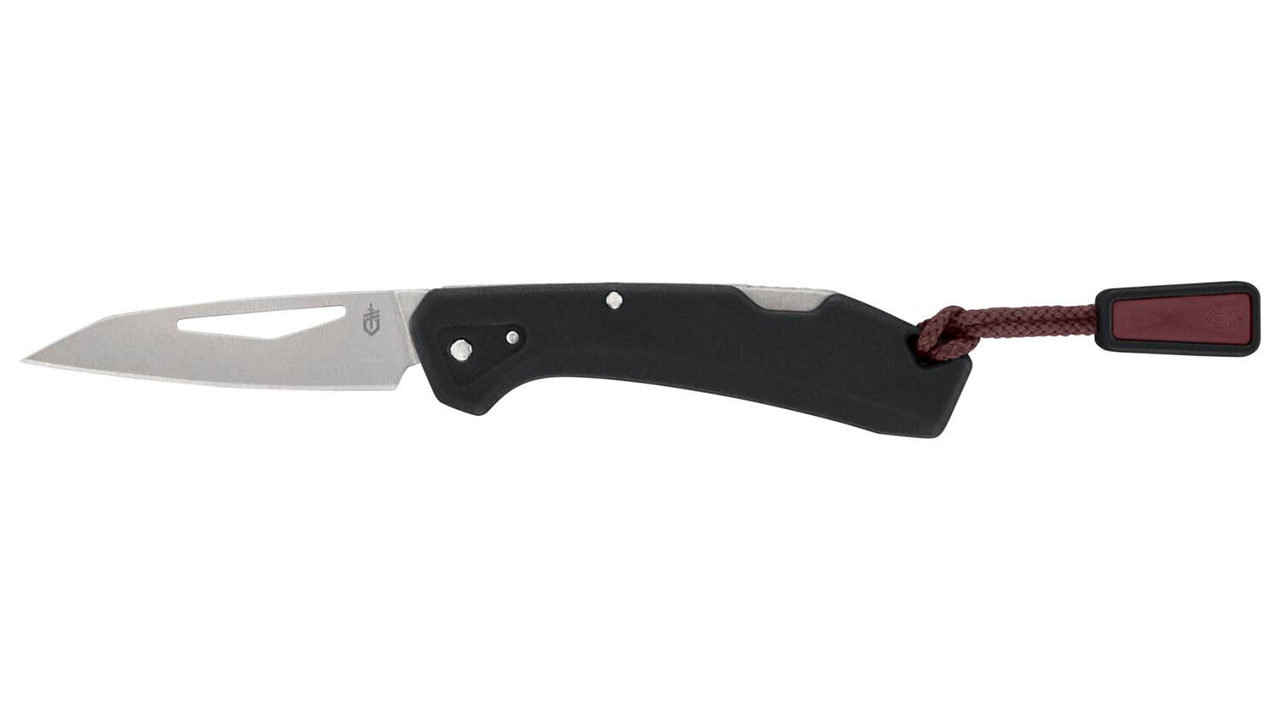
The Gerber LST once looked almost too cheap and lightweight to be historically important. That is funny now because Gerber itself credits the knife with helping change the pocket-knife market. Introduced around 1980 or 1981 and designed by Blackie Collins, the LST used a molded glass-filled nylon handle at a time when that idea was genuinely unusual. Gerber describes it as the first ultra-light knife of its kind and an important early influence on modern everyday-carry knives.
Back then, many traditionalists saw lightweight synthetic handles as a downgrade from brass, wood, or bone. Today, nearly every knife company sells something built on the same basic philosophy.
Early Portland-made LSTs are therefore much more interesting than their plain appearance suggests. I especially like the ones that escaped years of keychain, tackle-box, and pocket abuse.
Gerber Bolt Action
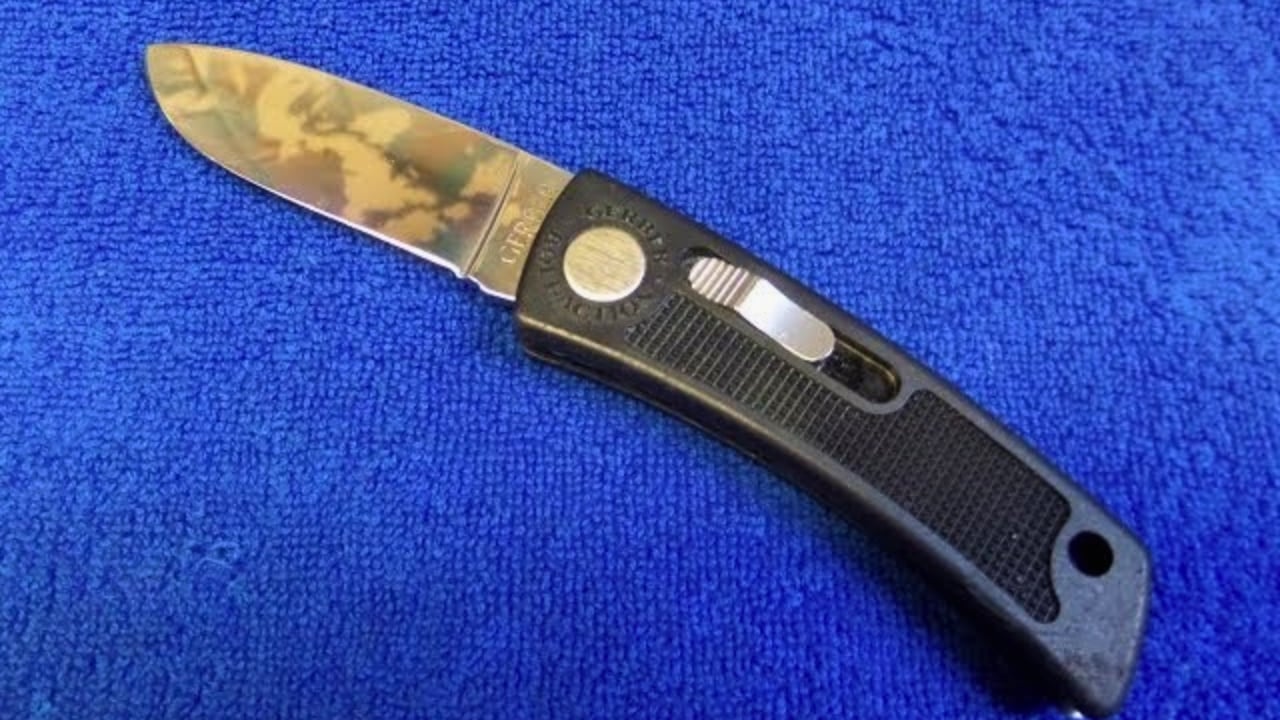
The Gerber Bolt Action is the kind of knife collectors eventually rediscover because the mechanism is more interesting than the original price ever suggested. Designed by Blackie Collins, the lock used a sliding bolt arrangement that stood apart from ordinary lockbacks. Enthusiasts discussing the design have traced the Gerber version back to the 1980s and noted its relationship to later bolt-style locking ideas.
When these were ordinary working folders, the synthetic handles and unconventional mechanism did not necessarily scream “future collectible.” Owners used them, and later designs quickly stole the spotlight.
Now, an early Gerber example with the original handle, blade finish, and no broken components has real period character. It represents a time when manufacturers were experimenting aggressively with locking systems. I would rather have a clean original today than gamble on finding another after the remaining good examples disappear into collections.
Kershaw Skyline 1760
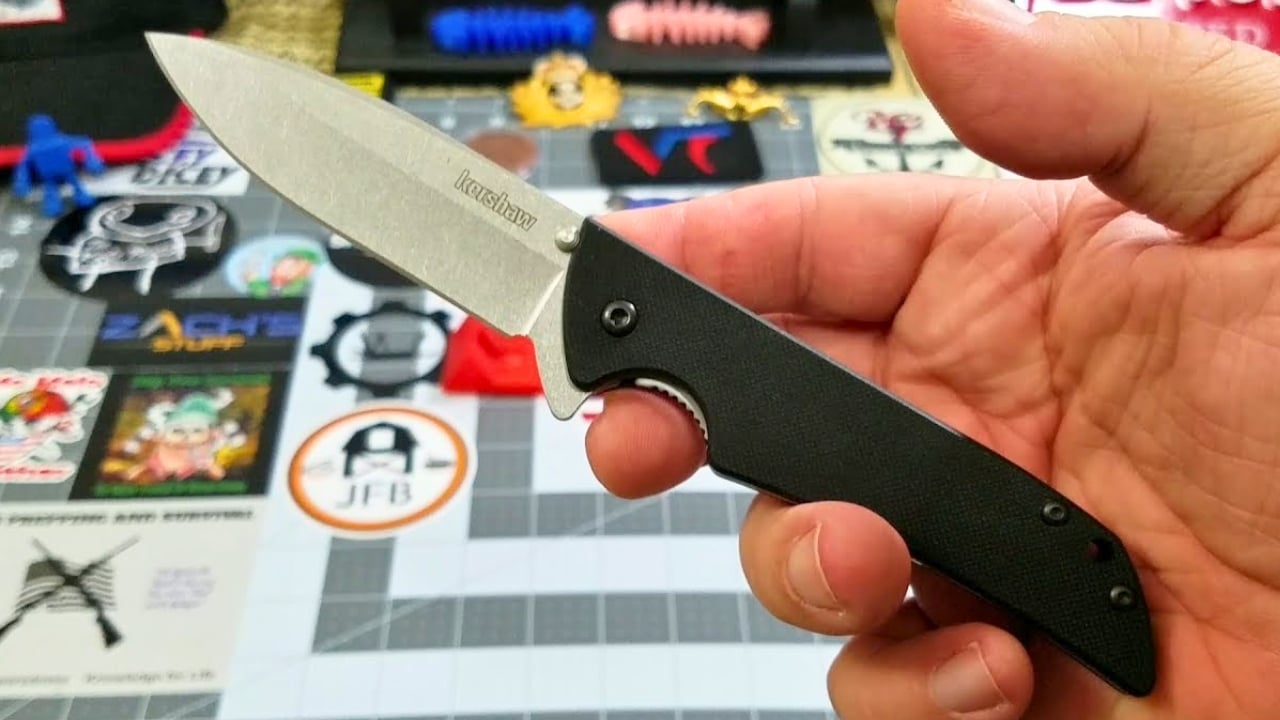
The Skyline became popular precisely because it delivered a lot without costing much. It was thin, light, U.S.-made, had G10 handles, and gave buyers a simple manual flipper that disappeared into a pocket. Kershaw’s 2009 catalog listed the 1760 Skyline as a U.S.-made model, back when it was simply part of the regular lineup rather than something people were nostalgic about.
For years, enthusiasts recommended the Skyline as an affordable everyday-carry knife. That meant owners used them rather than storing them. When production eventually ended, the ordinary black version became harder to replace and limited variants became even more interesting.
I would not pretend a Skyline is an impossible museum piece. The point is that the days of casually ordering another inexpensive new 1760 are gone. A clean old one now reminds me just how good some budget production knives really were.
Buck 426 BuckLite
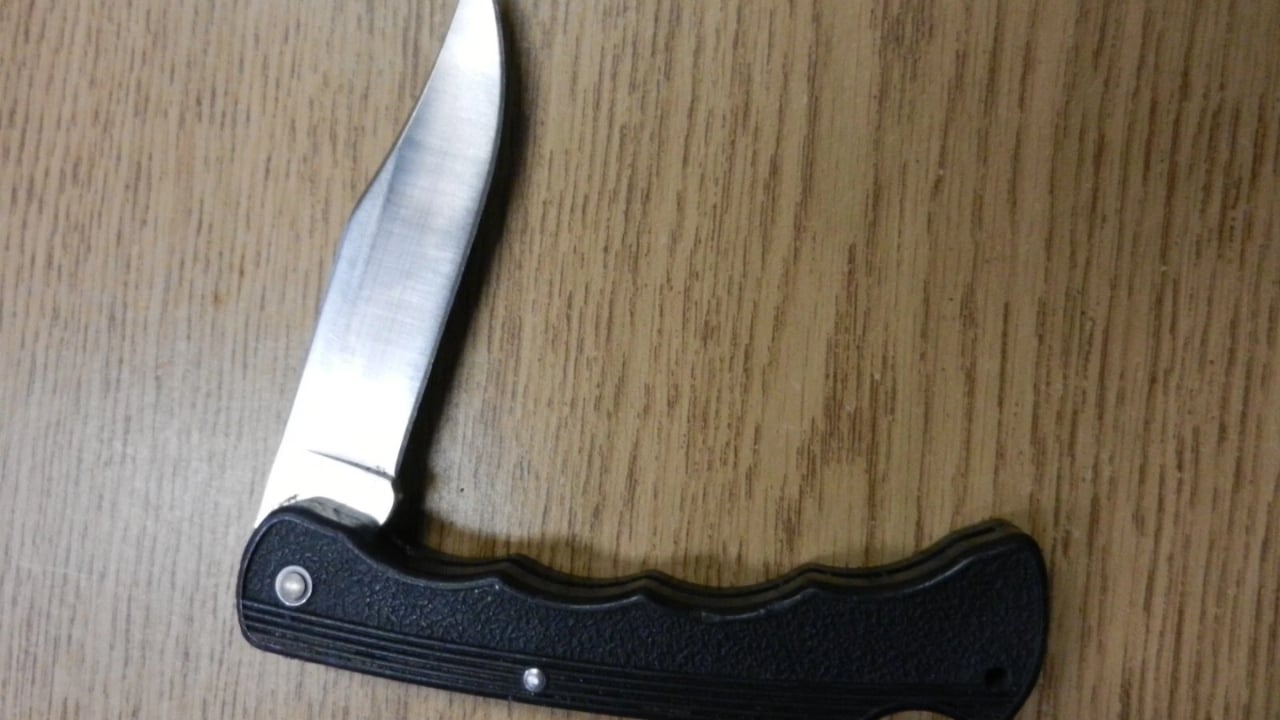
The BuckLite was practically asking to be mocked when it arrived. Traditional Buck buyers loved brass and wood, and the 426 showed up with a lightweight molded handle that looked dramatically cheaper than the classic 110. That was intentional. Buck wanted the useful lockback idea without all the weight and expensive furniture.
Early examples are much more interesting today. Knife collectors researching the model note that the first 426s appeared in 1985, initially with a drop-point blade and 440C steel, followed by several steel and blade changes over the years.
That is precisely the kind of production history collectors eventually start separating into generations. A knife that once seemed like the plastic budget Buck becomes much more appealing when the early versions are several decades old. I would pay particular attention to unusual colors and early blade configurations.
Buck 425 MiniBuck
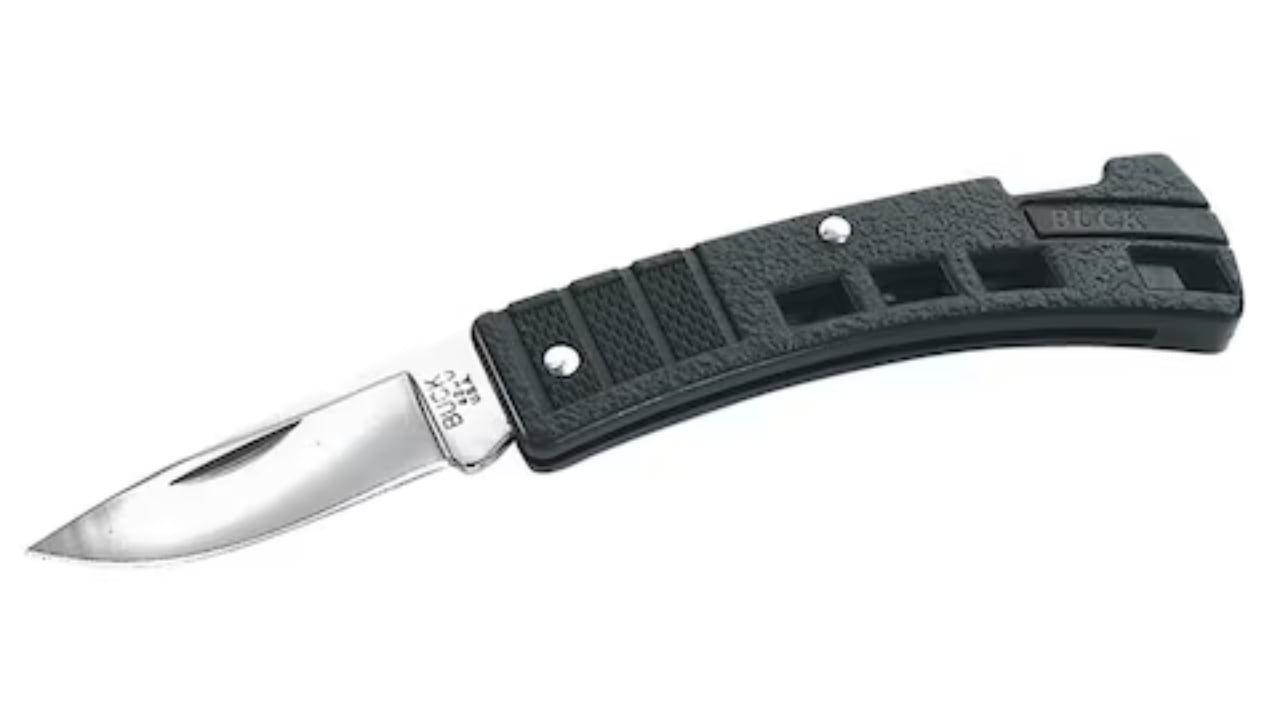
Few knives better fit this headline than the MiniBuck. This tiny lockback was inexpensive enough to become an impulse purchase, keychain knife, or glove-box backup. Nobody felt the need to protect one because another could be bought for pocket change.
Buck produced the 425 across a long period beginning in 1987, with different handle colors and occasional catalog changes before the model was finally retired in 2020. Collector research based on information supplied by Buck documents early BuckBrite colors, gray versions, blue versions, coatings, and other variations that were once simply cheap retail choices.
Now those colors are exactly what enthusiasts hunt for. The irony is hard to miss. A knife that cost so little people barely remembered buying it becomes frustrating to locate once you decide you need one particular discontinued color in unused condition.
Imperial Kamp-King
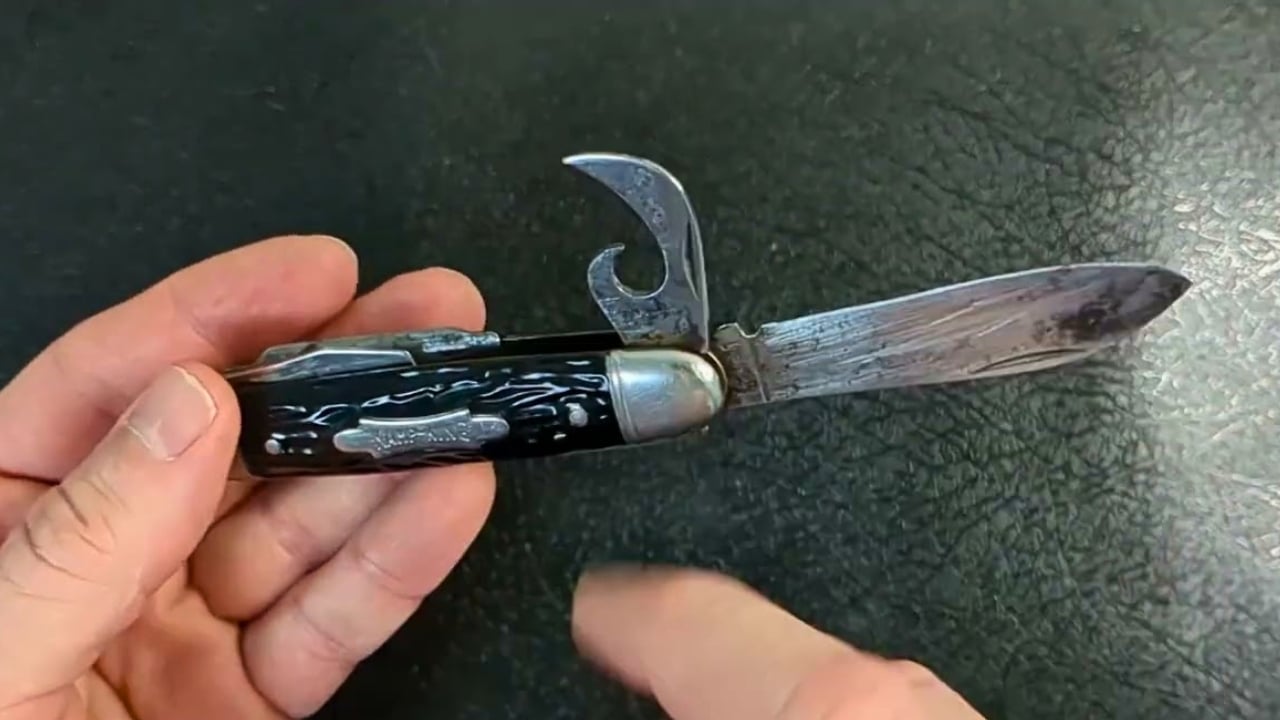
The Imperial Kamp-King was never pretending to be a premium pocket knife. It was the affordable alternative to more expensive scout-pattern knives, combining basic blades and camp tools in a lightweight package. One owner remembered choosing the Kamp-King specifically because it was $1.50 cheaper than the official Scout knife.
Cheap construction also meant people absolutely destroyed them. They rusted, loosened, broke, disappeared at campsites, and spent decades in drawers. A collector searching today may find plenty of rough examples but considerably fewer that still look clean and complete. Another longtime owner described the challenge of finding one that was not either badly rusted or surprisingly expensive.
That is what makes these fascinating. The knife people once mocked for being cheap becomes nostalgic precisely because so few owners thought it was worth preserving.
Colonial Forest-Master
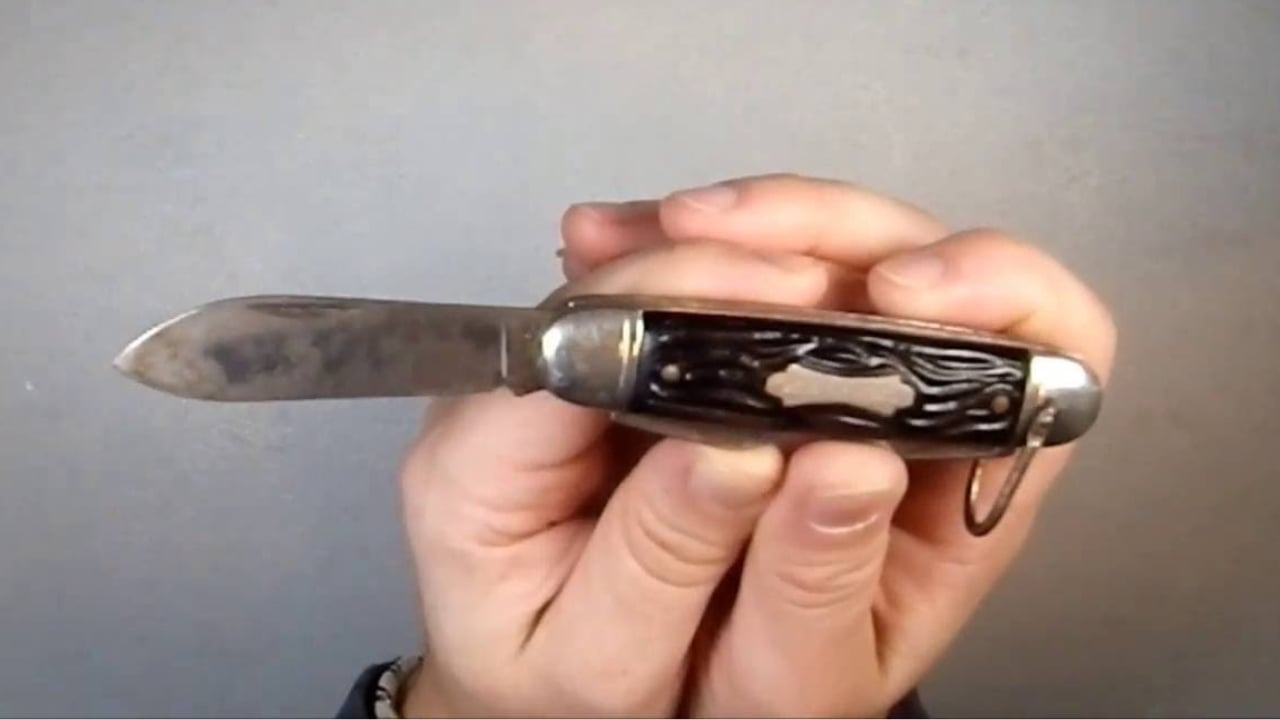
Colonial occupied the same broad world as Imperial: affordable American pocket knives intended for ordinary buyers rather than collectors. The Forest-Master scout-style knives were exactly the sort of thing a kid carried camping, a parent tossed into a tackle box, or a family bought because it cost less than the prestigious alternative.
That history is brutal on surviving condition. Screwdrivers became pry bars, can openers actually opened cans, blades were sharpened on whatever abrasive object happened to be nearby, and handles picked up decades of scars. When these knives were current, none of that mattered because they were inexpensive tools.
Today, I would stop for an older Providence-made Colonial in unusually clean shape. The appeal is not luxury craftsmanship. It is the survival of an American working knife from an era when companies could sell a domestically made scout pattern cheaply enough for ordinary kids to actually use one.
Spyderco Native Walmart S30V
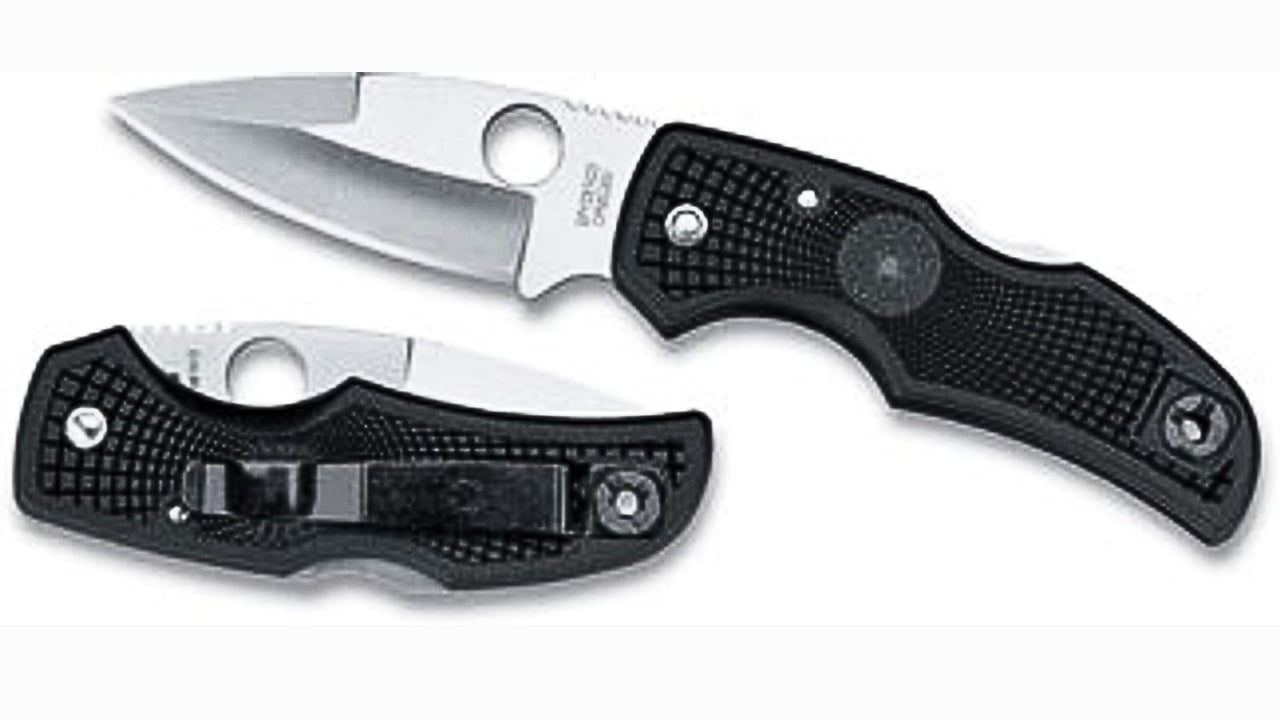
The Walmart Native is a perfect example of yesterday’s bargain becoming today’s nostalgia piece. Spyderco founder Sal Glesser has explained that the original Native was conceived with the mass market in mind, and Walmart eventually sold U.S.-made S30V Natives for around $40. Enthusiasts at the time regularly described the deal as extraordinary for the steel and construction.
That sounds almost unreal now. In 2006, owners were openly discussing walking into Walmart and buying a Native for roughly forty dollars.
Many were used exactly as affordable Spydercos should be. They got scratched, sharpened, lost, and traded. The specific Walmart-era knife therefore carries nostalgia that a current Native cannot reproduce. I wish I could walk into the sporting-goods aisle and make that purchase again.
Cold Steel Recon Scout in Carbon V
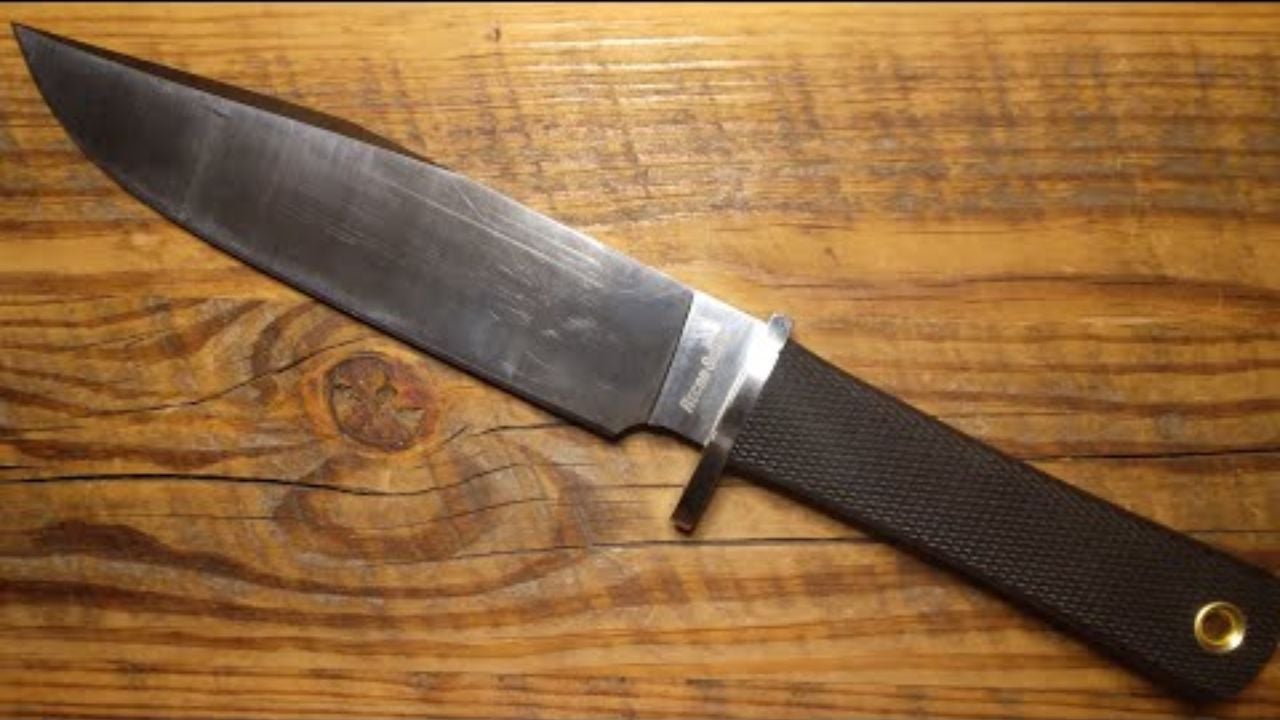
The Recon Scout was a serious chunk of fixed blade at a time when Cold Steel built much of its reputation around toughness demonstrations and big working knives. Buyers who wanted something more compact than a Trail Master could get a knife designed for hard outdoor use without entering the custom-knife world.
Older Carbon V Recon Scouts gained another layer of appeal when that production ended. Collectors have traced the Carbon V models to the Camillus manufacturing period, and the collapse of Camillus removed the supply that supported those knives.
Most owners did not know they were supposed to preserve them. They chopped, batoned, sharpened, and stripped coatings because that was why the knife existed. A clean Carbon V Recon Scout with the original sheath is consequently far more interesting to me now than it would have been when another one could simply be ordered.
Kershaw Needs Work 1820
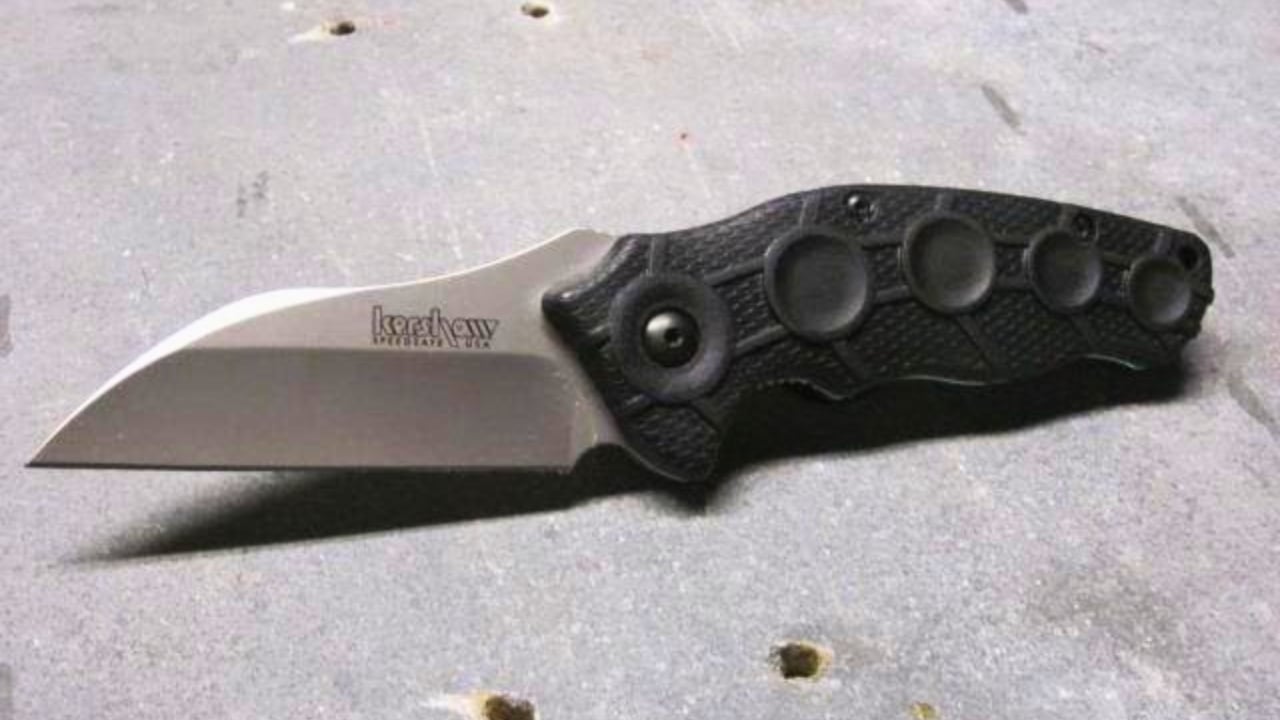
The Kershaw Needs Work had a name and appearance that almost invited people to treat it like an inexpensive hardware-store knife. The angular handle, assisted opening, and Wharncliffe-style blade made it a practical cutter rather than a showpiece. It was the sort of U.S.-made Kershaw someone bought because they wanted a useful knife and did not want to worry about it.
Then the model disappeared while the knife market moved toward newer steels, bearings, elaborate flippers, and premium handle materials. What was once merely a budget Kershaw became a snapshot of the company’s earlier American production.
That is why I would grab a clean one before I would have years ago. Original inexpensive users are often harder to preserve than expensive knives because nobody had any reason to baby them. The Needs Work spent its life doing exactly what its name implied, and surviving sharp examples increasingly show it.
Like The Avid Outdoorsman’s content? Be sure to follow us.
Here’s more from us: