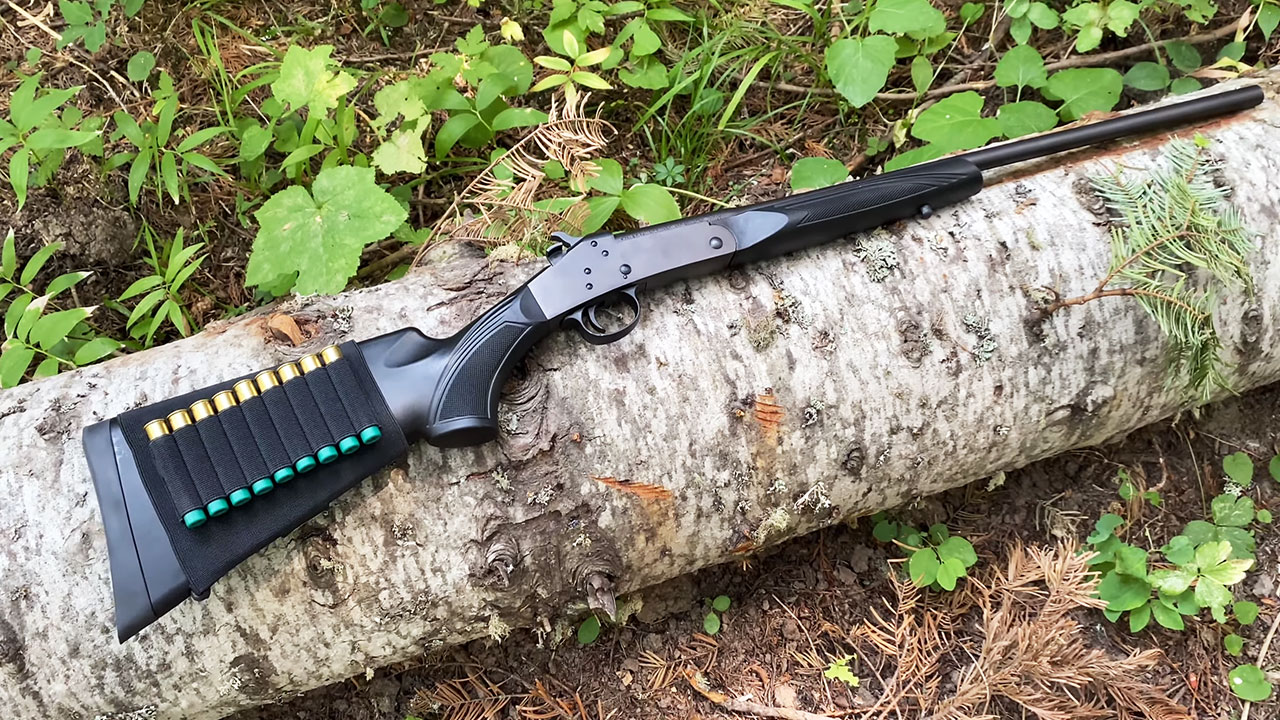
Photo credit: TheGearTester/Youtube
Every gun owner I know has at least one. The one that looked great at the counter, felt fine in the hand, and then somehow never made it to the range again. It’s not always a “bad gun,” either. Sometimes it’s a gun that’s too finicky, too specialized, too unpleasant, or just outclassed by something boring that works.
Here are 20 firearms that tend to end up parked in the back of the safe, and the reasons are usually the same every time. If you own one, I’m not mad at you. I just want you to be honest about whether it’s earning its spot.
1. Remington 710

These rifles sold on price, and they still show up in closets with one half-empty box of ammo next to them. The problem isn’t that they can’t shoot a deer. It’s that the whole package often feels like it was built to a number, not to a standard.
The actions can feel rough, the stocks feel hollow, and once something breaks or won’t hold zero, the excitement is gone. A rifle that makes you doubt it is a rifle that doesn’t get carried.
2. Remington 770

The 770 followed the same path: budget-friendly, scoped, ready to go. Except “ready” sometimes turned into “ready to frustrate you.” When the bolt lift is sticky and the trigger feels like a staple gun, range days get shorter.
It’s not uncommon to see one become a once-a-year gun, and then a never-again gun. If you trust your rifle, you practice with it. If you don’t, it becomes décor.
3. Mossberg 100 ATR
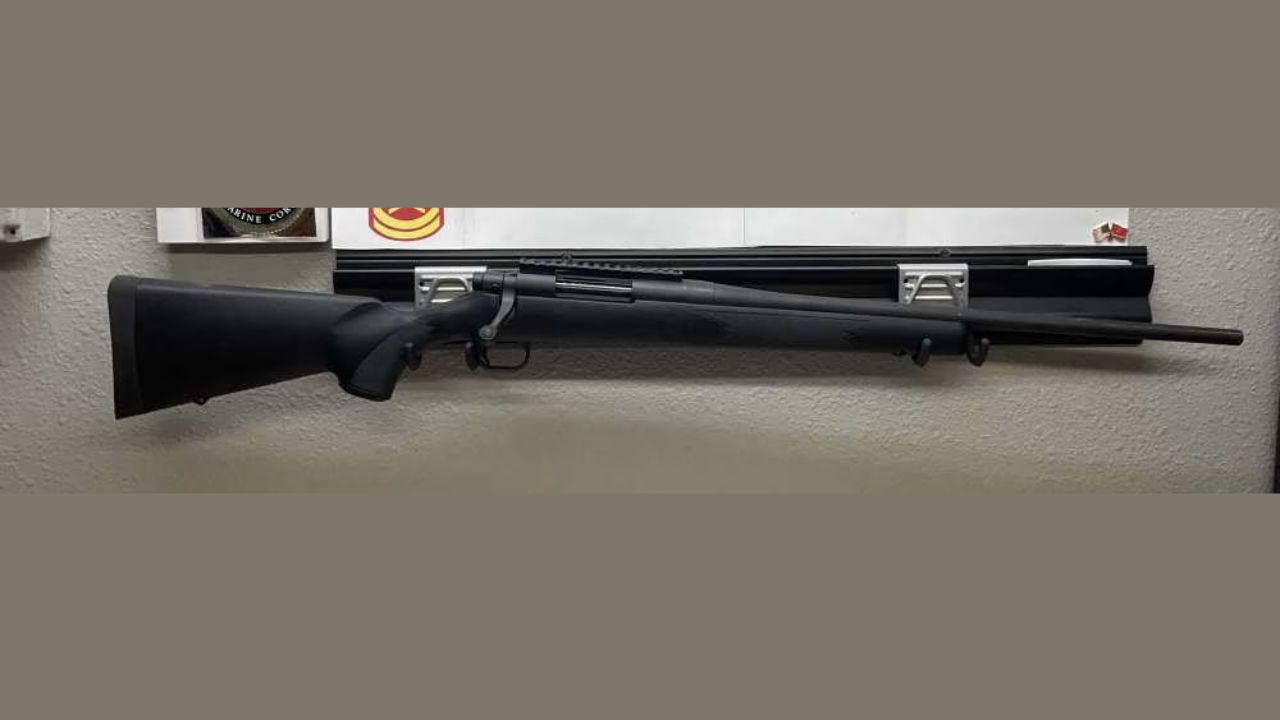
I’ve watched these surprise folks in both directions. A handful shoot just fine, and a handful make you chase groups like you’re trying to catch a greased pig. The rifles are light, which sounds nice until you touch off a harder-kicking caliber from field positions.
The other issue is “support.” If you like tinkering, you’ll notice pretty quick this isn’t a platform with endless parts and options. Most owners either accept it as-is or stop messing with it entirely.
4. Savage Axis (early models)
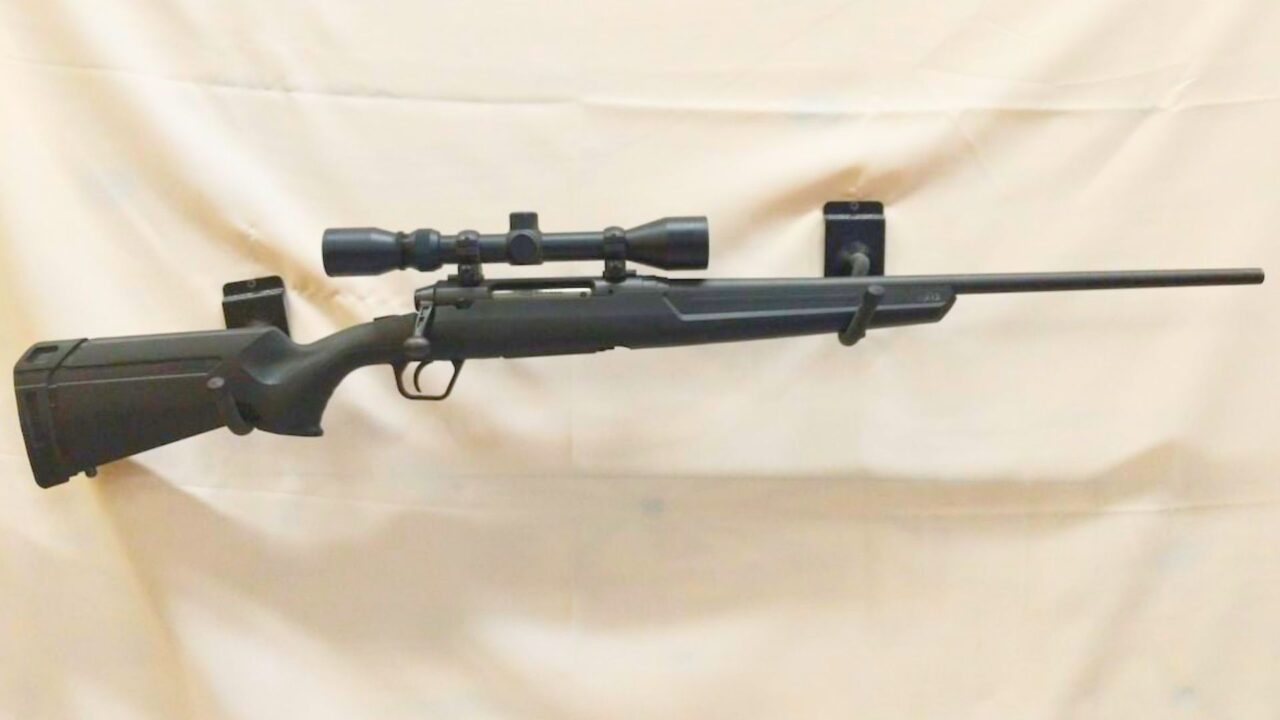
The Axis has put a lot of venison in freezers, and I’ll give it that. The reason some of them become safe queens is simple: the early triggers and stocks turned a lot of folks off, and first impressions stick.
Plenty of people bought one as a starter rifle, then upgraded once they learned what they liked. The Axis didn’t do anything “wrong,” it just got replaced by something that felt better in the shoulder and steadier on a rest.
5. Marlin XL7 / XS7

These were sleepers for a while. Decent triggers, decent accuracy, and not much money. The problem is they never built the following that keeps a rifle “alive” long-term.
When a gun is kind of an orphan, owners get hesitant about mounts, magazines, and little parts. Even if it shoots well, it tends to sit because the owner doesn’t want to invest in it.
6. Ruger American Rimfire (rotary-mag models)
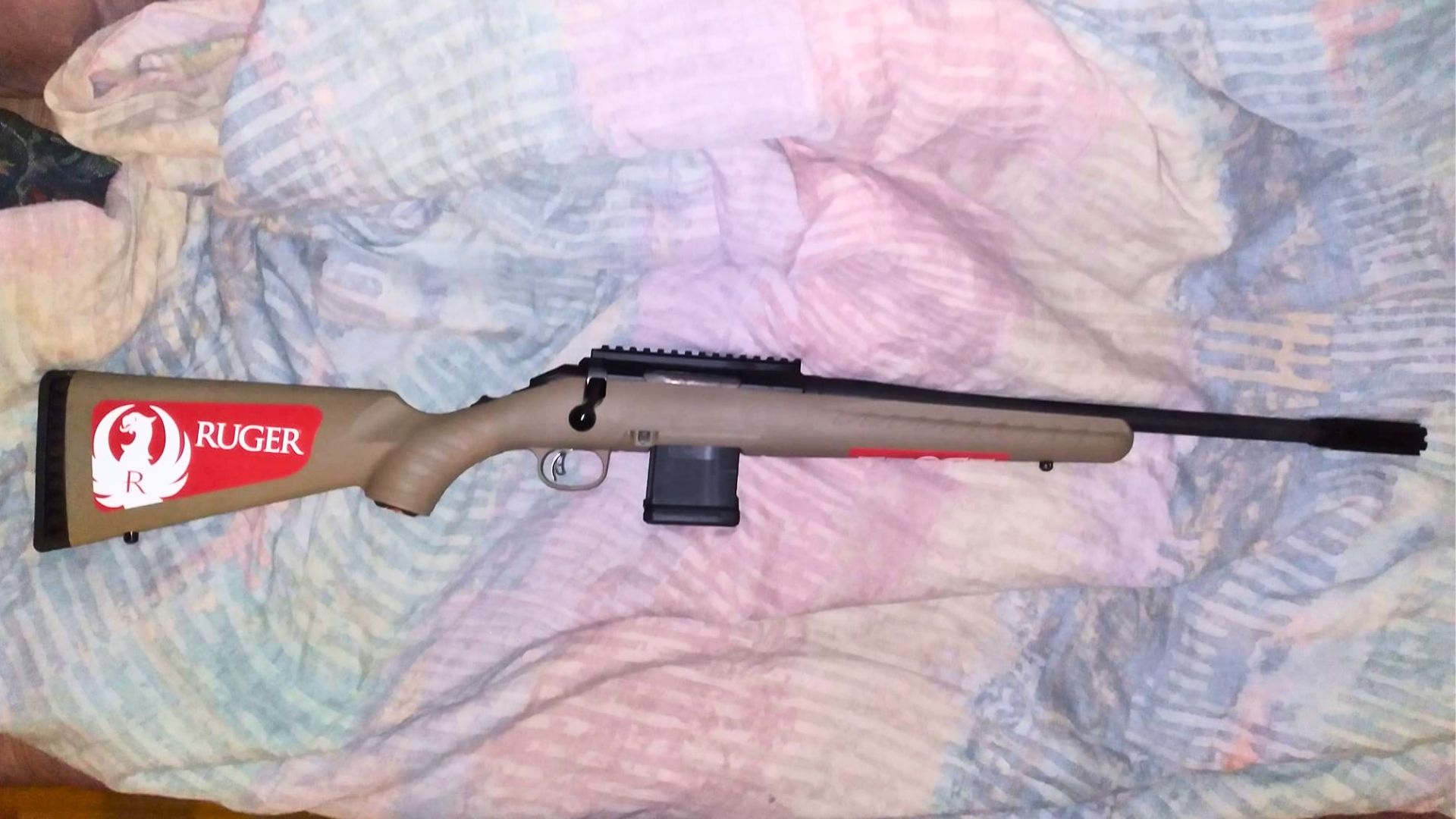
There’s a lot to like here, but I’ve seen the same story: a guy buys it to be his “do-everything .22,” then realizes his old 10/22 or bolt gun just feels better. The American Rimfire can be accurate, but the ergonomics don’t charm everyone.
It also competes in a crowded world. If your .22 doesn’t make you grin when you run it, you’ll grab the one that does. Rimfires are supposed to be fun.
7. Rossi Circuit Judge
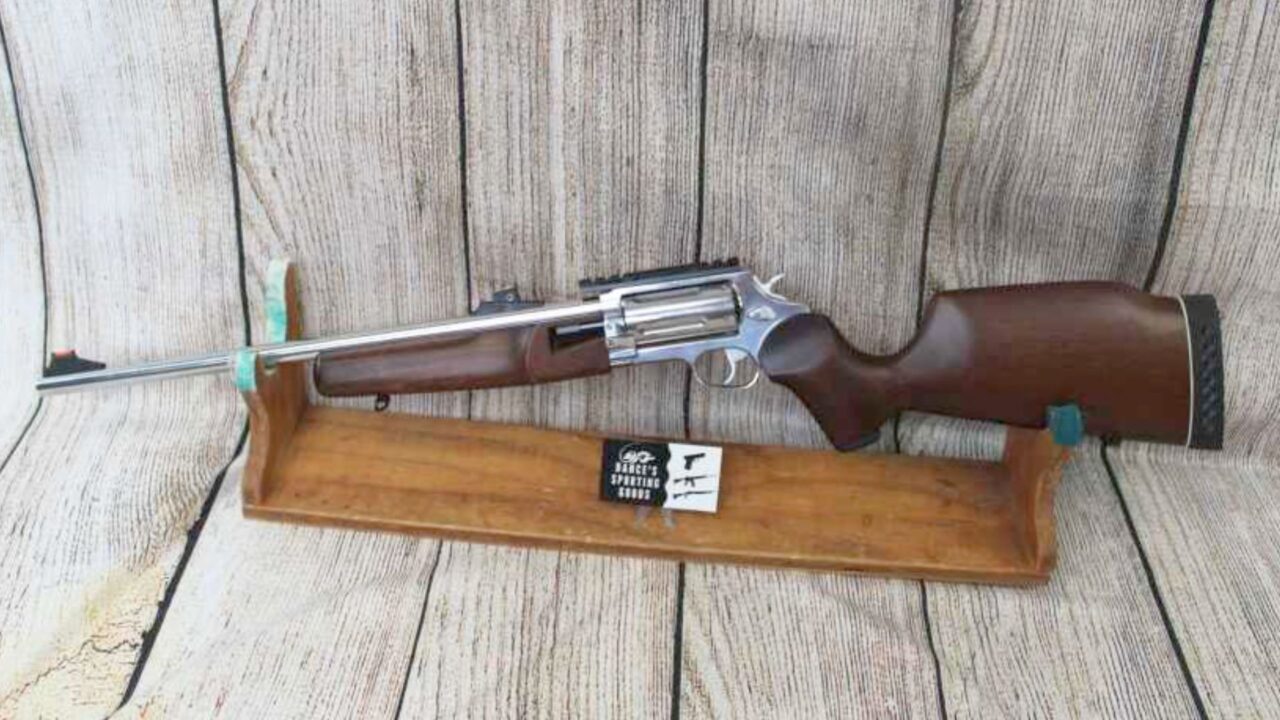
This one gets bought for a very specific idea: “It’ll shoot .45 Colt and .410, so it’ll do it all.” On paper that sounds handy. In real life, it’s a compromise stacked on top of a compromise.
The balance is odd, the recoil with some loads is snappy, and accuracy can be a mixed bag depending on what you feed it. It ends up being shown to buddies more than it’s actually carried.
8. Taurus Judge (revolvers)

Same concept, different format. For a while, everybody wanted to try one. Then reality settles in: it’s big, it’s bulky, and the loads that pattern well may not shoot to the sights the way you’d like.
A gun that’s uncomfortable to carry and expensive to practice with is a gun that gets parked. And once it’s parked, it rarely comes back out.
9. Springfield XD-S (early reputation years)

The XD-S is thin and easy to conceal, and that’s why it sold. But a lot of owners found it to be a little “busy” in the hand. Between the grip safety and the snappy recoil in a small frame, some folks never got truly comfortable.
If you’re not confident in your carry gun, you stop carrying it. Then it becomes a safe gun “for later,” and later turns into never.
10. Kimber Ultra Carry II (3-inch 1911s in general)

Small 1911s have a way of looking perfect until you start running them hard. Some are great. Some are picky. And even the good ones can be more maintenance-sensitive than the average striker-fired pistol.
The short slide cycle and tight timing mean ammo and magazines matter more. If you don’t want a hobby, a finicky compact 1911 becomes something you admire, not something you rely on.
11. Walther PPK/S (modern production)

These get bought with a picture in your head: classy, compact, old-school cool. Then you go shoot it and remember blowback .380s can be sharp in the hand, especially with that small grip and the slide biting the web of your hand.
It’s the kind of gun that can be accurate and still not be enjoyable. There’s a big difference between “neat” and “useful.”
12. Desert Eagle (any caliber)

This is the king of “buddy, let’s see it.” The first magazine is a grin. The second magazine is a wrist check. After that, most folks start thinking about what ammo costs and how heavy the thing is.
It’s not a hunting sidearm for most people, and it’s not a practical defensive pistol. It’s a specialty gun. Specialty guns live in safes.
13. S&W Model 500
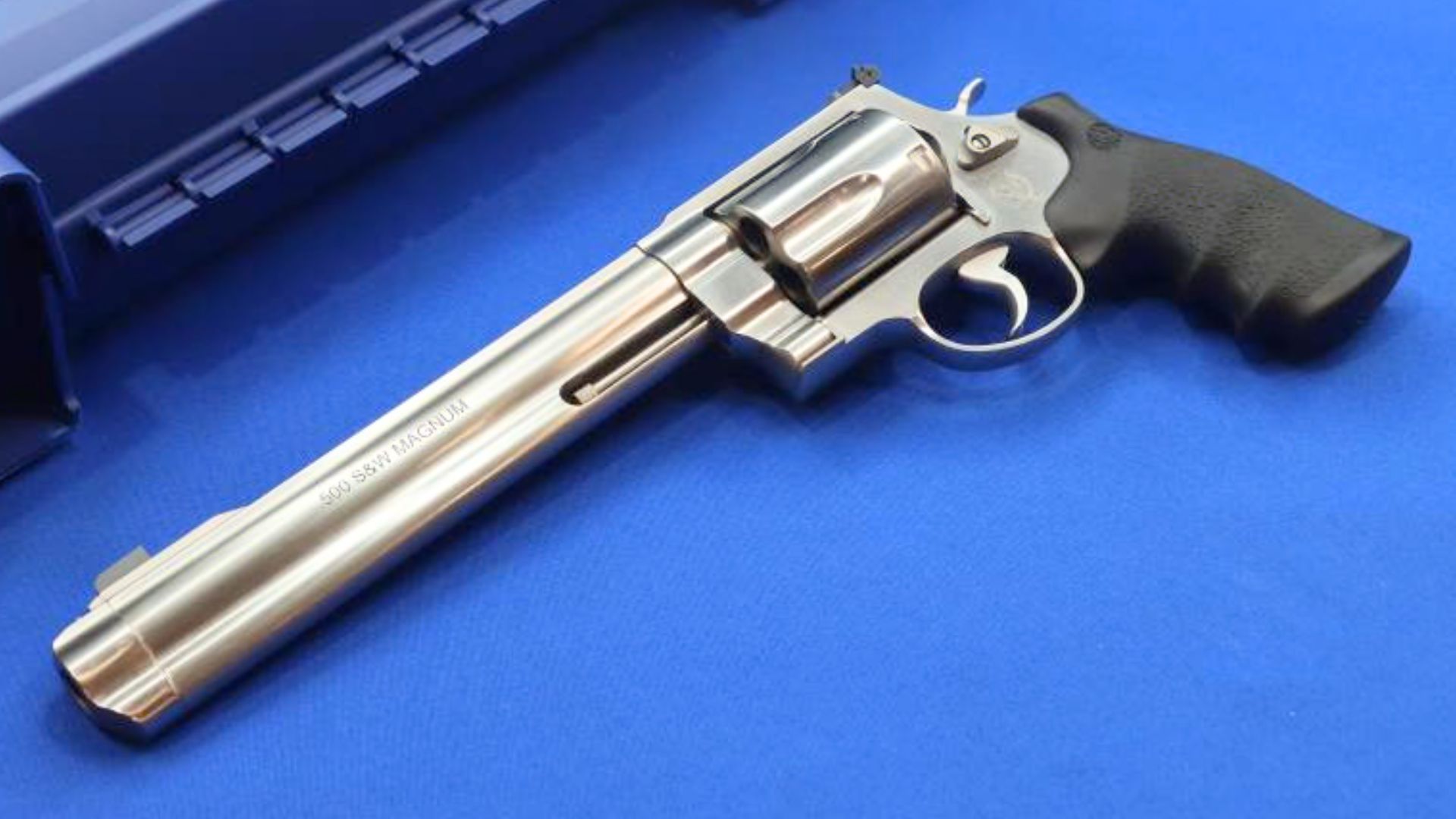
Same story, just louder. It’s impressive. It’s also a lot. Recoil is real, muzzle blast is real, and the price of feeding it will make a working man pause.
If you have a purpose for it—big-bear country, handgun hunting, or you just love recoil therapy—fine. If you bought it to say you did, it’ll spend most of its life in foam.
14. Remington R51 (reintroduced version)
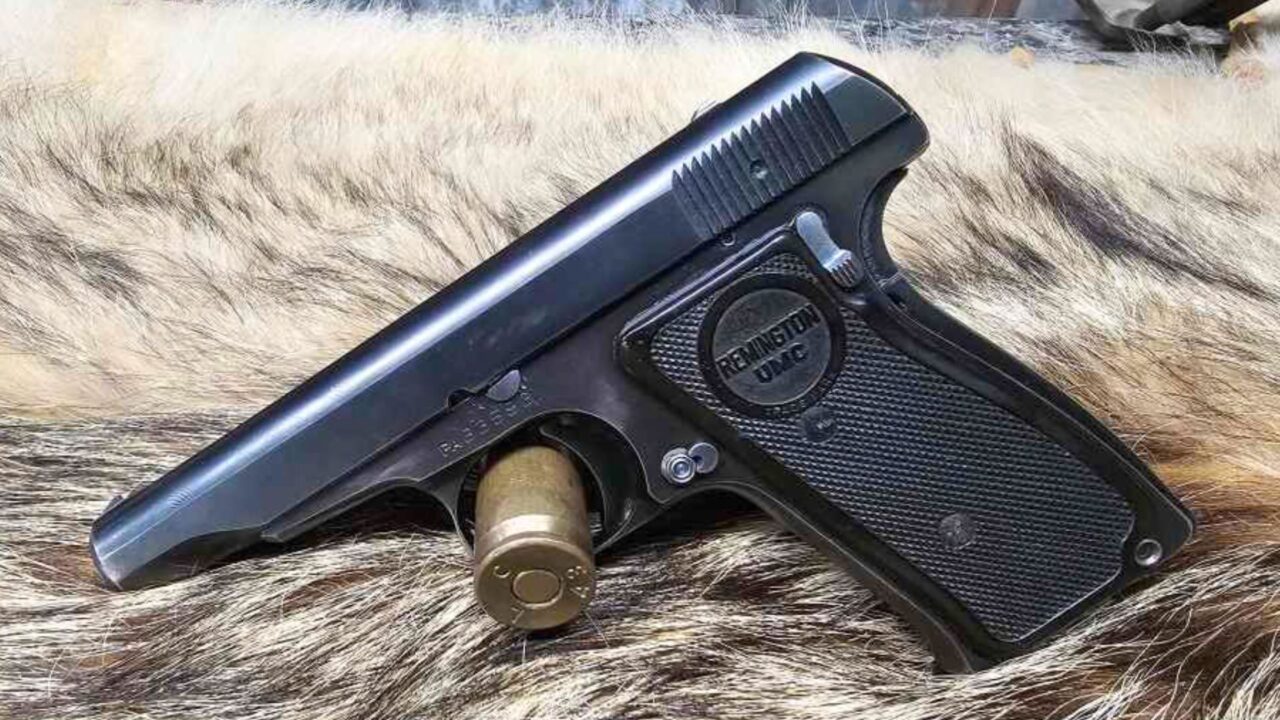
I wanted to like it. A lot of folks did. The design was interesting, the size was right, and the whole thing had that “revival” energy around it.
But when a pistol launches with a reputation for problems, that reputation sticks even after fixes. Trust is hard to build and easy to lose, and carry guns require trust.
15. Colt Double Eagle

This is one of those pistols that ends up a safe queen for a different reason: it’s not that it’s awful, it’s that it’s awkward. Big, heavy, and living in a weird space between classic 1911 fans and modern DA/SA fans.
It can be a neat piece of Colt history, but it’s not the pistol most people choose when they actually plan to carry or train. So it sits, mostly appreciated as a collector curiosity.
16. Ruger Mini-14 (older thin-barrel rifles)
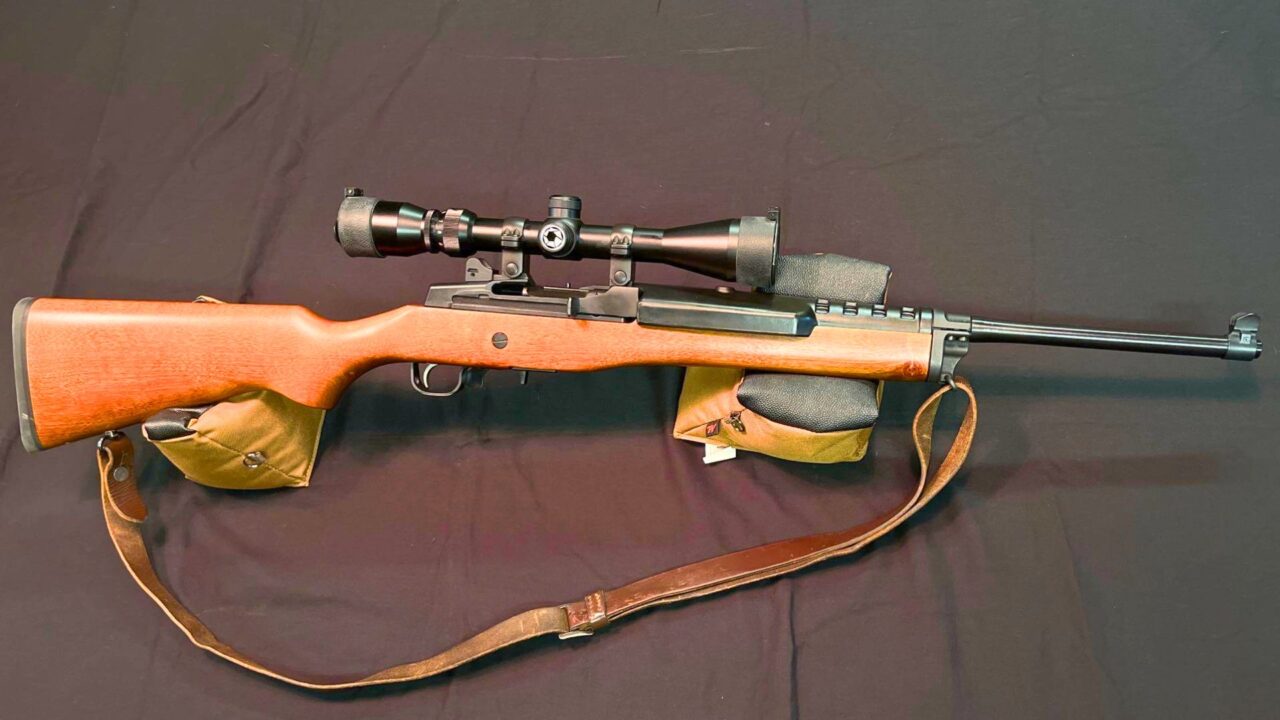
I’ve carried a Mini-14 and I get the appeal. Handy, ranch-friendly, and it points quick. The reason some older ones get parked is accuracy expectations. Folks see “.223” and assume it’ll stack holes like an AR.
Some older Minis heat up fast and open groups, and that can sour a guy. Add in magazine pricing and the AR’s endless parts ecosystem, and the Mini becomes the rifle you “mean to shoot more.”
17. SKS (cheap-surplus era guns)
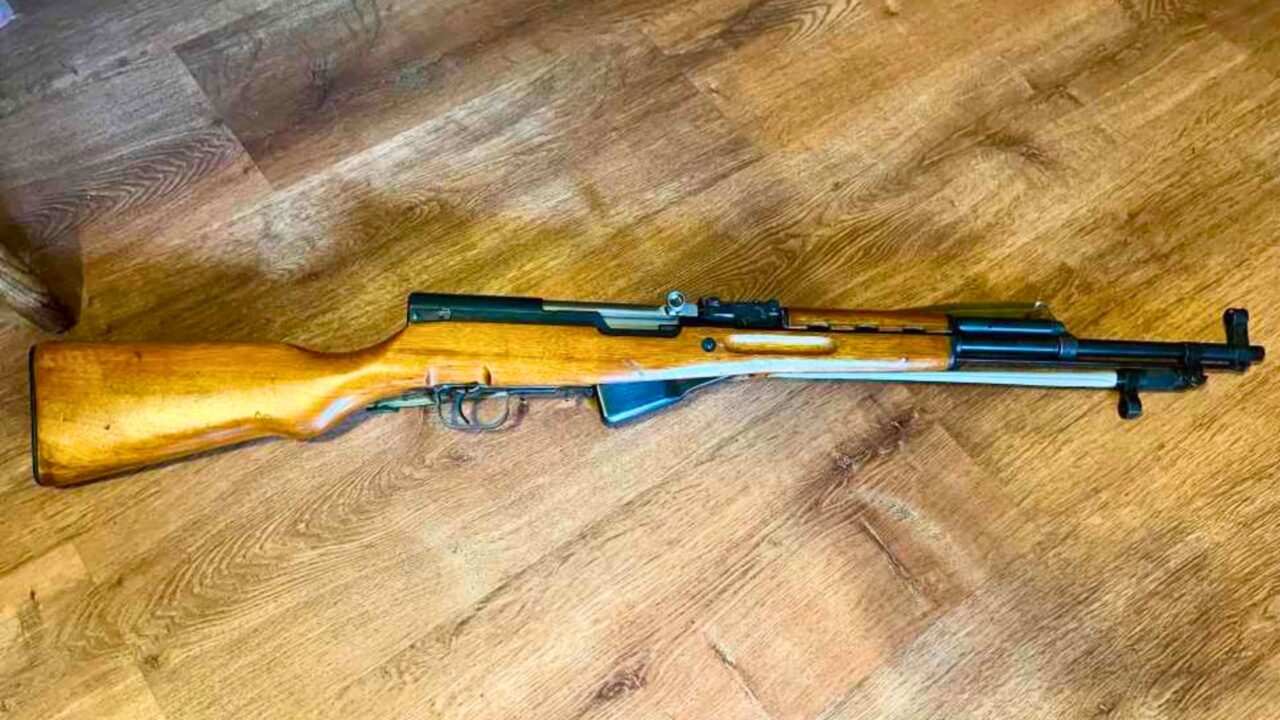
When SKSs were cheap and everywhere, they were the definition of a truck gun. Now they’re often too “nice” to beat around, especially if they’re matching numbers and still clean.
Here’s the funny part: a lot of them don’t get shot because owners don’t want to burn through rising-priced ammo, or they don’t want to scuff up something that’s become more collectible than expected. So they sit, even though they’re tough as nails.
18. .300 Remington Ultra Magnum rifles
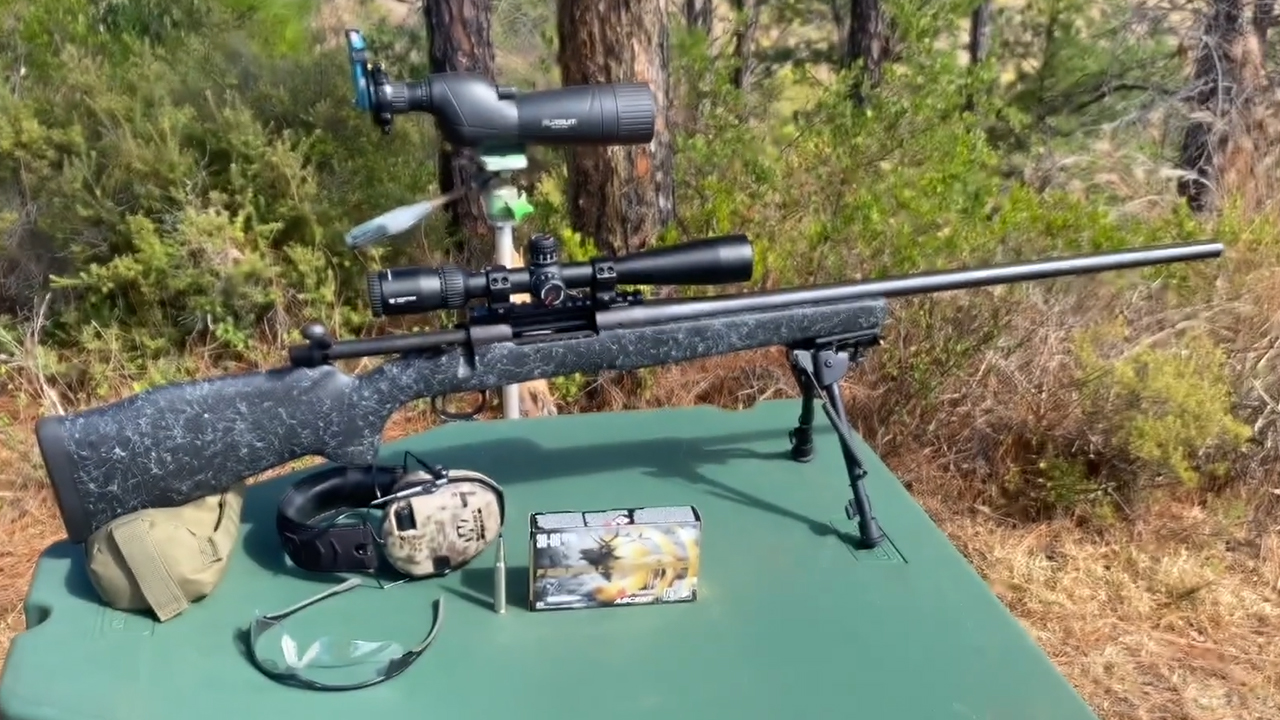
This one is about real-world recoil and real-world need. On a ballistic chart, it’s a hammer. On a bench, it can be work. And in most deer woods, it’s more power than the job requires.
If a rifle hurts to practice with, you practice less. And if you practice less, you don’t grab it when a once-in-a-lifetime tag shows up. It turns into the “long-range elk rifle” that never leaves the house.
19. 12-gauge turkey guns with extra-tight chokes (and 3.5-inch chambers)
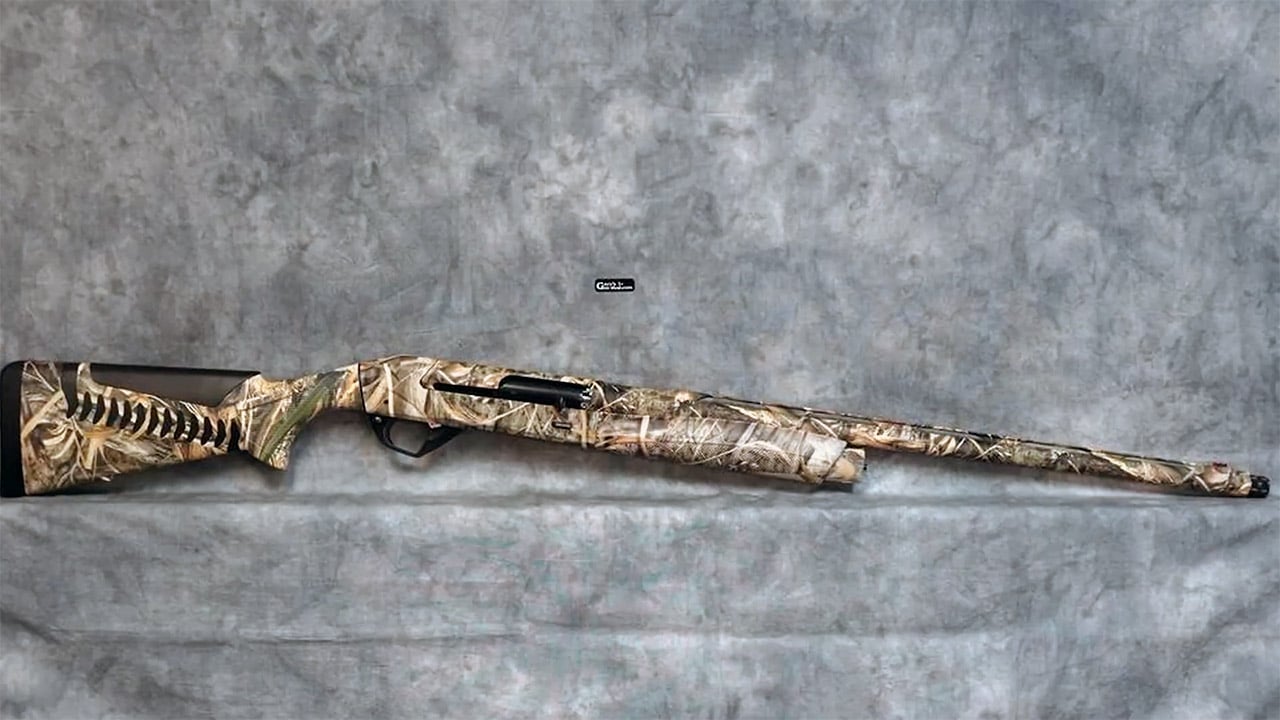
There’s a certain type of shotgun that exists for one thing: spring mornings. Heavy barrel, camo dip, optics rail, tight choke, and the kind of recoil that makes you blink hard even with a good pad.
After turkey season, it goes back in the safe and stays there. It’s not that it doesn’t work. It’s that it’s not fun for clays, not ideal for upland, and overkill for most casual shooting. Purpose-built gear tends to live a purpose-built life.
20. Cheap break-action single-shot 12 gauges
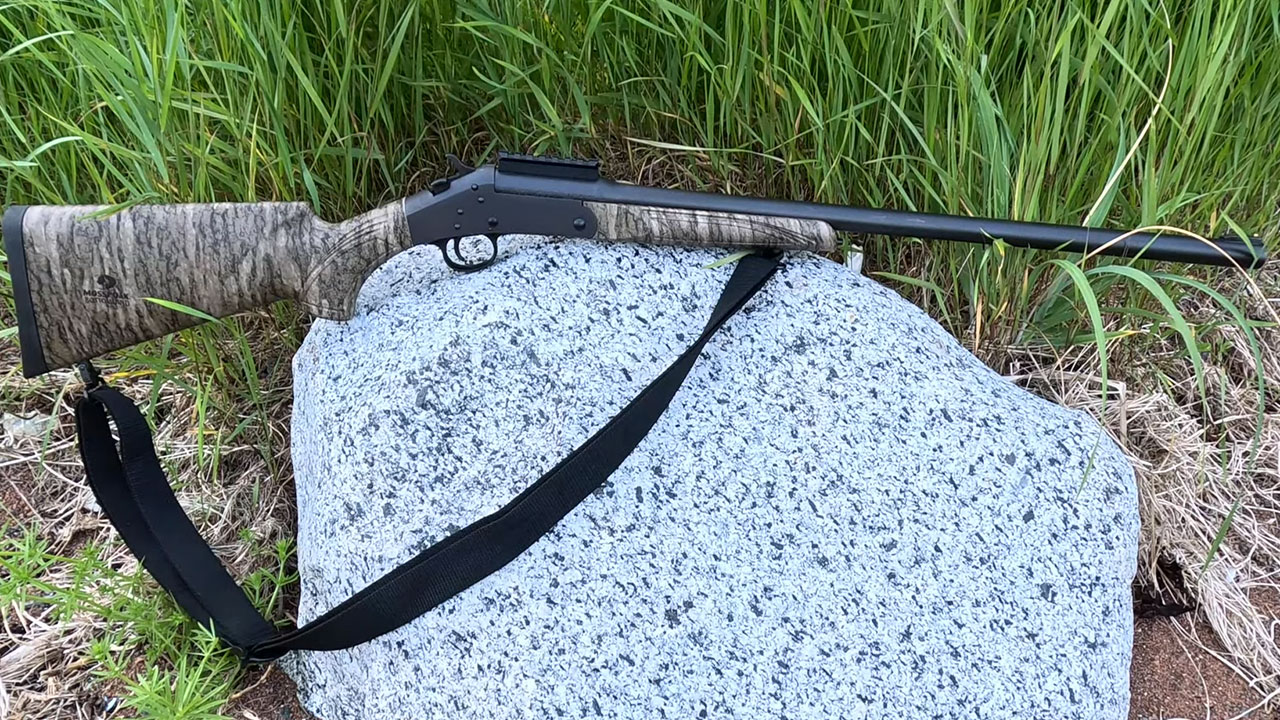
These are the guns a lot of us started with, and there’s nothing wrong with simple. The reason they become safe queens is comfort and speed. A single-shot is slow to reload, and some of the budget ones kick like a fence post.
They also get relegated to “loaner” status, and then you realize you don’t actually loan guns out much if you’re smart. Still, I’ll say this: if you keep one clean and stored safely, a single-shot is hard to truly kill.
Safe queens aren’t always a mistake. Sometimes they’re sentimental, sometimes they’re collectible, and sometimes they’re just a reminder of what you learned the hard way. But if you’re staring at a crowded safe, it’s worth asking a simple question: if you had to grab one gun tomorrow for the range, the field, or the nightstand, would this be it? If the answer is “no” every time, you’ve got your reason.
Like The Avid Outdoorsman’s content? Subscribe to our newsletter so you never miss an article.
Here’s more from us: