Photo credit: SolidMaks/Shutterstock.com
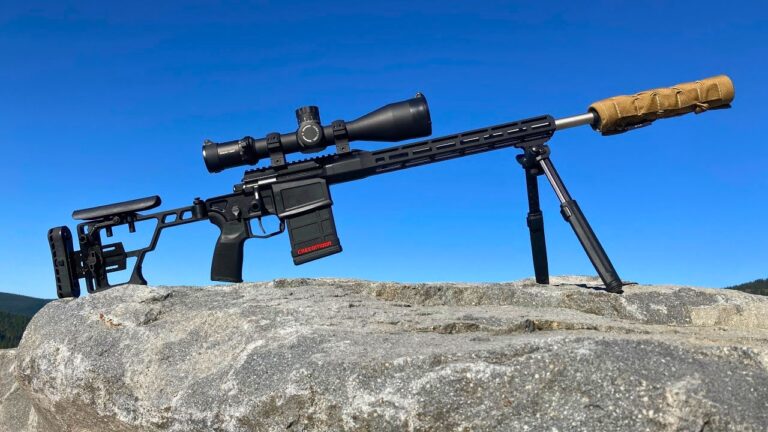
The cost of owning a suppressor or short‑barreled rifle has never been just about the hardware. For decades, the National Firearms Act framework layered a $200 tax, long waits, and dense paperwork on top of every purchase or build. A new wave of federal changes is now driving that cost toward zero for many items, and you are being pushed to rethink how you approach NFA gear, compliance, and even the politics around it.
If you have ever hesitated over a suppressor or SBR because of the tax stamp, the landscape you face in 2026 is radically different from what existed only a few years ago. The shift to zero‑dollar transfer taxes, paired with ongoing legal and legislative fights, is reshaping what it means to own these items and what risks or opportunities you should weigh before you file your next Form 1 or Form 4.
From $200 barrier to zero-dollar tax: how we got here
For most of the modern era, the National Firearms Act treated suppressors, short‑barreled rifles, short‑barreled shotguns, machine guns, and other specialty weapons as luxury items by attaching a flat $200 transfer tax to each application. That figure, set in the 1930s and never indexed to inflation, became a psychological and financial hurdle that kept many casual shooters away from NFA ownership. Reporting on the coming 2026 changes notes that this federal tax stamp, the infamous $200 fee, historically applied to each suppressor, SBR, SBS, and other regulated item you wanted to transfer or manufacture.
That long‑standing structure began to crack when Congress folded suppressor and SBR reforms into a broader tax and regulatory package. Advocates had pushed for years to treat suppressors more like ordinary firearms, arguing that the NFA’s financial barrier did little to deter crime but did a lot to discourage hearing protection and lawful customization. By the time the latest reforms were drafted, lawmakers were openly targeting the NFA tax as the problem, setting the stage for a zero‑dollar stamp that would keep registration in place while stripping out the cash payment that defined the system for generations.
H.R. 1 and the “One Big Beautiful Bill” shift
The turning point came when Congress passed H.R. 1, nicknamed the “One Big Beautiful Bill,” and President Trump signed it into law as part of a sweeping package that touched everything from income taxes to firearms rules. Within that package, lawmakers used the Hearing Protection Act language to cut the transfer tax on suppressors and SBRs to zero while keeping them inside the NFA registry. Coverage of the Hearing Protection Act and related provisions explains that the Senate replaced earlier deregulation ideas with a $0 tax stamp model that still requires you to file the same forms and undergo the same background checks.
Industry‑facing guidance on the NFA, Tax Stamp Rule, and Update underscores how significant that shift is for dealers and manufacturers. One analysis of the NFA, Tax Stamp Rule, Update notes that the National Firearms Act framework remains in place, but the financial component for certain items has been effectively erased for a defined period. Instead of collecting a check for each suppressor or SBR transfer, you now guide customers through a process that looks almost identical on paper but ends with a zero‑dollar tax line, a subtle change that is already reshaping how many buyers approach these products.
What President Trump’s signature actually changed
When President Trump put his signature on the One Big Beautiful Bill, he did more than deliver a talking point to gun‑rights advocates. He triggered a concrete shift in how the federal government treats the cost of NFA compliance for specific categories of firearms and accessories. One detailed breakdown of the NFA, Tax Stamp Removal, Tax Reality and Legal Challenges Ahead explains that, according to The Short Answer, President Trump’s action set the tax on certain NFA items at zero while leaving the underlying registration and transfer rules intact, a nuance that matters if you are trying to understand what changed and what did not. That same analysis of NFA, Tax Stamp Removal, Tax Reality and Legal Challenges Ahead frames the new regime as a $0 tax reality layered on top of the same old paperwork.
For you, that means the most visible barrier, the check you used to write for each suppressor or SBR, has disappeared in many cases, but the legal stakes have not. Another section of the same NFA, Tax Stamp Removal guidance emphasizes that The Short Answer is still that President Trump signed legislation affecting specific categories under the NFA, and courts have not yet ruled on several challenges to that structure. The discussion of The Short Answer, President Trump makes clear that while the tax is now $0 for many transfers, the legal foundation for that approach is being tested, which should factor into how aggressively you expand your NFA collection.
Zero-dollar stamps in practice for suppressors and SBRs
On the ground, the most immediate change you feel is at the counter or on the e‑Form portal. Instead of budgeting hundreds of dollars in tax on top of the can or SBR you want, you now see a zero‑dollar line item where the tax used to sit. Industry updates describe how, beginning in July, Zero dollar tax stamps became the norm for suppressor purchases, with Part of the bill including a revision that reduced the cost of the Tax Stamp on these items to nothing while still requiring you to complete the same federal process. That shift is captured in coverage that explains how Jul, Zero, Part of the, Tax Stamp changes removed the cash payment but not the regulatory oversight.
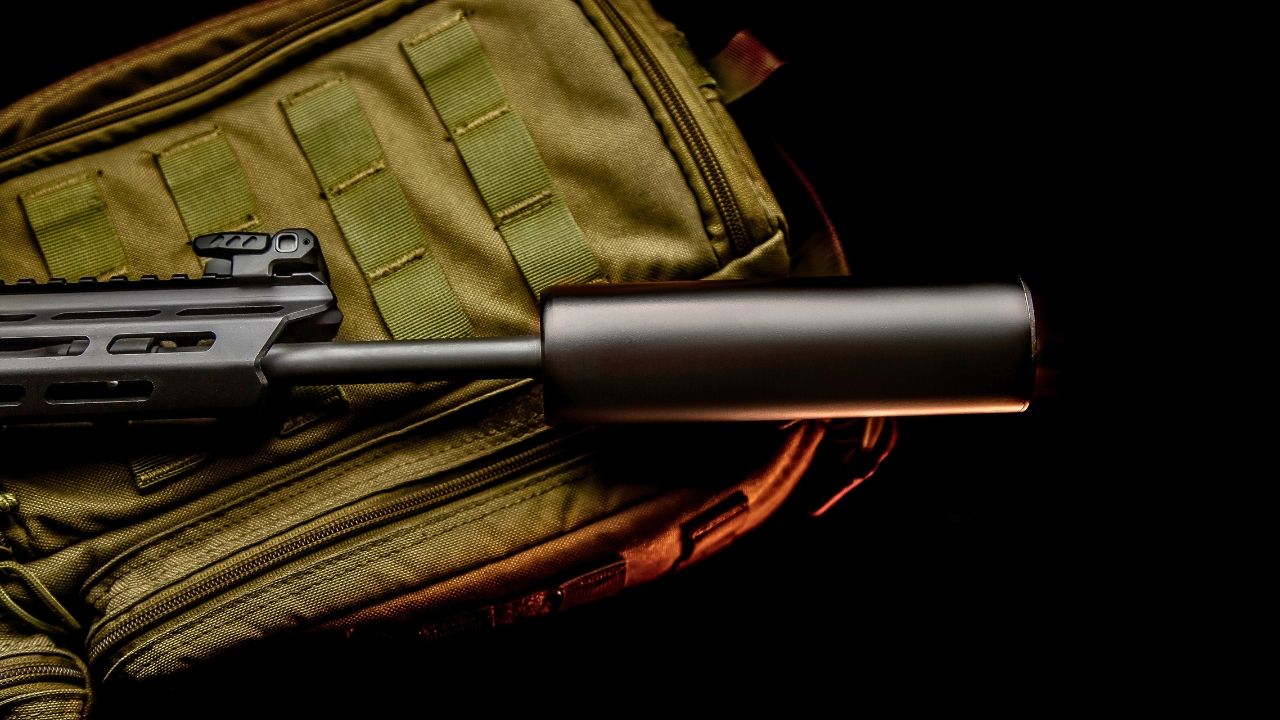
For suppressors and SBRs specifically, the Hearing Protection Act language inside H.R. 1 is doing the heavy lifting. One detailed explainer on Jul, Hearing Protection Act, Changes for Suppressors and SBRs notes that the Senate replaced earlier plans to deregulate silencers entirely with a compromise that kept them in the NFA but set the tax at zero going forward. That same piece on Jul, Hearing Protection Act, Changes for Suppressors and explains that you still file a Form 4, still wait for approval, and still see your serial number logged in the registry, but you no longer send the Treasury a check for the privilege, a distinction that is already driving more first‑time buyers into the NFA world.
How the new rules reshape your cost calculus
Removing the tax does not just save you money, it changes how you think about what belongs in your safe. When the transfer tax was $200 per item, you might have limited yourself to a single multi‑caliber suppressor or one carefully chosen SBR build. Now, with the tax at zero for many transfers, you can justify a dedicated rimfire can, a hard‑use 5.56 model, and a .30‑caliber option without watching the tax bill triple. One analysis aimed at everyday shooters spells out that Big changes are coming for lawful gun owners as the National Firearms Act, or NFA, framework is adjusted, and that these shifts will affect what you can afford to own under the Big, Jan, National Firearms Act, NFA framework.
Retailers are already adjusting their sales pitches to match that new math. Instead of warning you to factor in a hefty tax on top of a $900 suppressor, they can focus on the hardware and the wait time, knowing that the government’s cut is now zero for many items. A separate breakdown of what this means for gun owners highlights that you can now pursue NFA items without paying the $200 tax, a change that is especially attractive if you are outfitting multiple rifles or building a suppressed hunting setup for both you and a family member. That guidance on What This Means for Gun Owners underscores that the financial barrier has dropped, but you still need to respect the same legal boundaries that have always applied to NFA gear.
What still counts as an NFA item after 2026
Even with the tax cut, you cannot treat suppressors and SBRs like over‑the‑counter accessories. Beginning in 2026, the federal tax stamp structure is being retooled, but the list of what counts as an NFA item remains central to how you plan your collection. One detailed overview of the coming rules explains that Beginning in 2026, the federal tax stamp, the infamous $200 fee, will no longer be collected in the same way for suppressors, SBRs, and Short‑barreled shotguns (SBSs), but those items will still be tracked under the NFA framework. That same discussion of Beginning, NFA makes clear that the categories themselves are not disappearing, only the way the tax is assessed.
For Federal Firearms Licensees, the 2026 NFA, Tax Stamp Change, What, Must Know guidance is blunt about the stakes. Beginning January, the federal National Firearms Act, or NFA, rules will still govern how you log, store, and transfer suppressors, SBRs, SBSs, machine guns, and Any Other Weapon configurations, even as the tax stamp requirement is reshaped. The advisory on Dec, NFA, Tax Stamp Change, What, Must Know, Beginning January stresses that you should not confuse a zero‑dollar tax with deregulation, because the transfer requirements and record‑keeping obligations remain in force unless and until Congress or the courts say otherwise.
Legal challenges and the risk of a moving target
Behind the scenes, the new $0 tax model is already under attack in federal court, and that uncertainty should factor into your long‑term planning. A detailed legal analysis of the 2026 NFA Tax Stamp Changes notes that Legal Challenges and Industry Uncertainty are now a core part of the landscape, with a Core Legal Theory arguing that Congress cannot use a zero‑dollar tax to justify continued regulation under the NFA’s original taxing power rationale. That discussion of Dec, Legal Challenges and Industry Uncertainty, Core Legal Theory warns that depending on how courts rule, future transfer requirements could be reshaped or even dissolved, which would dramatically alter how you buy and sell NFA items.
Separate constitutional commentary points out that those questions are already the subject of at least three lawsuits, two in Texas and one in Missouri, all arguing that the NFA’s registration and transfer requirements, now paired with a zero‑dollar tax, violate the Second Amendment. That analysis of Oct, Texas, Missouri, All underscores that the legal foundation of the new regime is far from settled. If courts agree that a tax of zero cannot support a regulatory scheme built on Congress’s taxing power, you could eventually see either a return to a paid tax or a more radical restructuring of how suppressors and SBRs are regulated at the federal level.
How the zero-tax era changes wait times and demand
Even if the law survives those challenges, you still have to live with the practical realities of NFA processing. The transfer tax for silencers, SBRs, and SBSs Is Now zero, but the time it takes for the Bureau of Alcohol, Tobacco, Firearms and Explosives to approve your application has not magically disappeared. One industry blog aimed at new buyers notes that Jul, The Transfer Tax for Silencers, Is Now zero, yet Americans still face the same background checks and approval queues, and it can still take months for ATF to approve your application. That reminder in Jul, The Transfer Tax for Silencers, Is Now, Americans is a useful reality check if you are expecting instant gratification just because the tax bill is gone.
At the same time, the zero‑tax environment is likely to drive more people into the NFA system, which could strain processing capacity even further. A detailed look at Oct, Suppressor Tax Stamp, Expected Costs, Wait Times, Changes points out that since 1934, federal law has required buyers to navigate a paper‑based system that was never designed for modern demand, and that even with e‑Forms, the surge in applications could slow approvals. That same analysis of Oct, Suppressor Tax Stamp, Expected Costs, Wait Times, Changes, Since argues that while ownership will become more accessible financially, you should still expect the bureaucratic side of the process to lag behind demand, at least in the near term.
The next frontier: deregulation pushes and political backlash
Even as the zero‑tax model rolls out, some lawmakers and advocacy groups are already pushing to go further by removing suppressors from the NFA entirely. One legislative tracker highlights HR 404, The Hearing Protection Act, Introduced by Rep, Ben Cline, a bill that would strip suppressors out of the NFA and treat them more like standard firearms, a move that would eliminate both the tax and the registration requirement. That overview of Aug, The Hearing Protection Act, Introduced, Rep, Ben Cline underscores that the zero‑dollar stamp is not the end goal for many advocates, but rather a stepping stone toward full deregulation of suppressors.
At the same time, other gun‑rights organizations are attacking the new system from a different angle, arguing that a zero‑dollar tax undermines the legal justification for the NFA itself. One in‑depth analysis notes that With Congress reducing the tax to $0 for silencers and the other items, the coalition contends that the NFA can no longer be defended as a revenue measure, a position that has intrigued constitutional commentators for nearly a century. That argument, laid out in Jul, With Congress, NFA, suggests that the zero‑tax era could either accelerate deregulation if courts agree or prompt a political backlash that restores a paid tax or tightens other aspects of NFA enforcement.
What you should do now if you are eyeing NFA gear
In the middle of all this, you still have practical decisions to make about your next suppressor or SBR build. One practical guide for FFLs explains that On July, President Trump signed H.R. 1, also known as the One Big Beautiful Bil, and that the Update, What, Changing and When framework now governs how you process NFA transfers under the new tax rules. That same overview of Update, What, Changing and When, On July, President Trump, One Big Beautiful Bil stresses that you should review your shop’s procedures, retrain staff on the new forms, and make sure your customers understand that the tax is zero but the legal obligations are not.
If you are a buyer, it is worth paying attention to how the One Big Beautiful Bill Act reshaped the broader landscape. A detailed breakdown titled What the One Big Beautiful Bill Act Changed notes that the OBBBA, Signed into law on July 4, 2025, eliminated the $200 excise tax on suppressors, SBRs, SBSs, and certain Any Other Weapon configurations while leaving the NFA categories themselves in place. That explanation of Dec, What the One Big Beautiful Bill Act Changed, Signed, OBBBA is a reminder that you are operating in a transitional moment: the cost barrier has dropped, the legal structure is under pressure, and the choices you make now, from how many cans you buy to how carefully you document your builds, will determine how comfortably you ride out whatever comes next.
Like The Avid Outdoorsman’s content? Be sure to follow us.
Here’s more from us: