Photo credit: sootch00/YouTube
A lot of people talk about revolvers like they are relics—interesting to own, fun to admire, and somehow automatically outclassed by whatever polymer semi-auto is trending this month. That ignores what revolvers still do well. They are mechanically straightforward to operate, easy to verify at a glance, and still offered in serious defensive, trail, and sporting formats by the same major manufacturers that sell all the newer stuff. Smith & Wesson’s current J-frame, K-frame, L-frame, and N-frame lines are still active, Ruger continues to offer the LCR, SP101, GP100, Redhawk, and Super Redhawk families, and Colt still sells the Python, King Cobra, Cobra, and Single Action Army.
That matters because a revolver does not have to beat a modern pistol at everything to make sense. It only has to solve real problems well: close-range carry, simple manual of arms, heavy-caliber field use, clean training value, and dependable function in a package that still rewards good shooting habits. A lot of experienced shooters know that already. The market does too, even if some people do not like admitting it.
Smith & Wesson Model 10
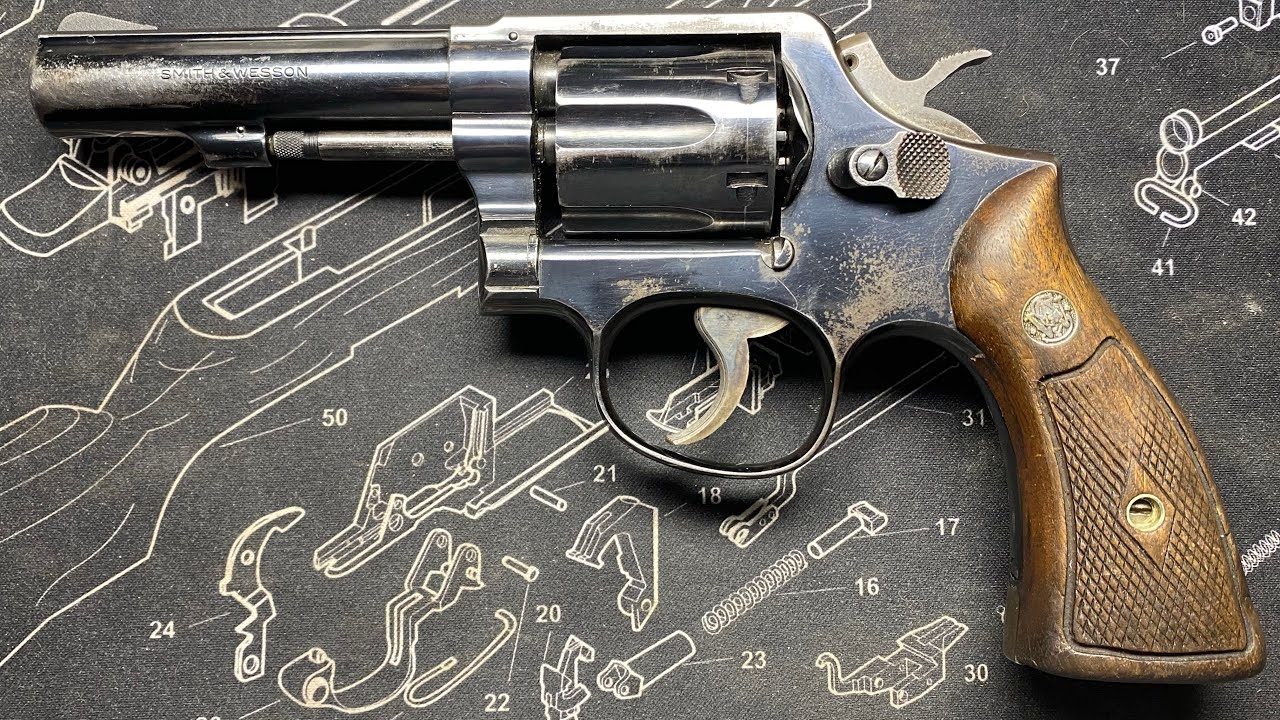
The Model 10 still makes more sense than people want to admit because a plain six-shot .38 Special with fixed sights solves a lot of real-world shooting better than people give it credit for. It has been in production since 1899 in one form or another, and more than 6,000,000 have been made. That is not nostalgia by itself—that is a long record of a revolver doing honest work.
What keeps it relevant is how little nonsense it brings to the table. A medium-frame .38 with a usable barrel length, manageable recoil, and a straightforward double-action trigger is still one of the easiest handguns to learn, practice with, and shoot well. If your goal is clean fundamentals and real-world simplicity instead of feature chasing, the Model 10 still holds up better than many people expect.
Smith & Wesson Model 19 Classic

The Model 19 still makes sense because it sits in a sweet spot many revolvers never quite hit. Smith & Wesson’s current Model 19 Classic page still leans on the traditional frame, smooth trigger pull, and solid-frame design, which tells you the company knows exactly what buyers still want from it. It is a classic K-frame .357 that remains large enough to feel serious and small enough to stay practical.
That balance is the whole argument. You get a revolver that shoots .38 Special beautifully, still handles .357 Magnum with real authority, and carries easier than a bigger N-frame or hunting revolver. For shooters who want one wheelgun that can cover range work, home use, and general belt-gun duty without feeling oversized, the Model 19 still makes a lot more sense than the dismissive “old-school” label suggests.
Smith & Wesson Model 27
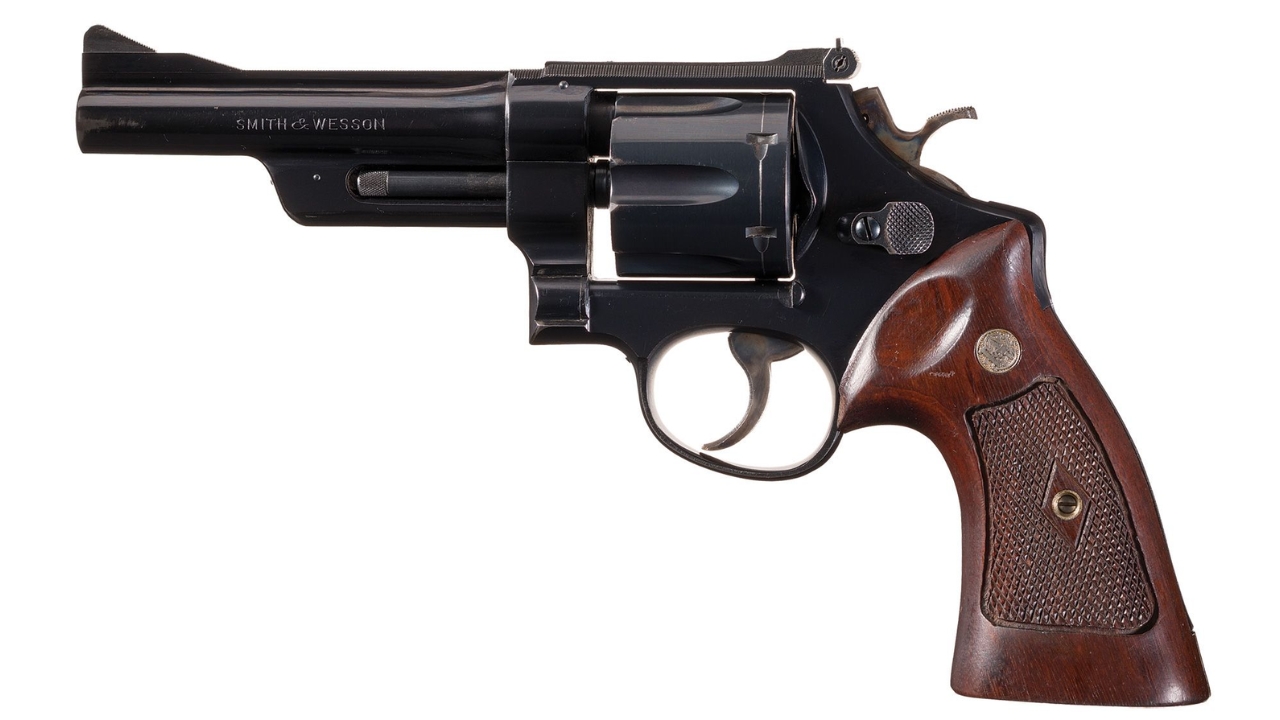
The Model 27 makes sense because there is still value in a large-frame .357 built to feel substantial. Smith & Wesson’s current Model 27 listing keeps the gun alive as a large-frame .357 Magnum, and that alone says a lot. The company does not keep a heavyweight N-frame .357 in production because nobody sees a use for it.
A big-frame magnum revolver gives you weight, sight radius, and a calmer shooting feel that many lighter revolvers cannot match. That matters if you actually want to shoot magnum loads regularly instead of only owning the idea of them. The Model 27 is not for everyone, but for shooters who want a .357 that feels planted and deliberate instead of lively and sharp, it still offers a kind of comfort and confidence that smaller revolvers often do not.
Smith & Wesson Model 642

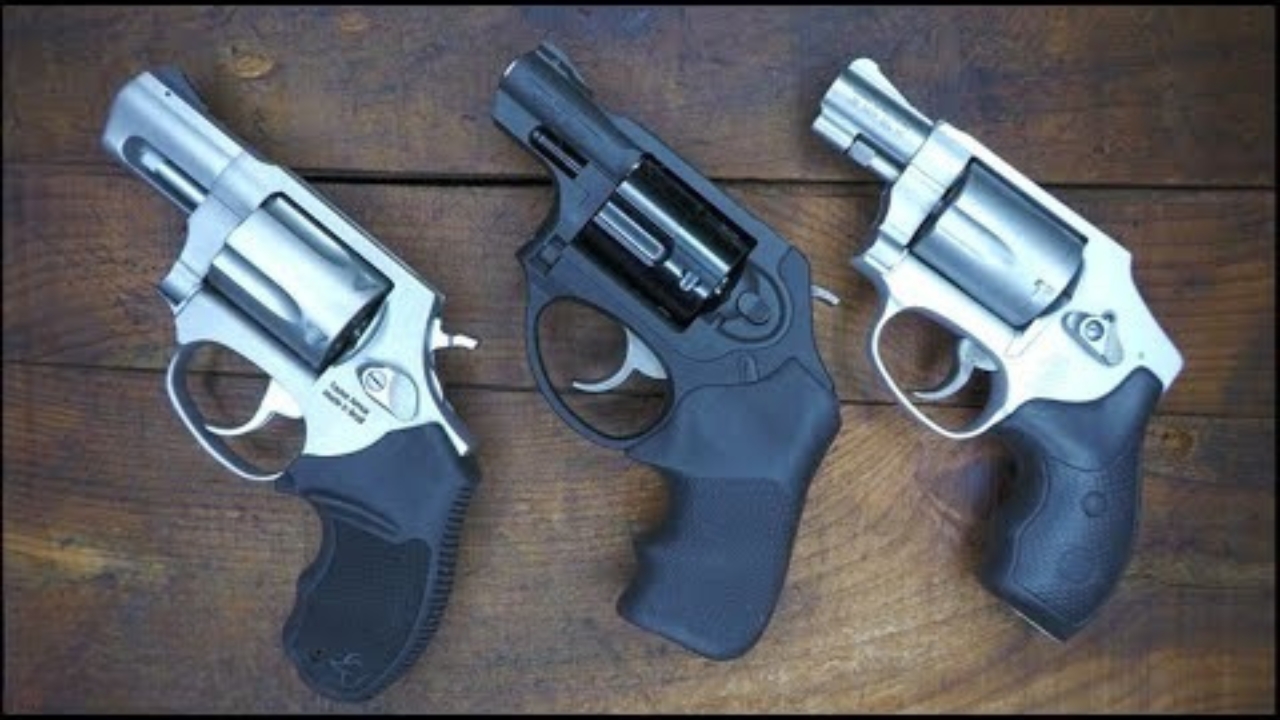
The Model 642 still makes sense because a lightweight enclosed-hammer .38 remains one of the cleanest answers for deep carry. Smith & Wesson’s current 642 pages still emphasize the lightweight alloy frame for easy carry, stainless steel barrel and cylinder, and the concealed-hammer Centennial format. That is not an outdated concept—it is a clear, modern carry-use case.
People like to dismiss small revolvers because of capacity, but that misses why the 642 still works. It slips into places larger guns do not, it avoids snagging, and it stays mechanically simple under stress. You are not buying one because it beats a compact auto on paper. You are buying one because it remains a highly practical gun when the priority is light weight, clean draw, and dependable close-range carry in a truly small package.
Smith & Wesson 686 Plus

The 686 Plus makes sense because it gives you seven rounds of .357 Magnum in a frame built specifically for that kind of use. Smith & Wesson still says the L-frame is a strong, durable frame and barrel built for continuous Magnum usage, and the 686 Plus line remains an active product family with multiple barrel lengths. That is still a strong practical case.
It also fills a role modern pistols do not replace as neatly as people pretend. A full-size .357 with seven shots, strong adjustable sights, and enough mass to keep the gun controllable gives you a serious home-defense, range, or trail revolver that is easier to shoot hard than many smaller magnums. If you actually plan to use .357 as a working cartridge, the 686 Plus remains one of the most sensible ways to do it.
Smith & Wesson Model 432 Ultimate Carry
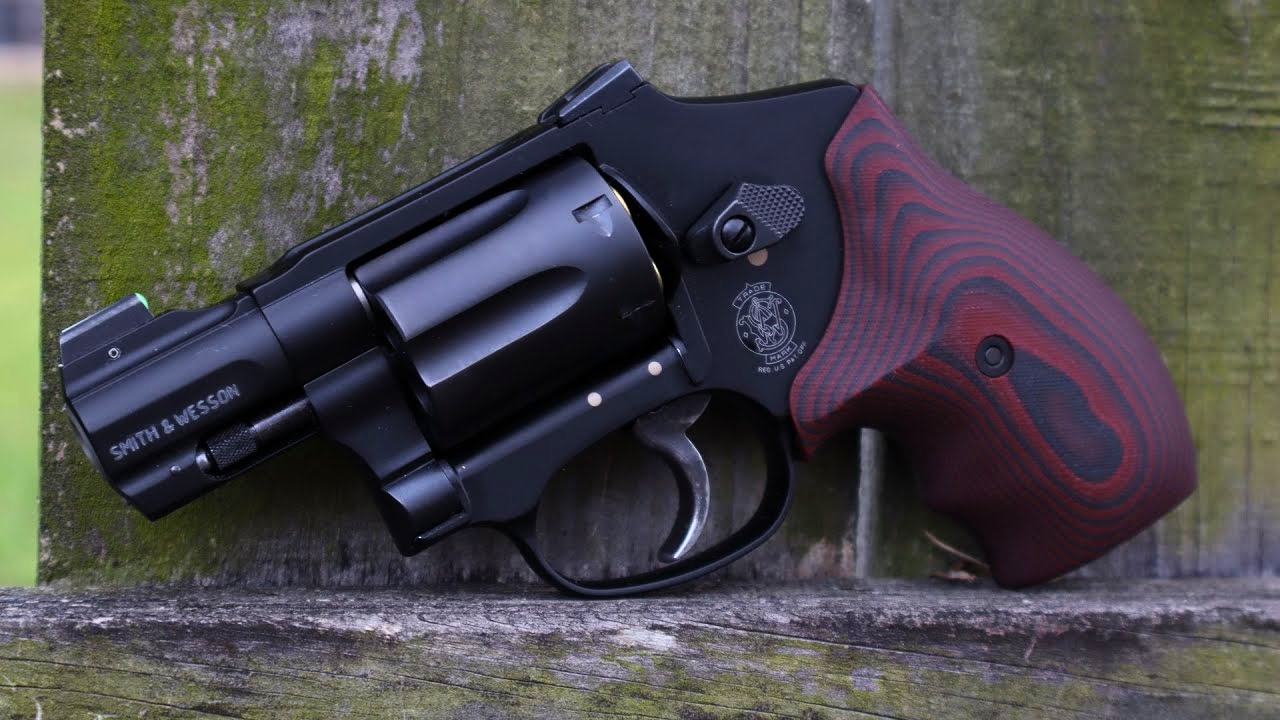
The Model 432 Ultimate Carry makes sense because .32 H&R Magnum has become a more honest carry option than many shooters expected, and Smith & Wesson is clearly leaning into that. The current J-frame lineup includes the 432 Ultimate Carry as a live production gun in .32 H&R Magnum. That is notable by itself, because companies do not build specialized carry models around a dead idea.
Where it really makes sense is in combining low recoil, one extra round over many small .38 snubs, and easier practical shooting for people who do not want the sharper feel of lightweight .357s. It is still niche, but it is a useful niche. A small revolver that is easier to control and still built for actual carry solves more problems than critics often admit when they write off anything that is not 9mm or .38.
Ruger LCR

The Ruger LCR makes sense because it is one of the few small revolvers that was clearly engineered to be easier to shoot, not merely easier to carry. Ruger says the LCR uses a patented friction-reducing cam that creates a smooth, non-stacking trigger pull, and the company specifically calls out highly manageable recoil. Those are exactly the things that matter in a lightweight carry revolver.
That design focus is why the LCR still has a strong case. Small revolvers are often criticized for being hard to shoot well, and sometimes that is fair. The LCR answers that criticism better than most. With options in .38 Special +P, .357 Magnum, 9mm, .327 Federal, and rimfire variants, it remains a genuinely flexible carry and utility platform instead of only a backup-gun curiosity.
Ruger SP101
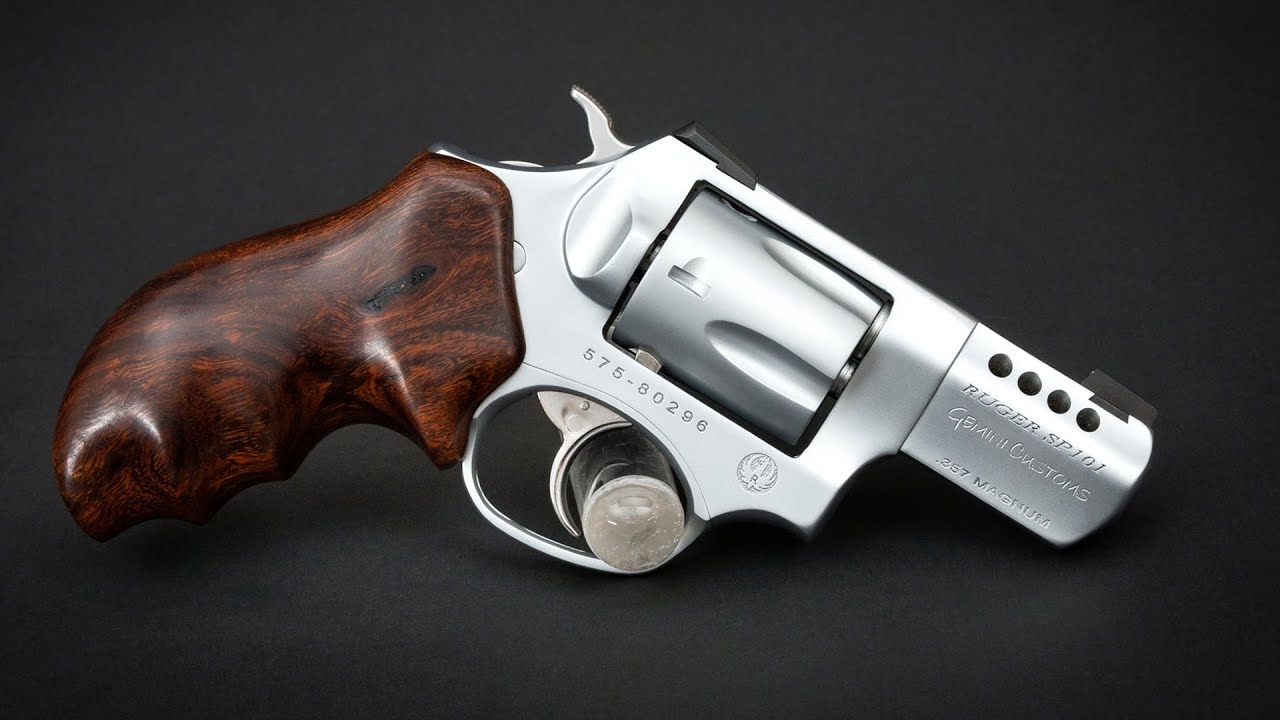
The SP101 still makes sense because it is a small revolver that does not feel flimsy. Ruger says SP101 revolvers have solid steel sidewalls, no side-plates, and a triple-locking cylinder for dependable operation shot after shot. That is the kind of construction experienced shooters notice right away, especially in a compact magnum revolver.
That is why the SP101 still fills such a useful middle ground. It is compact enough to carry, but hefty enough to tame recoil better than the very light snubs people often struggle with. In 3-inch trim especially, it gives you a revolver that can handle .357 Magnum, shoot .38s comfortably, and still feel like a durable belt gun instead of a compromise. That is a lot of practical use in one package.
Ruger GP100

The GP100 makes sense because it remains one of the clearest “working revolver” answers on the market. Ruger still highlights the GP100’s triple-locking cylinder, easy disassembly, and grip frame that accommodates a wide variety of grips. That tells you exactly what the platform is built around: durability, maintenance ease, and real use over time.
That is why people keep returning to it. A medium-large .357 that can be found in multiple barrel lengths and even seven-shot versions still covers a lot of ground—range use, home defense, belt carry, and general-purpose revolver duty. It is not delicate, and it does not try to be. The GP100 still makes sense because it is one of the most straightforward ways to own a revolver that can take real use without making excuses.
Ruger GP100 Match Champion

The GP100 Match Champion makes sense because it takes an already practical revolver and tunes it toward faster, cleaner shooting without turning it into something fragile or overly specialized. Ruger says the half-lug 4.2-inch barrel gives lively handling for quick transitions between targets and includes an 11-degree target crown for competitive-level accuracy. That is a smart set of upgrades, not marketing fluff.
What that gives you is a revolver that still has the GP100’s stout frame and durability, but with handling improvements that make it easier to appreciate on the range. For shooters who want a wheelgun that bridges defensive handling and serious target work, the Match Champion remains a better practical answer than people often assume. It is not only a “competition” revolver. It is a very shootable full-size .357 that still makes everyday sense.
Ruger Redhawk

The Redhawk makes sense because there is still no substitute for a truly strong, large-frame double-action revolver when you want heavy-caliber capability in a durable package. Ruger says the Redhawk uses a unique single-spring mechanism for a smooth, light trigger pull and the same triple-locking cylinder arrangement the company leans on for strength and alignment. That is the language of a revolver built for real load-bearing work.
That matters if you actually shoot .44 Magnum or want a heavy trail or hunting sidearm. The Redhawk is not a light carry gun, and that is exactly why it still makes sense. It gives you a large revolver that can digest serious ammunition, carry enough steel to help manage it, and stay mechanically reassuring over long use. There are still jobs where that matters more than magazine capacity.
Ruger Super Redhawk

The Super Redhawk makes more sense than people admit because the handgun-hunting and backcountry worlds still call for revolvers built around big loads and long-term strength. Ruger flatly says the Super Redhawk has a strong extended frame with extra metal in key areas to handle powerful big-game loads, along with durable, corrosion-resistant stainless steel construction. That is a very specific mission, and the gun is still built around it.
That purpose-built design is the point. A big hunting revolver is not supposed to pretend it is a carry pistol. It is supposed to give you stability, strength, and confidence with cartridges that deserve both. The Super Redhawk keeps making sense because there are still shooters who need exactly that, and a lot of newer handgun trends do nothing to change that reality.
Colt Python

The Python still makes sense because refinement still matters. Colt’s current 2026 catalog shows multiple Python variants still in active production, which tells you the platform remains more than a nostalgia piece. Colt would not keep feeding the line if buyers only wanted to talk about it and never use it.
What makes the Python practically relevant is that it still gives you a full-size .357 revolver with a strong sighting setup, excellent balance, and the kind of shootability that keeps it from being only a collector’s name. Yes, it carries prestige. But underneath that, it is still a serious double-action revolver that handles range work, defensive use, and .357 shooting in a way many lighter or rougher wheelguns do not. That is a real reason to own one.
Colt King Cobra

The King Cobra still makes sense because it gives you a modern Colt .357 in a practical stainless format that is easier to use than people sometimes assume. Colt’s 2026 commercial catalog lists the King Cobra and King Cobra Target as active products, with six-round capacity and current-production support. That matters because it shows Colt still sees a place for a medium-size stainless magnum revolver.
The practical case is easy enough: six shots of .357 Magnum, stainless construction, and a size that can serve as a range revolver, house gun, or trail companion without becoming absurdly heavy. It is not an outdated idea. It is a very workable one. A lot of shooters dismiss guns like this because they are not the current default, but that does not make them less useful in the real roles they were built to fill.
Colt Cobra

The Colt Cobra still makes sense because there is still room for a small, modern defensive revolver that stays simple and easy to manage. Colt’s current commercial revolver lineup and 2026 catalog both keep the Cobra alive as an active product line, right alongside the Python and King Cobra. That says the company still sees real demand for a compact carry revolver and not only a niche collector audience.
The reason is straightforward: a compact .38 revolver still solves a real carry problem. It is easy to understand, easy to verify, and easier for some shooters to trust than a tiny semi-auto with a stiff slide and sharper recoil impulse. The Cobra is not the answer for everyone, but it remains a very sensible answer for the people who prioritize simplicity, concealment, and a straightforward manual of arms.
Colt Single Action Army

The Single Action Army still makes sense because a single-action revolver is not only about history—it is still a useful format for deliberate field shooting, recreational shooting, and shooters who simply want a sidearm that forces them to slow down and shoot well. Colt’s current revolver lineup still lists the Single Action Army in .45 Colt. That is about as clear a statement of continued relevance as you can ask for.
No, it is not a modern defensive default. That misses the point. The SAA still makes sense because it remains durable, familiar to generations of shooters, and highly effective within the roles it was built for. A gun does not have to match a polymer service pistol to deserve a place. It only has to keep doing its job well enough that people still have a use for it. The SAA clearly does.
Like The Avid Outdoorsman’s content? Subscribe to our newsletter so you never miss an article.
Here’s more from us: