Photo credit: JWheeler331/YouTube
Selling a gun can make perfect sense at the time. Maybe it has not left the safe in years. Maybe another rifle does the same job. Maybe you need the money, want to fund something newer, or simply assume you can buy another one whenever you feel like it. That last assumption is usually where the regret begins.
Certain guns are much easier to sell than they are to replace. Production ends, clean examples disappear, prices climb, and suddenly the rifle or handgun that felt expendable becomes the one you keep searching for at every gun show and pawn shop. Sometimes the regret is financial. More often, it comes from realizing the replacement does not feel quite like the original. These are 20 guns I would think very carefully about before ever letting them leave the safe.
Winchester Model 61
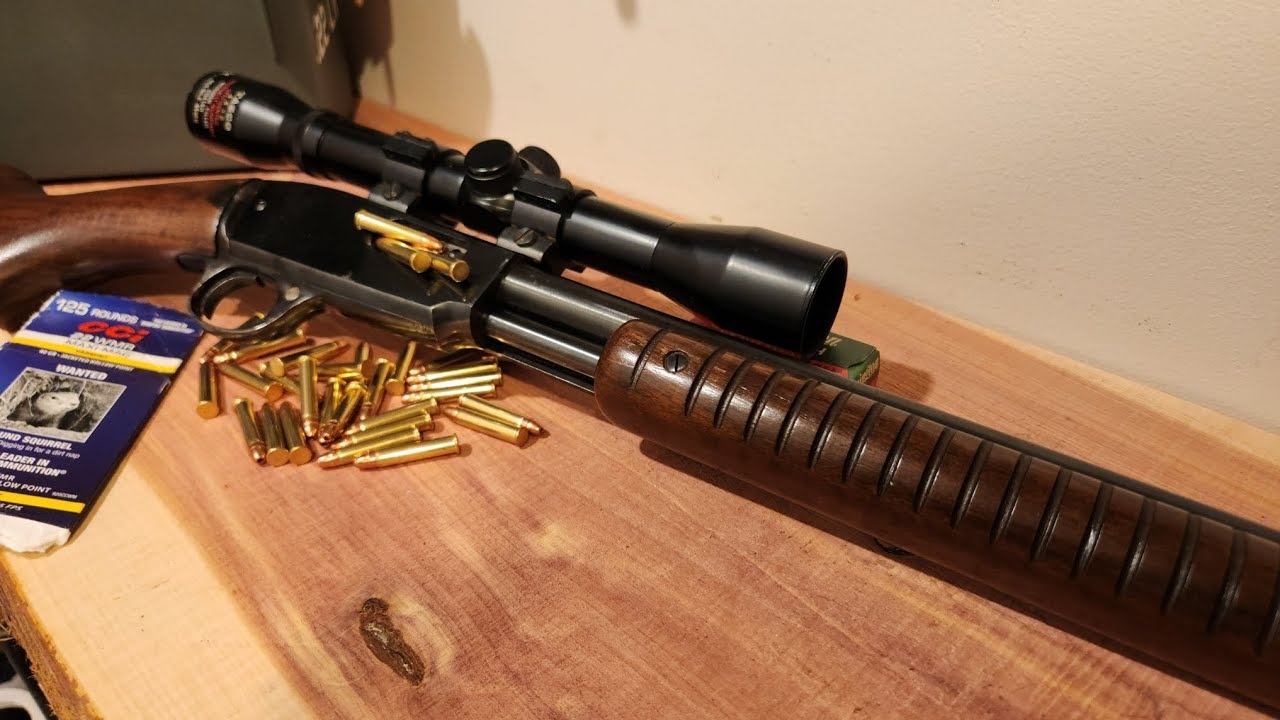
The Model 61 is the kind of .22 that can seem unnecessary when you already own several rimfires. It is a pump-action rifle from another era, usually wearing beautifully shaped walnut and a slick action that gets better the more it is used. When these rifles were more common, an owner could convince himself that selling one was no big deal because another would eventually come along. That is a much harder argument to make now. Clean rifles have become desirable, and examples that have avoided refinishing, cracked stocks, and years of rough handling are increasingly worth holding onto.
The real regret usually starts when someone buys a modern rimfire afterward and realizes that it does the same job without feeling anything like the old Winchester. Mechanical character is difficult to replace once it is gone.
Remington Model 121 Fieldmaster
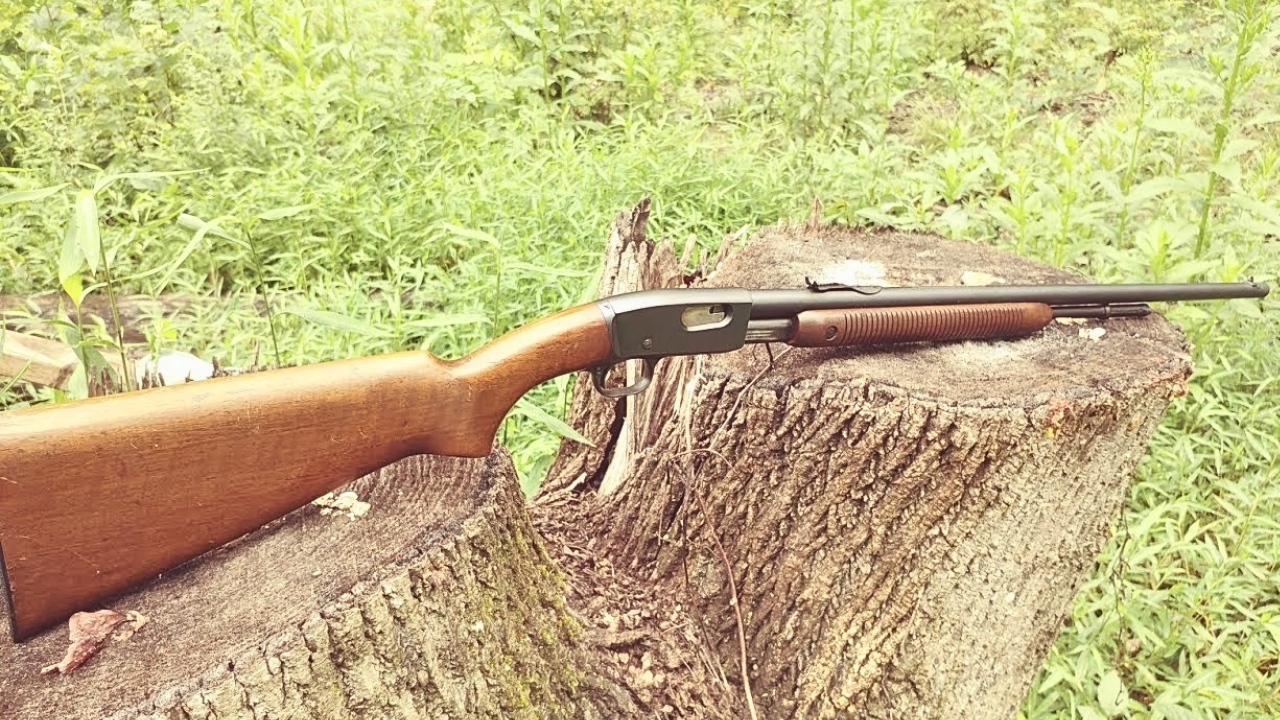
The Model 121 is another pump .22 that people often underestimate until they no longer own one. It is slim, beautifully balanced, and built during a period when ordinary rimfires received a level of steel and walnut construction that would be expensive to reproduce today. The tubular magazine keeps the rifle clean through the receiver, and the action has that smooth, mechanical feel people tend to remember years after selling one.
A modern .22 can certainly be lighter and easier to mount optics on, but that does not necessarily make it more satisfying. Owners who sell an old Fieldmaster frequently discover that finding another equally clean rifle is harder than expected. This is exactly the kind of gun I would rather leave in the back of the safe than later spend years trying to recreate.
Browning Double Automatic
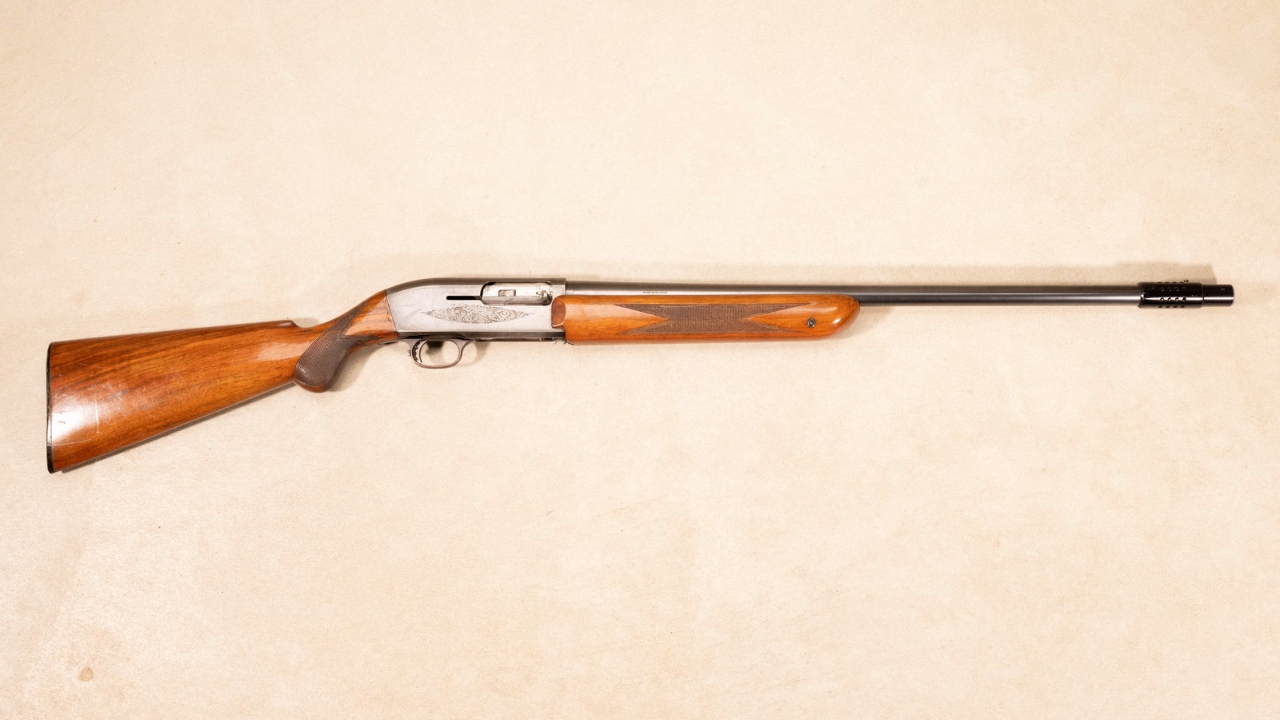
The Double Automatic is one of those shotguns that seems strange until you spend enough time with it. It carries only two shells, uses an unusual loading system, and comes from an era when Browning was willing to experiment with designs that did not look like everything else in the rack. That oddness is precisely what makes it difficult to replace. The lightweight alloy-frame versions in particular can be wonderful field guns, and the balance feels noticeably different from the heavier semiautos that dominate today.
Selling one may seem reasonable if you want greater capacity or a newer shotgun. The regret often appears later when you realize there is no current production equivalent waiting at the store. Once a genuinely distinctive design leaves your safe, buying something newer does not necessarily fill the same hole.
Winchester Model 101
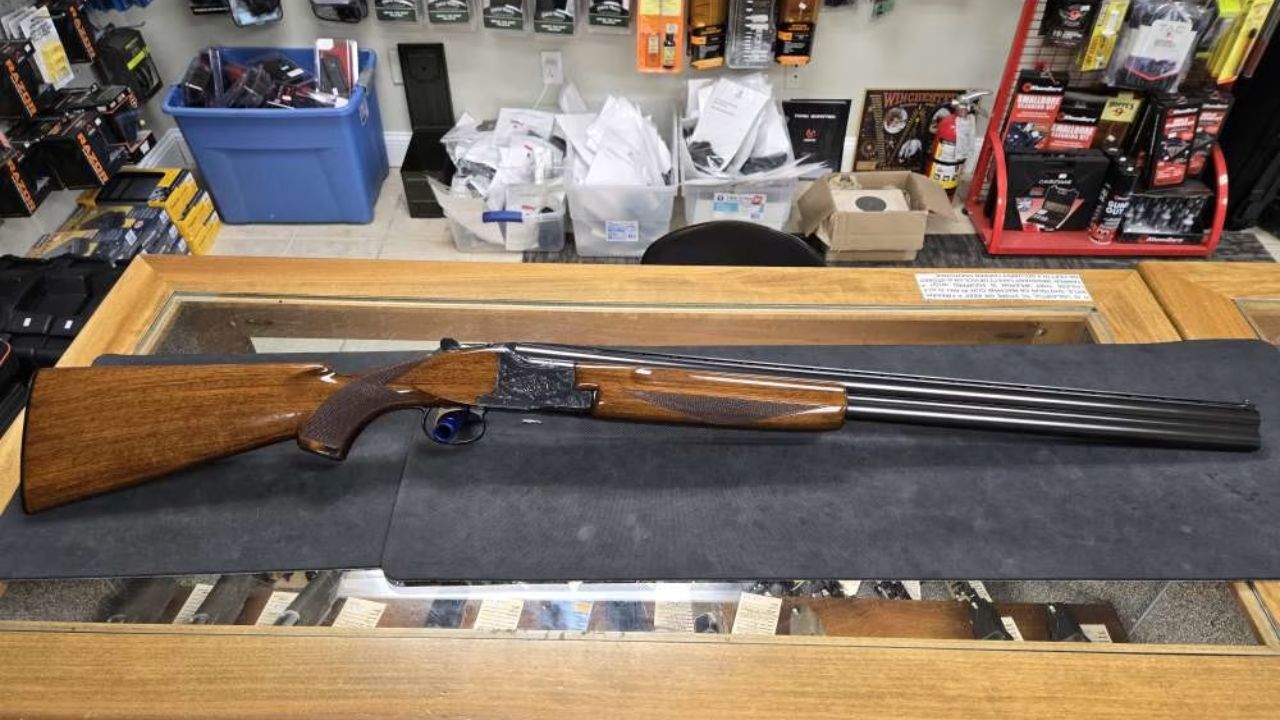
A good Model 101 is the kind of over-under people sell when they decide they want something newer, only to discover how expensive it can be to buy another shotgun that feels equally solid. These guns earned loyal followings because they combine straightforward Japanese manufacturing with excellent handling and traditional styling. Depending on the configuration, they can work beautifully for clays, upland hunting, or general field use without feeling overly specialized.
What owners often miss later is not one feature. It is the entire package. The way the action closes, the balance between the hands, and the familiarity built over years do not automatically come with the replacement shotgun. If I had one that fit me particularly well, I would be very cautious about assuming another over-under would feel the same.
Ithaca Model 51 Featherlight
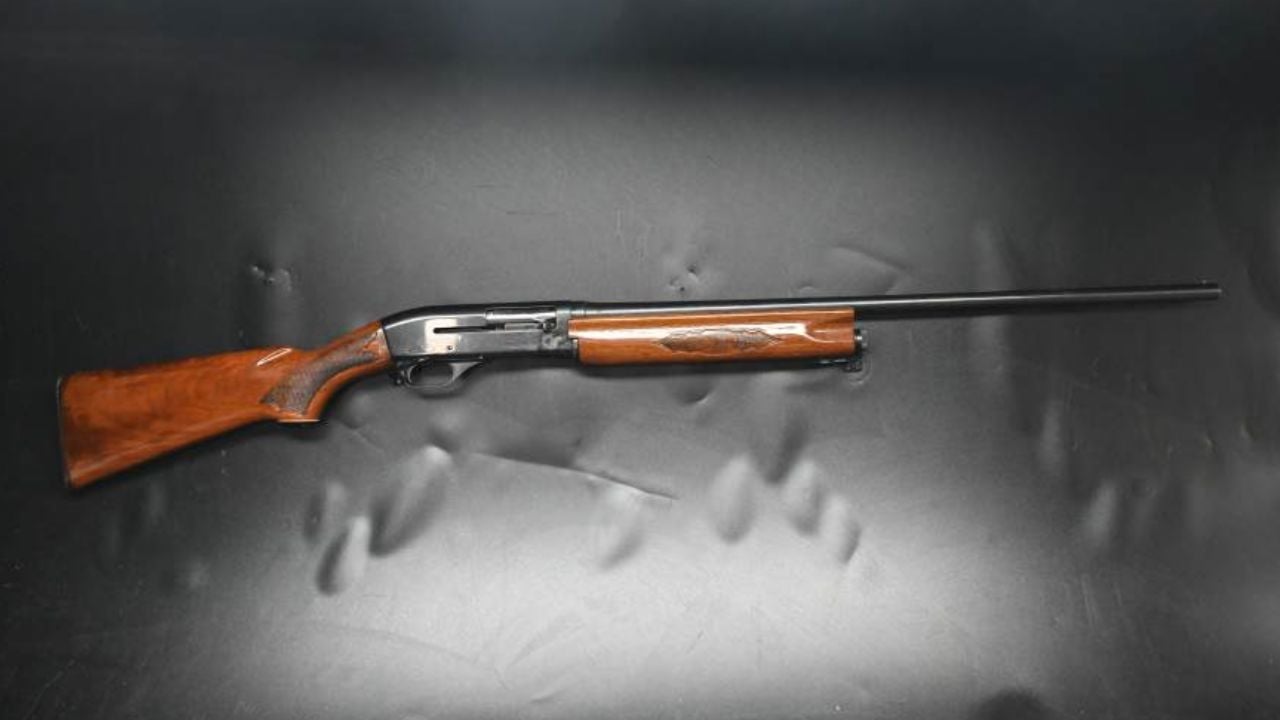
The Model 51 does not receive the automatic recognition of some better-known semiautomatic shotguns, which is exactly why an owner might sell one without much hesitation. It is a lightweight gas-operated design that handles quickly and feels very much like a traditional field gun. When properly maintained, a good example can be an extremely pleasant shotgun to carry and shoot.
The difficulty comes when you decide you want it back. Parts support and clean examples are not as easy to find as they once were, and the market is not flooded with identical replacements. That turns what felt like an ordinary old semiauto into a shotgun you may spend considerable time trying to duplicate.
Remington Model 11-48
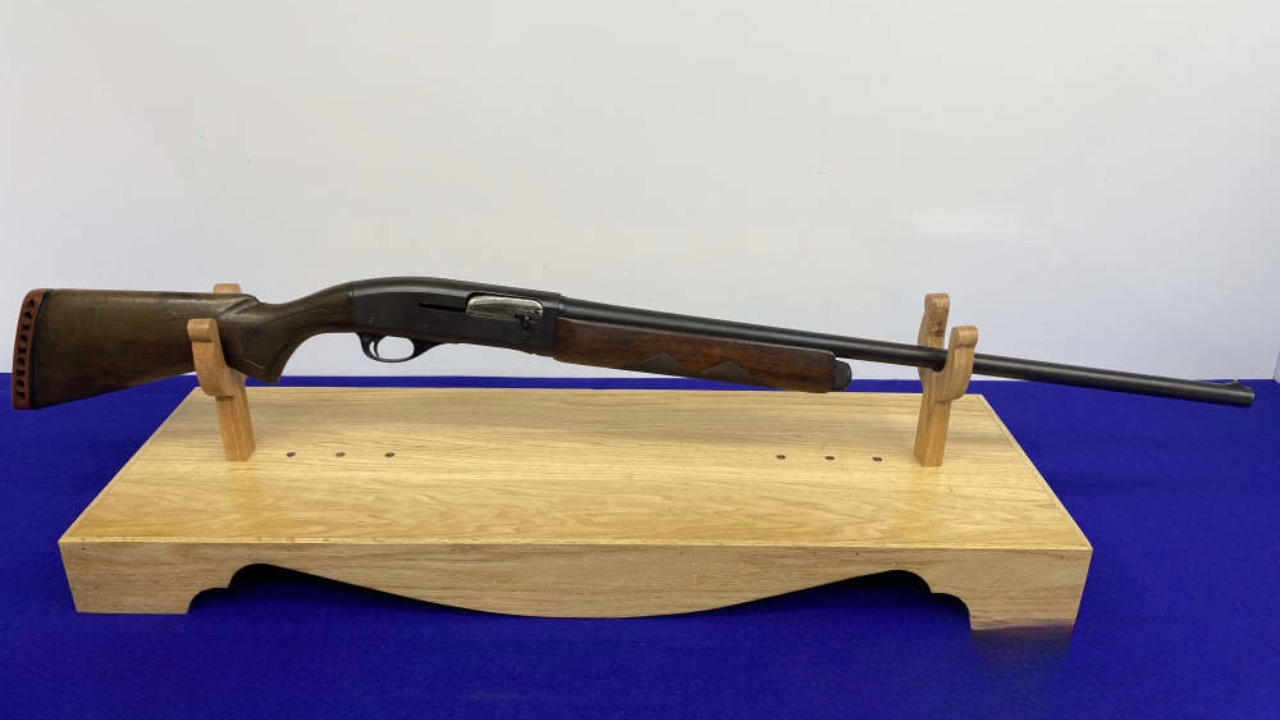
The 11-48 sits in an interesting position between the earlier long-recoil Remington designs and the later gas-operated guns that became much more famous. Because of that, plenty of owners treated them as outdated hunting shotguns rather than something worth keeping. The streamlined receiver and long-recoil operation give them a very distinctive shooting character, especially in the lighter gauges.
Selling one can seem harmless when newer semiautos are everywhere. The problem is that newer does not necessarily mean the same. If you liked the way an 11-48 carried and cycled, there are not many current guns that reproduce that experience. That is the kind of difference you often appreciate only after the original is gone.
Winchester Model 63

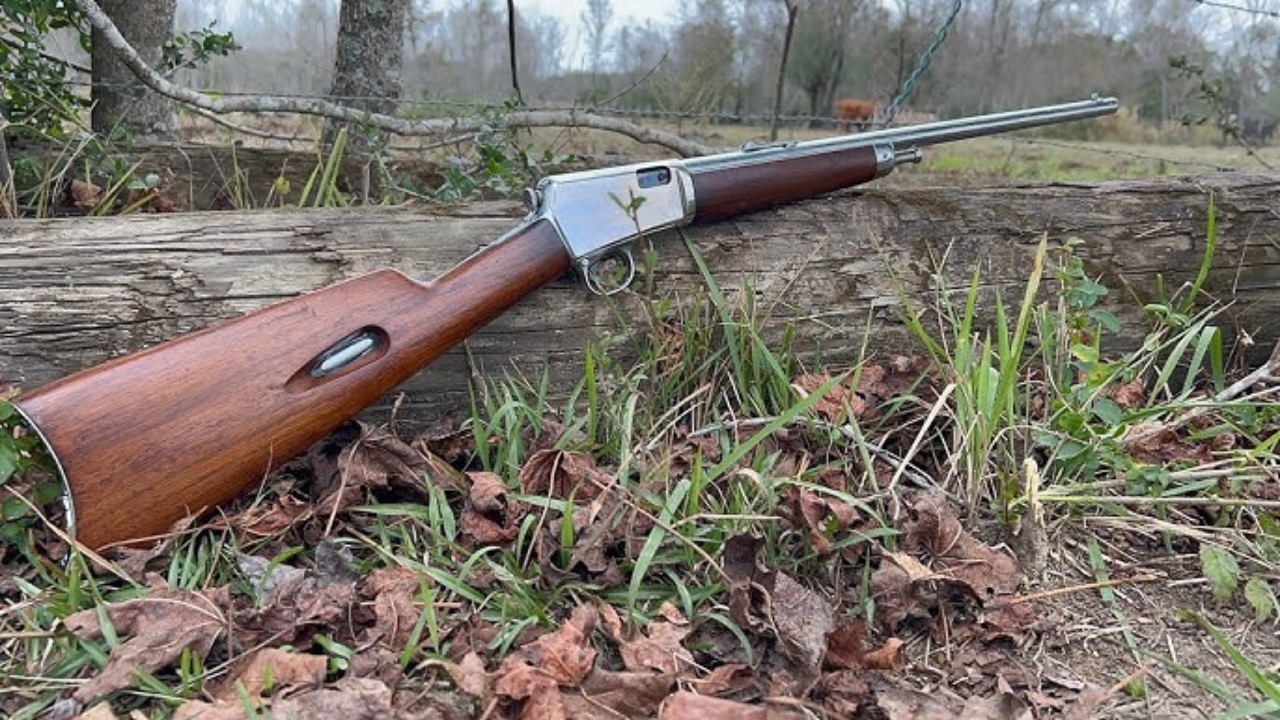
The Model 63 is a semiautomatic .22 that tends to become more valuable emotionally after someone sells it. The tubular magazine runs through the stock, the rifle has classic lines, and the action gives you a shooting experience far removed from today’s detachable-magazine rimfires. It is not the fastest rifle to reload and not the easiest to accessorize, but none of that matters much once you spend an afternoon shooting one.
Owners sometimes sell these because they have several other .22s. Later they discover that none of those other rifles scratches the same itch. A nice Model 63 is one of those guns I would consider much harder to replace than its basic purpose suggests.
Remington Model 14
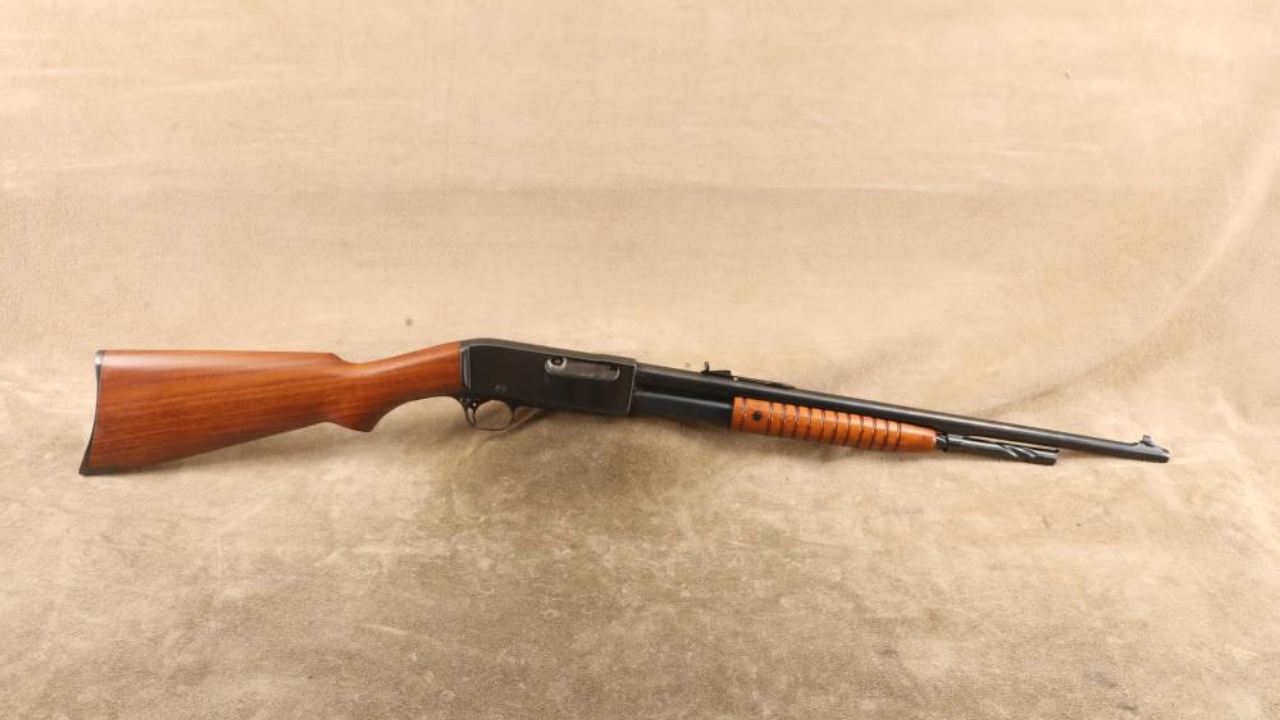
The Model 14 pump rifle is mechanically interesting before you even consider how well it works in the woods. The spiral magazine tube was designed around pointed bullets, the action cycles quickly, and traditional chamberings gave hunters plenty of close- and moderate-range performance. It is the kind of deer rifle that looks thoroughly old-fashioned while still making sense in thick timber.
That combination is exactly why selling one can sting later. You can buy another pump rifle, another woods cartridge, or another vintage Remington, but finding the same combination in good condition is another matter. Once you have spent time with one, the old Model 14 starts feeling less replaceable than it looked on paper.
Savage Model 1920
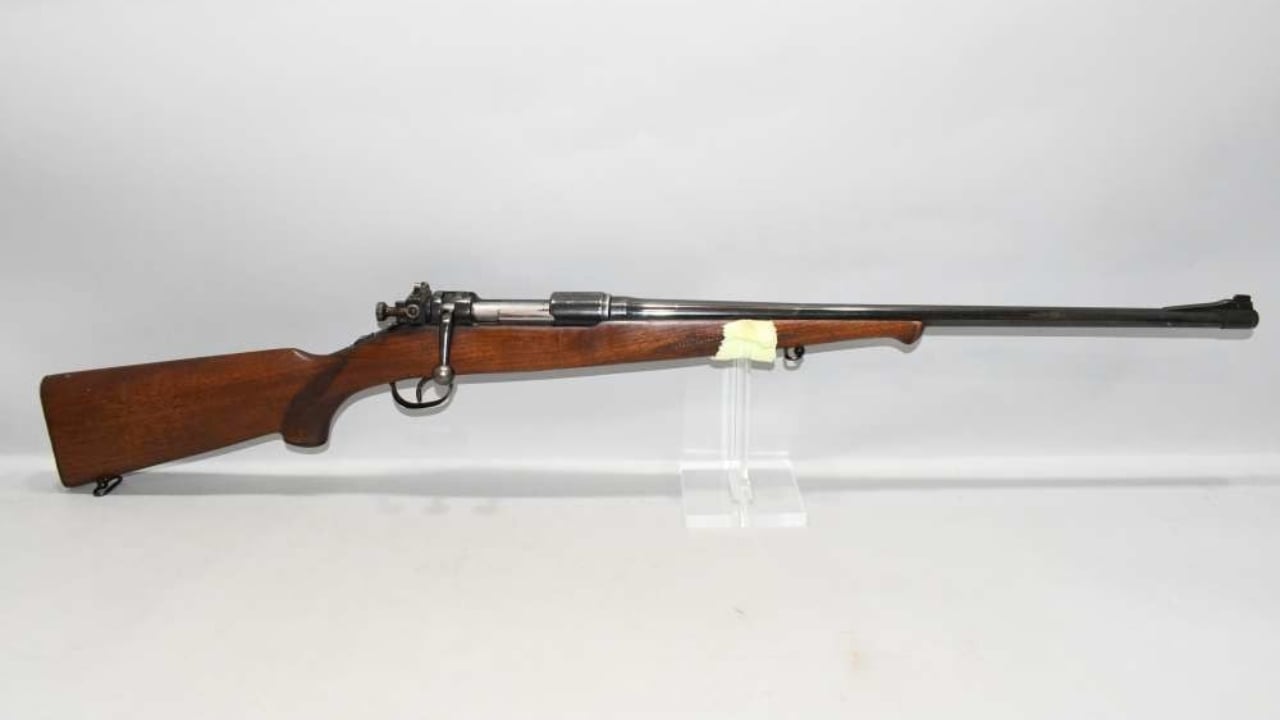
The Model 1920 is one of those early lightweight bolt rifles that collectors and hunters now appreciate far more than they once did. It was compact, trim, and chambered for cartridges that made sense for the hunters of its era. Compared with heavier sporting rifles of the period, it feels surprisingly modern in the hands.
That is the sort of gun someone can sell because it appears modest and assume they can find another later. Then the scarcity becomes obvious. Clean examples are finite, and the rifles that remain often show decades of honest field use. If I owned a particularly nice one, I would be reluctant to turn it into cash for something that can still be ordered next month.
Mannlicher-Schoenauer Model 1903

The Model 1903 is the kind of rifle that is almost impossible to replace with anything modern because so much of its appeal comes from the action itself. The rotary magazine, butter-knife bolt handle, smooth cycling, and full-stock configurations give these rifles a feel that modern production guns rarely attempt to reproduce. Even shooters who do not need one can quickly understand why people become attached to them.
Selling one because the chambering is inconvenient or because it spends too much time in the safe can make sense for a moment. The regret usually arrives when you start looking for another and realize just how few clean, unaltered rifles are available.
Colt Model 1908 Pocket Hammerless .380
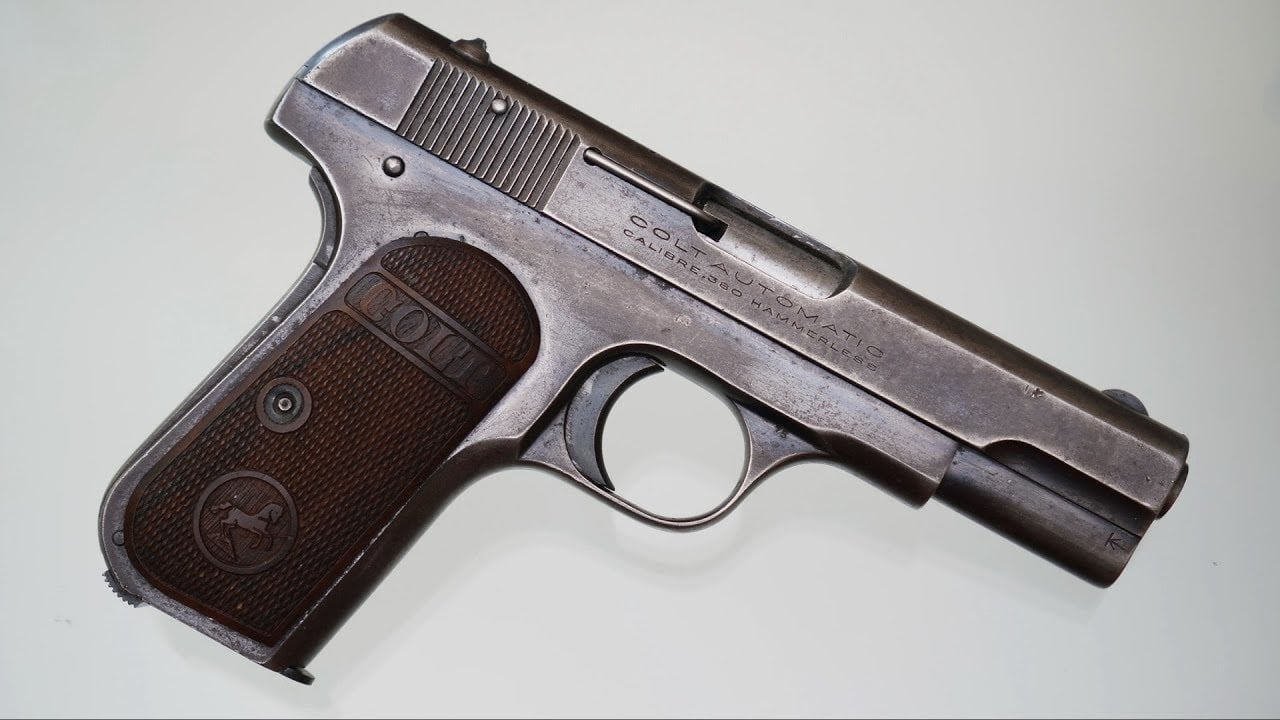
The .380 version of Colt’s Pocket Hammerless design is one of those pistols that people sometimes sell after deciding it is too old to carry and too ordinary to collect seriously. Then they spend enough time around modern pocket pistols and remember how beautifully slim and natural the old Colt felt. The enclosed hammer, narrow profile, and steel construction give it a character that current polymer .380s simply do not imitate.
Condition is everything with these guns because many were carried for decades. If I already owned a clean example with original finish and grips, I would not casually let it go. Finding another one with the same combination of originality and mechanical condition can turn into an expensive search.
Smith & Wesson Model 52
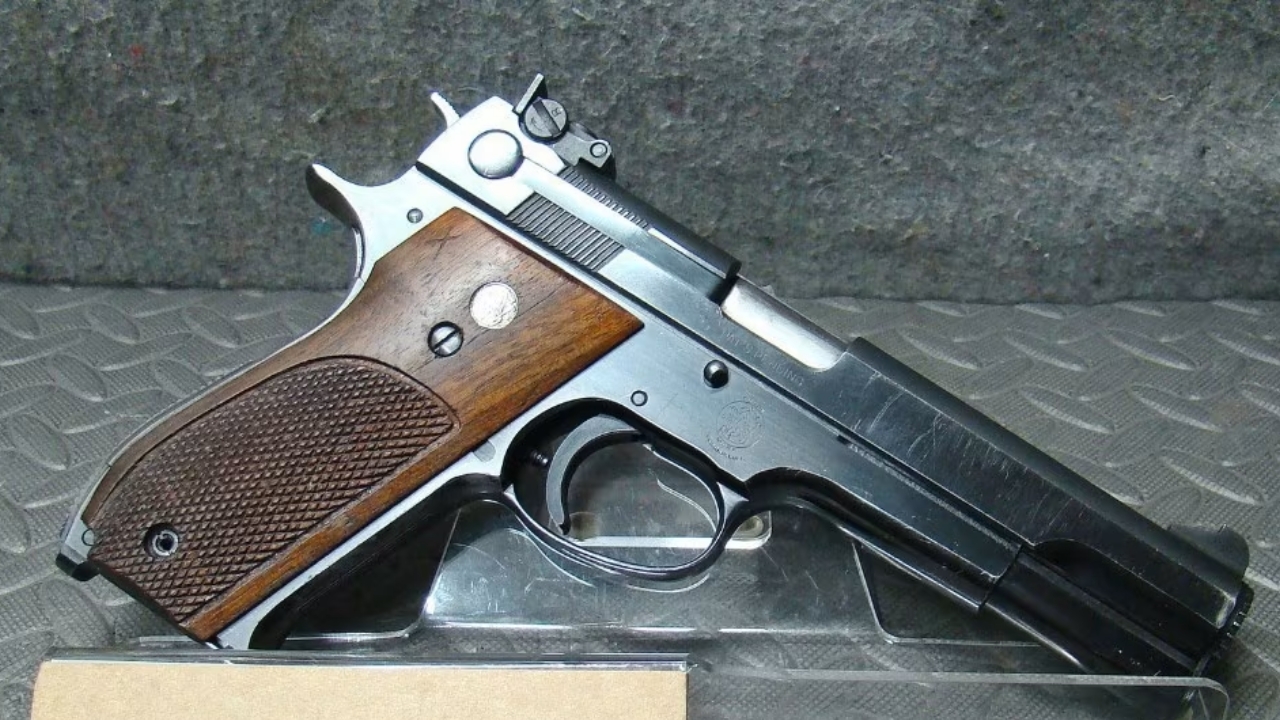
The Model 52 is a pistol that becomes harder to appreciate until you understand exactly what it was built to do. Designed around .38 Special wadcutter ammunition and precision target shooting, it has an outstanding trigger and a level of specialization rarely seen in modern production handguns. It is not versatile in the usual sense, but within its intended role it is remarkably refined.
That specialization is why selling one can be a mistake. You may convince yourself that a modern 9mm target pistol is more useful, and it probably is. But usefulness is not the reason the Model 52 is special. Once it is gone, replacing that exact experience can be difficult and expensive.
Colt National Match Mid Range .38
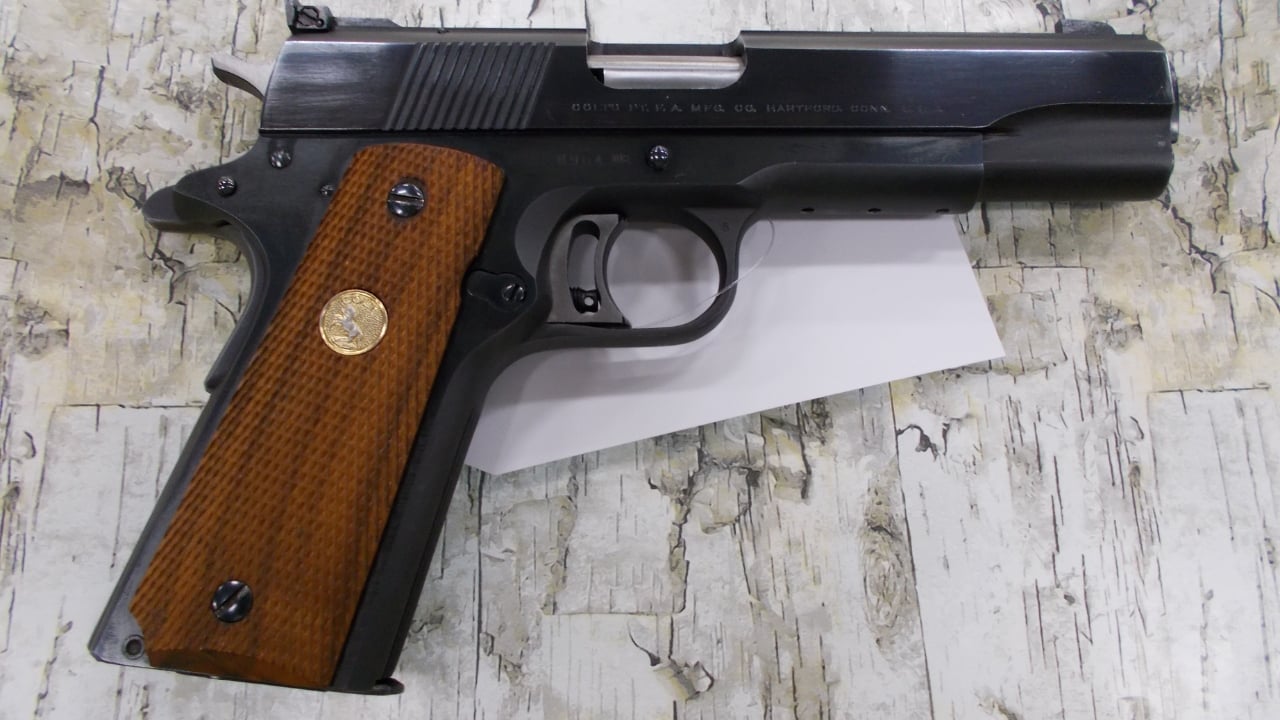
The .38 Special Mid Range versions of Colt’s National Match pistols are another example of highly specialized target guns that become much more interesting after they disappear from ordinary circulation. They were built for bullseye competition and designed around light target ammunition rather than defensive use. That narrow purpose limited their appeal when they were simply old competition pistols.
Today, that same narrow purpose makes them fascinating. If I owned a correct example, I would not sell it just because another pistol was more practical. Practical guns are everywhere. A factory Colt built around an obsolete competition niche is considerably harder to replace.
Smith & Wesson Model 952-2
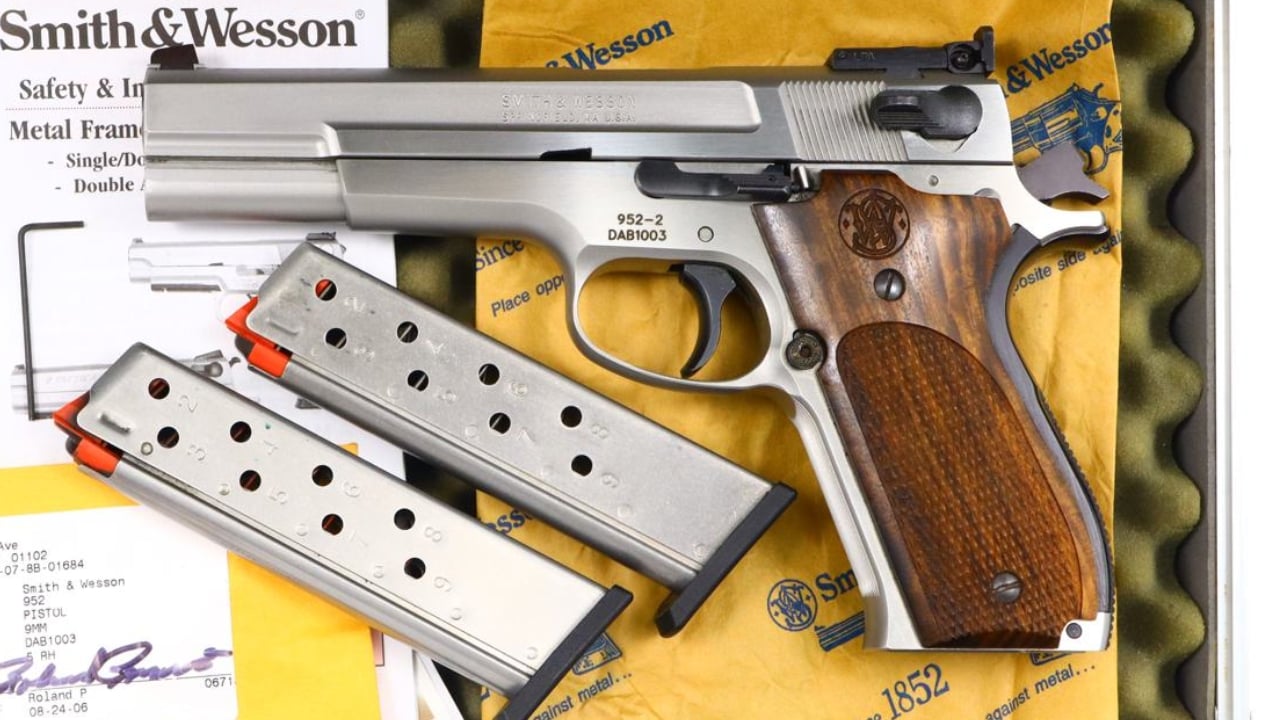
The 952-2 is the kind of pistol owners can regret selling almost immediately because very few production handguns occupy the same space. Built around 9mm and target-level accuracy, it combines excellent fitting, a single-action trigger, and Performance Center craftsmanship in a pistol that feels purpose-built rather than mass-produced.
It can seem excessive if you already own several accurate 9mms. The mistake is assuming accurate and identical are the same thing. A good 952-2 has a particular balance and trigger quality that makes it more than another range pistol. Once you sell it, replacing one usually requires patience and a much larger check than expected.
SIG Sauer P210 Legend
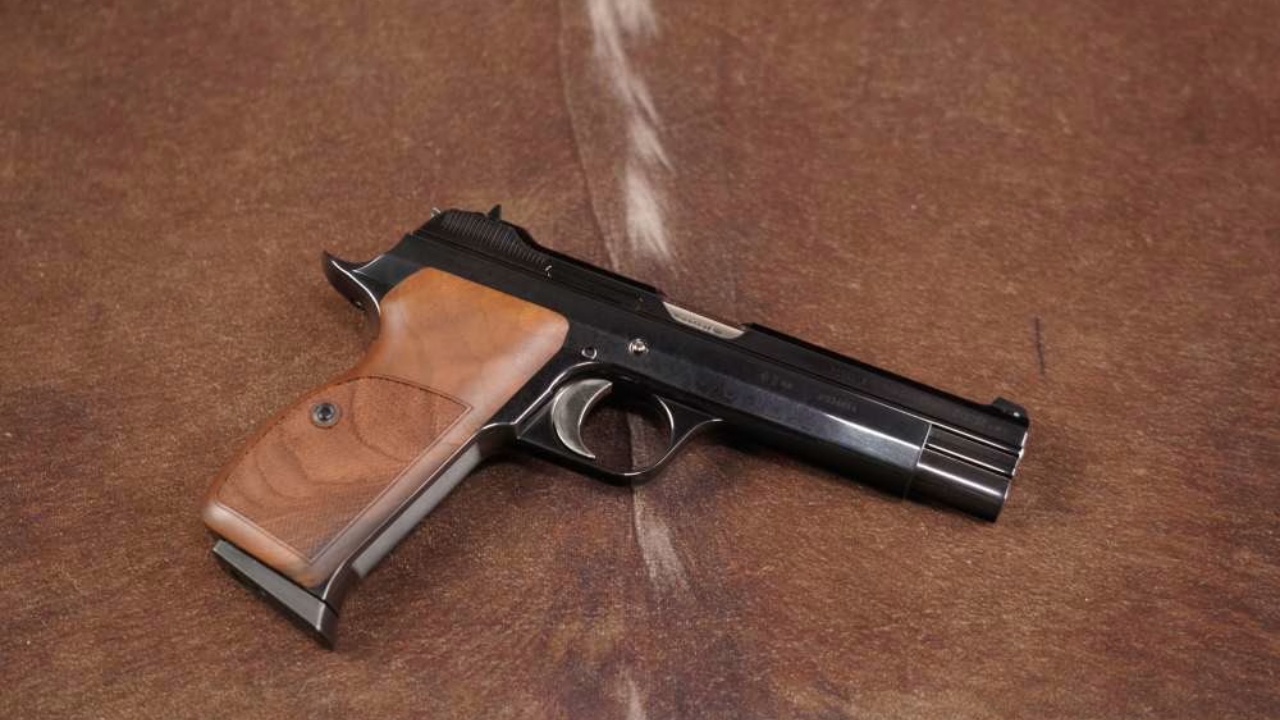
The P210 Legend brought the classic P210 concept into a version intended for modern commercial buyers while retaining much of what made the platform special. The low slide, excellent trigger, tight fit, and extraordinarily natural grip angle make it a pistol that rewards deliberate shooting. It does not offer huge capacity or the modularity of modern service pistols, but that is not why people buy one.
Owners sometimes sell them because the P210 spends more time being admired than carried. That can be a mistake. Once you realize how few production pistols deliver that same mechanical feel, the money from the sale starts looking much less satisfying.
Walther P38K
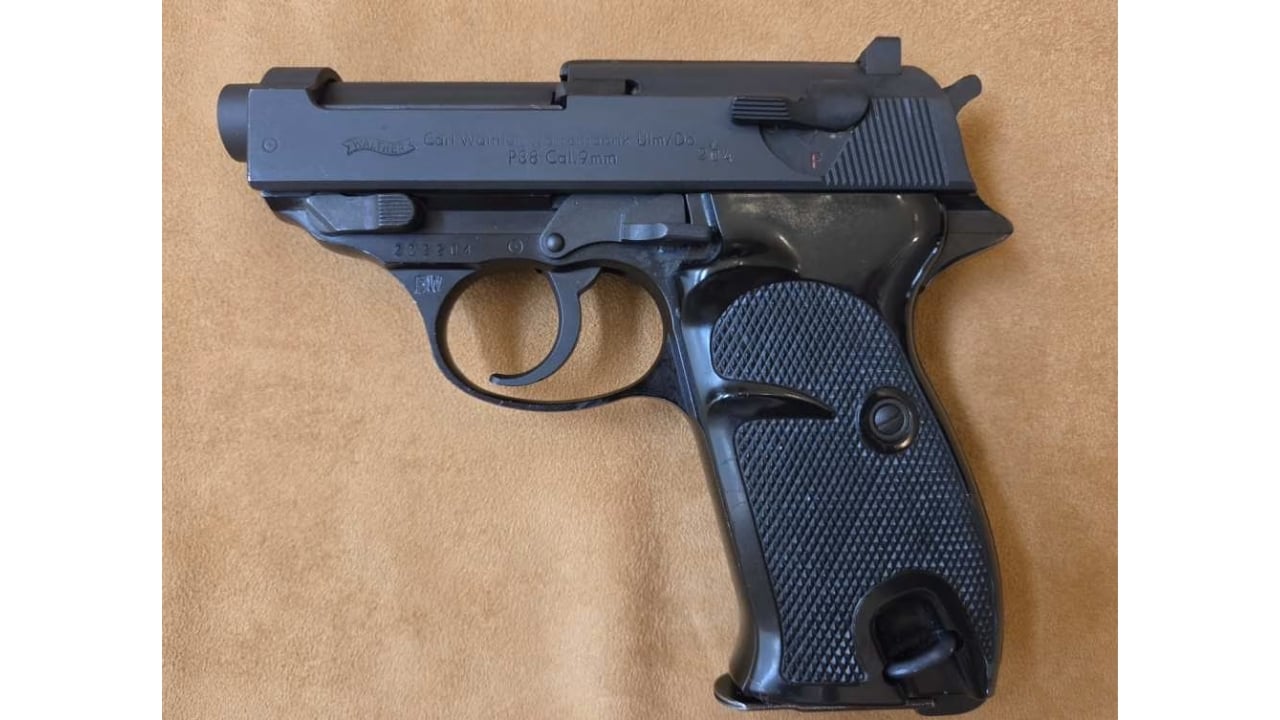
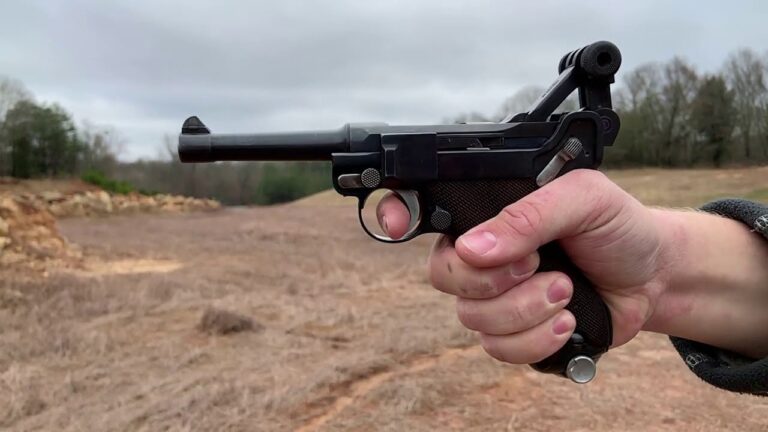
The P38K is exactly the kind of unusual factory variant I would hate to sell and later try to replace. Shortening the classic P38 concept produced a pistol with a distinctive appearance and a much different balance from the standard military-length gun. It is not something that ever existed in overwhelming numbers, which immediately makes surviving examples interesting.
This is a gun somebody might sell because it is not especially practical compared with a modern compact. That misses the reason to own it. The P38K represents an unusual branch of a famous design, and once one leaves the collection, finding another clean example can become a much bigger project than expected.
HK P9S Target
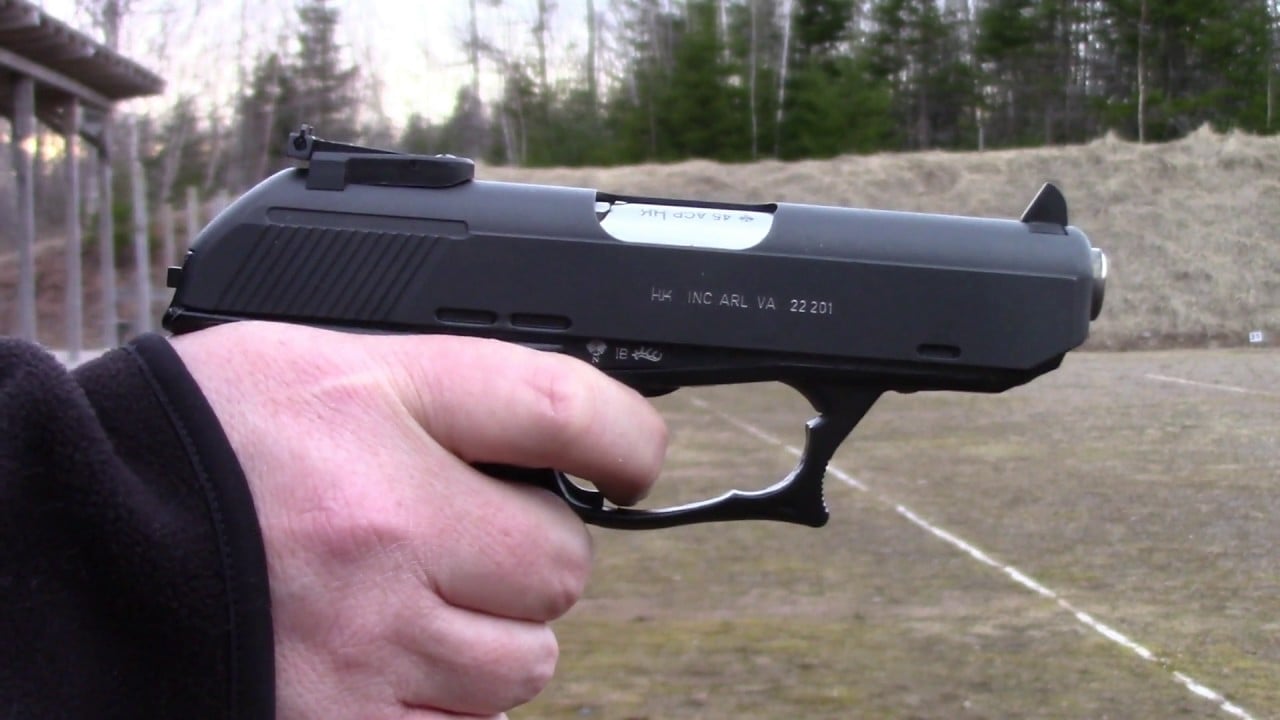
The Target versions of the P9S take an already unusual roller-delayed pistol and push it farther toward precision shooting. The operating system gives the gun a distinctive recoil impulse, while the target configuration adds the kind of sights and trigger refinement that make deliberate shooting incredibly satisfying. There is very little in current handgun production that behaves the same way.
That makes selling one particularly risky. You can replace the role with another target pistol, but not the experience. Guns built around unusual mechanical systems become more difficult to replace every year after production ends.
Browning Medalist
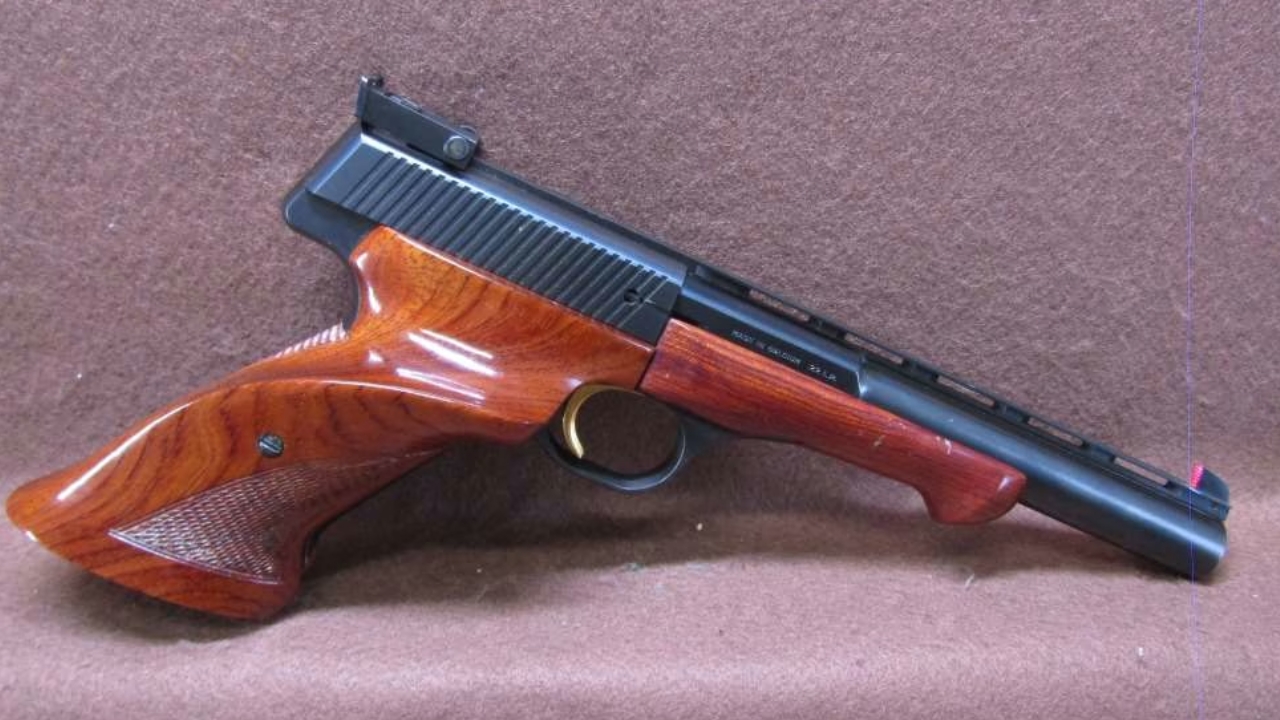
The Medalist is one of Browning’s classic target .22 pistols and one of those guns that makes modern rimfires seem almost utilitarian by comparison. The sculpted grip, excellent trigger, balance, and high level of finish make it feel like something built when manufacturers were willing to put serious craftsmanship into a rimfire handgun.
An owner might sell one because it is too nice to shoot regularly or because a cheaper .22 performs nearly as well on paper. That is exactly how regret begins. Once you no longer have it, the fact that another pistol can group similarly does not make the replacement feel remotely the same.
High Standard Victor
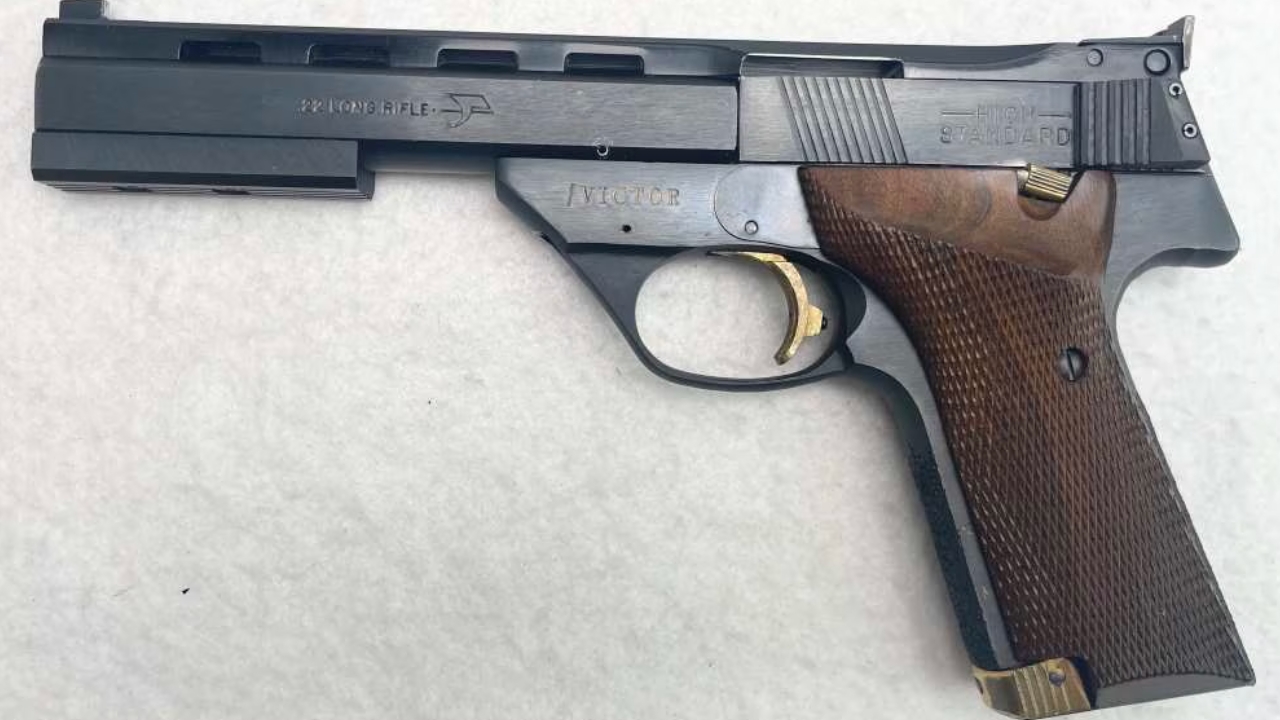
The Victor is another target pistol that becomes difficult to replace once you have experienced a good one. The low bore axis, excellent trigger, distinctive barrel profile, and competition heritage give it a shooting personality that modern polymer rimfires cannot duplicate. These pistols were serious tools for bullseye shooters, not inexpensive recreational plinkers.
Selling one may seem reasonable if you no longer compete. Years later, though, owners often discover they still miss shooting it. A gun does not need to be necessary to be worth keeping, especially when production ended long ago and clean replacements are becoming increasingly expensive.
Colt New Frontier Buntline .22
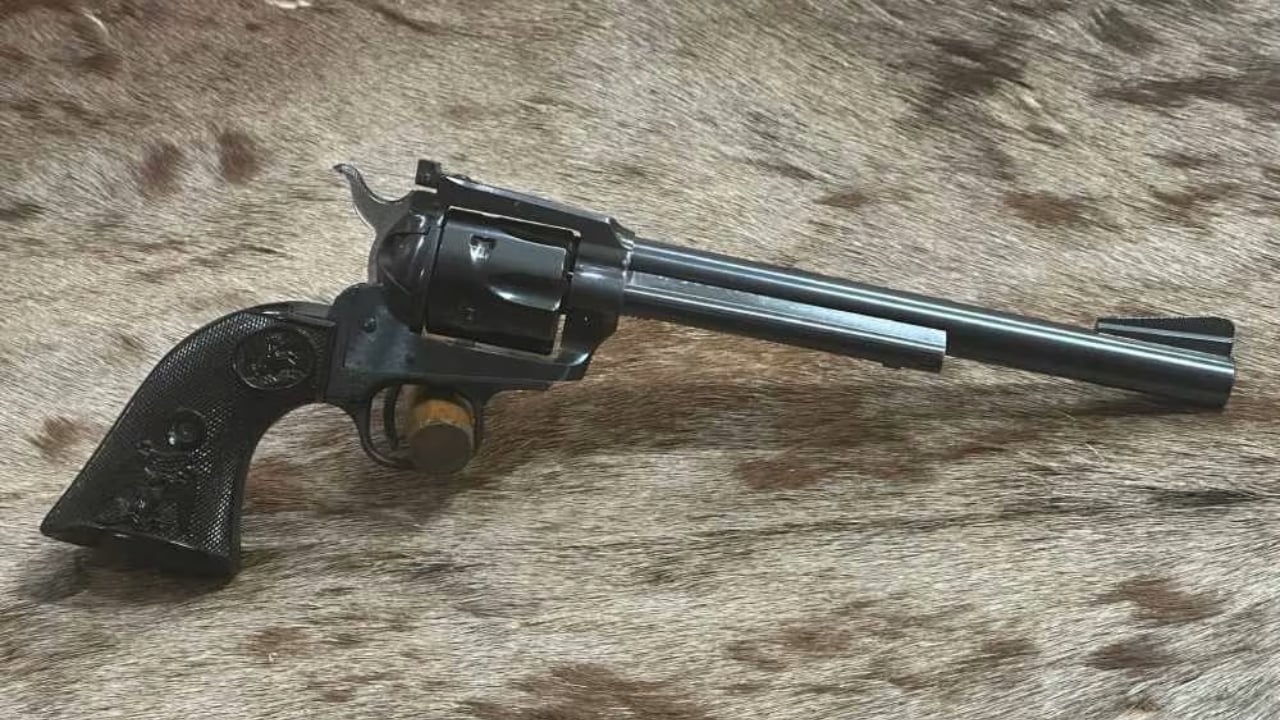
The long-barreled New Frontier Buntline in .22 is exactly the type of revolver people can dismiss as awkward until they sell one and realize how much personality it had. The long sight radius, traditional single-action controls, and classic Colt styling make it an enjoyable target and field revolver even if nobody would call it compact.
More importantly, it is not something you can simply walk into a store and replace with an identical new gun. Unusual barrel lengths and discontinued Colt configurations have a habit of becoming considerably more desirable once enough owners decide they want them back. If I already had a clean Buntline, I would let something much easier to replace leave the safe first.
Like The Avid Outdoorsman’s content? Be sure to follow us.
Here’s more from us: