Photo credit: Vortex Optics/YouTube
Walk the used-gun racks long enough and you start noticing a pattern. The rifles that get traded off aren’t always the ones that “quit working.” A lot of times they’re the ones that worked so well and so predictably that their owner got bored, got tempted by the newest action design, or decided a lighter stock and a different logo would somehow make them a better hunter.
I like new rifles. I also like dead-simple rifles that you can run with cold hands, a fogged scope, and a pocket full of mixed ammo you’ve been hoarding since before prices went sideways. The truth is, some older hunting rifles still do the job so well that the only reason to replace them is wanting something different. And wanting something different is fine, but it doesn’t automatically mean better.
1. Winchester Model 70 (pre-64)
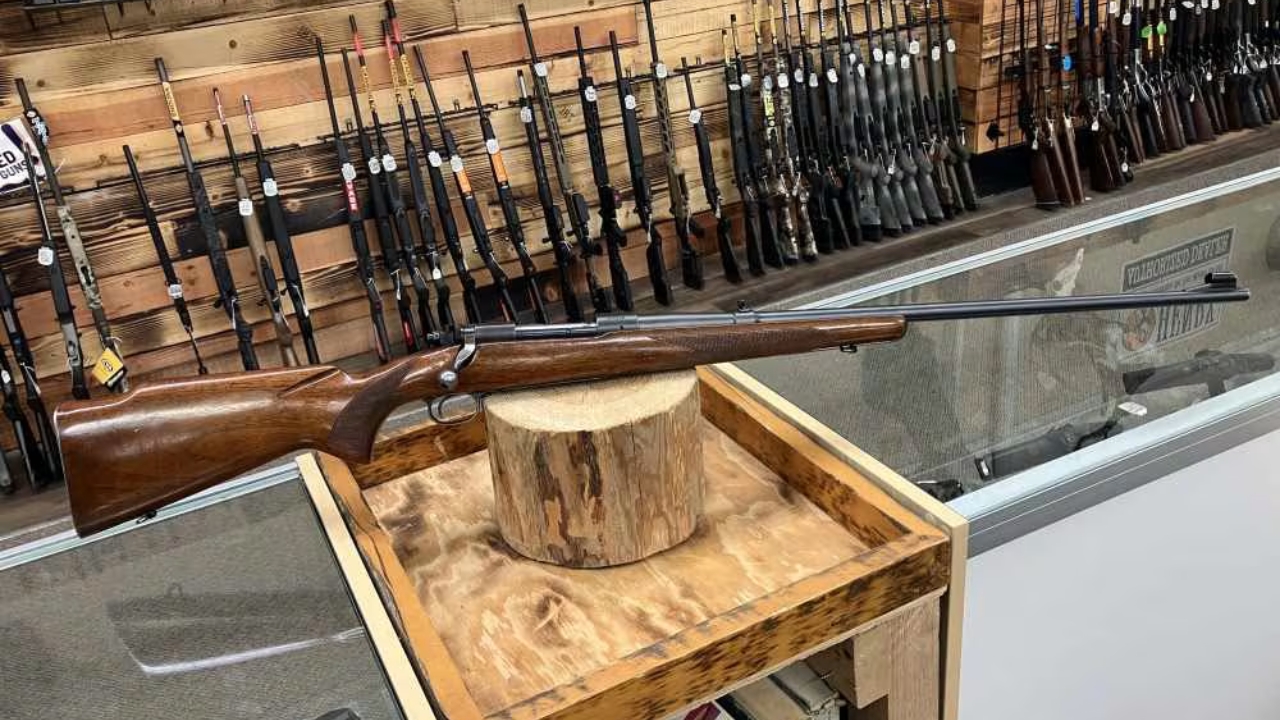
If you’ve ever cycled a clean pre-64 and felt that bolt glide, you know why folks keep talking about it. The controlled-round feed isn’t just an internet flex; it’s confidence when you’re running the bolt fast and the rifle is canted on a hillside or you’re in awkward brush.
They aren’t light, and you don’t buy one for “modern features.” You buy one because it’s a serious rifle that feels like it was built to be used hard for decades. When someone trades one for the newest wonder rifle because it’s two pounds lighter, I get it… but I still wouldn’t be quick to let one go.
2. Remington Model 700 BDL (older, blued/walnut)
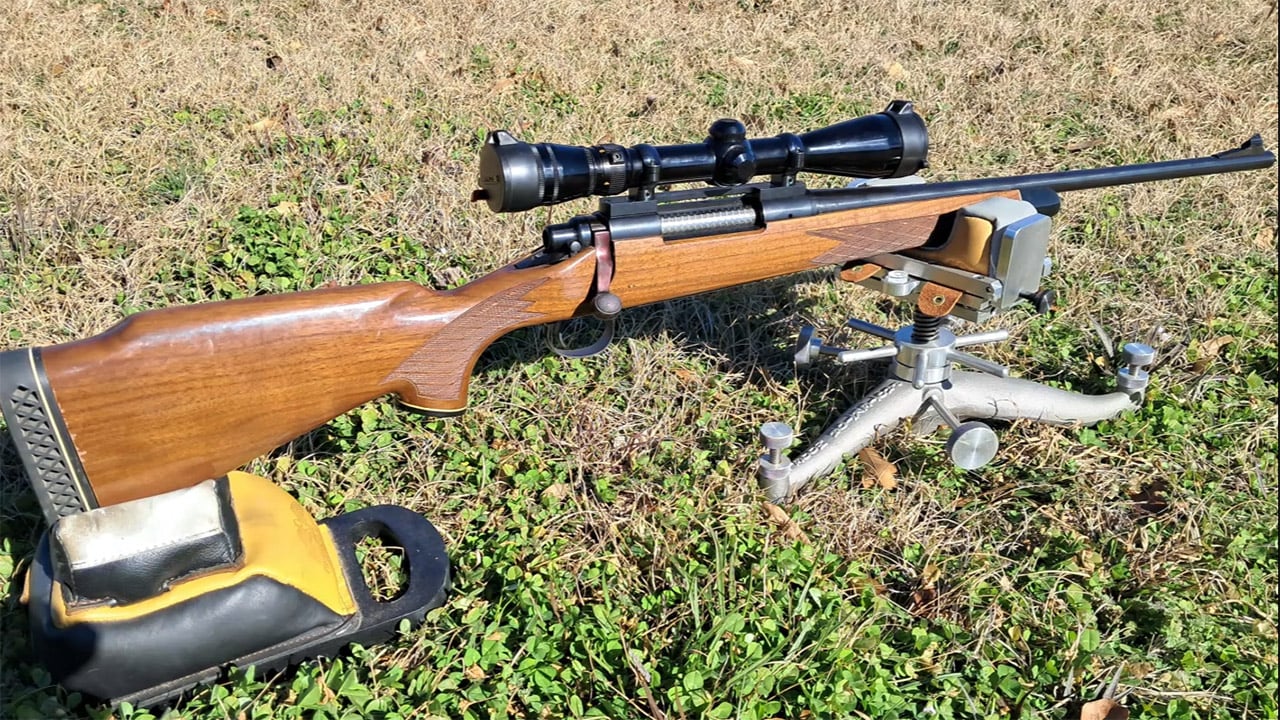
The old BDLs were the deer-camp standard for a reason. They carry well, they point naturally, and a lot of them shoot better than they have any right to with plain hunting ammo. There’s nothing fancy about it, and that is kind of the point.
Sure, newer rifles may ship with threaded muzzles and detachable mags. But when you’re slipping along a fence line at first light, a slick old 700 with a good sling and a simple 3-9x still feels like cheating. Also, parts and mounts are everywhere, and any competent smith knows them.
3. Ruger M77 Mark II
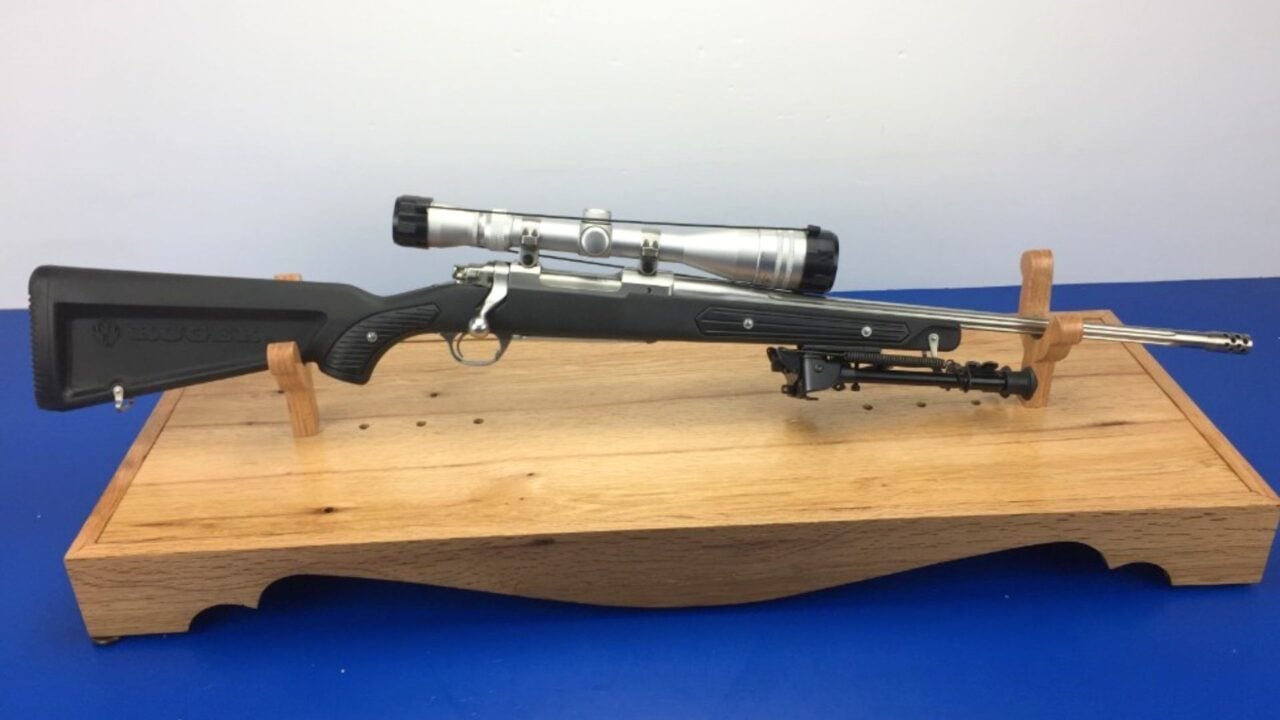
The M77 Mark II is one of those rifles that feels like it was designed by people who actually hunt in bad weather. The action is stout, the extractor is beefy, and the three-position safety is easy to use with gloves without feeling like you’re doing surgery.
They can be a little stiff when new, and some triggers were nothing to write home about until you got them sorted. But they’re the kind of rifle you can drop in wet leaves, wipe off on your pant leg, and keep hunting without a drama session.
4. Ruger M77 Hawkeye (standard, not the lightweight trend)

This is the follow-up to the Mark II that a lot of hunters quietly prefer, especially once Ruger got their triggers in a better place. It’s still a “real rifle” with enough weight to settle in on sticks and not jump all over the county when you touch it off.
The Hawkeye doesn’t try to be tactical and it doesn’t try to be cute. It’s a working bolt gun with field manners. If you mostly hunt whitetails and the occasional elk trip, it’s hard to argue with that.
5. Savage Model 110 (older walnut or plain synthetic)
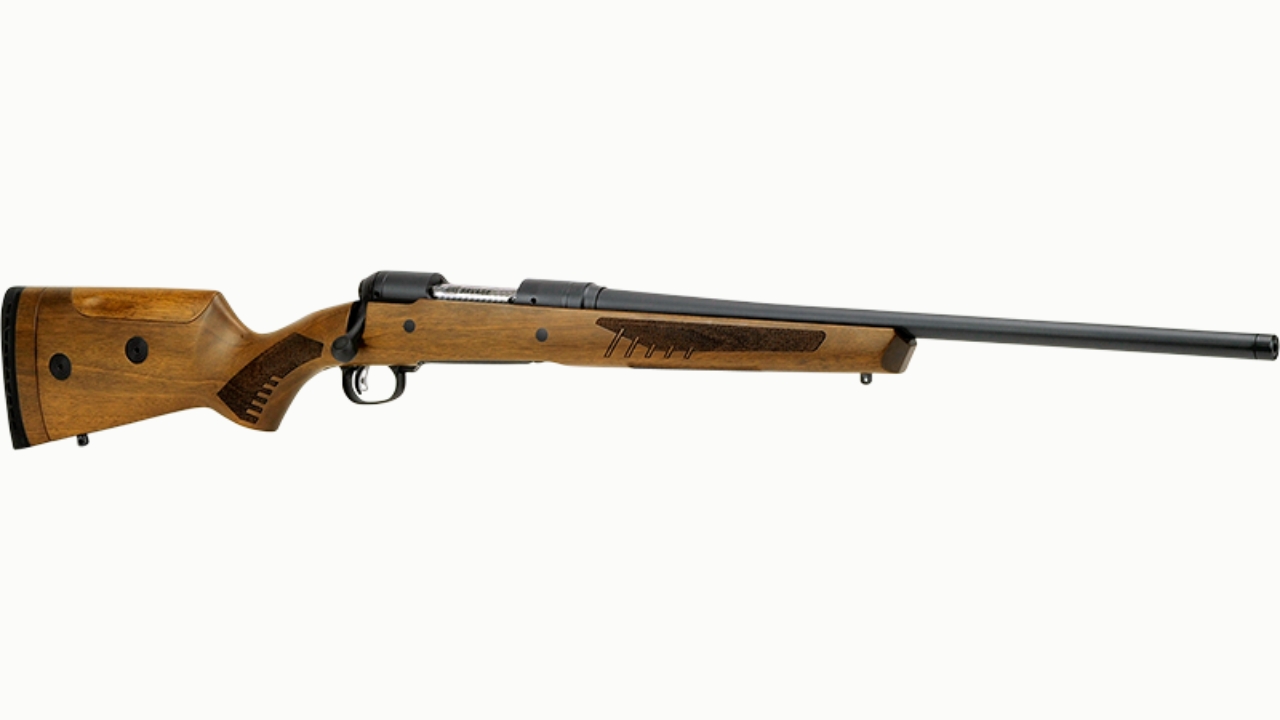
The 110 isn’t glamorous. It’s the rifle that kept showing up in camps because it shot straight and didn’t ask for attention. That barrel nut system also meant a lot of them stayed accurate long after other rifles started wandering.
Newer Savages have plenty going for them, but the older 110s are the definition of “boring but effective.” If you’ve got one that prints honest groups and feeds right, don’t assume a newer rifle will magically improve your season.
6. Savage Model 99

Levers aren’t for everybody, and the 99 is a little different than the cowboy-gun crowd expects. But it carries like a dream and handles in thick timber where a long bolt gun feels like a fence post. There’s a reason it still has a loyal following.
It’s also a rifle that tends to make people smile until they look at current prices. That one hurts. If you ever let a clean 99 go because you “weren’t using it much,” you probably found out later that buying back in is not pleasant.
7. Marlin 336 (JM-stamped)

A good 336 is a brush rifle that just works. It comes up fast, it rides in a truck without snagging on everything, and it doesn’t need to be babied. With the right load, it’s plenty of gun inside normal woods ranges.
New lever guns can be excellent, but the older JM guns have a feel that’s hard to describe until you’ve run one a lot. The action smooths out, the balance is right, and it becomes part of your hands.
8. Winchester Model 94 (pre-safety)

This is another rifle that gets traded away because it’s “old” and then gets missed when the leaves are down and you’re still-hunting. The Model 94 is light, quick, and honest. It was never meant to be a benchrest rifle.
Find one that shoots your chosen load well and you’ve got a rifle that’s easy to carry all day. The newer stuff might group tighter, but tight groups don’t matter much if the rifle feels clumsy when a buck appears at 40 yards.
9. Browning A-Bolt (original series)

The old A-Bolts are slick. The bolt throw feels fast, the rifles carry well, and they tend to be the kind of “quiet accurate” that surprises you when you finally shoot them off bags instead of just zeroing and heading out.
The magazine system isn’t everyone’s favorite, and you do want to keep track of parts. Still, these rifles are often better in the field than the spec sheet crowd gives them credit for.
10. Browning BAR (hunting model)

Autoloaders in deer camp can get side-eye, but a good BAR has probably put more venison in freezers than people admit. They’re soft-shooting, they stay on target, and they’re forgiving when adrenaline gets involved.
They’re not light, and they’re not cheap to tinker with. But if you’ve got a BAR that runs clean and reliable, it’s a “keep it” rifle unless you just don’t want to carry the weight anymore.
11. Weatherby Mark V (classic models)
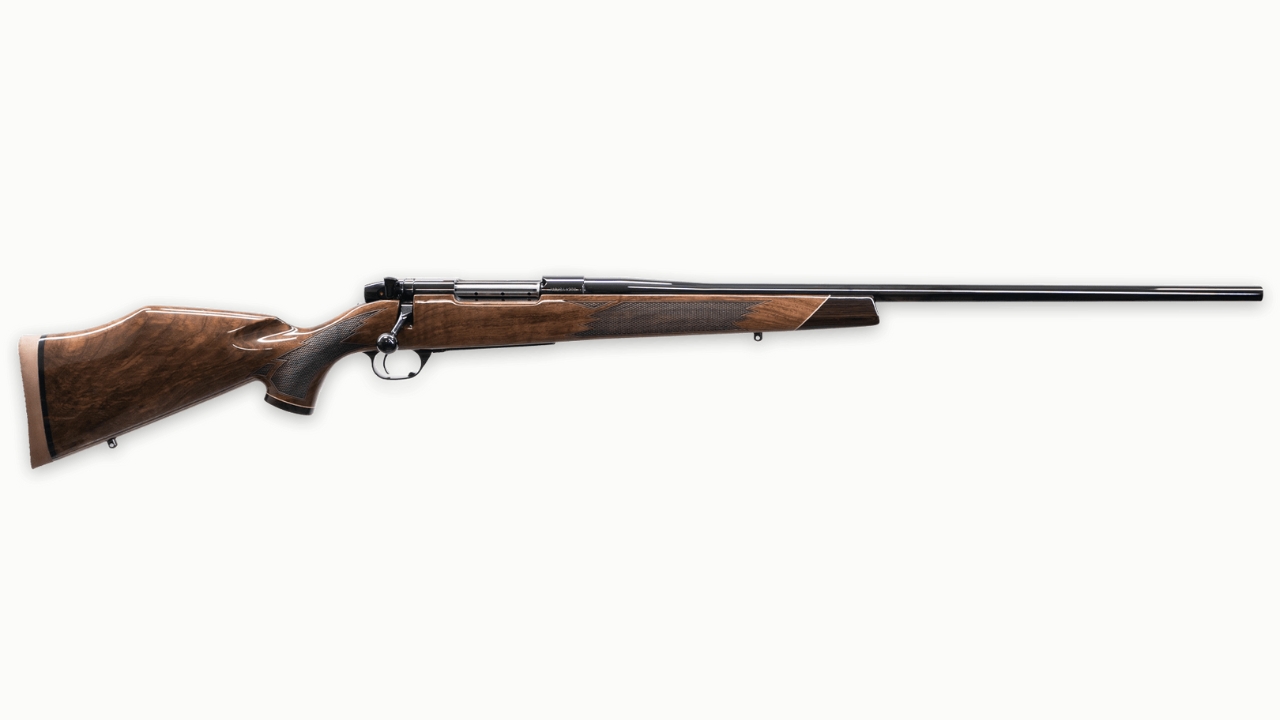
Mark Vs are overbuilt in the best way. The action feels like it’s on rails, and they handle high-pressure cartridges with the kind of calm that makes you trust them. They’re also usually finished well enough that you can tell someone cared.
They can be spendy, and not everybody needs a magnum. But when you see someone dump a Mark V because they want the newest carbon-whatever rifle, it’s worth pausing and asking what problem they’re solving.
12. Weatherby Vanguard (Howa-made, early generations)

The Vanguard has been a quiet killer for a long time. They shoot, they’re dependable, and they usually feed like they mean it. The action isn’t flashy, but it’s solid.
Newer budget rifles have gotten better, no doubt. But the older Vanguards are the kind of rifle you can hand to a kid or a visiting buddy and not worry about whether it will do its job when the moment shows up.
13. Sako L61R “Finnbear”

This is where you start seeing what “nice” really meant before everything went polymer and ultra-matte. The Finnbear actions are smooth, the fit is excellent, and they have that balanced feel that makes you want to keep walking with it.
They aren’t for the guy who wants to drag a rifle through rocks and never wipe it down. But if you care about how a rifle cycles and how it feels in the shoulder, these are hard to beat.
14. Tikka M695
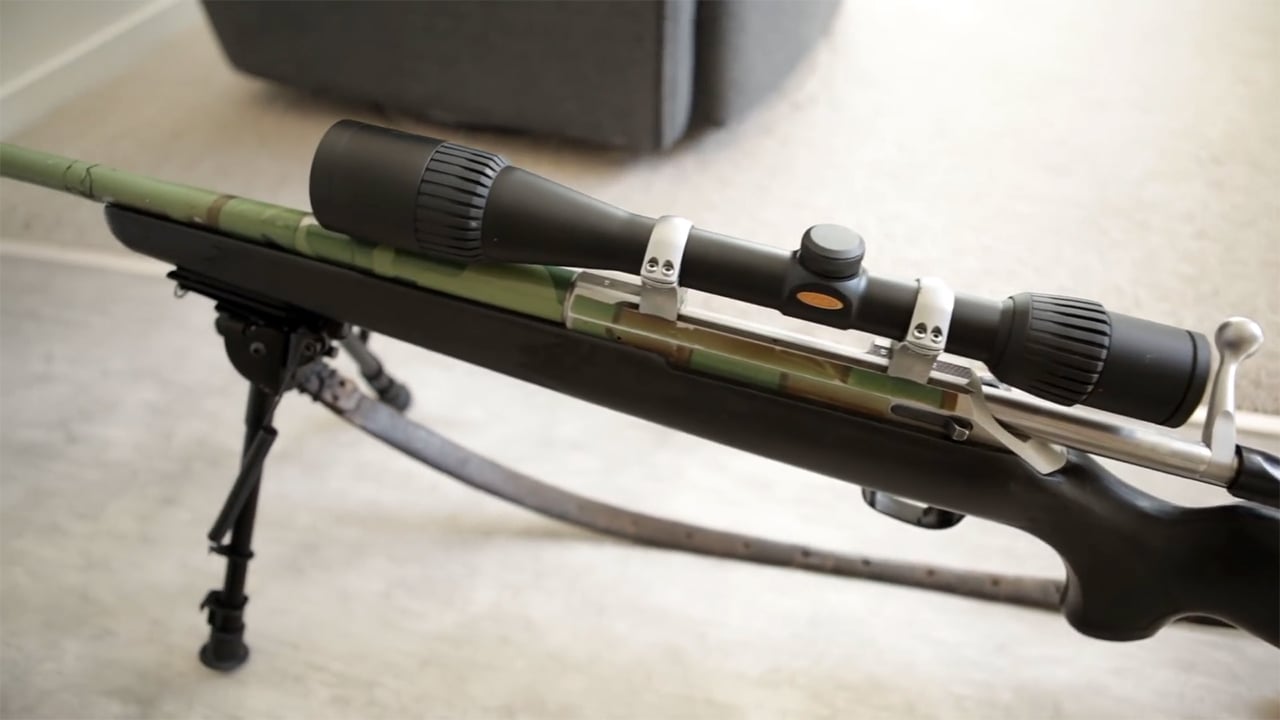
Before the T3 era, the M695 was a stout, well-made rifle that still has fans who won’t let them go. They’re accurate, the action is slick, and the whole rifle feels more “machined” than “assembled.”
Newer Tikkas are great, but the older M-series rifles have their own following for a reason. If you see one used, don’t assume it’s outdated. It’ll still stack bullets and it’ll still hunt.
15. CZ 550
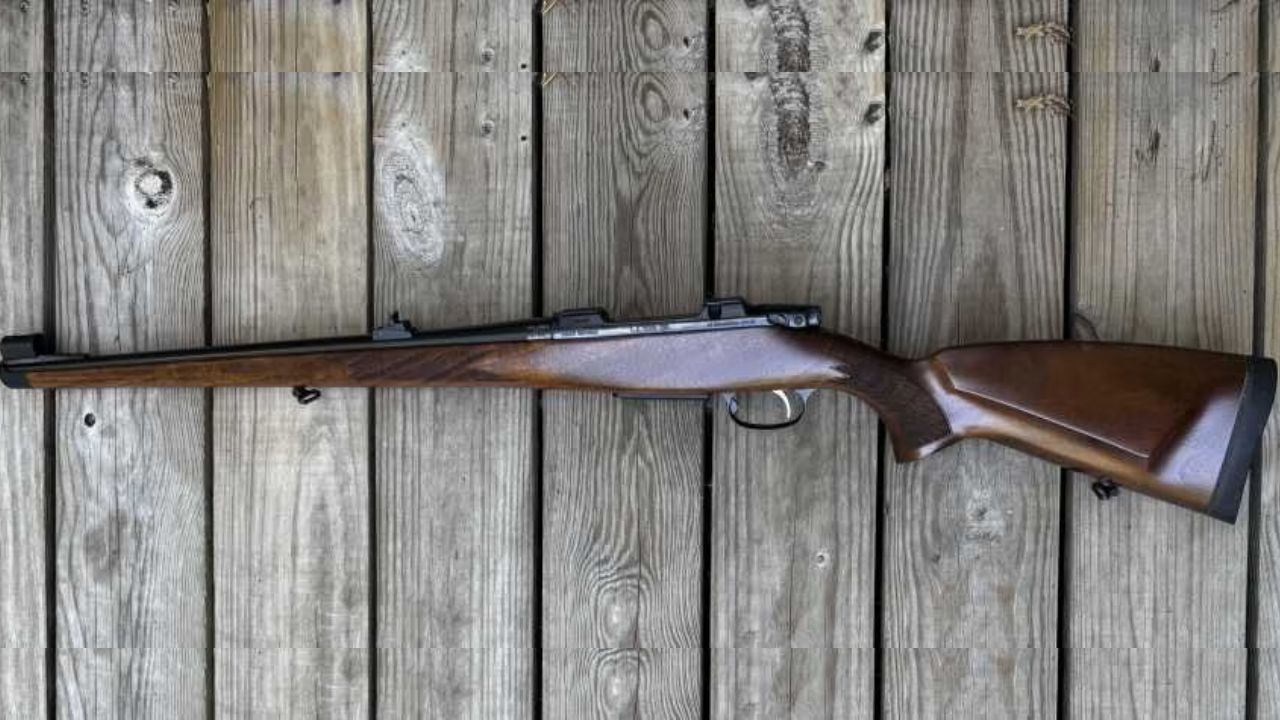
The 550 has that classic, no-nonsense European hunting rifle vibe, and it backs it up with real-world performance. Controlled-round feed, sturdy build, and generally good accuracy with hunting ammo. It feels like a rifle that expects to be carried far from pavement.
It isn’t the lightest thing around, and some versions have features not everybody loves. But in the “one rifle for rough hunting” category, it’s hard to argue against.
16. Springfield Armory M1A (Standard)
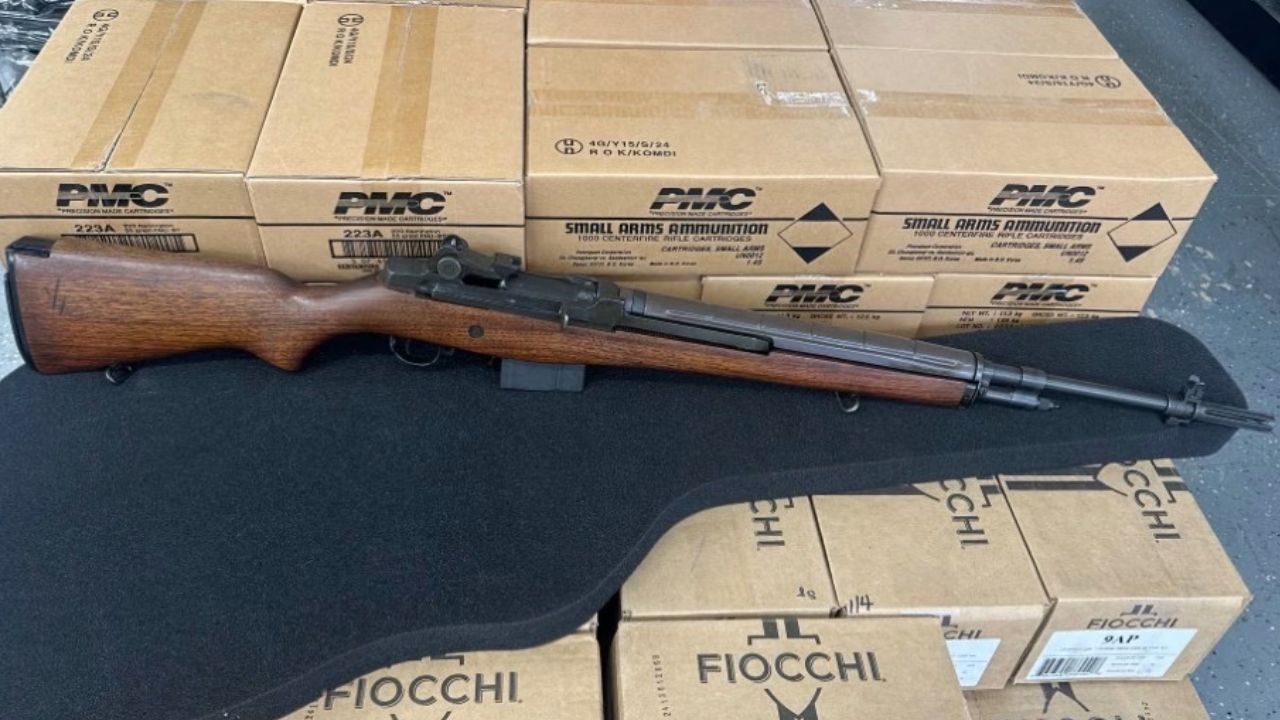
Is it a perfect hunting rifle? No. Is it heavy? Yes. But there’s a reason a standard M1A still earns space in a lot of safes. It’s a rifle you can practice with, run hard, and depend on, and .308 is still .308.
Newer semi-autos are lighter and often easier to mount optics on. But the M1A’s balance and irons (when set up right) are a real thing, and it’s a rifle that rewards actual range time instead of endless accessory shopping.
17. Ruger No. 1

A single-shot is a mindset. The Ruger No. 1 makes you slow down, pick your shot, and make it count. It also carries beautifully, especially in the woods, because the overall length stays handy even with a longer barrel.
It’s not the choice for everyone, and you have to accept that follow-up shots are on you. But if you’re the kind of hunter who likes simple gear and clean lines, the No. 1 is still hard to replace once you sell one.
18. Winchester Model 88
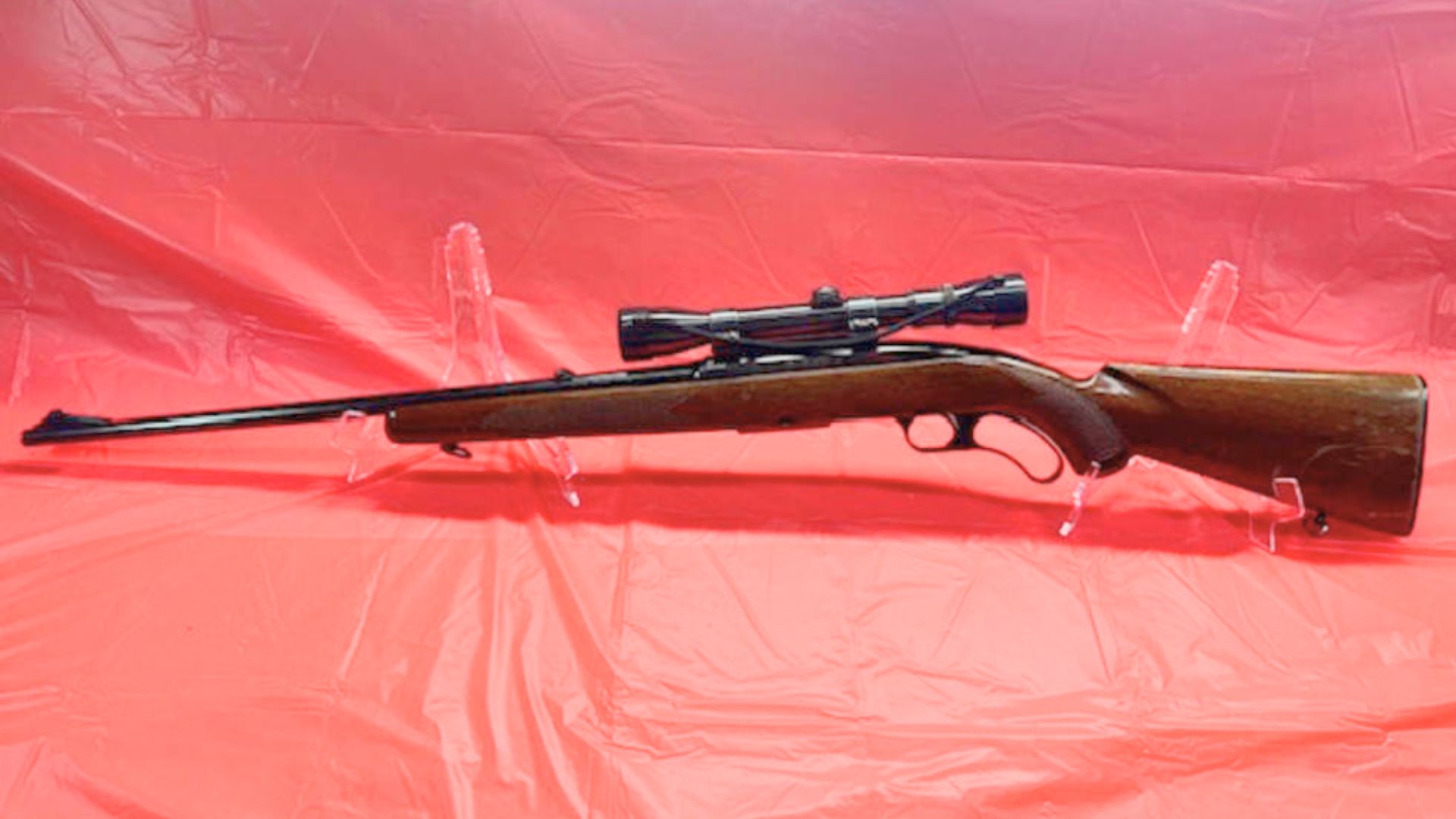
The Model 88 is one of those rifles that confuses people until they spend time with it. It’s a lever gun that feels almost like a bolt gun in how it locks up, and it points fast without giving up the feel of a serious hunting rifle.
They aren’t cheap anymore, and magazines can be a pain if you don’t already have them. Still, as a carry rifle for deer woods, it’s a whole lot of “right” in one package.
19. Remington Model 760/7600 (pump rifle)

Pump rifles don’t get enough respect. A 760 or 7600 in .30-06 or .308 is fast, familiar if you grew up on pumps, and it can be extremely effective in thick cover where shots come quick and close.
They aren’t as common as they used to be, and clean examples get snagged fast when they hit the used racks. If you’ve got one that shoots well, it’s a smart rifle to hang onto, especially if your hunting is mostly woods and drives.
20. Mosin-Nagant M91/30 (as a knock-around hunting rifle)

I know, I know. The Mosin isn’t refined, and some of them have triggers that feel like you’re dragging a cinder block. But they’re tough, simple, and they still put a big bullet through a deer if you do your part and you’ve verified your rifle actually shoots.
The real point here is not that it’s the best. The point is that “new” isn’t the only path to “works.” If you’ve got an old surplus rifle set up safely, shooting a known load accurately, and you hunt within its limits, it can still fill a tag.
New rifles are fun. Lighter is nice. Fancy coatings and modular parts can be genuinely useful. But the older rifles on this list prove something every season: a rifle that carries right, feeds right, and shoots where it looks will beat a feature list every time. If you’ve got one of these that you trust, don’t trade it off just because the internet says the next thing is the next thing.
Like The Avid Outdoorsman’s content? Be sure to follow us.
Here’s more from us: