Photo credit: NRApubs/YouTube
Most deer hunters are not climbing mountains for ten straight days or taking 500-yard shots across canyons. They are sitting in box blinds, climbing into stands before daylight, walking creek bottoms, watching logging roads, and occasionally crossing an open field where a buck might step out at 150 or 200 yards. That kind of hunting does not require an extreme rifle. It requires one that carries easily, shoots accurately, handles bad weather, and does not make an ordinary deer shot more complicated than it needs to be.
That is what I like about the rifles on this list. Some are affordable bolt actions, some are classic lever guns, and a few are heavier rifles that make perfect sense when most of the season is spent sitting rather than hiking. These are the deer rifles I would choose for the kind of hunting most people actually do every fall.
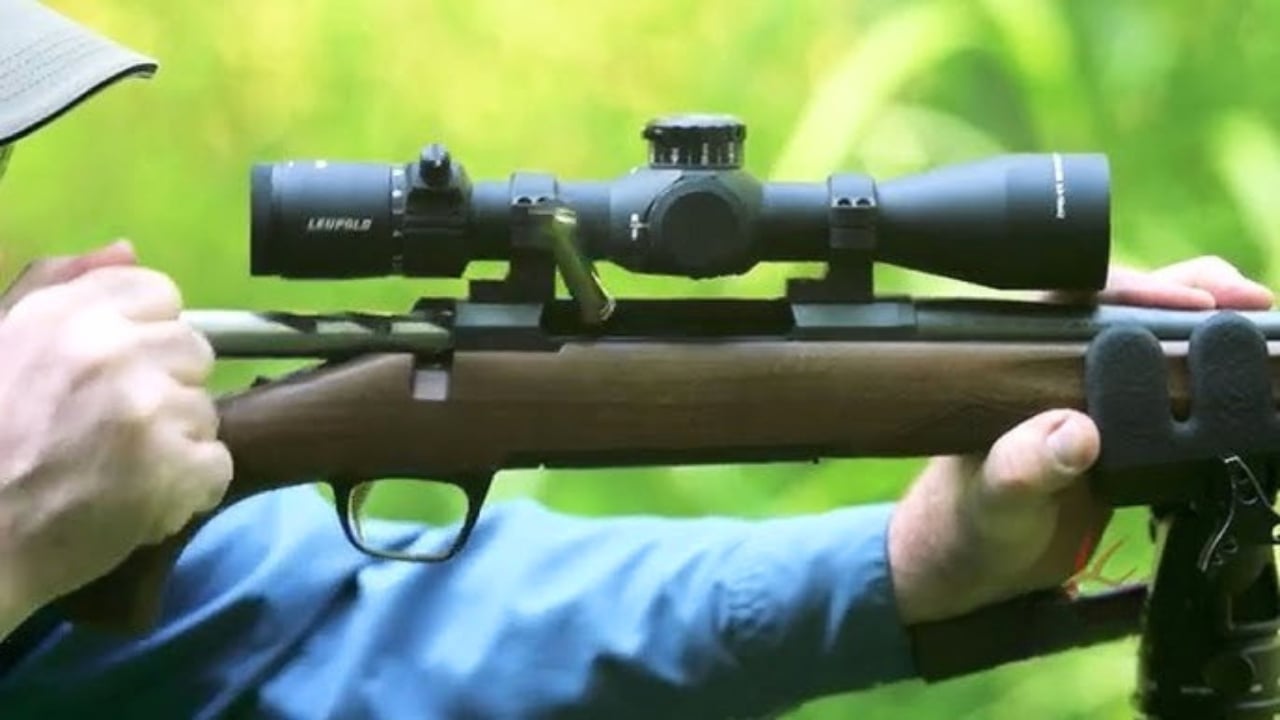
Winchester XPR

The Winchester XPR makes a lot of sense for the hunter who spends most of deer season moving between a truck, stand, and shooting range rather than carrying a rifle for ten miles a day. It is a practical synthetic-stocked bolt action that can handle wet mornings, muddy boots, and the occasional bump against a ladder stand without making the owner panic over every scratch. In .308 Winchester, .270 Winchester, or .30-06, it gives most hunters all the cartridge they realistically need.
I especially like rifles like the XPR because they leave room in the budget for good glass and plenty of ammunition. A dependable hunting rifle with a sensible scope and a shooter who knows where it hits is far more useful than an expensive rifle that only gets three rounds fired before opening morning.
Savage Axis 2
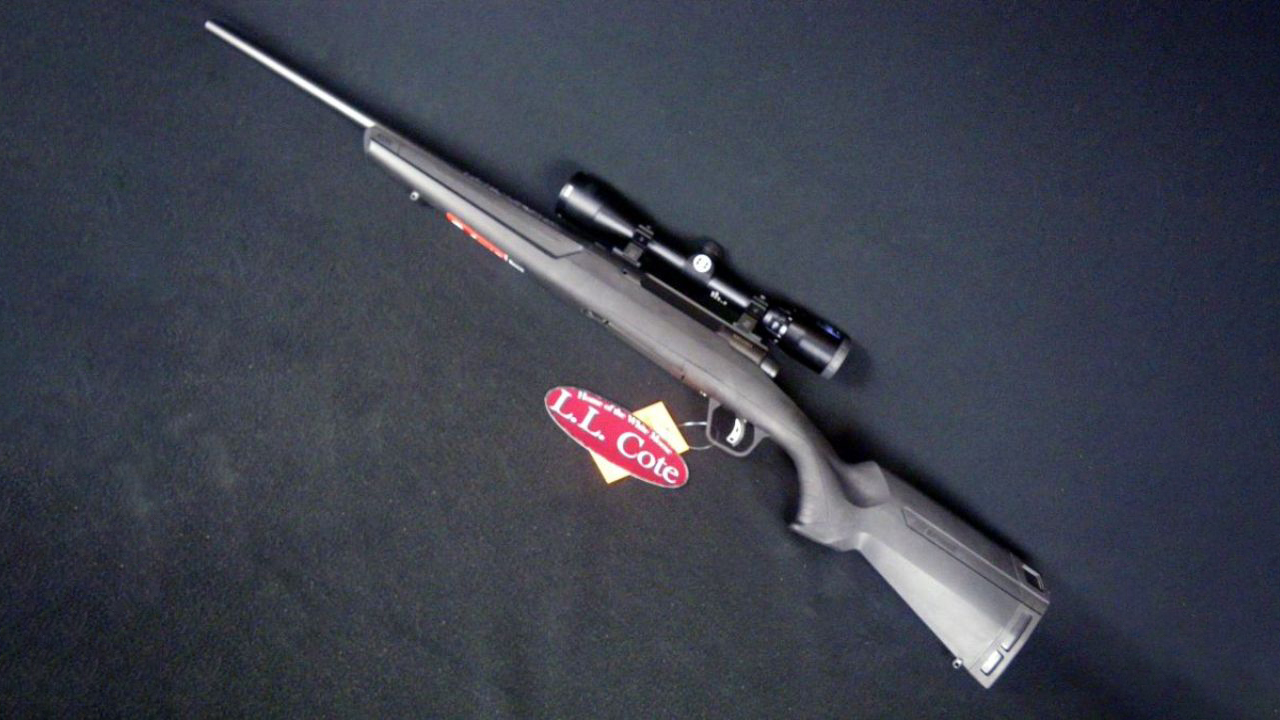
The Axis 2 is built for the hunter who wants to buy one rifle, zero it, and go hunt deer without turning the purchase into a major project. It is not trying to compete with premium mountain rifles or custom long-range builds. It is a straightforward bolt action that works well in the exact kind of 75- to 200-yard deer hunting most people experience.
A version chambered in .308 Winchester, .243 Winchester, or 6.5 Creedmoor would cover a huge percentage of whitetail hunting. I would spend more time finding ammunition the rifle likes than worrying about replacing parts immediately. Affordable rifles have become accurate enough that the limiting factor is often the person behind the trigger rather than the gun. The Axis 2 fits that reality perfectly.
Ruger American Ranch

The Ruger American Ranch is one of my favorite ideas for hunters who spend most of their season in thick cover or blinds where a compact rifle is genuinely easier to live with. Short barrels and handy overall dimensions make the rifle less awkward climbing into enclosed stands and easier to maneuver through brush than a long traditional sporter.
I would especially like one in .350 Legend or .300 Blackout where local laws and hunting distances make those cartridges practical. This is not the rifle I would choose for wide-open Western country, but most deer hunters are not doing that. For a whitetail that steps out across a food plot or logging road inside normal ranges, the Ranch gives me exactly what I need without carrying anything extra.
Browning X-Bolt Hunter

The X-Bolt Hunter is the kind of rifle I would buy if I wanted something nicer than a basic synthetic bolt gun but still intended to hunt with it every season. The walnut stock and traditional appearance make it feel like a proper deer rifle, while the action and trigger give it the modern refinement I want once it is time to shoot.
I would lean toward .308 Winchester, .270 Winchester, or 7mm-08 for ordinary deer hunting. Those cartridges pair well with a rifle that may spend one morning in a hardwood stand and the next overlooking a pasture. The X-Bolt does not need to be transformed into a long-range rig to be useful. A moderate scope and good sling are enough. It is the kind of rifle I could hunt with for decades without feeling the need to replace it.
Tikka T3x Hunter
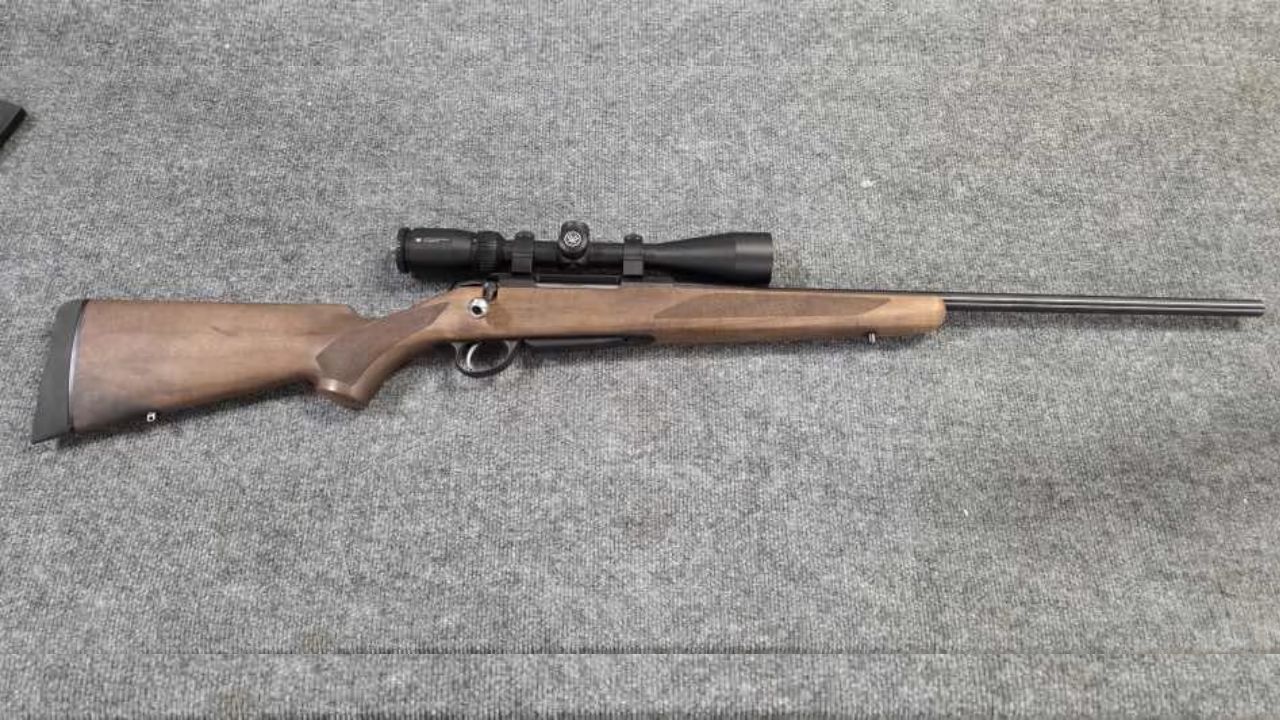
The Tikka T3x Hunter is another rifle that fits normal deer season extremely well because it combines a smooth action with a traditional walnut stock and sensible weight. It is not excessively heavy, but it also does not feel so light that every shot becomes more difficult to steady. That middle ground matters for hunters who spend equal time carrying and sitting.
I would happily hunt whitetails with one in .308 Winchester, .270 Winchester, or 6.5 Creedmoor. The biggest appeal is consistency. Tikka rifles have a reputation for smooth operation and solid accuracy, which means less time wondering whether the rifle is the problem. If I know where the first cold-barrel shot lands, I can stop thinking about the equipment and concentrate on the deer.
Mossberg Patriot Predator

The Patriot Predator makes sense for hunters who want a rifle that can cover deer season and still be useful for predators or general property shooting the rest of the year. The heavier barrel profile compared with some ultra-light hunting rifles helps the gun settle down on a rest, which is useful when most shots come from a box blind or field edge.
I would keep the setup simple in .308 Winchester or 6.5 Creedmoor and avoid adding unnecessary weight. A medium-power hunting scope is enough for most real-world deer distances. The Patriot may not be the rifle people gather around at camp, but that is fine with me. A deer rifle should spend more time being dependable than being impressive.
CVA Cascade XT
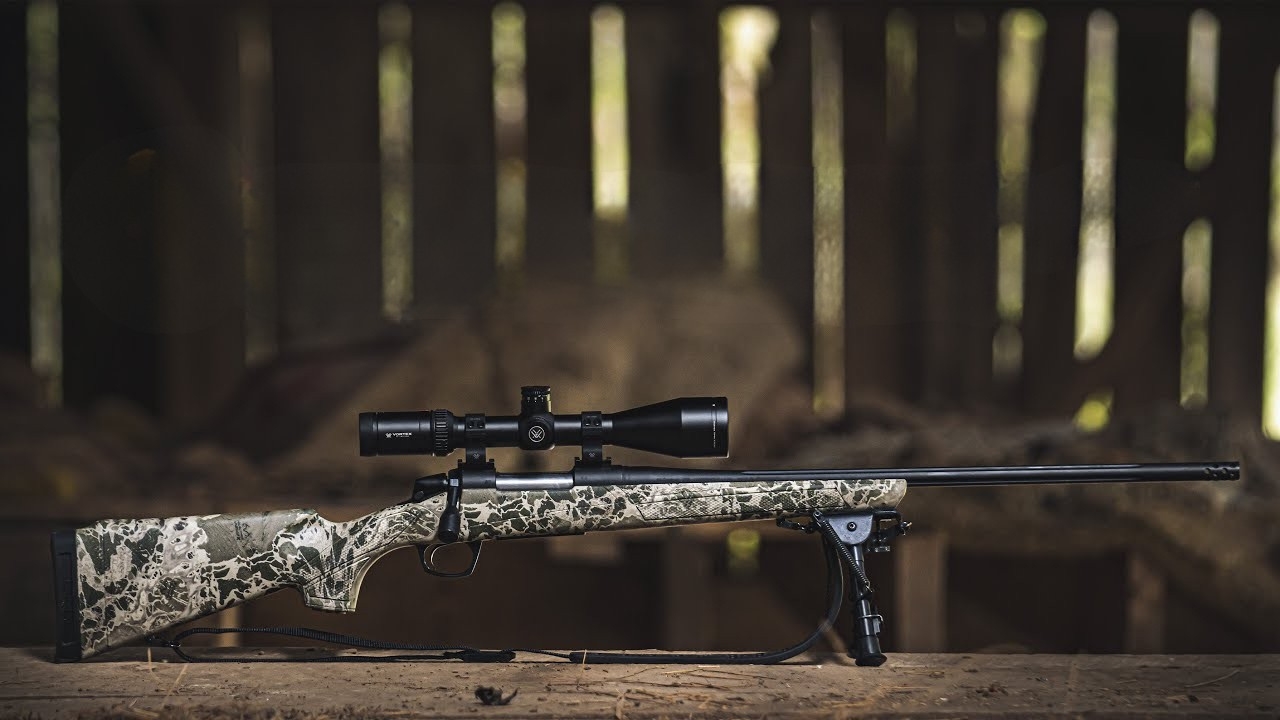
The Cascade XT appeals to me because it has a slightly more substantial feel than the lightest budget hunting rifles without becoming something I would hate carrying through the woods. It is a good fit for the hunter who mostly sits but still wants enough portability to walk ridges or slip through timber during the day.
Something like .308 Winchester, 6.5 Creedmoor, or 7mm-08 would make a very practical combination. I would pair it with a scope that stays useful at low power rather than chasing enormous magnification. Most deer do not appear at the edge of a thousand-yard range. They step out unexpectedly at distances where quick sight acquisition matters. The Cascade XT fits that much more realistic version of deer hunting.
Howa 1500 Mini Action
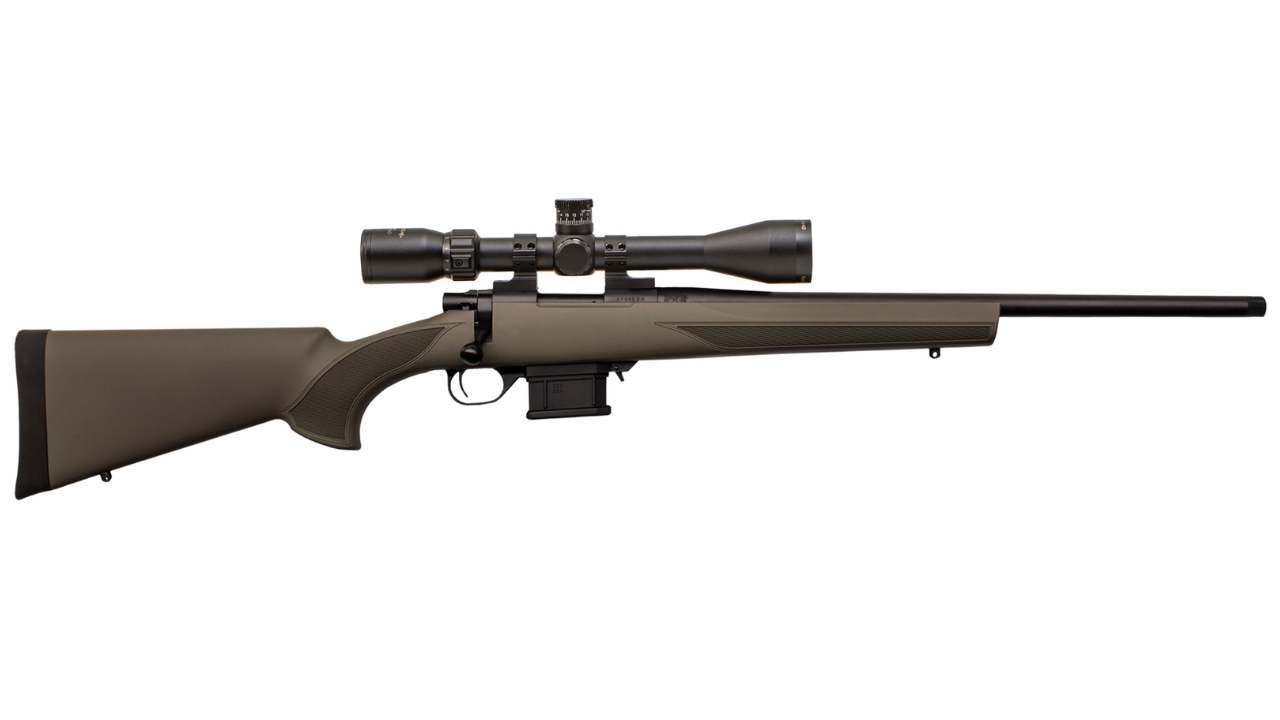
The Howa 1500 Mini Action is a particularly smart choice for hunters who do not need a full-length action and heavy rifle to take deer at normal distances. Chamberings such as 6.5 Grendel can provide mild recoil in a compact rifle that is easy to carry and easy for newer hunters to shoot well.
That kind of setup is especially appealing for younger hunters or anyone who simply prefers less recoil. Deer do not care whether the cartridge looks impressive on paper if the bullet is placed correctly. A compact Howa with good ammunition is easier to practice with, easier to keep steady, and easier to carry than many larger rifles. For normal stand hunting and moderate ranges, that is exactly the kind of practicality I want.
Weatherby Vanguard Compact

The Vanguard Compact is built around something deer hunters often ignore until it causes problems: rifle fit. A stock that is too long makes shooting from heavy winter clothing or awkward stand positions more difficult than it needs to be. A compact configuration can make a big difference for smaller shooters and younger hunters.
I would look at .243 Winchester, 6.5 Creedmoor, or .308 Winchester depending on the shooter and local hunting conditions. The Vanguard action has enough weight to remain steady while still being manageable in the woods. I would rather have a rifle that fits perfectly and gets practiced with regularly than a powerful magnum that feels uncomfortable every time the shooter shoulders it.
Remington Model 700 SPS
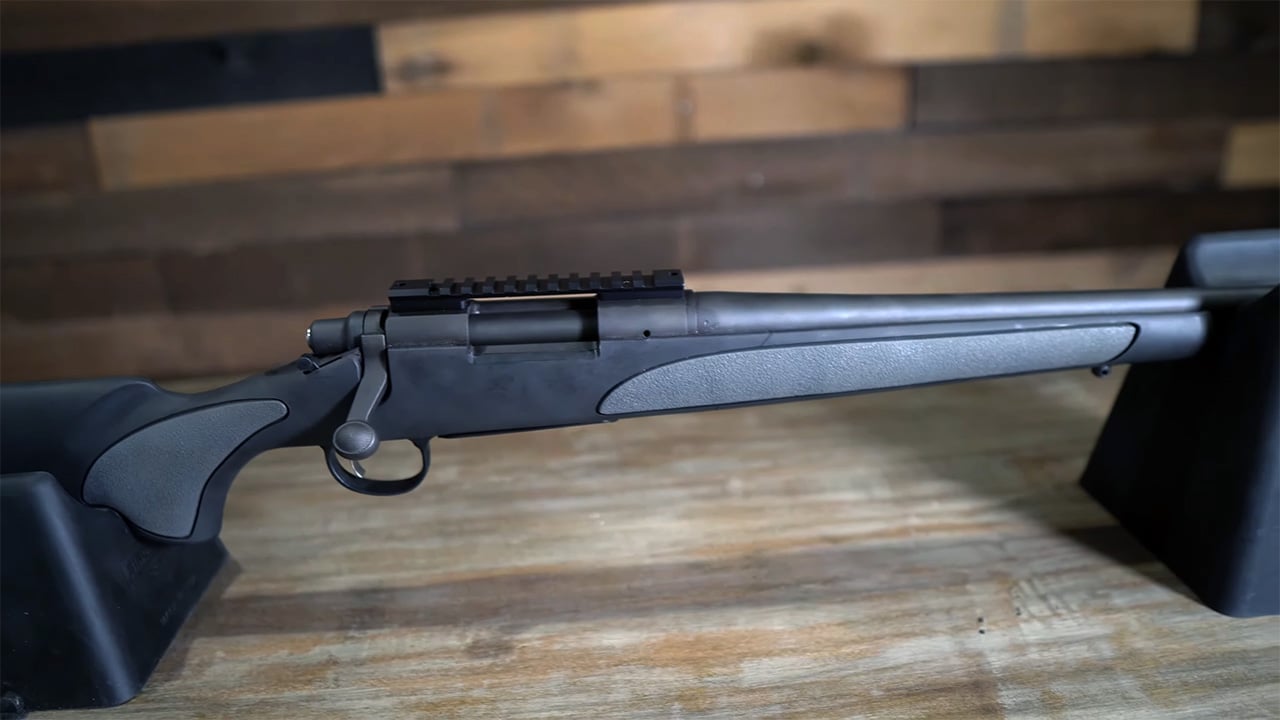
The Model 700 SPS is not fancy, and that is exactly why it fits ordinary deer hunting so well. It gives hunters the familiar Model 700 action in a synthetic-stocked package that can handle weather and rough use without requiring special treatment. It is the kind of rifle I could leave in the truck during a wet morning, wipe down afterward, and not feel like I had endangered a piece of fine walnut.
In .270 Winchester, .308 Winchester, or .30-06, it covers the same practical deer territory generations of hunters have always needed. I would not overbuild it. A good scope, reliable mounts, and a load the rifle groups well are enough. The SPS works because it does not pretend normal deer hunting is more complicated than it is.
Henry Single Shot Rifle
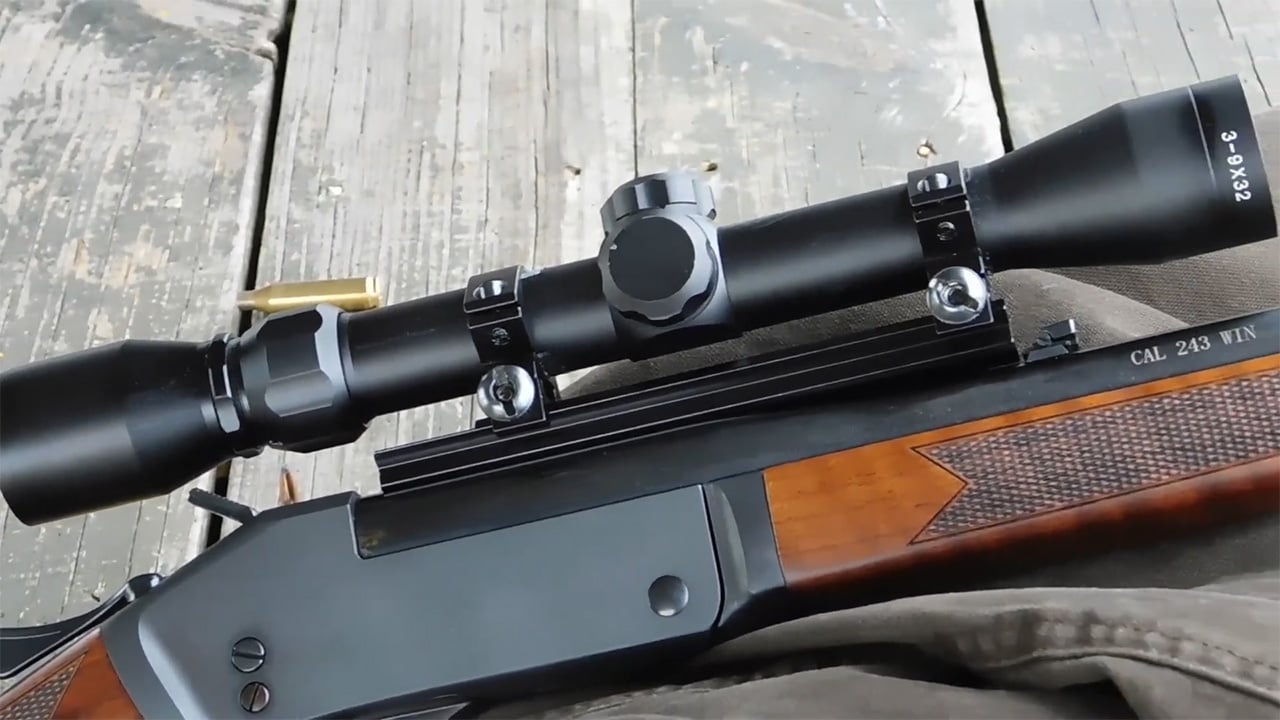
The Henry Single Shot makes a lot more sense for deer hunting than magazine capacity arguments would suggest. Most hunters are trying to make one careful first shot anyway, and a break-action rifle keeps things compact, straightforward, and easy to operate. That can be particularly useful in tight blinds or for hunters who want something simple and easy to verify as loaded or unloaded.
In .350 Legend, .44 Magnum, or .308 Winchester, depending on the exact hunting environment, the Henry can be an extremely practical deer rifle. It also has traditional styling that feels right in the woods without requiring the price of a premium lever gun. I would rather trust one well-placed shot from a rifle I know than carry extra ammunition simply because the magazine holds it.
Ruger Hawkeye Hunter

The Hawkeye Hunter is the kind of rifle I would choose if I wanted something traditional and rugged without going ultralight. The controlled-feed action and substantial construction give it the kind of feel hunters appreciate when a rifle gets carried year after year instead of replaced every season.
For ordinary deer hunting, .308 Winchester or .30-06 makes perfect sense. I would especially like this rifle for someone who hunts from permanent stands, still-hunts through timber, and occasionally takes longer shots across a field. It is versatile without being specialized. There are lighter rifles and more adjustable rifles, but I am not convinced most whitetail hunters actually need either. A solid bolt gun that feeds reliably and holds zero still solves the problem extremely well.
Winchester Model 94 .30-30
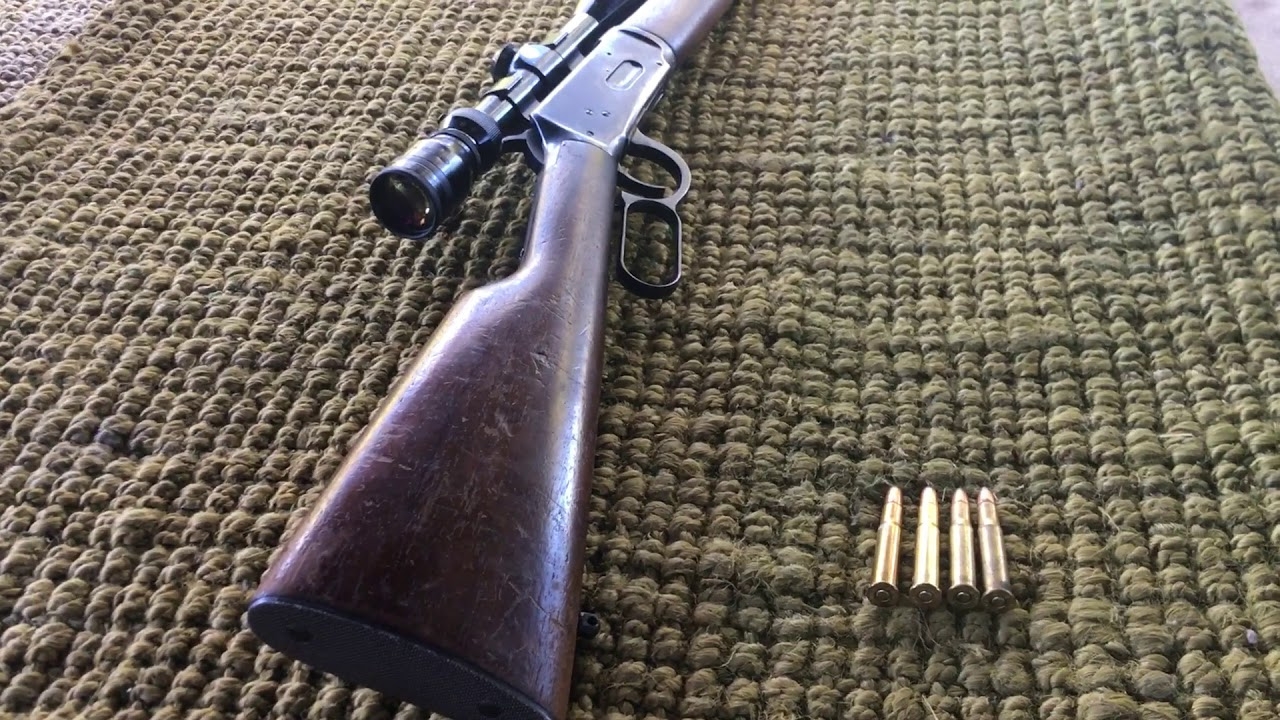
A Winchester Model 94 still makes perfect sense for a huge number of deer hunters because a huge number of deer are shot inside the distance where .30-30 works extremely well. Thick hardwoods, creek bottoms, and short shooting lanes favor a rifle that is light, slim, and quick to the shoulder rather than something built around extreme range.
I would keep the optic simple or use good iron sights if my eyes allowed it. The entire advantage of the Model 94 is how naturally it handles. Hanging a massive scope on top defeats part of the reason I chose it. In the kind of deer woods where 100 yards is a long opportunity, this old lever gun remains as relevant as ever.
Marlin 1895 Guide Gun
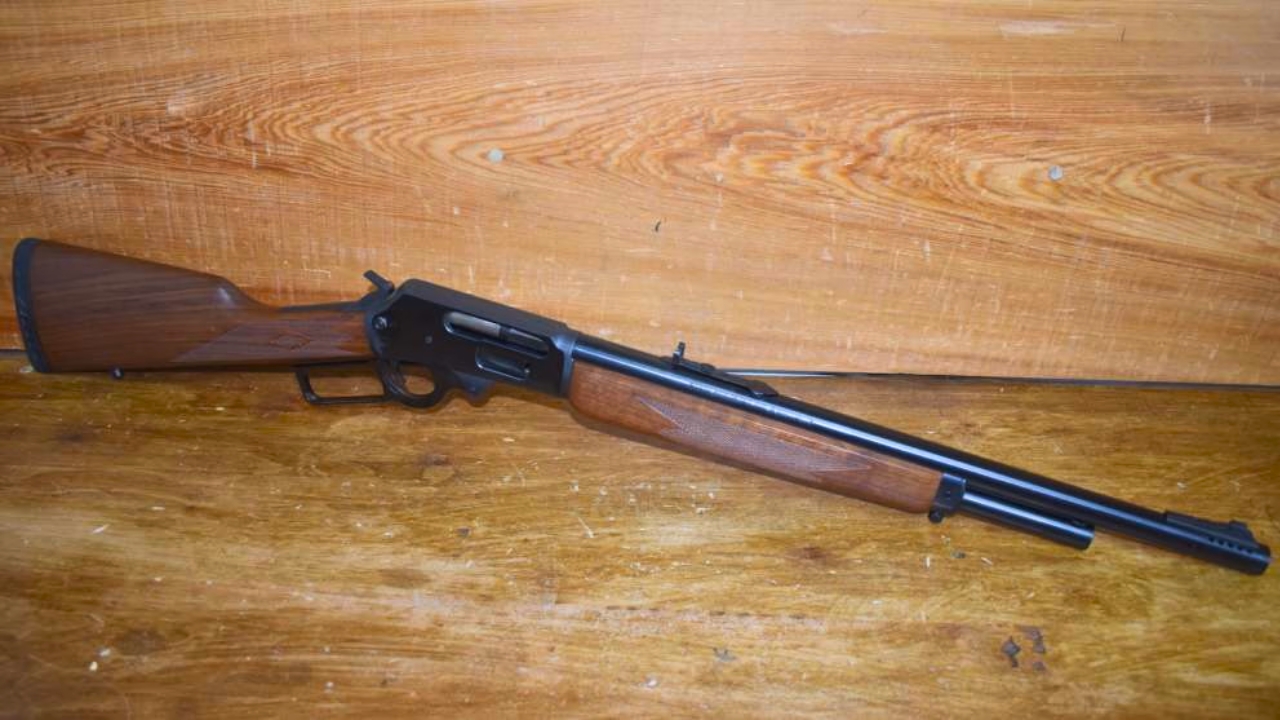
The Marlin 1895 Guide Gun is more rifle than most whitetail hunters need, but there are situations where a compact .45-70 makes plenty of sense. Thick timber, hogs on the same property, and hunters who want a hard-hitting close-range rifle all give the 1895 a clear role.
What I like most is the handling. Even though the cartridge is large, the rifle itself can stay compact and quick. I would not choose the hottest loads just because they exist. For deer, moderate hunting ammunition is plenty and considerably more pleasant to shoot. The Guide Gun proves that practical does not always mean small cartridge. Sometimes it means a rifle that matches close cover and hits decisively without pretending every shot will be long.
Browning BLR Lightweight
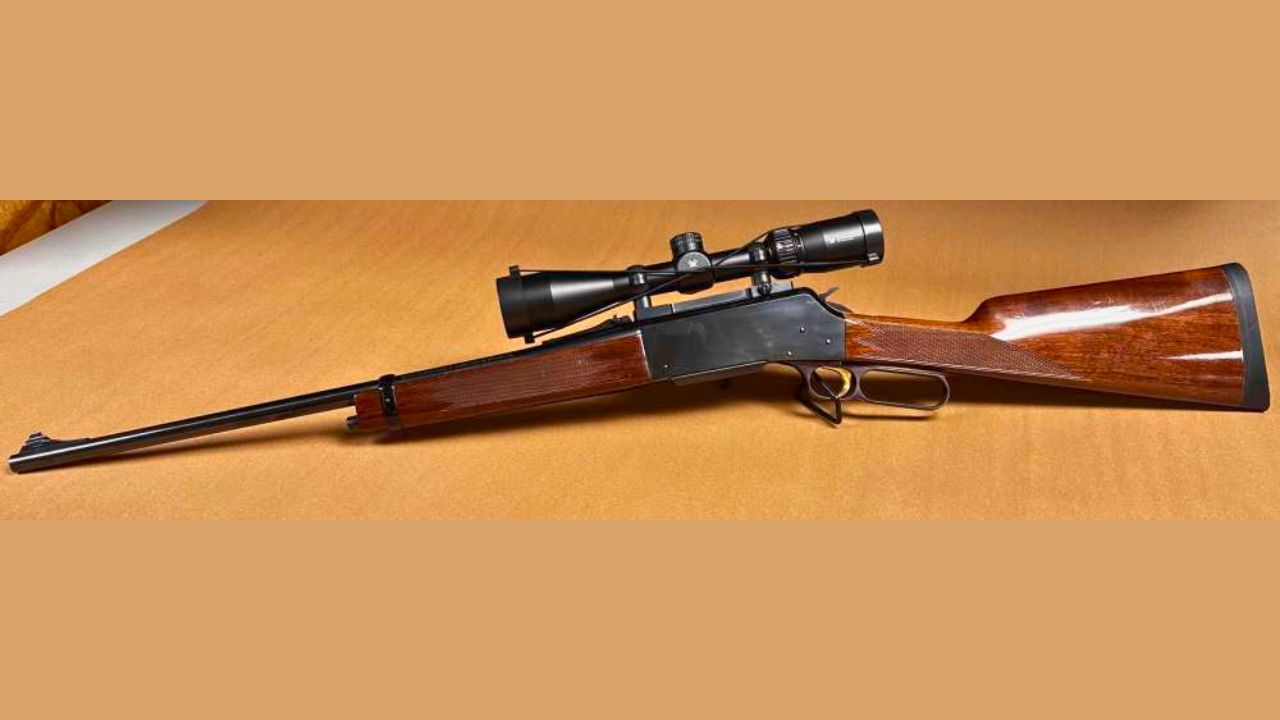
The BLR works well for hunters who love lever actions but occasionally need more reach than traditional tube-fed cartridges provide. Its box magazine allows the use of pointed bullets and common deer cartridges such as .308 Winchester, which gives the rifle a much broader role than a typical .30-30.
That makes it particularly useful for mixed terrain. I could hunt timber in the morning and sit over a larger field that evening without feeling like the rifle was out of place. The lever action cycles quickly, yet I still get ballistics much closer to a conventional bolt gun. For the deer hunter who wants one rifle and does not know exactly what kind of shot the season will produce, the BLR is a very practical middle ground.
Benelli R1

The Benelli R1 is one of the semiautomatic rifles I would consider for hunters who spend most of their season in stands or blinds and value fast follow-up shots. It is not as lightweight or simple as a basic bolt action, but that is not always the priority. If I am walking only a short distance to a stand, a little extra weight bothers me far less.
The R1 also offers chamberings appropriate for deer without forcing the shooter into a tactical-looking platform. That matters to hunters who want a semiautomatic rifle that still looks and handles like a sporting arm. I would especially appreciate one in areas where several deer may cross a field quickly. Most hunters will never need the fast second shot, but having it available can still be useful.
Thompson/Center Encore

The Encore has always appealed to hunters who value versatility more than speed. With interchangeable barrels and a single-shot break action, one frame can be configured around completely different cartridges and hunting seasons. That gives it a kind of usefulness that is hard to duplicate with a conventional rifle.
For deer, I would choose a barrel length and chambering that match the property instead of chasing maximum performance. A .308 Winchester, .243 Winchester, or straight-wall option can cover a wide range of situations. The single-shot action also keeps the rifle compact. Hunters who spend most of the season sitting in a blind rarely need a five-round magazine anyway. The Encore is a good reminder that practical does not always mean conventional.
Savage 110 Hog Hunter
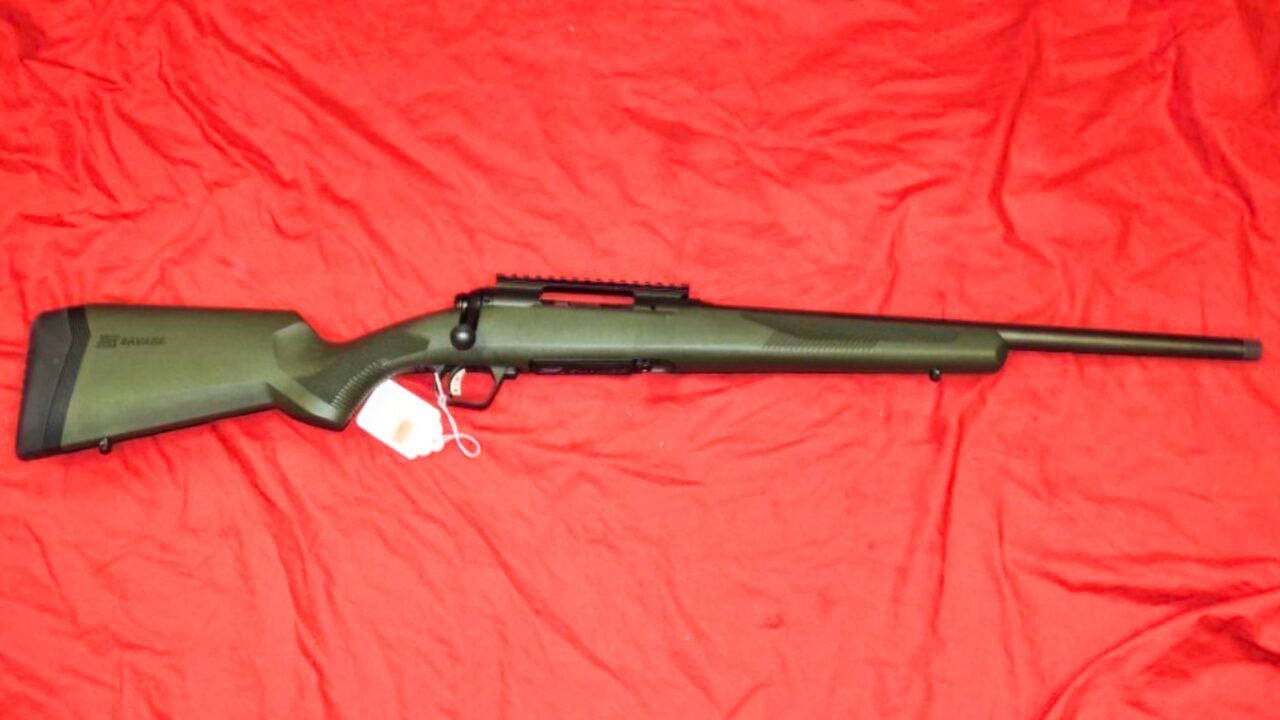
The Hog Hunter name may suggest something specialized, but the rifle’s compact barrel and rugged synthetic construction make it a very practical deer rifle too. It is especially useful for hunters who move through thick woods or want a short rifle in a blind without giving up a full-power centerfire cartridge.
I like the fact that it is built around use rather than appearance. This is a rifle I would carry in poor weather without worrying about the stock and one I would not mind leaning against a stand while adjusting gear. In .308 Winchester, it gives me plenty of deer capability without excess. A practical rifle that can also pull double duty for hog hunting is exactly the sort of gun many rural hunters get more value from than a highly specialized deer rifle.
Franchi Momentum All-Terrain Elite
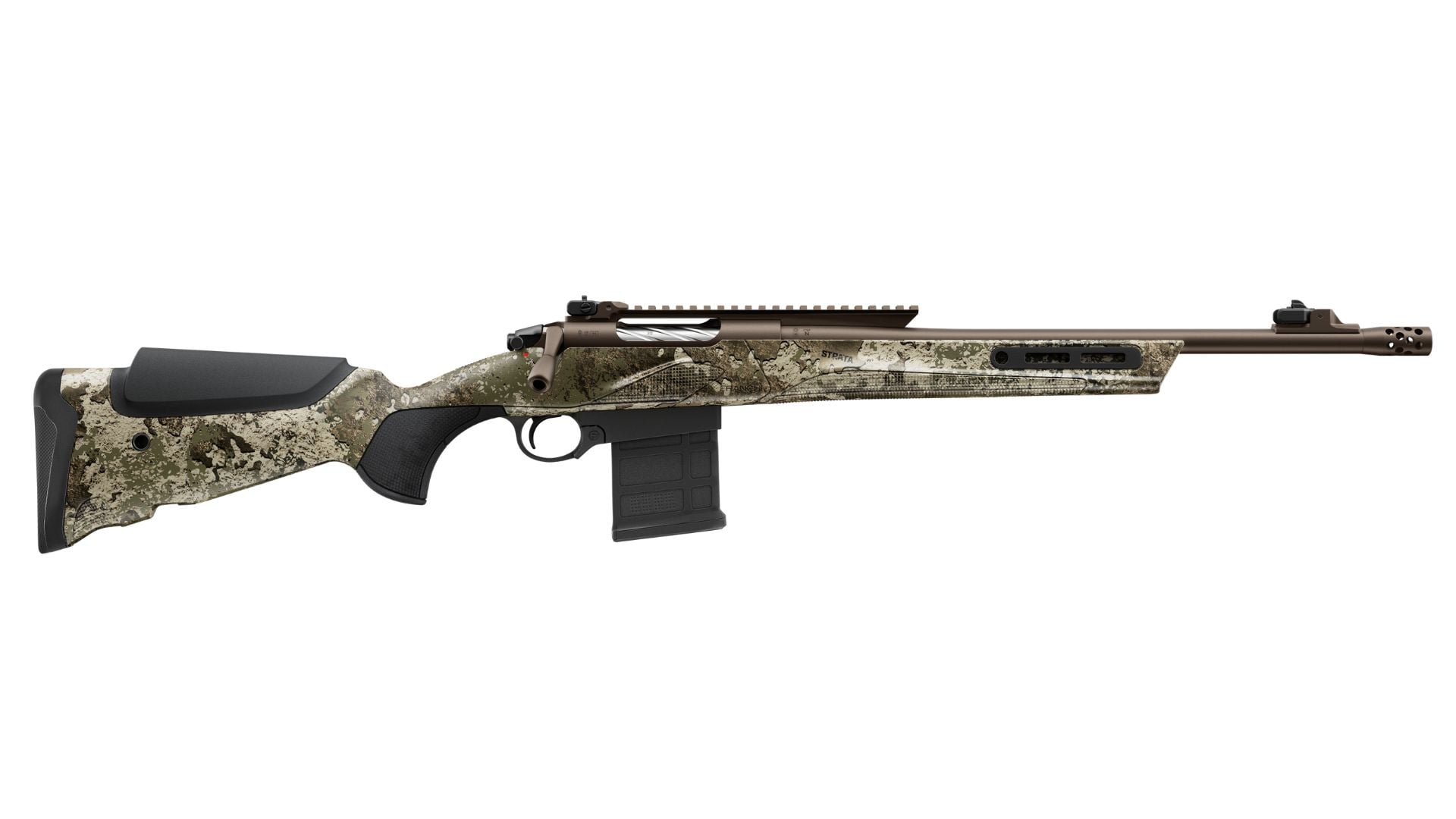
The Momentum All-Terrain Elite is a more modern-looking rifle than many traditional deer guns, but the compact size and adjustable features can make real sense in blinds, vehicles, and tight hunting situations. It is a good example of modern rifle design being useful without automatically turning into a giant long-range setup.
I would keep it chambered in something manageable like .308 Winchester and pair it with a moderate optic. The benefit is not shooting deer at absurd distances. It is having a compact rifle that can be adjusted to fit the shooter and carried easily in awkward places. Deer season often involves much more climbing, sitting, and maneuvering than prone shooting from a perfect position. A rifle built around those realities earns my attention.
Winchester Model 70 Extreme Weather

The Model 70 Extreme Weather is the rifle I would choose for someone who loves the classic Model 70 concept but has no interest in babying walnut through rain, sleet, and mud. It retains the controlled-round-feed action many hunters appreciate while using a stock and finish better suited to hard seasonal use.
In .270 Winchester, .308 Winchester, or .30-06, it is more than enough for almost any deer hunt in the country. I would especially like it for hunters who keep one rifle for years and expect it to work every November regardless of conditions. Most people do not need the lightest rifle or the newest rifle. They need something dependable enough that weather never becomes an excuse to leave it at home.
Like The Avid Outdoorsman’s content? Be sure to follow us.
Here’s more from us: