Photo credit: The Average Joe Armory/Youtube
Some guns earn their place in a safe because they get used constantly. Others stay because replacing them later would be frustrating, expensive, or sometimes nearly impossible. A firearm can sit untouched for years and still be worth keeping if it has family history, unusual configuration, discontinued features, or simply belongs to a category that is getting harder to find in original condition.
I am not saying every old gun deserves permanent safe space. Plenty of firearms can be sold without regret. But I would think carefully before moving something that cannot easily be bought back in the same condition. Once a clean older gun leaves, there is no guarantee the next example will be as nice, as affordable, or even available. These are 20 guns I would be reluctant to sell even if I rarely pulled them out anymore.
Pre-64 Winchester Model 70
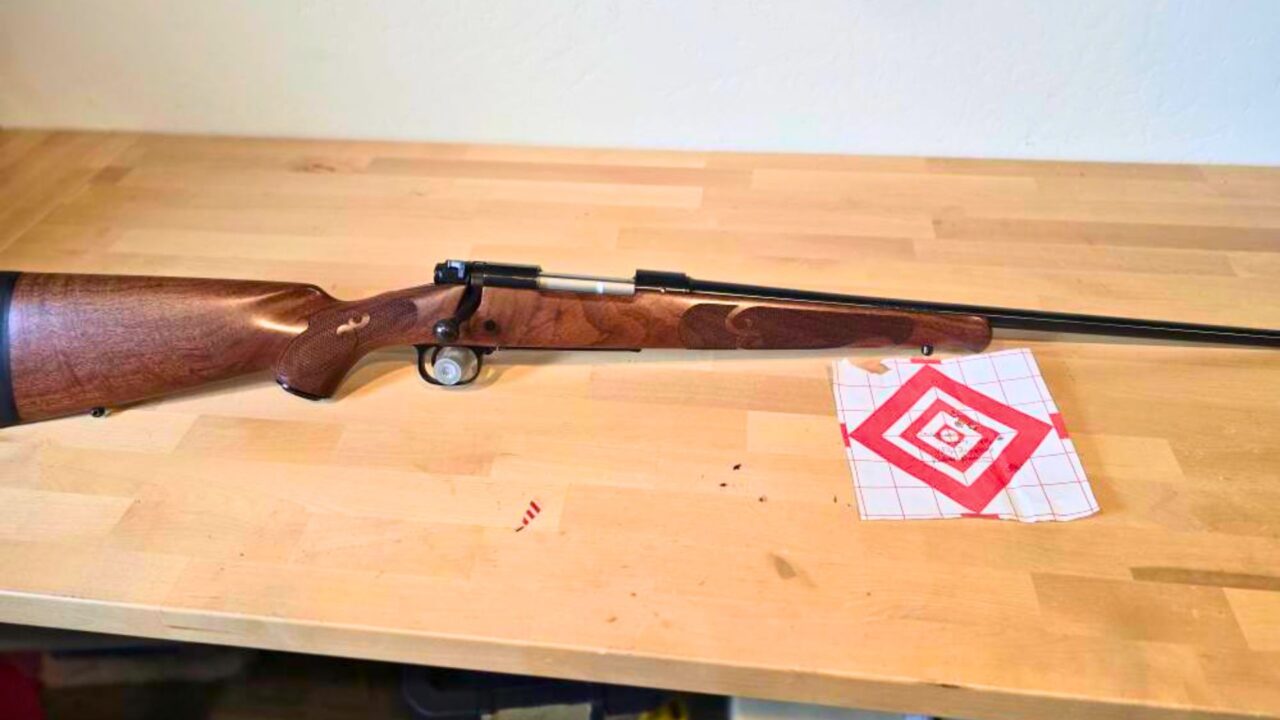
A pre-1964 Model 70 is one of those rifles I would never sell casually just because I had not hunted with it recently. These rifles have been desirable for decades, and the combination of controlled-round feed, traditional walnut, classic Winchester styling, and historical reputation has only become harder to duplicate. Plenty were drilled, restocked, refinished, or otherwise altered during years when they were viewed primarily as working rifles.
That is why originality matters so much now. If I owned a clean example in a desirable chambering, I would rather let it sit than take a quick profit and start searching for another one later. There are plenty of excellent modern bolt actions, but none of them replaces the exact experience of owning an early Model 70 with its original character intact.
Smith & Wesson Model 27
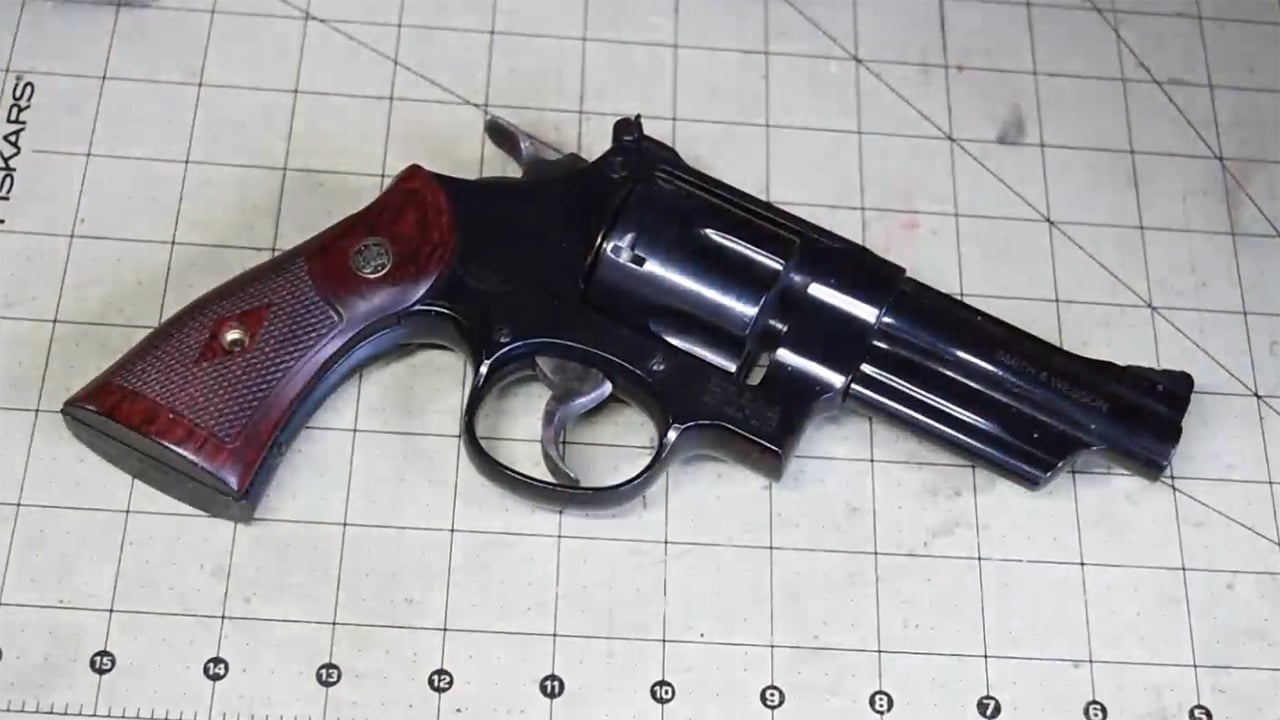
The Model 27 is too historically important to treat like just another .357 Magnum. It grew directly out of the original .357 Magnum revolver line and represents the era when Smith & Wesson put premium finish and attention into what was essentially a hard-use magnum handgun. Older examples with deep blueing, checkered top straps, and original stocks can be especially difficult to replace.
I might not shoot one constantly if I already owned several other .357s, but that would not make me eager to sell it. A modern revolver can duplicate the cartridge and basic function. It cannot duplicate the finish, history, and feel of an older Model 27. If the gun is already in the safe and paid for, I would need a very good reason to let it leave.
Browning Superposed

A Browning Superposed can sit untouched for years and still deserve its place simply because of how expensive and difficult it would be to recreate today. These over-under shotguns came from an era of labor-intensive machining and fitting that manufacturers cannot easily reproduce at ordinary sporting-gun prices. Even field-grade examples can have a level of workmanship that stands apart from many modern doubles.
Condition, gauge, grade, and originality all matter, but I would be very slow to sell a good one. Shotguns like this often become more meaningful as time passes because they represent a manufacturing style that has largely disappeared. Even if I only carried it occasionally, I would rather have one sitting quietly in the safe than regret watching someone else walk away with it.
Ruger No. 1
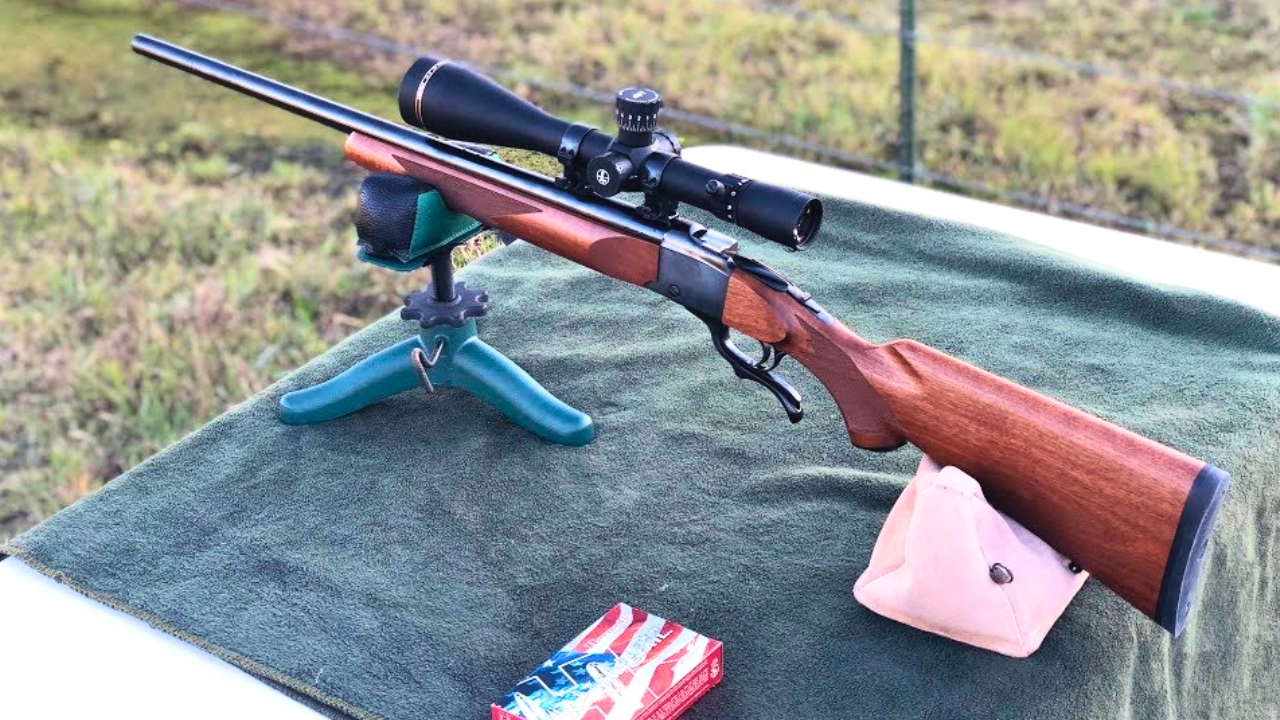
The Ruger No. 1 is one of the few modern American rifles with a design distinctive enough that I would keep one even if it rarely left the safe. Its falling-block action lets the rifle remain compact while using a full-length barrel, and Ruger offered the platform in an enormous variety of chamberings over the years.
That chambering variety is exactly what makes certain No. 1 rifles worth holding onto. Some combinations were produced only in limited runs, and finding the exact model again can be much harder than simply finding another No. 1. I would especially hesitate before selling an unusual caliber, attractive wood, or older configuration. A single-shot rifle may not be the gun I use most, but uniqueness has value beyond round count.
Colt Python
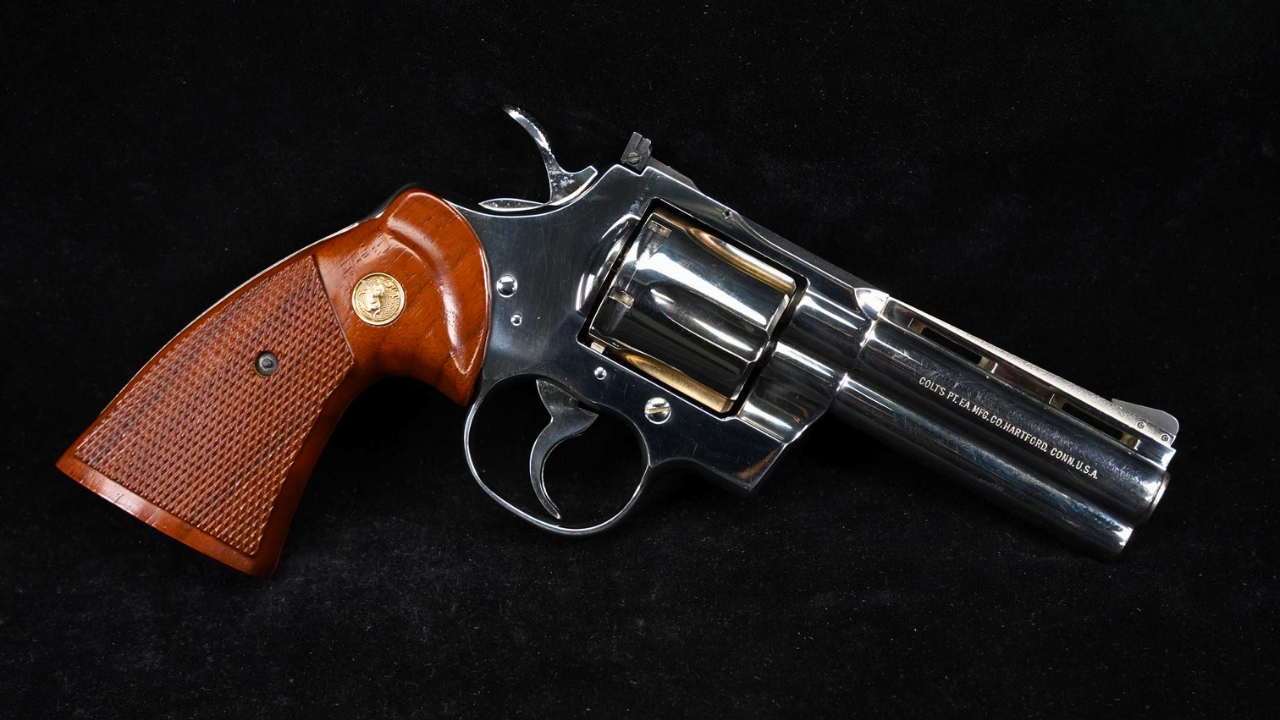
A Python is one of those revolvers people have regretted selling for decades. That was true before Colt brought the model back, and it remains true because older and newer examples appeal for different reasons. Vintage guns have their own finish, production history, and collector interest, while current guns provide a modern version of the classic design.
If I already owned a particularly nice Python, I would not sell it simply because I preferred another revolver at the range. Replacement cost has a habit of climbing faster than people expect, and individual examples vary. Once you have one with the barrel length, finish, and action you like, letting it go for temporary cash can become the kind of decision you revisit every time you see another one priced higher.
Winchester Model 9422
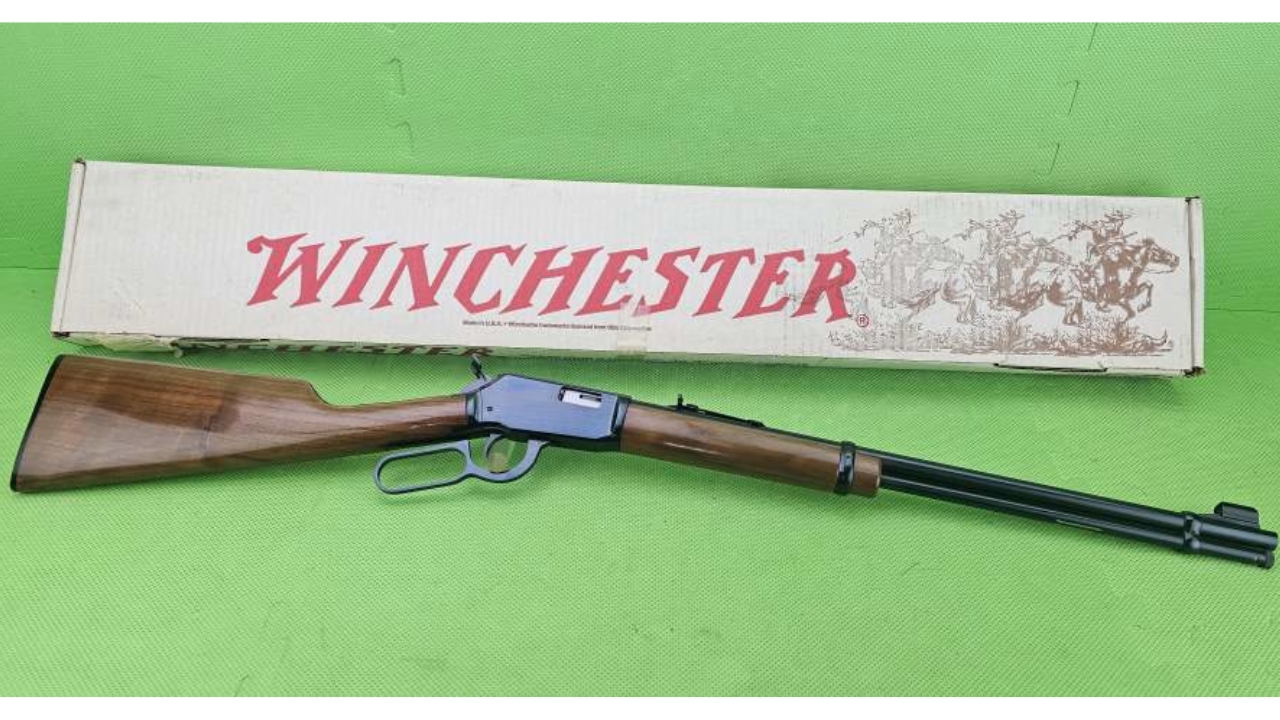
The 9422 is exactly the kind of rifle that seems unnecessary until you no longer own one. It is a lever-action .22 built with the fit and feel of a centerfire Winchester rather than as a disposable rimfire. That makes it fun to shoot, but it also gives it a quality that is increasingly expensive to reproduce.
Because production ended years ago, every clean original example is part of a fixed supply. Plenty were carried, scoped, scratched, or modified over decades of use. If I had one in excellent condition, especially in .22 Magnum or a desirable configuration, I would be very hesitant to sell it. A new .22 lever gun can replace the function. It cannot necessarily replace the exact gun.
Smith & Wesson Model 41
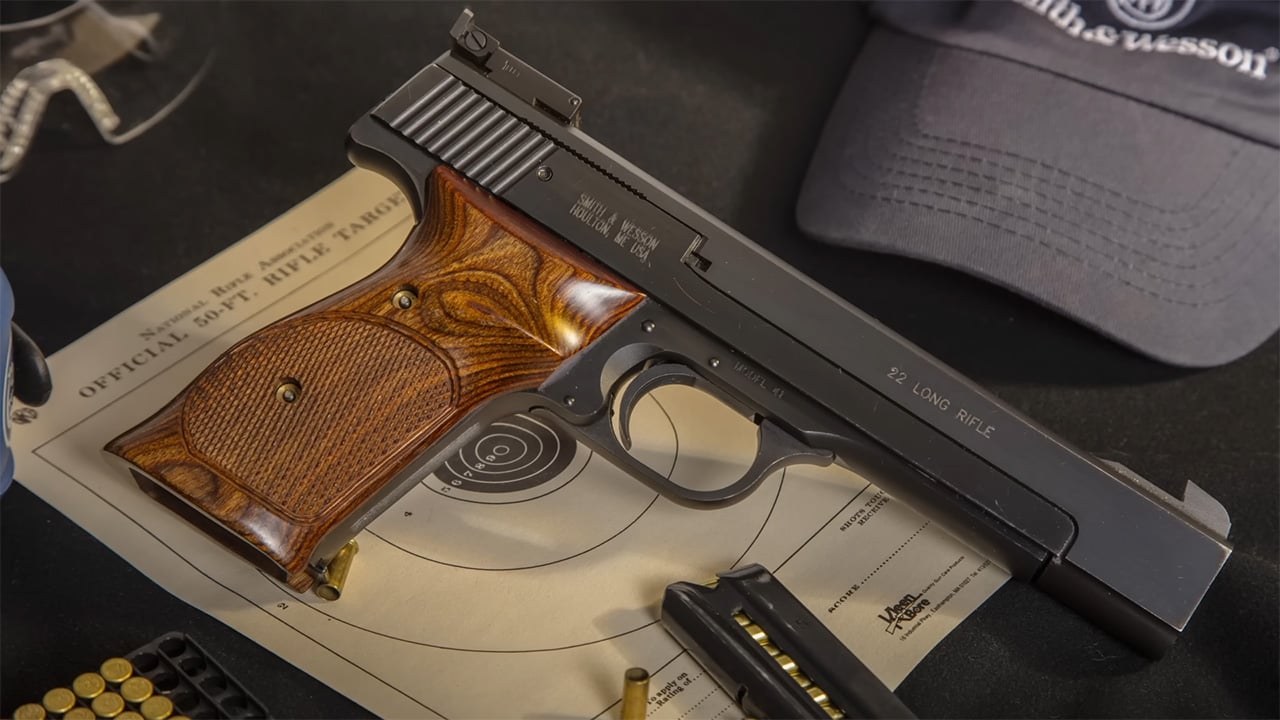
The Model 41 is a firearm I would keep even if I went through long periods without shooting rimfire pistols. It was built around target accuracy and a quality standard that gives it a very different feel from ordinary recreational .22s. The trigger, balance, and overall refinement make it the kind of pistol shooters often appreciate more after owning several cheaper alternatives.
A good Model 41 is also the sort of gun that can become a permanent benchmark in a collection. Even if I was not competing or shooting bullseye regularly, I would rather retain a pistol capable of that level of precision than sell it and later discover how expensive another clean one had become. Some guns deserve to stay simply because they represent a standard worth keeping around.
Marlin Model 39A
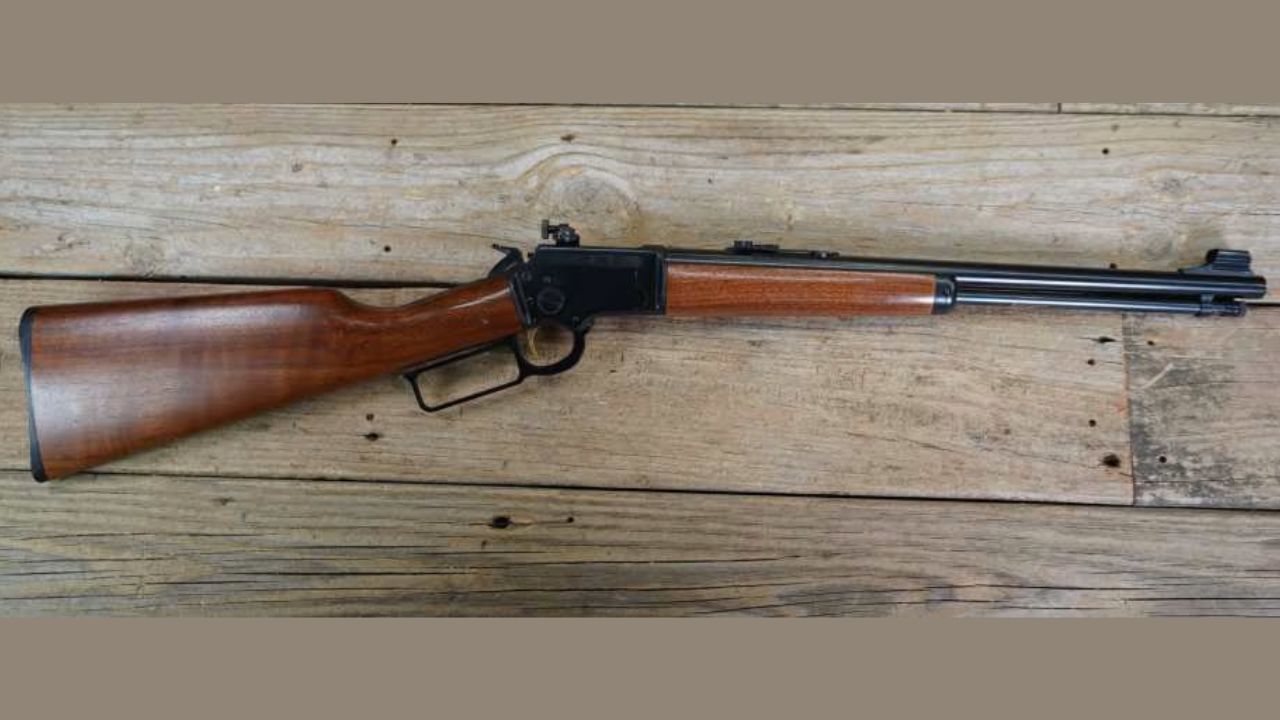
The Model 39A may be one of the most dangerous rifles to sell if you are prone to nostalgia. It is a full-size steel-and-walnut lever-action .22 that generations of shooters grew up with, and production changes have made the older rifles increasingly attractive. They were not designed to be delicate collectibles, so many surviving examples show years of honest use.
That makes a clean rifle worth appreciating. I might go months without taking one to the range, but I would still keep it because nothing currently made feels exactly the same. A good 39A can be handed to a new shooter, carried for small game, or simply enjoyed as a beautifully built rimfire. Once gone, replacing the exact rifle can become much harder than expected.
M1 Garand
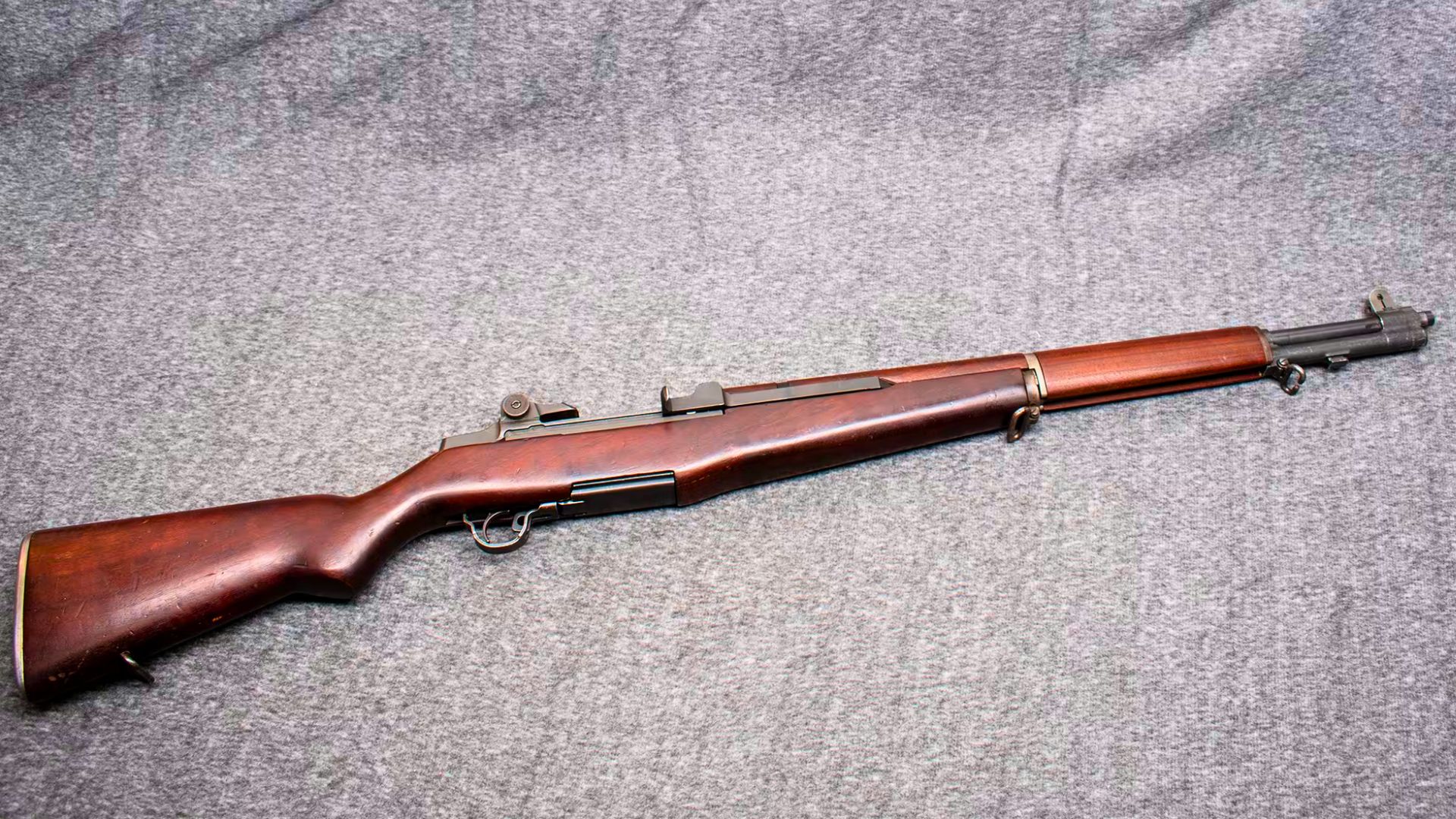
An M1 Garand is not something I would sell just because it was no longer a regular range gun. The rifle carries historical importance that goes far beyond utility, and each example has its own mix of parts, markings, service history, and condition. Even rifles assembled from mixed military components still connect directly to a period of American military history that cannot be recreated.
I would especially hesitate if I knew the rifle’s provenance or had paperwork associated with it. Plenty of modern rifles are easier to shoot, easier to scope, and cheaper to feed. None of that makes the Garand replaceable. If I already owned a good one, I would treat it less like an unused firearm and more like something worth preserving.
Colt Series 70 Government Model

A clean Series 70 Colt is one of those pistols that can spend years in the safe and still be difficult to justify selling. Older Colts were frequently customized when factory originality was not considered especially important, so untouched examples become more interesting with time. Original sights, finish, grips, and internal parts all start to matter once enough modified guns circulate.
I would rather keep a nice original pistol than sell it simply because another 1911 shoots better. Modern 1911s can outperform older guns in plenty of measurable ways, but that is not the whole point. A Series 70 Colt represents a specific era of the platform, and once that example is gone, there is no guarantee another comparable pistol will be easy to find.
Savage Model 99

The Model 99 is a rifle I would hold onto because nothing mainstream really replaces it. The hammerless lever action, rotary magazine in many versions, and ability to use pointed cartridges made it far more advanced than the stereotypical tube-fed lever gun. It also served generations of deer hunters, which means plenty of examples show significant wear or modifications.
If mine was mechanically sound and reasonably original, I would keep it even if I had moved on to newer hunting rifles. A Model 99 can sit for years and still deserve space simply because its design is unique and production is long over. Selling one often feels easy until you start searching for the same chambering, configuration, and condition again.
HK P7

The HK P7 is too distinctive to sell casually. Its squeeze-cocking system, fixed barrel, gas-delayed action, and unusually low profile make it unlike almost every other defensive pistol ever produced. That uniqueness was once a reason some shooters avoided it. Today it is exactly why many owners refuse to let theirs go.
I might not choose a P7 as my everyday carry pistol now, but that would not mean I wanted it out of the collection. Specialized designs have a habit of becoming more desirable after people realize manufacturers are unlikely to build anything similar again. A clean P7 is one of those guns where selling solves a short-term problem and potentially creates a long-term regret.
Ruger Old Army
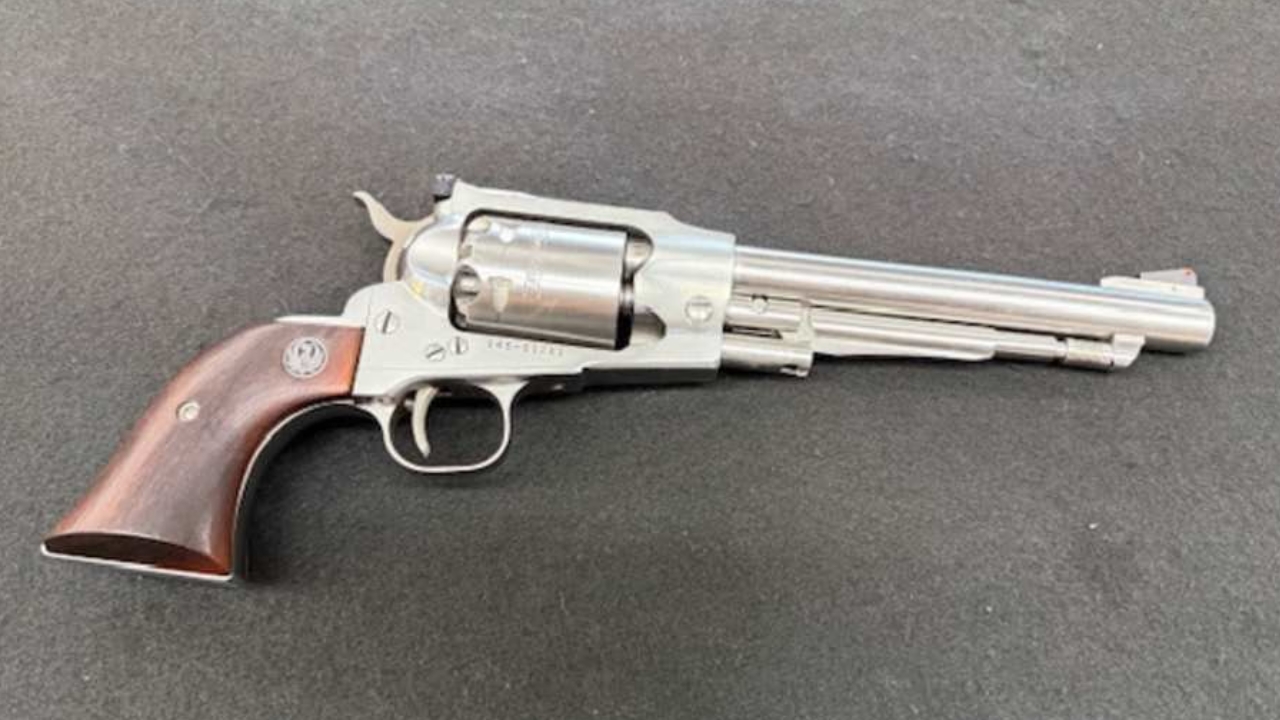
The Old Army occupies such an unusual place in Ruger’s history that I would have a hard time selling one even if I rarely shot black powder. It is not simply a reproduction of an old percussion revolver. Ruger built it with modern strength and its own design language, creating something that stood apart from most traditional cap-and-ball guns.
Production is gone, and there is no direct Ruger replacement. That alone would make me cautious. Stainless examples, adjustable-sight guns, and particularly clean revolvers deserve even more consideration. It may not be the revolver I shoot every month, but uniqueness can be just as important as frequency of use when deciding what stays.
Winchester Model 12
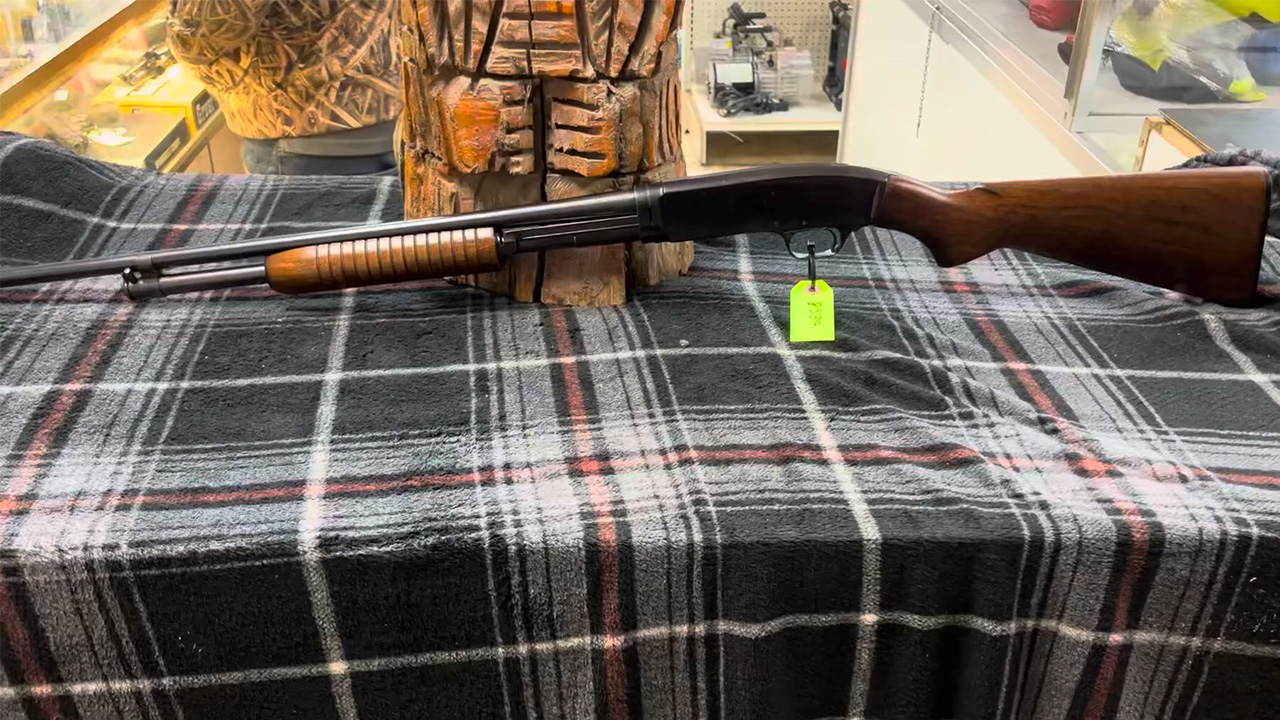
The Model 12 is another shotgun I would not sell simply because newer pumps are cheaper or more practical. Its machined construction, smooth action, and long history give it a quality that becomes much easier to appreciate once you compare it with mass-produced modern shotguns.
Gauge, barrel configuration, and condition can make a major difference, but even an ordinary field gun has more character than its age alone suggests. A clean Model 12 has already survived decades of use, neglect, and modification that claimed many others. I would rather keep one than discover later that the exact version I sold had become significantly harder to replace.
Smith & Wesson Model 17

A Model 17 is the kind of gun people sell because it is “only a .22” and then eventually wish they had back. A full-size K-frame rimfire is incredibly useful for practice, casual shooting, and introducing new shooters to a quality double-action trigger. It costs little to shoot and teaches the same fundamentals as larger Smith revolvers without the recoil.
Older examples can also have excellent finishes and factory stocks that become increasingly difficult to replace in comparable condition. If I owned a particularly smooth Model 17, I would need more than lack of use to convince me to sell it. A good .22 revolver has a way of becoming useful again eventually.
Browning Auto-5
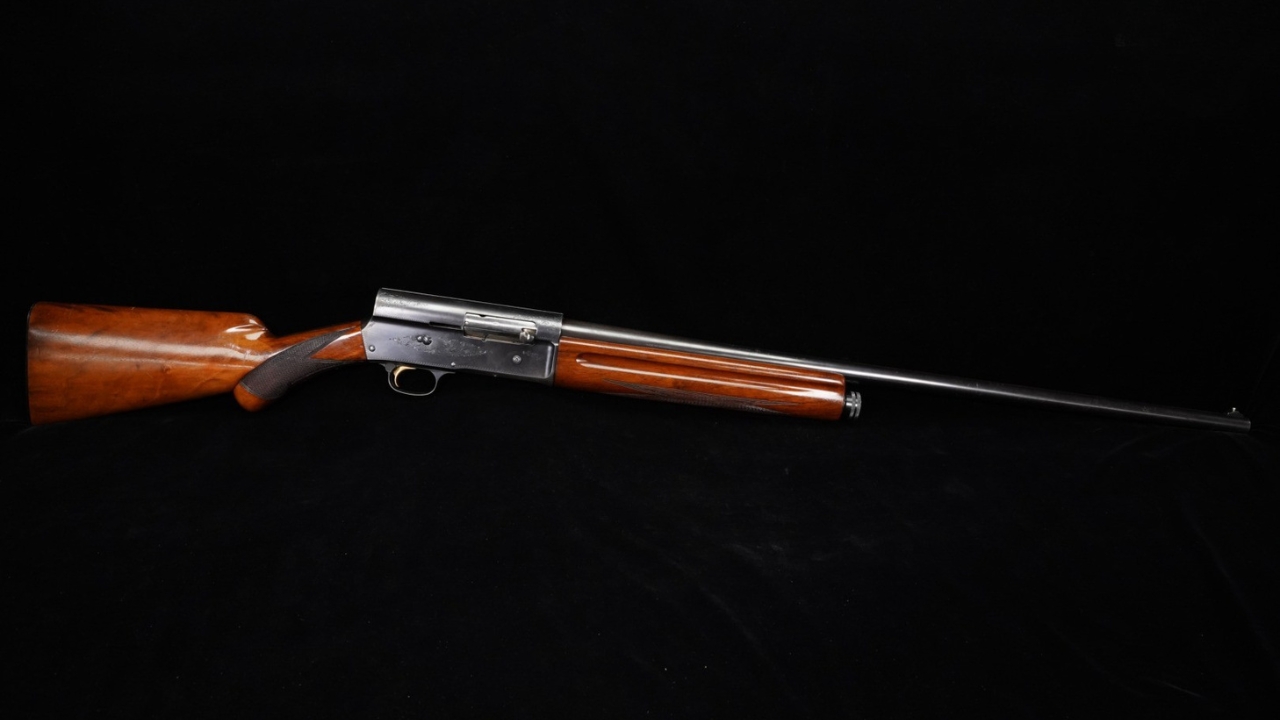
The original Auto-5 is one of those shotguns that can sit quietly for years and still be worth keeping simply because of its place in firearms history. The long-recoil action, distinctive humpback receiver, and extraordinarily long production run made it one of the most recognizable semiautomatic shotguns ever built.
I would especially keep a clean Belgian gun or unusual gauge. These shotguns were often used exactly as intended, so wear is normal. High-condition examples become more interesting every year. Even if another shotgun handled my hunting needs better, I would not be eager to let an Auto-5 go. It represents a design and production era that is not coming back.
Remington Model 700 BDL
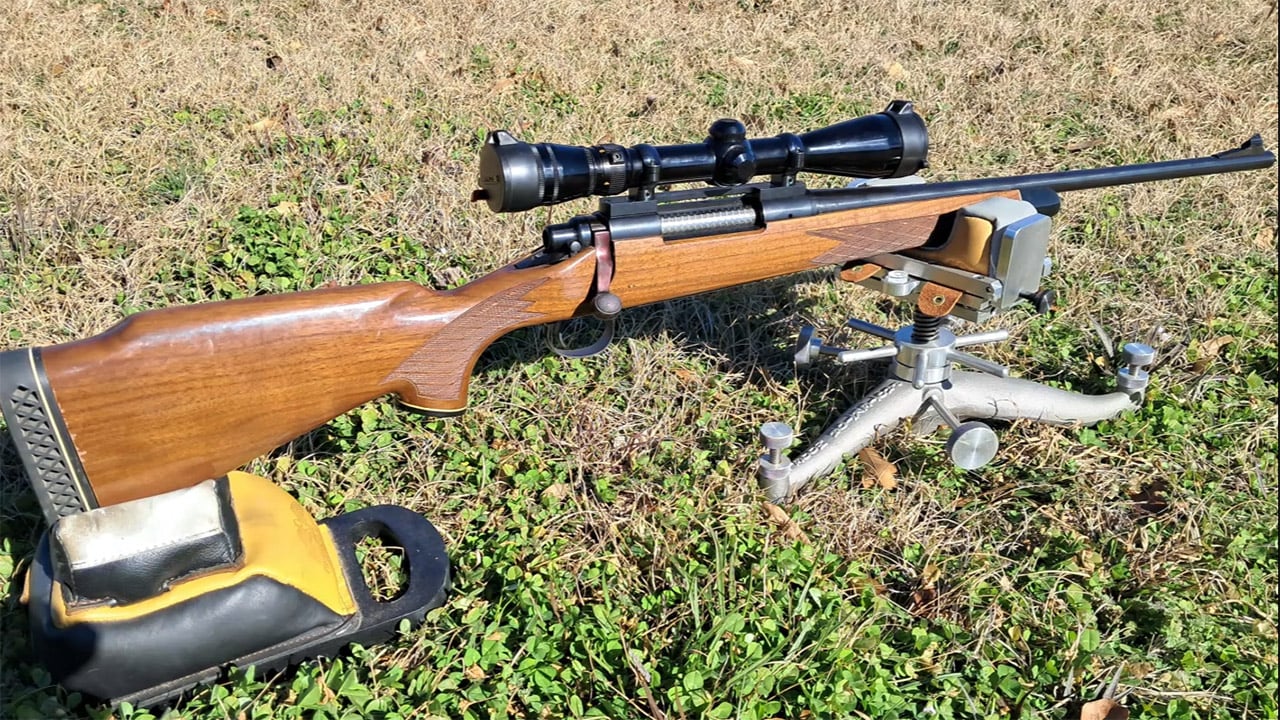
The Model 700 BDL was once common enough that hunters barely thought of it as collectible. That is beginning to change as older rifles in original condition get separated from the countless examples that were restocked, rebarreled, drilled, or converted into custom builds.
A clean BDL with attractive wood and original metal can have far more appeal than a modern synthetic hunting rifle, even if the newer gun is technically more accurate. I would especially think twice about selling an older rifle in a less-common chambering. Sometimes the gun worth keeping is not rare today but is simply becoming harder to find in the condition people will want later.
Colt Detective Special

The Detective Special is one of those compact revolvers whose proportions and history make it difficult to replace emotionally. It offers six shots in a package only slightly larger than many five-shot snubnoses, and older examples carry the classic Colt look that modern compact revolvers do not duplicate.
I might not carry one often, but that would not matter. A clean Detective Special with original grips and strong finish is exactly the kind of revolver I would regret converting into short-term cash. Once older Colts leave a collection, buying back the same quality later can become painful. I would rather keep one quietly stored than learn that lesson firsthand.
CZ 452
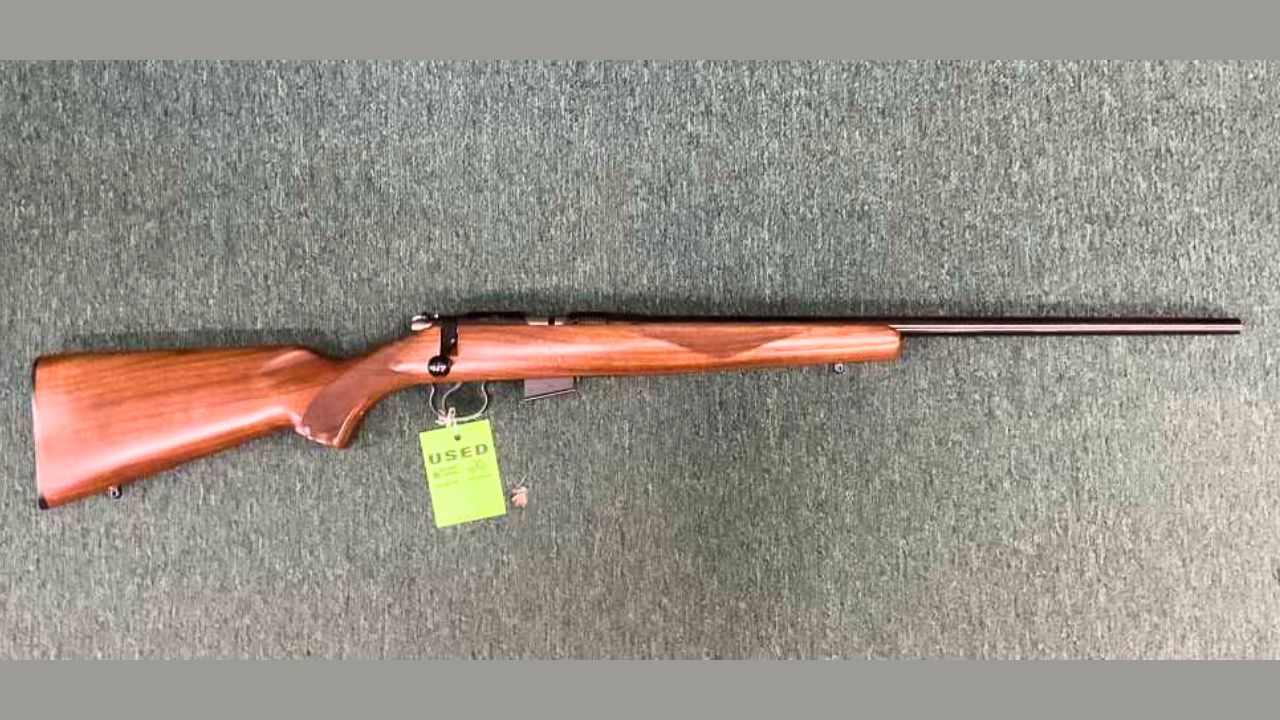
The CZ 452 is another rimfire I would hesitate to sell because it represents a kind of traditional bolt-action .22 that manufacturers increasingly replace with newer platforms. The rifles earned a reputation for excellent accuracy, good barrels, and attractive walnut without requiring truly premium prices.
That combination makes a clean 452 more desirable to me than its basic specifications suggest. Certain versions and chamberings are already harder to find than others, and the rifles have developed a loyal following. If I already owned one that shot particularly well, selling it because it had not been fired recently would make little sense. Accuracy and familiarity are difficult to buy back once lost.
Smith & Wesson Model 29

The Model 29 is too connected to American revolver history to sell thoughtlessly. The .44 Magnum chambering, N-frame size, beautiful older finishes, and enormous cultural recognition give it significance even for someone who rarely shoots full-power magnum ammunition.
Older examples with the right barrel lengths, factory stocks, and original finish deserve particular caution. You may own another .44 that is easier to carry or more comfortable with heavy loads, but that does not make the Model 29 redundant. Some guns are worth keeping because they represent an entire era. A good Model 29 is one of them.
Like The Avid Outdoorsman’s content? Be sure to follow us.
Here’s more from us: