Photo credit: WHO_TEE_WHO/Youtube
When you hunt with an outfitter, you’re usually paying for access, time, and somebody else’s hard-earned system. Horses are saddled, packs are staged, coffee is on, and the guide is already watching the wind while you’re still blinking sleep out of your eyes. And somewhere in that mix is a rifle you probably won’t even look at twice.
Most clients fixate on their own rig. New stock. Fresh scope. The “perfect” caliber they researched all summer. Meanwhile, the outfitter’s rifles live a harder life than anything that stays in a safe. They get bounced in trucks, leaned in corners, rained on, and handed to people who don’t know where the safety is. So outfitters end up owning rifles that are boring on purpose: common, durable, easy to feed, and easy to fix when something goes sideways.
1. Remington Model 700 BDL

There’s a reason you still see these in old wall racks behind the counter at a lodge. The 700 BDL points naturally, carries well, and it doesn’t take a gunsmith-magician to keep one shooting. Most outfitters I’ve been around have at least one that’s been “the spare” for years.
Clients rarely notice because it isn’t trendy. It’s walnut and blue steel, and it looks like somebody’s dad’s deer rifle. But that’s exactly why it works: it’s familiar, it balances well off sticks, and it usually has a simple, proven scope that stays put.
2. Remington Model 700 SPS Stainless
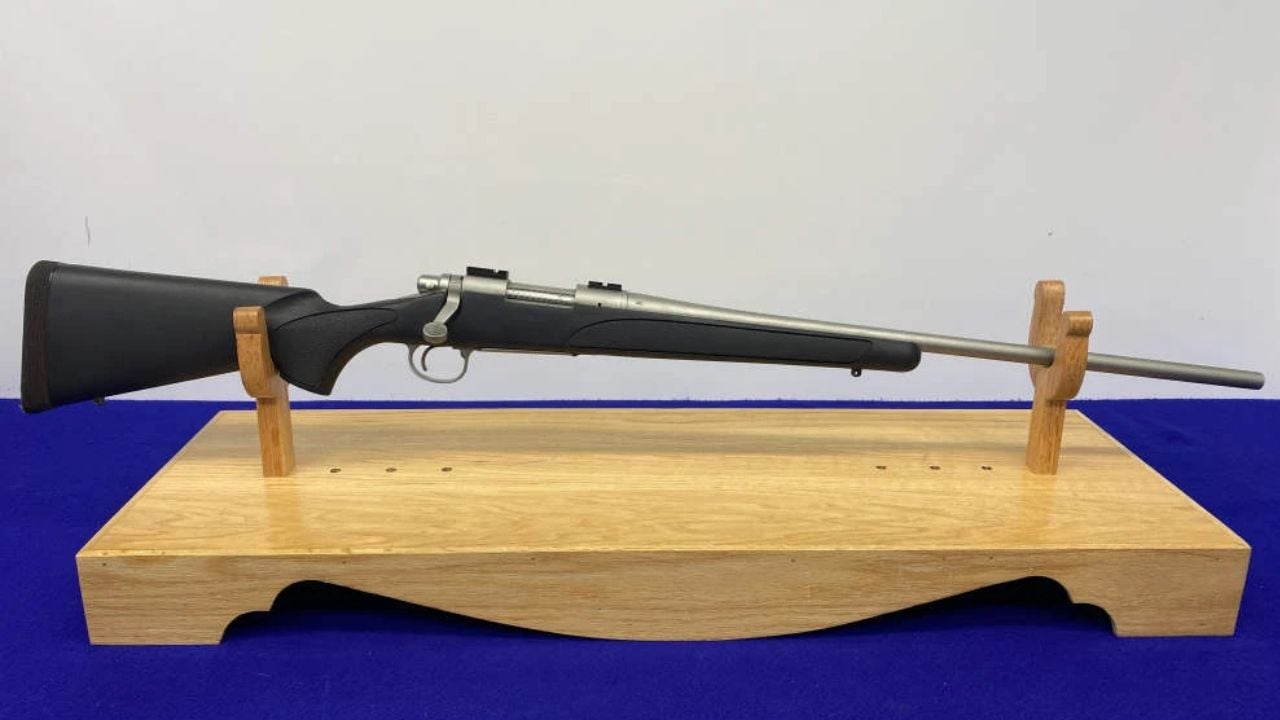
This is the version that lives in the back seat, not the display rack. Stainless and synthetic isn’t romantic, but it’s a real answer to wet snow, coastal drizzle, and a week of being in and out of a scabbard.
What clients miss is how much an outfitter values “won’t rust if I forget to wipe it down tonight.” These rifles are often the ones that get loaned to the guy whose fancy rig took a fall off the ATV and shifted zero.
3. Winchester Model 70 Featherweight

When an outfitter is the one hiking too, weight matters. A Featherweight in a sensible caliber is the rifle that rides easy all day and still settles on target without feeling whippy.
Most clients notice their own sore shoulders before they notice the guide’s rifle. But if you see a guide carrying one of these year after year, it’s because it’s doing exactly what it’s supposed to do without fuss.
4. Winchester Model 70 Super Grade

Rayvolver44/YouTube.
Not every outfitter rifle is a beater. Some are the “this place has history” gun, and a Super Grade fits that role. It’s the rifle that comes out when a long-time repeat client shows up, or when someone wants to take pictures after a successful hunt.
Clients often assume it’s just for looks. The truth is a good Model 70 action is slick, controlled-round feed is confidence-inspiring when things get hectic, and these rifles tend to just keep shooting.
5. Ruger M77 Hawkeye
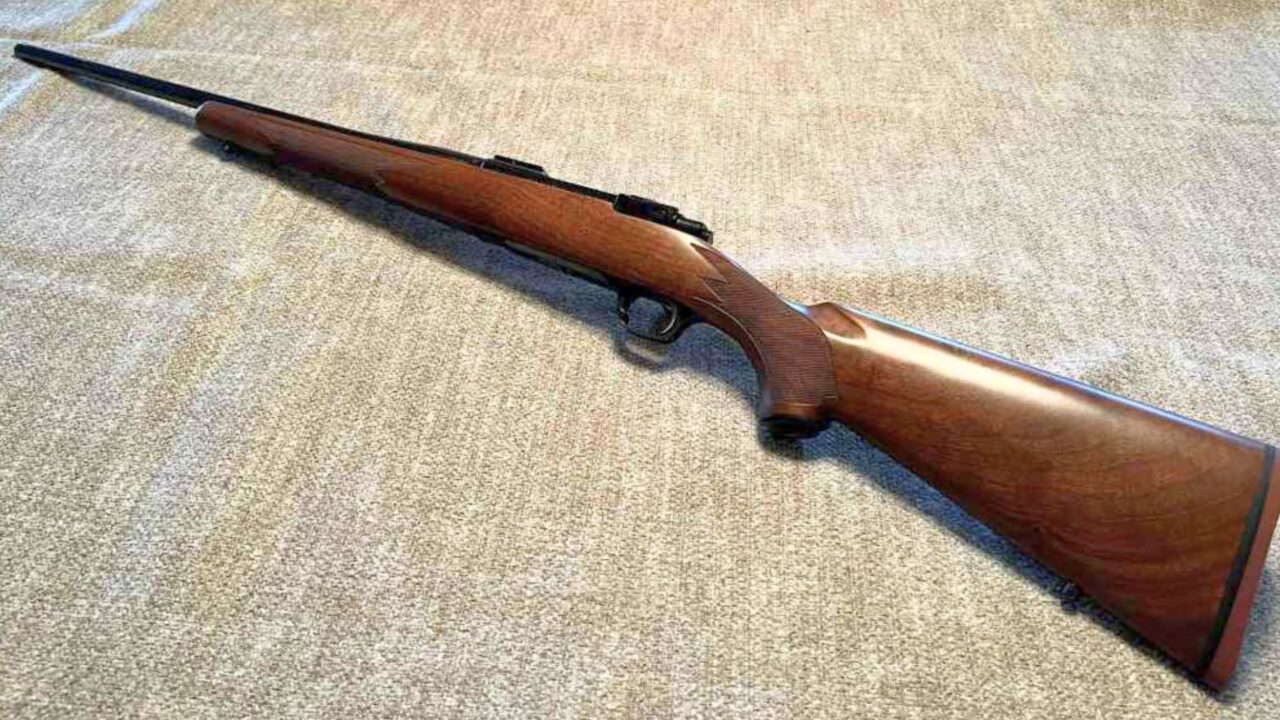
The Hawkeye is the kind of rifle that doesn’t beg for attention. It’s sturdy, it’s weather-resistant, and the action feels like it was built for actual field use instead of a showroom fondle.
Outfitters like rifles that don’t turn into a project when dust and pine needles get involved. The Hawkeye is also the kind of gun you can hand to a client without a long speech. Safety, bolt, trigger. Done.
6. Ruger American Rifle

Yes, some outfitters keep a budget rifle on hand. Not because they’re cheap, but because they’re practical. A Ruger American that shoots honest groups is a tool, and tools get used.
Clients don’t notice because it isn’t fancy and doesn’t have a romantic story. But when you need a loaner that you won’t cry over if it gets a new scratch, this is exactly the kind of rifle that fills the gap.
7. Tikka T3x Lite
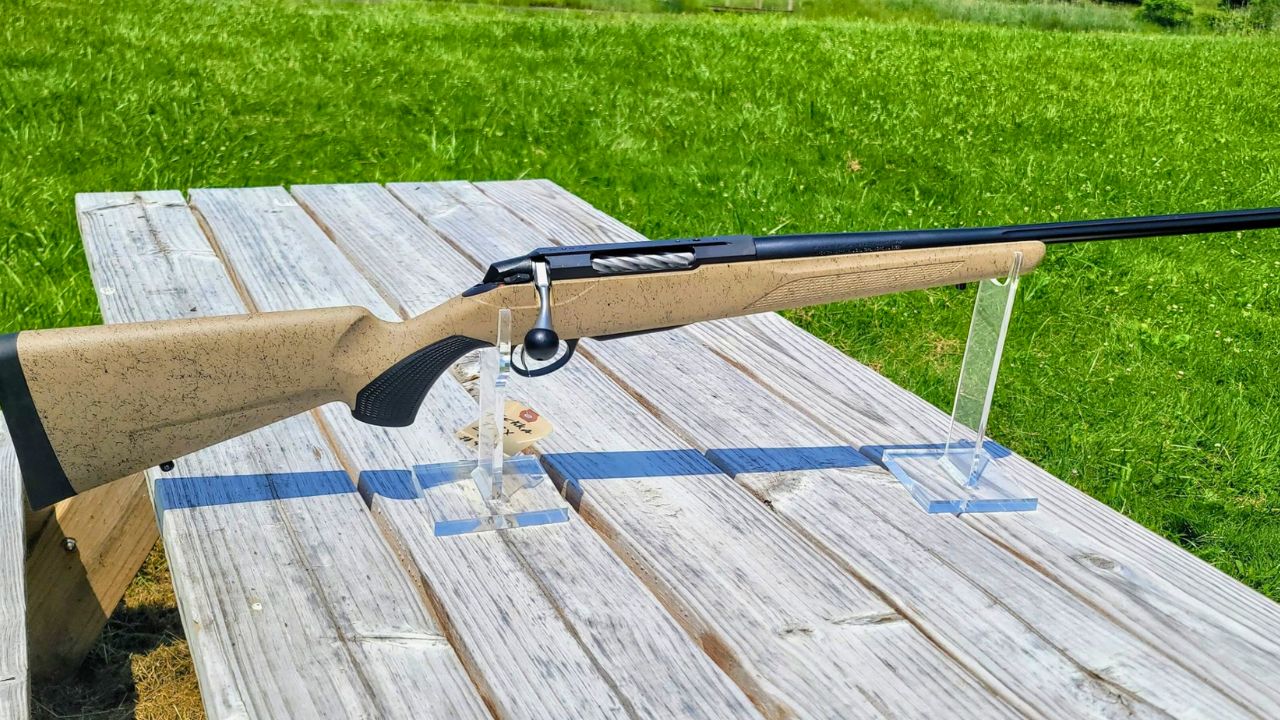
If you’ve ever run a Tikka bolt fast, you know why it shows up in guide hands. Smooth, reliable, and accurate with a wide range of factory ammo. It’s almost unfair.
Clients miss the point because “lightweight” sounds like a compromise. In the mountains, it’s not. A T3x Lite with a sane scope is a rifle you can carry all day and still shoot well when you’re breathing hard.
8. Sako 85 Finnlight

This is the rifle the outfitter owns for himself, not for the loaner rack. It’s refined, light, and it runs like it’s on bearings. When a guide is serious about one clean shot, this kind of rifle makes sense.
Clients tend to overlook it because they’re watching the animal, not the rifle. But the Finnlight is one of those guns that quietly tells you the person holding it cares about the details.
9. Browning X-Bolt Stainless Stalker
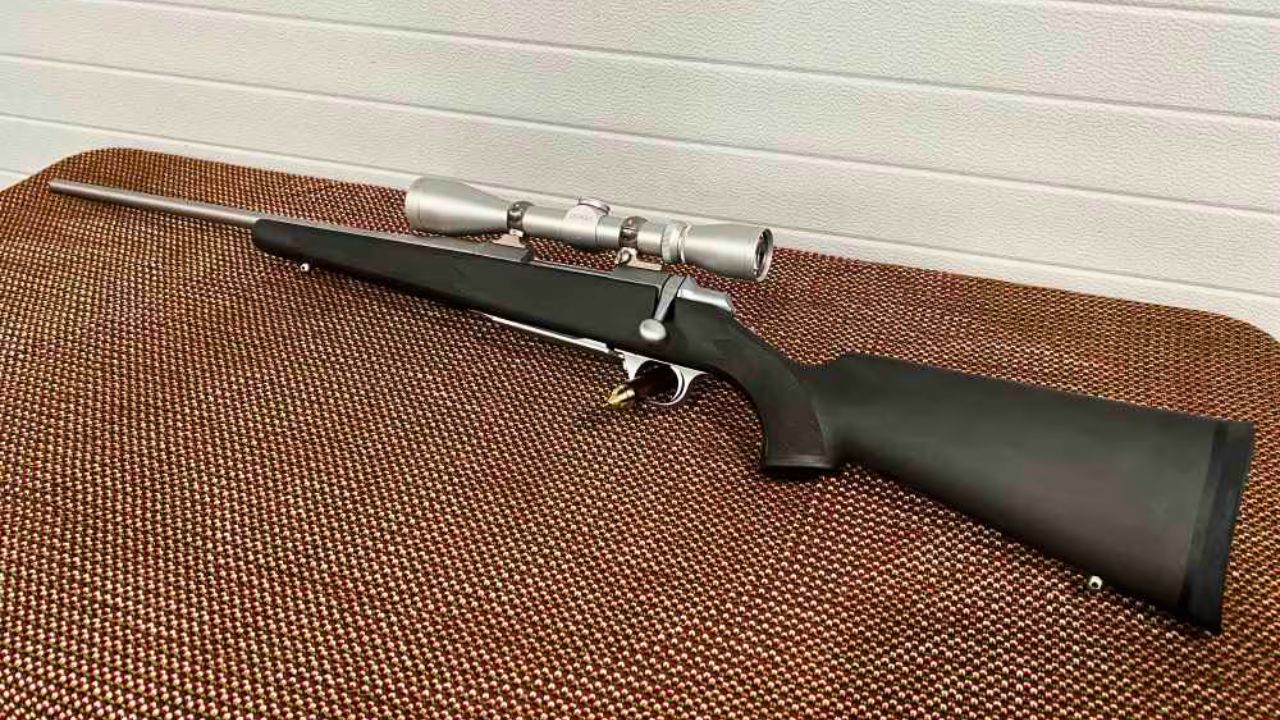
Outfitters hunt in miserable weather on purpose. The X-Bolt Stainless Stalker is built for that reality. It’s not a collector piece, it’s a “keep going” rifle.
Clients don’t always realize how many days a guide spends out there when nobody is paying for a tag. A rifle that shrugs off rain and still cycles smooth is worth more than good marketing.
10. Browning A-Bolt (older models)

The A-Bolt isn’t the new hotness, but plenty of outfitters still have one that shoots lights out. They tend to be accurate, they carry well, and they’ve been around long enough that the bugs are known.
This is a common “camp rifle” because it’s proven. If it’s been knocking down elk or mule deer for 20 years, the outfitter isn’t looking for reasons to replace it.
11. Savage 110

There’s a certain kind of confidence that comes from a rifle that just shoots, even if it’s not the prettiest thing on the rack. The Savage 110 has earned that reputation over and over.
Clients don’t notice because it doesn’t have the slickest bolt feel and it doesn’t always win beauty contests. But when the outfitter needs a rifle that will still group after being bounced around, a 110 makes a lot of sense.
12. Savage 110 Ultralite

This one shows up with guides who walk big miles and still want a rifle that behaves. Lightweight rifles can be finicky. The 110 Ultralite is one of the better attempts at keeping weight down without turning the rifle into a temperamental diva.
Clients often assume any light rifle is going to kick like a mule and shoot like a scattergun. In the right cartridge, these can be surprisingly manageable and plenty accurate.
13. Weatherby Vanguard

The Vanguard is a quiet workhorse. It’s not as flashy as a Mark V, but it tends to feed well, shoot well, and hold up to real use. That’s exactly what a working rifle is supposed to do.
Outfitters like predictable. They like a rifle that will behave with off-the-shelf ammo when someone’s luggage gets lost or the “special load” didn’t make the trip.
14. Weatherby Mark V (Accumark)
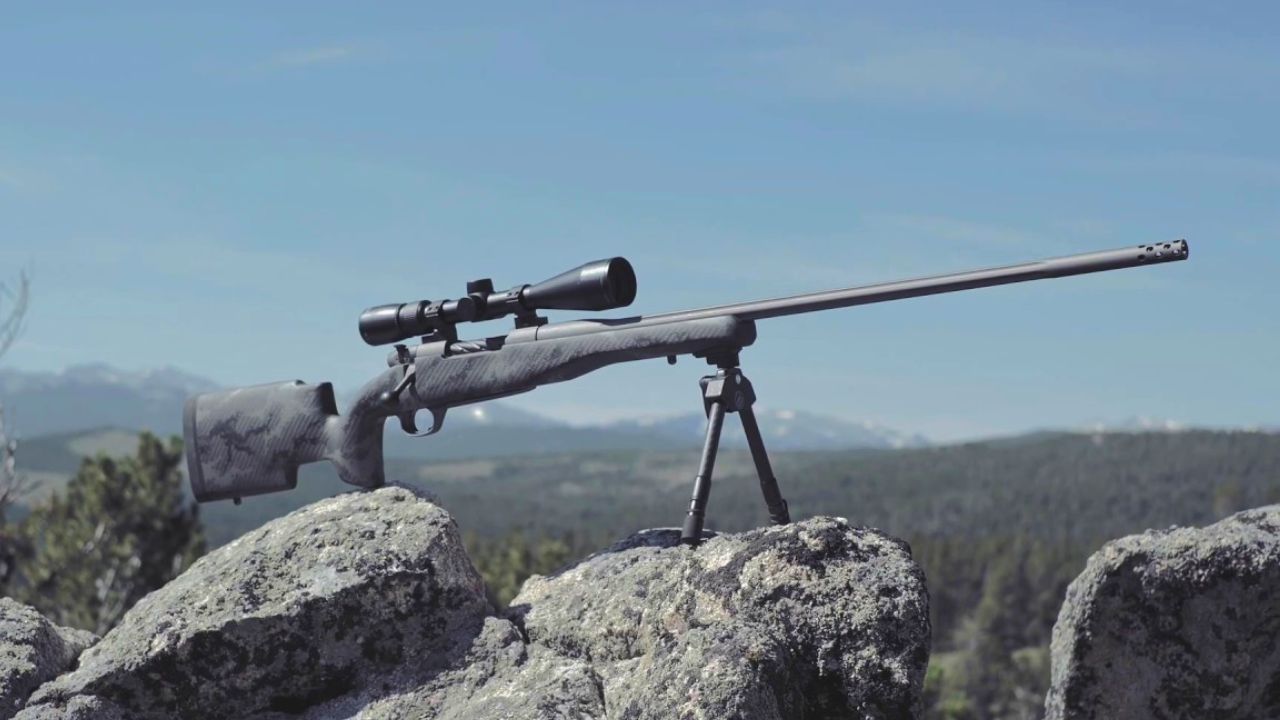
Some outfitters keep a “reach out there” rifle for places where shots can stretch. The Accumark is heavy, sure, but it’s built to shoot, and it’s built to stay consistent.
Clients usually don’t notice because they’re wrapped up in the animal and the moment. But when a guide drags out a heavy Mark V, it’s often because he’s already thinking about wind, rest, and a clean finish.
15. CZ 550 (Full Stock or American)
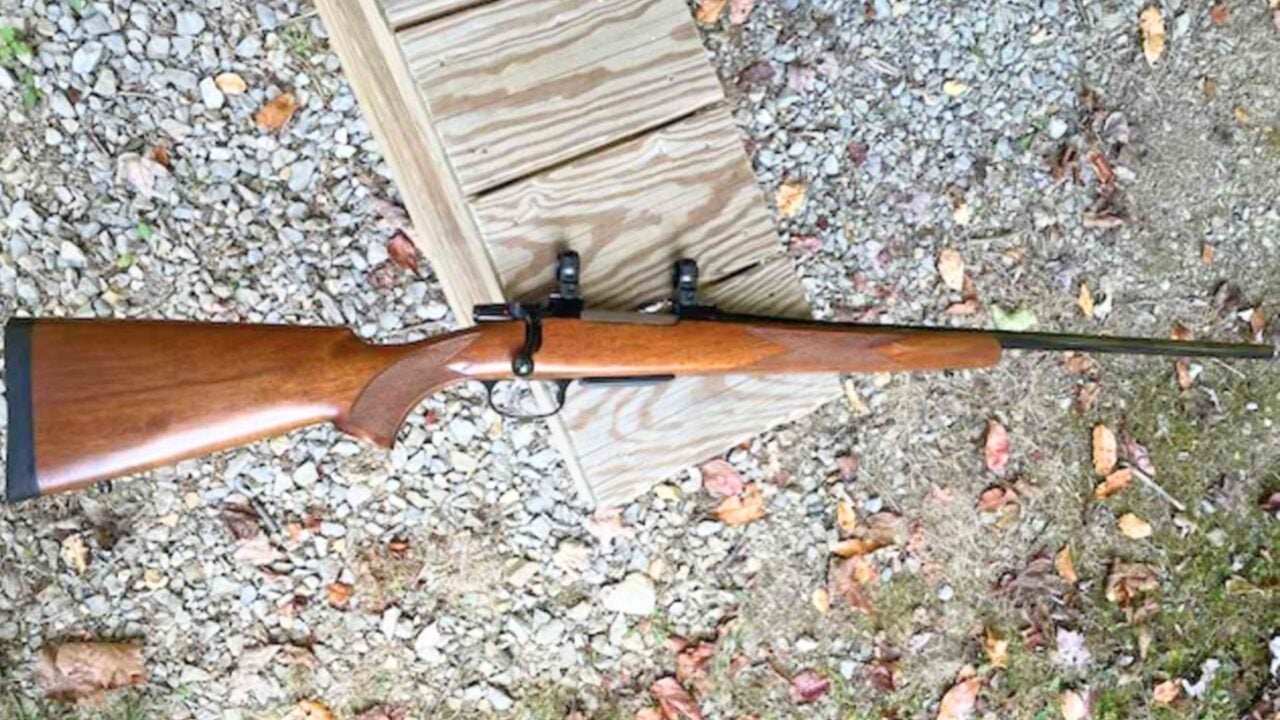
You don’t see CZ 550s everywhere anymore, which is exactly why the ones in camps tend to stay. They’re solid, controlled-round feed rifles with a classic feel, and they handle field abuse better than their looks suggest.
Clients overlook them because they don’t recognize the model right away. The outfitter recognizes it because it feeds reliably and feels steady when you’re shooting off sticks in awkward terrain.
16. Kimber 84M

Kimbers can be picky, and I’ll be honest about that. But when you get a good one, it’s a joy to carry. Outfitters who climb for a living appreciate a rifle that doesn’t feel like an anchor.
Clients rarely notice because it’s usually not the rifle being offered to them. It’s the guide’s personal rifle, and it’s chosen for one reason: it’s there when you need it and it doesn’t punish you on the hike.
17. Howa 1500

If you’ve never paid attention to Howa, that’s kind of the point. The Howa 1500 is a solid action that a lot of other rifles are built around, and it has a reputation for being steady and dependable.
Outfitters notice that parts and magazines are usually easy enough to get, and the rifles don’t require a delicate touch. Clients don’t notice because it’s not loud on the internet.
18. Mossberg Patriot

This is another “get the job done” rifle that can surprise you. The Patriot isn’t fancy, and some of them feel a little rough around the edges, but plenty shoot better than they have any right to for the money.
In an outfitter setting, it’s often a backup rifle or a camp rifle for straightforward hunts where the conditions are hard on gear. If it gets a new scar, nobody panics.
19. Marlin Model 336
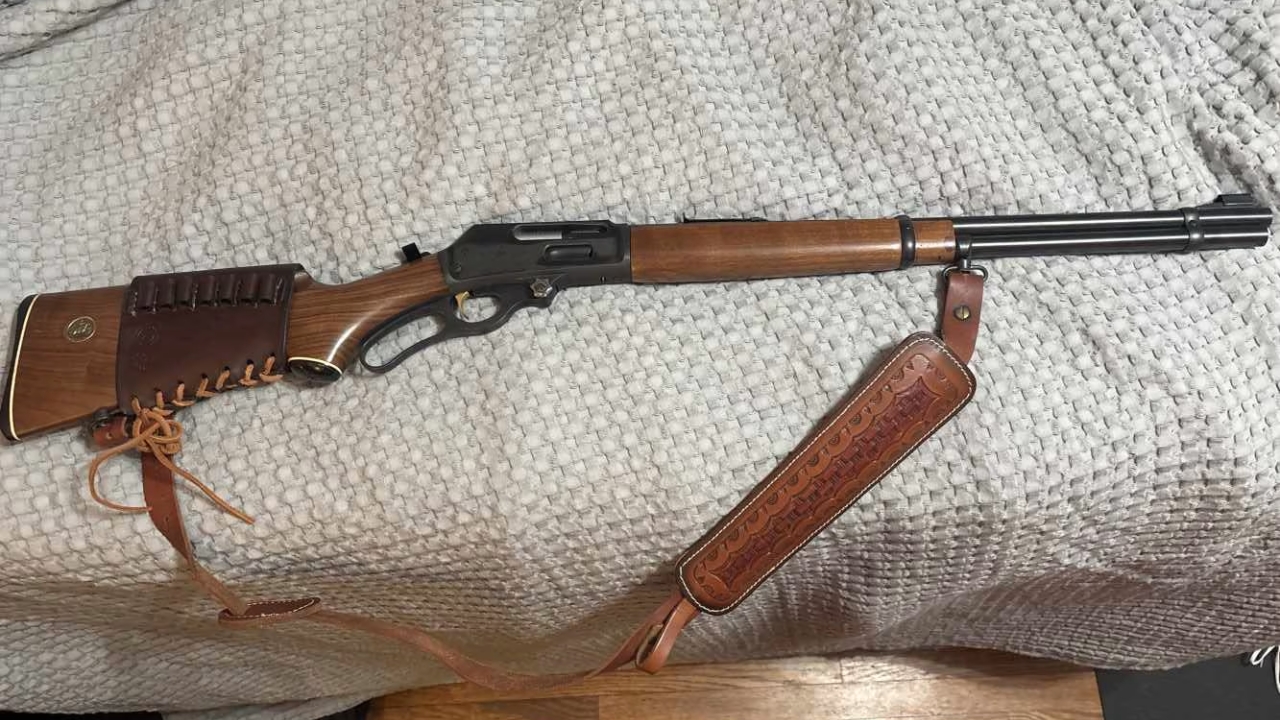
In thick timber and close country, the lever gun still makes sense. A Marlin 336 carries like it was designed to be carried, it comes to the shoulder quick, and it doesn’t snag every branch on the mountain.
Clients don’t always notice because they’re thinking “rifle equals bolt action.” Then they watch a guide slide a 336 through alders like it’s part of his arm and they start to understand why it never left the camp.
20. Ruger Gunsite Scout Rifle
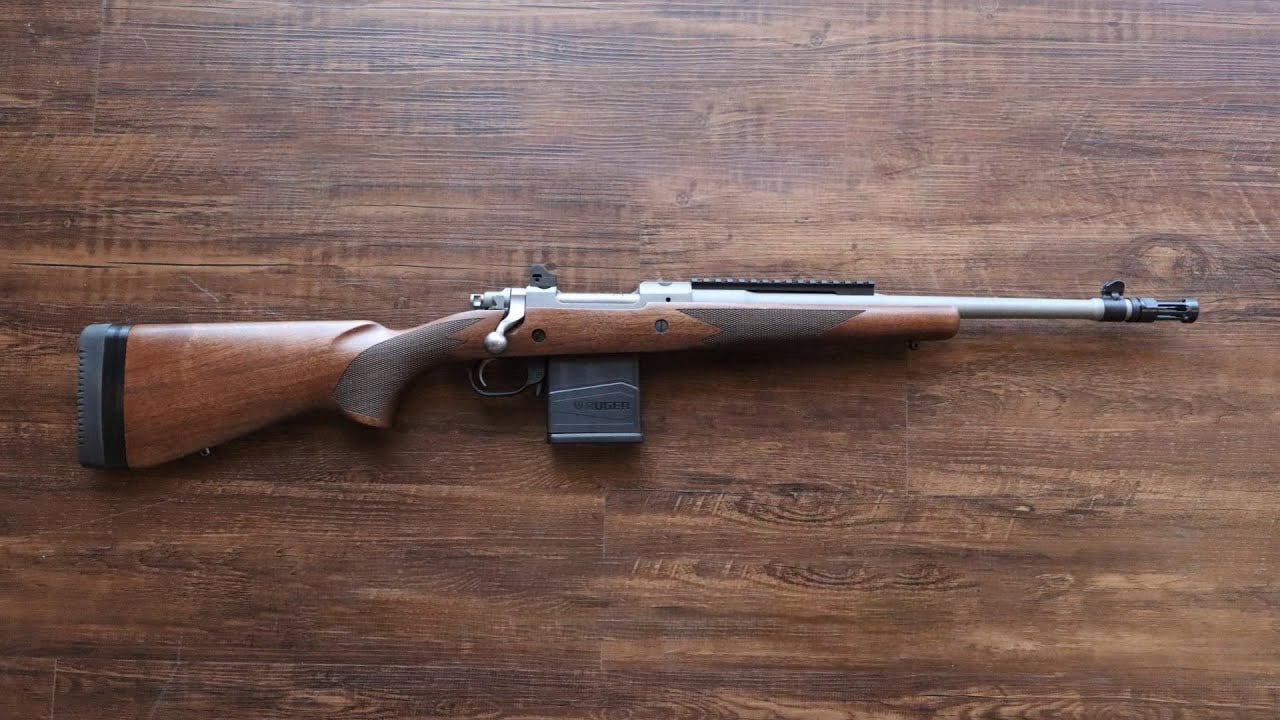
This is the rifle that lives between worlds. It’s handy, short, tough, and practical in a way that doesn’t show up on a spec sheet. Outfitters like it as a utility rifle around camp and for certain hunts where quick handling matters.
Clients often don’t notice because the rifle looks a little different and the whole “scout” concept isn’t what most hunters grew up on. But when you need a rifle that rides well in a vehicle, carries easy, and still hits where it’s pointed, it earns its keep.
None of these rifles are magic. They’re just the kind of guns that survive hard seasons, weird weather, and the kind of handling that happens when a hunter is tired, cold, and excited. If you’re the client, bring what you trust and shoot it a lot before you show up. But pay attention to what the outfitter keeps behind the scenes, because the rifles that quietly stack years without drama are usually the ones worth learning from.
Like The Avid Outdoorsman’s content? Subscribe to our newsletter so you never miss an article.
Here’s more from us: