Photo credit: Paul Harrell/YouTube
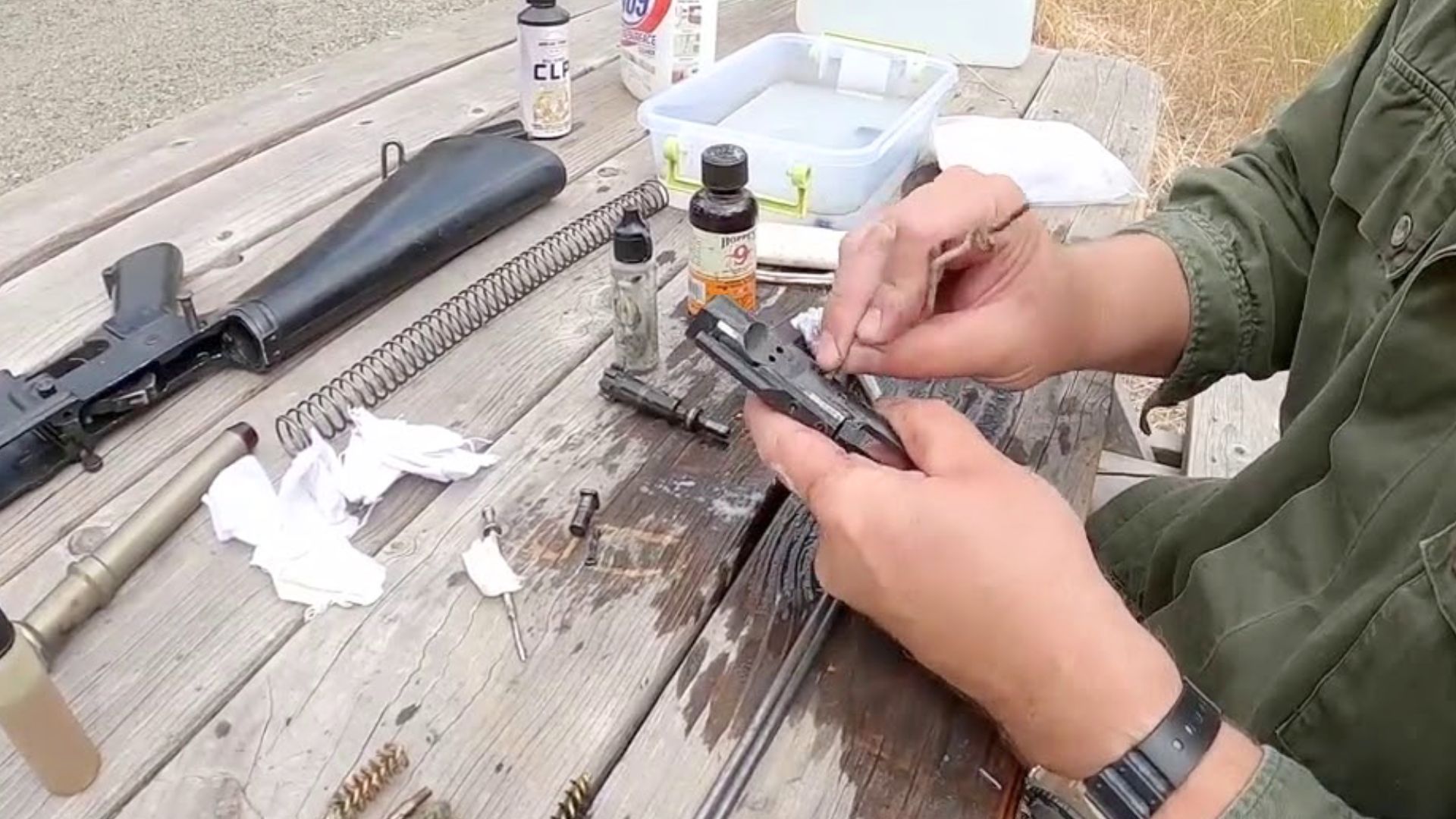
Every firearm needs cleaning. That’s just part of the deal. But some guns make you question whether it’s even worth the effort. You start out thinking it’ll take thirty minutes, then two hours later you’re still chasing carbon out of crevices you didn’t know existed. It’s not just about fouling, either—it’s the design. Overcomplicated takedowns, awkward pin systems, tight clearances, and delicate little springs waiting to launch themselves into the next county. Armorers put up with it because they have to, but they don’t have to like it. And you? If you’ve ever cursed a bolt carrier or nearly thrown a firing pin across the bench, you know exactly what I’m talking about. These are the guns that shoot fine—but cleaning them is a headache no one wants twice.
Desert Eagle

The Desert Eagle isn’t just big—it’s complicated. You don’t field strip it so much as surgically dismantle it. Everything feels oversized and awkward, and there are parts that require a second look at the manual every time. That gas-operated system dumps carbon everywhere, and you’ll be scrubbing the piston like you’re trying to clean an old grill.
It’s not hard because it’s delicate—it’s hard because it’s clunky and stubborn. The slide alone is heavy enough to bruise your hand if it slips, and trying to line everything back up can turn into a wrestling match. Armorers groan when they see one coming, not because it’s unreliable, but because it’s a time sink with no shortcuts. You can shoot it for fun, sure. But if you ever find yourself assigned to clean one more than once, you’ll regret every trigger pull.
FN FS2000
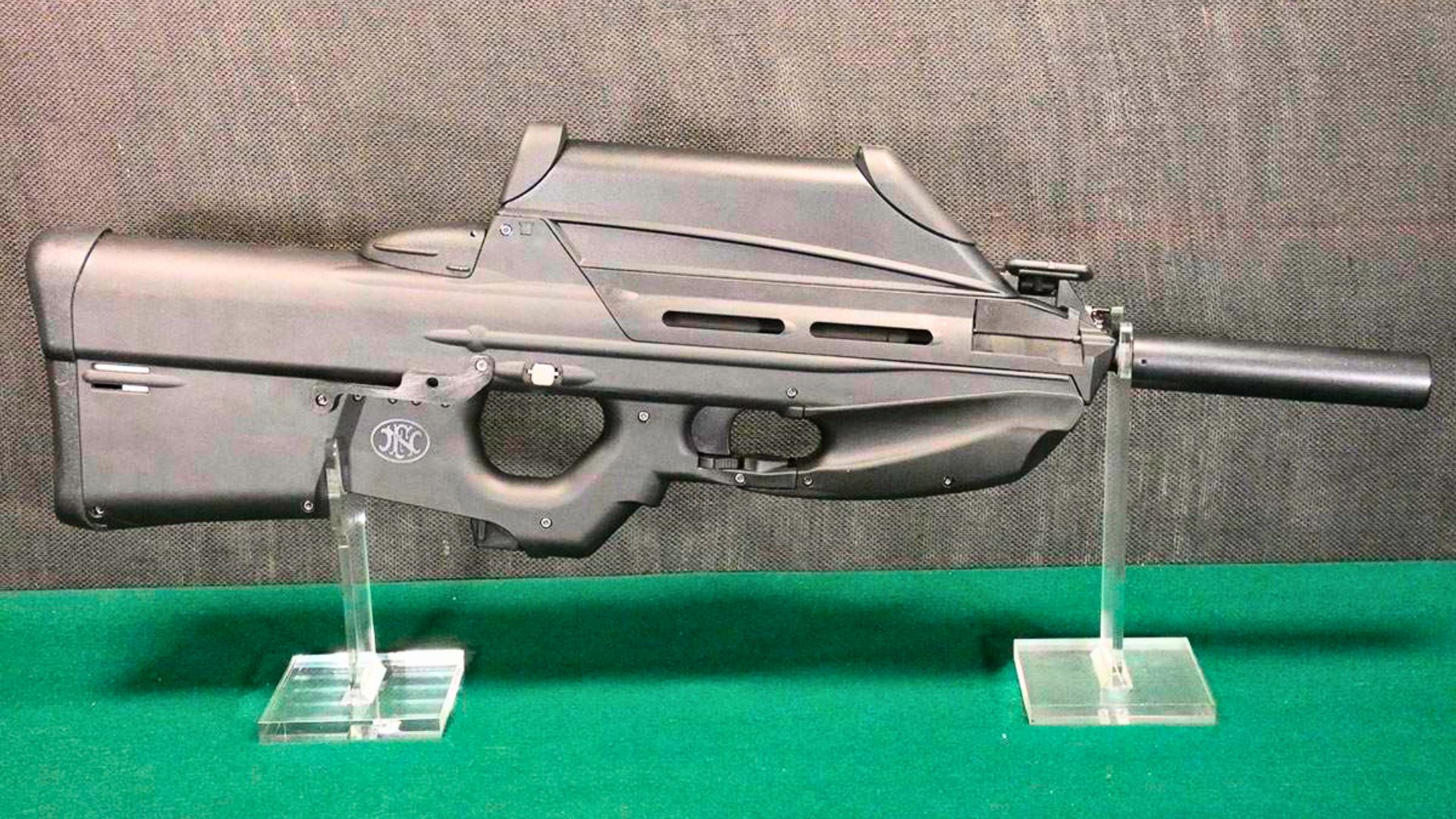
The FS2000 looks futuristic, but cleaning it feels like disassembling a sci-fi prop held together by tension and frustration. The forward ejection system and bullpup design make everything harder to reach, and once you pop it apart, you’ll swear there’s a better way to build a rifle—because there is.
Carbon builds up in strange places, and the bolt carrier group is buried deep inside the chassis, wedged behind layers of tight-fitting polymer. It’s not intuitive, and it’s not fast. Once it’s apart, cleaning isn’t impossible—but getting it back together takes patience and a steady hand. Armorers don’t mind seeing one once. But when you realize you have to go through the same convoluted process after every shoot, the novelty wears off fast. It’s functional, but there’s a reason few departments ever adopted it long-term.
HK G36
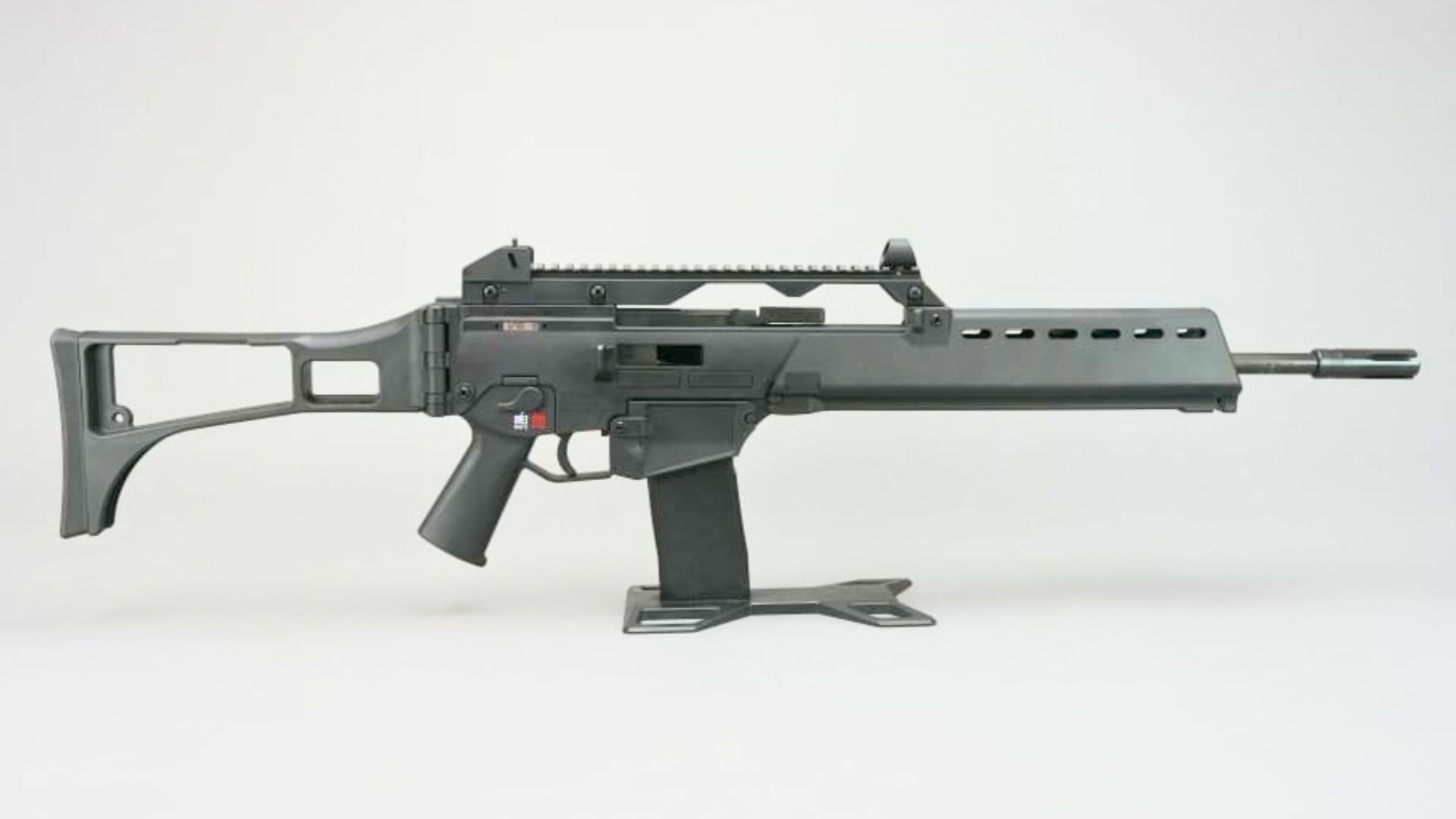
The G36 has a reputation for reliability, but maintenance is a different story. It’s not that it can’t run dirty—it can. The problem is when it finally does need a deep clean, everything is pinned, nested, or built into a polymer frame that’s difficult to scrub thoroughly.
The bolt group has small parts that need careful handling, and the gas system gets fouled up in hard-to-reach spots. You’ll find yourself using dental picks, pipe cleaners, and a flashlight just to see where the carbon is hiding. Armorers who’ve worked with G36s don’t forget how tedious it gets. The rifle runs great—but cleaning it isn’t something you look forward to. Once you’ve broken one down fully, you’ll think twice before letting it go more than a few hundred rounds without regretting it later.
Beretta 92FS

The 92FS isn’t impossible to clean, but it is tedious—and messy. That open-slide design sprays burnt powder and debris all over the place, and the locking block setup builds up fouling in tight corners. You’ll get black rings around the barrel and thick gunk around the lugs after every session.
Disassembly is straightforward, but once you’re in, the real work begins. Cleaning the slide rails is time-consuming, and the trigger components pick up crud in spots you can barely reach without full detail strip. It’s not as bad as some designs, but it gets worse with frequent use. Armorers know this gun can run dirty, but if you want to keep it smooth and reliable, cleaning it thoroughly is a commitment. Do it once and you’ll respect it. Do it twice and you’ll start to resent it.
Steyr AUG

The AUG is a clever rifle—but clever doesn’t mean easy to clean. Bullpup designs tend to hide everything important inside tight, inaccessible compartments, and the AUG is no exception. Its piston system builds up carbon quickly, and cleaning out the gas block is a knuckle-busting chore.
The bolt and carrier group aren’t intuitive to disassemble, and if you haven’t done it in a while, you’ll need a refresher. Getting inside the trigger group or inspecting wear points is no small feat, either. It was designed with reliability in mind, and it does shoot well dirty—but eventually, it needs a scrub. Armorers working on them often mutter under their breath about the Austrian engineers who thought this was user-friendly. Once cleaned, it runs fine. But the cleaning itself? Not something anyone volunteers for twice.
Walther P22

At a glance, the Walther P22 looks like it should be easy to clean—it’s small, rimfire, and modern. But the internal design says otherwise. That tiny slide is a pain to reassemble without a guide rod sleeve or third hand, and the recoil spring loves to kink or launch itself across the bench.
The hammer-fired system gets filthy quick, especially with bulk .22 LR ammo. And once the fouling sets in, you’ll find carbon in every little crevice behind the breech and under the barrel. You end up using Q-tips, dental picks, and every trick you’ve got just to chase the grime out. Armorers who’ve dealt with them don’t forget it. The P22 can be fun to shoot, but every round adds time to a cleaning process that already feels twice as long as it should. Once is plenty.
Desert Tech SRS
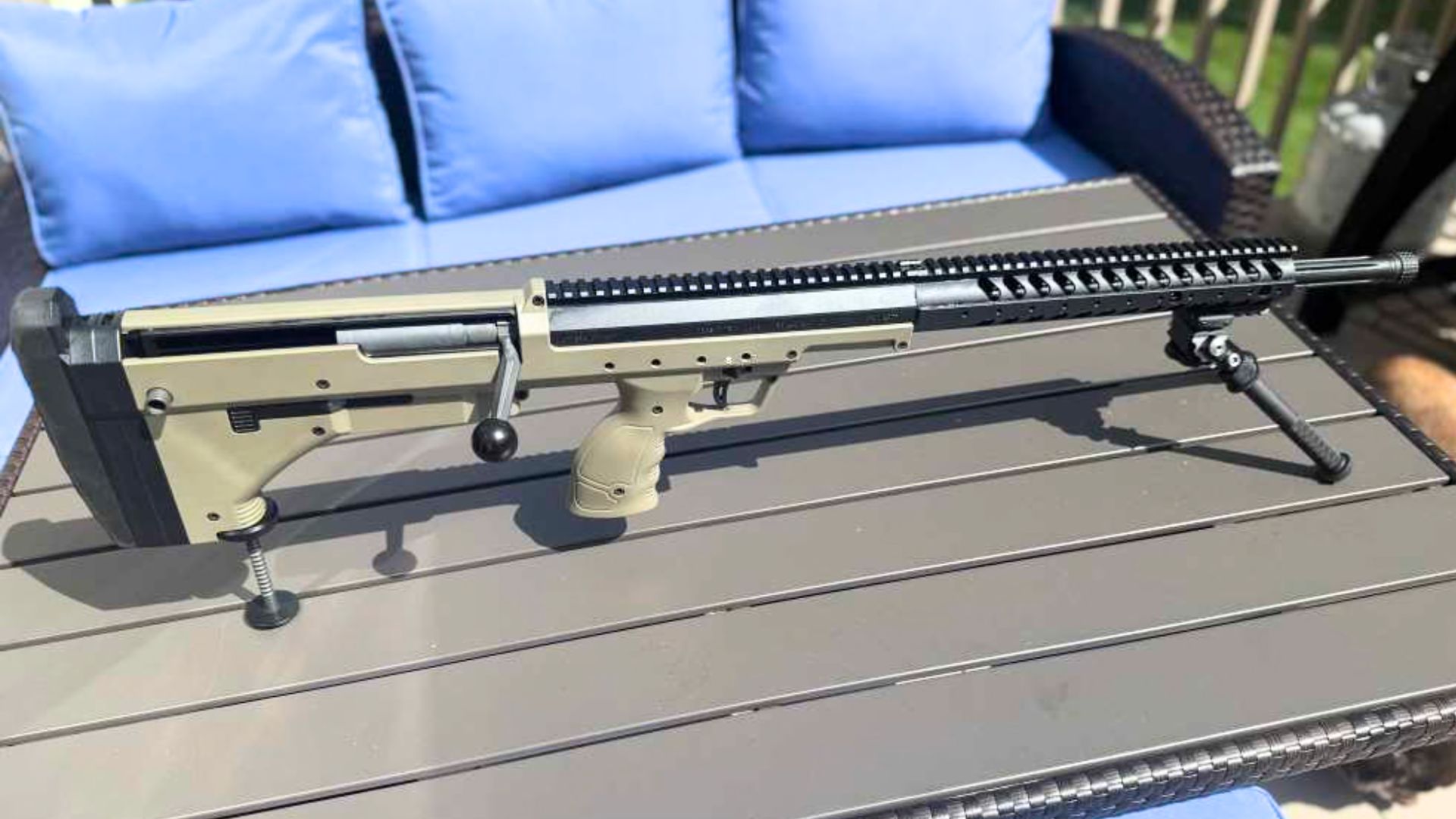
The SRS is a precision rifle with a modular design—but all that modularity comes at a cost. Takedown isn’t intuitive for anyone who hasn’t memorized the process, and cleaning around the barrel extension and bolt lugs requires finesse and the right tools.
Carbon fouling in the chamber area builds up faster than you’d expect, and cleaning the suppressor-ready muzzle threads without cross-contamination is a challenge. Armorers who work on these regularly know that once it’s running, it shoots lights-out—but getting it back to clean and smooth takes more effort than most other bolt guns. The bolt head is especially sensitive to buildup, and if you skip a few steps, you’ll feel it on the next run. It’s a high-end system—but high-end doesn’t mean easy.
SIG P320 with Manual Safety

The P320 platform has grown a lot, but the manual safety version throws in extra cleaning headaches. The internals are already nested within a chassis system that requires full removal from the grip module for proper access. Add in the manual safety levers and you’re navigating small pins, springs, and tight spaces that don’t welcome brushes or patches.
Cleaning the trigger group is awkward, and carbon buildup around the striker channel often goes unnoticed until malfunctions start. Armorers don’t dread the P320 as a whole, but the manual safety variant earns a few extra groans. It doesn’t need daily scrubbing, but when it does get dirty, the amount of disassembly required just to do it right turns into a hassle no one’s in a rush to repeat.
FN Five-seveN
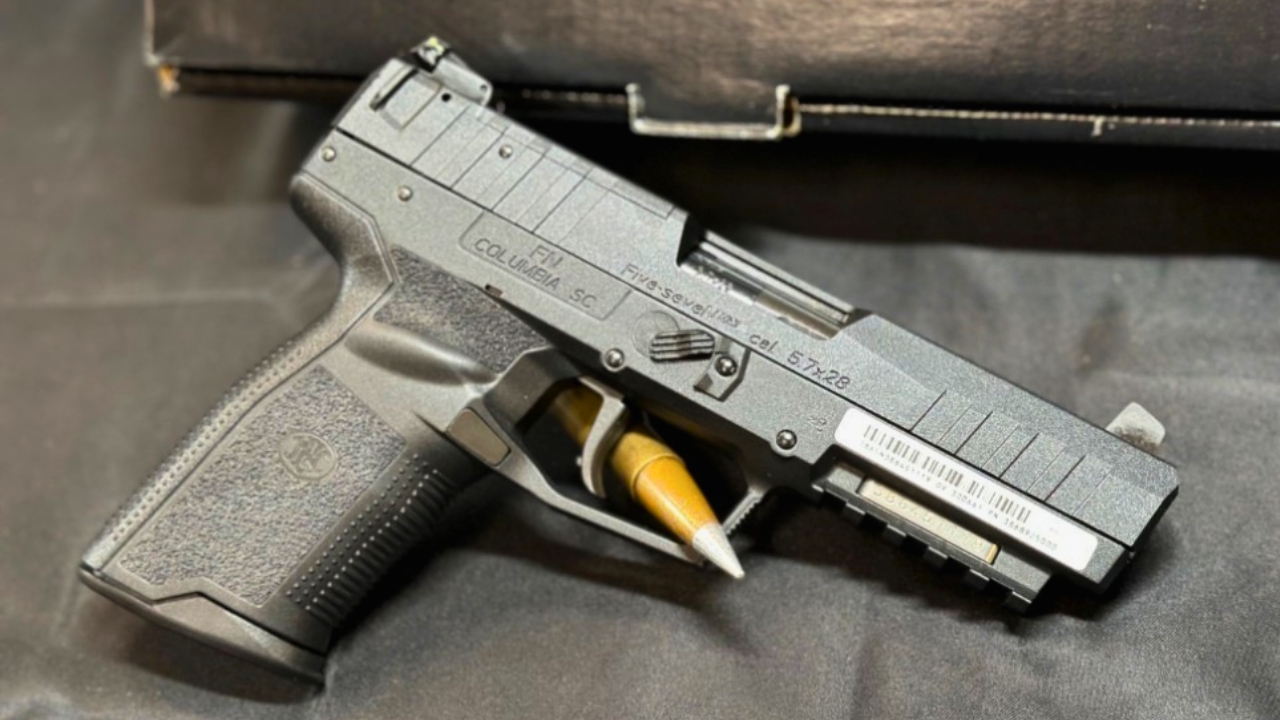
The Five-seveN was designed around the 5.7x28mm cartridge—but it feels like it was built against the idea of easy maintenance. The internals are buried deep in a polymer shell, and the slide feels hollow and sharp in all the wrong places. Cleaning the firing pin channel and breach face takes patience, and buildup gets baked in quickly.
It doesn’t help that the magazines get dirtier than they should and that the pistol is sensitive to fouling around the chamber. You’re constantly chasing carbon with swabs and compressed air, and reassembly isn’t always smooth. Armorers appreciate its performance, but cleaning one is always a chore. There are easier handguns to clean, and most of them don’t have half the quirks this one does. Do it once and it’s fine. Do it again and you start looking for excuses.
M249 SAW

Cleaning the M249 is a rite of passage for anyone who’s ever served in an armory—and not in a good way. It’s a machine gun that spits oil, carbon, and dirt like it’s allergic to cleanliness. Every surface gets coated, and every part you touch leaves a mark on your uniform.
The gas system builds up junk fast, and the feed tray collects gunk like a magnet. You’ll go through whole bottles of cleaner and still feel like it’s not enough. It’s got dozens of crevices, and the locking surfaces on the bolt are always sticky. Armorers know the M249 will keep running for a while, even dirty—but when it comes time to deep clean, nobody is excited. It’s a two-hour job that feels like four. You’ll get through it, but you won’t enjoy it.
FN FAL

The FAL has a legendary reputation—and a legendary cleaning headache to match. The piston system gets filthy quick, and breaking it down means dealing with tension springs, caked-on carbon, and tight tolerances that don’t always play nice with brushes.
Getting to the bolt carrier requires patience, and cleaning the gas block feels like trying to scrub out a metal straw filled with sand. Armorers who work with them know that while the FAL is a rugged rifle, it demands maintenance more often than most expect. Reassembly has to be done carefully, and if anything’s even slightly out of line, it’ll let you know the hard way. You can respect its history and still hate the cleanup. And after the second time, most folks do.
Like The Avid Outdoorsman’s content? Be sure to follow us.
Here’s more from us:
The worst deer rifles money can buy
Sidearms That Belong in the Safe — Not Your Belt
*This article was developed with AI-powered tools and has been carefully reviewed by our editors.