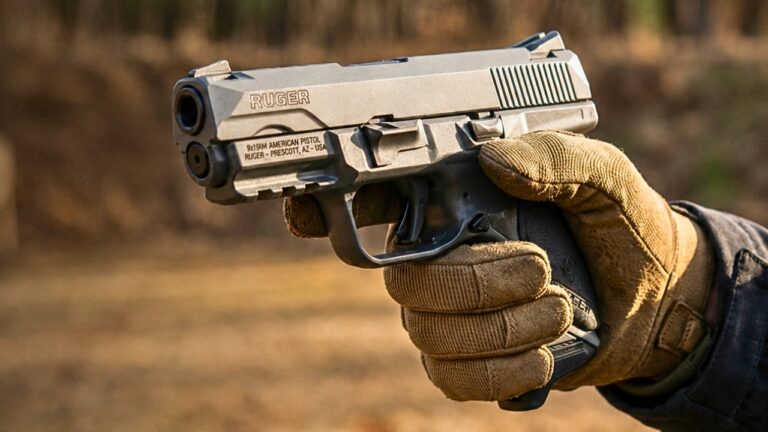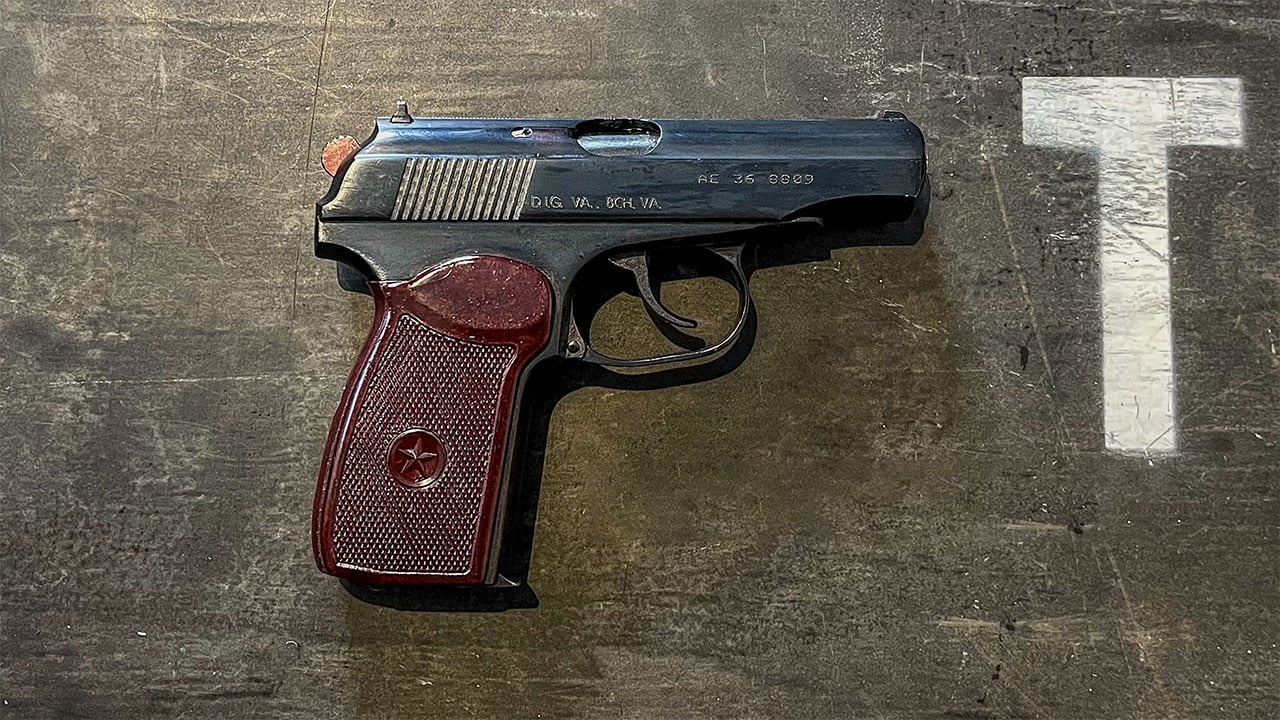
Photo credit: Battlefield Curator/Youtube
You ever notice how the “common” pistols are the ones that vanish first? Not the safe-queen customs. Not the boutique runs. It’s the plain-Jane sidearms that got carried, sweated on, dropped in truck consoles, and then “improved” with whatever was on sale at the gun counter that week.
A bunch of these handguns were made by the millions. They should be easy to find in original trim. But try to track down a clean, unmolested example now—correct parts, correct finish, correct grips, no home-brew trigger job, no rail screwed into the dust cover—and you’ll find out fast why old timers hang onto boring guns. Here are 20 that keep showing up in that category.
1. Glock 17 (Gen 2)
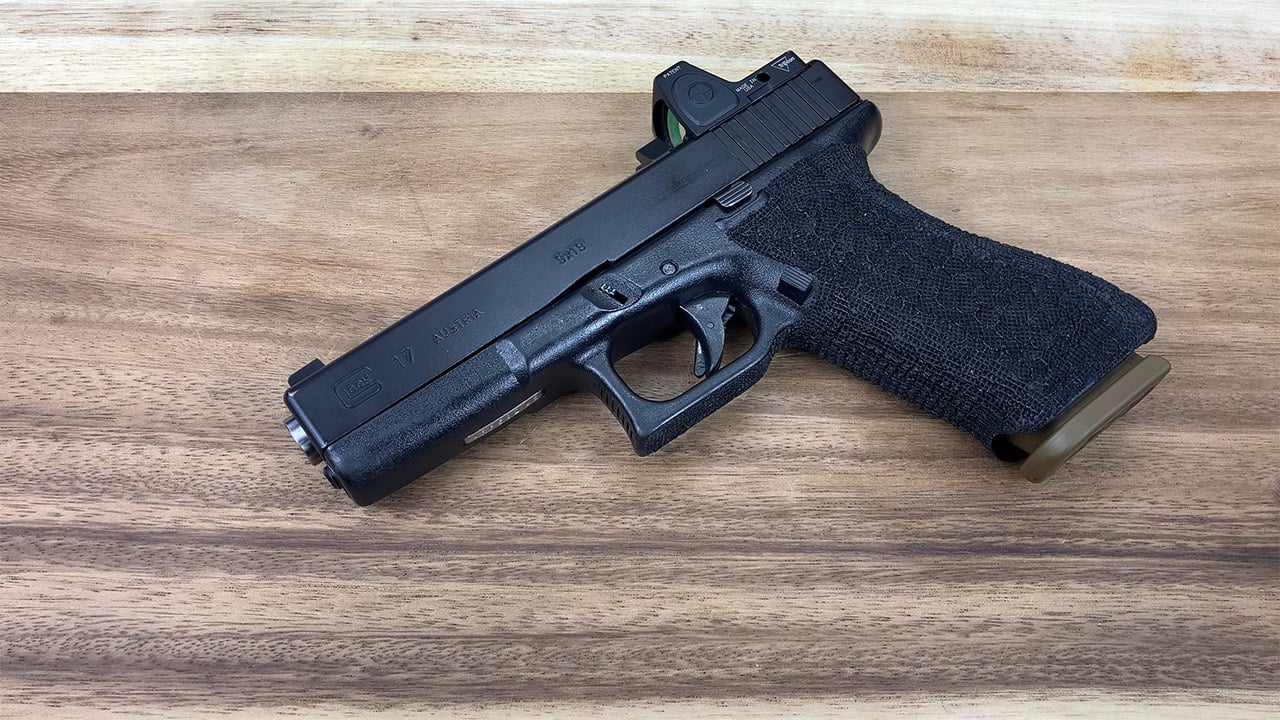
Gen 2 G17s were everywhere, and they ran. No finger grooves, simple texture, and that early “tool” vibe that still just feels right in the hand. They point flat and carry easier than you’d think for a full-size pistol.
The problem is most of them didn’t live gentle lives. Stippling jobs, chopped frames, undercut trigger guards, and a mountain of aftermarket internals are common. Finding one with its original finish, factory sights, and factory trigger parts is harder than it should be.
2. Glock 19 (Gen 3)
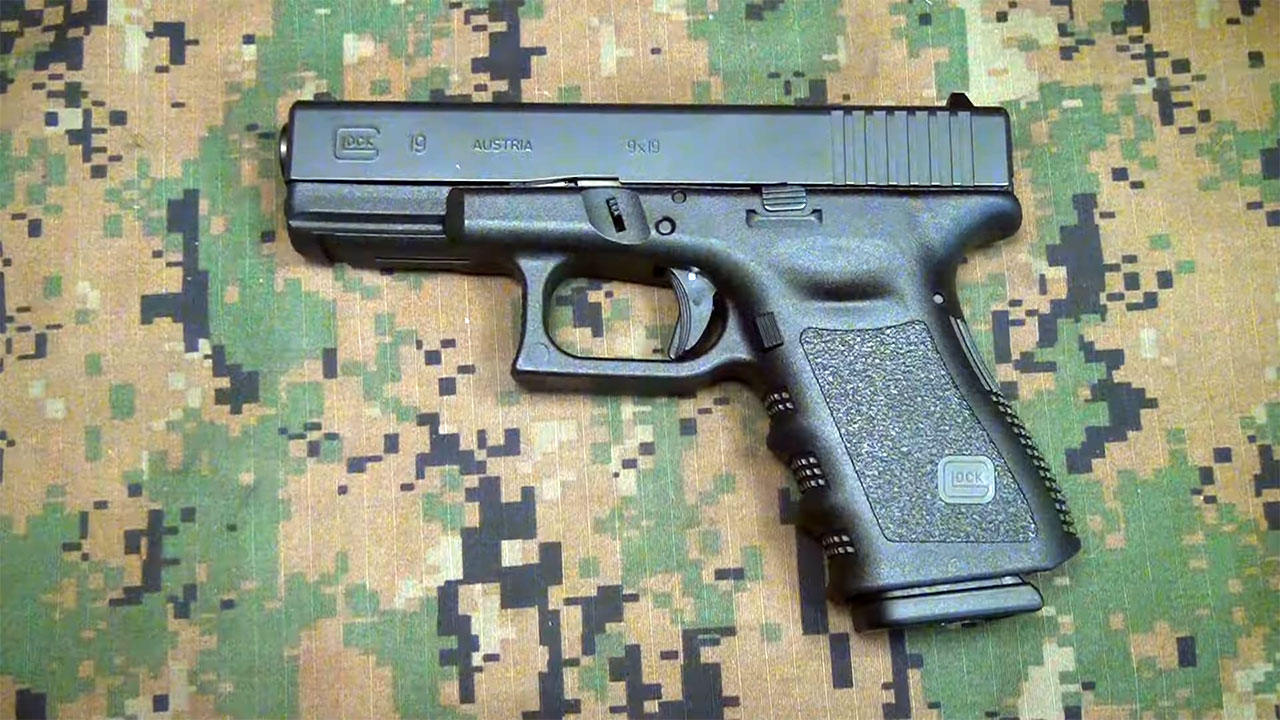
The Gen 3 G19 is the pickup-truck of pistols. It does everything well enough, it hides under a jacket, and it just keeps working. For a lot of folks, it was their first “serious” 9mm.
And that’s why unmodified ones are scarce. The G19 got hit with the full internet treatment: “minus” connectors, extended this-and-that, lightened strikers, and every kind of cut slide you can imagine. Clean, stock examples exist—just not often on the used shelf.
3. Beretta 92FS (Italian-made, early)
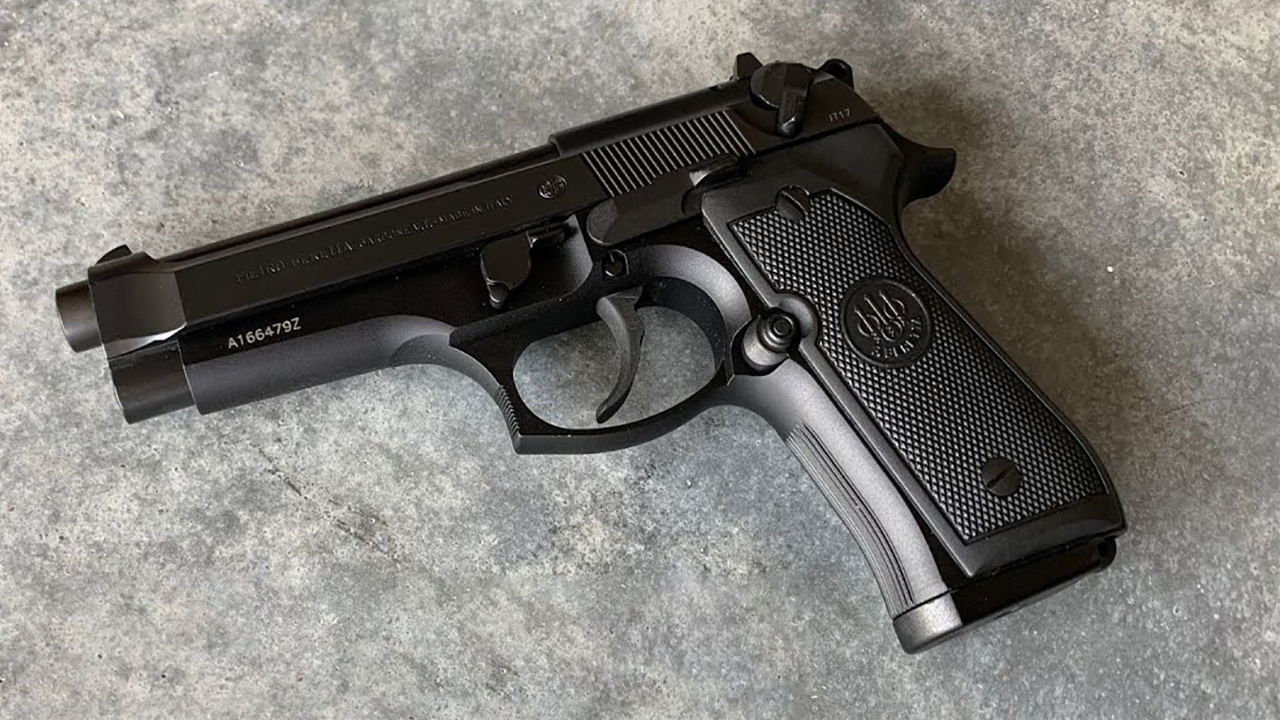
There’s a feel to an older Italian 92 that’s hard to describe until you run one fast. The slide cycles like it’s on rails, and the gun just sits in the hand when you’re doing controlled pairs.
Most of the ones you see now have swapped sights, changed hammers, aftermarket guide rods, or springs tuned for somebody’s pet load. It’s not that those changes are “wrong,” but a truly original 92FS with correct parts and matching magazines is getting tougher.
4. SIG Sauer P226 (West German)
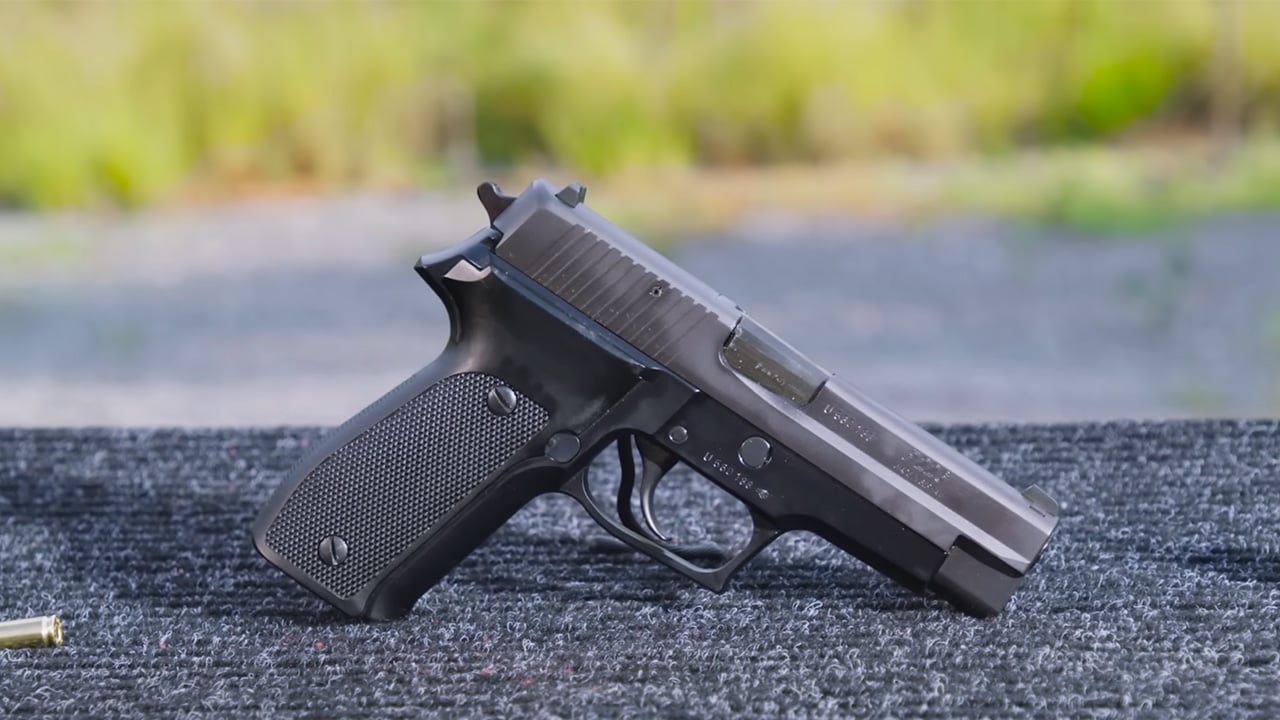
A real West German P226 has that classic SIG balance—heavy enough to be steady, not so heavy it’s a brick. The double-action pull is usually long but smooth, and single-action breaks clean if it hasn’t been messed with.
What happened is predictable: people chased lighter triggers. Springs got clipped, parts swapped, and frames got refinished after hard duty use. It’s a great pistol either way, but finding one that hasn’t been “tuned” by three different owners is a hunt.
5. SIG Sauer P229 (early .40/.357 models)

The P229 in .40 S&W was a working-gun era piece. Thick slide, stout recoil system, and built to digest snappy duty ammo. It’s not dainty, but it’s dependable.
Now a lot of them wear conversion barrels, different recoil springs, and mystery magazines. Many were police trade-ins that got cleaned up and “upgraded.” A bone-stock .40 with correct factory parts is oddly elusive.
6. Smith & Wesson Model 59
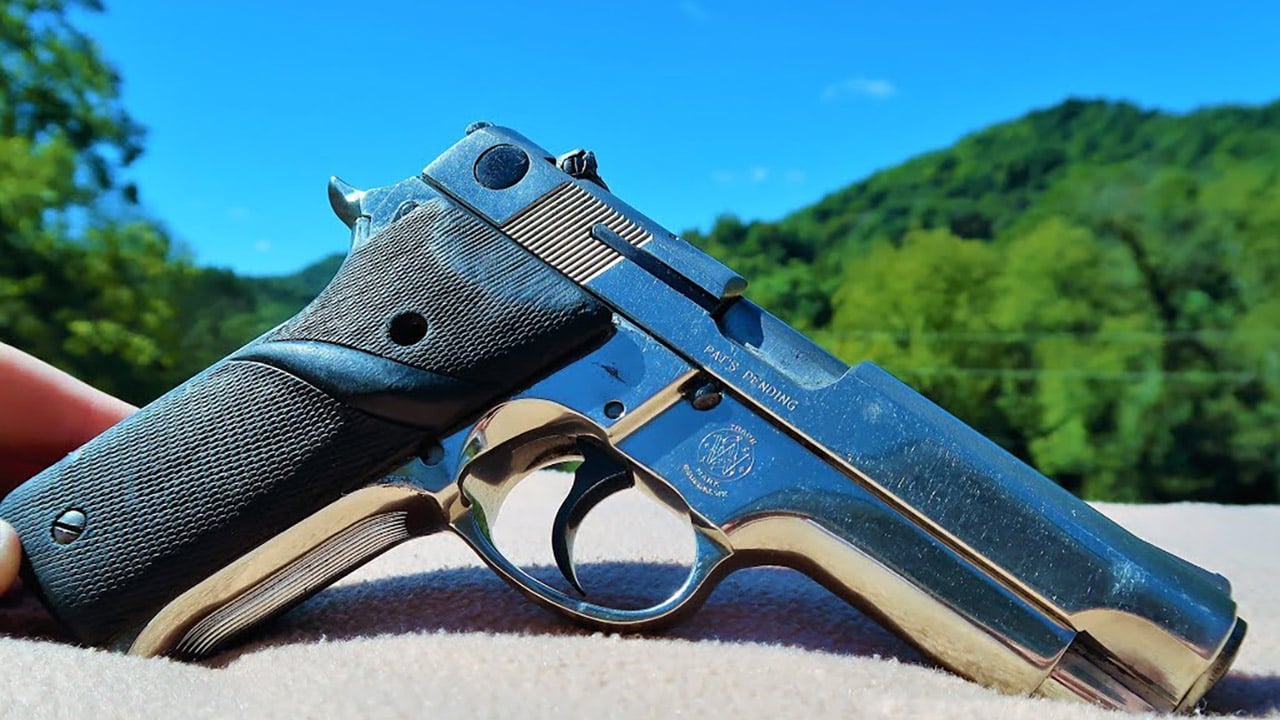
The Model 59 is one of those pistols that feels like a bridge between eras. Double-stack 9mm before that was normal, with a grip shape that’s still pretty friendly for a metal gun.
They got carried a lot, and they got “improved” a lot. Sights swapped, safeties replaced, grips changed, and plenty got refinished. An original finish gun with factory grips and correct magazines is not something you trip over anymore.
7. Smith & Wesson Model 3906
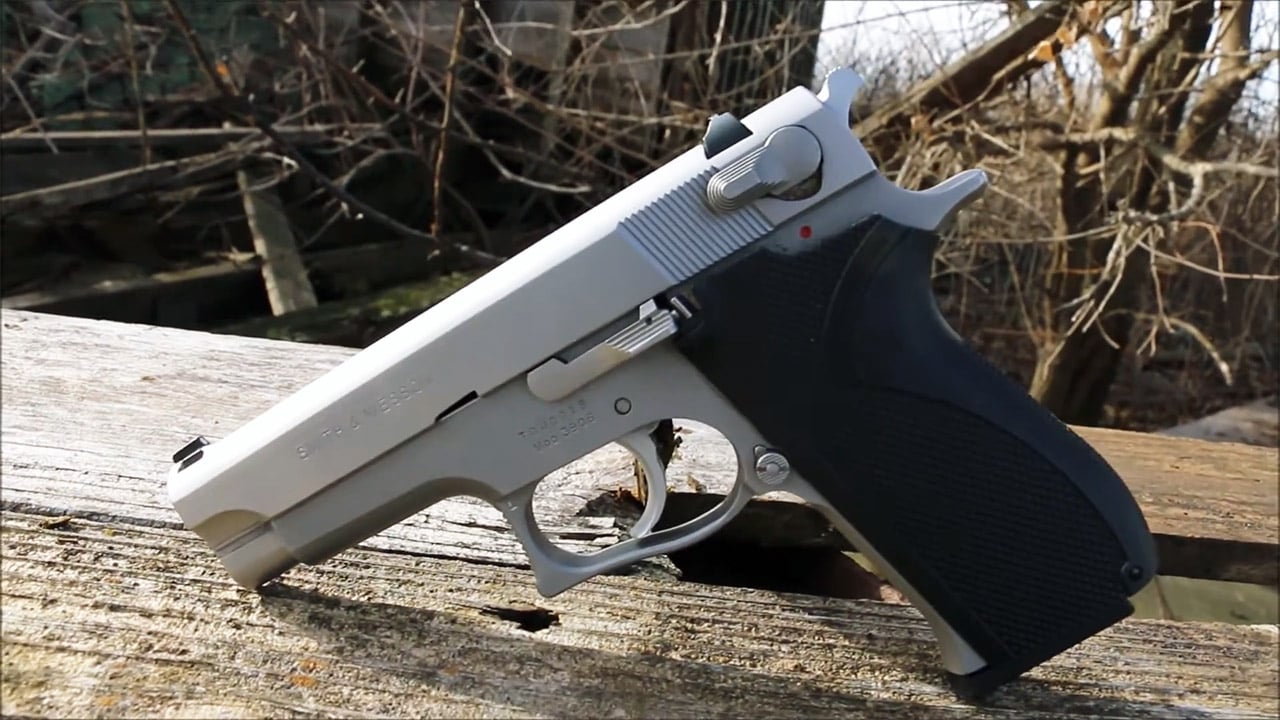
If you know, you know. The 3906 is a stainless, single-stack 9mm that just works and points naturally. It’s boring in the best way, like an old reliable deer rifle you never talk about.
Most of them were duty guns or serious carry guns, so holster wear is normal. The “impossible” part is finding one that hasn’t been dehorned, had the sights swapped, or had an action job from somebody who went a little too far.
8. Ruger P89
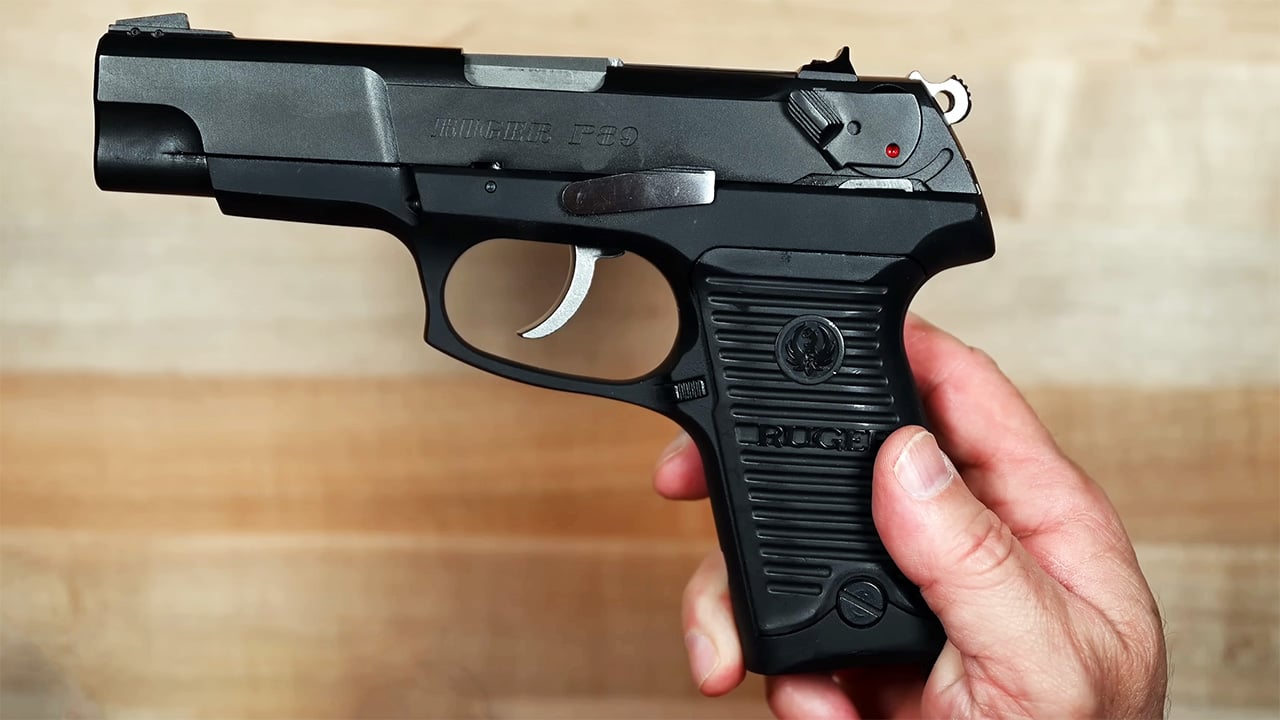
The P89 is not sleek. It’s a chunky, overbuilt 9mm that feels like it was designed by a guy who didn’t trust thin metal. But they run, and they take abuse.
Because they were affordable, they became project guns. Different sights, buffed feed ramps, aftermarket grips, and the occasional rattle-can camo job. A clean, stock P89 with the original Ruger grips is weirdly hard to locate.
9. Ruger Mark II (standard and bull barrels)
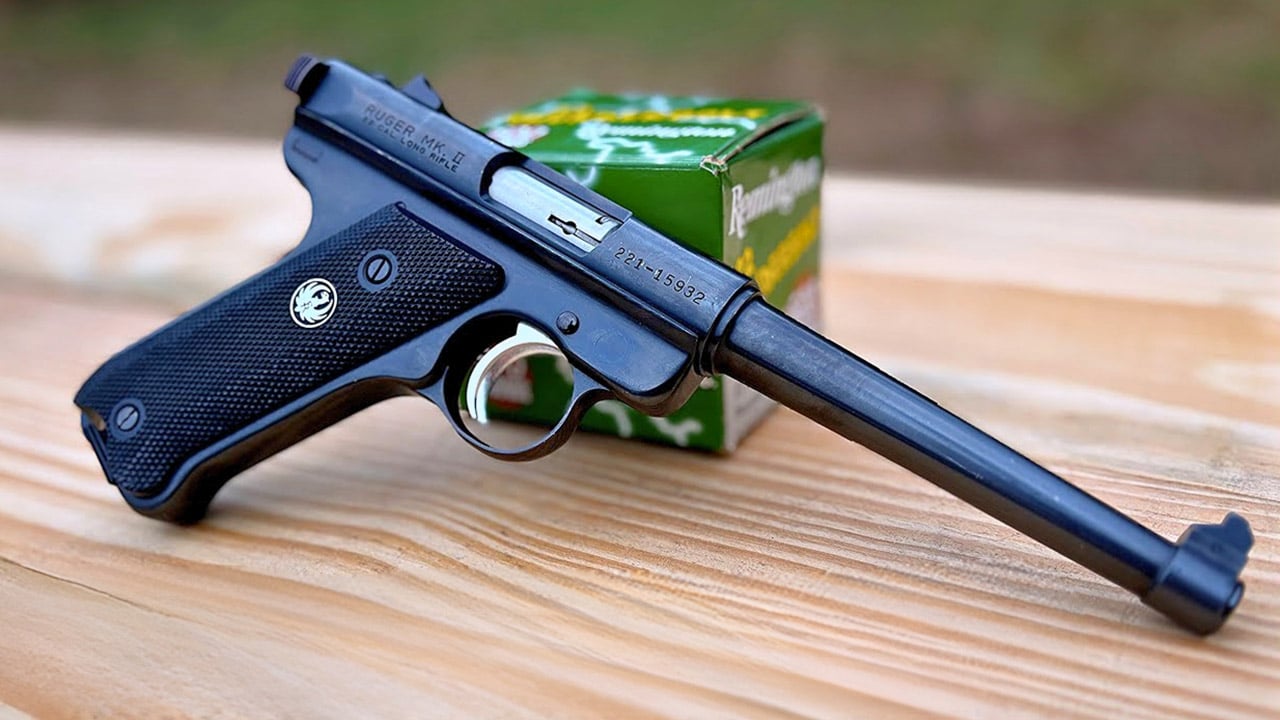
Ruger sold piles of Mark IIs, and for good reason. They’ll shoot better than most of us can hold, and they’ll eat bricks of .22 without complaining if you keep them reasonably clean.
But everybody “had a plan” for their Mark II. Volquartsen parts, drilled-and-tapped receivers, chopped barrels, threaded muzzles, and aftermarket uppers. An untouched Mark II with the original sights and factory configuration is getting rare in the wild.
10. Browning Hi-Power (Belgian, fixed-sight models)
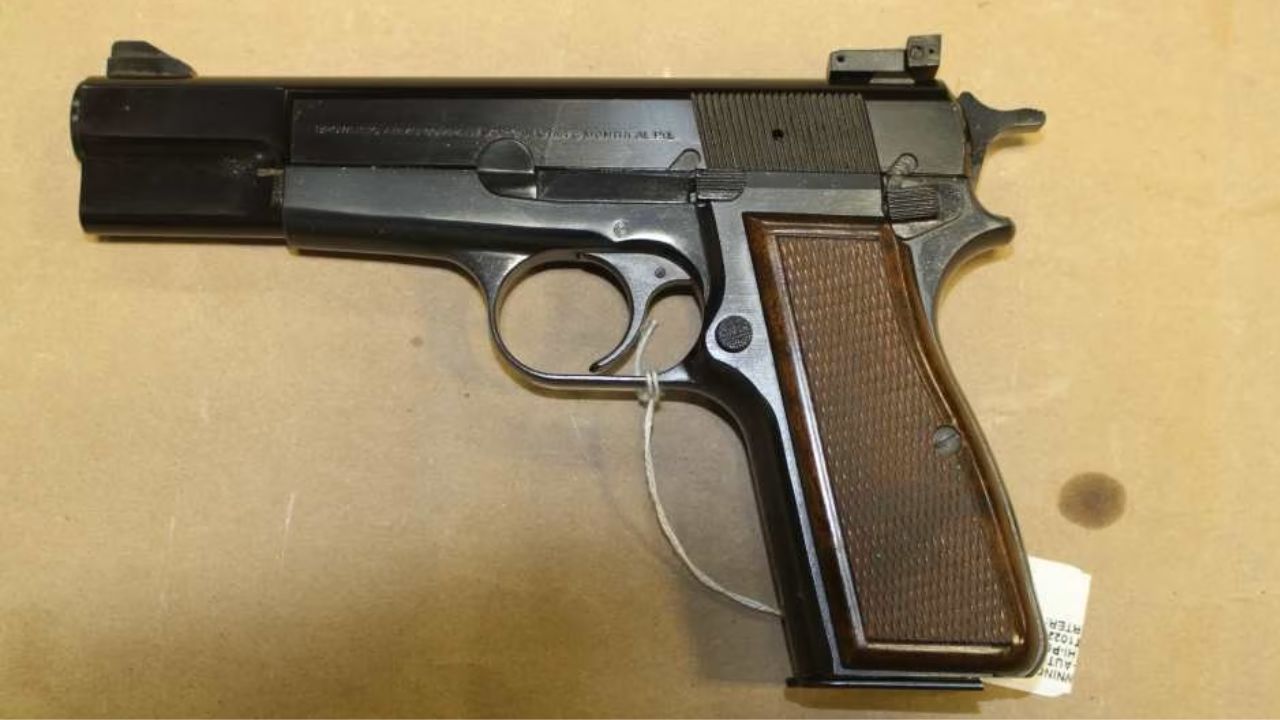
A good Hi-Power carries flat and points like an extension of your hand. Even folks who don’t love single-actions usually admit it feels natural on target.
They also got hammered by the custom crowd for decades: removed magazine disconnects, different hammers, beavertail work, reblues, and sight cuts. Finding a clean Belgian fixed-sight pistol that hasn’t been modified is a collector problem now.
11. Colt Government Model 1911 (Series 70)
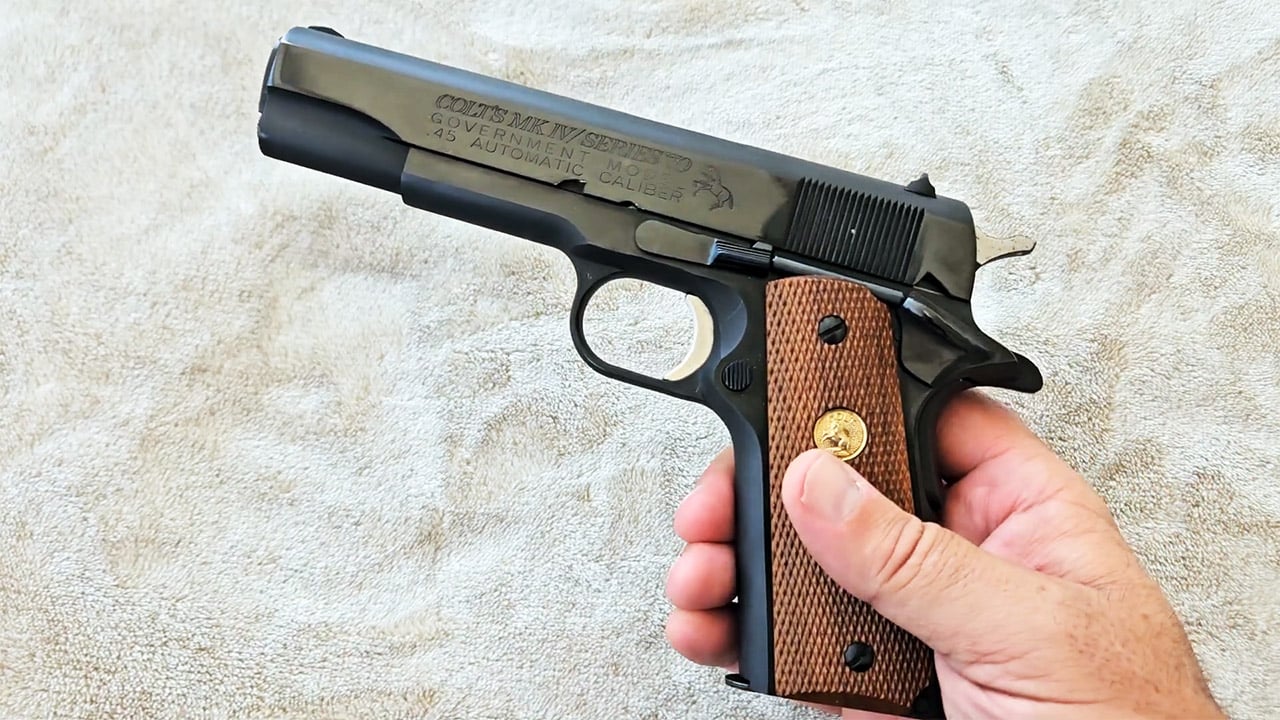
Series 70 Colts were once “just 1911s,” and now they’re a whole category. The originals have a certain fit and look that’s hard to fake, even when modern guns run tighter.
Here’s why unmodified ones are scarce: the 1911 is the king of kitchen-table gunsmithing. Sear work, trigger swaps, barrel links, throating jobs, and refinishes are everywhere. An honest, stock Series 70 that hasn’t been “built” is getting tough to snag.
12. Colt Commander (Lightweight, early)
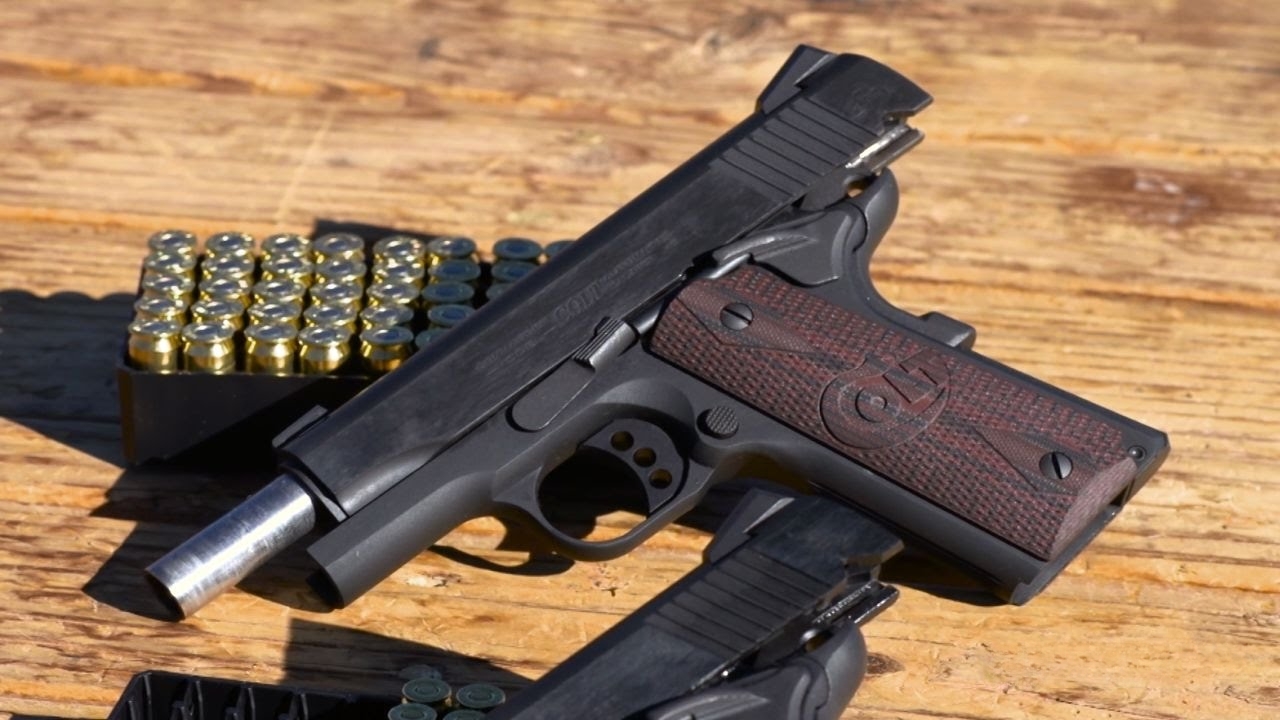
A Lightweight Commander is one of those pistols you actually feel on your belt—in a good way. It carries all day without dragging your pants down, and it’s still a real fighting-size gun.
Unfortunately, a lot of them got shot loose, had feed ramps polished into weird shapes, or were refinished after hard carry. The other thing is grips and small parts: owners swapped them constantly. An original configuration gun is a needle in a haystack.
13. CZ 75 (pre-B and early B)
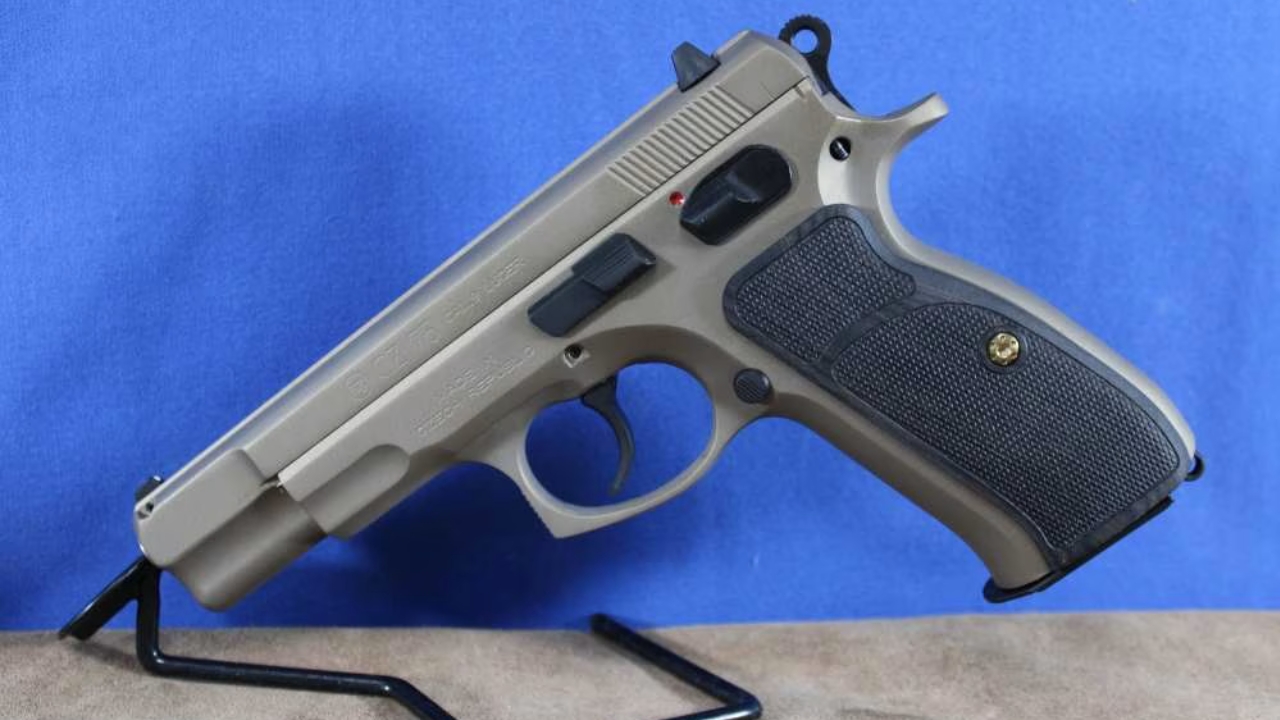
The CZ 75 has a grip that makes sense. Low bore axis feel, steady recoil, and it tracks well when you’re running plates. There is nothing fancy about it, and that is kind of the point.
The “problem” is that CZs invite tinkering. Spring kits, short reset parts, different safeties, and polished internals are common. A clean, untouched pre-B with original sights and no internal swaps is not something you see every weekend.
14. Walther PPK/S (Interarms era)

These little Walthers are not range toys for everybody. They can bite the hand, and they’re snappy with some ammo. Still, they carry easy and they’ve got that classic profile a lot of folks grew up wanting.
Many have had the sharp edges knocked down, different grips added, or springs swapped to “fix” reliability quirks. Original-condition examples are out there, but a surprising number have been tinkered with to make them more comfortable.
15. Taurus PT92 (early production)
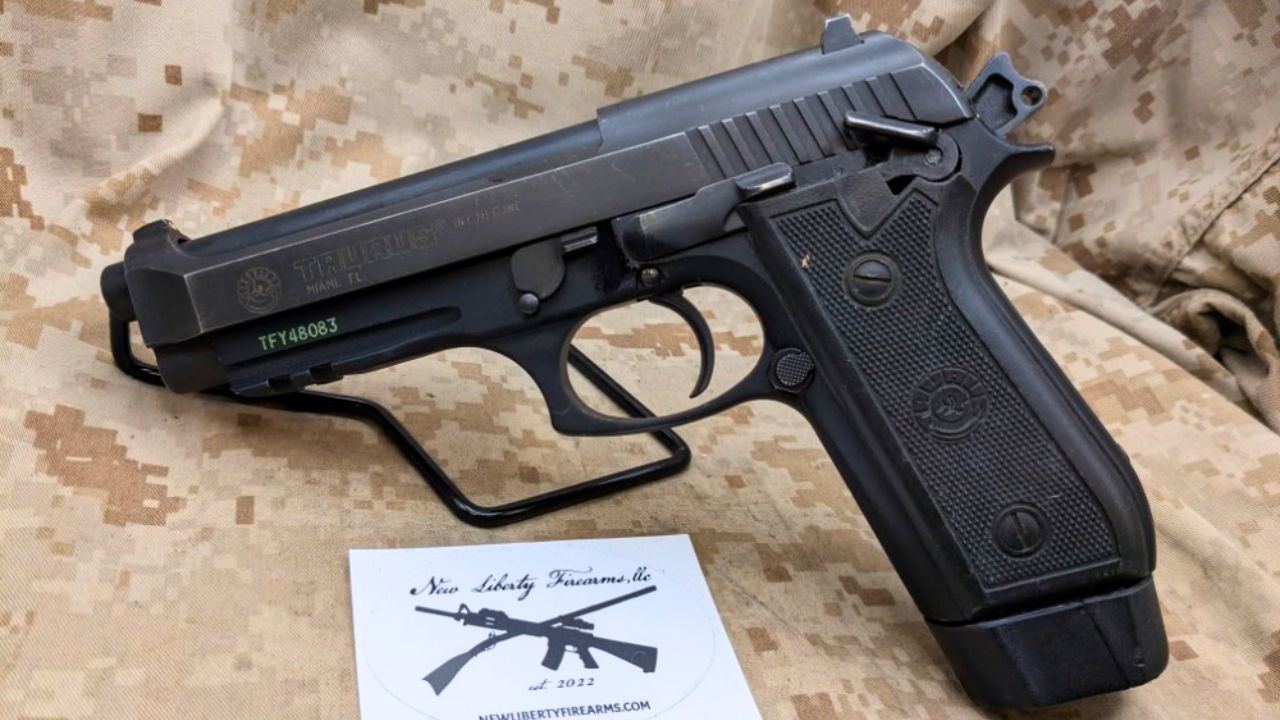
The PT92 has always been the “working man’s 92.” Same general feel, frame-mounted safety, and usually decent reliability if you stick with good magazines.
Because they were cheaper, they were treated rougher. Aftermarket sights, home trigger work, and mismatched parts show up often. Finding an early, clean, factory-spec PT92 that hasn’t been messed with is harder than you’d guess.
16. Heckler & Koch USP (full-size, .40 S&W)
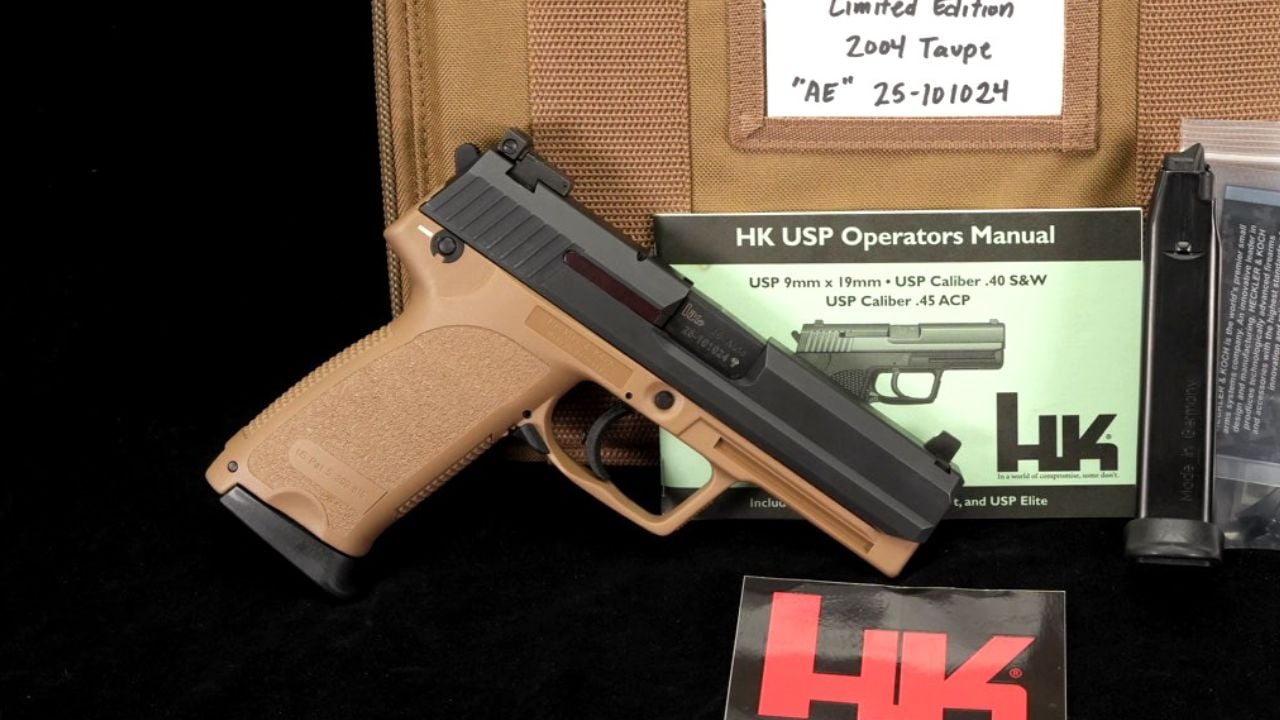
The USP .40 is a tank. Big controls, big slide, and it soaks up abuse. It was a real duty pistol in the era when .40 was king, and it still feels like it was built to outlast a career.
But “impossible to find unmodified” fits because USPs got converted and tweaked constantly—different variants, different control levers, night sights, match triggers, and plenty of aftermarket bits. A truly stock gun with factory configuration and correct mags is less common now.
17. Heckler & Koch P7 (PSP)
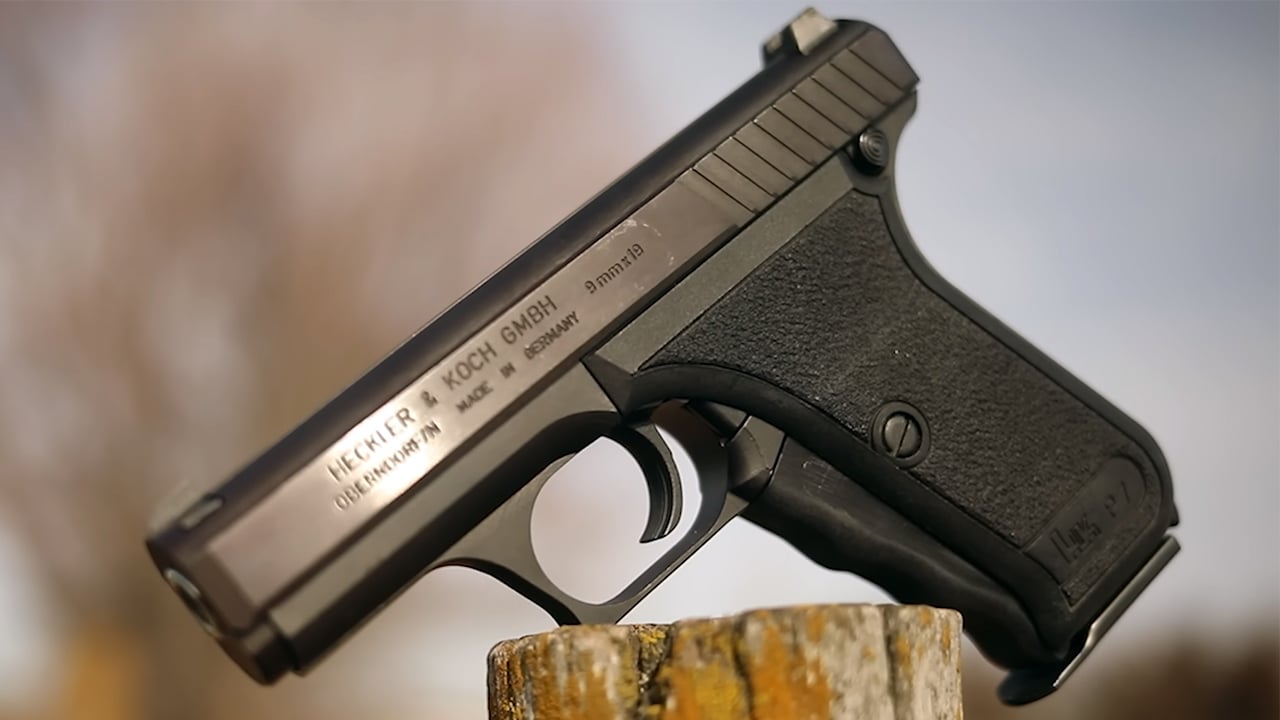
The P7 is one of those pistols you either love or you don’t. It’s slim, accurate, and weird in a way that makes sense once you run it. It carries flatter than you’d expect for how well it shoots.
Even though they weren’t “cheap,” many got refinished, had parts swapped, or were rebuilt from mixed lots. Original PSPs with correct finish, matching details, and no monkeying around are getting thin on the ground.
18. Makarov PM (Soviet and Bulgarian imports)
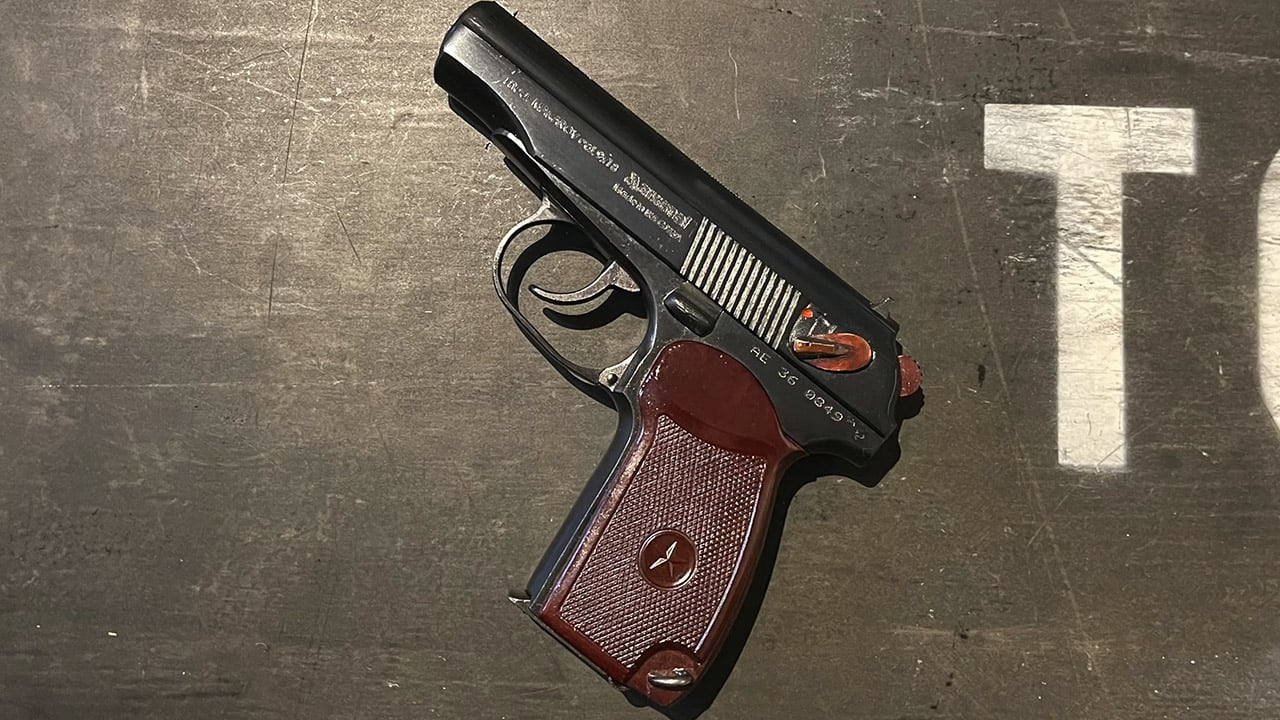
The Makarov is simple, durable, and about as straightforward as a carry pistol gets. It’s not a match gun and it’s not trendy, but it works when it’s left alone.
What happened is a lot of them got hit with cheap grips, recoil springs, and “improved” magazines. Some were polished, some were painted, and plenty were carried hard. A clean import with original grips, correct finish, and matching mags is not a given anymore.
19. Smith & Wesson Model 10 (pencil barrel revolvers)

Yes, revolvers count here too. The Model 10 was a service revolver in a million holsters, and the pencil barrel versions carry light and balance nice. A good one will still shoot right where you look.
Most have been “touched.” Reblued, bobbed hammers, swapped grips, different front sights, action jobs of unknown quality. Finding an honest, original Model 10 with correct sights and finish is tougher than finding one that’s been “fixed up.”
20. Smith & Wesson Model 36 (Chief’s Special)
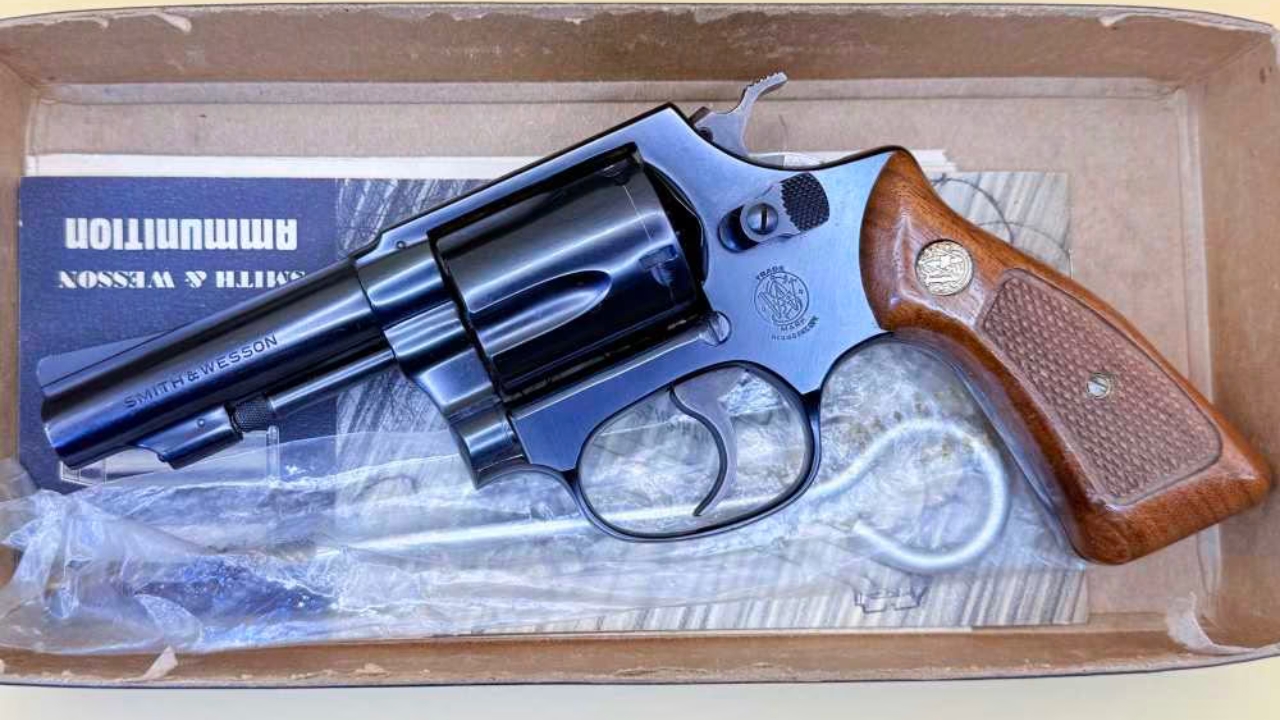
The old Chief’s Special is one of those guns that ends up in tackle boxes, glove compartments, and nightstand drawers for decades. It’s small enough to carry, heavy enough to shoot, and it’s a classic for a reason.
But they got customized endlessly—hammer spurs ground down, frames refinished, grips swapped ten times over, even barrels changed after hard use. A truly unmodified Model 36 with original stocks and clean screws is one of those “buy it when you see it” guns.
If you’re hunting for one of these in original trim, slow down and look at the little stuff: screws that aren’t chewed up, sights that match the era, grips that belong, and internals that haven’t been “polished” into a problem. Modifications aren’t always bad, but when a pistol was produced by the truckload and you still can’t find a clean stock example, that tells you something. The boring guns got used. And used hard.
Like The Avid Outdoorsman’s content? Subscribe to our newsletter so you never miss an article.
Here’s more from us: