Photo credit: HK USA
Heckler & Koch fans are not exactly shy. If you have spent five minutes around handgun people, rifle people, or anyone who has ever priced an HK magazine, you already know that. They will defend the guns, the controls, the price tags, the odd decisions, and sometimes even the things most other shooters complain about first.
The funny thing is, HK fans are not always wrong. The company has built some of the most respected service pistols, subguns, and rifles in modern firearms history. They also build guns that can feel overbuilt, expensive, and stubbornly different from the American market. That mix gives HK owners plenty to argue about, and these are the things they will probably never stop defending.
The HK USP

The USP is one of the biggest reasons HK fans talk the way they do. It is chunky, serious, and built with a level of durability that still feels impressive decades later. The pistol was never trying to be slim, trendy, or especially graceful.
That is exactly why fans defend it. The USP feels like a gun made to survive abuse instead of win a beauty contest. The controls are large, the recoil system works well, and the platform has a reputation for handling hard use. Newer pistols may be lighter and easier to carry, but the USP still feels like a duty pistol from an era when toughness mattered more than style.
The Paddle Magazine Release
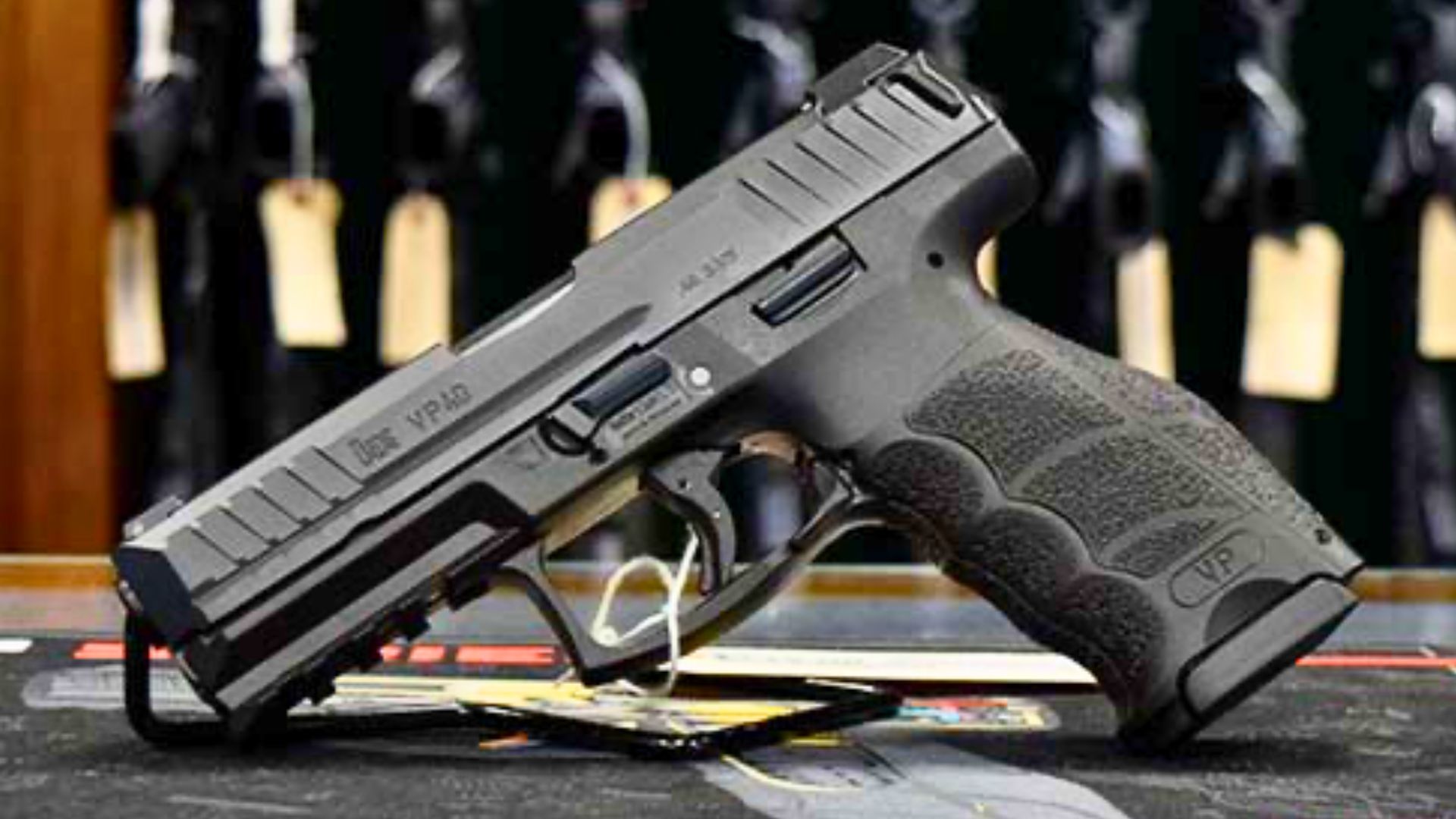
A lot of American shooters complain about HK’s paddle magazine release the first time they use it. It feels different from the button release most people grew up with, and different usually gets blamed before it gets understood.
HK fans defend it because once you learn it, the paddle makes a lot of sense. You can activate it with your trigger finger, middle finger, or thumb without shifting your grip much. It is also ambidextrous without needing extra parts swapped around. The problem is not that the paddle is bad. The problem is that many shooters judge it after one awkward range trip.
The HK P30
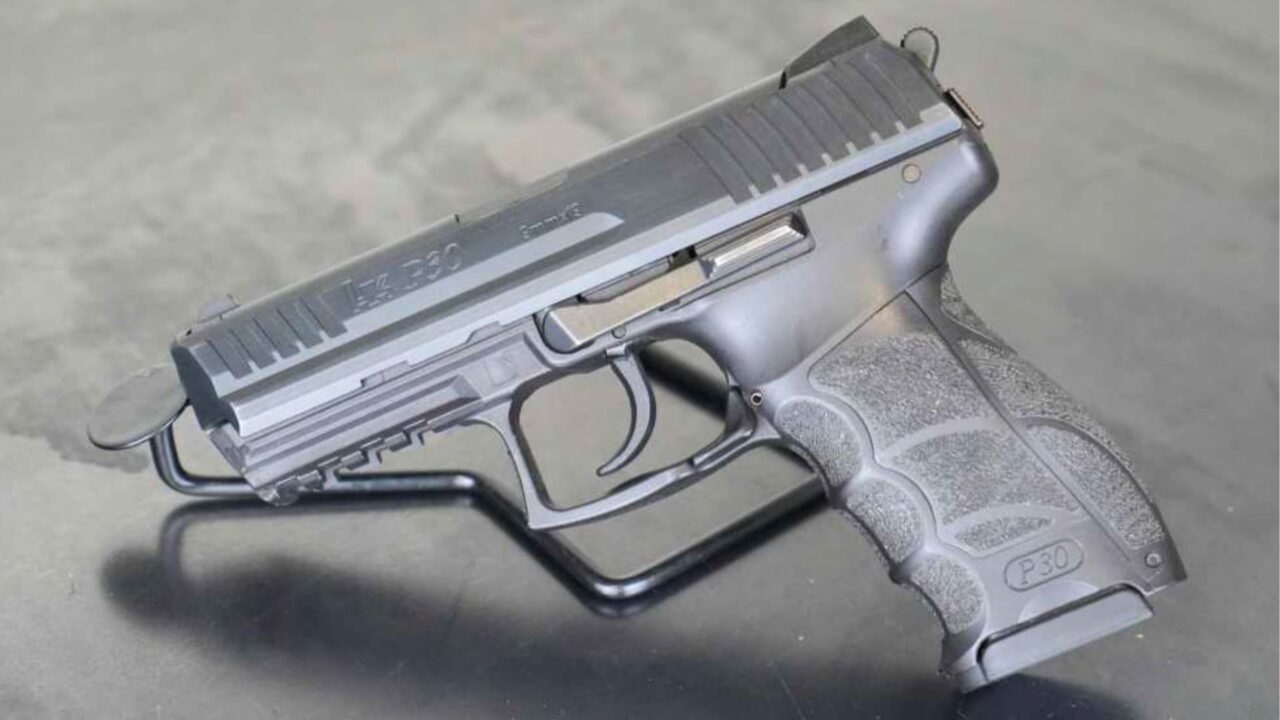
The P30 is not the newest HK pistol anymore, but fans still defend it hard. The reason is simple: ergonomics. The grip panels and backstraps let you tune the gun to your hand in a way many pistols still do not match.
The trigger gets plenty of criticism, especially in double-action/single-action versions. HK fans usually admit that part, then point out that the pistol shoots well once you learn it. The P30 feels durable, comfortable, and extremely controlled under recoil. It may not be the fastest gun to love on paper, but after long range sessions, it starts making more sense.
The Price

HK pricing has been joked about forever. The guns cost more. The magazines cost more. Spare parts can cost more. Even people who like HK usually know they are paying extra compared with more common platforms.
Fans defend the price because they see it as buying into serious engineering, durability, and long service life. Whether everyone agrees is another story. But HK pistols and rifles often feel built to a standard that is hard to ignore. The fit, materials, testing reputation, and overall confidence matter to the people who keep buying them. They are not looking for the cheapest answer. They are paying for trust.
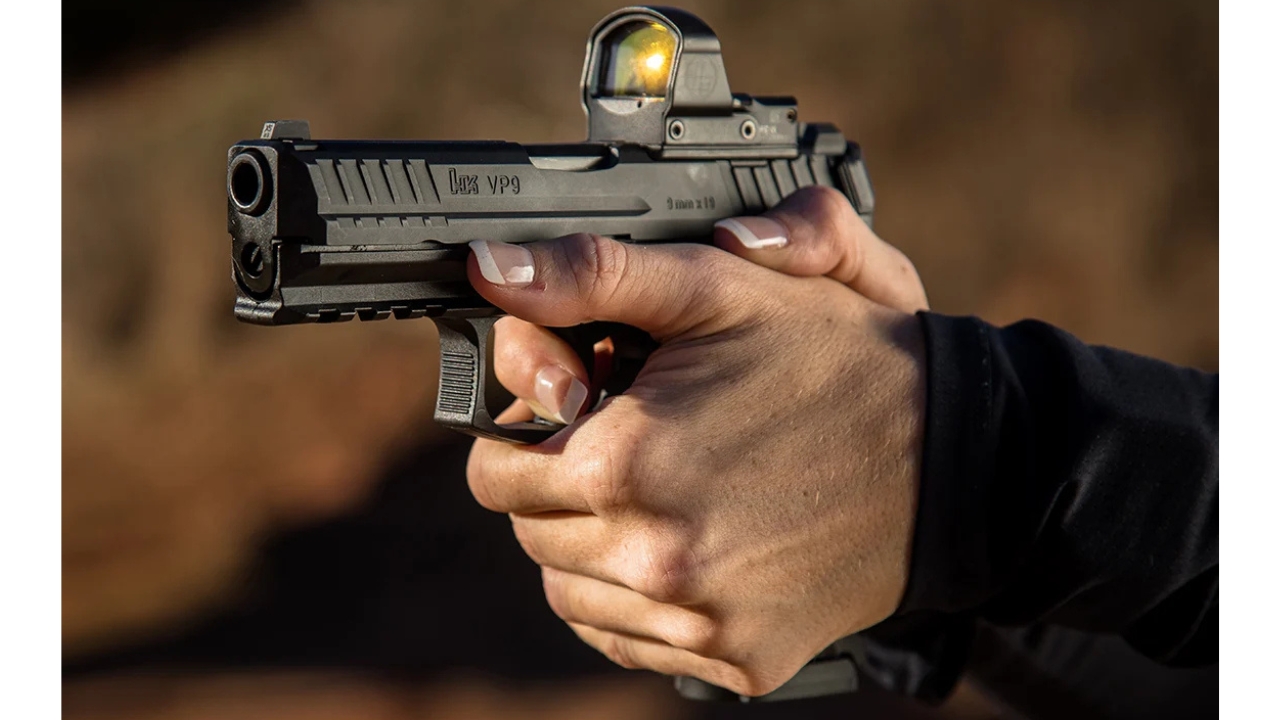
The VP9

The VP9 gave HK fans a striker-fired pistol they could recommend to people who did not want to learn hammer-fired systems. It brought a good trigger, excellent grip fit, and HK build quality into a category dominated by Glock, Smith & Wesson, and SIG.
Some shooters call it late to the party, and that is fair. HK was not first. But the VP9 still feels refined, easy to shoot, and comfortable in a way many striker guns do not. Fans defend it because it made HK more approachable without making the pistol feel cheap. It may not have changed the market, but it gave HK loyalists a strong modern option.
The MP5
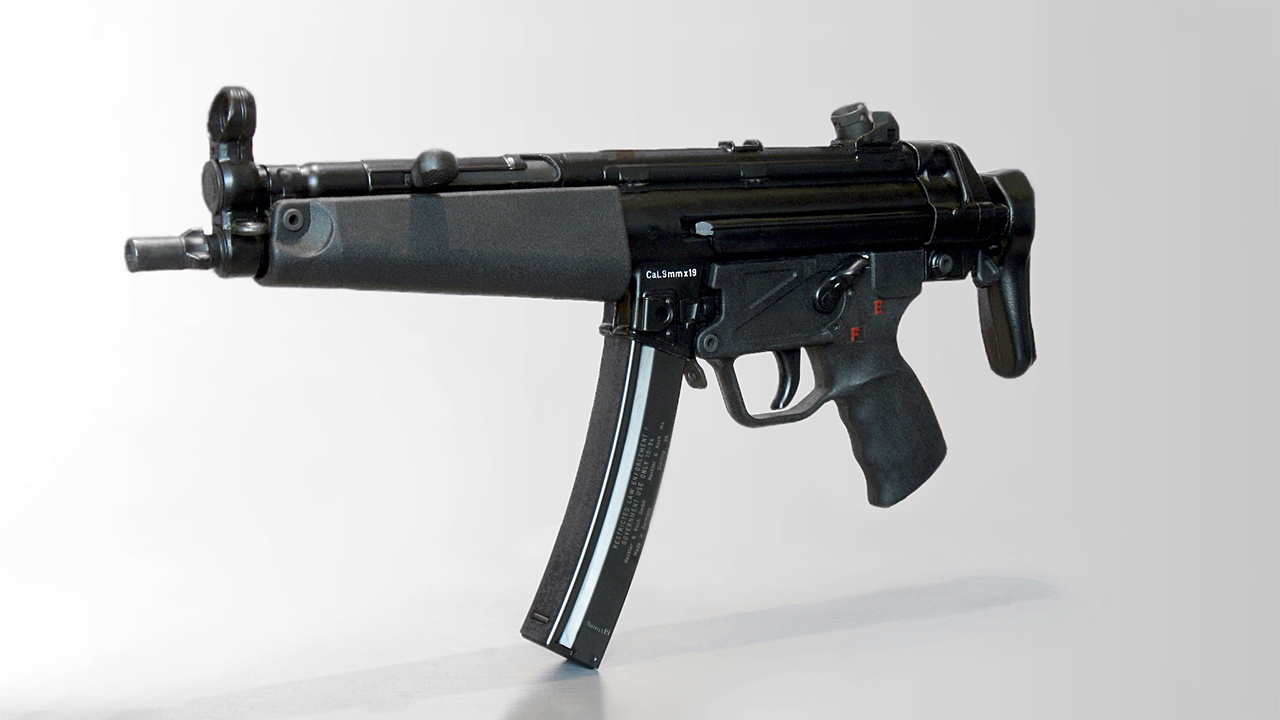
HK fans will defend the MP5 until the lights go out, and honestly, it is hard to blame them. The MP5 has one of the most respected reputations in subgun history. It is smooth, iconic, and tied to decades of military, police, and counterterror use.
Modern pistol-caliber carbines may be cheaper, simpler, lighter, and easier to mount accessories on. HK fans know that. They still defend the MP5 because shooting one explains the obsession better than any spec sheet. The roller-delayed action feels soft and controlled, and the gun has a mechanical quality that newer blowback designs rarely match. It is old, but it does not feel ordinary.
The “Overbuilt” Feel

HK guns often feel heavier, bulkier, or more serious than competing models. That can turn some buyers away, especially when they are comparing carry guns or lightweight rifles. Not every shooter wants a pistol or carbine that feels like it was designed for a rough military contract.
HK fans defend that overbuilt feel because it inspires confidence. A USP, P30, HK45, or MR556 does not feel like a disposable tool. It feels like something made to keep working long after the finish shows wear. That matters to shooters who value durability over convenience. Sometimes lighter is better. Sometimes a gun that feels like it can take a beating is exactly the point.
The HK45

The HK45 never became as culturally loud as the USP, but fans still defend it because it is one of the better modern .45 ACP service pistols. It took lessons from the USP and P30 and wrapped them into a softer, more ergonomic package.
The grip feels slimmer than many double-stack .45s, the recoil is manageable, and the pistol carries HK’s usual sense of strength. It is not small, cheap, or trendy. But if you want a serious .45 that is not a 1911, the HK45 still makes a strong argument. Fans defend it because it does the .45 duty-pistol thing without feeling crude.
The MR556
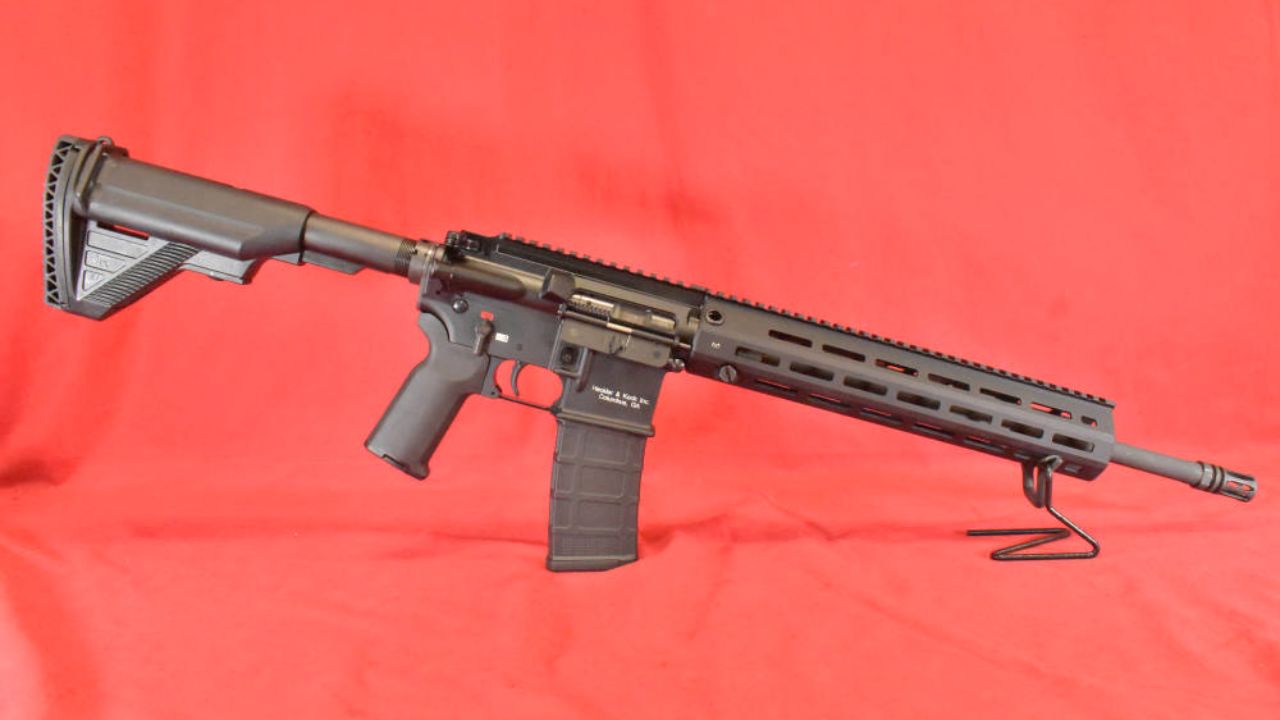
The MR556 catches criticism because it is heavy and expensive compared with many AR-15s. On paper, a lot of buyers wonder why they would pay so much for a rifle that does not feel light or especially handy.
HK fans defend it because they are looking at durability, piston operation, build quality, and the HK416 family connection. The MR556 feels like a rifle built for hard use, not a lightweight range toy. It may not be the best choice for every AR buyer, and the weight is real. But for shooters who care about ruggedness and lineage, the MR556 has appeal that a cheaper direct-impingement rifle cannot copy.
The LEM Trigger

The LEM trigger is one of those HK features people either understand or complain about. At first, it can feel strange because it is not a normal double-action trigger, not a single-action trigger, and not quite like a striker-fired system either.
Fans defend it because it gives you a consistent pull with second-strike capability and a hammer-fired system that can be carried without a manual safety. It takes practice, and it is not for everyone. But shooters who commit to it often become loyal. The LEM trigger rewards repetition. Once it clicks, many HK fans do not want to go back.
The Mark 23

The Mark 23 is huge, expensive, and wildly impractical for normal carry. That makes it an easy target for jokes. It is the kind of pistol that looks like it was designed without anyone worrying about whether it would fit in regular life.
HK fans defend it because regular life was never the assignment. The Mark 23 was built as an offensive handgun system, and it carries that purpose in every oversized inch. It is accurate, durable, suppressor-ready, and historically important. It may be too big for most people, but that does not make it pointless. It is one of those guns that makes sense when you judge it by its mission instead of your belt.
The Build Quality

HK fans talk about build quality because they can feel it. The slide fit, controls, finish, springs, barrels, and overall machining usually give HK guns a serious feel. Even people who dislike the prices often admit the guns do not feel cheap.
That build quality is why fans stay loyal through odd product decisions and high accessory costs. They trust the guns. They trust the testing reputation. They trust that the pistol or rifle was not built around being the lowest bidder in the civilian market. Other brands make excellent firearms too, but HK fans will always argue that HK has a certain mechanical confidence that is hard to fake.
The HK91

The HK91 is heavy, loud, and not exactly gentle compared with more modern .308 rifles. It also has a charging handle and recoil impulse that can feel strange to shooters raised on AR platforms. None of that stops HK fans from defending it.
The rifle has presence. It is tied to the G3 pattern, roller-delayed operation, and a serious Cold War service-rifle legacy. It may not be the softest or easiest .308 to live with, but it feels rugged and purposeful. Fans defend the HK91 because it represents a kind of battle-rifle thinking that still appeals to people who like hard-use mechanical designs.
The Odd Controls
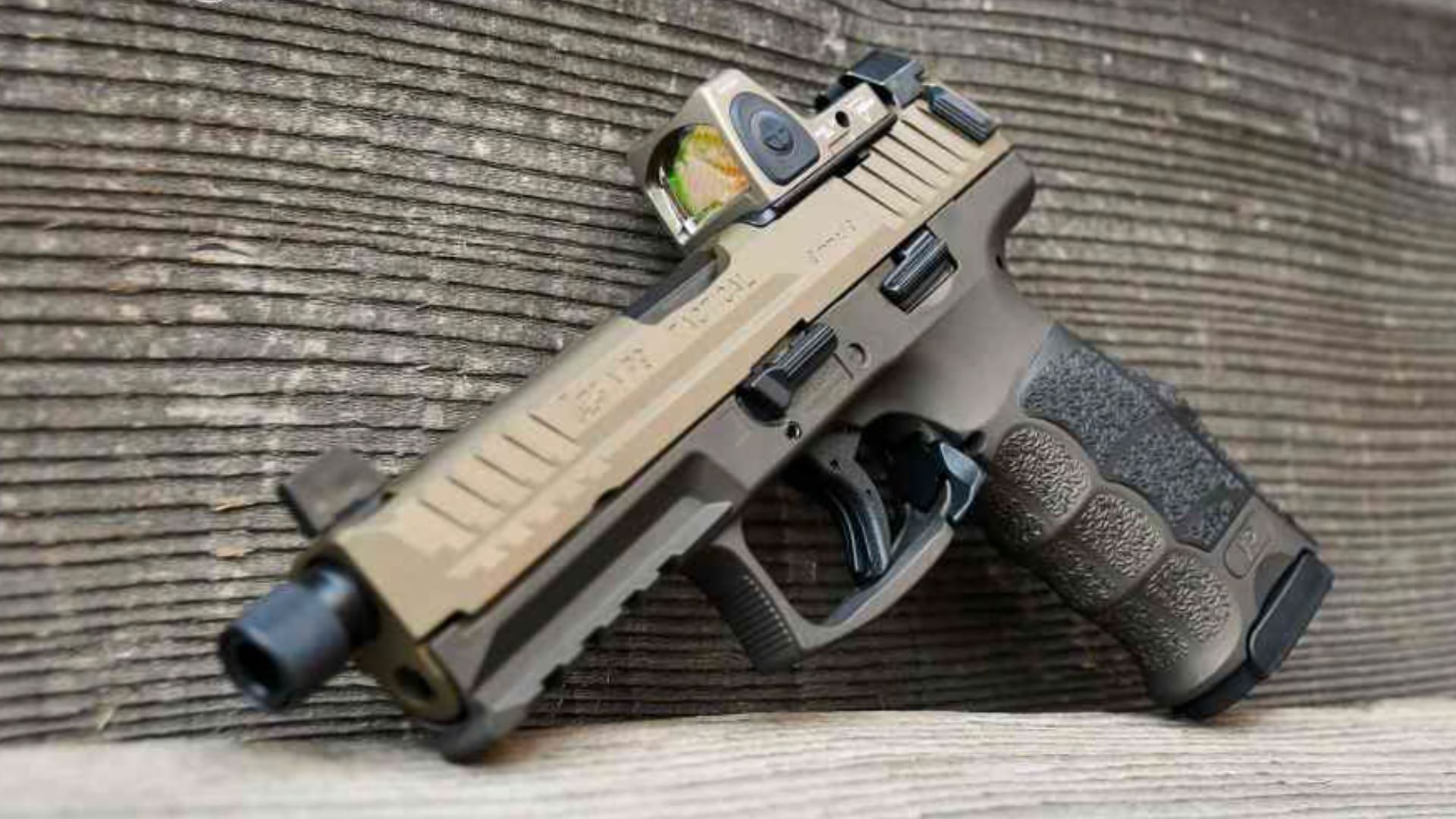
HK controls are not always what American shooters expect. Slide releases, safety levers, mag releases, charging handles, and trigger variants can feel strange if you are coming from Glock, ARs, or classic American designs.
Fans defend those controls because HK usually has a reason, even when the reason is not instantly familiar. Ambidextrous use, gloved handling, durability, and military requirements often mattered more than copying what everyone else did. That does not mean every control is perfect. It means HK often designs from its own logic. Fans respect that because it makes the guns feel intentional, not copied.
The Loyalty Itself
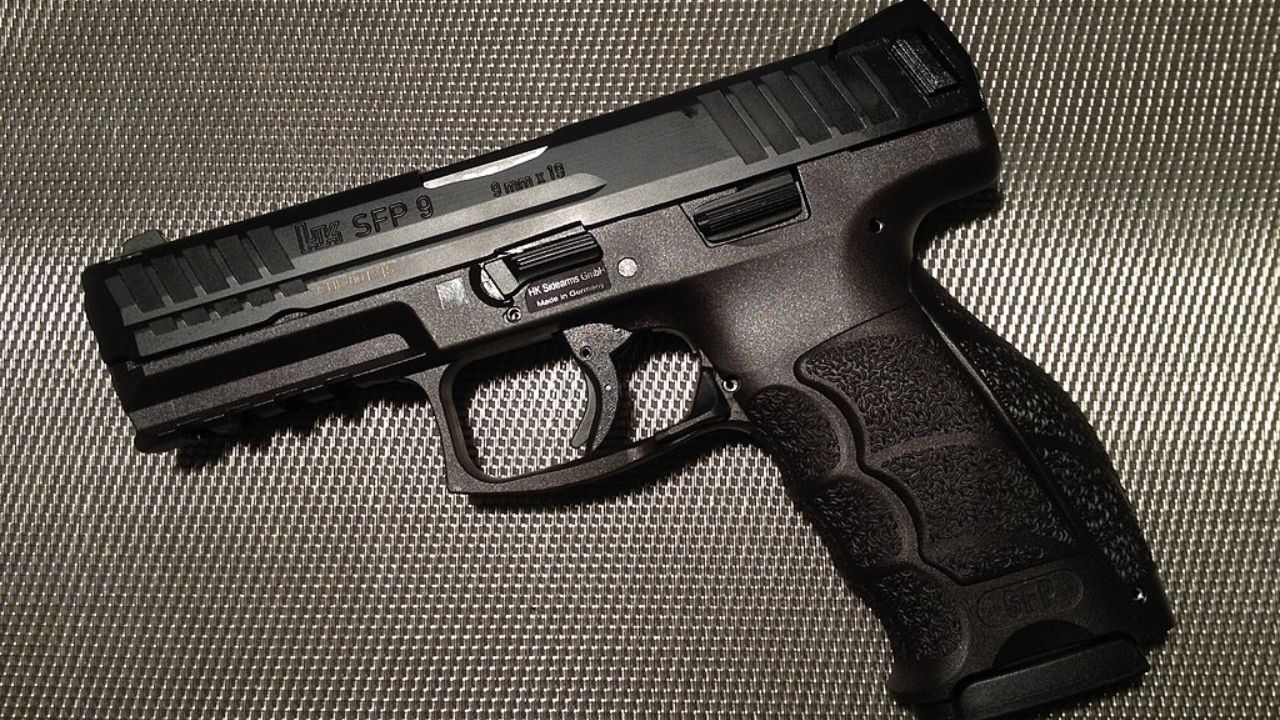
HK fans defend HK because the guns tend to reward long-term trust. You may complain about the price, the magazines, the controls, or the weight, but many owners keep coming back after years of use. That kind of loyalty does not come from a logo alone.
It comes from pistols and rifles that feel serious, last a long time, and often shoot better than their critics expect. HK is not the answer for every buyer, and fans can get carried away like anybody else. But the loyalty exists for a reason. Once someone has run a USP, P30, VP9, MP5, or HK45 hard and had it keep working, the defending usually starts to make a lot more sense.
Like The Avid Outdoorsman’s content? Subscribe to our newsletter so you never miss an article.
Here’s more from us: