Photo credit: BERETTA9mmUSA/YouTube
A lot of guns look boring because they were built as tools, not collectibles. Plain bluing, basic sights, no fancy cuts, no wild grips. They sat in duty holsters, rode in glove boxes, lived in nightstands, and got used without anyone thinking they’d be “worth something.” Then the model got discontinued, the supply stopped, and the clean examples quietly started getting expensive.
That’s the pattern you see over and over: a gun that feels ordinary until you realize how few unmodified ones are left, how many people want them now, and how fast buyers jump on correct examples with the right mags, box, and factory parts. If you’re shopping, the boring-looking guns are the ones you need to price-check twice—because the market has already decided they aren’t boring anymore.
Heckler & Koch P7 (PSP / M8)

The HK P7 looks like a compact brick with plain lines and a weird front strap. Then you learn it’s discontinued, it has a cult following, and clean ones don’t sit around long. The squeeze-cocker design is unique, the build quality is serious, and the supply is fixed. That combination pushes values up even when the pistol doesn’t look flashy.
If you’re looking at one, you check condition like it’s a contract. Look at the gas system wear, the piston area, and overall finish for signs of hard use or refinishing. Correct magazines and accessories matter more than people expect, and mismatched odds and ends can drag value down. The P7 is a “boring” pistol that became a collector item because it’s unlike anything else and there won’t be more of them.
Browning Hi-Power (original FN/Browning production)

A classic Hi-Power can look like an ordinary, older 9mm—especially if it’s a later-production gun without fancy markings. But it’s discontinued in its original form, it’s historically important, and people keep chasing clean examples. The supply of unmodified pistols shrinks every year because so many were carried hard or “upgraded” with questionable parts.
What drives value is correctness and condition. Original finish, proper markings, unmolested sights, and the right magazines matter. A clean Hi-Power with the box and papers often sells far stronger than you’d guess by looking at it in a case. Clones exist, but collectors still pay for the real thing, and that’s why a plain-looking Hi-Power can surprise you at checkout.
Smith & Wesson 3913
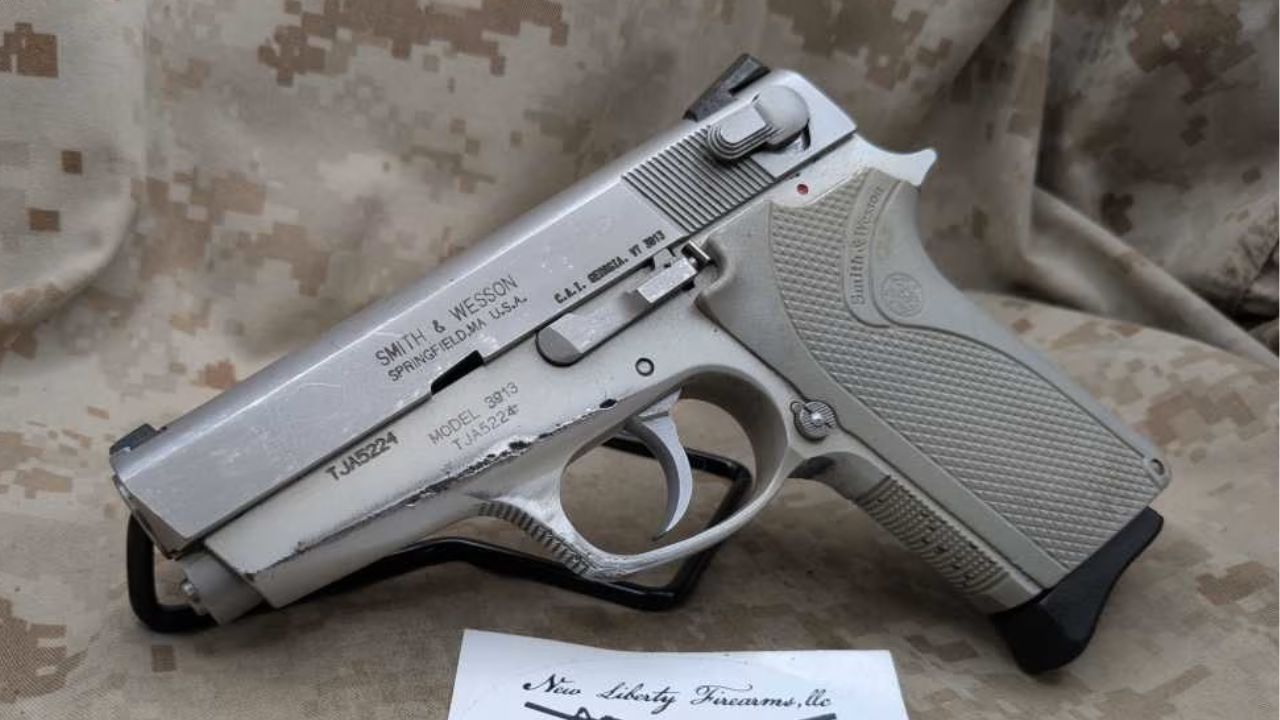
The 3913 looks like a simple, flat, old 9mm. No optics cut. No light rail. No trendy anything. Then you start shopping for a clean one and realize how many people still want a slim, metal-framed, dependable DA/SA carry gun that isn’t made anymore. The demand comes from real-world carriers, not only collectors.
Condition is everything here because so many were police or plainclothes guns. You check the frame rails, look for feed-ramp “polishing,” and make sure the safety/decocker functions correctly. Original grips and extra factory magazines help. A 3913 in honest, correct shape often sells for more than you expect because it fills a niche modern guns don’t quite replace: slim, metal, proven, and easy to live with.
Smith & Wesson 5906
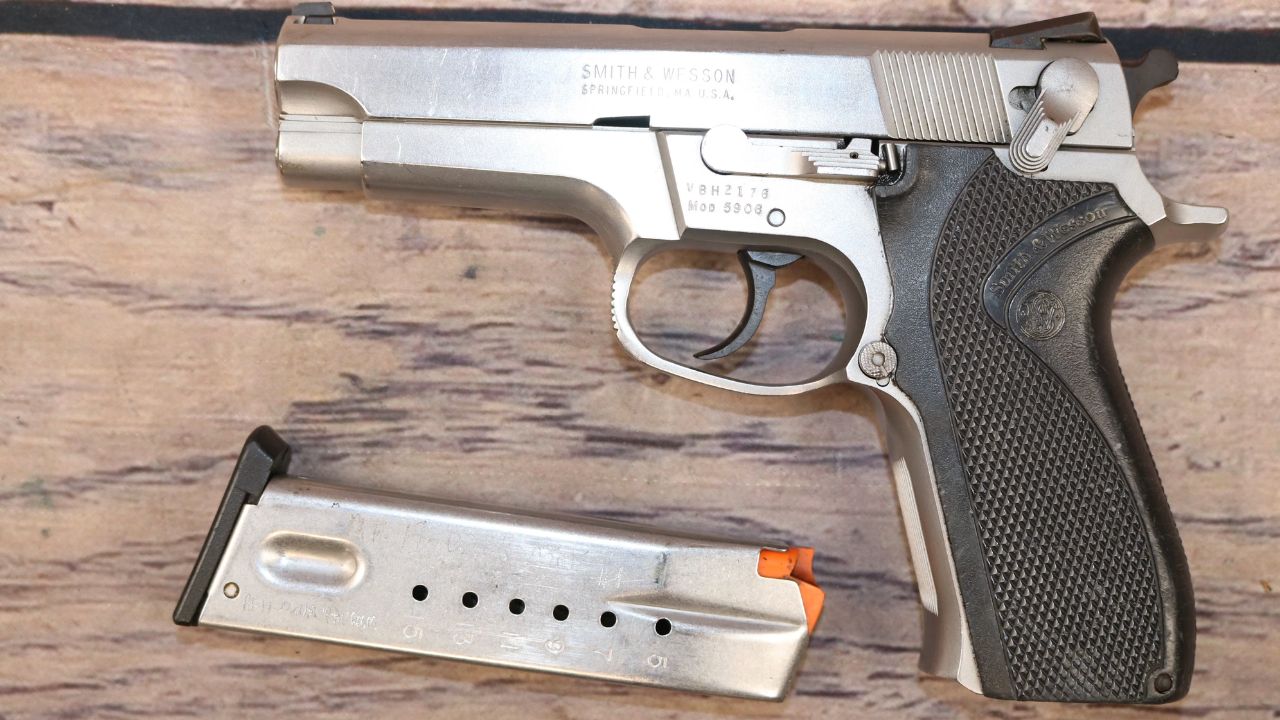
A 5906 can look like a generic stainless duty pistol from another era. Heavy, square, and not exciting. But clean ones have been climbing because they’re discontinued, built like tanks, and still respected as durable shooters. A lot of buyers want an all-steel service pistol that soaks recoil and runs forever.
The market rewards condition and completeness. Many were carried and shot a lot, so a truly clean 5906 with crisp markings and minimal holster wear stands out fast. You check lockup, trigger feel, and look for signs of amateur modifications. Correct magazines matter. The 5906 is a great example of a gun that looks “ordinary” until you realize the supply of nice ones is drying up, and the people who love them aren’t going away.
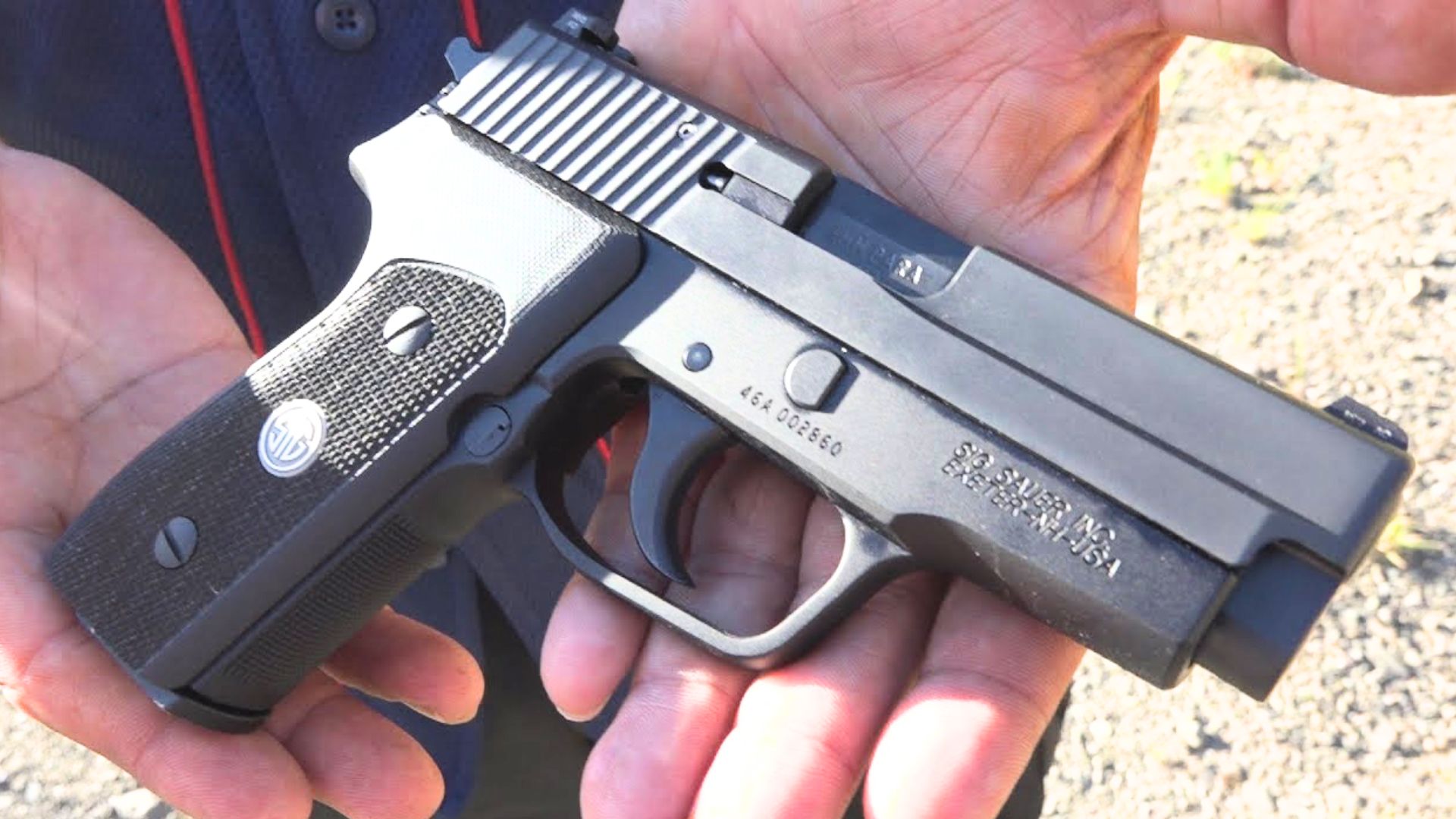
SIG Sauer P225 (West German / early variants)
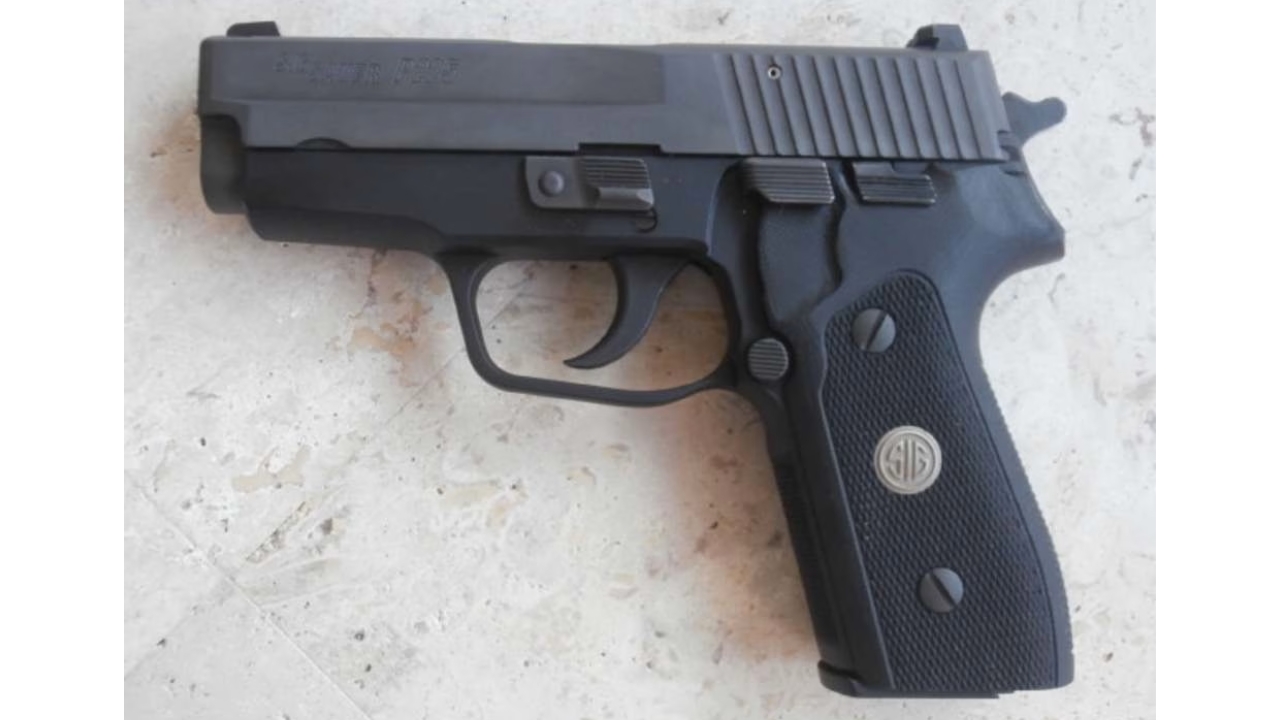
The P225 looks like a plain single-stack 9mm, and it feels almost modest next to modern high-capacity pistols. Then you see what clean German-marked examples bring and you understand why buyers chase them. It’s discontinued in its original form, it has a reputation for accuracy and handling, and the older production has collector pull.
When you’re shopping, you check markings, overall condition, and whether the gun has been refinished or parts-swapped. Original magazines and factory accessories help more than you’d think. A clean P225 often sells higher than its “boring” looks suggest because it’s a classic service pistol that still carries well, still shoots well, and now has a fixed supply. That’s the recipe for rising prices.
SIG Sauer P229 in .357 SIG

A P229 in .357 SIG looks like a normal SIG—nothing fancy, nothing rare at a glance. The surprise is how much some buyers value the caliber and the era, especially when you find clean pistols with correct parts and magazines. Discontinued configurations and niche demand can move prices in ways that don’t make sense until you see the listings.
The key is condition and originality. You check for frame rail wear, correct barrel markings, and proper function. Magazines and boxes matter, and mismatched parts can hurt value. The .357 SIG crowd is smaller, but they tend to be serious, and they pay for clean examples because they don’t show up everywhere. It’s a plain-looking pistol that can bring strong money when the right buyer is watching.
CZ 527

The CZ 527 looks like a modest little bolt gun—simple wood or synthetic, basic lines, nothing loud. Then you realize it’s discontinued, it has a loyal fan base, and people keep hunting them down for predator rifles and light hunting rigs. The mini-Mauser feel and the handling make it stand out once you’ve carried one.
Used examples can bring surprising money, especially if they’re clean and unmodified. You check the magazine, the bore, and whether the stock has been altered or refinished. The best ones still wear their original sights and clean screw heads. The 527 is the kind of rifle that didn’t look collectible while it was on shelves, and now it’s one of those “why didn’t I buy one earlier?” guns that keeps getting snapped up.
Ruger No. 1
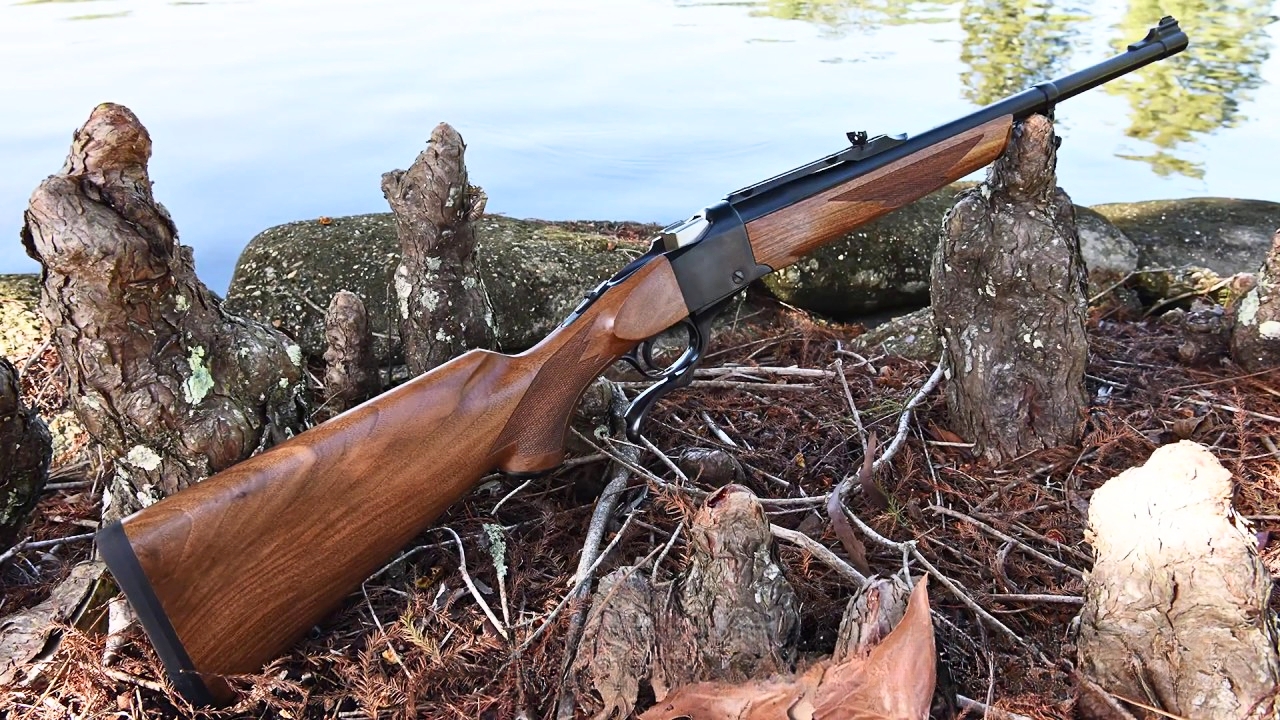
A Ruger No. 1 can look like an old single-shot you’d ignore on a rack. No magazine, no tactical features, no modern trend appeal. Then you see what certain chamberings, runs, and clean examples sell for. The No. 1 has collector energy because it’s distinctive, well made, and tied to a long list of configurations that people chase.
What moves value is condition and correctness. You check for clean wood-to-metal fit, unaltered sights, and no weird modifications. Box and papers can matter a lot. Some versions are far more desirable than others, but even standard No. 1 rifles can bring strong money because they aren’t common in today’s market and they scratch a particular itch: classic looks, serious quality, and a different shooting experience than the average bolt gun.
Marlin 39A
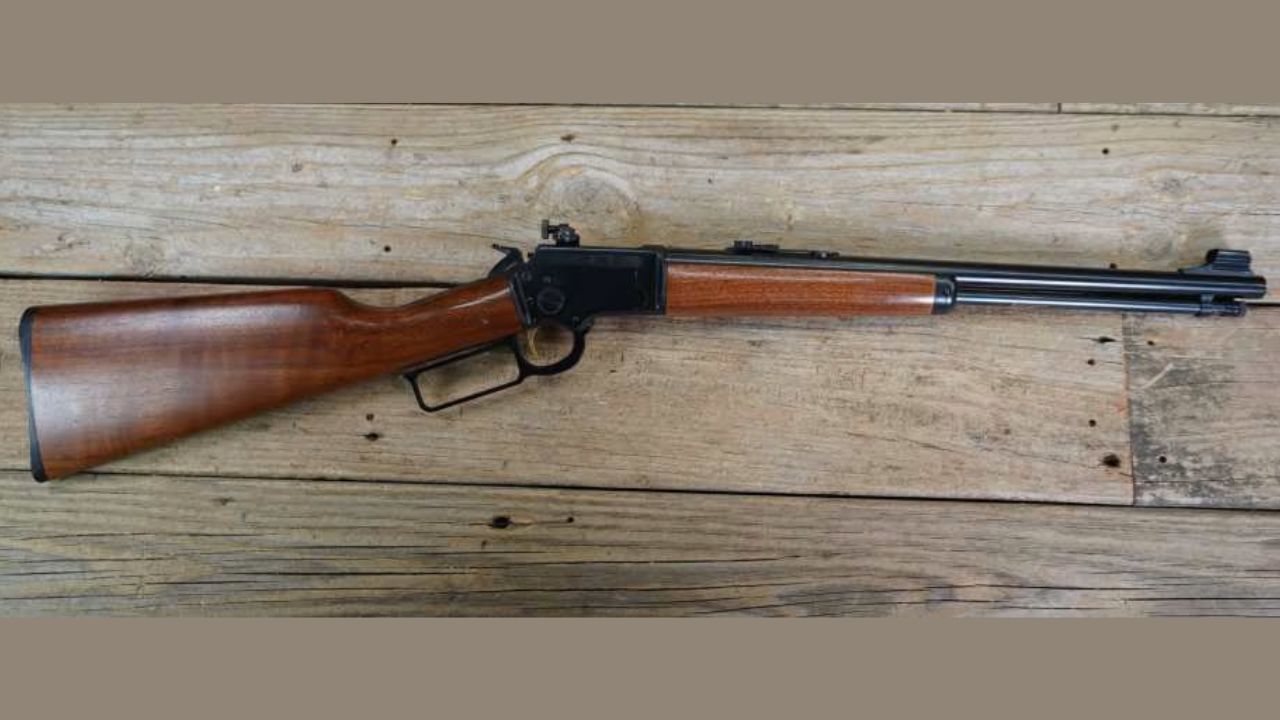
A Marlin 39A is a rimfire lever gun that can look like a plain old .22, especially if the wood has a few hunting marks. Then you try to find a really clean one and you start understanding the price tags. They’re discontinued, they’re built to last, and people want the classic American .22 lever that feels like a centerfire in the hands.
The value driver is originality. You check the bore, the crown, the takedown fit, and watch for sanded stocks or refinished metal. Clean screws and intact markings matter. A 39A with the right sights and honest condition sells well because it’s the kind of rifle families keep, not the kind they sell. When one does hit the market in great shape, buyers show up fast.
Marlin 336 (JM-stamped)

A JM-stamped Marlin 336 often looks like a standard deer rifle—blue steel, walnut, plain sights. Then you see how quickly clean ones move and how much they bring compared to what you remember. The demand is partly nostalgia, partly trust in that era, and partly the fact that nice lever guns don’t stay cheap when supply tightens.
When you evaluate one, you check the bore, crown, and lever lockup, and you look hard for drilled holes, chopped barrels, or “custom” work. Original condition matters more than shine. A clean JM 336 isn’t rare, but clean examples are getting scarcer, and that’s why the market treats them like something special. It’s a boring rifle until you try to replace one.
Remington 7600

The Remington 7600 can look like an awkward hunting pump that never got the spotlight. Then you spend time around deer camps in states where quick follow-ups matter and realize why people hunt them down. They’re discontinued, they’re practical, and the supply of clean rifles is not growing.
Prices climb on nice examples because a lot of 7600s were used hard. You check action smoothness, lockup, magazine fit, and bore condition. Pay attention to scope mount holes and any signs of abuse around the receiver. A clean 7600 in a popular caliber sells stronger than you’d expect because it’s a niche tool with real fans. When a gun does a job well and stops being made, “boring” turns into “hard to replace” fast.
Winchester Model 12

A Winchester Model 12 looks like a plain old pump shotgun until you work the action and start seeing what clean ones sell for. It’s discontinued, built with old-school machining, and it has a reputation that keeps demand steady. Plenty exist, but truly nice ones—correct, uncut, and unmolested—are getting harder to find.
Value lives in originality. You check barrel length, choke markings, bore condition, and overall finish. Cut barrels and refinishes usually hurt. Original wood with crisp checkering and honest wear is often better than a “restored” look. A Model 12 can sit on a rack looking like Grandpa’s duck gun, then surprise you because collectors and shooters both want them, and the clean survivors are not unlimited.
Ruger Mini-14 (older production)

A Mini-14 looks like an unremarkable ranch rifle, and that’s part of why people underestimate it. But certain older configurations and clean examples have been bringing more attention, especially as pricing shifts and availability changes. The Mini has a loyal following because it’s handy, reliable, and fits a practical role.
The used market rewards condition and included extras. You check function, look at the gas system area for neglect, and pay attention to magazine quality. Some sellers call them rare when they’re simply clean and correctly priced, but the truth is clean Minis often move fast. A rifle that’s easy to live with and tied to decades of use develops its own market gravity, even when it looks plain.
Colt Detective Special

The Detective Special looks like a straightforward old revolver—nothing flashy, no giant frame, no modern features. Then you learn how many were carried hard, how many got refinished, and how many clean, correct examples are left. Discontinued Colt revolvers with the right condition tend to get expensive in a hurry.
Value comes from originality and mechanical health. You check timing, lockup, endshake, and look closely for refinishing that rounds edges and softens markings. Correct grips and a good finish matter, and box/papers can move the price. It’s the kind of revolver that feels “common” until you try to find a truly clean one. That’s when the market reminds you that survival and condition are what collectors pay for.
Colt Official Police
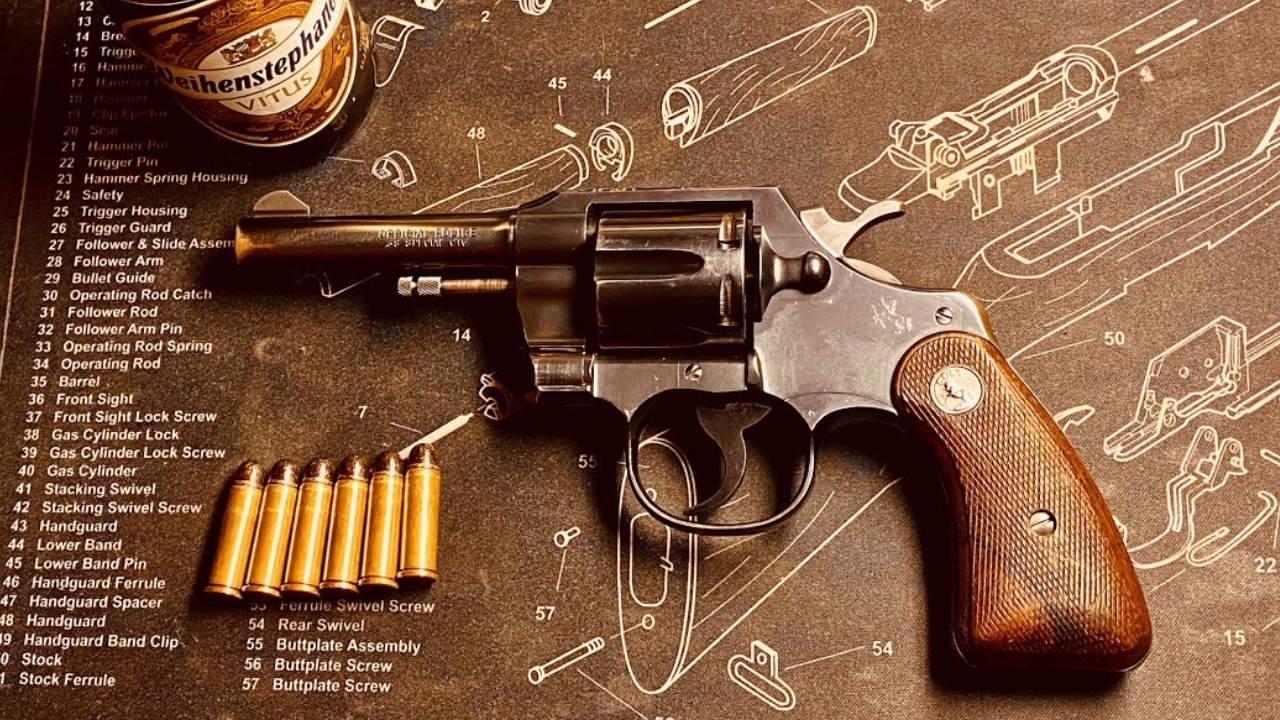
The Colt Official Police looks like a plain service revolver, and for most of its life it was exactly that. That’s why the values can surprise people now. They were issued, carried, and used, which means clean examples are far less common than the production numbers suggest.
If you want one that holds value, you check the action carefully. Timing, lockup, and a smooth trigger pull matter, and refinishing usually hurts more than it helps. Original grips and clear markings are a big deal. The Official Police sits in that sweet spot of “historic but usable,” and that draws buyers who want something real from an era when service revolvers were built with serious craftsmanship. It looks boring until you see what correct condition costs.
Ithaca Model 37 (older, uncut examples)

An Ithaca 37 can look like a plain field shotgun, especially next to modern tactical scatterguns. Then you learn how many were modified, cut down, or worn out, and why clean, older examples have a real following. The bottom-eject design, slick handling, and long production history keep demand strong.
What sells is condition and configuration. You check that the barrel is original length, the bore is clean, and the action cycles smoothly without weird hitching. Original wood and finish matter, and correct markings matter to collectors. A clean Model 37 doesn’t need to be rare to be valuable—it only needs to be correct and hard to replace in that shape. That’s why a “boring” Ithaca can surprise you when you check what the market pays.
Like The Avid Outdoorsman’s content? Subscribe to our newsletter so you never miss an article.
Here’s more from us: