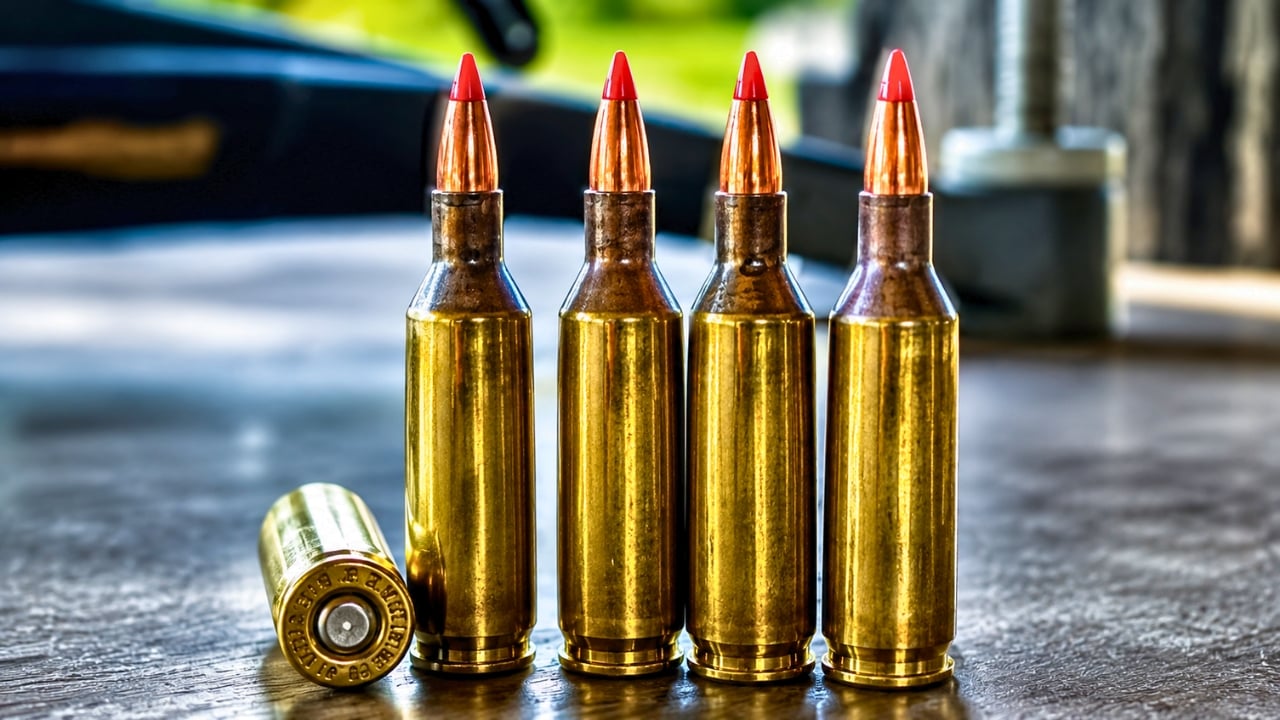
Photo credit: Reloading Quest/YouTube
Some rifle cartridges arrive with a clear promise. More speed, more power, shorter actions, flatter trajectories, less recoil, or a better balance between two established rounds can all sound convincing when a new cartridge is launched. The problem is that shooters eventually compare those claims against real rifles, real ammunition prices, and the cartridges they already own.
That is where some rounds start losing their shine. A cartridge can be perfectly capable and still fail because the improvement is too small, recoil is worse than expected, barrel life suffers, or factory support never develops. These 20 rifle calibers all had an idea behind them, but the market ultimately decided the benefit was not quite what buyers hoped it would be.
.223 Winchester Super Short Magnum
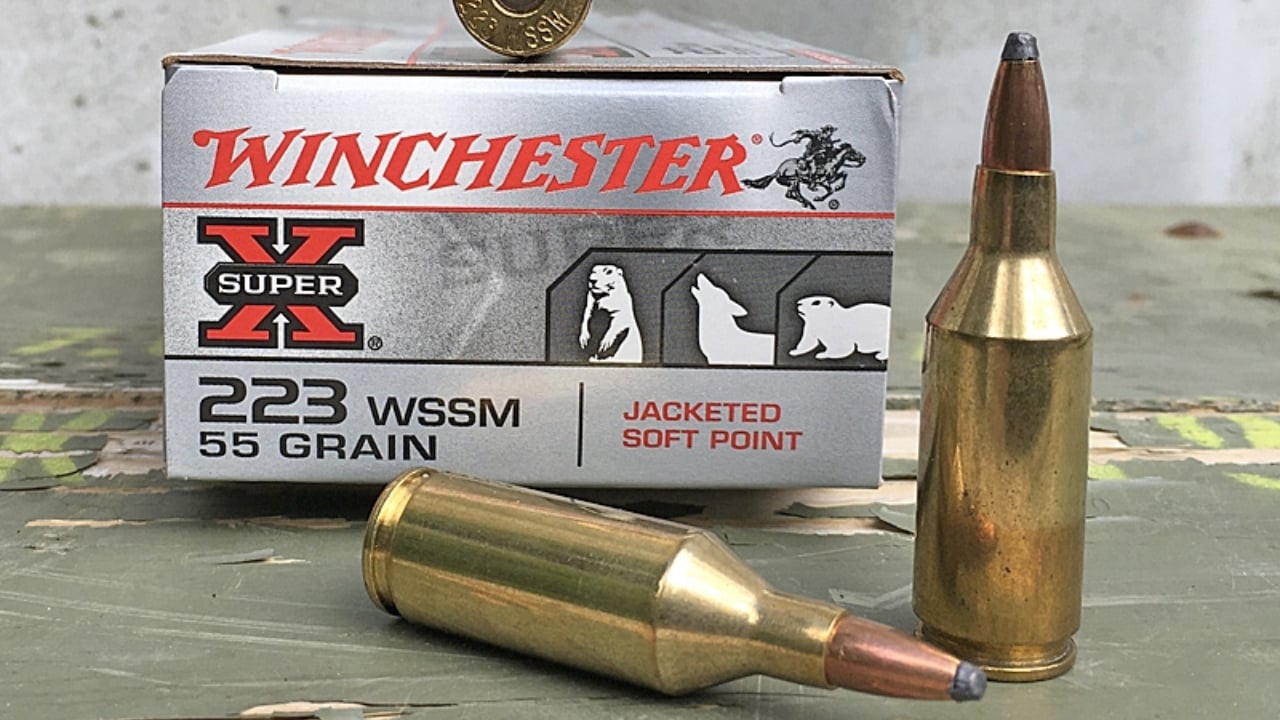
The .223 WSSM promised blistering velocity from an unusually short, fat case. On paper, it looked like a way to get .22-250 or even hotter varmint performance from a short-action rifle.
The drawbacks showed up quickly. Barrel wear could be significant, ammunition never became especially common, and the chunky case geometry did not offer enough practical advantage to make shooters abandon established .22-caliber cartridges. Once the novelty faded, most buyers realized a .22-250 already did the job with better support and fewer headaches. The .223 WSSM was fast, but speed alone was not enough.
.243 Winchester Super Short Magnum
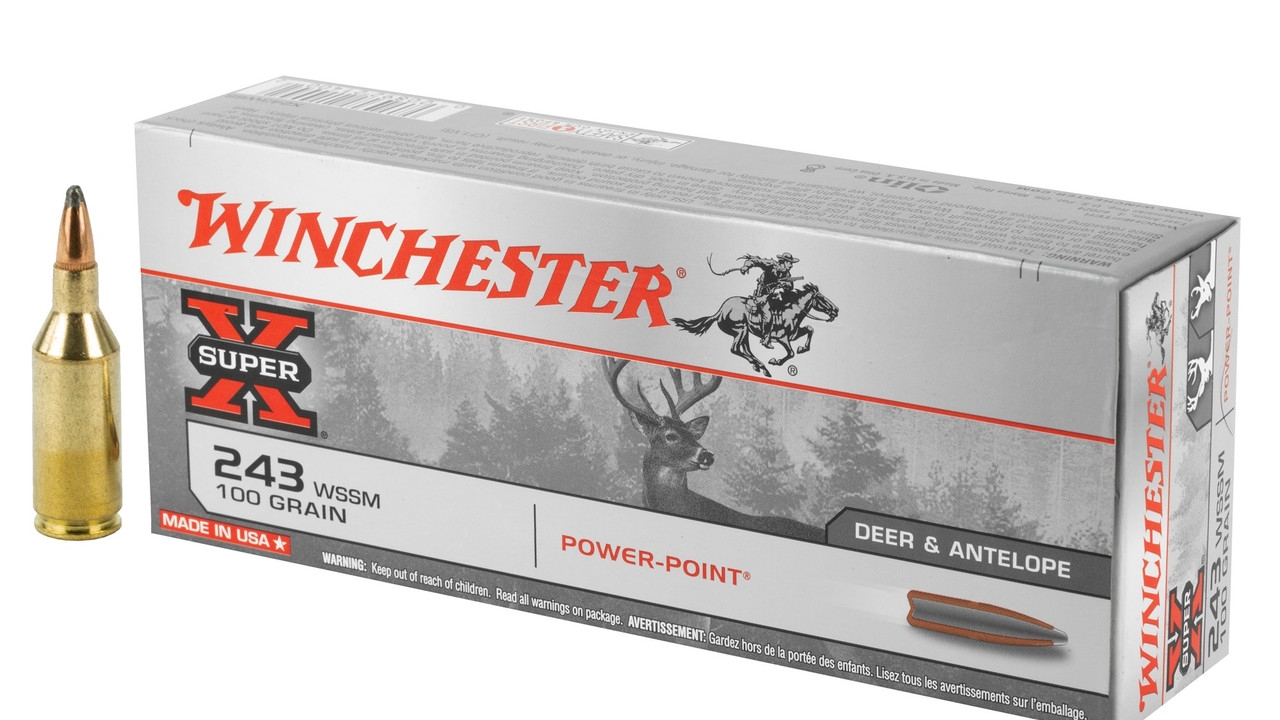
The .243 WSSM was supposed to combine compact rifle dimensions with serious 6mm velocity. It looked especially appealing for varmint and deer hunters who wanted a short action without giving up speed.
In practice, the cartridge never offered enough over the standard .243 Winchester to justify the extra complexity. Ammunition support faded, rifle choices disappeared, and the performance gain was not dramatic enough for most hunters to care. Once you factor in availability, the ordinary .243 ended up making far more sense.
.25 Winchester Super Short Magnum
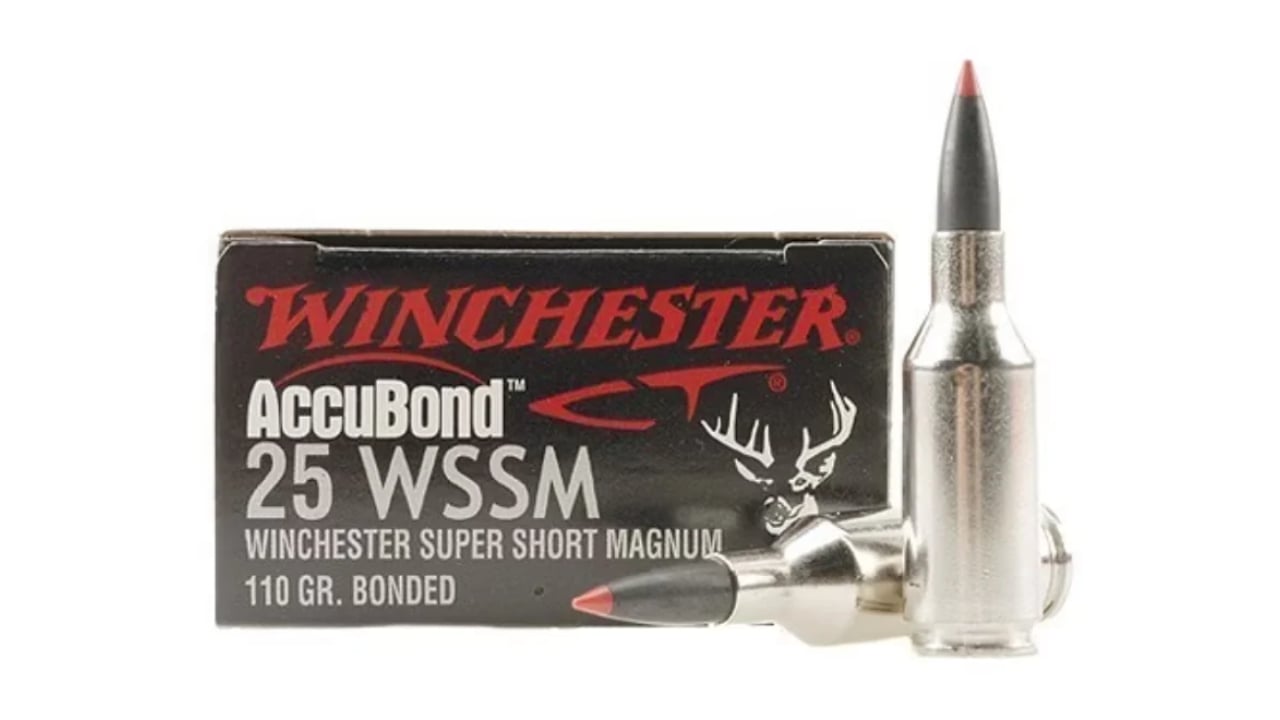
The .25 WSSM may have been the most interesting of the WSSM family because it tried to give hunters .25-06-like performance from a shorter action.
The problem was that .25-06 was already deeply established and worked perfectly well. The WSSM case added feeding and availability concerns without delivering a revolutionary improvement. Rifle makers moved on, ammunition became scarce, and the cartridge quickly became something only enthusiasts remembered. It was clever engineering without a big enough real-world payoff.
.270 Winchester Short Magnum
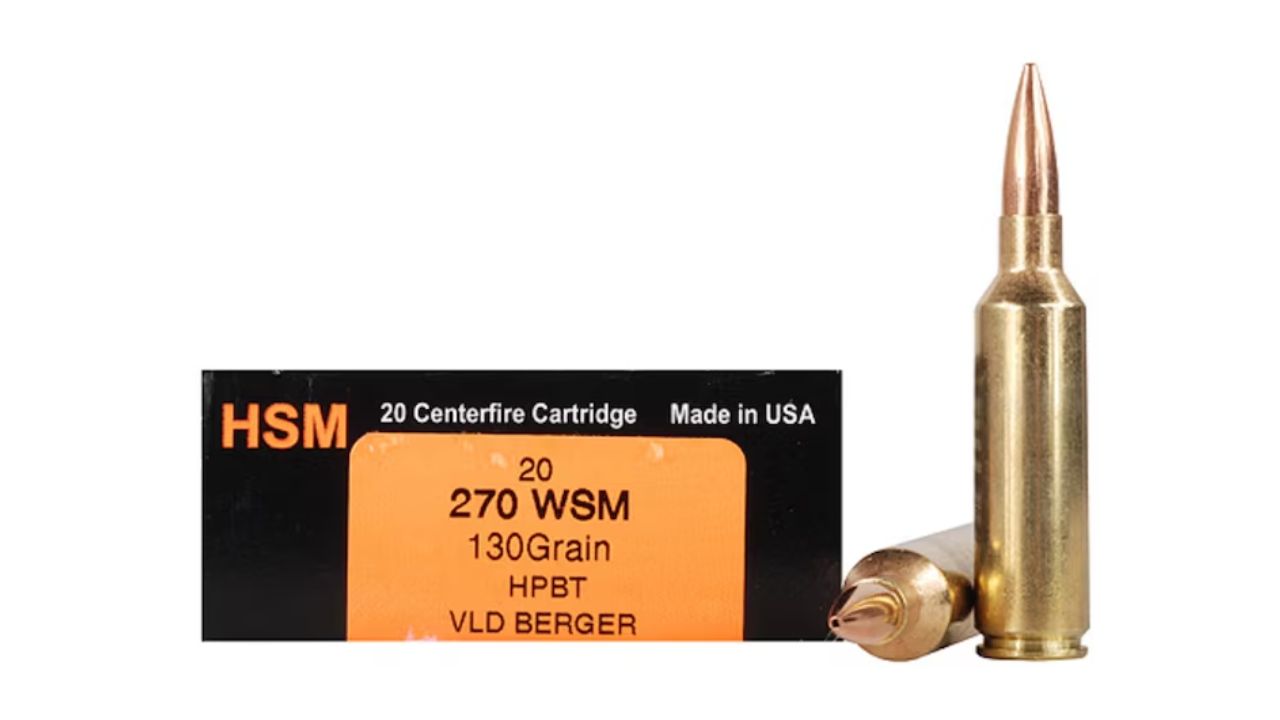
The .270 WSM promised magnum performance from a short action and did deliver a legitimate velocity increase over the standard .270 Winchester.
What buyers did not always get was a dramatic improvement in actual hunting. Recoil increased, ammunition cost went up, and rifles were often not much lighter or handier once everything was assembled. The standard .270 already handled deer and elk extremely well. The WSM was faster, but not so much better that it displaced the original the way some expected.
7mm Winchester Short Magnum
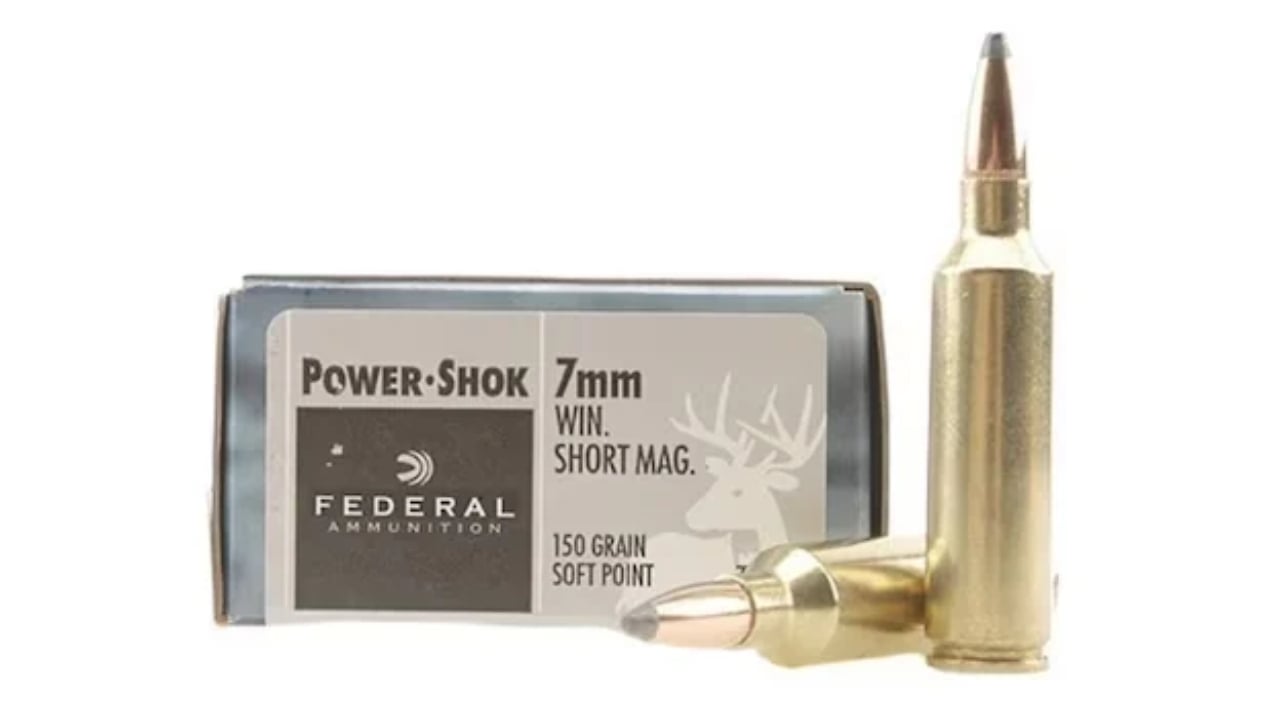
The 7mm WSM looked like a natural winner. It offered strong 7mm magnum performance from a short case and fit neatly into the short-magnum trend.
Instead, it became one of the cartridges that got lost in its own family. The .300 WSM dominated attention, while 7mm Remington Magnum already had decades of support. Later, newer 7mm cartridges pushed it even further into the background. It worked, but buyers never found a compelling enough reason to choose it.
.325 Winchester Short Magnum
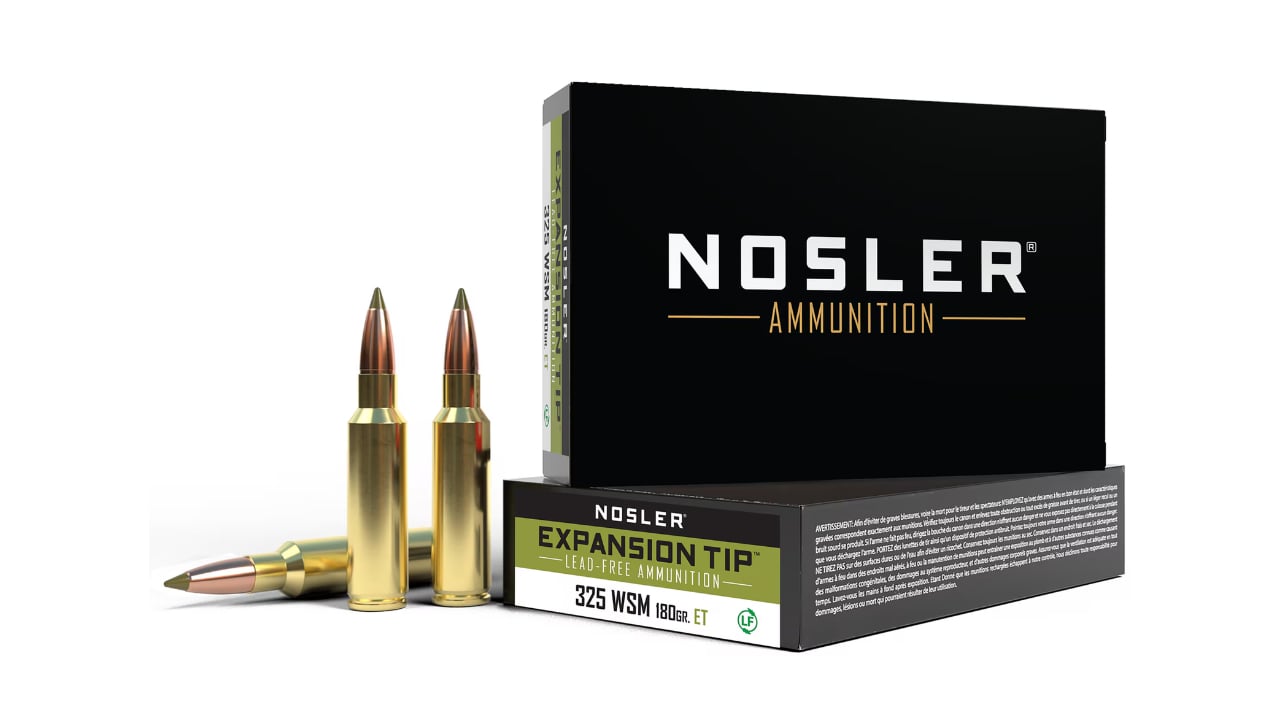
The .325 WSM promised a compact-action cartridge with serious elk and large-game capability. The 8mm bullet diameter also gave it an identity separate from the crowded .30-caliber market.
That distinction never translated into broad demand. Bullet selection was weaker, factory ammunition remained limited, and most hunters saw little reason to move away from .300 or .338 cartridges. The .325 WSM delivered plenty of power, but not the broad support needed to make it a long-term success.
.300 Remington Short Action Ultra Magnum
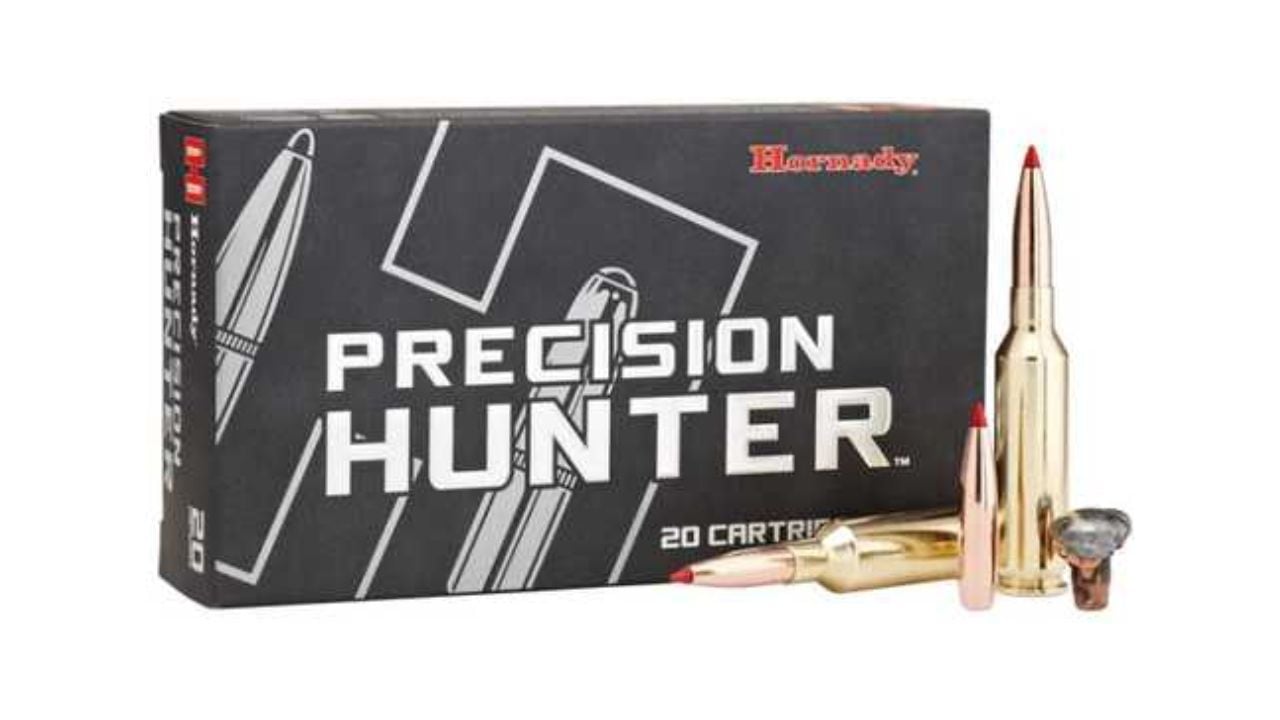
The .300 SAUM was designed to bring magnum .30-caliber performance into a short action before that idea became mainstream.
Unfortunately for Remington, the .300 WSM arrived and captured far more market attention. The SAUM never built enough rifle or ammunition support to overcome that disadvantage. It remained ballistically capable, but buyers care about availability almost as much as velocity. Once the market chose the WSM, the SAUM became a niche round.
7mm Remington Short Action Ultra Magnum
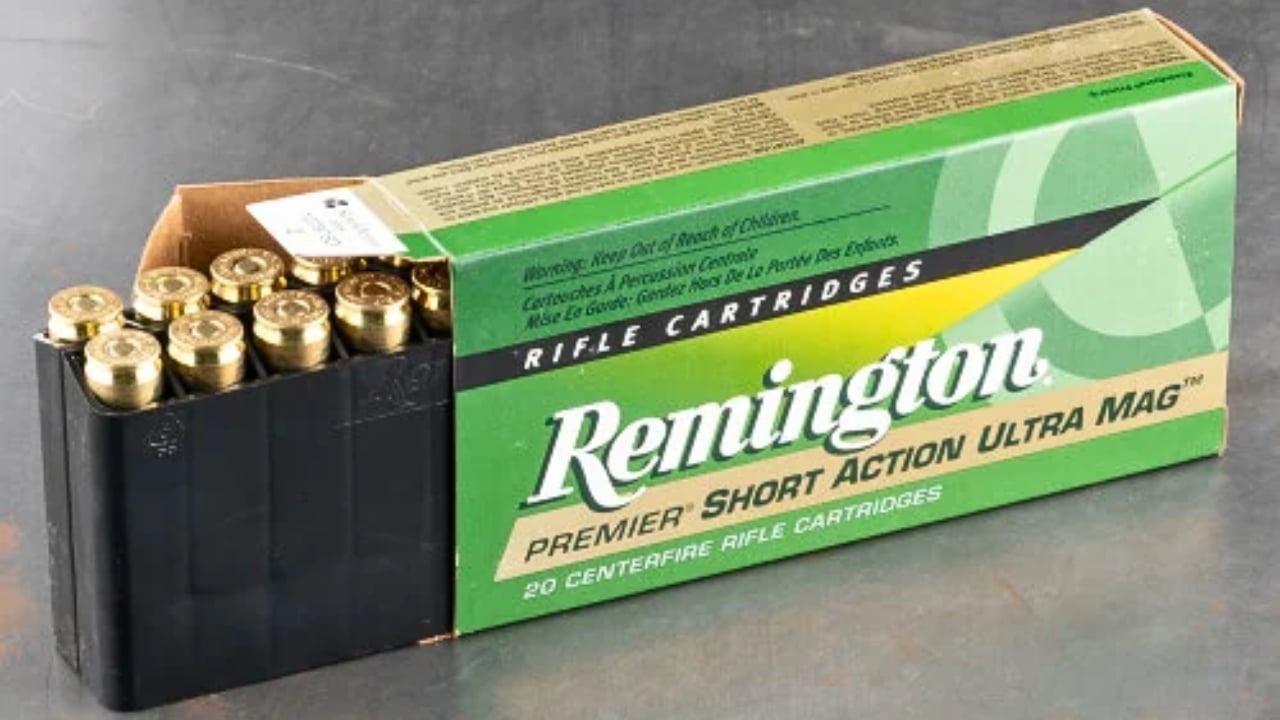
The 7mm SAUM has actually developed a strong reputation among handloaders and precision shooters, but that came long after its original commercial launch.
As a mainstream hunting cartridge, it never became what buyers expected. Factory rifles and ammunition dried up, and the cartridge was largely abandoned by the broad market. Its later resurgence proves the design itself was good. The failure was in becoming the widely supported hunting round it was supposed to be.
.300 Remington Ultra Magnum

The .300 RUM promised massive .30-caliber velocity and long-range capability. It delivered both.
The problem is that buyers also got heavy recoil, expensive ammunition, significant powder consumption, and rifles that were not particularly pleasant to practice with. For most hunters, the practical difference between .300 RUM and more moderate magnums was smaller than the difference in recoil and cost. It became a specialist cartridge rather than the broad hunting upgrade some expected.
.338 Remington Ultra Magnum

The .338 RUM followed the same basic formula and pushed heavy .338-caliber bullets at serious speed.
Again, the performance was real, but the practical audience was small. Recoil is substantial, ammunition is expensive, and most elk or moose hunters never needed that much cartridge. Buyers expecting the ultimate all-around large-game round often discovered they had purchased more rifle than they wanted to shoot regularly.
Free for gun owners: If something happened to you tomorrow, would your family know where the guns are, who has the safe combination, or what to do first? Our free Gun Owner’s Family Checklist walks them through it. It takes about 15 minutes to fill out. Get your free copy here.
.375 Remington Ultra Magnum
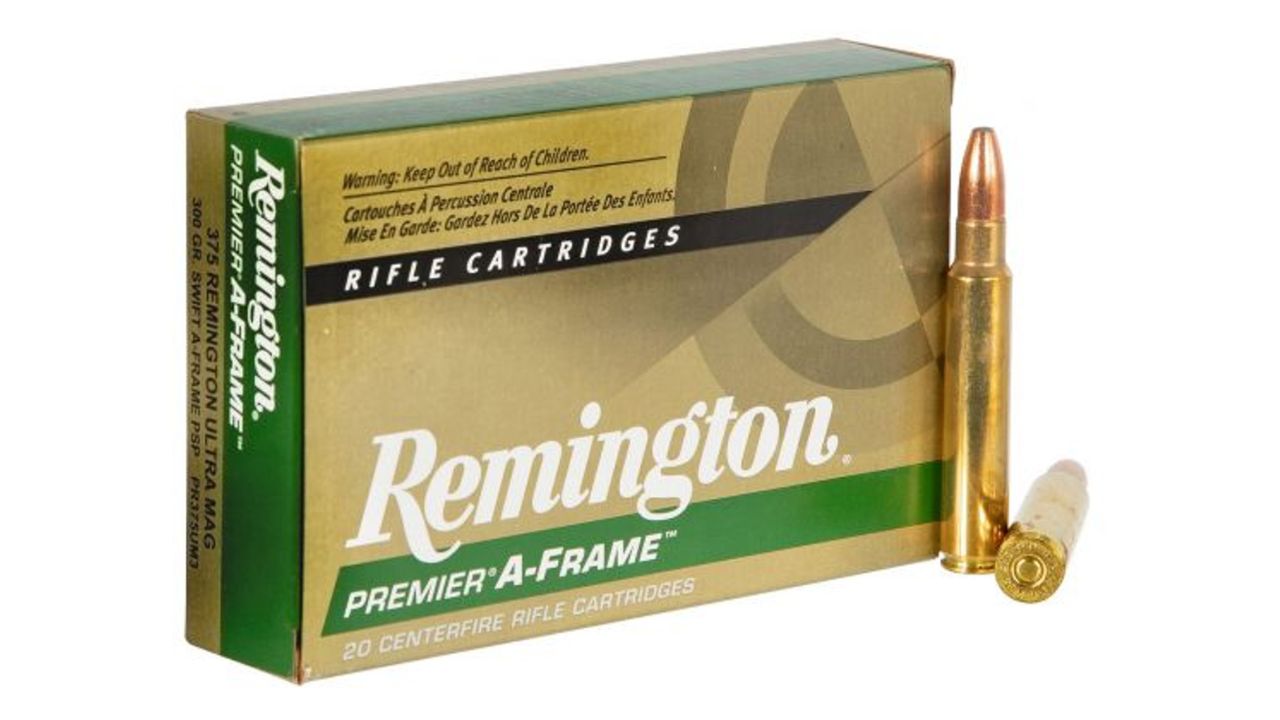
The .375 RUM was designed to deliver tremendous dangerous-game performance from a modern case.
It certainly did that, but the market for such a cartridge was always going to be limited. The recoil is severe, ammunition support is thin, and traditional .375 cartridges already had strong reputations around the world. The RUM offered more speed, but dangerous-game hunters tend to value reliability and proven availability more than chasing every last foot per second.
.30 Thompson Center
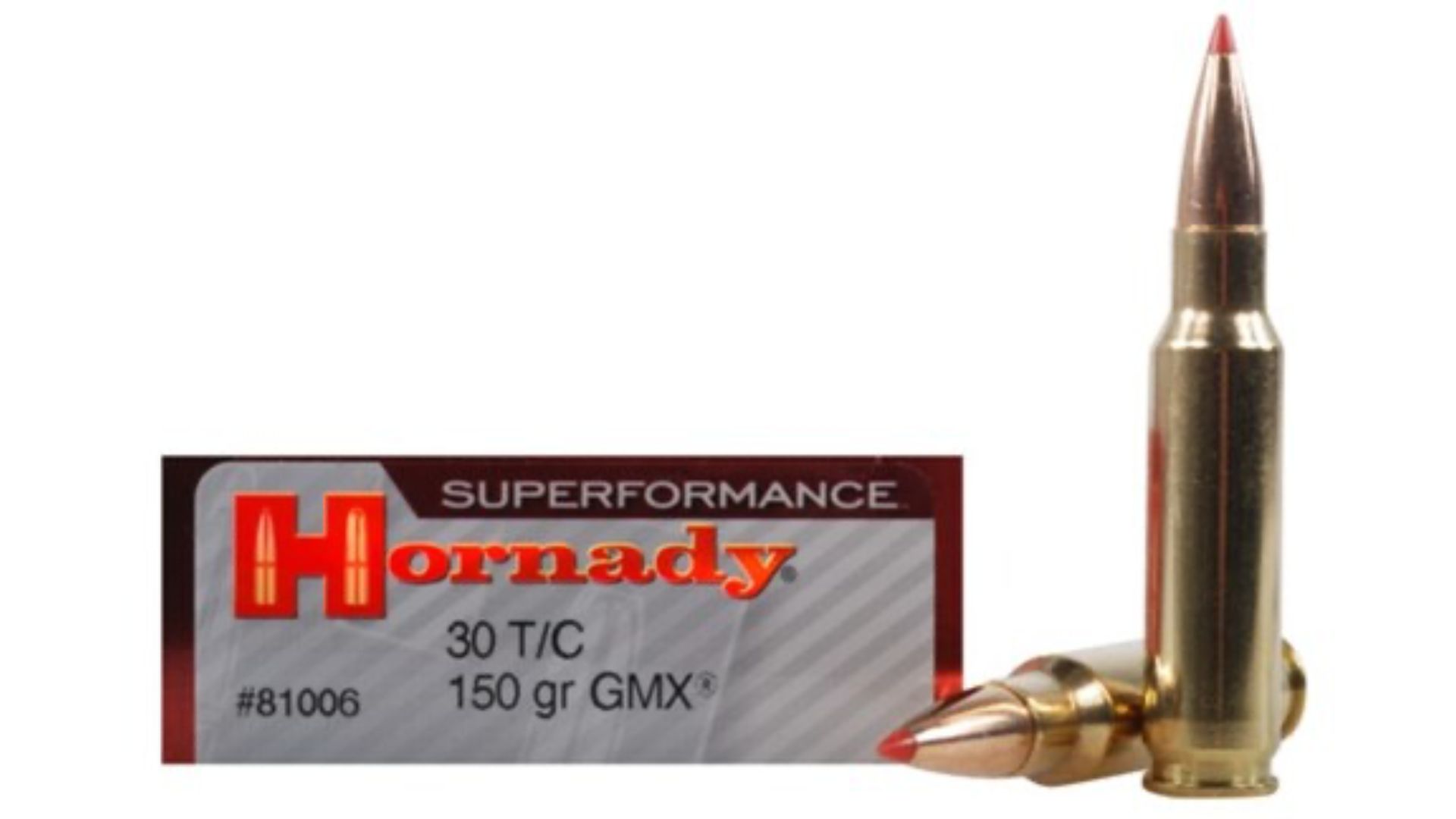
The .30 TC was supposed to offer .30-06-class performance from a shorter case with efficient powder use.
The cartridge itself worked well, but the market never saw enough reason to support it. .308 Winchester was everywhere, .30-06 was deeply established, and the performance gap was too small to force a change. The .30 TC became an example of a smart design that solved a problem most hunters did not think they had.
6.5 Remington Magnum
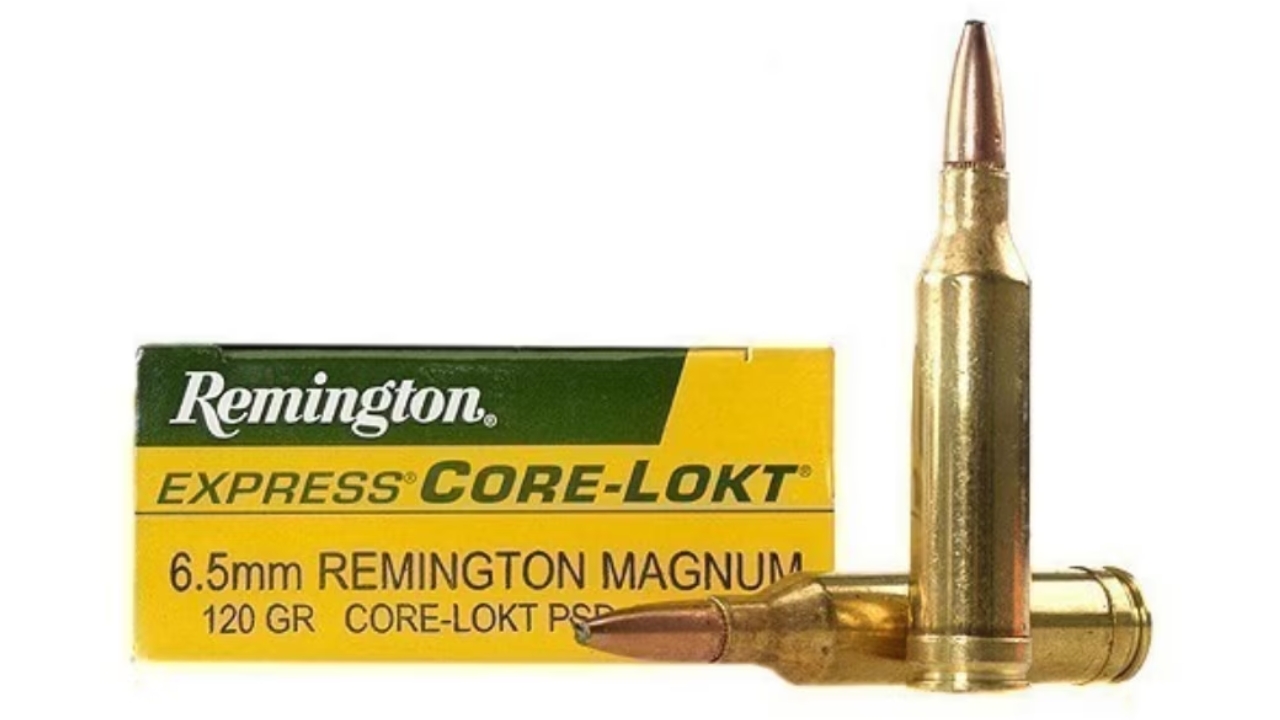
The 6.5 Remington Magnum arrived decades before modern 6.5mm cartridges became popular. It promised flat trajectory and strong hunting performance from a compact action.
The problem was rifle configuration and timing. Short barrels robbed some of the velocity that made the cartridge interesting, while the market was not yet obsessed with long, efficient 6.5mm bullets. By the time shooters fully appreciated the caliber, newer cartridges had already taken over the role. The idea was better than the execution.
.350 Remington Magnum
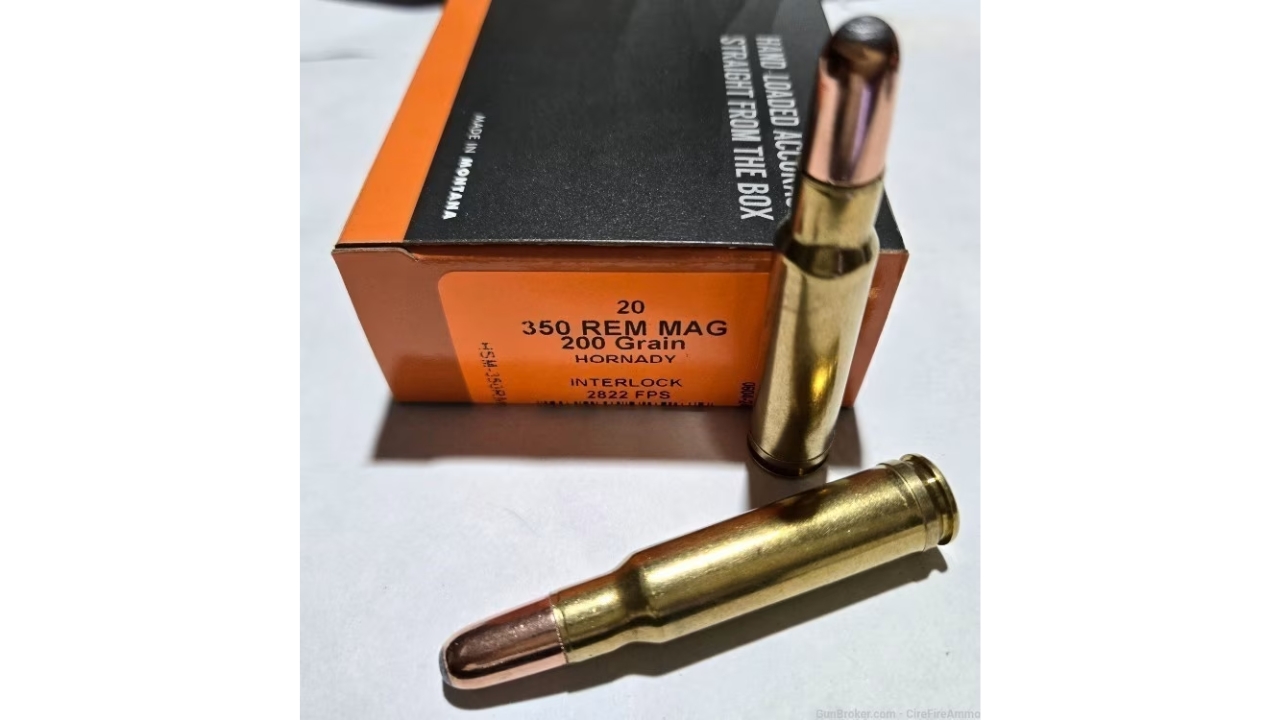
The .350 Remington Magnum was designed to deliver heavy .35-caliber performance from a short-action rifle. That sounds ideal for woods hunting and larger game.
The cartridge suffered from heavy recoil in light rifles and never achieved broad factory support. Hunters who wanted big-bore performance had other choices, while those who wanted moderate recoil stayed with smaller rounds. It was powerful and compact, but the combination was not as pleasant to shoot as buyers may have expected.
.284 Winchester
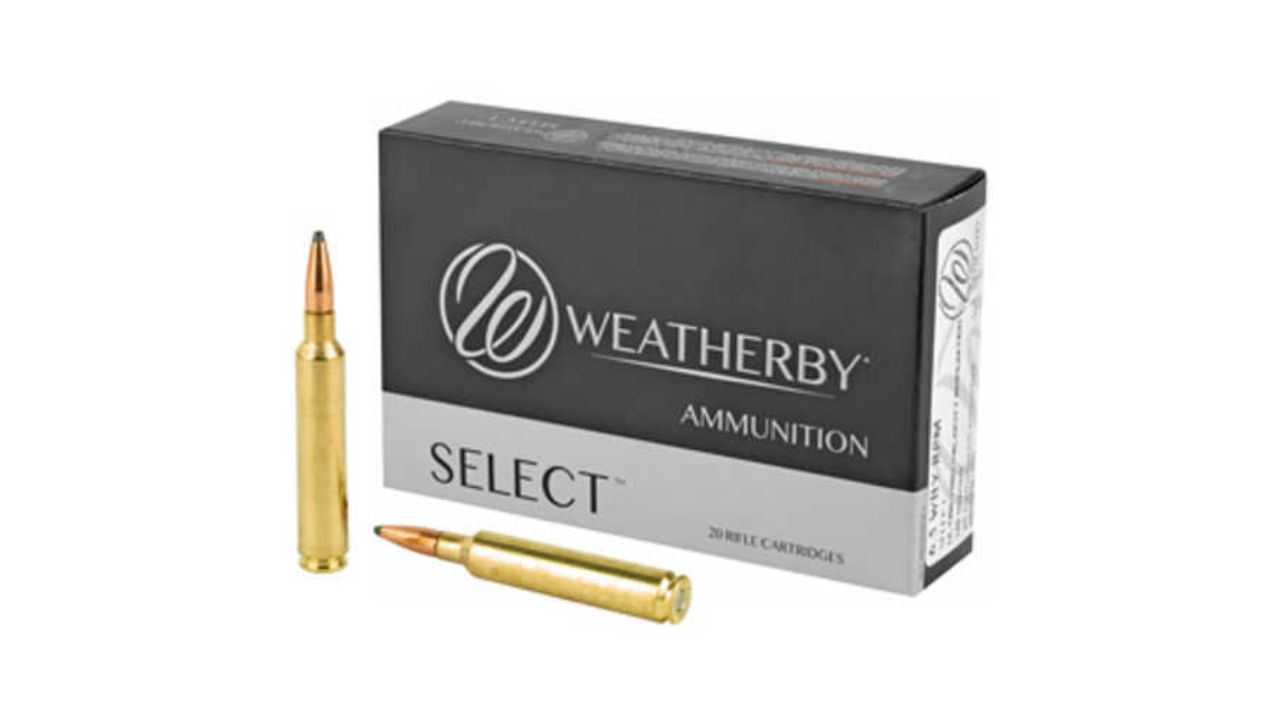
The .284 Winchester was one of the more innovative cases of its era. It tried to deliver .270- or .280-class performance from a shorter action.
The design was excellent, but the rifles and market timing were not. It never gained enough mainstream support, and hunters had little incentive to move away from cartridges already available everywhere. Ironically, the case later became highly respected among precision shooters and wildcatters. As a commercial hunting cartridge, though, it never became the success its design suggested.
.307 Winchester
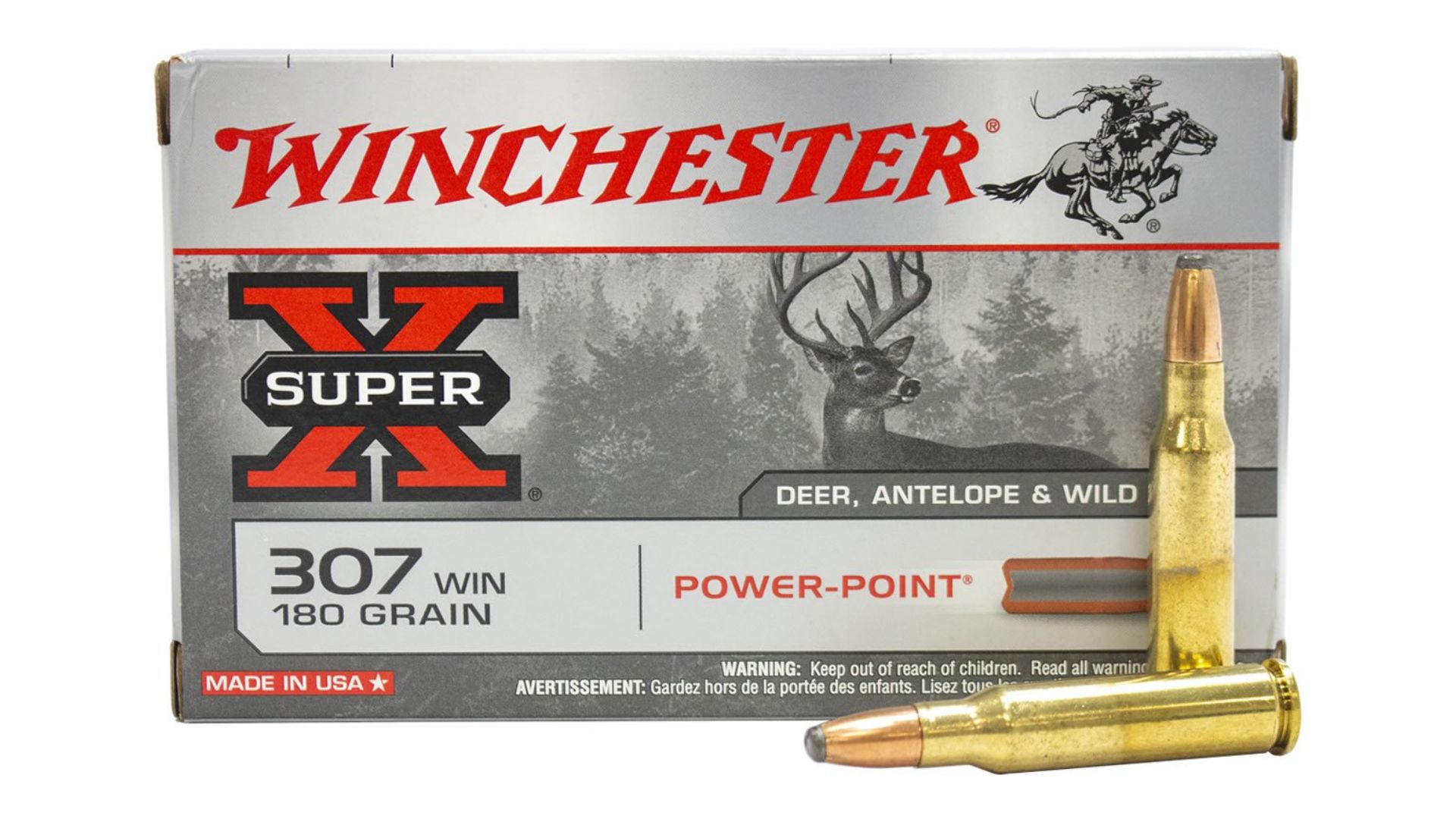
The .307 Winchester promised near-.308 performance from a rimmed cartridge that could work in traditional lever actions.
That was a genuinely useful idea, but it arrived at the wrong time. Lever-gun hunters were already loyal to .30-30, while bolt and semiautomatic shooters simply used .308. The cartridge ended up caught between two markets and never dominated either one. Performance was good, but the niche was too narrow.
.356 Winchester
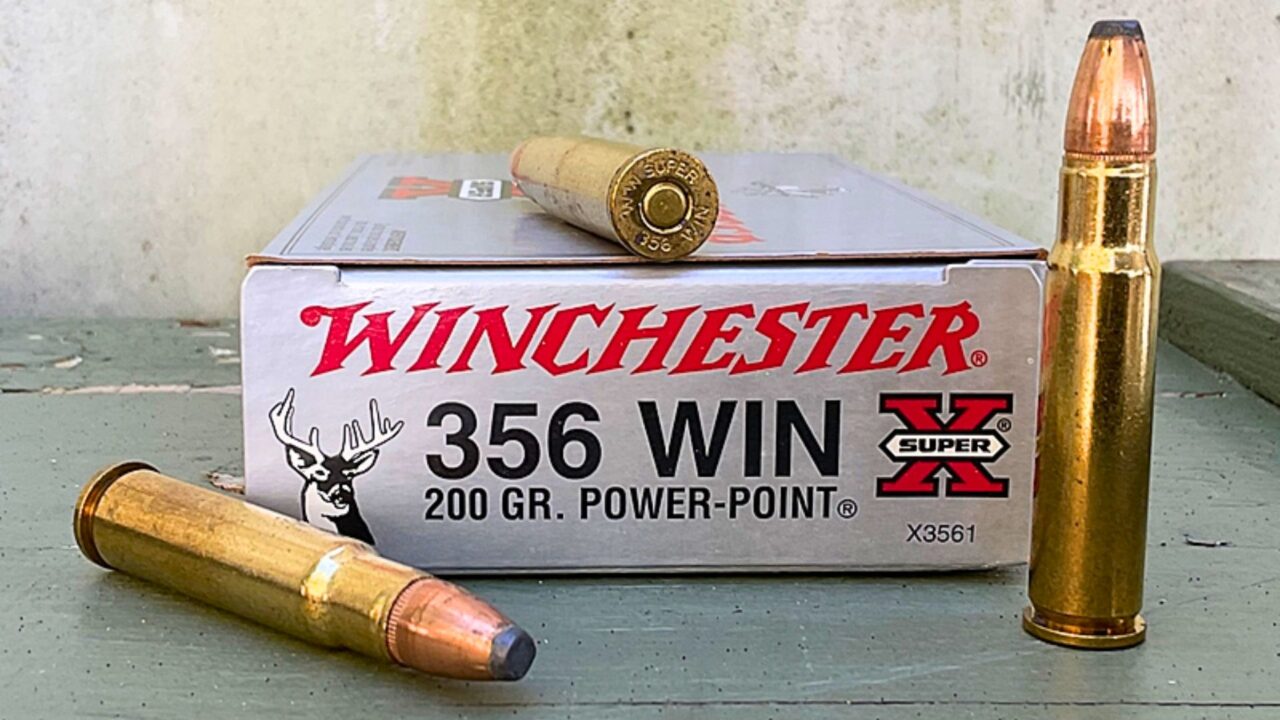
The .356 Winchester was supposed to bring heavier .35-caliber performance to lever-action rifles while maintaining more reach than older woods cartridges.
It worked, but it never developed enough ammunition or rifle support to become common. Hunters who wanted more power often went straight to .45-70 or stayed with .35 Remington. The cartridge delivered solid terminal performance, but the market never viewed it as necessary.
.375 Winchester
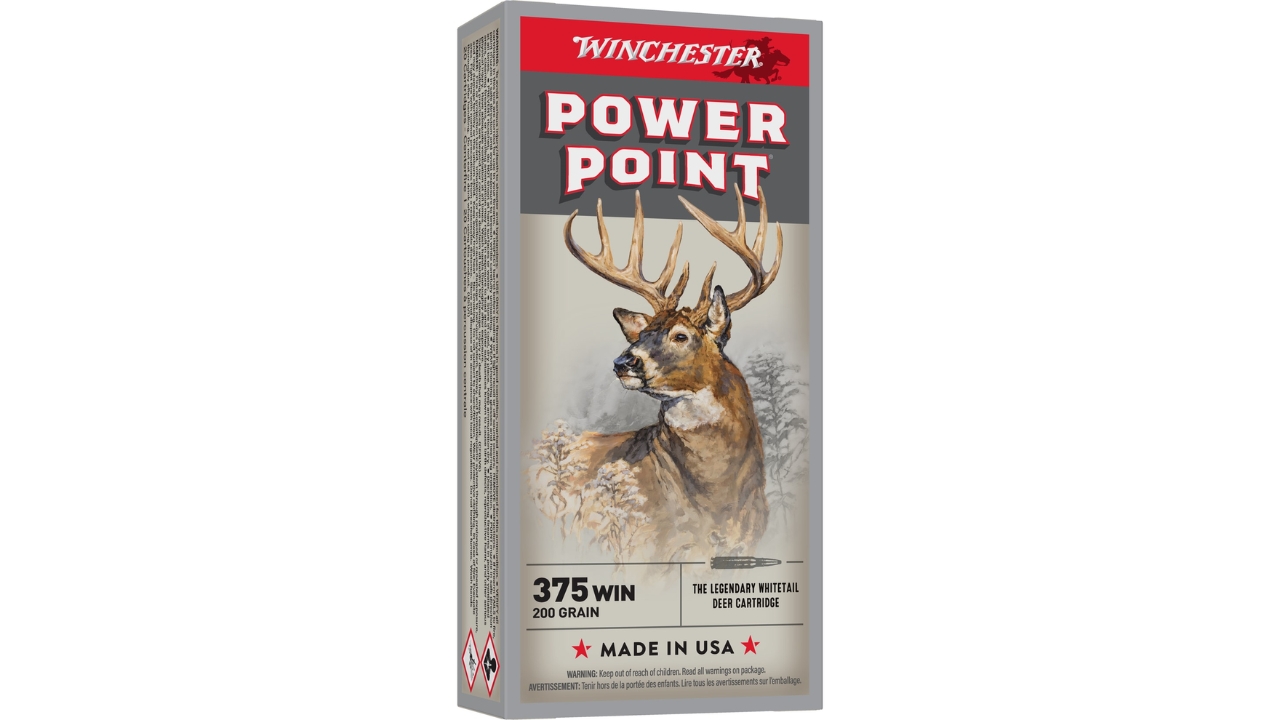
The .375 Winchester was stronger and more powerful than the old .38-55 loads it loosely descended from, and it gave lever-gun hunters a serious close-range big-game cartridge.
The trouble was that the role was already crowded. .45-70 had more name recognition and heavier bullet options, while .30-30 remained cheaper and easier to shoot. The .375 Winchester ended up with a dedicated but small following. It worked exactly as designed, but buyers never adopted it in the numbers manufacturers hoped.
.225 Winchester

The .225 Winchester was introduced as a modern high-velocity varmint cartridge and was supposed to compete with established speedsters.
It never displaced the .22-250 or .220 Swift. Rifle availability was limited, ammunition support stayed weak, and the performance advantage was not compelling enough to build momentum. Once .22-250 became standardized and widely available, the .225 had very little room left in the market.
.17 Remington Fireball
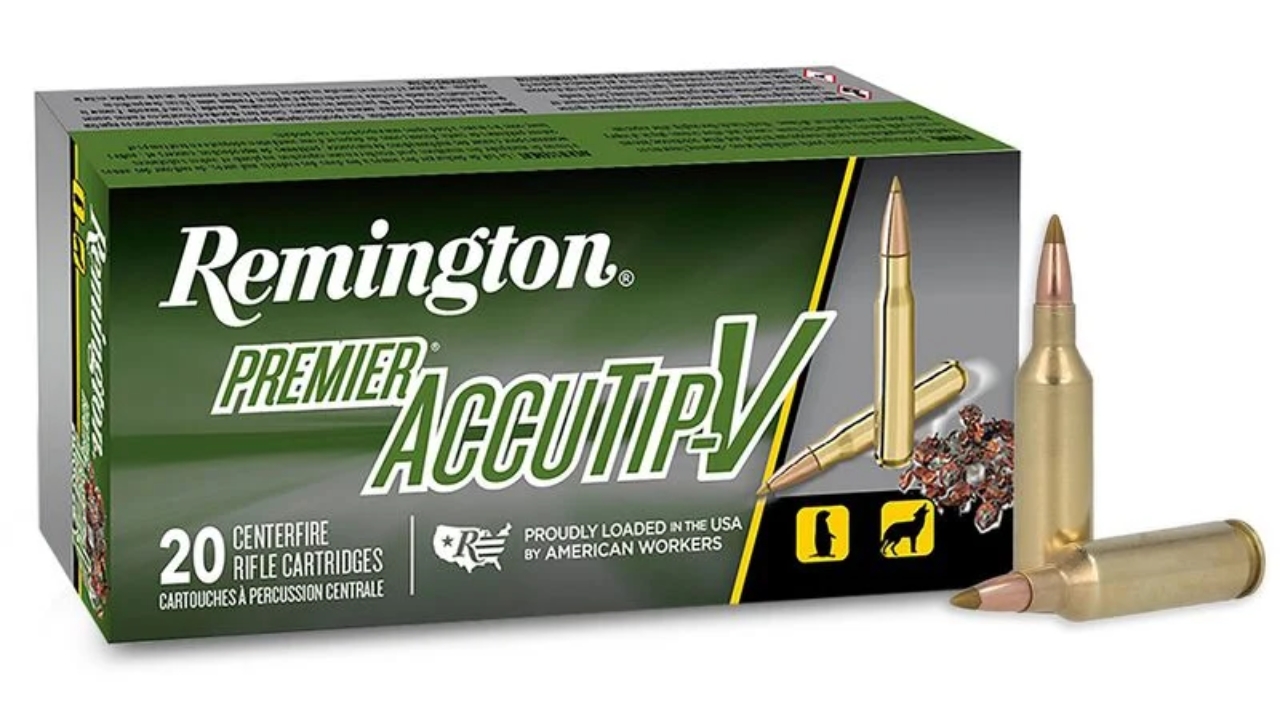
The .17 Remington Fireball promised extremely high velocity with less powder and noise than the larger .17 Remington. For varmint hunters, that sounded like a very smart combination.
The cartridge was accurate and efficient, but it never achieved broad adoption. The tiny bore required more cleaning attention, bullet selection was limited, and other varmint rounds already covered the same ground with easier support. It remains an interesting cartridge, but it never became the mainstream small-varmint round buyers might have expected.
Like The Avid Outdoorsman’s content? Subscribe to our newsletter so you never miss an article.
Here’s more from us: