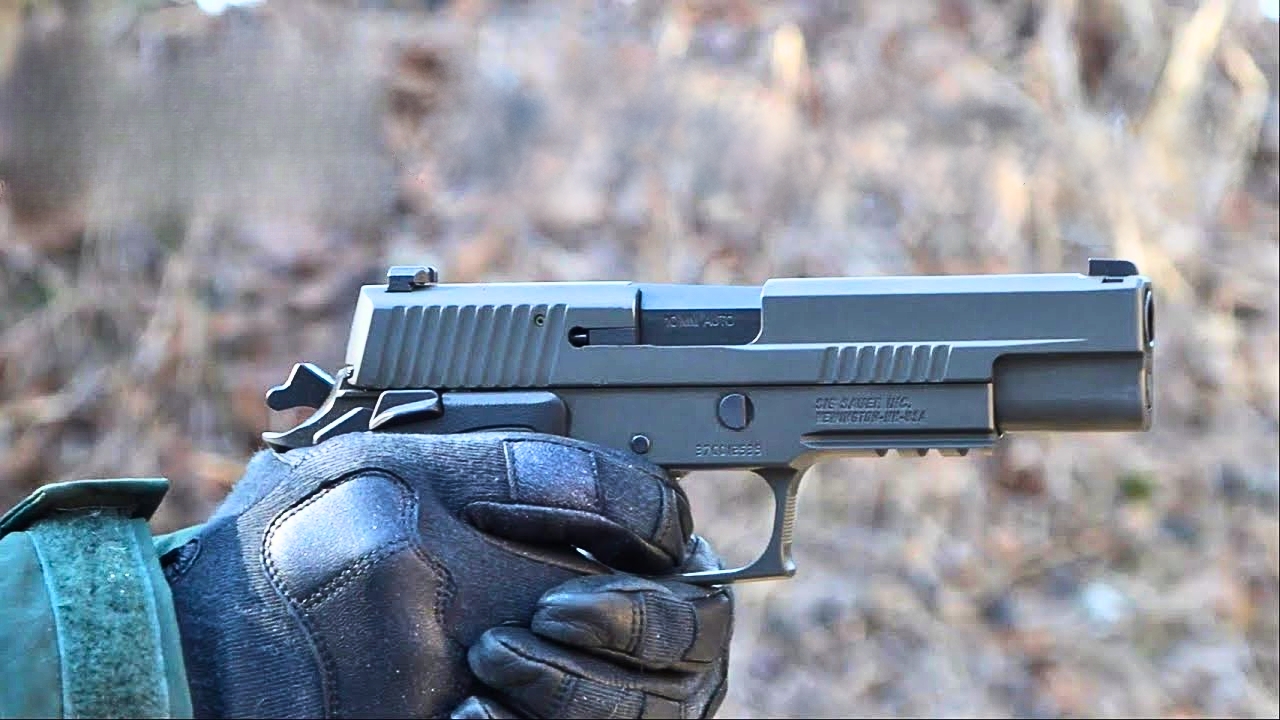
Photo credit: Justin Opinion/YouTube
.45 ACP has been around long enough that the weak pistol designs have mostly exposed themselves. The best .45s today come from platforms with years of hard use behind them, strong magazines, proven locking systems, and enough slide mass to keep the cartridge running consistently without being finicky about ammunition.
Reliability still depends on good magazines, proper maintenance, and quality ammo, but some pistols simply give you a better starting point than others. These 20 stand out because they have developed strong reputations for feeding, extracting, and cycling consistently across a wide range of conditions. Some are polymer duty guns, others are traditional hammer-fired pistols, and several are 1911s that have earned trust by being built correctly from the start.
Glock 21 Gen5 MOS

The Glock 21 has one of the strongest reliability reputations of any modern .45 ACP pistol. The Gen5 version keeps the basic operating system that made earlier guns dependable while improving ergonomics and optics compatibility.
The large frame gives the pistol plenty of slide mass and a generous feeding cycle, which helps it run a broad range of ammunition without drama. It is not elegant, but reliability is rarely about elegance. The magazines are proven, parts support is excellent, and maintenance is straightforward. If your priority is a full-size .45 that is easy to trust and easy to keep running, the 21 remains one of the safest choices.
HK45

The HK45 was designed around serious duty use, and reliability was clearly one of the priorities from the beginning. The pistol uses a proven locked-breech system and combines it with the kind of overbuilt construction HK is known for.
It also handles recoil in a way that keeps the slide cycling consistently without feeling violent. The magazines are robust, the extractor setup is strong, and the gun tends to tolerate different bullet profiles well. It gives up some capacity compared with newer designs, but what it gives back is confidence. The HK45 is one of the .45s I would be least worried about running hard.
HK USP45

The USP45 is older, bulkier, and less refined than the HK45, but its reliability reputation is arguably even stronger. It was built during an era when HK seemed more interested in making the gun nearly indestructible than making it slim.
The massive slide, stout recoil system, and durable internals help it keep running under conditions that would expose weaker pistols quickly. The grip is large and the rail is dated, but those are ergonomic complaints rather than reliability concerns. If you can live with the size, the USP45 remains one of the most proven .45 ACP service pistols ever produced.
FNX-45 Tactical
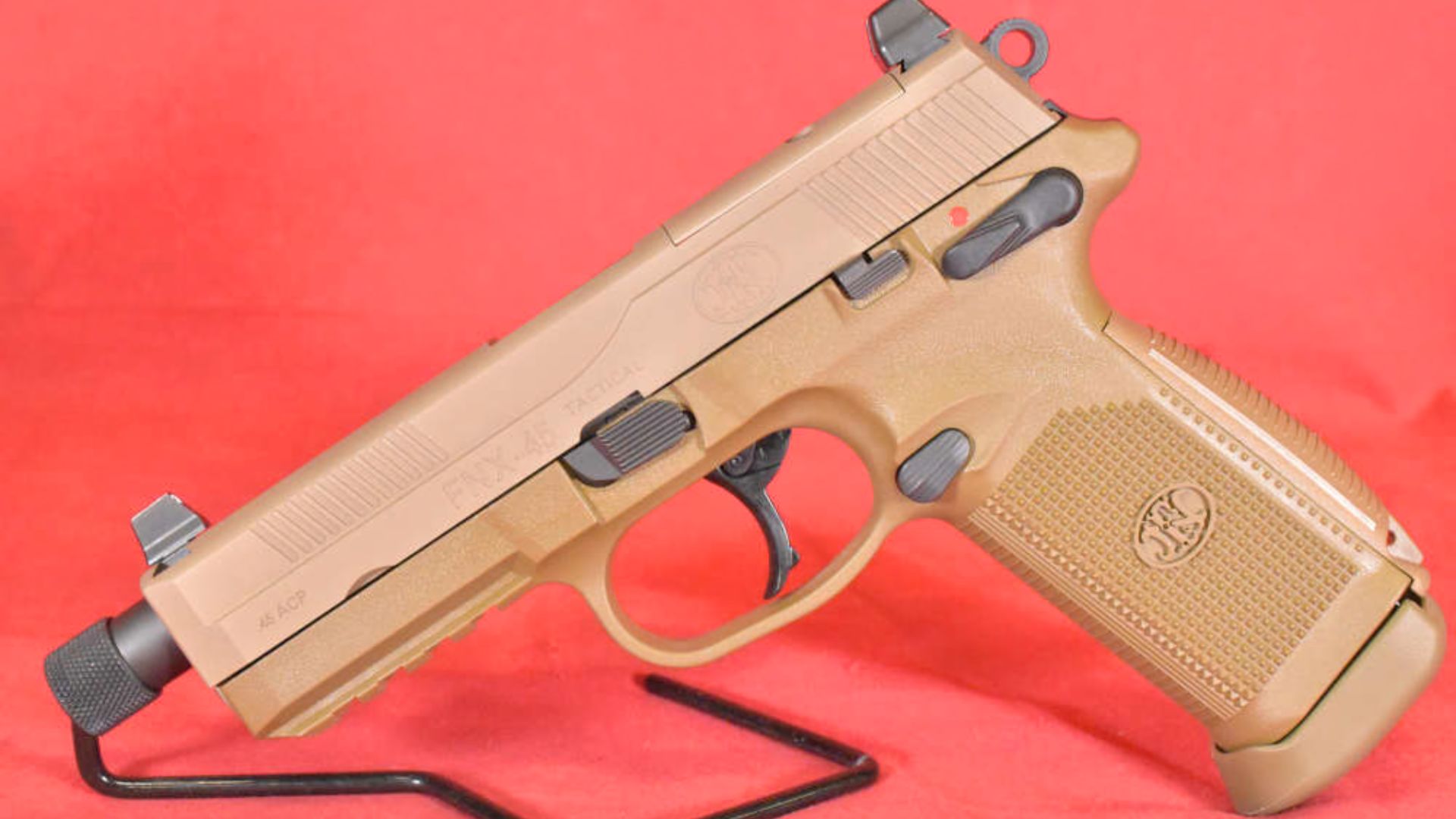
The FNX-45 Tactical gives you high capacity, DA/SA operation, optics capability, and a threaded barrel without sacrificing the reliability expected from a duty-style pistol.
The gun is large, but that size works in its favor when it comes to feeding and recoil control. The magazines are substantial, the feed path is generous, and the pistol generally runs well with both ball and defensive hollow points. Suppressor use adds another layer of complexity to any handgun, but the FNX was designed around that role better than many converted platforms. It remains one of the most capable high-capacity .45s available.
FN 545 Tactical
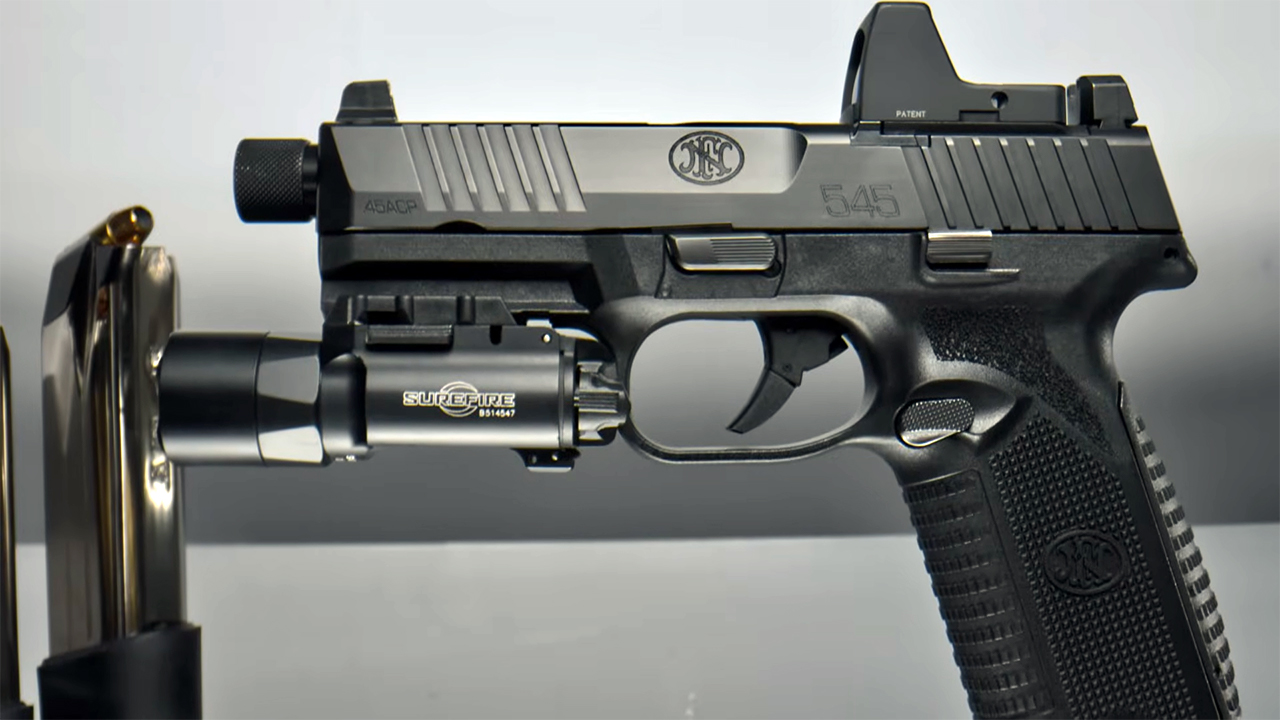
The FN 545 Tactical takes the basic idea of the FNX and modernizes it into a striker-fired platform. You get high capacity, optics compatibility, a threaded barrel, and a grip that is easier for many shooters to manage.
Reliability is one of the main reasons the pistol has earned attention. The slide and recoil system are tuned around .45 ACP rather than adapted as an afterthought, and the magazines are built to handle serious use. It is a newer design than some pistols here, but FN’s service-pistol background shows. For someone who wants a modern high-capacity .45 without going DA/SA, the 545 is one of the strongest choices.
Smith & Wesson M&P45 M2.0
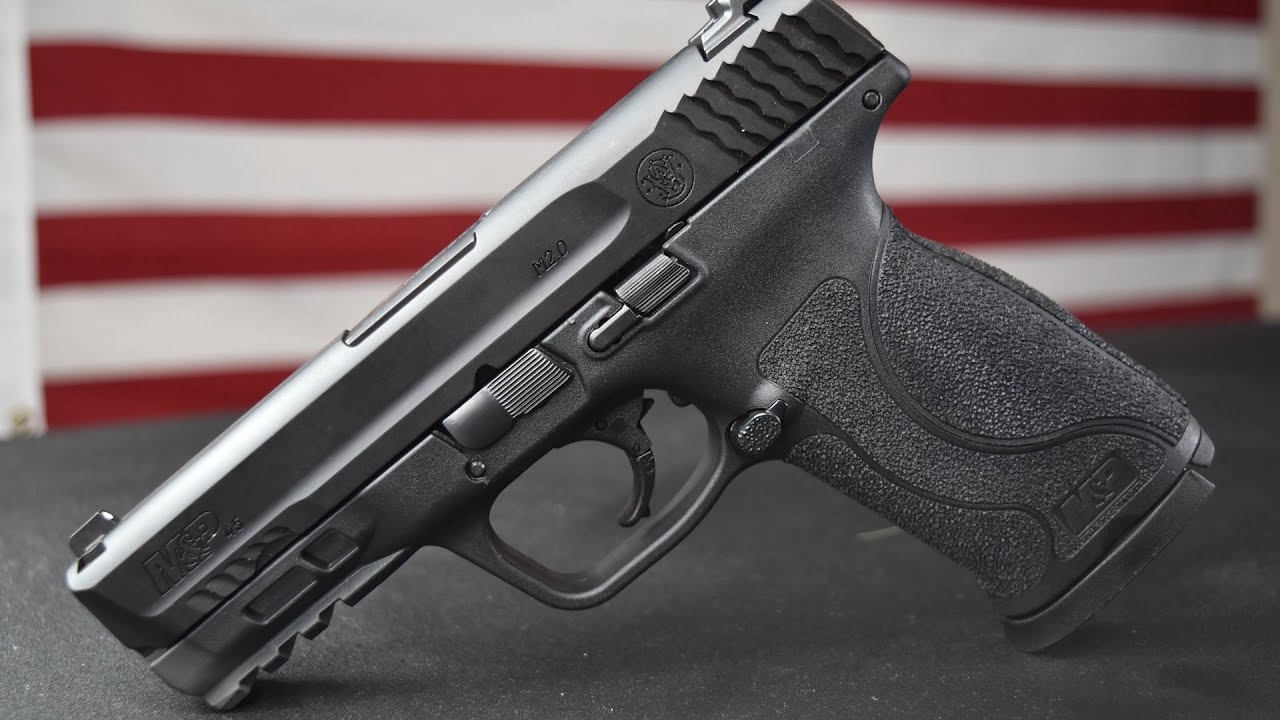
The M&P45 M2.0 is not as flashy as some competitors, but it has one of the more dependable service-pistol layouts in the caliber. The grip is excellent, the slide runs smoothly, and the gun has enough mass to keep cycling predictable.
Smith & Wesson also has years of experience building duty pistols around the M&P system, which matters when small details like extractor geometry and magazine design start separating reliable guns from mediocre ones. The .45 version has never been the most popular M&P, but that does not mean it is any less capable. It is a very solid hard-use pistol.
Glock 30 Gen5

The Glock 30 compresses the Glock .45 platform into a much more compact package while keeping the basic operating system that made the larger 21 famous.
Compact .45s can become finicky because shorter slides reduce the timing margin, but the 30 has spent years proving that a small .45 does not have to be temperamental. The thick grip helps control recoil, and the magazines are well established. It is not the smallest carry pistol available, but that extra bulk is part of why it remains dependable.
HK45 Compact

The HK45 Compact gives you a shorter, easier-to-carry package without giving up the engineering that makes the full-size HK45 trustworthy.
The pistol still has enough slide mass and grip area to avoid the harsh cycling behavior seen in some compact .45s. The DA/SA system is proven, and the magazines feed consistently with a wide range of ammunition. Capacity is modest, but the pistol’s role is not about winning a numbers contest. It is about being a compact .45 that still behaves like a serious duty gun.
Springfield Armory XD-M Elite .45 ACP

The XD-M Elite platform has always been built around strong extraction, generous feed geometry, and a grip safety system that does not interfere with normal operation.
In .45 ACP, the pistol benefits from a full-size frame and enough weight to keep recoil manageable. The magazines are robust, and the gun tends to run well even when dirty. The trigger and ergonomics will not appeal to everyone, but mechanically the platform has a strong reputation. It is one of the more overlooked high-capacity .45s for shooters who care about reliability first.
Free for gun owners: If something happened to you tomorrow, would your family know where the guns are, who has the safe combination, or what to do first? Our free Gun Owner’s Family Checklist walks them through it. It takes about 15 minutes to fill out. Get your free copy here.
Springfield Armory XD .45 Service
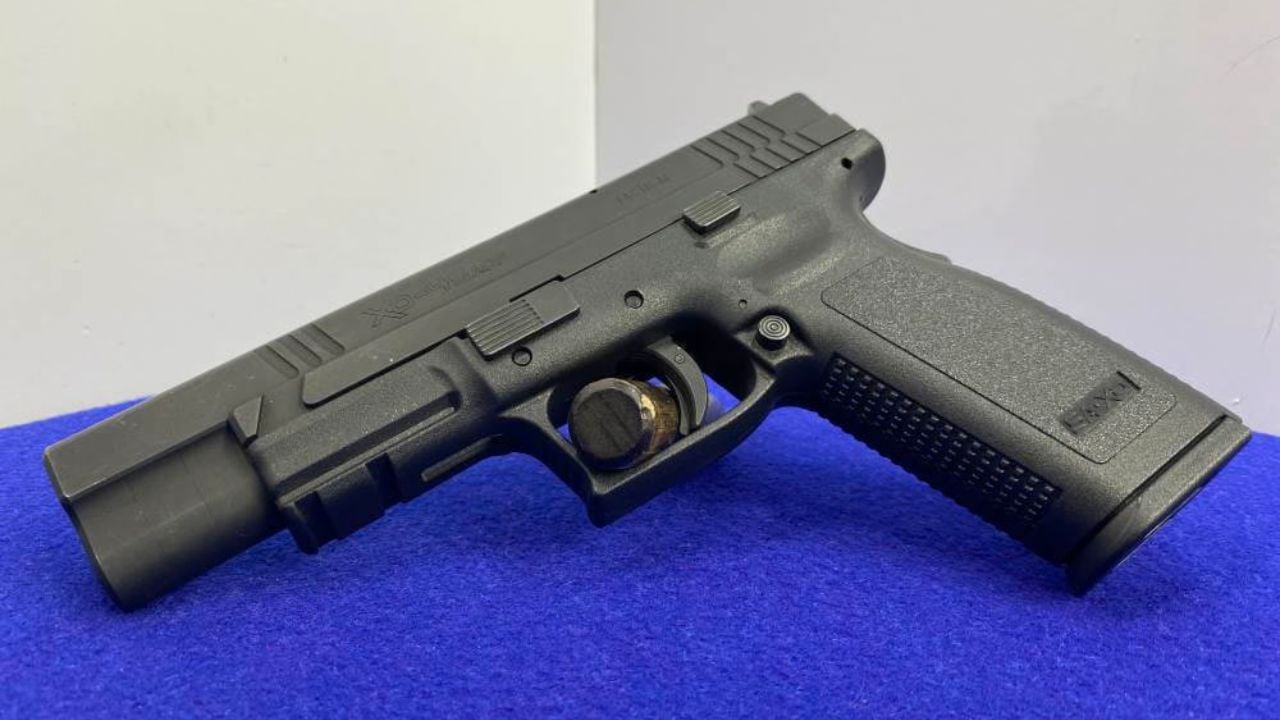
The older XD .45 Service earned a reputation for being straightforward and hard to upset. It lacks the polish of newer pistols, but reliability was always one of its strongest points.
The full-size grip and moderate slide length give the gun a generous operating window, and the magazines are tough. The pistol also tolerates neglect better than many people expect. It may feel dated next to current optics-ready guns, but if you find a clean example and want a basic .45 that runs, the old XD still deserves respect.
Ruger American Pistol .45 ACP

The Ruger American Pistol never became a huge seller, but it was designed around durability and duty use rather than style. The .45 version is especially substantial.
The slide, barrel, and recoil system are all built with plenty of margin, and the pistol feeds standard defensive ammunition reliably when properly maintained. The grip is bulky, and the gun is heavier than many newer options, but those traits help with consistent cycling. It is not glamorous, but it is a dependable platform that deserves more credit than it usually gets.
SIG Sauer P220 Legion .45 ACP

The P220 is one of the classic service .45s, and its reliability reputation is a major reason it has survived so long. The single-stack magazine and straightforward feed path keep the system uncomplicated.
The Legion version adds better controls and a more refined trigger without changing the basic mechanical formula. The pistol is also heavy enough to manage recoil well, which helps maintain consistent slide velocity. Capacity is lower than modern double-stack .45s, but the P220 has decades of history behind it. That kind of track record still counts for a lot.
SIG Sauer P227
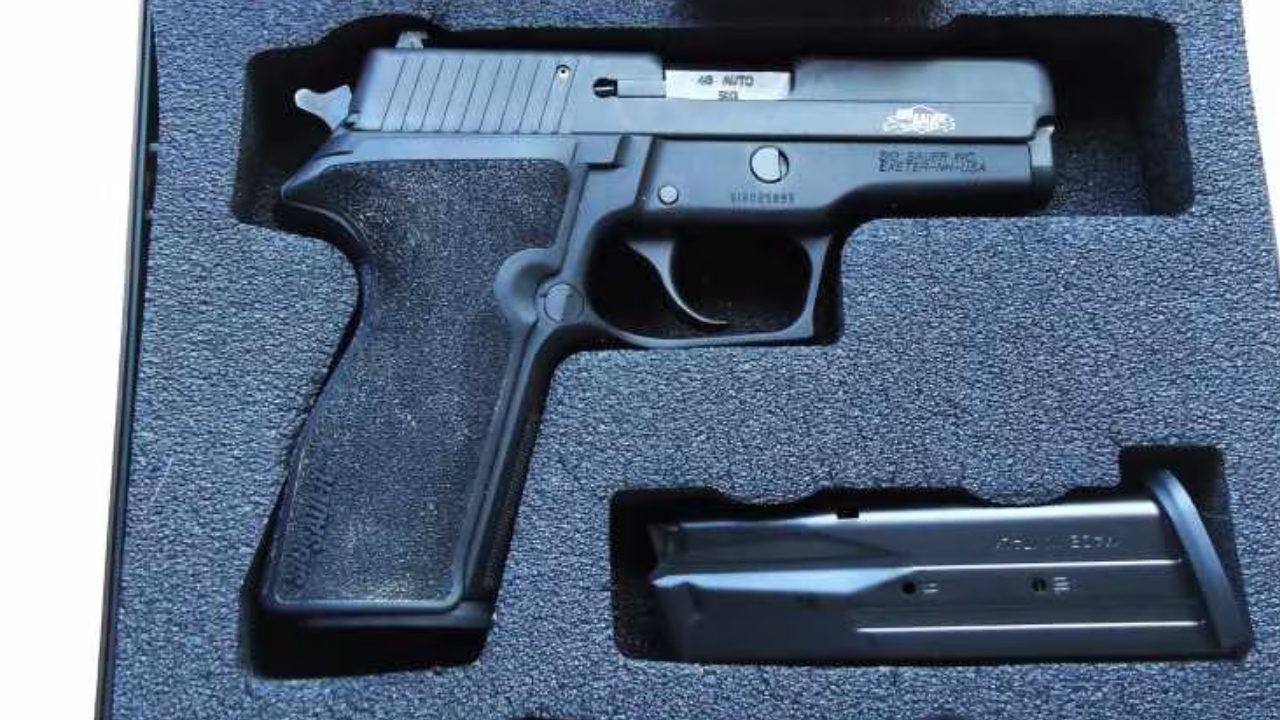
The P227 essentially brought double-stack capacity to the P220 family. That gave shooters more rounds without abandoning the proven SIG locking system and DA/SA layout.
The pistol is large and no longer a mainstream current-production choice, but clean examples still have a loyal following because they generally run very well. The grip is bigger than the P220, yet the reliability benefits of the basic design remain. If you can find good magazines and parts support is not a concern, the P227 is still a trustworthy .45.
Beretta PX4 Storm .45 ACP
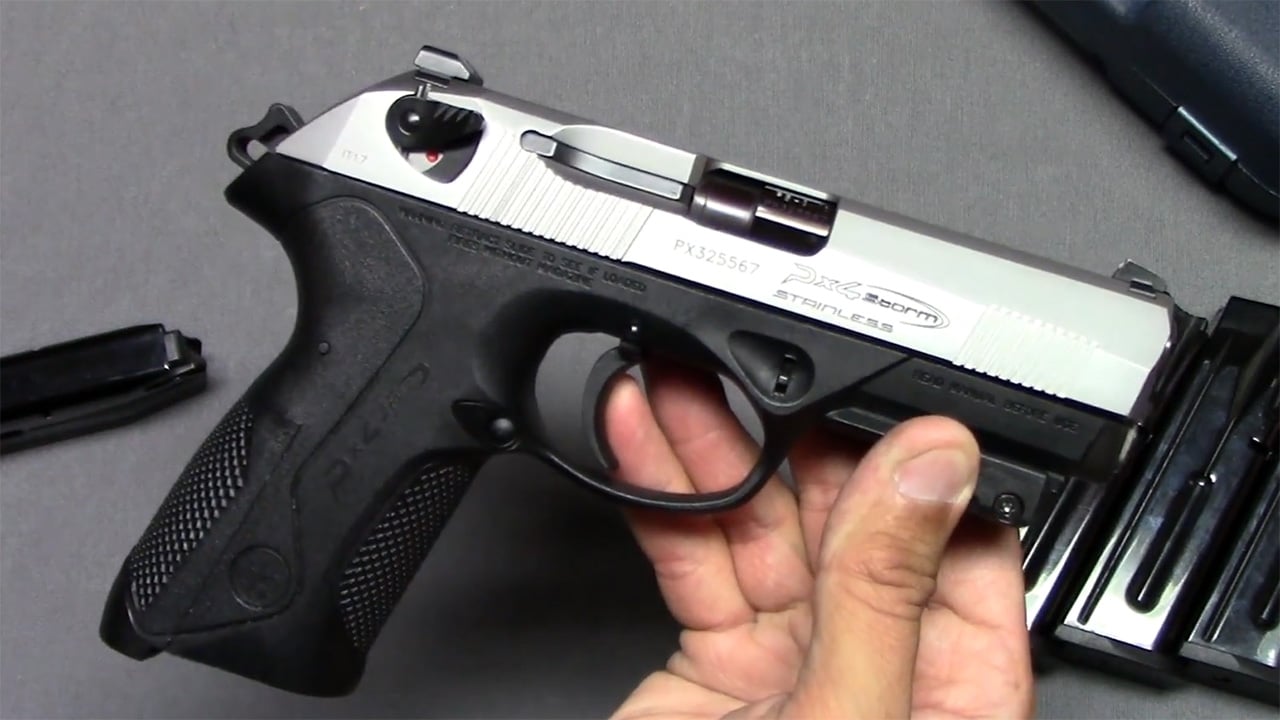
The .45 ACP PX4 never became as popular as the 9mm versions, but the rotating-barrel system gives the gun a smooth and controlled recoil cycle.
That matters for reliability because the system spreads the recoil impulse differently than a conventional tilting barrel. The full-size frame gives the pistol enough mass to stay stable, and Beretta’s service-pistol experience shows in the magazine and extractor design. The .45 PX4 is increasingly uncommon, but it remains one of the more mechanically interesting reliable .45s out there.
Springfield Armory TRP
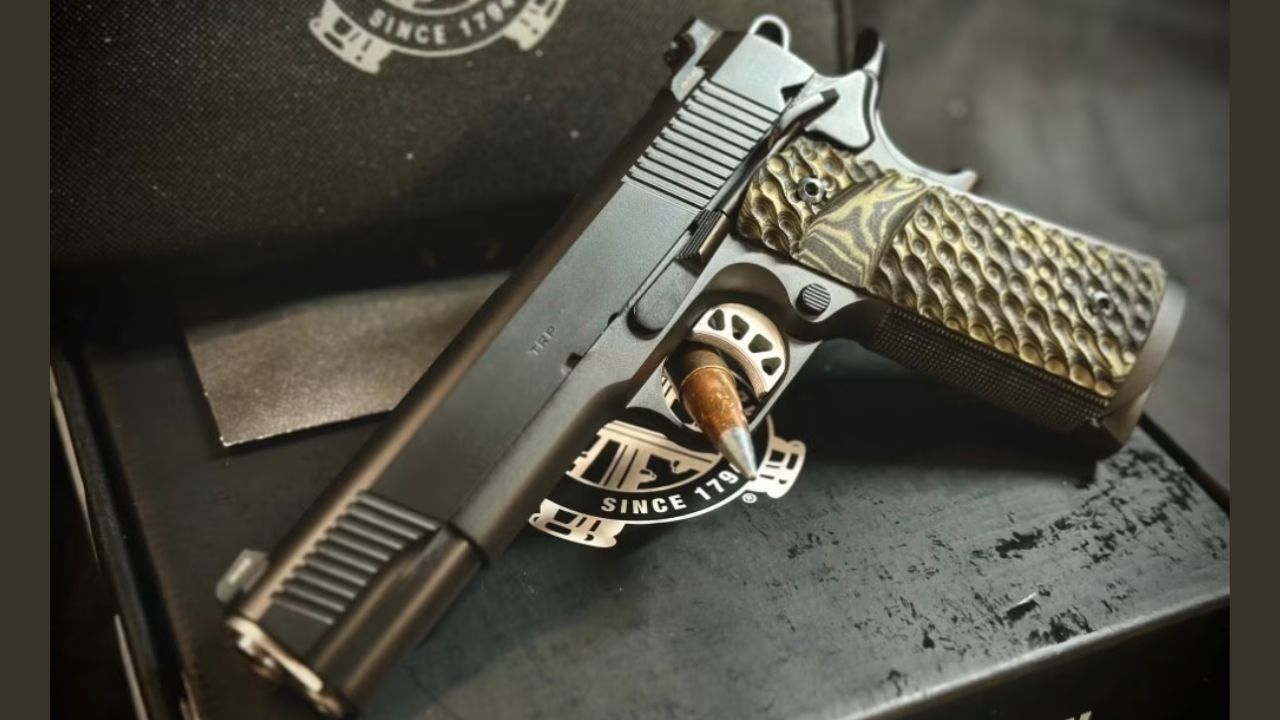
A properly built 1911 can be extremely reliable, and the TRP is one of the better production examples. Springfield gives the pistol good fitting, solid magazines, and enough attention to feed geometry that it usually avoids the problems associated with cheaper 1911s.
It also has the advantage of a full-size Government-length slide, which gives the action more timing margin than short 1911s. That matters. The closer you stay to the original 5-inch format, the easier it is to make .45 ACP run consistently. The TRP is one of the production 1911s I would trust far more readily than a bargain model.
Dan Wesson Specialist
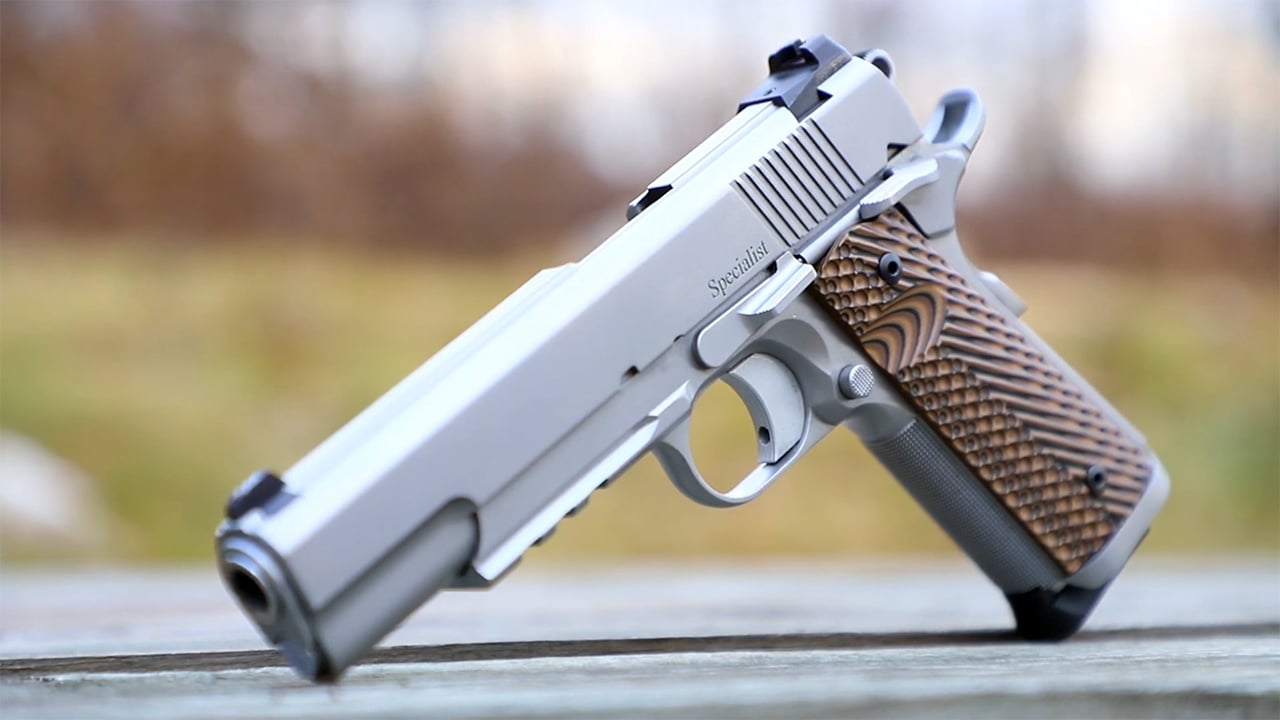
The Specialist is another 1911 that earns its reliability through careful fitting rather than loose tolerances alone. The barrel, extractor, feed ramp, and magazines all matter, and Dan Wesson generally gets those details right.
The result is a pistol that feels tight without becoming temperamental. It also benefits from being a full-size 5-inch design, which keeps the operating cycle closer to what the cartridge was originally built around. It costs more than entry-level 1911s, but some of that money is buying the consistency that makes a 1911 dependable rather than frustrating.
Wilson Combat CQB

The CQB has a long-standing reputation as a serious-use 1911 rather than a decorative one. Wilson pays attention to the details that matter most in a .45, including extractor tension, feed geometry, magazines, and barrel fit.
That creates a pistol that can run hard without needing constant tuning. The gun is expensive, but high-end 1911 reliability is often the result of labor and attention rather than a magical part. If you want the traditional single-action platform and refuse to compromise on dependability, the CQB is one of the benchmarks.
Nighthawk Custom GRP

The GRP is another high-end 1911 built with reliability as a core part of the package. It is hand-fitted, but not so tightly that the pistol becomes fragile in real use.
The 5-inch slide gives it the proper timing window, and Nighthawk’s attention to the extractor, feed ramp, and magazines helps keep feeding consistent. It is far more expensive than a polymer duty gun, but the GRP proves that a 1911 can be both refined and dependable when it is built correctly.
Colt Government Model Series 70
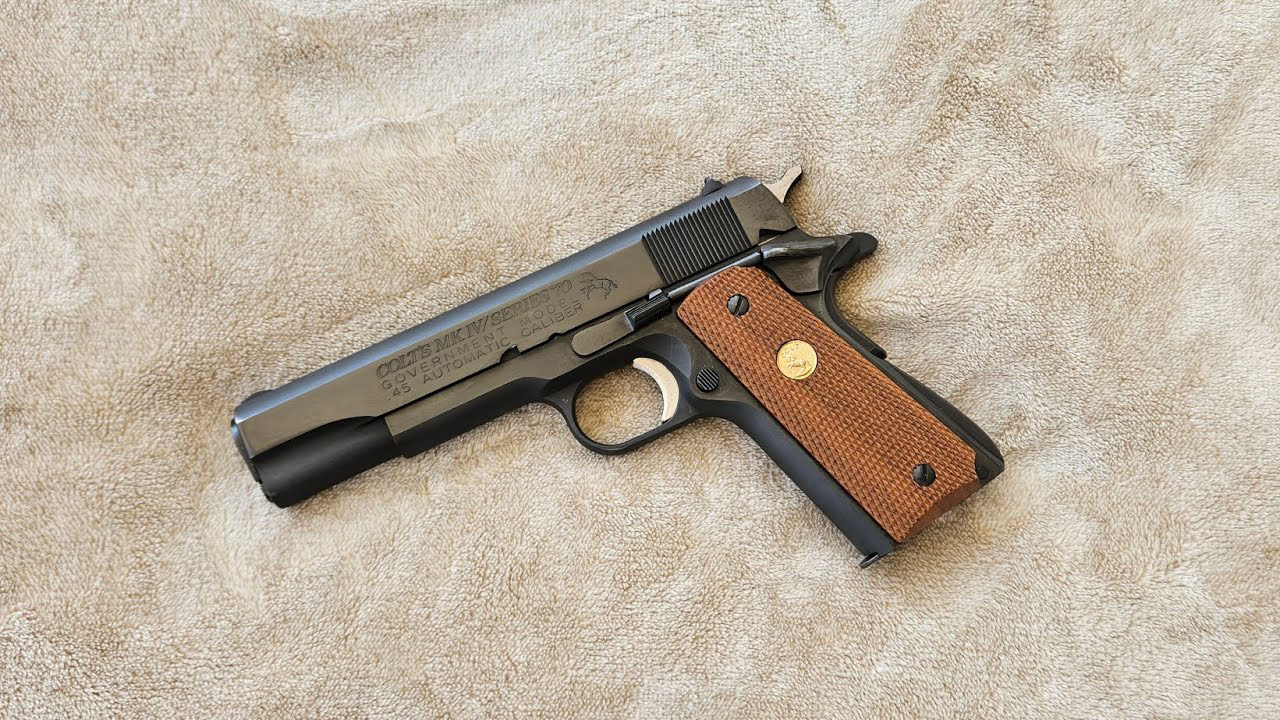
The Government Model remains one of the most naturally reliable 1911 formats simply because it stays closest to the original dimensions around which .45 ACP was developed.
A good Series 70 gun with proper magazines and extractor tension can run extremely well. It does not have the capacity of modern service pistols or the accessory support of newer designs, but the mechanical relationship between cartridge and platform is still sound. The key is avoiding poor magazines and badly modified examples. In correct form, the classic 5-inch Colt remains trustworthy.
Ruger SR1911

The SR1911 is one of the better choices for someone who wants a reliable 1911 without paying semi-custom money. Ruger kept the design straightforward and generally avoided unnecessary changes to the basic operating system.
The pistol benefits from full-size dimensions, solid magazines, and practical tolerances. It may not have the hand fitting of a Wilson or Dan Wesson, but it usually gives shooters the kind of reliability they expect from a working .45. For the money, it remains one of the easier 1911s to recommend to someone who plans to actually shoot the gun rather than just admire it.
Like The Avid Outdoorsman’s content? Subscribe to our newsletter so you never miss an article.
Here’s more from us: