Photo credit: Fieldstrip357/YouTube
Some pistols sell themselves the first time you handle them. The grip feels good, the feature list looks right, and the reputation is strong enough that buying one seems like an easy decision. The trouble starts after a few hundred rounds or several weeks of carrying it.
That is when small complaints become big ones. A pistol may be too snappy, too thick, harder to shoot than expected, or simply less useful than another gun already sitting in the safe. None of these pistols are necessarily bad. In fact, several are excellent. The issue is that expectations often run higher than the ownership experience, which is why these are the kinds of guns that frequently seem to make their way back onto the used shelf.
SIG Sauer P938

The P938 looks like a nearly perfect pocket-sized 9mm for shooters who like 1911-style controls. It is metal framed, attractive, easy to conceal, and equipped with a crisp single-action trigger.
Then people shoot it. The short grip and light weight make recoil sharper than the pistol’s appearance suggests, and the small controls demand more deliberate handling than a larger defensive gun. Carrying cocked and locked also requires a level of familiarity that some buyers decide they do not want in a tiny pistol. The P938 can be excellent in experienced hands, but plenty of owners eventually decide that a slightly larger striker-fired gun is easier to live with.
Kimber Micro 9

The Micro 9 has the same basic appeal: traditional styling, a slim profile, and a compact metal frame that looks far more refined than many polymer micro-compacts.
Its biggest problem is that the small package can be less forgiving than buyers expect. The grip is short, recoil is brisk, and the manual safety adds another step to a defensive pistol that some people originally bought specifically because they wanted something easy to carry. The gun can shoot well, but many buyers discover that modern micro-9s offer more capacity and easier manipulation in a similarly small footprint.
Walther PPS M2

The PPS M2 was one of the better slim single-stack 9mms of its era. It has excellent ergonomics, a good trigger, and a grip that feels much more natural than its narrow dimensions suggest.
What hurts it now is capacity. Once shooters get used to pistols holding ten, twelve, or more rounds in nearly the same footprint, the PPS starts feeling dated. There is nothing wrong with how it shoots, which is almost what makes trading it easier. Owners often realize they can get similar concealability with more ammunition and move on.
Kahr PM9
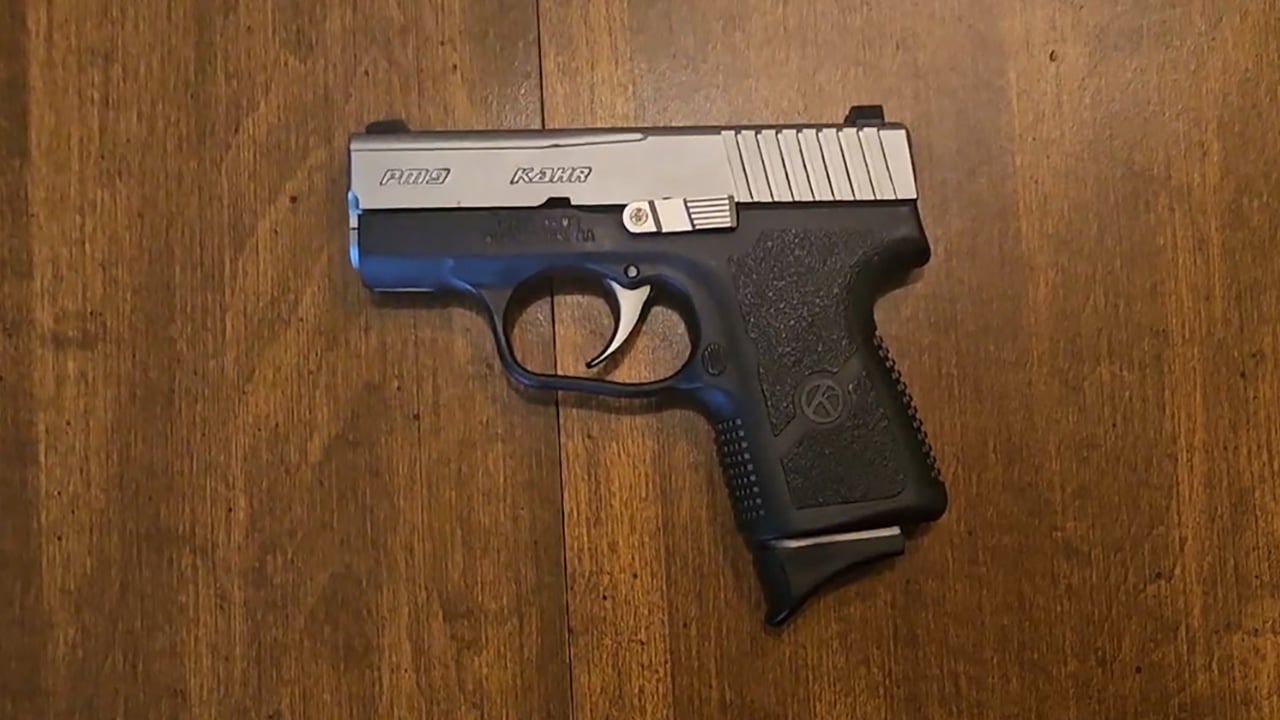
The PM9 is extremely compact for a 9mm and disappears in places where larger pistols do not. That is the reason buyers keep getting interested in it.
The long double-action-style trigger is where opinions start changing. It is smooth but requires a very different shooting rhythm from modern striker-fired guns. The tiny grip also makes recoil more noticeable, and the low capacity becomes harder to overlook now that micro-compacts have advanced so much. The PM9 still fills a niche, but that niche is narrower than it looked when the pistol was new.
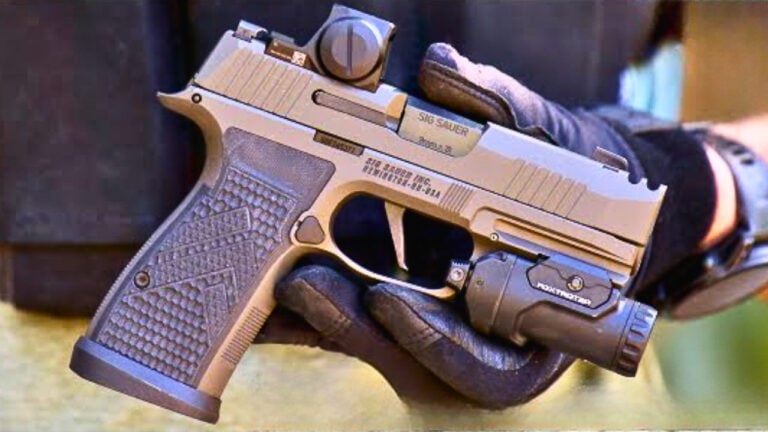
SIG Sauer P224
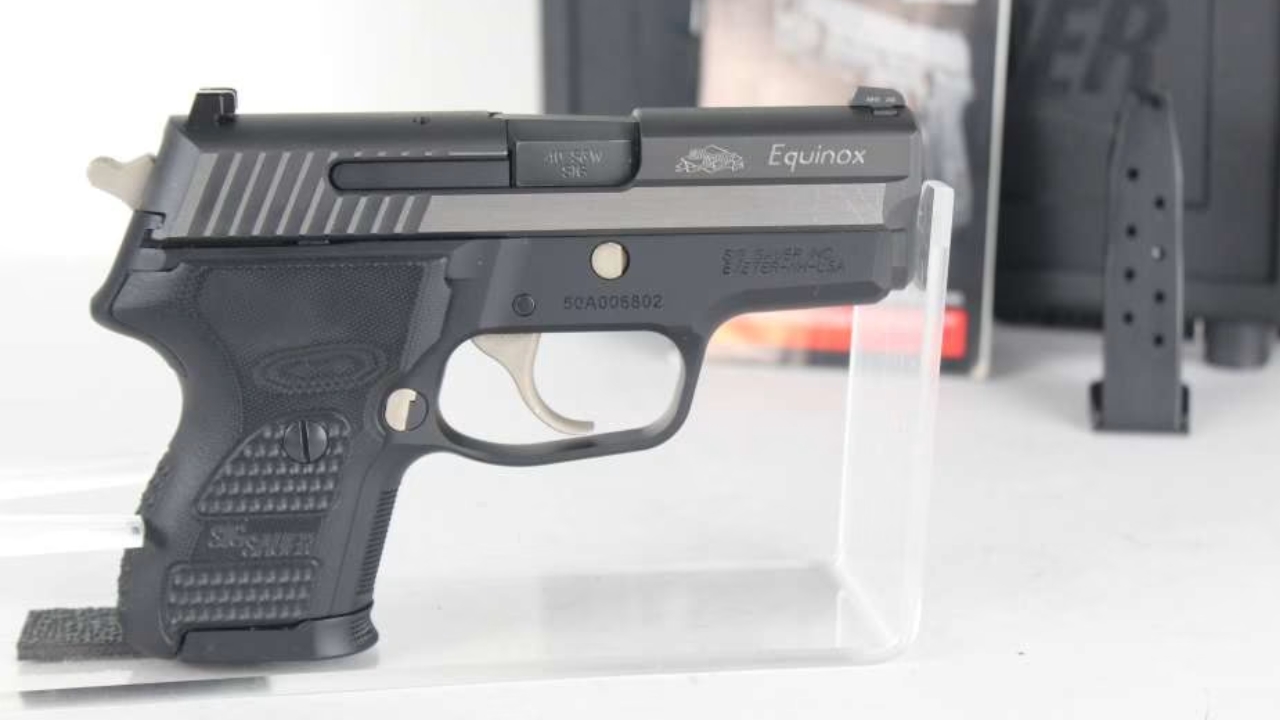
The P224 sounded great to SIG fans because it essentially compressed the classic P-series concept into a subcompact package. You got DA/SA operation, metal construction, and familiar controls in a much shorter gun.
The problem is that shortening a thick metal service pistol does not necessarily create a great carry pistol. The P224 remained chunky and heavy while giving up grip length and capacity. It could be difficult to shoot as well as a P229 while not concealing dramatically better than newer designs. That mismatch between expectation and reality made it easier for owners to trade away.
CZ 2075 RAMI
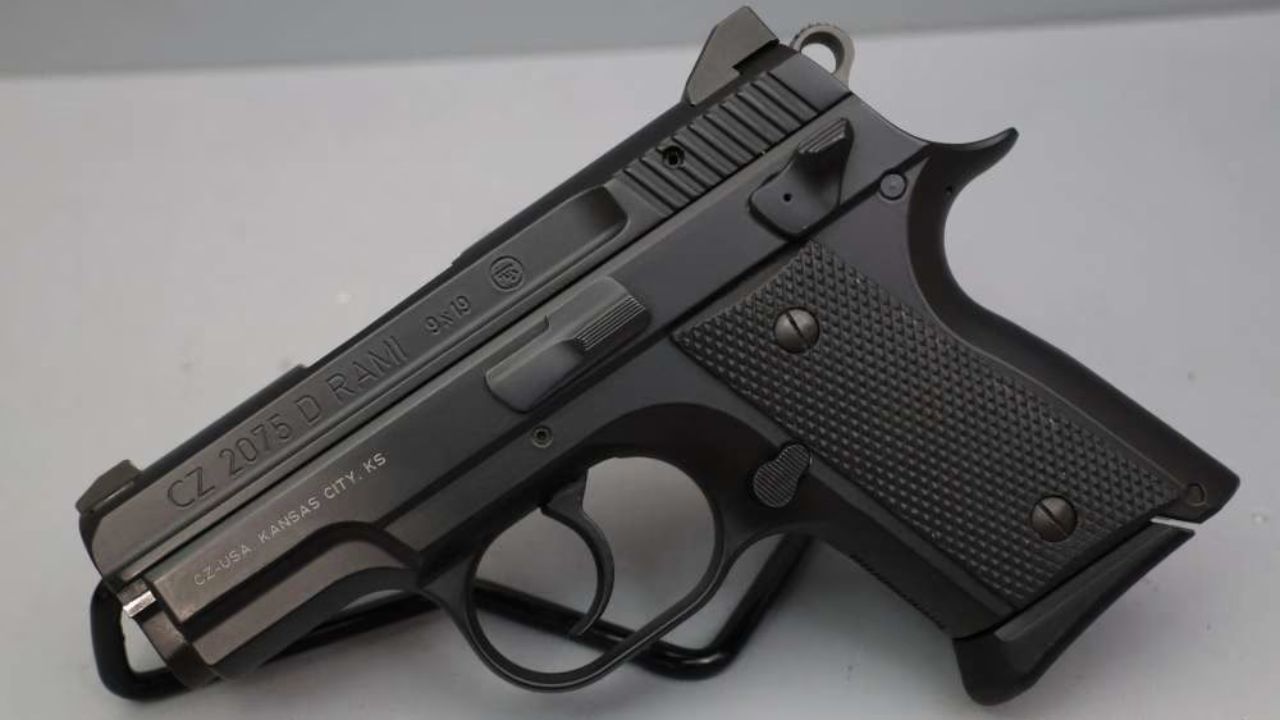
The RAMI has an almost cult-like appeal because it looks like a tiny CZ 75. For shooters who love metal-framed DA/SA pistols, that sounds nearly perfect.
In practice, the gun is thicker and heavier than many people expect from its compact dimensions. The short grip can make the double-action trigger harder to manage, and the controls feel cramped compared with larger CZs. It is a charming pistol, but charm does not always translate into daily carry. Many owners end up deciding that a slightly larger compact CZ is easier to shoot without being much harder to conceal.
Beretta Nano

The Nano was designed around deep concealment, with a snag-free exterior and very few external controls. That sounded smart when tiny 9mm pistols were still a developing category.
The tradeoff was a pistol that could feel austere to the point of being difficult. The trigger was long, the grip was small, and the lack of conventional controls did not appeal to everyone after extended use. Later micro-compacts offered better triggers, more capacity, and more adaptable ergonomics. The Nano’s original idea made sense, but the market evolved around it very quickly.
Free for gun owners: If something happened to you tomorrow, would your family know where the guns are, who has the safe combination, or what to do first? Our free Gun Owner’s Family Checklist walks them through it. It takes about 15 minutes to fill out. Get your free copy here.
Remington R51
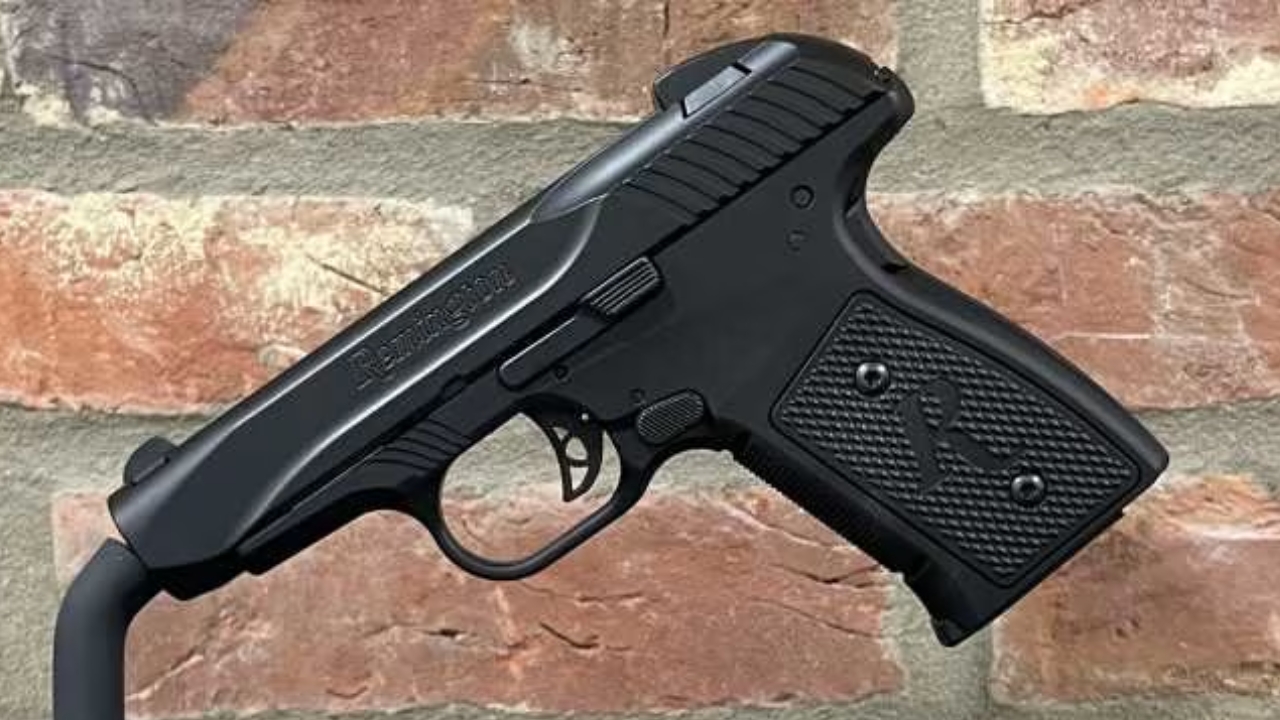
The R51 generated a huge amount of interest because of its unusual Pedersen-style action, low bore axis, slim grip, and promise of softer recoil in a compact 9mm.
Ownership quickly became more complicated. Early reliability problems severely damaged the pistol’s reputation, and even later examples never fully escaped that shadow. The design was clever, but clever does not matter much if the buyer is constantly wondering whether the pistol will run. Many people who wanted to love the R51 eventually decided there were too many proven alternatives.
Hudson H9

The Hudson H9 looked like the future when it appeared. Its low-mounted recoil spring, 1911-like trigger, and unusual frame geometry promised extremely flat shooting in a modern striker-fired package.
The pistol did shoot well, but the company collapsed, leaving owners with a proprietary handgun and uncertain parts support. That changed the ownership equation almost overnight. A gun can be mechanically excellent and still become difficult to justify if magazines, replacement components, and service are uncertain. The H9 became more interesting as a collectible than as a pistol most people wanted to depend on.
Boberg XR9-S
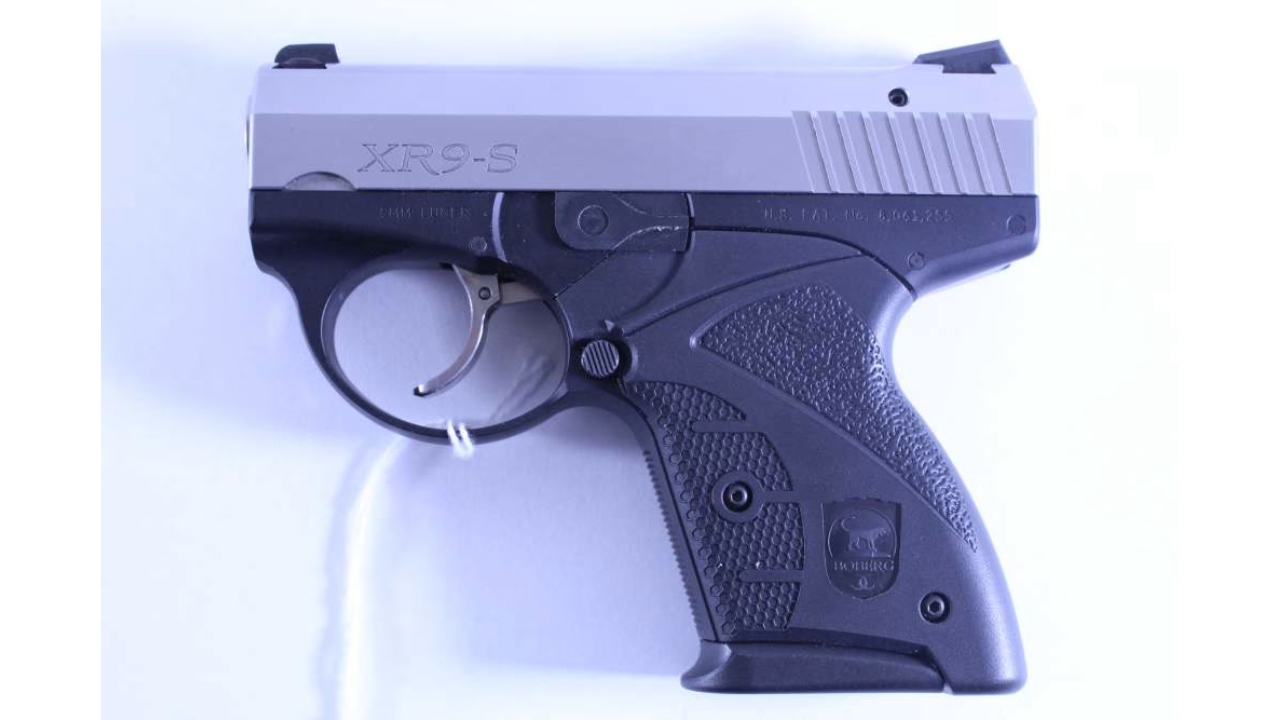
The XR9-S was one of the most mechanically unusual pocket 9mms ever made. Its reverse-feed system allowed a relatively long barrel inside an extremely short overall package.
That innovation also created complications. Ammunition compatibility mattered more than with conventional pistols, and the feeding system could pull bullets from cases that were not sufficiently crimped. The pistol was fascinating, but owners who wanted a carefree defensive gun often found the extra considerations tiring. It remains an impressive engineering exercise that demanded more attention than most carry buyers expected.
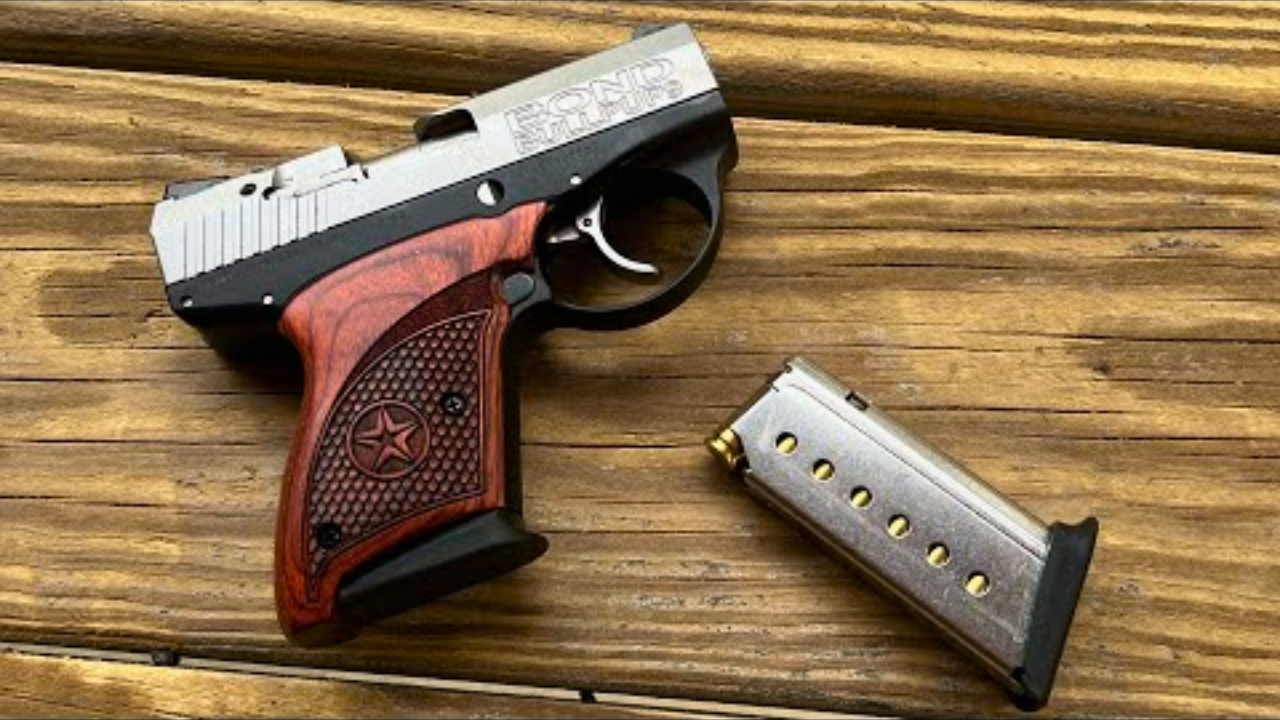
Bond Arms BullPup9
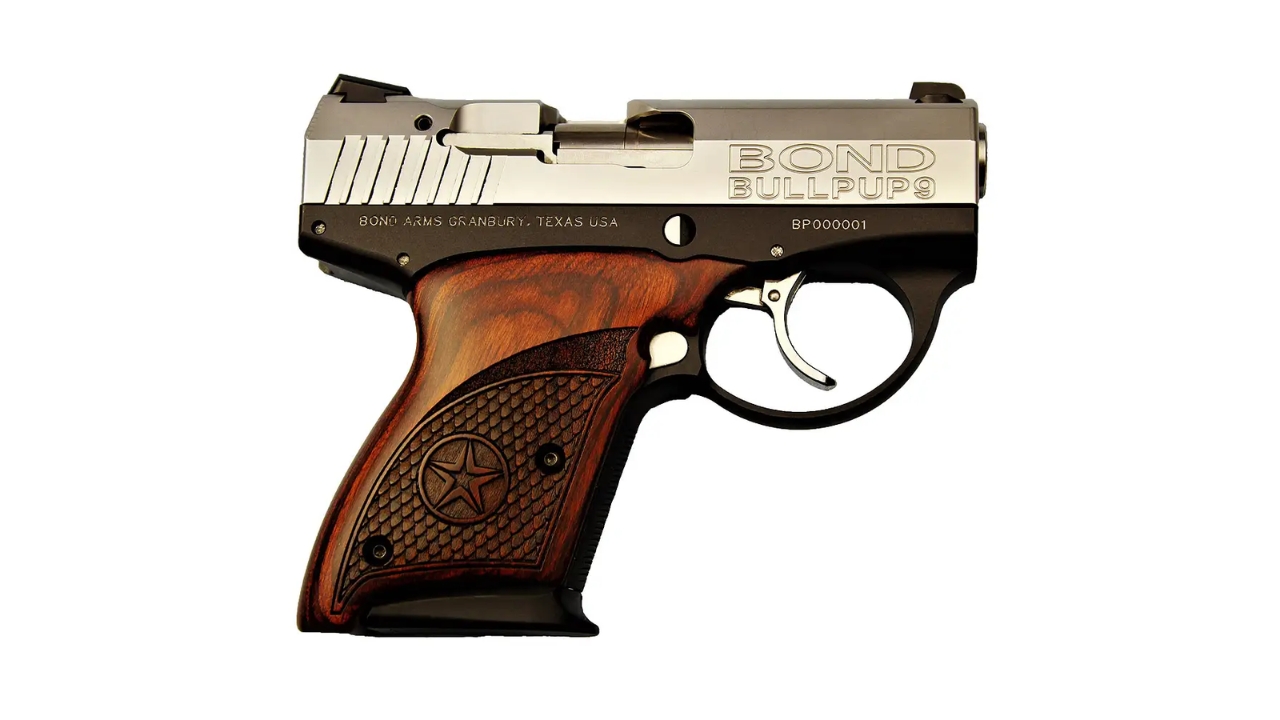
The BullPup9 continued the Boberg concept under Bond Arms and retained much of what made the design interesting. It is compact, distinctive, and manages to fit respectable barrel length into a very small pistol.
The same basic limitations remain. Ammunition selection deserves attention, capacity is modest, and the unusual operating system is more complicated than the mainstream alternatives. Buyers attracted to engineering often love the concept. Buyers looking for the least complicated daily carry pistol may eventually decide it is solving a problem they never really had.
Honor Guard HG9

The Honor Guard HG9 entered a crowded compact 9mm market with modular components and American-made branding. It had many of the ingredients buyers said they wanted.
It never developed a strong enough identity to pull people away from better-established platforms. The pistol was somewhat bulky for its capacity, and accessory support never approached the major brands. Once the novelty faded, owners often had little reason to stay committed. A carry pistol benefits from an ecosystem as much as a specification sheet, and the HG9 never built a large one.
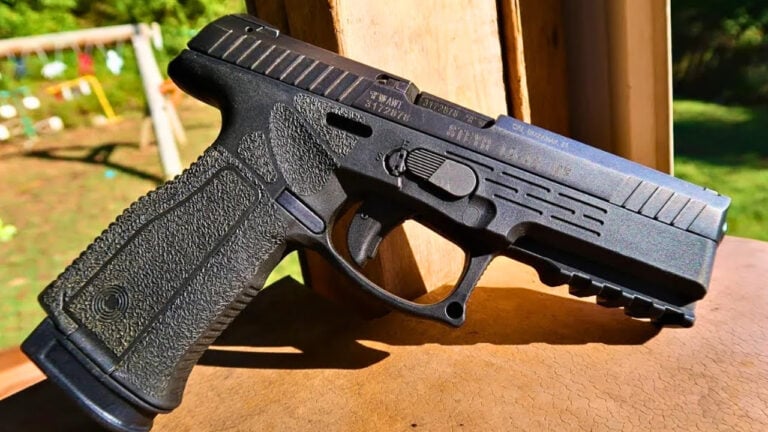
Steyr S9-A1
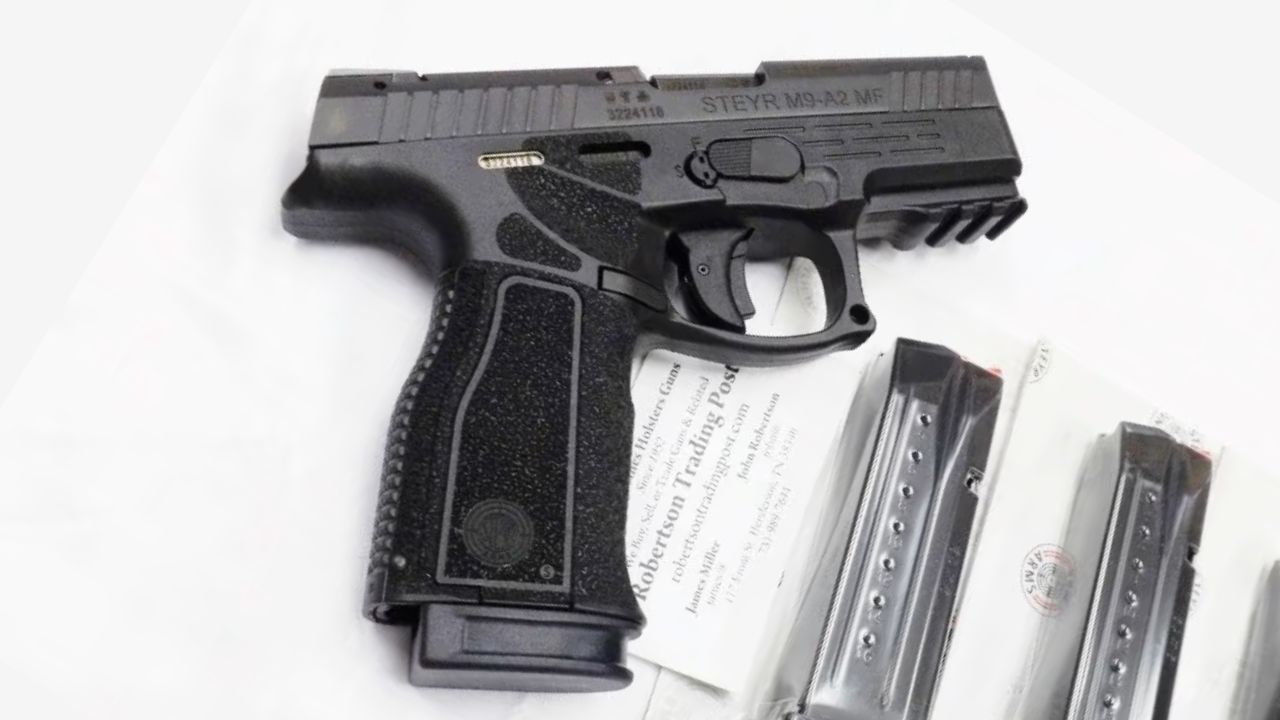
The S9-A1 appeals immediately to shooters who appreciate Steyr’s low bore axis and unusual grip geometry. It looks different and often points extremely naturally.
The problem is that the same differences can become annoyances. The trapezoidal sights divide shooters, magazines and holsters are less common, and the grip angle can feel strange if you regularly switch between more conventional pistols. Those who click with Steyr tend to really like them. Those who do not often move the pistol along because adapting to a less common platform stops feeling worthwhile.
Caracal C

The Caracal C attracted attention because of its very low bore axis, smooth shape, and unusually fast sighting system on some variants. It had the feel of a serious modern service pistol.
The platform’s early recall history and limited U.S. market presence hurt confidence. Even when the pistol itself performed well, buyers had to consider magazines, holsters, replacement parts, and long-term support. That makes it harder to stay invested when similarly capable pistols have enormous aftermarket ecosystems. The Caracal can impress at the range and still be difficult to justify as your primary platform.
Grand Power P1
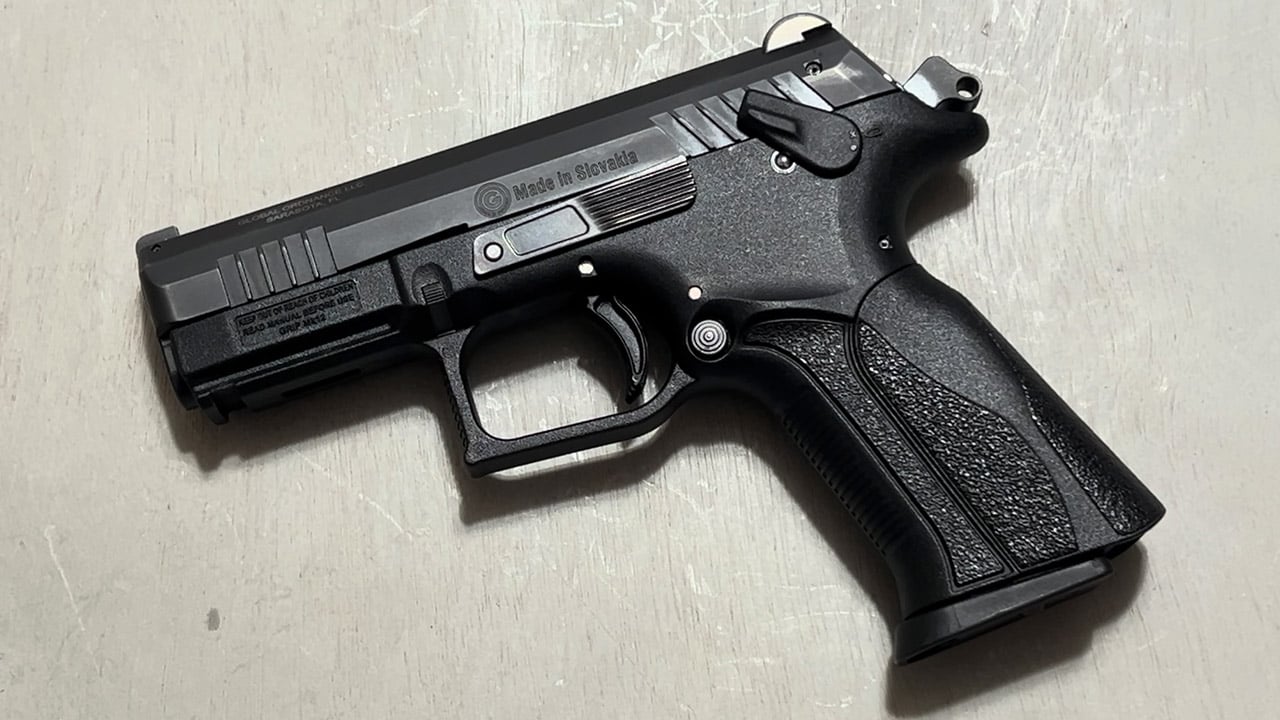
The P1 uses Grand Power’s rotating-barrel system, which gives it an unusually smooth recoil impulse. Shooters often come away impressed after the first magazine.
Long-term ownership is where the niche nature of the pistol becomes more obvious. Magazines, holsters, and spare parts are not as effortless to find as they are for mainstream brands. The controls and overall feel also take some adjustment. The gun can be an excellent shooter, but buyers who want one pistol with endless support may eventually decide that unusual mechanics are not worth the inconvenience.
Arsenal Strike One
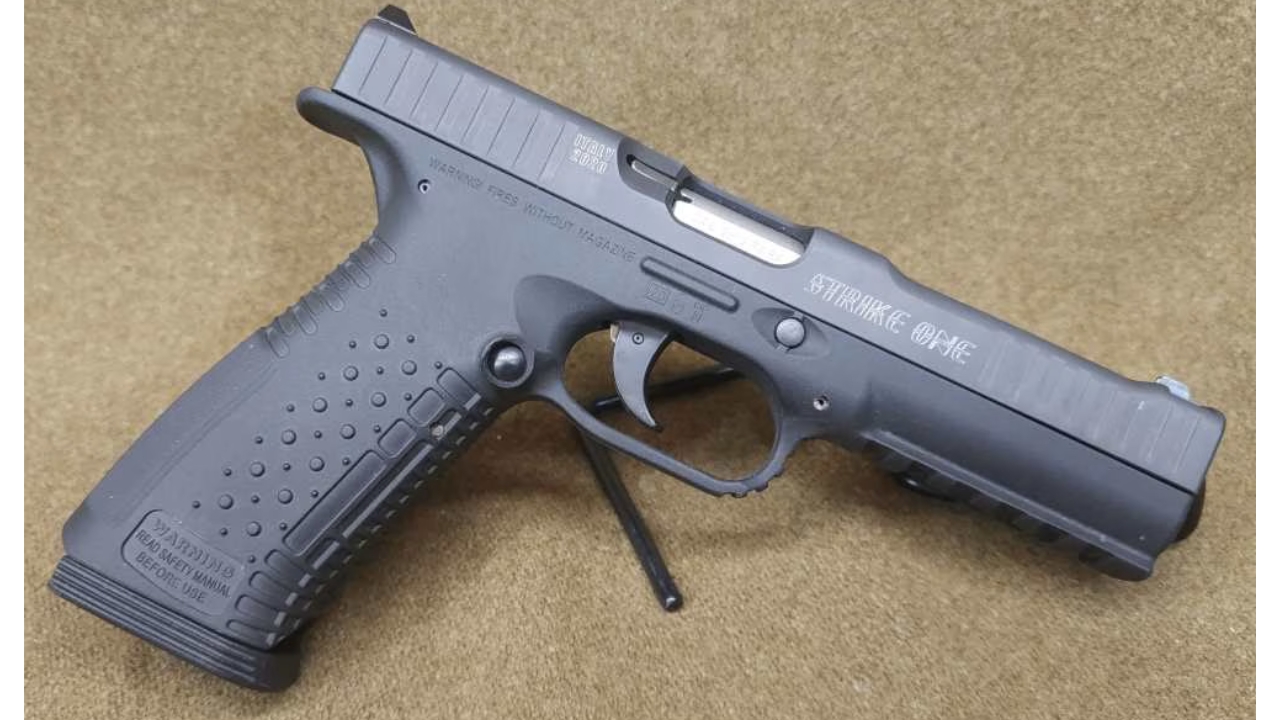
The Strike One generated a lot of excitement around its extremely low bore axis and unusual locking system. It promised flat shooting and a futuristic approach to the service pistol.
The pistol never developed the broad support network needed to make it an easy ownership choice. Holsters, parts, and magazines can require more effort, while the long frame and unusual shape make it less versatile than expected. Shooters may enjoy it tremendously on the range and still decide they do not want to build an entire support system around one niche pistol.
Archon Type B
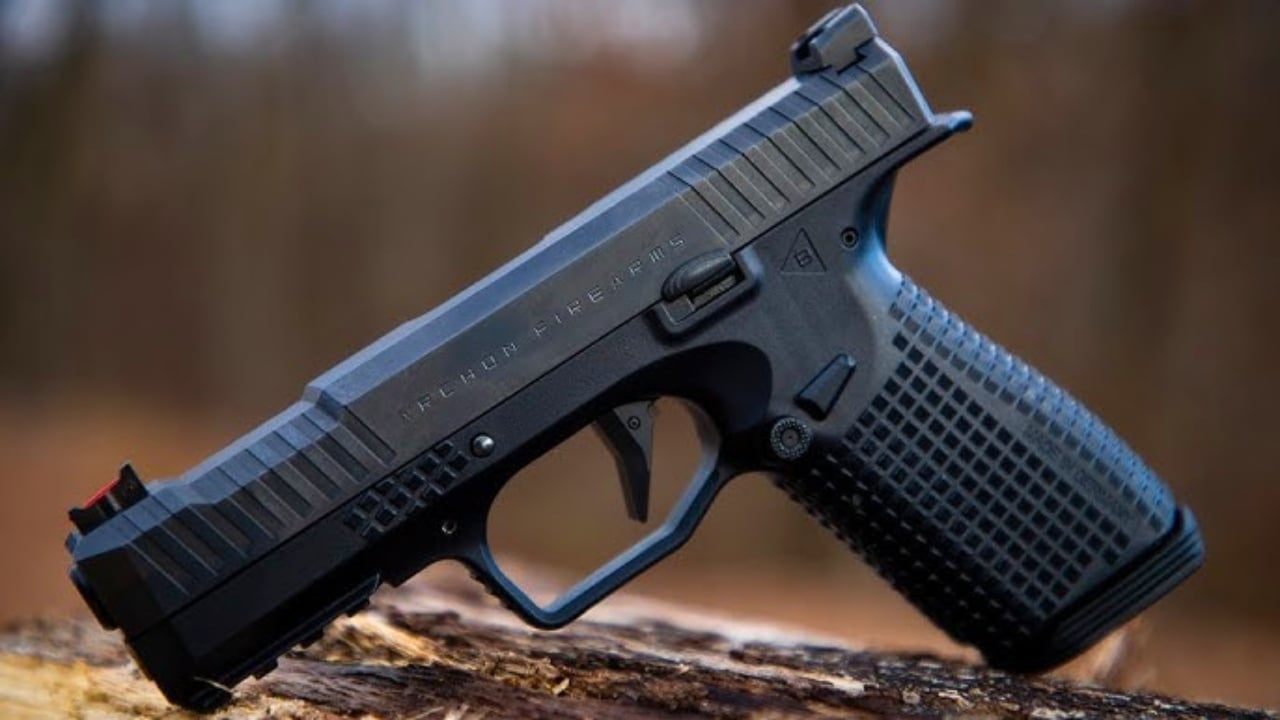
The Type B has excellent ergonomics and a very low bore axis thanks to its locking system. It feels distinctive without being gimmicky, and many people shoot it extremely well.
The ownership question is again about ecosystem and price. A pistol can perform beautifully while still competing against guns with far more available magazines, holsters, small parts, and local support. For enthusiasts, that may be acceptable. For buyers who expected the Type B to replace every other compact pistol they own, the practical differences can eventually push them back toward something more common.
Smith & Wesson CSX
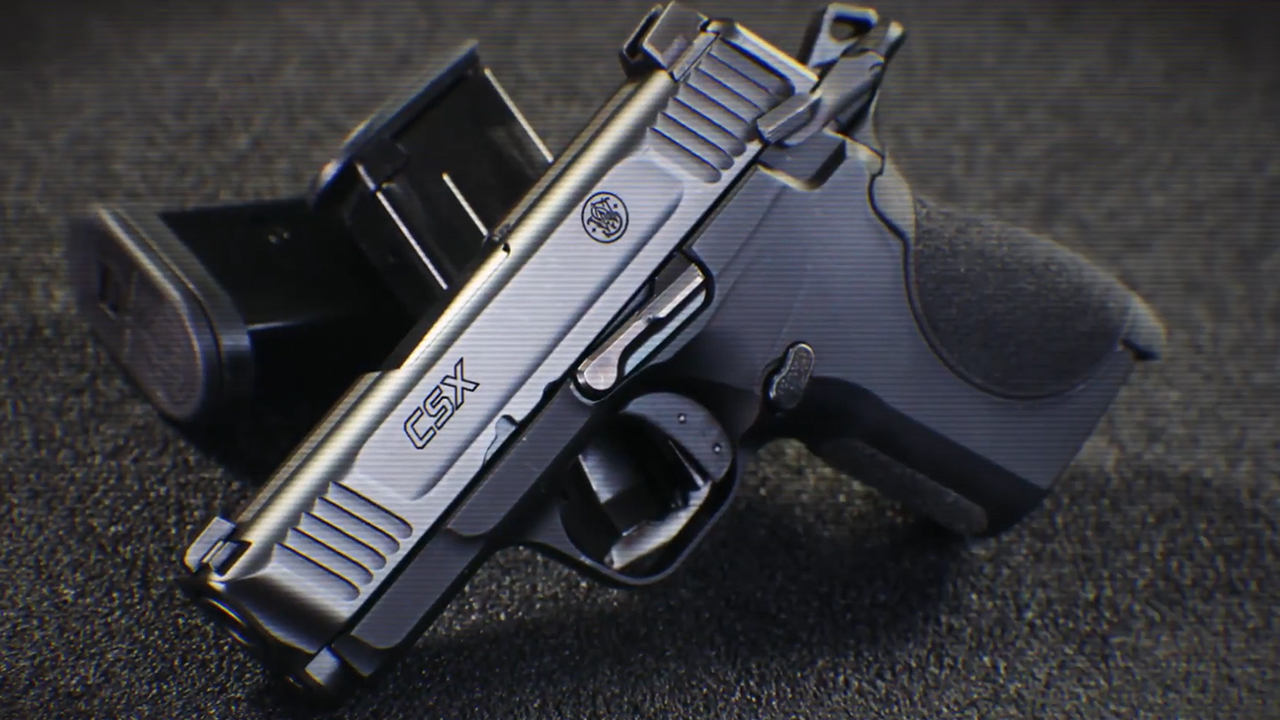
The CSX looked extremely promising because it combined a metal frame, micro-compact dimensions, good capacity, and a single-action trigger. On paper, it seemed like a perfect alternative to polymer micro-9s.
The trigger feel became the biggest complaint. The reset can feel unusual, and the small frame does not deliver the same refined single-action experience people expect from larger metal pistols. It is compact and capable, but buyers drawn in by the idea of a miniature high-capacity single-action gun sometimes find the execution less satisfying than the concept.
Taurus Curve

The Curve was designed specifically around comfortable concealed carry. Its frame was literally curved to follow the body, and the smooth exterior minimized snag points.
That design came with significant compromises. The grip shape is unconventional, the sights are minimal, and the pistol’s ergonomics make more sense for carrying than shooting. Once buyers spend time on the range, they often realize that comfort on the belt is only half the equation. A carry gun still needs to be easy to use well, and the Curve asked shooters to compromise too much.
DoubleTap Tactical Pocket Pistol
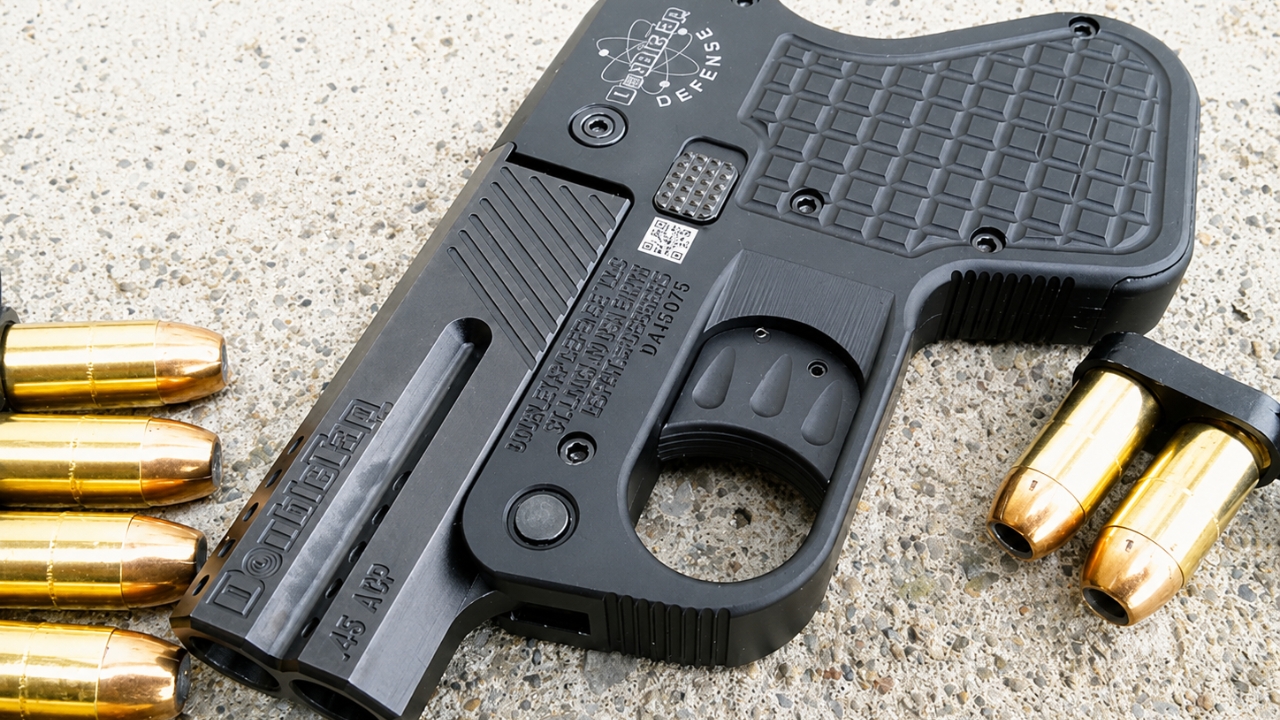
The DoubleTap attracted attention because it was extraordinarily thin and chambered in serious defensive cartridges. The idea of a flat two-shot pistol disappearing almost anywhere sounded appealing.
Actually firing one changes the conversation quickly. The tiny grip, minimal weight, and powerful cartridges produce harsh recoil, while two-round capacity leaves almost no margin. Reloading under stress is also much slower than swapping a conventional magazine. The DoubleTap is easy to carry, but it makes nearly every other part of handgun ownership harder. For many buyers, that realization is what eventually sends it back to the gun counter.
Like The Avid Outdoorsman’s content? Subscribe to our newsletter so you never miss an article.
Here’s more from us: