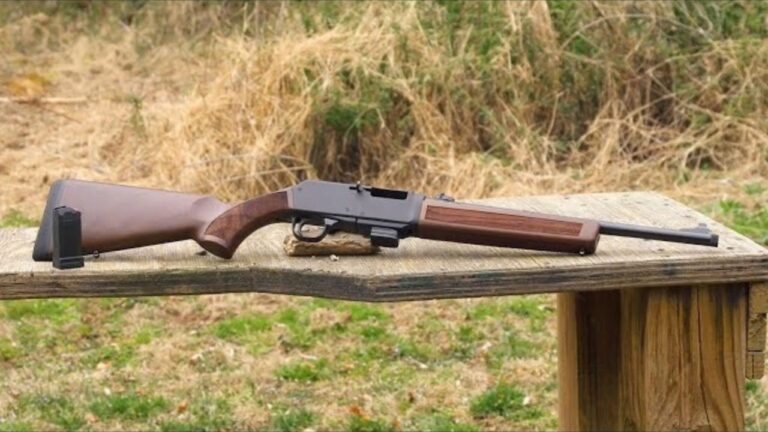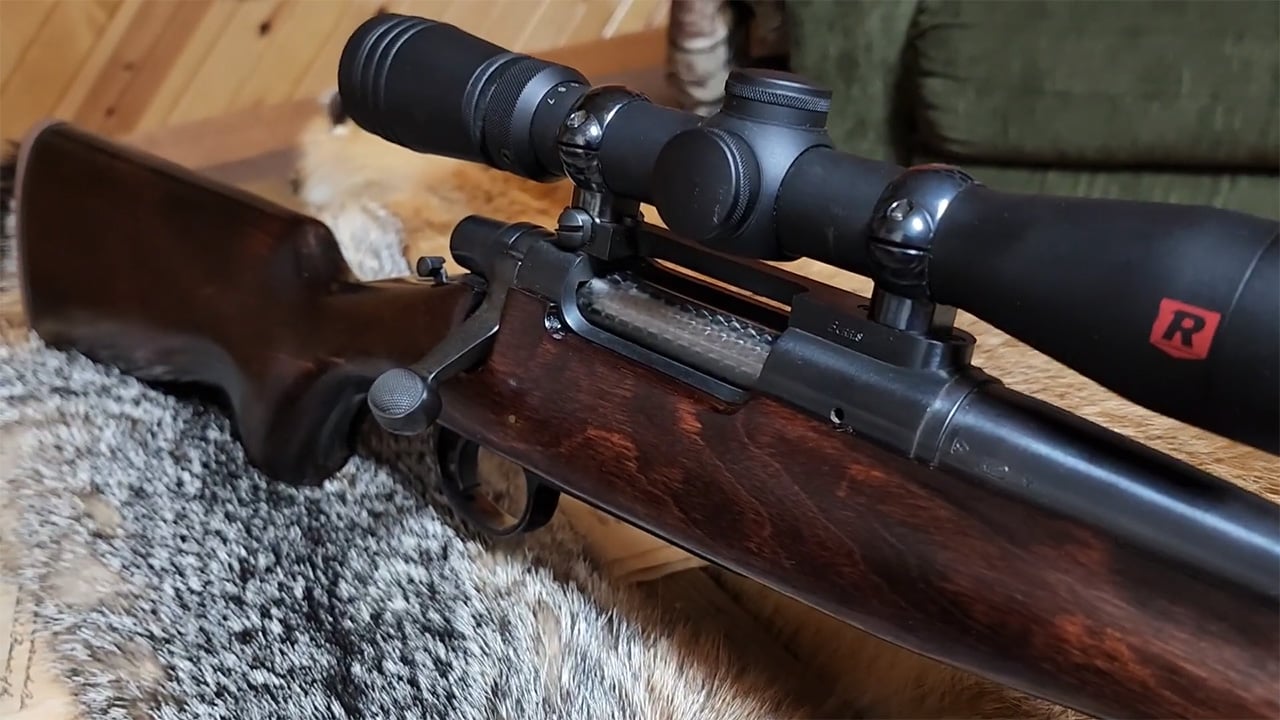
Photo credit: B Kauffman/Youtube
Every deer camp has a rack of “usual suspects.” A couple of polymer-stock bolt guns in .308 or .30-06, maybe a budget 6.5, and one old pump that’s been there since before anybody started arguing about ballistic coefficients. Nothing wrong with that.
But there are rifles that ought to be leaning in the corner of more cabins and more wall tents—rifles that solve real problems hunters actually have. Bad weather. Short shooting lanes. Hand-me-down hunters who flinch. A kid who needs a stock that fits. The one rifle you can loan to a buddy and not worry about it. Here are 20 that belong in camp, yet somehow almost never make the trip.
1. Ruger American Ranch (7.62×39)

This is one of the best “woods loafing” bolt guns ever made, and folks still walk right past it because the caliber sounds like it belongs in an AK. With the right soft points, 7.62×39 is a dead-serious inside-150-yard deer round, and the Ranch carries like a .22.
The real magic is how handy it is in thick stuff—getting in and out of a side-by-side, climbing into a box stand, or still-hunting with the muzzle kept under control. Plus, magazines are easy, recoil is mild, and it doesn’t punish new shooters.
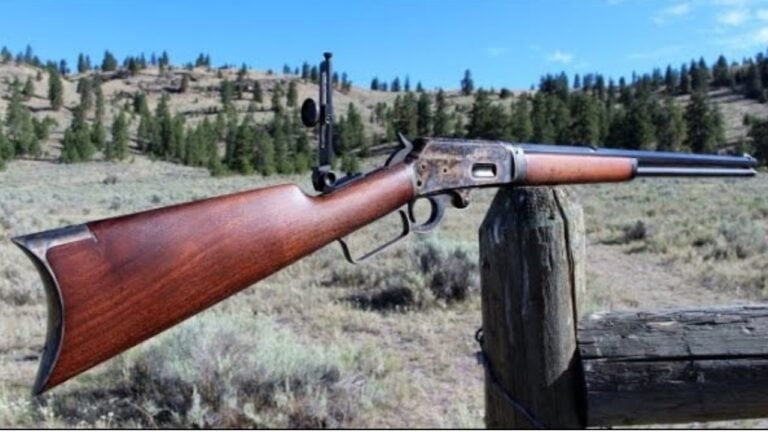
2. Marlin 336 ( .30-30 Winchester)

In a lot of camps you’ll hear people talk about a 336 like it’s a family legend, but you won’t see one on opening morning. They got sold during a tight year, or traded when everyone decided they needed a long-range rig.
A good 336 points fast, rides flat against your shoulder, and makes snap shots feel natural instead of rushed. In rain and snow it keeps on working, and in the hardwoods it’s still one of the smartest tools ever carried.
3. Winchester Model 94 ( .30-30 Winchester)

Yes, it’s another .30-30 lever gun. No, it isn’t redundant. A Model 94 has a different feel—lighter in the hands, livelier, and about as classic as deer hunting gets.
What keeps it out of camp is usually fear of “messing it up.” Folks baby them. I get it. But a rifle doesn’t earn its keep sitting in a safe. Keep it wiped down, run it, and let it do what it was made to do.
4. Savage 99 ( .300 Savage)

Every now and then you see one and it stops the whole conversation. The Savage 99 is one of those rifles that feels like it came from a time when engineers hunted, not just marketed.
.300 Savage still kills deer just fine, and the rifle itself carries like a dream. The reason it’s rare in camp is simple: guys don’t want to chase ammo, and they’re scared of scratching a “collector.” Still, as a hunting rifle, it’s pure business.
5. Ruger M77 Hawkeye ( .270 Winchester)

The .270 isn’t trendy right now, which is exactly why it deserves a chair by the stove. It shoots flat enough for most real-world hunting, hits deer hard, and doesn’t beat you up.
The Hawkeye version gives you controlled-round feed and the kind of reliability that matters when it’s sleeting sideways and you’re wearing gloves. It’s not the cheapest rifle on the rack, but it’s the kind you stop replacing.
6. Tikka T3x Lite (7mm-08 Remington)

7mm-08 is one of the best “normal person” deer cartridges ever made. It kills clean, it doesn’t kick like a grumpy mule, and it’s forgiving when the shooter isn’t perfect.
A Tikka in 7mm-08 is camp gold because the action is slick, the accuracy is usually there without drama, and it’s easy to carry all day. The only reason you don’t see them is because folks either can’t find the caliber on the shelf or they get distracted by louder internet favorites.
7. Remington Model 7600 ( .30-06 Springfield)

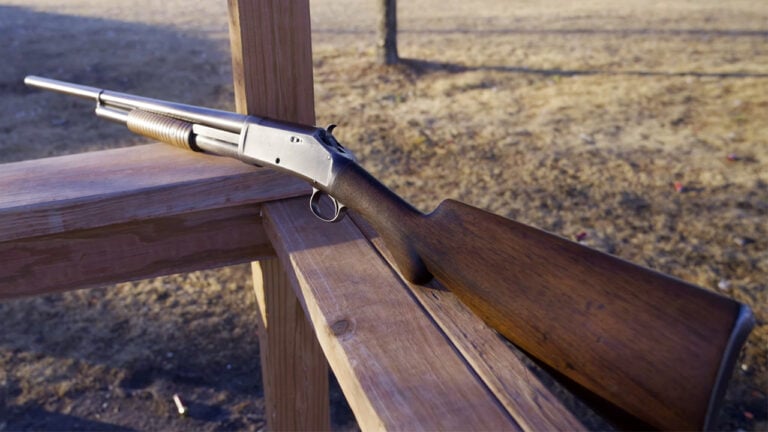
Pump rifles are weird until you hunt with one. Then they make too much sense. The 7600 lets you stay in the scope, run the action fast, and it’s handy in thick cover where a second shot sometimes happens quick.
In .30-06 it does everything, including punching through brushy sight lines where you need a little authority. They’re not common because they aren’t “cool,” and because the good ones get kept. Ask around—someone’s uncle has one and won’t sell it.
8. Browning BLR ( .308 Winchester)

The BLR is what you buy when you want lever-gun handling but you’re not interested in limiting yourself to traditional lever cartridges. In .308 it’s a do-all deer rifle that also fits in tight stands and dense timber.
It’s also a rifle that makes you pay attention—smooth lever throw, good balance, and usually better accuracy than you’d expect from a hunting lever gun. The reason camps don’t have them is the price. Still, one BLR will cover a lot of seasons.
9. Ruger Gunsite Scout ( .308 Winchester)
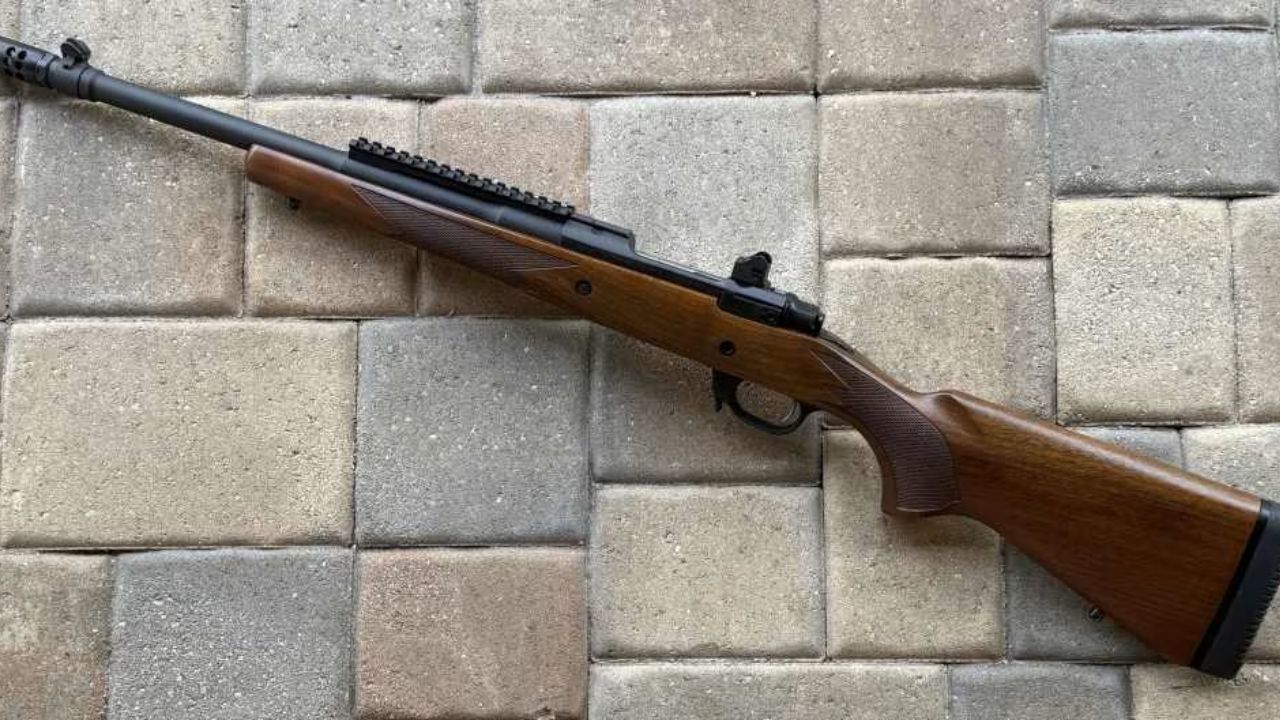
This one gets talked about more than it gets carried. It’s not a “sniper” rifle and it isn’t a gimmick. It’s a practical rifle with a short barrel and good iron sights, and it balances well with a sling in your hands instead of a bipod on a bench.
In deer camp it shines as the “walkabout” rifle—checking cameras, tracking, slipping along creek bottoms—because it doesn’t feel like you’re lugging a fence post. Keep a conventional scope on it if you want; the point is handiness and reliability.
10. CZ 527 (7.62×39)

The CZ 527 in 7.62×39 is one of those rifles that makes you wonder why you ever put up with clunky actions. It’s trim, it’s accurate enough, and it feels built, not assembled.
They don’t show up because they’re discontinued and guys who own them tend to hang on. If you find one used, check the magazine situation and snag a couple. For close-to-mid woods hunting, it’s a sweet setup.
11. Ruger No. 1 ( .25-06 Remington)

A single-shot in deer camp sounds like a romantic idea until you realize how much it forces you to slow down and shoot right. The Ruger No. 1 is classy, yes, but it’s also practical—strong action, good barrel, and it carries clean without a magazine hanging down.
.25-06 is a laser in typical farm-country distances, and recoil is easy. The downside is obvious: you get one in the chamber. For some hunters, that’s exactly the point.
12. Thompson/Center Encore ( .50 caliber muzzleloader barrel)

Not every camp has a dedicated muzzleloader guy, but every camp runs into a muzzleloader season eventually. The Encore system is handy because one frame can cover multiple seasons with different barrels, and the trigger setups are often better than budget inline guns.
It’s not the fastest reload and it’s not the cheapest way into blackpowder. But if you like simple, strong, and accurate, an Encore with a good .50 barrel belongs in camp—even if it’s mostly there for the late season when the weather turns mean.
13. Mossberg MVP Scout ( .308 Winchester)
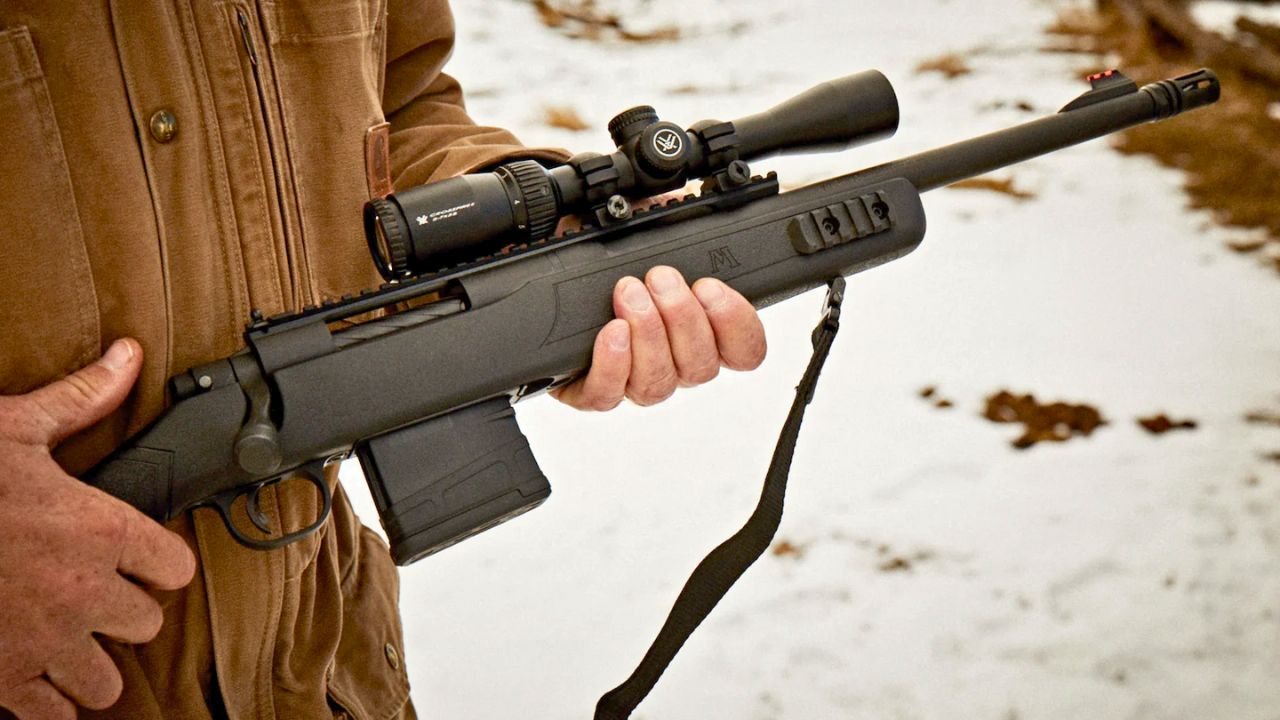
Mossberg doesn’t always get “serious rifle” respect, but the MVP Scout has something going for it: it feeds from common magazines and it’s built around being used, not babied.
For a deer camp loaner rifle, that matters. It’s not a silky action like a Tikka, but it’ll put meat down, it’s easy to set up with iron sights or glass, and parts and mags aren’t a scavenger hunt.
14. Weatherby Vanguard ( .257 Weatherby Magnum)
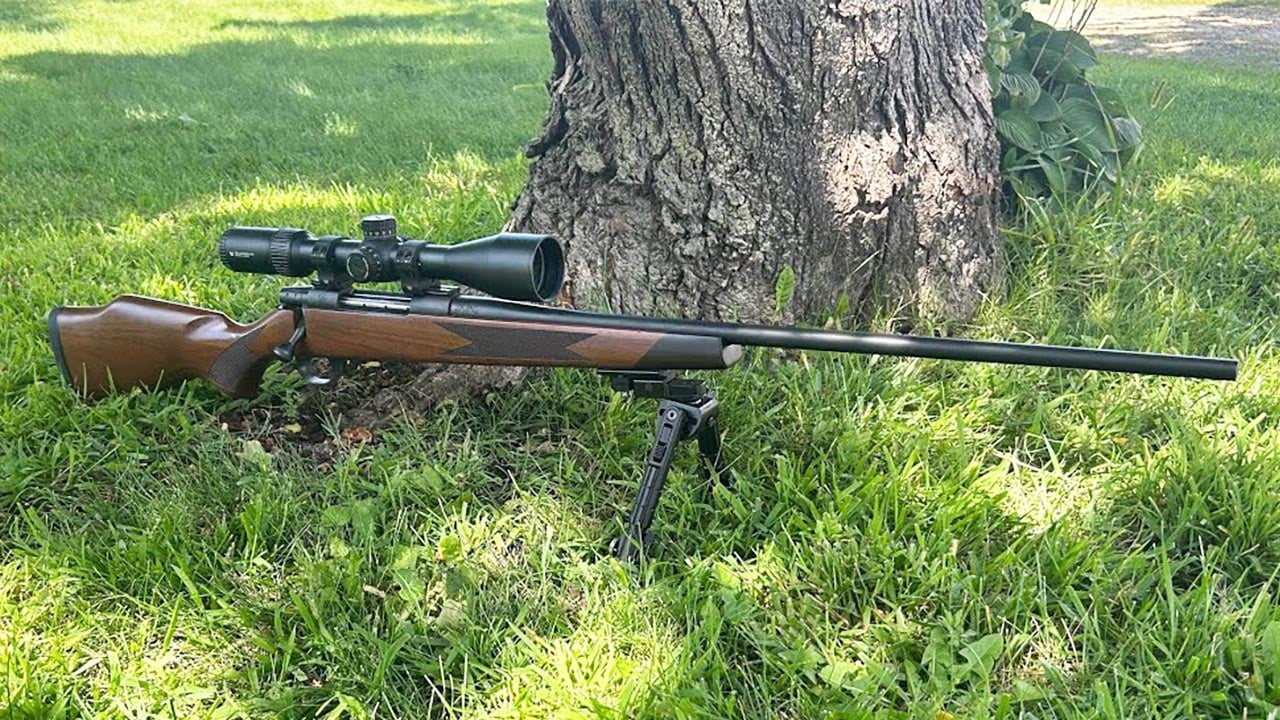
This one’s a little spicy, and I know it. But when hunters talk about “flat shooting” while dragging around heavy rifles and giant scopes, I want to hand them a Vanguard in .257 Weatherby and let them see what flat actually looks like.
It’s not for everybody, and ammo isn’t as casual as .30-06. Still, for open country and field edges where shots stretch, it hits hard and shoots clean. The rifle itself is usually accurate without a bunch of tinkering.
15. Remington Model 7 ( .308 Winchester)
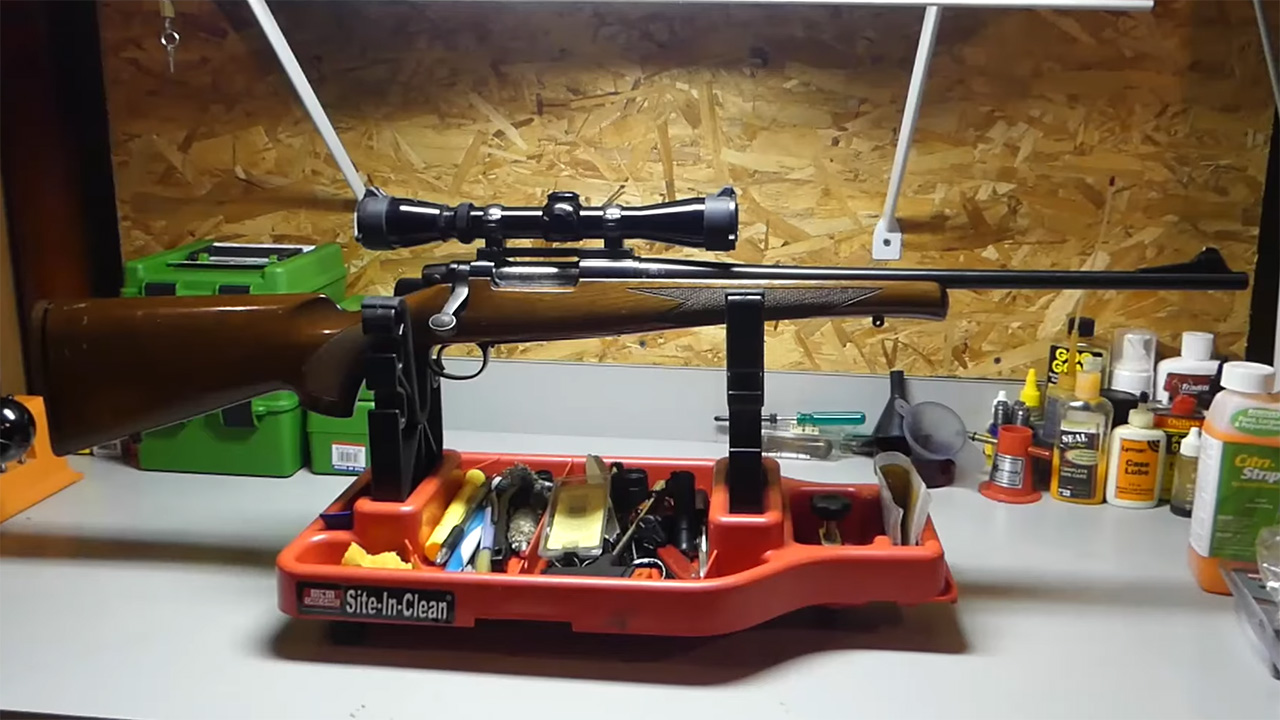
The Model 7 is one of those rifles that disappears on your shoulder. Short action, compact feel, and it’s quick to the shoulder in brush. In .308 it does the job without being fussy.
These should be everywhere, but many camps are full of long-action rifles that never needed to be long-action rifles in the first place. A handy rifle is a pleasure to hunt with, and that counts for something after day three of carrying.
16. Ruger 77/44 ( .44 Remington Magnum)
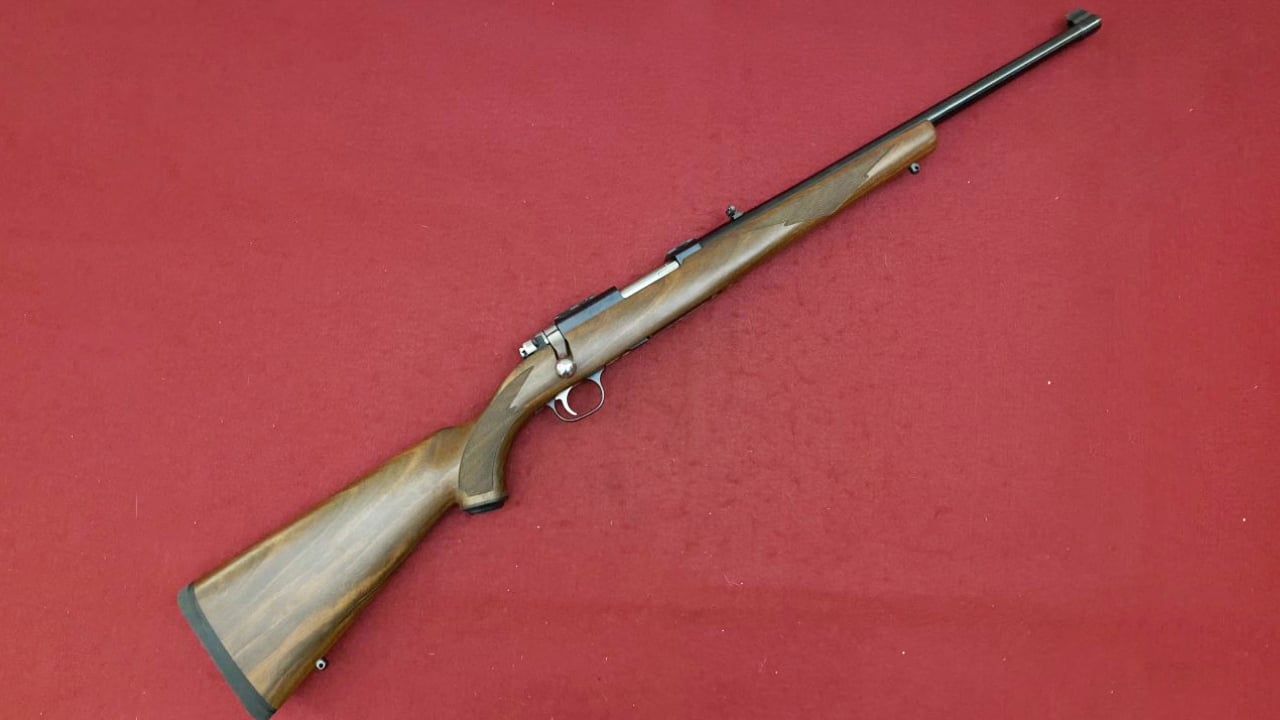
If you hunt thick timber, swamp edges, or dog drives where shots are fast and close, a bolt gun in .44 Mag is a hammer. The 77/44 is light, compact, and hits like it means it.
You don’t see them often because folks hear “pistol cartridge” and assume it’s a gimmick. It isn’t. Put a good hunting load in it and keep your ranges honest. It’s also one of the friendliest rifles for recoil-sensitive shooters in a light package.
17. Henry Long Ranger ( .243 Winchester)
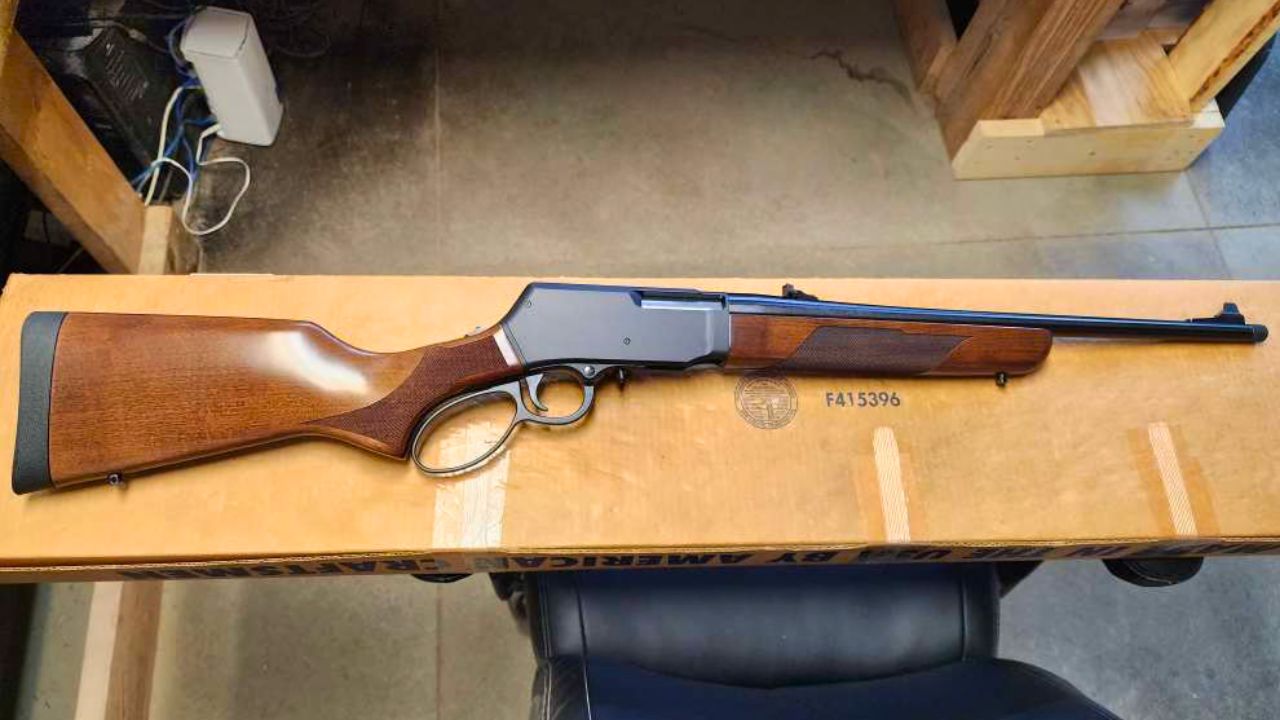
.243 gets treated like a “kid’s rifle,” and that attitude costs deer. A .243 with a good bullet, placed right, is clean and effective. The Henry Long Ranger gives you lever handling with a more modern feel and good accuracy.
It belongs in camp for the same reason a good youth rifle belongs in camp: somebody always needs it. A new hunter. A smaller-framed adult. The guy who shoots twice a year and shouldn’t be absorbing magnum recoil. This rifle fills that gap without apology.
18. Sako 85 (6.5×55 Swedish)

The Swede has been killing deer and bigger game for a long time, and it does it with manners. In a quality rifle like a Sako, the whole setup feels steady and easy to shoot well.
It’s missing from most camps because it’s “too nice” and “too European,” and because the average gun counter steers buyers toward whatever’s stacked deepest. But if you want a rifle that encourages good shooting habits, this one does.
19. Savage Model 110 ( .280 Remington)

.280 Remington is the cartridge that never got the marketing push it deserved. It’s a sweet spot: flatter than .30-06 with less recoil, and it hits with real authority.
A Savage 110 in .280 is usually a straightforward, accurate deer rig that you can actually tune to fit you—stocks, triggers, the whole deal. The reason you don’t see it is ammo availability and the fact that people buy what their buddies already own. If you run across one that shoots, don’t overthink it.
20. Winchester Model 70 Featherweight ( .30-06 Springfield)

There are lighter rifles and there are cheaper rifles, but a Featherweight Model 70 in .30-06 is one of those “one rifle for the rest of your life” deals. It carries like it wants to be carried, and it points naturally when a deer slips through at 70 yards and doesn’t read the script.
It doesn’t show up because guys either don’t want to scratch walnut or they traded it off chasing something newer. That one hurts. A good Model 70 isn’t magic, but it’s dependable in the way deer camp rifles ought to be.
Deer camps don’t need more rifles that look good on the internet. They need rifles that get carried without complaining, shoot straight without fuss, and fit the hunters who actually show up. If your camp already has the basics covered, adding one or two of these “missing” rifles can make the whole place run smoother when weather turns ugly, a new hunter joins the crew, or the shots get close and quick.
Like The Avid Outdoorsman’s content? Be sure to follow us.
Here’s more from us: