Photo credit: Great Northwest Weaponry/YouTube
Military surplus used to feel almost endless. Importers opened crates, gun shows had entire tables covered with old service rifles, and buyers could be picky because another shipment always seemed to be coming. That era is fading. Surplus caches were large, but they were never infinite, and every year more original firearms disappear into permanent collections or get altered, damaged, or broken for parts.
That does not mean military surplus has vanished. Rifles and pistols still surface, and occasionally another forgotten overseas cache appears. What is changing is how difficult it can be to find the exact model you want in original, complete condition. Matching parts, intact stocks, correct magazines, bayonets, and other accessories increasingly separate ordinary examples from the rifles collectors chase. These 20 surplus pieces are the ones I would pay particularly close attention to before the available pool gets any thinner.
French MAS-36

The MAS-36 was once one of those surplus rifles Americans could dismiss simply because it looked strange. The short bolt handle, forward-mounted locking lugs, spike bayonet, and relatively compact stock did not resemble the Mausers and Springfields most shooters already understood. Add the less-familiar 7.5×54 French cartridge, and plenty of inexpensive MAS rifles spent years sitting behind more recognizable military bolt guns.
Those days look increasingly distant. Original rifles still exist, but matching examples with their bayonets, good wood, and unmolested military configuration are exactly the kind of surplus guns collectors stop selling once they find them. The MAS-36 also became the foundation for later French military rifle development, adding historical relevance beyond its unusual appearance. I would much rather buy a complete one now than assume another equally nice rifle will appear whenever I finally decide I want one.
Egyptian Hakim

The Hakim used to look like an enormous oddity sitting among inexpensive surplus rifles. Egypt based it on the Swedish AG-42 Ljungman concept, chambered it in 8mm Mauser, and produced a semiautomatic rifle that was long, heavy, and unlike nearly anything else Americans encountered on ordinary gun racks.
That same strangeness is now its biggest strength. Hakims did not enter this country in an endless stream, and plenty of surviving rifles have rough stocks, missing parts, damaged muzzle brakes, or uncertain maintenance histories. Once collectors begin looking for a complete example with its original components, the available pool gets much smaller.
I would pay especially close attention to an intact rifle with good wood and a clean bore. The Hakim represents a fascinating period when Egypt was building domestic military arms before moving more completely toward Soviet-pattern equipment. That story is difficult to replace with anything else.
FN-49
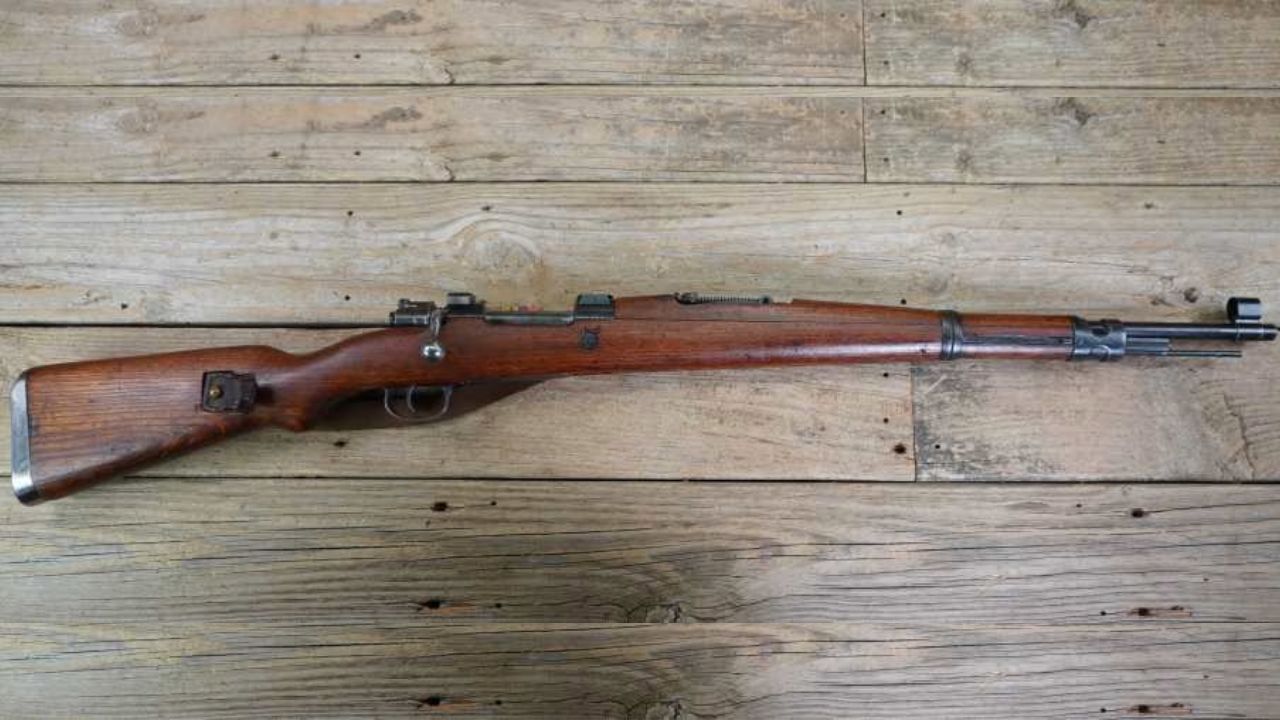
The FN-49 might be one of the most underappreciated military semiautomatics ever imported. Designed by Dieudonné Saive, it arrived between the era of full-power semiautomatic battle rifles and the selective-fire rifles that followed. FN ultimately produced more than 176,000, but those rifles were divided among numerous countries and chamberings, creating more than 20 recognized variants.
That variation is exactly why collectors can no longer treat every FN-49 as interchangeable. Egyptian, Venezuelan, Luxembourg, Argentine, and other contract rifles each have their own appeal, and some contracts reached the United States in much smaller numbers than others.
A complete FN-49 with the right stock, magazine, markings, and configuration is something I would hesitate to let go. The broad category may still appear regularly, but the exact contract rifle you want can disappear quickly.
Egyptian Rasheed Carbine
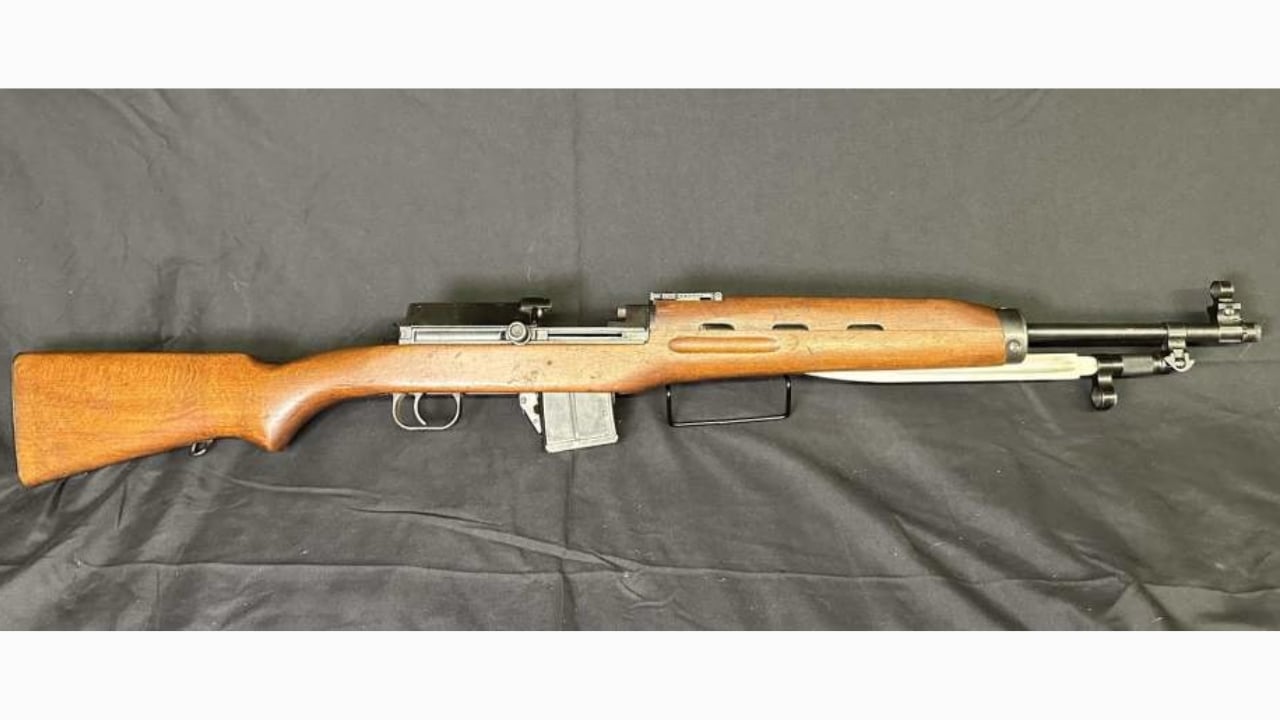
The Rasheed is the rifle people discover after they already understand the Hakim and start asking what Egypt built next. Egypt developed the compact 7.62×39 carbine from the same broad family of direct-gas military designs, giving collectors a rifle that combines Middle Eastern production, Cold War history, and a cartridge far more familiar to American shooters. American Rifleman has described it specifically as a unique and collectible Cold War rifle.
The important issue is supply. Rasheeds were never floating around American surplus racks in the numbers associated with SKSs or Mosins. Finding one today can turn into a hunt in itself, and finding a clean, complete one is another level entirely.
If I encountered an original example with its magazine and major components intact, I would not treat it like another cheap 7.62×39 semiauto. There simply are not endless replacements waiting behind it.
Swedish AG-42B Ljungman
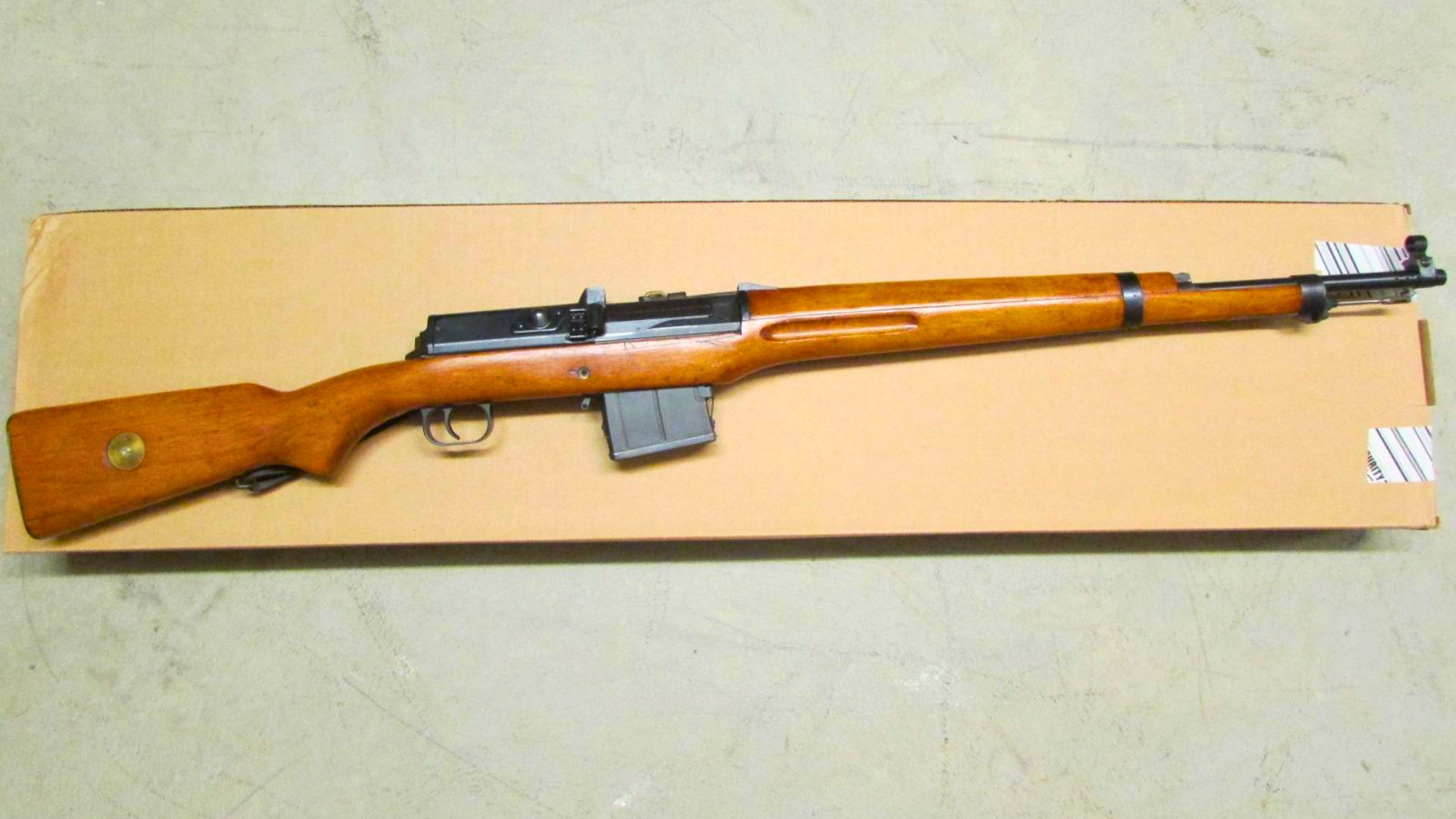
The AG-42B is one of those surplus rifles that collectors eventually appreciate because its engineering mattered beyond Sweden. The Ljungman’s direct-gas system sits in an important branch of semiautomatic rifle development, and the rifle itself is unmistakably Swedish: carefully manufactured, mechanically interesting, and chambered in the excellent 6.5×55 cartridge.
For years, the unfamiliar loading procedure and limited parts supply made the AG-42B something many shooters passed over in favor of more conventional surplus rifles. That was probably a mistake. These are not being replenished, and shooters who understand them tend to hold onto good examples.
I would be especially cautious around rifles with missing magazines, altered stocks, or damaged gas-system components because replacement pieces can become a project of their own. A complete Ljungman is the kind of surplus rifle that slowly disappears without anyone noticing until prices and availability suddenly tell the story.
French MAS-49/56
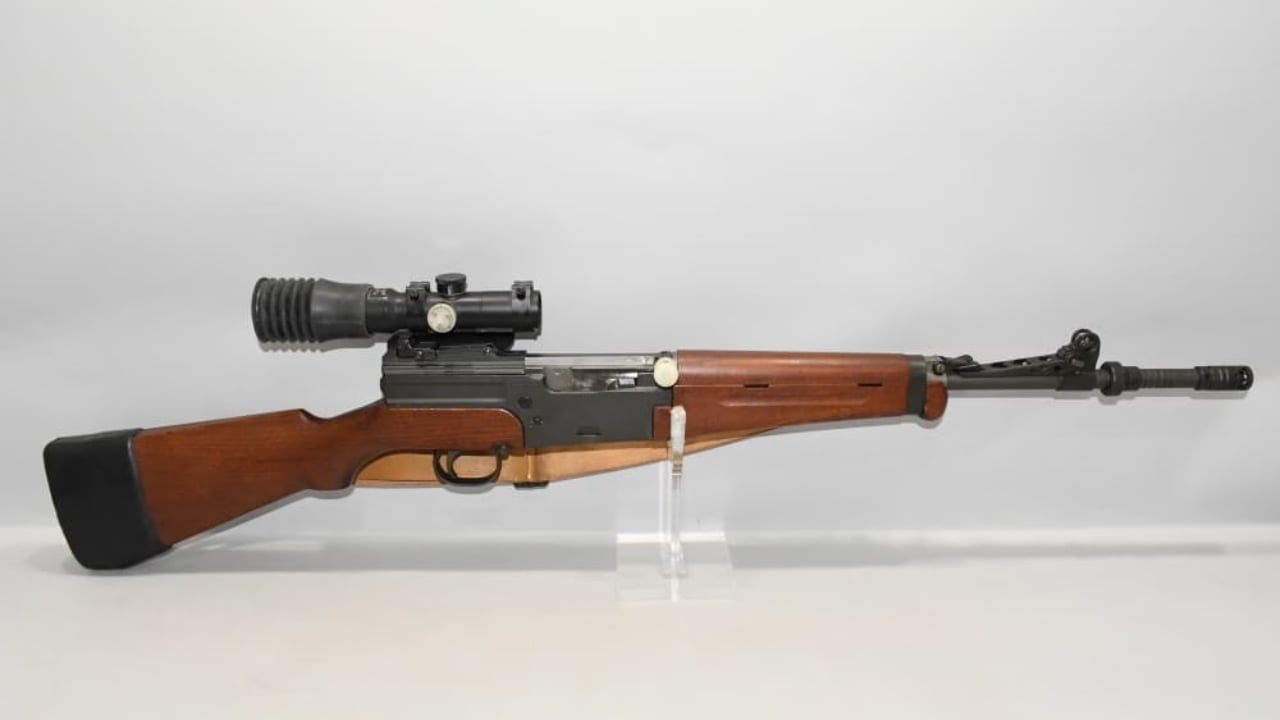
The MAS-49/56 once occupied a perfect surplus sweet spot. It was compact, semiautomatic, historically interesting, and inexpensive enough that shooters actually took them to the range rather than treating them as collectibles. France adopted the updated 49/56 in 1956, and it remained a primary French service rifle until the FAMAS era.
The problem is that many American-market rifles were later altered, including caliber conversions that can be less appealing to collectors than original 7.5×54 examples. That makes an untouched French-configured rifle increasingly worth noticing.
I would want the original magazine, grenade-launching hardware, sights, and military stock intact. A MAS-49/56 that still looks the way it did when it left French service is far more interesting to me than one somebody tried to modernize twenty years ago. Originality is becoming the scarce feature.
Spanish FR-8
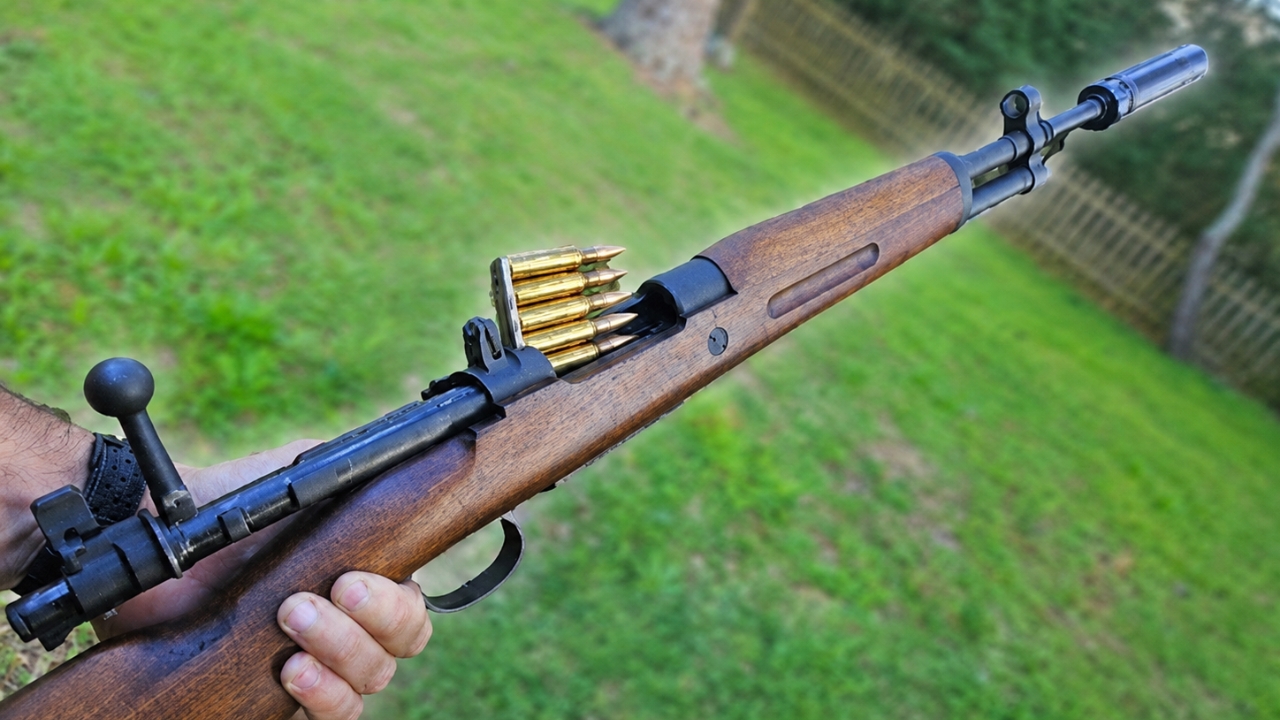
The FR-8 is one of the strangest bolt-action military rifles that ever became affordable surplus. Spain took Mauser actions and adapted them into short 7.62 NATO training and service rifles with sights and external styling meant to familiarize troops with features of the CETME rifle.
For years, shooters regarded them as quirky little Mausers rather than serious collector pieces. Their short barrels and practical chambering also encouraged owners to use them as truck guns, brush rifles, or foundations for modifications. That has not helped the supply of untouched rifles.
Today, the FR-8’s odd combination of old Mauser action and Cold War CETME-era features is exactly what makes it desirable. A rifle with the correct flash hider, sight assembly, cleaning-tube arrangement, and uncut stock is something I would keep original. There is no modern production rifle that truly replaces what an FR-8 is.
Chilean Model 1895 Mauser
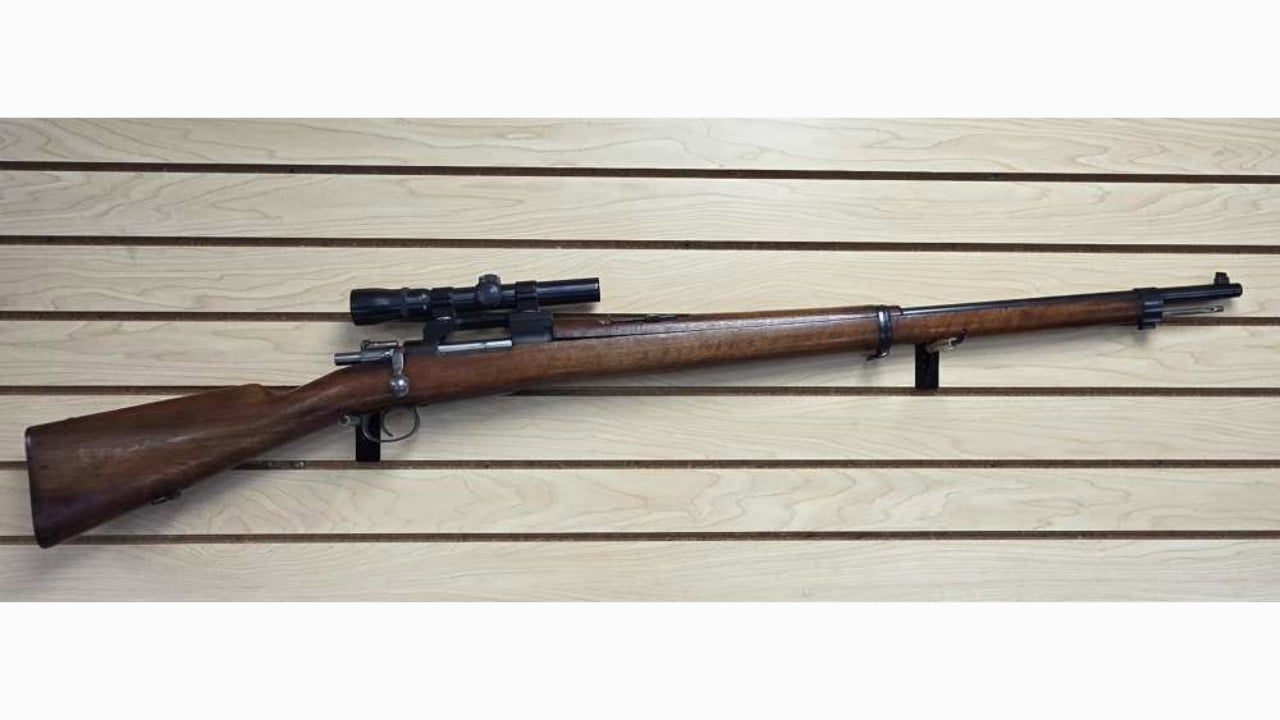
There was a time when South American Mausers barely caused anyone at a gun show to slow down. The Chilean Model 1895 was one of many long military rifles wearing crests unfamiliar to most American shooters. That made them perfect candidates for inexpensive hunting conversions, and many were permanently altered while originals remained cheap.
The remaining rifles deserve considerably more respect. A small cache of Chilean 1895s reached the U.S. market in 2020, but even then the importer acknowledged that available surplus supplies had become smaller.
An original 7×57 rifle with its crest, full military stock, and intact hardware is increasingly preferable to the old sporter somebody cut down decades ago. The 1895 also occupies an important position in the development of the Mauser system before the famous Model 98. I would not assume another pristine Chilean rifle is always one gun show away.
Argentine Model 1909/47 Carbine
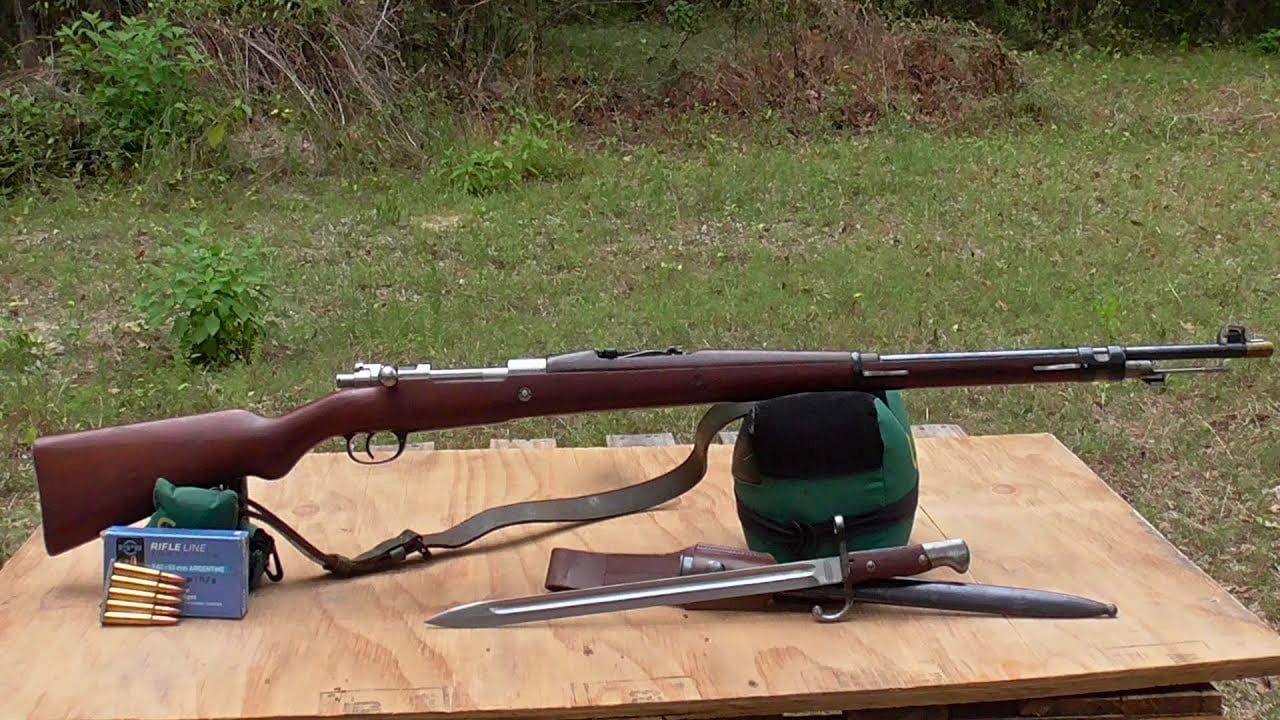
Argentine Mausers have long had a reputation for excellent workmanship, but the 1909/47 carbine deserves special attention because the production numbers were far lower than the famous long rifles. Argentina produced just 19,072 of the postwar 1909/47 carbines domestically beginning in 1947.
That is not a huge population to begin with, and every rifle that gets sporterized, damaged, or permanently tucked into a collection removes another one from the normal market. The compact configuration also makes the carbine appealing to shooters who would otherwise ignore a 29-inch-barreled military Mauser.
I would look for correct wood, matching or appropriate components, a strong Argentine crest, and an unaltered military configuration. These carbines are just common enough that people may still overlook them, but the math suggests that truly clean ones are unlikely to become easier to find.
Brazilian Model 1908 Mauser
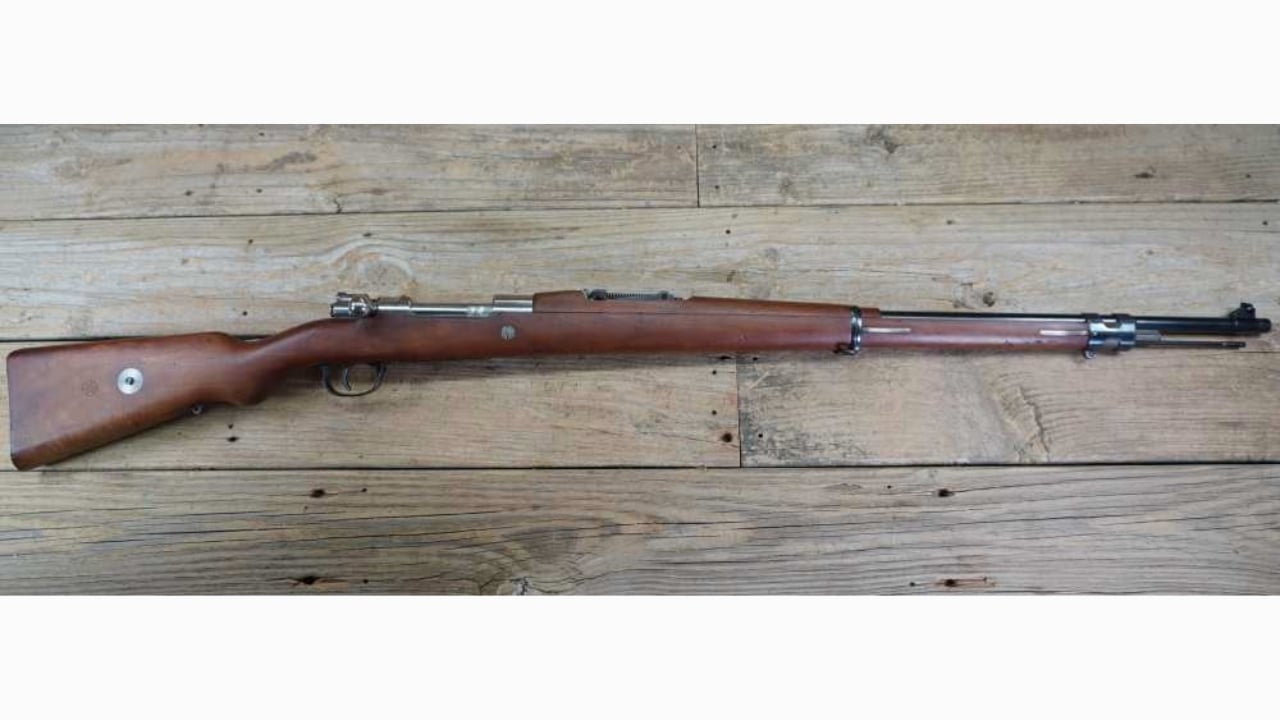
Brazil ordered hundreds of thousands of Mauser rifles during the early twentieth century, including roughly 400,000 Model 1908 rifles as part of a major European arms purchase. Those numbers helped keep Brazilian Mausers affordable for generations, which was not always good for their survival in original form.
Many became hunting rifles. Stocks were cut, bolt handles altered, receivers drilled, and military sights replaced because nobody saw much downside to modifying a cheap 7×57 Mauser. The irony is that the original rifle has now become far more interesting than another old sporter.
I would stop for a Model 1908 that retains its full military stock, crest, hardware, and original configuration. High initial production does not mean unlimited modern availability when more than a century of use and alteration separates today’s collector from the rifles that originally left Germany.
Carcano M91 TS Carbine
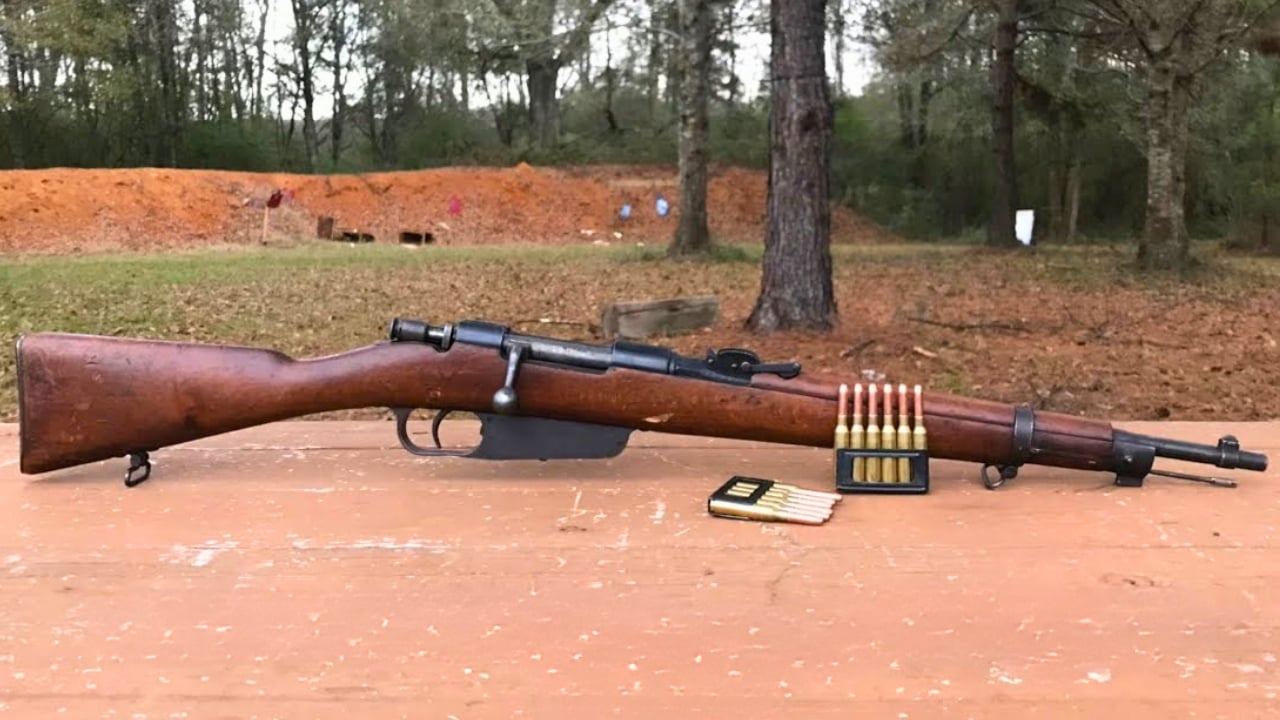
Carcanos spent so long at the bottom of the surplus hierarchy that collectors are only gradually sorting through the variations that were once lumped together as cheap Italian rifles. The Truppe Speciali carbine is a great example. Numerous arsenals and private manufacturers produced versions across different periods, and some specific makers had surprisingly low output.
For instance, Manifattura Bresciana Tempini reportedly produced only about 3,700 TS carbines during its 1930 run, while Beretta made far more. That is the kind of detail that transforms “just another Carcano” into a rifle collectors suddenly start hunting.
Large numbers of former Carabinieri TS carbines entered the U.S. before and around the recent surplus resurgence, but imports do not continue forever. I would learn the markings before dismissing one, because the rifle everybody ignored may be the variation nobody can find later.
Steyr M95 Carbine
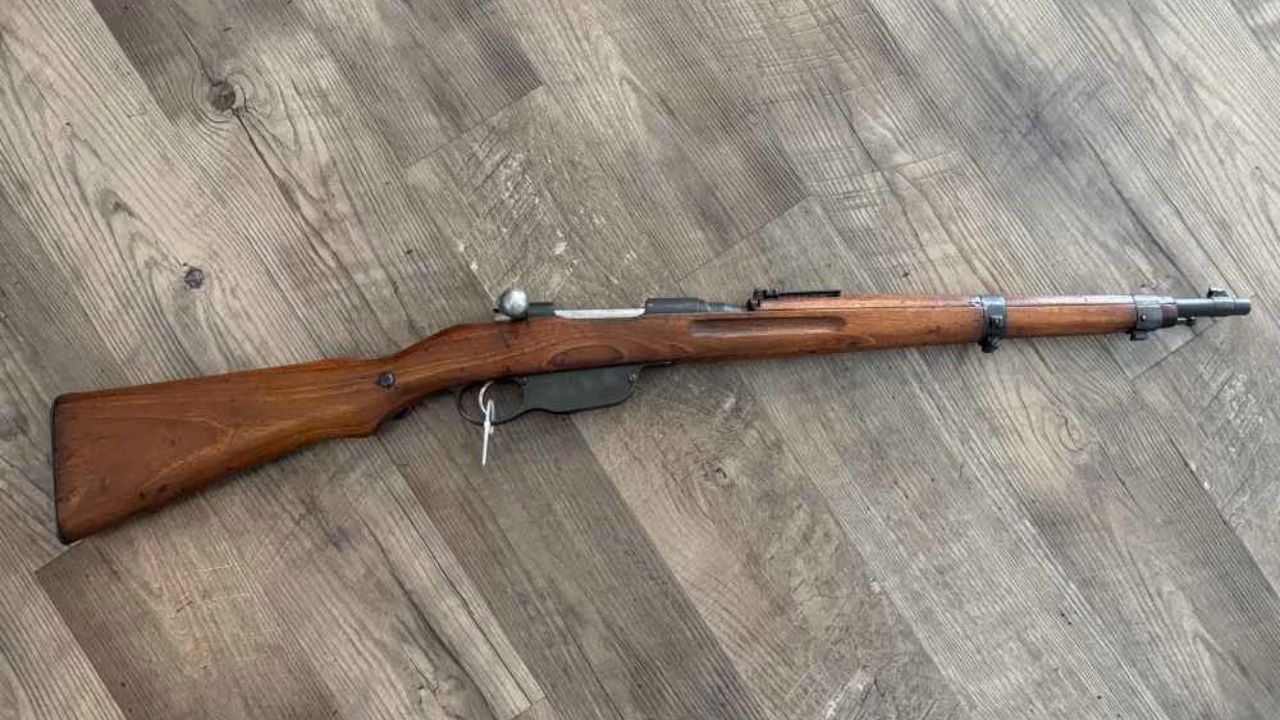
The Steyr M95 is one of the surplus rifles that seemed impossible to run out of. Straight-pull actions, en-bloc clips, and short carbines gave the rifles enough novelty to attract casual buyers, while low prices made them easy additions to a collection.
That affordability also encouraged neglect. Stocks were refinished, metal was allowed to rust, and rifles were occasionally modified without much concern about future collector value. Ammunition availability also pushed some shooters away, which made nice examples seem even less urgent to buy.
Now the original carbines deserve another look. Markings, arsenal conversions, chambering, and national history all make a difference, and collectors increasingly care about having the correct clip and configuration. I would rather own a complete example before the remaining rifles fragment into parts guns and permanent collections. Straight-pull military rifles from this era are not exactly coming back into production.
Dutch Mannlicher M95
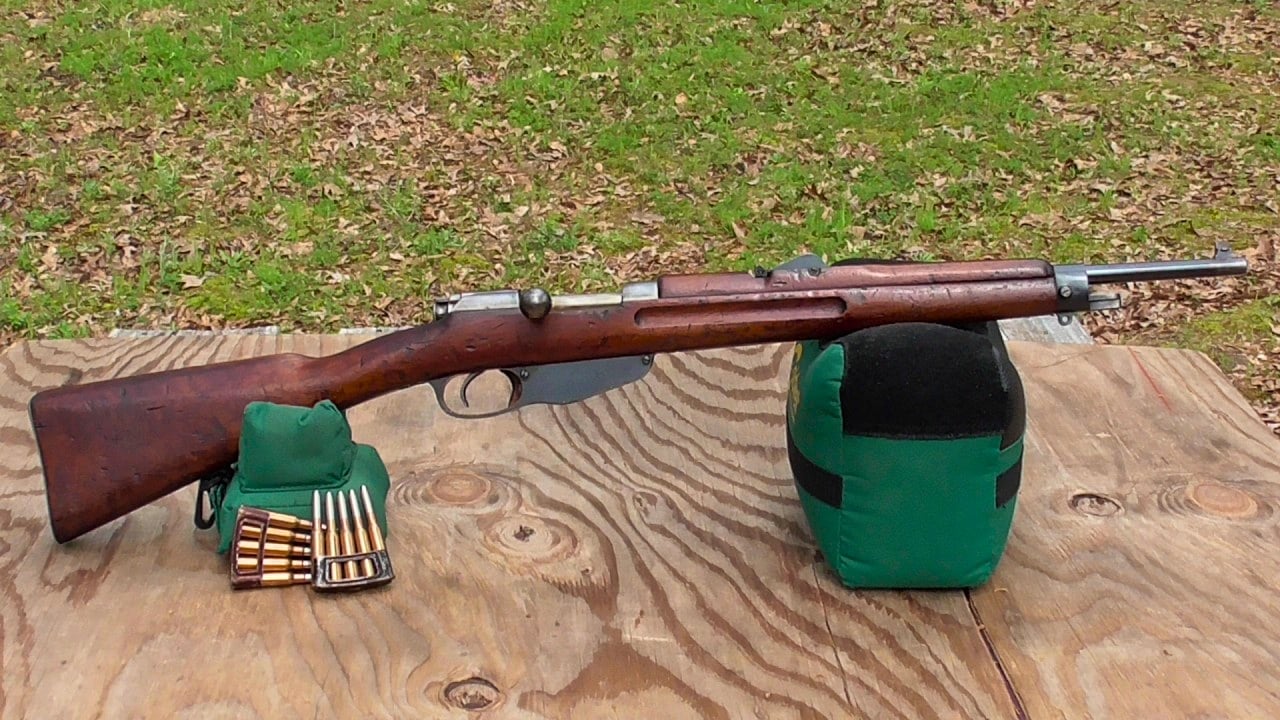
The Dutch Mannlicher M95 has never enjoyed the mainstream recognition of Mausers or Lee-Enfields, and that may be why it is quietly becoming one of those surplus rifles people struggle to locate when they finally decide they want one. It uses a Mannlicher-style action, has distinctive Dutch markings, and belongs to a national service history that American collectors often overlook.
The problem with obscure surplus rifles is that low demand can disguise low supply. There may never have been mountains of them sitting in American warehouses, and parts, clips, and original accessories become increasingly troublesome as decades pass.
I would not buy a rough example simply because it is uncommon. I would wait for a rifle that remains complete and original. Once the better Dutch M95s settle into specialized collections, I doubt the average gun-show table is going to provide many second chances.
Swiss K11 Carbine
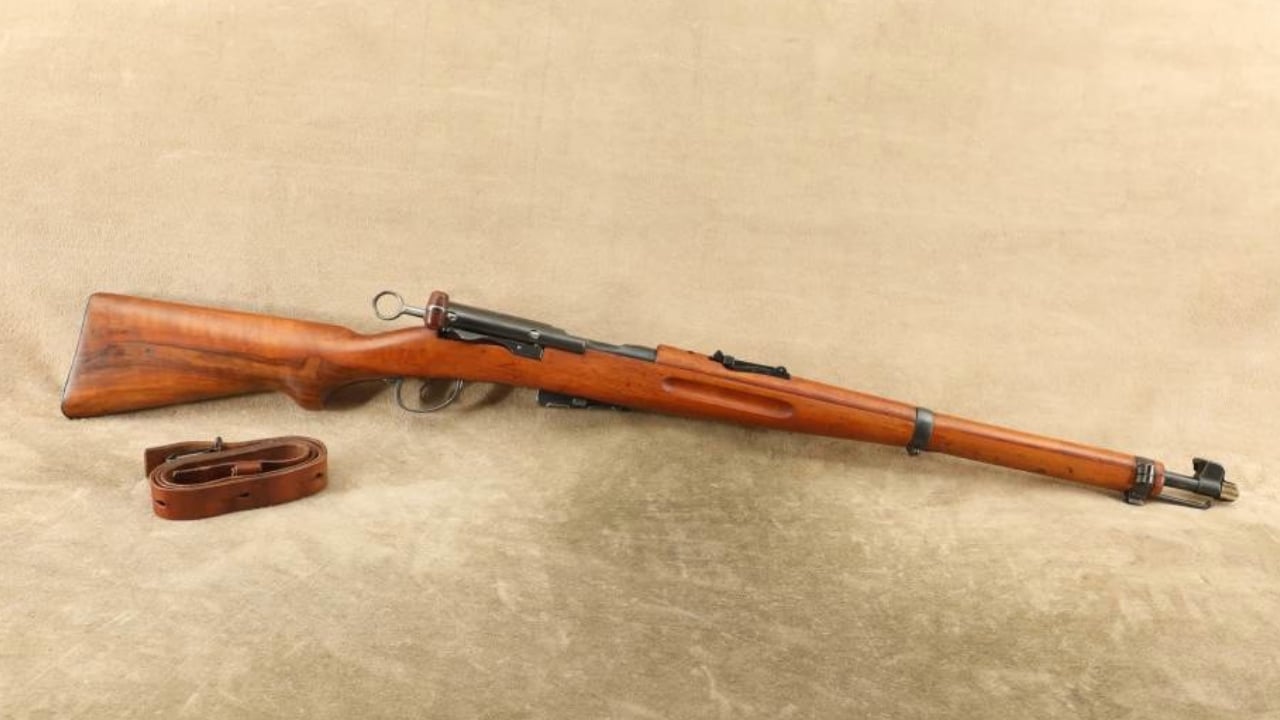
The K31 gets most of the attention whenever Swiss military rifles come up, leaving the earlier K11 in a strangely overlooked position. That makes the K11 interesting to me because it represents an earlier stage of Switzerland’s straight-pull rifle development while still offering the manufacturing quality people associate with Swiss arms.
For years, buyers passed K11s to reach the newer K31 sitting beside them. That kept the older rifle affordable, but it also meant relatively few people were deliberately hunting high-condition examples. Those days are changing as collectors begin filling the gaps in Swiss rifle lineages rather than owning only one representative model.
A matching K11 with good wood and complete sights is exactly the sort of rifle I would stop selling if I owned one. Once collectors decide they need both generations, the rifle that spent decades in the K31’s shadow becomes considerably harder to replace.
Japanese Type 38 Arisaka
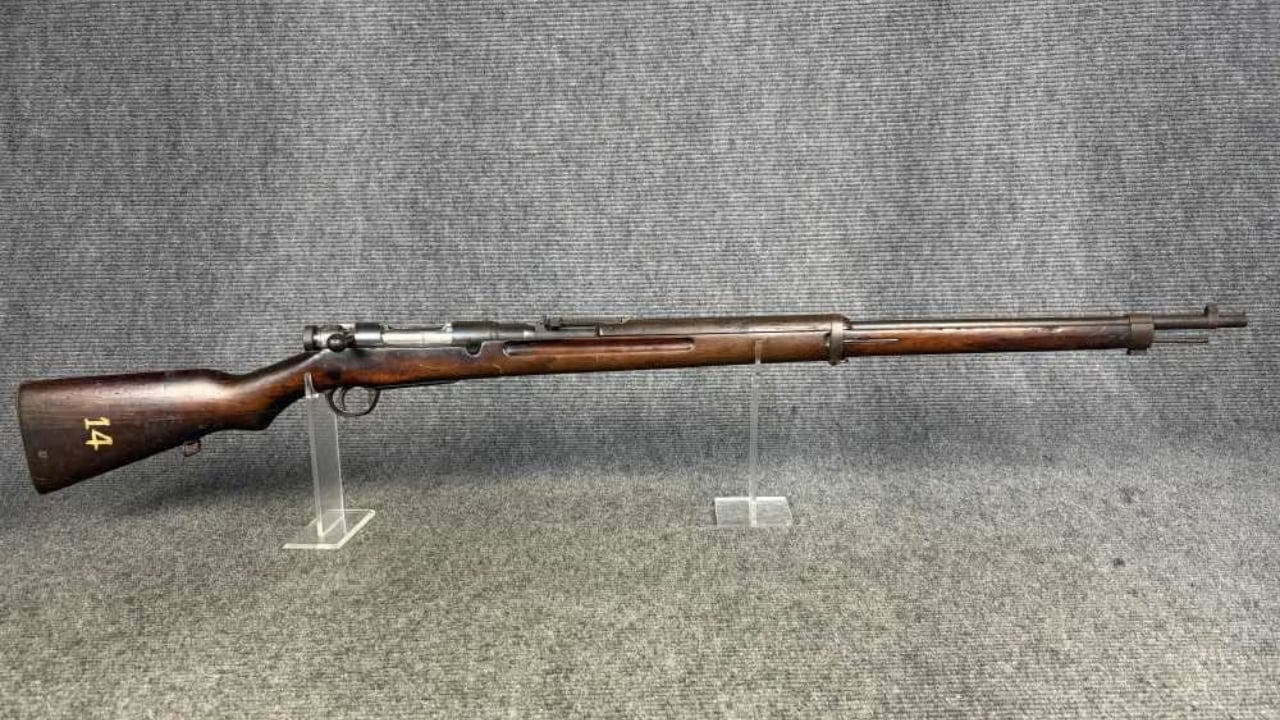
Arisaka rifles suffered badly from decades of misunderstanding. Many returning rifles had their imperial chrysanthemums defaced, while countless others were cut into hunting rifles because the long military stocks looked unnecessary to American owners. The unusual 6.5 Japanese cartridge also kept casual shooters from valuing them like Mausers.
That history makes complete Type 38 rifles increasingly compelling. A rifle with an intact or lightly altered chrysanthemum, correct full-length stock, cleaning rod, dust cover when appropriate, and other original components can require considerably more patience to locate than a basic Arisaka action.
Military-surplus collecting guides continue to point out that Arisakas can present parts and ammunition challenges for new collectors, which is another reason complete examples matter. I would never cut one today. Too many previous owners already did that job for us.
Japanese Type 99 Arisaka

The Type 99 may be even more interesting because wartime production changes create so many collectible variations. Early rifles can have features such as monopods, anti-aircraft sights, dust covers, and beautifully finished components, while late-war rifles can show increasingly simplified production.
Unfortunately, those removable parts disappeared constantly after the war. Monopods were tossed, dust covers lost, and stocks sporterized. That means the rifle itself may still be relatively obtainable while a correct, complete early example is much harder to assemble.
I would much rather buy an intact rifle than spend years chasing accessories individually. The Type 99 also gives collectors the ability to study Japan’s changing wartime industrial conditions through one firearm platform. That kind of historical variation tends to keep dedicated collectors interested long after ordinary surplus buyers move on.
French Berthier Mle 1907/15
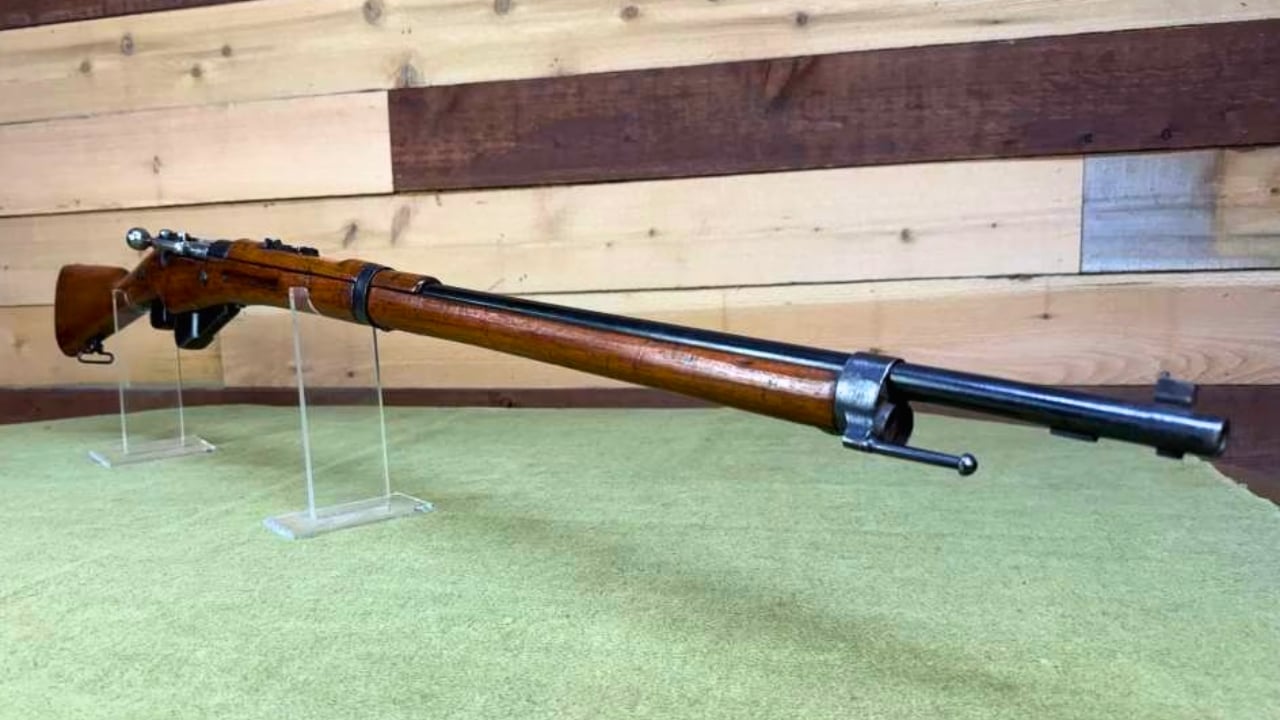
French Berthiers spent years being overshadowed by the Lebel, which is unfortunate because the Berthier family tells an enormous part of France’s military history. The rifles saw extensive First World War service and later continued through interwar and Second World War periods in various configurations.
American collectors often encountered them as inexpensive, awkward-looking rifles chambered in 8mm Lebel. That was hardly a recipe for mass popularity, especially when Mausers and Mosins were easier to understand. As a result, Berthiers could remain surprisingly affordable while original components slowly disappeared.
I would pay close attention to a complete 1907/15 with its stock, sights, hardware, and appropriate magazine arrangement intact. French surplus collecting has become much more sophisticated, and once buyers move past the obvious MAS rifles, early Berthiers are a natural next stop. The clean ones are not multiplying.
Portuguese Mauser-Vergueiro 1904/39
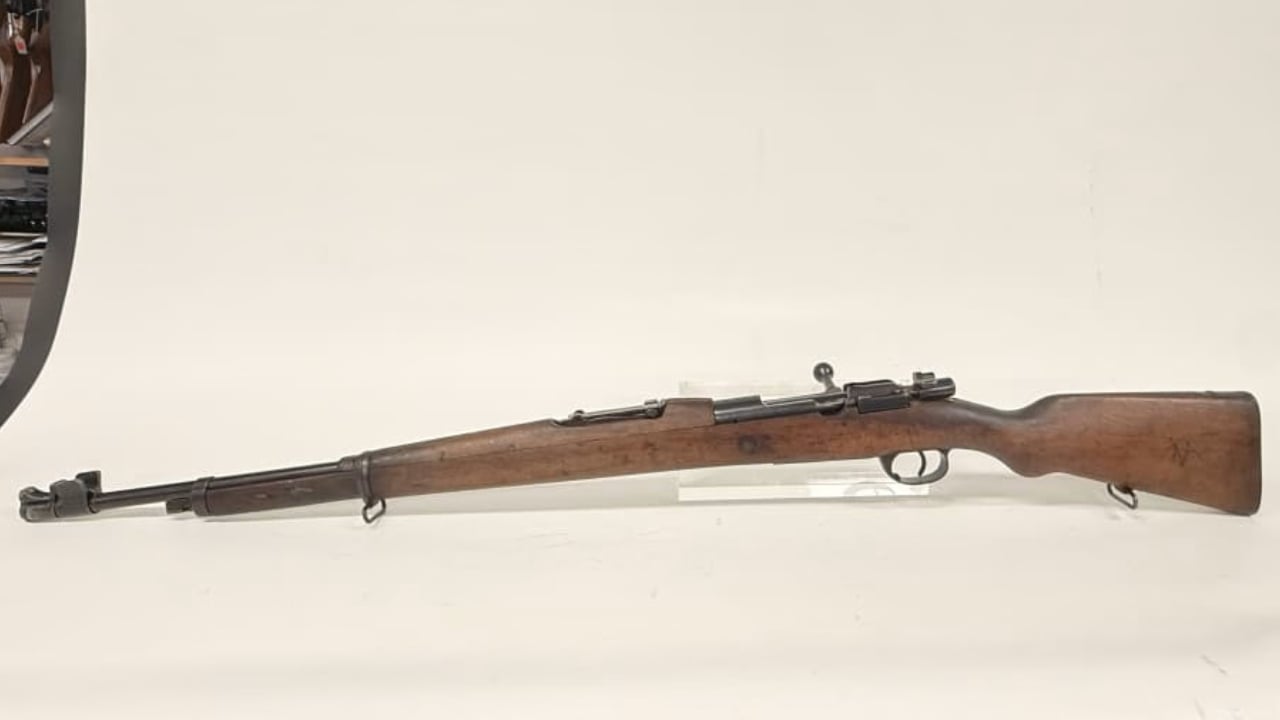
The Portuguese Mauser-Vergueiro is the kind of surplus rifle most casual gun owners could walk past without realizing they are looking at something mechanically unusual. The design mixes Mauser influences with an action developed by José Vergueiro, resulting in a rifle that does not fit perfectly into the familiar Mauser categories.
Many surviving examples were later converted to 8mm Mauser in the 1904/39 configuration, which adds another layer of military history. For years, the obscure Portuguese markings and unconventional design kept demand modest.
That is exactly the recipe for a future scarcity problem. Few buyers preserved accessories or hunted specific variations while the rifles were cheap. Once specialized collectors start looking, they discover the available pool was never enormous in the first place. A clean, military-configured rifle is something I would keep intact, because finding another can require far more patience than finding a common Mauser 98 derivative.
Czechoslovak Vz. 24
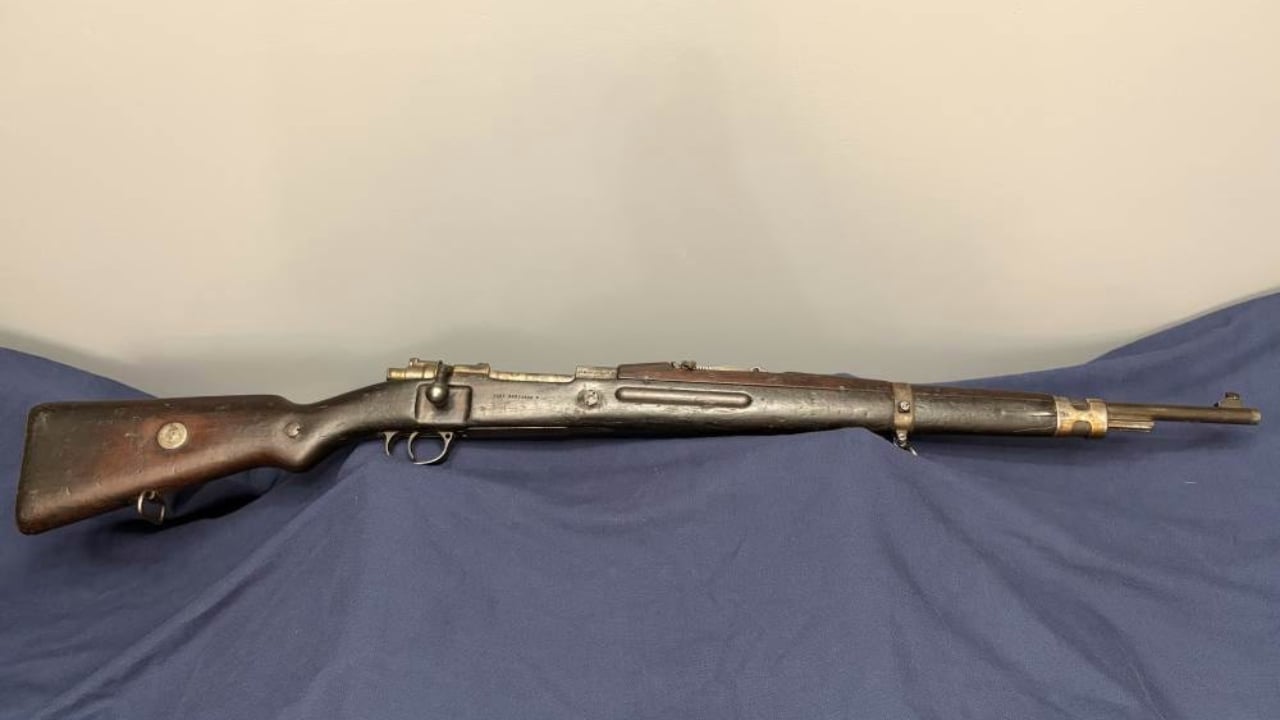
The Vz. 24 is a Mauser-pattern rifle that used to be almost too common to appreciate. Czechoslovakia produced a high-quality military rifle that ended up serving numerous countries, which meant American surplus buyers encountered them with all kinds of markings and histories.
The downside to that abundance was predictable. Vz. 24 actions became popular foundations for sporting rifles, and thousands of perfectly good military examples were cut up because another one always seemed available. Collector interest now pays much more attention to national contracts, crests, matching components, and original stocks.
I would particularly hesitate before modifying a rifle with a strong crest or unusual contract markings. “Vz. 24” describes the basic model, but the individual history can make one example substantially more interesting than another. The generic surplus Mauser is slowly becoming a collection of specific variants rather than a pile of interchangeable rifles.
M1917 Enfield
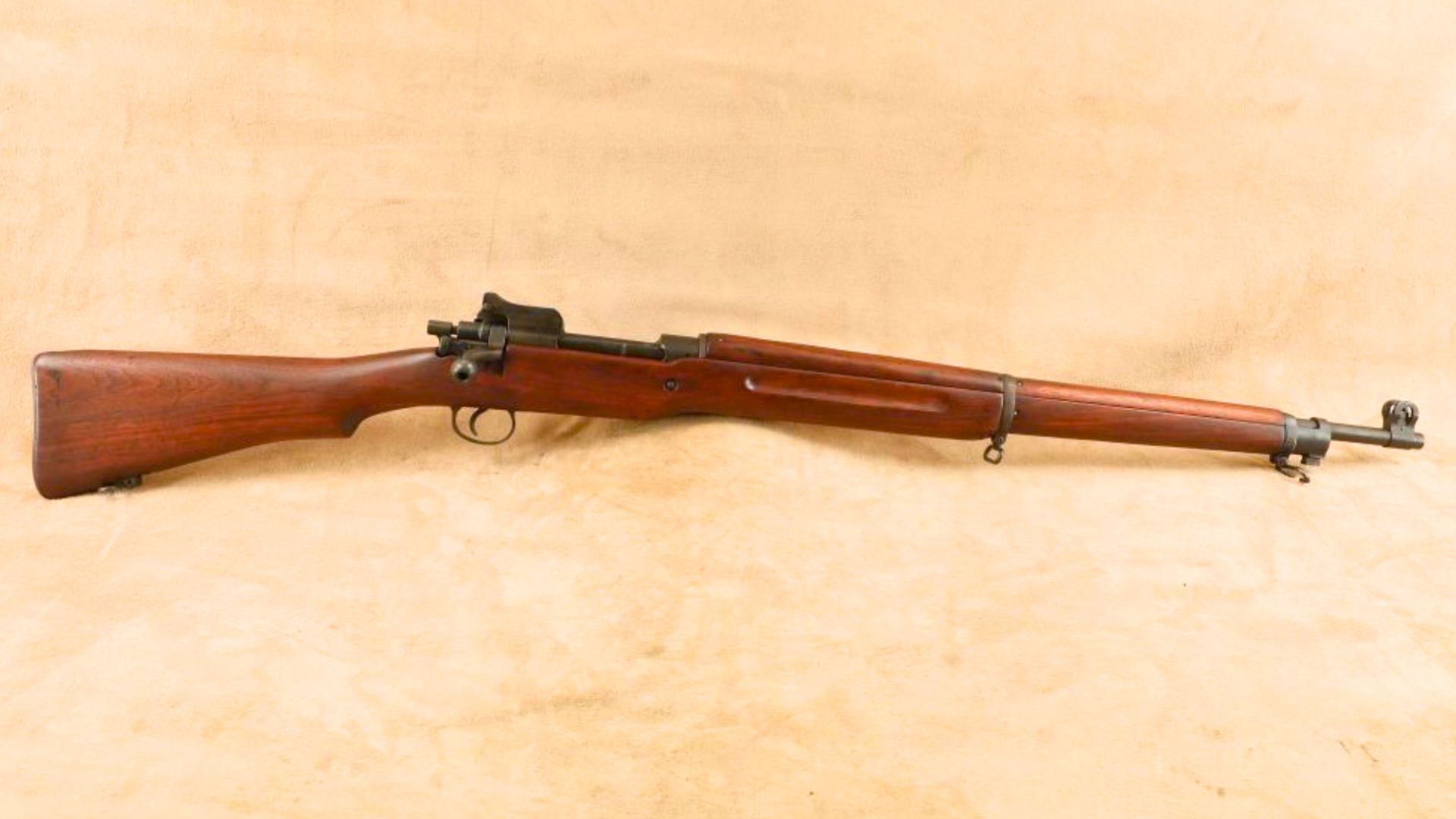
The M1917 is hardly obscure, but original rifles are quietly becoming harder to find because so many were converted into hunting rifles during the twentieth century. The action is exceptionally strong, the .30-06 chambering is useful, and surplus prices once made the rifle an obvious candidate for sporterization. Generations of American hunters cut stocks, removed military sights, and drilled receivers without thinking twice.
That leaves today’s collector searching through a lot of altered rifles to find a genuinely intact Winchester, Remington, or Eddystone example. Another wave of M1917s did appear from an Ethiopian cache beginning around 2020, demonstrating that old military stores can still surprise the market, but discoveries of that scale are unusual rather than something I would count on repeating.
If I found an honest original rifle today, I would preserve it. America already converted enough of them into deer rifles.
Like The Avid Outdoorsman’s content? Be sure to follow us.
Here’s more from us: