Photo credit: Pro Membership Sweepstakes/Youtube
Every rifle comes with a manual, but nobody puts the real stuff in there. The part where the shiny new gun turns into a finicky range project. The part where one little proprietary piece breaks and now you’re hunting the internet like it’s shed season. Or the part where you realize the “great deal” was only a deal because it was built to be cheap in all the wrong places.
This isn’t a hate list. Some of these rifles can be made to run, and a few even have a place if you know what you’re buying. But if you’re the guy who wants to grab a rifle, sight it in, and go hunt without drama, these are the ones that tend to show up with extra baggage.
1. Remington 710

I’ve watched more than one 710 turn a simple “let’s sight in before season” into a long afternoon of frustration. The action can feel rough, the magazines are their own headache, and when something goes sideways it doesn’t always feel like a rifle worth sinking money into.
The worst part is you’ll see one at a price that tempts new hunters. Then they find out the aftermarket is thin, the “fix” options are limited, and the gun never really becomes lovable. It’s one of those rifles that can sour somebody on bolt guns if it’s their first one.
2. Remington 770

The 770 followed the 710 with a similar “package gun” vibe, and it carries a lot of the same complaints. It often shows up with a bargain scope and rings, which is great until you realize you’re chasing accuracy and blaming the rifle when half the issue is the whole setup.
Even when you do your part, some of them just don’t feel consistent. A hunting rifle doesn’t have to be fancy, but it needs to be predictable. The 770 has a habit of making you second-guess everything.
3. Mossberg 4×4
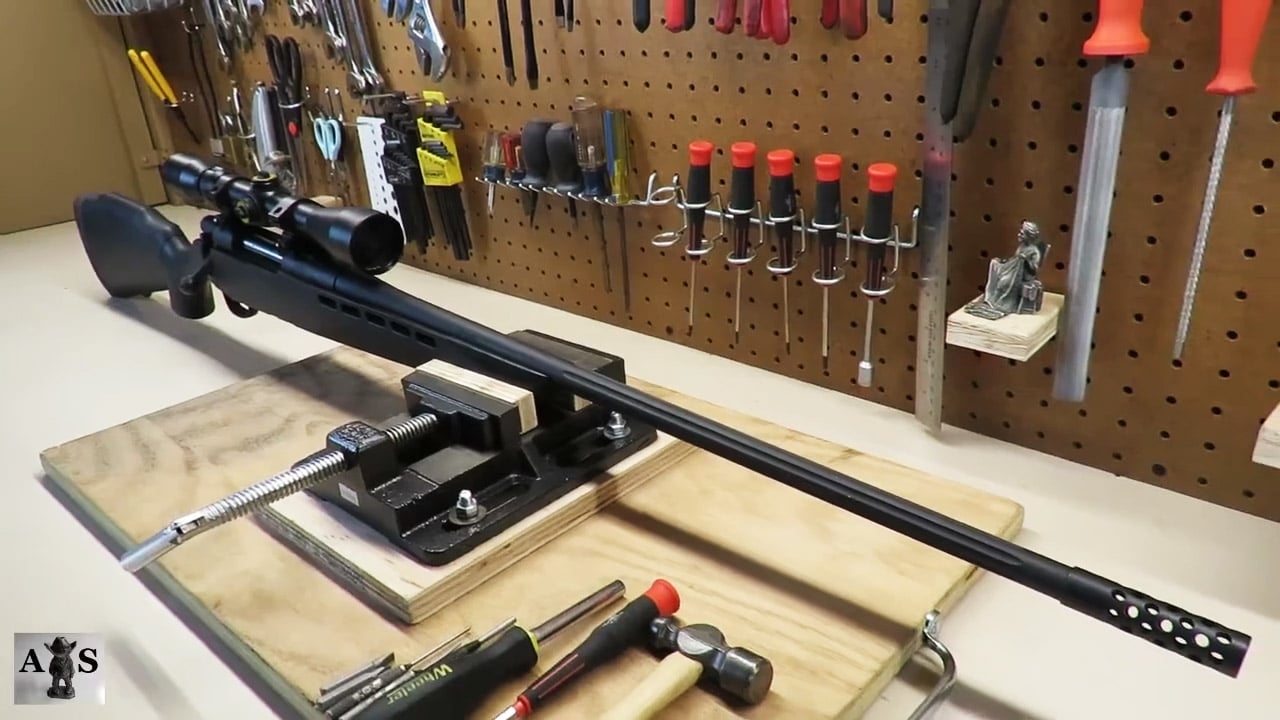
The Mossberg 4×4 looks like it should be a simple, affordable deer rifle. Some are. But the pattern a lot of folks ran into was uneven fit and finish and a rifle that feels “okay” right up until you start asking for real accuracy across different ammo.
It’s not that they can’t shoot. It’s that the experience can be uneven enough that you don’t know if you got a good one until you’ve burned time and money proving it.
4. Ruger American Rifle (early rotary magazine versions)
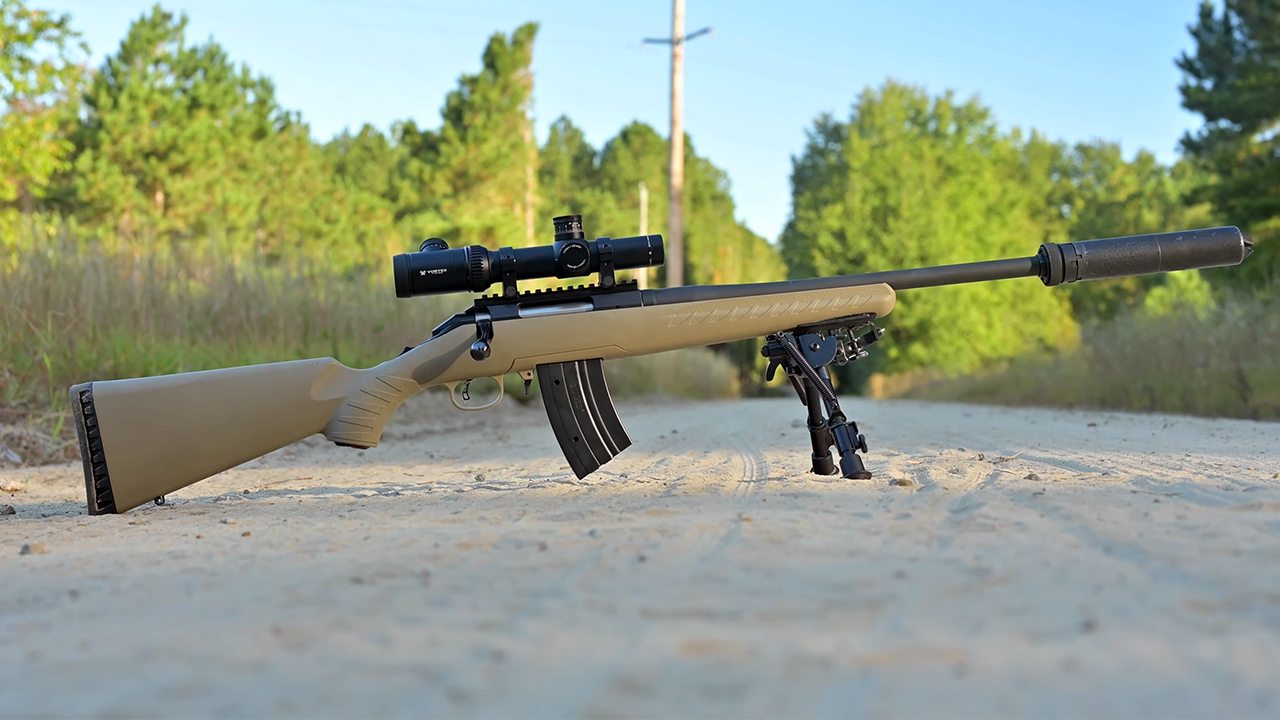
I like the Ruger American concept. Lightweight, accurate enough, not expensive. But those early rotary mag setups had a way of turning feeding into a constant little annoyance, especially when a magazine got worn or finicky.
When a rifle carries easy and shoots well, you want it to be boringly reliable. If you’re the guy who only shoots a box or two a year, magazine quirks show up at the exact wrong time. Ask me how I know.
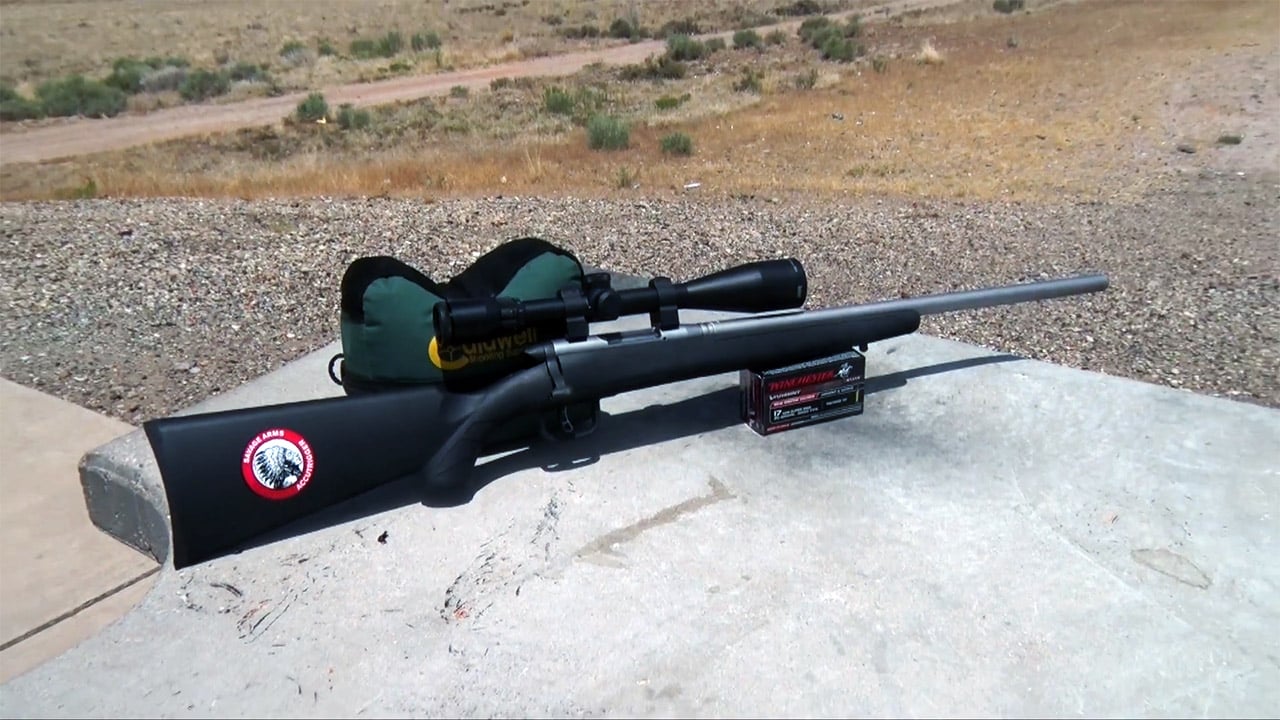
5. Savage B.Mag (.17 WSM)

.17 WSM is a cool idea for rimfire varmint work, and when it’s right it is flat and fast. The B.Mag, though, has a reputation for feeling cheap in the hands, and the accuracy can be all over the map depending on the individual rifle and ammo lot.
Then you add rimfire realities: ammo availability and consistency. It’s a rifle/cartridge combo that can be a blast, but it can also turn into a constant tinkering session when all you wanted was to smoke ground squirrels.
6. Henry US Survival AR-7
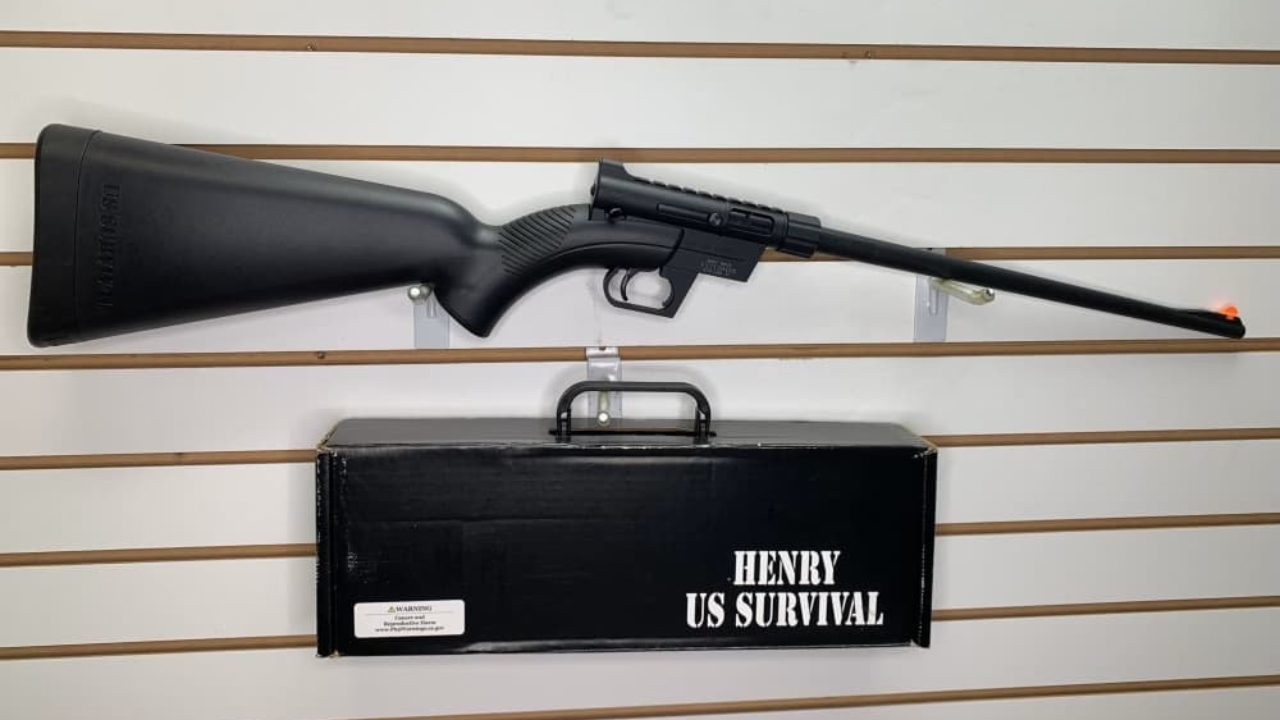
The AR-7 is one of those rifles everybody thinks they need until they actually shoot one a bunch. It packs down neat, it floats, it’s light. And then you deal with a trigger that’s nothing to write home about, and reliability that can be picky with magazines and ammo.
For a “survival” gun, the expectation is simple: it should run. When your .22 is the gun you’re counting on for small game, you don’t want to be diagnosing feeding issues in camp.
7. Chiappa Little Badger

Single-shot .22s are supposed to be uncomplicated fun. The Little Badger is definitely light and handy, but it can feel like a minimalist experiment more than a real rifle you’ll enjoy shooting for long stretches.
There’s also the reality of how it carries and points. Some folks love the stripped-down vibe. Others discover it’s awkward to shoot well and uncomfortable enough that it stays in the closet.
8. Kel-Tec SU-16 (early production)
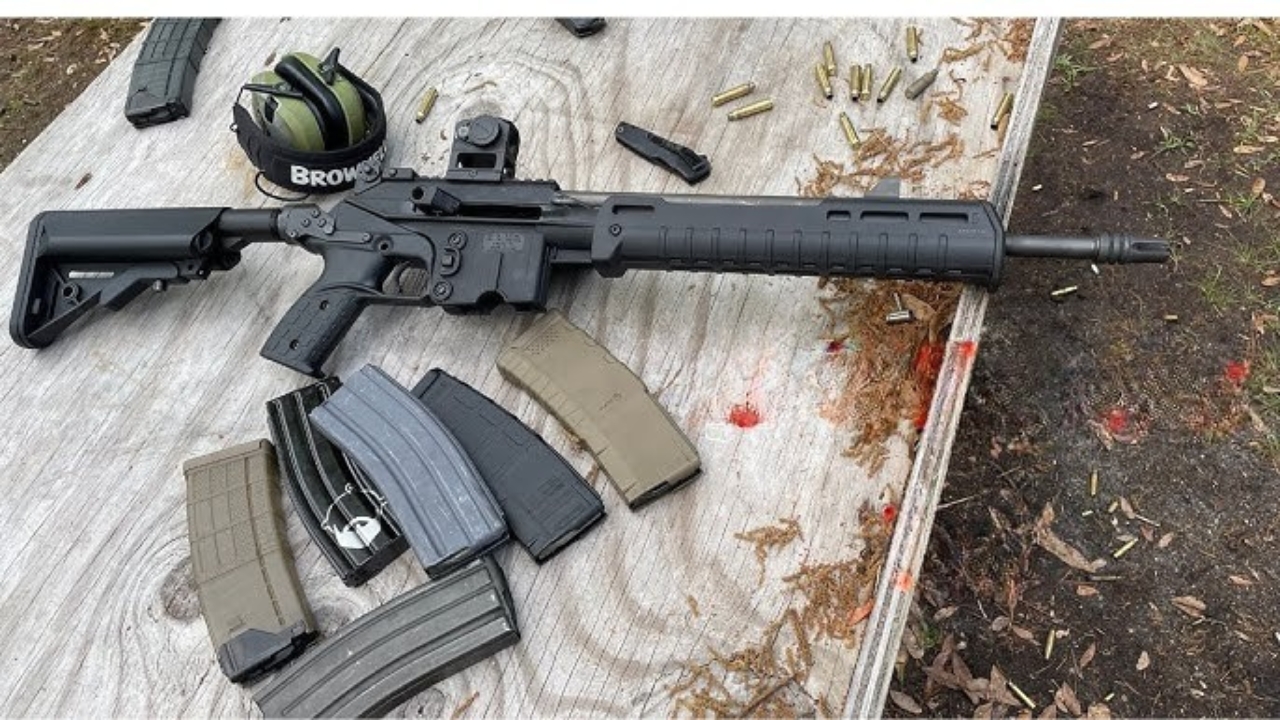
The SU-16 is a clever concept: light, folding-ish, takes AR mags. But “clever” sometimes comes with “quirky,” and early guns especially could be picky about heat, flex, and consistency once you start running it like a normal semi-auto rifle.
If your goal is a rifle that feels solid, the SU-16 can disappoint. It’s not automatically junk, but it’s one of those designs where you either accept its personality or you end up trading it off.
9. Smith & Wesson M&P15 Sport (first generation)
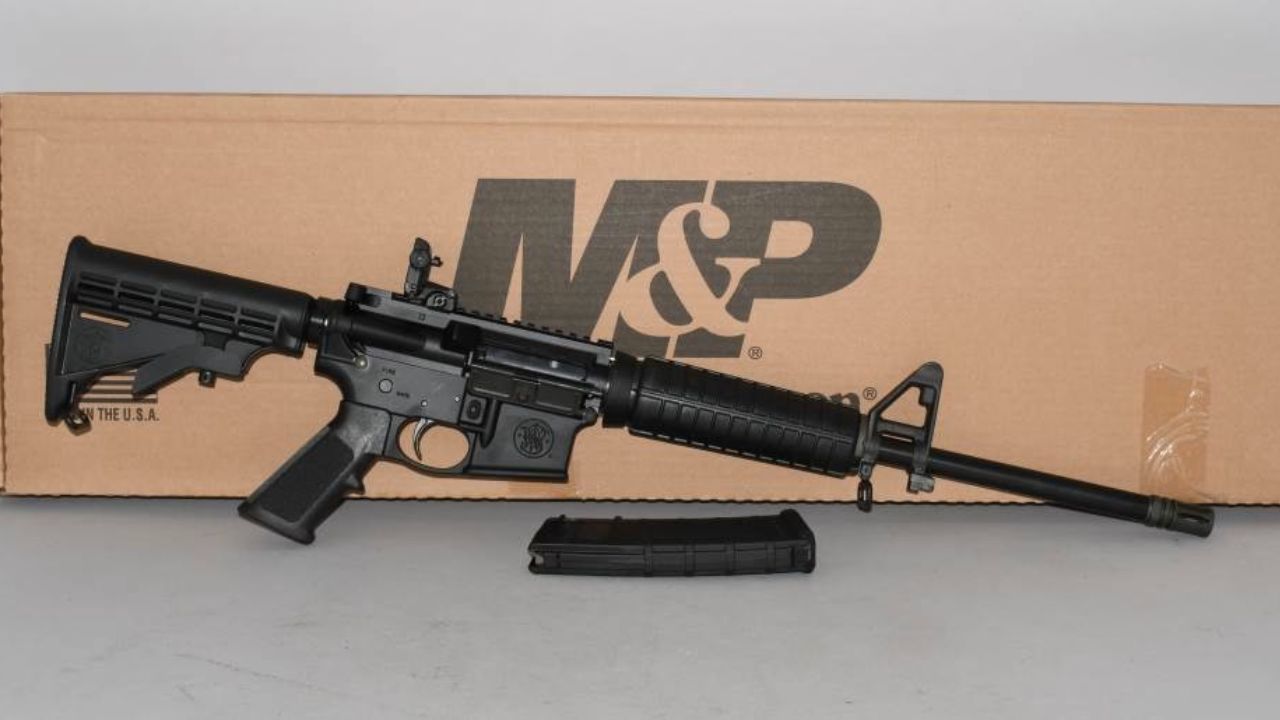
The original Sport put a lot of folks into an AR for not much money, and that’s a good thing. The “problem” shows up when buyers think entry-level means it’ll take the same beating and upgrades as higher-end guns without any tradeoffs.
Depending on the use, you might run into limitations on features and longevity, and then the upgrade itch starts. A budget AR can be great, but the path from “cheap rifle” to “rifle I trust” can get expensive fast.
10. DPMS Oracle

The Oracle has probably put plenty of rounds downrange, but it also has a history of being inconsistent from rifle to rifle. I’ve handled some that were fine and some that felt like they were assembled on a Friday afternoon.
When you’re sorting out AR issues, you can burn a lot of ammo and time chasing the problem. Is it the gas system? Is it the extractor? Is it magazines? The Oracle is one of those rifles that can teach you more about troubleshooting than you wanted to learn.
11. Century Arms C39V2

The C39V2 was attractive because it was a U.S.-built AK you could actually find. The problem is the AK crowd pays attention to things like metallurgy and long-term wear, and this rifle caught heat for good reason.
When an AK starts showing unusual wear patterns, it’s not a “maybe” problem. It’s a stop-and-think problem. The whole point of an AK is confidence through simplicity. If that confidence is gone, so is the reason to own it.
12. I.O. Inc. Hellpup AK Pistol (and related builds)

Short AKs are loud, flashy, and fun for about ten minutes. Then the real world shows up: reliability, parts quality, and the fact that the shorter you go, the more you’re leaning on good engineering to keep it running.
Some of these builds developed a reputation for questionable QC. If a rifle is hard to trust, it doesn’t matter how compact it is. It becomes a range toy you don’t enjoy because you’re always waiting for the next issue.
13. SIG Sauer SIG516 (early heavy, overbuilt configurations)
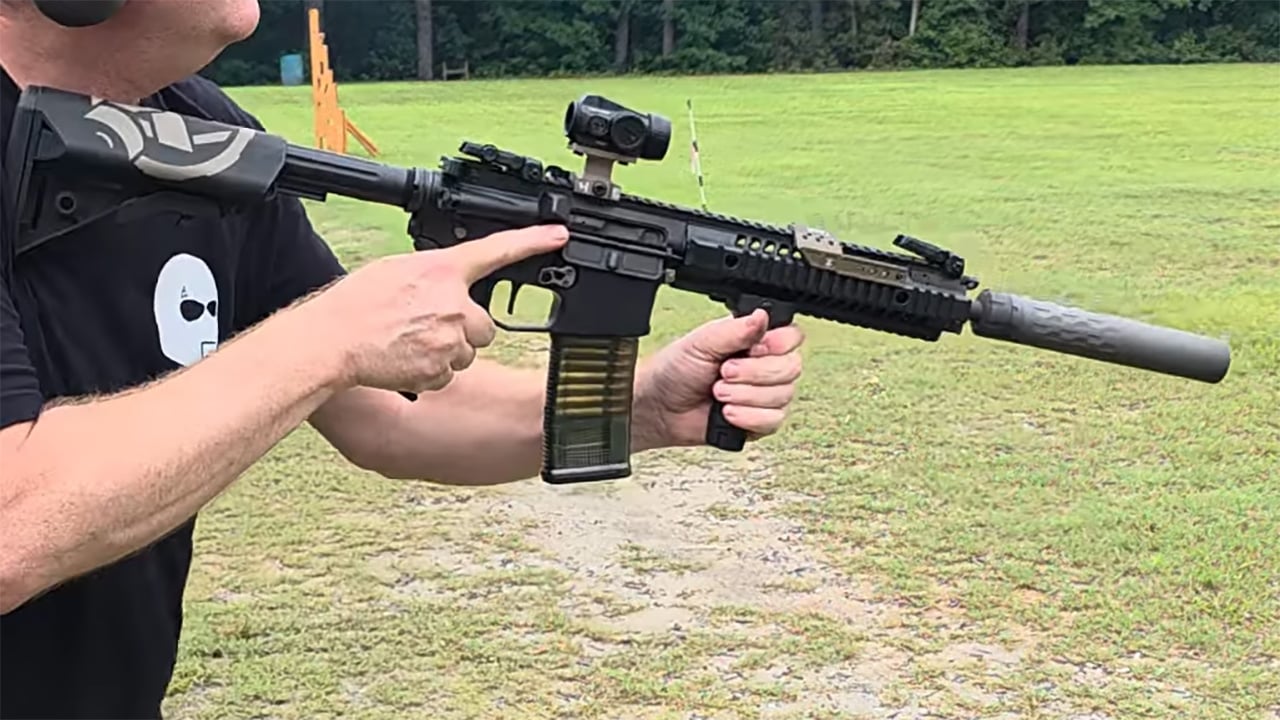
The 516 can be a solid piston AR, but some versions feel like carrying a cinder block compared to the lightweight guns most of us prefer now. Add in a system with more proprietary parts than a basic DI AR, and ownership gets complicated.
When something needs replaced, you’re not always grabbing whatever is on the shelf at the local shop. If you like piston guns and accept the weight, fine. If you bought it expecting it to feel like a featherweight carbine, that one hurts.
14. Bushmaster Carbon 15

The Carbon 15 line has been around in different forms, and the idea was always “lighter AR.” The trouble is, lightweight doesn’t mean much if the gun feels flimsy or starts showing problems under regular use.
Some folks have good luck with them. Others end up with cracked parts, odd wear, or a rifle that never inspires trust. In a rifle that’s supposed to be simple, that kind of doubt is poison.
15. Ruger Mini-14 (older thin-barrel rifles)
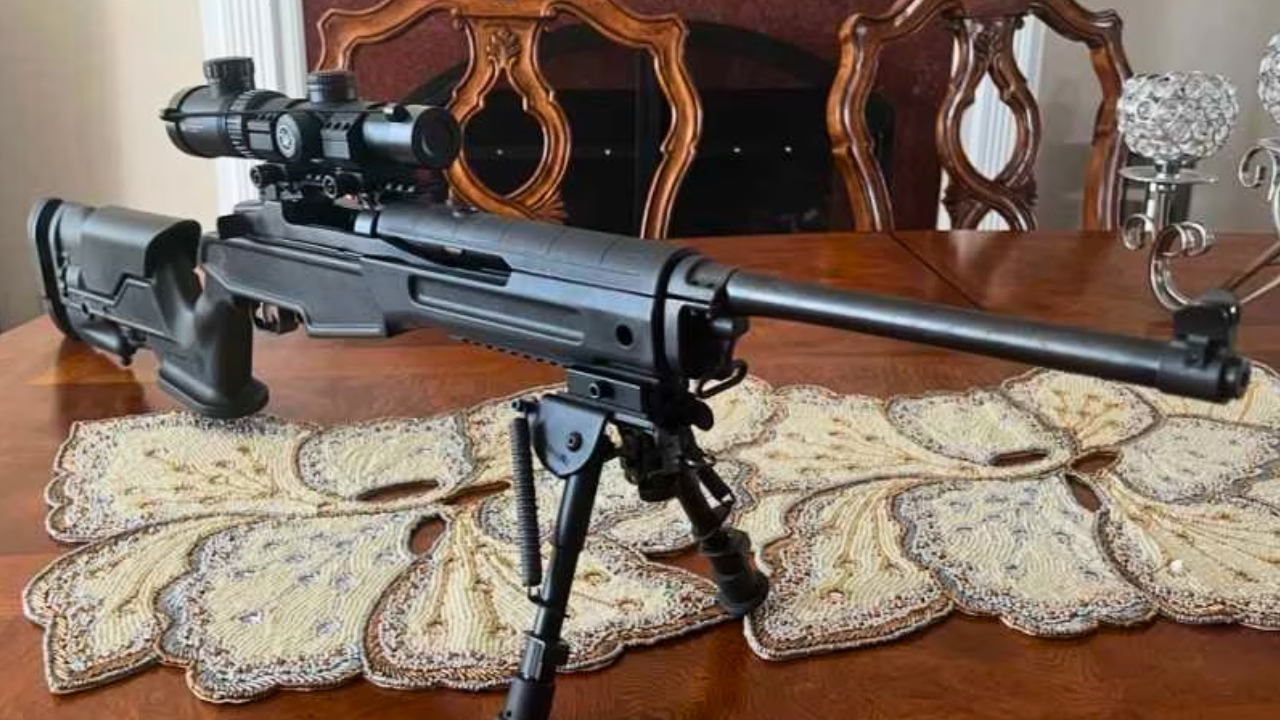
I like a Mini-14, and I get why they’re popular around farms and ranches. But the older thin-barrel guns can open up groups as they heat, and the accuracy talk gets ugly quick if somebody expects modern AR performance.
For a couple shots at a coyote or checking fence lines, it might be fine. For range days where you’re stacking rounds and expecting tight groups, it can be an aggravating rifle to “figure out.”
16. Springfield Armory M1A (standard models with modern expectations)
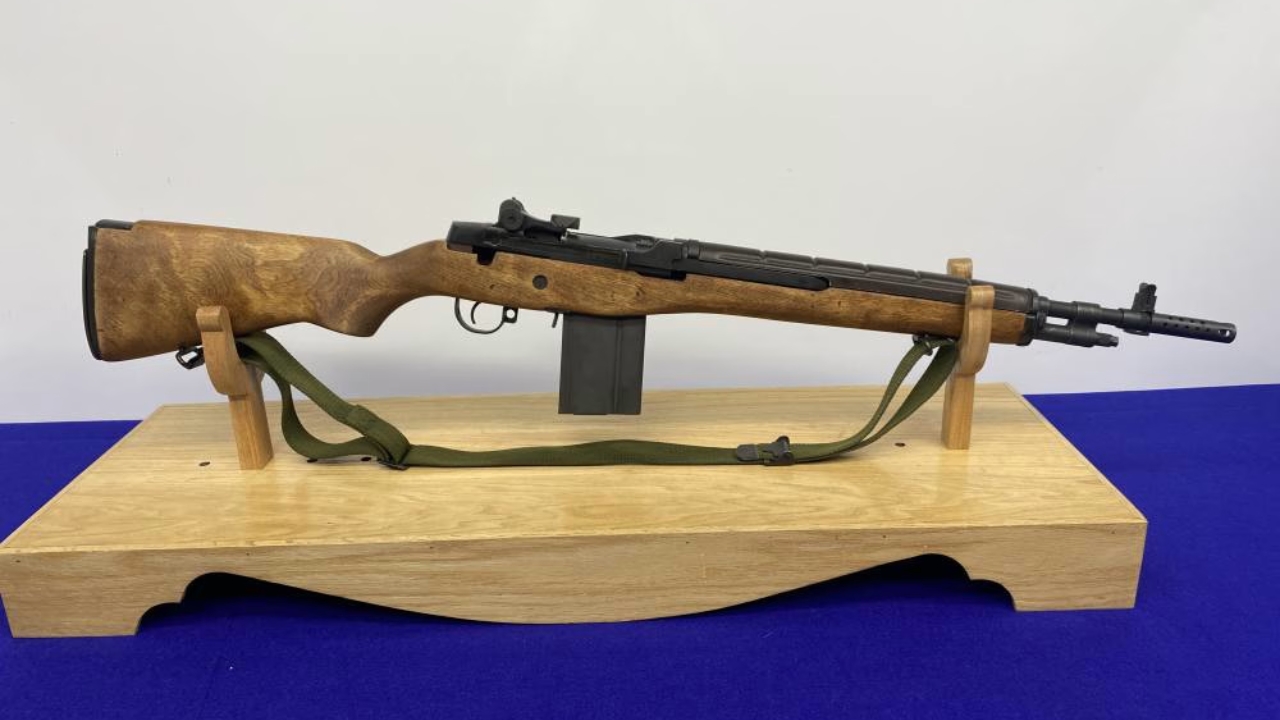
The M1A is a classic, and it points nice. It also comes with classic baggage: weight, cost, and a system that doesn’t always play nice with the “just throw an optic on it” crowd.
Mounting a scope can turn into its own project, and chasing accuracy can turn into bedding, mounts, and ammo experimentation. If you buy one because you want a simple .308 that does everything, you might end up with a beautiful, expensive safe queen.
17. Ruger Precision Rifle (heavy, real-world carry problems)

The RPR can shoot, no doubt. The problem is how many guys buy one and then realize it’s not a “grab it and go” rifle. It’s heavy, bulky, and not the kind of thing you want to drag up and down ridges all day.
Then there’s the money trail: bipods, bags, glass, and more ammo than you planned on. If you’re actually going to shoot long range, it can make sense. If you thought it was going to be your deer rifle too, reality sets in quick.
18. Christensen Arms Mesa (reported QC inconsistency)
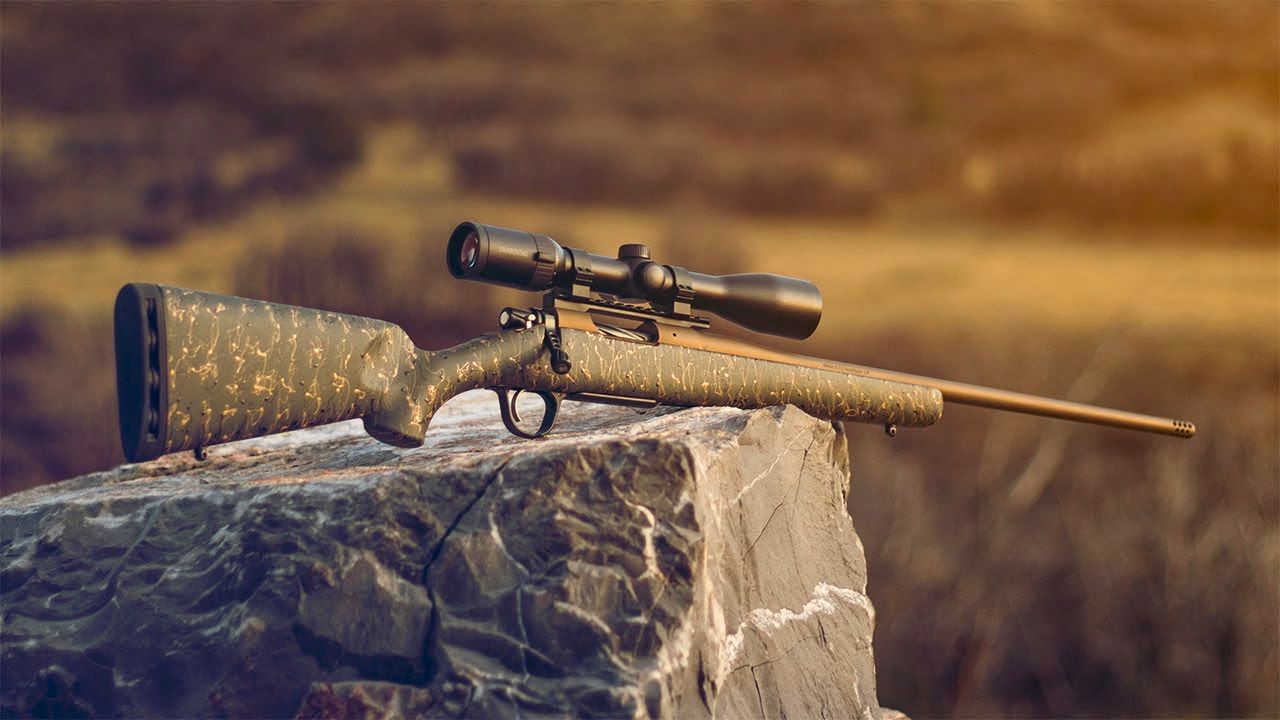
Christensen makes rifles that feel like they should be perfect: light, good-looking, modern. The rub is the stories about inconsistent QC and accuracy expectations that don’t always match what shows up in the box.
When you pay premium money, you expect premium results without a long email chain and multiple trips to the range. Plenty of them are great rifles. The problem is the buyer who gets the one that isn’t, and now you’re stuck troubleshooting a “high-end” gun.
19. Winchester Wildcat (.22 LR)
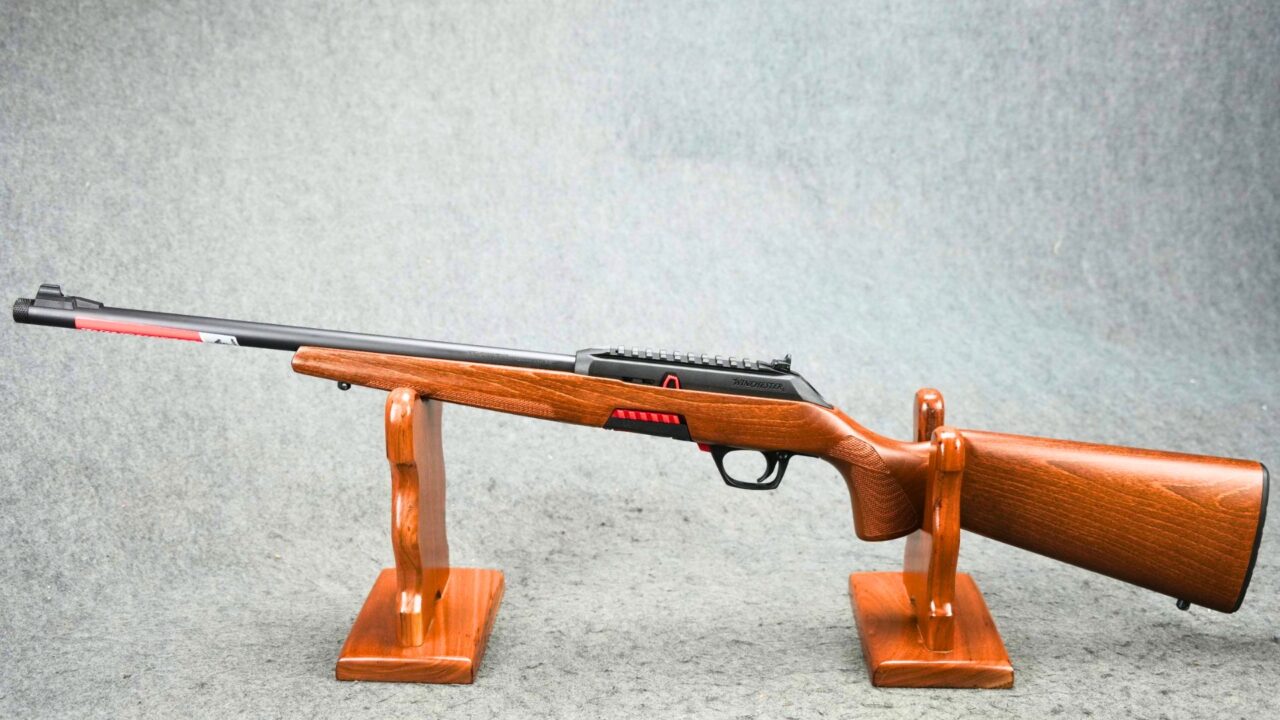
The Wildcat is clever and handy, and I like that it’s easy to take down. But some rifles end up being picky about magazines and ammo, and a .22 that’s fussy is a .22 that stops being fun.
.22s should be the most relaxing guns you own. When you’re clearing malfunctions with a kid on the line or trying to pop squirrels in the hardwoods, that charm wears off fast.
20. Rossi RS22

The RS22 is another budget .22 that draws folks in with price. And to be fair, some run fine. But “some” isn’t what you want when you’re buying a rifle for plinking, pest control, or as a first gun for a new shooter.
The usual complaints are exactly what you’d expect: inconsistent reliability, magazines that aren’t always great, and a general feel that you got what you paid for. A cheap .22 can be a deal. It can also be a frustration machine that turns range day into work.
Here’s the honest takeaway: most of these rifles aren’t dangerous by default, and not every example is a lemon. But if you want less drama, buy boring and proven, spend your money on good glass and ammo, and don’t ignore the little warning signs early on. The manual won’t tell you which rifles tend to become projects. The range usually will.
Like The Avid Outdoorsman’s content? Subscribe to our newsletter so you never miss an article.
Here’s more from us: