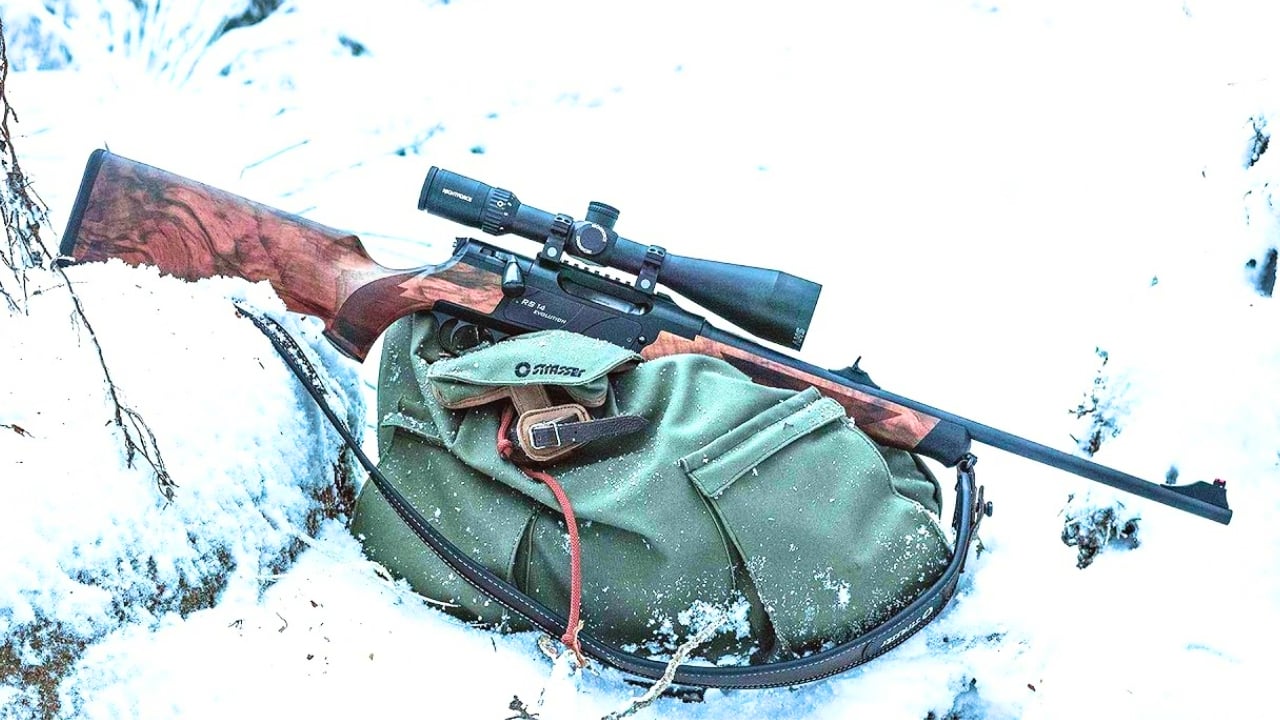
Photo credit: GUNSweek/YouTube
Some hunting rifles are technically capable but come with a list of little irritations. The stock feels cheap, the magazine rattles, the trigger needs work, the bolt is rough, or the rifle carries like a fence post. None of those problems necessarily ruin a hunt, but they can make ownership less satisfying over time.
The rifles people tend to keep are usually the ones that avoid those weaknesses. They shoot well without endless load development, feed reliably, carry comfortably, and do not immediately send you shopping for replacement parts. A good hunting rifle should eventually become something you stop thinking about because it simply works. These 20 rifles have the kind of balanced design and dependable performance that rarely leave owners wondering why they bought them.
Benelli Lupo
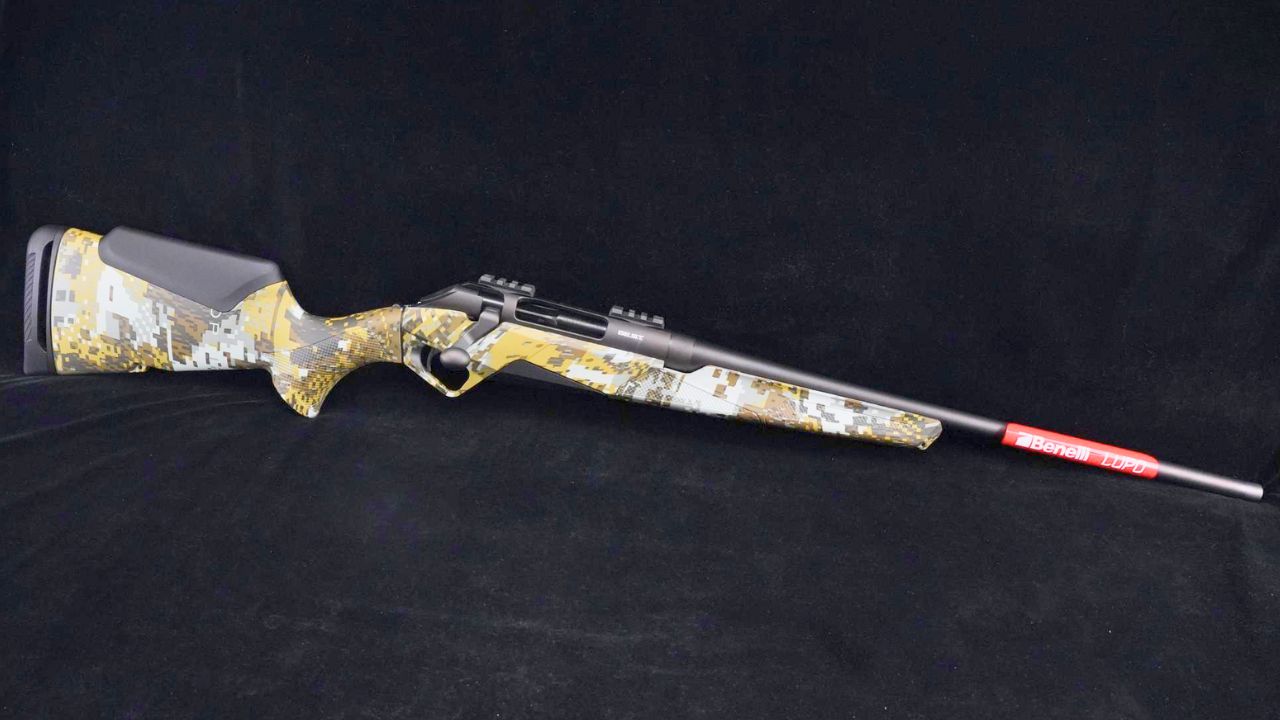
The Lupo is one of those rifles that feels like Benelli approached bolt-action design without feeling obligated to copy everyone else. The stock is highly adjustable, the recoil-reduction features actually matter in harder-kicking chamberings, and the action feels much more refined than buyers unfamiliar with Benelli rifles may expect. The rifle also has a distinctive shape without letting styling interfere with basic hunting ergonomics.
What owners tend to appreciate is how complete the package feels. Length of pull, comb height, and cast can be adjusted without turning the rifle into a chassis gun, and the trigger is good enough that most hunters will leave it alone. It is not the cheapest hunting rifle available, but there are very few obvious reasons to start replacing parts once you own one.
Sako 90 Hunter

The Sako 90 Hunter takes the traditional walnut hunting rifle and updates the parts that actually benefit from modernization. The action is smooth, the trigger is adjustable, and the magazine and feeding system feel properly engineered rather than added as an afterthought. It also retains the balance and handling that make a traditional sporter enjoyable to carry.
That refinement is why owners rarely have much to complain about. The rifle does not depend on an aftermarket stock or trigger to feel finished, and the machining is consistently excellent. You pay more than you would for an ordinary production rifle, but at least the money is obvious in the places you interact with constantly. Mount good glass, find ammunition it likes, and the Sako is very easy to leave alone.
Heym SR30

The SR30 uses a straight-pull action that looks unusual to shooters raised entirely on conventional turn-bolt rifles. Once you use it, though, the design starts making a lot of sense. The action cycles quickly, locks securely, and keeps the rifle feeling compact and efficient without resorting to a tactical layout.
The gun also has the kind of European fit and finish that becomes more noticeable over time. The trigger is excellent, the stock is comfortable, and the rifle balances naturally from field positions. Straight pulls are not for everyone, but there is very little mechanically crude about the SR30. Owners who adapt to the action often end up trusting it completely because the rifle combines speed with the consistency of a serious hunting bolt gun.
Nosler M48 Liberty
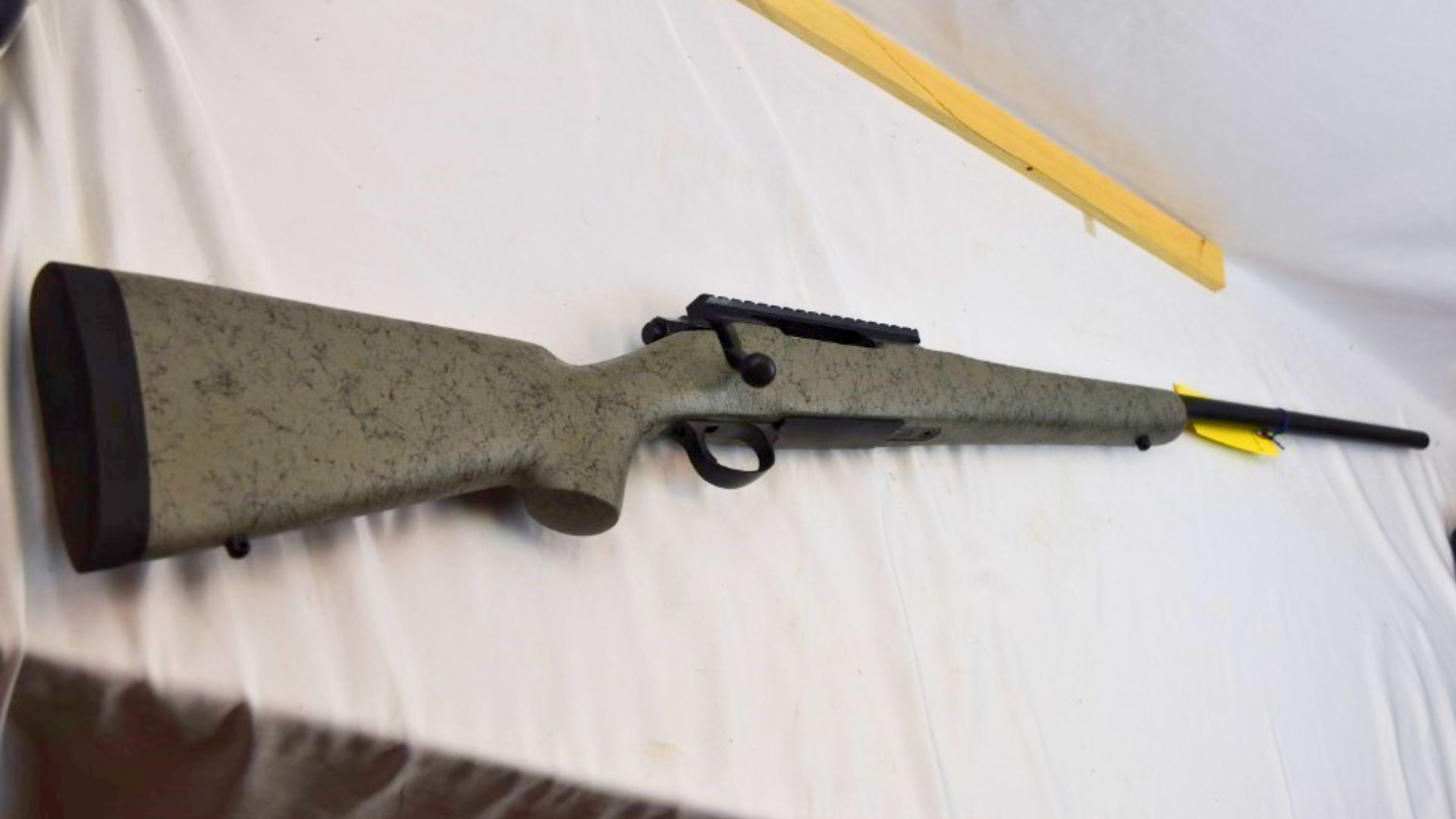
The M48 Liberty never became as common as mainstream hunting rifles, but it offered a strong action, quality barrel, and solid synthetic stock in a package aimed squarely at hunters who wanted something better than entry level without crossing into full custom pricing.
The rifle’s biggest strength is that it never feels like a foundation waiting for upgrades. The trigger is good, the stock is rigid enough for serious use, and accuracy is usually exactly what hunters expect from the Nosler name. It may not generate much attention compared with newer ultralight designs, but that works in its favor on the used market. A clean Liberty can be a remarkably complete hunting rifle with very few weak spots.
Steyr SM12
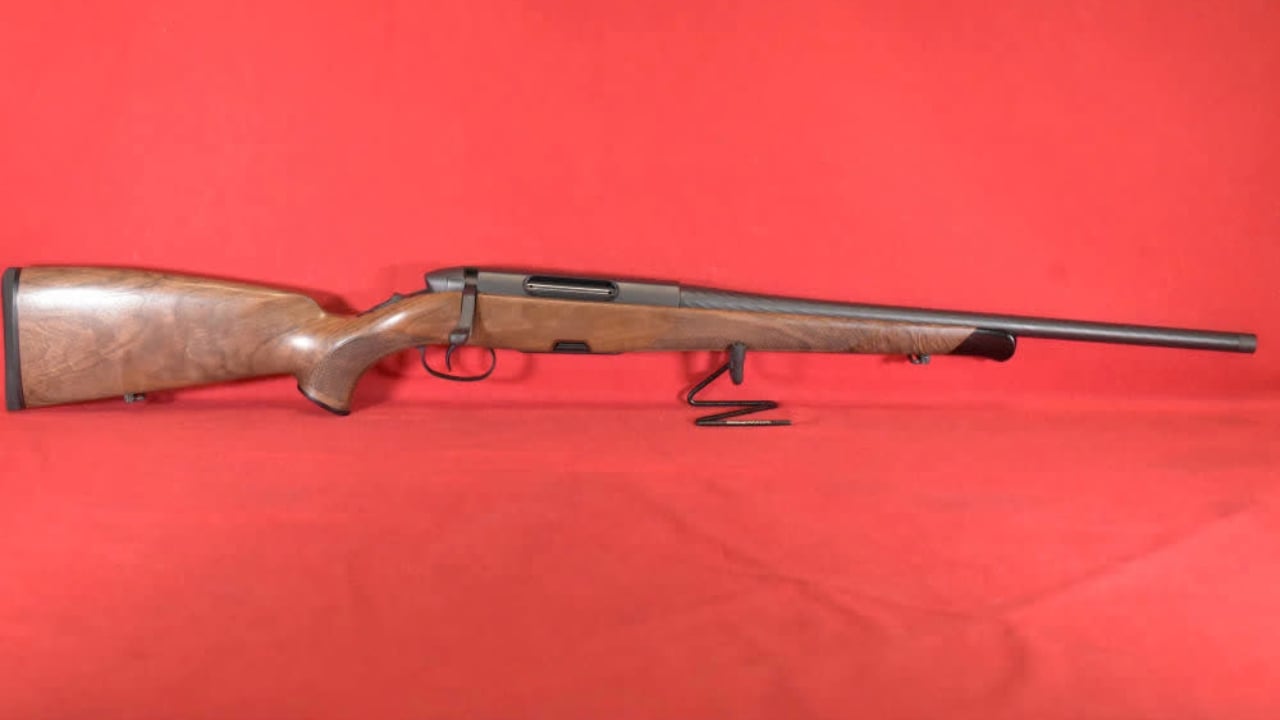
The SM12 is built with the kind of quiet refinement Steyr does extremely well. The action is smooth, the rifle balances properly, and the trigger system provides the sort of clean break that makes deliberate field shooting much easier. Everything feels designed around hunting rather than marketing features.
That becomes especially valuable after several seasons. There are no flimsy controls or cheap-feeling components constantly reminding you where money was saved. The rifle shoulders consistently, feeds cleanly, and gives the owner very little reason to start modifying it. The SM12 is not inexpensive, but it is the kind of premium rifle that earns its price by reducing frustration rather than simply adding decoration.
Winchester 1885 High Wall

The 1885 High Wall is about as mechanically straightforward as a centerfire hunting rifle can get. The falling-block action is exceptionally strong, allows a long barrel without making the rifle excessively long overall, and removes the magazine and feeding issues that repeaters sometimes introduce.
That simplicity builds confidence. You load one round, close the action, and concentrate on making the shot. The rifle is not meant for hunters who demand instant follow-ups, but for deliberate deer or antelope hunting it is remarkably satisfying. Owners tend to complain more about carrying heavy examples than about reliability or accuracy. If the single-shot format fits your hunting style, there is very little in the basic design to cause trouble.
Merkel RX Helix
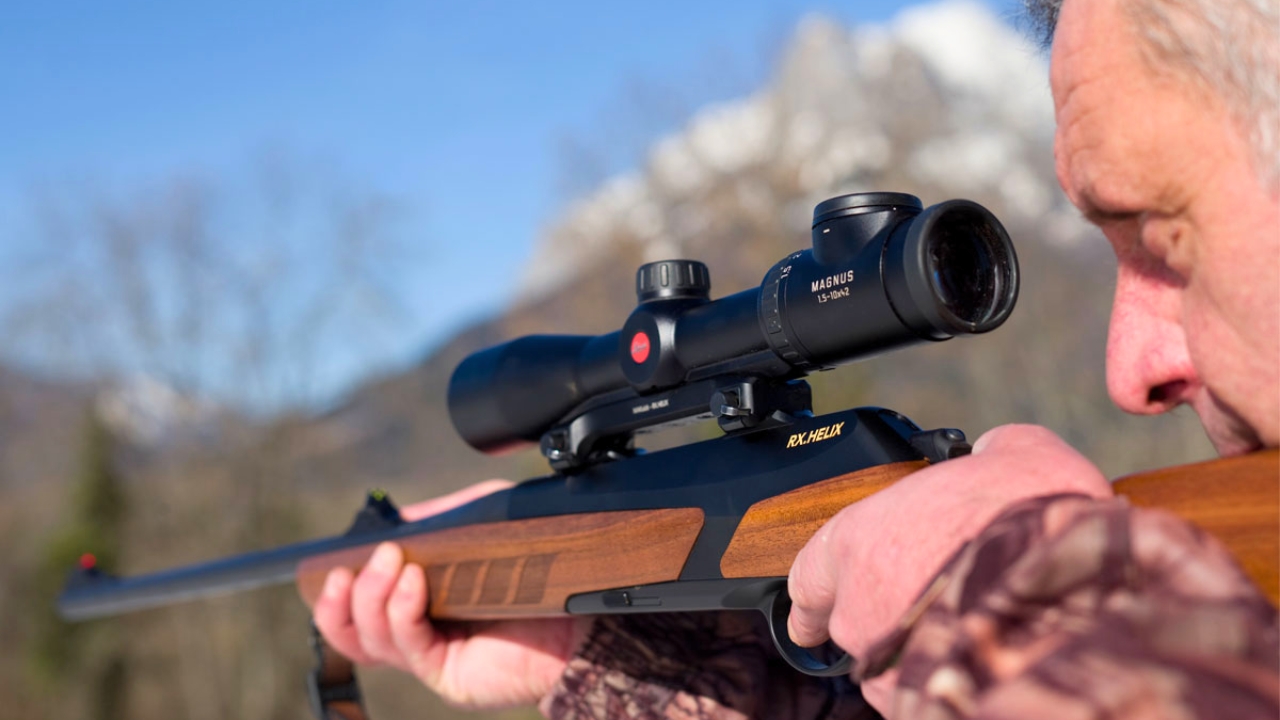
The RX Helix is another straight-pull rifle that prioritizes fast cycling without sacrificing the look and balance of a traditional hunting rifle. The bolt movement stays enclosed within the receiver, helping keep overall operation compact and smooth.
Its biggest advantage is how polished everything feels together. The rifle shoulders naturally, cycles extremely quickly, and offers a trigger that rarely gives owners a reason to start shopping for alternatives. The system is more complicated than a basic bolt rifle and certainly costs more, but the execution is strong enough that those complexities do not dominate the ownership experience. Hunters who want a fast second shot without moving to a semiautomatic often find very little to dislike.
Strasser RS 14 Evolution
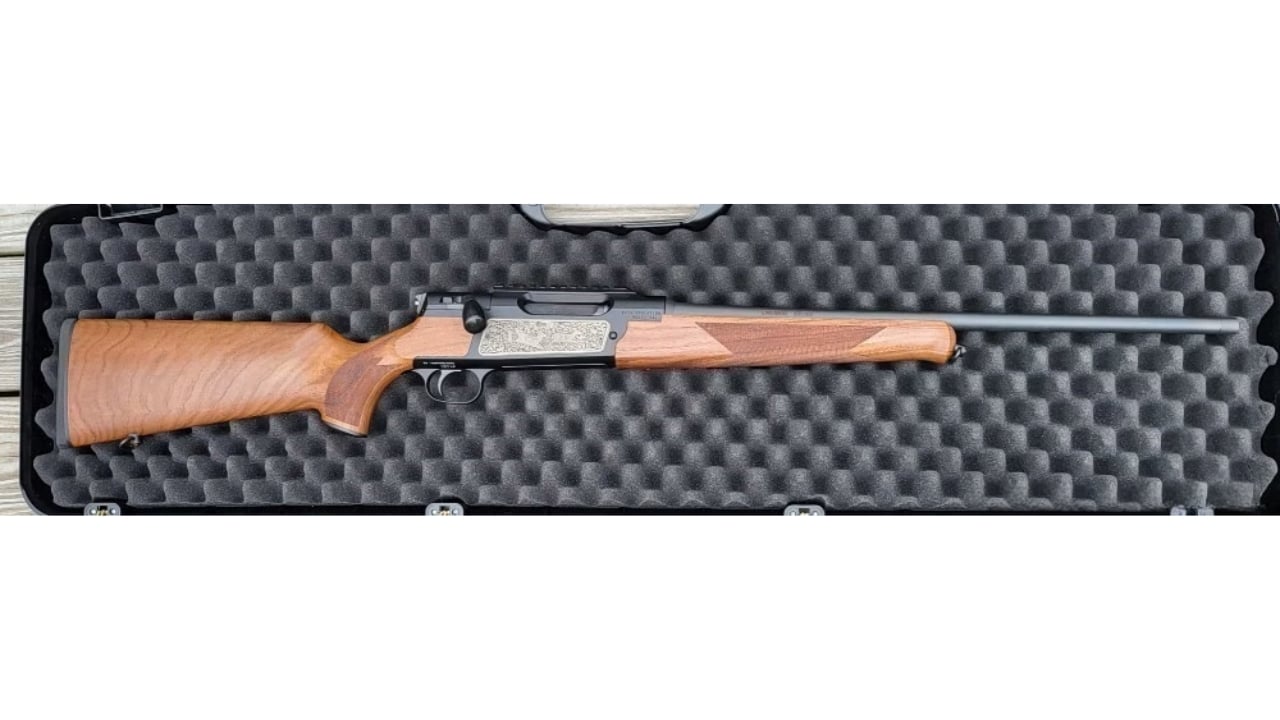
The RS 14 Evolution is built around modularity, but unlike many modular rifles, it does not feel like the modular features took priority over basic hunting ergonomics. The straight-pull action is fast, the stock remains comfortable, and caliber changes are integrated into a system that feels deliberate rather than improvised.
Owners who actually use the modularity get tremendous flexibility, but even as a single-caliber rifle it stands on its own. The trigger is excellent, the action runs smoothly, and the rifle carries well enough to avoid feeling like a bench gun. It is expensive, but it is also the kind of rifle where the engineering gives you fewer things to complain about instead of simply giving you more features to manage.
Haenel Jaeger 10
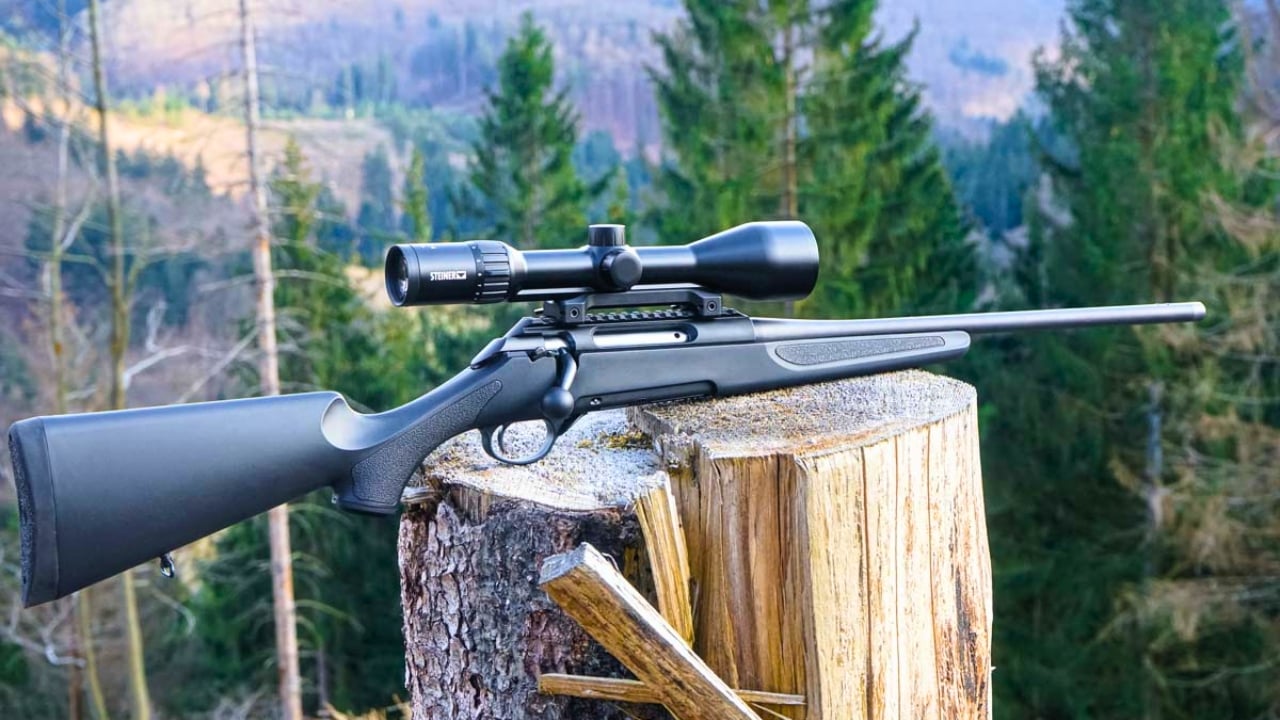
The Jaeger 10 is easy to overlook because Haenel does not have the same recognition among American hunters as Sako, Browning, or Weatherby. The rifle itself deserves more attention. It has a smooth conventional bolt action, good trigger, and European stock geometry that works well from standing, kneeling, and supported hunting positions.
The design is refreshingly free of gimmicks. It is simply a well-made hunting rifle with solid metalwork and practical controls. That can make it especially attractive to someone tired of paying for features they never use. The Jaeger 10 feels mature rather than trendy, and owners tend to appreciate that more as time goes on. There is very little about the rifle that demands correction.
Kimber 8400 Montana

The 8400 Montana was built for hunters who wanted low weight without making the rifle feel like a disposable ultralight. The synthetic stock is stiff, the controlled-round-feed action is robust, and the rifle carries extremely well over long distances.
The reason owners often stay attached to them is that the weight reduction does not come from one obvious weak point. The rifle still feels like a serious hunting tool. In sensible chamberings it is accurate enough for difficult shots, and the stock handles poor weather without drama. Lightweight rifles can be harder to shoot well from unsupported positions, but once a hunter learns the Montana, there is very little reason to replace it with something newer simply because carbon fiber became fashionable.
Blaser R8 Professional
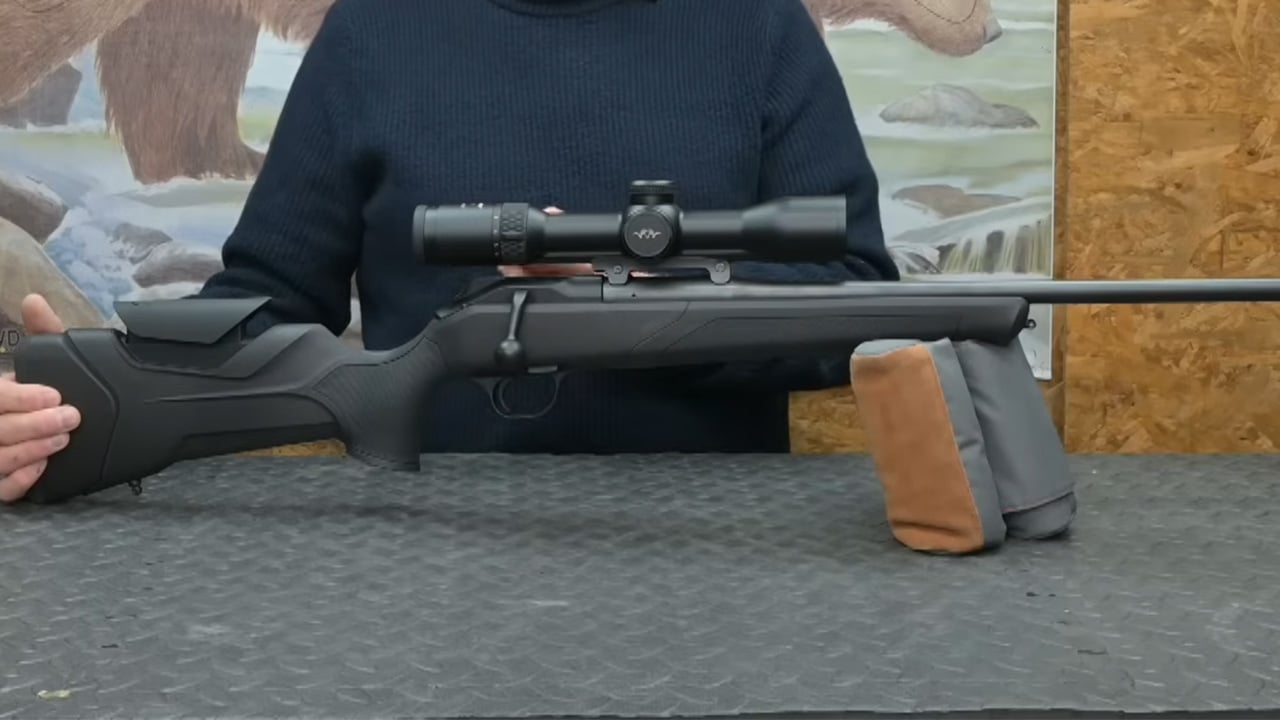
The R8 Professional is expensive, but it is also one of those rifles where owners tend to understand the price after living with it. The straight-pull action is incredibly fast, the rifle is compact for its barrel length, and the modular barrel and bolt-head system allows one platform to cover multiple hunting roles.
What matters more is that none of that modularity makes the rifle feel awkward. The trigger is excellent, the stock is practical, and the rifle feeds with the kind of consistency expected at this price. There are cheaper ways to hunt almost anything, but R8 owners rarely complain that the rifle itself feels poorly thought out. The biggest objection is usually cost rather than performance.
Springfield Model 2020 Redline
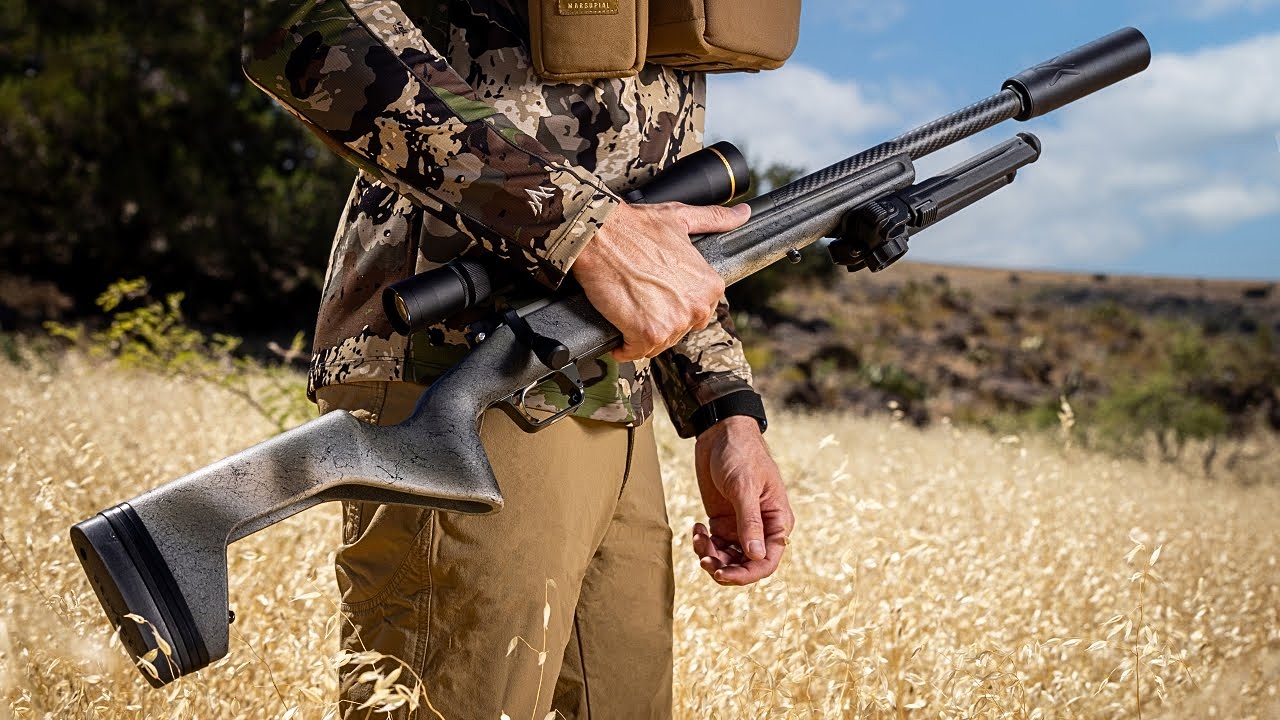
The Redline combines lightweight hunting-rifle thinking with a more positional, adjustable stock setup than most traditional sporters. The carbon-wrapped barrel and compact chassis-style stock help keep the rifle manageable while still giving the shooter a consistent position behind the scope.
That makes it particularly useful for hunters who alternate between carrying long distances and taking supported shots from prone, packs, or shooting sticks. The rifle is not cheap, but the factory configuration eliminates much of the reason to start modifying it. It already has the features many owners spend significant money adding later. If you want a modern hunting rifle without building one piece by piece, the Redline makes ownership relatively painless.
Browning Maral
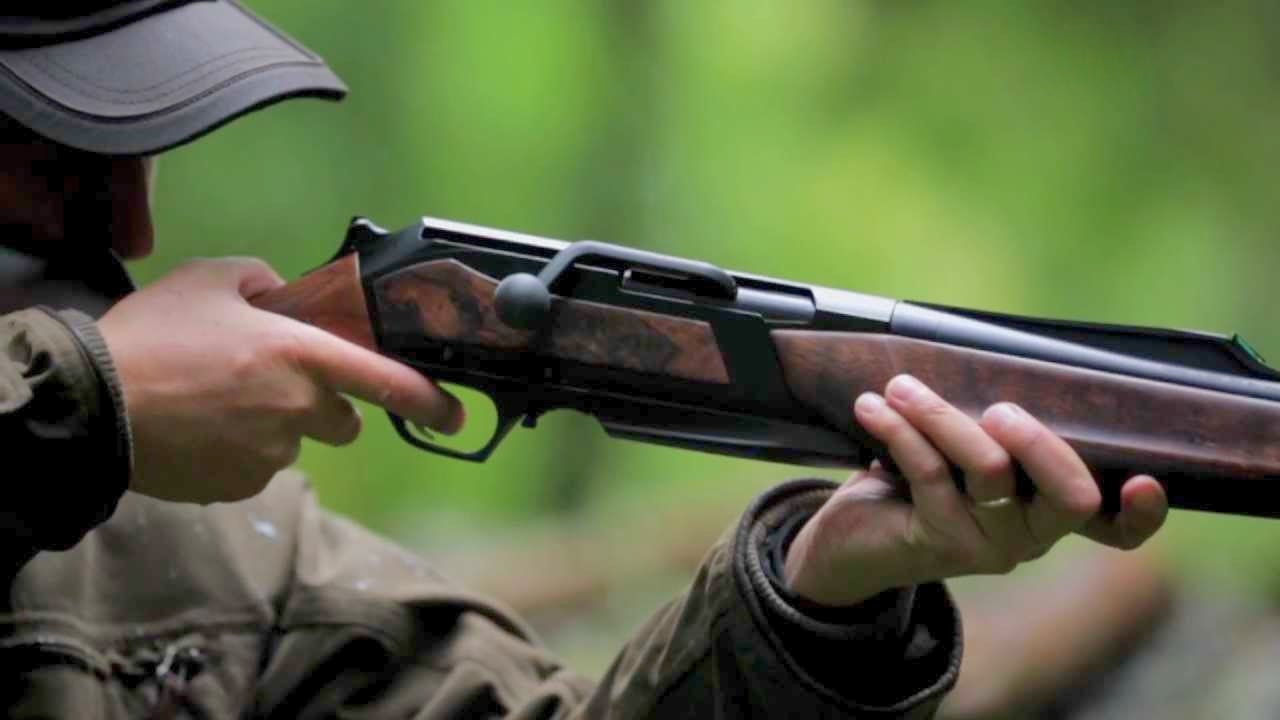
The Maral takes Browning’s hunting-rifle experience in a very different direction by using a fast straight-pull system designed for quick repeated shots. It is especially popular where driven hunting is common, but the basic advantages translate anywhere quick cycling matters.
What owners appreciate is that speed does not come at the expense of traditional handling. The stock still feels like a hunting rifle, the trigger is good, and the gun balances naturally rather than feeling mechanically top-heavy. It is specialized compared with a conventional bolt action, but within its role it works extremely well. The complaints tend to revolve around price and availability rather than how the rifle actually performs.
Nosler Model 48 Patriot
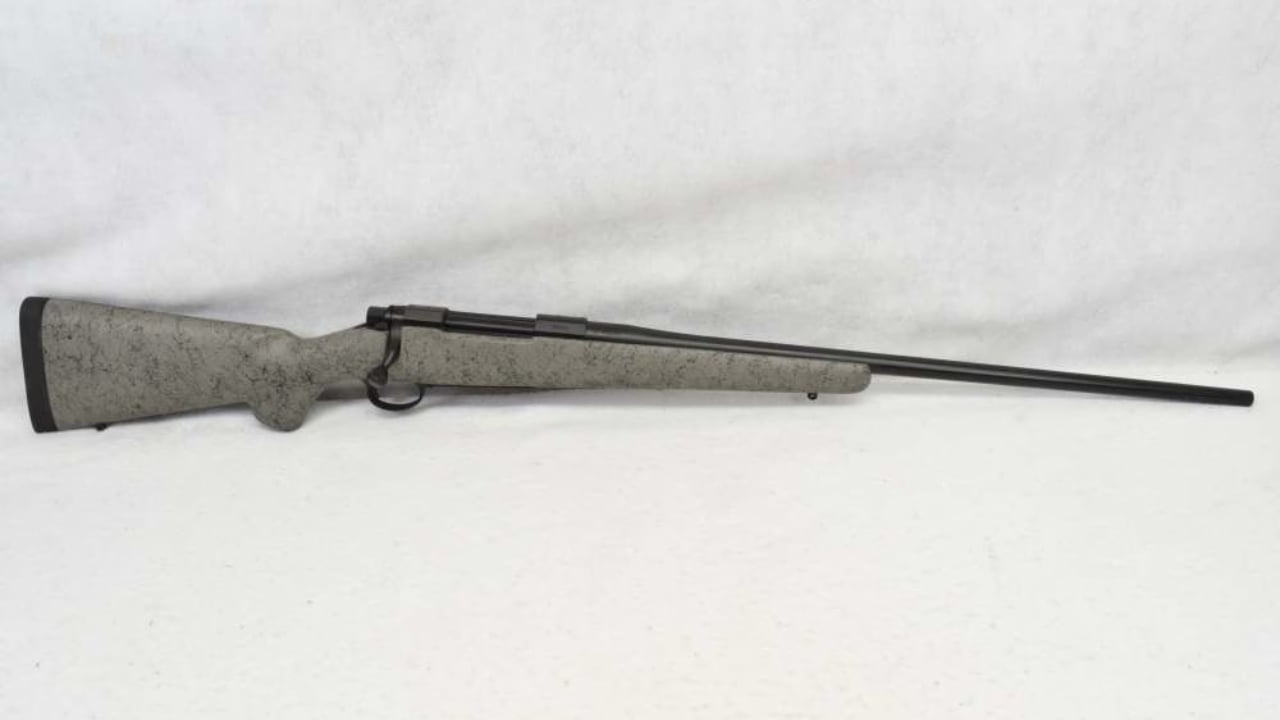
The Model 48 Patriot offered much of the same solid foundation that made other M48 rifles appealing but in a straightforward hunting configuration. The action is strong, the trigger is good, and the stock gives the rifle enough rigidity to support consistent accuracy.
That combination means the rifle rarely needs much attention beyond routine maintenance. There is no obvious cheap component encouraging immediate replacement, and the rifle was designed around practical hunting cartridges rather than chasing every trend. Used examples can be especially appealing now because the platform does not have the visibility it once did. A well-kept Patriot remains the kind of rifle you can simply zero and carry for years.
Steyr Scout II
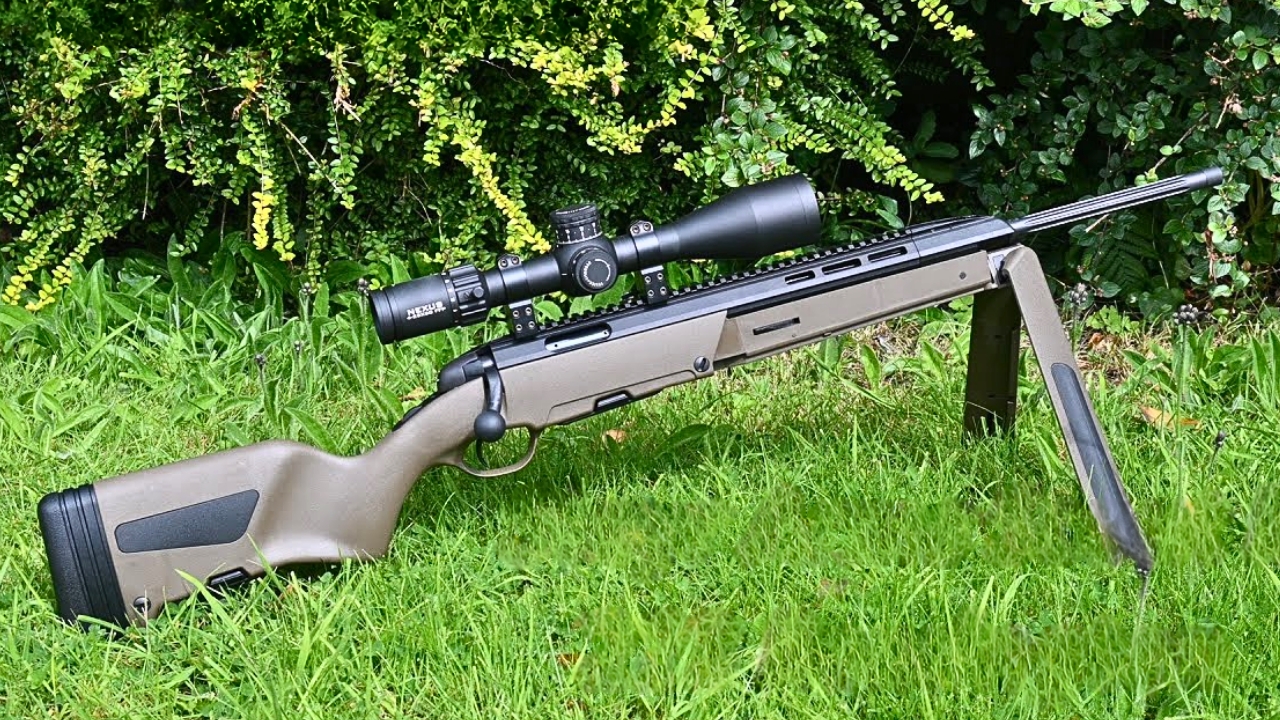
The Scout concept is not for everyone, but Steyr’s execution gives owners very few mechanical reasons to complain. The rifle is compact, light enough to carry comfortably, and designed with practical field features rather than decorative additions.
Its biggest strength is versatility. The stock incorporates useful storage and support features, the action is smooth, and the rifle can serve as a hunting gun, ranch rifle, or general-purpose bolt action without becoming overly specialized. Some shooters will never love the Scout philosophy, but those who do often keep the rifle for a long time because it handles so many tasks competently. It is more thoughtful than flashy, and that tends to age well.
Sauer 404
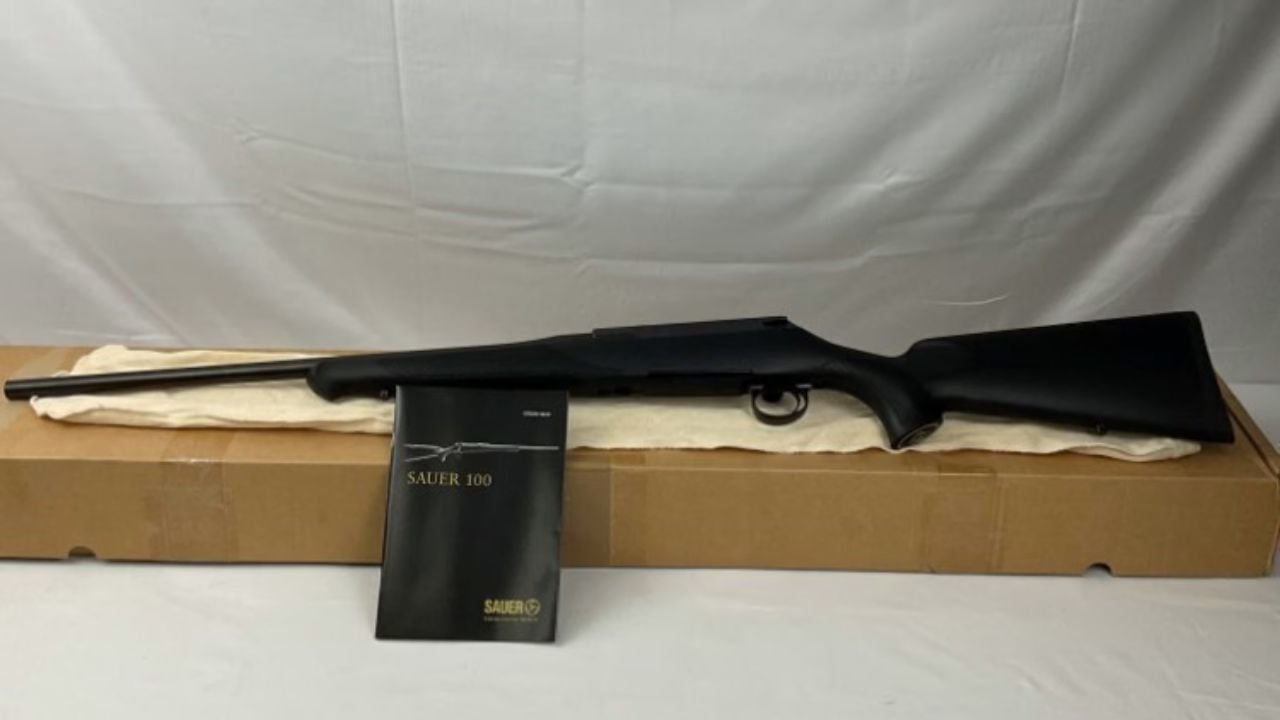
The Sauer 404 is a premium hunting rifle built around smooth operation, excellent trigger quality, and modularity that allows barrels and bolt heads to be changed without making the entire rifle feel like a mechanical experiment.
The action is exceptionally slick, and the rifle maintains the balance expected from a traditional European hunting gun. Owners can change calibers if they want, but even those who never do still benefit from the overall quality of the platform. It costs serious money, yet the rifle generally feels like the price was spent on machining and usability rather than cosmetic drama. That is why many owners complain about the purchase price once and then stop complaining about the gun.
Weatherby Mark V Hunter
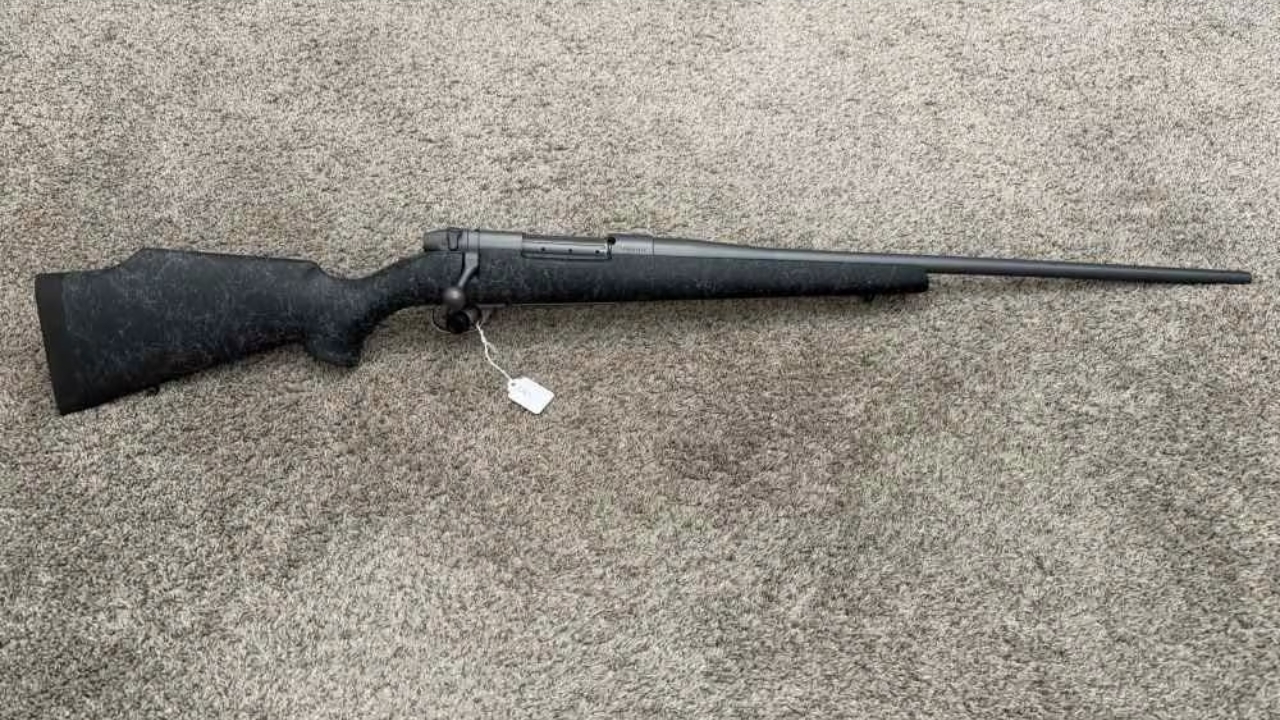
The Hunter version of the Mark V strips away some of the luxury styling associated with Weatherby while keeping the strong action and serious hunting capability. That makes it one of the more straightforward ways to own a Mark V without paying primarily for high-gloss walnut or elaborate finishes.
The rifle is still built around an action with a long reputation for strength, and the stock is designed to handle poor weather and actual field use. Owners who choose one for hunting rather than collecting generally find very little to fix. The trigger works, the rifle shoots, and the platform handles powerful cartridges confidently. It is a much more practical Mark V than some of the flashier versions.
Seekins Havak Element

The Havak Element is aimed at hunters who want a very lightweight rifle without dropping down to a flimsy-feeling economy action. Seekins uses a refined action, quality barrel, and carbon-fiber stock to keep the package light while preserving enough rigidity for serious accuracy.
That can make the rifle especially appealing to hunters who genuinely cover miles on foot. Weight savings matter much more after a long climb than they do at the gun counter. The Element is expensive, but owners tend to get what they expected: a light rifle that still feels mechanically precise. It is not a platform begging for upgrades, which helps justify the initial cost.
Mauser M98 Standard
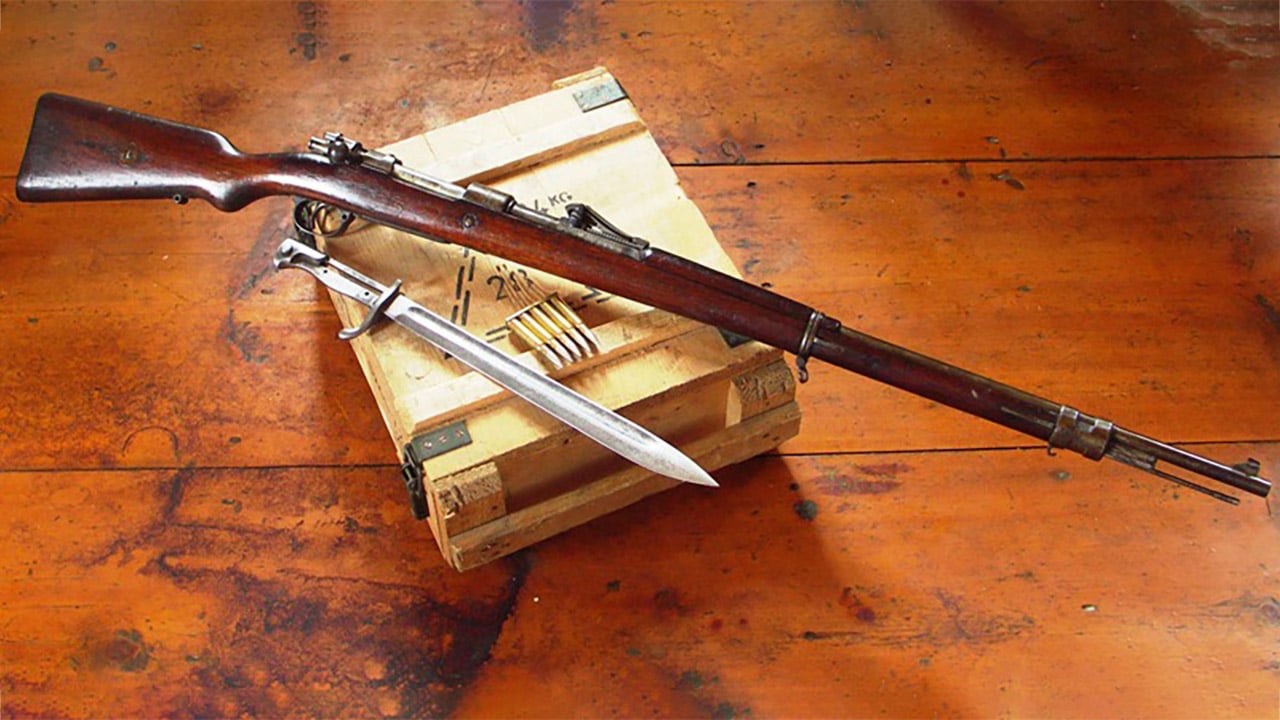
The M98 Standard is not trying to reinvent anything. It is built around one of the most proven controlled-feed action concepts ever made, paired with traditional hunting-rifle ergonomics and modern manufacturing quality.
That old-school approach is exactly why there is so little to complain about. The action is strong, feeding is positive, and the rifle feels designed for decades rather than product cycles. It is heavier and more traditional than modern ultralights, but many hunters consider that a feature rather than a flaw. Once the rifle is sighted in and the owner becomes familiar with it, there is very little reason to wonder whether the latest design would actually serve them better.
Cooper Model 54
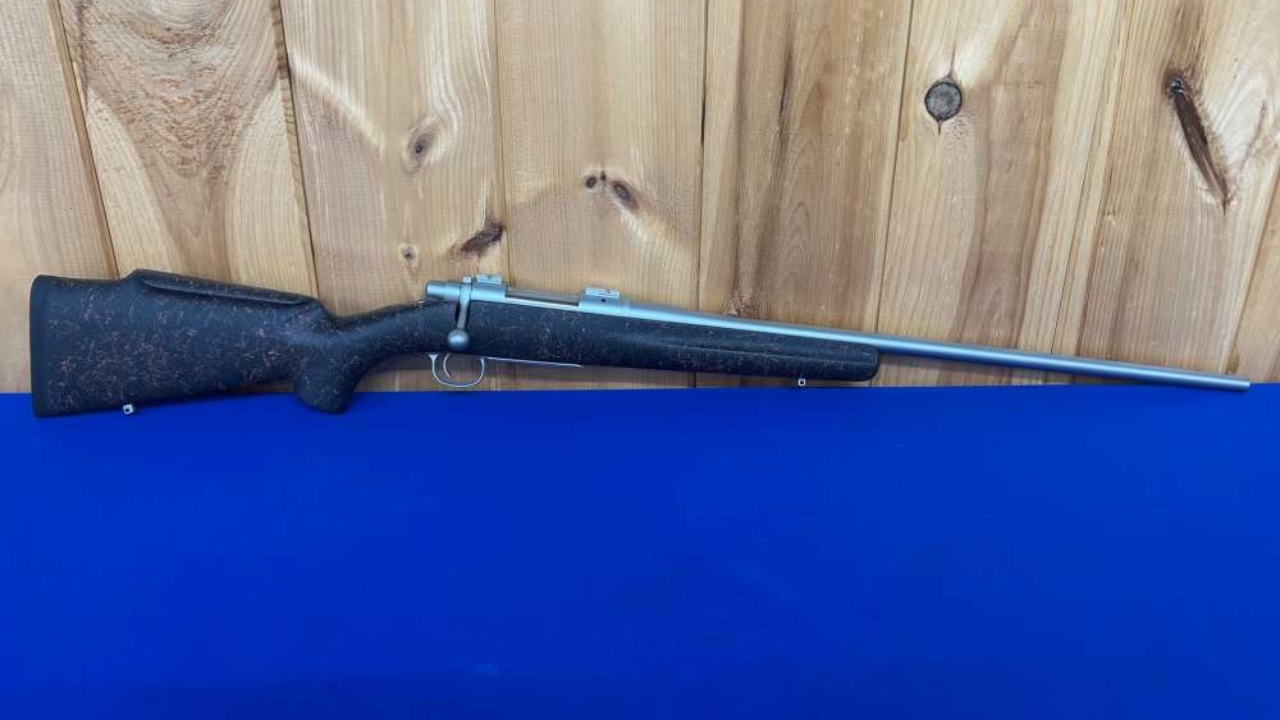
The Model 54 is built around short-action cartridges and the kind of accuracy expectations that made Cooper rifles so respected among serious hunters. The stock fit, trigger, and barrel quality all contribute to a rifle that feels finished from the moment you pick it up.
The big advantage is that the rifle does not create an upgrade list. Owners generally are not replacing stocks, triggers, or barrels because those components were already chosen to work together. It costs much more than a basic production rifle, but the money goes toward the areas that matter every time the rifle is fired. For someone who wants to buy once and stop tinkering, the Model 54 is exactly the kind of hunting rifle that rarely provides a reason for regret.
Like The Avid Outdoorsman’s content? Subscribe to our newsletter so you never miss an article.
Here’s more from us: