
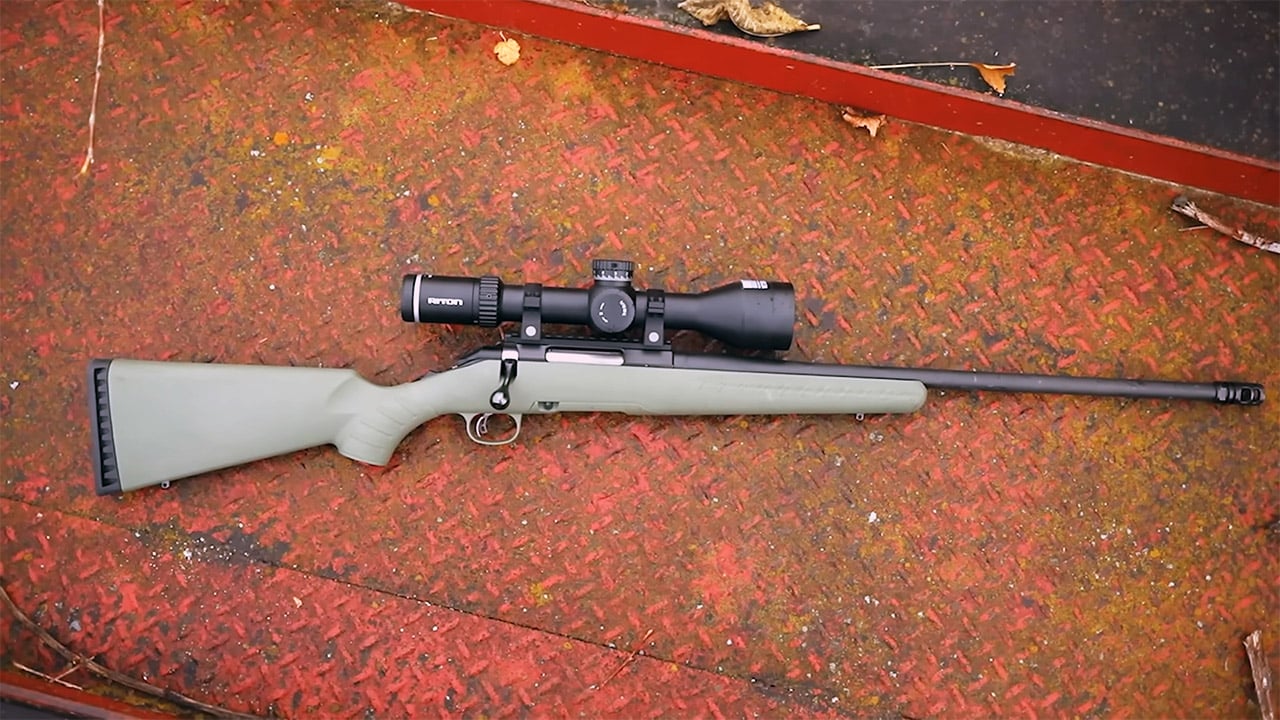
Photo credit: 1957Shep/Youtube
Every so often a rifle gets married to a cartridge in the public imagination. The ads push it, the gun writers repeat it, and pretty soon a whole model line is “the” rifle for that one round. Then regular shooters start doing regular shooter things: running different ammo, chasing better availability, trying to calm recoil, stretching effective range, or just feeding the thing what they can actually find at the local shop.
Here are 20 rifles that were marketed or commonly thought of as one-cartridge machines, but ended up making more sense—or shooting better, carrying better, or simply living a longer, more useful life—when chambered in something else.
1. Ruger American Ranch (marketed hard in 7.62×39, shines in .300 Blackout)

I’ve handled a pile of these little Ranch rifles, and the 7.62×39 version always seems like it should be a no-brainer: cheap ammo, short barrel, handy package. Then you get into the weeds with magazines and feeding. Some run like a sewing machine, some get picky, and it’s not always obvious why until you’re burning range time.
In .300 Blackout, the same rifle tends to feel more settled. Feeding is usually boring (the good kind of boring), and you can tune loads from mild to stout without feeling like you’re fighting the platform. If your goal is a compact woods rifle or a suppressor-friendly rig, .300 BLK ends up being the “why didn’t I start here” version.
2. CZ 527 (known for .17 Hornet/.204 Ruger, feels perfect in 7.62×39)
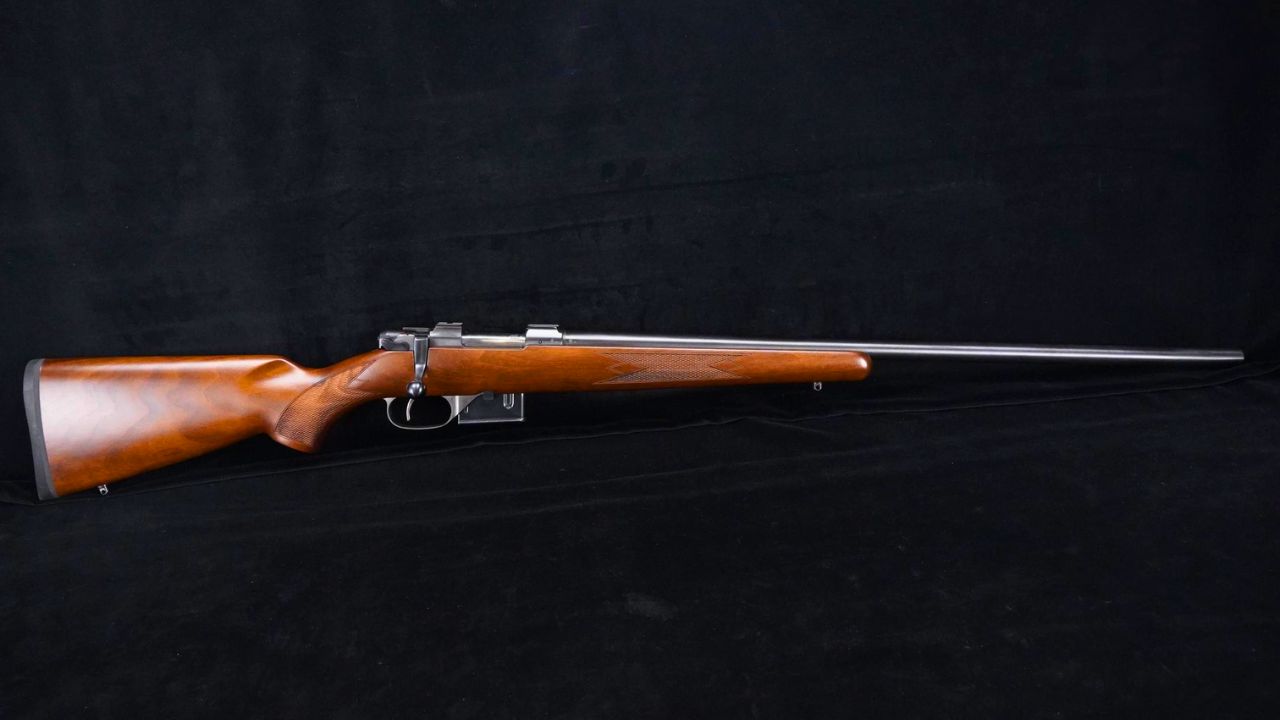
The CZ 527 is one of those actions that just feels right in the hands—trim, slick, and balanced like a good bird gun. It got a lot of attention in small varmint cartridges, and it earned it. Still, the little mini-Mauser action almost seems like it was born to be a light, fast-handling woods rifle.
In 7.62×39, the 527 becomes a different kind of useful. It’s mild, accurate enough to matter, and it carries like a walking rifle should. That chambering turns it into a practical deer-and-hog rifle inside sane distances, and it does it without beating you up.
3. Remington Model 700 SPS Tactical (the .308 “police rifle,” better behaved in 6.5 Creedmoor)

The short, heavy-barreled 700 in .308 has been a staple for decades. It’s easy to find, easy to feed, and it has a reputation that sells itself. The problem is that a lot of folks buy it thinking they’ll live behind a bipod at 600 yards, then discover recoil fatigue and wind calls are real things.
Chamber that same general setup in 6.5 Creedmoor and most shooters tighten up instantly. Less recoil, flatter trajectory, and a little more forgiveness at distance. It doesn’t make anybody a sniper, but it makes practice more pleasant, and practice is what actually moves the needle.
4. Savage 110 Tactical (built around .308, comes alive in 6mm Creedmoor)
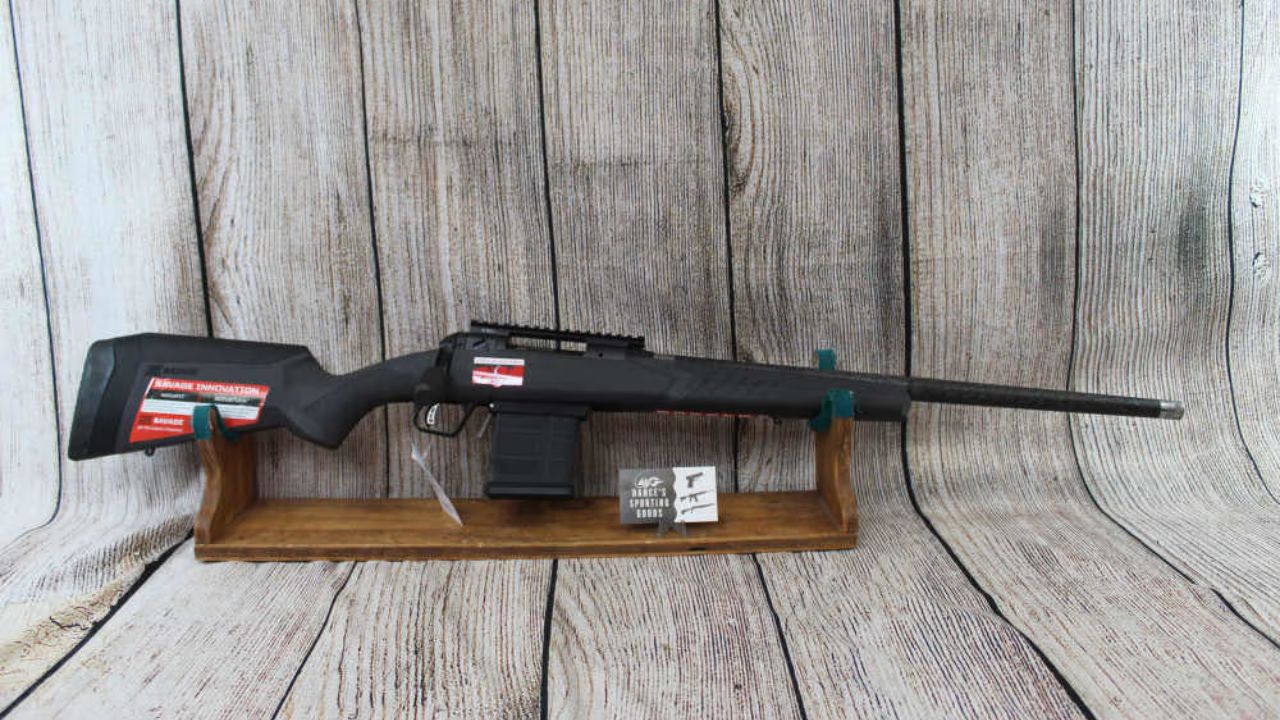
The 110 Tactical in .308 is a workingman’s rifle: not fancy, but it generally shoots. The issue is that the .308 version can feel like you’re paying a recoil tax every time you try to spot your own impacts. That gets old if you’re running drills or shooting long strings.
In 6mm Creedmoor, the same rifle becomes a laser pointer for people who like paper, steel, and prairie dogs. You stay on the gun, you see hits, and you don’t get rocked off the scope. Barrel life isn’t infinite, but the shootability is hard to argue with.
5. Ruger Precision Rifle (launched as a .308 star, smoother as a 6.5 Creedmoor)
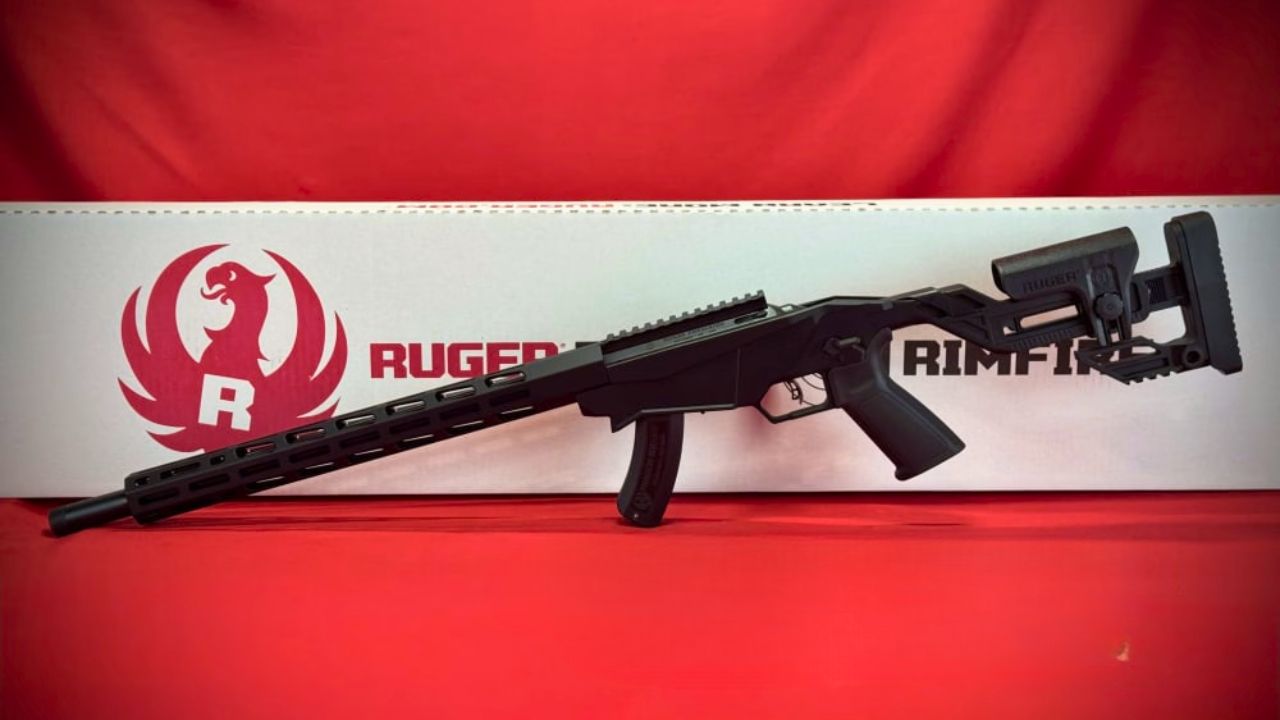
The Precision Rifle hit at the right time and a lot of them went home in .308. It made sense: common ammo, common brass, and a cartridge with a long track record. The trouble is the rifle invites you to shoot it a lot, and .308 recoil adds up over a long day.
In 6.5 Creedmoor, the gun does what most buyers imagined in the first place. It tracks better, it prints small groups without feeling like you’re wrestling it, and you can ring steel at distance with fewer “what just happened?” misses. For most normal shooters, it’s the more natural pairing.
6. Tikka T3x Lite (advertised everywhere in .30-06, easier to love in 7mm-08)

The .30-06 Tikka sells because .30-06 sells, period. It’s a fine hunting combo and nobody needs to apologize for it. But the T3x Lite is, well, light, and a light rifle in .30-06 can get sharp in a hurry with real hunting loads.
In 7mm-08, the same rifle becomes the kind of “one rifle” you actually carry all season. Recoil drops, accuracy often tightens, and it still has enough punch for deer, black bear, and elk with sensible bullets and distances. It’s the version that makes you practice more instead of flinching more.
7. Remington Model 7 (the classic .308 compact, better balanced in .243 Winchester)

The Model 7 is a handy little rifle that points quick in the woods. In .308, it can feel like a lot of cartridge for a short, light package—especially for smaller-framed shooters or anyone who shoots from awkward field positions. It’s not unmanageable; it’s just not always pleasant.
In .243, the Model 7 becomes a confidence builder. It’s flat enough for open fields, soft enough for long practice sessions, and still deadly on whitetails with proper bullets. You don’t need a cannon to hunt deer, and this combo proves it.
8. Winchester Model 70 Featherweight (romantic in .270, surprisingly sweet in 6.5×55)

The Featherweight in .270 Winchester is basically a North American hunting postcard. It’s classic, it works, and it has probably filled more freezers than any of us can count. But not every Featherweight shooter wants that sharp .270 impulse in a slim rifle.
In 6.5×55 Swedish, the rifle settles down and feels like it belongs there. The cartridge has a calm, steady shove, excellent sectional density, and a long reputation for punching above its paper ballistics. It’s old-school effective, and it makes that elegant rifle even more enjoyable to shoot.
9. Browning X-Bolt (often bought in .300 Win. Mag., more practical in .30-06)

I get why folks grab the magnum version. The mountains, the wind, the long shot dreams—it all sounds good at the counter. Then they actually run a box of .300 Win. Mag. through a lighter hunting rifle and realize the romance ends around round fifteen.
In .30-06, the same rifle becomes a tool instead of a thesis statement. Ammo is everywhere, recoil is easier to manage, and you can still hunt anything most people realistically hunt. The X-Bolt carries great either way, but the standard chambering gets used more.
10. Weatherby Vanguard (the “magnum ready” rifle, nicer in 7mm Rem. Mag. than .300)
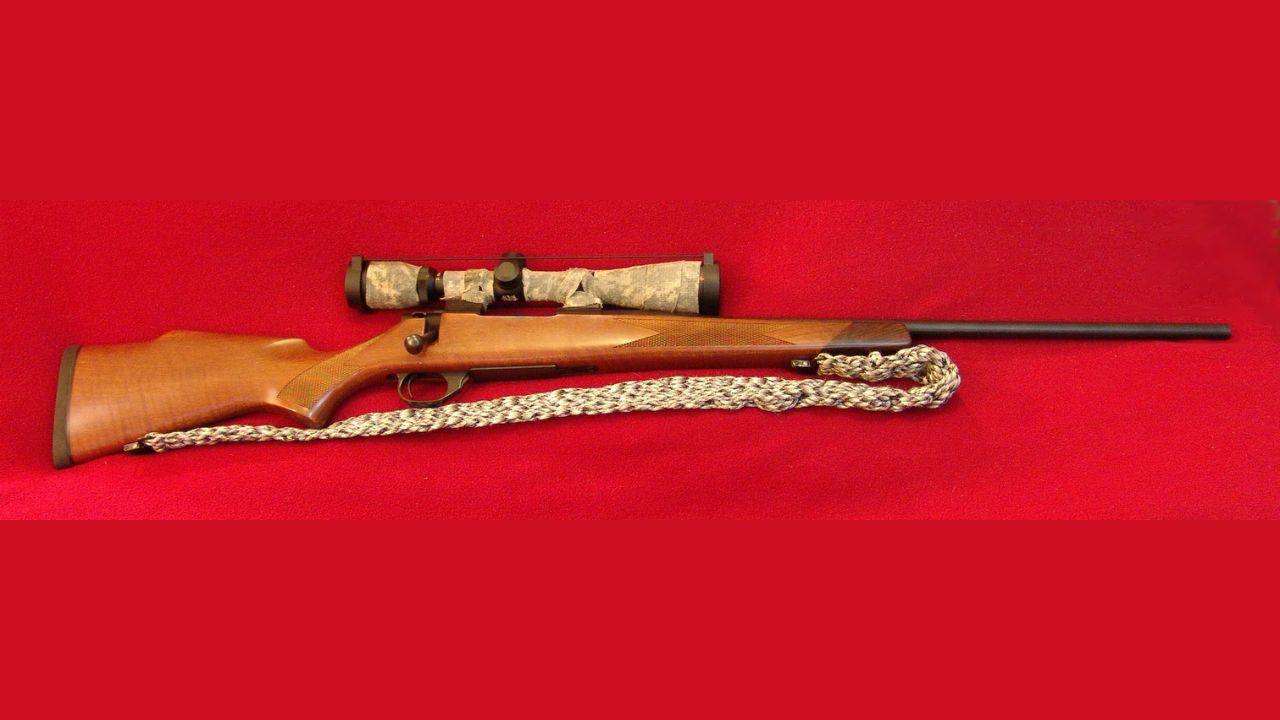
The Vanguard wears the Weatherby name, so it naturally pulls buyers toward .300 Weatherby or .300 Win. Mag. If you’re actually hunting big country and you can shoot it well, fine. But lots of Vanguards live their lives as range toys and whitetail rifles.
In 7mm Remington Magnum, you still get reach and authority without quite as much punishment. The cartridge is easy to find, it shoots flat, and it doesn’t require the shooter to be a recoil athlete. It’s a more livable “one rifle for everything” setup.
11. Ruger Hawkeye (the .338 “Alaska dream,” calmer and deadlier in .30-06)
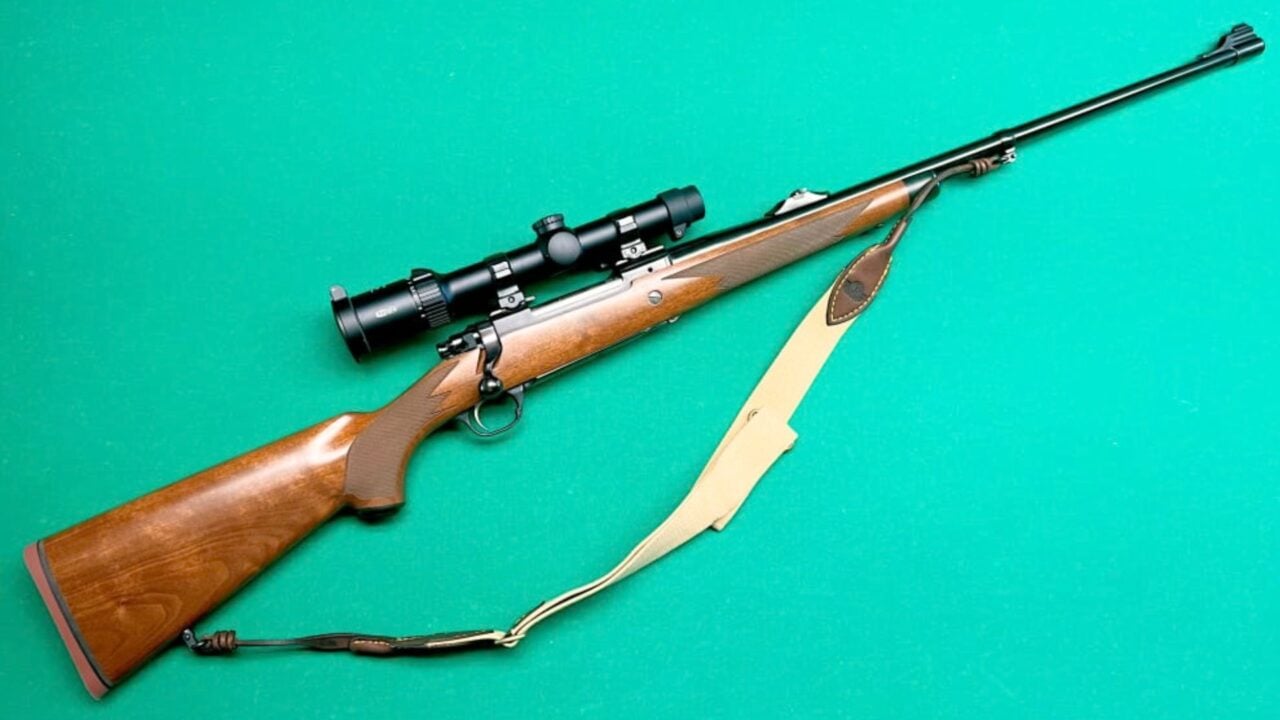
The Hawkeye in .338 Win. Mag. has a certain appeal. It’s tough, it’s controlled-round feed, and it feels like it should be leaning against a floatplane. The downside is that a lot of hunters buy .338s and never really learn them, because recoil and cost shut down practice.
In .30-06, the same rifle becomes a steady, dependable hunting partner. You can shoot it more, tune it easier with different loads, and still handle moose, elk, and bear with the right bullets and discipline. There’s nothing flashy about it, and that is kind of the point.
12. Marlin 336 (iconic in .30-30, gets a real boost in .35 Remington)

The 336 and .30-30 go together like boots and mud. It’s the classic brush rifle, and it still works. But the .30-30, as good as it is, doesn’t always leave much room for error on bigger-bodied deer or awkward angles.
In .35 Remington, the 336 hits with more authority while keeping that same fast-handling lever-gun feel. It’s not a long-range setup, but inside woods distance it thumps hard and tracks straight. The only downside is ammo availability—when you find it, buy it.
13. Henry Big Boy Steel (pushed in .44 Mag., more useful in .357 Mag.)
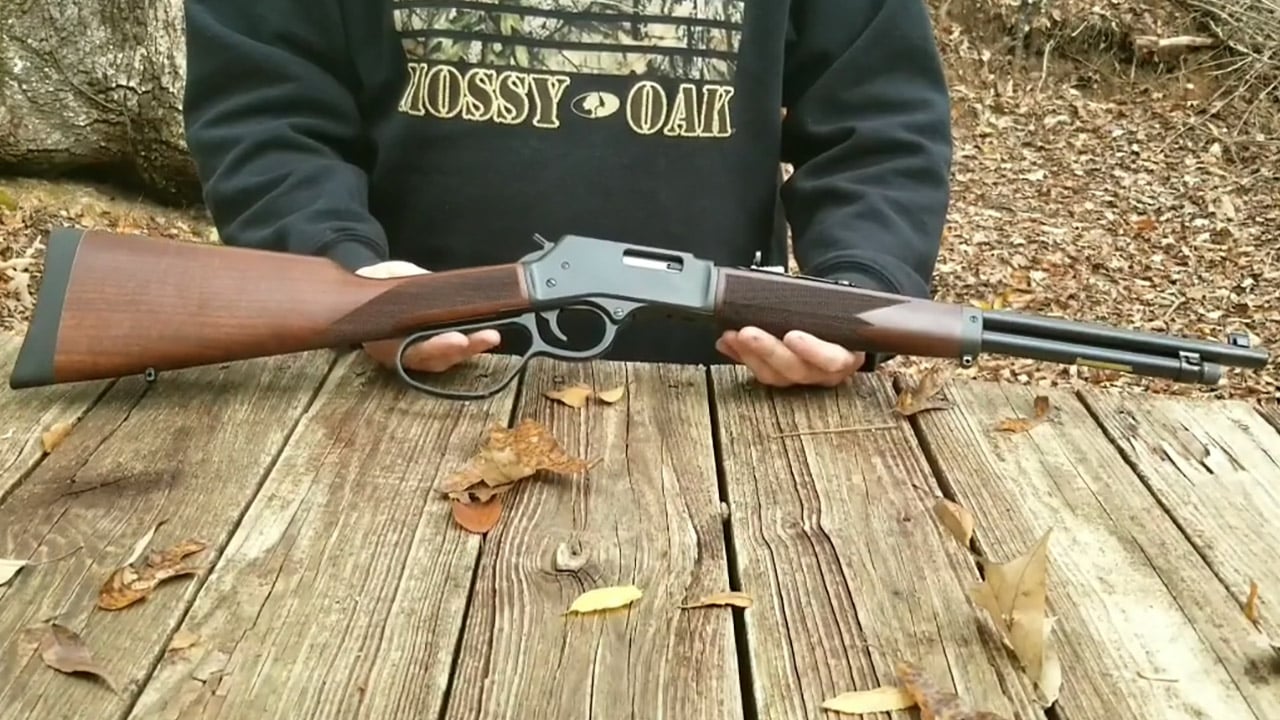
The .44 Mag lever gun sounds like the ultimate do-it-all for deer and defense. In reality, .44 out of a rifle is loud, punchy, and can be more gun than many folks want to shoot casually. Fun for a few rounds, less fun for an afternoon.
The .357 version is the one that gets shot. Cheap-ish practice, soft recoil, and it still hits hard with the right loads. Plus, if you also carry a .357 revolver, sharing ammo is not just a novelty—it’s convenient when you’re packing light.
14. Ruger Gunsite Scout (born around .308, arguably at its best in 6.5 Creedmoor)
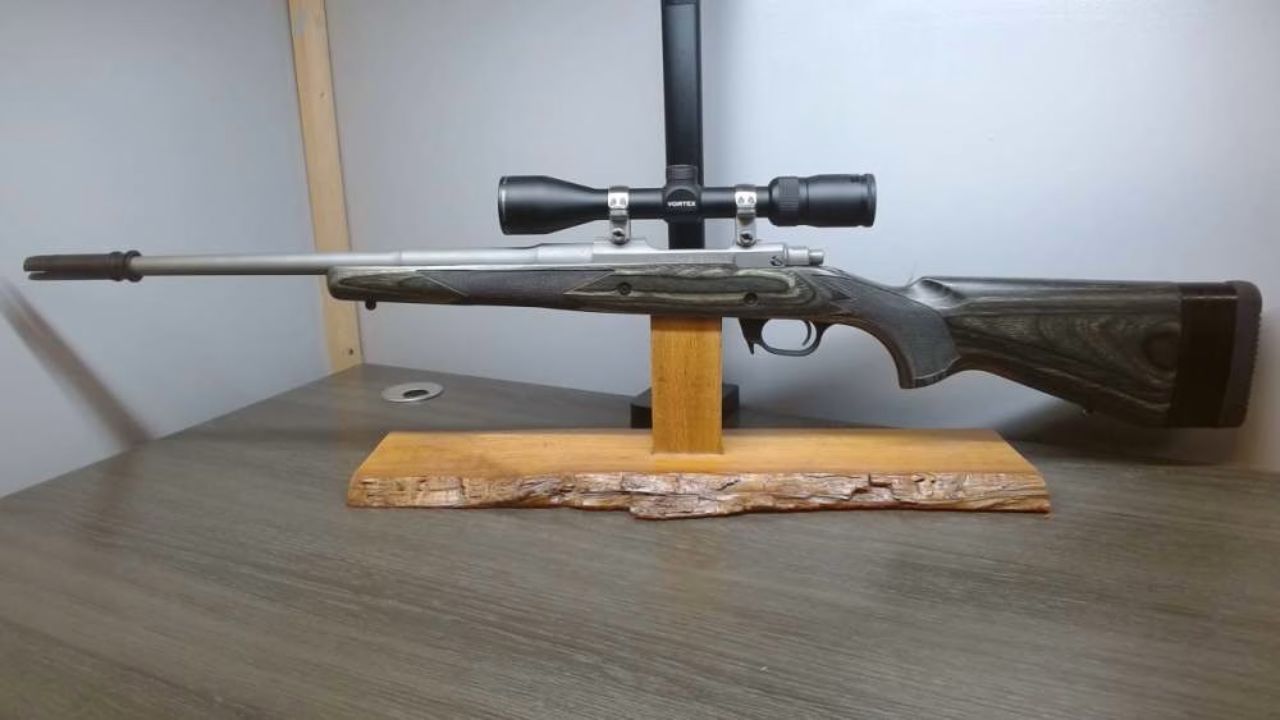
The Scout concept and .308 are practically welded together. Short, handy, detachable mags, iron sights—.308 fits the “do anything” pitch. But in a compact rifle, .308 can feel snappy, and the rifle’s whole point is quick, practical shooting, not punishment.
In 6.5 Creedmoor, the Gunsite Scout keeps its usefulness while getting easier to run well. You get better downrange performance with less recoil, and the rifle becomes a more pleasant field companion. It’s still not a benchrest rig, but it’s more forgiving when you’re breathing hard and shooting off a pack.
15. Mossberg MVP (sold as a 5.56 bolt gun, makes more sense in .308)
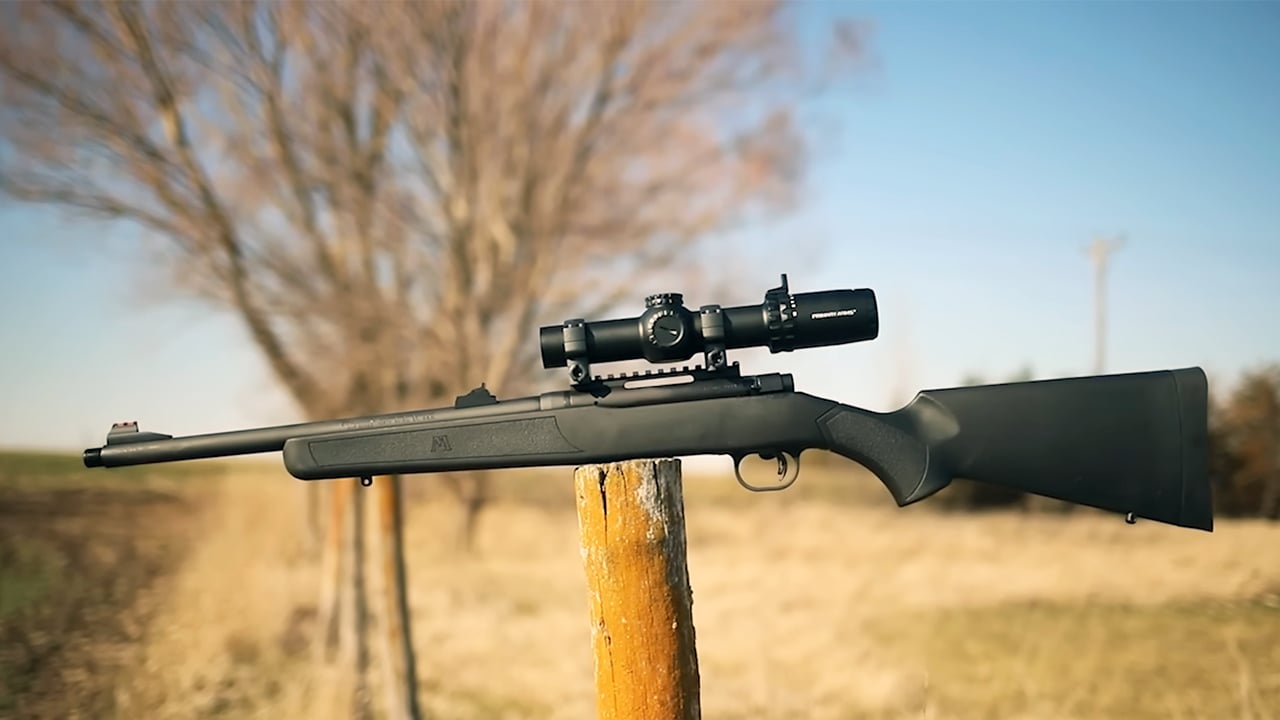
The MVP’s whole gimmick is taking AR magazines, and most buyers jump straight to 5.56. A bolt gun that eats AR mags sounds handy for ranch work and coyotes. The reality is that some 5.56 bolt guns can be finicky about feeding and extracting depending on ammo and magazine choices.
In .308, the MVP often feels more “complete.” The cartridge matches the rifle’s weight and purpose better, and it becomes a legitimate general-purpose hunting rifle that still shares magazine concepts with common platforms. It’s not premium, but it’s useful.
16. FN SCAR 17S (the 7.62 NATO poster child, tamed and steadier in 6.5 Creedmoor conversions)
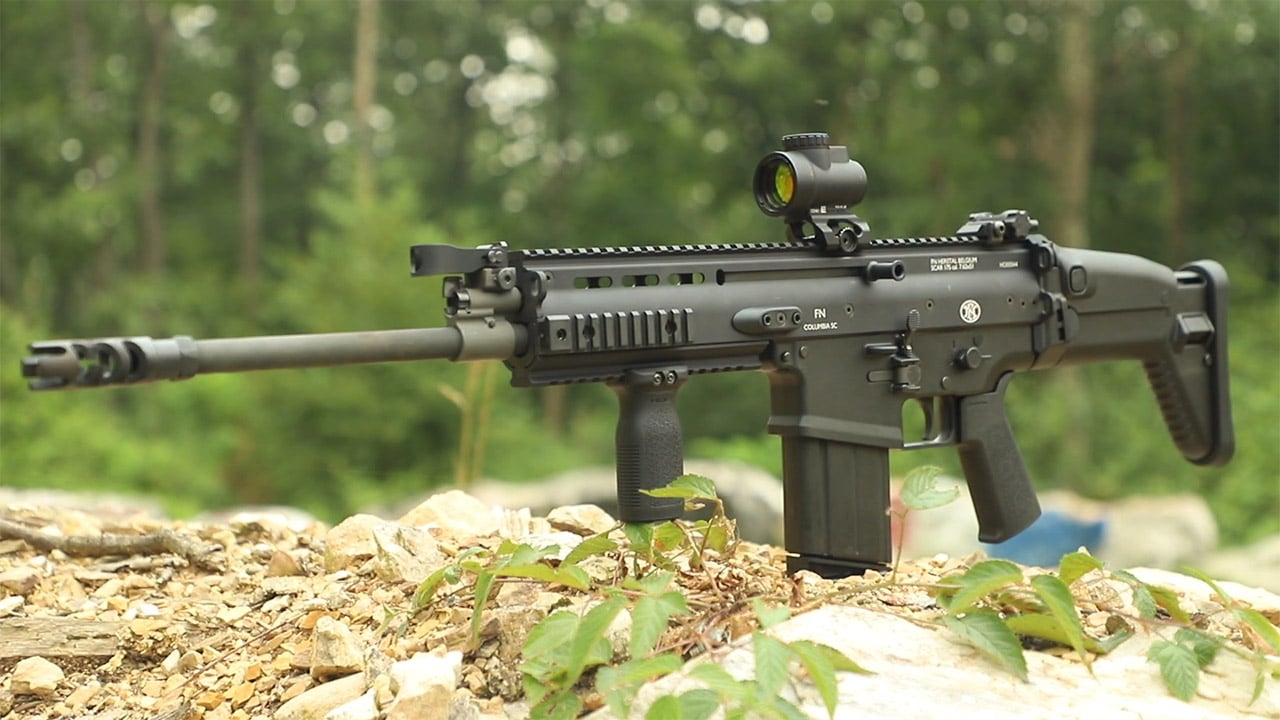
The SCAR 17S has always been about lightweight 7.62 NATO power. It runs, it’s handy for what it is, and it has that distinct recoil pulse that feels different than an AR-10. The catch is that the platform invites distance shooting, and .308 starts showing its wind limitations once you stretch it.
Some owners who go to 6.5 Creedmoor setups (with the right parts and support) find the rifle becomes easier to shoot well at distance. Less drop, less wind drift, and a bit more “point and call it” confidence. It’s not a cheap path, but the performance jump is real for the kind of shooter who actually uses the SCAR beyond 200 yards.
17. AR-15 “SPC” builds (marketed around 6.8 SPC, often better supported now in 6.5 Grendel)
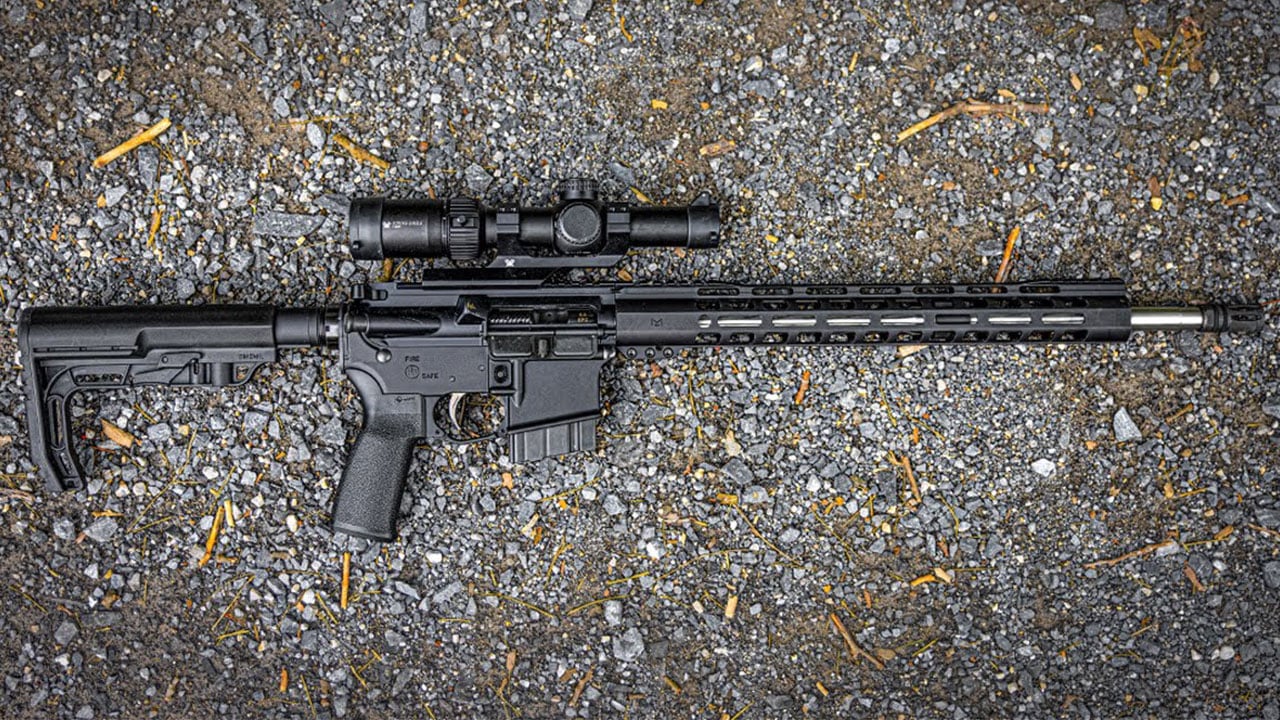
There was a time when 6.8 SPC felt like the obvious step up for the AR-15 hunter. It hits harder than 5.56 and kills deer well inside reasonable ranges. The problem is that ammo and load variety can be uneven depending on where you live, and some folks end up rationing practice.
6.5 Grendel has grown into a more broadly supported option with good long-range manners for the platform. It’s not magic, but it stretches the AR-15’s legs better and keeps recoil mild. For hunters who want one upper that can do paper, steel, and deer duty, Grendel often wins the long-term ownership test.
18. Springfield Armory M1A (forever .308, but many shoot tighter and flatter with 6.5 Creedmoor versions)
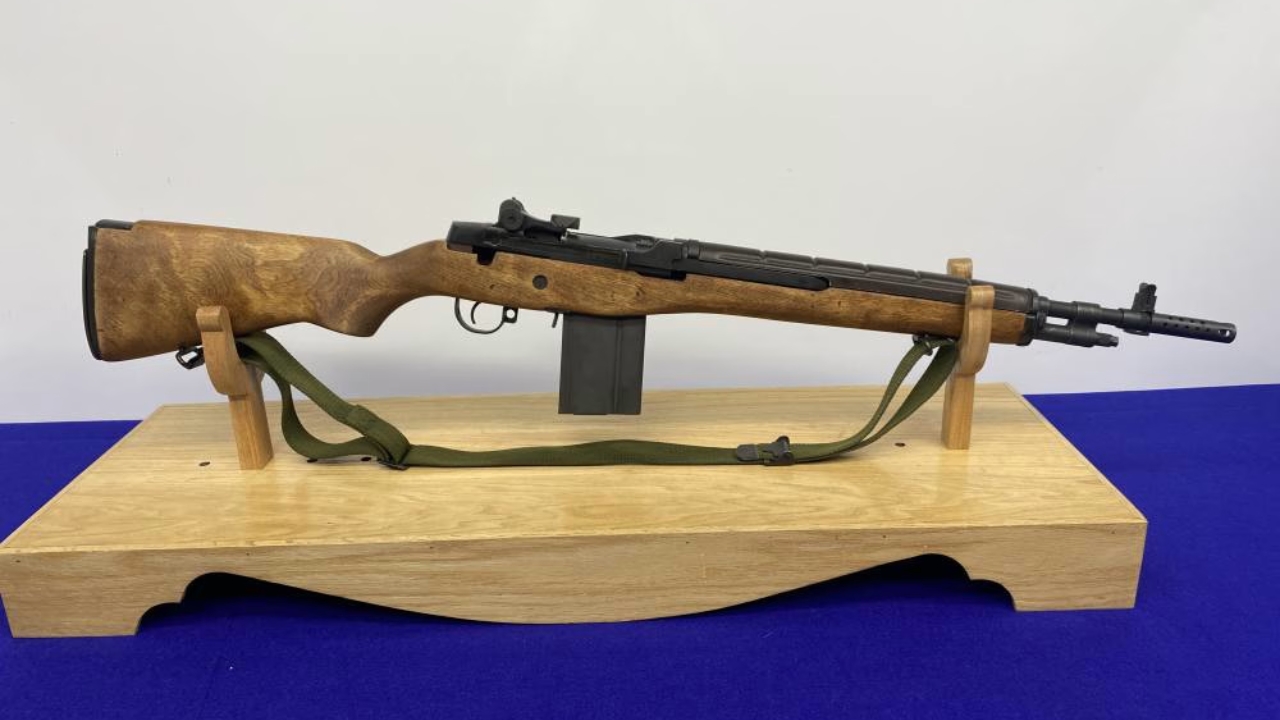
The M1A in .308 is a vibe. It’s history, it’s iron sights, it’s a rifle you can run all day if you like traditional battle rifles. Accuracy varies rifle to rifle, and chasing tiny groups with .308 in that platform can turn into a hobby you didn’t mean to start.
The 6.5 Creedmoor versions can make the platform feel more modern without changing what it is. You get a flatter trajectory and often better practical accuracy at distance. It won’t turn an M1A into a PRS rifle, but it can make ringing steel a more repeatable event.
19. Ruger No. 1 (often seen as a .45-70 showpiece, more versatile in .280 Remington)
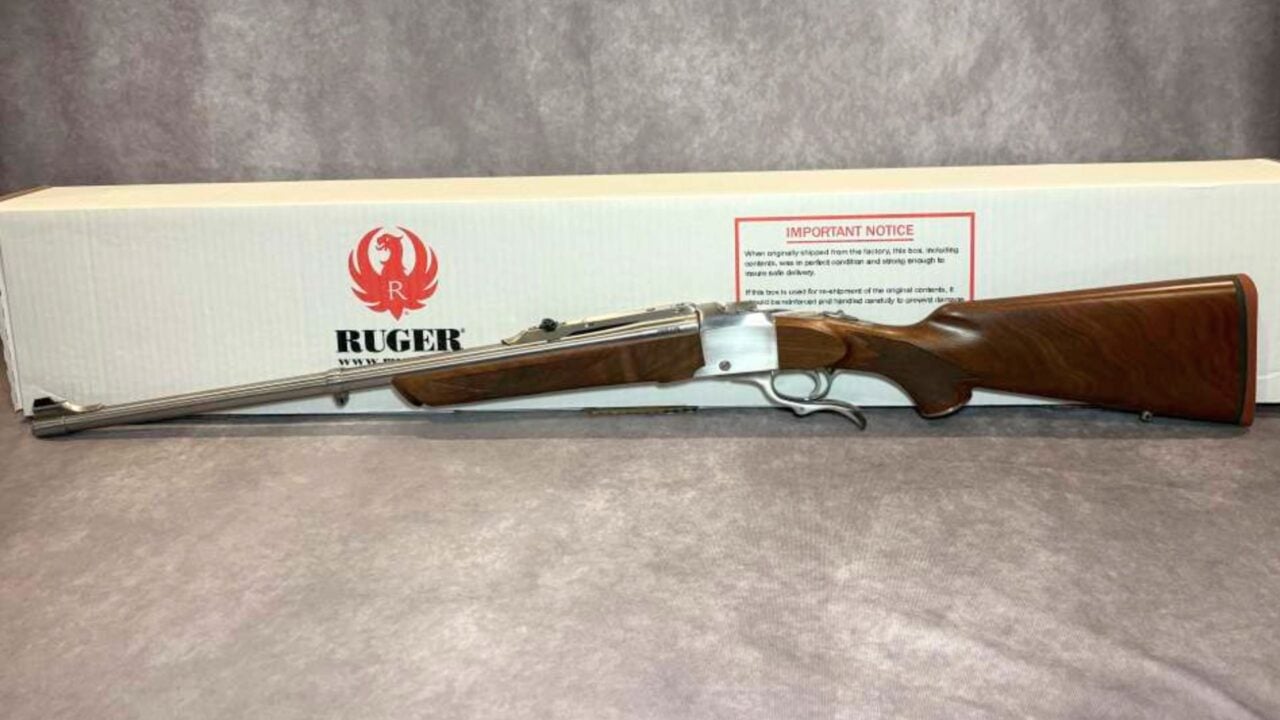
The No. 1 in .45-70 is pure romance: a single-shot you can carry like a walking stick, with a cartridge that has been doing work since before any of us were around. It’s also easy to end up with a load that beats you up, especially in a lighter single-shot.
In .280 Remington, the No. 1 becomes a classy, practical hunting rifle that shoots flatter and kicks less than many of the “cool” big bores. It’s accurate, it carries beautifully, and it’s the kind of rifle you’ll actually take when the weather’s ugly and the miles are long.
20. Thompson/Center Compass (pitched as a budget .30-06/.308, surprisingly solid in .350 Legend)

The Compass earned its keep as a budget bolt gun, and a lot of them went out the door in .308 or .30-06 because that’s what shelves had. In those chamberings, you’re still dealing with full-power recoil, and budget rifles don’t always have the best stocks or recoil pads for long range days.
In .350 Legend, the Compass turns into a practical tool for straight-wall states and thick woods. Recoil is manageable, performance on deer is legit at common hunting distances, and it’s easier to sight in without developing bad habits. It’s not glamorous, but it puts meat in the freezer without drama.
None of this is meant to dunk on the “original” chamberings. A lot of them are classics for a reason. But if you’ve ever bought the rifle first and then tried to make the cartridge choice work, you know how it goes. The best pairing is the one you can actually feed, actually practice with, and actually carry when the season turns cold and you stop daydreaming and start walking.
Like The Avid Outdoorsman’s content? Subscribe to our newsletter so you never miss an article.
Here’s more from us:


