Photo credit: Benelli Armi/YouTube
Shotguns develop reputations differently than most firearms. A rifle might fire a few boxes of ammunition every deer season and spend the rest of the year in a safe. A serious shotgun can see hundreds of rounds in a weekend, get dragged through flooded timber, collect dust in a dove field, and keep cycling long after its owner stops worrying about scratches.
That kind of use exposes weak designs quickly. Actions get dirty, springs wear, ammunition varies, and hunting weather has a way of finding every place moisture can get into a gun. The shotguns that survive for decades are usually the ones people remember. Some of these models are still in production, while others have become used-market favorites precisely because shooters learned they could depend on them. These 20 shotguns have reliability records that are difficult to dismiss.
Benelli M1 Super 90
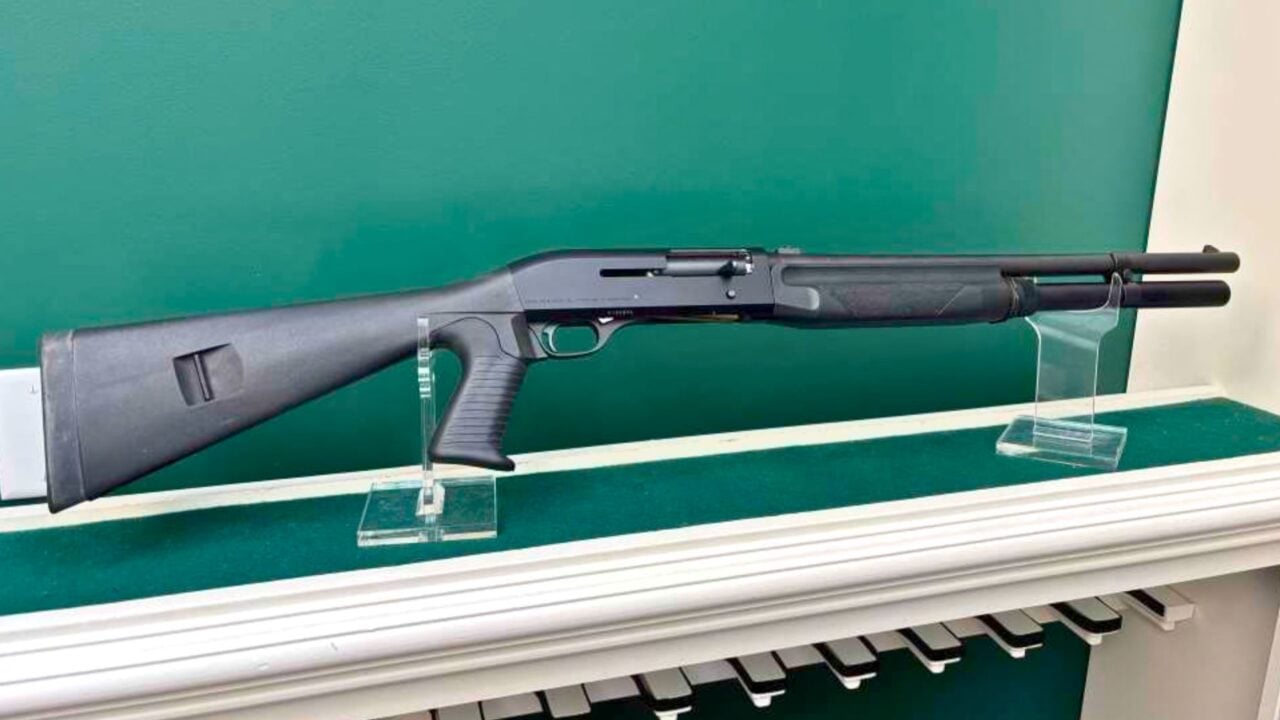
The M1 Super 90 helped establish the reputation Benelli still enjoys today. Its inertia-driven action avoids routing combustion gases into the operating system, which means there is relatively little fouling building up inside the receiver compared with a traditional gas-operated semiautomatic. Hunters, competitive shooters, and law-enforcement users put enormous numbers of rounds through these guns, and the basic design developed a reputation for functioning in conditions that would make some softer-shooting gas guns considerably more temperamental.
The tradeoff is recoil. The M1 generally kicks harder than a comparable gas-operated shotgun because there is no gas system helping spread the recoil impulse out. Reliability, however, is difficult to argue with when the gun is properly maintained and fed appropriate ammunition. Clean used examples remain extremely desirable because the design is straightforward, proven, and exceptionally durable.
Beretta AL390
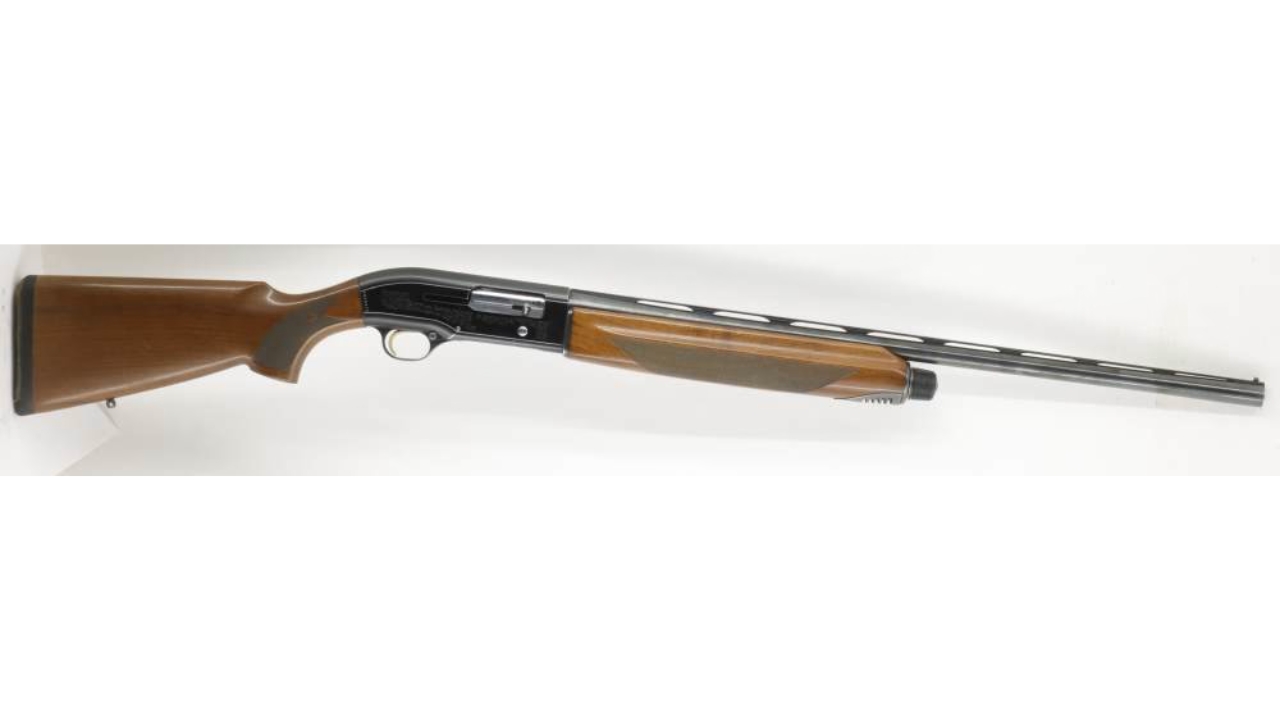
The AL390 may not have the modern styling of Beretta’s newest semiautomatics, but its reliability record is one of the reasons so many hunters refuse to sell theirs. The gas system was designed to handle a wide range of hunting and target loads while keeping recoil pleasantly mild. These guns became especially common among dove hunters and clay shooters, where high round counts exposed weaknesses quickly.
A properly maintained AL390 can run for an astonishing amount of time. Carbon eventually needs to be cleaned from the gas system, but the gun generally gives owners plenty of warning before becoming troublesome. That combination of soft recoil, durability, and broad ammunition compatibility helped establish the basic Beretta semiauto formula. Anyone shopping the used market should not overlook one simply because newer A400 models receive more attention.
Browning Auto-5

Any shotgun that remains useful across generations deserves respect, and the original Auto-5 certainly qualifies. John Browning’s long-recoil design may feel unusual compared with modern semiautomatics, but it proved remarkably durable over decades of hard hunting. Countless examples were carried through duck marshes, upland fields, and deer woods long before shooters expected guns to be treated gently.
The key is proper setup. The Auto-5 uses friction components that need to be arranged correctly for the loads being fired, and neglecting that adjustment can create unnecessary recoil or cycling problems. Once properly configured, however, the design can run extremely well. Many surviving guns have already outlasted their original owners, and that may be the strongest reliability endorsement possible. The Auto-5 is old-fashioned mechanically, but it earned its reputation the hard way.
Winchester Model 12
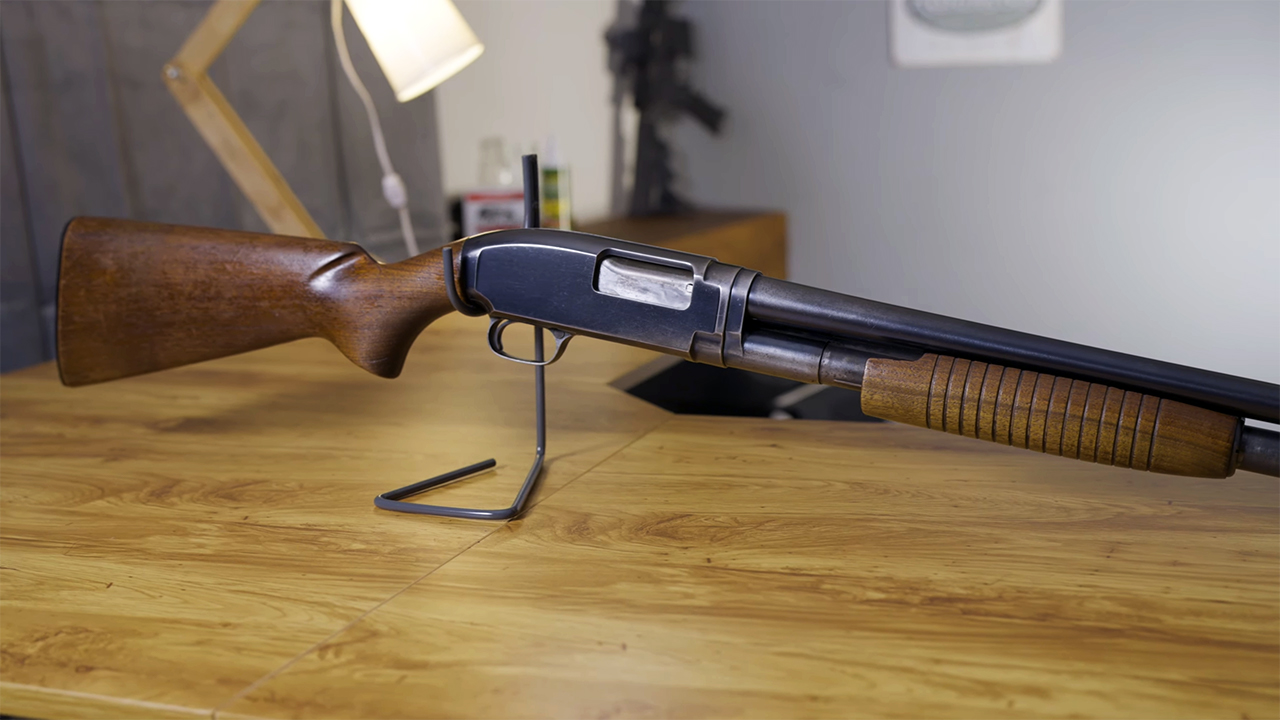
The Model 12 built its reputation during an era when pump shotguns were expected to work for decades. Its machined steel construction feels almost extravagant compared with many modern production guns, and the action tends to become smoother rather than sloppier as a well-maintained example wears in.
Hunters, trap shooters, law-enforcement agencies, and military users all relied on Model 12s. That wide variety of use matters because it means the gun was not merely successful in one narrow role. The design is complicated enough that you do not want to abuse one unnecessarily, and replacement parts are obviously less convenient than with a current shotgun. Mechanically sound examples, though, remain wonderfully dependable. A good Model 12 shows why older shooters sometimes have trouble getting excited about inexpensive modern pumps.
Ithaca Model 37
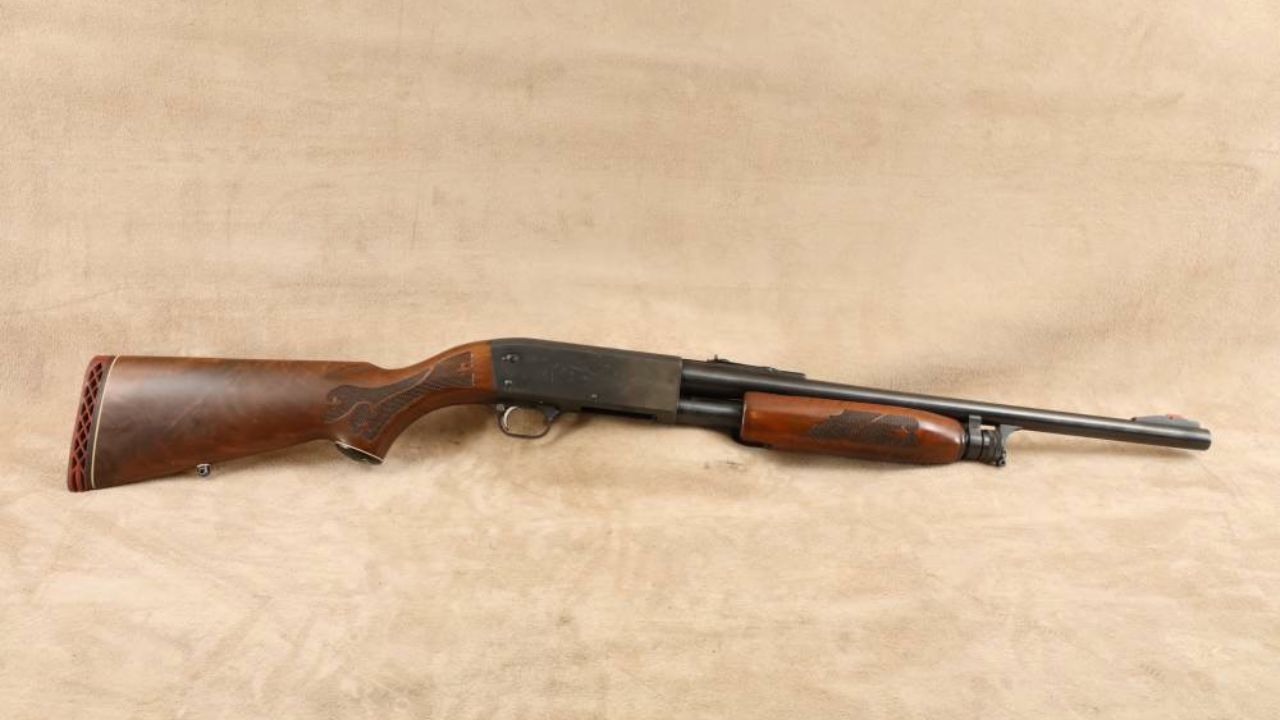
The Model 37 has one of the longest and most respected histories among American pump shotguns. Its bottom-loading and bottom-ejecting design keeps both sides of the receiver closed, which can help keep debris away from the action. It also makes the shotgun equally comfortable for right- and left-handed shooters.
What really built the Model 37’s reputation was repeated field use. Hunters carried them for decades, police departments used defensive versions, and lightweight hunting models became known for surviving far more abuse than their elegant appearance suggested. Older examples can be astonishingly smooth. Modern shooters accustomed to bargain pumps may be surprised by how little effort a well-broken-in Model 37 requires. It is a design that has lasted because it works, not simply because shooters are nostalgic about it.
Beretta AL391 Urika

The AL391 took Beretta’s successful gas-operated formula and refined it into one of the most respected sporting semiautomatics of its era. It became a common sight on clay ranges because it combined mild recoil with the ability to digest thousands upon thousands of shells.
High-volume clay shooting is one of the best reliability tests a shotgun can face. A hunter might fire 100 shells over several seasons, while a serious sporting-clays shooter can burn through that in an afternoon. The AL391 proved capable of surviving those round counts when properly maintained. Its gas system requires more cleaning than an inertia gun, but owners generally considered that a fair trade for the soft shooting characteristics. Used examples still make excellent field and target guns.
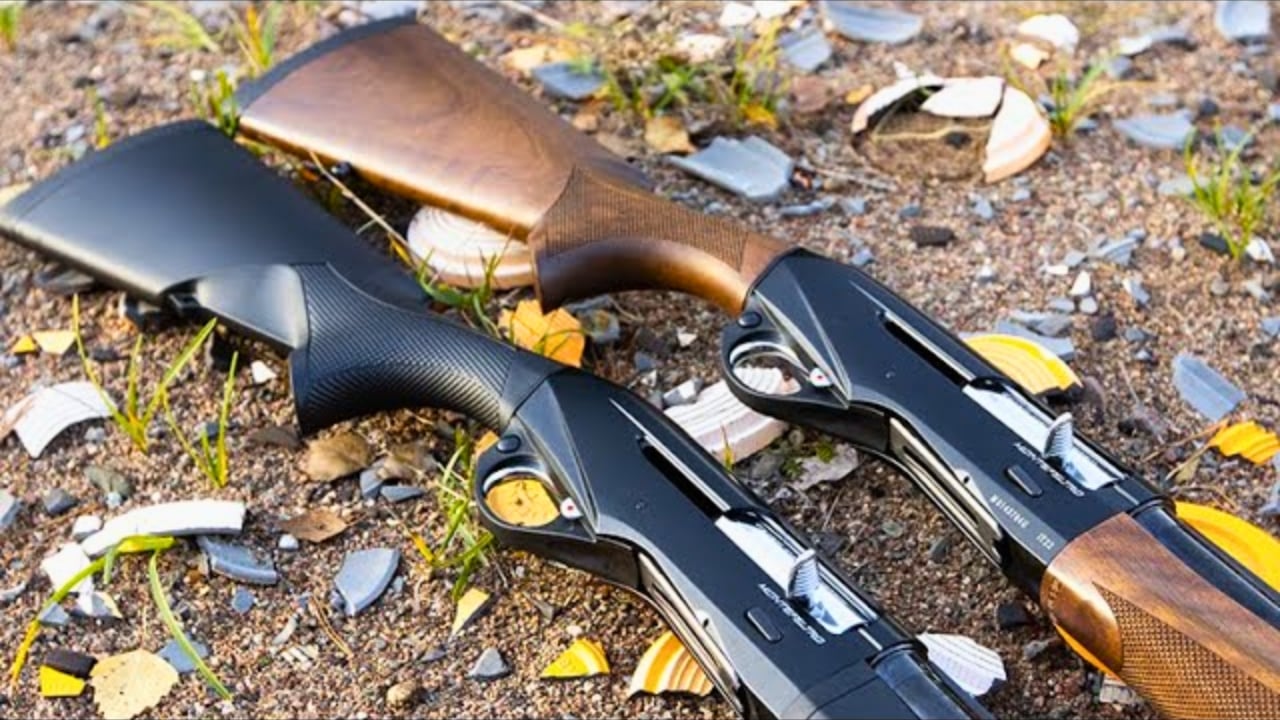
Benelli Montefeltro
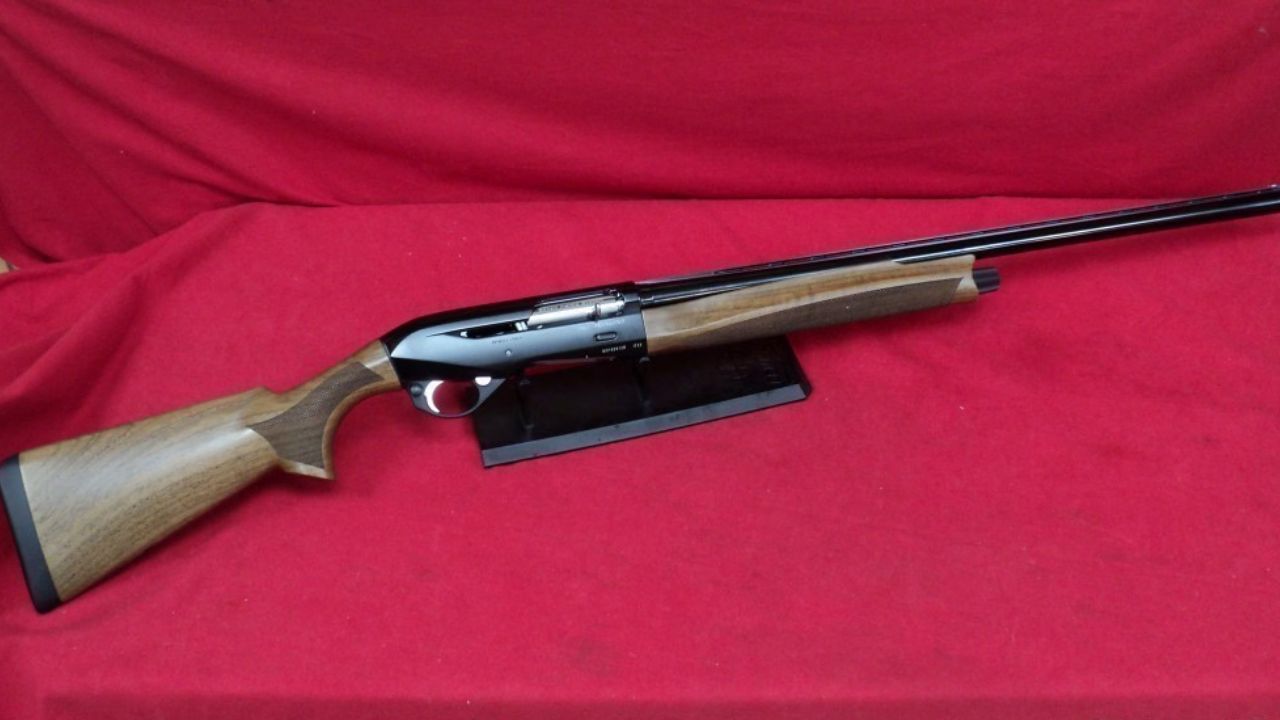
The Montefeltro is easy to dismiss as simply a lighter, prettier Benelli, but underneath the walnut and traditional lines is the same basic inertia-driven philosophy that made the company famous. That gives hunters a semiautomatic that is mechanically straightforward and remarkably easy to keep running.
Because the gun is relatively light, it is particularly attractive to upland hunters who spend far more time carrying than shooting. Reliability remains the real selling point, though. There are fewer gas-system components collecting fouling, and basic cleaning is straightforward. Light target ammunition can occasionally be more demanding in extremely light inertia guns, but with normal hunting loads the Montefeltro has established an excellent reputation. It is a refined field gun that does not require delicate treatment.
Remington 1100

The 1100 completely changed expectations for semiautomatic shotgun recoil. Its gas system made the gun exceptionally soft shooting, and the model became enormously popular with hunters, skeet shooters, trap shooters, and competitive shotgun users.
Reliability depends heavily on maintenance, particularly the gas-system components and O-ring, but that does not diminish the overall record. Millions of 1100s were produced, and countless examples fired enormous numbers of shells. When maintained correctly, the gun can be exceptionally dependable. The advantage today is that so many were made that knowledge, parts, and used examples remain widespread. A clean 1100 may not look cutting-edge, but decades of successful use carry more weight than a fresh marketing campaign.
Franchi Affinity 3
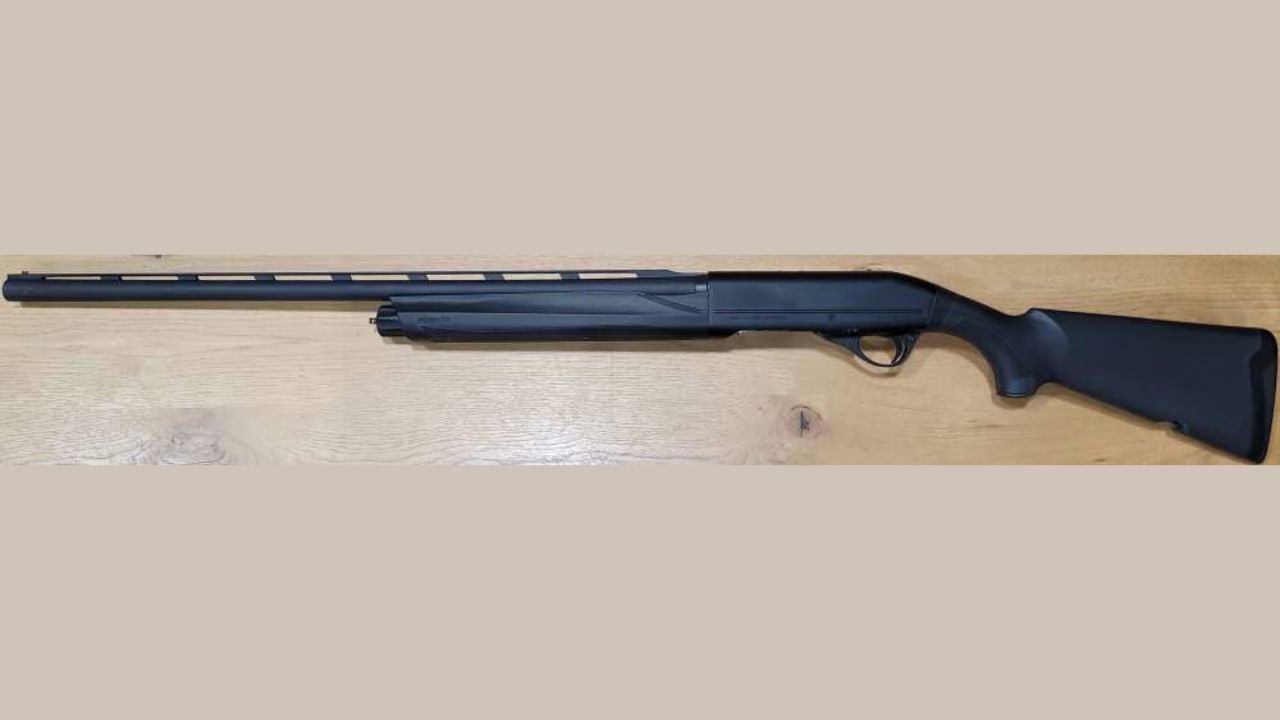
The Affinity 3 does not have the same decades-long history as some guns here, but it benefits from a very mature inertia-operated design. Franchi positioned the Affinity as a practical hunting shotgun rather than a luxury piece, and that has helped it develop a strong reputation among waterfowl and upland hunters.
The action is relatively simple, which matters when the gun starts collecting moisture, mud, powder residue, and bits of vegetation. There is less gas-system fouling to manage, and routine maintenance is uncomplicated. It also tends to cost noticeably less than premium inertia guns without feeling like a stripped-down bargain shotgun. For hunters who care more about a shotgun going bang in lousy weather than impressing anyone in the parking lot, the Affinity 3 makes a strong case.
Browning Gold
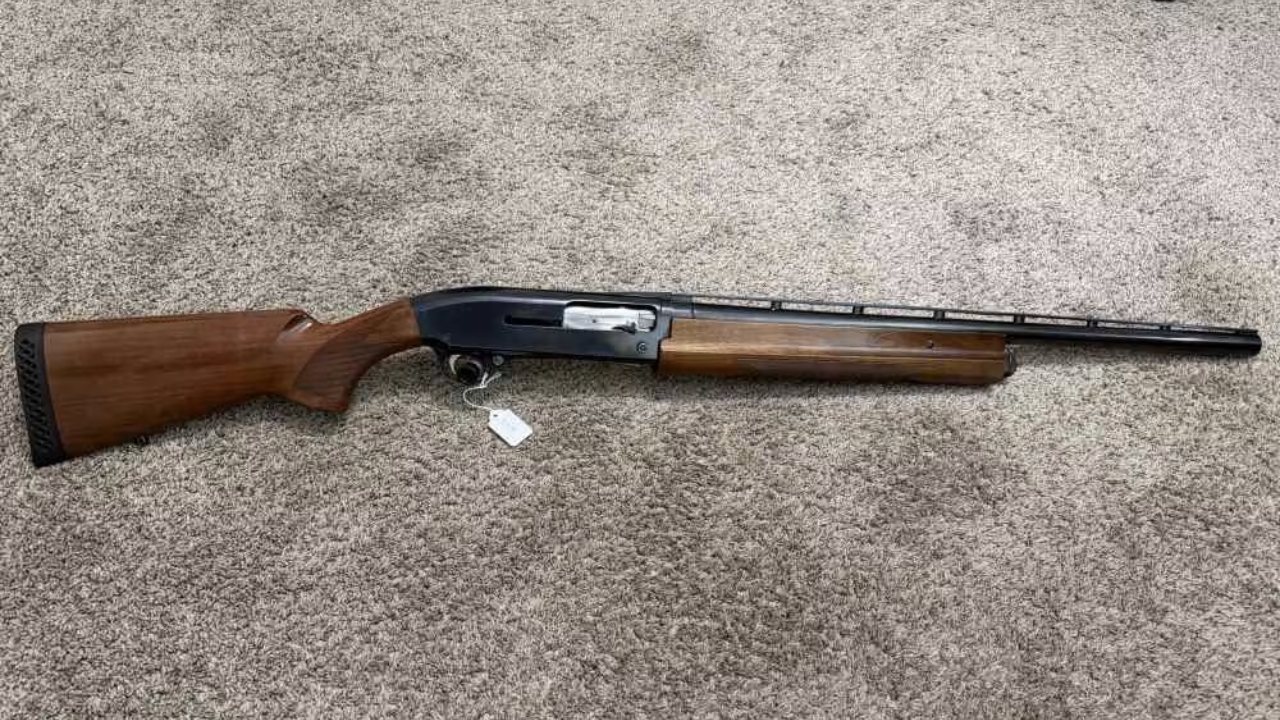
The Browning Gold helped establish the gas system that would influence several later Browning and Winchester semiautomatics. These guns were designed to cycle hunting ammunition reliably while keeping recoil substantially softer than many inertia-operated alternatives.
Waterfowl hunters put them through exactly the kind of conditions that expose unreliable semiautomatics. Cold temperatures, wet blinds, dirty ammunition, and high-volume shooting are not gentle on guns. The Gold earned a reputation for handling those conditions well when maintained properly. It is heavier and bulkier than some newer designs, but that also makes it pleasant with heavier loads. Used examples can still be excellent hunting guns, especially for someone who values proven operation over minimum weight.
Winchester Super X2
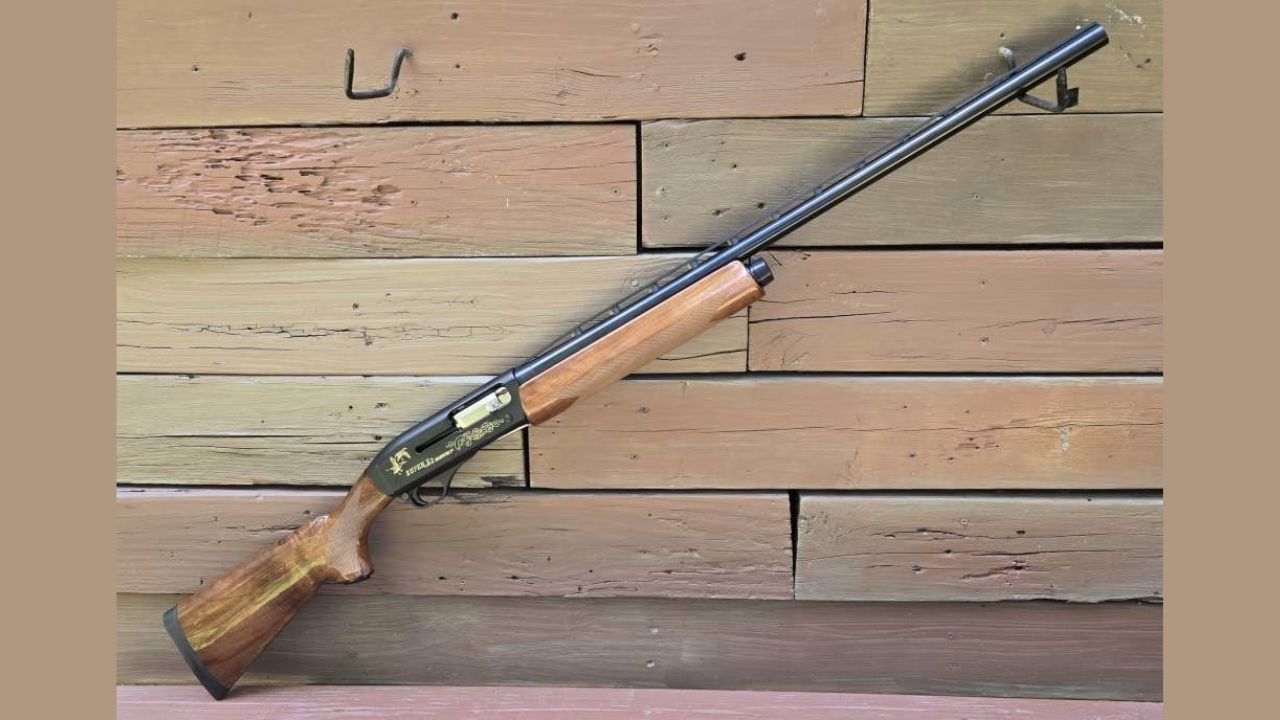
The Super X2 does not receive nearly as much attention today as the later SX3 and SX4, but it helped establish the reputation of Winchester’s modern gas-operated semiautomatic line. Built around a robust action, it became particularly respected among waterfowl hunters who wanted something capable of handling heavy loads without punishing them unnecessarily.
The shotgun is not especially light, and nobody is likely to call it elegant. That works in its favor with magnum ammunition. The gun stays planted, recoil is softened by the gas system, and the action has a reputation for continuing to cycle under hard use. Shooters looking at older used semiautos often chase more fashionable names, but a mechanically sound Super X2 remains a serious working shotgun.
Benelli M2
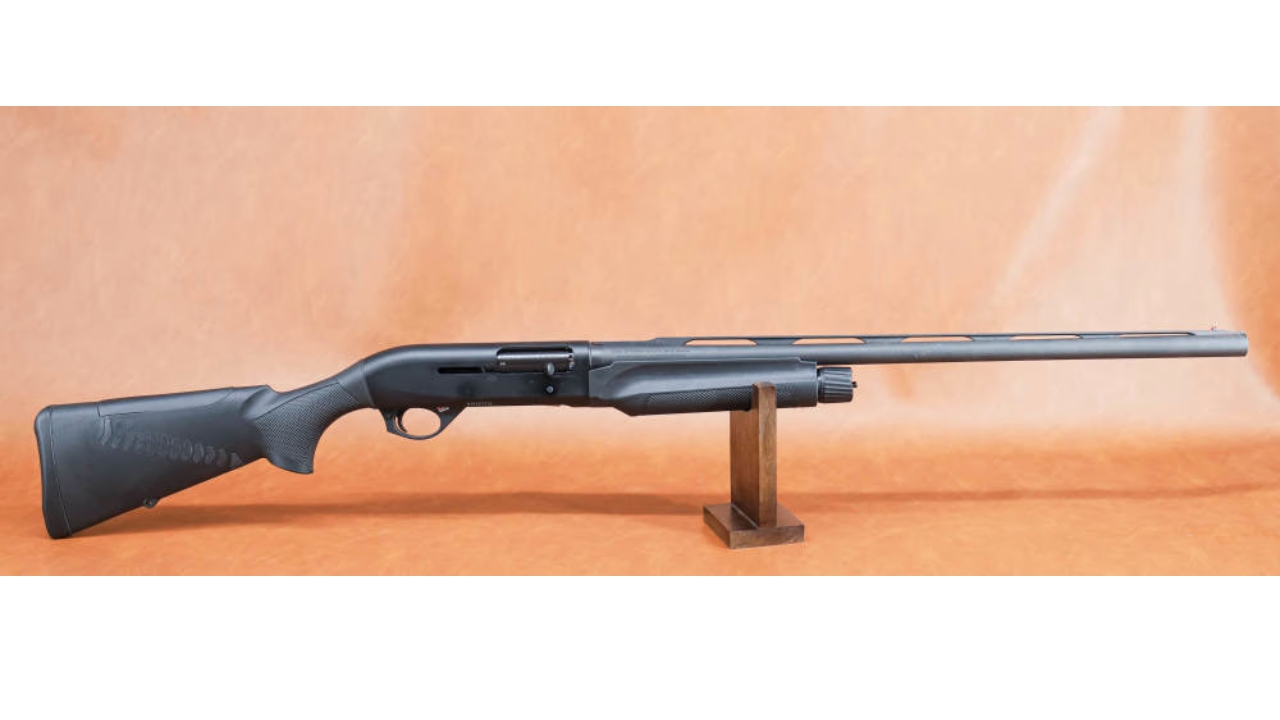
The M2 may be one of the safest semiautomatic recommendations for someone who values reliability above almost everything else. It uses Benelli’s inertia system in a lighter and more refined package than earlier designs, and it has been adopted across hunting, defensive, and competitive roles.
That broad use is important. A design that survives three-gun matches, wet hunting seasons, and defensive training courses is being tested in very different ways. The M2’s action stays relatively clean because propellant gases are not being directed into an operating piston. Recoil is sharper than with some gas guns, but many owners gladly accept that trade. The M2 has been around long enough that its reputation no longer depends on advertising. The gun has simply proven itself.
Remington 11-87
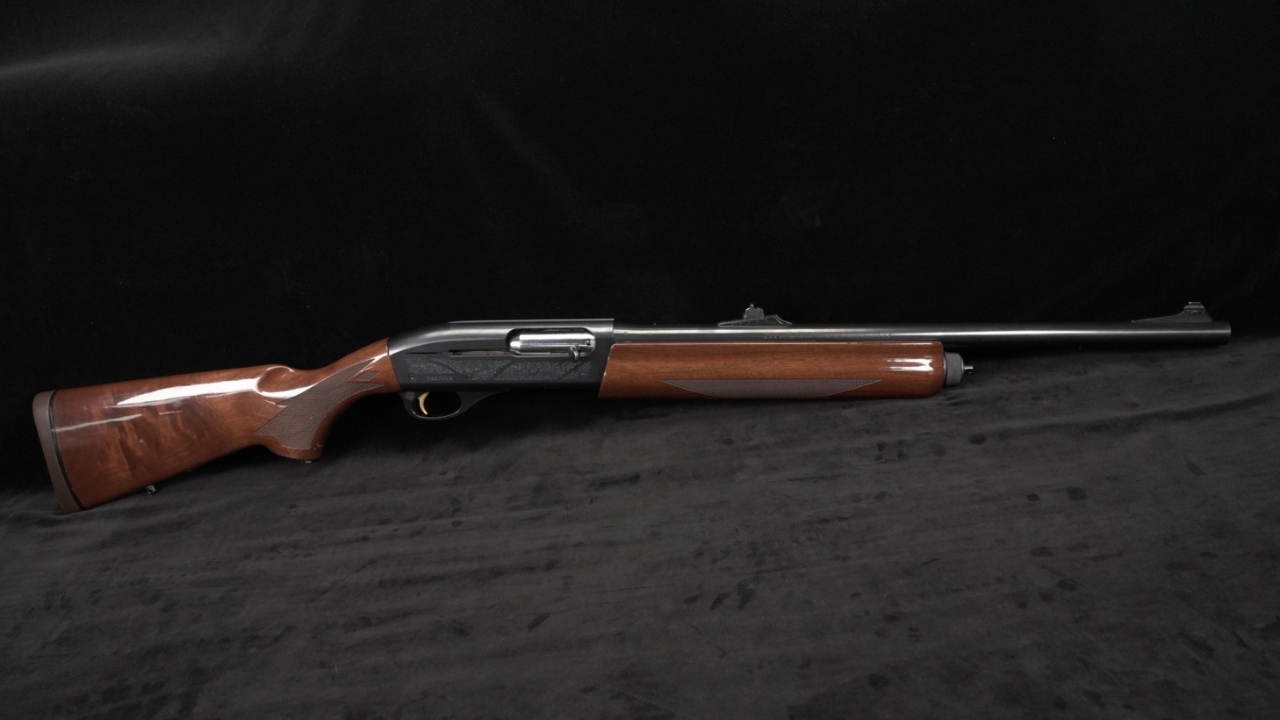
The 11-87 built on the enormously successful 1100 by giving shooters a gas system better able to accommodate a wider range of loads without manual adjustment. That helped turn it into a very popular hunting shotgun, especially during the years when Remington semiautos were fixtures in American deer camps and duck blinds.
Like most gas guns, it rewards maintenance. O-rings, gas ports, and action components should not be ignored indefinitely. With basic care, however, good 11-87s can run for years. Millions of hunters learned to trust them precisely because they were not exotic. They were relatively affordable working guns that got dragged into real hunting conditions. A clean older example from a good production period can still make a dependable field shotgun today.
Beretta A400 Xplor
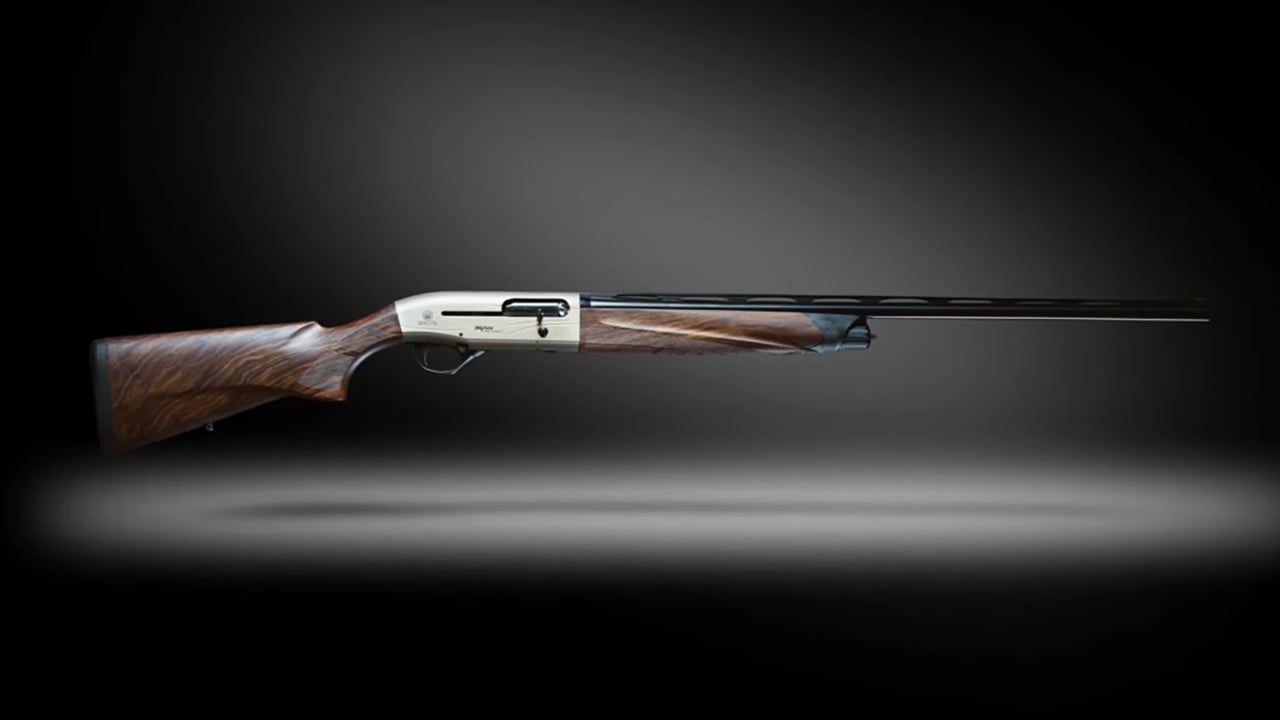
The A400 family took Beretta’s proven gas-gun experience and modernized it substantially. The Xplor versions combine soft recoil, fast cycling, and traditional sporting-gun handling in a shotgun capable of moving between hunting and clay use without feeling badly out of place in either role.
The gas system is particularly good at handling different ammunition. That matters for someone who might use light target shells during the summer and substantially heavier hunting loads in the fall. A shotgun that needs constant tinkering whenever ammunition changes gets old quickly. The A400’s reputation comes from being comparatively forgiving. It still needs maintenance, but the underlying action has been thoroughly proven through years of high-volume shooting.
Winchester SX3

The SX3 built a strong following because it combined a fast-cycling gas system with manageable recoil and relatively straightforward maintenance. It became especially popular among waterfowl hunters, who are not known for protecting their shotguns from weather and grime.
That is a meaningful reliability test. Duck guns get wet, dirty, cold, and occasionally neglected until the season ends. The SX3 developed a reputation for tolerating that environment surprisingly well. It can also handle high-volume clay shooting without making the shooter’s shoulder regret the decision. Winchester eventually moved on to newer models, but used SX3s remain sought after because the basic shotgun had already proven itself before production stopped.
Browning BPS
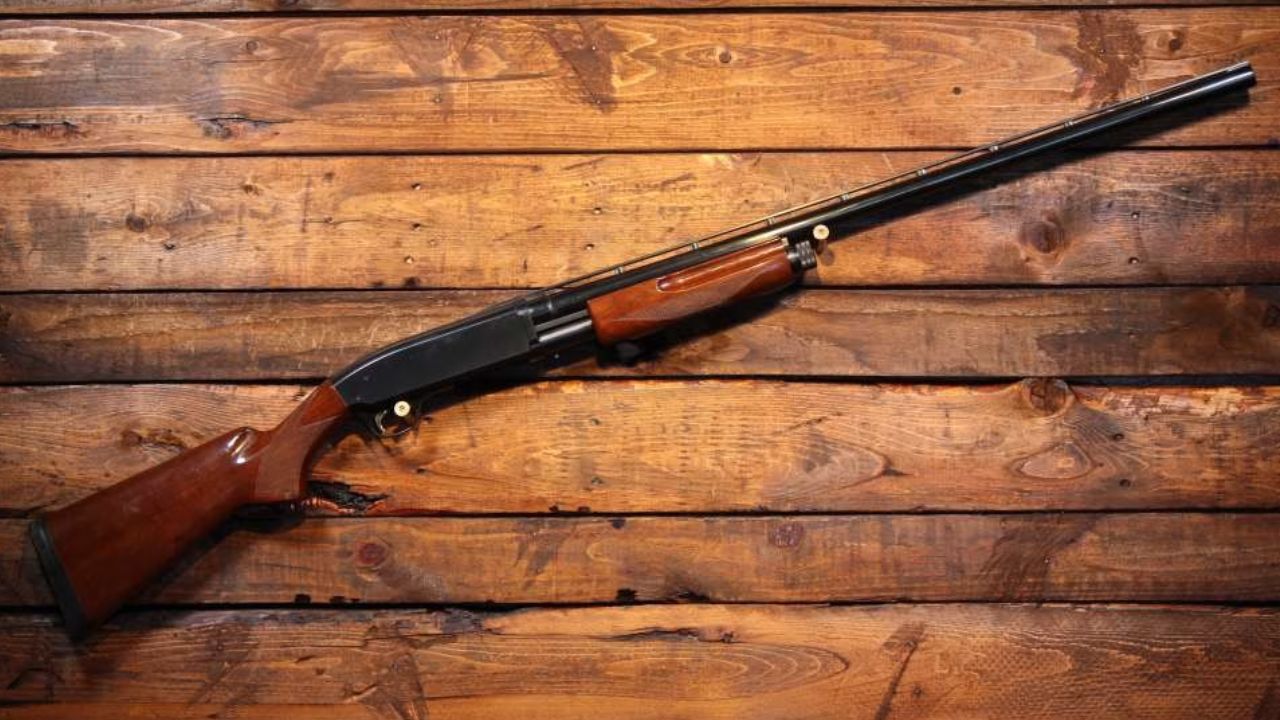
The BPS may be one of the most underappreciated pump shotguns ever produced. It uses bottom loading and bottom ejection, giving the receiver clean sides and making the shotgun naturally friendly to left-handed shooters. Browning also built the gun with a level of fit and solidity that separates it from many inexpensive utility pumps.
Reliability is what kept the BPS relevant for decades. There is very little about the action that needs to be babied, and hunters have carried these guns through everything from wet duck marshes to upland cover. The receiver and action feel substantial, and older examples often become remarkably smooth after years of use. It is heavier than some competitors, but for a working pump that weight is hardly a serious problem.
Franchi AL-48

The AL-48 took the long-recoil operating principle associated with the Browning Auto-5 and packaged it into a lighter Italian hunting shotgun. That gave upland hunters a semiautomatic that was exceptionally easy to carry while still relying on a proven mechanical concept.
The recoil impulse feels different from modern gas guns because the barrel moves during operation, and shooters unfamiliar with long-recoil actions sometimes need time to adjust. The design itself, however, proved remarkably durable. AL-48s developed a loyal following among hunters who valued their light weight and mechanical simplicity. They are less common now, but a sound example remains an excellent reminder that reliable semiautomatic shotguns existed long before today’s interchangeable-choke, optics-ready designs.
Beretta 303
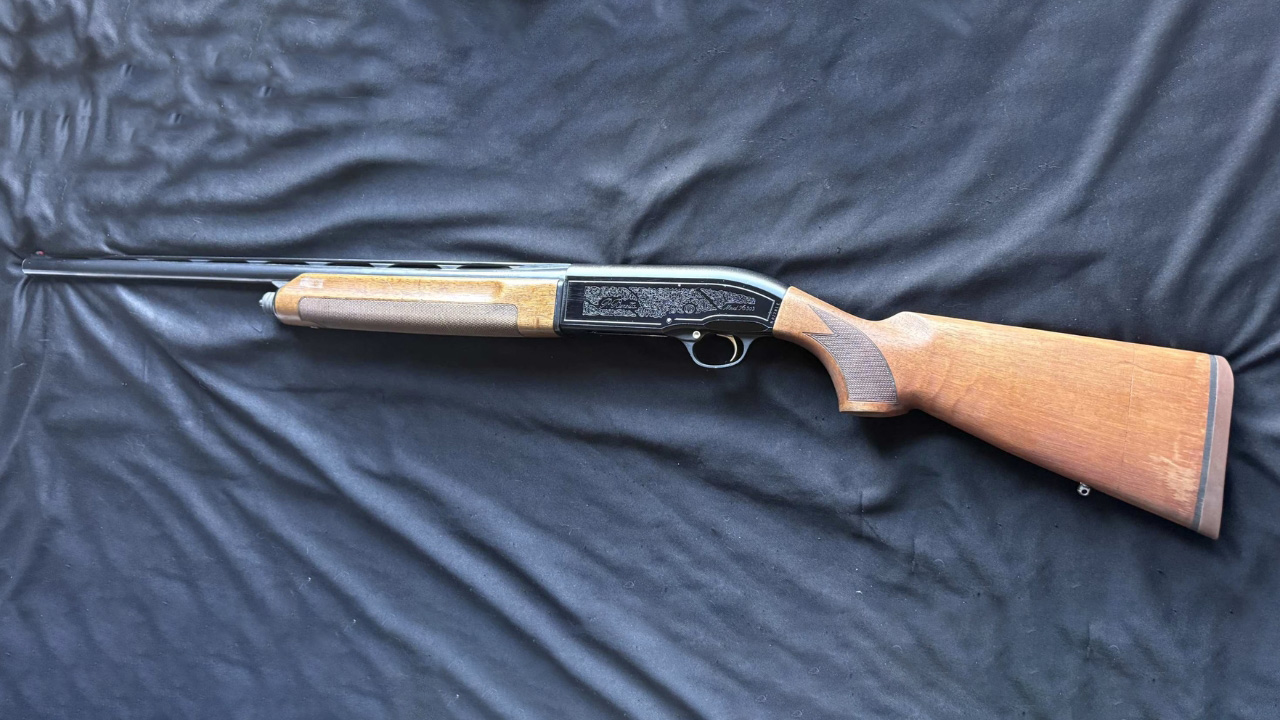
The Beretta 303 belongs to the generation of semiautomatic shotguns that helped establish Beretta’s modern reputation in sporting guns. It is mechanically simpler than many newer designs and became particularly well regarded among clay shooters and hunters who put serious amounts of ammunition through their guns.
The 303’s strength is that there is very little drama involved. Keep the gas system reasonably clean, replace normal wear parts when necessary, and the shotgun generally continues doing its job. It lacks the recoil-reduction systems and modular features of newer Berettas, but those omissions also mean there is less complexity. Good used examples can still be excellent shooters and often cost far less than the newest premium semiautomatics.
SKB Model 300
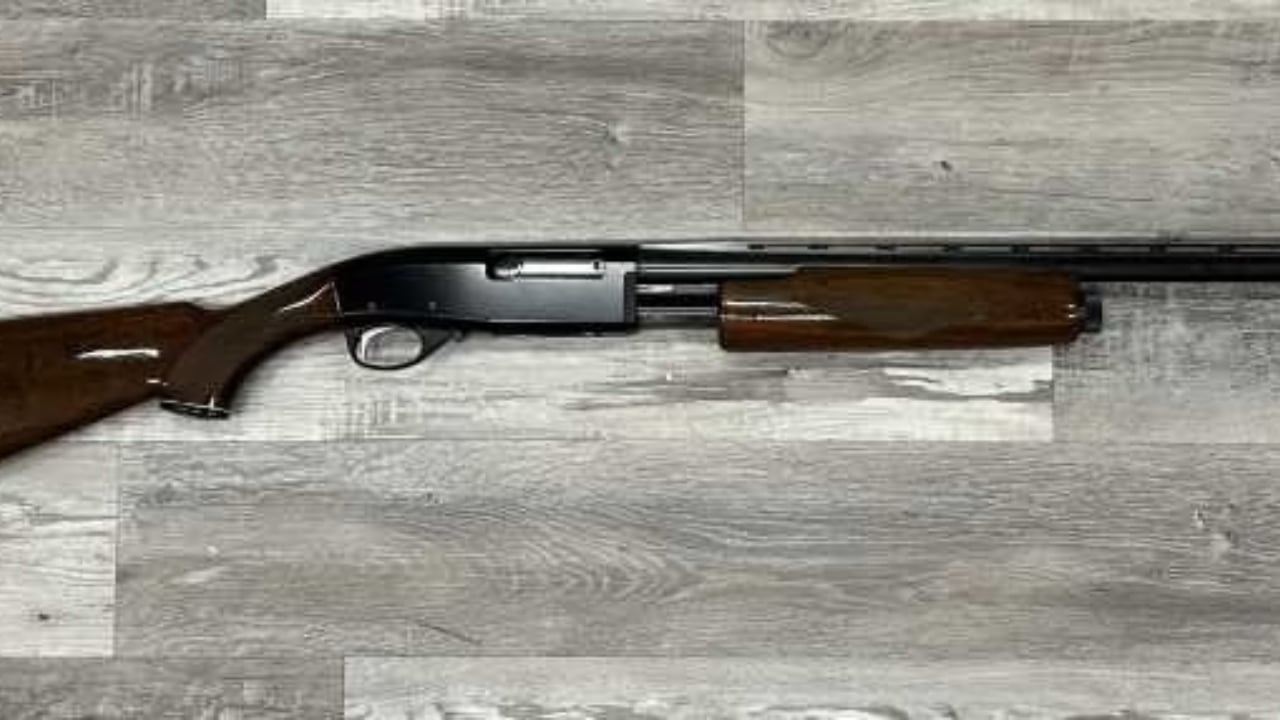
The SKB Model 300 is a great example of an older Japanese semiautomatic that never achieved the name recognition its quality deserved. These guns were well made, smooth, and capable of handling years of hunting and sporting use without attracting much attention outside the shooters who actually owned them.
The largest drawback today is not the original design but long-term support. Parts are naturally less convenient than they would be for a current Beretta or Benelli. Mechanically sound guns, however, can still be extremely dependable. The Model 300 is exactly the kind of used shotgun experienced shooters sometimes buy cheaply because everyone else is chasing more recognizable names. Its reputation among owners is considerably stronger than its modern visibility would suggest.
FN SLP
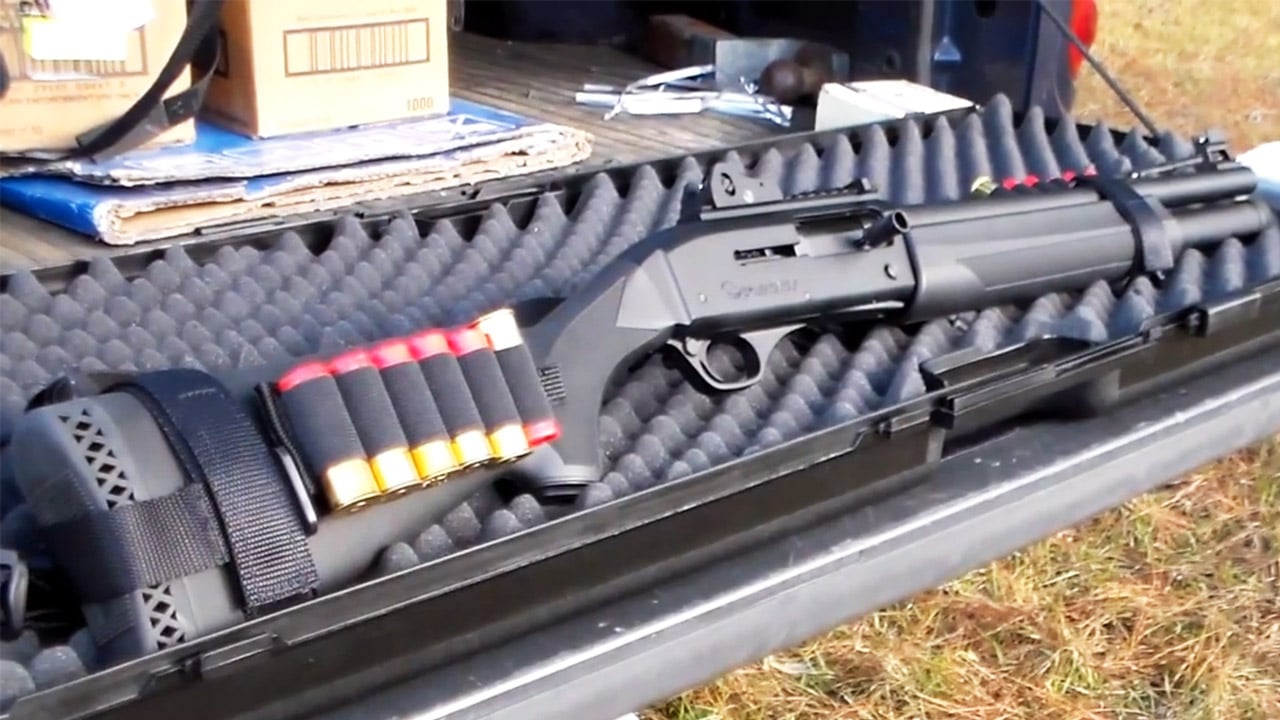
The SLP was built around a gas-operated action intended for serious use, and it developed a strong following among defensive and competitive shooters. FN offered versions with substantial magazine capacity, durable sights, and controls designed around fast manipulation rather than traditional sporting use.
Competition is unforgiving to semiautomatic shotguns because shooters fire rapidly, reload aggressively, and put far more rounds through guns than most hunters ever will. The SLP proved capable of handling that kind of abuse. It does need appropriate maintenance like any gas-operated design, but its basic action earned respect. FN eventually moved away from the platform, yet the SLP remains one of those discontinued shotguns owners often refuse to part with because they already know what it can take.
Benelli Super Black Eagle II
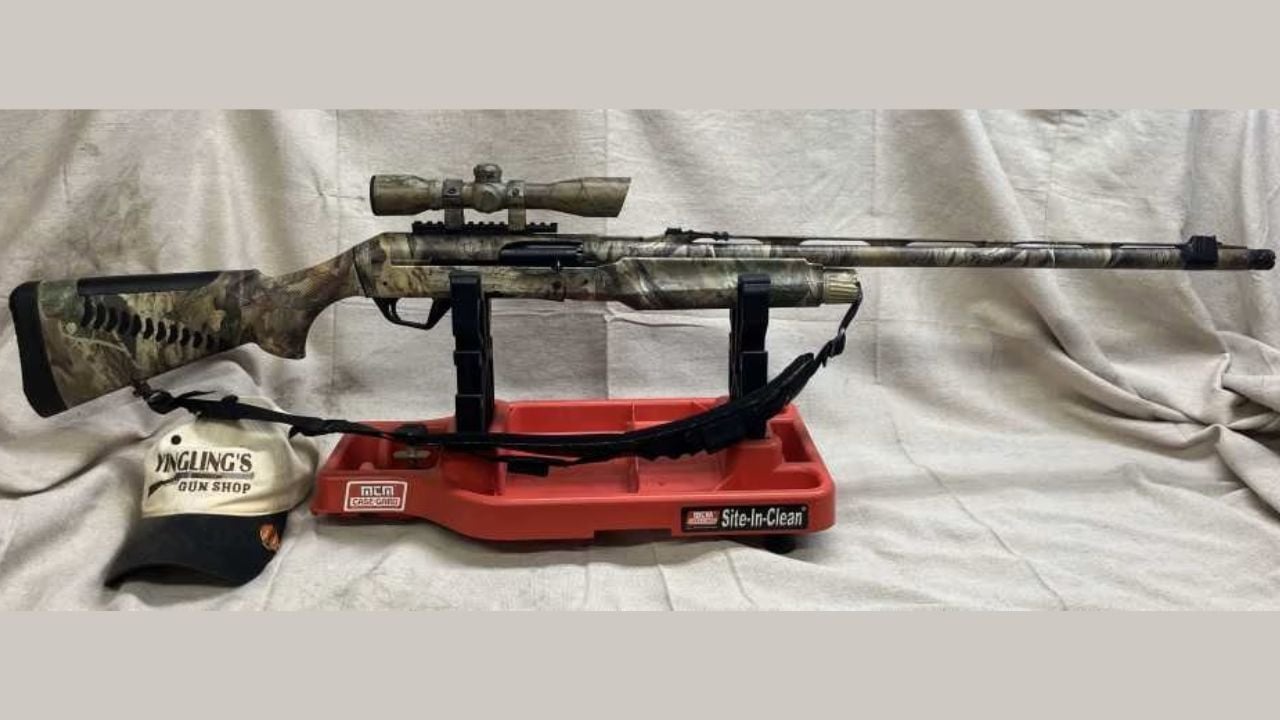
The Super Black Eagle II earned its reputation in places where shotguns have miserable lives. Waterfowl hunters carried them into freezing temperatures, salt marshes, flooded timber, muddy fields, and blinds where guns sometimes received only the most basic cleaning between hunts. The inertia-driven action was a natural fit for that environment because it did not depend on a gas system that could gradually fill with carbon and residue.
The SBE II also handled heavy 3½-inch ammunition without requiring a huge, cumbersome operating system. Recoil can be substantial, especially with magnum loads, but reliability was the reason people kept buying them. Newer Super Black Eagles have added more refinement, yet plenty of hunters still consider the second generation the point where Benelli really nailed the formula. A good SBE II remains a serious working shotgun.
Like The Avid Outdoorsman’s content? Subscribe to our newsletter so you never miss an article.
Here’s more from us: