Photo credit: Justin Opinion/YouTube
Some handguns become famous because they are genuinely excellent. Others become famous because they arrive at exactly the right moment, get adopted by the right agency, or have the marketing push needed to stay in front of buyers for years. That leaves plenty of very good pistols sitting just outside the spotlight.
Some of these guns were overshadowed by better-known models from the same manufacturer. Others had unusual operating systems, limited imports, or short production runs that kept them from building a large following. A few simply arrived in crowded markets where buyers already had strong brand loyalties. None of that means the guns were bad. In many cases, they were far better than their sales numbers or reputation would suggest. These 20 handguns deserved considerably more attention than they ever received.
Smith & Wesson Model 952
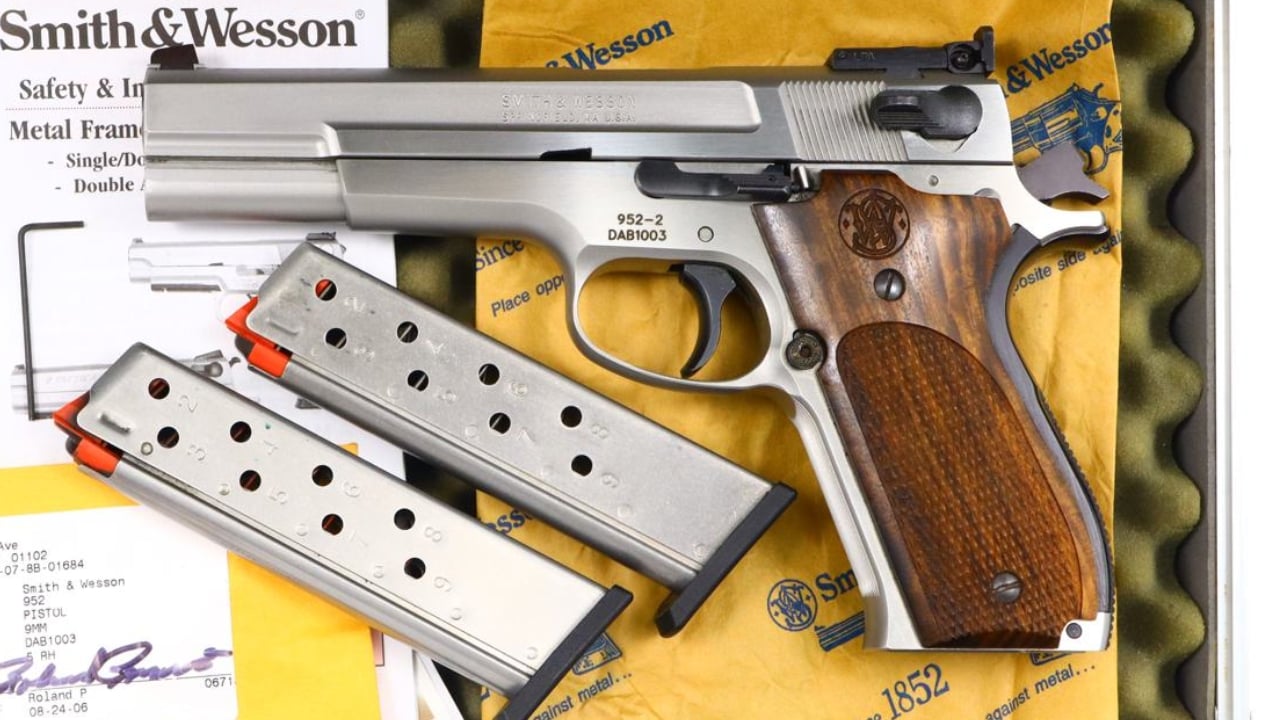
The Model 952 was one of Smith & Wesson’s most refined semiautomatic pistols, yet it never became nearly as famous as the company’s revolvers or later performance-oriented M&P models. Built around the classic Model 39 lineage, the 952 was tuned for accuracy and chambered in 9mm, giving competitive and precision-minded shooters a beautifully made single-action pistol with exceptional fit and finish. It occupied an unusual space between a traditional service pistol and a dedicated target gun, which probably limited its broader appeal.
That is unfortunate because the 952 could shoot extraordinarily well. The trigger was crisp, the sights were excellent, and the metal frame gave the pistol a stable feel during slow and deliberate shooting. It was expensive, but the craftsmanship justified much of the cost. Collectors appreciate them now, but the model deserved far more attention when it was still readily available.
HK P9S
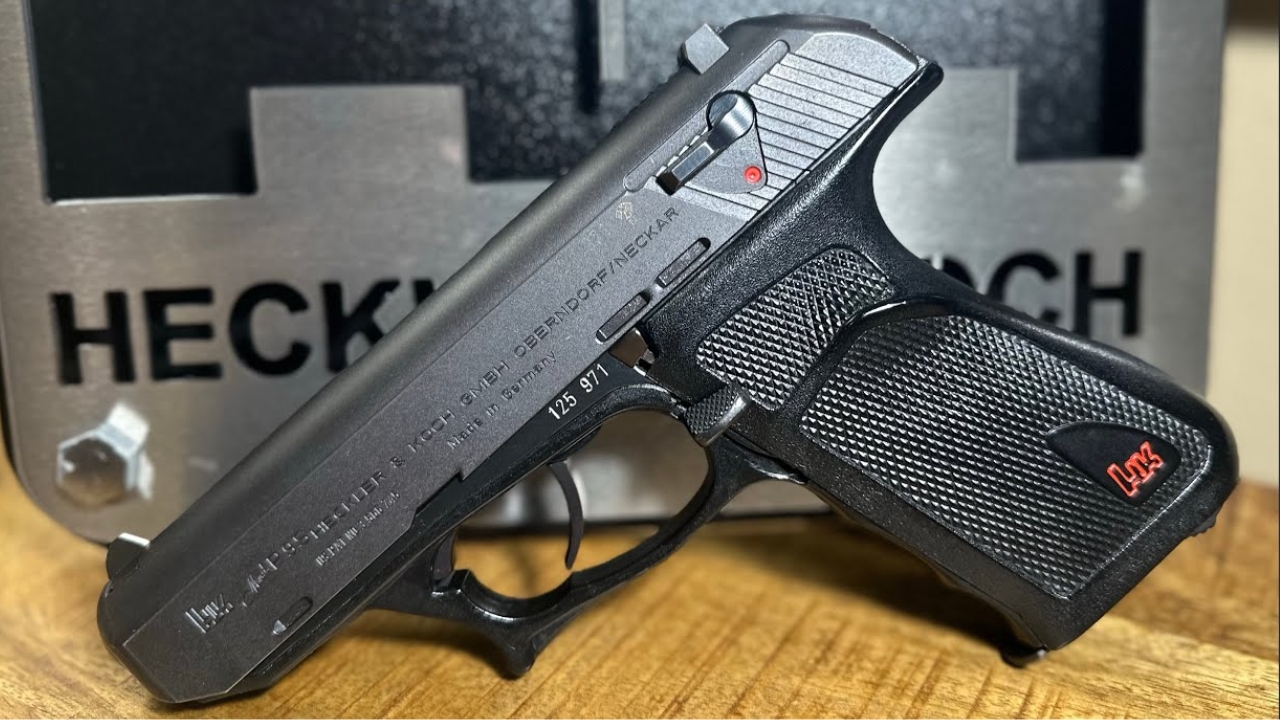
The P9S was one of Heckler & Koch’s most interesting early pistols. Instead of using the conventional locked-breech system found in most service handguns, HK used a roller-delayed action related in concept to its famous rifles. The result was mechanically unusual, surprisingly soft shooting, and far more sophisticated than most pistols of its era.
What kept it from becoming mainstream was probably a combination of cost, unusual controls, and the fact that HK later became much more closely associated with the USP and P7 families. The P9S can feel strange to shooters accustomed to modern polymer pistols, but the trigger, accuracy, and recoil characteristics are impressive. It is one of those pistols that makes you realize how adventurous handgun engineering used to be.
Walther P88

The P88 arrived as Walther’s serious entry into the modern high-capacity service-pistol market. It offered a double-stack magazine, excellent accuracy, ambidextrous controls, and the kind of machining quality buyers expected from a premium German handgun.
The problem was timing and price. The market was rapidly moving toward lighter and less expensive pistols, while the P88 was costly to produce. It never built the following of the P38 before it or the P99 after it. That does not mean the design lacked merit. The pistol is beautifully balanced, the trigger is good, and the overall build quality is excellent. It deserved more than becoming a footnote between two better-known Walther generations.
Star 30M

WestlakeClassicFirearms/GunBroker
The Star 30M was a substantial Spanish service pistol that never achieved the recognition given to comparable Beretta, SIG, or Smith & Wesson designs. It used an all-steel frame, double-stack magazine, and traditional DA/SA operation, creating a pistol that felt exceptionally solid even by the standards of its time.
That steel construction makes the 30M heavy for modern carry, but it also makes 9mm recoil extremely easy to manage. The gun has a smooth, planted character that becomes more obvious the longer you shoot it. Star’s disappearance from the market eventually hurt parts availability and long-term support, but judged purely as a shooting pistol, the 30M was far better than its relatively obscure reputation suggests.
CZ 40B
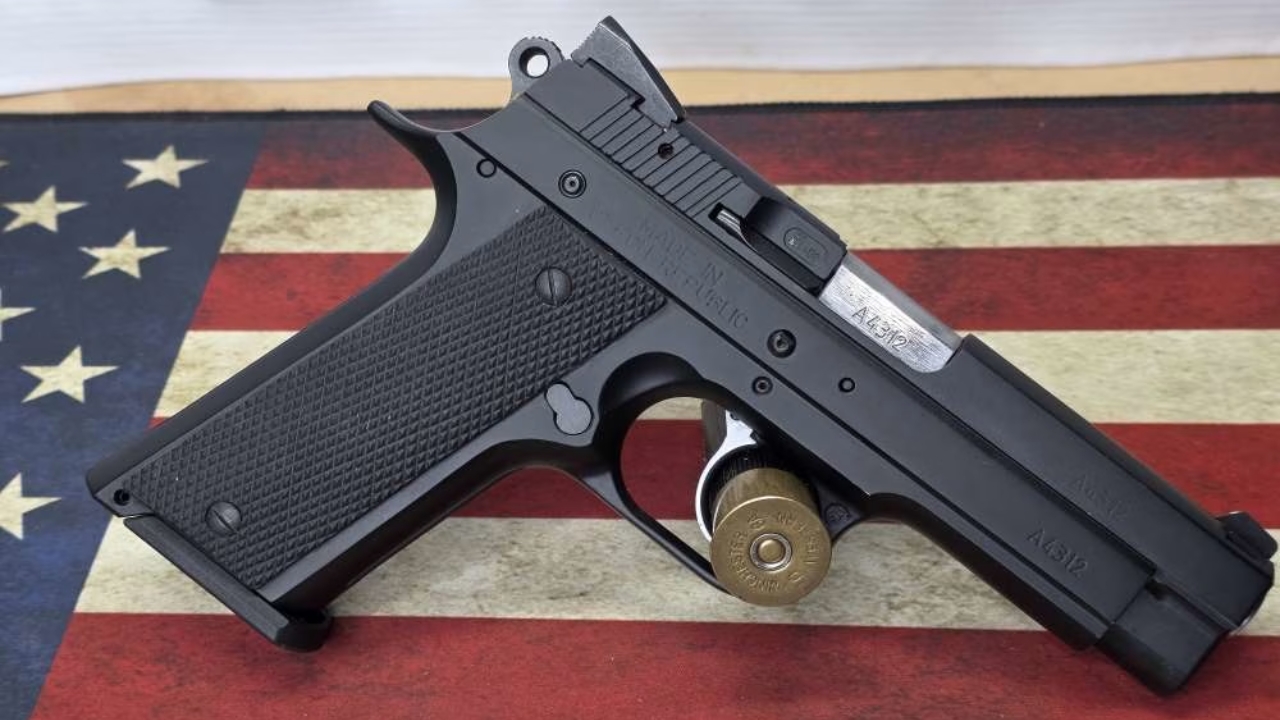
The CZ 40B was the product of an unusual collaboration between CZ and Colt, and its styling alone makes it stand apart from most pistols in either company’s history. Chambered in .40 S&W, it combined CZ mechanical influence with a frame profile that looked almost like a modernized 1911.
The pistol arrived when .40-caliber service handguns were everywhere, which should have helped it. Instead, it remained a niche offering and disappeared relatively quickly. That is a shame because the 40B was comfortable, substantial, and generally pleasant to shoot for the caliber. The design never had enough time to mature into a larger family, leaving it as one of CZ’s more interesting forgotten pistols.
SIG Sauer P250
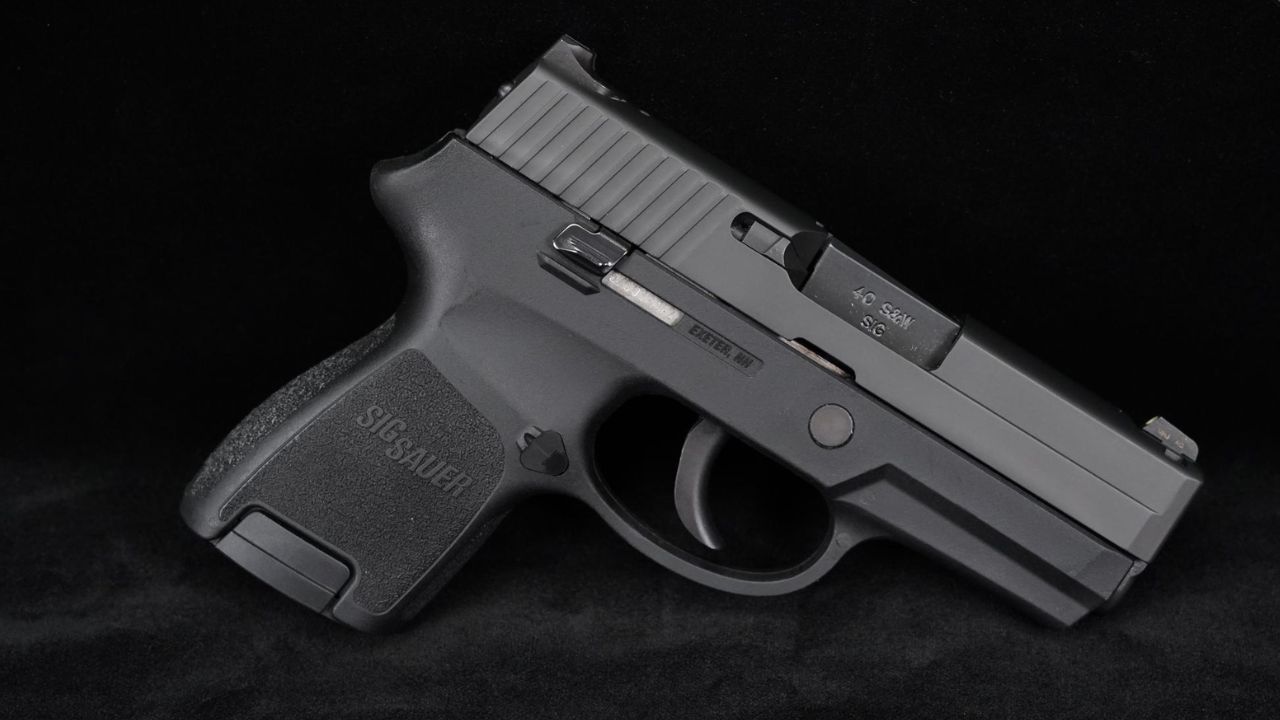
The P250 had one of the most forward-thinking ideas in the modern handgun market: a serialized fire-control unit that could move between different frames, slides, and calibers. That concept should sound familiar because SIG later used a similar modular philosophy to enormous success with the P320.
What held the P250 back was its trigger. SIG used a long double-action-only pull that was smooth but very different from the shorter striker triggers shooters were rapidly embracing. Buyers often dismissed the pistol after a few dry fires without appreciating how consistent the system could become with practice. The P250 was not perfect, but its modularity was years ahead of what most consumers realized at the time.
FN FNP-9
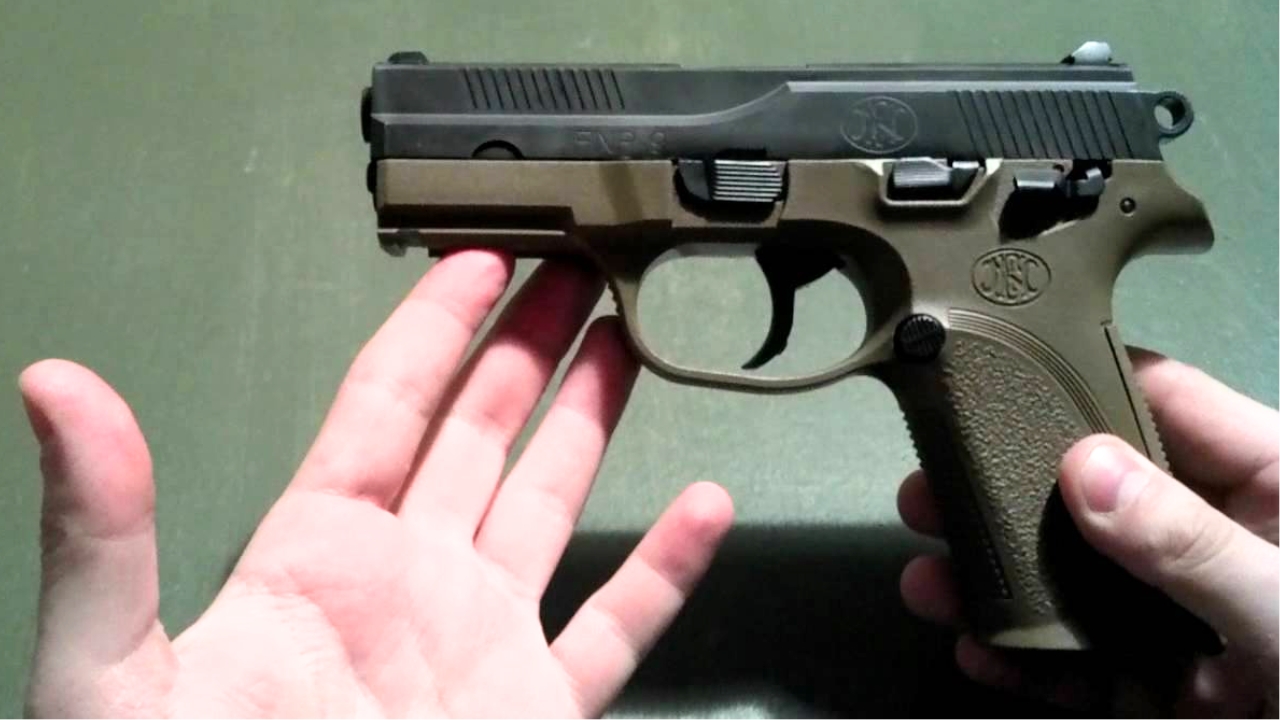
The FNP-9 arrived before FN’s later polymer pistols became widely recognized in the American market. It offered a traditional hammer-fired system, polymer frame, useful capacity, interchangeable backstraps, and a straightforward service-pistol layout.
The problem was that it competed in a crowded market against pistols with stronger civilian name recognition. It also got replaced relatively quickly by later FNX models, preventing the FNP family from developing a long identity of its own. On the range, though, the FNP-9 was comfortable, soft shooting, and easy to operate. It deserved more attention than it received before newer FN pistols pushed it aside.
Beretta 90-Two
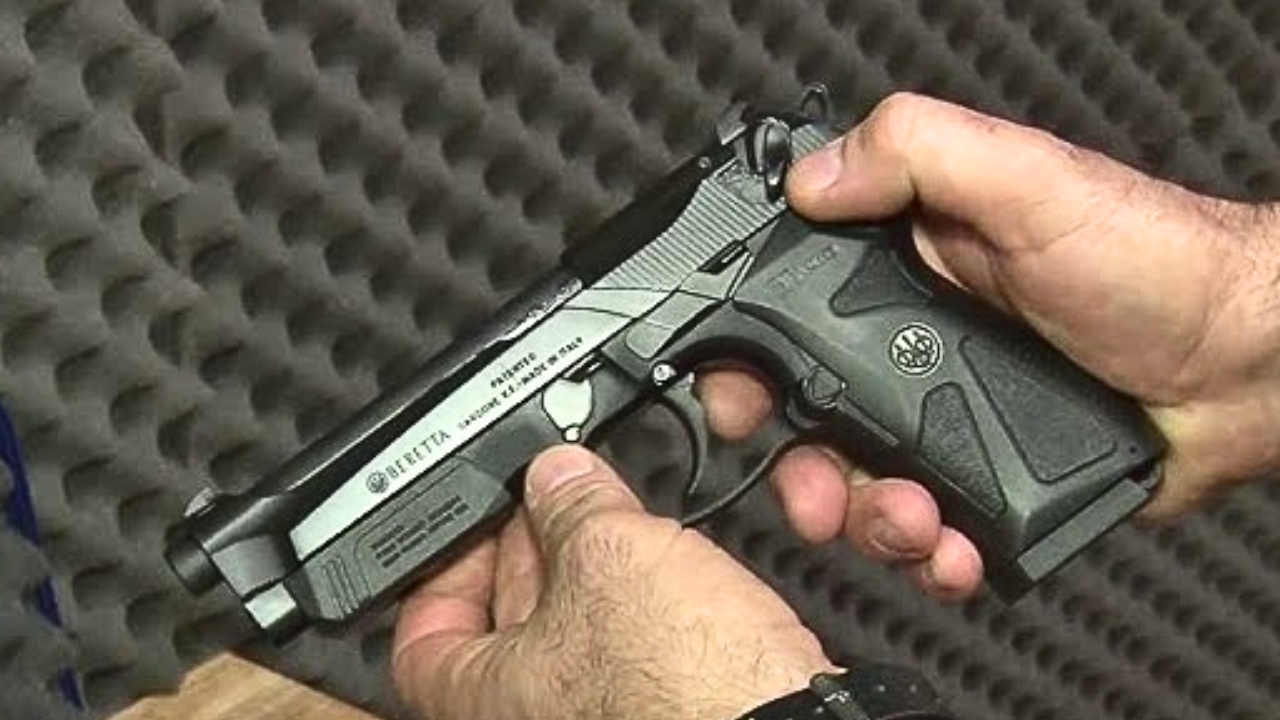
The 90-Two was Beretta’s attempt to modernize the famous 92 platform without abandoning what made the original pistol successful. It added a more sculpted grip, accessory rail, updated styling, and several ergonomic changes while retaining the familiar open-slide design and locking system.
Buyers largely rejected the styling. The gun looked dramatically different from the classic 92FS, and Beretta eventually moved toward the more conventionally styled 92A1 and later 92X family. Mechanically, however, the 90-Two was still an excellent shooter. It retained the smooth recoil and dependable operation of the 92 while adding practical features. Its appearance probably hurt it far more than its performance ever did.
Colt All American 2000

The All American 2000 is usually remembered as a commercial failure, which makes it easy to ignore what was interesting about the design. Colt was attempting to produce a modern high-capacity 9mm that could compete in a market increasingly dominated by polymer and double-action pistols.
The execution had problems, but the concept itself was ambitious. The pistol used a rotating-barrel system and a streamlined profile at a time when Colt desperately needed something modern. Production issues and inconsistent quality damaged its reputation almost immediately. It never became the handgun Colt hoped it would be, but the underlying idea was much more interesting than its reputation as a failed product suggests.
Browning BDM

The Browning BDM was remarkably thin for a double-stack 9mm service pistol. That alone should have earned it more attention. The grip feels almost unnaturally narrow compared with many pistols holding similar amounts of ammunition, and the overall profile makes the gun feel sleek rather than bulky.
Its unusual trigger system probably hurt it. Certain versions allowed different operating modes, which created complexity in a market where buyers increasingly wanted straightforward controls. The pistol also arrived during a period of rapid change in law-enforcement handgun preferences. It eventually disappeared despite being comfortable, accurate, and unusually easy to carry for its size. The BDM deserved a much longer life.
S&W Model 945
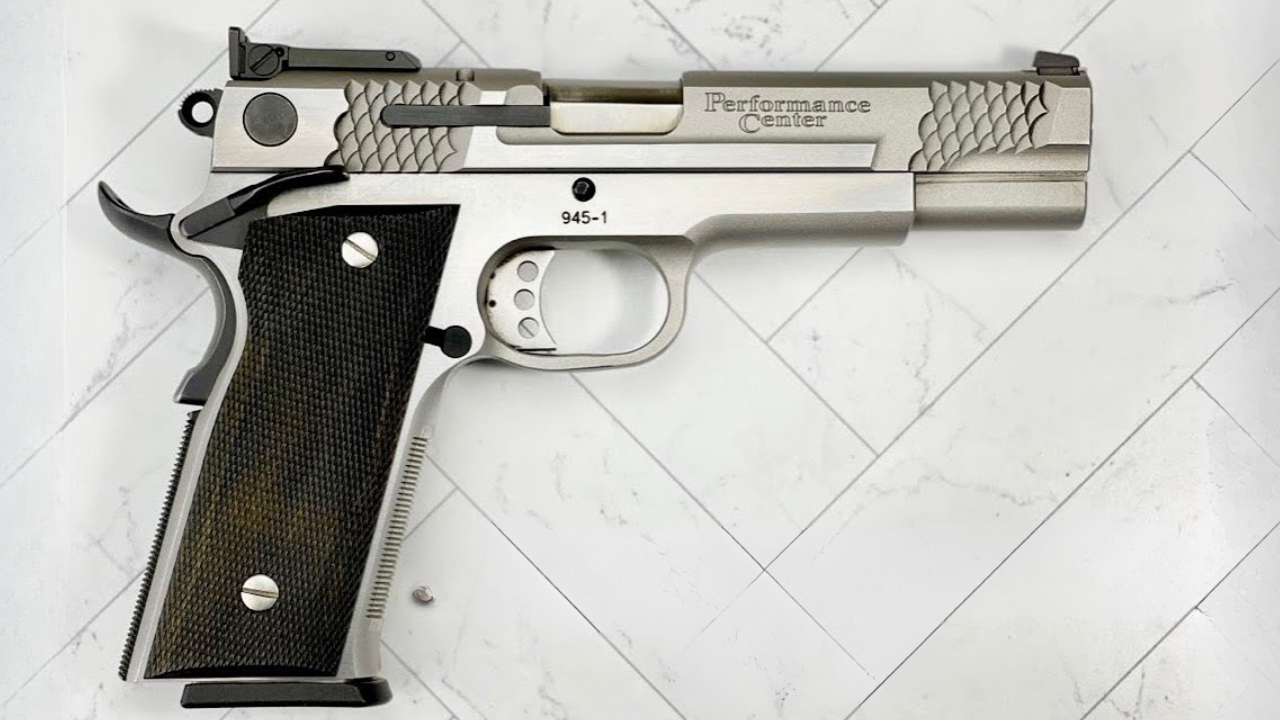
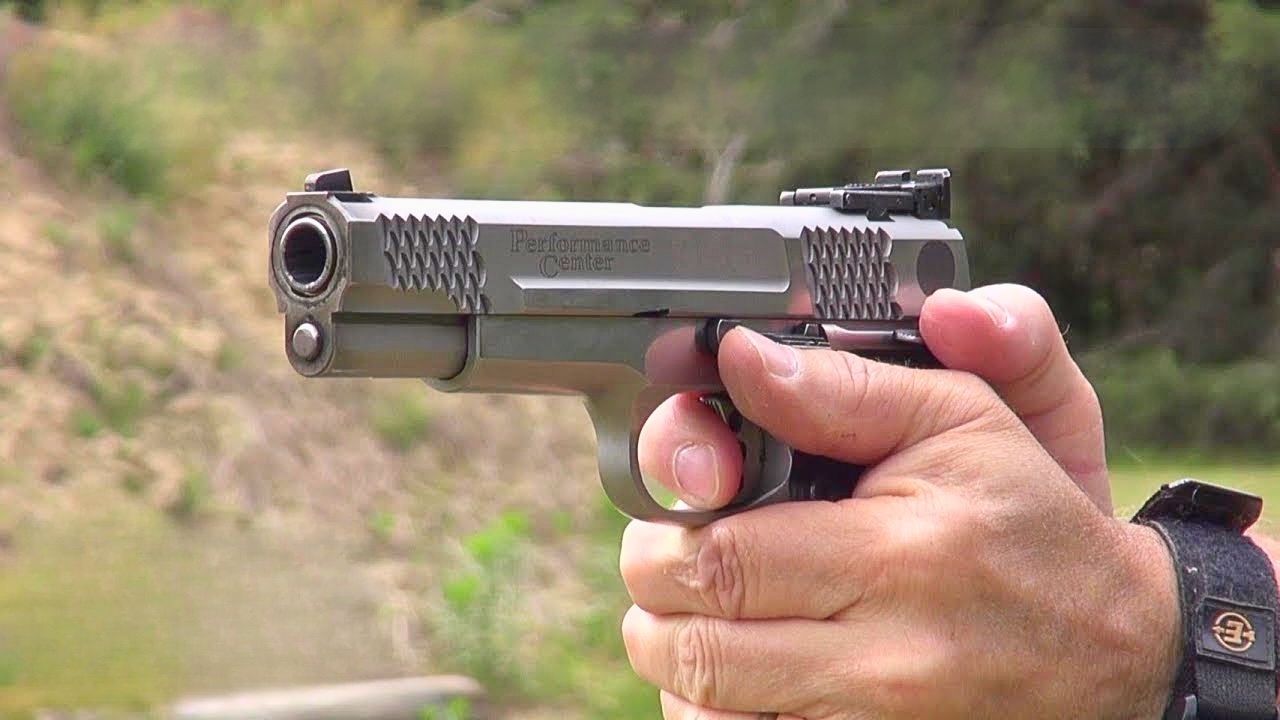
The Model 945 came from Smith & Wesson’s Performance Center and represented a serious attempt to build a premium single-action .45 around something other than a conventional 1911 frame. It borrowed styling cues from classic pistols while using Smith & Wesson’s own approach to the design.
The result was beautifully made and extremely accurate, but it entered a market already obsessed with high-end 1911s. Buyers willing to spend premium money on a .45 often went directly to established custom 1911 brands instead. That left the 945 in an awkward position despite its outstanding quality. Today it is appreciated by collectors, but it deserved far more recognition as a serious shooting pistol when new.
Mauser M2
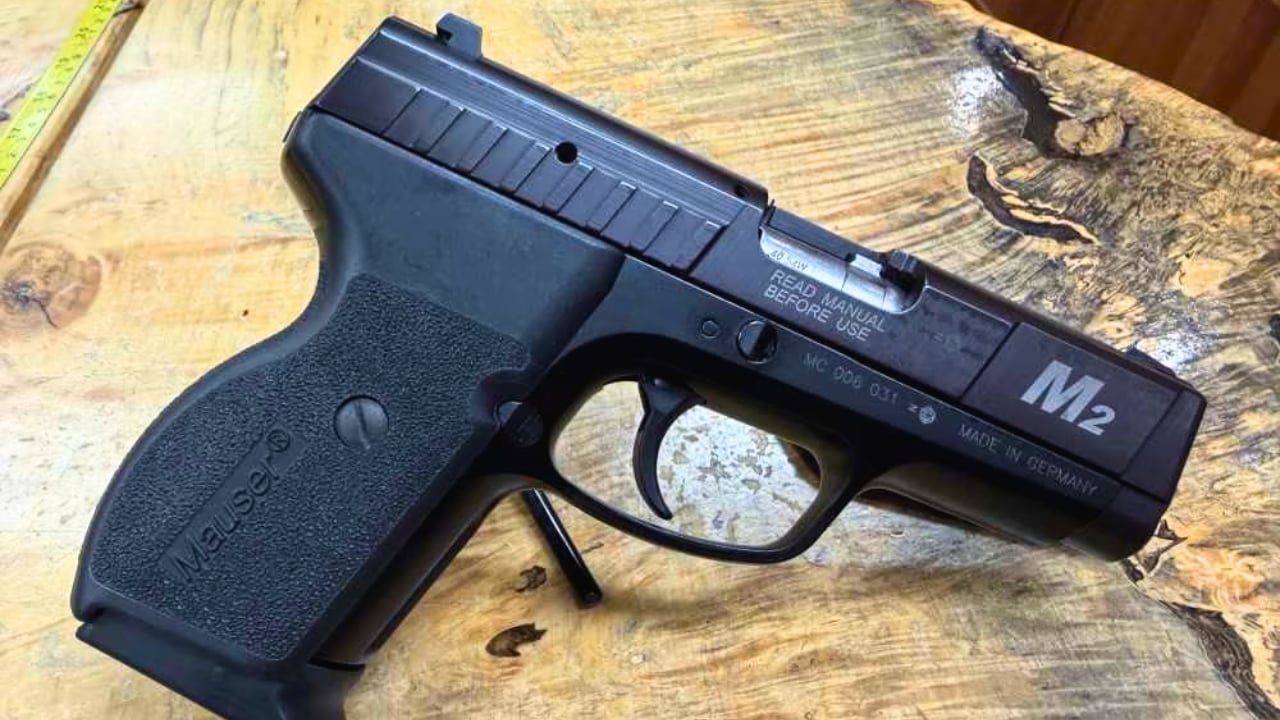
The Mauser M2 was one of the stranger attempts to bring the famous Mauser name into the modern handgun market. It used a rotating-barrel locking system, polymer frame, and compact dimensions, giving it a mechanical layout that differed from most contemporary service pistols.
The gun never caught on. Styling was unconventional, the brand’s handgun identity was weak, and the market already had plenty of proven alternatives. Yet the M2 could be a very pleasant shooter, with the rotating barrel helping manage recoil and the compact frame making it useful for carry. It disappeared before most shooters ever had a chance to form an opinion about it.
Bernardelli P.One
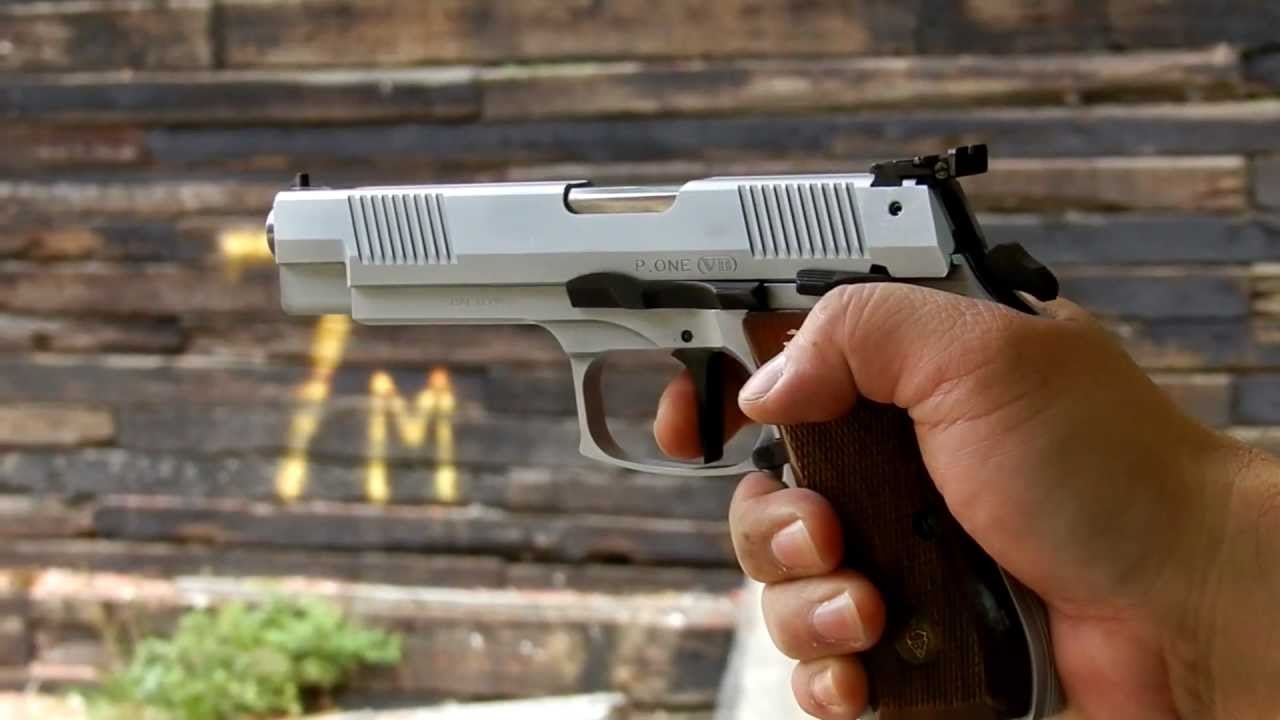
Bernardelli never had the American recognition enjoyed by Beretta, even though the Italian company produced some genuinely interesting pistols. The P.One was a metal-frame DA/SA service handgun that offered solid construction and familiar operation without trying to reinvent the category.
That conventionality may have been part of the problem. It entered a market already full of excellent European service pistols, and Bernardelli lacked the dealer presence and marketing to compete effectively. Shooters who encounter one today often find a pistol that feels much better built than its obscurity would suggest. It is a reminder that brand visibility and mechanical quality are not always closely related.
Benelli B76
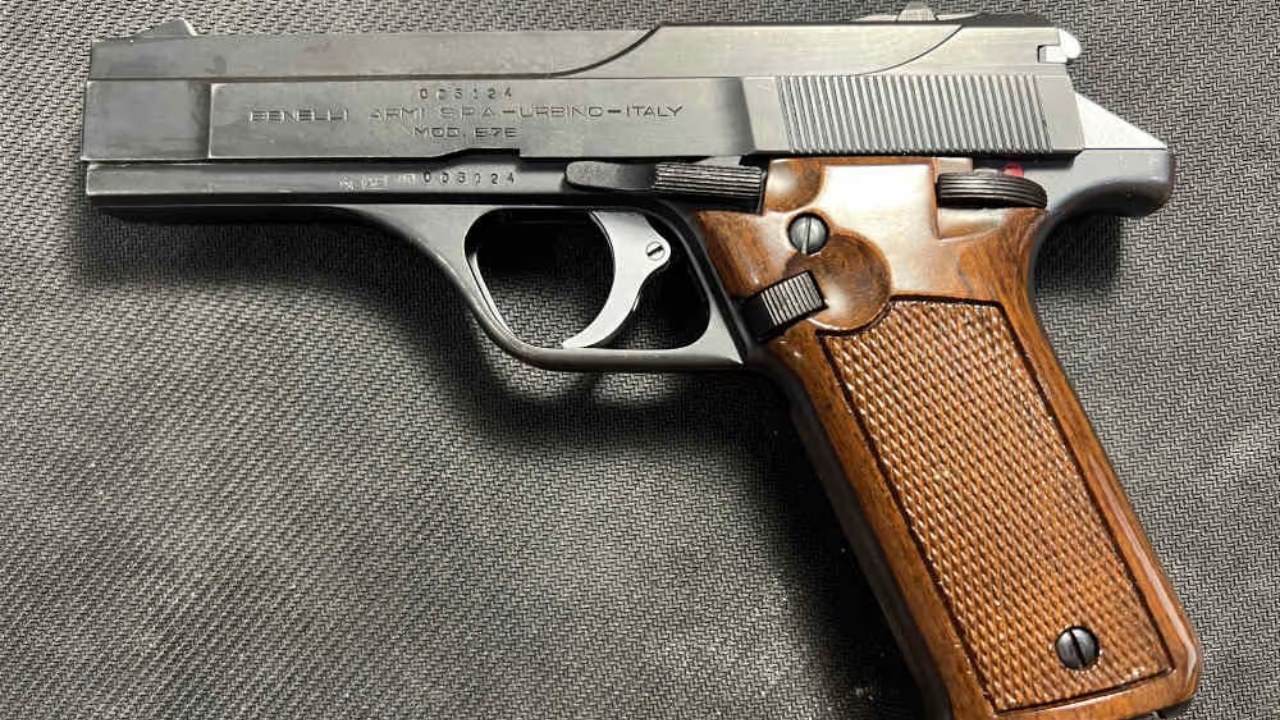
Benelli is associated almost entirely with shotguns today, but the B76 proves the company once produced some very unconventional handguns. The pistol used a fixed barrel and a unique locking system, giving it excellent inherent accuracy and a completely different mechanical feel from common service pistols.
The design was sophisticated, but sophisticated does not always mean commercially successful. The unusual mechanism, limited distribution, and competition from more established pistol brands kept it from gaining serious market share. The B76 is now mostly a collector’s curiosity, which is unfortunate because it represents a period when manufacturers were willing to solve handgun problems in much more creative ways.
Whitney Wolverine
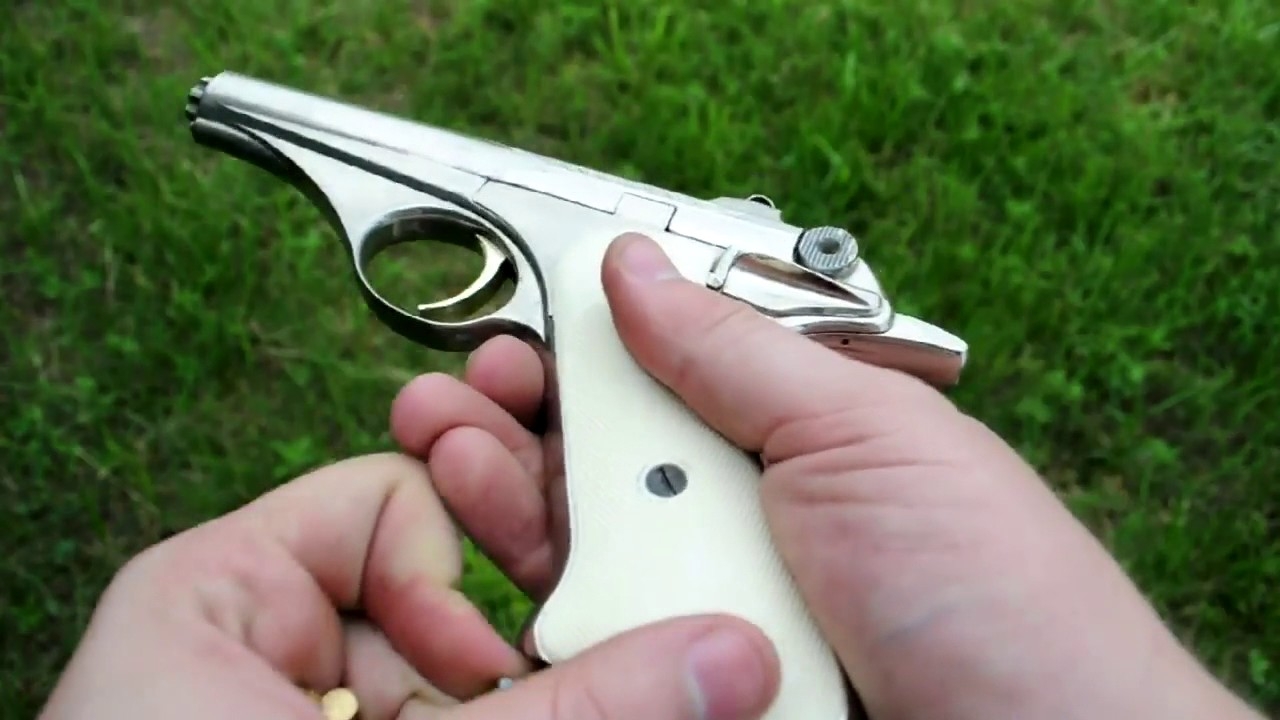
The Whitney Wolverine looked futuristic decades before futuristic rimfire pistols became fashionable. Its aluminum construction, sweeping lines, and lightweight design made it dramatically different from traditional target pistols of the 1950s.
Despite the appearance, it was not merely a styling exercise. The pistol was light, comfortable, and enjoyable to shoot. Production difficulties and business problems prevented it from becoming the long-term success it might have been. Modern reproductions introduced the design to another generation, but the original Wolverine deserved much more recognition as one of America’s most distinctive rimfire handguns.
High Standard HD Military
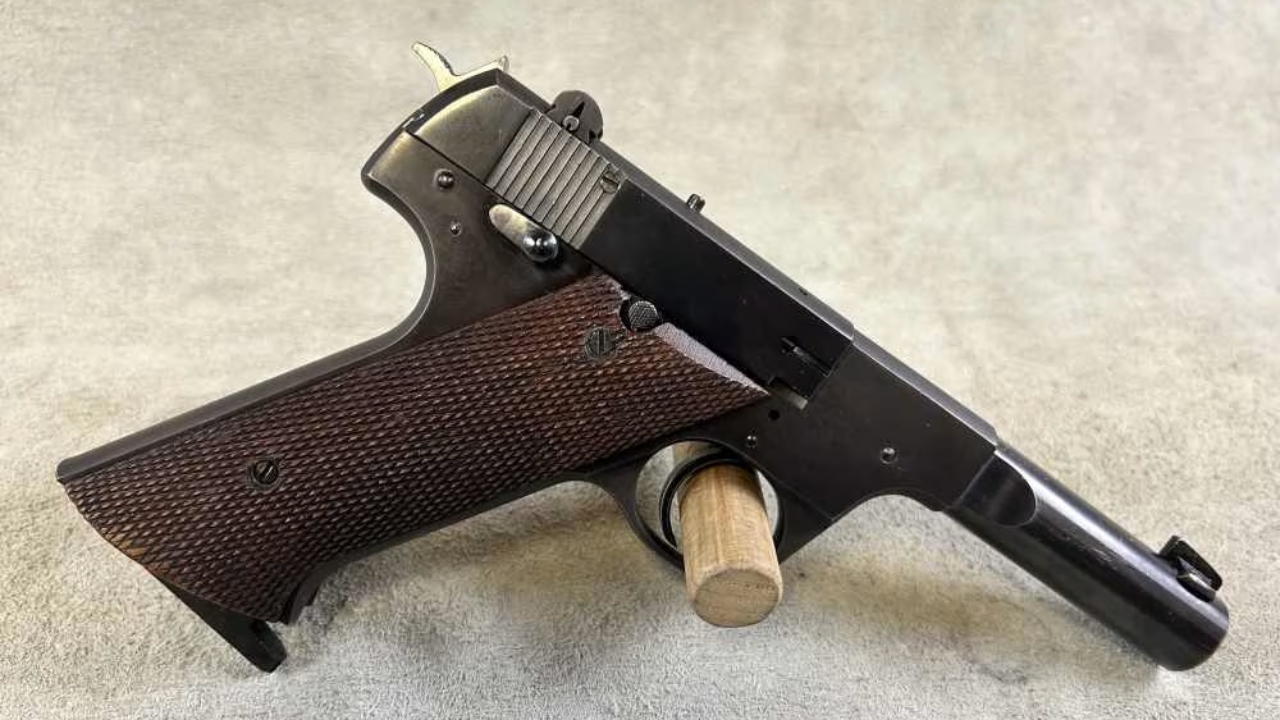
High Standard produced many excellent .22 pistols, yet the HD Military often gets overshadowed by the company’s later target models. It has a fixed barrel, comfortable grip angle, and enough weight to remain exceptionally stable during slow-fire shooting.
The pistol was built during an era when rimfires were expected to be serious training and target guns rather than lightweight recreational pistols. That philosophy shows in the shooting experience. The trigger can be excellent, the sights are useful, and good examples are capable of superb accuracy. Anyone who only knows modern polymer .22s may be surprised at just how refined an older High Standard feels.
Astra Constable

The Astra Constable was a compact Spanish blowback pistol that competed in the same broad market as guns like the Walther PP series. It was offered in smaller defensive chamberings and had traditional DA/SA operation, making it a practical carry pistol for its era.
It never carried the prestige of Walther, which kept it in the background despite being a perfectly useful design. The pistol feels solid, points naturally, and has the kind of compact metal-frame character that has largely disappeared from modern handgun shelves. Used examples remain interesting for shooters who enjoy older European carry pistols but want something less obvious than the usual German choices.
Star Model 28
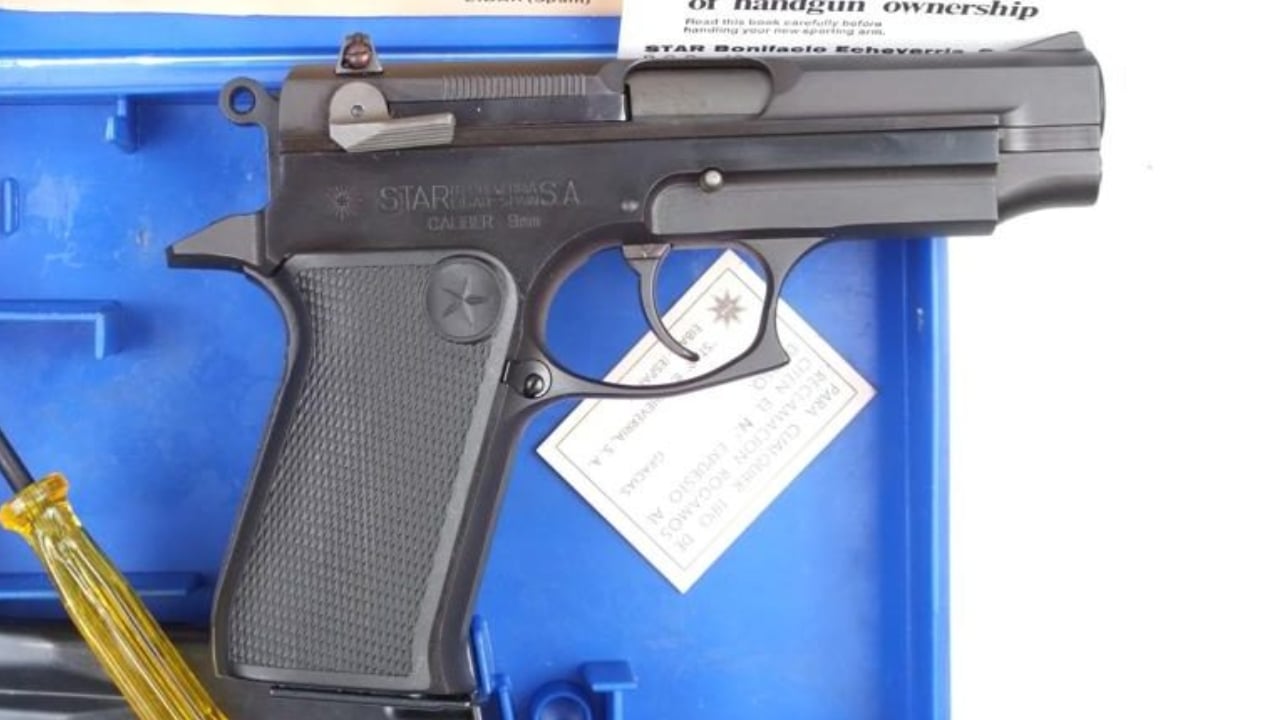
Before the 30M, Star produced the Model 28, another full-size service pistol that deserves more recognition than it receives. It combined a steel frame, double-stack magazine, and conventional controls in a package intended to compete with the major military and police pistols of its era.
The gun is heavy by current standards, but that weight pays off at the range. Recoil is mild, the grip is comfortable, and the pistol feels exceptionally stable. The collapse of Star eventually pushed these guns into obscurity, but there was nothing inherently second-rate about the basic design. It is one of the better examples of a capable service pistol being forgotten because the manufacturer disappeared.
Detonics CombatMaster
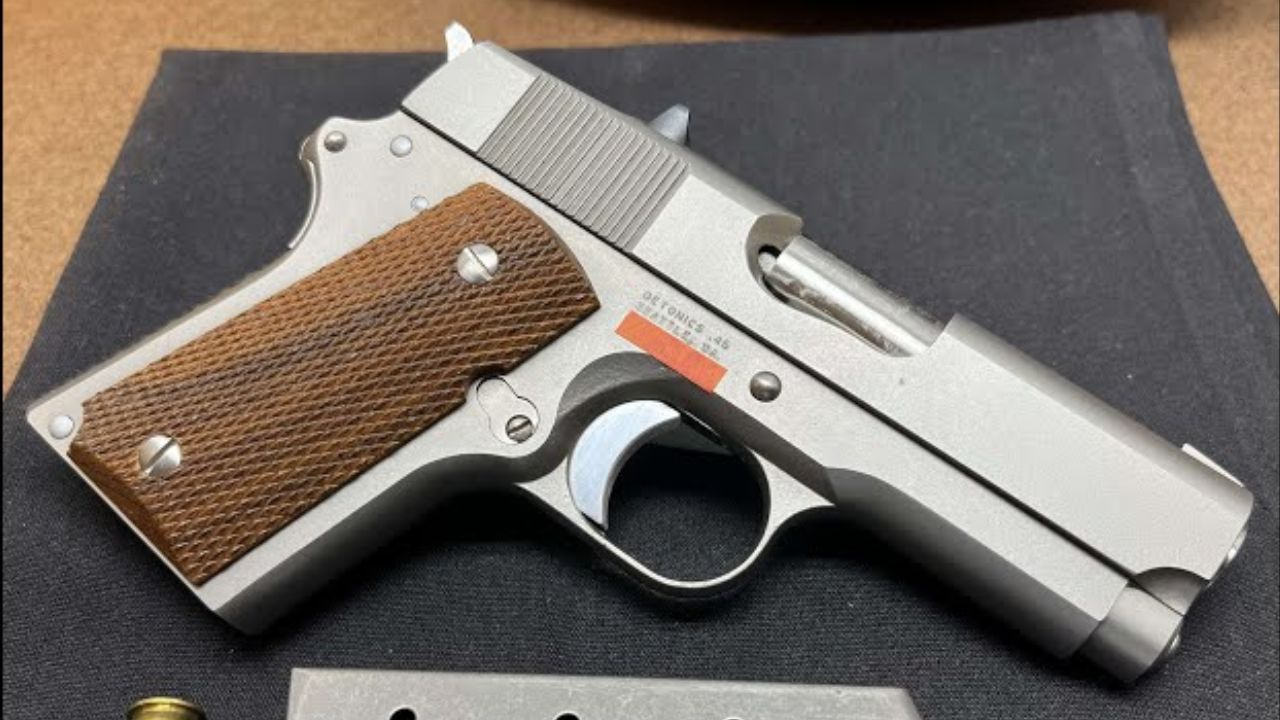
The CombatMaster was trying to solve the compact .45 problem long before subcompact large-caliber pistols became common. Detonics shortened the 1911 dramatically, altered several details of the traditional design, and created a pistol intended specifically for serious concealed carry.
It was influential, but it never became mainstream. The pistol was expensive, compact .45s can be demanding, and Detonics went through enough business turbulence to prevent the design from gaining stable long-term momentum. Even so, the CombatMaster deserves credit for proving that serious shooters wanted smaller 1911-style pistols. Many later compact .45s owe something to ideas Detonics explored early.
Pardini GT9
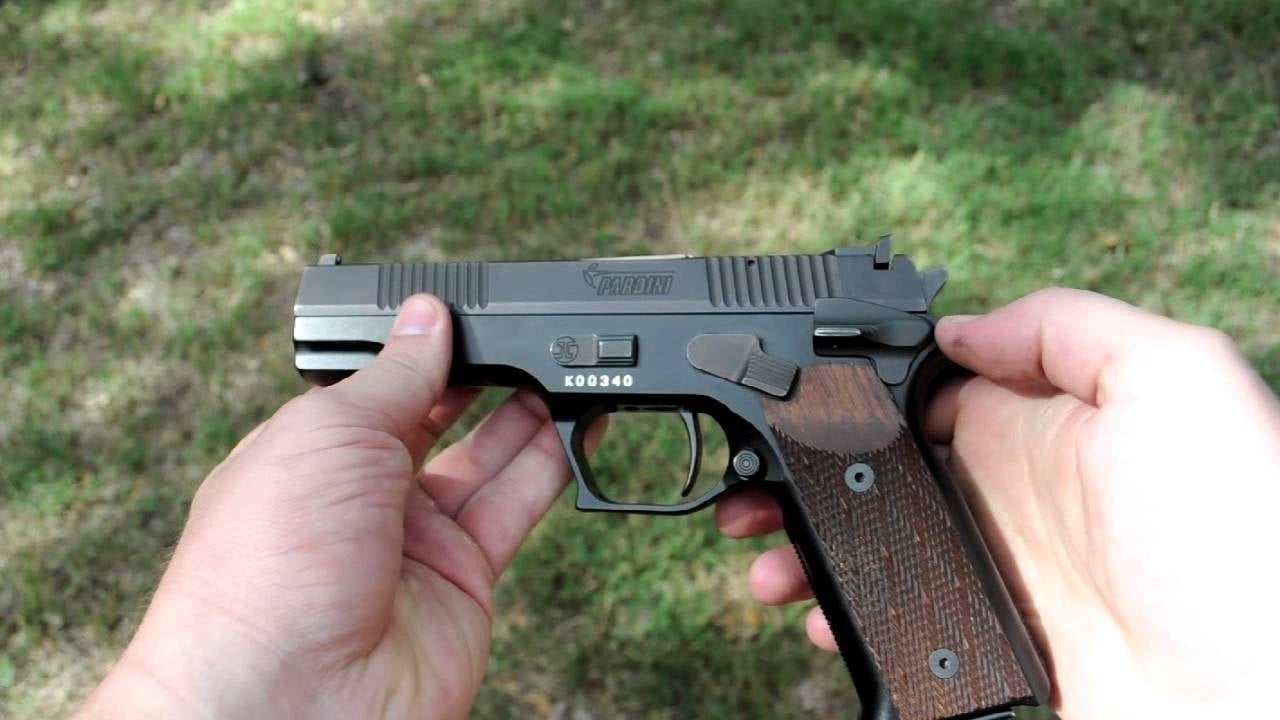
Pardini is famous among serious competitive shooters, but the GT9 never achieved broad recognition outside that world. It is a precision-oriented 9mm pistol built with the kind of attention to trigger quality, balance, and accuracy expected from a company known for international target guns.
The main reason it remains obscure is that it was never aimed at the mass concealed-carry or duty-pistol market. That kept it out of most gun-store display cases and mainstream conversations. Shooters who encounter one quickly realize how different a purpose-built precision pistol can feel. The GT9 may never have needed mass popularity, but it certainly deserved more recognition among shooters who value pure range performance.
Like The Avid Outdoorsman’s content? Subscribe to our newsletter so you never miss an article.
Here’s more from us: