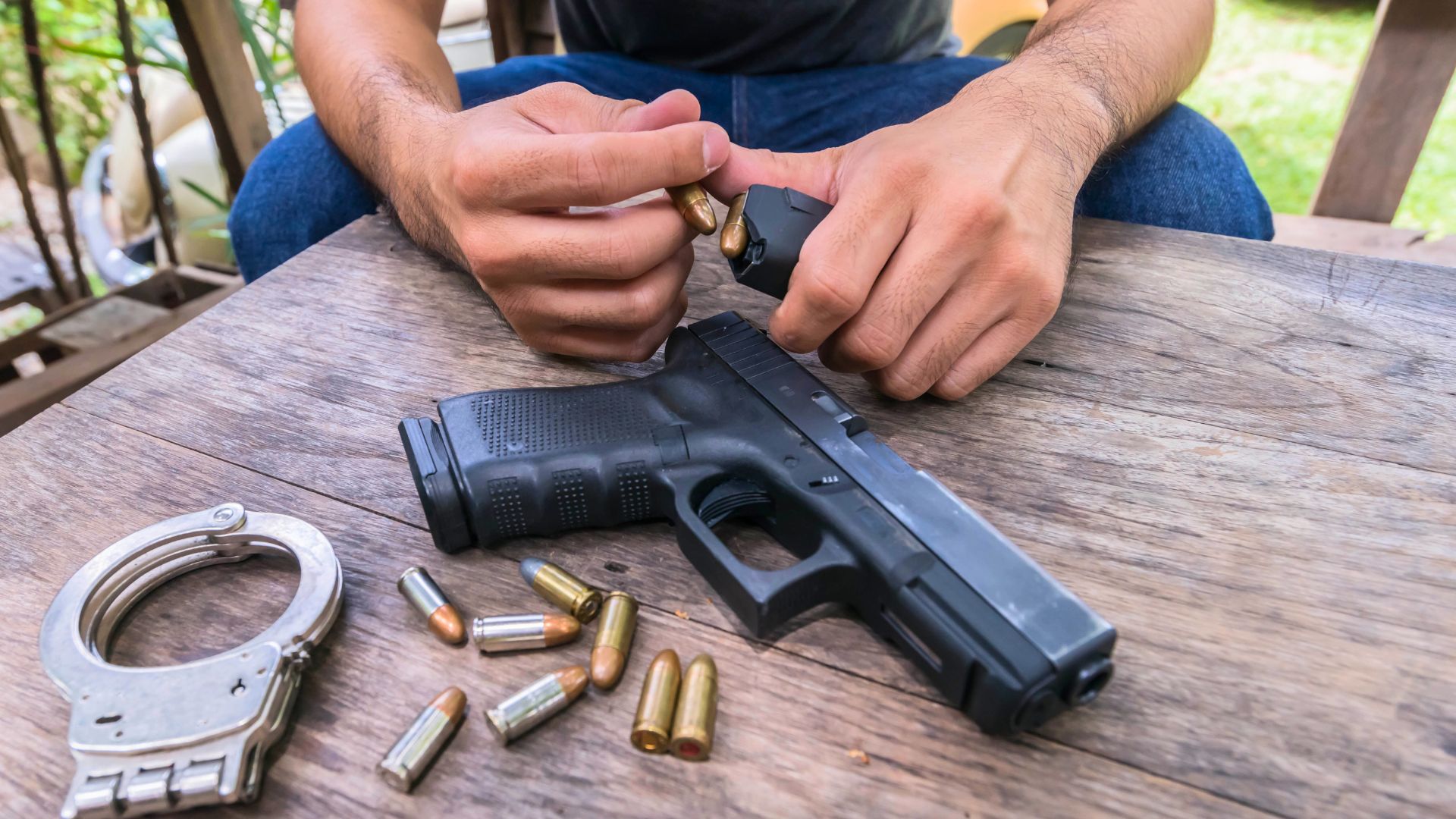
Photo credit: Komsan Somthi/Shutterstock.com
Most hunters and shooters are quick to blame the gun when something goes wrong. A failure to feed, a round that nose-dives into the ramp, a bolt that won’t quite close, or a semi-auto that short-strokes once and then keeps doing it until you’re done for the day. The rifle or pistol gets labeled “picky,” “unreliable,” or “junk,” and the ammo gets a free pass. That’s backwards more often than people want to admit. A lot of perfectly solid guns get turned into jam factories because of ammo choices that look fine on paper but don’t play well with the way the gun actually operates under real conditions.
The frustrating part is that many of these problems don’t show up immediately. A gun may run fine for a box or two at the range, then start acting up when it’s cold, dirty, or being run harder than usual. That’s when people get burned, because they thought the setup was proven. Ammo isn’t just about caliber and advertised velocity. It’s about pressure curves, bullet shape, case quality, consistency, and how all of that interacts with your specific platform. Ignore those details, and even a well-built gun can start embarrassing you at the worst possible time.
Bullet shape causes more feeding problems than people realize
One of the biggest causes of feeding issues is bullet profile, especially in guns that rely on smooth, predictable feeding paths. Flat-nosed bullets, wide hollow points, and oddly shaped polymer tips can all cause problems if the gun wasn’t designed around them. Some platforms are extremely tolerant and will feed almost anything. Others are less forgiving and expect a certain shape and overall length to guide the round cleanly from magazine to chamber. When that expectation isn’t met, the round hangs up, noses down, or catches just enough to ruin the cycle.
This shows up a lot when people switch ammo late in the season or grab whatever was available during a shortage. They assume that if the caliber is right, everything else will sort itself out. It won’t. A rifle or pistol that runs flawlessly with one bullet shape can choke repeatedly on another, even if the quality is similar. Hunters who have lived through this once usually simplify their ammo choices afterward, not because they’re brand loyal, but because they’ve learned that consistency in bullet profile matters more than chasing the newest design.
Inconsistent pressure turns reliable actions into timing nightmares
Another common issue is inconsistent pressure, especially in semi-autos. A gas gun or recoil-operated pistol relies on a certain pressure window to cycle correctly. Ammo that’s underpowered can cause short-stroking, failures to eject, or failures to feed. Ammo that’s loaded hot can cause harsh cycling, premature wear, or erratic behavior that shows up as random malfunctions. On the range, these issues can feel intermittent and hard to diagnose. In the field, they show up as a gun that suddenly “doesn’t like” your ammo when conditions change.
This is where bargain ammo often causes trouble. It may be perfectly safe and perfectly accurate enough, but wide variations in velocity and pressure can make the action behave differently from shot to shot. That inconsistency is poison for reliability. Hunters and shooters who prioritize function over price usually gravitate toward ammo that may cost more per box but behaves the same every time. That predictability is what keeps a solid gun feeling solid instead of temperamental.
Case quality and dimensions matter more than most people think
Cases don’t get talked about much until they cause a problem, but they’re a big part of the reliability puzzle. Soft brass, out-of-spec dimensions, or inconsistent rim geometry can all create issues with extraction and feeding. A round that chambers a little tight on a clean gun might become a problem once carbon builds up or temperatures drop. A rim that isn’t quite right can slip off the extractor or hang up during feeding, especially in platforms that are already working near the edge of their tolerance window.
This is why some guns seem to “hate steel case” or certain bulk-brass offerings. It’s not always about material alone. It’s about how consistently the ammo is made and how well it matches what the gun expects. A lot of shooters discover this the hard way after blaming magazines, blaming springs, and blaming the gun itself, only to see the problems disappear the moment they switch ammo. Solid guns don’t suddenly become unreliable. They react to what they’re being fed.
Mixing ammo types creates problems people don’t anticipate
Mixing ammo types in the same magazine is another mistake that turns good guns into problem children. Different bullet shapes, different pressures, and different overall lengths all change how the gun cycles from one shot to the next. The first round might feed fine, the second might hang up, and the third might feel like it slammed harder than expected. That inconsistency makes diagnosing problems nearly impossible, because nothing repeats the same way twice.
Hunters sometimes do this intentionally, thinking they’re gaining flexibility by loading different bullets for different scenarios. What they’re really doing is introducing variables into a system that depends on consistency. Guns run best when every round behaves the same way. When something goes wrong, you want to know why. Mixed ammo muddies the water and creates malfunctions that feel random even though they’re entirely predictable once you understand what’s happening.
Dirty guns expose marginal ammo fast
Ammo that’s just barely reliable in a clean gun often falls apart once the gun gets dirty. Powder residue, carbon buildup, and unburnt granules increase friction and reduce tolerance for weak cycling. A load that ran fine on the bench can start short-stroking or failing to chamber once you’ve fired enough rounds to foul the action. In hunting scenarios, this can happen faster than people expect, especially in cold weather where lubricants thicken and everything moves a little slower.
This is why reliability testing with clean guns isn’t enough. If your ammo only runs when everything is perfect, it’s not truly reliable. Hunters who’ve been burned once tend to test ammo harder afterward, running it through a slightly dirty gun and paying attention to how it behaves when conditions aren’t ideal. The ammo that keeps working in those situations is the ammo that stays in the rotation.
Accuracy obsession can lead people into reliability traps
Chasing the smallest group possible sometimes pushes people toward ammo that isn’t ideal for their gun’s operating system. A load might shoot beautifully but operate right on the edge of reliable cycling. That’s fine for slow-fire range work. It’s not fine for hunting or defensive use where the gun has to function every time. When people prioritize accuracy alone, they sometimes accept reliability quirks without realizing how dangerous that tradeoff can be.
Experienced shooters tend to flip that priority. They look for ammo that feeds smoothly, cycles consistently, and hits to a known point of impact. If it also shoots tight groups, that’s a bonus, not the main requirement. A slightly larger group that runs flawlessly is always better than a tiny group that comes with excuses. Solid guns deserve ammo that lets them stay solid.
Magazines amplify ammo problems instead of hiding them
Ammo issues often get blamed on magazines because magazines are easy targets, but in reality, bad ammo and marginal ammo put magazines in impossible situations. Weak springs, worn feed lips, and marginal designs will show problems sooner, but even good magazines can struggle if the ammo shape and pressure aren’t cooperating. That’s why some people swap magazines endlessly without fixing the underlying problem. They’re treating the symptom, not the cause.
When ammo is right, magazines tend to behave. When ammo is wrong, magazines become scapegoats. Shooters who figure this out simplify their setups quickly. They pick a proven magazine, then tune ammo choice around what that magazine feeds best. If you want an example of how this thinking plays out in the real world, many shooters running semi-autos stick with known, consistent factory loads and pair them with proven magazines like Magpul PMAGs for rifles, because that combination removes variables instead of adding them. The point isn’t the brand. It’s the consistency.
How smart ammo choices keep good guns running
The simplest way to avoid turning a solid gun into a jam factory is to choose ammo with boring reliability. Consistent pressure. Predictable bullet shape. Good case quality. No surprises. Then prove it in the gun you actually carry or hunt with, not just on a calm range day. Run enough of it to be confident, and don’t assume one box tells the whole story. Guns are systems, and ammo is a huge part of that system whether people like it or not.
Hunters who get this right tend to stop experimenting during the season. They do their experimenting early, settle on what works, and stick with it. That discipline pays off when the moment is real, because nothing about the gun feels uncertain. The rifle or pistol behaves the way it always does, and that consistency frees up mental space for decision-making instead of troubleshooting.
Like The Avid Outdoorsman’s content? Subscribe to our newsletter so you never miss an article.
Here’s more from us: