Photo credit: SUNDAY GUNDAY/Youtube
Every rifle looks good on a clean bench with bright lights and a five-shot group you can post online. The truth shows up when it’s sleeting sideways, your hands are numb, your pack strap is snagging your sling, and the shot comes at the worst possible angle in the worst possible light. That’s when certain rifles stop feeling “highly rated” and start feeling fussy.
This isn’t a hit list of junk guns. A bunch of these rifles can shoot just fine and will stack holes when conditions are polite. The problem is they’re the kind of rifles that get glowing reviews from range sessions and then start losing their edge once mud, cold, heat, cheap ammo, awkward positions, or real hunting pace enters the picture.
1. Remington 783

The 783 gets praised because it’s usually accurate enough for the money, and I won’t argue that. But the budget feel shows up fast when you’re working the bolt from odd positions or trying to quietly chamber a round in the dark. The bolt lift can feel sticky, and the whole gun has that “it’ll do” vibe instead of “it wants to work.”
In cold weather with gloves, the rough edges become more obvious. Add a little grit or frozen condensation and it’s not hard to see why some hunters end up wanting something smoother. It’s a capable rifle, but it doesn’t stay pleasant when conditions turn mean.
2. Ruger American Rifle (Gen 1)
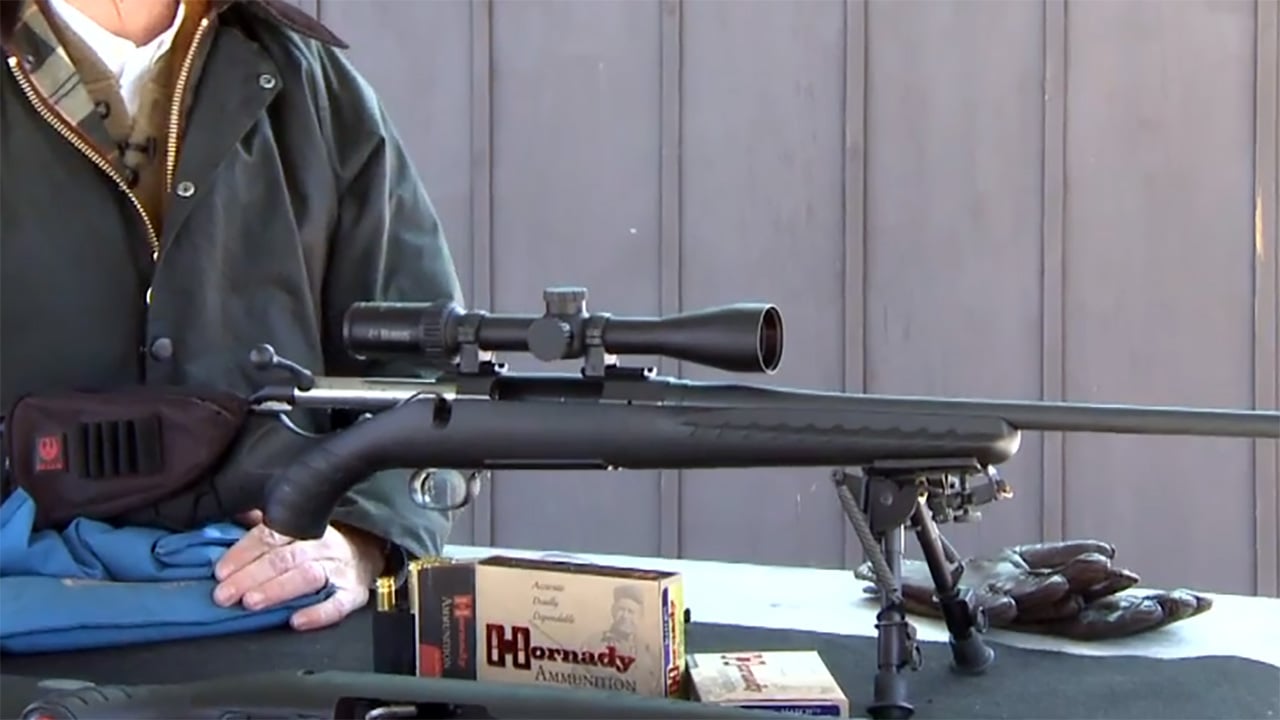
These rifles sell like hotcakes because they typically shoot better than they have any right to. The weak link is the feel and the furniture. That light polymer stock can flex, and if you load a bipod or clamp into a tight rest, point of impact shifts can show up at the worst time.
On a calm day at the range, it’s easy to miss. In the field, when you’re braced against a tree on a steep sidehill, you notice it. The action works, but the whole rig can feel “whippy” when you need it steady.
3. Savage Axis II
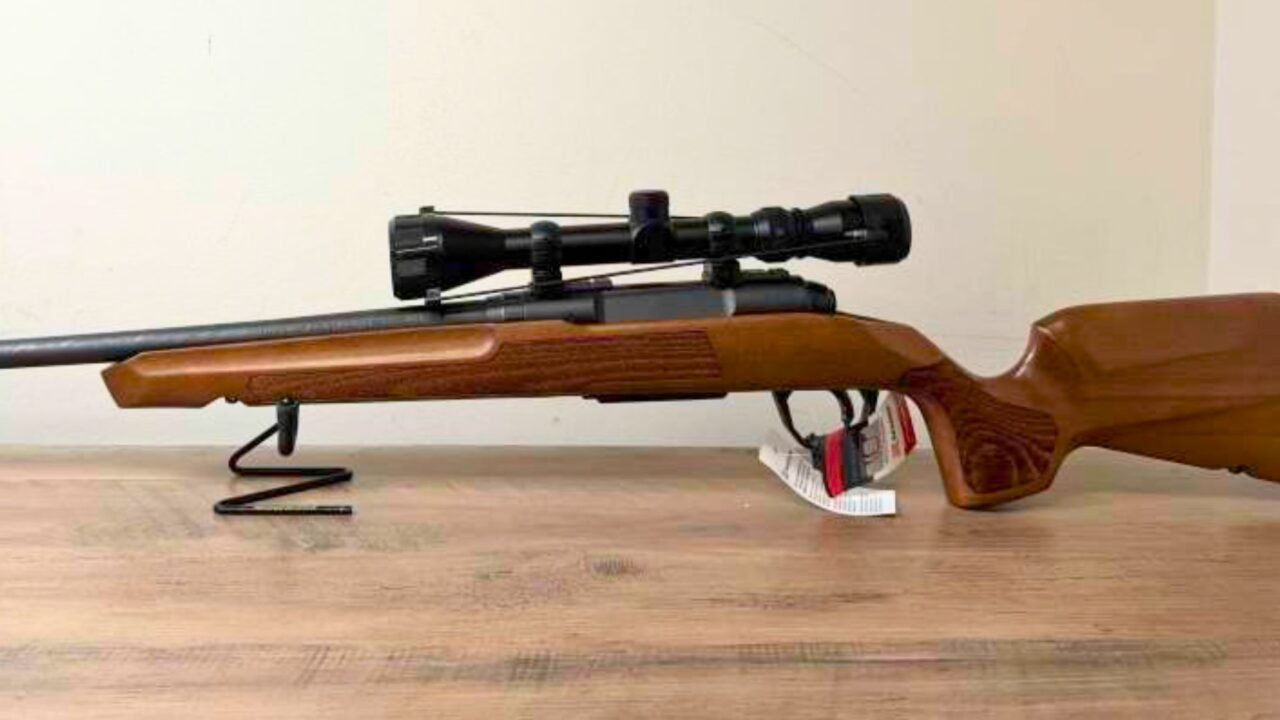
The Axis II with the AccuTrigger has probably convinced more folks to buy a “budget” bolt gun than anything else. The rifle often shoots, no doubt. Where it loses points is the magazine system and overall handling when you’re moving fast or dealing with gloves and numb fingers.
The detachable mag can be a little awkward, and the rifle’s balance can feel hollow-light. If you hunt in thick stuff and do a lot of in-and-out of vehicles or side-by-sides, that’s where the small annoyances pile up.
4. Mossberg Patriot
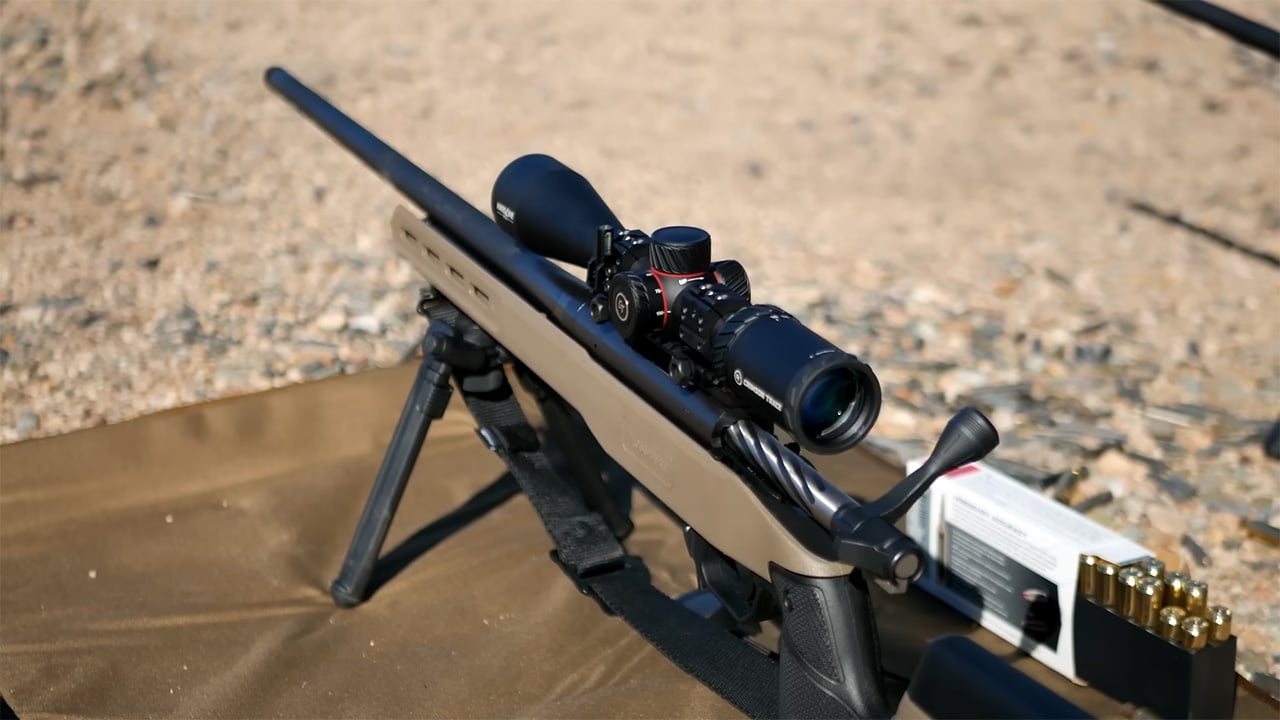
Some Patriots are absolute tack drivers. Some are… not. The bigger issue is consistency and how they feel after a wet day. The bolt can feel a little rough, and the stock and bedding aren’t doing you favors if you bump it around or torque it in different rests.
If you baby it, you might never notice. Treat it like a hunting rifle that rides in the back seat, gets leaned on, gets snow packed into the action, and suddenly the “great deal” doesn’t feel so great.
5. Thompson/Center Compass
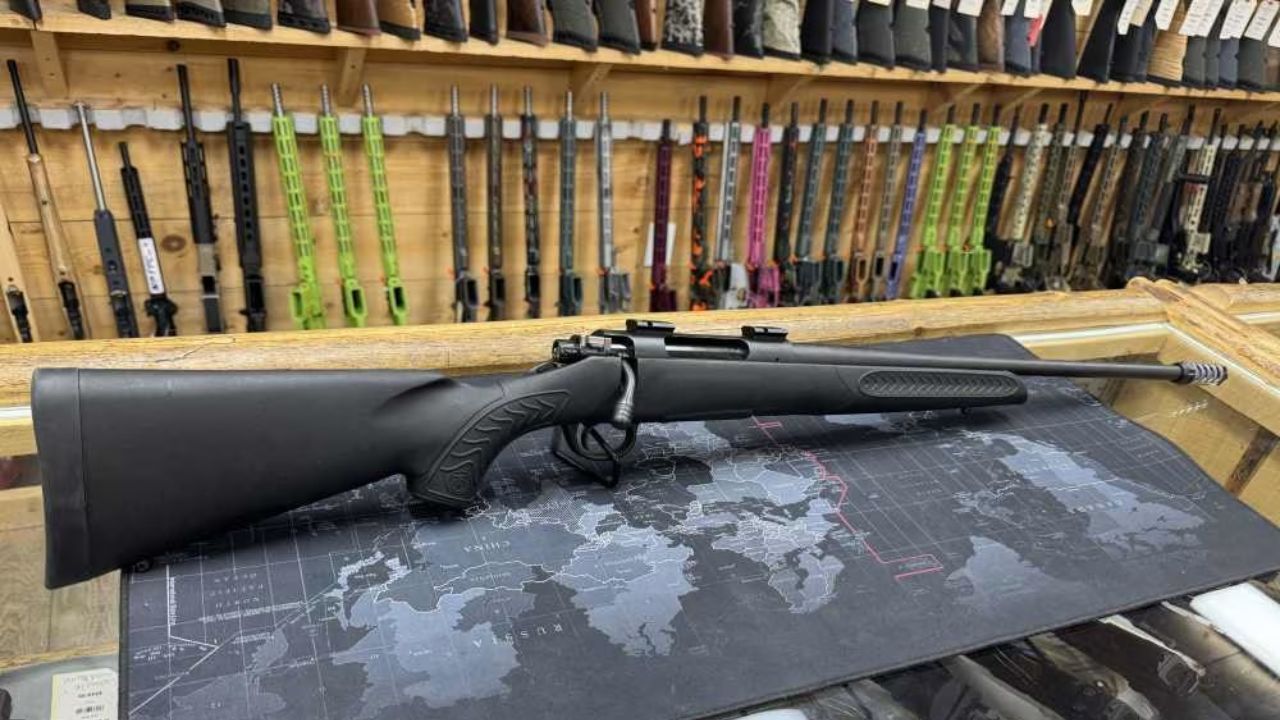
The Compass is another one that can shoot well for the price, and it often surprises folks. But the overall ergonomics and finish are where the hard conditions start to show cracks. Controls feel budget, and the rifle doesn’t always handle quietly.
When you’re trying to slip into a stand before daylight without clacking parts around, you notice. When your hands are cold and you need positive control of the bolt and safety, you notice again.
6. CVA Cascade (first-generation quirks)

The Cascade earned a lot of good press for accuracy and value, and plenty of them deserve it. What trips some owners up is tolerance stacking: little fit-and-finish issues that don’t matter until you’re on a long hunt and everything is wet, dusty, or getting cycled a lot.
I’ve handled Cascades that felt great and others that felt like they needed a little more polish. In a box blind, you may never care. On a mountain hunt where you’re living with the rifle all week, those small things turn into daily irritations.
7. Ruger Precision Rifle (RPR)
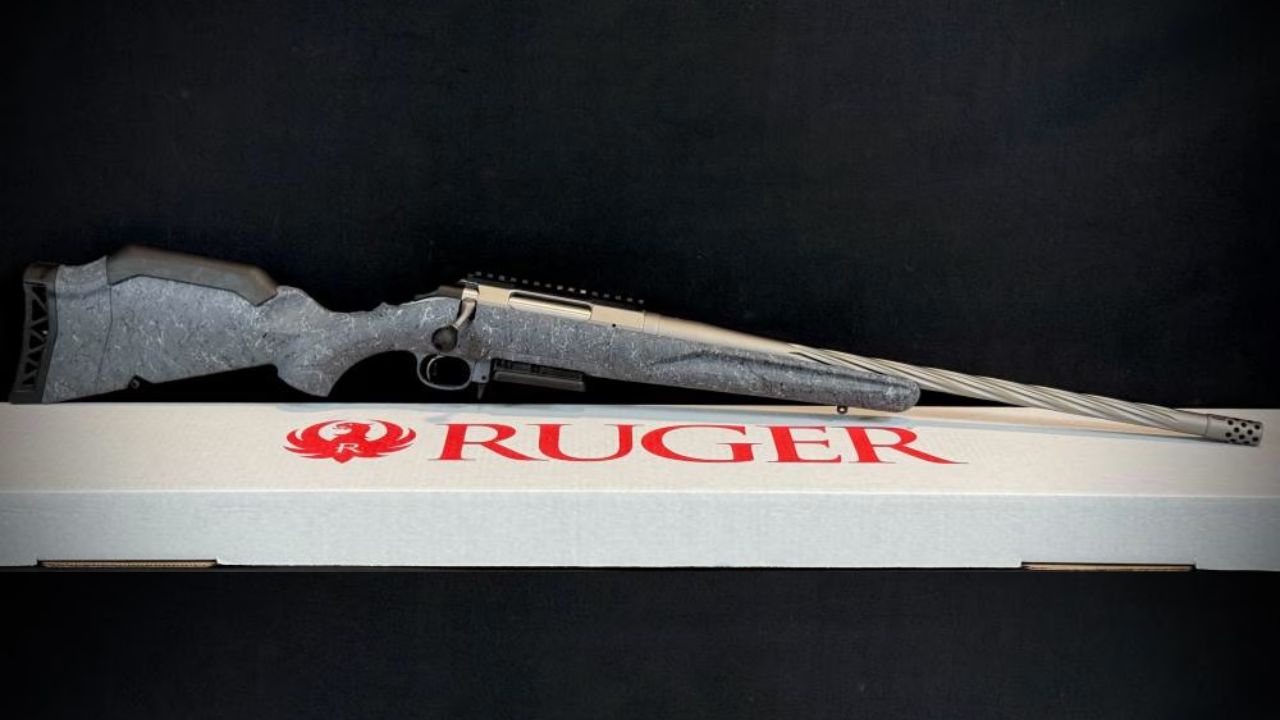
The RPR is a range hero. On a square range with a bag, it’s easy mode. The trouble is the minute you ask it to be a “rifle you carry,” it turns into a boat anchor with edges that snag everything.
Wind, dust, and field positions are also where you find out how much of your success was the chassis and bipod doing the work versus you actually running the gun well. It’s an excellent tool, just not a forgiving hunting companion when the terrain gets ugly.
8. Savage 110 Precision

Same story as the RPR, different flavor. Great concept, lots of adjustability, and plenty of accuracy potential. But “precision rifle” features can become liabilities when you’re crawling through brush, climbing fences, or trying to keep things quiet.
It’s also easy to bolt too much stuff on these rifles and end up with a rig that’s miserable to haul. When conditions get difficult, weight and snag points aren’t theoretical problems anymore.
9. Springfield Armory M1A (Loaded/SOCOM variants)
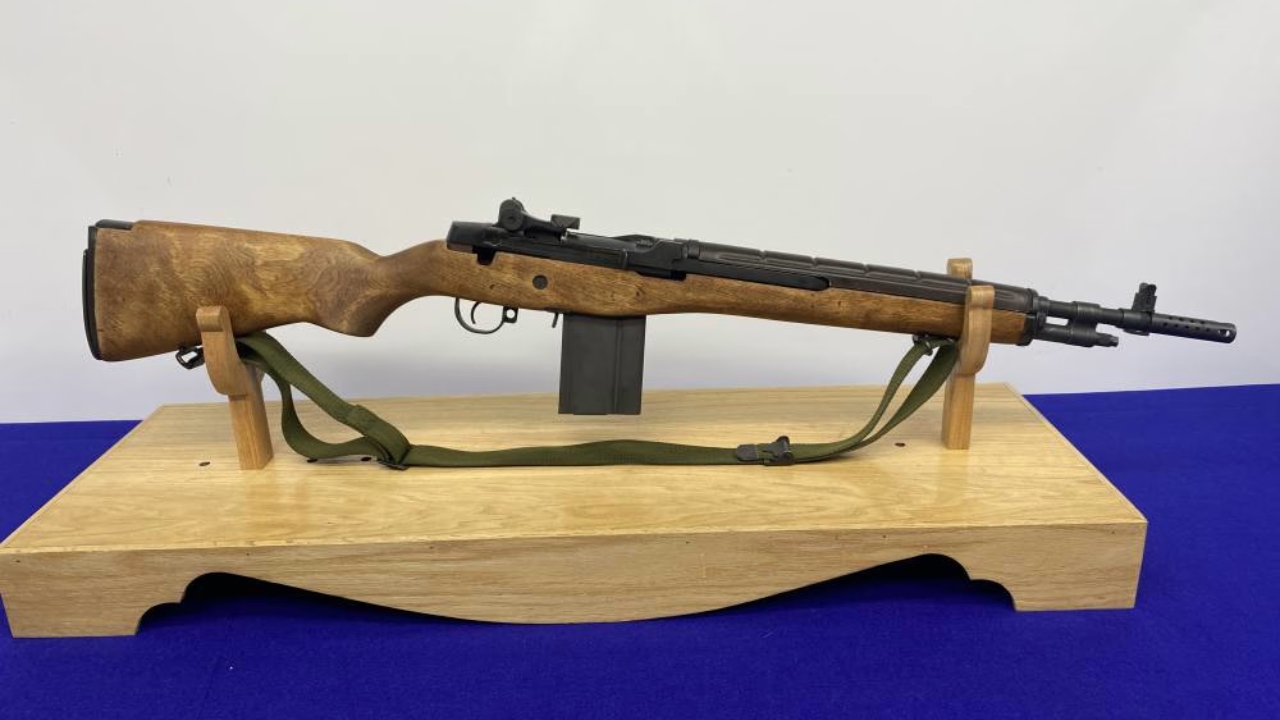
I love the idea of an M1A. In clean conditions with good mags and decent ammo, they can be a lot of fun. When you add cheap surplus-style ammo, questionable magazines, or a rough day of dust and carbon, you can watch “romantic” turn into “finicky” fast.
Accuracy can also be more mood-dependent than owners want to admit, especially once the rifle heats up. It’s a classic, but it’s not the rifle I’d pick for hard use with zero patience for drama.
10. Ruger Mini-14 (older thin-barrel models)

The Mini-14 has earned its place, and it carries well. The older, thinner barrels are where the shine wears off once you shoot more than a slow string. Heat opens groups, and suddenly the “it’s good enough” rifle isn’t good enough when you actually need to make a clean hit past close range.
In cold weather predator calling, you might never fire enough to matter. In a high-volume day or a situation where follow-up shots happen fast, the limitations show up in a hurry.
Free for gun owners: If something happened to you tomorrow, would your family know where the guns are, who has the safe combination, or what to do first? Our free Gun Owner’s Family Checklist walks them through it. It takes about 15 minutes to fill out. Get your free copy here.
11. Kel-Tec SUB-2000

Foldable, clever, lightweight. Reviews love clever. The moment you start running it hard, the compromises become real: the sight radius, the ergonomics, the cheek weld, and the way it behaves with optics setups.
If it’s just a backpack novelty, fine. If you’re counting on it in nasty weather or under stress, it’s not as forgiving as a conventional PCC. Also, folding mechanisms and grit don’t exactly get along.
12. Smith & Wesson M&P15 Sport II (bare-bones setups)
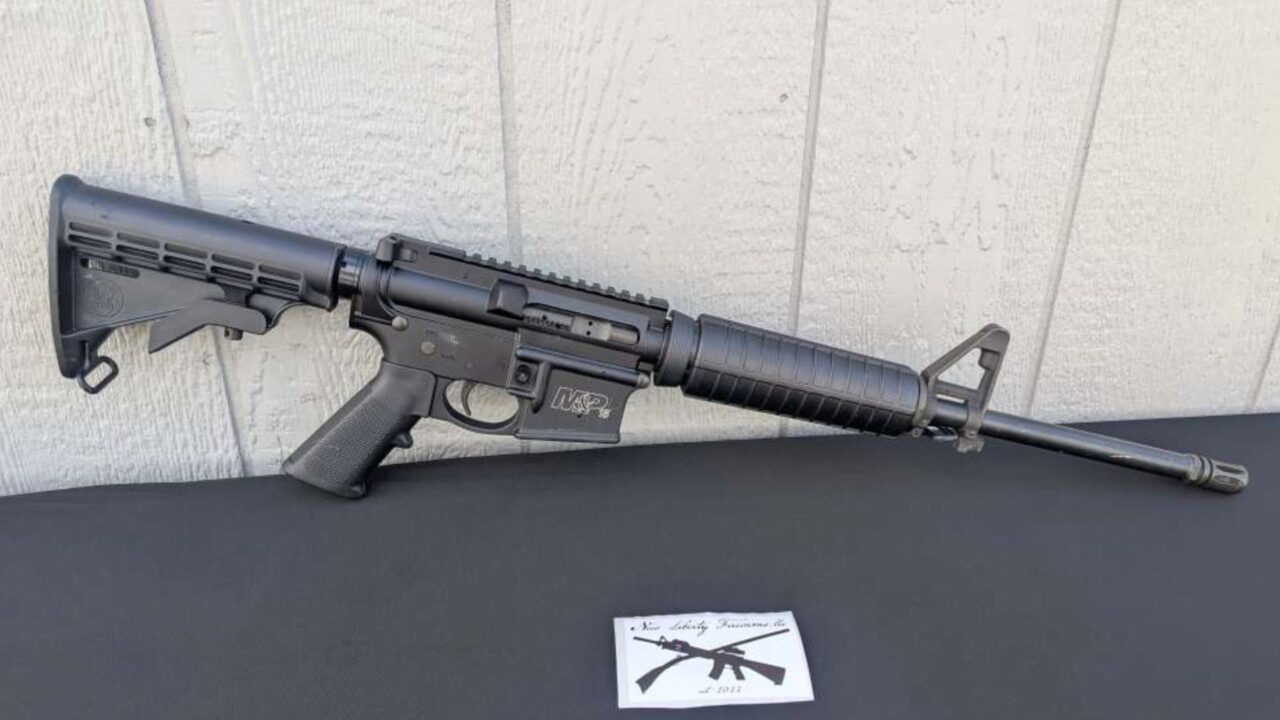
The Sport II has probably done more to get folks into ARs than almost anything. A basic AR can be a great rifle. The issue is when “basic” turns into “underbuilt for how I’m using it,” especially once you start pushing round counts, heat, and cheap ammo.
Plenty run fine. But when conditions get dusty, when lubrication gets neglected, or when the rifle is run hot, the budget components can show their limits. It’s not a deal-breaker; it’s just reality.
13. DPMS Oracle

The Oracle has a long history as an entry-level AR that looks like a bargain. The catch is the inconsistency from rifle to rifle and the way small parts choices can show up as annoyance under hard use—gas key staking, extractor tension, and general “meh” assembly.
When it’s clean and cool, you might think it’s perfect. When you’re shooting in windblown grit or you’re doing a long class day, you may find yourself wishing you’d started with something a little more robust.
14. Bushmaster Carbon 15

Lightweight sounds great until lightweight comes with tradeoffs you can’t ignore. Polymer receivers and hard use have a complicated relationship, especially with heat and repeated stress. The rifle can feel handy right up until it doesn’t.
If you only shoot a little and keep it clean, you might be happy. If conditions get hot, dirty, or you start pushing volume, the “cool idea” starts to feel like a shortcut.
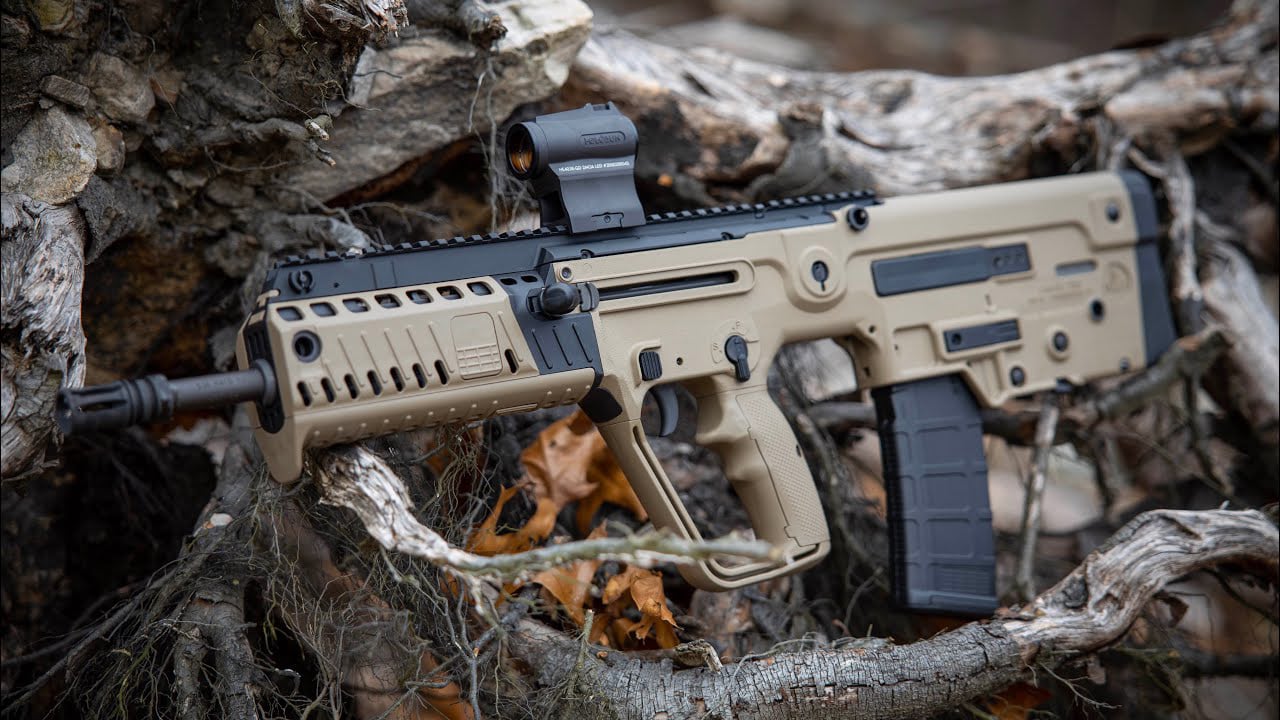
15. IWI Tavor X95 (as a field rifle)

The X95 gets strong reviews for compactness and reliability, and I get it. But compact bullpups come with bullpup realities: trigger feel, balance that’s different from what most hunters are used to, and controls that aren’t as intuitive with gloves or when you’re rushed.
In brush or tight spaces, it’s awesome. On a steep hike with awkward shooting angles, it can feel like you’re fighting the rifle more than you should. Under pressure, “different” can become “slow.”
16. FN SCAR 17S
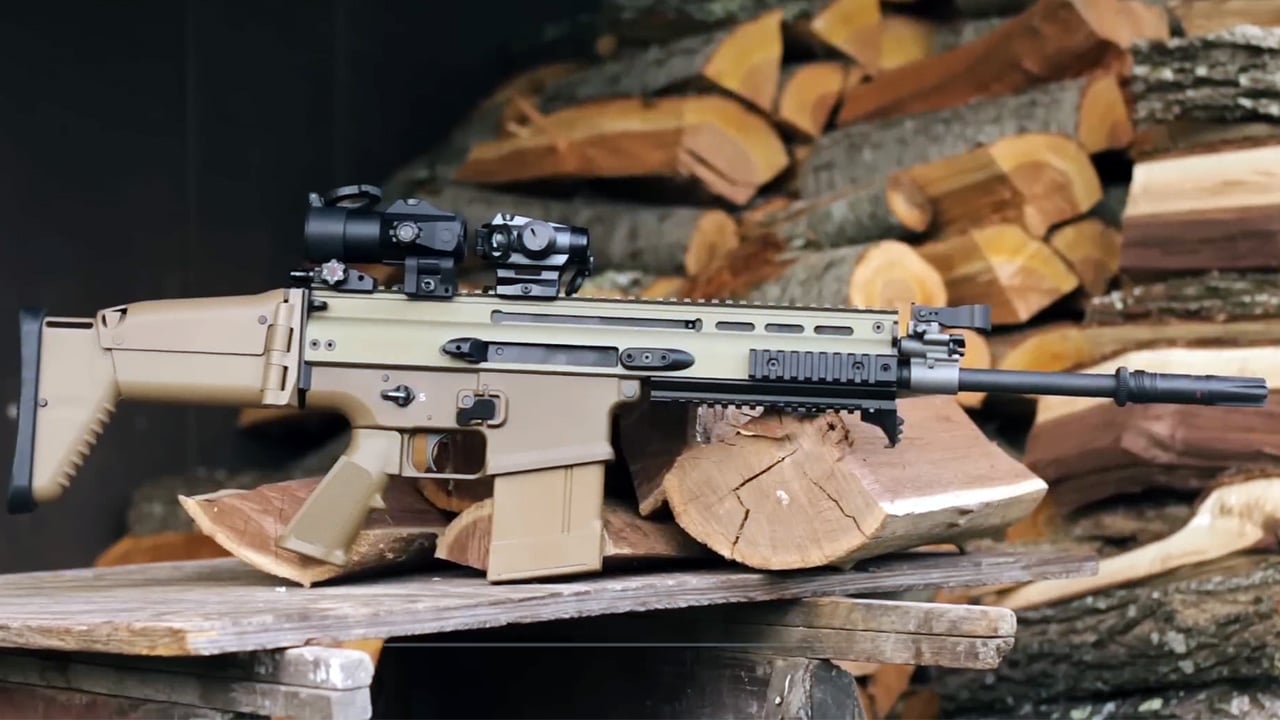
The SCAR 17S has serious capability, and it’s accurate enough to impress most shooters. But it’s also expensive to feed, expensive to accessorize, and it has quirks—especially around optics choices and recoil impulse—that matter more when conditions are rough.
When you’re cold, tired, and trying to solve a problem quickly, a rifle that’s picky about setups can be a pain. You can make a SCAR run great, but it’s not the simplest road to “grab it and go.”
17. Browning BAR MK 3 (semi-auto hunting rifles generally)

The BAR is a fine hunting rifle, and plenty of them have filled freezers for decades. The edge it loses in hard conditions is simplicity. More moving parts, more sensitivity to grime, and more to clean when you’re hunting day after day in wet snow or dust.
Also, the weight that feels “steady” on a bench turns into “why did I do this” on a long drag or a long hike. Semi-autos can be great. They just demand more forgiveness from the environment than a basic bolt gun does.
18. Remington Model 750 Woodsmaster
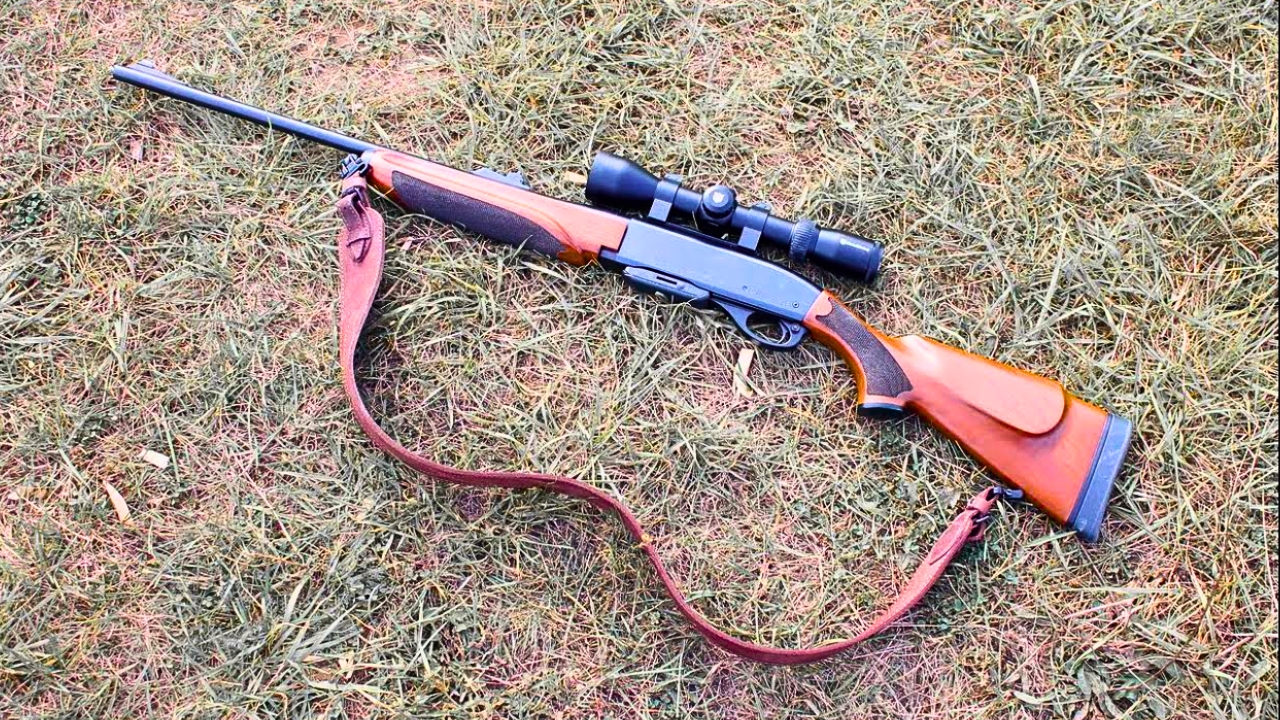
These rifles get good reviews from the folks who have a good one and keep them within their lane. The lane is “reasonable hunting conditions with decent maintenance.” When you start stretching that—lots of rounds, lots of dirt, neglected cleaning—the 750 can get temperamental.
Jams in a stand are bad enough. Jams in a cold rain when you’ve got gloves soaked through are the kind of thing that makes a guy swear off a rifle platform for life.
19. Marlin Model 60

The Model 60 might be the .22 that taught half the country how to shoot. For casual plinking, it’s hard to beat. The moment conditions get rough—dirty ammo, a lot of firing without cleaning, cold fingers trying to load a tube—the charm can wear off.
Tube-fed .22s are not “wrong,” but they’re slower and fussier when you’re wearing gloves or when you’re trying to top off on the move. As a small-game rifle in nasty weather, it asks more of you than a simple mag-fed .22.
20. Ruger 10/22 (bone-stock in the rain and grit)
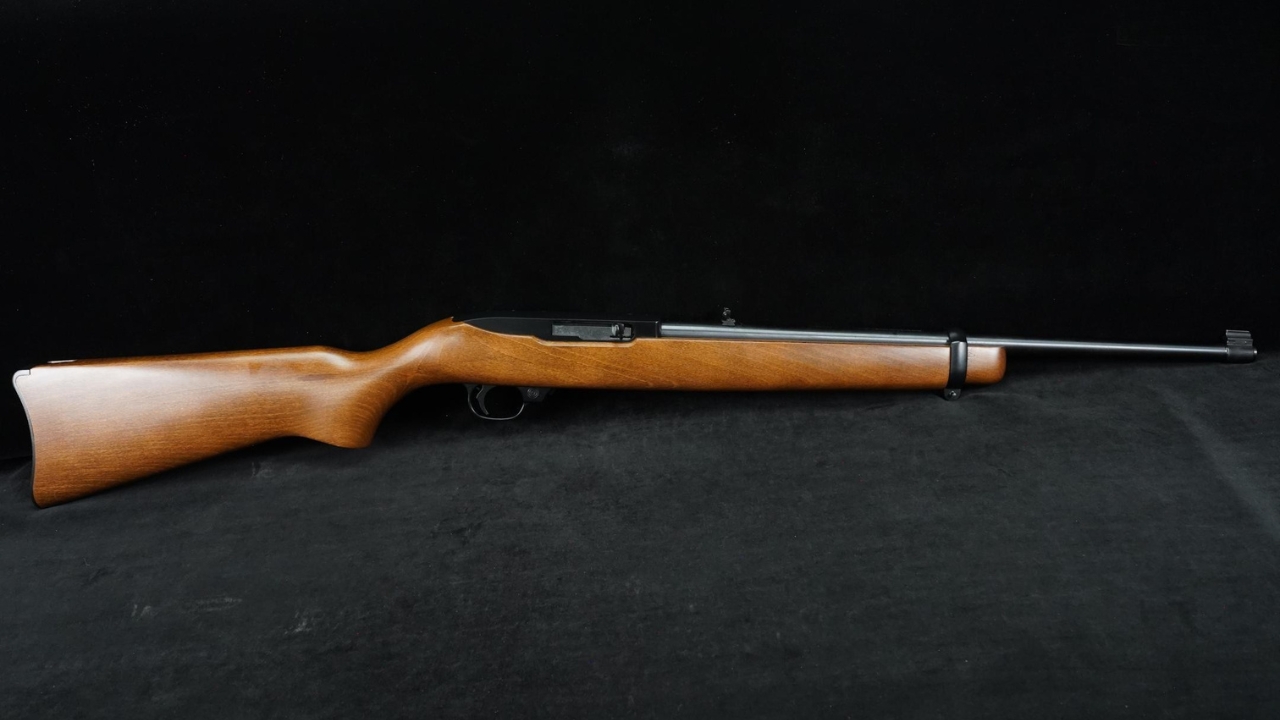
I’m a 10/22 fan. Still, a stock 10/22 can be picky about ammo, magazines, and maintenance once you get it wet and dirty and keep shooting. The rotary mag is great, but it’s not magic—pack it with grit and it can turn a fun day into a troubleshooting session.
The other issue is how often folks add a bunch of cheap accessories and then blame the rifle when the setup starts acting weird. In rough conditions, simple usually wins, and a “built” 10/22 isn’t always simple anymore.
The common thread here isn’t that these rifles are unusable. It’s that glowing reviews often come from controlled settings: clean guns, nice weather, perfect rests, and zero urgency. If you hunt hard, train in the heat, or shoot when it’s windy and miserable, pay attention to the boring stuff—stock rigidity, magazine design, action smoothness, weight, and how forgiving the platform is when it’s dirty. That’s where the real difference shows up, long after the new-gun excitement wears off.
Like The Avid Outdoorsman’s content? Subscribe to our newsletter so you never miss an article.
Here’s more from us: