Photo credit: 704 TACTICAL/YouTube
When you’ve handled as many handguns as seasoned shooters tend to, you start to recognize the ones that don’t stick around. Some pistols look great in the case, feel good in the hand, and even check all the right boxes on paper—but once you run a few boxes of ammo through them, reality shows up fast. Maybe it’s the trigger, maybe it’s the reliability, or maybe the gun simply fights you every step of the way. Whatever the reason, certain pistols see the used counter long before they see any real mileage.
SCCY CPX-1
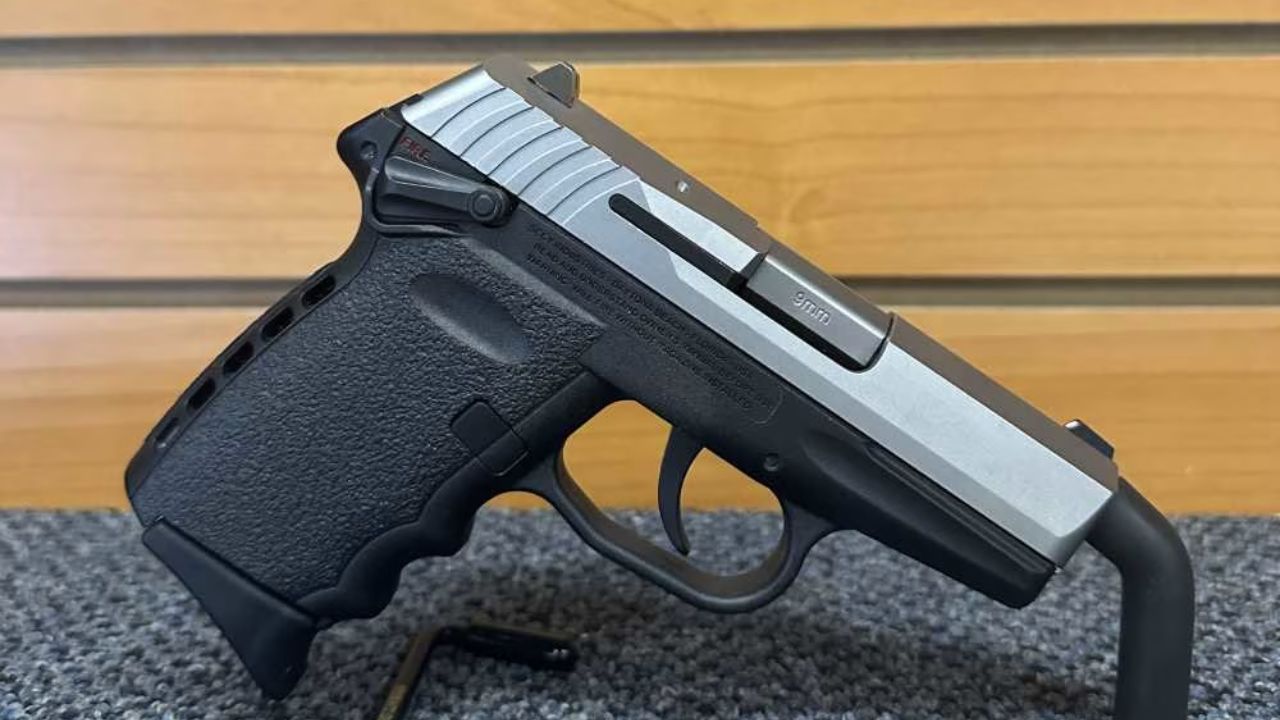
The CPX-1 draws buyers with its price, size, and features, but once you run it hard, you start to notice why many owners move it along quickly. The long, heavy trigger slows everything down, even for shooters who are used to tough DAO pulls. It’s workable, but it never settles into something you’d call smooth or predictable.
Then there’s the safety. It’s small, stiff, and awkward to use under pressure. On the range, that translates into hesitation and inconsistent grip changes. The gun itself can function fine, but the handling quirks wear you down fast, and many shooters lose interest after a single range session.
Taurus PT709 Slim
The PT709 Slim feels good at first glance—thin, comfortable, and easy to carry. But once you start shooting, you’ll likely feel the snappy recoil and realize how much effort it takes to keep the gun steady. That sharp impulse is fatiguing, especially during longer strings.
The trigger can also be unpredictable. It has a unique “single-action–double-action” feel that takes time to get used to, and most shooters never really settle into it. When accuracy suffers, confidence follows, and that’s usually when this model ends up on a trade-in form.
Remington R51 (Gen 1)
The first-generation R51 is easy to admire for its design and history, but running one can be a completely different experience. Shooters often struggled with feeding issues and inconsistent cycling, especially with defensive loads. Even experienced hands found themselves double-checking every malfunction.
The recoil impulse is also unusual due to the hesitation-lock design. It creates a strange push that feels different from most pistols in its size range. Some shooters adapt, but many don’t—and the gun rarely stays in one collection long enough for the learning curve to flatten out.
Walther CCP (Early Model)
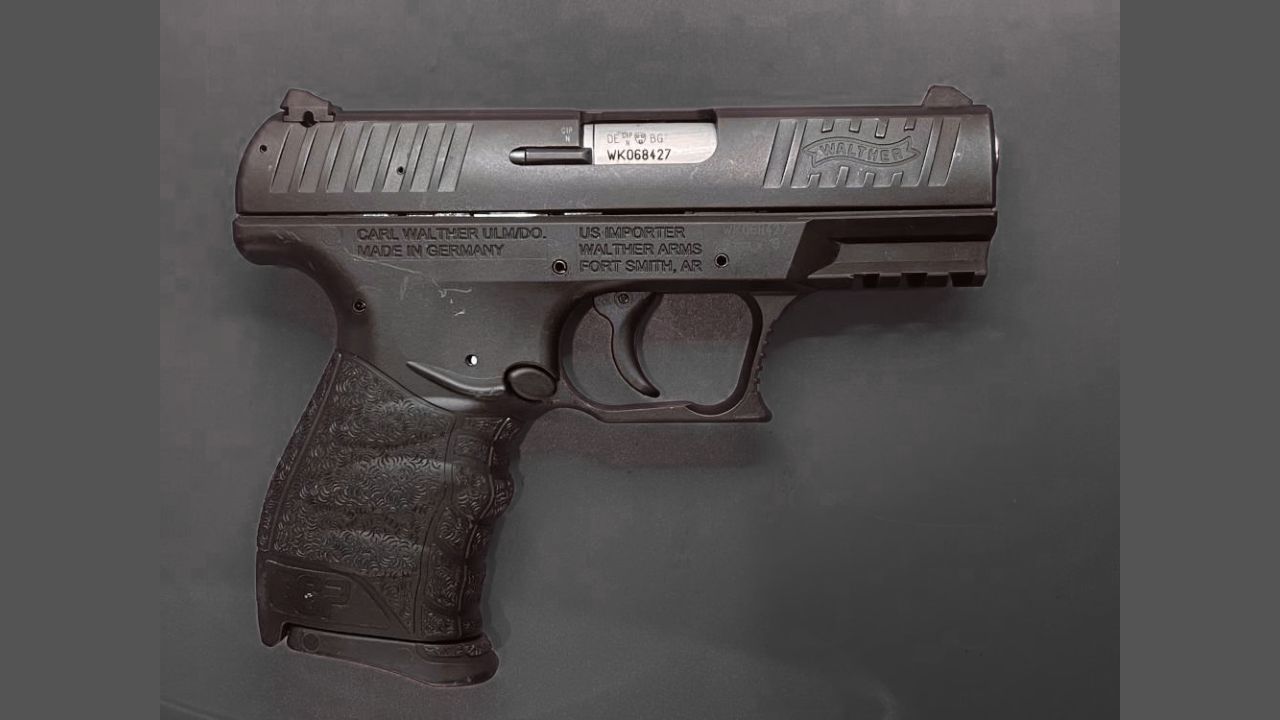
The early CCP models suffered from spotty reliability and frequent stovepipes, even with ammo that runs flawlessly in other compact 9mms. For many shooters, those early range trips felt like troubleshooting sessions instead of practice.
The SoftCoil system also creates a recoil sensation that feels drawn out, almost sluggish. It’s not hard to control, but it doesn’t feel natural, and you’ll find yourself thinking about the gun instead of your shooting. That’s usually the moment people decide to sell and move on to something more predictable.
Kahr CT380
The CT380 is incredibly small and impressively slim, but the shooting experience is demanding. The long, rolling trigger requires more focus than most shooters want from a pocket-sized defensive pistol. It’s smooth, but slow, and it throws off your rhythm if you’re accustomed to quicker breaks.
Recoil feels more abrupt than expected for a .380, mostly because there’s so little grip to hold onto. Even experienced shooters end up adjusting their hand placement constantly. After a few range sessions, many decide it’s not worth the effort.
FMK 9C1 G2
The 9C1 G2 gets attention because it’s American-made and affordable, but it has a stiff, gritty trigger that makes consistent shooting harder than it needs to be. Even patient shooters eventually get frustrated with the unpredictable break.
The polymer frame also flexes noticeably under recoil, and that movement translates directly into inconsistent follow-up shots. The gun can run reliably with the right ammo, but the overall feel pushes many owners to trade it toward something more refined.
Taurus Spectrum
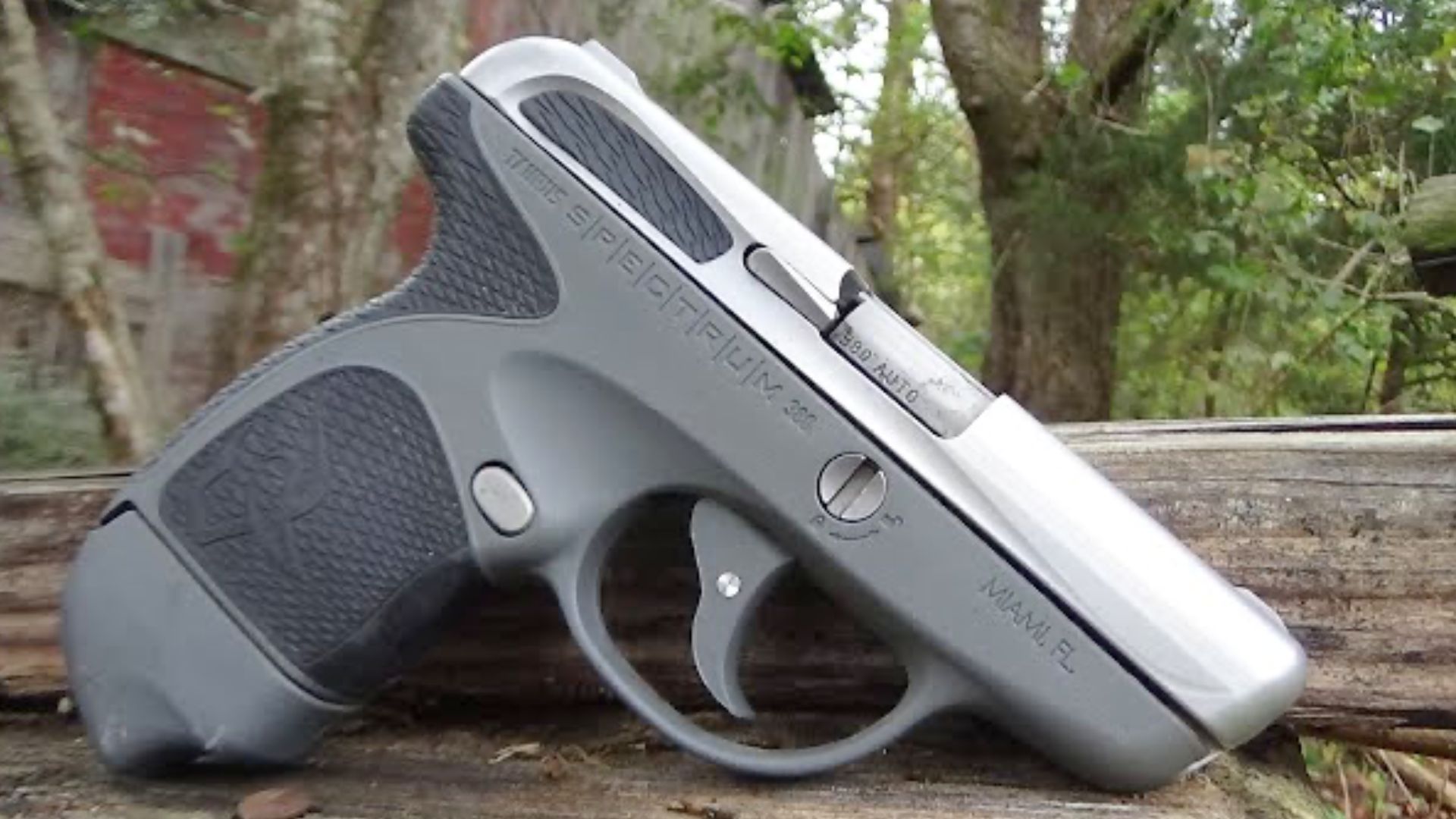
The Spectrum has one of the smoothest-looking grips in the handgun world—unfortunately, that’s the problem. Those soft, rounded surfaces are slick under recoil, especially if your hands aren’t bone-dry. It’s a pistol that constantly shifts during rapid fire.
The trigger isn’t bad, but it’s slow, and the long stroke makes accurate strings a chore. Many shooters buy it because it’s stylish and compact, but once they shoot it, they realize style doesn’t translate to performance, and it ends up in the consignment case quickly.
Jimenez JA Nine
The JA Nine is inexpensive, but that low cost comes with trade-offs that most shooters notice immediately. The heavy slide and awkward grip angle combine to produce recoil that feels harsher than the caliber should. Even seasoned shooters end up wrestling with it.
The trigger is stiff and inconsistent, and the gun’s overall construction doesn’t inspire confidence. Owners often go into the purchase hoping it will be a budget-friendly range gun—but after one or two sessions, they’re usually ready to trade up.
Bersa Thunder 380 Combat Plus
The standard Thunder 380 has a strong following, but the double-stack Combat Plus version adds width and weight that make it feel less nimble. Shooters expecting the classic, easy-shooting Thunder experience are surprised when this model feels bulkier and harder to control.
The trigger remains decent, but the extra girth changes everything about the handling. Accuracy doesn’t necessarily suffer, but comfort does, and many shooters decide quickly that the double-stack configuration wasn’t worth the trade-offs.
Glock 42

The Glock 42 is reliable and well-built, but some shooters find the combination of its small size and very light recoil impulse surprisingly hard to manage. It doesn’t track like a full-size Glock, and the short grip can let the gun shift during follow-up shots.
Accuracy is fine, but the feel doesn’t click with everybody, especially those expecting the same shooting experience as a 19 or 26. Many shooters give it a fair try, decide it isn’t for them, and trade it shortly after.
Springfield 911 .380
The 911 looks fantastic and has excellent build quality, but the small 1911-style platform demands more precision from the shooter than expected. The short sight radius and crisp trigger make every flinch visible.
Recoil isn’t harsh, but the lightweight frame allows more muzzle movement than many shooters are used to. It’s accurate when you do everything right, but it doesn’t forgive much—leading many new owners to sell it before they’ve truly adapted to it.
KelTec P32
The P32 is incredibly light—so light that it’s almost too easy to move under recoil. Shooters accustomed to heavier guns find themselves overcorrecting, and the little pistol dances around between shots.
The tiny sights are hard to track, and the long, double-action pull adds more difficulty. Many people buy it for deep concealment, test-fire it once, and realize they don’t actually want to practice with it. That’s when it heads to the trade counter.
Rock Island Armory M200
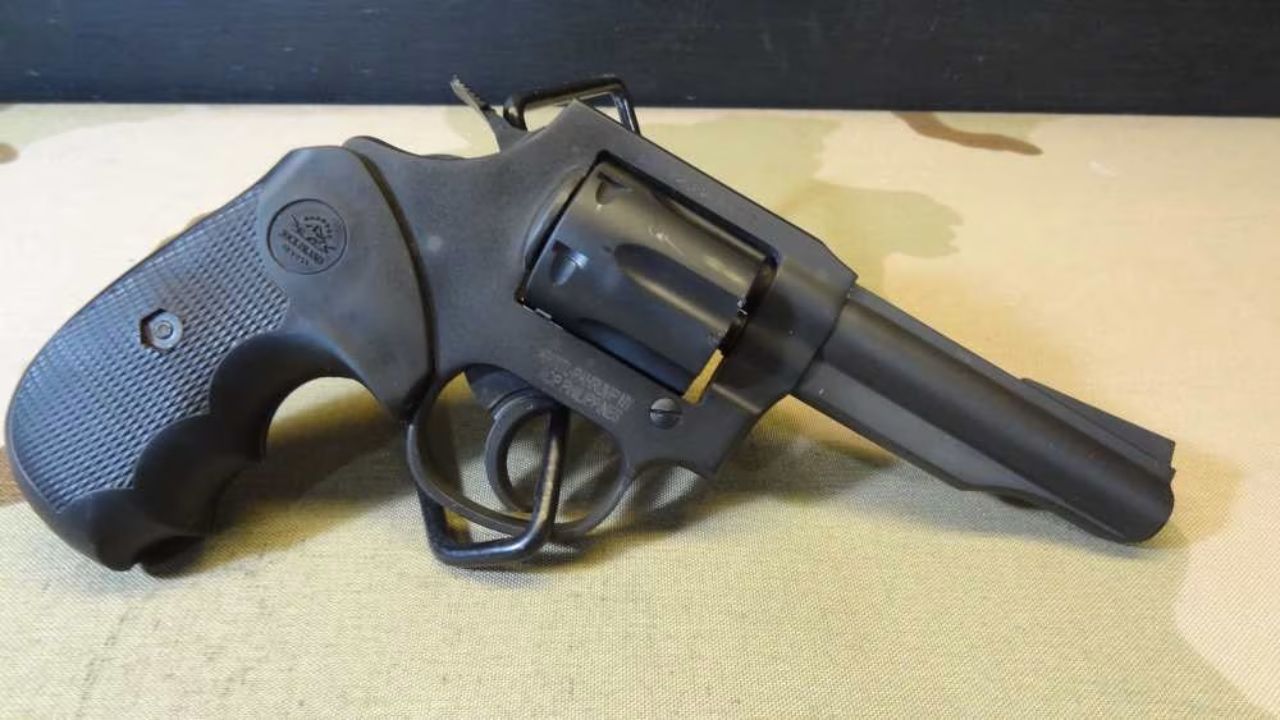
This revolver is priced attractively and looks solid on paper, but the trigger pull is noticeably heavy and the cylinder lockup can feel loose. Experienced shooters immediately feel the difference compared to more established revolver brands.
Accuracy tends to be inconsistent, partly due to the trigger and partly due to the basic sights. It’s a workable gun for casual use, but many owners decide quickly that they want something smoother and more refined.
Mossberg MC1sc
The MC1sc had good intentions—simple controls, slim profile, and Mossberg’s reputation behind it. But the trigger has a spongy feel that frustrates shooters who expect something crisper from a modern striker-fired pistol.
The recoil impulse is also surprisingly sharp for its size, and the grip texture doesn’t fully counteract that movement. It’s reliable enough, but it doesn’t inspire confidence or comfort, leading many to part with it sooner rather than later.
Honor Defense Honor Guard
The Honor Guard launched with excellent ergonomics, but many shooters found the trigger too inconsistent to enjoy. The break varies from gun to gun, and that unpredictability shows up on target. Experienced shooters especially feel the disconnect.
Accuracy is acceptable at defensive distances, but the pistol never quite settles into a smooth rhythm. Owners often appreciate the concept but move on to more proven platforms once they’ve tested it thoroughly.
Like The Avid Outdoorsman’s content? Be sure to follow us.
Here’s more from us: