Photo credit: Justin Opinion/Youtube
Every gun shop has the same little story playing on repeat. Somebody buys a handgun with big plans: it’ll ride on the belt for chores, scouting, gas station runs, maybe even during bow season in a legal area. Then reality hits. The gun is heavier than they pictured, it prints under a flannel, it chews up their side in the truck, the holster hunt gets old, and pretty soon that “everyday carry” pistol turns into a safe queen.
None of these handguns are automatically “bad.” A few are excellent. The common thread is this: they’re the kind of purchase that makes sense at the counter and falls apart after a couple weeks of actually living with it. Here are 20 models I see over and over in that pattern.
1. Desert Eagle Mark XIX

I have watched more than one guy buy one like it’s going to be his “woods carry” solution. Then he tries to find a belt and holster that doesn’t feel like a medieval torture device. It is a fun range gun, and that’s where it belongs for most of us.
Between the weight, the bulk, and the ammo cost, it turns into a “show it to buddies” pistol. If you actually carry in the timber, you end up back at a normal revolver or a lighter semi-auto pretty fast.
2. Smith & Wesson Model 500
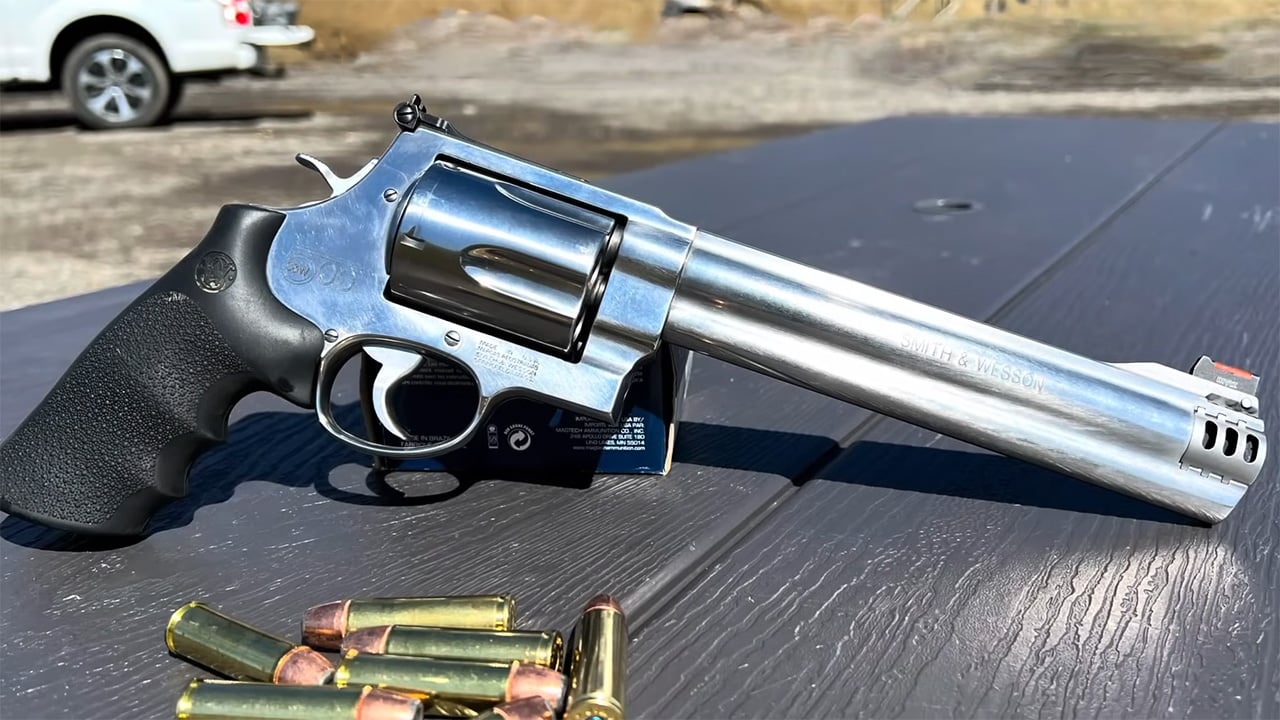
This one gets bought for bears that may or may not exist where the buyer actually hunts. The first cylinder at the range is exciting. The second cylinder is usually “okay, that’s enough for today.”
It’s not just recoil, it’s the whole package: big frame, heavy, and hard to hide under a jacket without it swinging around. Most end up in a chest rig for a specific trip, not on a belt for everyday life.
3. Colt Anaconda (6-inch)
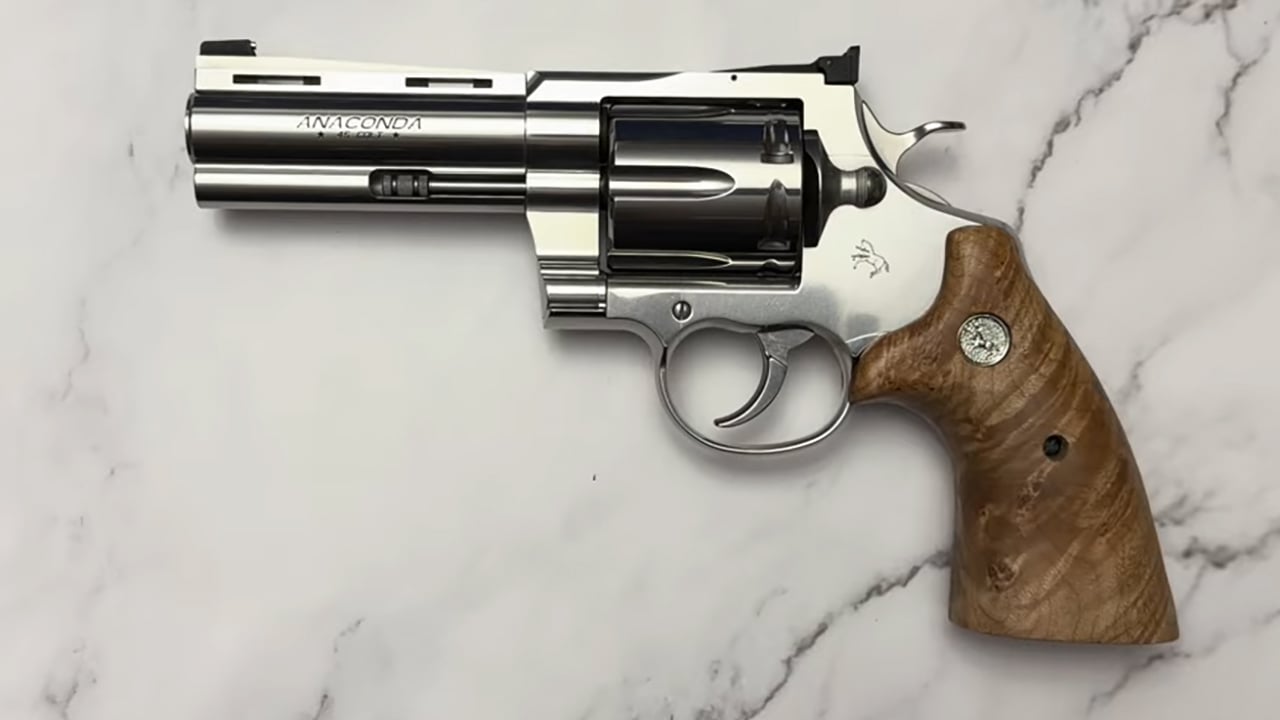
Gorgeous revolver, especially in stainless. Folks see it and think “classic outdoors sidearm.” Then they try to wear it for a full day of fence checking or riding in the truck.
Long-barreled revolvers carry like a hammer on your hip. They can be accurate and confidence-inspiring, but comfort is what decides what actually gets worn.
4. Ruger Redhawk (7.5-inch) in .44 Magnum
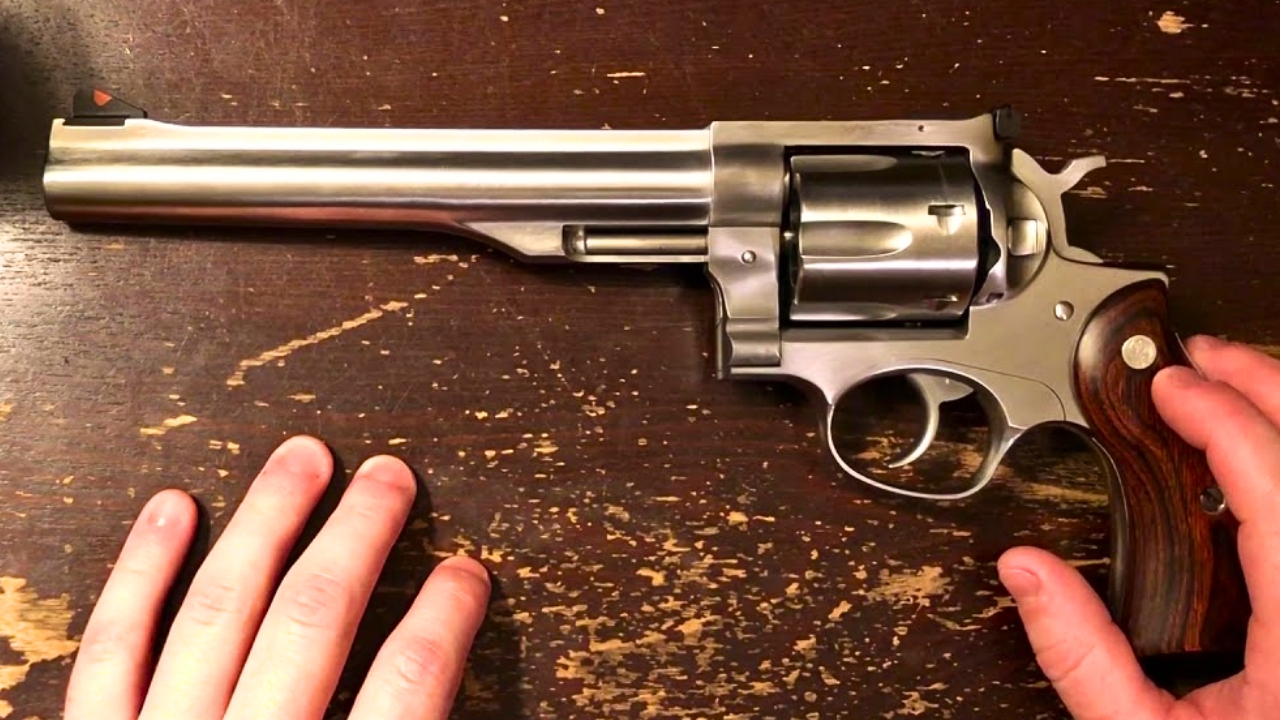
This is a legitimate working gun, and it will outlast a lot of us. It is also the kind of handgun that convinces you to buy a bigger belt, then a new holster, then a different holster because the first one didn’t fix the problem.
For hunting as a primary weapon, sure. For “I’ll just keep it on me,” most discover they don’t actually want a full-size .44 banging into their seatbelt and door frame all day.
5. Glock 17 (standard size)
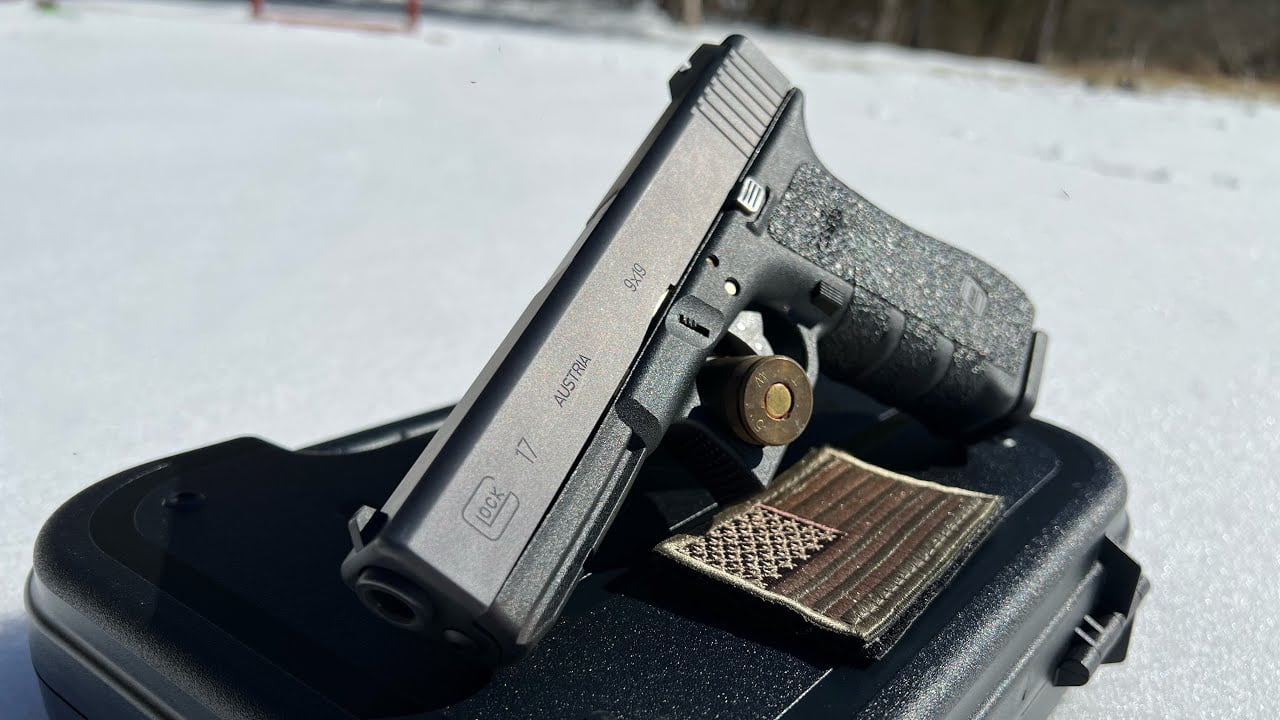
Plenty of people start here because it’s the default answer and it runs. Then they find out a duty-size pistol wants a real cover garment and a real holster, not a cheap nylon rig.
It isn’t that it won’t carry; it’s that it won’t carry lazily. A Glock 17 is easy to own and shoot. It’s harder to commit to wearing when it’s 90 degrees and you’re in a t-shirt.
6. SIG Sauer P226

The P226 points nice, shoots flat, and feels like quality in your hands. It also feels like quality on your belt, which is another way of saying it’s heavy.
Metal-frame guns have a loyal following, and I get it. But comfort is king in day-to-day carry, and that weight becomes a constant little annoyance that eventually wins.
7. Beretta 92FS

If you grew up seeing this pistol in movies and service holsters, it has a pull. Then you try to conceal that wide grip and long slide, and you learn why open carry rigs exist.
It’s an excellent shooter, and it’s a fun range day gun. But for actual carry, the size and thickness push a lot of owners toward something slimmer.
8. Heckler & Koch USP .45
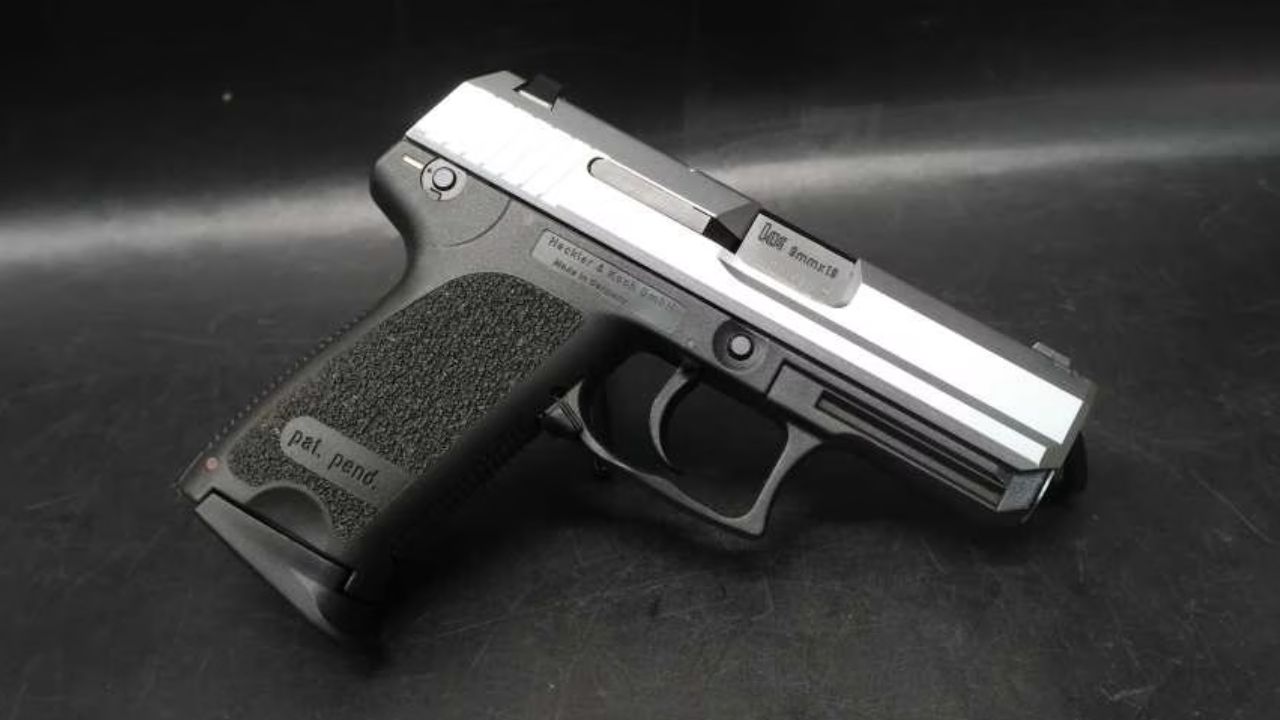
The USP has that tough, overbuilt vibe, and the .45 version especially feels like a “serious” pistol. The problem is it’s a brick. A reliable brick, but still.
Add in the cost of magazines and accessories, and many folks stop experimenting with different carry setups. They end up carrying something else because it’s easier to live with.
9. 1911 Government Model (5-inch)
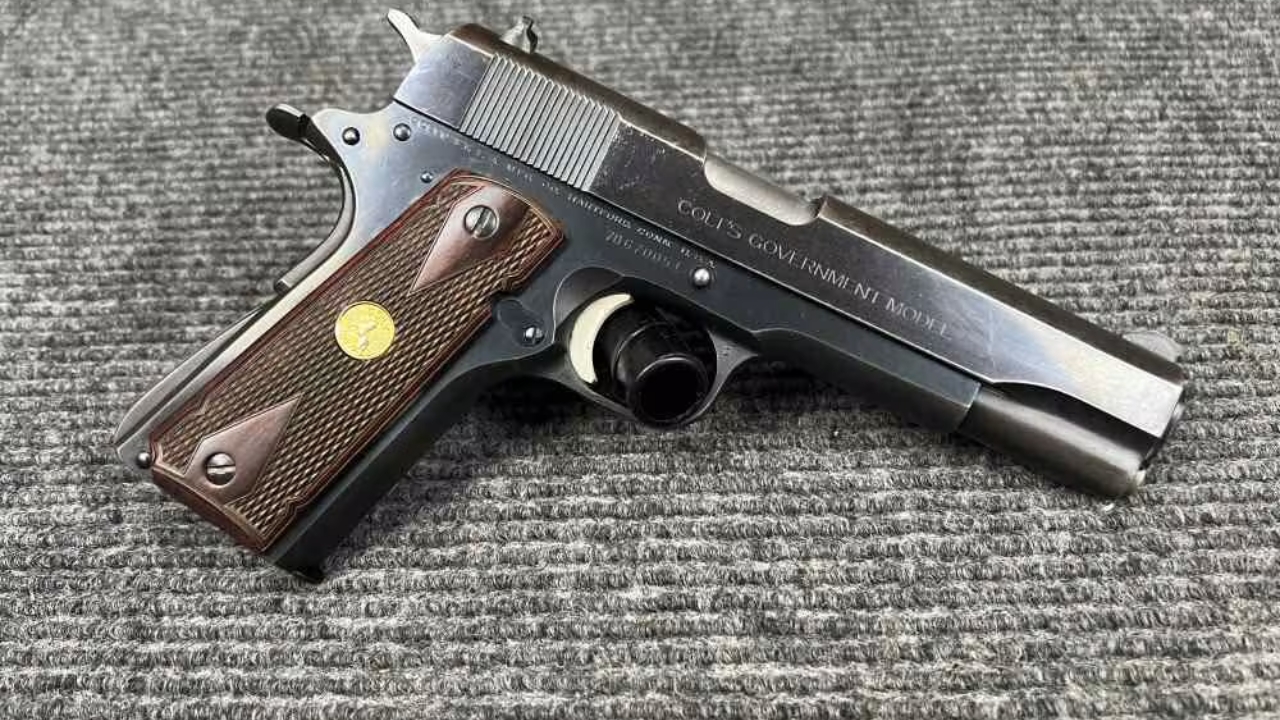
A full-size 1911 is a sweetheart to shoot when it’s well made. The slim profile makes people assume it’ll carry easy. Then they learn about weight, sweat, and the constant maintenance reality of living with blued steel against your body.
Also, 1911s have a way of turning into projects. When your “carry gun” becomes the one you tinker with, it stops being the one you strap on for a quick run to town.
10. Kimber Ultra Carry II
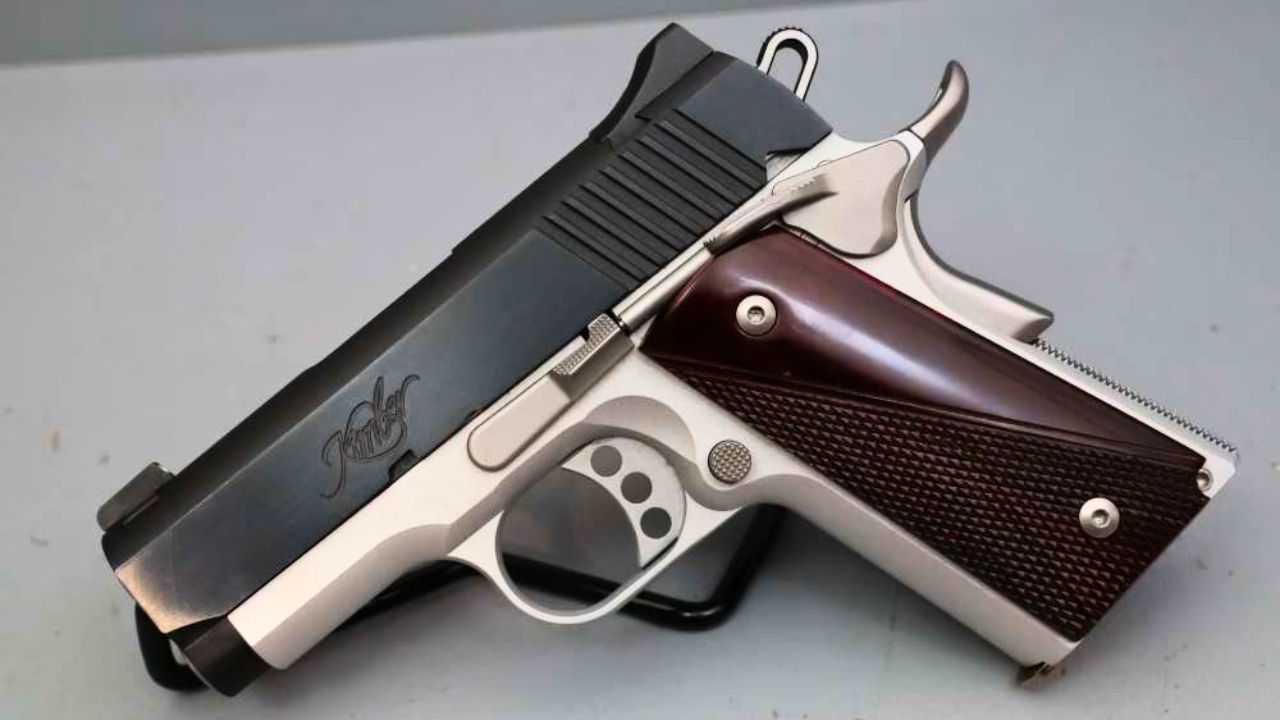
This is the classic “I want a small 1911” move. It looks perfect in the case: compact, light-ish, and it says Kimber on the slide so it feels like an upgrade.
Then comes the part folks don’t love talking about: short 1911s can be picky, and they can be snappy. A gun you don’t trust 100% and don’t enjoy practicing with is a gun that stays home.
11. Springfield Armory XD-S (early models)
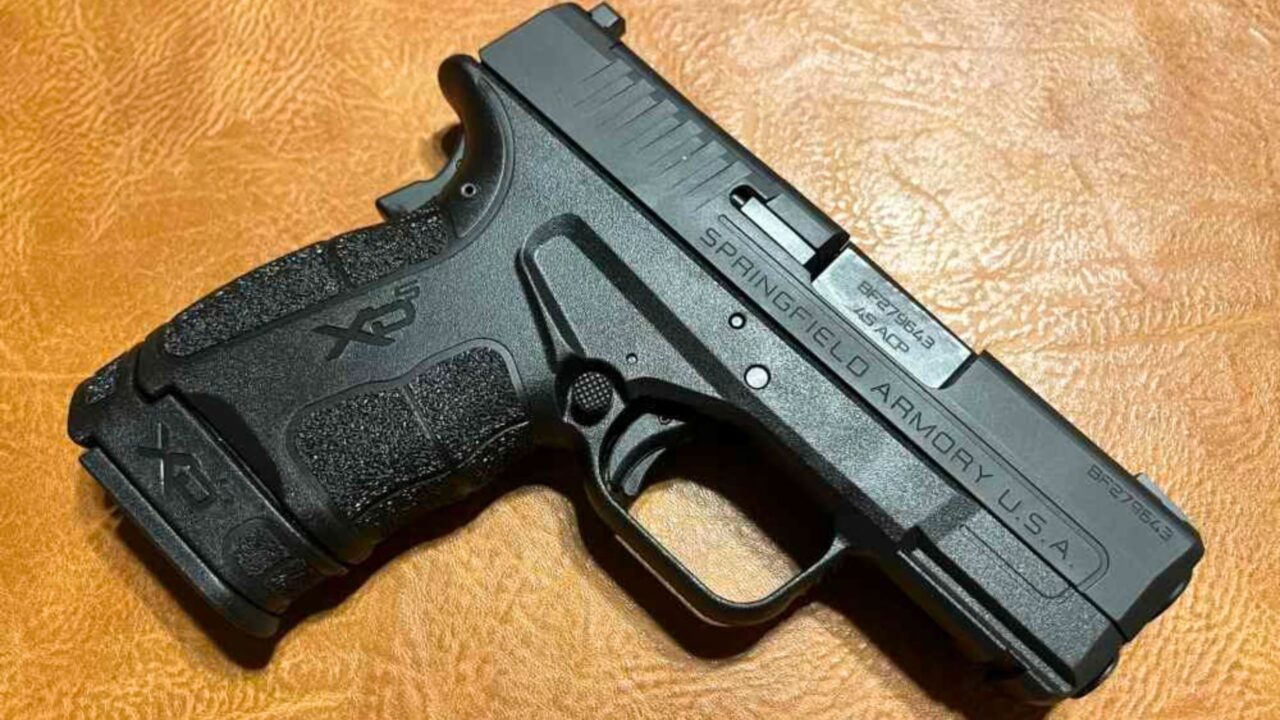
The XD-S sold a lot of people on “thin is the answer,” and thin does help. But plenty of shooters never quite warmed up to how it feels in hand, especially with flush mags.
If the grip doesn’t fit you, you won’t practice. If you don’t practice, you won’t carry. That’s the quiet truth behind a lot of abandoned carry plans.
12. Ruger LCP (original .380)
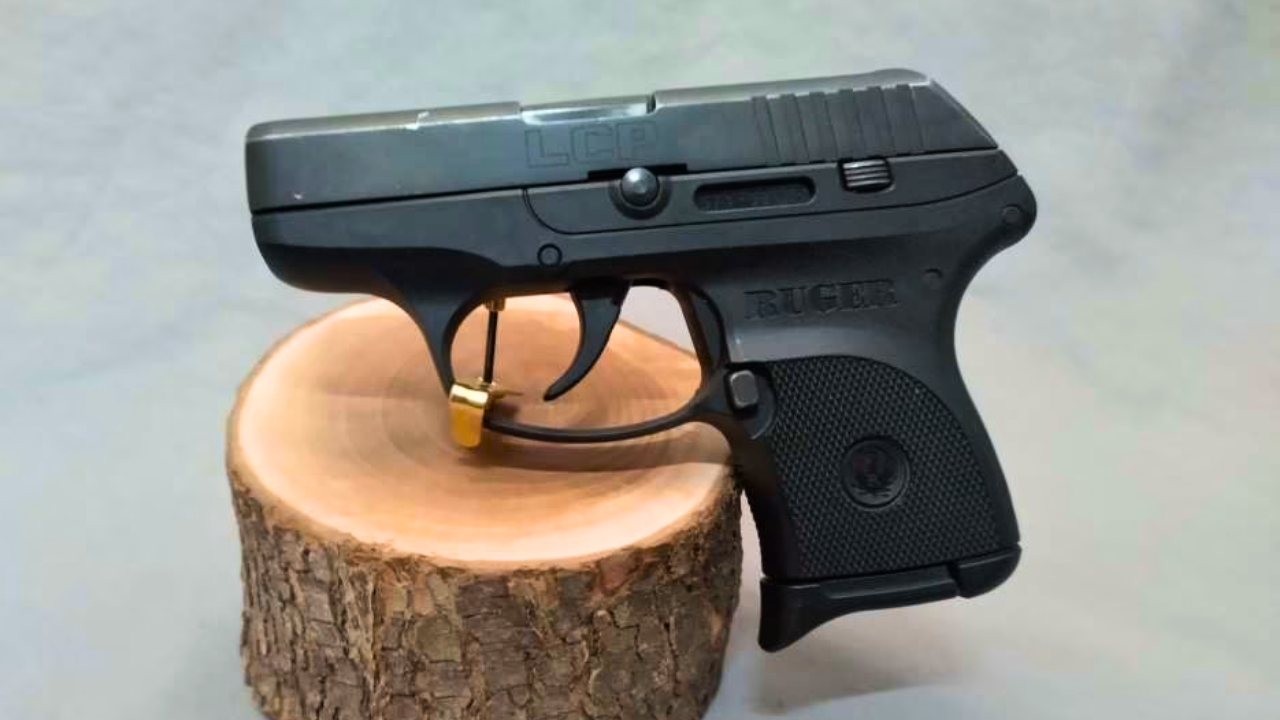
This little pistol gets bought as a “no excuses” carry gun. It’s light, it disappears, and it’s affordable. Then folks actually shoot it more than one magazine.
Small .380s can be harsh in the hand, and the sights and trigger aren’t what most people would call “fun.” Many owners keep it as a deep-concealment backup and carry something bigger day to day.
13. Smith & Wesson M&P Bodyguard 380

The Bodyguard is another one that looks like the answer: small, light, simple. The downside is the shooting experience. The long trigger pull and tiny grip can make it a chore for newer shooters.
A carry gun you don’t enjoy practicing with becomes a gun you don’t practice with. And when confidence drops, it doesn’t go on the belt.
14. Taurus Judge
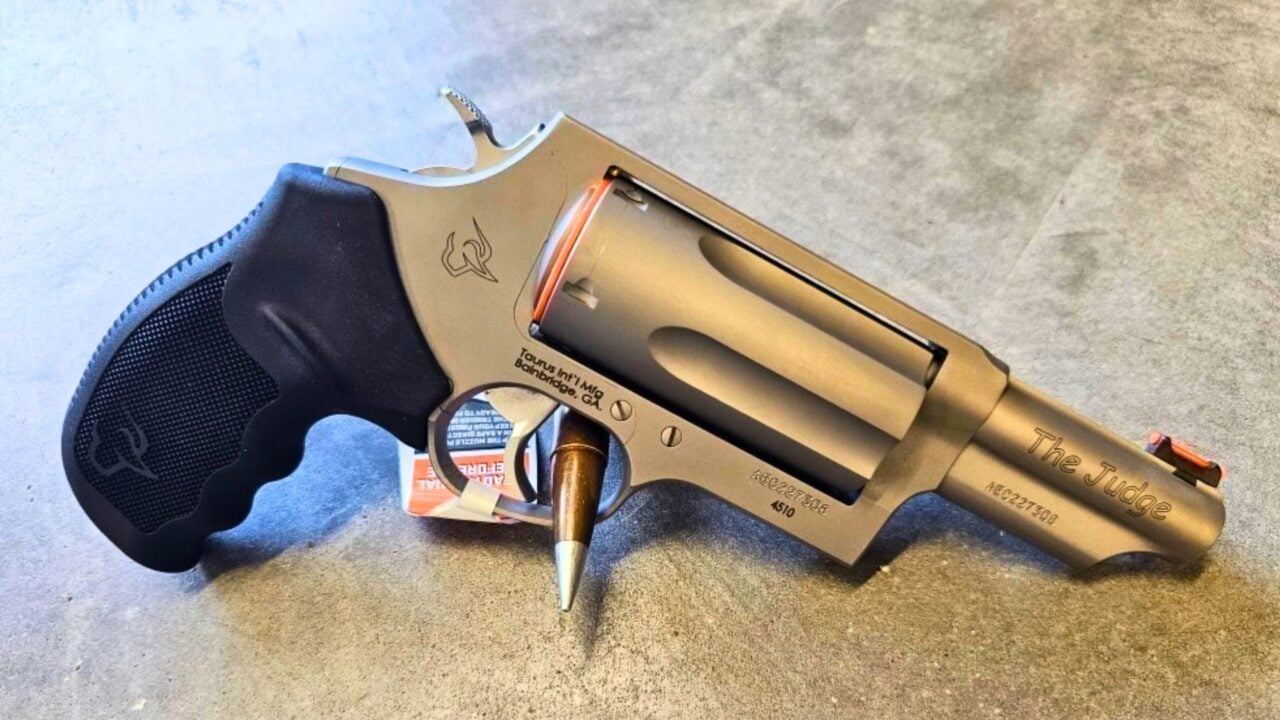
The Judge is a “truck gun” dream purchase for a lot of rural folks. It feels like it should solve snakes, pests, and two-legged trouble all at once.
In reality it’s bulky, the ammo choices turn into a rabbit hole, and it’s harder to shoot well than people expect. Many end up tossed in a console or bedside drawer instead of worn.
15. Smith & Wesson Governor
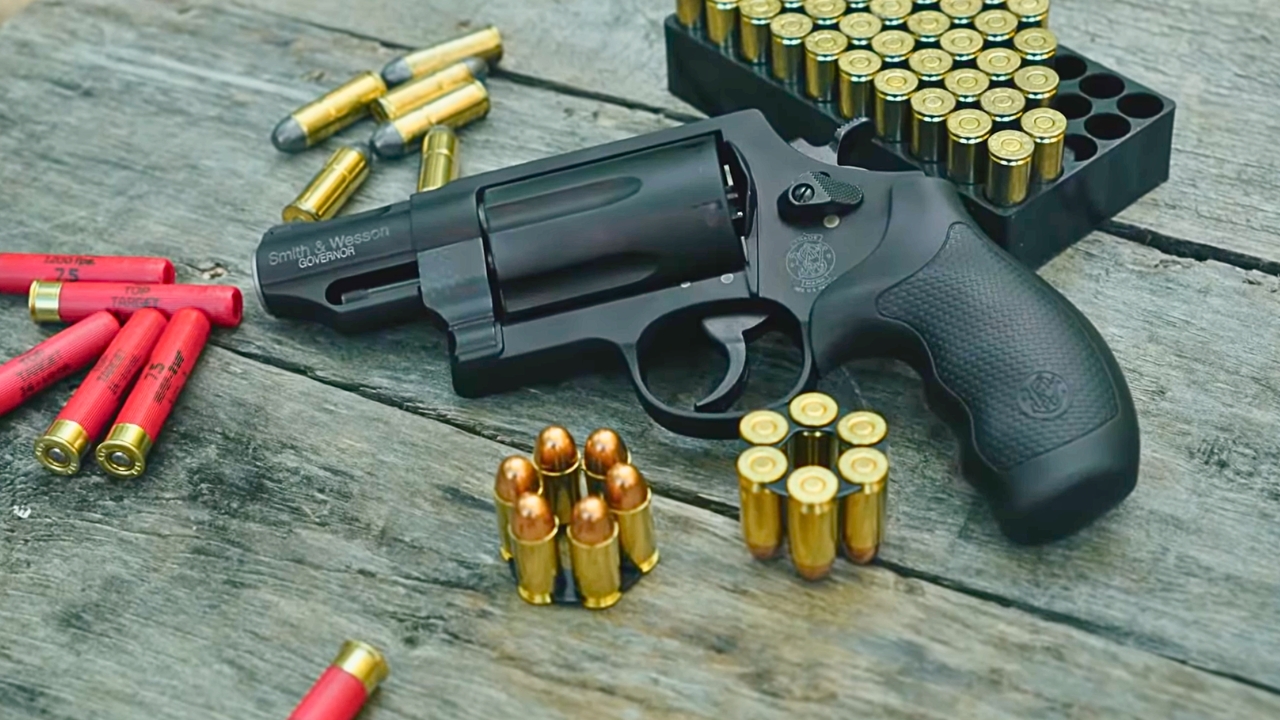
Same concept as the Judge, with a better name in some circles and a higher price tag. It still carries like a fat revolver and doesn’t do any one job as cleanly as a purpose-built handgun.
Owners often keep it because it’s interesting, not because it becomes their daily companion. A novelty gun can still be useful, but it rarely becomes “the one.”
16. FN Five-seveN

Folks buy the Five-seveN because it’s different and because it has a reputation. Then they price ammo, look for it in stock, and realize they don’t want their practice schedule tied to a niche cartridge.
It’s also large and oddly shaped compared to the compact carry guns most people settle on. If you can’t easily replace mags and feed it regularly, it doesn’t become a routine carry piece.
17. CZ 75 SP-01

Ask anyone who shoots one: they’re smooth, accurate, and easy to love at the range. Then you try to carry one for a week, and your belt starts negotiating.
The SP-01 is a heavy steel gun. For concealed carry, that weight feels great in recoil management and awful on hour four of running errands.
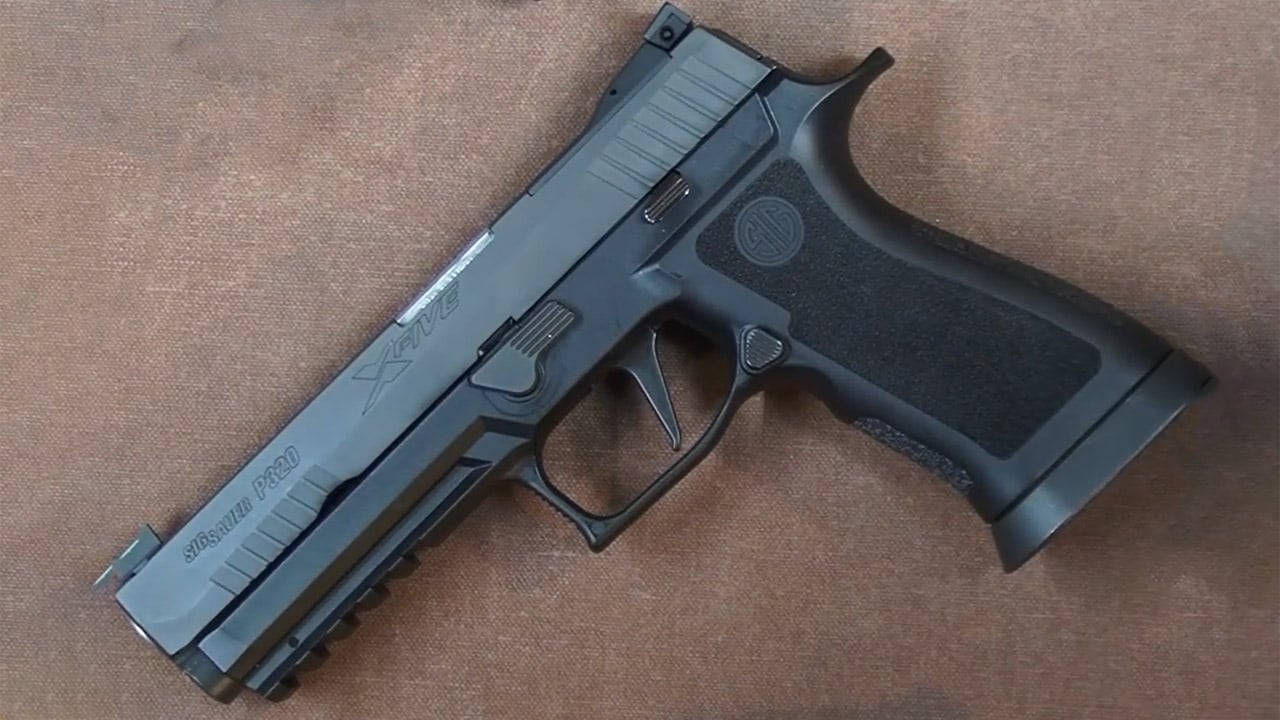
18. SIG Sauer P320 X-Five (full size)
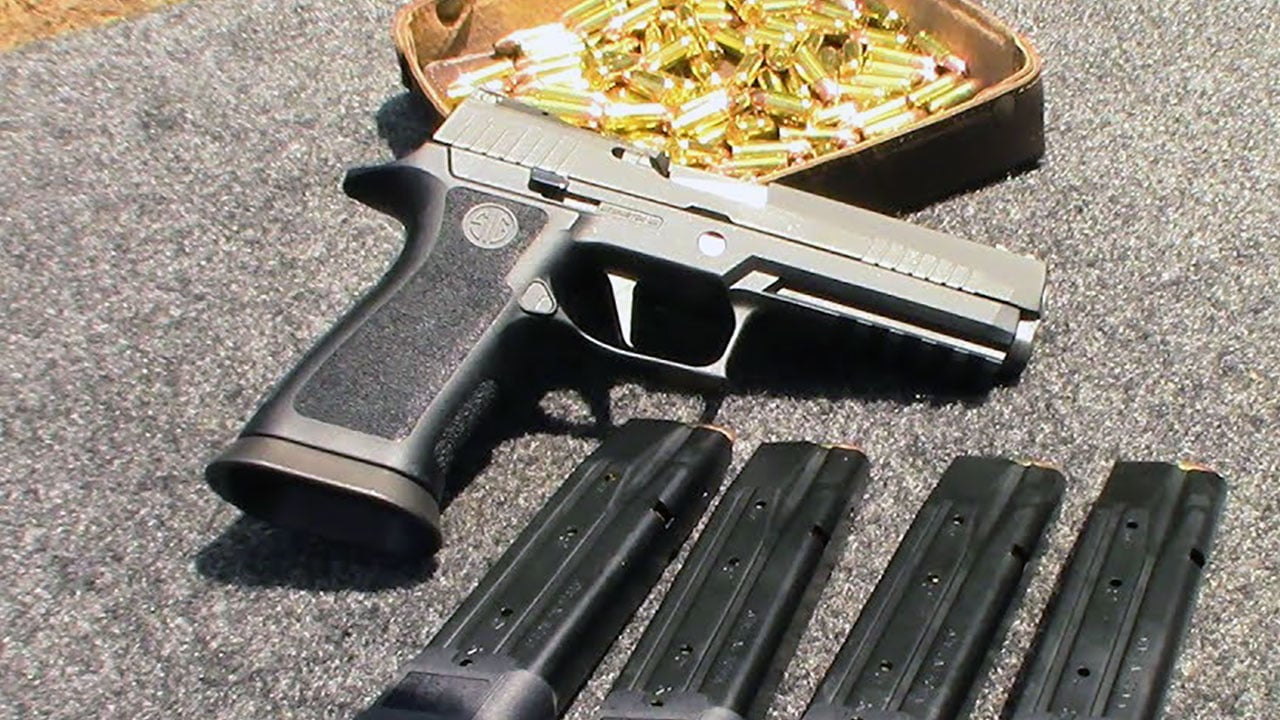
This is a competition-leaning pistol that seduces people who want a “do everything” handgun. The X-Five shoots soft and points fast. It is also big, tall, and not what I’d call friendly for daily concealment.
Once the new-gun excitement fades, most owners admit it’s a range and class gun. There’s nothing wrong with that. It just isn’t the belt gun they imagined.
19. Smith & Wesson Model 629 (classic .44 Magnum)

This is the revolver a lot of outdoorsmen think they need, especially if they spend time in the backcountry. The reality is that a heavy N-frame on the hip is a commitment.
Where it shines is a chest rig or a hunting setup when you’re already wearing packs and layers. On a normal belt with normal pants, it becomes the gun you bring “sometimes.” Sometimes turns into almost never.
20. Glock 20 (10mm Auto)
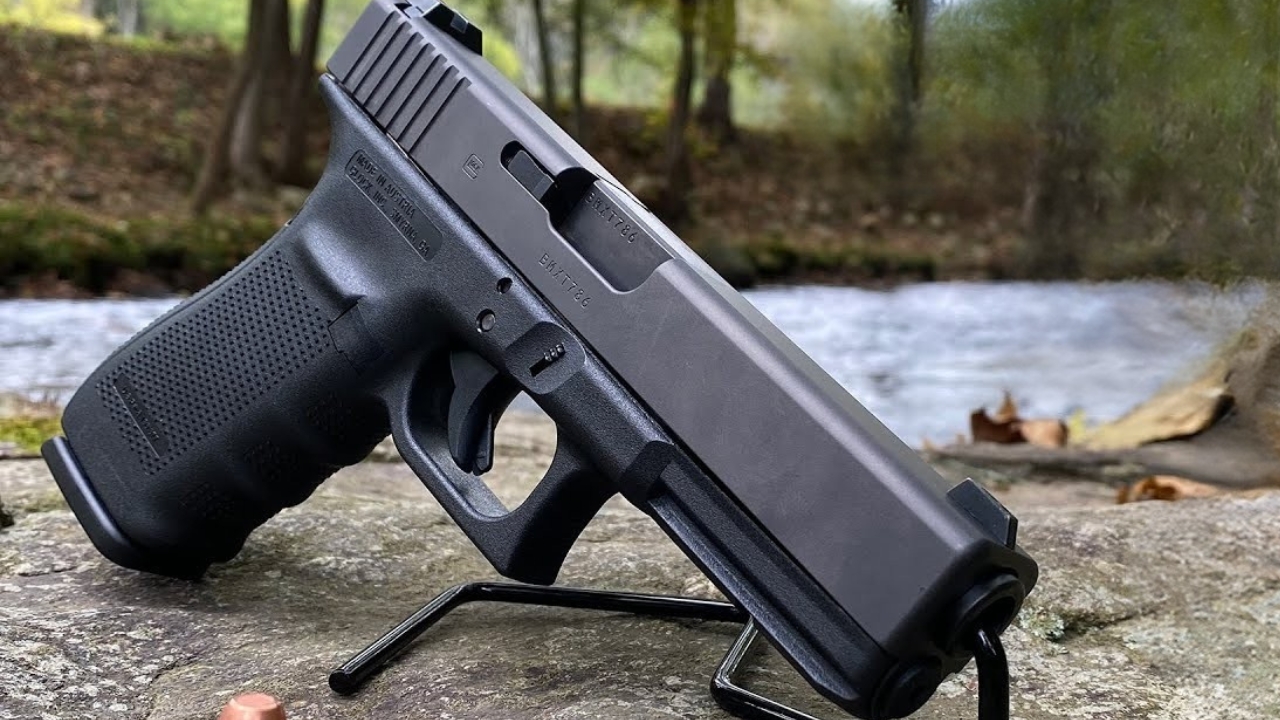
I like 10mm, and the Glock 20 is a workhorse. But it’s a big handgun with a thick grip, and not everyone shoots it well under stress without putting in time.
Plenty of folks buy it for “woods defense,” then realize they don’t actually carry it while cutting firewood, scouting, or fishing because it’s just too much gun on the belt. They’ll keep it in the safe because it’s useful, but it won’t become a daily habit.
If you recognize one of these in your own safe, you’re not alone. Most carry failures don’t come from bad intentions, they come from discomfort, lack of practice, and buying the idea of a handgun instead of the one you’ll truly wear. Before you spend more money chasing the perfect setup, do the boring test: put the unloaded gun in a quality holster around the house for a week. If it’s still on your belt by day seven, you’re probably onto something.
Like The Avid Outdoorsman’s content? Subscribe to our newsletter so you never miss an article.
Here’s more from us: