Photo credit: Cranky Gun Reviews/Youtube
Every deer camp has that one safe queen. It’s the shotgun that doesn’t get dragged through cattails anymore, doesn’t ride behind the truck seat, and doesn’t get leaned in the corner of a muddy blind. It just sits there, wiped down, lightly oiled, and somehow it’s the one that’s doubled while your “smart” investments did a whole lot of nothing.
I’m not telling you to treat guns like a retirement plan. Use your stuff. Still, it’s hard not to notice which scatterguns keep climbing even when they haven’t seen a shell in years. Some of it is real rarity, some is nostalgia, and some is just that they don’t build them like that anymore. Here are 20 shotguns that have a habit of aging well in the safe—sometimes better than folks expect.
1. Remington 870 Wingmaster (older blued steel, walnut)

If you grew up around bird hunters, you’ve handled a Wingmaster that felt like it ran on ball bearings. The older ones have that deep bluing and clean machining that newer budget pump guns don’t even try to copy.
They also have something else: parts everywhere, a reputation that won’t die, and a look that screams “American shotgun” without saying a word. The clean, unmodified Wingmasters tend to be the ones that quietly bring real money when somebody wants a classic pump that still works.
2. Remington 1100 (classic field models)

There are flashier semi-autos, but the 1100 is one of those guns that makes you wonder why you ever chased the newest thing. Soft recoil, smooth cycling, and it points like a bird gun should.
What drives value is condition and originality. A well-kept 1100 with nice wood and the right barrel is getting harder to stumble onto, and plenty of folks are buying them back after selling “because they wanted a 3.5-inch gun.” Ask me how I know.
3. Remington Model 31
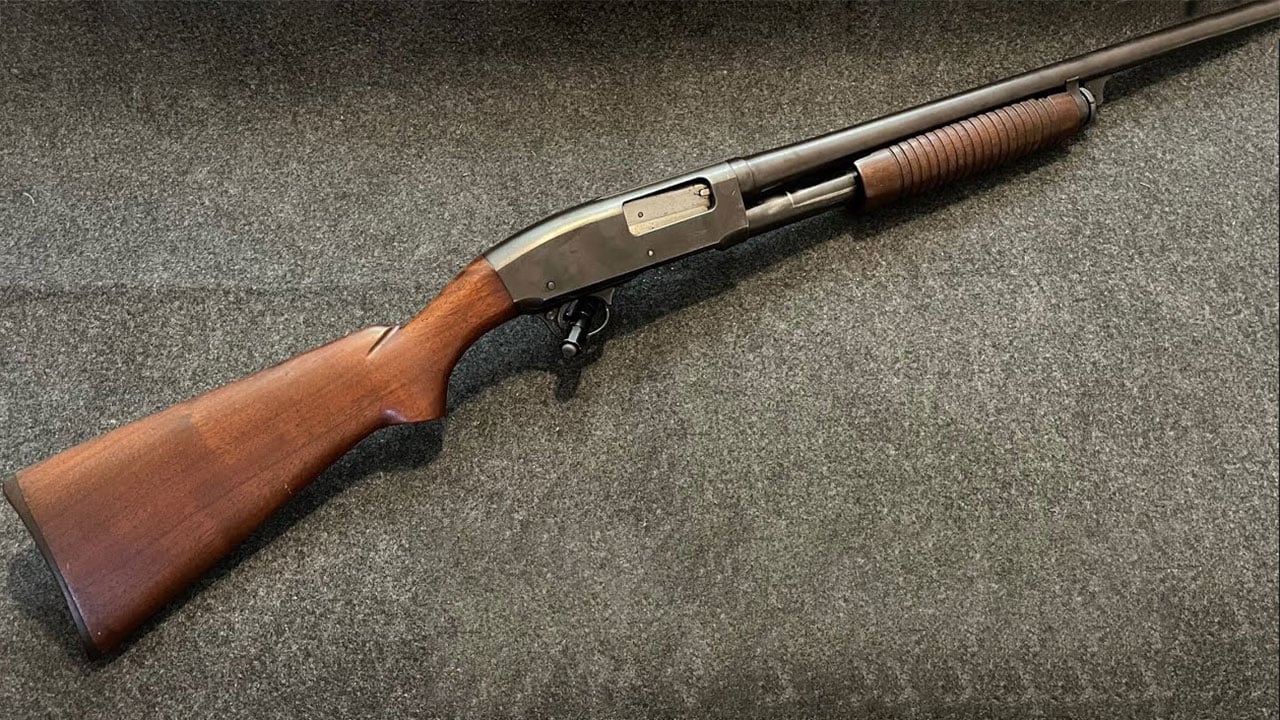
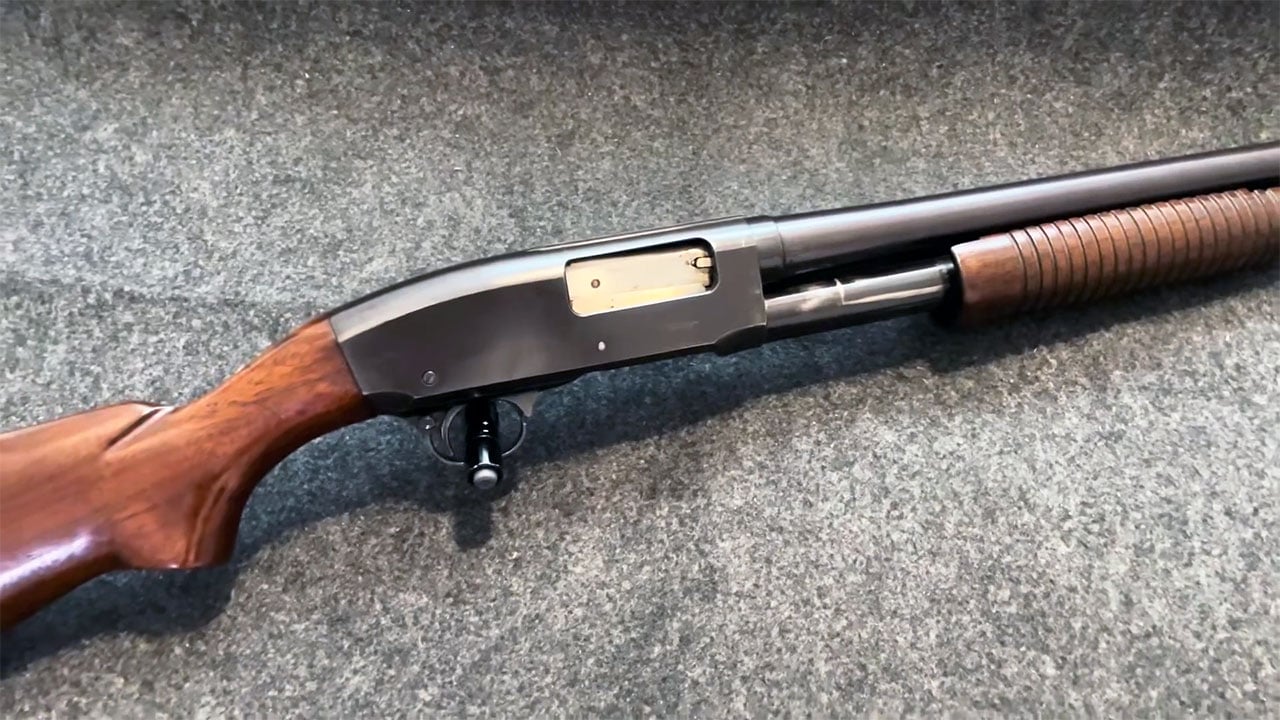
The Model 31 is the pump gun that reminds you Remington used to be in the same breath as “best made.” The action is slick, the lines are right, and it feels like a serious tool.
They aren’t as common on racks as 870s, and that helps them. A clean Model 31 doesn’t need hype. It just needs someone to pick it up, work the action once, and realize they aren’t making this anymore.
4. Winchester Model 12
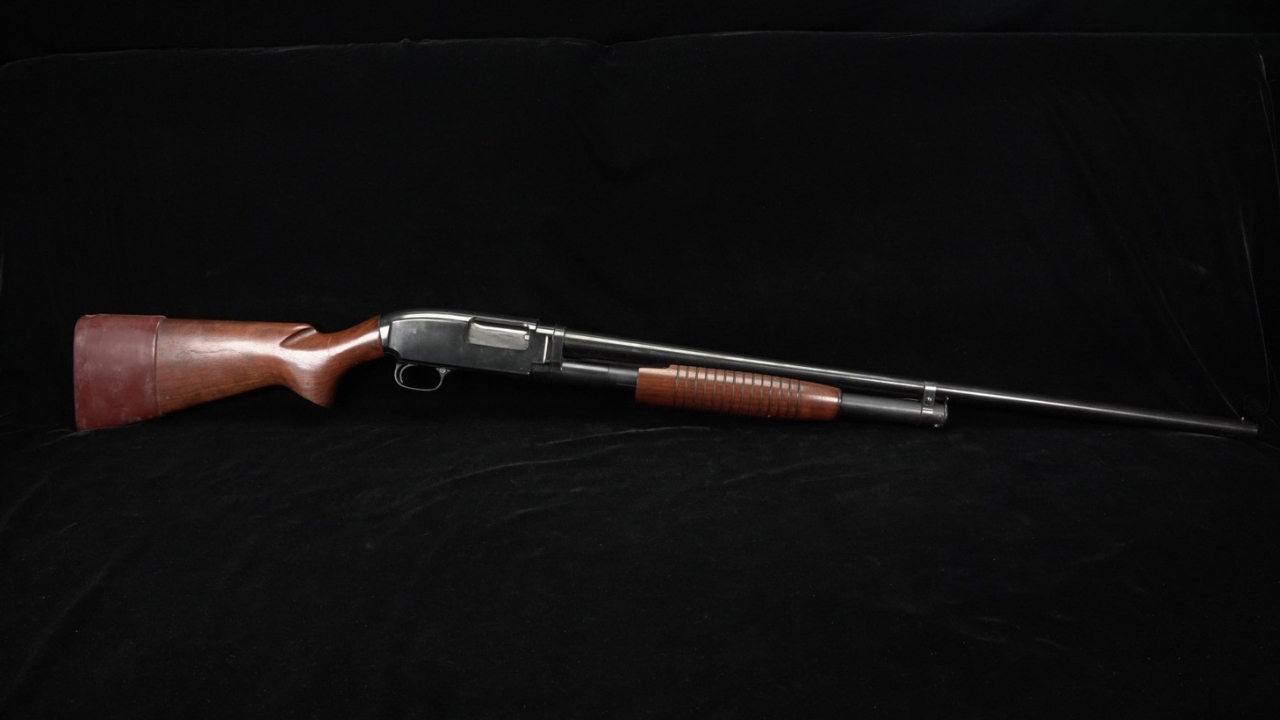
Everybody calls it “the perfect repeater,” and yeah, that gets repeated a little too often. But the reason it stuck is because it’s close enough to true that nobody bothers arguing.
Model 12 prices can get spicy depending on gauge and configuration. Even the honest field guns hold attention, and the nicer ones—especially with solid provenance and no Bubba modifications—tend to keep marching upward.
5. Winchester Model 21
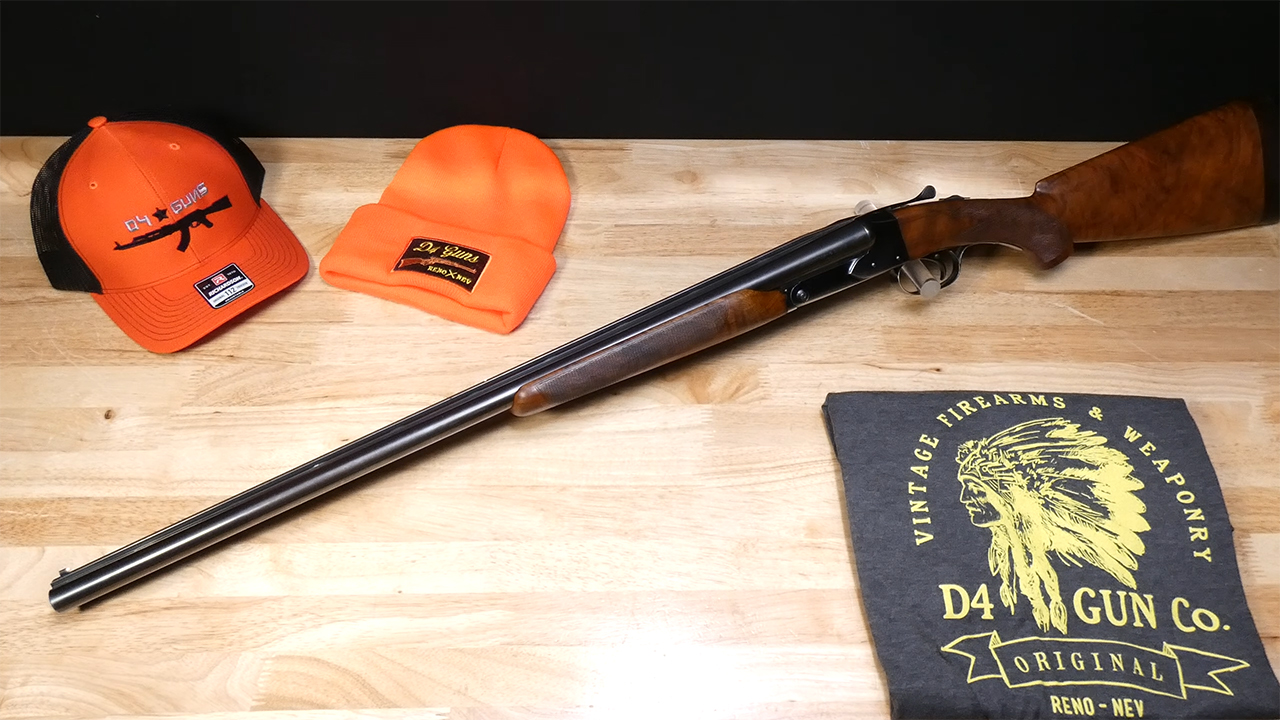
This is the double gun that makes normal people say, “Wait, that costs how much?” The Model 21 was built as a premium American side-by-side, and it shows.
They’re not all museum pieces, but collectors love them, and shooters respect them. If you’ve got one that’s been sitting untouched because you’re “saving it,” you’re not alone—and you’re probably not sad about what they’re worth now.
6. Browning Superposed (Belgian-made)
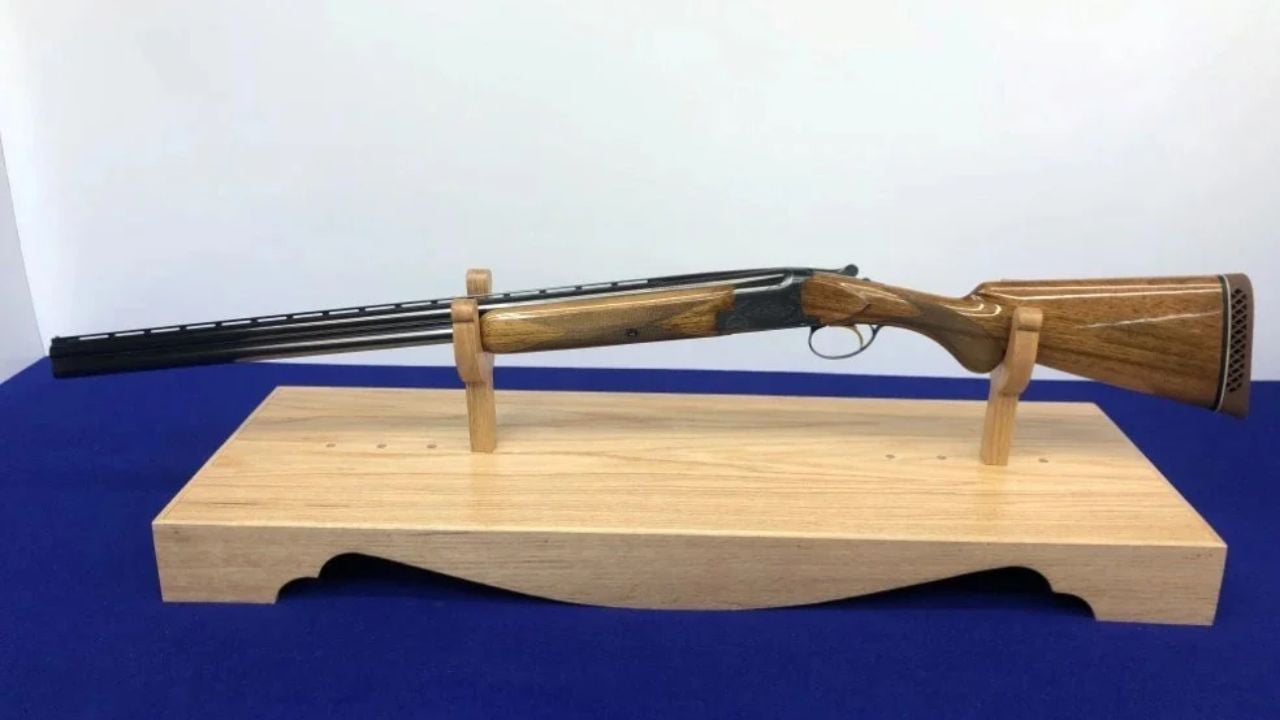
A Belgian Superposed has a feel to it that’s tough to explain until you close one and hear that vault-door sound. These were expensive guns when they were new, and time hasn’t made them less desirable.
Condition is everything, and so is originality. Refinished wood and aftermarket pads can ding collector appeal, but a clean Belgian gun with crisp checkering and honest wear tends to keep appreciating while it just sits there looking classy.
7. Browning Auto-5 (Belgian “humpback”)

The A-5 is one of the most recognizable profiles ever made. Love the hump or hate it, the old Belgian guns have a following that’s not going away.
They’re also tied to a lot of family hunting stories. When demand is part nostalgia and part real respect for the design, values don’t usually fall off a cliff. The clean ones that haven’t been hacked up for “tactical” dreams do best.
8. Ithaca 37 (older slam-fire era)
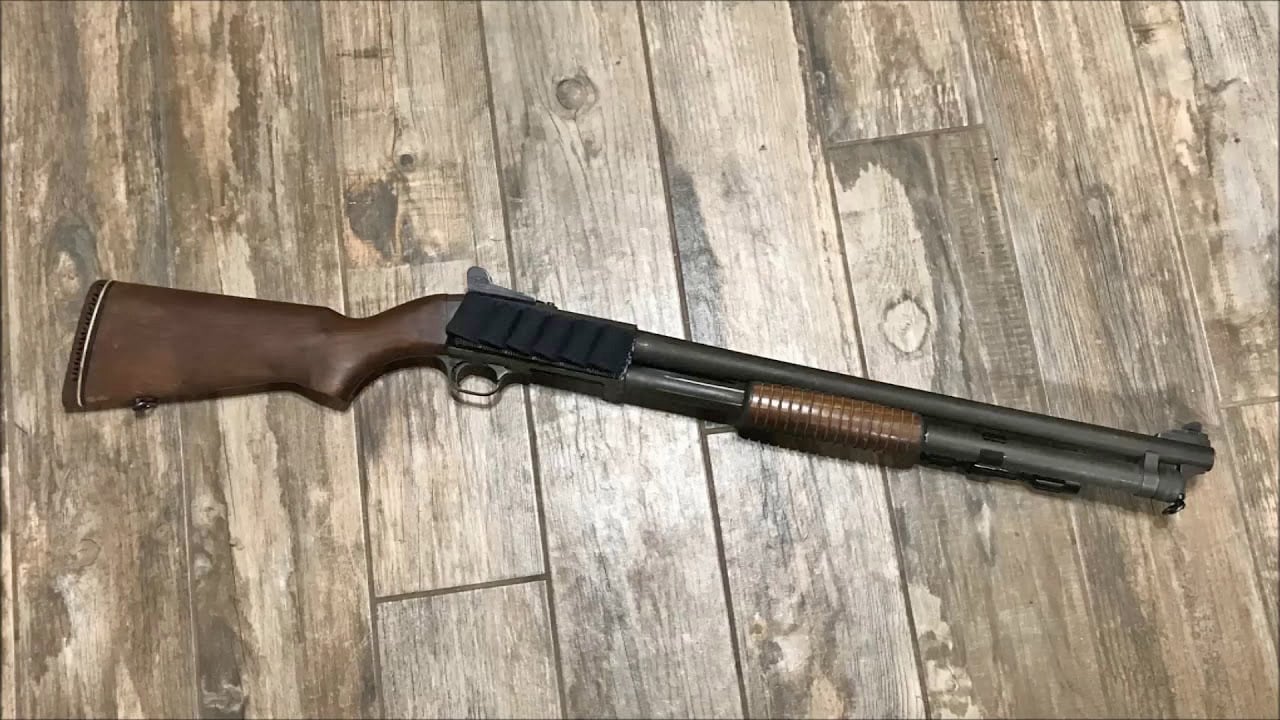
Bottom-eject guns have their own fan club, and the Ithaca 37 is the reason. It carries slim, it handles fast, and it’s friendly for lefties without doing anything special.
Older examples, especially in nice shape, keep getting harder to find because so many were actual working guns. If yours has been sitting untouched, it’s basically avoided decades of field wear that beat the value out of a lot of them.
9. Ithaca Mag-10

This one isn’t for everybody. It’s big. It’s heavy. It’s a whole lot of shotgun. But it’s also a real piece of waterfowl history—an American 10 gauge auto made for the guys who were serious about big geese and rough weather.
Because fewer were made and fewer are still clean, Mag-10s have a way of surprising people at sale time. If you’ve got one with the original barrel and it hasn’t been rode hard, you’ve got something that stands out in a sea of 12 gauges.
10. Parker Bros. (Parker shotgun, various grades)
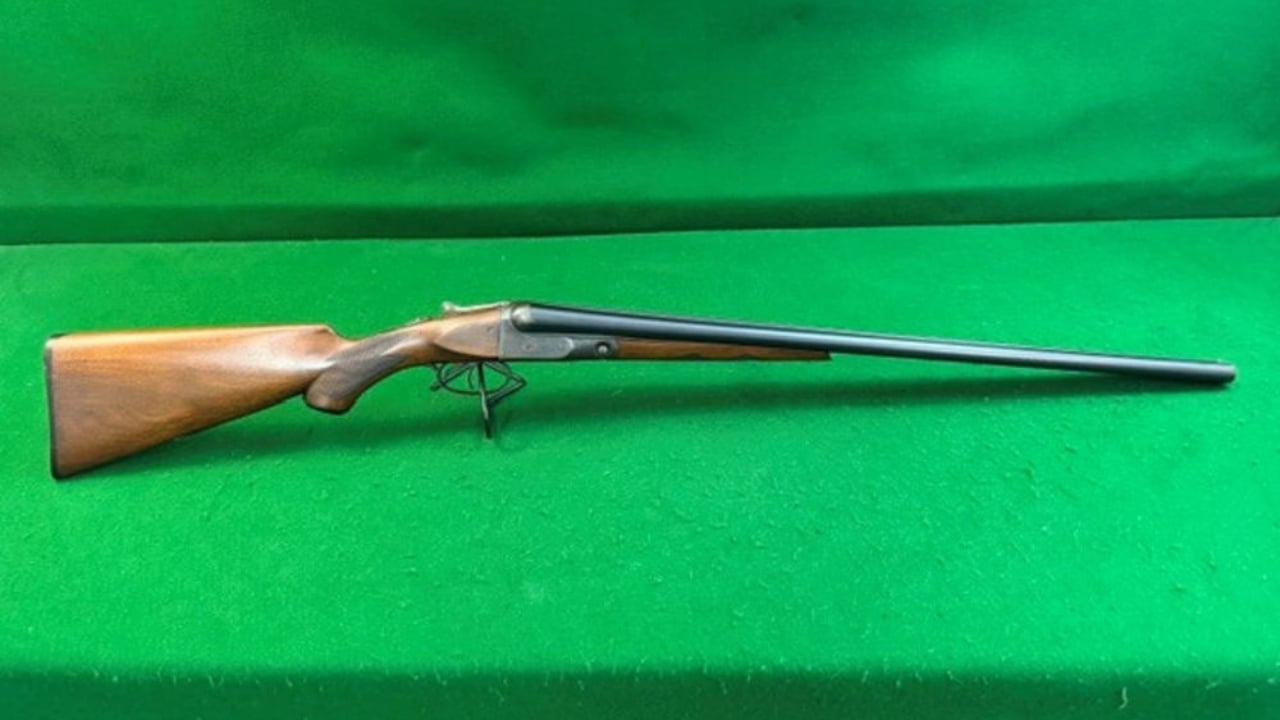
Parker is one of those names that can turn a regular gun counter conversation into hushed voices. Even folks who don’t collect doubles know what a Parker is supposed to represent.
Values swing wildly based on grade, gauge, and condition, and that’s where people get hurt by bad “restorations.” A Parker left alone—properly stored and not messed with—often does better than one somebody tried to “improve.”
Free for gun owners: If something happened to you tomorrow, would your family know where the guns are, who has the safe combination, or what to do first? Our free Gun Owner’s Family Checklist walks them through it. It takes about 15 minutes to fill out. Get your free copy here.
11. L.C. Smith (side-by-side)
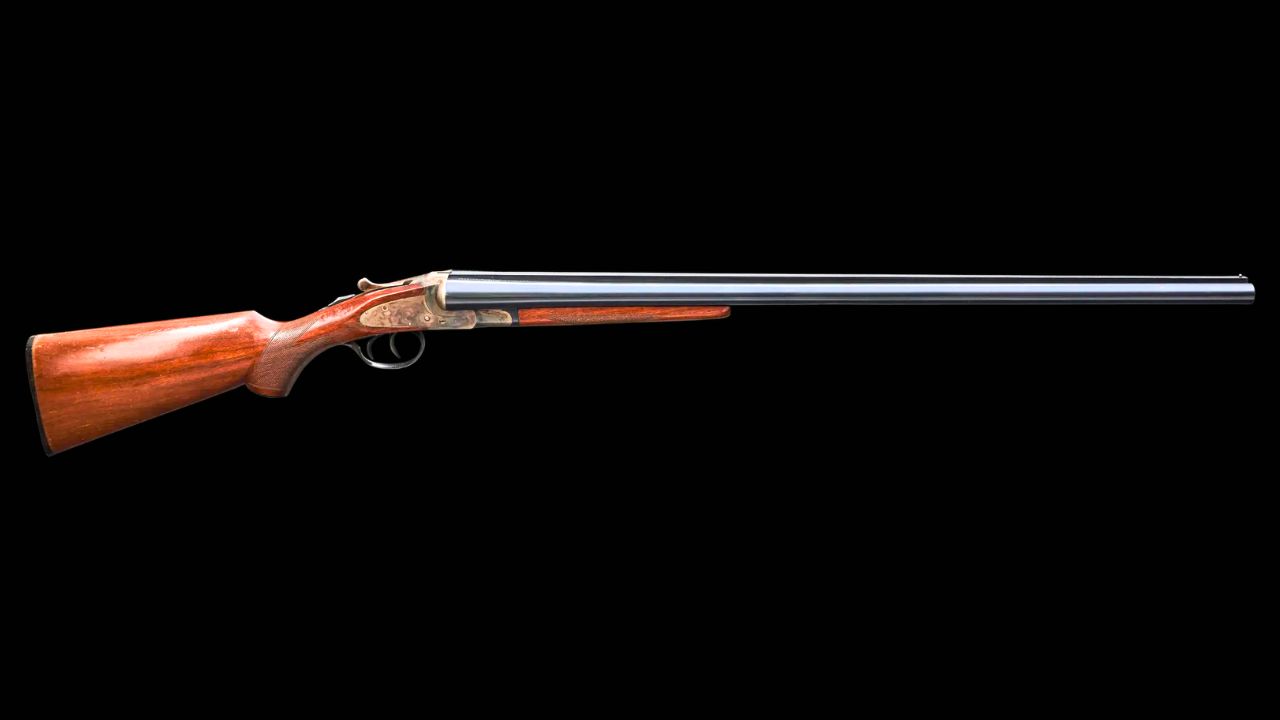
L.C. Smith doubles have that old American charm, and when you shoulder a good one, they don’t feel like antiques. They feel like bird guns.
Collectors chase original finish, tight lockup, and clean bores. If yours has been sitting in the safe because it’s “too nice to hunt,” the market tends to reward that kind of restraint, even if it’s not the most fun way to live.
12. Fox Sterlingworth (A.H. Fox)
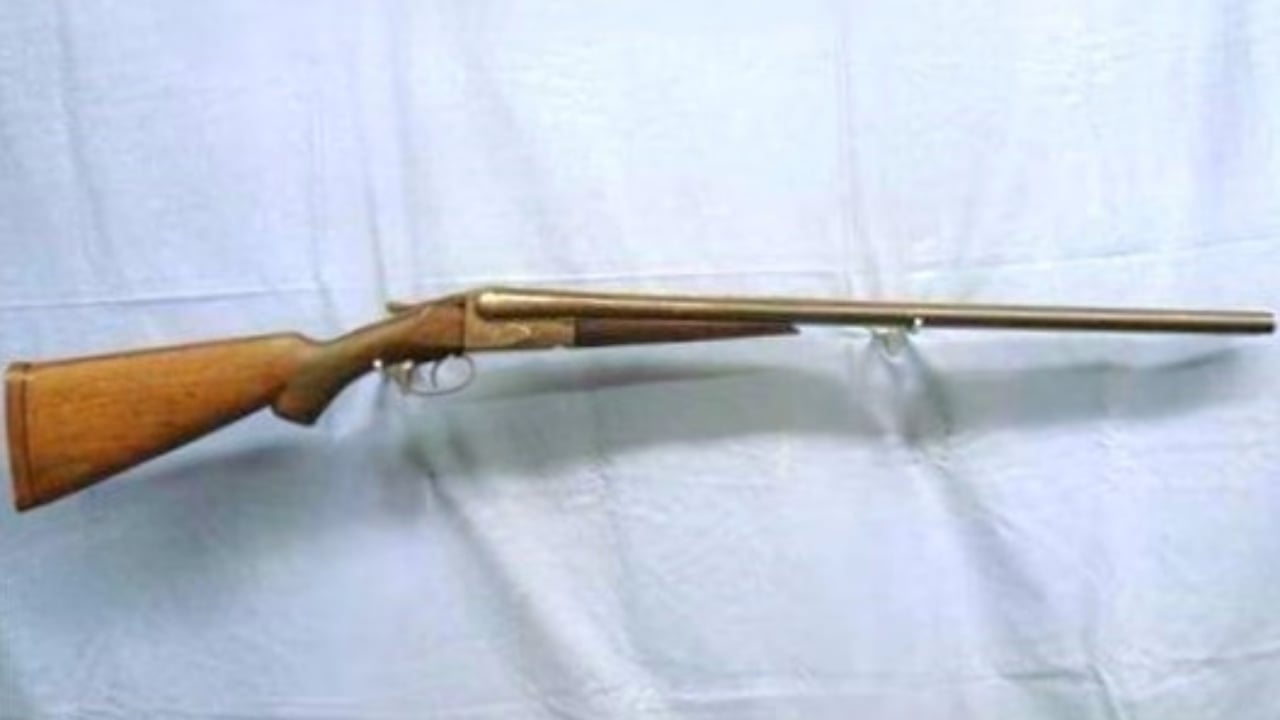
The Sterlingworth is the working man’s Fox, but don’t confuse that with “cheap.” It’s a classic, and it’s exactly the kind of gun guys regret selling when they realize modern doubles don’t feel the same.
They’re also a sweet spot for buyers who want into vintage doubles without taking out a loan. When demand stays steady and supply keeps shrinking, values usually creep up over time.
13. Beretta 686 Silver Pigeon (older, clean field guns)

This is where we step into the “modern classic” zone. The 686 has been a staple for upland hunters and clays shooters for a long time because it just works and it doesn’t beat you up.
Berettas don’t all explode in value, but clean, lightly used examples with unmolested stocks and original chokes hold value well. And when new gun prices climb, the used market follows, especially for models everybody already trusts.
14. Beretta A400 Xplor (early production, unmodified)
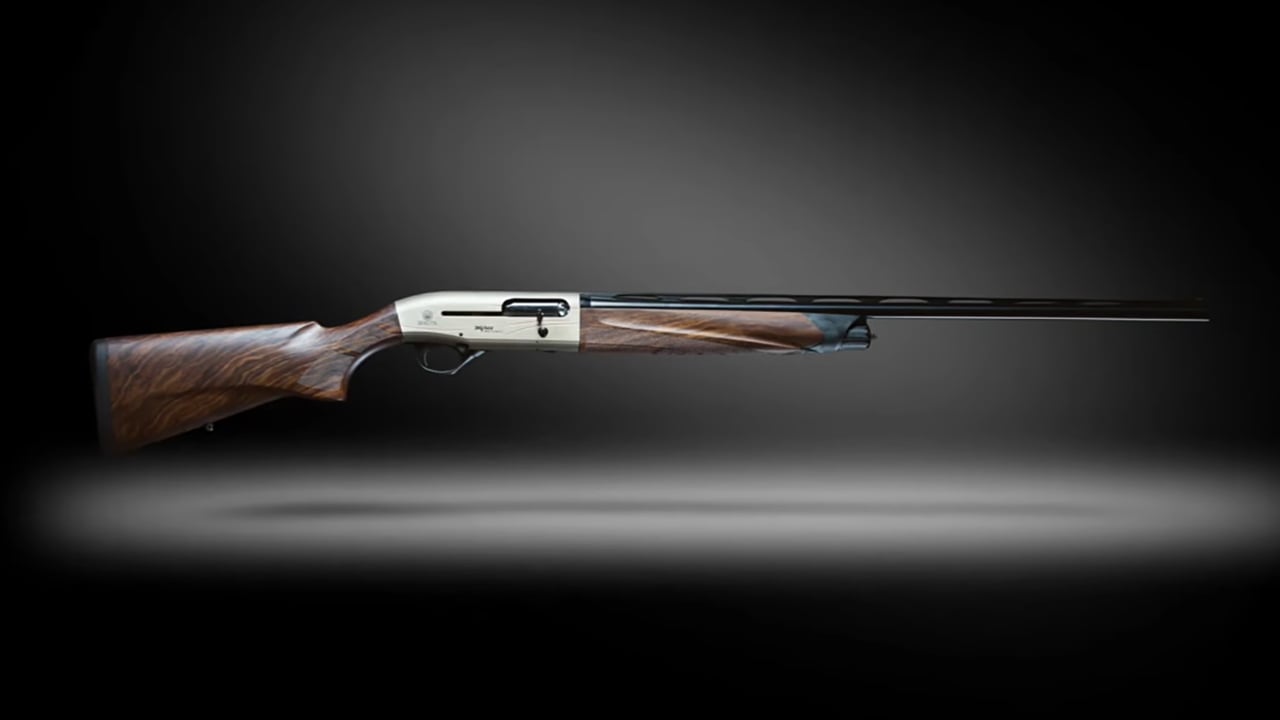
The A400 is one of those semi-autos that converts pump guys after a few boxes of shells. It’s reliable, soft shooting, and built for real volume.
Will it be a collector piece like a Parker? No. But value isn’t always about being fancy; sometimes it’s about being the “known good” option when new prices keep rising. A clean A400 that hasn’t been drilled, cut, or tinkered with tends to stay desirable.
15. Benelli M1 Super 90

Benelli inertia guns earned their reputation the hard way—by running in nasty conditions when other systems got sluggish. The M1 has become one of those models folks look for because they remember how well they held up.
They’re also a victim of their own usefulness: many were used hard. An M1 that’s been sitting untouched, with the right barrel and minimal wear, is the kind of “boring” gun that becomes interesting when someone goes shopping and realizes what new Benellis cost now.
16. Benelli M2 (field models)
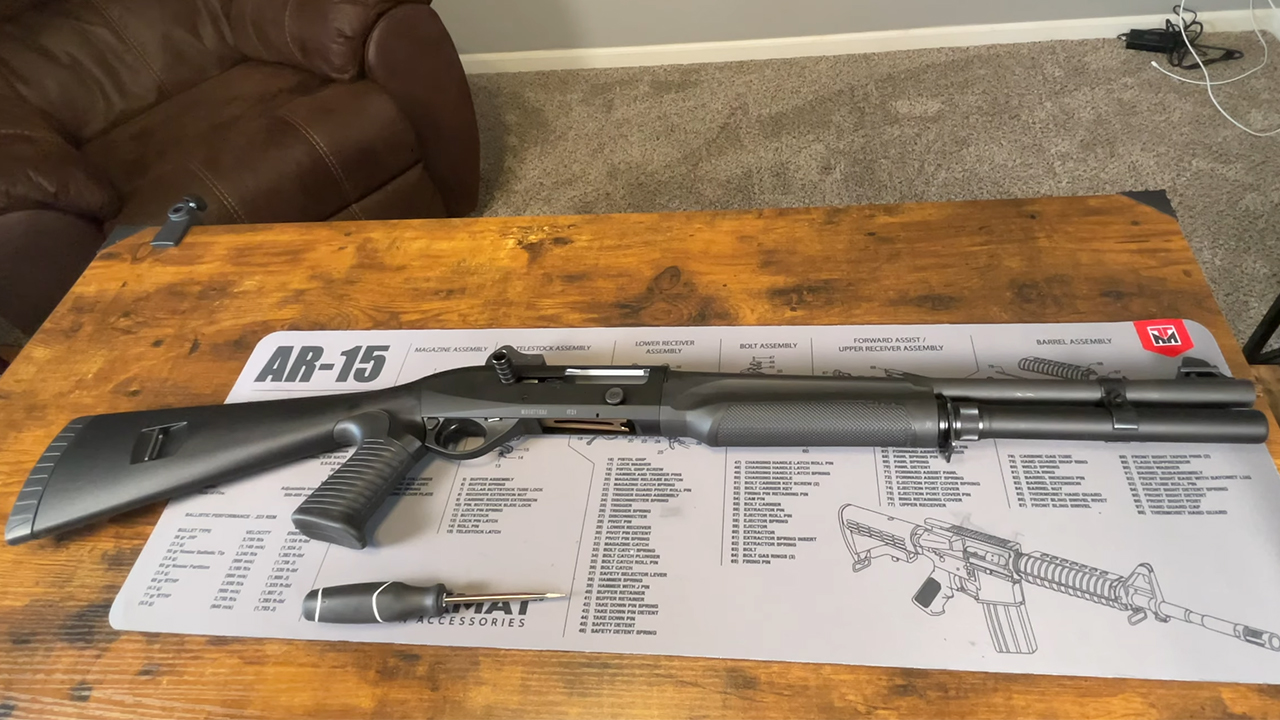
The M2 is everywhere for a reason. It balances well, it carries easy, and it’s the kind of shotgun you can hunt with all morning and not feel like you hauled a fence post through the marsh.
Again, not every M2 is going to “moon,” but they’re a strong store-of-demand. When people want a reliable semi-auto and don’t want a project, they keep circling back to the M2—and clean examples don’t sit long.
17. Benelli Super Black Eagle (original SBE)
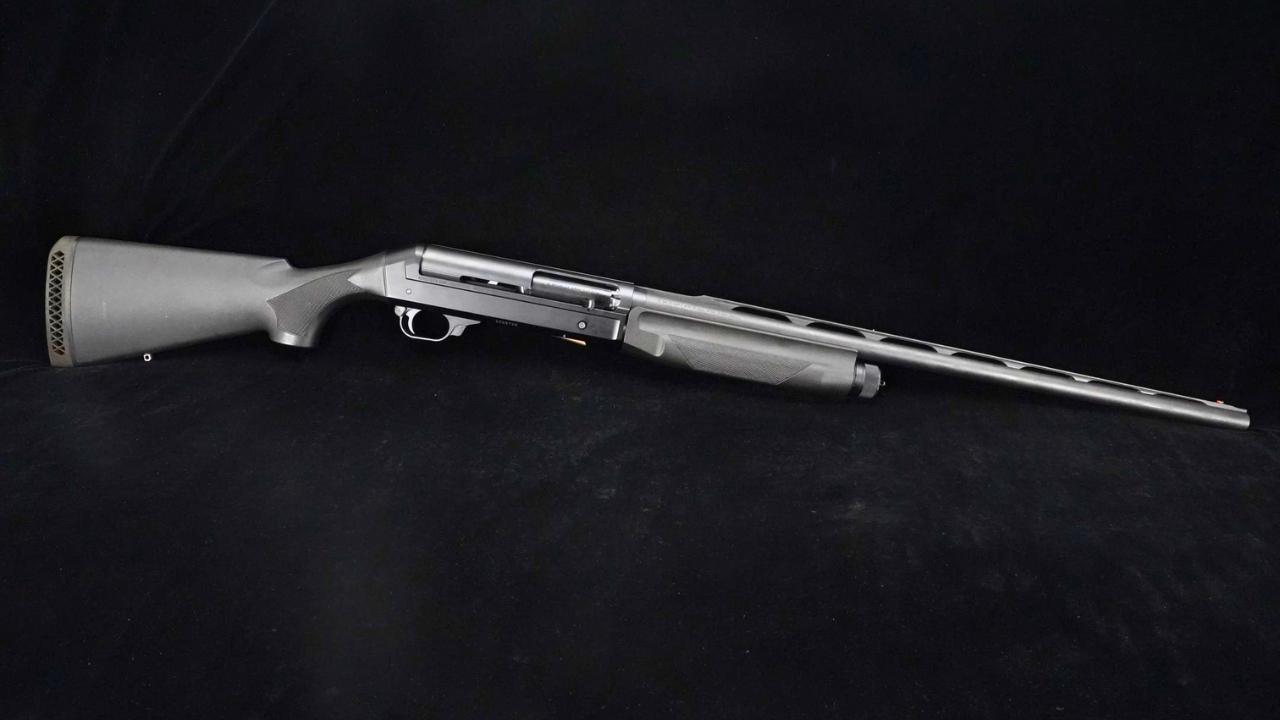
The original SBE brought 3.5-inch shells into a lot of duck blinds, for better or worse. It’s a landmark waterfowl gun, and plenty of them have stories written into the finish.
What’s interesting is how the earliest guns in nice shape are starting to get “classic” treatment from buyers. If you’ve got one that didn’t live its whole life in a layout boat, you might be sitting on more value than you think.
18. Franchi SPAS-12
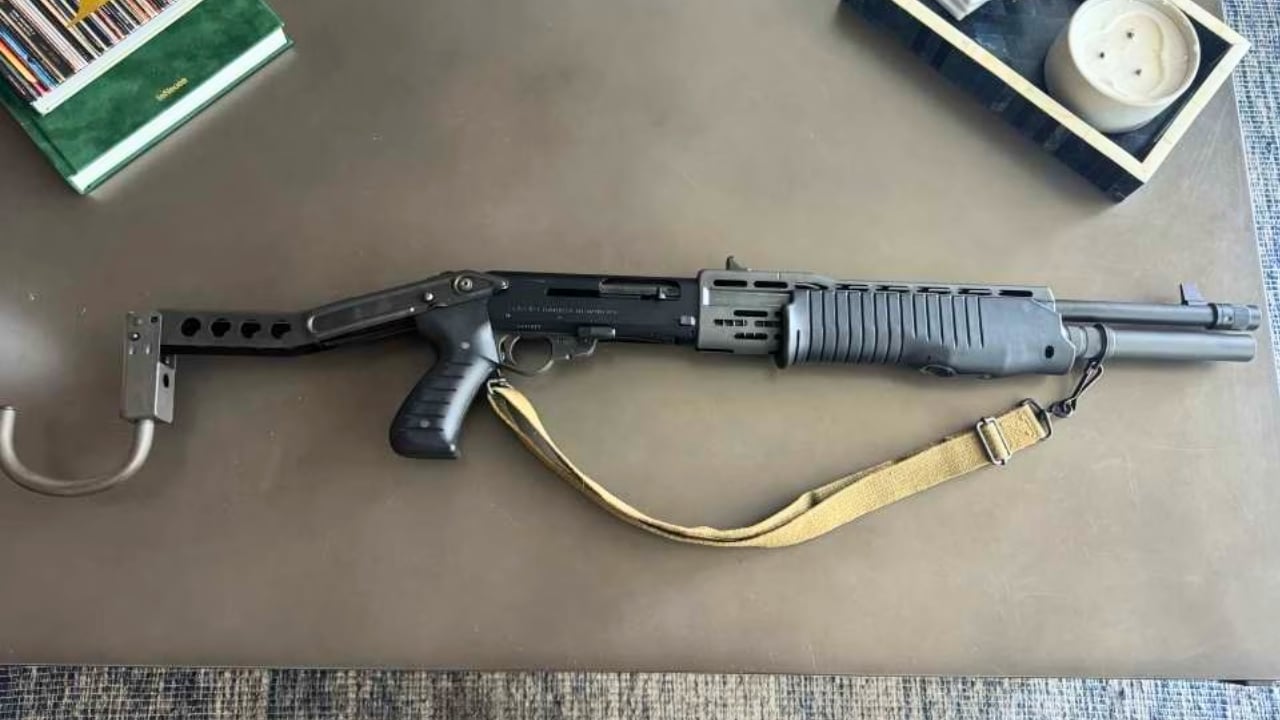
This is the one that makes gun guys act like kids again. It’s heavy, it’s awkward, and it’s not what I’d call the ideal anything for hunting. But it has a cult following that doesn’t care.
Because they aren’t common and because pop culture did what pop culture does, clean SPAS-12s keep commanding strong prices. If you bought one years ago and it’s been sitting untouched, it probably didn’t get cheaper.
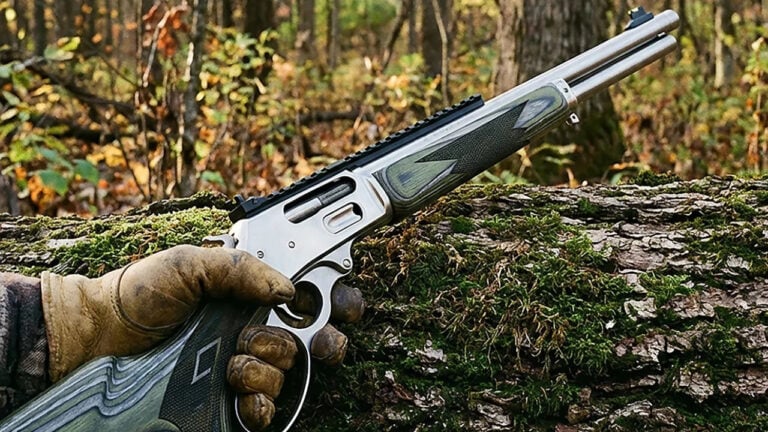
19. Colt/Winchester 1887 Lever-Action Shotgun (originals and high-quality reproductions)
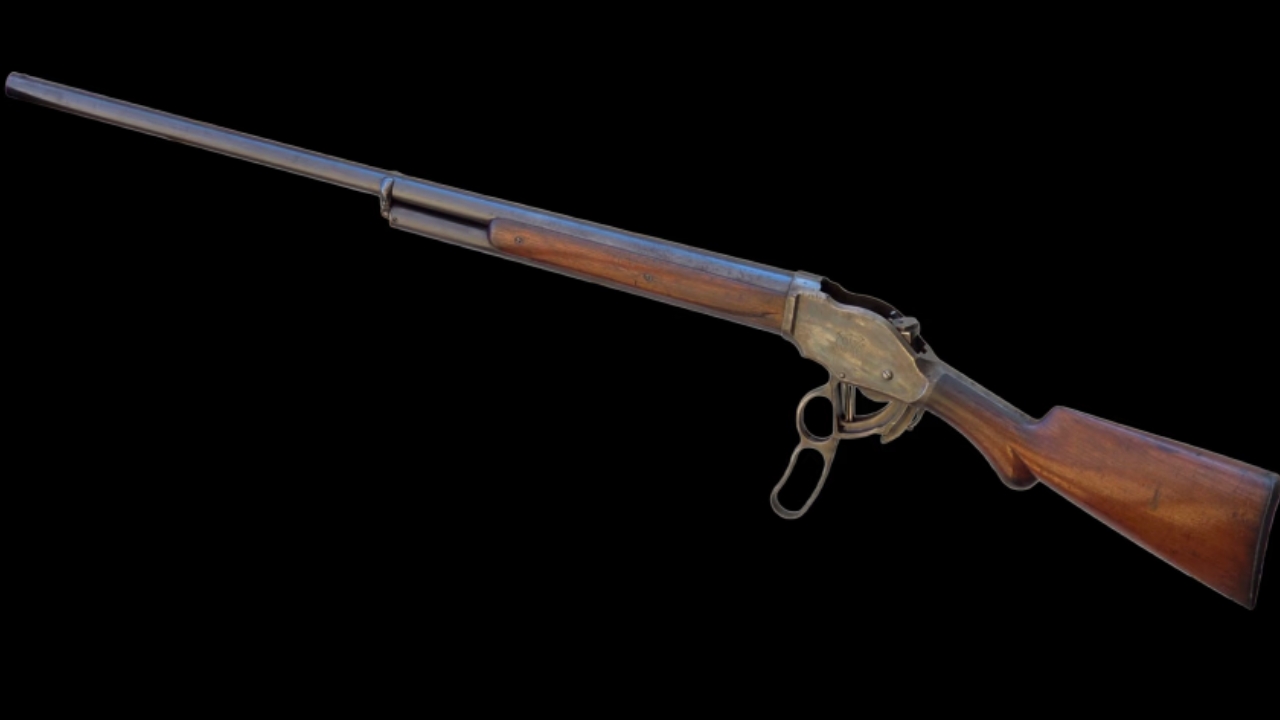
Lever-action shotguns are not the practical choice for most of what we do in the field. But they are cool, and sometimes that’s enough to push demand.
Original 1887s are in their own bracket if they’re legit and in good condition. Even quality reproductions hold value better than you’d expect when they’re kept clean, because the supply is limited and the “want” factor stays high.
20. H&K Benelli M3 Super 90 (dual-mode pump/semi)
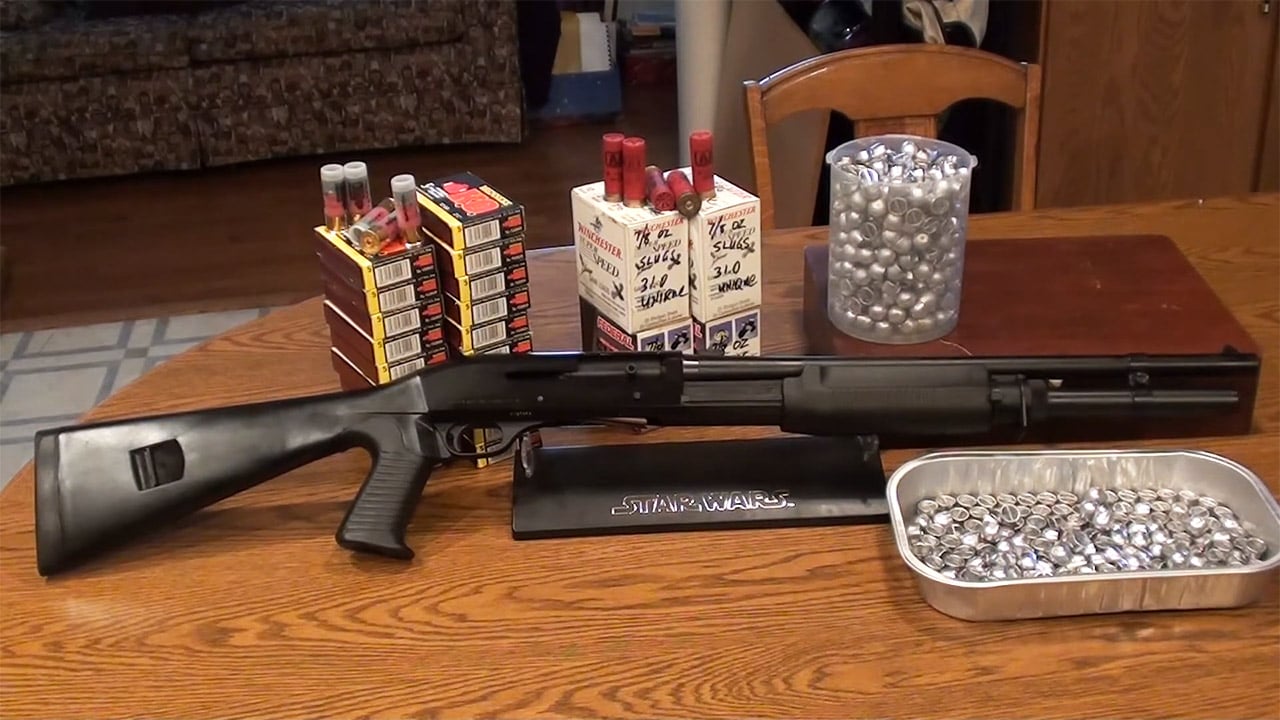
The M3 is one of those shotguns you have to handle to appreciate. The ability to run it as a semi-auto or switch to pump gives it a weird kind of appeal, especially to folks who like oddball functionality that actually works.
Markings matter here. The older H&K-import guns tend to get extra attention, and the clean ones don’t show up every day. It’s not a shotgun everybody needs, but it’s exactly the kind of thing that gets more valuable while it sits because the right buyer is always looking.
None of this is a reason to stop hunting with your good guns. But it is a reminder to think twice before you trade grandpa’s old shotgun for the newest hotness just because it has a different coating. The market’s funny that way: the classics you forget about in the back of the safe are often the ones that don’t forgive seller’s remorse.
Like The Avid Outdoorsman’s content? Subscribe to our newsletter so you never miss an article.
Here’s more from us: