Photo credit: Buffalo's Outdoors/Youtube
Buying a used hunting rifle can be one of the smartest ways to stretch your money. Plenty of older rifles are better built than new budget guns, and a lightly used deer rifle may have spent most of its life sitting in a safe. But not every used rifle is a bargain. Some designs hide expensive wear, depend on proprietary parts, or attract the kind of owners who modify them heavily before selling them.
That is where I get cautious. A scratched stock does not bother me. Unknown round count, questionable bedding work, an eroded throat, improvised trigger work, or a discontinued action with scarce parts absolutely does. These 20 hunting rifles can all be good guns, but I would rather buy them new, buy from someone I personally trust, or walk away entirely than inherit somebody else’s mystery.
Christensen Arms Ridgeline
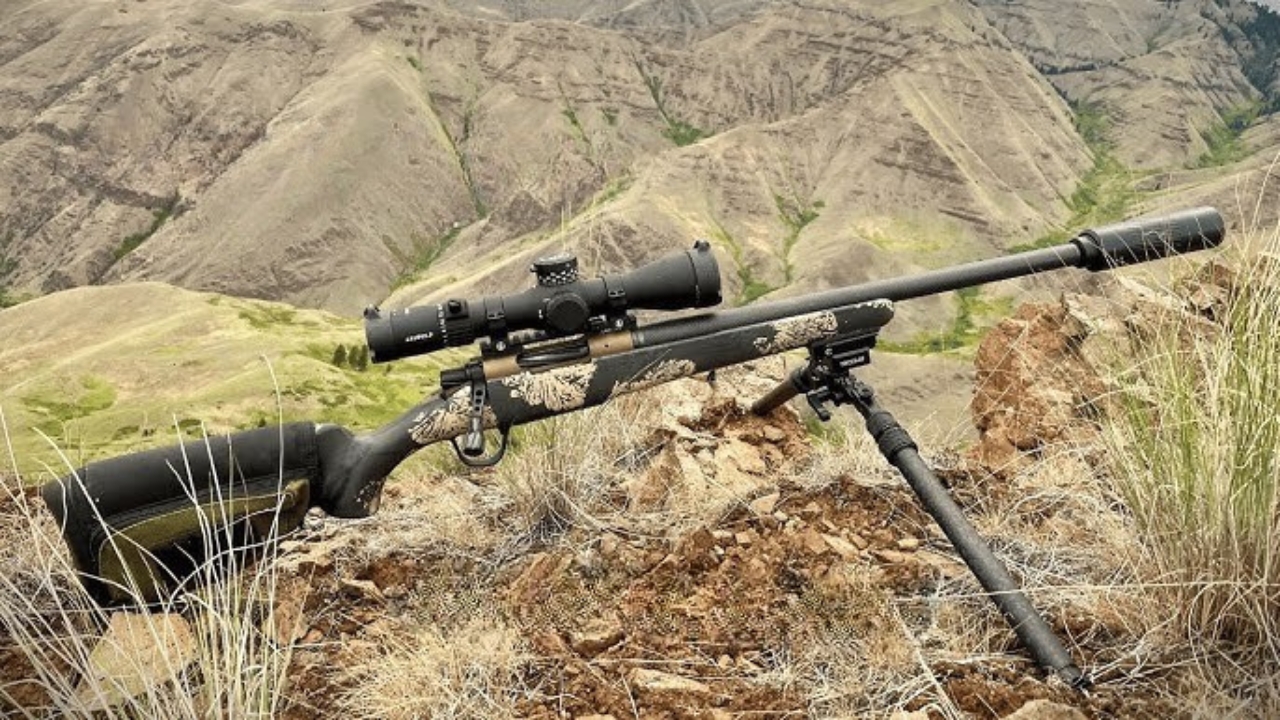
The Ridgeline is exactly the kind of rifle I would want history on before buying. Carbon-wrapped barrels, lightweight stocks, and premium pricing mean owners often buy them for serious western hunting or longer-range shooting. That also means some examples see far more high-pressure magnum ammunition than an ordinary whitetail rifle.
A clean exterior tells you very little about throat condition or actual round count. A rifle chambered in a fast magnum may look nearly new while the first several inches of the bore have already lived a hard life. On a conventional steel-barreled hunting rifle, replacing a worn barrel is straightforward enough. On a premium lightweight package, I would rather know exactly what I am starting with.
Weatherby Mark V Accumark
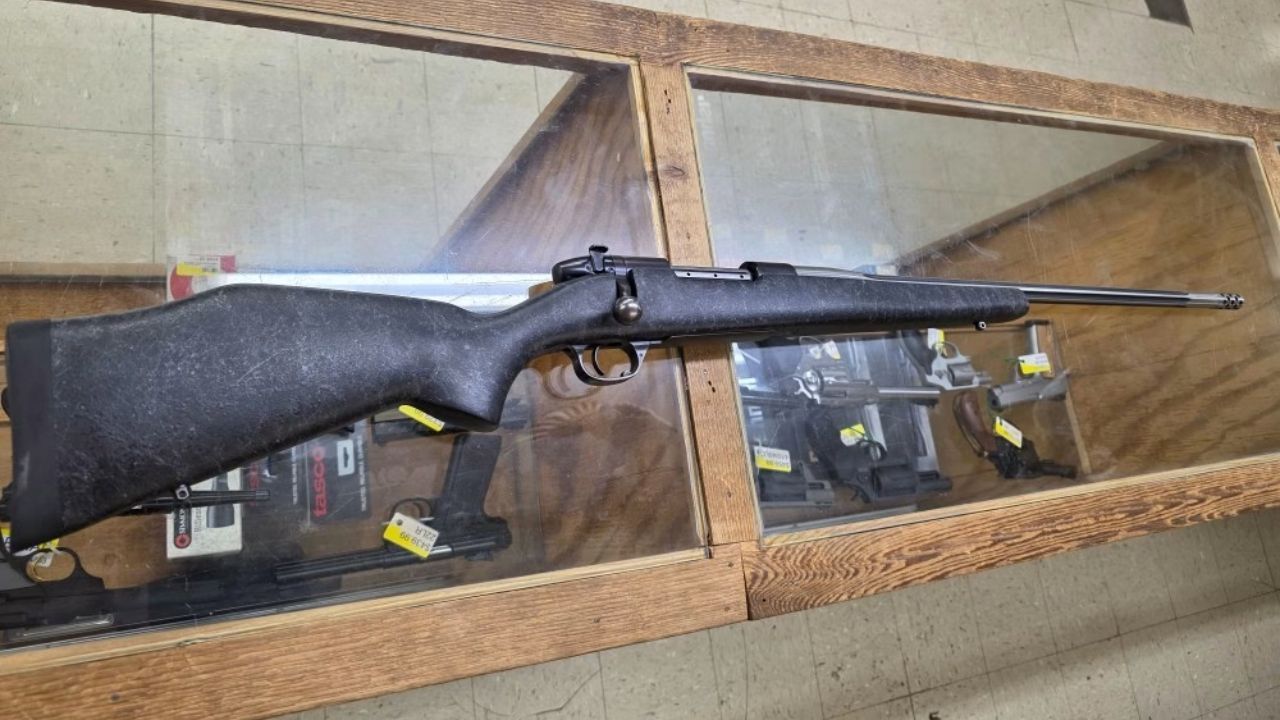
The Accumark is built to shoot powerful cartridges accurately, and that is precisely why I would be careful with a used one. Many were bought in high-velocity Weatherby chamberings where throat erosion can become a real concern if the previous owner shot extensively or fired long strings at the range.
The rifle itself is excellent. The issue is that a used Accumark may have been treated more like a long-range range rifle than a deer gun that fired three rounds per year. Unless I could inspect the bore closely and get a believable round-count history, I would rather pay more for a rifle whose barrel life I know from shot one.
Browning BAR Mk 3

A used BAR can be a fantastic hunting rifle, but I do not love buying gas-operated hunting semiautos with unknown maintenance histories. The exterior can be beautifully maintained while the gas system, chamber, magazine, and internal components tell a very different story.
That matters because a neglected semiauto is usually more expensive and frustrating to sort out than a neglected bolt gun. I would want to know how often it was cleaned, whether it cycled reliably with hunting ammunition, and whether anyone has been inside the action attempting repairs. If the seller cannot tell me much, I would rather start fresh than inherit years of carbon and mystery.
Benelli R1
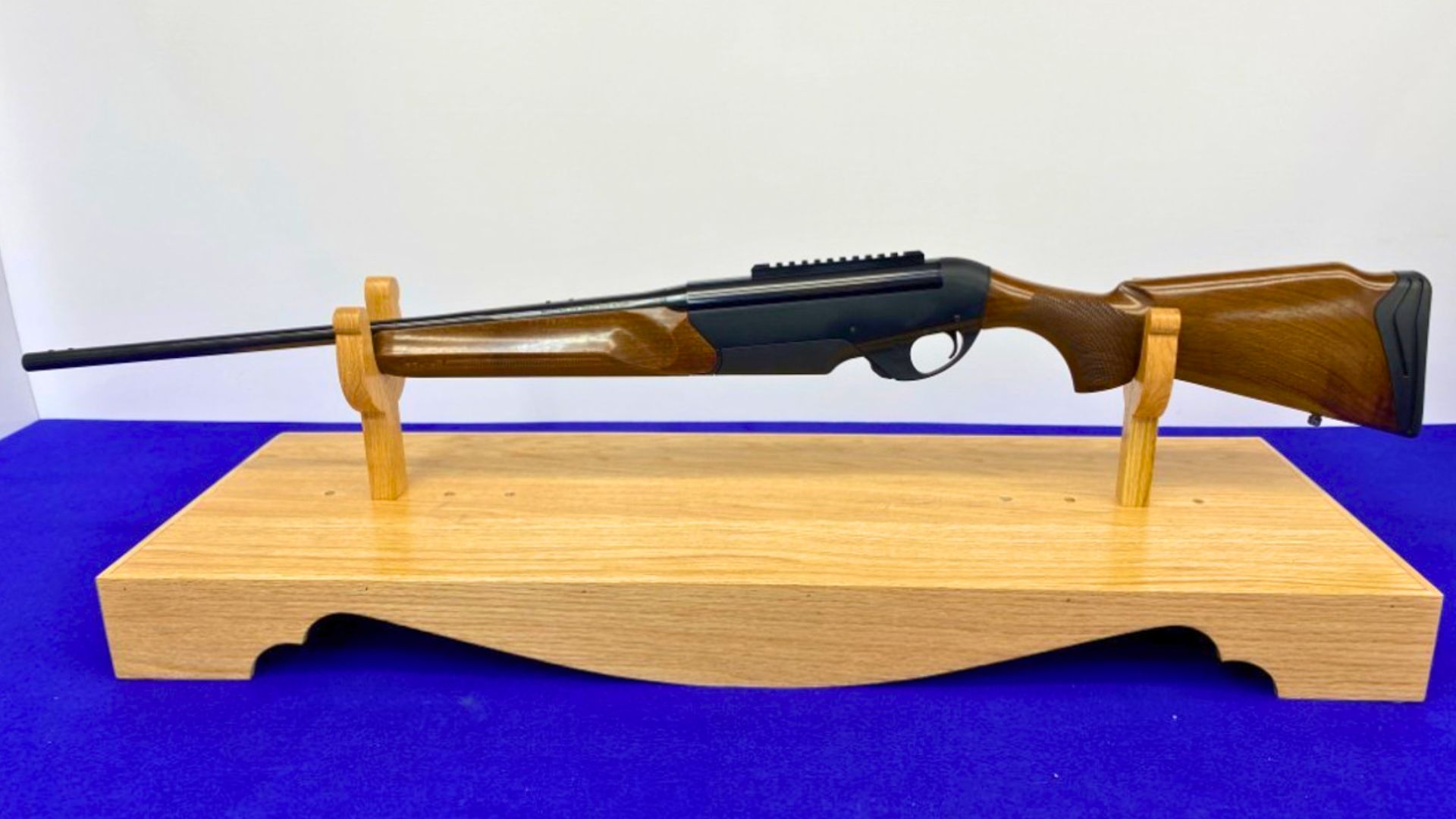
The R1 has the same basic problem for me as any premium semiautomatic hunting rifle: I want to know what happened before I owned it. The gas system and rotating bolt can work beautifully, but they also give you more moving parts and more maintenance history to worry about than a conventional bolt action.
The rifle is also uncommon enough that I would not want to discover after the purchase that some proprietary component needs replacement. A used bolt rifle with an ugly stock can still be easy to rehabilitate. A used R1 with intermittent cycling issues could turn into a much more annoying ownership experience. Unless the seller can demonstrate that it runs correctly, I would keep walking.
Remington Model 742 Woodsmaster
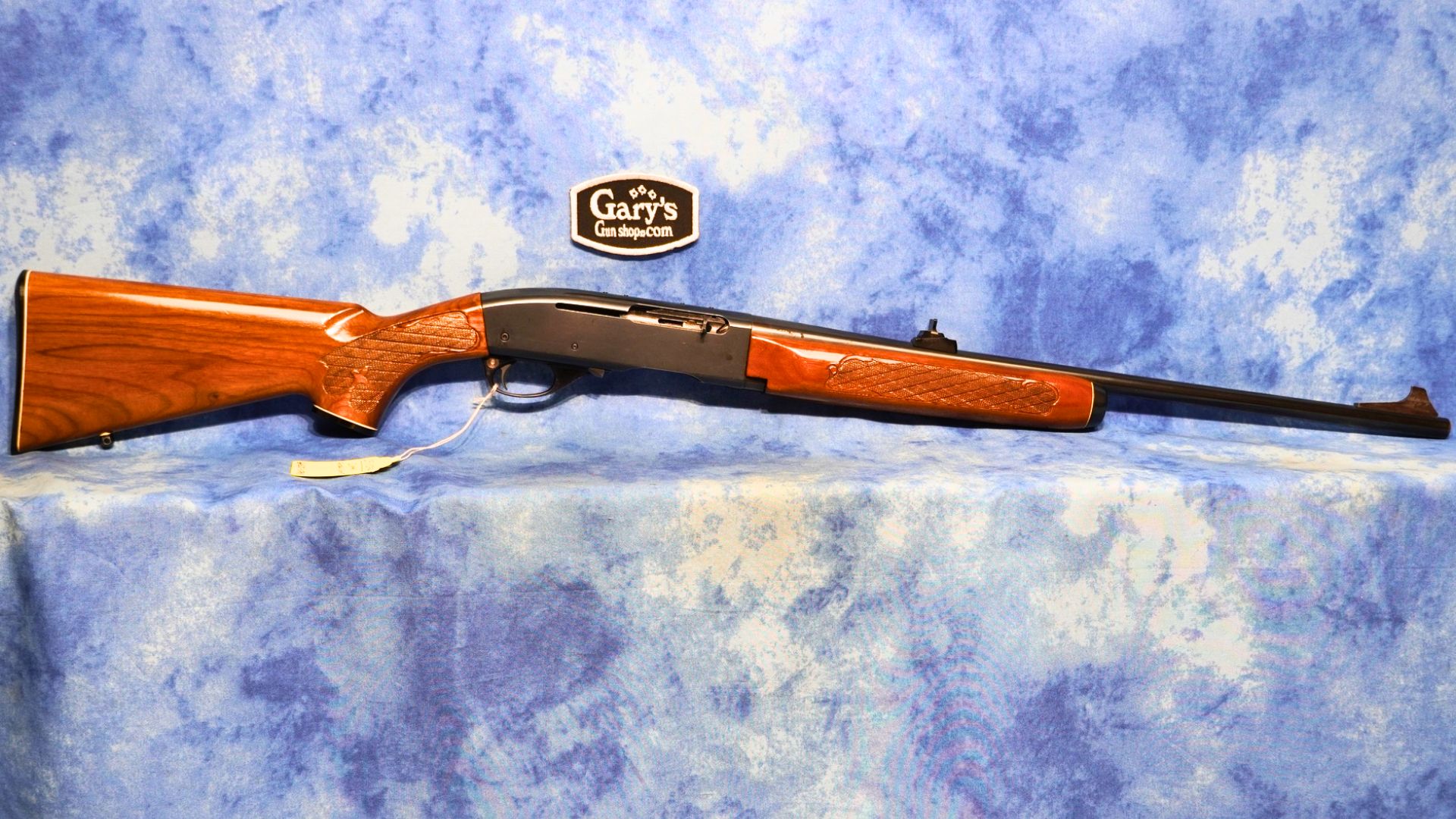
The 742 is probably one of the easiest rifles for me to reject as an unknown used purchase. Plenty of them served hunters faithfully for decades, but internal wear in the receiver rails and chamber-related extraction problems are well-known concerns on high-mileage examples.
The problem is that the average gun-store rack does not tell you how much life is left. A rifle may look excellent because it spent years in a closet, or it may have been shot heavily and repeatedly cleaned incorrectly. Once the receiver itself is badly worn, you are dealing with something much bigger than replacing a recoil spring. I would only buy a 742 if I knew its history and could inspect it very carefully.
Remington Model 7400
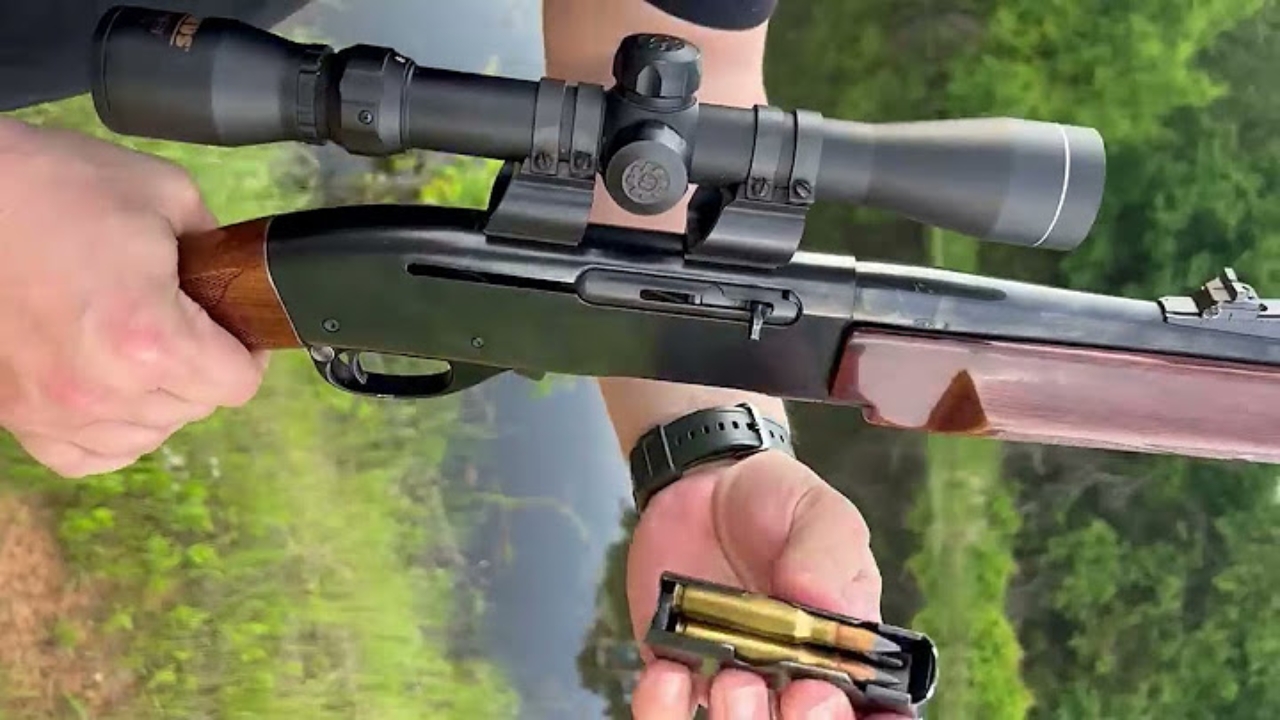
The 7400 improved on earlier Remington autoloaders, but I still would not grab a random used example just because the price looked good. These rifles are often decades old now, and hunting semiautos tend to accumulate maintenance neglect because many owners fire them only a handful of times each year.
That can mean old lubricant, chamber fouling, worn magazines, tired springs, or an owner who has been fighting cycling issues for years before finally trading the rifle. The frustrating part is that problems may not show up during a quick visual inspection. I would want to fire the exact rifle before buying it. If that is not possible, I would rather choose a used bolt action.
Remington Model 750 Woodsmaster

The 750 is newer than the 742 and 7400, but the same logic applies. I do not like buying a used semiautomatic hunting rifle without knowing whether the previous owner maintained the chamber and gas system properly.
A seller saying it “just needs a good cleaning” is exactly the phrase that makes me nervous. Maybe it does. Maybe the owner has spent three deer seasons trying different magazines and ammunition because the rifle occasionally short-strokes. There are too many excellent used bolt guns available for me to gamble on an autoloader with an uncertain history. I would want proof that it runs, not reassurance.
Winchester Model 100
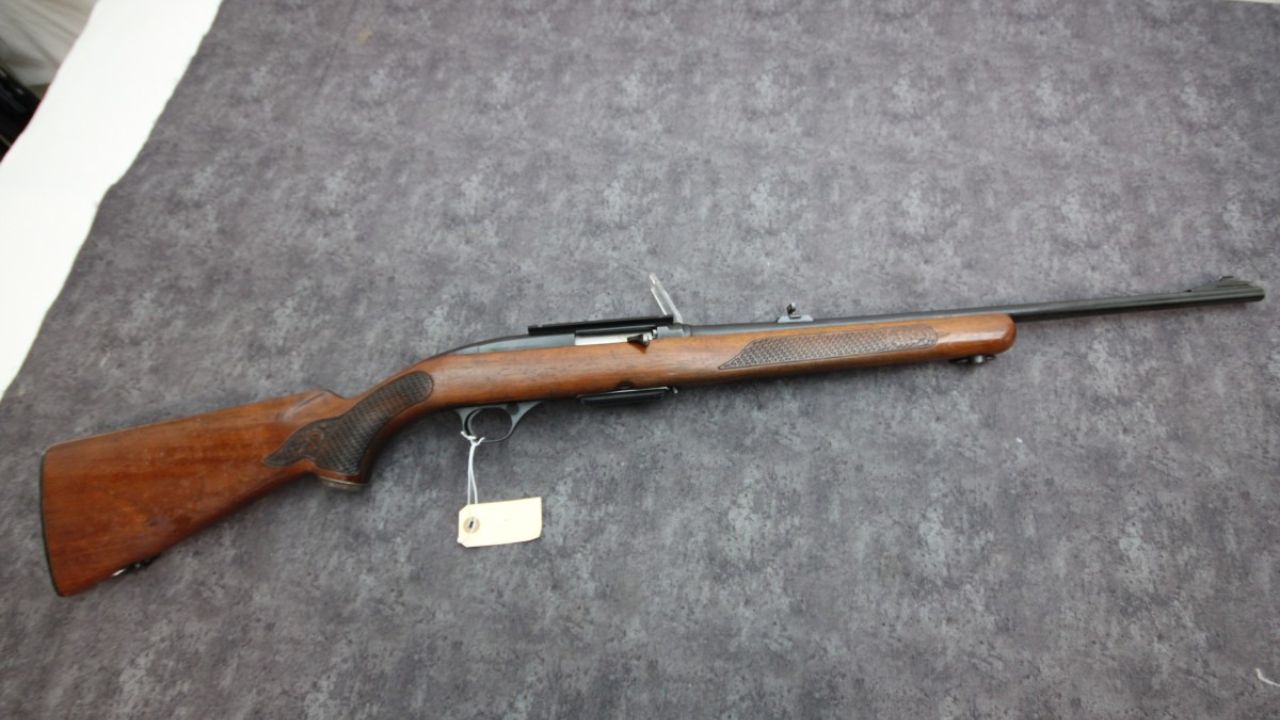
The Model 100 is a beautiful old hunting rifle, but age alone would make me cautious. It also has a known firing-pin recall history, which means I would want to verify that any used rifle had received the appropriate correction before treating it as ready to hunt.
Then there are the normal concerns associated with an aging semiautomatic: magazines, springs, internal wear, and replacement parts. A collectible Winchester can still be worth buying for historical interest, but that is different from buying a rifle because I need something dependable for November. As a hunting tool, I would rather not inherit six decades of unknown maintenance.
Browning BAR Safari

The older BAR Safari rifles can be gorgeous, and that is exactly what makes them tempting on a used rack. Deep bluing and nice walnut can distract you from the fact that you are still buying an older gas-operated semiautomatic with a maintenance history you cannot see.
I would want to know whether the rifle has been shot with excessive oil in the action, whether the gas system has been maintained, and whether it feeds consistently from the original magazine. Replacement work on an older premium autoloader is not where I want to discover my bargain was not actually a bargain. A known family rifle is one thing. A random used-store BAR is another.
Ruger No. 1
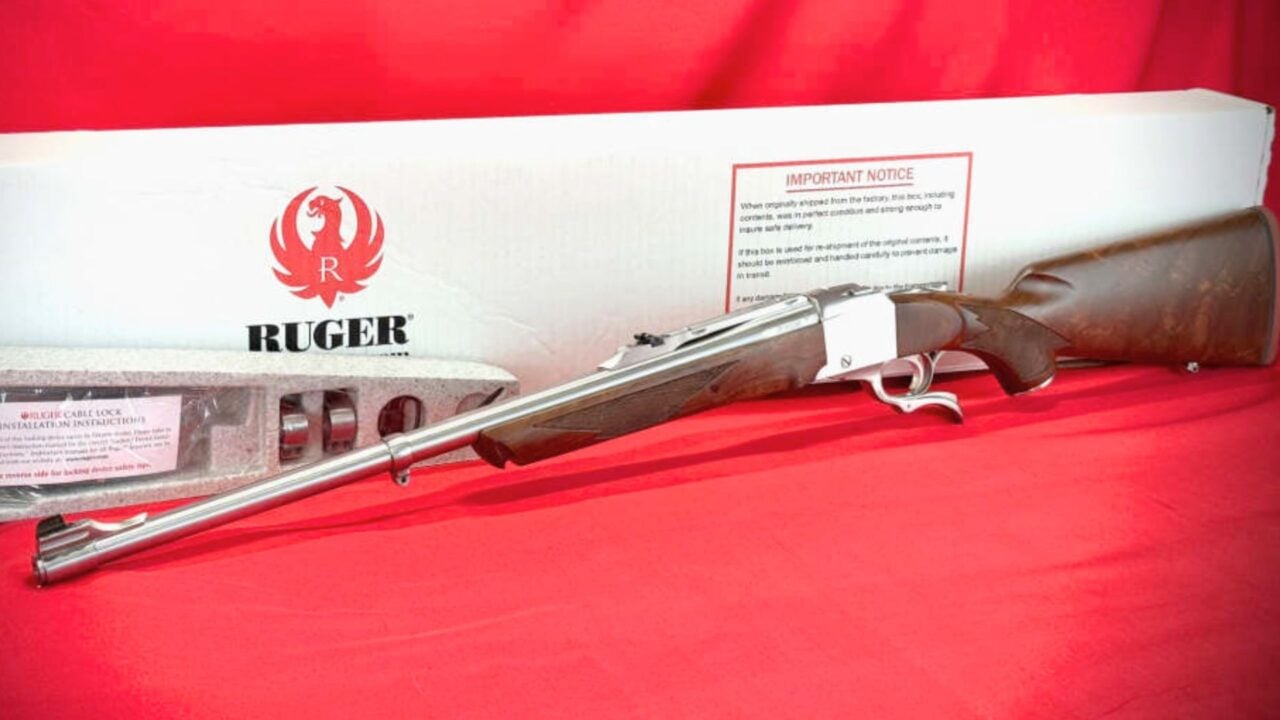
The No. 1 is strong enough that action wear is not my biggest concern. Accuracy tinkering is. These rifles have developed a long history of owners experimenting with fore-end pressure, bedding, hanger tension, trigger work, and other adjustments trying to make a particular example shoot better.
That means a used rifle may have been altered in ways you cannot immediately see. If someone is selling a beautifully finished No. 1 at an appealing price, I want to know whether they are selling it because they simply need room or because it never grouped the way they hoped. I love the design, but I would rather start with an untouched example than reverse somebody else’s accuracy experiments.
Remington 700 Sendero

The Sendero attracts exactly the kind of shooter who may actually burn through barrels. Its heavy barrel and long-range configuration encourage high-volume range use much more than a standard lightweight deer rifle.
That creates a simple used-buying problem: the gun may look fantastic while the throat is already significantly worn. A heavy rifle usually avoids cosmetic abuse because it gets carried less, so visual condition can be especially misleading. Unless I can borescope it or get a credible round count, I would assume it was used for the role it was built for. That makes a suspiciously cheap Sendero less attractive, not more.
Savage 12 Long Range Precision Varminter
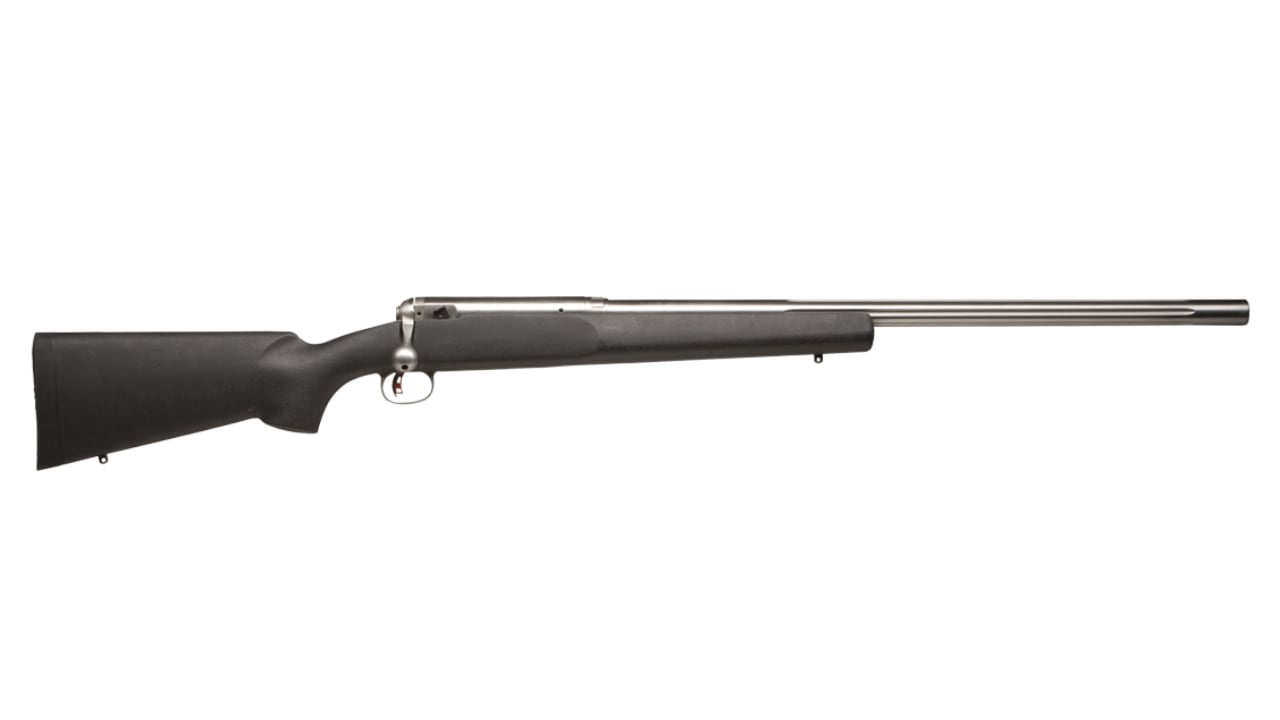
The Model 12 LRPV is another rifle I assume may have seen serious volume. Nobody buys a heavy dedicated varmint rifle because they plan to fire two rounds every November. These guns can spend entire afternoons shooting prairie dogs, targets, or load-development groups.
That is exactly the environment where barrel wear accumulates. Hot .22-caliber and 6mm cartridges can be particularly unforgiving if the shooter fired rapidly and let the barrel stay hot. A used LRPV may still be an incredible shooter, but I would want evidence. Without a bore inspection and some history, I would rather buy a rifle whose barrel life I control.
Ruger Precision Rifle
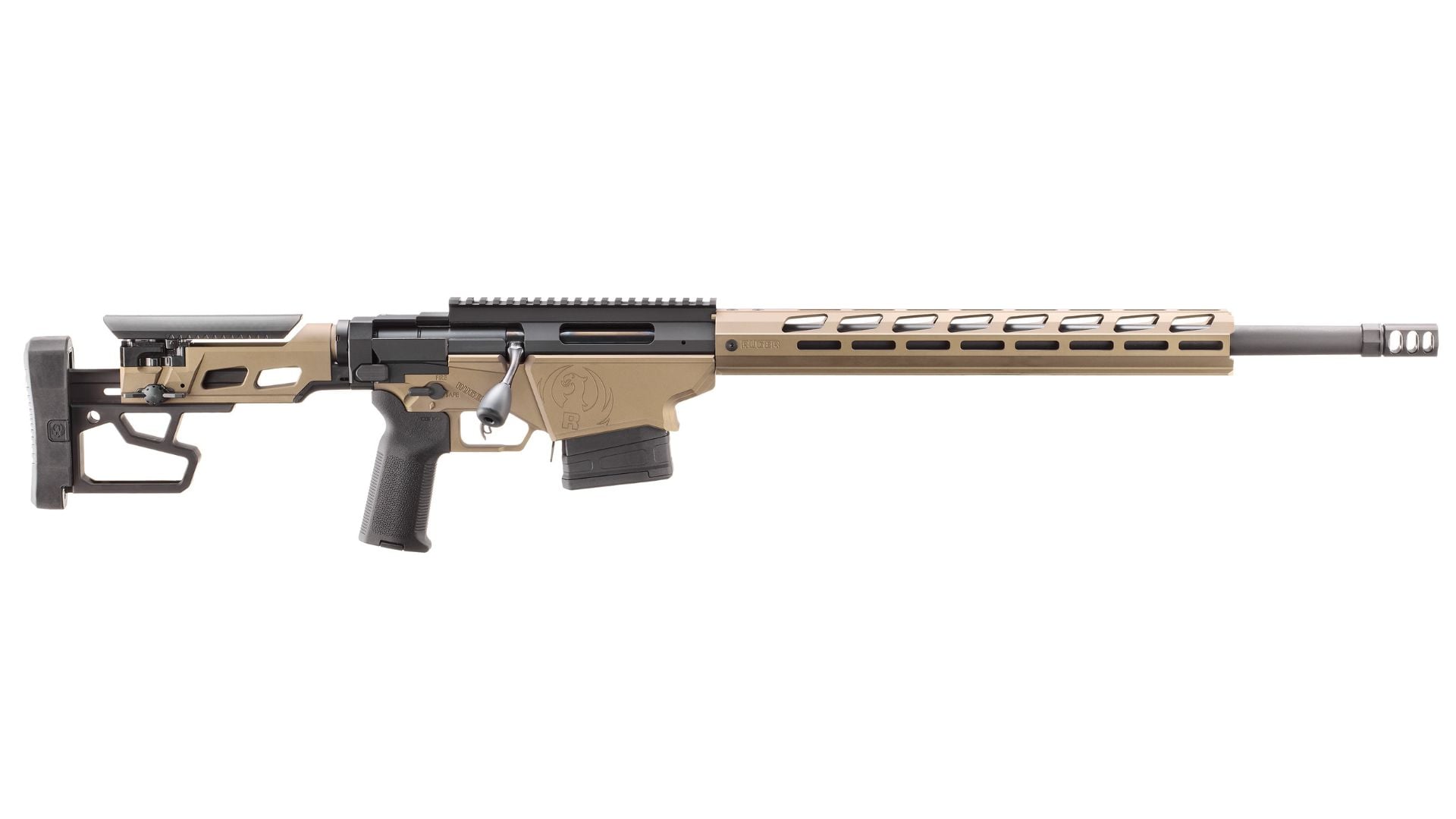
A used RPR can look like an incredible deal because the chassis hides wear well and owners frequently add expensive accessories. The problem is that these rifles are made to be shot. A lot.
High round counts, repeated barrel swaps, trigger changes, handguard swaps, and amateur modifications are all possibilities. I would also want to know whether the rifle had spent its life shooting relatively mild cartridges or something much harder on barrels. A used precision rifle is not like a used deer rifle that may have fired 80 rounds in ten years. I assume it has worked for a living until proven otherwise.
Savage 110 Elite Precision
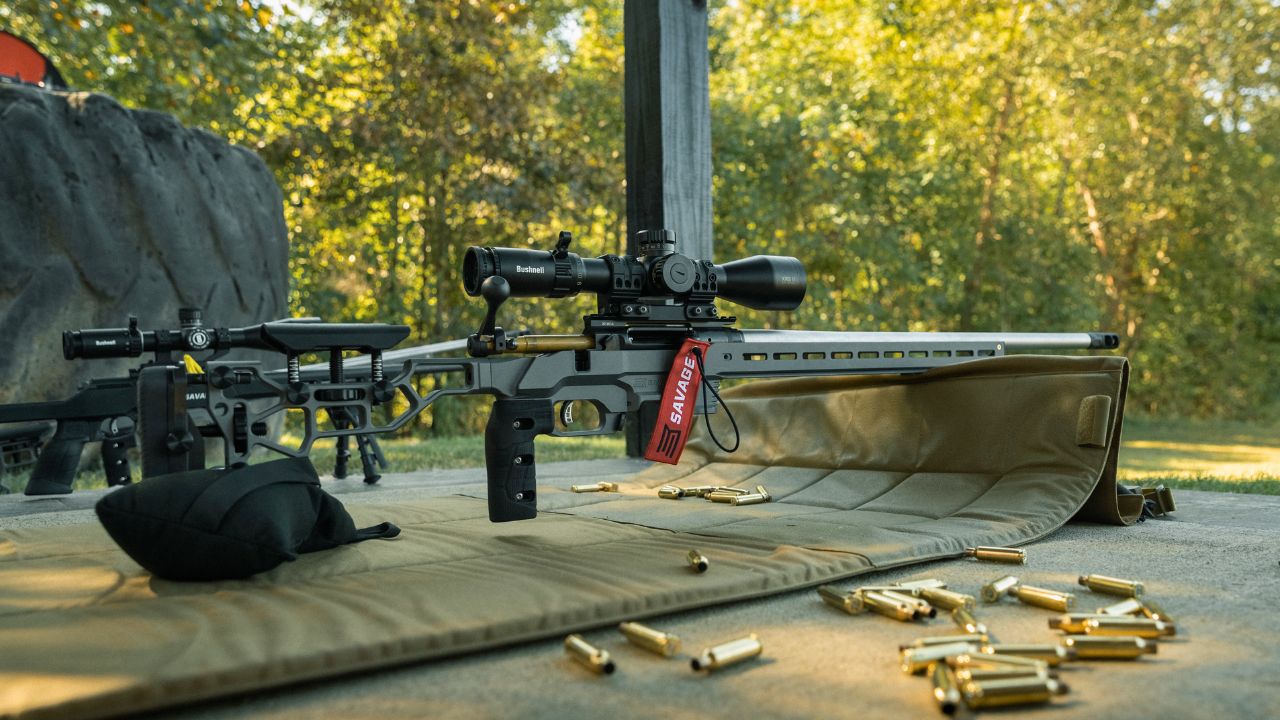
The 110 Elite Precision invites the same concern. Its chassis, heavy barrel, and competition-oriented configuration mean many owners buy it specifically to shoot hundreds or thousands of rounds rather than carry it through deer woods.
That does not make a used one bad. It just makes round count much more important. You may be buying a rifle that looks pristine because it never left a concrete bench while the barrel has already seen a tremendous amount of use. If I could confirm bore condition, fine. If I am relying on a seller who “doesn’t know exactly how many rounds,” I am probably passing.
Bergara B-14 HMR

The HMR is popular with hunters, but it is also extremely popular as an affordable precision rifle. That dual role is why I would approach a used one differently from a lightweight B-14 sporter.
Some HMRs have fired very little and spent their lives waiting for deer season. Others have spent every weekend shooting steel and working through load development. They may look almost identical on the rack. The stock and chassis system hold up well enough that cosmetic condition does not reveal much. I would want to know what cartridge it is chambered in, how it was used, and how the bore looks before calling a used price a bargain.
Christensen Arms MPR

The MPR practically begs to be modified and shot hard. Chassis adjustments, suppressors, optics, bipods, and long-range use are all part of the platform’s appeal. That makes it exactly the sort of expensive rifle where I would rather not inherit somebody else’s setup.
A previous owner may have swapped trigger components, changed barrels, altered torque values, run a suppressor extensively, or spent hundreds of rounds chasing groups. None of those things automatically hurt the rifle, but together they create uncertainty. At MPR prices, I want certainty. I would rather know how the rifle was assembled and broken in from the beginning than save money and start investigating.
SIG Sauer CROSS

The CROSS is compact, adjustable, and particularly attractive as a suppressed hunting rifle. It is also the kind of platform owners customize quickly, which makes used examples worth approaching carefully.
I would want to know whether the rifle is in original configuration, what has been changed, how heavily it was fired suppressed, and whether it has had any factory service or updates. Folding chassis rifles can hide a lot of use while still looking clean externally. The CROSS can be a very practical hunting rifle, but if I am buying one for reliability in the field, I would rather start with a known baseline than sort through another owner’s history.
Desert Tech SRS

A used SRS can look appealing because the platform is extremely expensive new and often comes bundled with barrels or accessories. That is exactly when I become suspicious of the bargain.
The entire point of the system is caliber and barrel interchangeability, so a used rifle may have had numerous barrel changes, different bolts installed, suppressors mounted, and untold numbers of rounds fired across configurations. Properly maintained, that is what the platform is built to do. But when I am spending serious money, I want to know the history of every component I am buying. A complicated modular rifle is the last place I want mystery parts.
Blaser R8
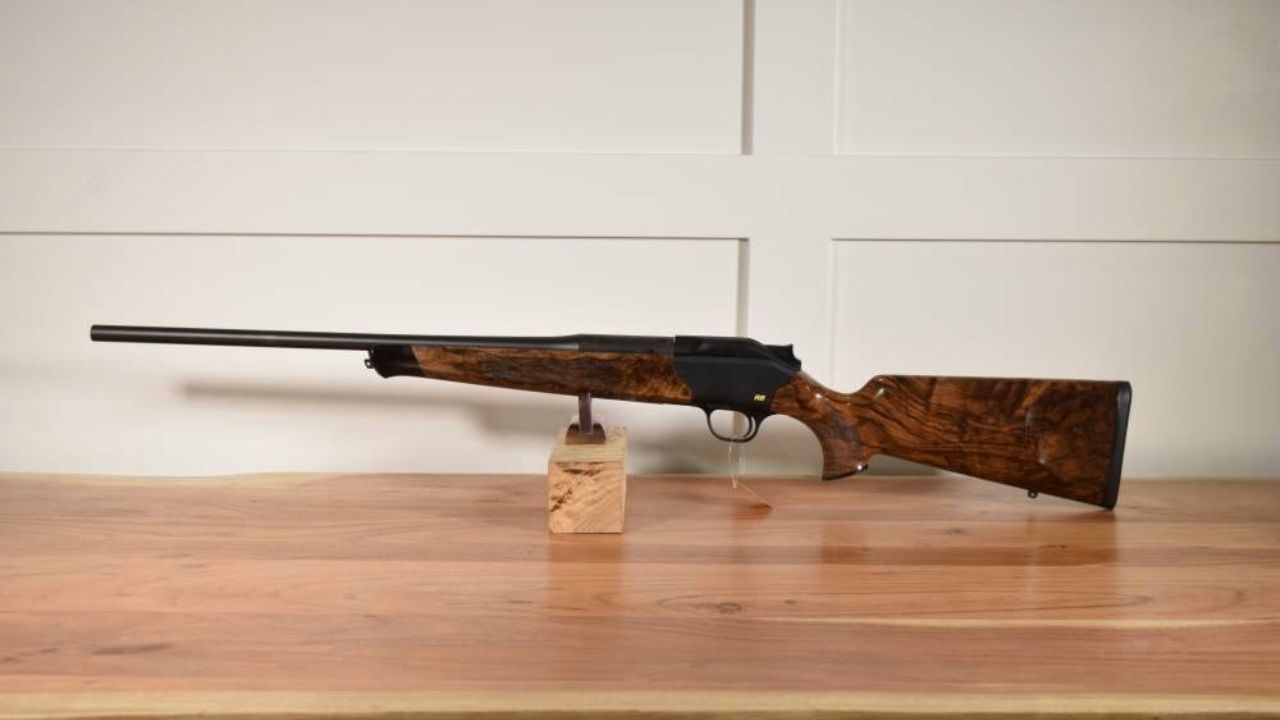
The R8 is mechanically excellent, but its modularity makes used buying more complicated than it first appears. A receiver, bolt head, magazine insert, barrel, and stock may have lived very different lives before being assembled into the package sitting in front of you.
That means I would want to verify exactly what is original, what has been replaced, and whether the barrel’s claimed round count actually matches the history of the rest of the rifle. At R8 prices, I am not interested in guessing. A lightly used rifle from someone I know would be different. A pieced-together package from an unknown seller would make me far more cautious than the Blaser name alone might suggest.
Weatherby Mark V Backcountry
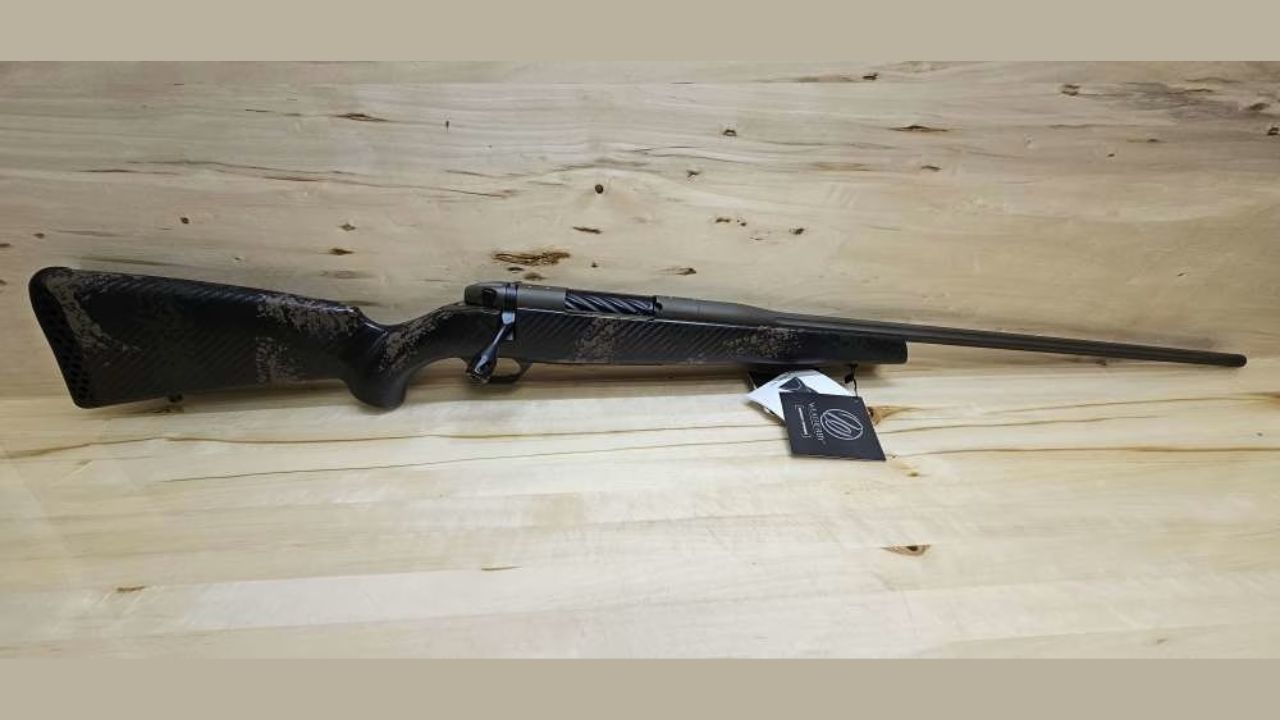
The Backcountry’s biggest appeal is extreme weight reduction paired with serious hunting cartridges. That is also why I would hesitate to buy one used. Lightweight magnum rifles tend to be purchased by hunters who genuinely use them in demanding country, and they can also be unpleasant enough from the bench that previous owners may experiment with brakes, suppressors, loads, and stock changes.
I would want to inspect the stock carefully, verify every threaded component, and look closely at the throat on high-velocity chamberings. The rifle may have spent three seasons getting battered around mountain country while still looking respectable in a dealer photo. When weight savings and premium materials drive the original price, hidden wear matters more to me than saving a few hundred dollars.
Proof Research Elevation

A used PROOF rifle is another case where the original cost can make the discount look irresistible. The carbon barrel and premium components suggest quality, and usually deliver it.
But these rifles attract serious shooters. That means I am not assuming a low round count just because the stock is clean. I would want the bore inspected, the barrel history documented if possible, and any non-factory changes identified before purchase. If the rifle has a known history and checks out, great. Without that information, I would rather spend more and know exactly how the rifle has been treated from the first shot.
Like The Avid Outdoorsman’s content? Subscribe to our newsletter so you never miss an article.
Here’s more from us: