Photo credit: Alabama Arsenal/YouTube
Ask a group of gun owners which AR-15 you should buy and the answers start becoming predictable almost immediately. A handful of rifles get repeated so often that they are treated like universal recommendations regardless of budget, intended use, weight preferences, or whether the buyer actually needs the features they are paying for.
Most of these rifles are not bad. Several are excellent. The problem is that “excellent” and “best choice for everyone” are not the same thing. Some cost more than their practical advantages justify, some are heavier than necessary, and others built their reputations when the AR market was far less competitive. These 20 rifles get recommended constantly, but I would think harder before treating any of them as the automatic answer.
Smith & Wesson M&P15 Sport III

The M&P15 Sport line has been recommended to first-time AR buyers for years because Smith & Wesson is familiar, the rifles are straightforward, and the earlier Sport models earned a reputation for being dependable without costing much. That history means the newest Sport often gets recommended almost by reflex.
The issue is that the affordable AR market is far more competitive now. A recognizable logo is not enough to make a rifle the obvious winner when numerous competitors offer similar free-float handguards, optics-ready uppers, and modern furniture. The Sport III is perfectly reasonable, but I would compare actual features and street pricing rather than assume it remains the default first AR simply because the older Sports were such easy recommendations.
Ruger AR-556

The AR-556 built a huge following by giving buyers Ruger-backed customer service and a basic AR at an approachable price. For years, it was mentioned alongside the M&P Sport anytime someone asked for a starter rifle.
That recommendation has become almost automatic. The basic AR-556 still works, but inexpensive ARs have improved dramatically, and buyers can now get better handguards, more useful furniture, and more refined configurations without moving far up in price. Ruger’s reputation is comforting, but I would not pay extra simply for the name. The AR-556 deserves consideration; it no longer deserves to win the conversation before anyone compares what else is available.
Springfield Armory Saint Victor

The Saint Victor looks like a major upgrade from a bare-bones entry-level rifle. It comes with modern furniture, a free-float handguard, and enough factory upgrades that a buyer can take it out of the box without immediately wanting to replace everything.
The reason it gets recommended too often is that the middle of the AR market is brutally crowded. Once you are spending Saint Victor money, there are a lot of rifles competing for the same buyer. Some offer lighter setups, different barrel profiles, better triggers, or stronger parts ecosystems. The Saint Victor is good, but its polished factory package sometimes makes people stop comparison shopping too soon.
IWI Zion-15
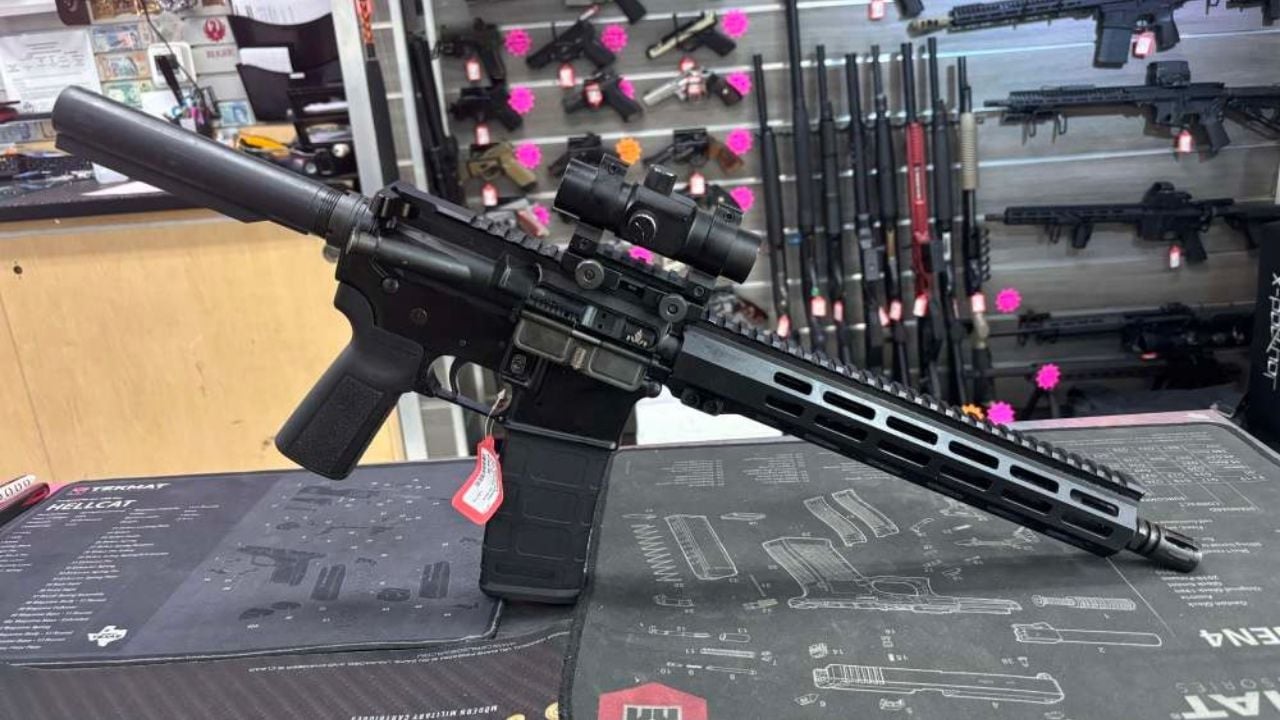
The Zion-15 became an enthusiast favorite because it delivered a very strong feature set without premium-brand pricing. That reputation was deserved, and for a while it was one of the easiest midpriced ARs to recommend.
Success has a downside: now the Zion gets repeated so often that people recommend it without asking what the buyer actually wants. A heavier-duty general-purpose configuration may be great for one shooter and unnecessary for another who wants the lightest possible hunting or range rifle. The Zion remains a solid value, but value depends on what you need. Popularity should not turn any AR into a universal prescription.
BCM RECCE-16
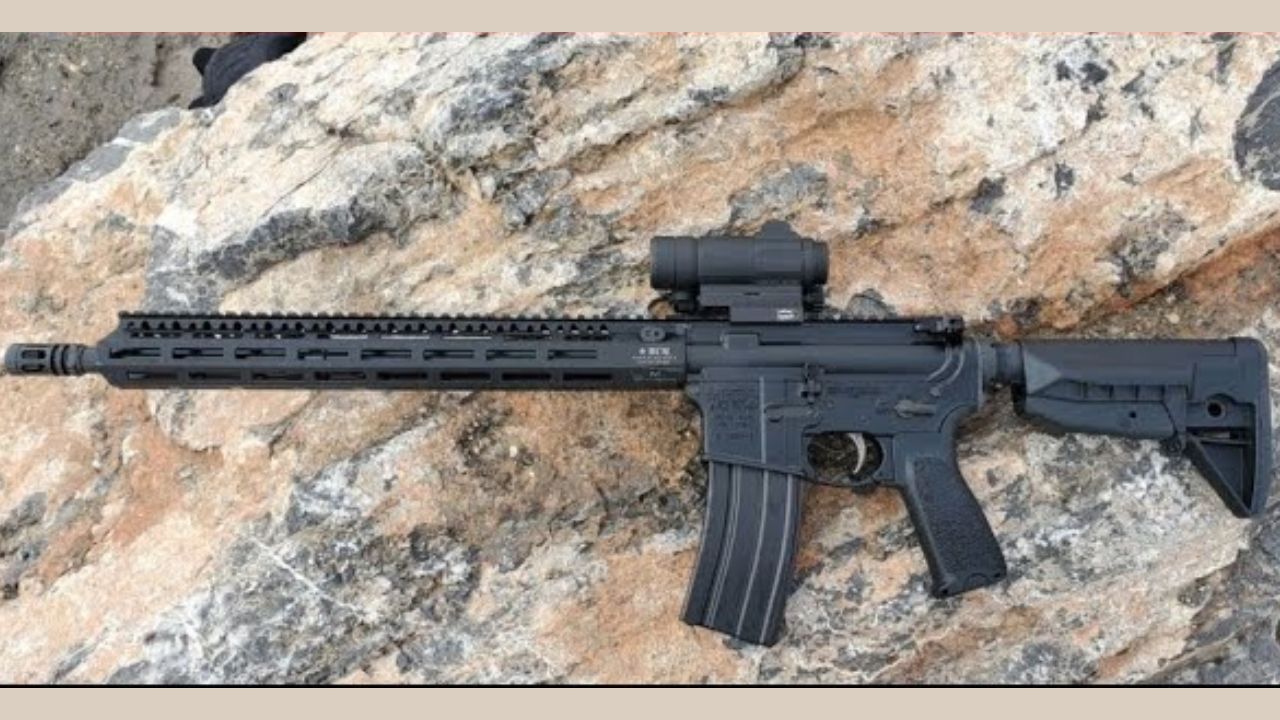
The BCM RECCE-16 has almost become internet shorthand for “buy once, cry once.” BCM earned that reputation through solid quality control, serious-use components, and rifles aimed at buyers who prioritize durability.
The problem is that plenty of shooters will never use the rifle hard enough to benefit from the premium. If your AR spends most of its life shooting a few hundred rounds a year at a clean range, paying significantly more for a duty-oriented reputation may not change your experience very much. BCM makes excellent rifles. I just think people recommend them too quickly to buyers whose actual use case would be served perfectly well by something less expensive.
Daniel Defense DDM4 V7

The DDM4 V7 is one of the most commonly recommended premium ARs for good reason. Daniel Defense makes excellent barrels and handguards, quality control is strong, and the rifles have a polished feel that cheaper ARs often lack.
Where I hesitate is price. Once you cross into premium AR territory, every additional dollar needs to buy something you actually care about. Plenty of shooters end up replacing the stock, grip, trigger, charging handle, or muzzle device anyway. If you are going to customize half the rifle, paying a large premium for the factory configuration makes less sense. The V7 is excellent, but it is not automatically the smartest use of premium-rifle money.
Daniel Defense M4A1
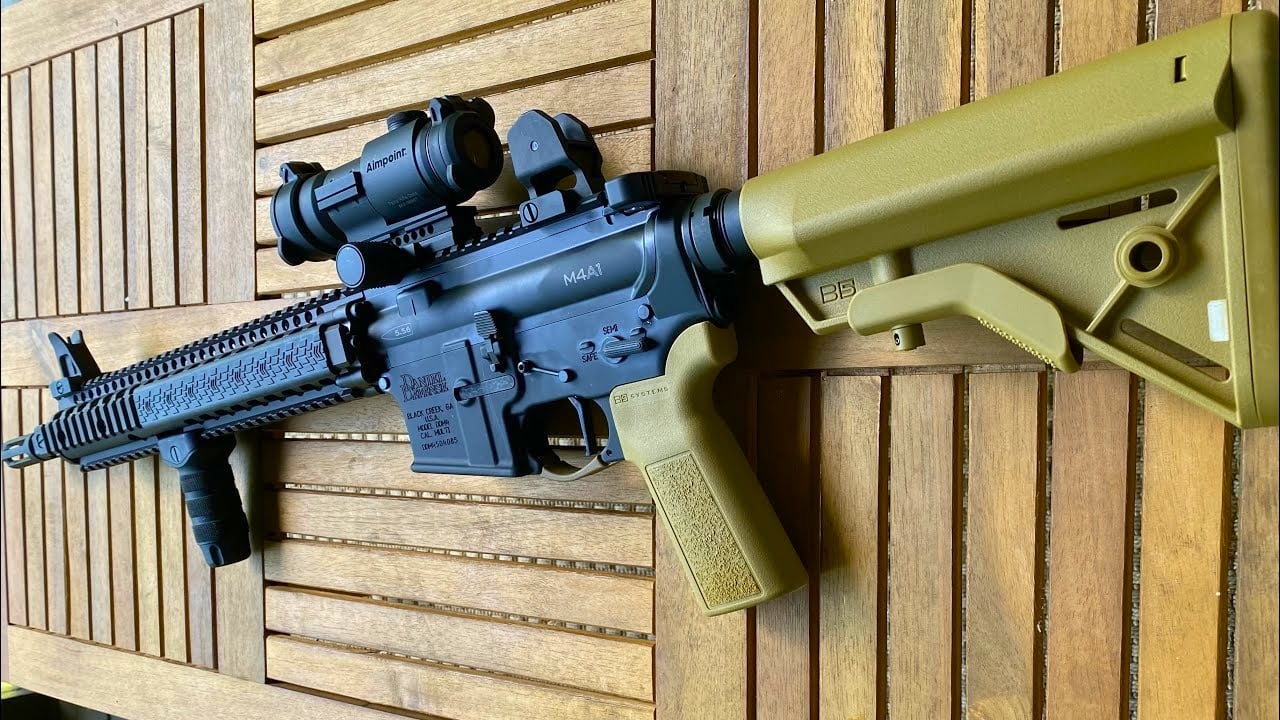
The M4A1 has tremendous appeal because of its military-inspired configuration and Daniel Defense’s reputation. The rail is extremely durable, the rifle feels serious, and it has the kind of visual identity that makes buyers want one before they have even handled it.
It is also heavier than many modern ARs need to be. That robust rail and military-style setup make sense for hard use, but most civilian shooters will never come close to stressing the rifle enough to justify carrying the extra weight. If you specifically want the M4A1 configuration, buy it. If you simply want a versatile AR, there are lighter rifles that are easier to carry and just as effective for ordinary use.
Colt CR6920

The 6920 earned its reputation when Colt was one of the safest choices for buyers who wanted a rifle close to the military M4 pattern. For years, “just buy a Colt 6920” was practically a stock answer on gun forums.
The market passed that recommendation by in some ways. A traditional carbine handguard, fixed front sight, and basic furniture can still be appealing, but buyers now have countless free-float rifles with better ergonomics at similar prices. Colt history and resale value still matter, yet I would buy a 6920 today because I specifically wanted a Colt, not because I thought it represented the unquestioned best modern AR.
FN 15 Military Collector M4
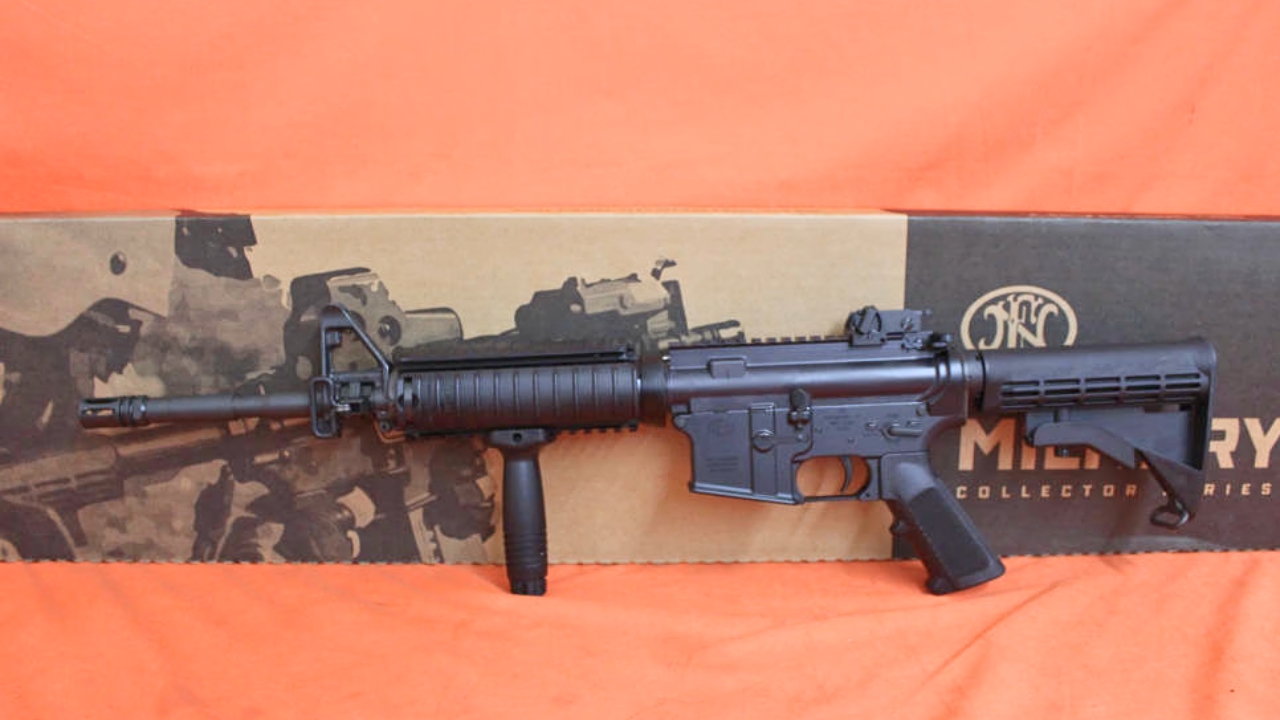
The FN Military Collector series is easy to want because FN actually manufactures military rifles and the civilian gun closely copies a familiar service configuration. That connection gives the rifle an authenticity few competitors can duplicate.
Authenticity is also what you are paying for. A military-style carbine configuration is not necessarily the best civilian general-purpose configuration. Modern free-float handguards, lighter components, and more comfortable furniture can create a rifle that is easier to shoot and carry. The FN makes sense for someone who values the military connection. Recommending it purely because “FN makes the real thing” misses the difference between collecting and practical use.
LWRC IC-DI

The IC-DI is extremely well finished and brings ambidextrous controls, quality components, and LWRC’s premium manufacturing to a direct-impingement rifle. It feels expensive because it is.
The question is whether the average buyer benefits enough to justify the jump in price. Ambidextrous controls are useful, but not everybody needs them. Premium machining is satisfying, but it does not necessarily make a recreational rifle more accurate or reliable in a way most owners will notice. The IC-DI is excellent for someone who knows why they want it. It gets recommended too often to buyers who simply said they want a “really good AR.”
Geissele Super Duty MOD1
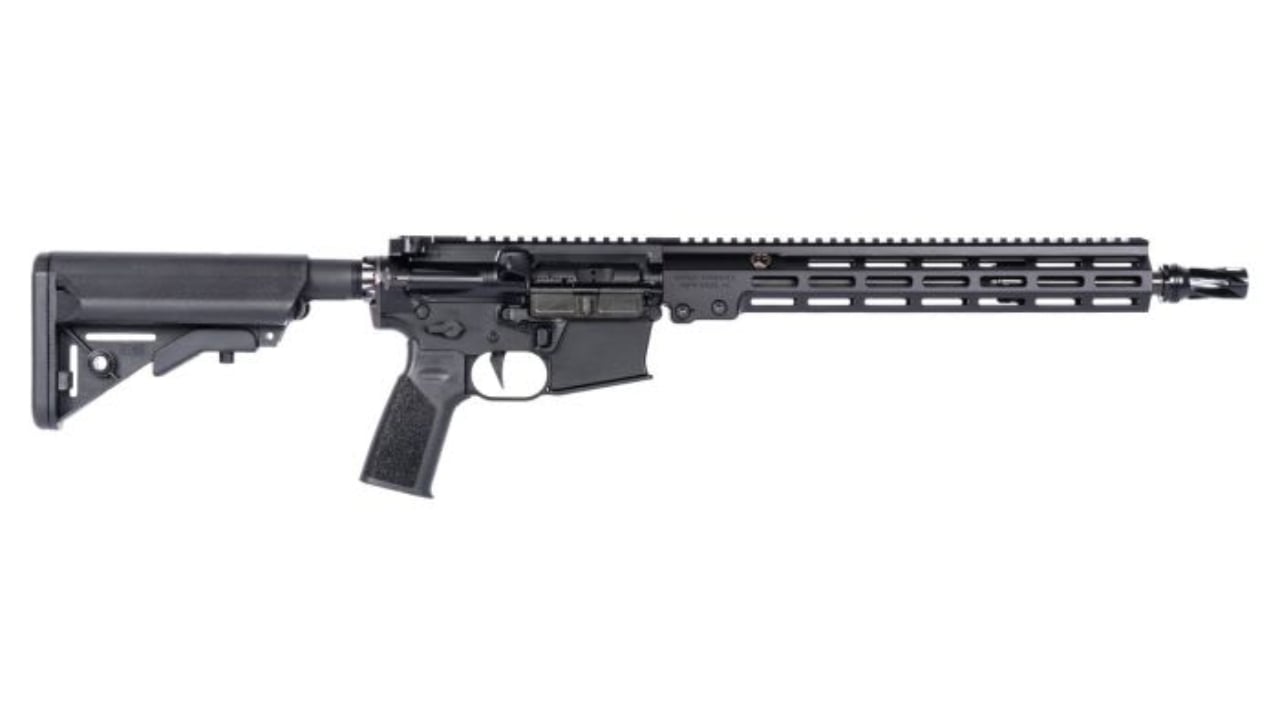
The Super Duty has developed a huge following because Geissele combines its own handguard, trigger, charging handle, and other premium components into one factory rifle. For someone who already likes Geissele parts, the package makes obvious sense.
The issue is that it is very easy to pay for features based on brand reputation rather than actual need. A premium trigger is nice, but not every general-purpose rifle requires one. Expensive controls and handguards can also push the total price much higher than a simpler rifle that will perform the same basic jobs. The Super Duty is a strong rifle, but the recommendation should come after the budget discussion, not before it.
Sons of Liberty Gun Works M4-76

SOLGW has built a loyal following around durability, quality control, and attention to parts selection. That makes the M4-76 a frequent recommendation whenever reliability is the buyer’s top concern.
My hesitation is the same one I have with several premium duty-oriented rifles: most owners will never test the difference. Someone firing modest round counts under controlled conditions may receive very little practical benefit from paying substantially more for a rifle built around hard-use standards. That does not diminish SOLGW’s quality. It simply means the rifle is best for someone whose needs actually match what they are paying for.
Noveske Gen 4 N4
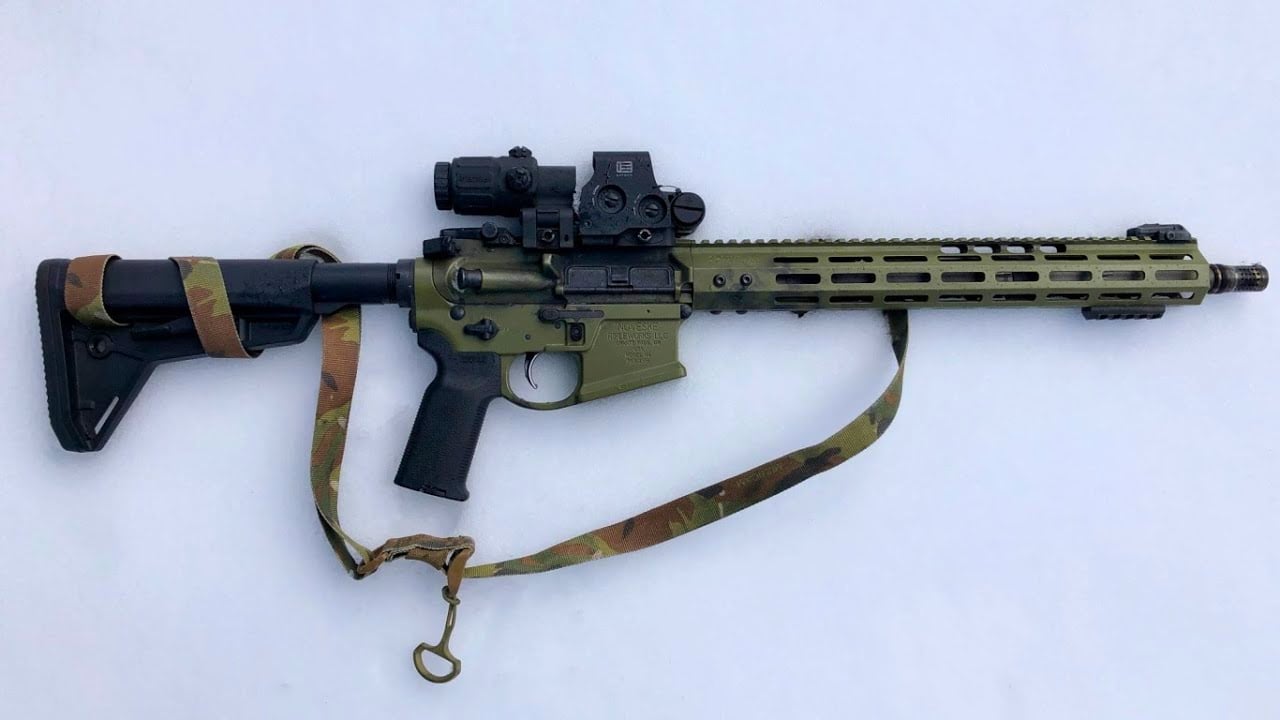
Noveske helped define the premium AR category and built an enormous reputation around high-quality barrels and distinctive rifles. The name still carries enough weight that people recommend Noveske almost automatically when someone wants “the best.”
The premium is difficult for me to justify unless you specifically want a Noveske. The modern market contains outstanding barrels, handguards, triggers, and complete rifles from many manufacturers. At some point, you are paying for brand identity and collector appeal in addition to performance. That is fine if you value those things. It is harder to defend when the buyer simply wants a dependable rifle that shoots well.
POF Renegade Plus
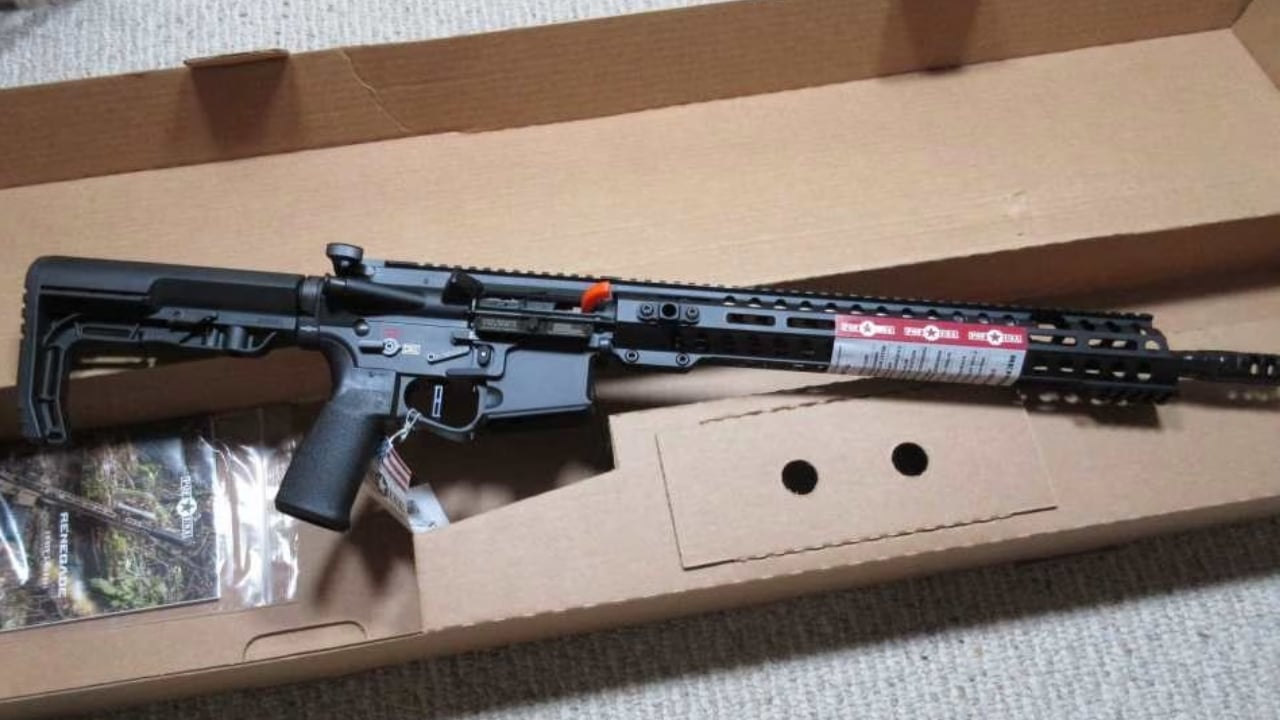
The Renegade Plus packs a lot of engineering into a direct-impingement AR, including upgraded controls and numerous proprietary touches. It certainly feels more sophisticated than a basic carbine.
That sophistication can be exactly what I do not want from an AR. One of the platform’s greatest strengths is widespread parts compatibility and straightforward maintenance. The further a rifle moves into proprietary territory, the less attractive that advantage becomes. POF makes interesting rifles, but I would not recommend one universally when simpler ARs offer easier long-term parts support.
Wilson Combat Protector

Wilson Combat has earned a tremendous reputation for premium firearms, and the Protector brings that name and level of finish to the AR platform. The rifles are accurate, nicely assembled, and available in configurations that appeal strongly to hunters and precision-minded shooters.
The price is where I start asking questions. AR-15 accuracy has become so good across the market that you no longer need to spend Wilson money to get a rifle capable of excellent groups. If fit, finish, and brand prestige matter, the Protector delivers. If you mostly care about hitting deer, coyotes, steel, or paper, considerably cheaper rifles can get you surprisingly close.
LaRue PredatAR

LaRue built its reputation around precision, excellent machining, and rifles that can shoot. That makes the PredatAR an easy recommendation whenever someone wants an accurate semiautomatic rifle.
But accuracy is not free. Premium barrels, specialized components, and higher prices make sense only if the shooter is going to exploit them. A hunter firing at normal ranges or a recreational shooter ringing medium-distance steel may never see the practical difference between a LaRue and a much cheaper quality AR. I respect what LaRue builds. I just would not automatically send every accuracy-focused buyer there before discussing what “accurate enough” actually means.
PSA Sabre

The Sabre line gets recommended constantly because it promises premium-style features at a much lower price than many established high-end brands. That makes the value proposition immediately attractive.
The danger is assuming every buyer needs the Sabre just because it represents an upgrade over PSA’s basic rifles. One of PSA’s greatest advantages is that its ordinary rifles can be incredibly inexpensive and perfectly adequate for normal recreational use. If you are not going to use the upgraded barrel, rail, controls, or trigger meaningfully, the standard rifle may actually be the smarter purchase. More features are not automatically more value.
Aero Precision Complete M4E1

Aero’s M4E1 receivers became enormously popular among builders, and complete M4E1-based rifles naturally inherited that reputation. The receivers look good, the handguards are clean, and the entire ecosystem is easy to understand.
That does not mean a complete Aero is automatically the best midpriced rifle. Aero’s biggest strength has traditionally been giving builders a solid foundation. Once you are buying a finished rifle, you should compare the complete package against competitors rather than letting the receiver reputation make the decision. Depending on price and configuration, another rifle may give you a better trigger, barrel, or furniture setup without costing more.
Stag Arms Stag 15
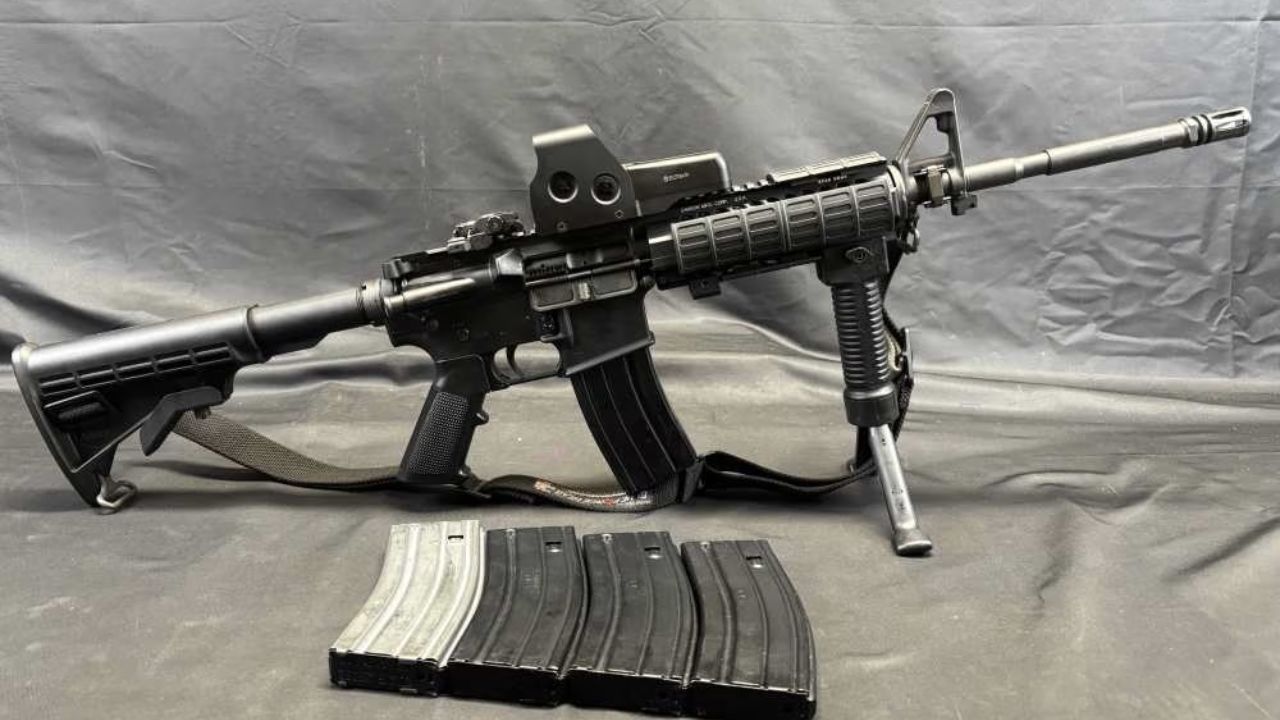
Stag built a strong reputation by offering straightforward ARs and making left-handed shooters part of the conversation long before many competitors cared. That history still earns the brand frequent recommendations.
For a standard right-handed rifle, though, the modern market gives Stag much more competition than it once faced. Buyers have dozens of solid options with similar features, often at aggressive prices. The left-handed configurations remain genuinely distinctive. The ordinary Stag 15, meanwhile, should be judged like any other AR rather than recommended automatically because the brand has been around for a long time.
Diamondback DB15

The DB15 gets recommended often to buyers who want the cheapest functioning AR they can find. The attraction is obvious: Diamondback offers numerous configurations and often undercuts bigger names.
The problem is that the budget AR category is packed with competition, and saving a relatively small amount may not be worthwhile if another rifle offers stronger quality-control history, better furniture, or more consistent resale value. A good DB15 may provide years of perfectly satisfactory use. I just would not recommend one automatically based on price alone. At the bottom end of the AR market, an extra hundred dollars can sometimes buy a meaningful improvement.
Like The Avid Outdoorsman’s content? Subscribe to our newsletter so you never miss an article.
Here’s more from us: