Photo credit: J0lly/Youtube
If you hang around gun counters long enough, you start noticing two different kinds of “made in America.” One kind feels like it was built by somebody who expected it to be dragged through cattails, rained on in a duck boat, and still be working when their kid inherits it. The other kind looks fine on a rack, but the corners are cut where you can’t see until the season is on the line and you’re trying to clear a stubborn hull with cold hands.
This isn’t a “new is bad, old is good” sermon. There are modern American shotguns I’d trust without hesitation. But there’s also a real gap between the way a lot of the classic U.S. scatterguns were built and the way plenty of mass-market stuff gets pushed out today. Here are 20 shotguns that make that gap obvious—for better or worse.
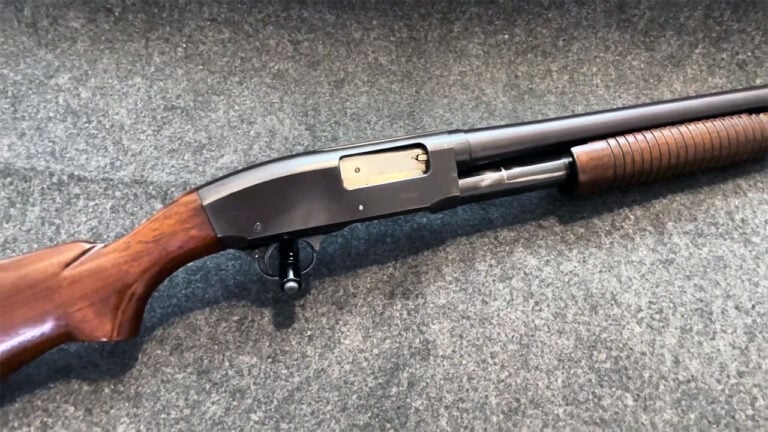
1. Winchester Model 12
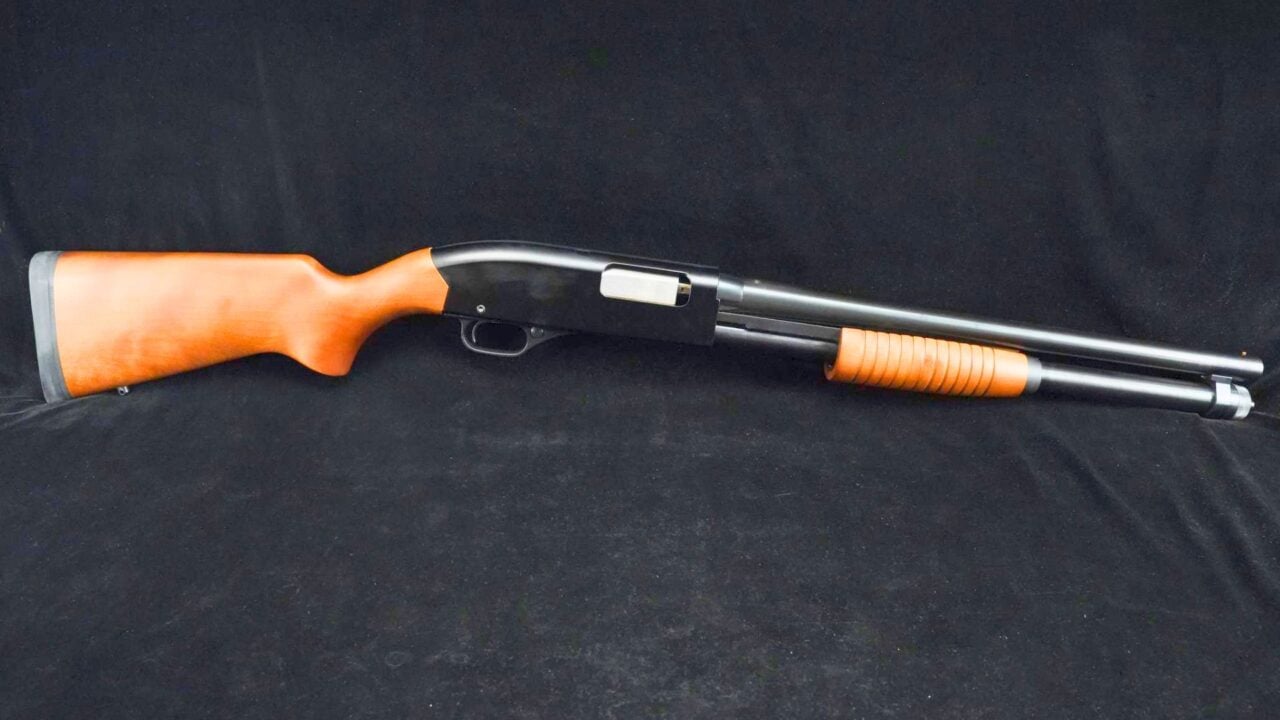
The Model 12 is the kind of pump gun that makes you wonder how anybody ever accepted “good enough.” The action feels like it’s running on oiled glass, and even beat-up field guns tend to cycle like they’ve got manners. A lot of them have been hunted hard, and they still lock up tight.
The downside is obvious: they aren’t cheap anymore, and you don’t just order random parts and slap them in. Still, when you pick one up and work it a few times, you understand why old-timers kept them and why folks who sold theirs usually miss them.
2. Remington 870 Wingmaster (older Ilion guns)
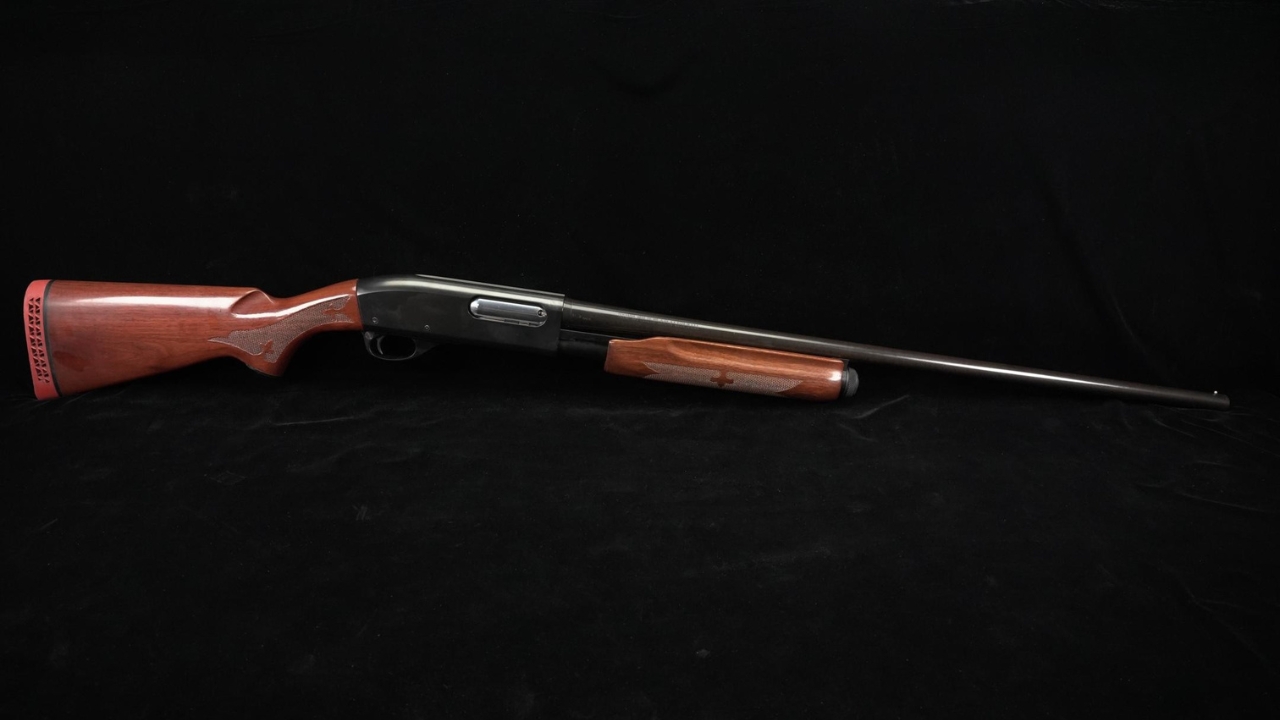
An older Wingmaster has that slick, polished feel that made the 870 a standard. The bluing, the walnut, the way the pump stroke stacks at the end—none of it is necessary to kill birds, but it sure makes you trust the gun. They point naturally, and they carry like a real field gun.
When you compare one to some of the rougher, later budget-era pumps, it’s not subtle. You can still find Wingmasters that have lived behind truck seats for decades and they’ll run a full box without a hiccup.
3. Remington 870 Express (late-production)

This is where the conversation gets uncomfortable. The Express name used to mean “working man’s 870,” and plenty of earlier Express guns did exactly that. But late-production examples are the ones that made a lot of hunters start side-eyeing the whole brand.
Rough chambers, sticky extraction, and a general “this feels unfinished” vibe have all shown up. Some run fine forever, and some need polishing or tinkering that nobody should have to do to a pump gun that’s supposed to be dead simple.
4. Ithaca 37 (pre-1980s guns)
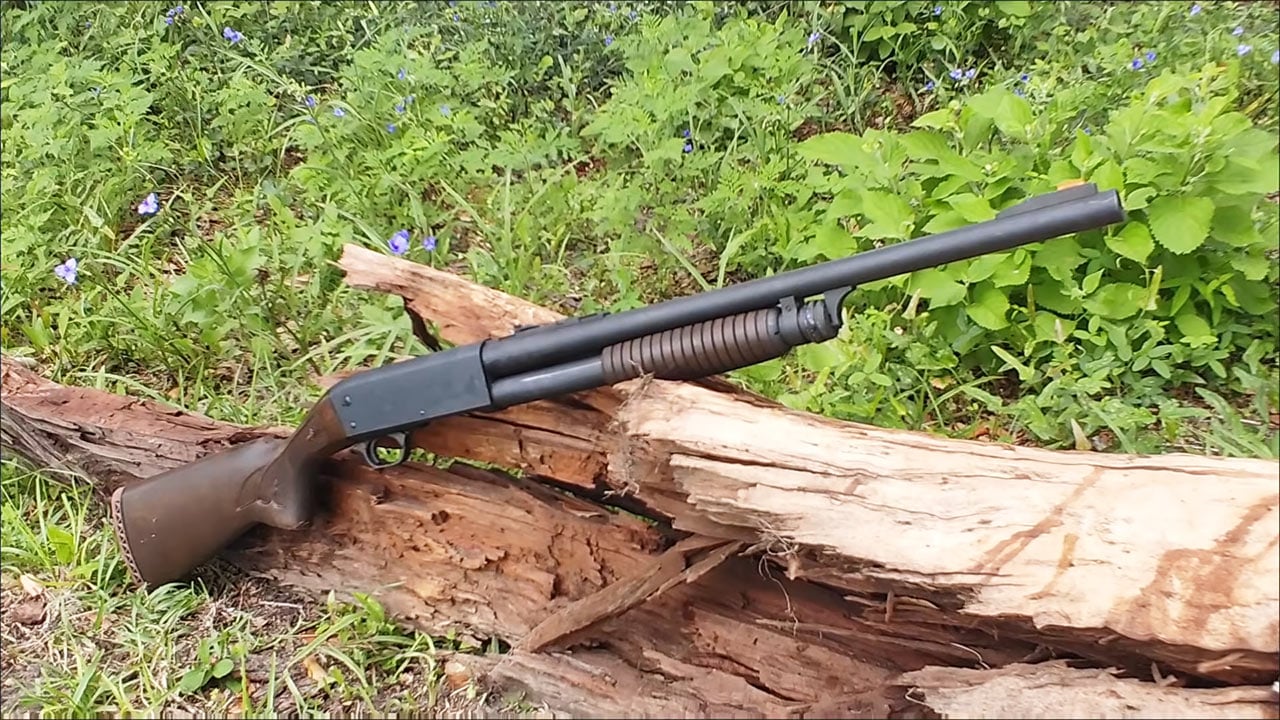
The bottom-eject Ithaca is one of those designs that just makes sense in the field. You’re not flinging empties across a blind partner’s face, and it’s a nice lefty-friendly gun without needing “left-hand” stamped on the box. They’re slim, lively, and they carry easy all day.
Older 37s feel like they were fitted, not just assembled. They also tend to be slick without being loose, which is exactly what you want in a pump that might see mud and snow.
5. Ithaca 37 (rougher late-era examples)
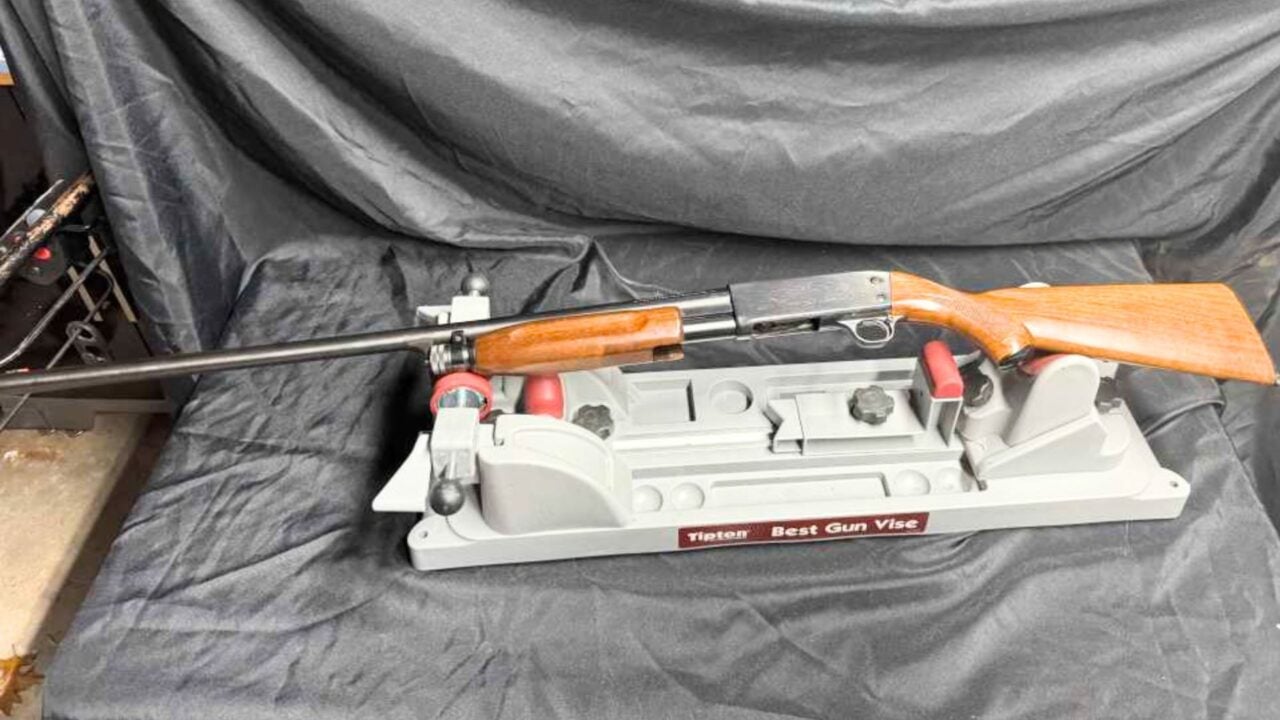
Not every Ithaca 37 out there is a jewel. Some later guns feel like they were trying to survive a rough business environment, and the finish and fit can reflect it. That doesn’t automatically make them bad, but you notice the difference if you’ve handled an older one.
If you’re shopping used, this is one where you should actually cycle it, shoulder it, and look it over instead of buying the name. A good 37 is a forever shotgun. A mediocre one is just a pump with a cool story.
6. Browning Auto-5 (Belgian-made classics)
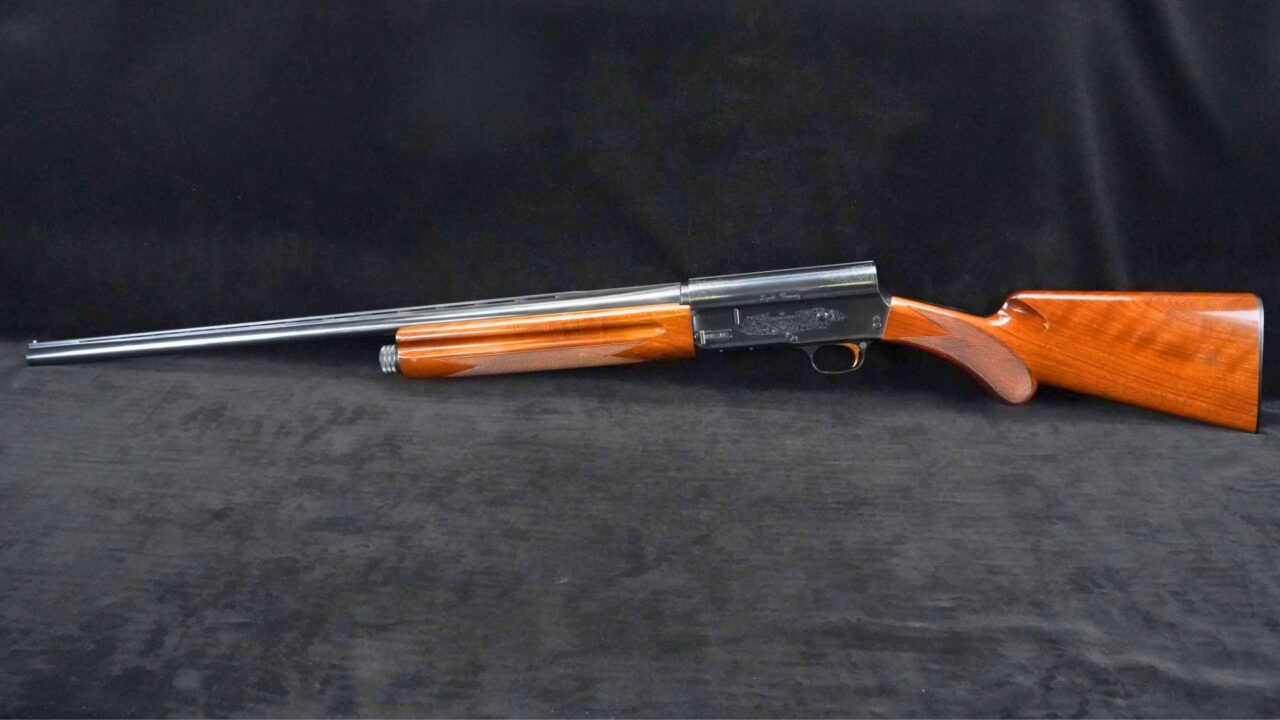
Yeah, it’s not American-made, but it’s part of the American shotgun story in a big way, and it’s the kind of old-world build quality folks compare everything to. The humpback A-5 has a feel that’s hard to describe until you shoot one: it recoils differently, it runs with authority, and it has a “machine” quality to it.
When people talk about heirloom shotguns, this is the lane. They’re not light, and the long-recoil system isn’t everybody’s favorite, but they’ve been dropping ducks and geese for generations without needing a marketing refresh.
7. Browning A5 (modern U.S.-market era comparison gun)
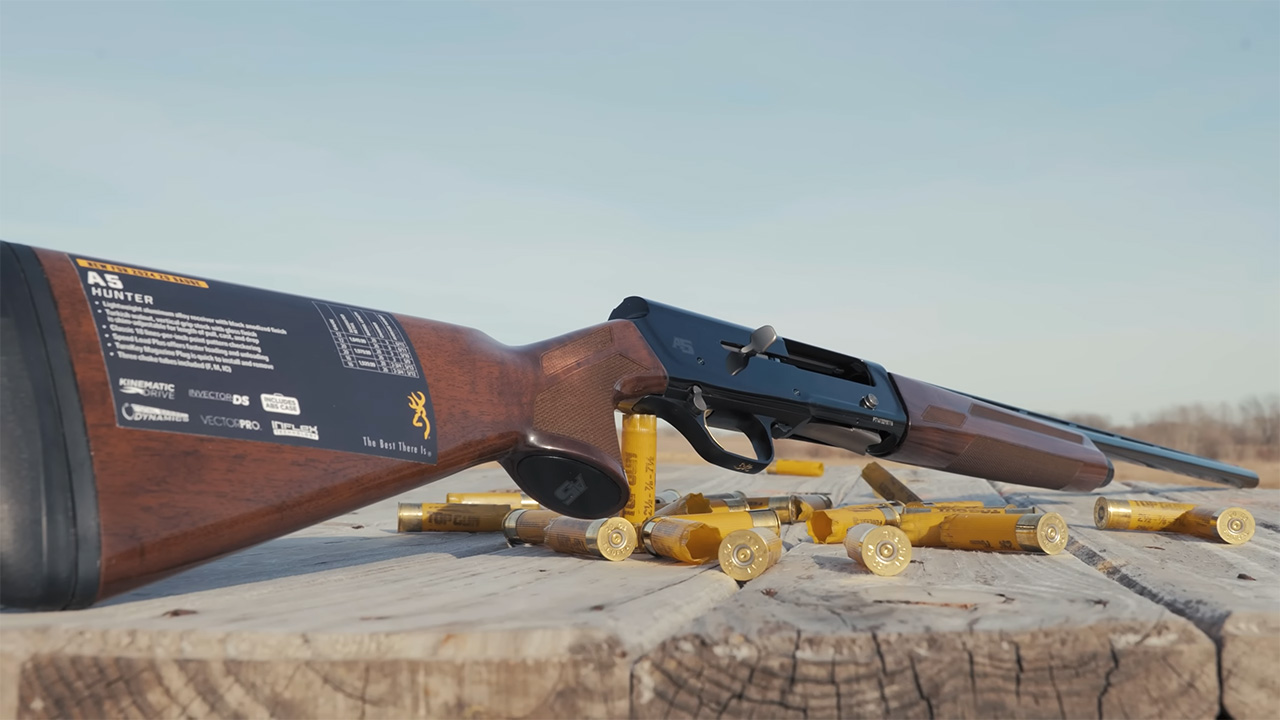
The modern A5 isn’t the same gun, and it isn’t trying to be. It’s a modern inertia-style semi-auto wearing a familiar shape. It runs, it’s lighter, and it’s easier on maintenance than the old long-recoil guns.
But put one next to an older classic and you can feel how manufacturing priorities changed. The new one is efficient. The old one feels like it was built to be admired while it works.
8. Winchester Model 97
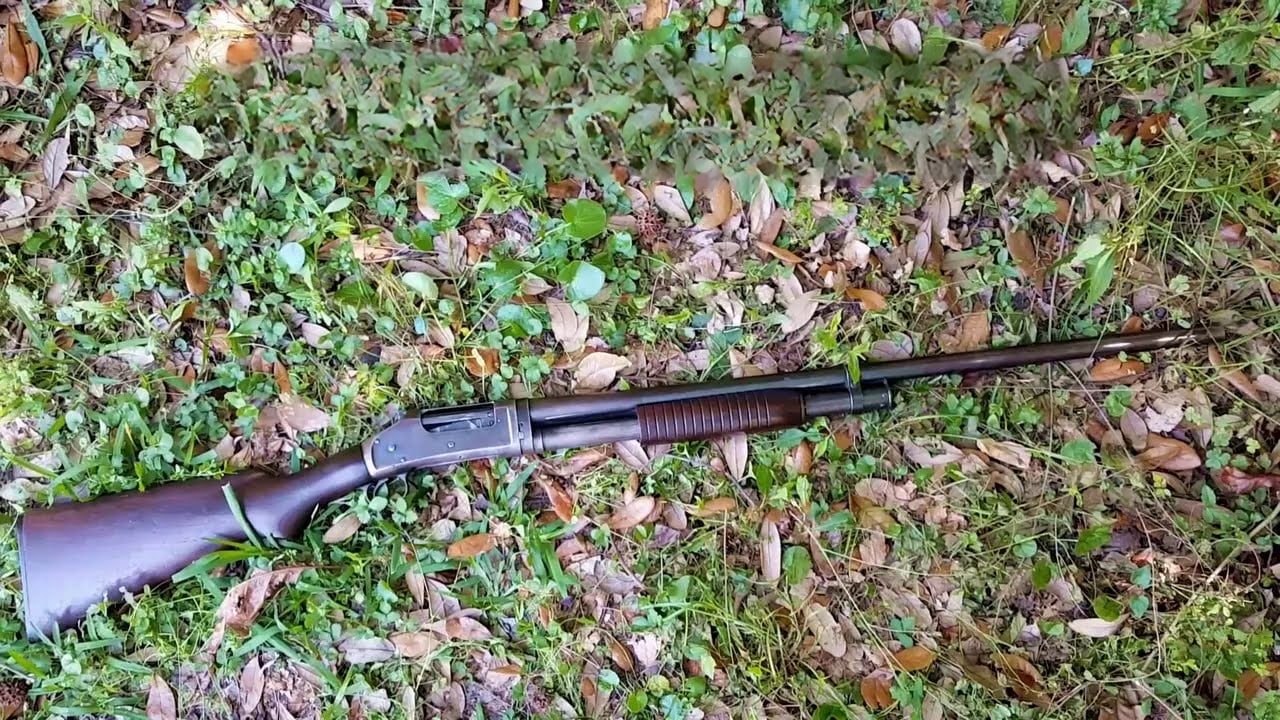
The Model 97 is a working relic that still makes sense if you like old pumps. It’s long, it’s clunky compared to a Model 12, and it’s not what I’d call refined. But it has personality, and it has a reputation for surviving hard use.
It also represents an era where a shotgun could be complicated internally and still expected to run forever. Today, complexity usually shows up in places like gas systems and plastic furniture, not in a hand-fitted old pump with steel-on-steel confidence.
9. Savage/Stevens 520/620
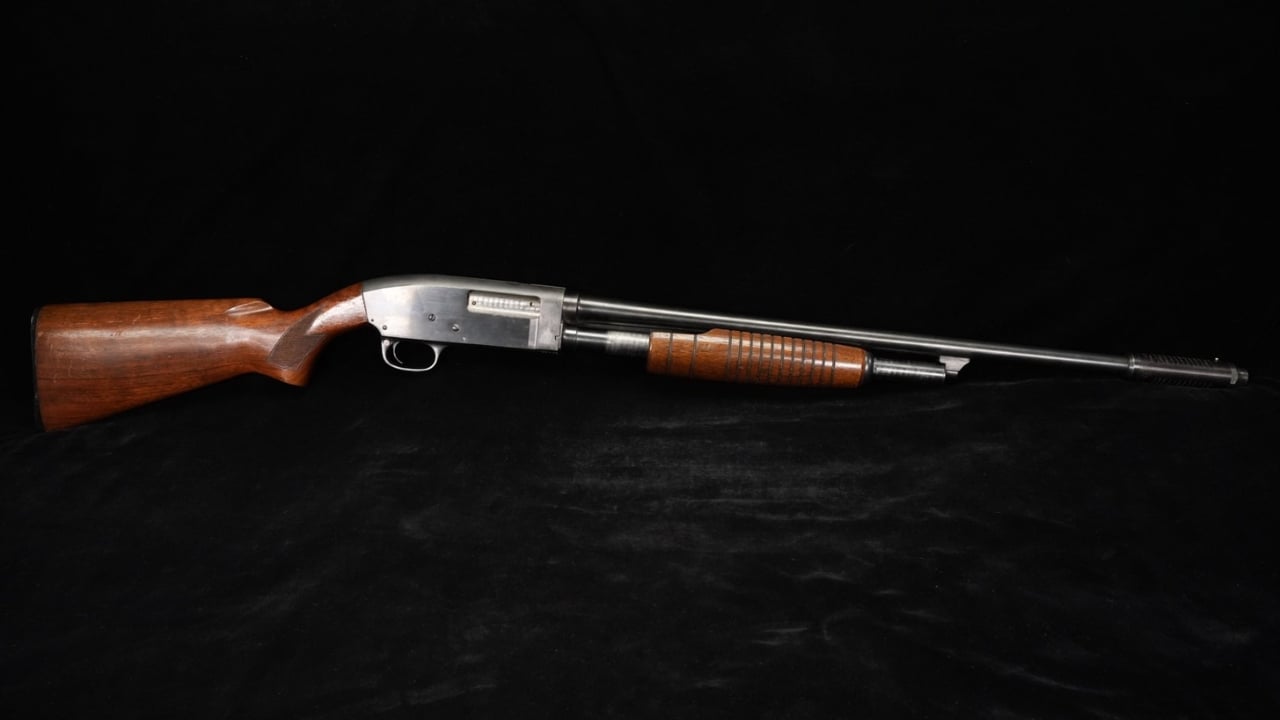
These old pumps are sleepers. They aren’t glamorous like some Winchesters and Remingtons, but they’re often tight, solid, and surprisingly smooth for what they are. They have that “built in a time when labor was cheaper than shortcuts” vibe.
If you find one that hasn’t been abused, it can be a really satisfying field gun. The catch is parts and service aren’t as easy as mainstream models, so you want one that’s already healthy.
10. Mossberg 500 (older walnut/blue guns)

The Mossberg 500 earned its place because it works, not because it’s fancy. Older 500s with walnut stocks and decent bluing have a straightforward honesty to them. They’re light enough to carry, they point well, and they take abuse without being precious about it.
You can feel a difference between an older, well-fitted 500 and a newer budget build when you run the action and look at the small stuff. Still, even the plain ones tend to keep punching above their price.
11. Mossberg 500 (modern big-box combo packages)
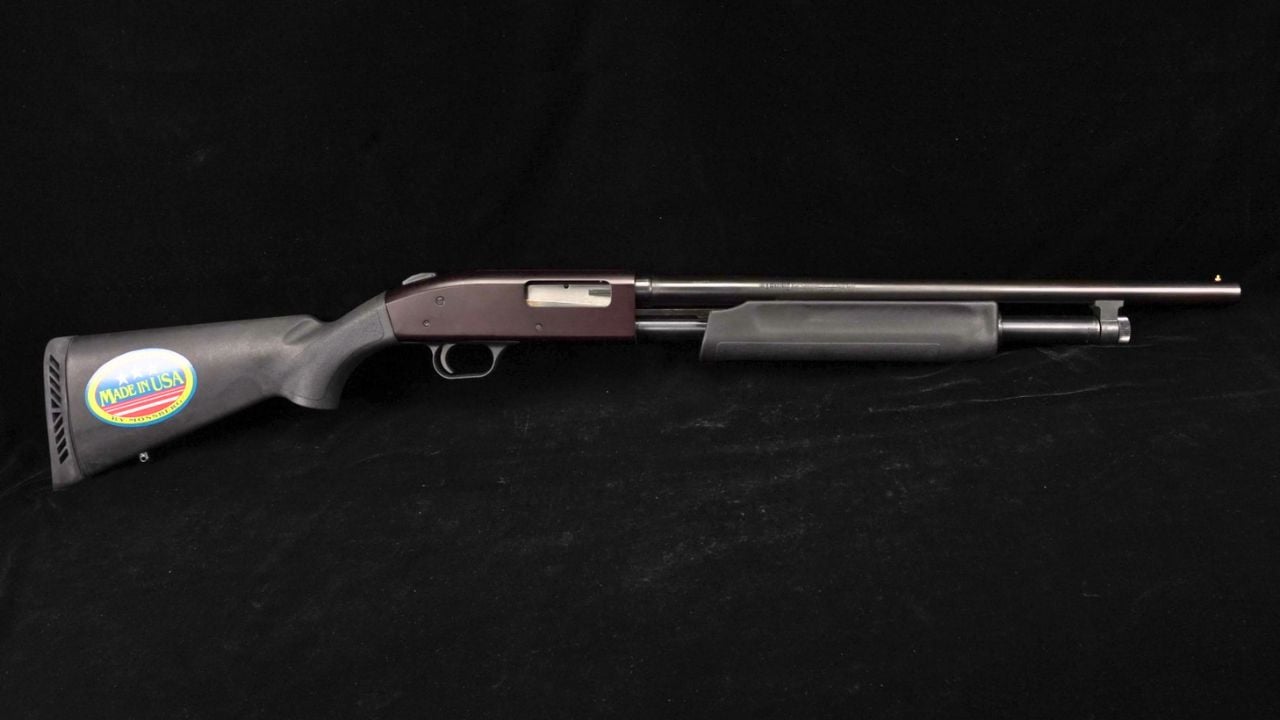
The “one box, two barrels, cheapest price” packages have put a lot of Mossbergs in closets, and that’s not a bad thing. But some of these modern guns feel looser and rougher than they used to. The actions can be gritty out of the gate, and the furniture can feel hollow.
They still usually run, and for a first shotgun they can make sense. The point is you can see how the market pushed manufacturing toward price tags and away from polish.
12. Mossberg 590A1
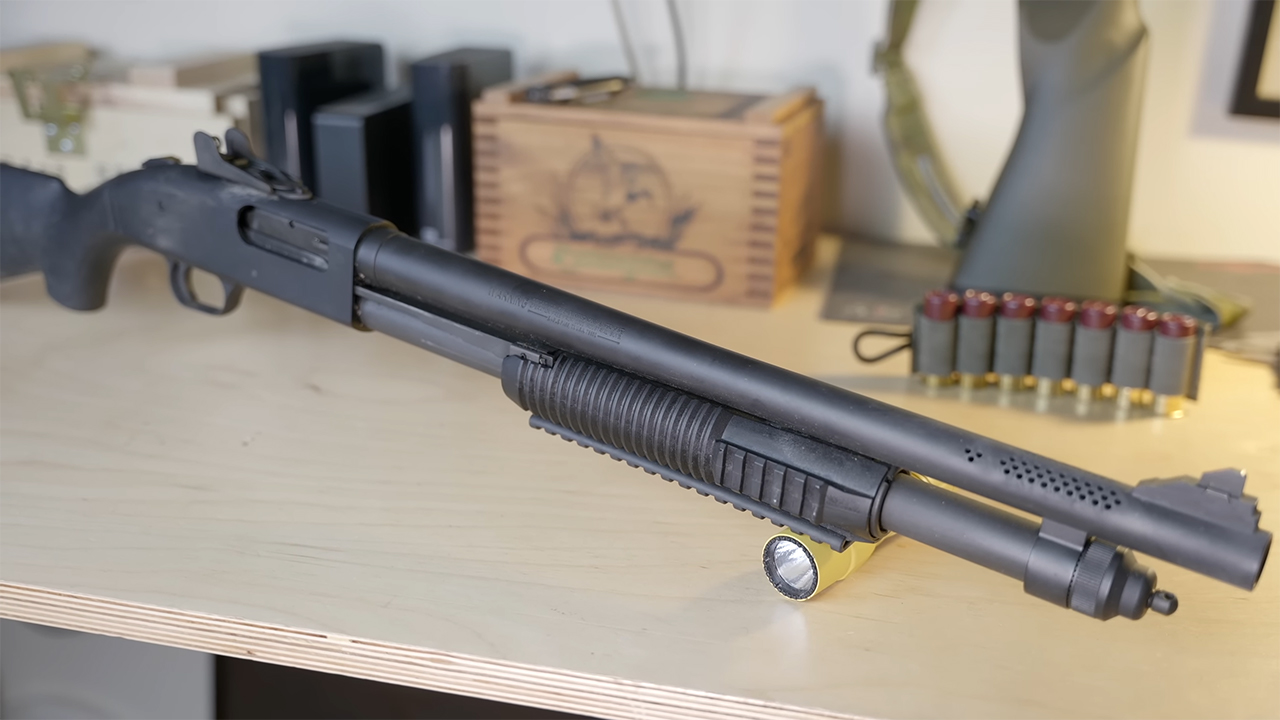
If you want a modern American pump that feels like it was built with a thicker spine, the 590A1 is it. The heavy-walled barrel and metal trigger guard/safety parts aren’t there for looks. They’re there because hard use breaks the little stuff first.
It’s not the lightest, and it’s not as “nice” as a classic Wingmaster, but it’s one of the better examples of current production delivering real durability instead of just buzzwords.
13. Remington 1100 (classic era guns)

The 1100 is a soft-shooting, smooth-cycling semi-auto that has probably put more birds on the tailgate than a lot of modern “tactical” guns ever will. When they’re clean and set up right, they just run and they do it gently. They also point like a bird gun should.
The 1100 shows what happens when a company builds a semi-auto for shooters, not for a spreadsheet. It does require maintenance, and O-rings are a real thing, but it’s a fair trade.
14. Remington 1187 (later production reality)
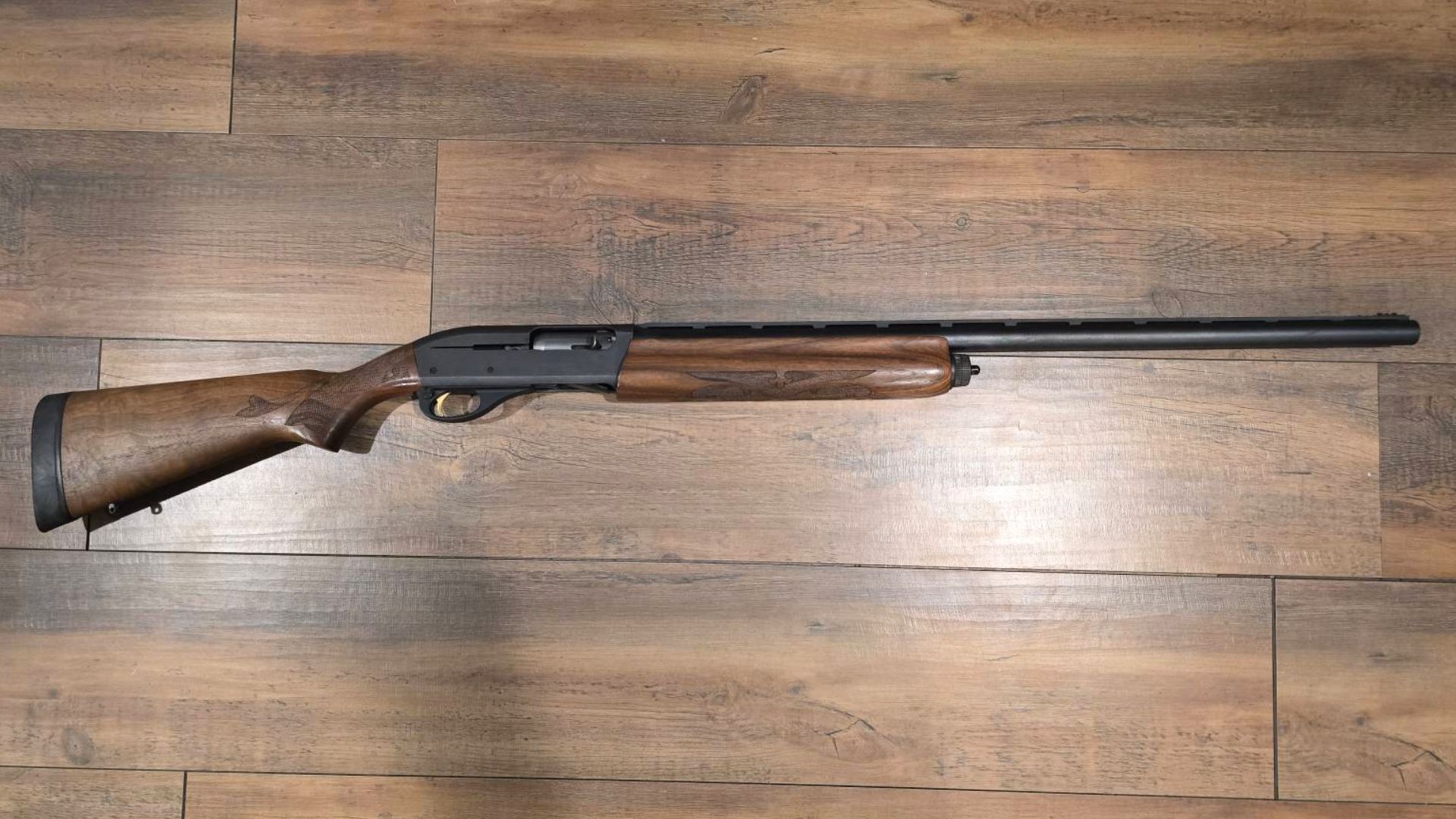
The 1187 was supposed to modernize the 1100 concept, and plenty of them are perfectly serviceable. But this is another model where later production and corporate turbulence left some shooters with a sour taste. You’ll hear about finicky cycling with light loads, or guns that feel less refined than earlier Remington semis.
It’s not that the design can’t work. It’s that the consistency isn’t always what it should be, and a semi-auto doesn’t get many second chances when it starts acting up in cold, wet weather.
15. Winchester Model 21
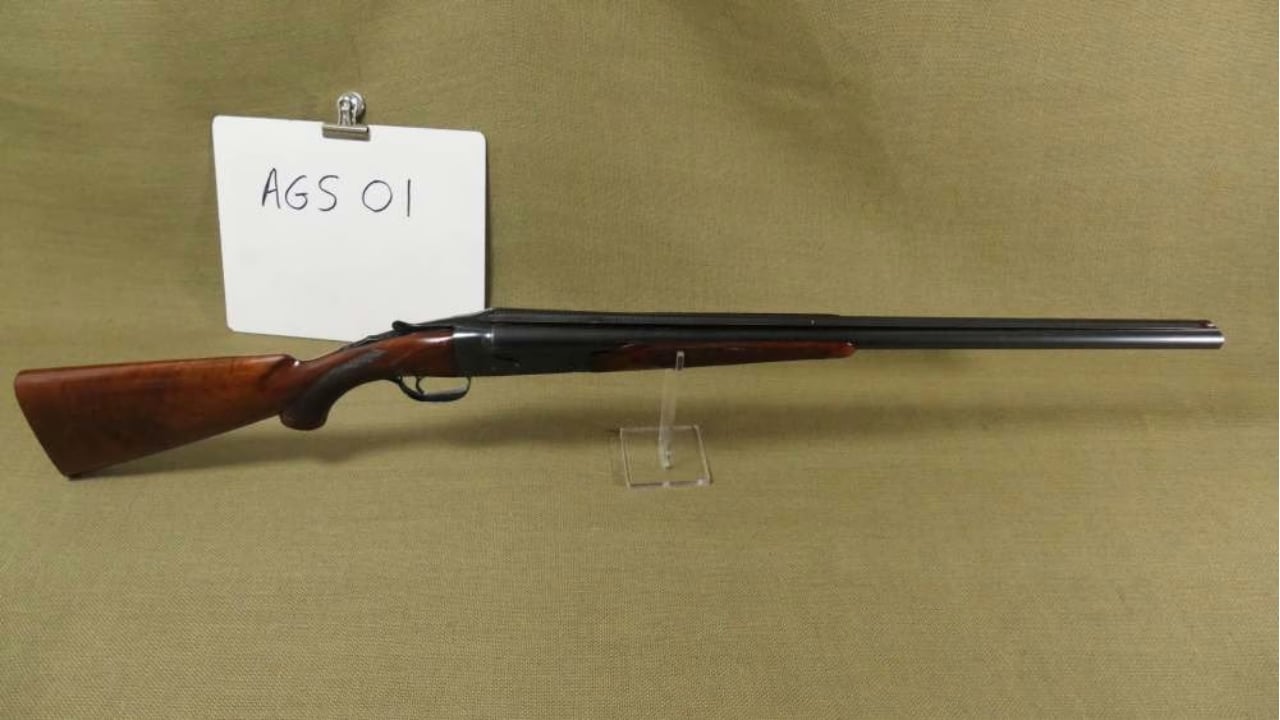
The Model 21 is the double gun that makes you respect American craftsmanship, even if you’re not a side-by-side person. They’re hefty, strong, and built like someone assumed you’d actually shoot it a lot instead of hanging it over a fireplace. The fit and finish on good ones is hard to fake.
Most of us aren’t buying Model 21s to drag through a swamp, but that’s kind of the point. It’s a reminder that the U.S. used to build high-end sporting guns that competed with anybody in the world.
16. Parker Brothers (Parker VH and higher grades)
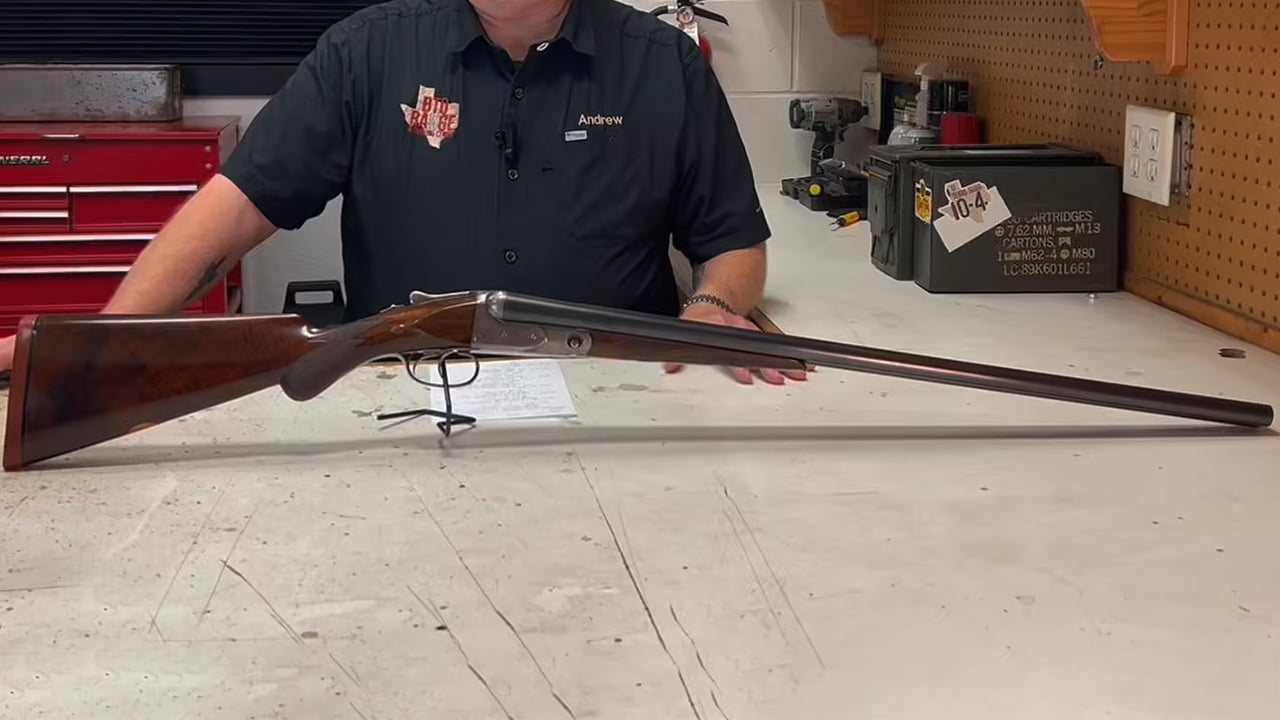
Parkers are history you can shoulder. Even the “plain” grades have a feel to them—balance, lockup, and the way the wood meets the metal—that screams careful work. They’re not immune to age, and you need to be smart about ammo and condition.
What they prove is that American manufacturing once treated sporting shotguns like serious equipment and art at the same time. That blend is rare now unless you’re spending custom-gun money.
17. L.C. Smith (Field Grade and up)
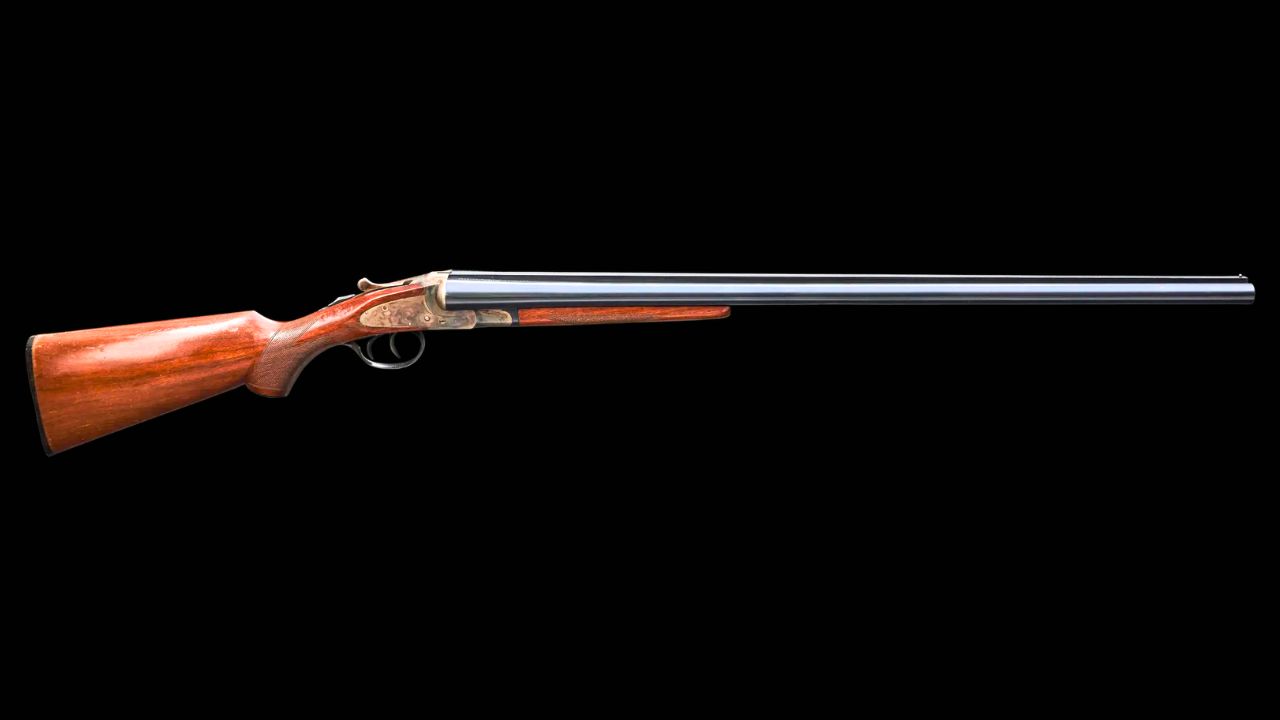
L.C. Smith doubles have their own following, and for good reason. A solid Field Grade is a practical old bird gun, and the higher grades are just flat-out pretty. When you close one, you can feel the mechanical certainty of it.
They can be picky if they’re worn, and not every old double is a bargain. But they represent an era when American makers were comfortable building guns with real handwork baked in.
18. Marlin Model 55 “Goose Gun”
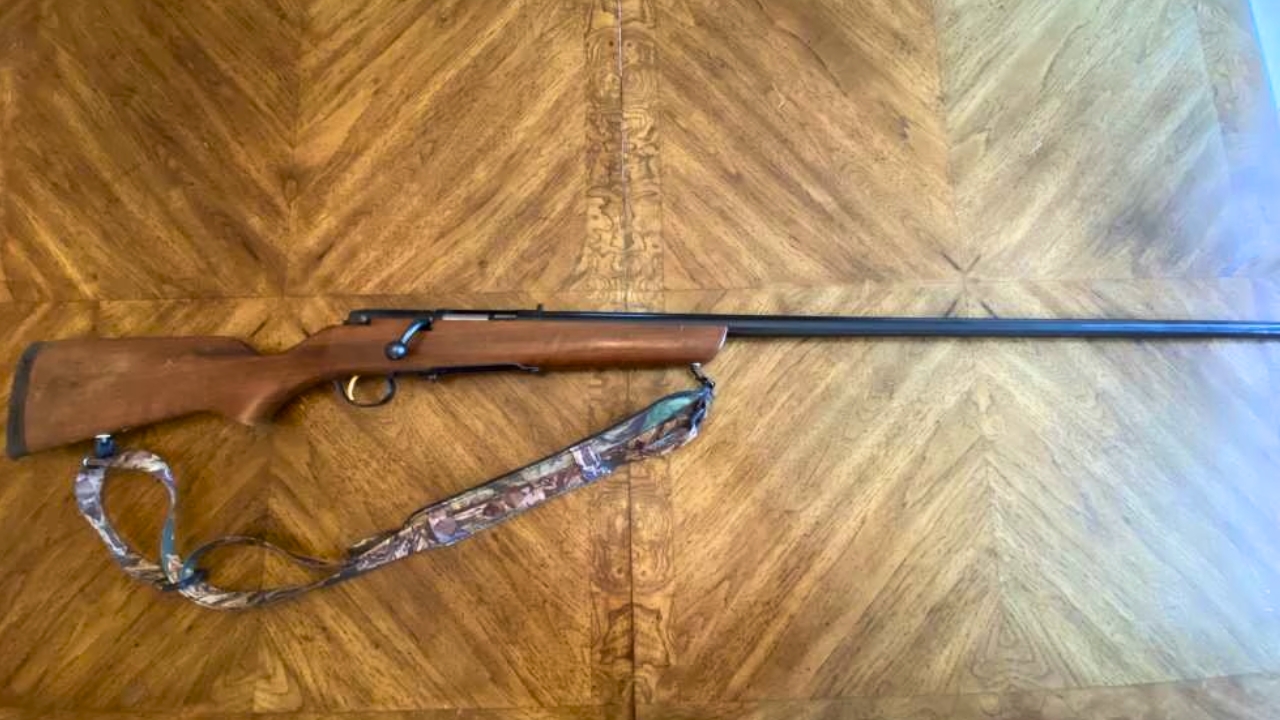
This one is quirky, and I like it for that. The old Marlin bolt-action shotguns, especially the long-barreled goose guns, are a reminder that “American made” used to include oddball solutions that were still built tough. They’re not fast like a pump, and they’re not cool like a semi-auto.
But they’ll sit in a blind, swallow heavy loads, and do the job. You don’t buy one to impress anybody. You buy it because it’s honest and it works.
19. H&R Topper / Pardner (older U.S. production)
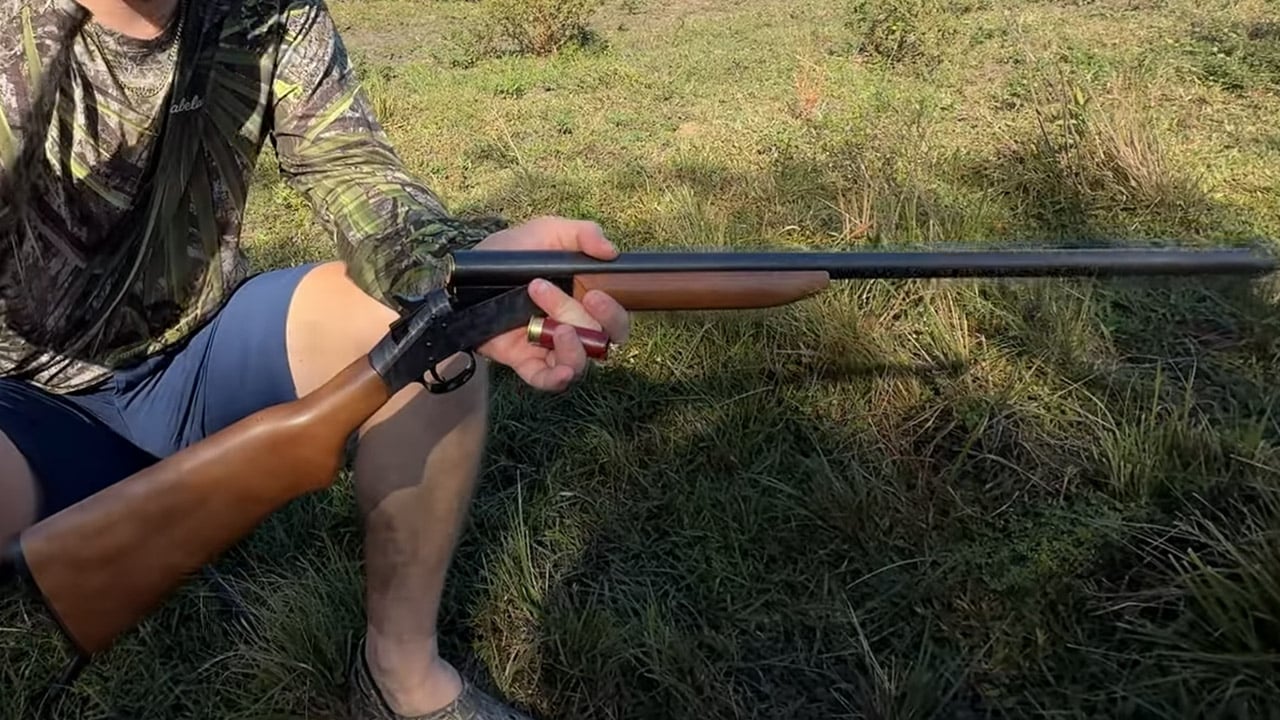
Single-shots don’t get respect until you hunt with one. An older H&R Topper is about as simple as it gets, and that simplicity is a kind of reliability. There’s nothing fancy about it, and that is kind of the point.
They’re great for knocking around the farm, teaching a new shooter, or carrying as a “just in case” gun where you don’t want to baby it. The old ones often feel tighter and better finished than you’d expect for the price class.
20. Winchester SXP (modern budget pump comparison)
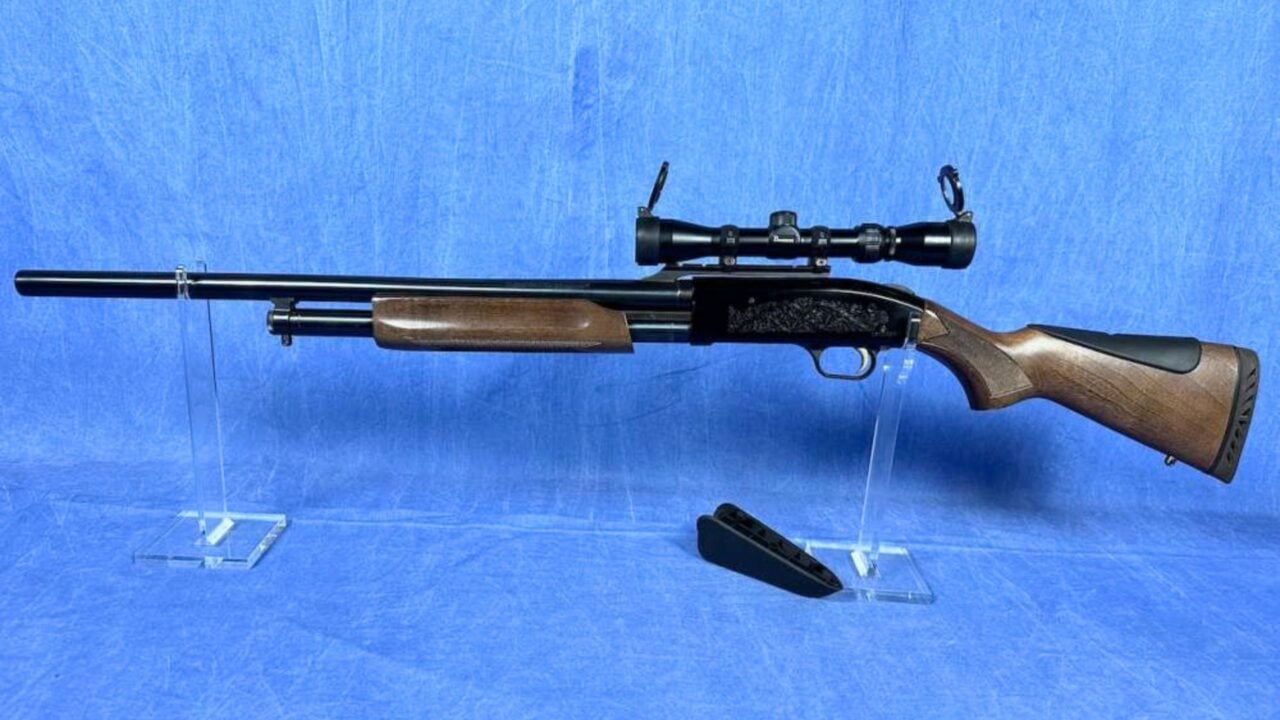
The SXP is one of those modern pumps that shows how far manufacturing has shifted toward features-per-dollar. You get a slick-feeling action, modern styling, and decent out-of-the-box function for the money. For a lot of hunters, that’s enough.
But the long-term feel is different than the older steel-and-walnut classics. More plastic, more stamped parts, and less of that “this will still be tight in 40 years” confidence. It might still last, but it doesn’t feel like it was built with the same expectations.
If you read this and think I’m telling you to only buy old guns, I’m not. I’m saying handle both. Work the action. Look at the small parts. Think about how it’ll feel after five wet seasons and a few thousand shells. The best shotgun is the one you trust when it’s cold, your gloves are soaked, and the birds finally show up—whether that trust comes from old-school craftsmanship or a modern design that’s actually built right.
Like The Avid Outdoorsman’s content? Subscribe to our newsletter so you never miss an article.
Here’s more from us: