Photo credit: Footprint Outdoors/Youtube
Every waterfowl crowd has that one guy who shows up with the same shotgun year after year. The finish is worn thin where his glove rides the fore-end, the bead is a little crooked, and the stock has more stories than checkering. Meanwhile, the rest of us are messing with the newest “must-have” gun, swapping chokes, chasing patterns, and wondering why the thing doesn’t feel right in a cold, wet layout.
This isn’t a knock on new shotguns. It’s just the truth: some models hit a sweet spot of reliability, pointability, and “I can fix it in the garage if I have to.” These are the kinds of guns waterfowl hunters hang onto for decades because they work when your hands are numb, your waders are leaking, and the birds finally decide to finish.
1. Remington 870 Wingmaster
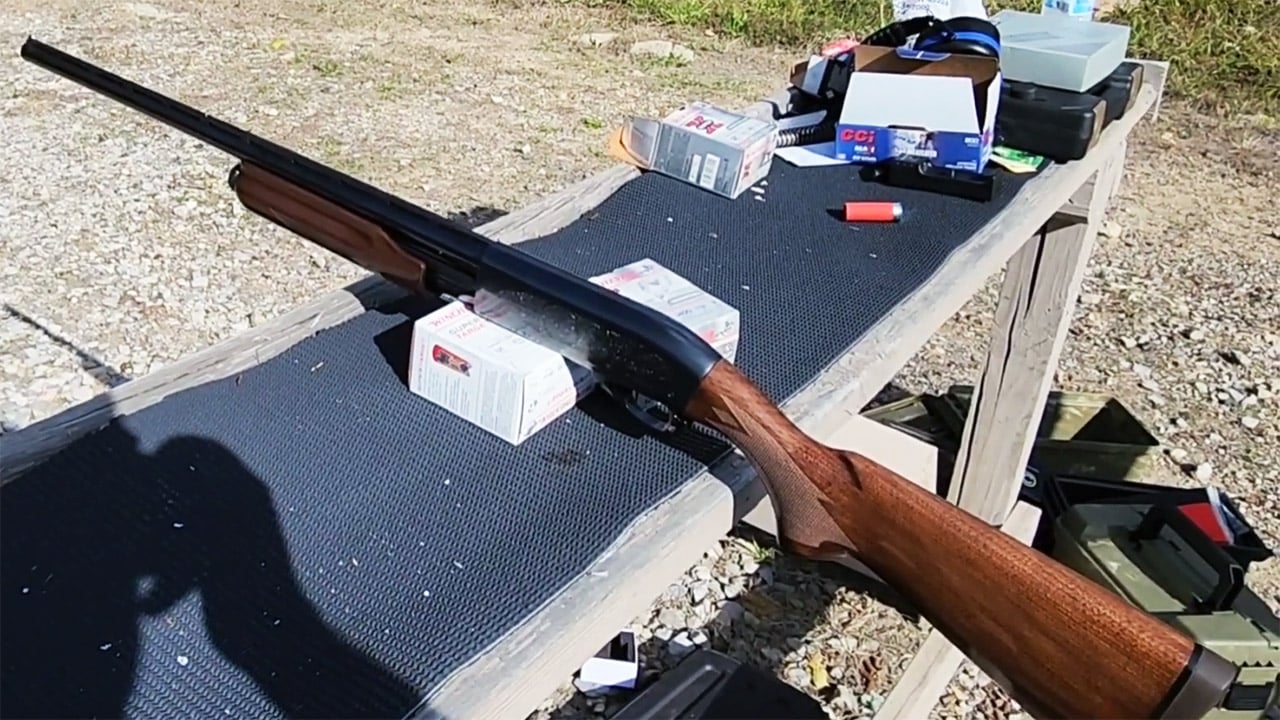
There’s a reason old duck camps still have an 870 leaning in the corner like a spare tire. The Wingmaster action feels like it’s on rails when it’s clean, and it still runs when it’s not. It points naturally for a lot of shooters, which matters more than folks want to admit.
The downside is obvious: pumping fast in a layout or tight blind takes reps, and modern steel loads can be punishing in lighter setups. Still, when you need a shotgun that will keep working long after your fancy gear has quit, this one keeps getting picked.
2. Remington 870 Express

The Express isn’t as slick as the Wingmaster, and anybody who’s owned one knows the finish can rust if you treat it like a paddle. But a beat-up Express with a decent recoil pad has probably killed more ducks than most “premium” guns ever will.
Parts are everywhere, and so is know-how. If you’ve got a buddy with a punch set and an hour, most issues can be sorted out. There is nothing fancy about it, and that is kind of the point.
3. Mossberg 500

The Mossberg 500 is the working man’s pump, and it wears that title honestly. The tang safety is glove-friendly, and the gun will take a surprising amount of neglect. It’s also one of those shotguns you don’t feel bad about dragging through cattails.
The rattle and “hollow” feel bother some folks. I get it. But in the marsh, nobody cares how tight your fore-end sounds if your gun goes bang every time you tell it to.
4. Mossberg 835 Ulti-Mag

The 835 has been a dedicated waterfowl hammer for a long time, especially for hunters who like 3.5-inch shells and big pellets. It’s overbored, it patterns well with the right choke, and it shrugs off ugly weather.
It’s not a lightweight wand, and it’s not subtle on recoil. But if you want a pump that can handle everything from teal to late-season geese without getting finicky, this one has earned its reputation.
5. Ithaca Model 37
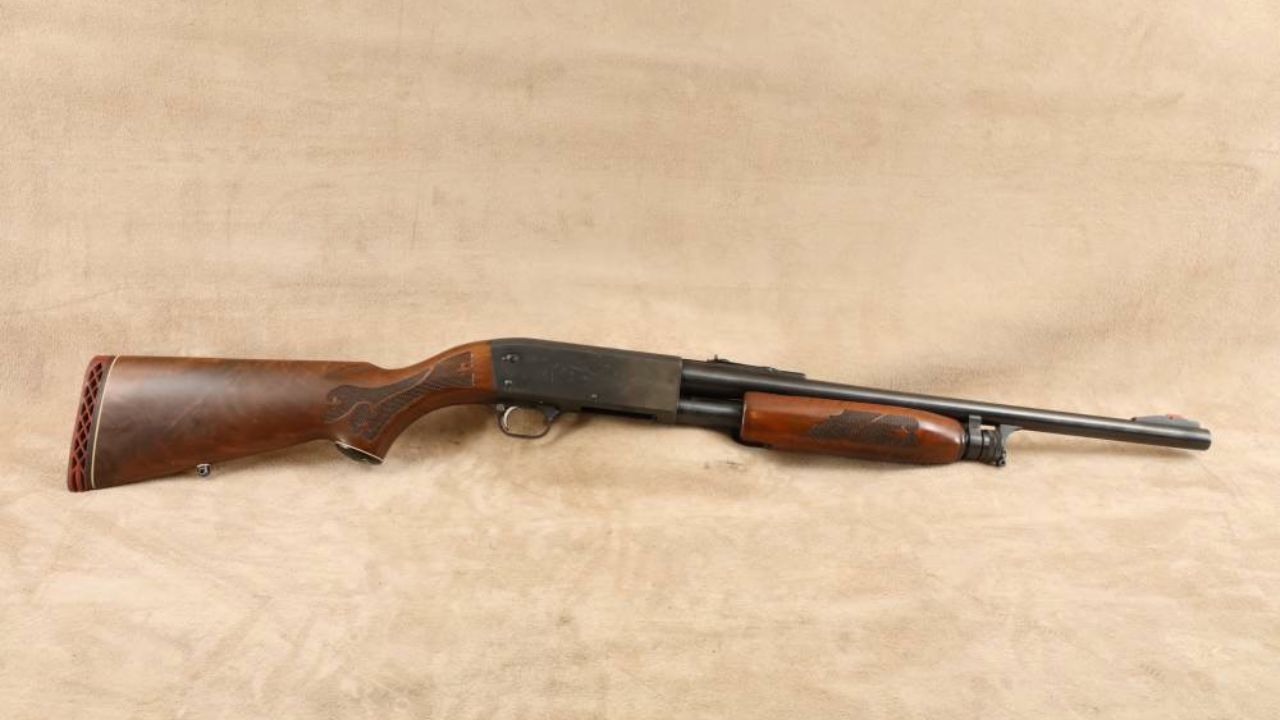
Bottom eject is a bigger deal in a duck blind than people think. The Ithaca 37 keeps hulls from bouncing off your buddy’s face, and it keeps rain and debris out of the ejection port better than most.
They carry nice, they point quick, and the balance just feels right. Finding a clean one can be a hunt in itself, but the guys who have them tend to keep them for a reason.
6. Browning BPS

If you want “built like a tank” in a pump gun, the BPS is the answer. It’s heavier than a lot of pumps, which is exactly why some waterfowl hunters love it. That weight settles the swing on passing shots and tames recoil.
The bottom eject is another blind-friendly feature, and the overall fit and finish is a step up from many workhorse pumps. It’s not the cheapest way to kill ducks, but it’s one of the most dependable.
7. Winchester Model 12
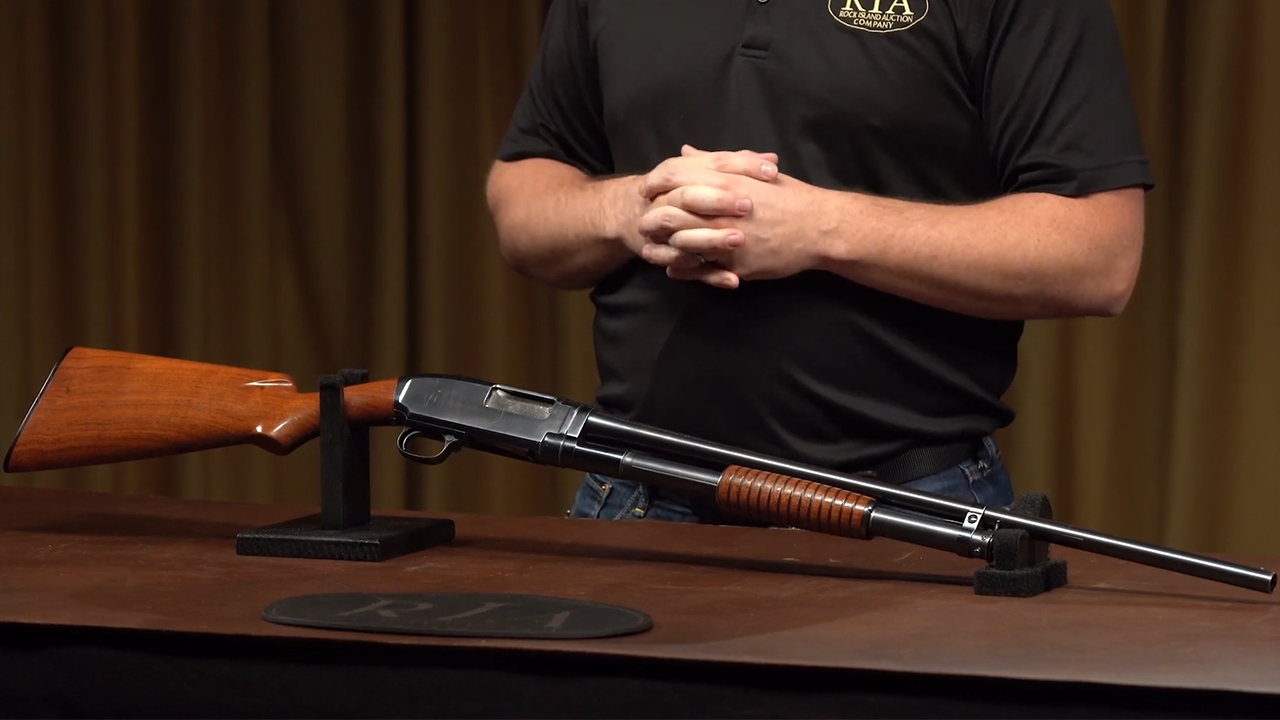
The Model 12 is old-school cool, sure, but it’s also a genuinely smooth pump that still gets carried when the weather is nasty. You’ll see them in old photos for a reason—because they worked, and they kept working.
The catch is parts and service. Not every shop wants to mess with them, and not every hunter wants a classic in the mud. But the hunters who still run a Model 12 usually shoot it well, and that’s what counts.
8. Winchester Model 1300
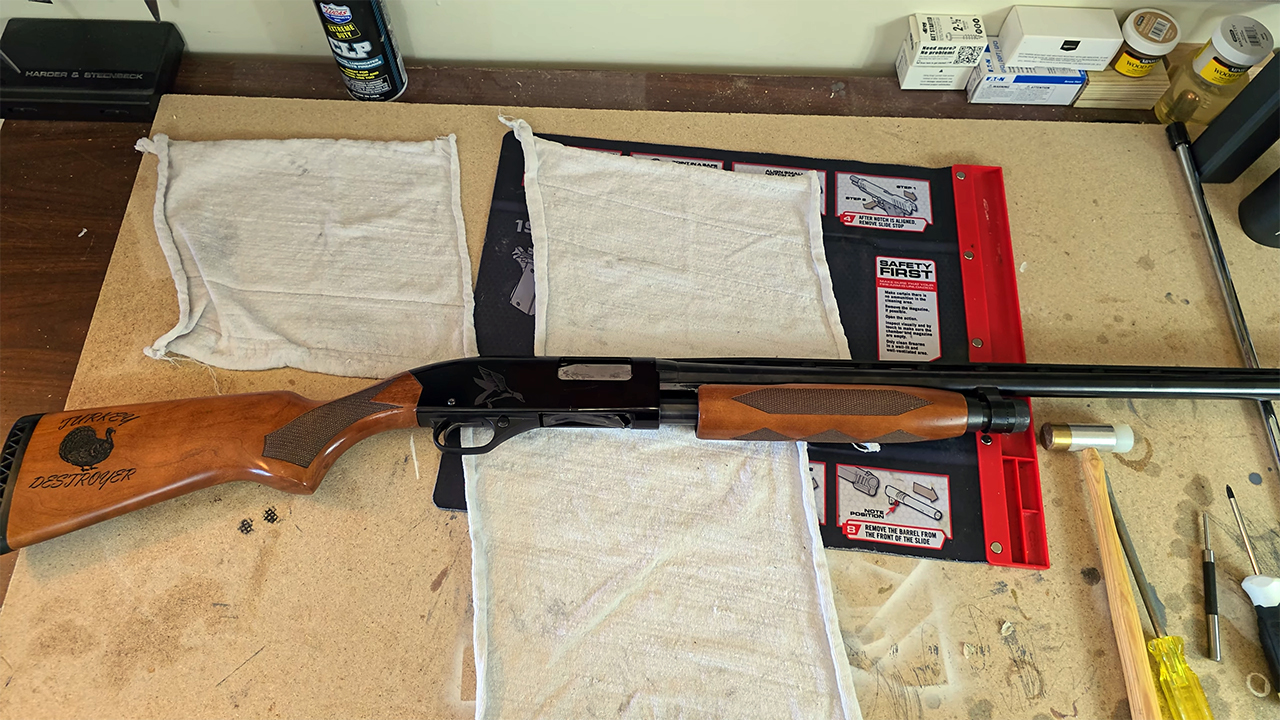
The Model 1300 gained a following because it’s fast and it feels lively. That “speed pump” reputation isn’t marketing fluff if you’ve run one hard. In a chaos moment when a second bird flares late, a quick-cycling pump matters.
They’re also simple and practical. You don’t baby them, and you don’t worry about scratching them. If you find one that fits you, it’s easy to understand why nobody wants to part with it.
9. Benelli Super Black Eagle (SBE)

This is the gun that made a lot of hunters believe in inertia guns for waterfowl. The original SBE and the SBE II are both known for running in cold, wet conditions where gas guns can start acting moody if they’re filthy.
The tradeoff is felt recoil and the way some inertia guns behave with super light loads. But for duck and goose loads, these things just keep cycling. The guys who bought one early and trusted it tend to still have it.
10. Benelli Super Black Eagle 3

The SBE 3 is a modern refinement of a platform that already had a long track record. Better ergonomics, better recoil management for many shooters, and a more polished feel all around. It’s the kind of gun that can be your “one shotgun” if you’re serious about waterfowl.
Is it expensive? Yep. But when you’re a decade in and you realize you never had to chase random reliability issues, the price hurts less.
11. Benelli M2
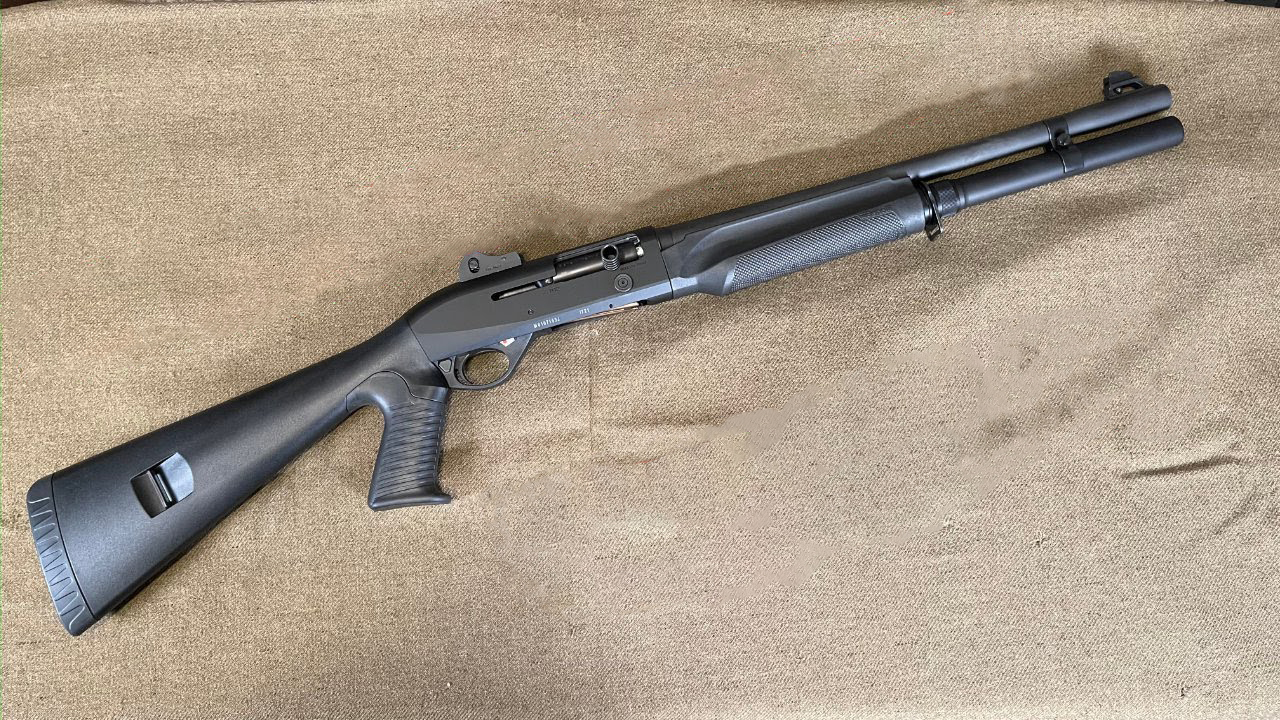
The M2 is a sweet spot for a lot of waterfowl hunters who want inertia reliability without the 3.5-inch obsession. It’s lighter, it carries easier, and it’s fast to shoulder when birds surprise you over the willows.
It can be a little snappy with heavy loads because of the weight, but the gun’s balance and handling are what keep it in rotation. When somebody says, “I’ve had it forever,” the M2 comes up a lot.
12. Beretta A300 Outlander
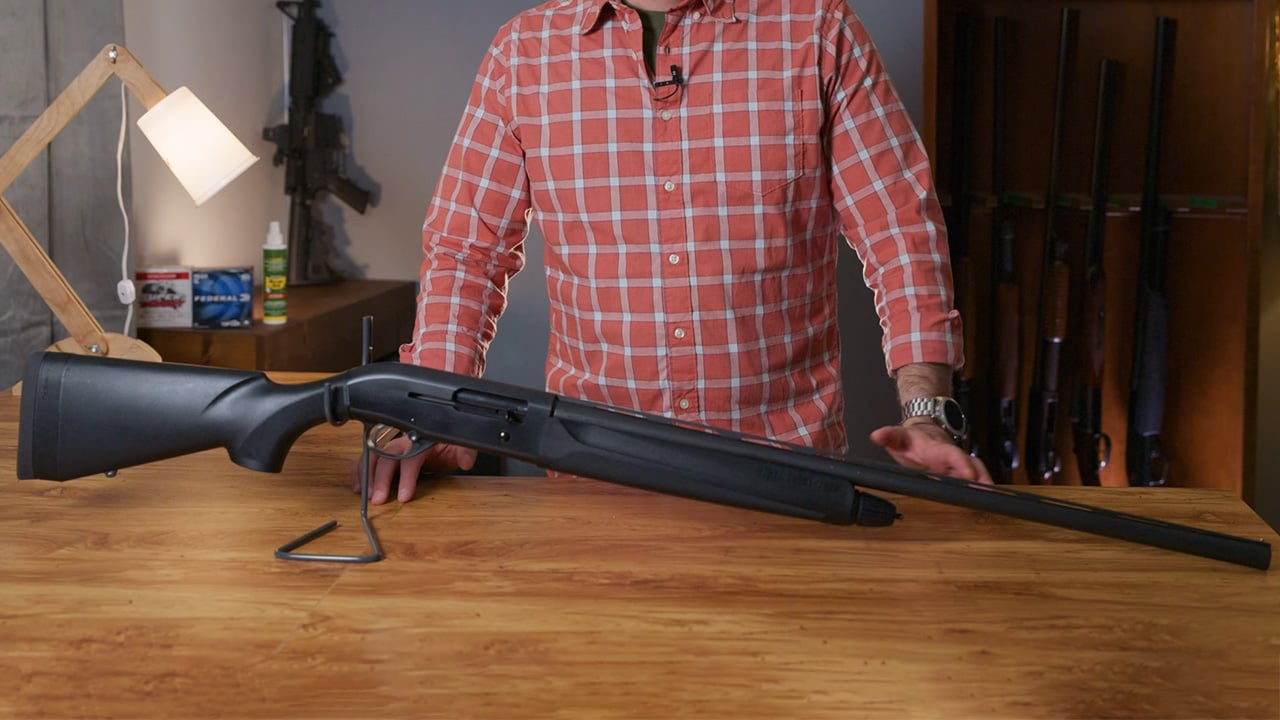
The A300 is one of the more honest values in a semi-auto that still has real waterfowl credibility. It’s a gas gun that runs well with a wide range of loads, and it doesn’t beat you up like some lighter inertia guns can.
It isn’t flashy, and it doesn’t need to be. The hunters who stick with an A300 usually like that it’s predictable—patterns are consistent, recoil is manageable, and maintenance is straightforward.
13. Beretta A400 Xtreme / Xtreme Plus

If you’ve spent time in big-water wind, freezing rain, and the kind of mud that steals boots, you understand why the A400 Xtreme line has fans. They’re soft shooting for what they are, and they cycle heavy waterfowl loads with authority.
They’re not light, and they’re not cheap. But when a gun shoots flat, cycles clean, and doesn’t start getting weird halfway through a nasty morning, that’s a tool you hang onto.
14. Beretta 390

The 390 is one of those shotguns that doesn’t get talked about as much anymore, but it never really left the marsh. It’s reliable, soft shooting, and has a reputation for eating shells without drama.
The controls feel “Beretta,” meaning they’re sensible and smooth, and the gun just has a settled, proven feel. A lot of guys who own a 390 could buy something new tomorrow, and still don’t.
15. Beretta 391
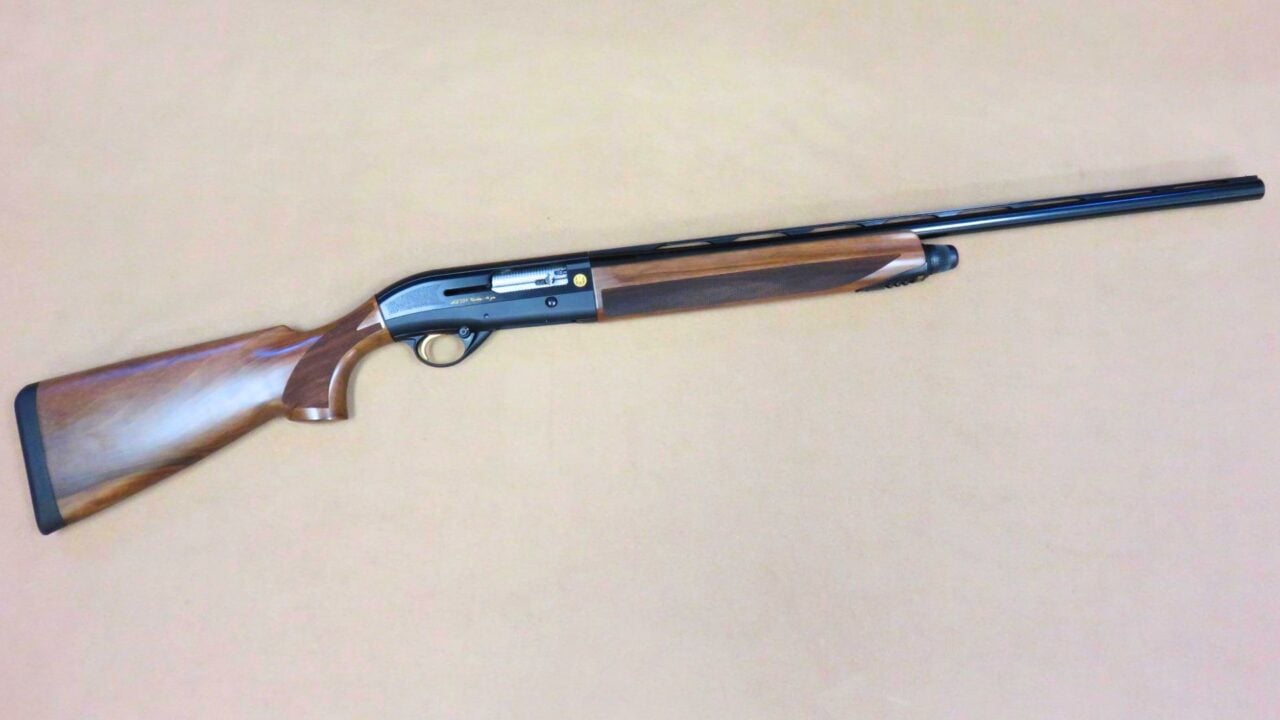
The 391 carried the same general vibe as the 390 but with its own improvements, and it became a staple for hunters who wanted a gas gun they could trust. It’s a gun that points well for many folks, and it doesn’t punish you on long days.
Maintenance matters with any gas system, but the hunters who learned their 391 tend to keep them running for a long time. It’s a “known quantity,” and that counts for a lot.
16. Browning Auto-5 (A-5)

Long recoil isn’t trendy, but the Auto-5 has been putting birds on straps for generations. There’s a feel to that humpback gun that some shooters just shoot extremely well. And if you’ve got one that’s set up right, it’s more dependable than people assume.
It’s also a shotgun that usually has family history attached. That alone keeps many of them in the blind. A gun that came from your granddad has a way of getting cleaned and carried, even when newer options are sitting in the safe.
17. Browning Maxus

The Maxus is one of those modern semi-autos that simply works, and a lot of waterfowl hunters figured that out early. It’s comfortable to shoot, the controls are practical, and it balances nicely for a gun that’s meant to live in wet places.
I’ve seen Maxus guns run through filthy late-season hunts and keep going with minimal drama. That kind of performance builds loyalty fast, and it’s why you see them year after year.
18. Browning Gold

The Browning Gold doesn’t get the spotlight like it used to, but it earned its keep with hunters who actually hunt hard. It’s a soft shooter, it cycles well with the right care, and it has that Browning feel that a lot of guys like.
They’re not “new hotness,” and that’s fine. In fact, that’s why they stick around. When a shotgun has already proven it can take a beating and still pattern right, it becomes hard to justify switching.
19. Franchi Affinity 3

The Affinity has been a quiet winner for hunters who wanted inertia reliability without paying top-tier Benelli money. It’s slim, it carries well, and it mounts fast. In timber or a tight blind, that matters.
These guns get used hard, and they tend to stay in the lineup because they’re simple and consistent. If you’re the kind of hunter who doesn’t want to think about your shotgun, the Affinity makes sense.
20. Weatherby SA-08
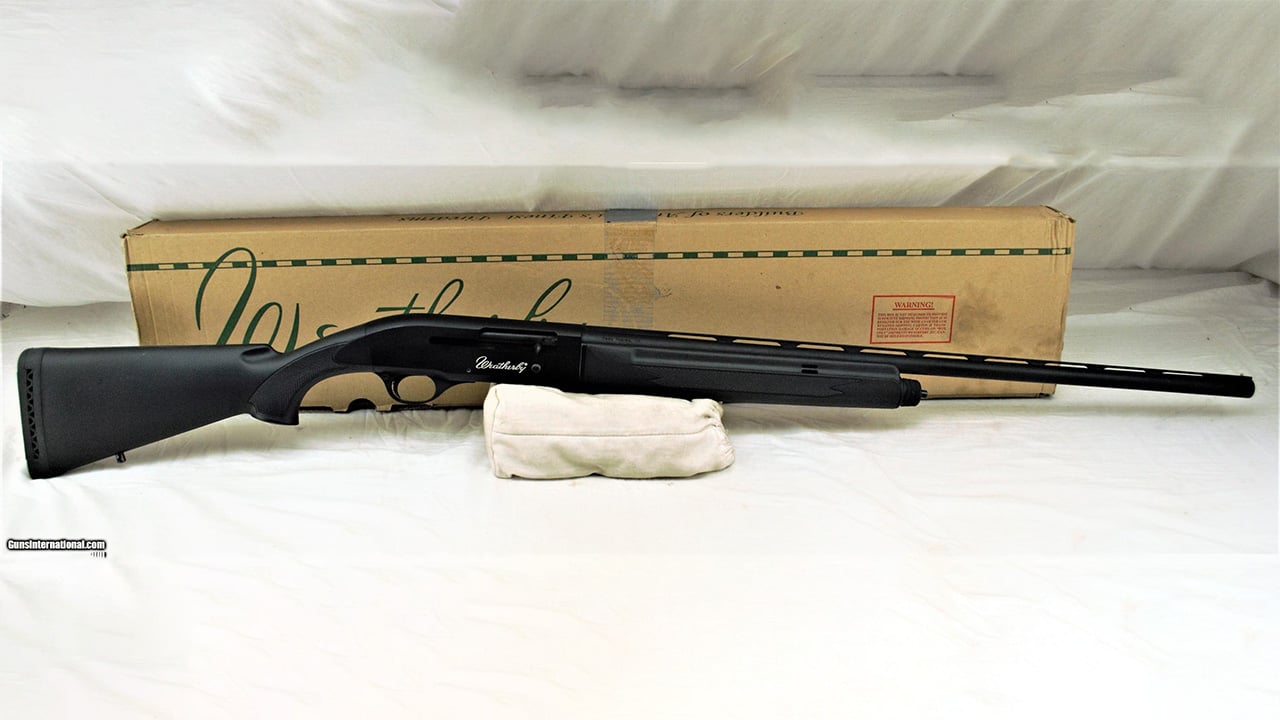
The SA-08 is one of those shotguns that surprised a lot of people, then just kept showing up in duck photos. It’s not the most glamorous name in the blind, but it’s a practical gas gun that can be tuned to loads and kept running with basic care.
It also hits that affordability-to-performance mark that makes hunters keep what they bought. When a gun fits you, patterns right, and doesn’t act up in the cold, you stop shopping.
None of these shotguns are magic. They don’t call birds, they don’t fix bad hides, and they don’t make up for poor shooting decisions. But they’ve proven something more important than hype: they keep running, they keep pointing, and they keep killing birds when conditions are ugly. If you’ve got one that fits you and you trust it, don’t be in a hurry to trade it off just because something newer showed up on a rack.
Like The Avid Outdoorsman’s content? Be sure to follow us.
Here’s more from us: