Photo credit: Mariya Surmacheva/Shutterstock.com
Walk into a hunting store before deer season and it is incredibly easy to convince yourself that success depends on filling the cart. There is always another scent product, camouflage pattern, electronic gadget, oversized pack, specialty call, or piece of equipment promising to solve a problem you may not even have yet. New hunters are especially vulnerable because they have not spent enough seasons outside to know which problems actually matter.
Experienced hunters usually learn the opposite lesson. Comfort, safety, knowing the property, understanding the wind, and being able to use a relatively small amount of equipment well matter much more than owning every product marketed toward deer hunters. Overpacking is a common problem, and relying too heavily on gadgets can create problems instead of solving them. These are the purchases that often make longtime hunters quietly wonder whether somebody has been spending more time shopping than hunting.
An Enormous Hunting Backpack

New hunters often buy a pack as if they are preparing for a week in the Rockies when their actual hunt involves walking 600 yards to a treestand. A huge pack looks useful because there is room for extra clothes, food, calls, knives, batteries, binoculars, tools, and enough miscellaneous equipment to survive practically anything. The problem is that empty space has a way of getting filled. Before long, the hunter is carrying twenty pounds of things that never leave the bag.
A smaller pack forces me to think about what I genuinely use. Water, basic first aid, a light, a knife, licenses, a few snacks, and necessary hunting equipment cover most short deer sits. Overpacking adds fatigue and creates more gear that can rattle, snag, or get forgotten.
The Most Expensive Camouflage in the Store
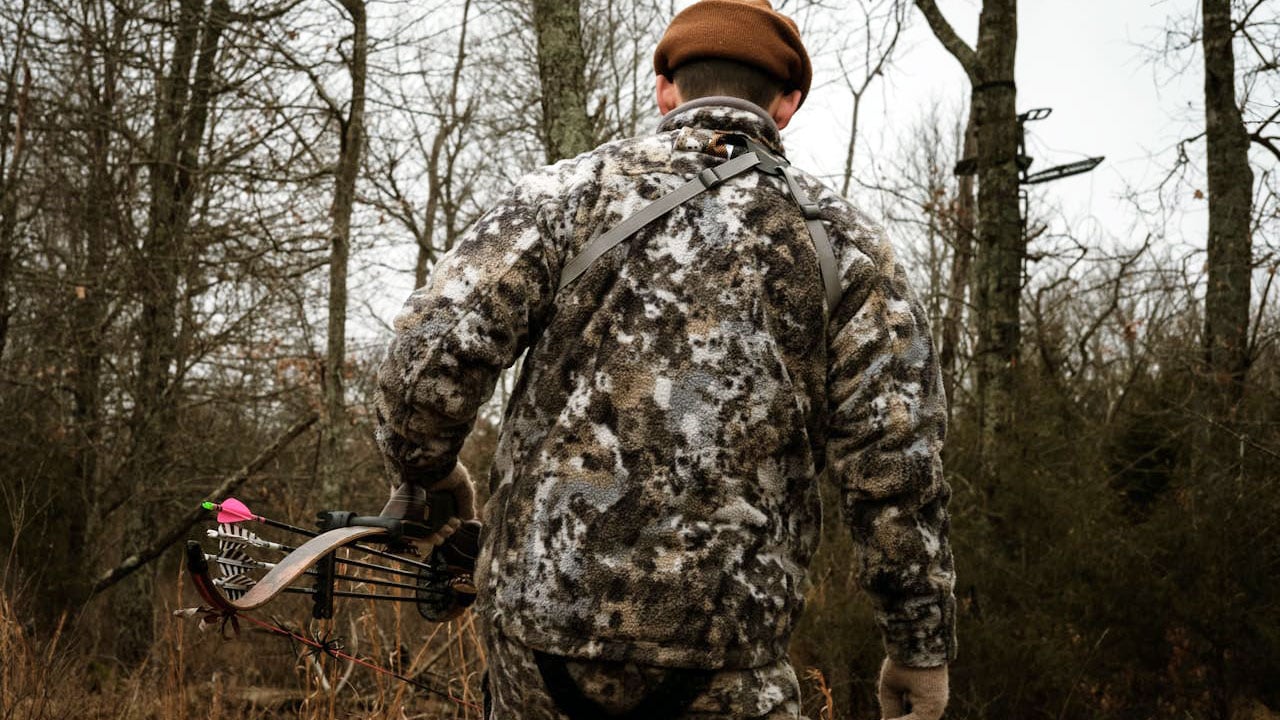
Premium camouflage can be excellent clothing, but new hunters sometimes act as if the pattern itself is what keeps deer from seeing them. They will spend hundreds of dollars matching every layer while overlooking whether the clothing is quiet, comfortable, warm enough, or appropriate for the weather they actually hunt. A deer is much more likely to catch sudden movement than become offended because the leaves printed on your jacket are from last year’s camouflage collection.
I would rather have affordable clothing that lets me sit comfortably and remain still. Wind, movement, access, and positioning matter more than having every piece of clothing from the same premium line. Even current beginner guides consistently warn against overbuying camouflage before understanding what conditions you actually hunt.
Every Scent-Elimination Product Available
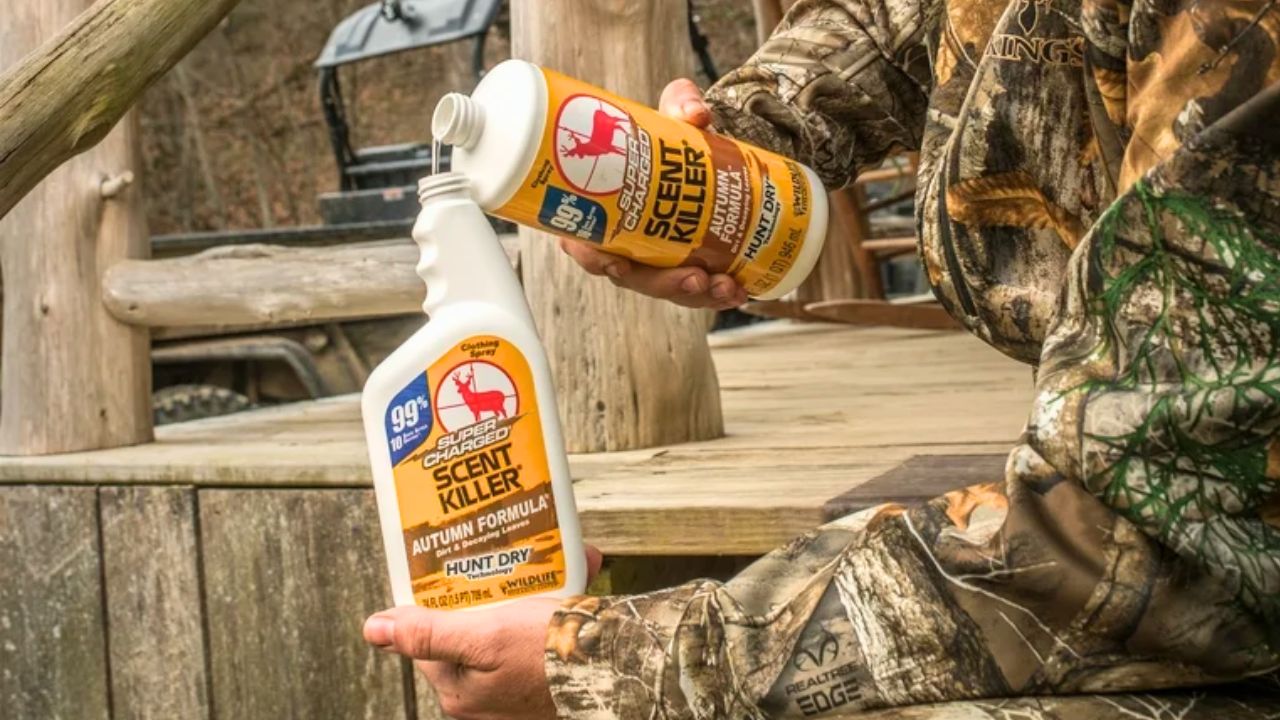
The scent-control aisle can convince a new deer hunter that enough sprays, detergents, wipes, deodorants, storage bags, and specialized clothing can make a human practically invisible to a whitetail’s nose. People start building elaborate scent routines while forgetting the most important part: where their scent is actually traveling.
I will use scent-conscious practices, but I never treat them as permission to ignore the wind. No bottle turns a bad wind into a good one, and experienced hunters generally understand that scent control is supplemental rather than magical. Current scent-control guidance makes the same point: playing the wind remains fundamental, while products cannot compensate for sitting directly upwind of the deer. Spend less time spraying every zipper and more time understanding how air moves through your hunting area.
An Ozone Machine Before Learning the Wind
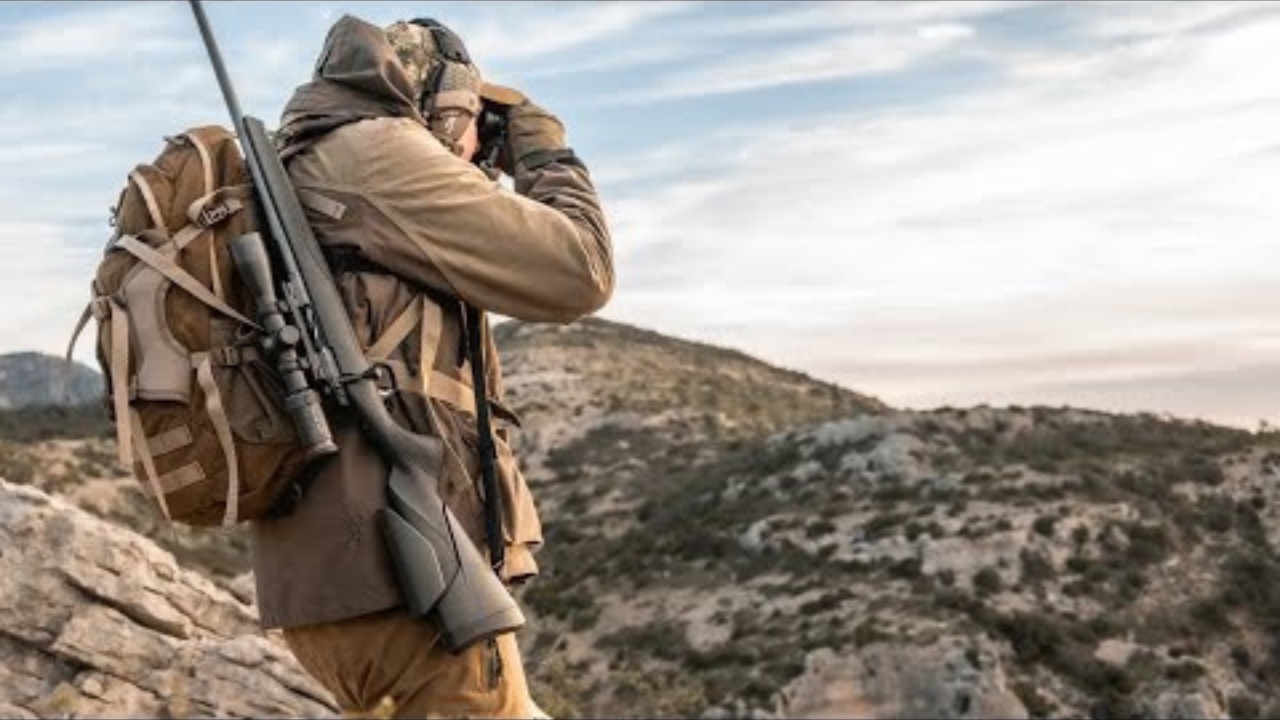
Ozone devices may be one of the biggest examples of a new hunter trying to buy his way around experience. The technology sounds convincing, and the possibility of defeating human odor is understandably attractive. The problem starts when a hunter treats the machine as a replacement for thoughtful stand selection, access routes, thermals, and wind direction.
I would much rather see a beginner buy a simple wind checker and spend a season learning what the breeze does around ridges, creek bottoms, fields, and timber. Scent-control technology may become something he chooses to experiment with later. It should not become the foundation of his hunting strategy. Even hunters who use scent products generally acknowledge that none of them erase the need to manage wind.
A Giant Magnum for Ordinary Whitetails

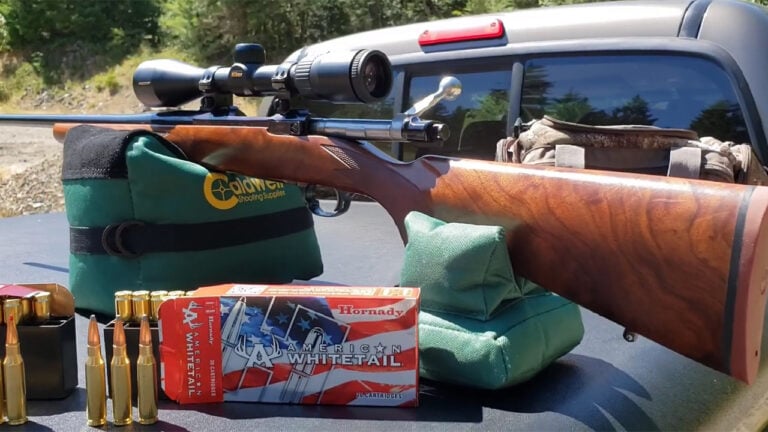
A new hunter sometimes walks into the rifle aisle believing more cartridge automatically means more deer rifle. He imagines needing tremendous power for a buck that will probably step into a clearing 80 yards away. The result can be a rifle that is louder, heavier, more expensive to feed, and considerably less pleasant to practice with than necessary.
I would rather see someone become extremely comfortable with a manageable deer cartridge and shoot it well. Ordinary whitetail hunting does not require punishing recoil. A hunter who avoids practice because his rifle beats him up has gained nothing from buying more power. Experienced hunters generally learn that shot placement, familiarity, and reasonable cartridge selection matter much more than being able to tell everyone at camp how large the case is.
A Huge High-Magnification Scope

New hunters frequently buy scopes based on the biggest magnification number printed on the box. A 5-25x or similarly large optic looks incredibly capable at the store counter, especially when the buyer imagines taking long shots across giant valleys. Then he mounts it on a deer rifle used primarily in woods where the average opportunity happens inside 100 yards.
Too much scope can mean extra weight, more bulk, and a narrower field of view exactly when a buck suddenly appears close. I would rather have useful low-end magnification and a clear image than power I never use. Most deer hunters need to find the animal quickly, not count individual hairs at extreme distance. The optic should match the hunt instead of the fantasy version of the hunt.
The Cheapest Boots They Can Find

This purchase makes experienced hunters shake their heads for the opposite reason: beginners sometimes spend heavily on almost everything except their feet. They will own expensive camouflage and a premium optic while wearing boots chosen because they were on sale. One cold, wet morning usually fixes that philosophy.
Bad footwear can end a hunt long before mediocre camouflage does. Cold toes, blisters, wet socks, and poor traction become impossible to ignore after several hours outside. Beginner hunting guidance regularly emphasizes boots and socks as areas that deserve priority over less important gear. I would rather wear plain clothing with excellent boots than reverse those priorities. If I am uncomfortable enough to leave early, none of the expensive equipment still sitting in the stand matters.
More Calls Than They Know How to Use
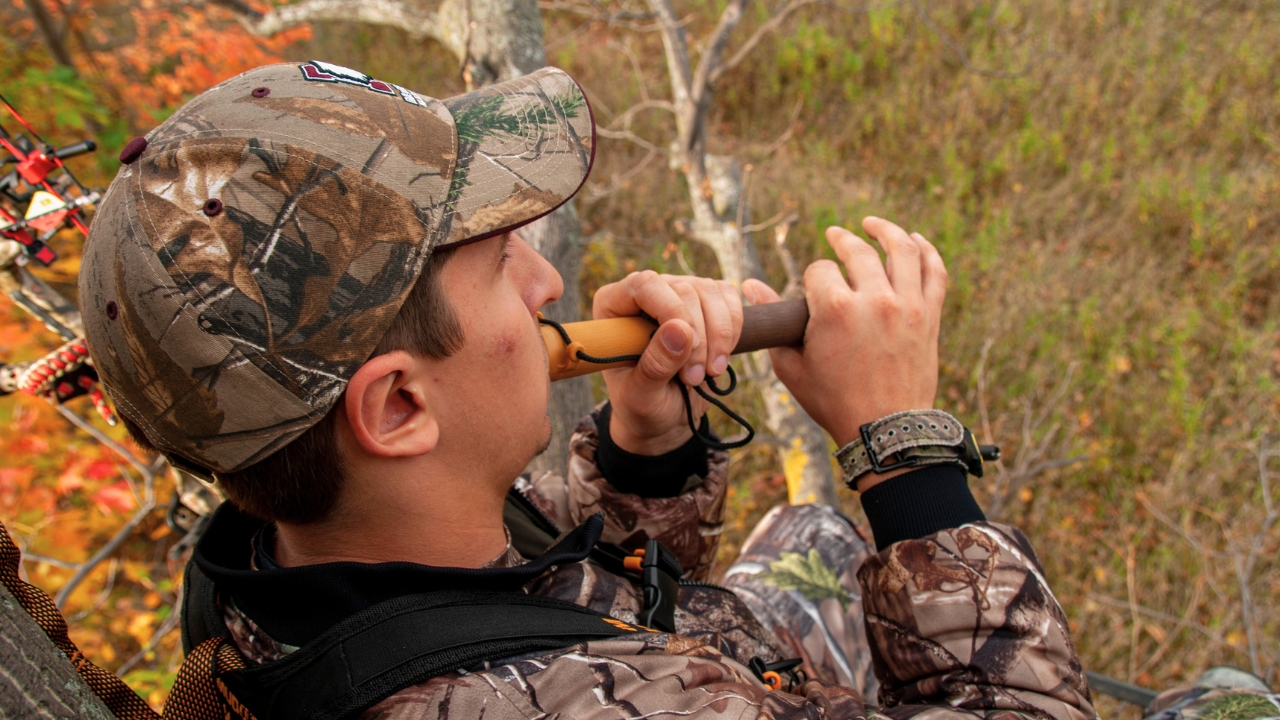
A new deer hunter can walk out of a store carrying a grunt tube, rattling antlers, bleat can, snort-wheeze call, and several other noise-making devices despite having no idea when any of them should be used. Calls are exciting because they make hunting feel active. Instead of waiting quietly, you can do something.
That is also how beginners end up making far too much noise. Calling can work, particularly under the right seasonal conditions, but constantly rattling and grunting because the woods feel boring is not a strategy. Experienced hunters know that silence is often perfectly fine. I would rather learn one call well, understand when it makes sense, and use it selectively than carry an entire orchestra into the stand.
A Rangefinder for a 60-Yard Woods Setup

Rangefinders are extremely useful hunting tools, but not everybody needs one hanging around his neck. A beginner hunting a small woodlot may buy one simply because every hunting show seems to feature someone ranging animals. He then discovers that practically every shooting lane is close enough that the exact difference between 47 and 53 yards has little practical importance for his rifle setup.
That does not make a rangefinder a bad purchase. It makes it a purchase that should match the hunting. Open country, archery hunting, and unfamiliar terrain can make exact range extremely important. A short-range rifle hunter may be better served spending that money elsewhere at first. Experienced hunters tend to buy equipment after discovering a need rather than buying equipment and then searching for a reason to need it.
A Giant Fixed-Blade Knife
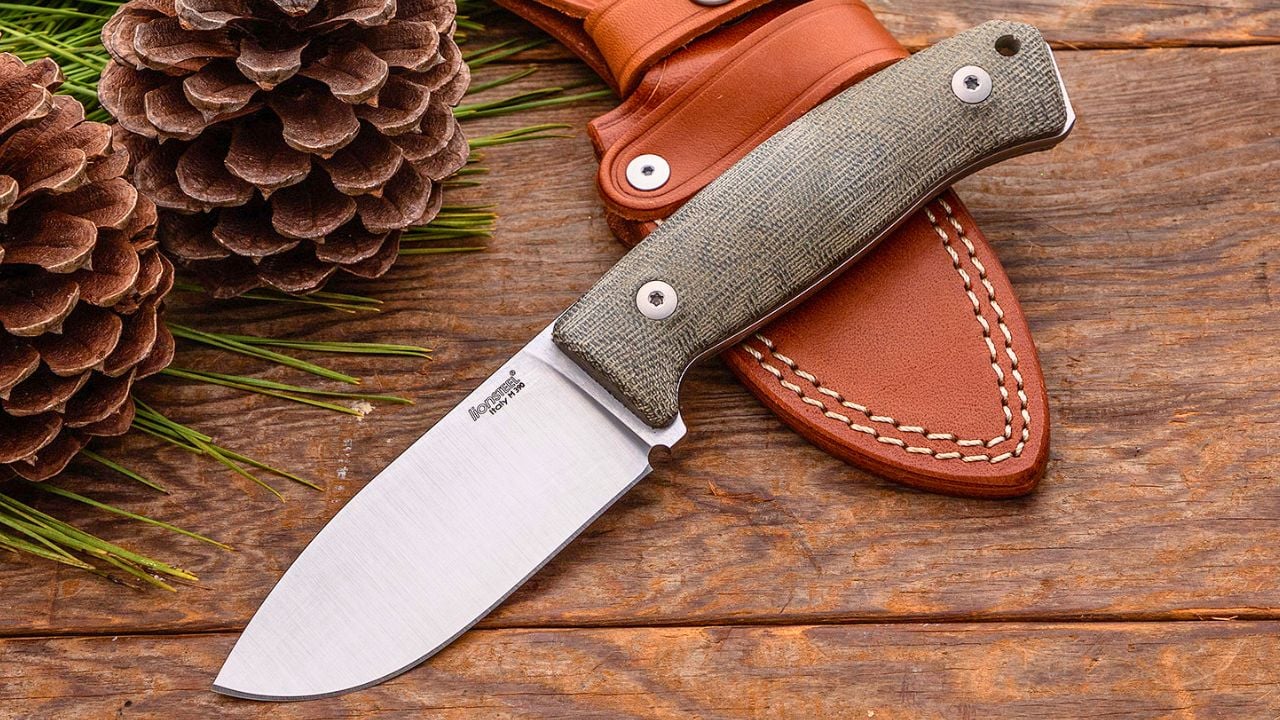
There is something about becoming a hunter that makes people suddenly believe they need a knife large enough to fight a bear. A huge fixed blade looks rugged on a belt and photographs well beside hunting gear. Then it is time to actually dress a deer, and the oversized knife becomes clumsy for the precise cutting most of the job requires.
I would rather have a comfortable, controllable hunting knife with an edge I know how to maintain. Bigger is not automatically better when working carefully around hide, joints, and meat. Many experienced hunters eventually settle on relatively modest knives after owning much larger ones early on. A blade should be selected around what it needs to cut, not how impressive it looks hanging from the pack.
Three Flashlights and Four Headlamps

Redundancy is good. Turning the backpack into the lighting aisle at a hardware store is not. New hunters sometimes pack several flashlights, multiple headlamps, spare lights for the spare lights, and piles of batteries because being caught in the dark sounds terrifying.
I absolutely want dependable illumination and a backup, especially when I am leaving the woods after sunset. Beyond that, I would rather carry two proven lights than six cheap ones. Test them before the hunt, use fresh batteries or charged cells, and know where the backup is stored. More gear does not automatically create more preparedness. Sometimes it simply creates another pocket full of equipment to sort through in the dark.
A Dozen Bottles of Attractant
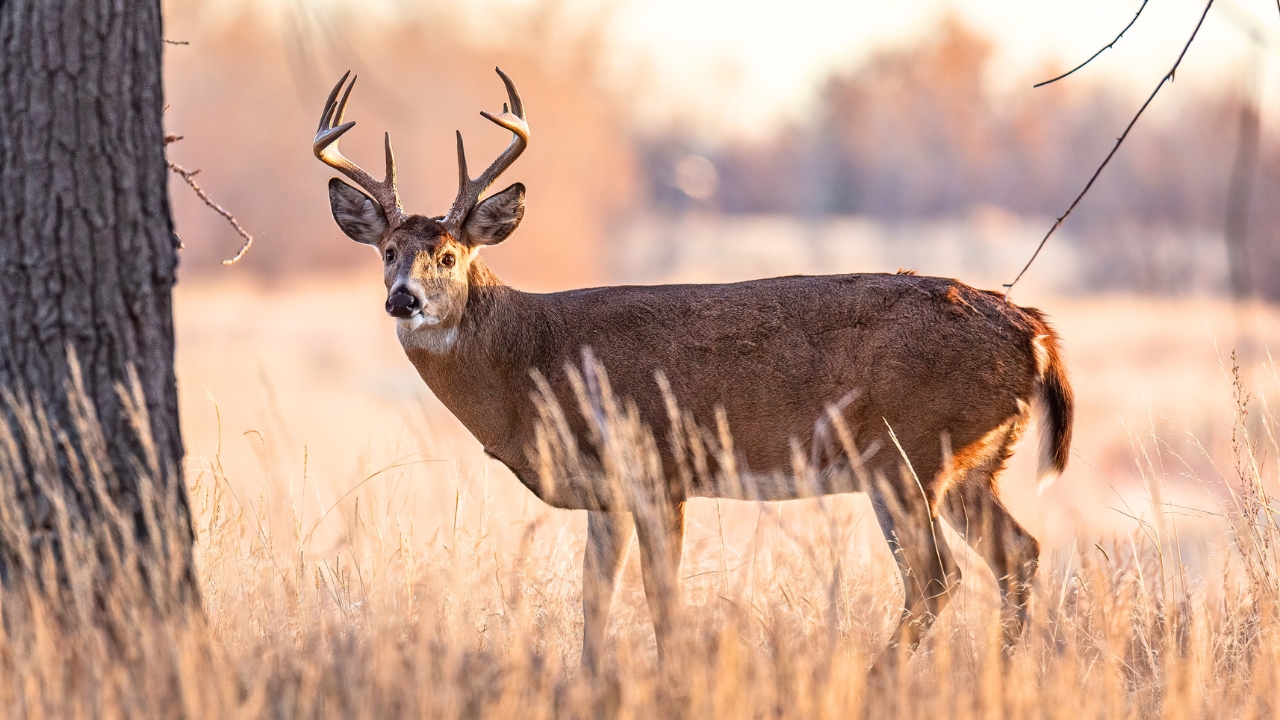
Walk through the deer section and you can find bottles promising everything from mock scrapes to irresistible food smells. A beginner can quickly start believing the difference between seeing deer and seeing nothing is whichever liquid happens to be getting promoted that season.
I would much rather understand where deer naturally bed, feed, and travel. That information continues working after the bottle is empty. There can also be regulations regarding baiting, feeding, or certain attractants depending on the location, so hunters need to know the applicable rules before dumping anything onto the ground. Experienced hunters tend to be skeptical of products promising shortcuts around woodsmanship. Deer already have reasons to move through the landscape. Learning those reasons is much more useful than trying to manufacture them.
A Blind With Every Possible Accessory
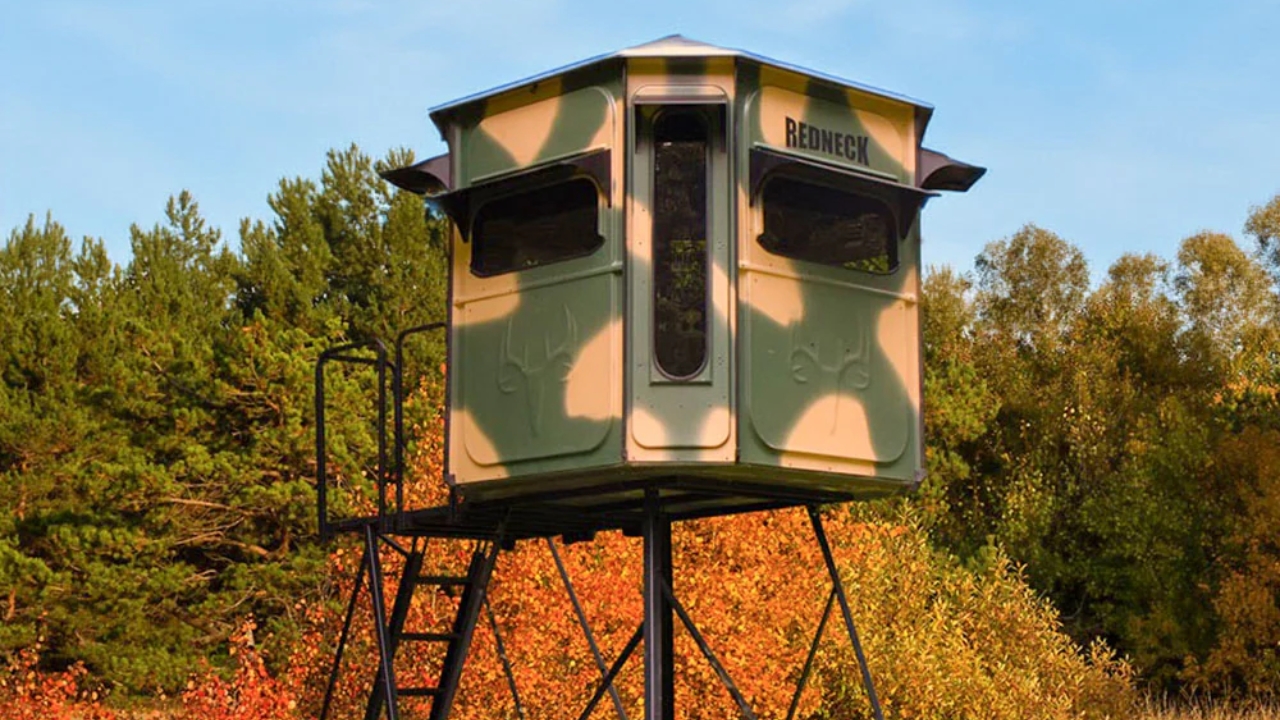
A simple ground blind can become surprisingly complicated once a new hunter discovers shelves, holders, hooks, organizers, special chairs, window covers, cup holders, bow hangers, and dozens of other accessories. Before long, setting up for a deer hunt starts resembling furnishing a small apartment.
Some accessories genuinely improve comfort, especially a decent chair. The rest should earn their place. Every extra object is something to carry, forget, knock over, or make noise with when a deer appears. I like keeping blinds organized and uncluttered so I can move carefully without fighting gear. A hunter usually discovers after a few sits that the things he actually touches during a hunt make up a very short list.
Too Many Trail Cameras Right Away
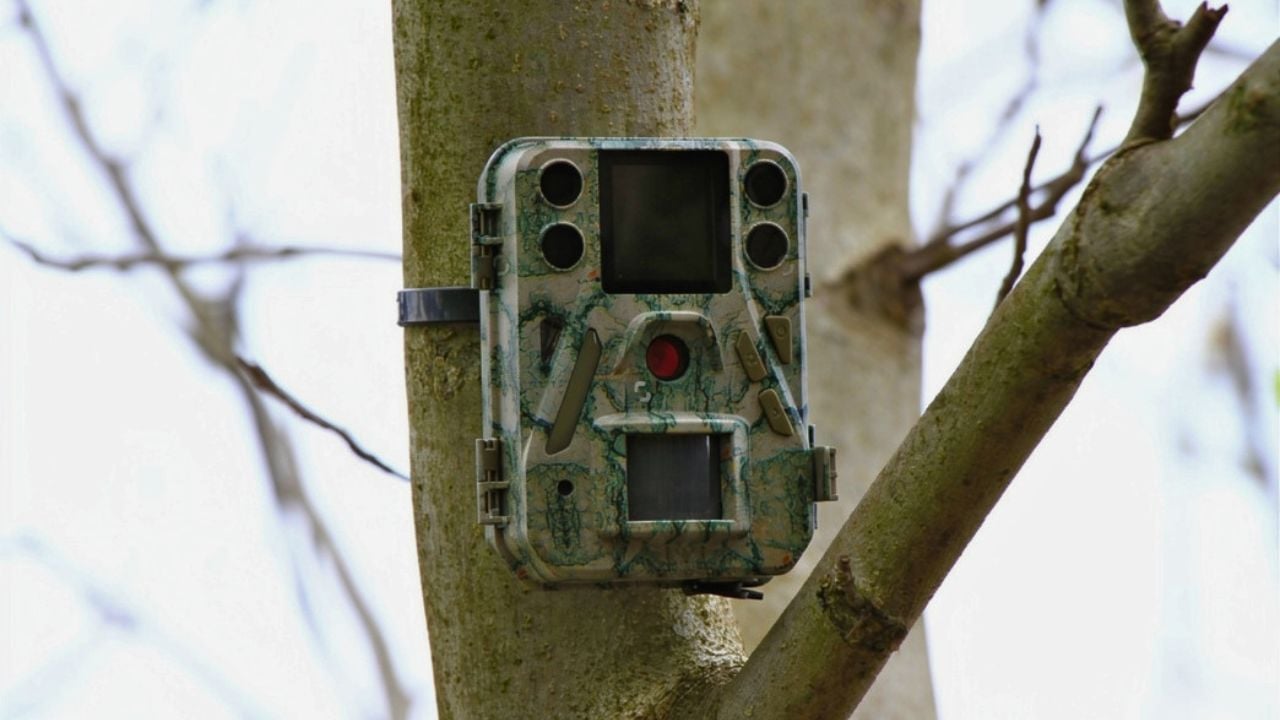
Trail cameras are fantastic tools, which is exactly why beginners can go overboard. Someone buys one, gets a picture of a buck, and suddenly decides the property needs cameras every hundred yards. Before learning how deer use the land, he is spending more time checking cameras and staring at photos than observing actual habitat.
Trail cameras provide information, but they can also create unnecessary intrusion if hunters constantly walk through the property to service them. Hunting advice has long warned against relying too heavily on camera information alone. I would rather start with a few cameras placed thoughtfully and learn what those pictures mean. More data does not help if I do not understand the terrain producing it.
A Cheap Knife Sharpener They Have Never Practiced With

Beginners often remember they need to sharpen their knife about five minutes before they need to use it. Then out comes some aggressive bargain sharpener that removes far more steel than expected and turns a decent edge into something worse.
I would rather learn one sharpening system before hunting season and practice on inexpensive knives first. A sharp hunting knife is valuable. An elaborate collection of sharpening gadgets is not. Experienced hunters generally settle into a method they trust and stop chasing every new device. Edge maintenance is a skill, and buying another sharpener does not replace learning what an actual sharp edge feels like or how much material you are removing.
Tactical Gear for a Quiet Deer Stand
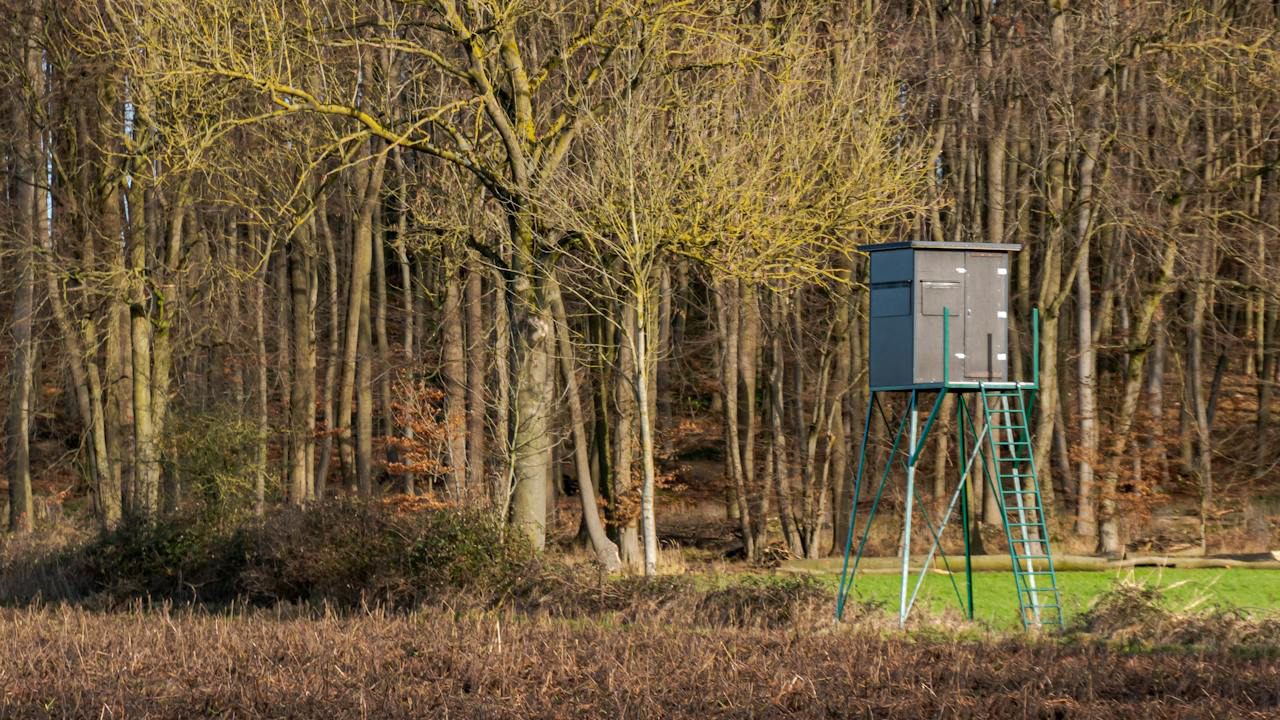
Some new hunters build their hunting setup as if they are preparing for a military operation. Oversized tactical packs, excessive pouches, hard gear, dangling clips, and unnecessary equipment may look rugged but can be noisy and uncomfortable in the deer woods.
Hunting rewards quiet movement and carrying only what contributes to the hunt. Gear covered in hard buckles and loose attachments can clack against a stand or catch vegetation during the walk in. Current mobile-hunting guidance specifically identifies excess gear and noisy setup as common mistakes. I would rather have soft, quiet equipment that works than gear chosen primarily because it looks impressive. Deer have never awarded style points.
The Latest Electronic Gadget Before Basic Binoculars
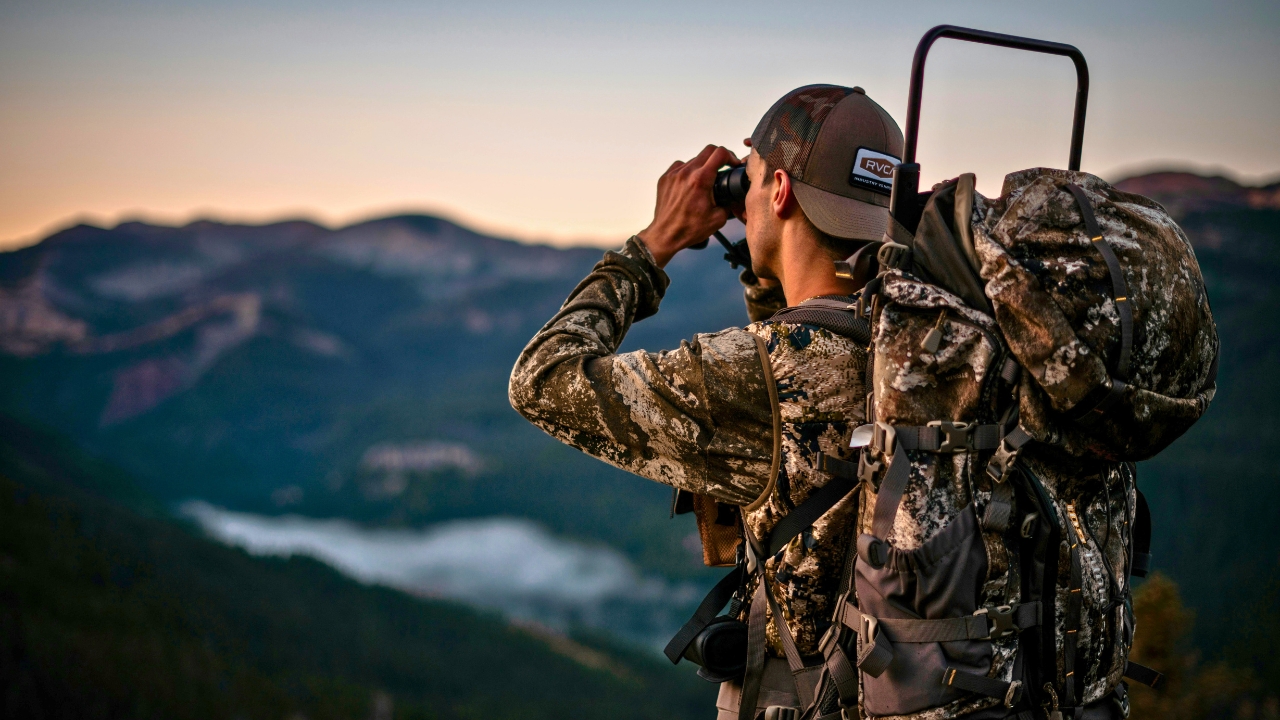
A beginner may happily spend money on electronic wind devices, elaborate GPS accessories, heated gadgets, and other technology while still using terrible binoculars. That priority makes experienced hunters wince because glassing is one of the most basic ways to learn what is happening around you.
Good binoculars do not need to cost a fortune, but they should be clear enough and comfortable enough that I actually use them. Beginner gear recommendations commonly put binoculars among the core essentials rather than the optional extras. Seeing the animal clearly, examining cover, and studying distant movement helps on almost every hunt. Another gadget may solve one narrow problem. Binoculars keep earning their place season after season.
Boots Loaded With Too Much Insulation
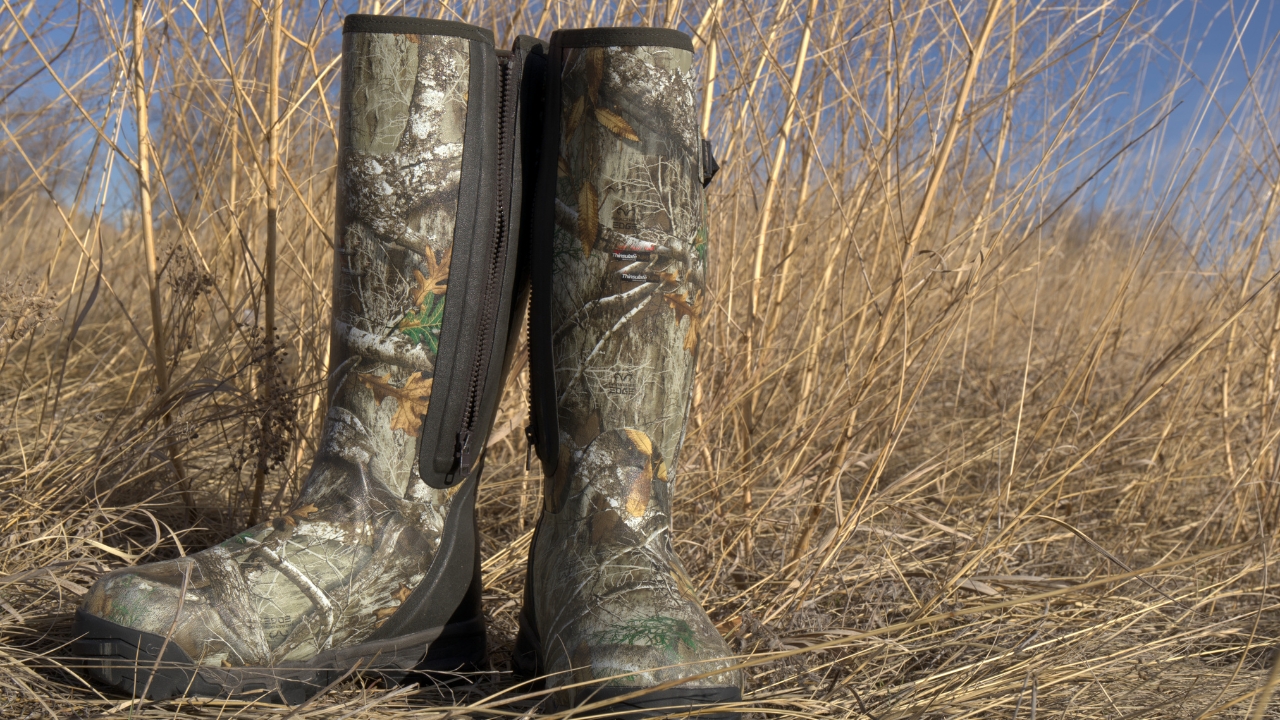
After hearing stories about freezing in a stand, some new hunters buy the most heavily insulated boots they can find. That sounds perfect until they have to walk a mile in mild weather and arrive with their socks soaked in sweat. Once that moisture cools down, the supposedly warm boots can become part of the problem.
I prefer insulation appropriate to the actual temperature and activity level. A stationary late-season hunter in northern weather needs something very different from somebody walking through Texas woods during a mild November morning. This is one of those purchases where more is not automatically better. Experienced hunters learn to manage moisture and layer intelligently rather than simply choosing the highest insulation number available.
A Truck Full of Gear but No Safety Harness
This is the purchase mistake that stops being funny. Someone can spend heavily on a rifle, optic, camouflage, calls, and scent products while treating a quality full-body harness as an afterthought. If the hunt involves leaving the ground, that priority is completely backwards.
A harness is not exciting to shop for, but it belongs among the basic equipment for elevated hunting. Beginner hunting guidance consistently places a full-body safety harness among the actual essentials rather than optional accessories. I would much rather see a new hunter show up wearing mismatched camouflage and a proper harness than arrive covered in premium gear without one. The best equipment purchase is sometimes the one you hope never has to prove why you bought it.
Everything Before They Have Hunted a Full Season

The biggest mistake is not one particular product. It is trying to build the perfect hunting setup before discovering what kind of hunter you actually are. A first-year hunter may think he wants to sit in permanent stands, then discover he loves still-hunting. He may expect to hunt fields and end up spending every weekend in timber. Equipment that looked essential in August can spend the entire season sitting in the truck.
I would start with the true basics and let experience create the shopping list. Current beginner guides make essentially the same argument: safety, appropriate clothing, navigation, and core equipment matter more than filling the cart with gadgets. After one season, you will know far more about what deserves your money than any store display could teach you.
Like The Avid Outdoorsman’s content? Be sure to follow us.
Here’s more from us: