Photo credit: melissamn/Shutterstock.com
When the hunt’s over, the real work starts. Good meat care isn’t something you can fix later—if you cut corners in the field, you’ll taste it on the plate. Temperature, cleanliness, and timing all matter, especially if you’re hunting in warm weather or far from the truck. The goal is to cool it fast, keep it clean, and protect it from anything that could spoil the flavor or texture. If you treat the meat right from the start, it’ll hold up until you’re ready to butcher.
Get the Animal Cooled Quickly
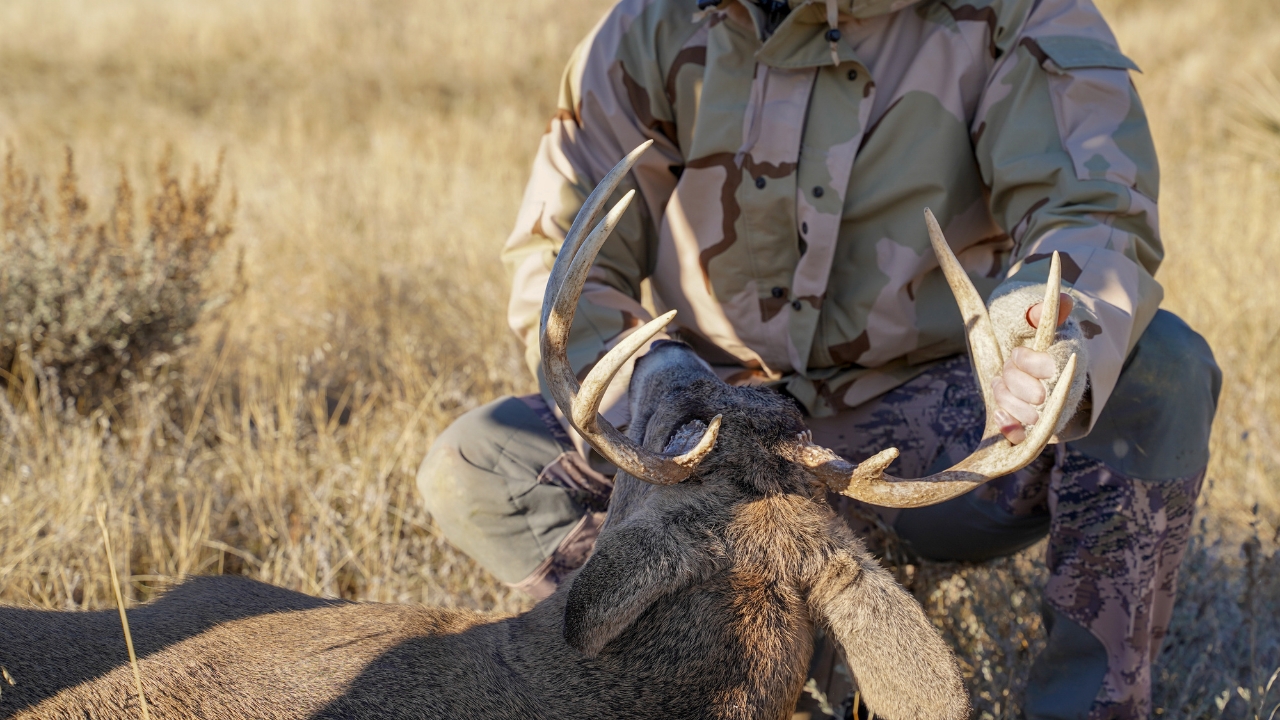
Heat is your biggest enemy after a kill. As soon as you can, field dress the animal to release body heat and let air circulate. If it’s warm out, open the body cavity wide and prop it to allow airflow. In cooler temps, you still need to move fast—meat starts breaking down sooner than most hunters realize. If you’re far from camp or the truck, have a plan for shade or even cold creek water to speed the process.
Keep Dirt and Debris Out of the Meat
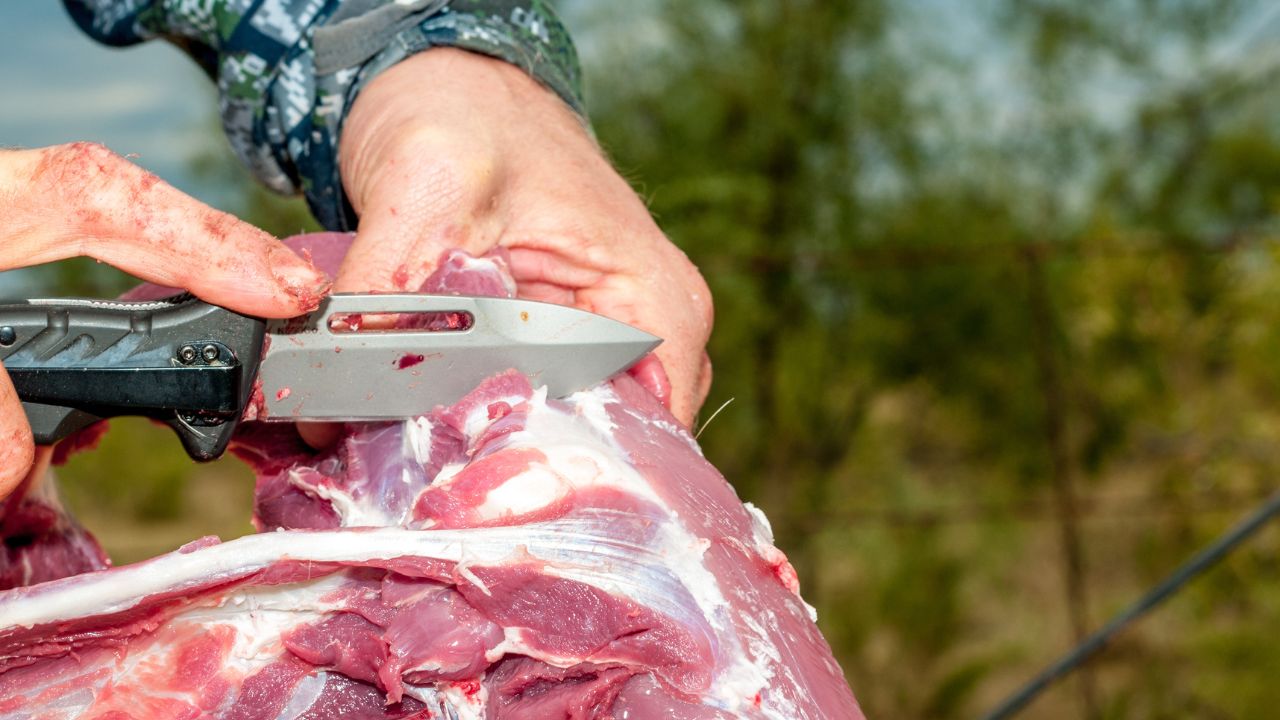
Once the hide is open, every speck of dirt, hair, or leaves that gets in will need to be trimmed away later—and that’s wasted meat. Use clean, sharp knives and be mindful of where the blade touches. Lay the meat on a clean tarp or game bag instead of directly on the ground. If you have to set it down, use rocks or logs to keep it off the dirt. A few extra minutes of care now saves hours of cleanup later.
Use Quality Game Bags
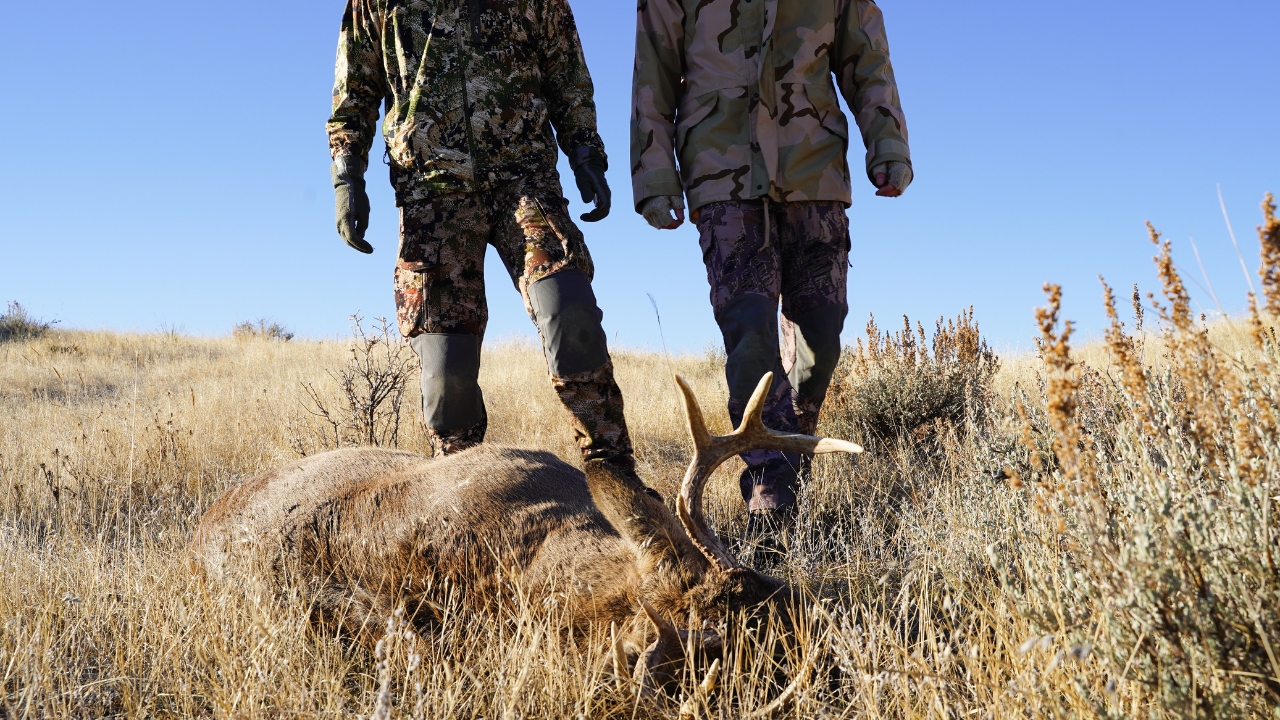
A good set of breathable game bags keeps flies, wasps, and other pests off the meat while still allowing it to cool. Avoid plastic bags for anything longer than a quick trip—they trap moisture and can cause spoilage. Instead, go for tightly woven synthetic or cotton bags that fit snugly over quarters. Keep them clean between hunts, and if you’re in bear country, hang them high and away from camp to avoid unwanted nighttime visitors.
Hang Meat in the Shade
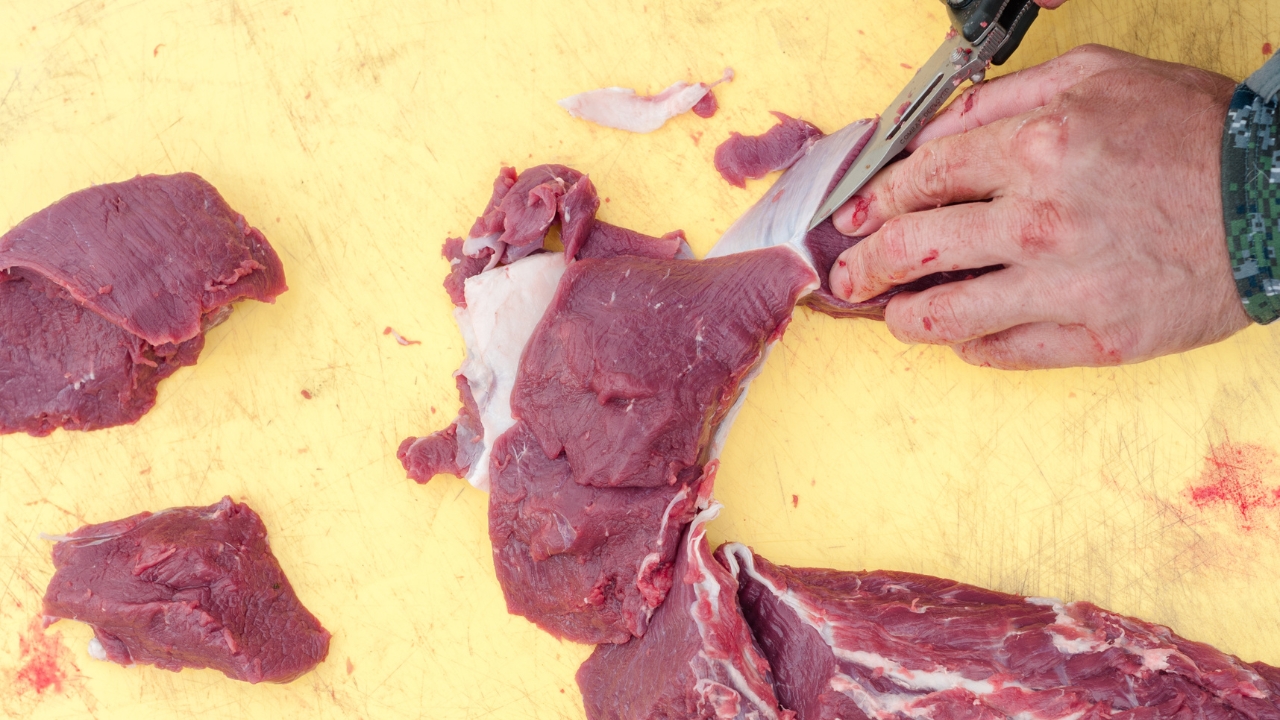
Direct sunlight will heat the meat back up, undoing your work. Find a shady spot with good airflow, whether that’s under a thick tree canopy or in the lee of a ridge. Hang quarters so air can circulate completely around them. In warm climates, move the meat periodically as the sun shifts. If shade is hard to find, use a tarp to block the sun, but keep it high enough that air still flows freely underneath.
Keep It Dry While Cooling

Moisture on the meat invites bacteria and can cause the surface to sour. After the initial cooling period, make sure quarters aren’t resting in blood or water. If you’re using creek water to help drop the temperature, do it briefly and dry the meat afterward. Good airflow helps form a protective crust that shields the meat until you can get it to a cooler or butcher. Wet, stagnant conditions are a fast track to spoilage.
Transport It Smart

Getting the meat home in good shape means keeping it cool the entire way. In hot weather, use a cooler with ice or frozen water jugs, but don’t let the meat sit directly in meltwater. Keep quarters elevated inside the cooler so they stay cold without soaking. On long trips, check the temperature often and drain excess water. If it’s a short haul, a breathable game bag in a shaded truck bed may be all you need.
*This article was developed with AI-powered tools and has been carefully reviewed by our editors.