
Photo credit: Fabien Monteil/Shutterstock.com
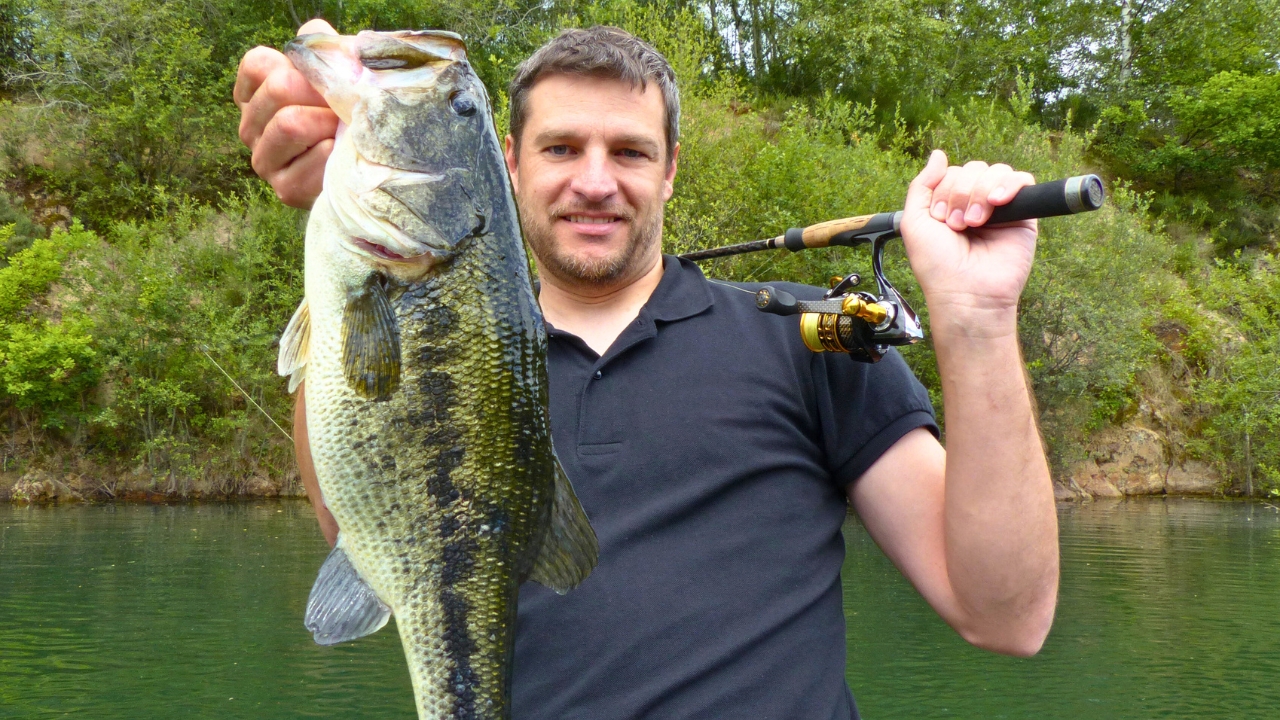
When the weather starts cooling and the days get shorter, bass don’t just disappear—they change their habits. Fall is a transition period where baitfish move, water temps drop, and bass start thinking about bulking up for winter. The fish you find this time of year can be big and aggressive, but they won’t always be where they were in summer. Understanding the shifts in location, feeding behavior, and lure choice is what keeps you on the bite. If you want to keep catching trophies through the fall, these patterns still get it done.
Follow the Shad Migration

In the fall, shad and other baitfish start moving into creeks and coves. Bass follow that food source, often pushing schools into shallow pockets.
Target the backs of creeks, especially where bait is visible on the surface or on your electronics. Spinnerbaits, squarebills, and flukes work well for mimicking shad in these areas.
Target Shallow Flats Near Deep Water
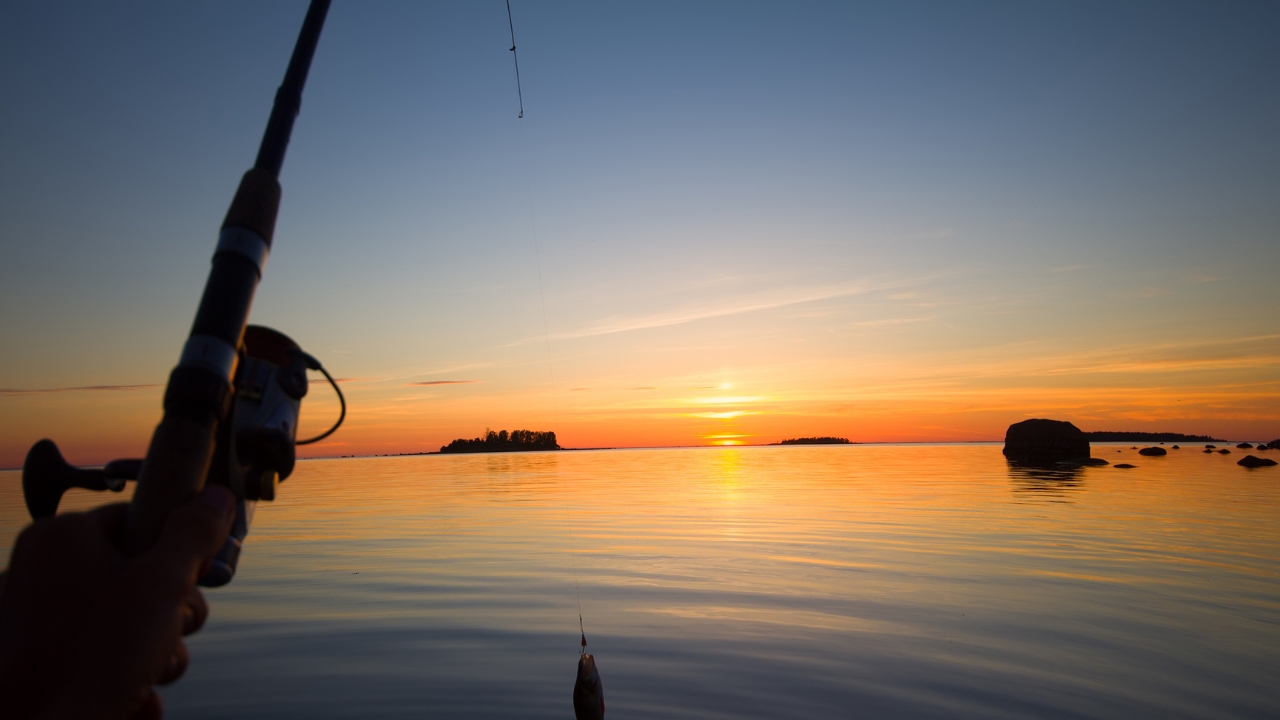
Bass like to feed on shallow flats during fall but keep deep water close for quick access. This lets them move in to feed and slide out when conditions change.
Look for points, humps, or large shallow areas next to creek channels. Work the shallows with topwater or moving baits, then probe the edges with jigs or soft plastics.
Use Topwater on Calm Mornings
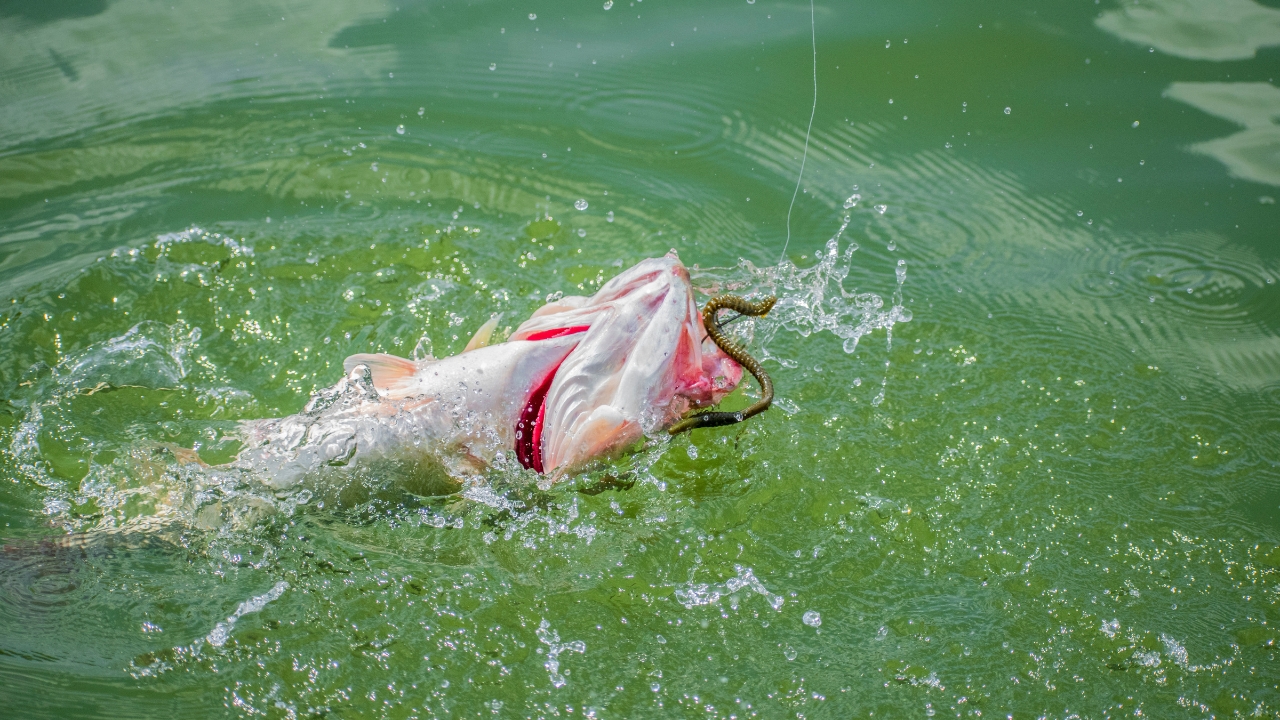
Cooler fall mornings are prime time for topwater blowups, especially when bait is near the surface. Bass are aggressive and willing to travel for a meal.
Walk-the-dog style baits, buzzbaits, and poppers can draw big strikes. Focus on points, shallow flats, and areas with visible bait activity before the sun gets high.
Work Riprap and Hard Structure
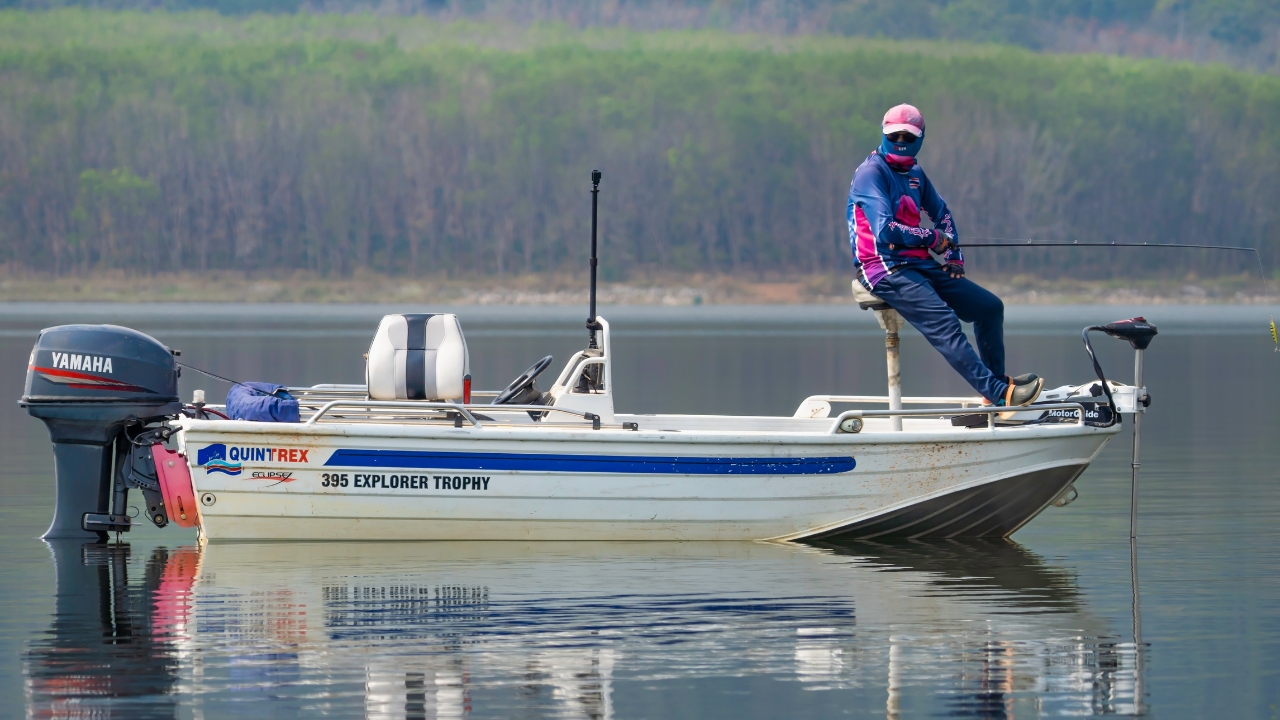
As water temperatures drop, hard surfaces like riprap, seawalls, and bridge pilings hold heat and attract both baitfish and bass.
Crankbaits, chatterbaits, and jigs can pull fish tight to these spots. Make repeated casts at different angles to cover the structure thoroughly.
Fish Wind-Blown Banks
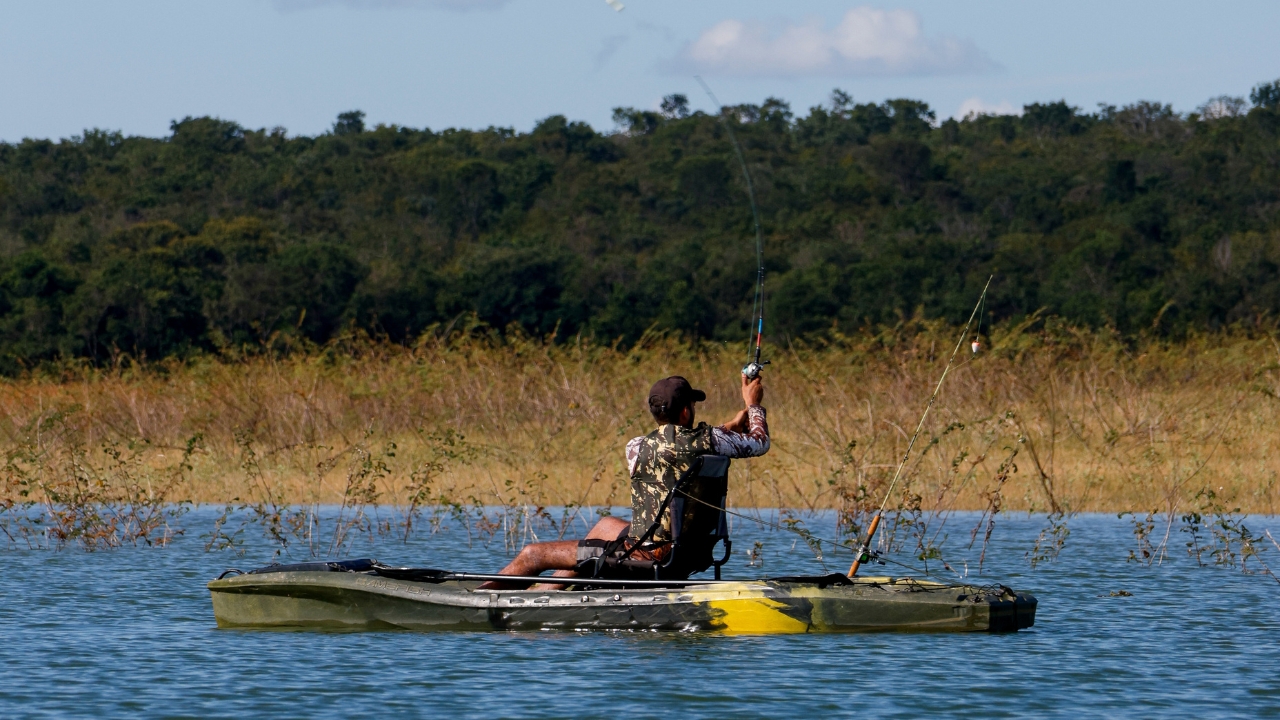
Wind pushes baitfish into certain areas and creates natural ambush points for bass. While it might be less comfortable for you, it’s often where the bigger fish are feeding.
Target windward points and banks with spinnerbaits, swimbaits, or crankbaits. The chop helps mask your presence and makes bass less wary.
Don’t Ignore Grass Edges
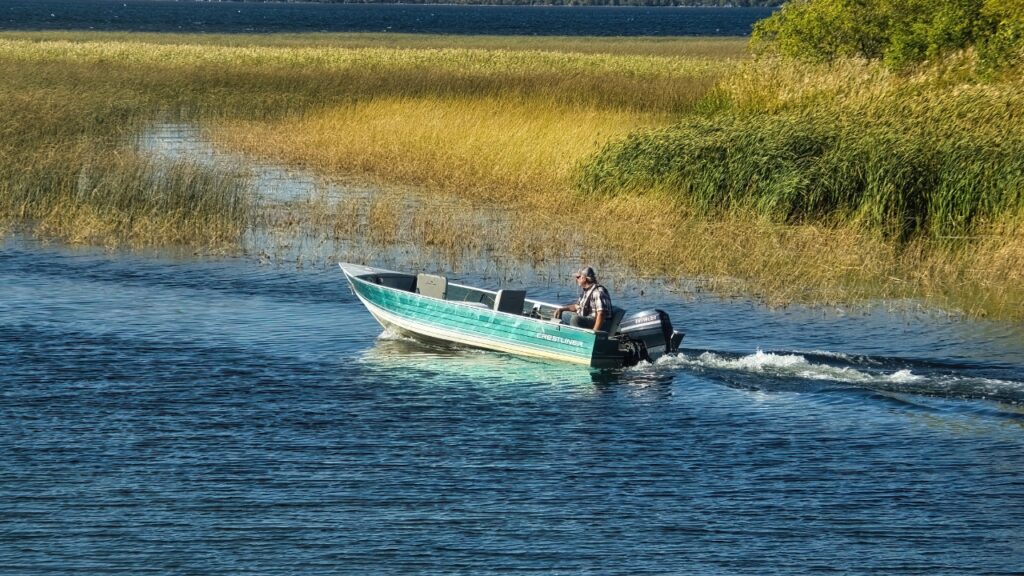
Even late in the year, submerged vegetation can hold bait and active bass. Grass lines near deeper water are especially productive.
Work the edges with swim jigs, chatterbaits, or Texas rigs. In clearer water, try a fluke or swimbait for a more natural presentation.
Adjust to Dropping Water Temps
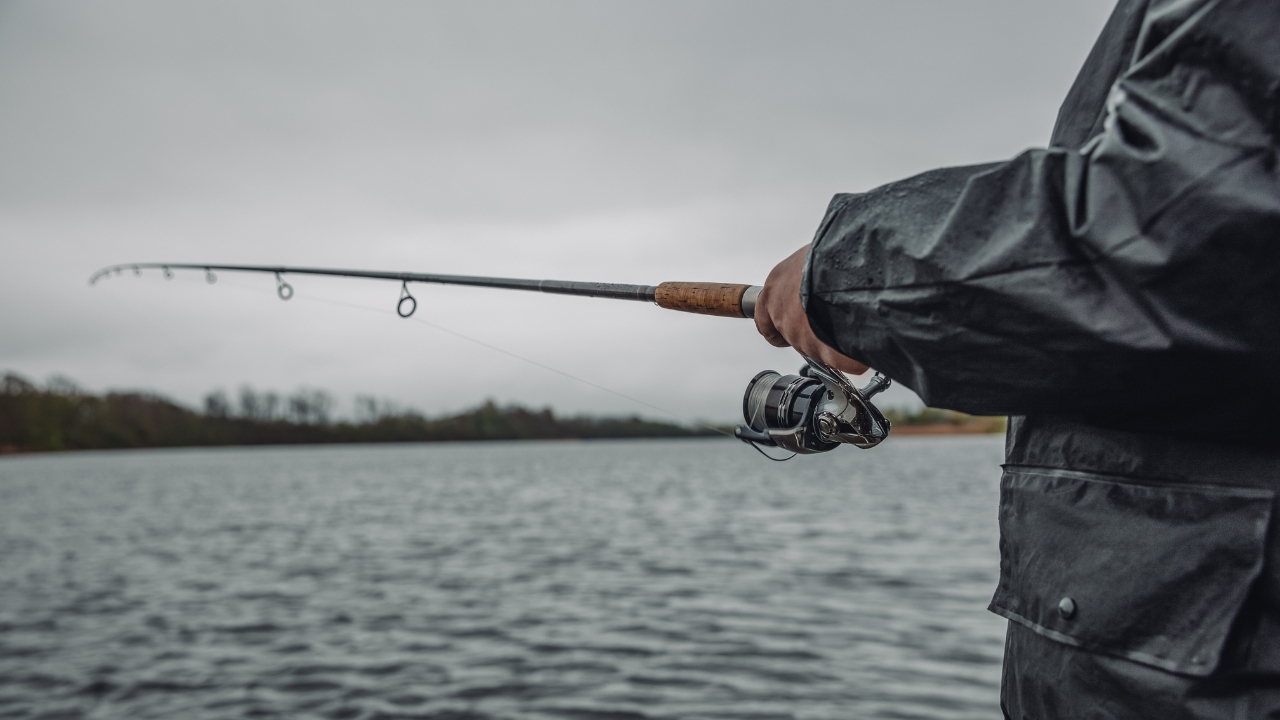
As fall progresses and temps keep falling, bass will slow down and stage deeper. This is when you’ll need to switch from fast-moving baits to slower, more methodical presentations.
Jigs, shaky heads, and Carolina rigs work well in these conditions. Focus on deeper structure, channel swings, and offshore points where fish will winter.Tools
*This article was developed with AI-powered tools and has been carefully reviewed by our editors.


