Photo credit: Robert Ranson/Shutterstock.com
Shallow cover can hold some of the most aggressive bass you’ll find all season, but it can also be the easiest place to lose them. Between spooking fish, bad casting angles, and using the wrong gear, there are plenty of ways to blow a shallow-water opportunity without even realizing it. The key is understanding how bass behave in tight spaces and how your presentation either sells the bite or kills it. If you’ve been fishing visible cover and coming up short, here’s what’s probably costing you those fish.
You’re Approaching Too Close or Too Loud
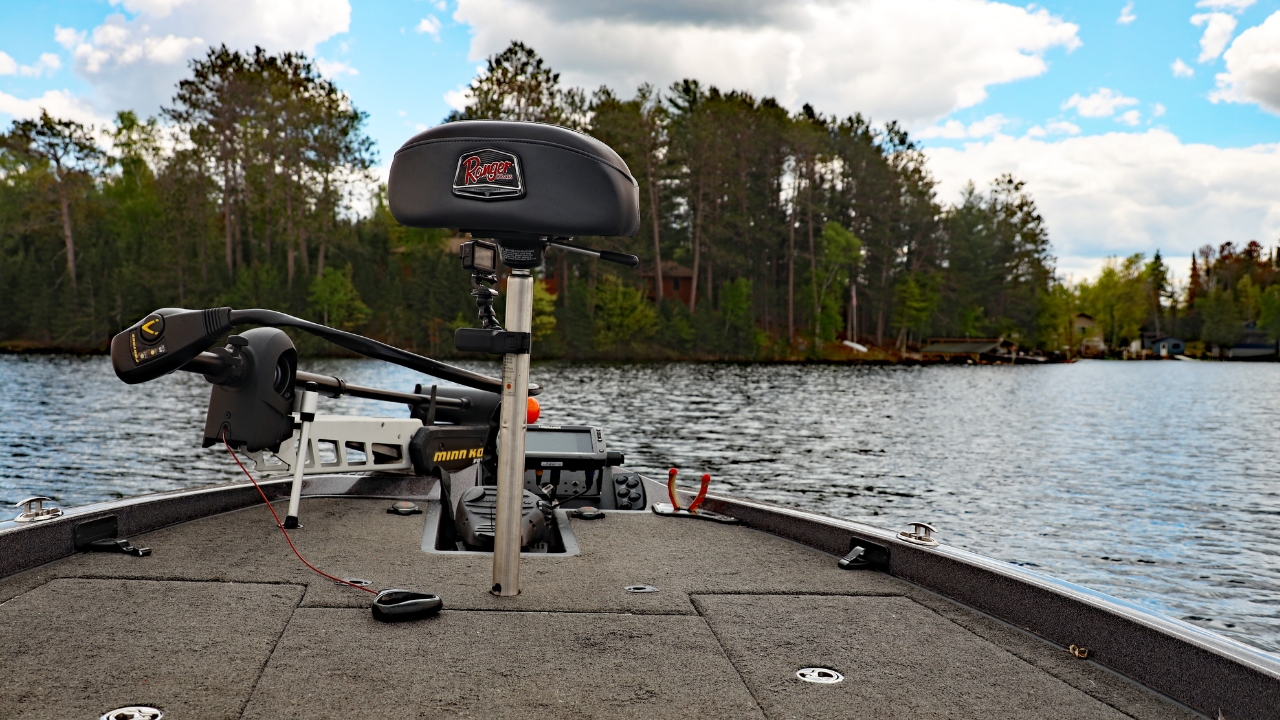
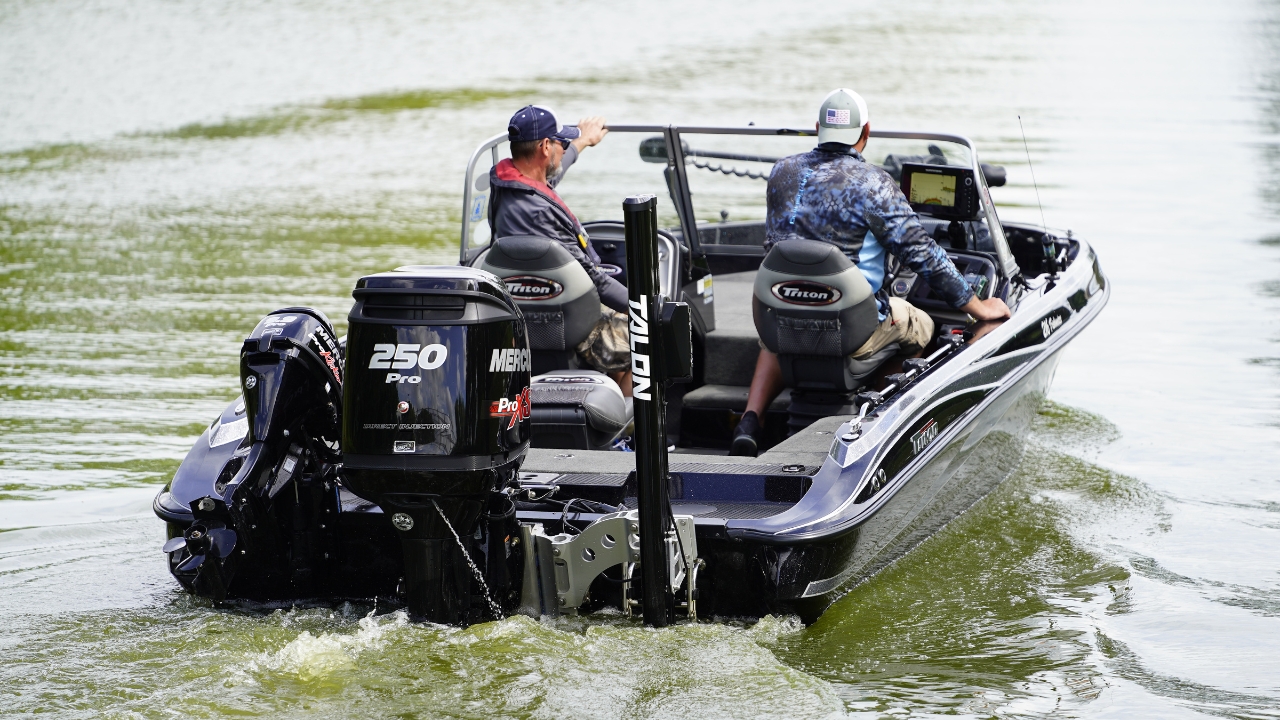
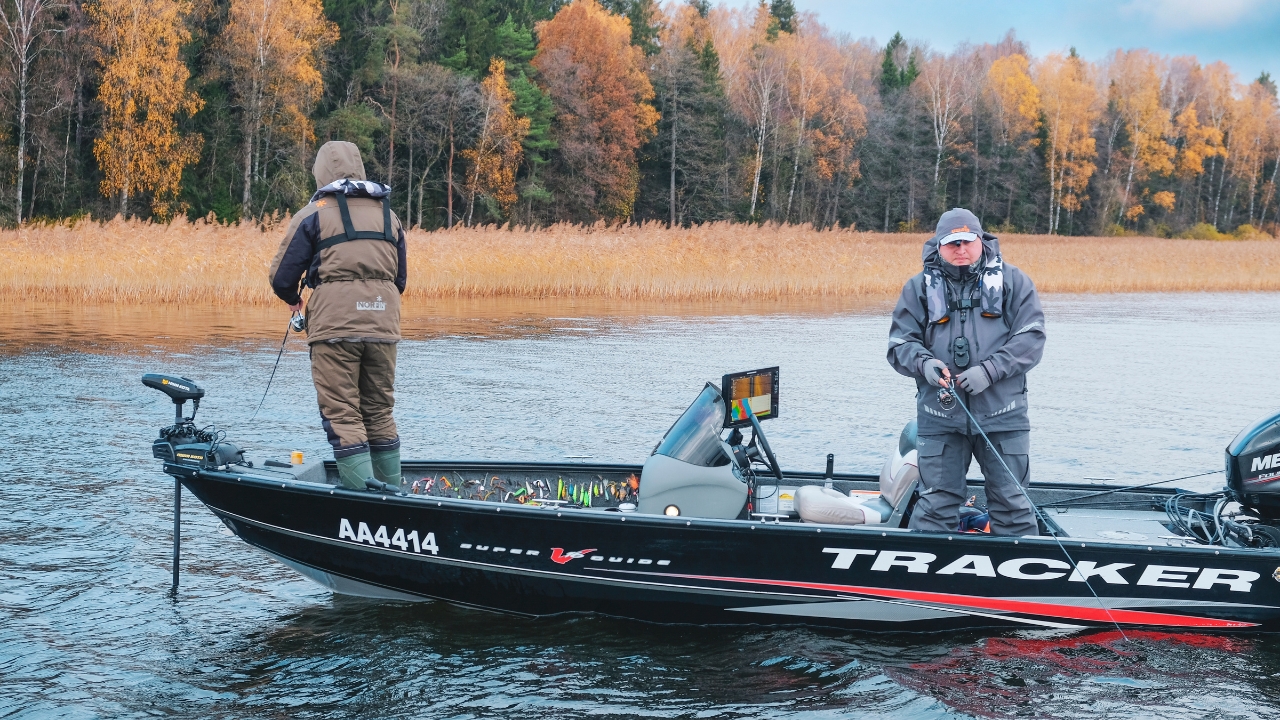
Bass in shallow water are far more aware of boat noise and movement. If you’re running the trolling motor on high or letting waves slap your hull, they’ll slide deeper into cover or leave entirely.
Back off and make longer casts. Use the wind to your advantage to drift into position quietly. Even small adjustments in approach can turn a dead stretch into a productive one.
Your Casting Angles Are Wrong
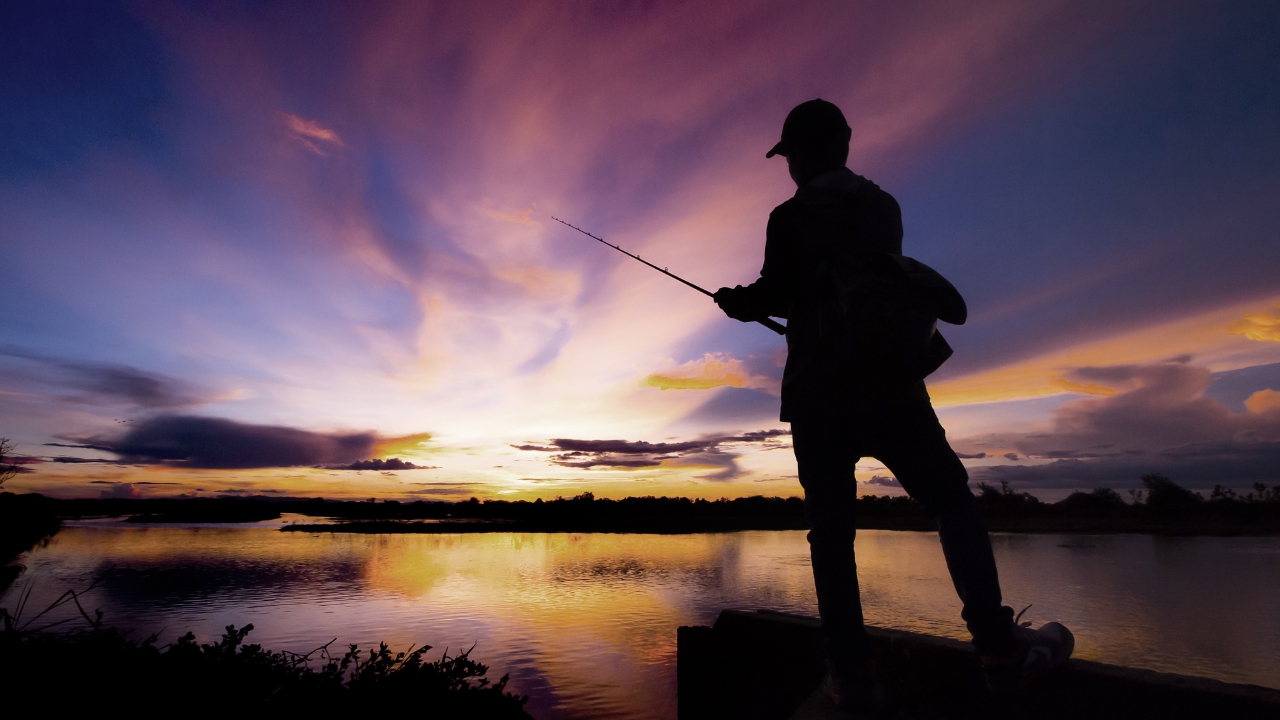
Coming straight at a piece of cover often puts your bait in an unnatural position. Bass expect prey to move with current, wind, or along structure lines—not straight toward them.
Position yourself so you can bring the bait alongside or past the cover at a natural angle. This gives the fish a better view of your lure and keeps them from spotting you first.
You’re Using the Wrong Line for the Job
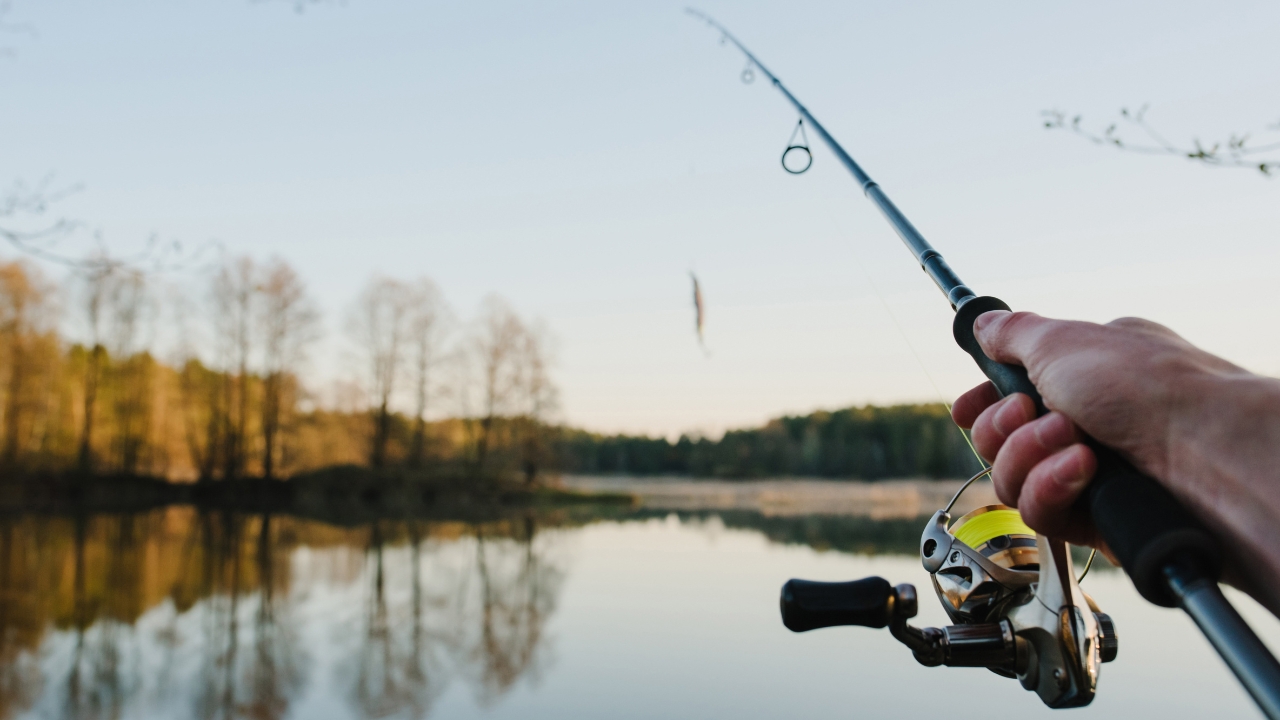
Too light a line and you risk losing fish in heavy cover. Too heavy, and you kill the action of your bait or spook fish in clear water.
Match your line to both the cover and the presentation. For thick vegetation or wood, braid gives you the power to pull fish out. For lighter cover or spooky fish, fluorocarbon offers stealth with strength.
You’re Not Hitting the Strike Zone Long Enough
In shallow cover, bass often strike in the first few feet of a lure’s entry. If your bait’s only in the prime spot for a second or two, you’re missing opportunities.
Slow down your retrieve and work the bait through the cover instead of past it. The more time you spend in the strike zone, the higher your chances of getting bit.
Your Hooksets Are Too Slow or Too Hard
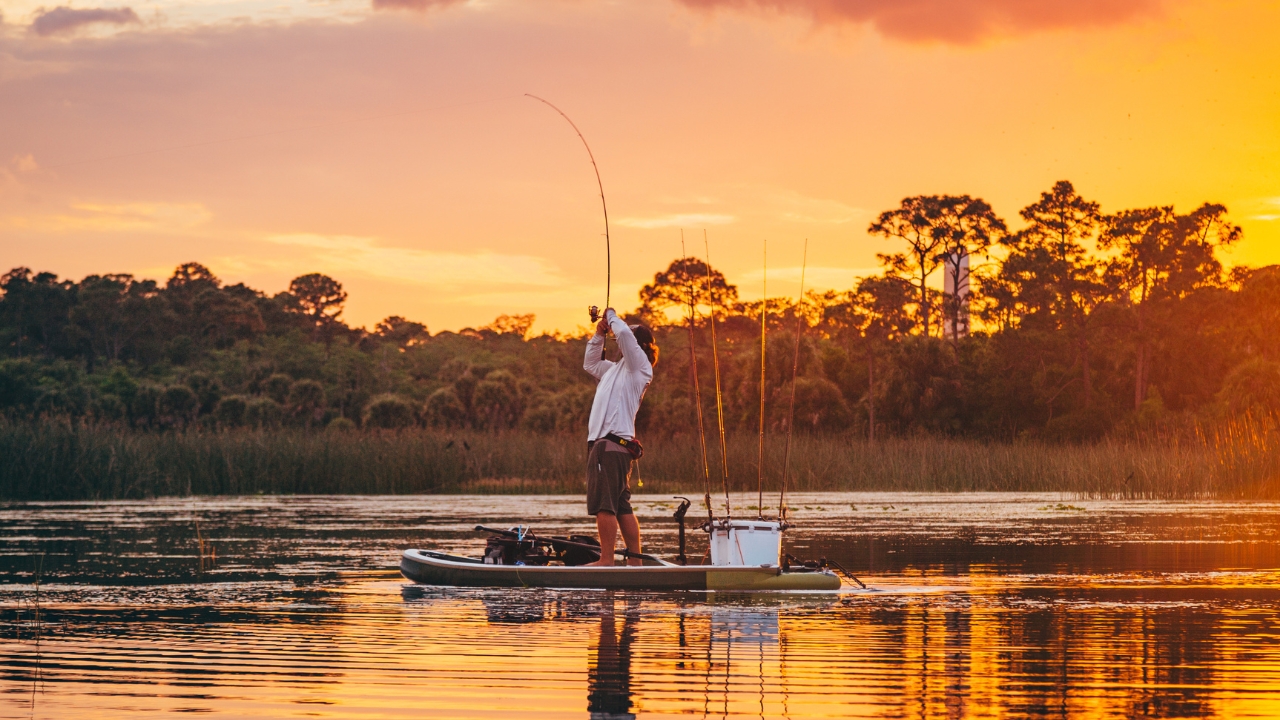
In tight cover, bass often hit and try to bury themselves deeper. If you wait too long, they’ll wrap you up. If you swing too hard, you can rip the hook free.
Use a firm, controlled hookset and immediately turn the fish’s head away from cover. Keep steady pressure and don’t give them a chance to dig in.
You’re Not Adjusting for Water Clarity
Water clarity in the shallows can change quickly with wind or boat traffic. If you’re not adjusting your lure color, profile, and presentation, you’re making it harder for bass to commit.
In stained water, go for louder colors or more vibration. In clear water, stick to natural patterns and subtle movement. Matching the conditions can keep fish from hesitating.
You’re Fishing the Wrong Times of Day
Bass in shallow cover are more active during low-light periods—early morning, late evening, or when there’s cloud cover. Midday sun can push them tighter into cover or make them less aggressive.
If you have to fish during bright conditions, focus on the thickest shade and heaviest cover you can find. That’s where the bass will be holed up, waiting for something worth ambushing.Tools
*This article was developed with AI-powered tools and has been carefully reviewed by our editors.