Photo credit: DeStefano/Shutterstock.com
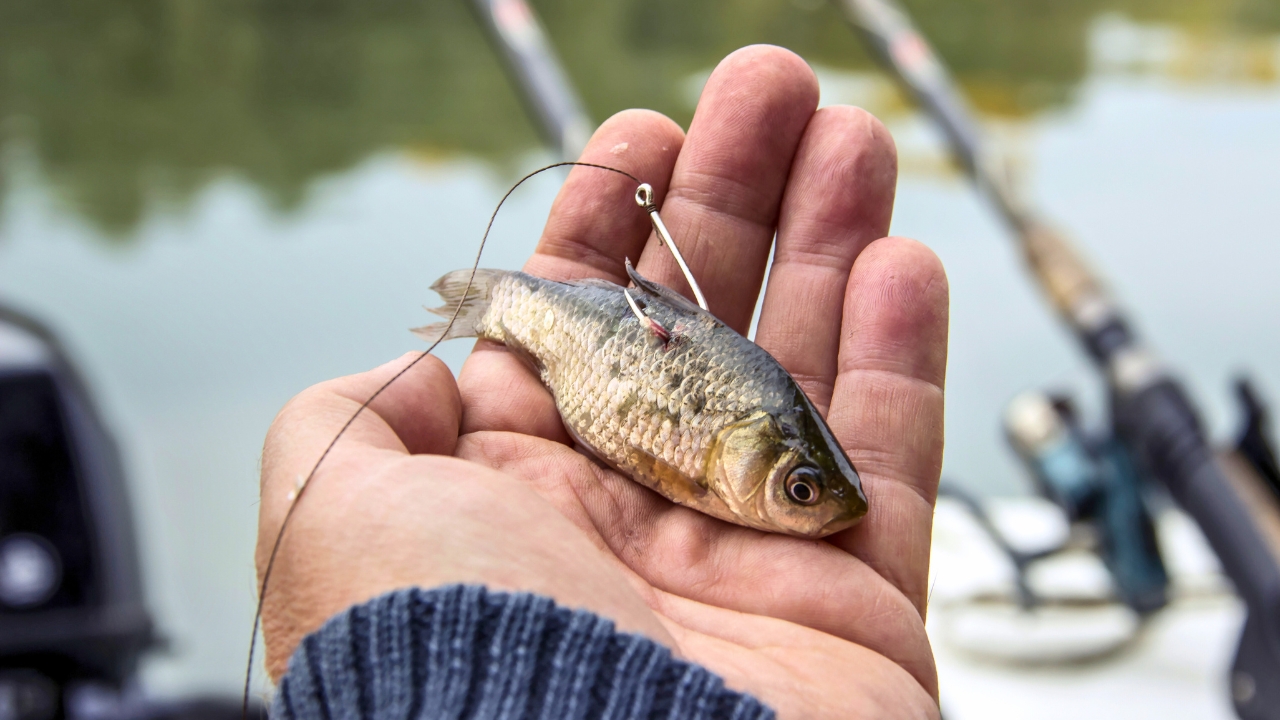
Artificial lures are fun, flashy, and often easier to manage—but sometimes they just don’t cut it. If you’ve ever worked a shoreline for hours with a fancy rig and then watched someone with a minnow pull out a trophy, you already know the deal. Live bait has a way of working when nothing else does.
Whether it’s the scent, the movement, or just the natural appeal, certain conditions still favor the real thing. Here are seven reasons why live bait keeps earning its place in your tackle box.
Fish Know the Real Thing

Fish are instinct-driven, and live bait hits every sense. It smells right, moves like prey, and looks like a meal. No matter how realistic a lure is, it can’t quite match the subtle, random twitch of a live worm or baitfish.
In heavily pressured water, fish can get wise to fake stuff. That’s where live bait slips under the radar. It’s familiar, and that alone can turn a slow day into a solid one.
Cold Water Conditions

When the water gets cold, fish get sluggish—and so does their willingness to chase something flashy. Live bait can just sit there and do its thing, tempting bites even when fish aren’t feeling aggressive.
A struggling minnow or slowly wiggling nightcrawler gives cold-water species like walleye and crappie something to grab without burning energy. Sometimes, less action is the key, and live bait delivers it naturally.
Fussy Species Respond Better

Some fish, like catfish or carp, are notoriously picky—or just too lazy to chase a lure. But drop a juicy piece of cut bait or a wriggling nightcrawler in front of them, and it’s a whole different story.
When you’re after species that rely more on smell or taste than sight, artificial baits just don’t offer enough. That’s where live bait fills in the gap and gets bites that lures miss.
Natural Scents Matter

You can soak soft plastics in scent all day, but they’ll never match the real aroma of live bait. A live shiner or chunk of chicken liver creates a scent trail that fish can lock onto from a distance.
This becomes especially important in murky or low-visibility water where fish aren’t relying on sight. That scent trail gives you a serious edge—and keeps fish interested longer.
Tough Bite Days

Every angler’s had one of those days—bluebird skies, no wind, and fish that won’t commit to anything. On days like that, live bait can be your last, best bet.
It hangs around in the strike zone longer, looks more natural, and doesn’t demand that fish be in a chasing mood. Sometimes, it’s the only way to get even a nibble.
It’s Easier for Kids and Newcomers

For folks just getting into fishing, live bait can be a game changer. You don’t need perfect casting or twitching technique—just toss it out and wait. And more often than not, something will bite.
It builds confidence, keeps things fun, and helps new anglers stick with it. A worm and bobber setup may be simple, but it works—and that’s what matters when you’re just starting out.
Certain Waters Favor It

Some lakes, rivers, or ponds just lean toward live bait success. Maybe it’s local pressure, maybe it’s forage patterns, or maybe the fish are just conditioned to eat what’s naturally in the water.
If you’ve got a spot like that, don’t fight it. Lean into what works. In those waters, live bait isn’t just an option—it’s the smart play.
*This article was developed with AI-powered tools and has been carefully reviewed by our editors.