
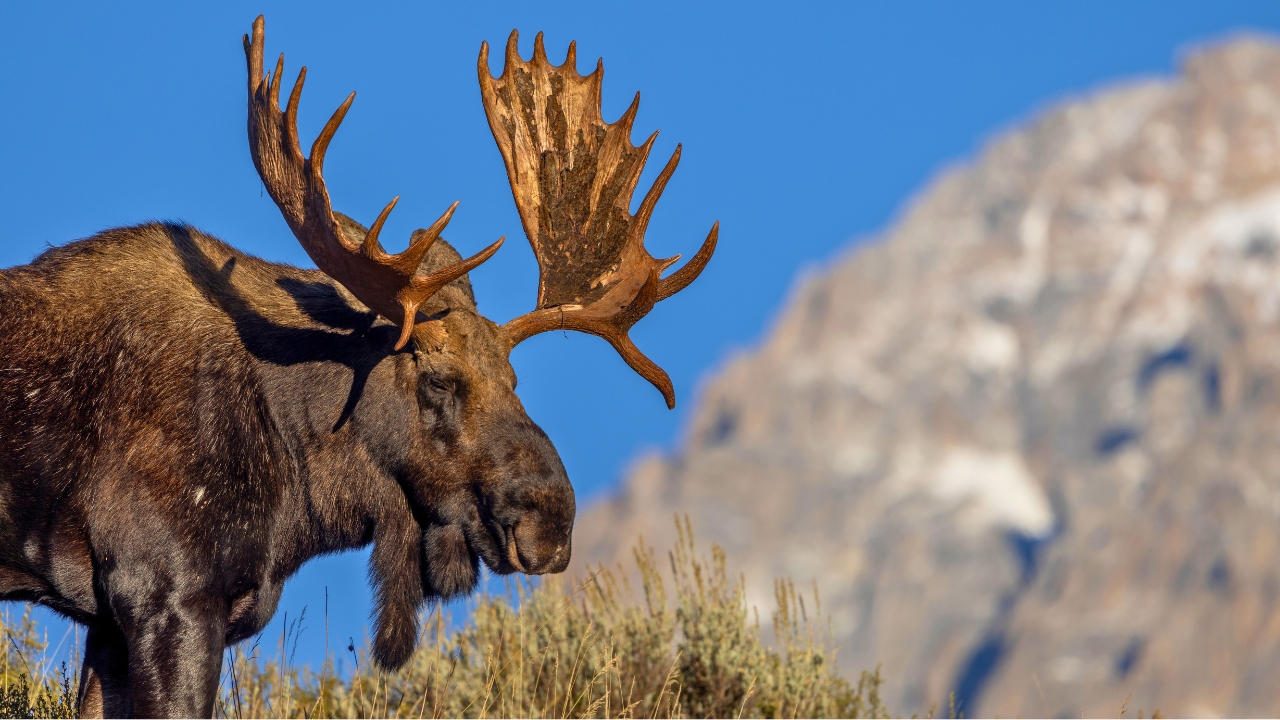
Photo credit: Tom Tietz/Shutterstock.com
When you’re chasing big game, choosing the right caliber isn’t just a small detail — it’s the difference between a clean kill and a long, ugly track job. Some calibers just don’t have the punch, penetration, or reliability you need when the stakes are high. If you’re planning a serious hunt, these are the ones you’ll want to leave at home.
.223 Remington

The .223 Remington has a loyal following for small game and varmints, but it’s a bad pick for big game. It just doesn’t have the energy to consistently bring down heavy animals, even with perfect shot placement.
Sure, it’s accurate and easy to shoot, but big-bodied animals need deep penetration and a lot more stopping power. You’re setting yourself up for frustration — and a wounded animal — if you try to stretch this round too far.
.22-250 Remington
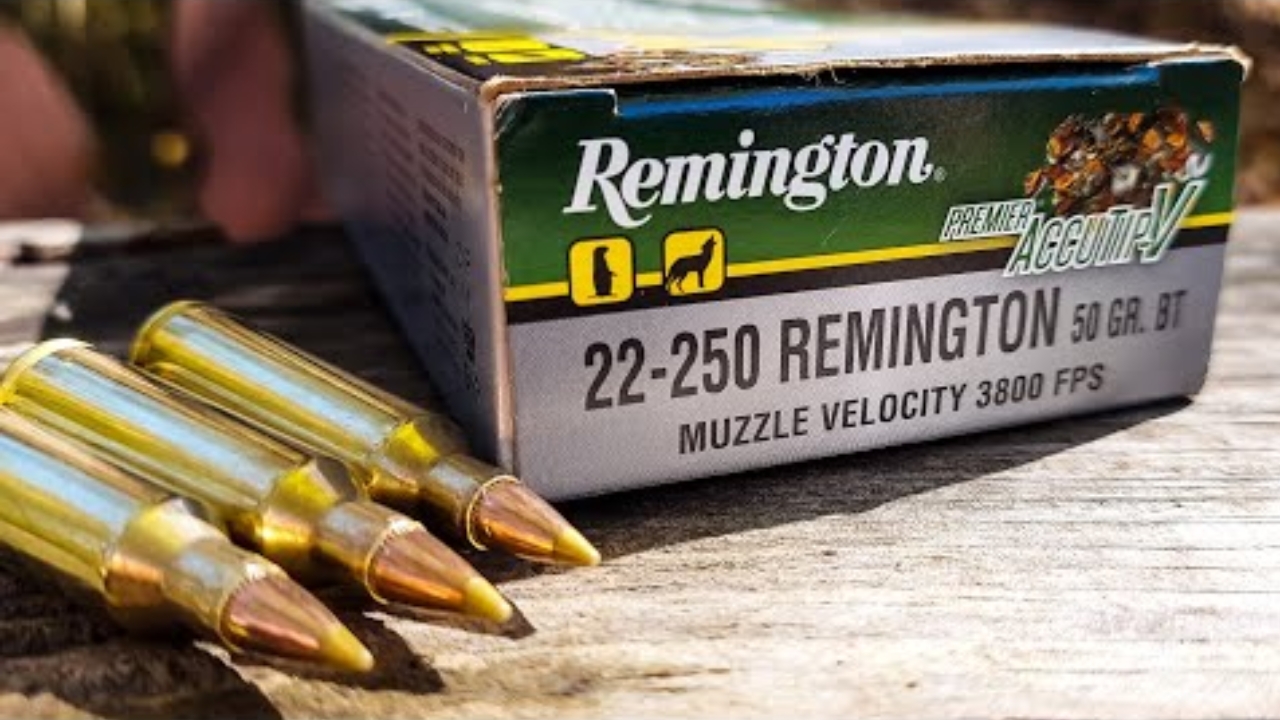
The .22-250 is a laser beam when it comes to coyotes and groundhogs, but it runs out of steam fast when you aim it at something bigger. It’s a fast-moving, lightweight bullet that simply doesn’t hit with enough authority.
Even with premium bullets, it struggles to get enough penetration for a clean, ethical kill on bigger animals like deer or wild boar. Save it for varmint control and pick something heavier for the big stuff.
.243 Winchester (on really big game)

The .243 Winchester can be a solid deer rifle, but when you’re talking moose, elk, or anything heavier, it starts to show its limits. Light bullets and moderate energy don’t mix well with thick bone and muscle.
Hunters have pulled it off with perfect shots, but it’s a risky game. There are better, more reliable options that won’t leave you wondering if you’ve done enough when it counts.
.30 Carbine
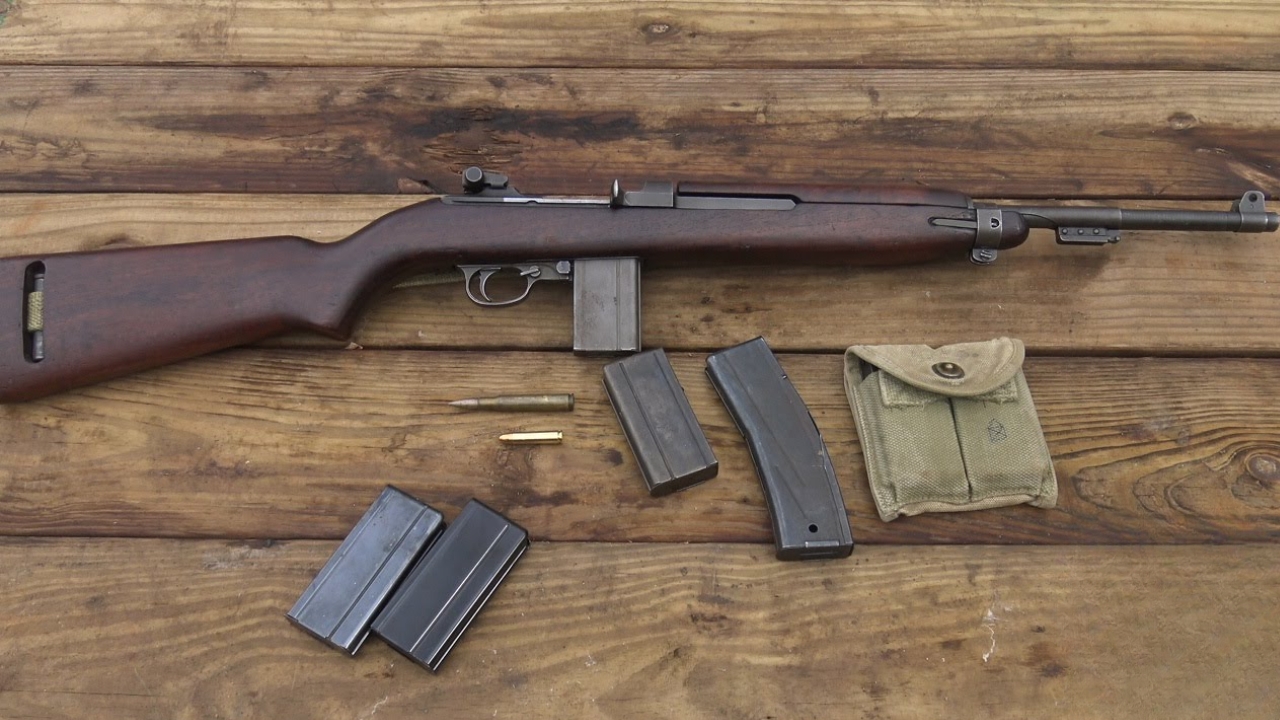
The .30 Carbine round is a classic, but let’s be honest — it’s more at home on the range than in the backcountry. Originally made for a lightweight rifle, it just doesn’t pack the kind of wallop needed for tough, heavy game animals.
Even at close range, it lacks the penetration and energy you’d want for an ethical shot. It’s fun to shoot, but not the tool for big game hunters who want quick, clean kills.
7.62x39mm

The 7.62x39mm is a workhorse round in the right setting, but it falls short when it comes to big game hunting. It’s designed for reliability and moderate range, not long-range precision or maximum energy transfer.
Plenty of folks have taken deer with it, but once you step up to larger animals like elk or moose, it struggles. If you’re serious about putting big game down efficiently, you need a cartridge built for the job.
5.56 NATO

Much like the .223 Remington, the 5.56 NATO isn’t built for taking down heavy animals. It’s fine for defense or varmint hunting, but big game hunting demands deeper penetration and more energy.
Even the heavier 5.56 loads can’t reliably bust through thick hide and heavy bones. You’ll be better off stepping up to a true big game caliber instead of hoping you can make it work with a round designed for other jobs.
.17 HMR

The .17 HMR is a tiny, zippy round that’s a blast for small varmints and target shooting. But it’s absolutely the wrong choice for anything bigger than a rabbit. It’s just too light and fast to get the kind of penetration you need on big game.
Using a .17 HMR on large animals isn’t just ineffective — it’s irresponsible. You owe it to the animal and yourself to pick something designed to do the job right the first time.
*This article was developed with AI-powered tools and has been carefully reviewed by our editors.


