Image Credit: Guns Genius/YouTube.
Picking the right caliber for whitetail deer is a bigger deal than some folks realize. You want something that’s going to put the deer down cleanly, not leave you tracking it through the woods for hours. There are a few calibers that just don’t cut it when it comes to ethical, reliable deer hunting. Let’s break down a few you’ll want to leave at home.
.22 Long Rifle

Sure, the .22 LR is cheap and easy to shoot, but it’s just not built for deer. Even with perfect shot placement, there’s a good chance the deer will run off and suffer. That’s not the kind of hunting anyone wants to be part of.
The .22 LR simply doesn’t have the energy needed to reliably punch through a whitetail’s vitals. It’s better saved for small game and target practice where it really shines without causing unnecessary suffering.
.17 HMR
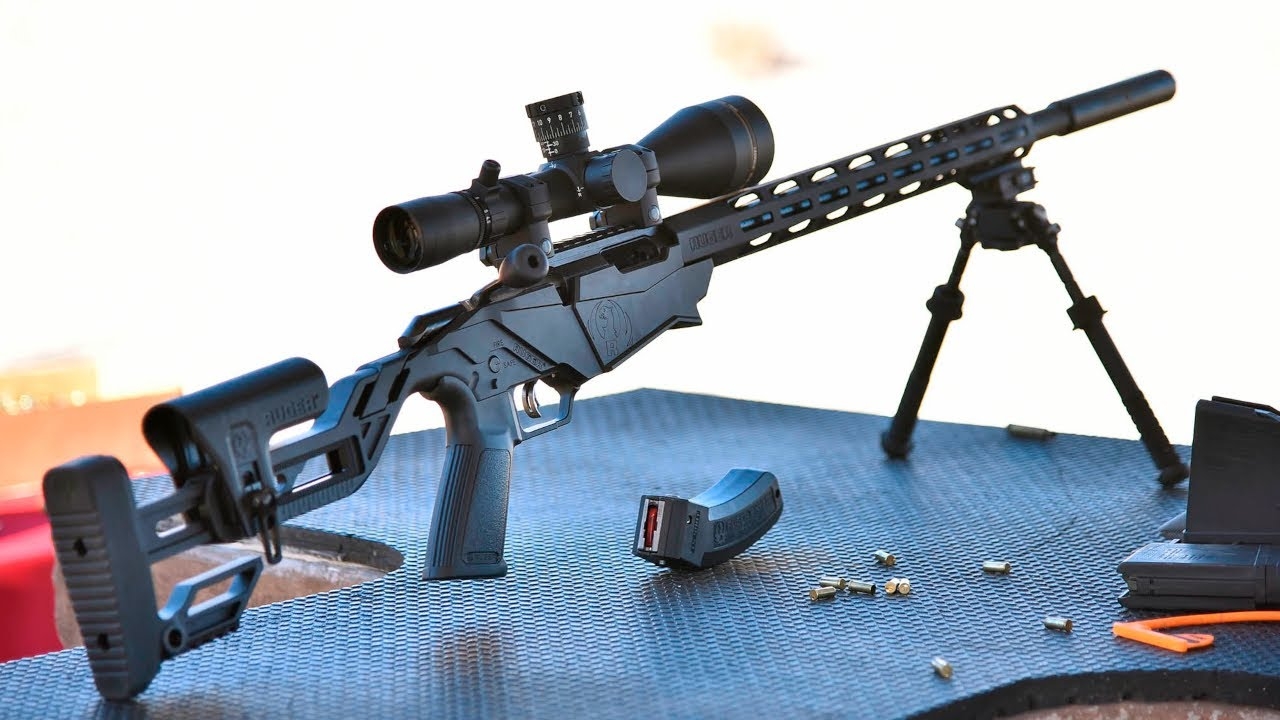
The .17 HMR is a fun little round for popping varmints, but it’s way too light for deer. It’s fast, sure, but it doesn’t carry the mass needed to penetrate deep enough on a larger animal like a whitetail.
Even at close range, you’re taking a big risk of wounding instead of cleanly killing. Keep the .17 HMR for squirrels, groundhogs, and coyotes — not for anything with hooves.
.204 Ruger
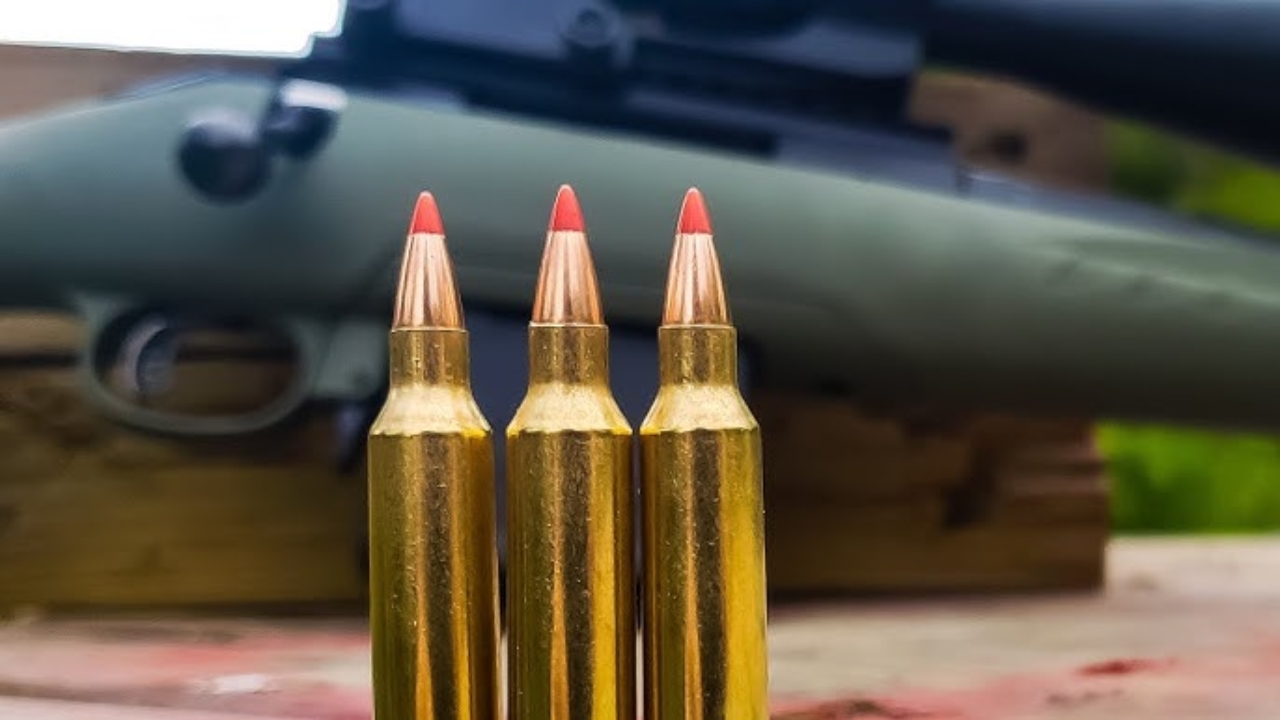
The .204 Ruger is another small, speedy round that some folks are tempted to push further than they should. It’s great for varmints, but deer? Not so much. There’s just not enough bullet weight behind it.
Hunting whitetail means needing a round that hits hard and holds together. The .204 doesn’t give you that kind of performance, especially when you’re trying to hit something vital through bone or muscle.
.30 Carbine

At first glance, the .30 Carbine sounds like it might work — it’s a .30 caliber, after all. But it was designed for short-range military use, not ethical hunting. It lacks the power and penetration needed for clean deer kills.
Unless you’re at extremely close range (which most deer hunters aren’t), the .30 Carbine risks leaving you with a wounded animal and a bad day in the woods. It’s just not built for the job.
.223 Remington (in some cases)

This one’s a little tricky. Some states allow it, and with the right bullets and perfect shot placement, it can kill a deer. But for a lot of hunters, especially new ones, the margin for error is too thin.
The .223 just doesn’t have a lot of room for mistakes. Light bullets and marginal hits often mean long tracking jobs or lost deer. If you’re going to use .223, you better know exactly what you’re doing — or better yet, pick something bigger.
.410 Bore Slug

The .410 shotgun can technically throw a slug at a deer, but it’s really scraping the bottom of the barrel when it comes to firepower. The small size and light weight of the slug limit both penetration and expansion.
If you’re hunting whitetail, there are way better shotgun options like a 12 gauge or even a 20 gauge. The .410 is a better fit for small game or introducing kids to hunting safely.
9mm Luger

If you’ve got a 9mm carbine or pistol, it might feel tempting to use it for deer hunting — but don’t. Even the hottest 9mm loads lack the velocity and energy you need for a clean, quick kill on something as tough as a whitetail.
A whitetail isn’t a paper target. It takes real muscle to bring one down, and the 9mm just doesn’t have enough punch once you factor in range, penetration, and expansion.
5.7x28mm

The 5.7x28mm is a fast, tiny round that’s great for personal defense in specific situations, but it’s absolutely the wrong choice for deer. It’s basically a souped-up .22, and that’s not what you want to rely on in the woods.
Even out of a rifle-length barrel, the 5.7 struggles to deliver the kind of stopping power that whitetail hunting demands. Save it for other uses — your deer hunts deserve something more serious.
*This article was developed with AI-powered tools and has been carefully reviewed by our editors.