Photo credit: NRApubs/YouTube
When you’ve hunted long enough, you’ve probably seen more oddball calibers show up in deer camp than anyone really needs. Some were interesting experiments, some tried filling roles nobody asked for, and some faded because hunters figured out quickly that better options already existed. Modern deer hunting doesn’t require exotic chamberings or cartridges built around niche ideas from decades past. You need reliability, accuracy, and performance at the ranges deer are actually taken. Yet every now and then, someone drags a caliber into camp that leaves everyone shaking their heads. These are the calibers that simply don’t belong in modern deer hunts—not because they can’t kill a deer, but because they bring more hassle, limitations, and downsides than any hunter needs today.
.22 Hornet

The .22 Hornet once had a place as a lightweight varmint and small-game cartridge, but it brings more drawbacks than benefits for deer. It can kill a deer under perfect conditions, but the margin for error is extremely thin. The small bullet limits penetration, especially at angles, and the energy drops quickly beyond short range. Hunters who try to stretch it even a little often see inconsistent performance that leaves too much room for wounded game.
In modern deer camps, you have countless better options that deliver reliable expansion and deeper penetration without relying on perfect shot placement. The Hornet’s older bullet designs and modest velocity make it unnecessary today. When you’re hunting ethically and confidently, stepping up to a cartridge designed for deer-sized game makes far more sense than trying to force the Hornet into a job it was never meant to handle.
.25-20 Winchester
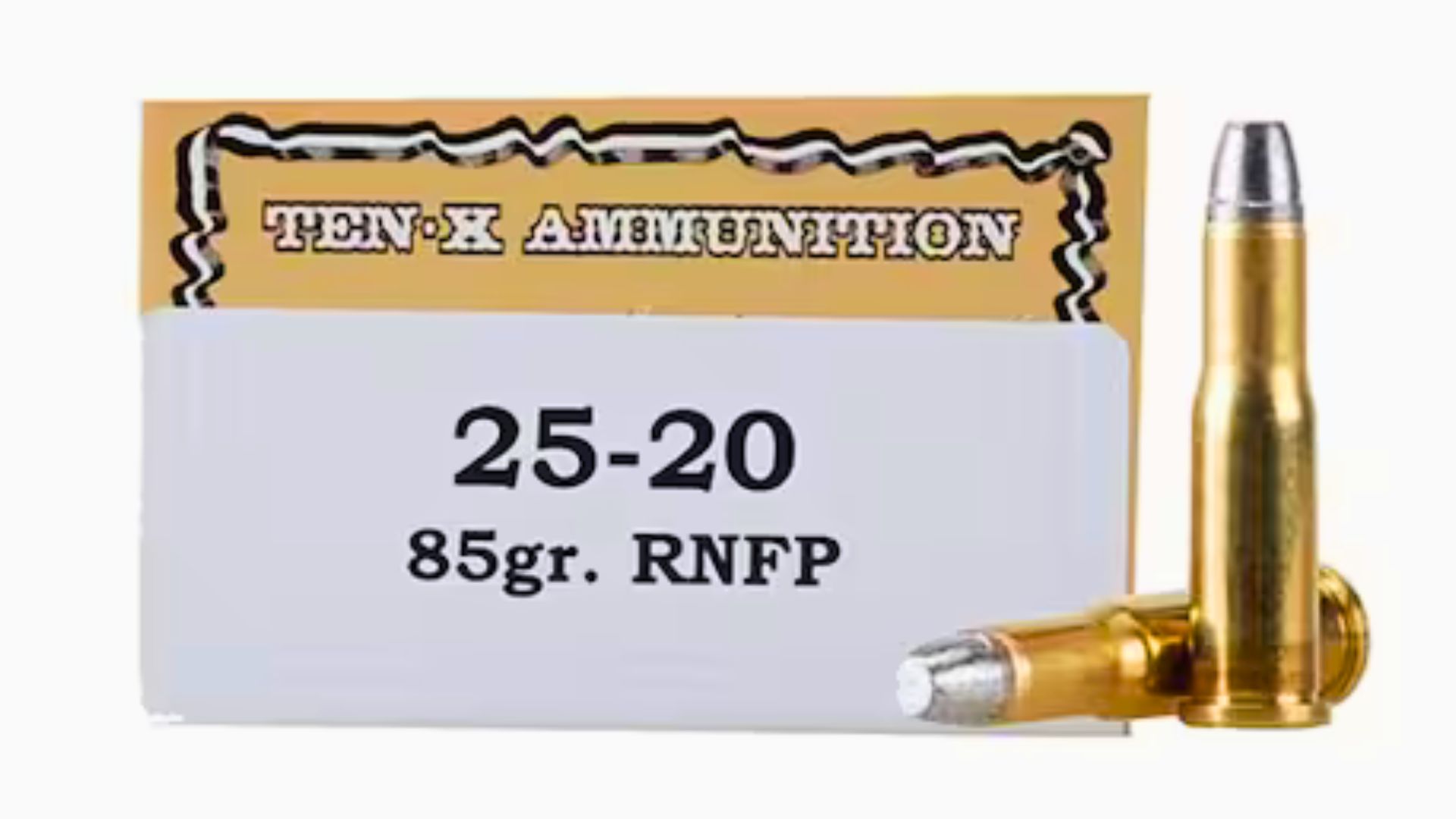
The .25-20 Winchester has taken deer in the past, but those were different times with fewer regulations and fewer cartridge options. With slow velocities and limited bullet construction, the .25-20 struggles to create reliable penetration on broadside shots, let alone quartering angles. It was designed for pests and varmints, not animals the size and toughness of a mature whitetail.
Modern expanding bullets outperform anything the .25-20 can deliver, but they still can’t overcome the cartridge’s inherent limitations. Hunters today have far better choices that offer humane performance, consistent recoil management, and dependable results across reasonable distances. Bringing a .25-20 to a modern deer camp doesn’t add anything except nostalgia and unnecessary risk.
.32-20 Winchester
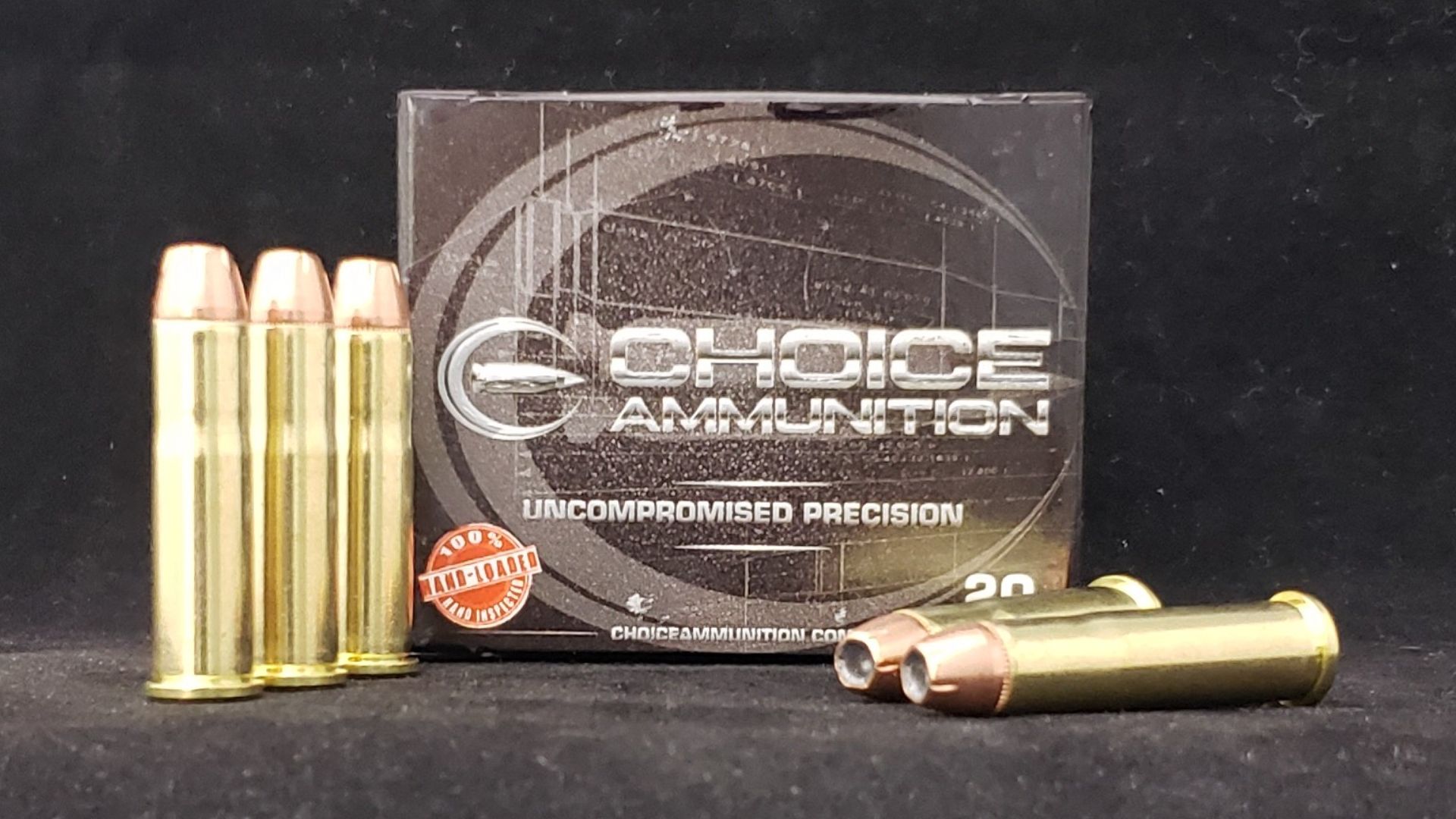
The .32-20 Winchester gained popularity over a century ago as a small-game and general-purpose farm cartridge. While it has killed deer at close range, the performance is simply not suited for ethical, modern hunting. Its slow-moving bullets lack the penetration and expansion needed to anchor a deer quickly, and even modern loads don’t close that gap enough to make it practical.
The cartridge shines for small game and certain historical firearms, but that’s where its strengths end. When you’re in a deer camp surrounded by rifles chambered in .243, .308, .270, and other proven choices, the .32-20 looks painfully outdated. There’s no reason to rely on a caliber that demands near-perfect conditions and offers so little room for error.
.30 Carbine
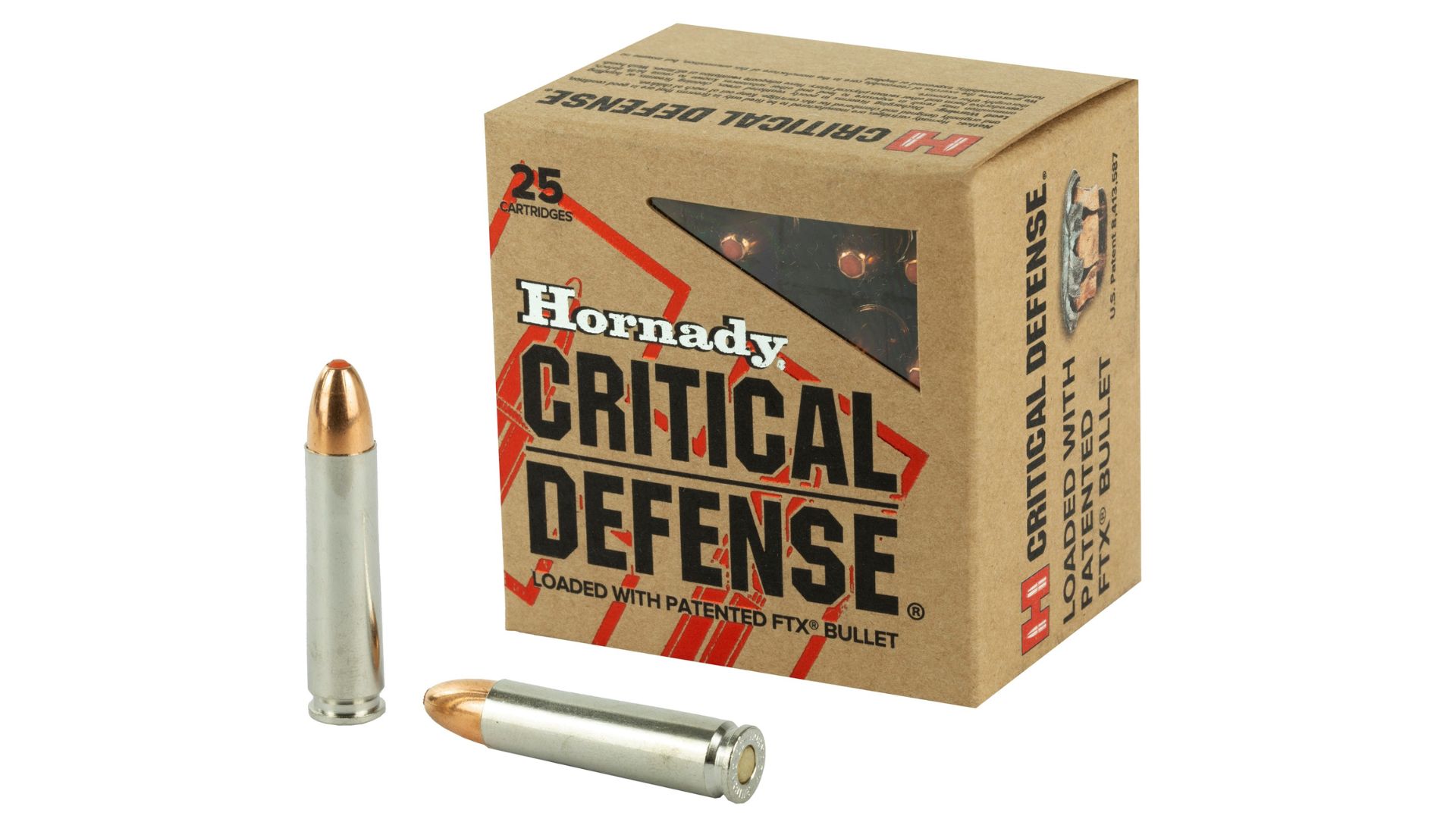
The .30 Carbine earned its place in military history, but that doesn’t make it a modern deer cartridge. Even with expanding bullets, the cartridge delivers marginal energy at typical hunting distances. Penetration suffers on angled shots, and the lightweight bullets can behave unpredictably when they encounter heavy bone. It will kill a deer at close range, but it doesn’t consistently produce quick, clean results.
Many folks bring an M1 Carbine to deer camp because it’s fun to shoot, not because it’s practical. With so many modern cartridges offering significantly better performance with similar or less recoil, the .30 Carbine ends up being an unnecessary compromise. It’s great for the range, but not a caliber that belongs in today’s deer hunts.
7.62×39mm (Full-Metal-Jacket Loads)
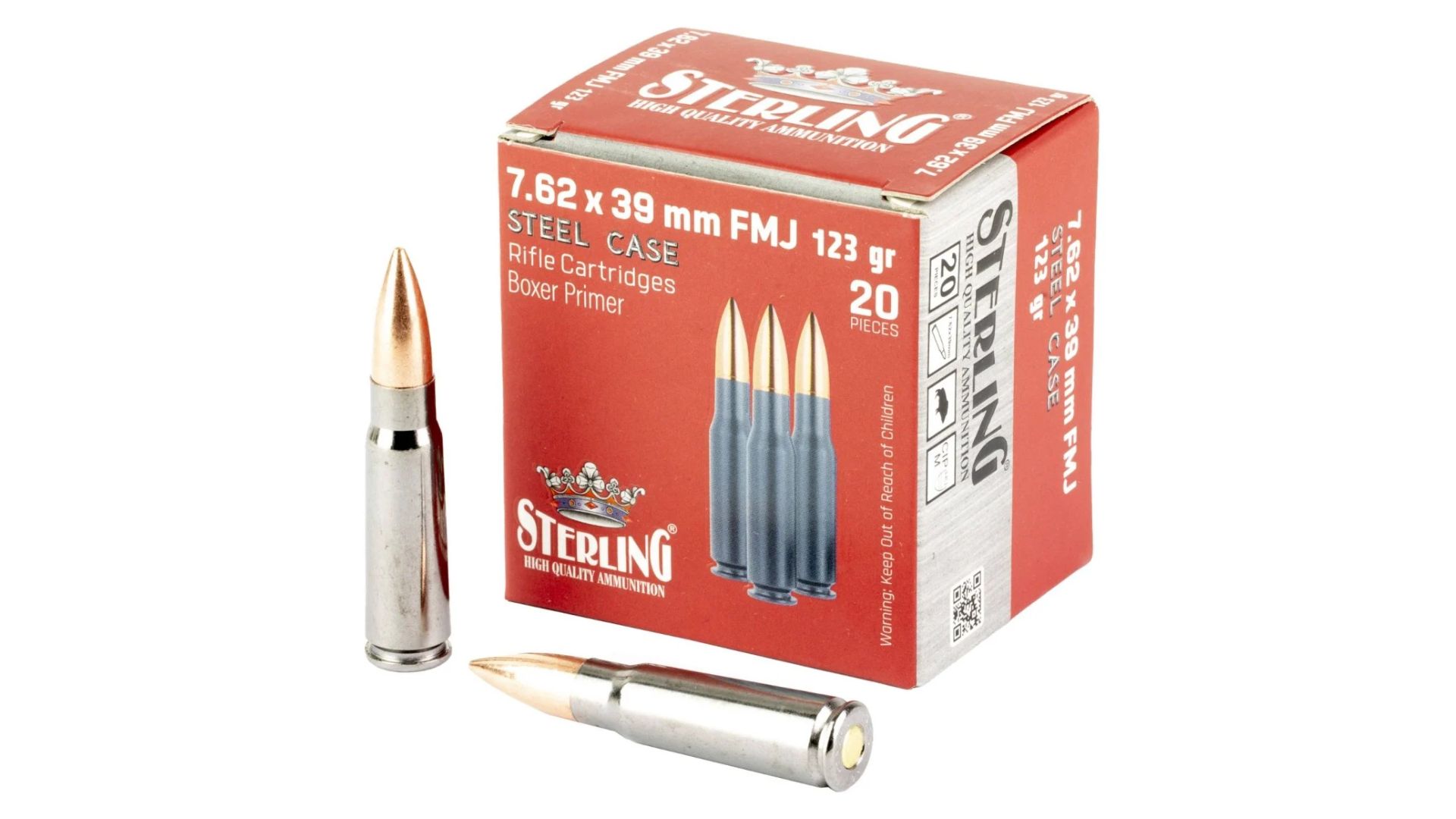
The 7.62×39mm isn’t inherently a bad deer cartridge when paired with proper hunting ammo, but far too many hunters use it with full-metal-jacket rounds that weren’t designed for game. Those loads fail to expand, slip through tissue, and create narrow wound channels that make tracking difficult. In a deer camp that values clean kills, FMJ 7.62×39 simply shouldn’t be part of the conversation.
Quality soft points exist and perform well inside moderate distances. But when hunters show up with surplus ammunition or cheap FMJ loads, the results are inconsistent at best and cruel at worst. If someone isn’t committed to using proper ammo, this caliber has no place on a deer hunt.
.410 Shotshell (Traditional Slug Loads)
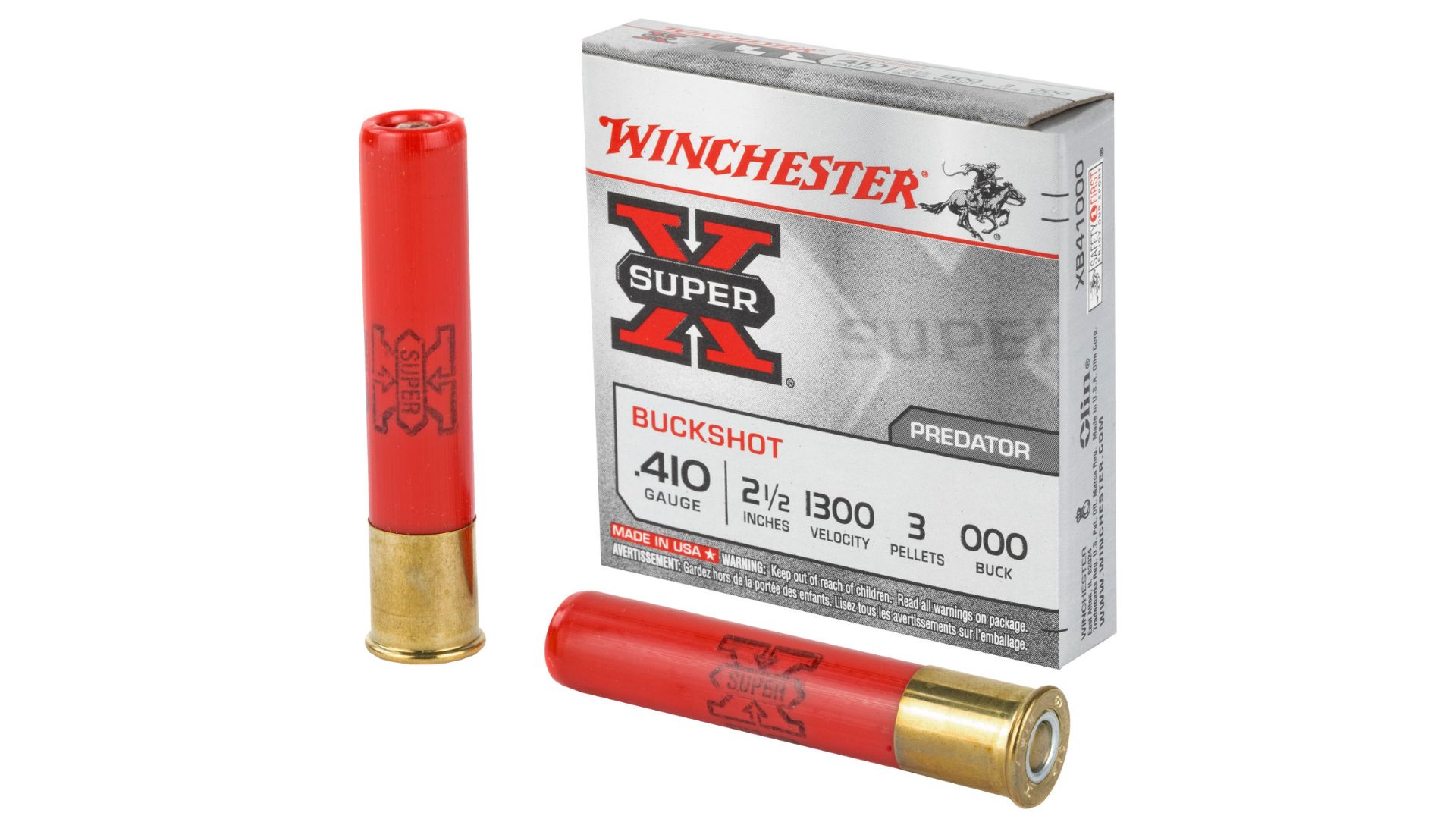
The .410 can work in specific slug gun configurations, but traditional slugs fired from smoothbore guns simply don’t offer the consistency needed for deer. Accuracy varies widely from gun to gun, and the lightweight slugs lack the energy and penetration that larger gauges provide. Many hunters have experienced poor performance or wounded animals when pushing the .410 beyond its very narrow limits.
In today’s deer camps, with widespread access to 20-gauge and modern straight-wall rifles, there’s no reason to rely on a .410 slug unless regulations require it. It’s an option that leaves almost no margin for error and demands perfectly placed shots under perfect conditions.
.44-40 Winchester (Light Cowboy Loads)

Full-power .44-40 loads were adequate for deer at short range, but many shooters today use reduced-power cowboy-action ammunition. Those loads produce too little velocity to expand well and rarely offer the penetration needed for deer-sized game. Hunters often show up with a vintage lever-action loaded with pleasant-shooting cowboy rounds that simply aren’t meant for hunting.
The cartridge’s history is interesting, but nostalgia doesn’t compensate for inconsistent terminal performance. If someone insists on hunting with a .44-40, they need proper hunting loads—but most shooters today don’t use them. That’s why the caliber has little place in a modern deer camp.
.22 LR
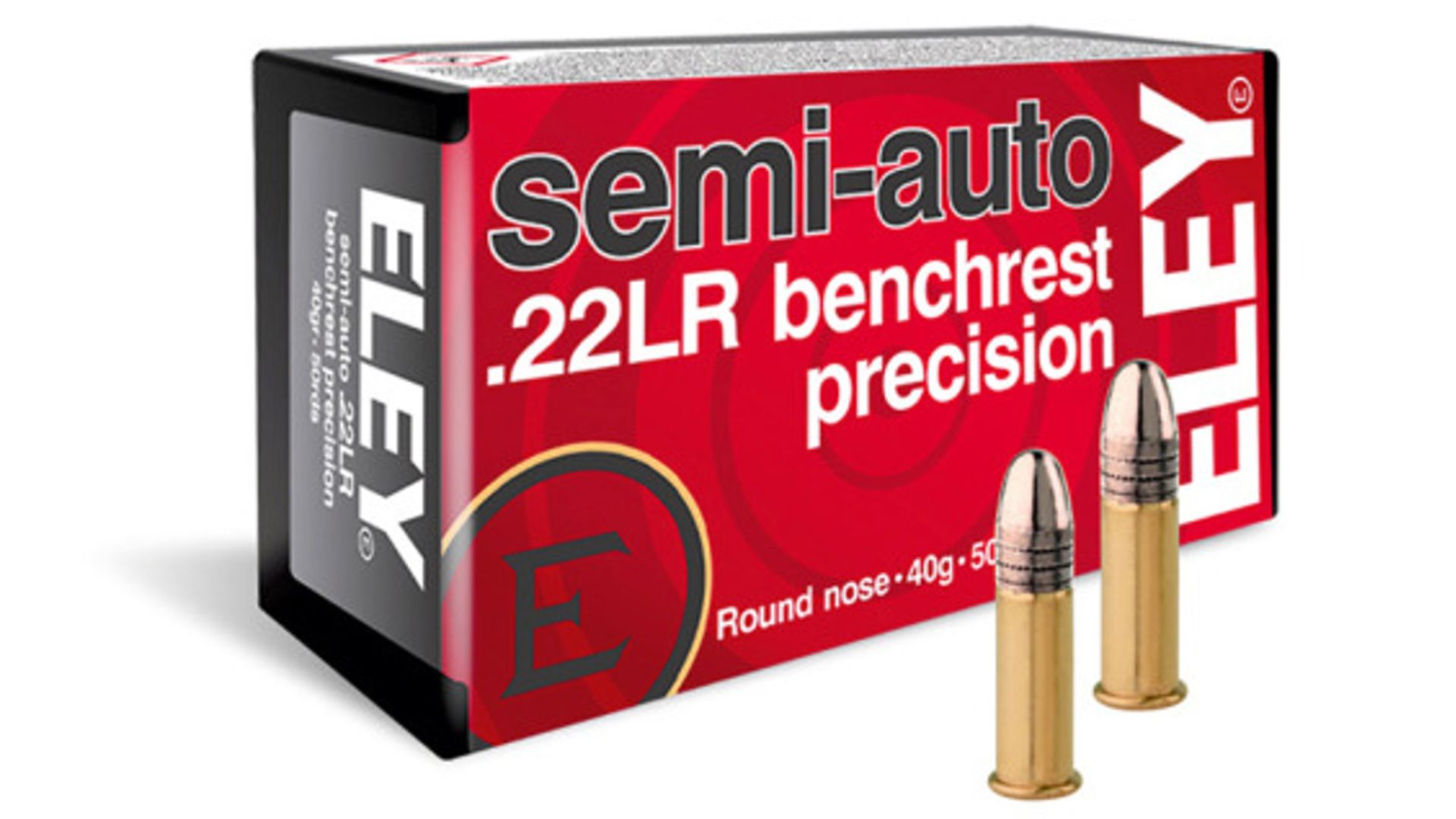
The .22 LR has likely taken more deer illegally or accidentally than anyone wants to admit, but that doesn’t make it suitable. Its energy is too low, its bullets too small, and its terminal performance too unreliable for ethical deer hunting. Even perfect headshots can go wrong, and body shots with .22 LR often result in extended suffering or lost animals.
Modern deer hunters have access to countless safe and ethical options. Using .22 LR for deer simply isn’t defensible anymore—not when .243, .30-30, and so many other mild-recoiling cartridges exist. A caliber with this little power should stay in squirrel woods and plinking sessions, not deer season.
.17 HMR

The .17 HMR is excellent for varmints and small predators, but it has no place in deer hunting. The lightweight bullets fragment rapidly, penetrate shallowly, and fail to deliver the kind of damage required to drop a deer quickly. Even if a broadside lung shot seems clean, the margin for error is nonexistent. Simply put, the cartridge wasn’t designed for deer-sized animals.
Using .17 HMR on deer introduces unnecessary risk and often leads to wounded game. Modern deer hunters have far better options with mild recoil that offer predictable terminal performance. The .17 HMR should stay in the role it was built for.
.357 SIG

The .357 SIG delivers impressive velocity from handguns, but in a rifle or carbine it’s no improvement for deer hunting. Its bullet design is tailored for defensive scenarios, not controlled expansion on medium-sized game. Penetration is inconsistent, and wound channels often fail to match what you’d expect from a proper deer cartridge. While it can kill a deer inside short range, it wasn’t designed to do so efficiently or reliably.
Compared to legitimate deer-capable pistol calibers like .44 Magnum or .357 Magnum from a long barrel, the .357 SIG falls short. It’s a useful cartridge, but not one that belongs in deer camp.
5.7×28mm
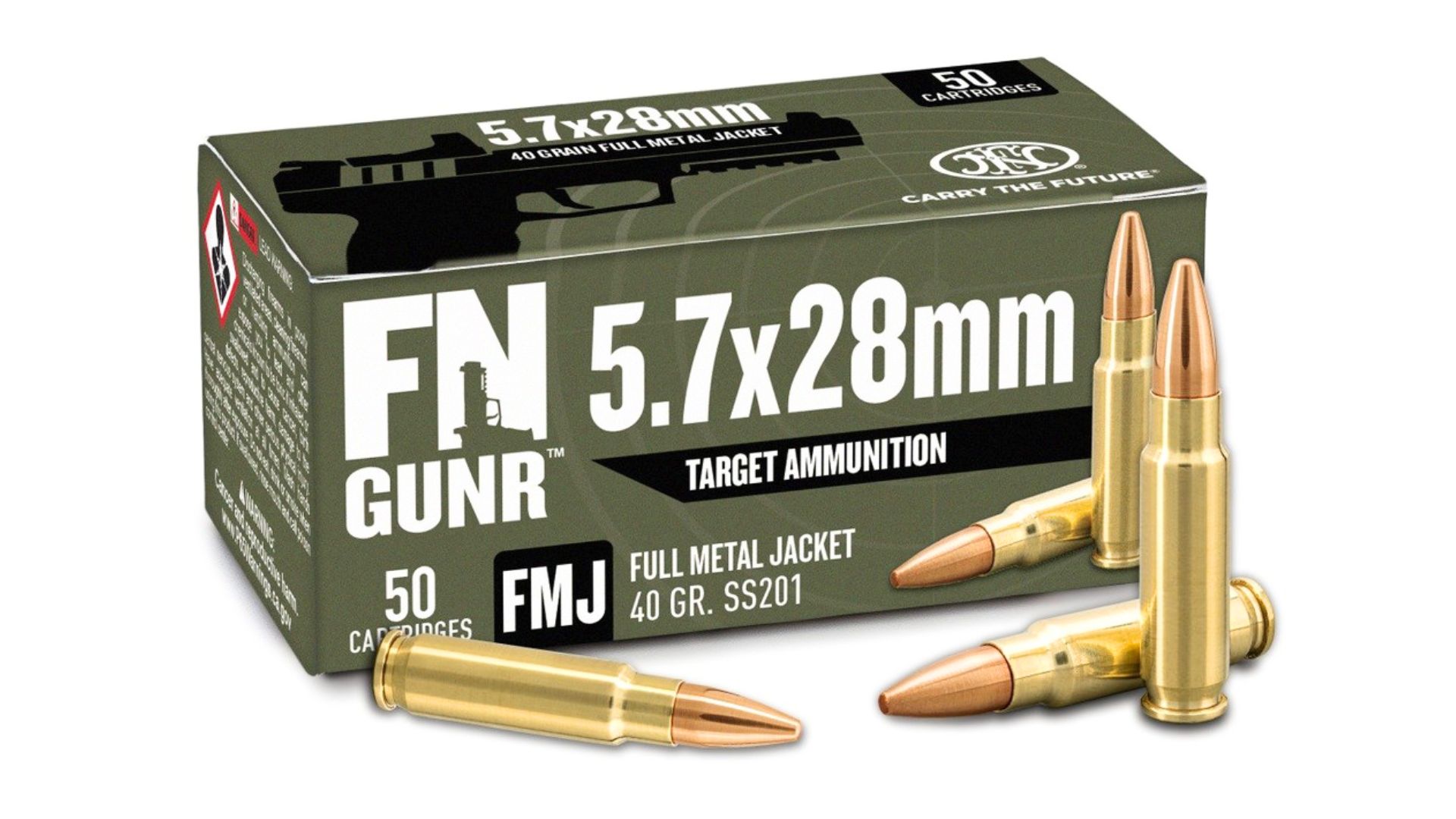
The 5.7×28mm cartridge fires lightweight, high-velocity bullets that perform well for their intended role, but deer hunting isn’t it. The small projectiles lack the weight and penetration to consistently anchor deer, especially on angled shots. Expansion can be unpredictable depending on the bullet type, and energy transfer is far below what experienced hunters prefer for ethical kills.
While rifles chambered in 5.7×28mm are fun to shoot, they create unnecessary limitations when used for deer. There are far better choices with similar recoil and far more reliable terminal performance.
.221 Fireball
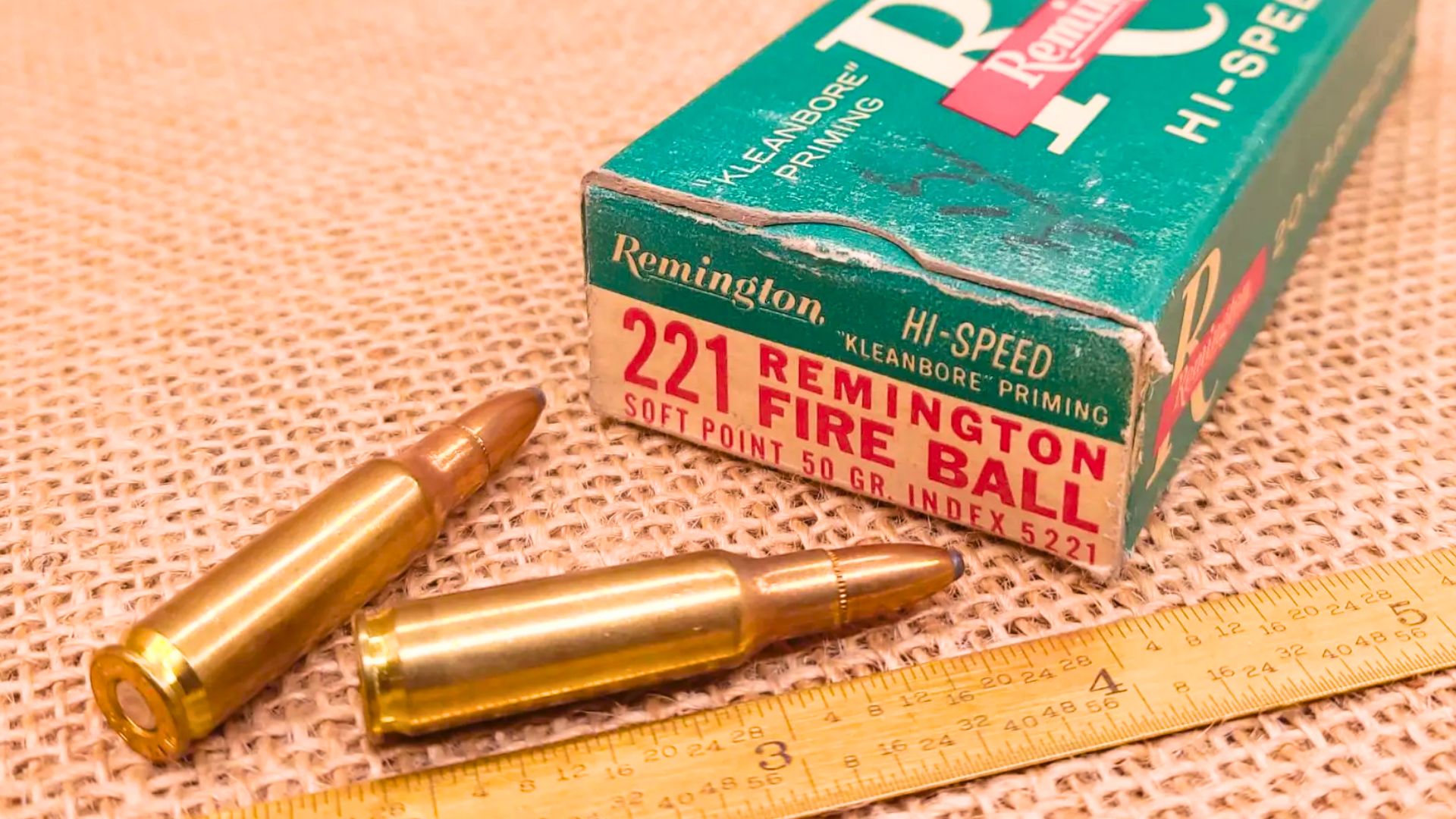
The .221 Fireball is a fascinating varmint cartridge known for accuracy and efficiency, but none of those qualities transfer well to deer hunting. Even with modern bullet designs, the cartridge simply doesn’t deliver enough energy or penetration to perform consistently on deer-sized game. Shots need to be close and perfect, and even then, results vary widely.
Varmint cartridges have their place, but the Fireball doesn’t fit the needs of modern deer hunters. It’s a caliber that works beautifully on foxes and small predators, not a tool for deer. Hunters who want light recoil have many better options today.
.30-40 Krag (Loaded With Mild Cast Loads)

The .30-40 Krag has taken countless deer with full-power loads, but many modern shooters load it with mild cast-bullet recipes that significantly reduce performance. Those loads often lack the velocity needed for reliable expansion or deep penetration. When someone brings a Krag loaded like that into camp, the odds of wounding increase, especially at anything beyond close range.
The cartridge itself is capable, but the way many people load it today makes it unsuitable for modern deer hunts. Unless you’re running proper hunting ammunition, the Krag becomes far less effective than it should be.
.300 Blackout (Subsonic Hunting Loads)
Supersonic .300 Blackout can perform well on deer, but subsonic loads are a different story. Even with expanding bullets, the velocity is too low to guarantee reliable penetration or sufficient disruption. Many hunters who try subsonics quickly realize how limited the effective range becomes—often inside 50 yards—and how easily the bullet can underperform on angled shots.
Modern deer hunters have no reason to rely on a subsonic rifle load when better choices exist across every price range. If someone insists on hunting with .300 Blackout, supersonic hunting ammo is the only responsible approach—and even then, there are better deer cartridges available.
.45 ACP (Carbine Use)

In a carbine, .45 ACP offers mild recoil and good accuracy, but the round lacks the velocity and bullet construction needed for consistent deer kills. Expansion can be questionable from longer barrels, and penetration varies widely depending on the load. It can kill a deer, but the results are nowhere near as predictable as rifle calibers with similar recoil.
When you look at modern options—straight-wall cartridges, light-kicking bolt guns, and efficient .30-caliber choices—there is no reason to bring .45 ACP into a deer camp today. It creates limits with no meaningful advantages.
Like The Avid Outdoorsman’s content? Be sure to follow us.
Here’s more from us:
The worst deer rifles money can buy
Sidearms That Belong in the Safe — Not Your Belt
*This article was developed with AI-powered tools and has been carefully reviewed by our editors.